CORDONS
Single mothers facing poverty in Wallonia and Brussels
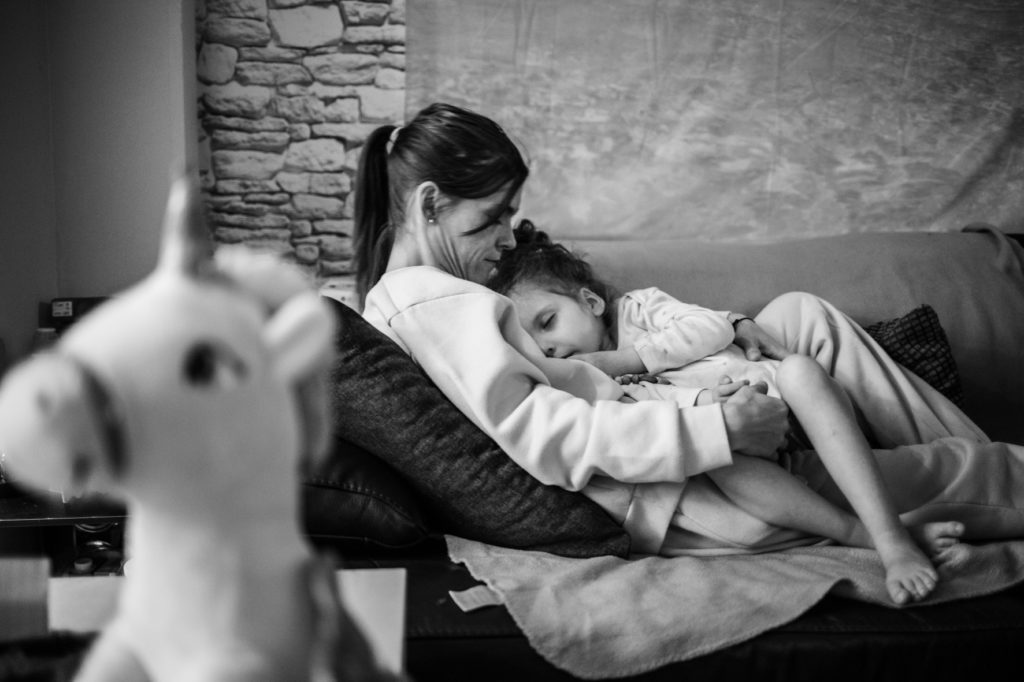
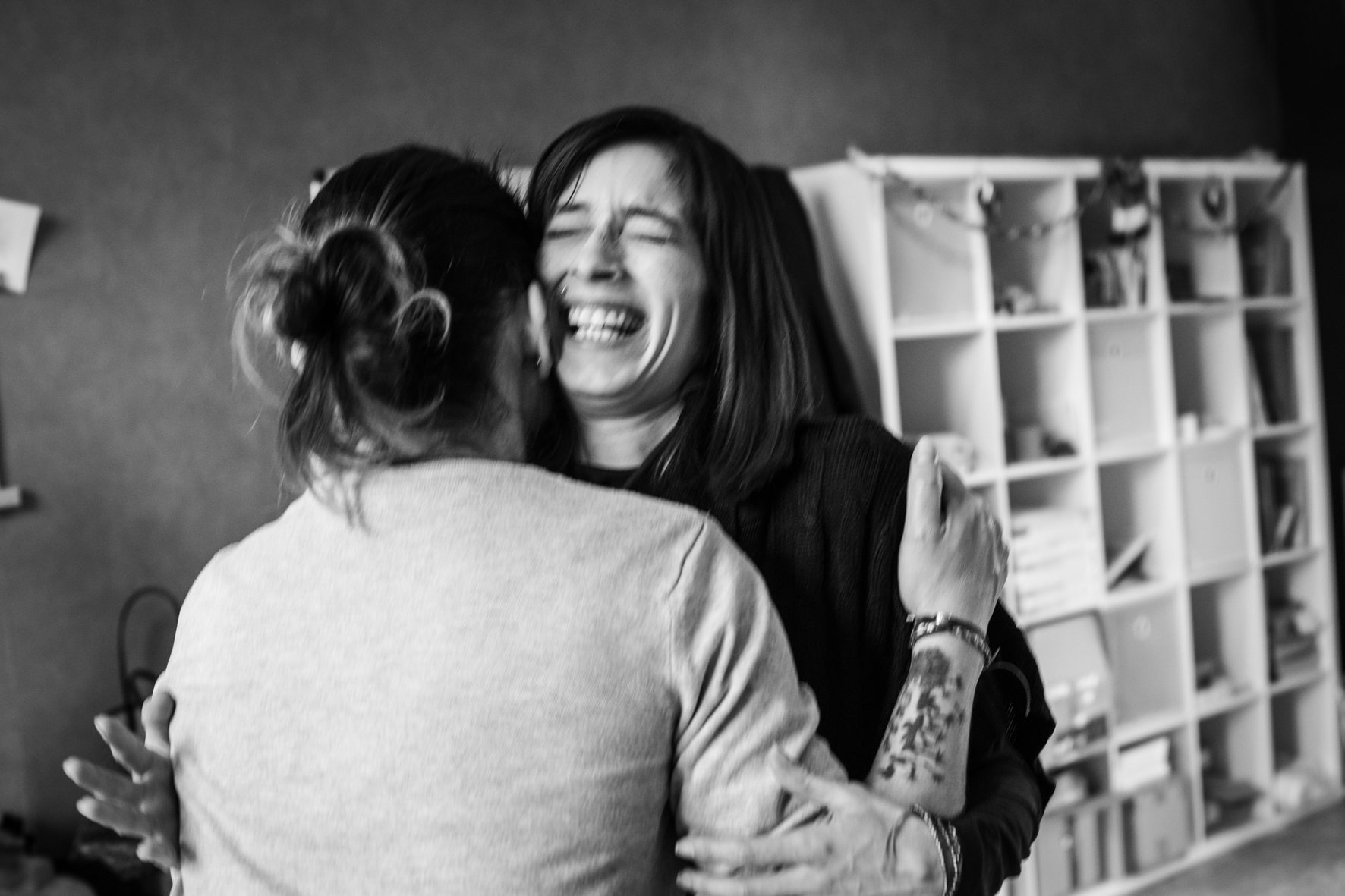
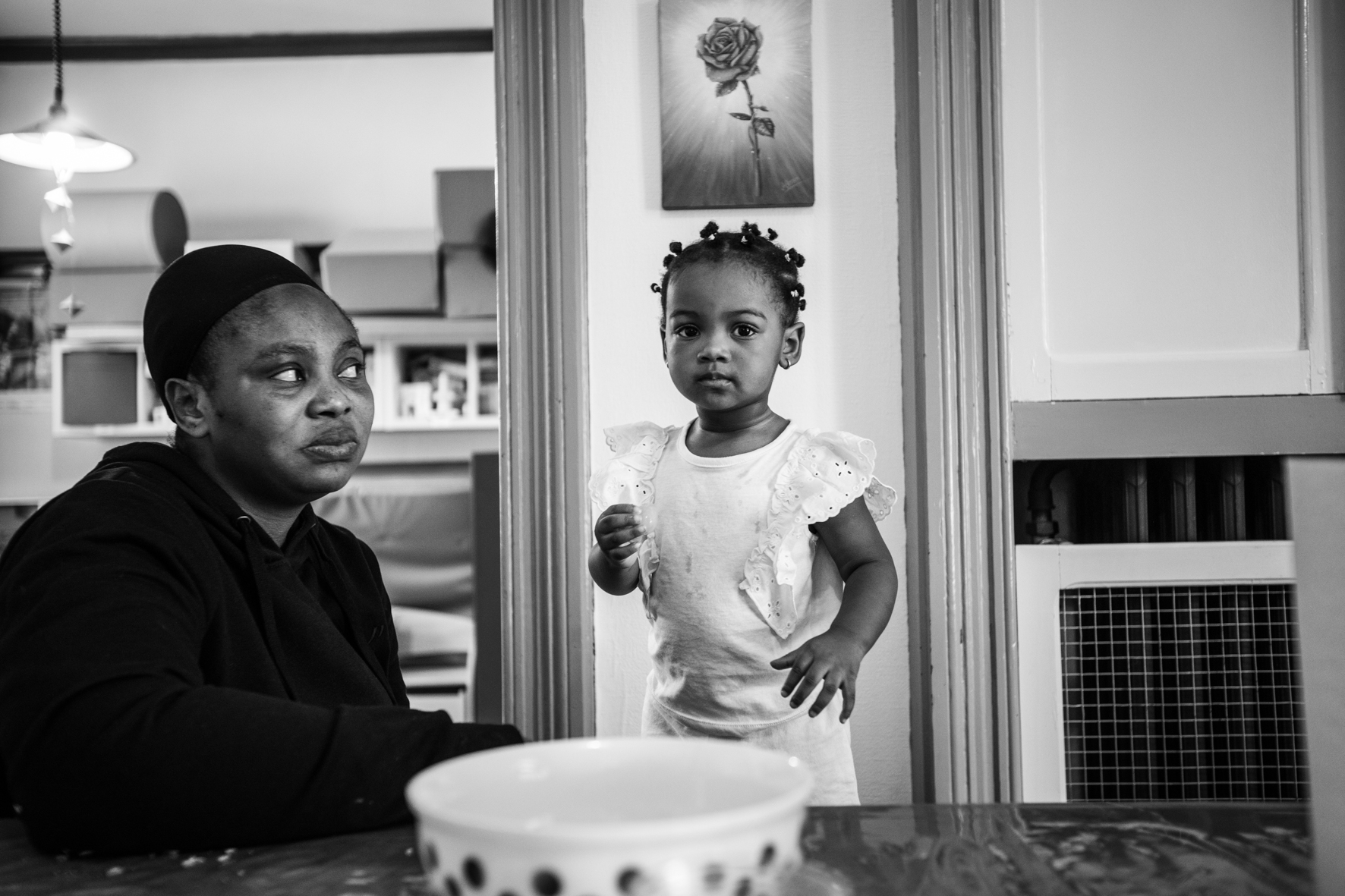
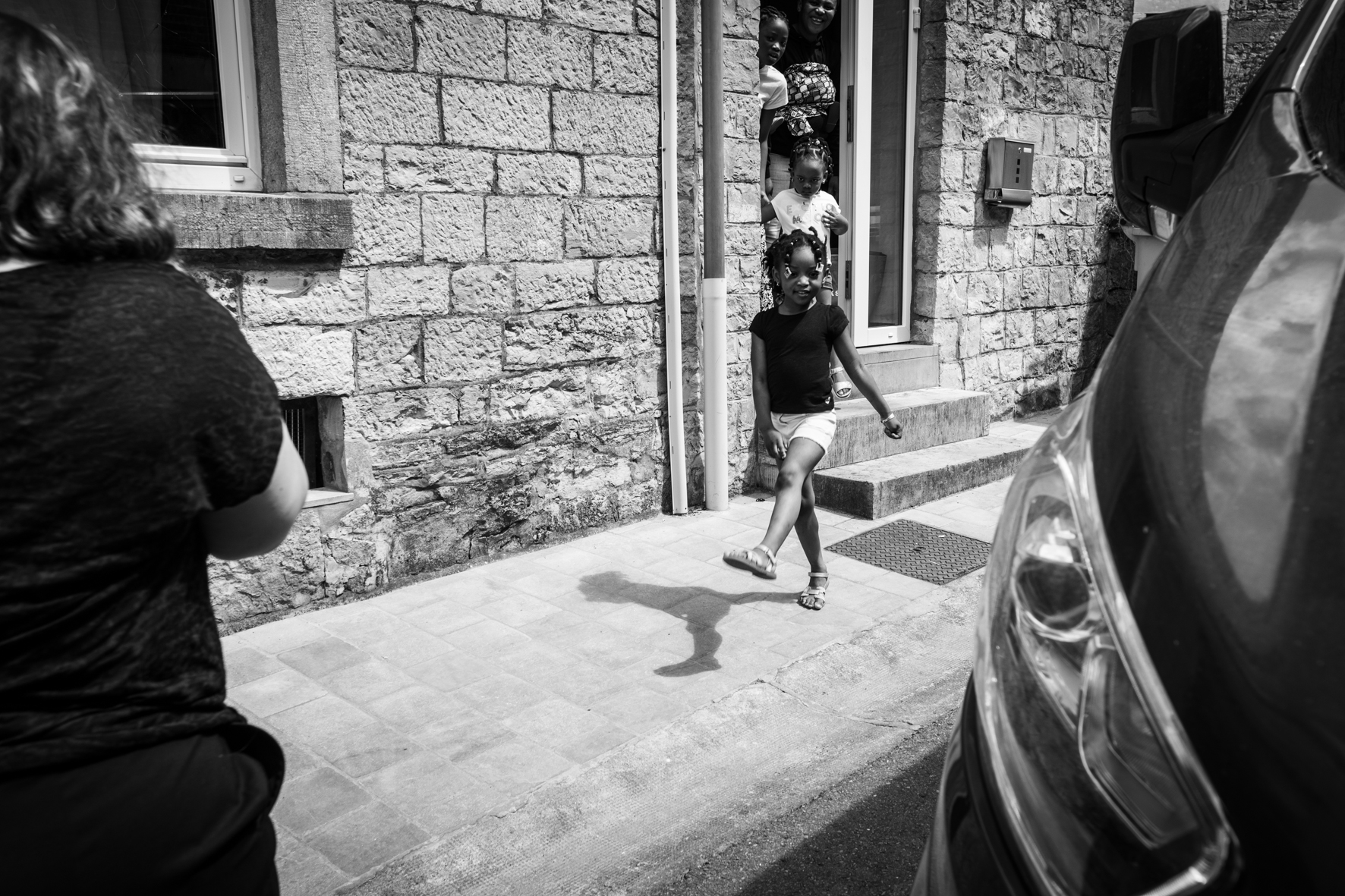
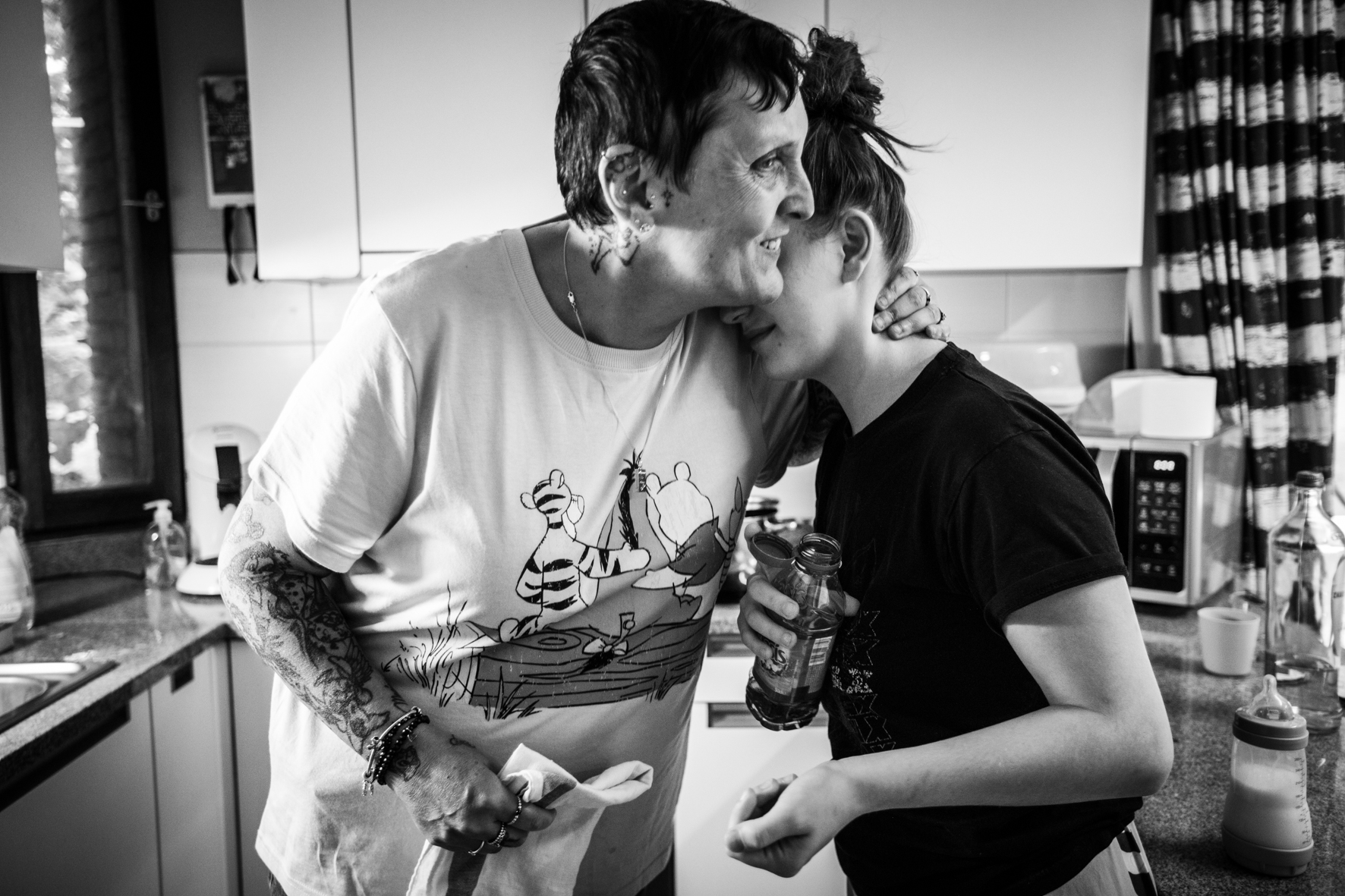
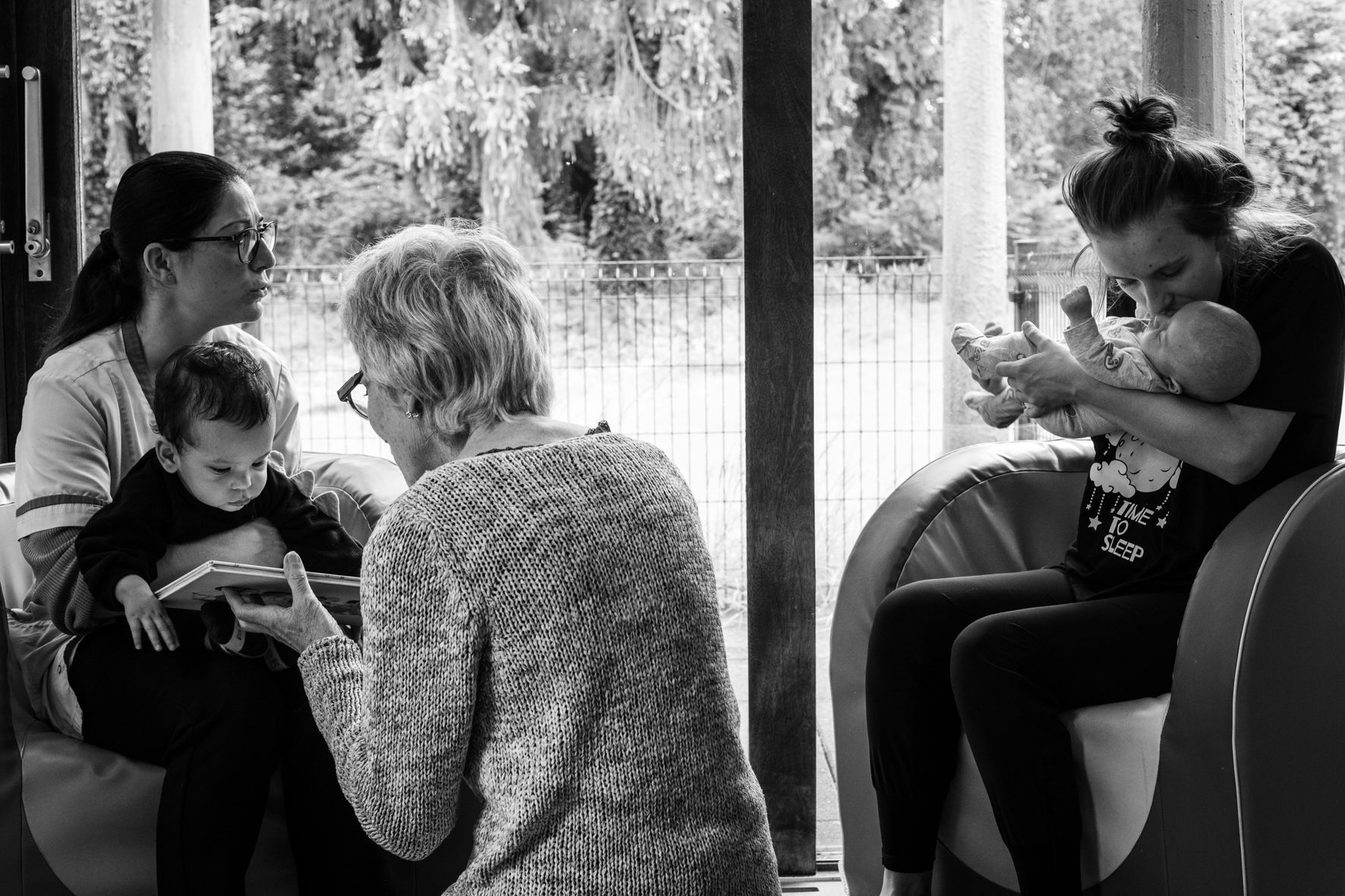
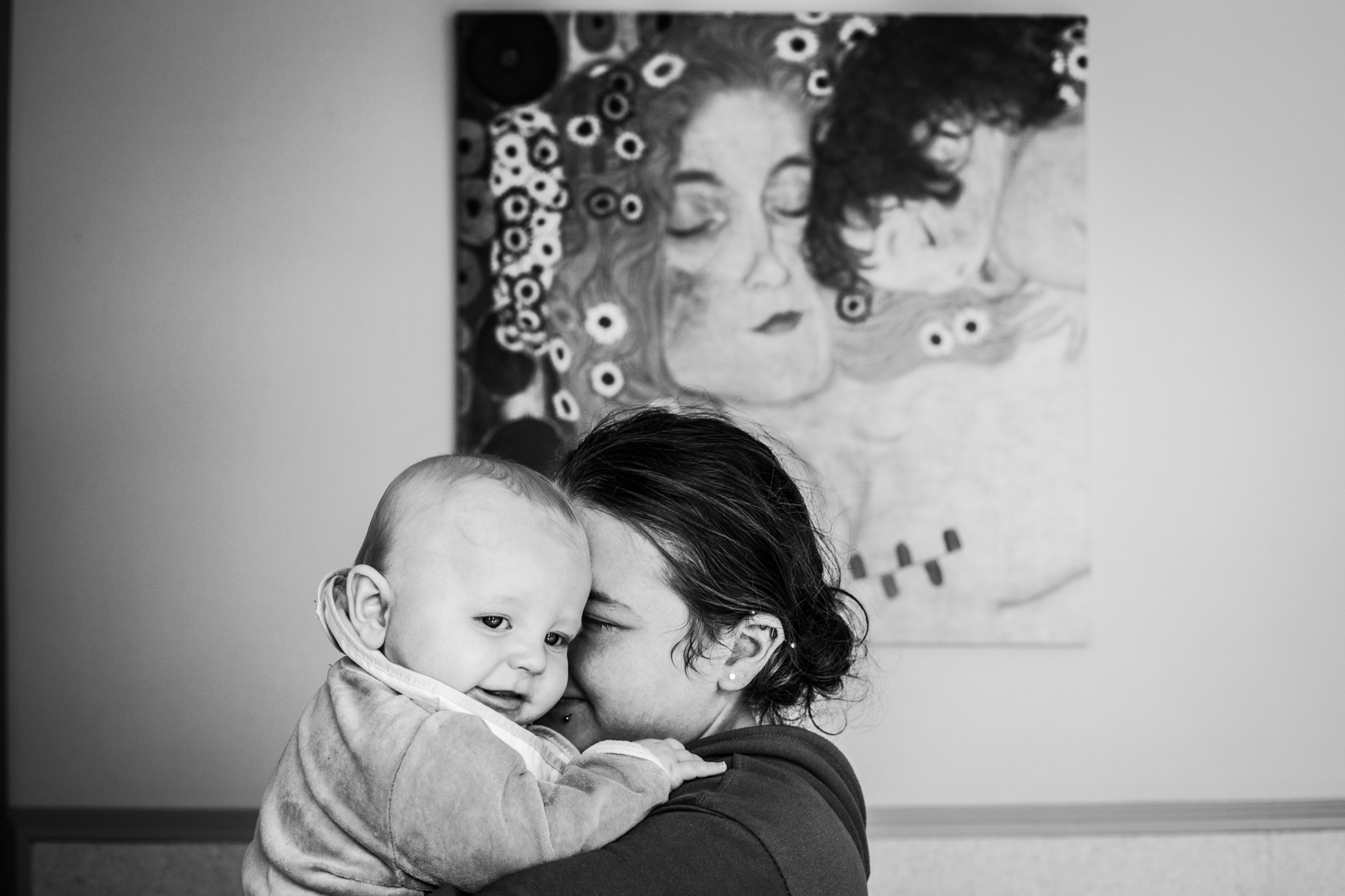
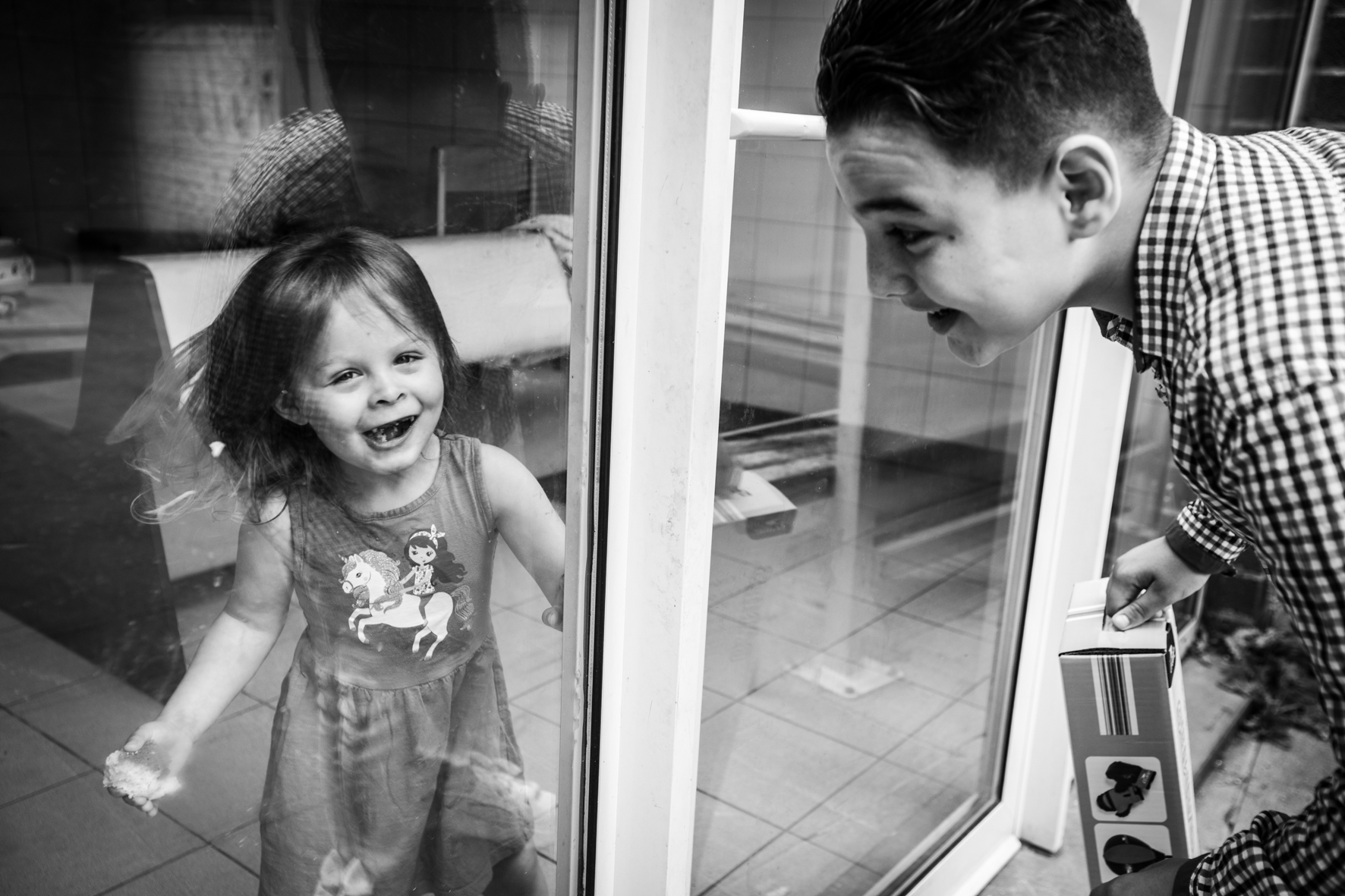
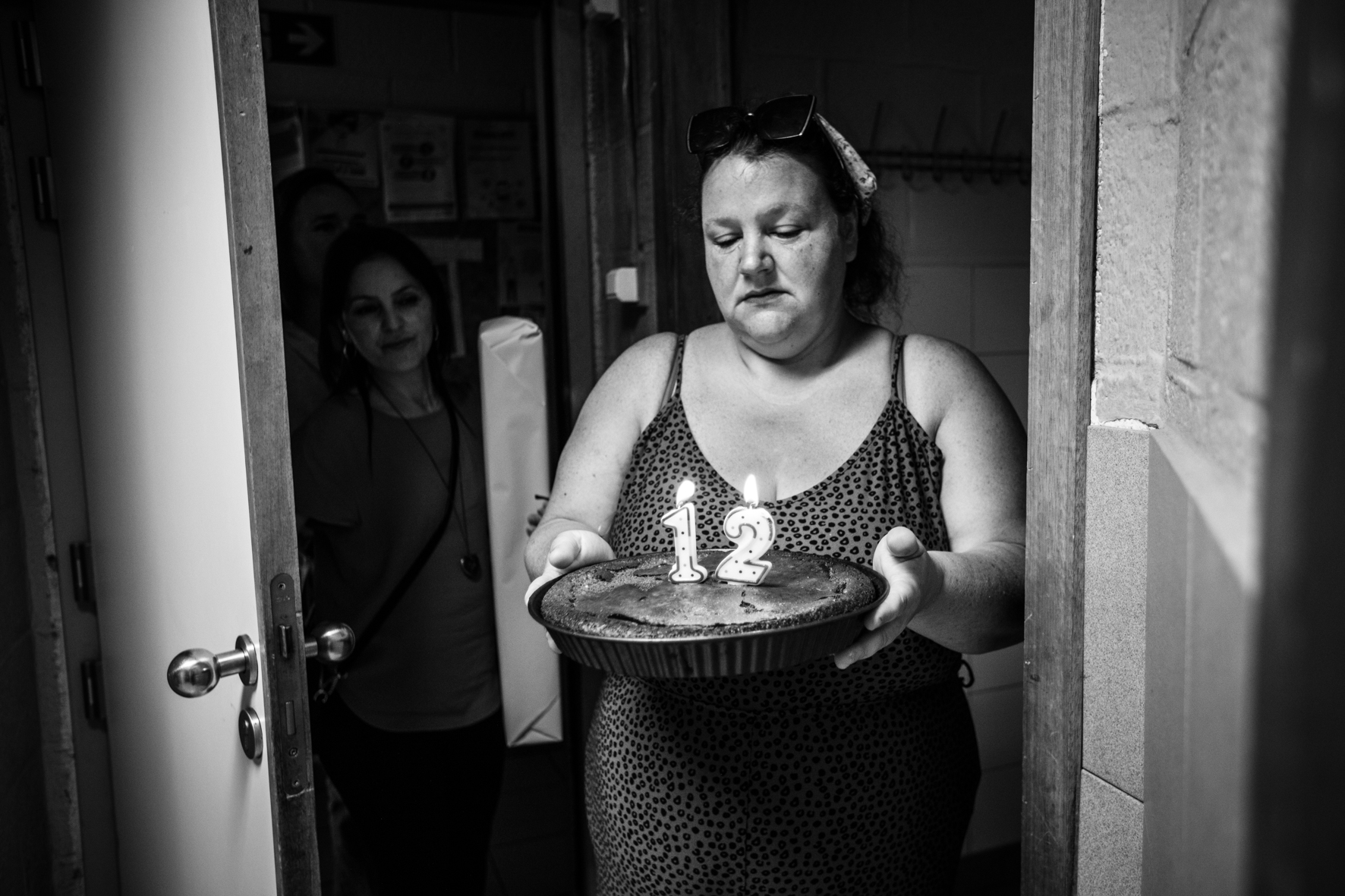
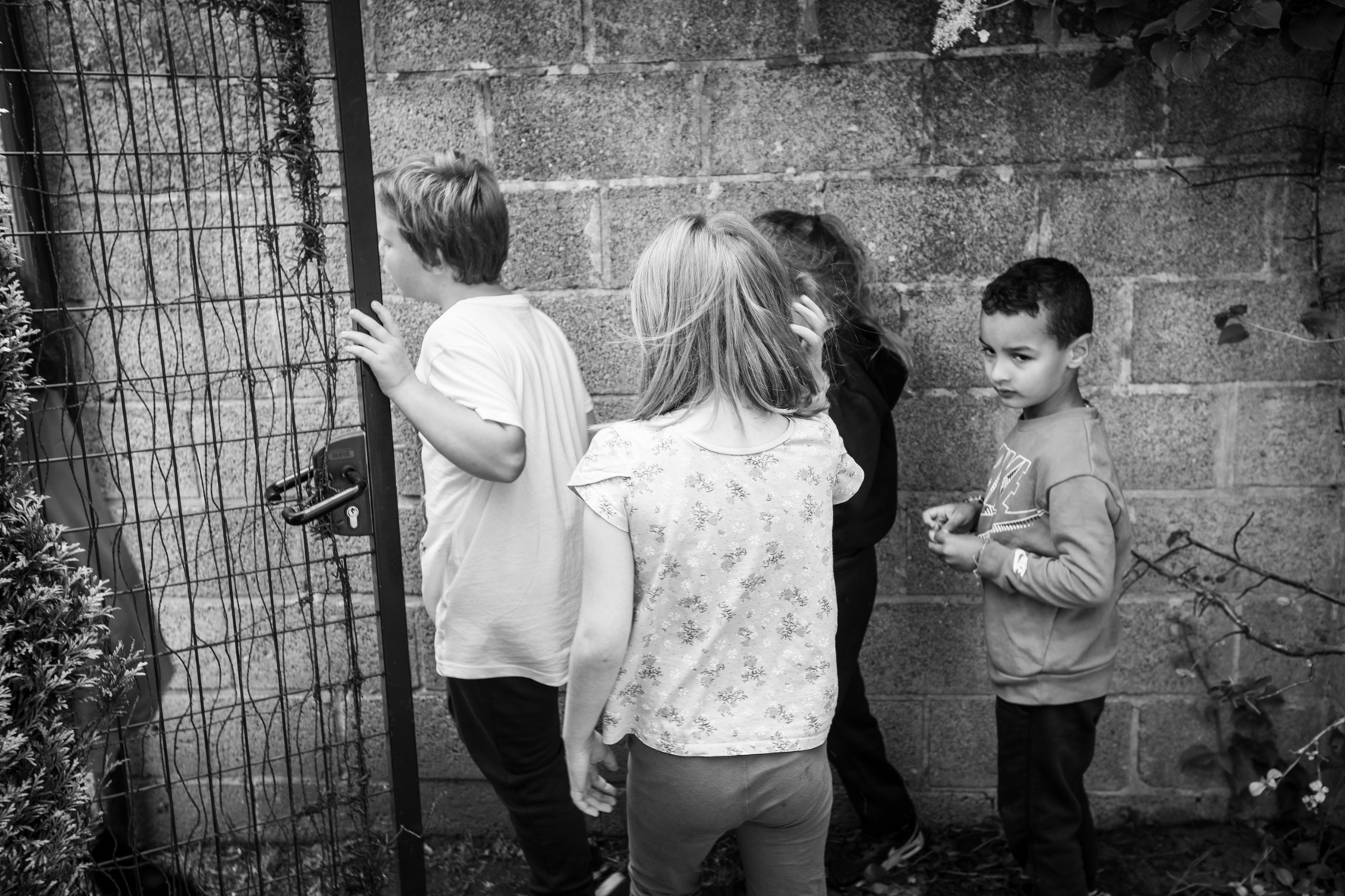
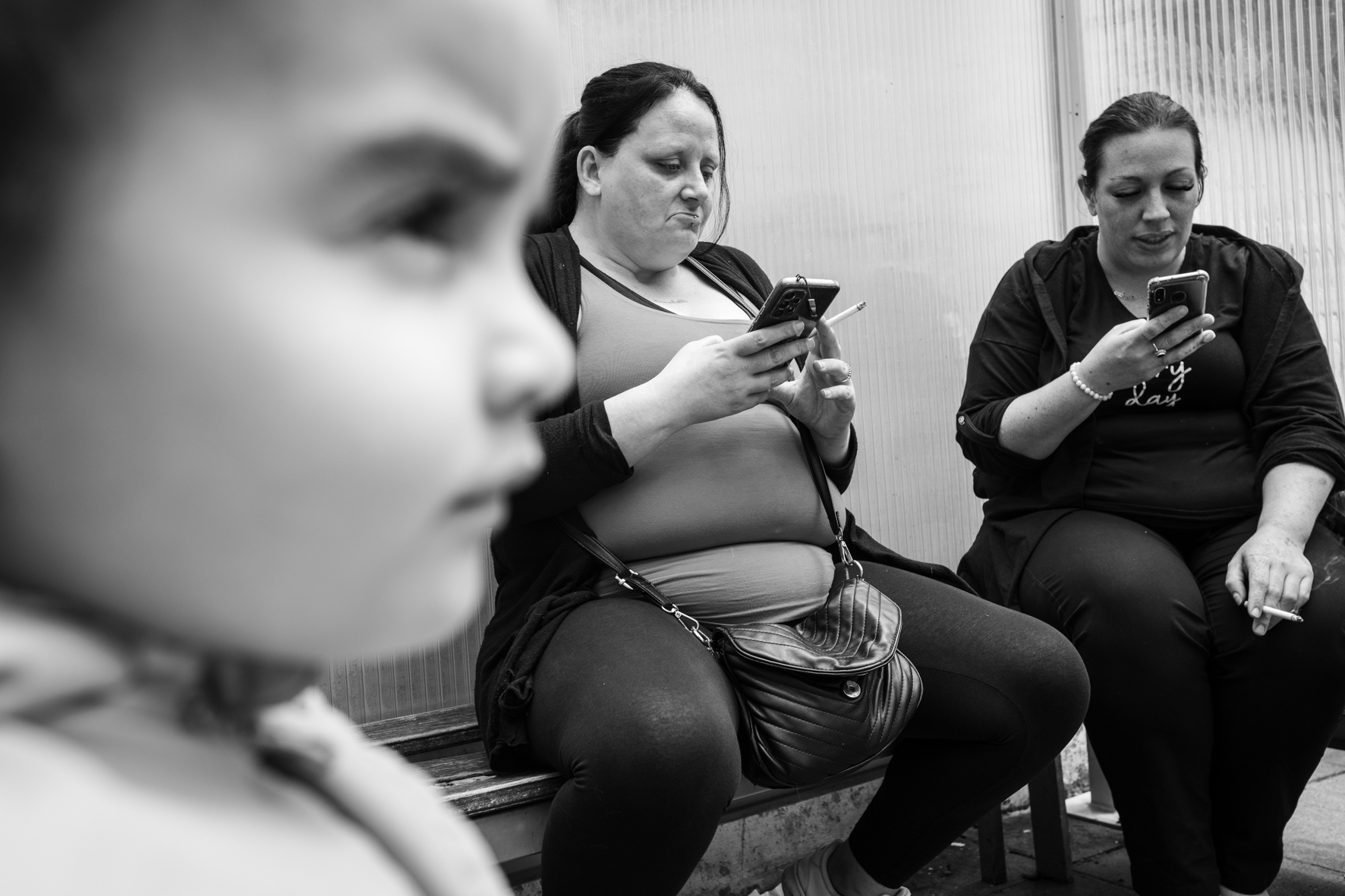
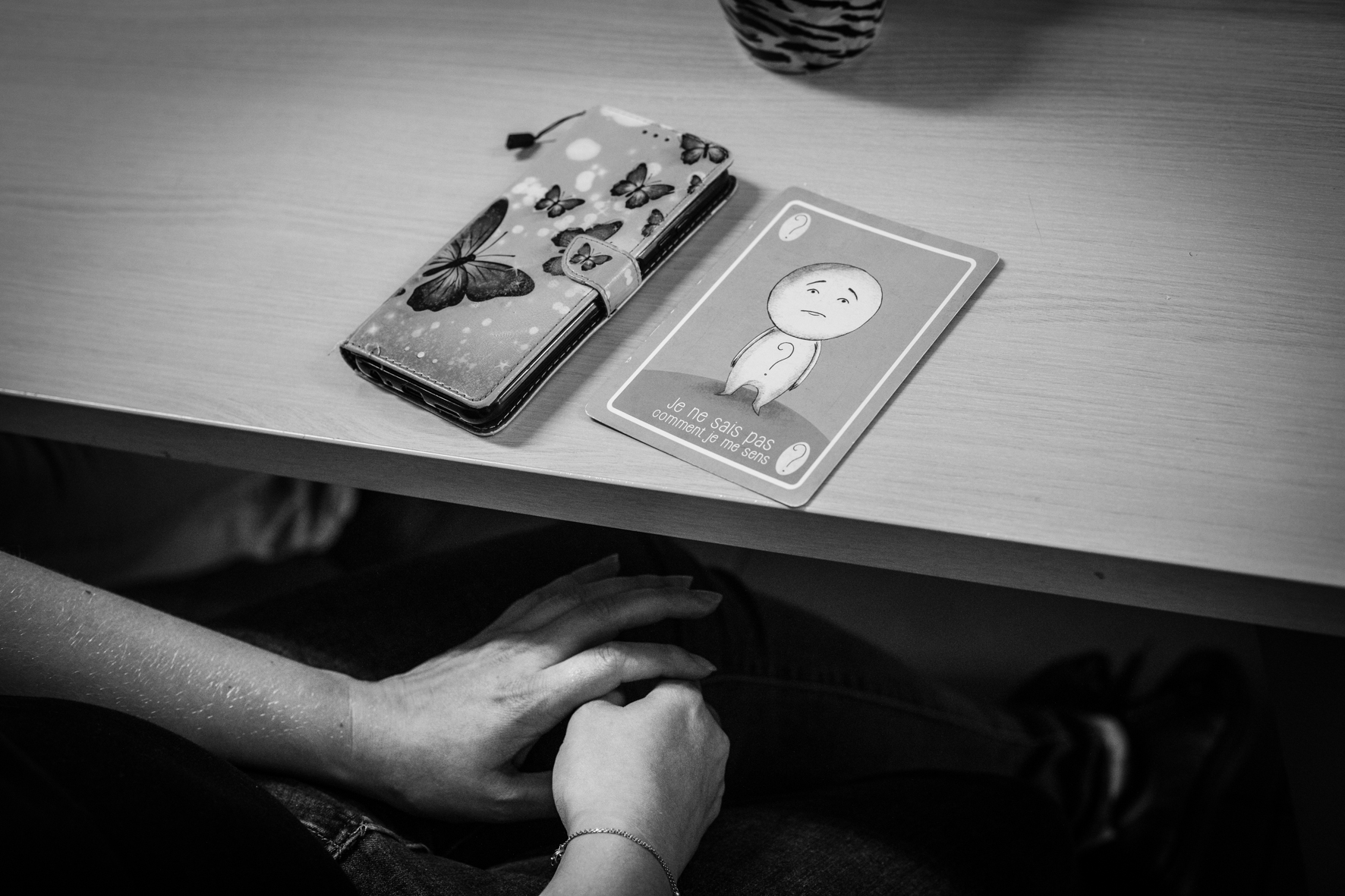
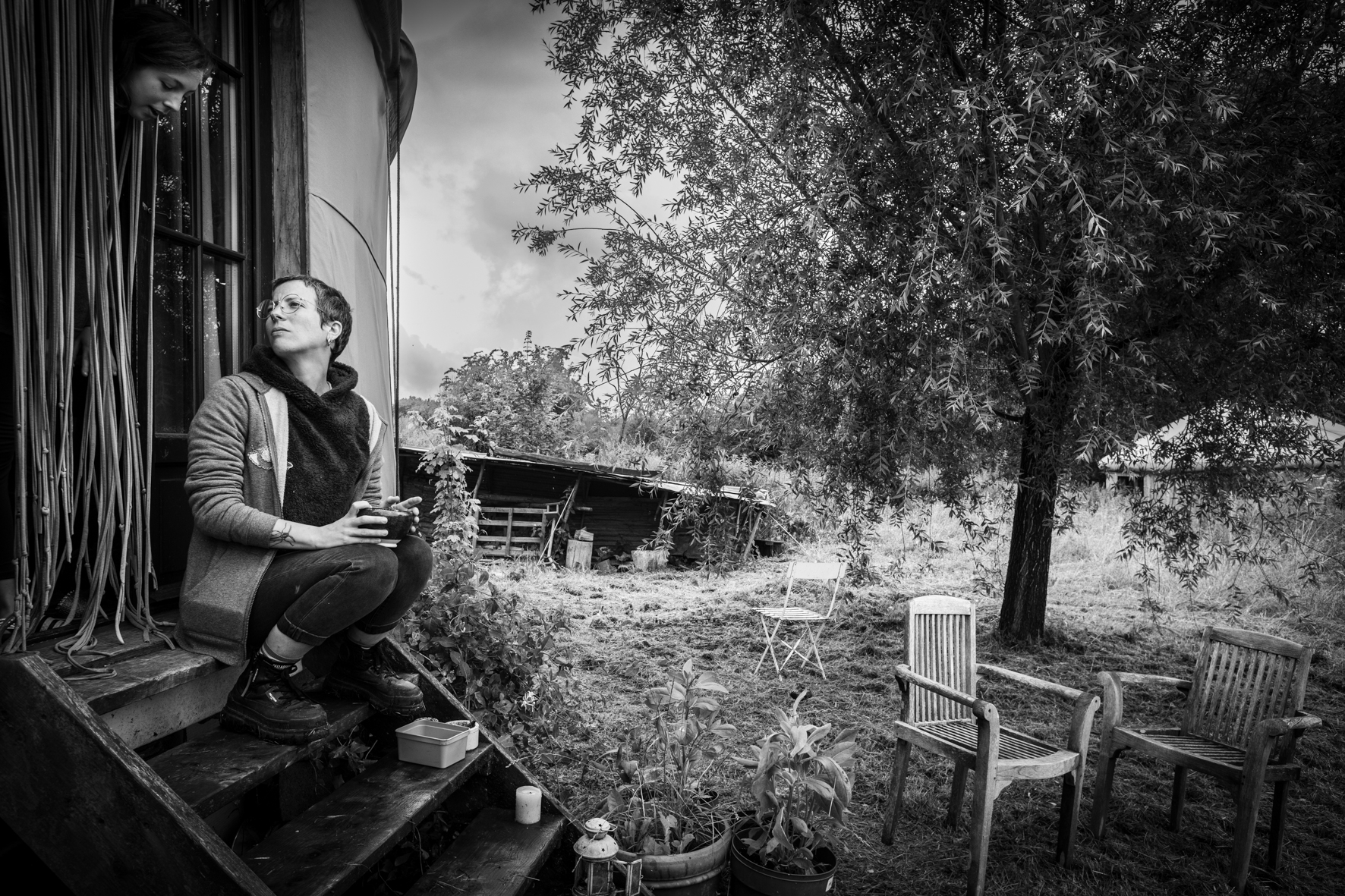
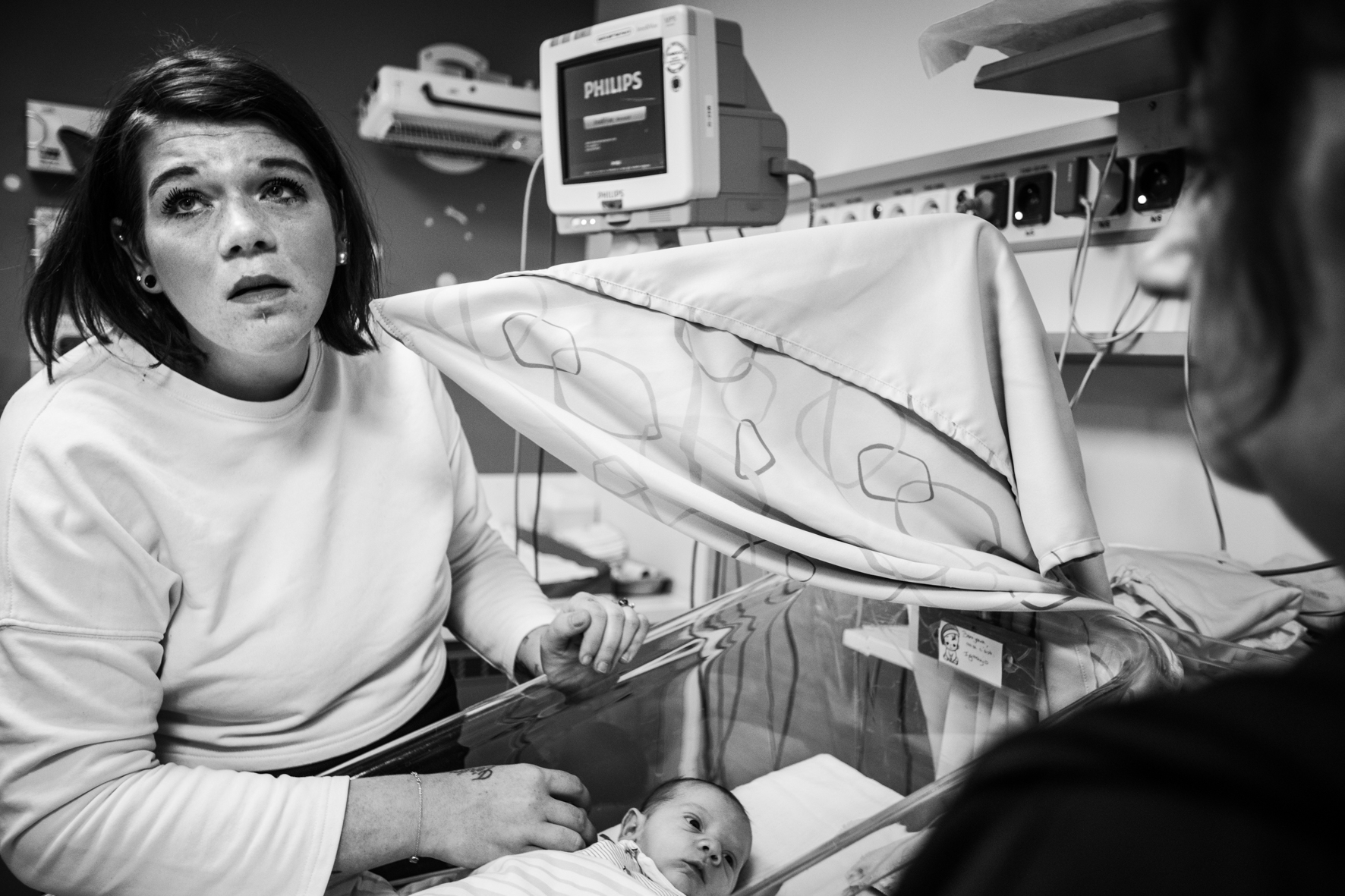
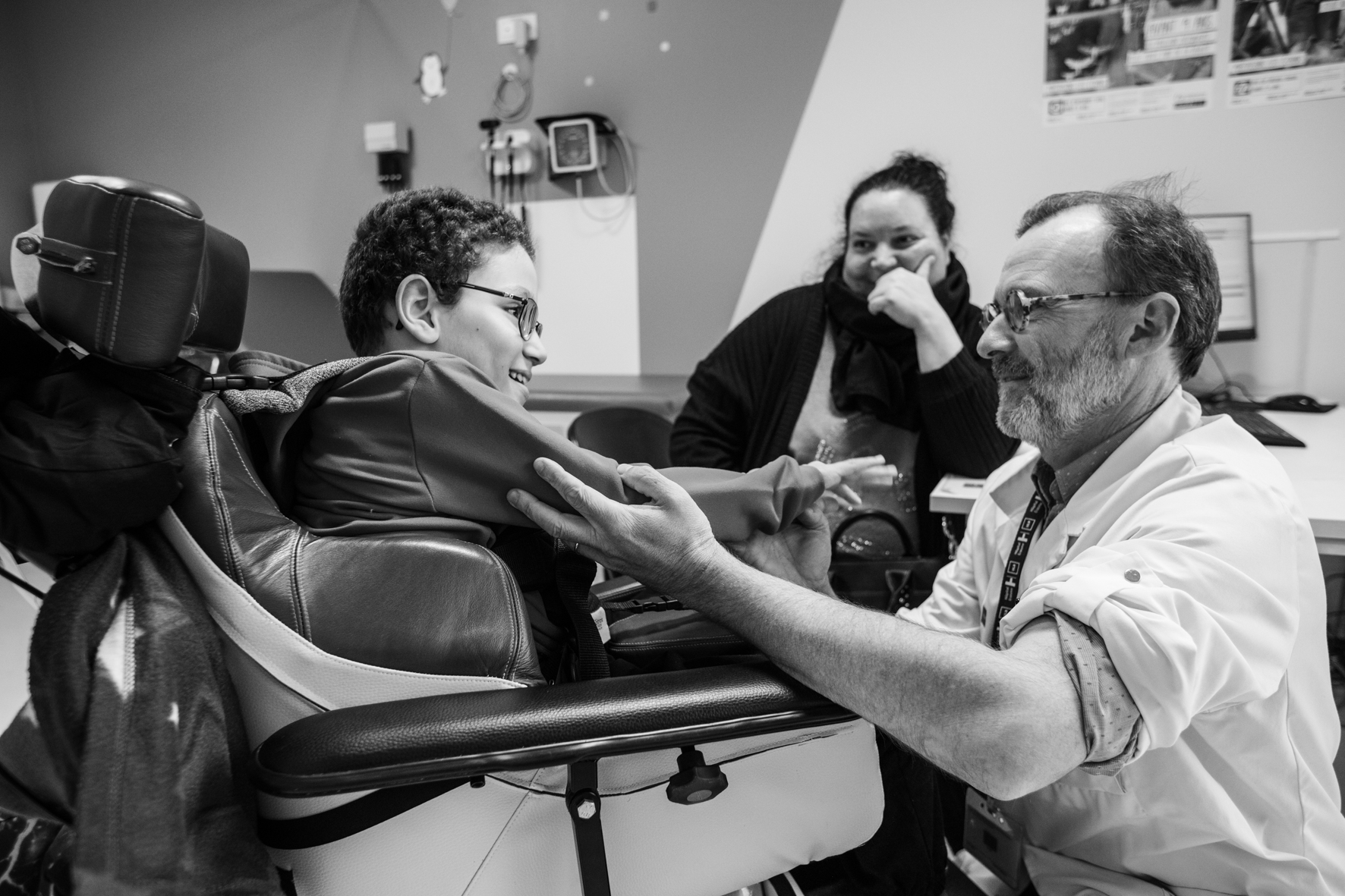
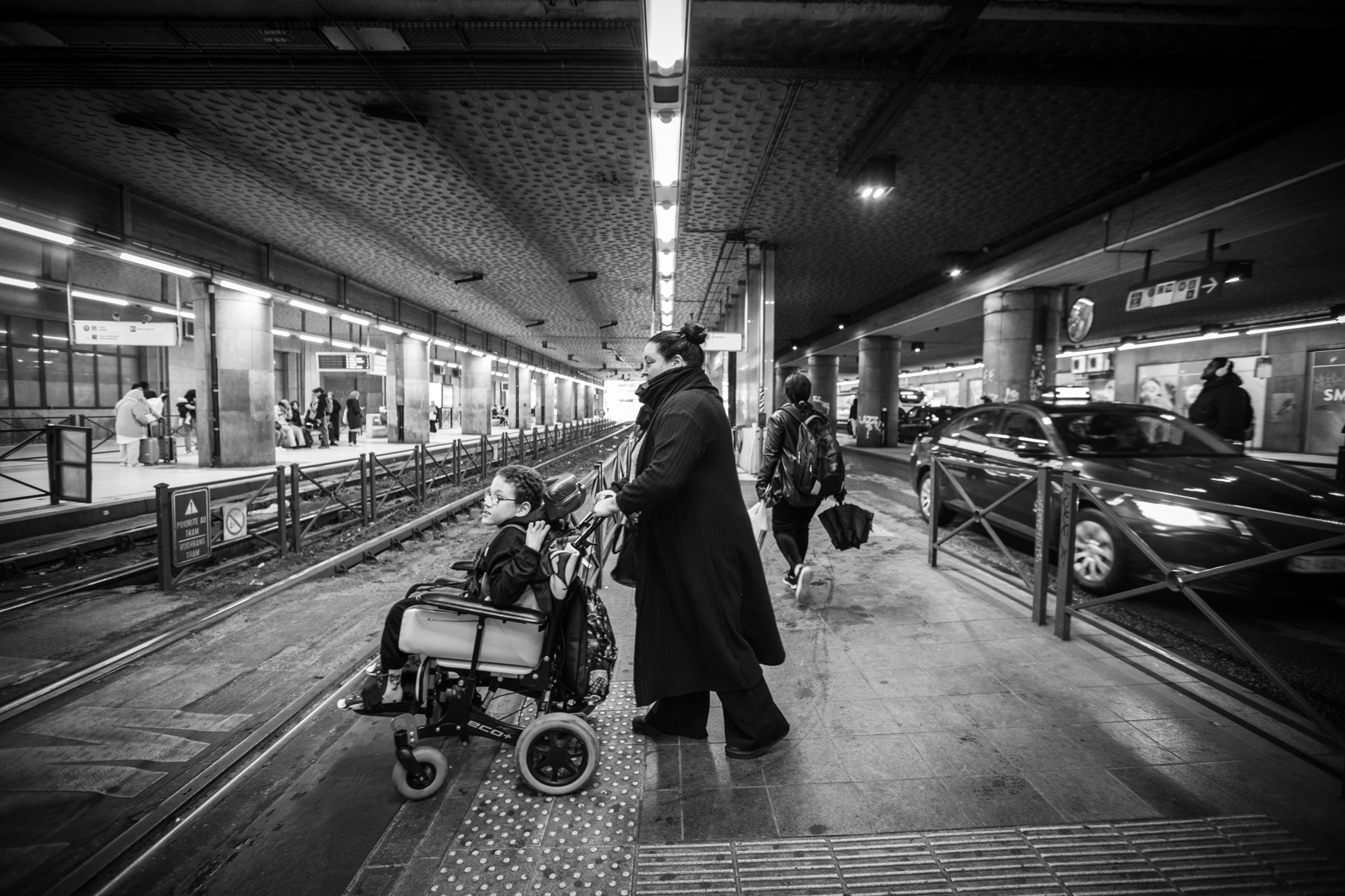
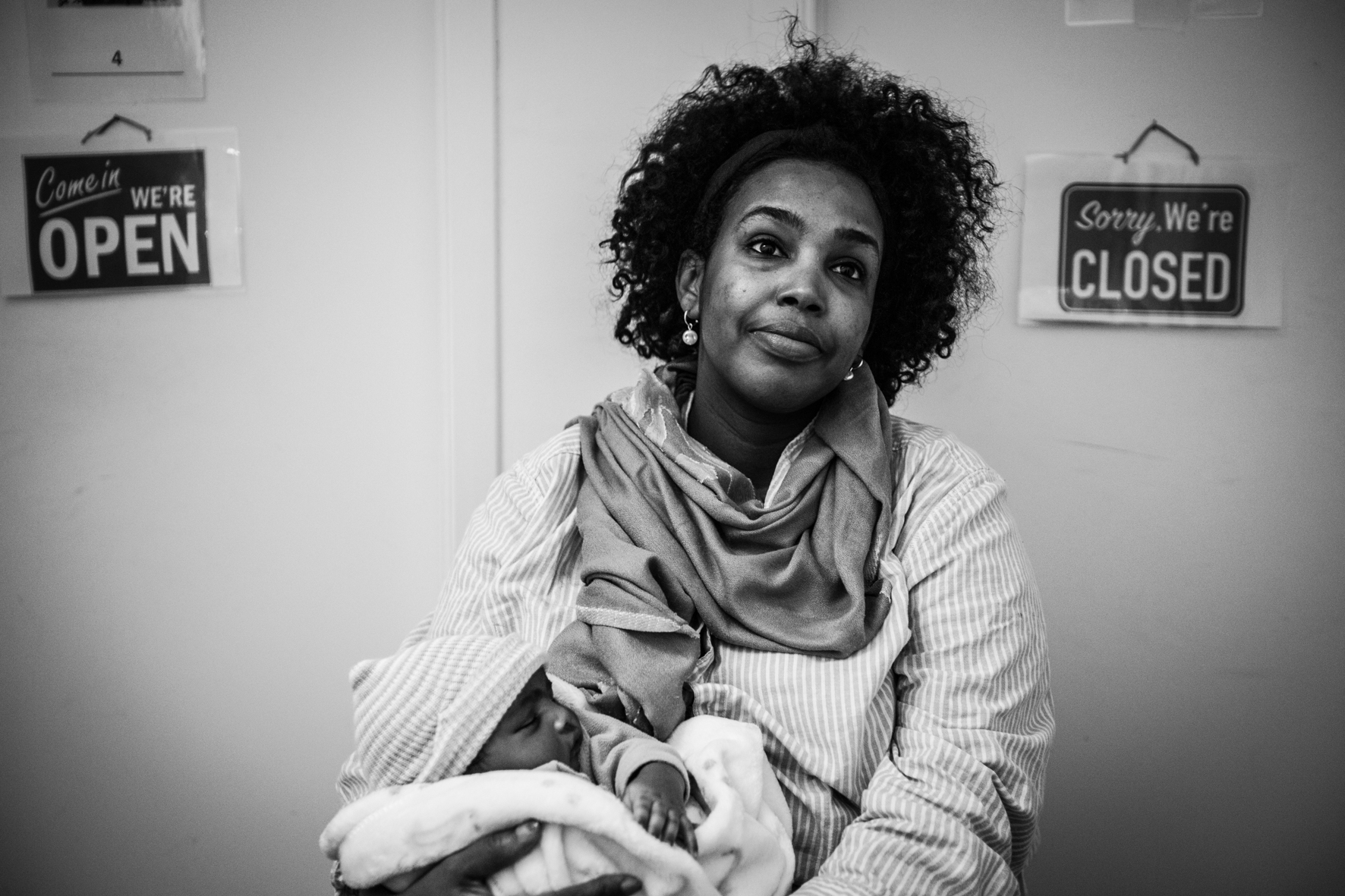
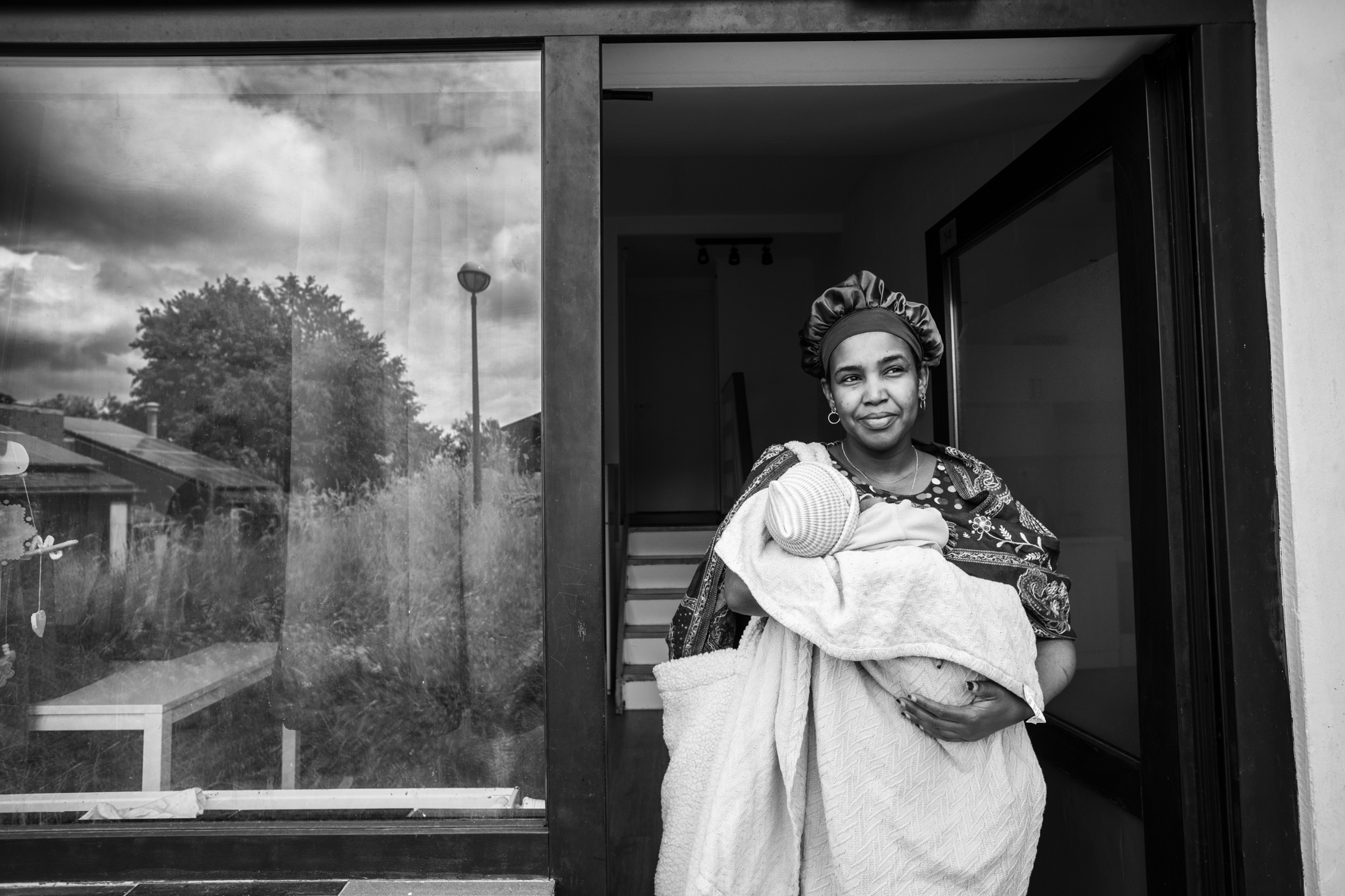
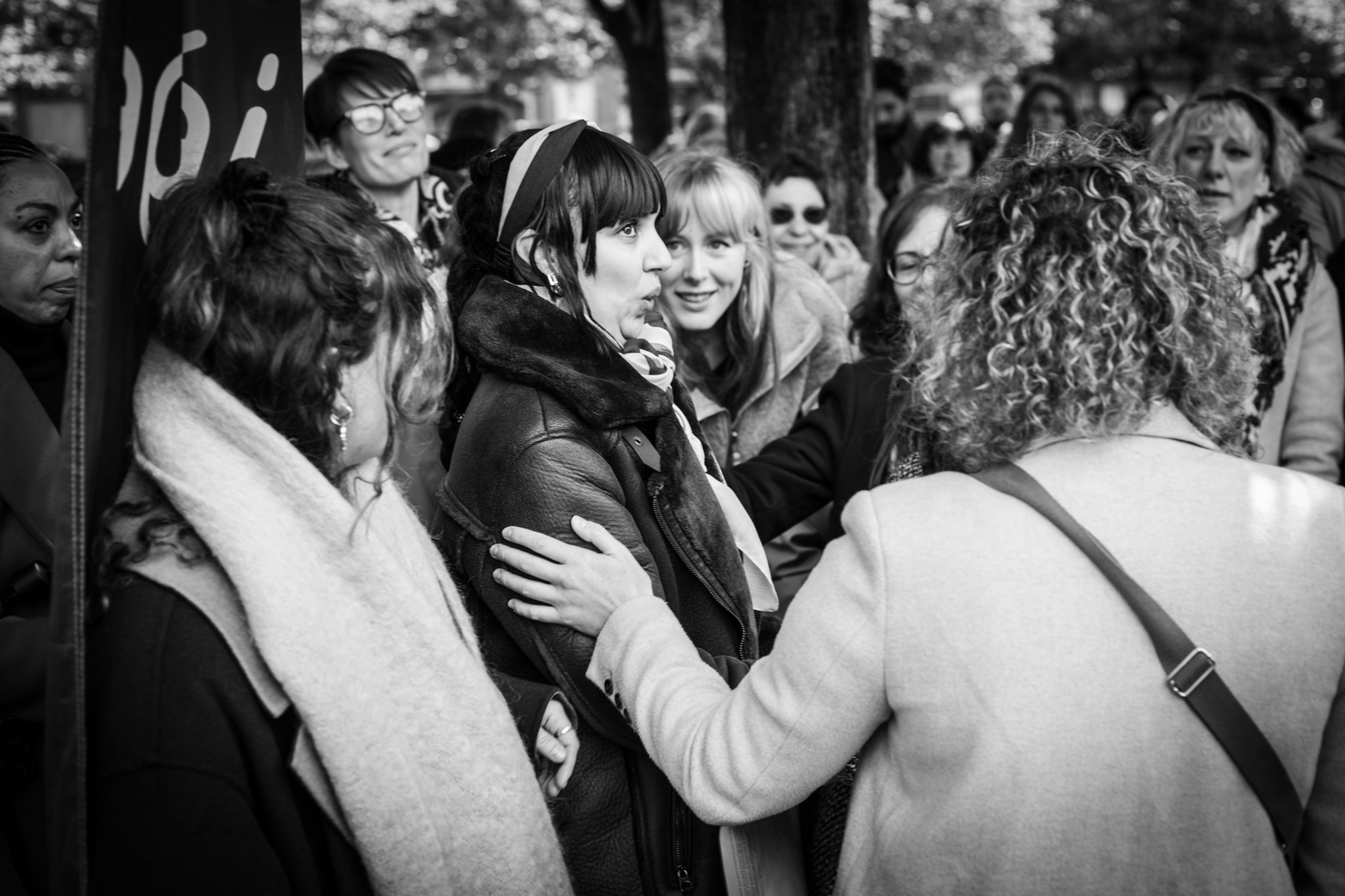
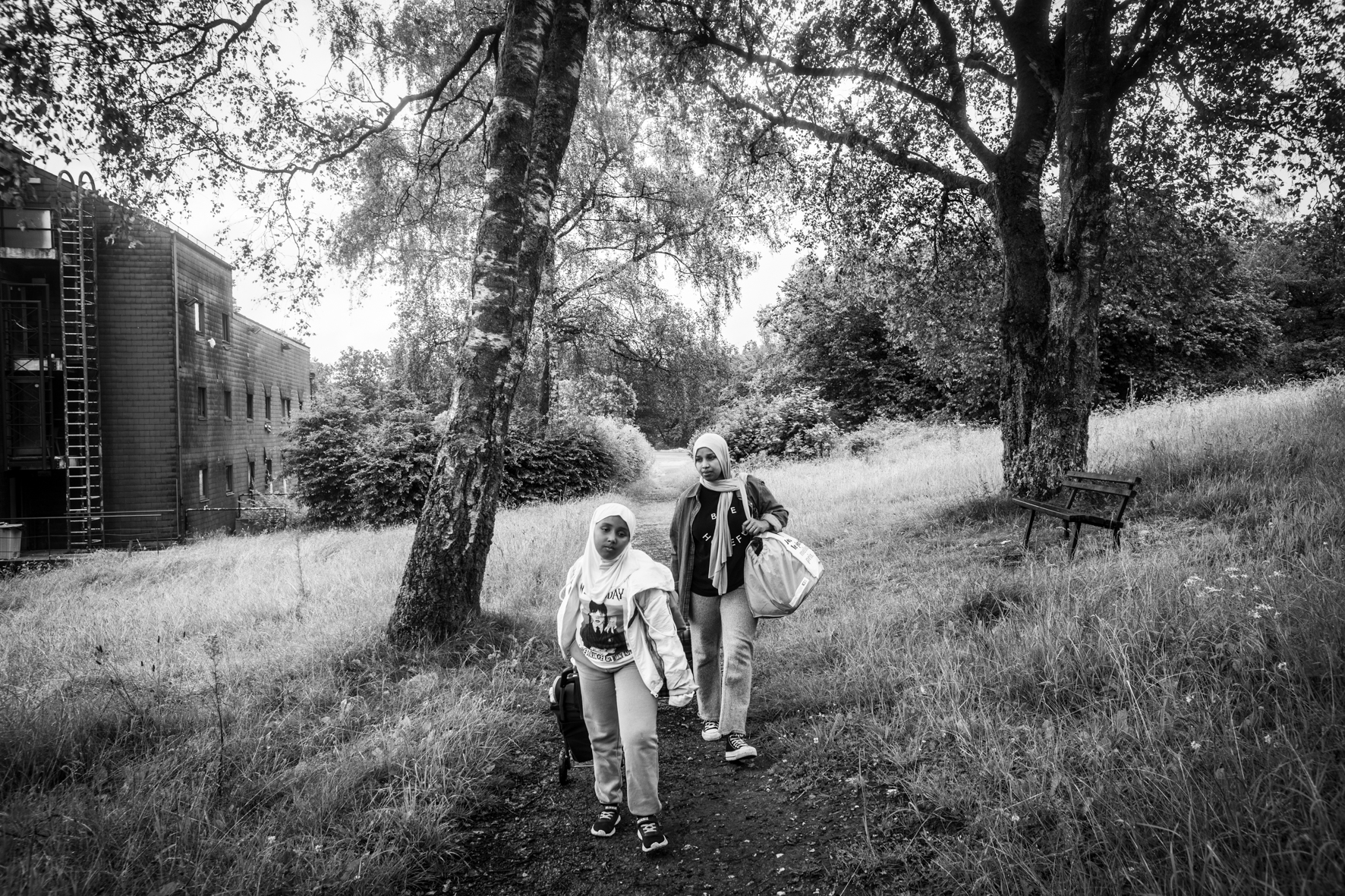
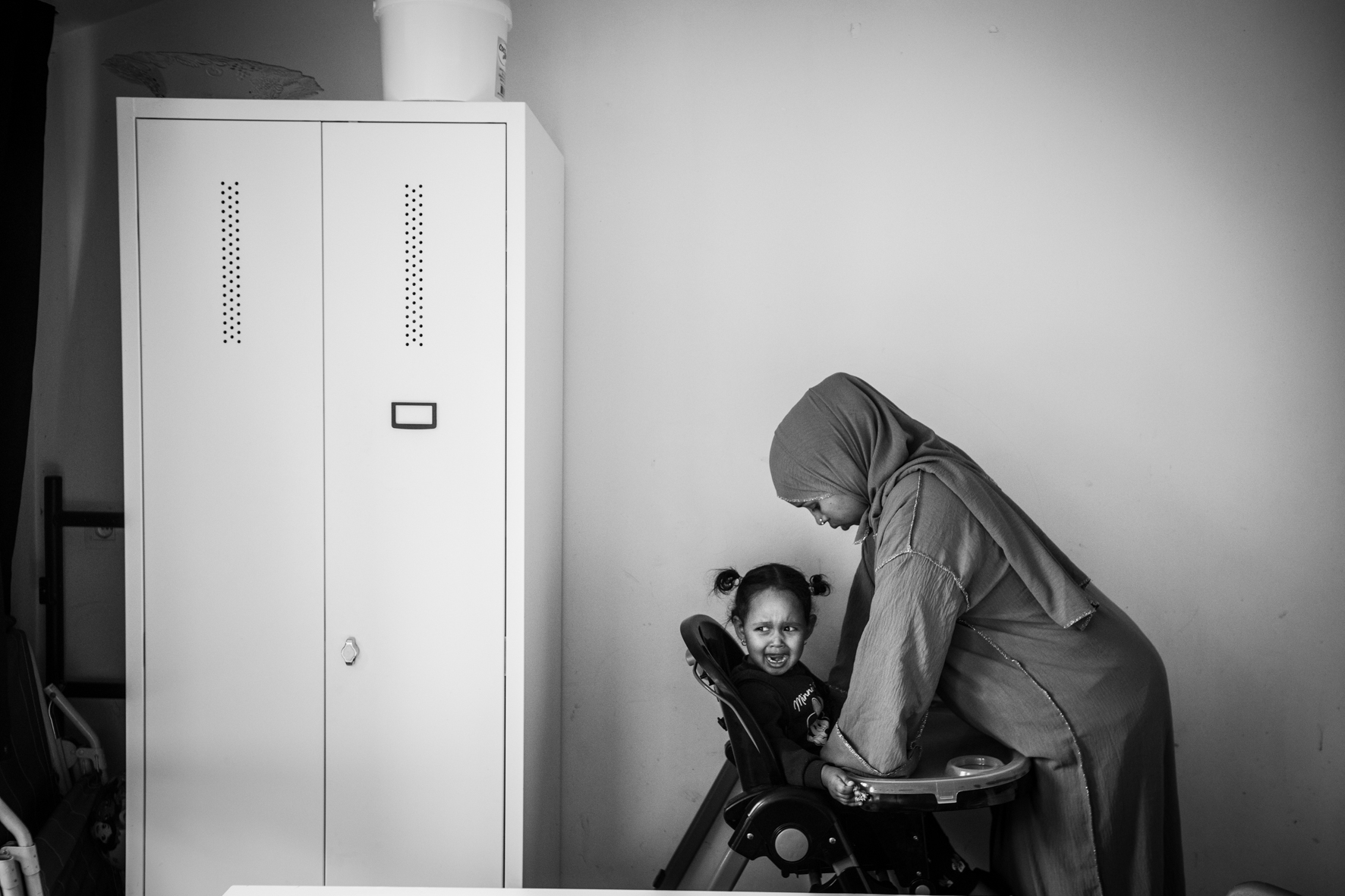
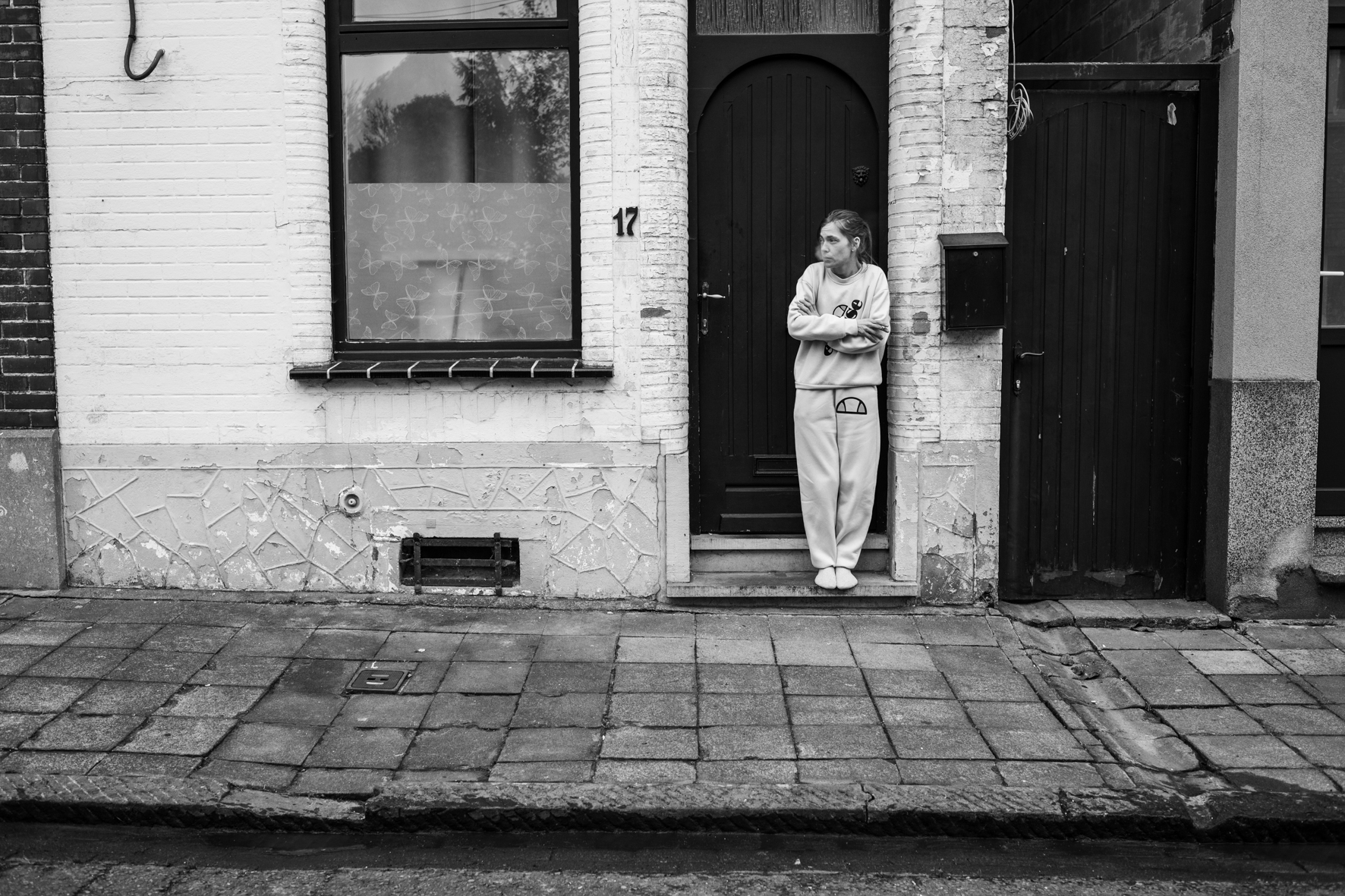
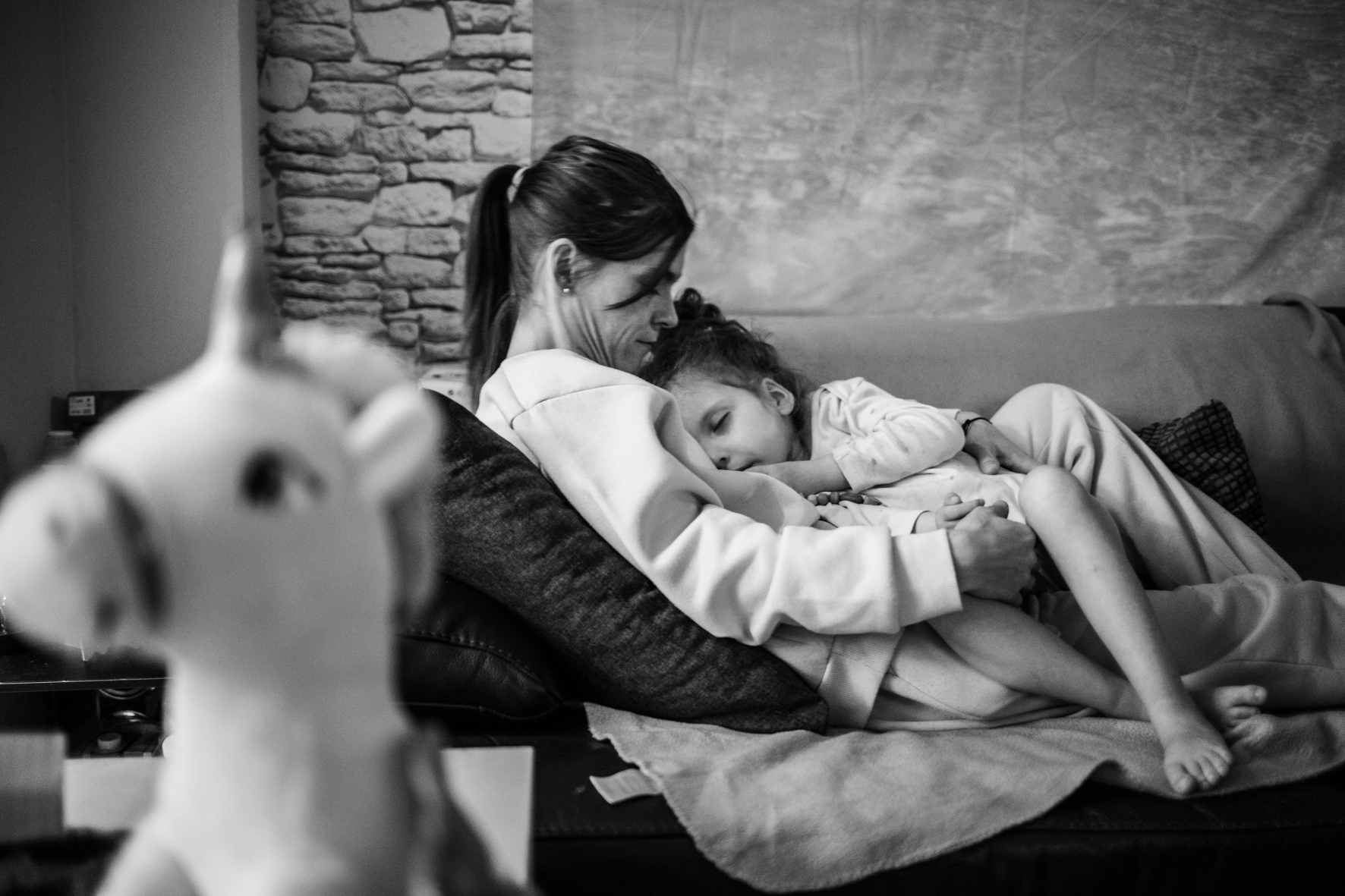
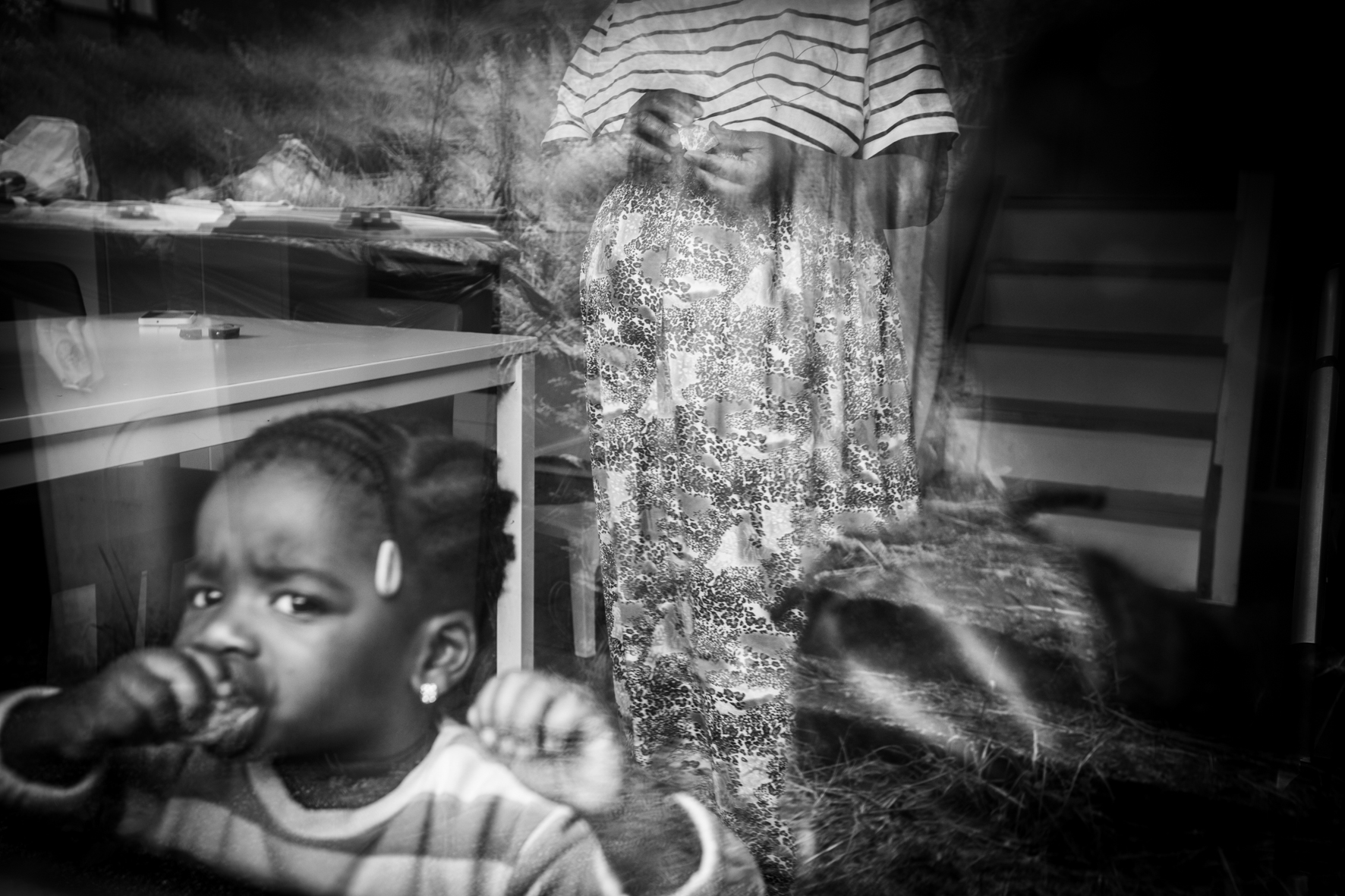
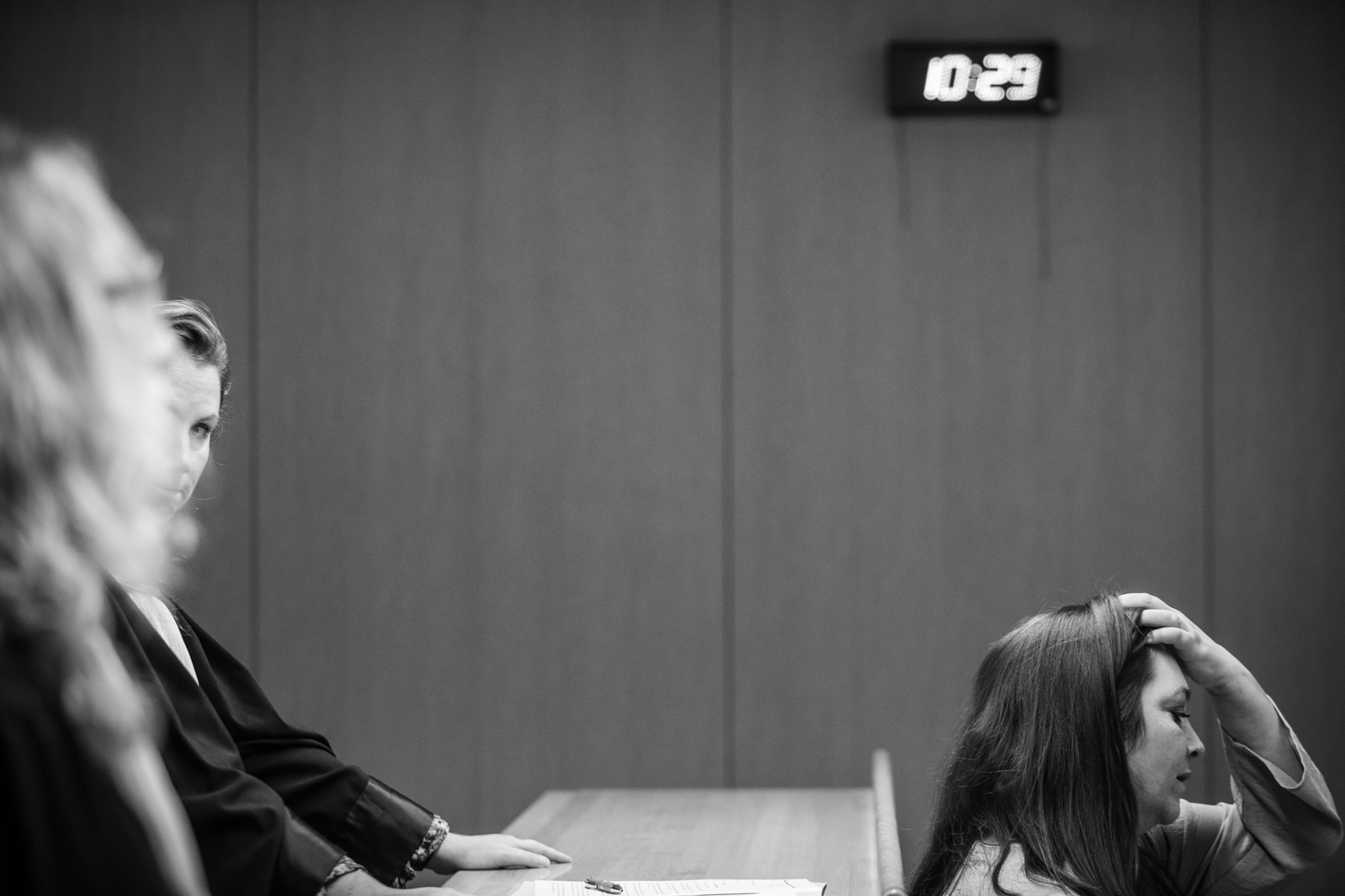
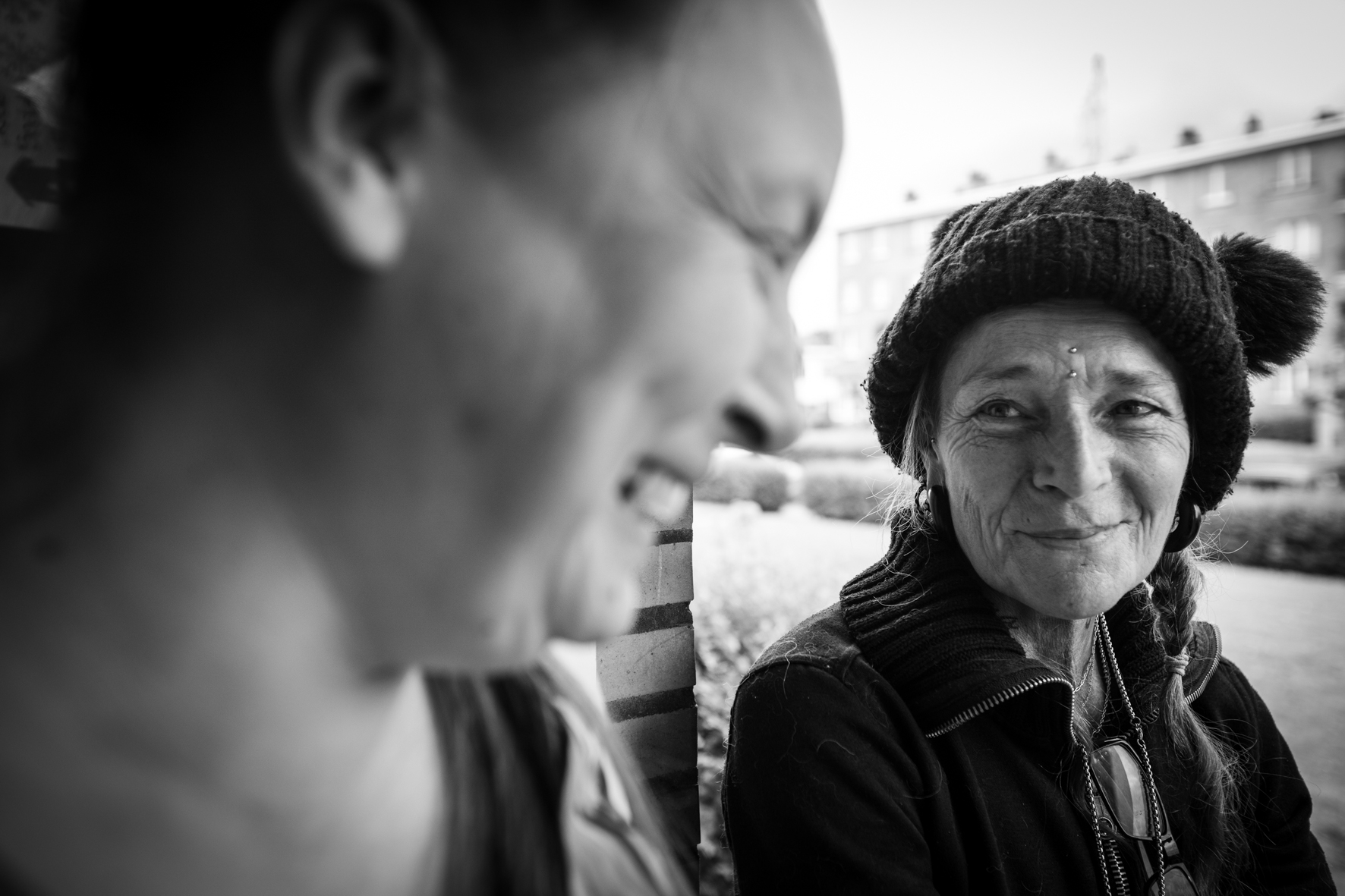
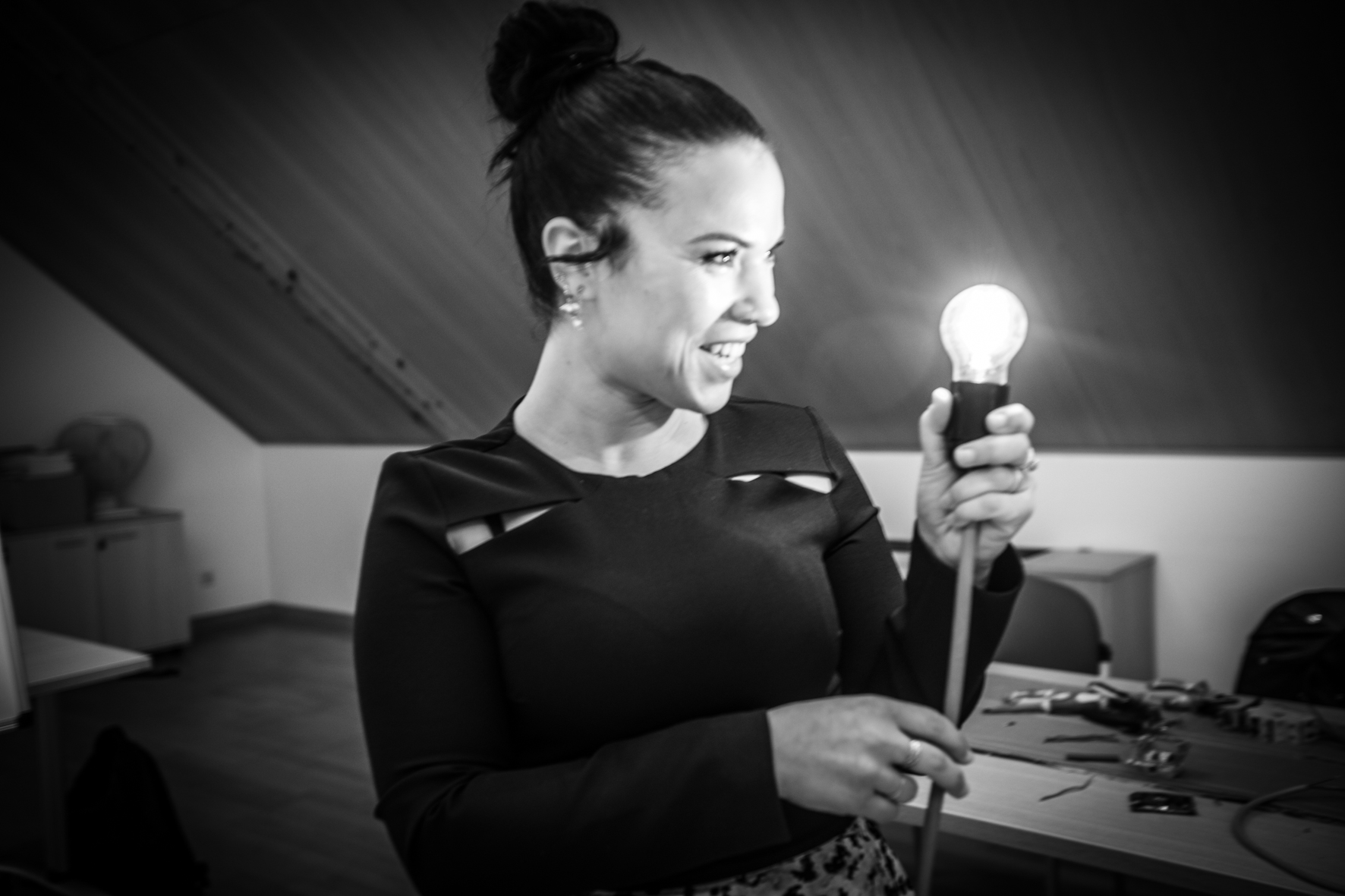
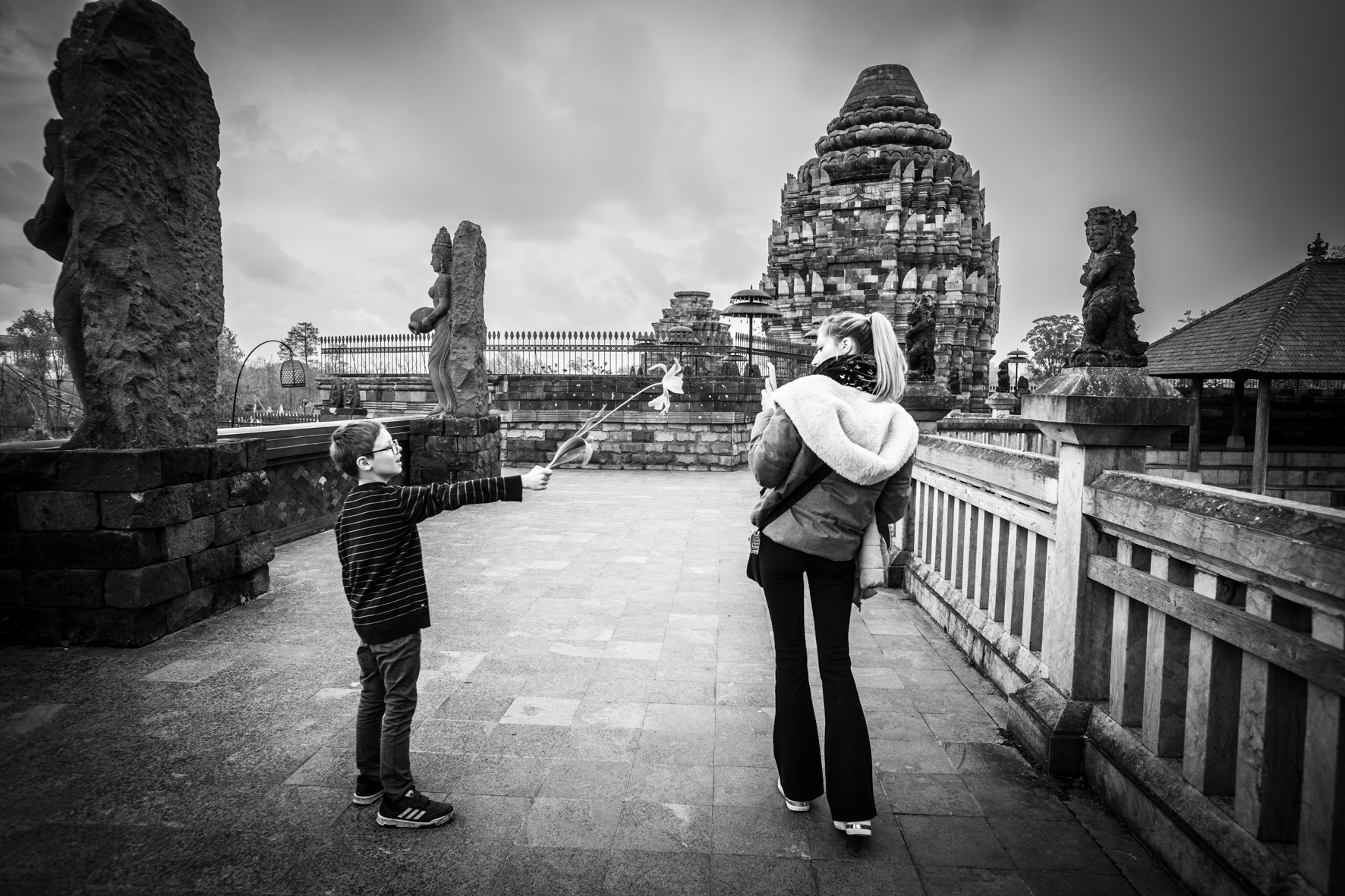
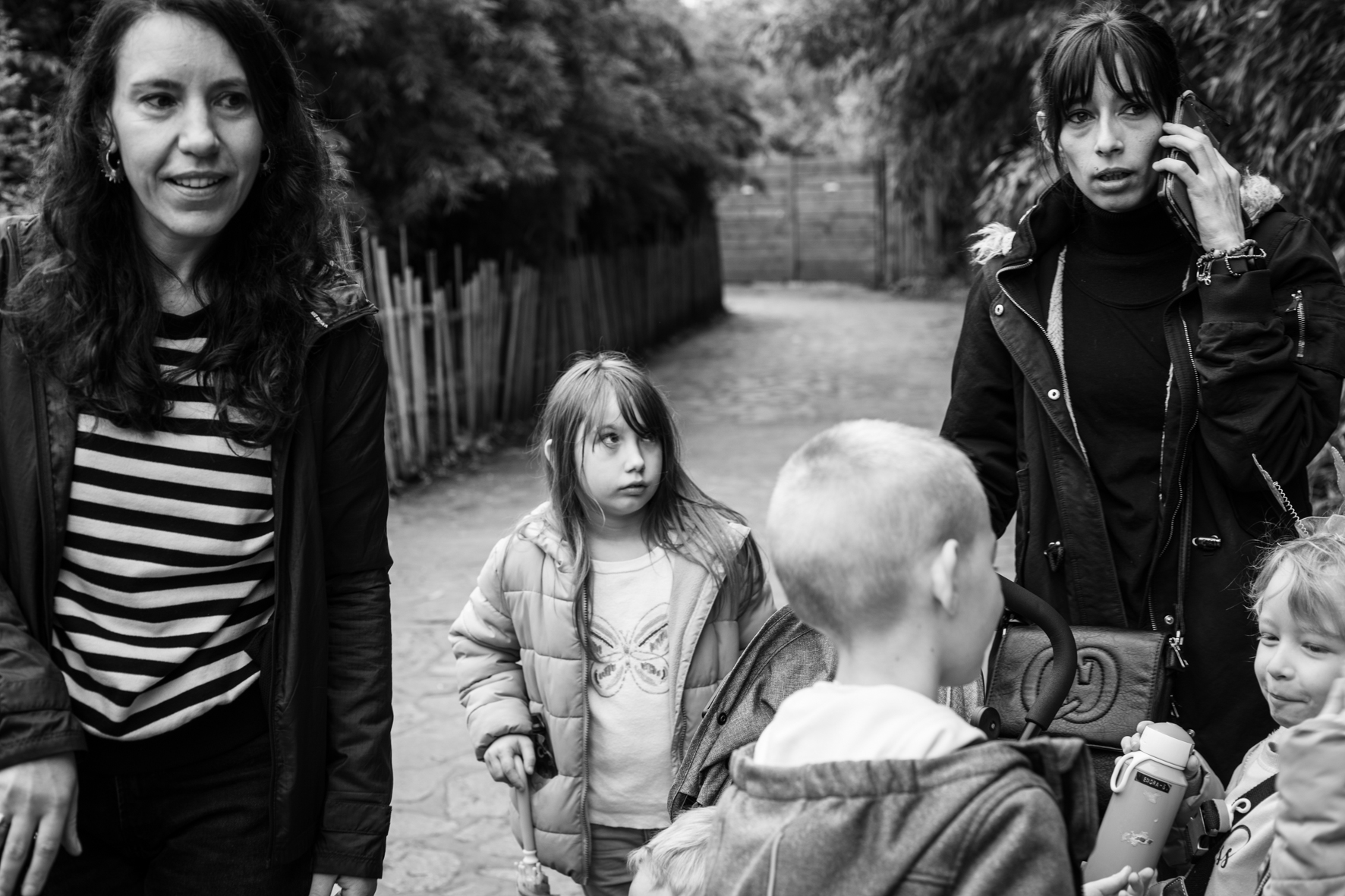
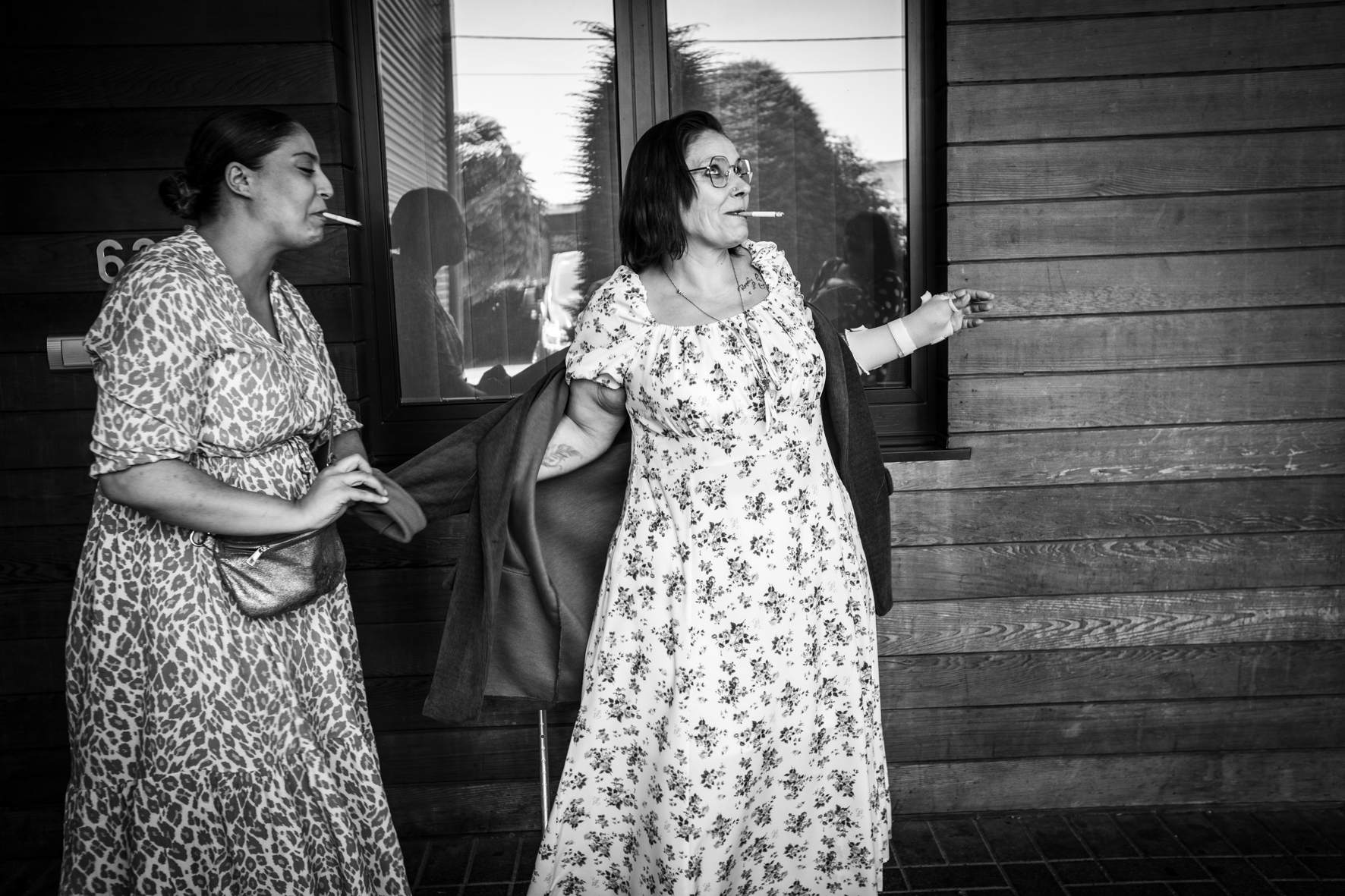
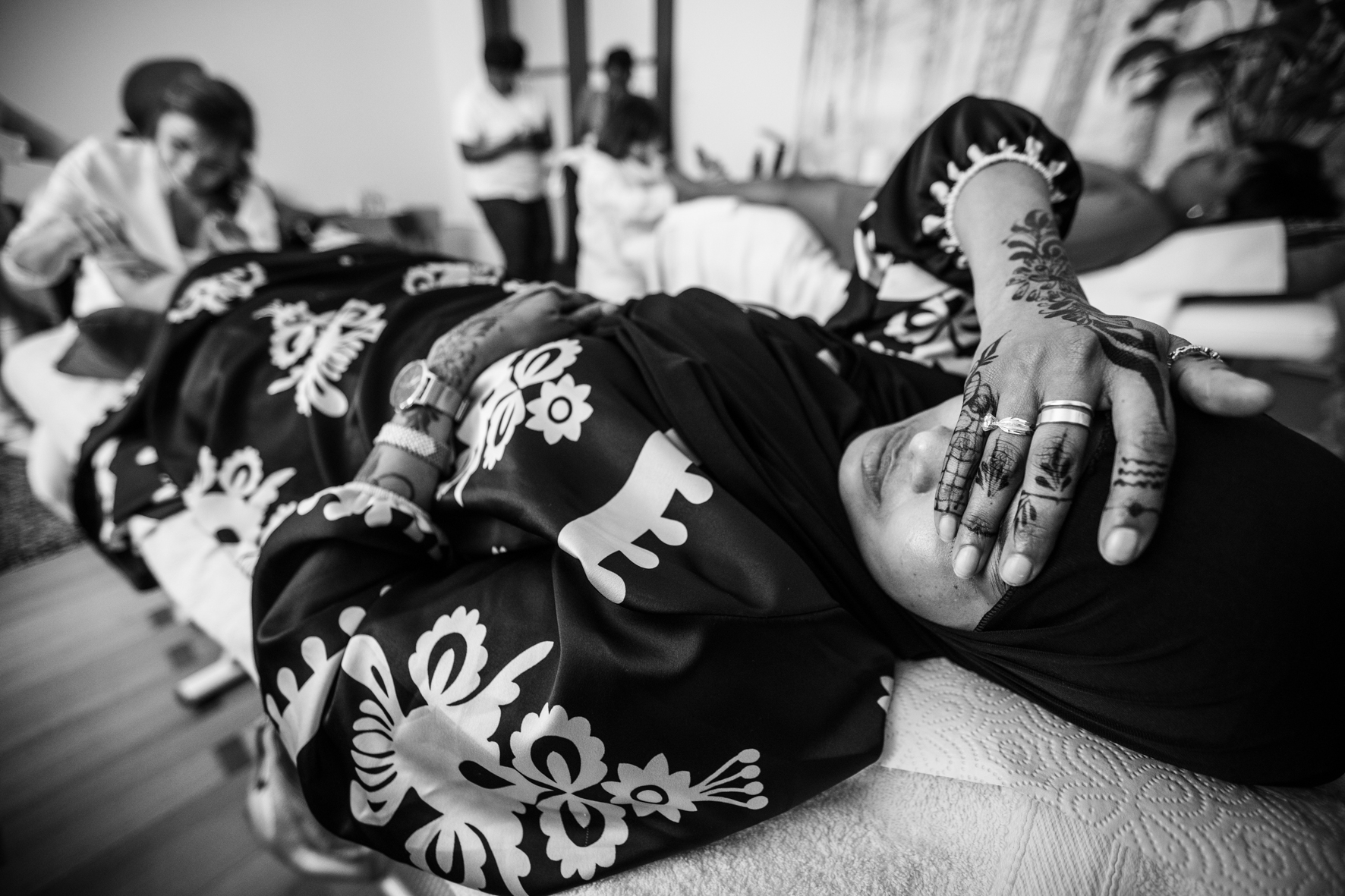
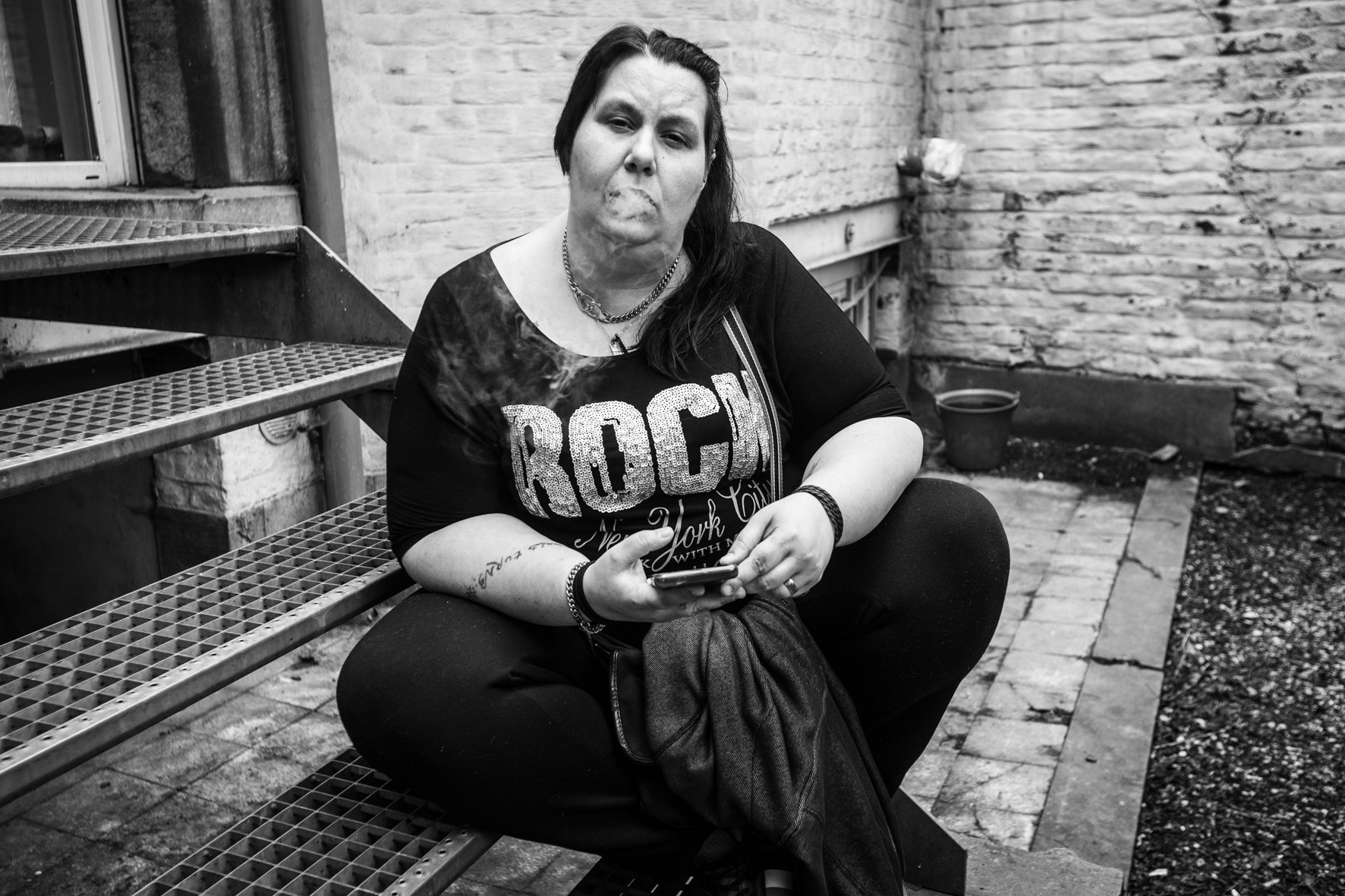
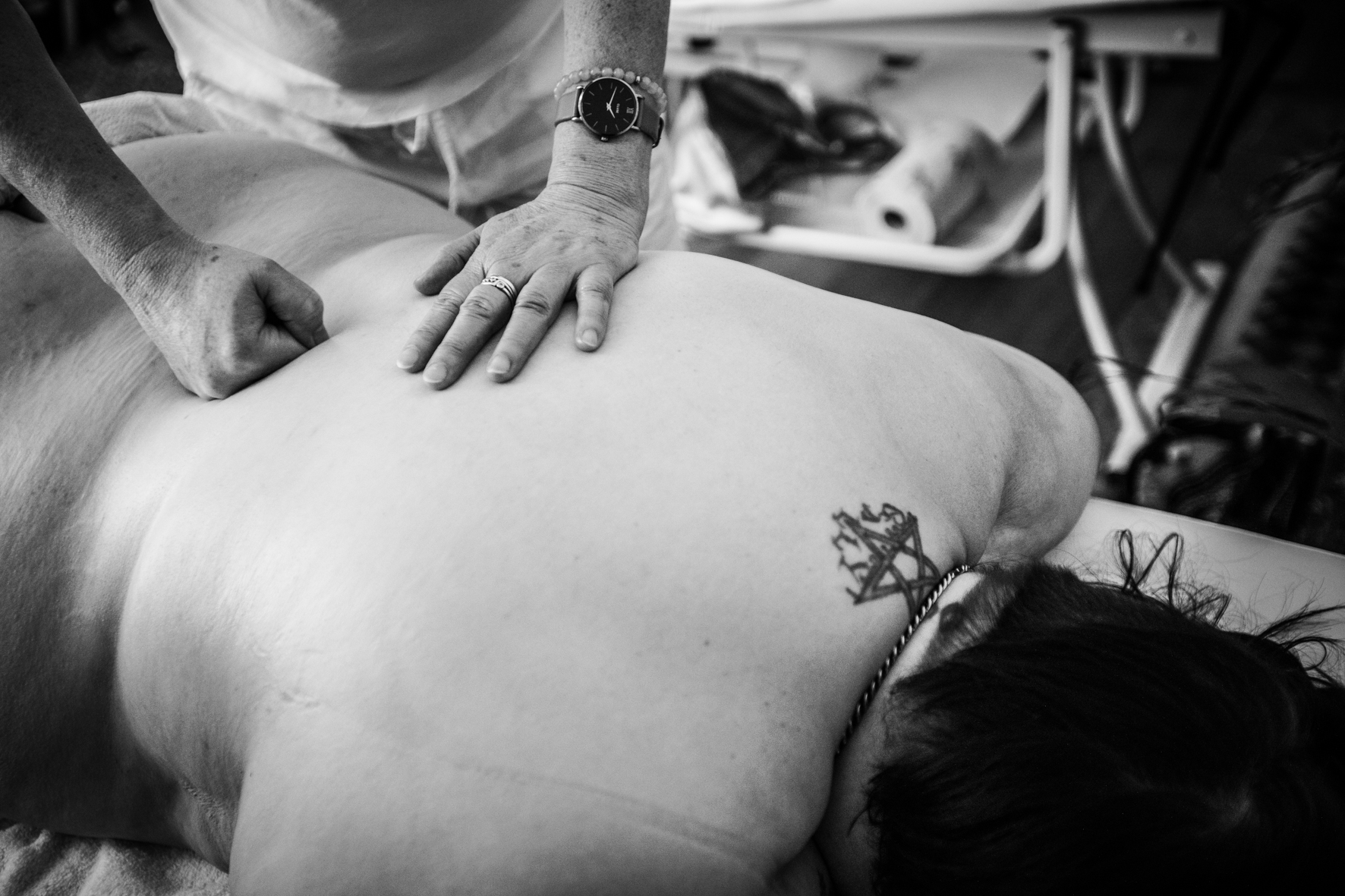
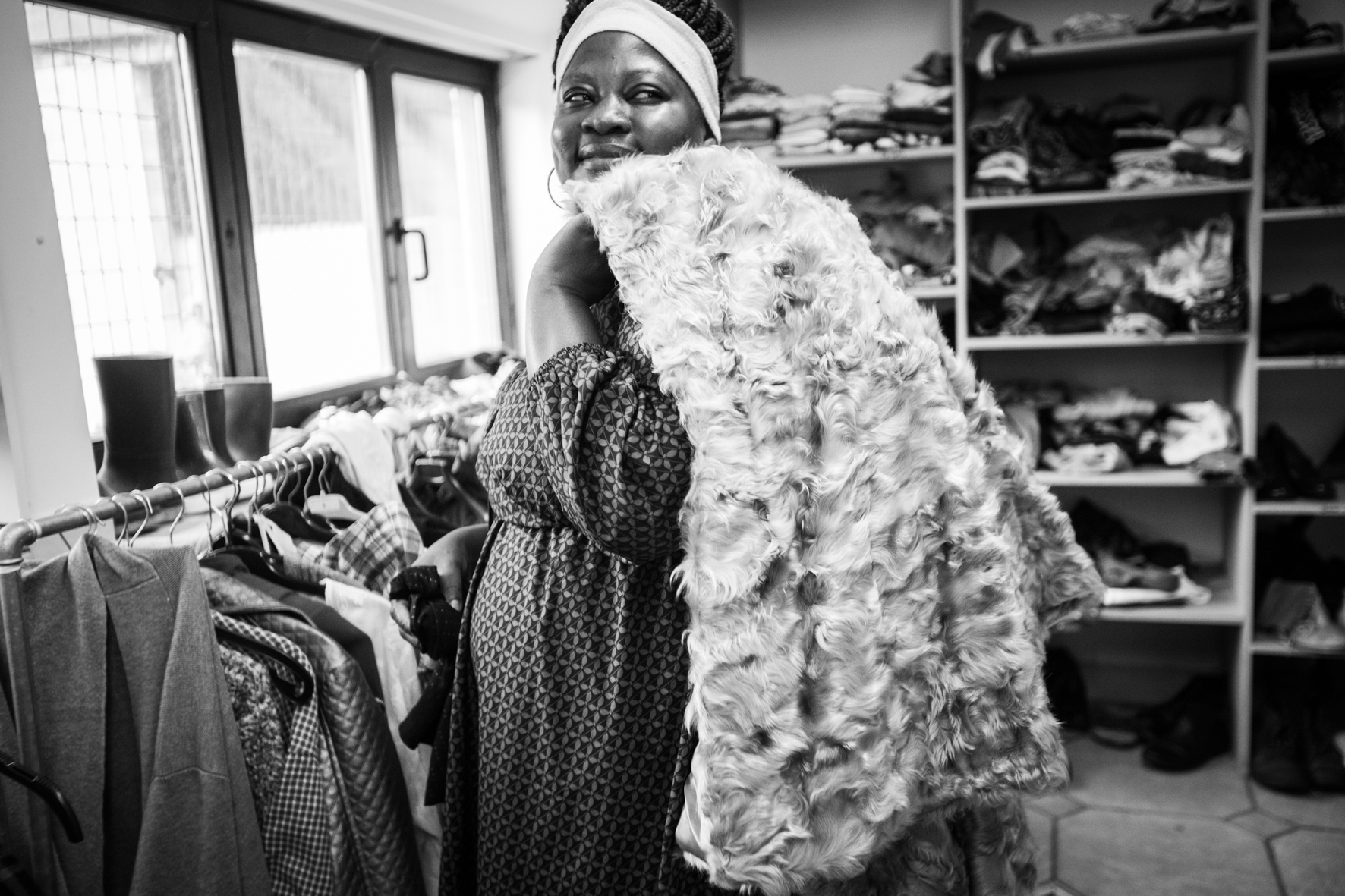
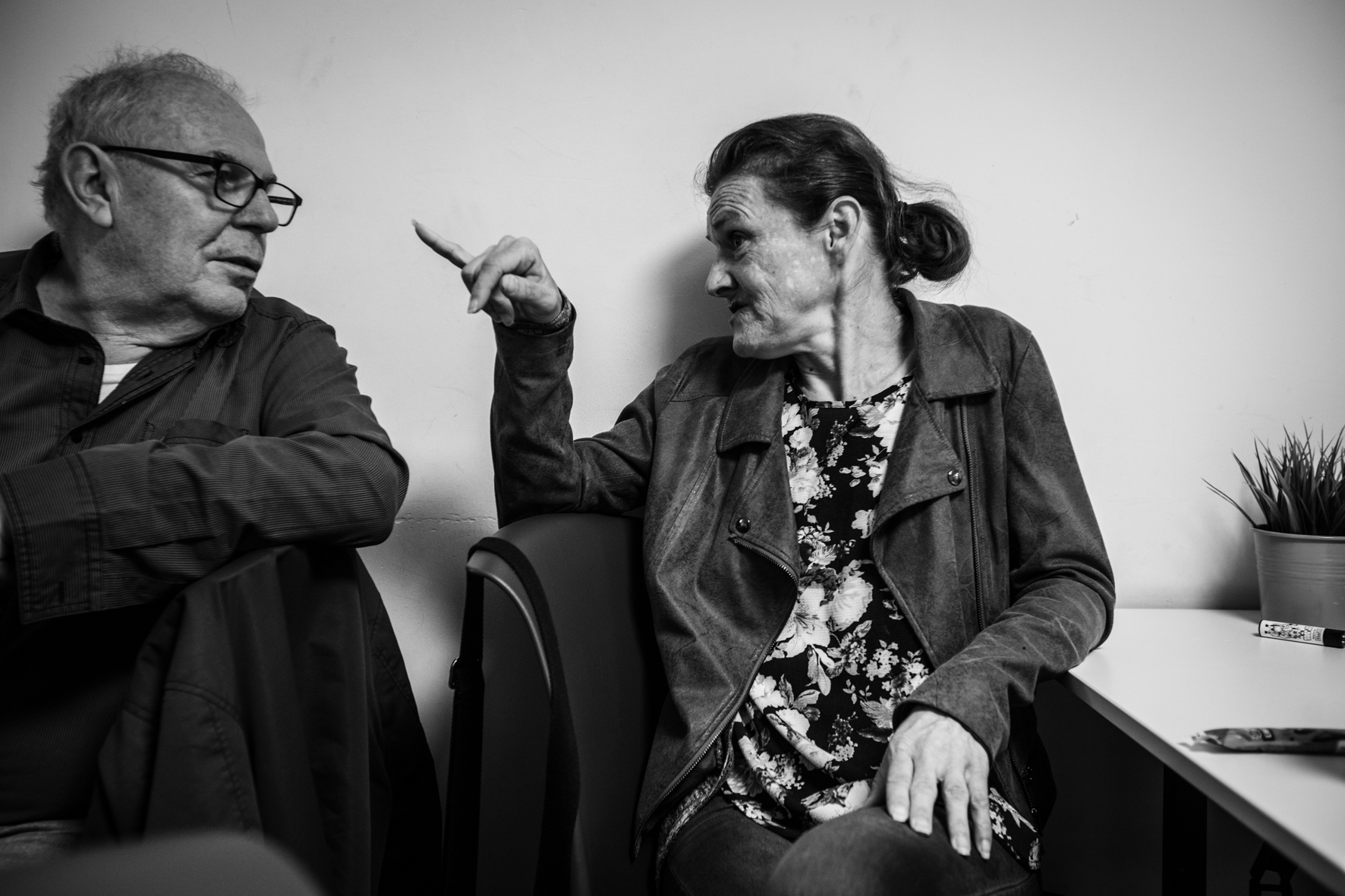
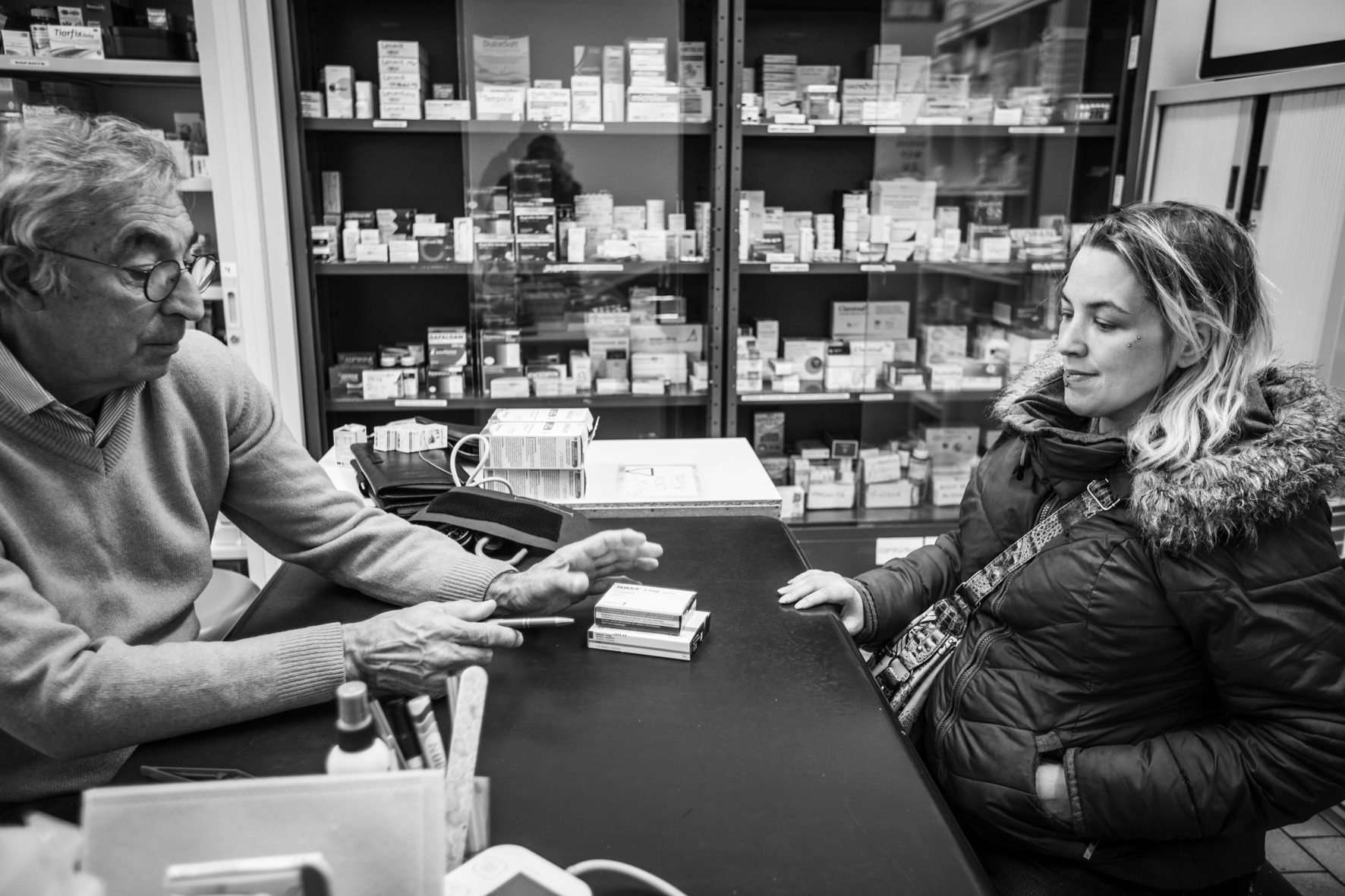
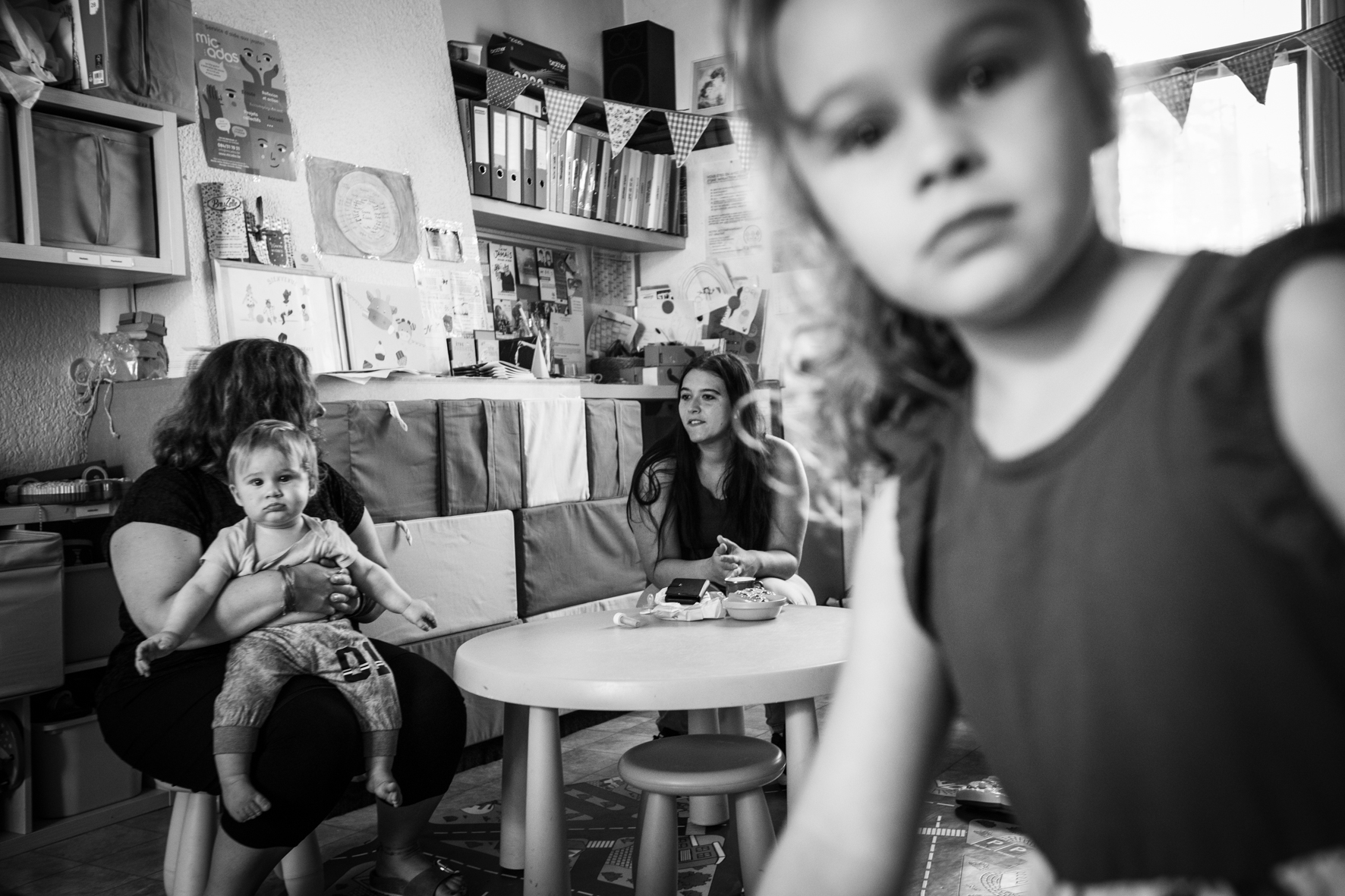
Cordons is an exhibition project, structured as a photo-reportage, that gives voice to the many single mothers struggling with the hardships of solo parenthood in French-speaking Belgium. We met them in their homes, in shelters, and through collective initiatives that offer them support.
The project explores what single parenthood and precarity mean today — their forms, causes, and consequences. We sought to understand how and why women, in particular, find themselves at the forefront of economic and social insecurity.
The title Cordons (“Cords”) was chosen for its symbolic richness and the connections it evokes.
The umbilical cord, linked to the placenta, plays a vital role in nourishing and communicating between the mother and the fetus — it symbolizes above all the intimate bond between a mother and her child.
The French expression tenir les cordons de la bourse (“to hold the purse strings”) refers to managing money and financial control — evoking some of the challenges women face throughout their lives.
These are essential roles that single mothers living in precarious conditions must juggle daily, often under extremely difficult circumstances.
Photography: Christophe Smets
Texts : Camille Wernaers
SAKIFE
Women, pillars of Eastern Congo
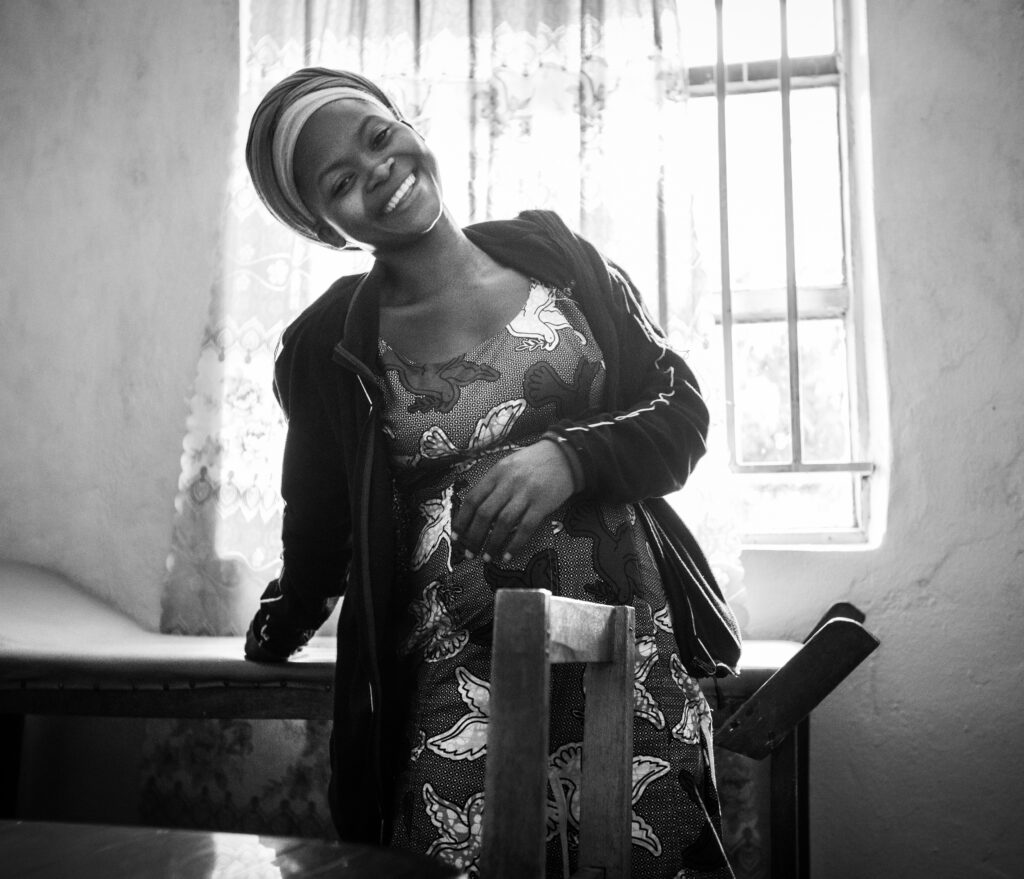
The women of the provinces of South and North Kivu, in the east of the Democratic Republic of Congo, are pillars. Pillars of their family, of their community, of a martyred region of a country where so few things stand upright. They give life, raise their children, manage the small and big worries of the household, work the land, carry out activities that generate income, study…
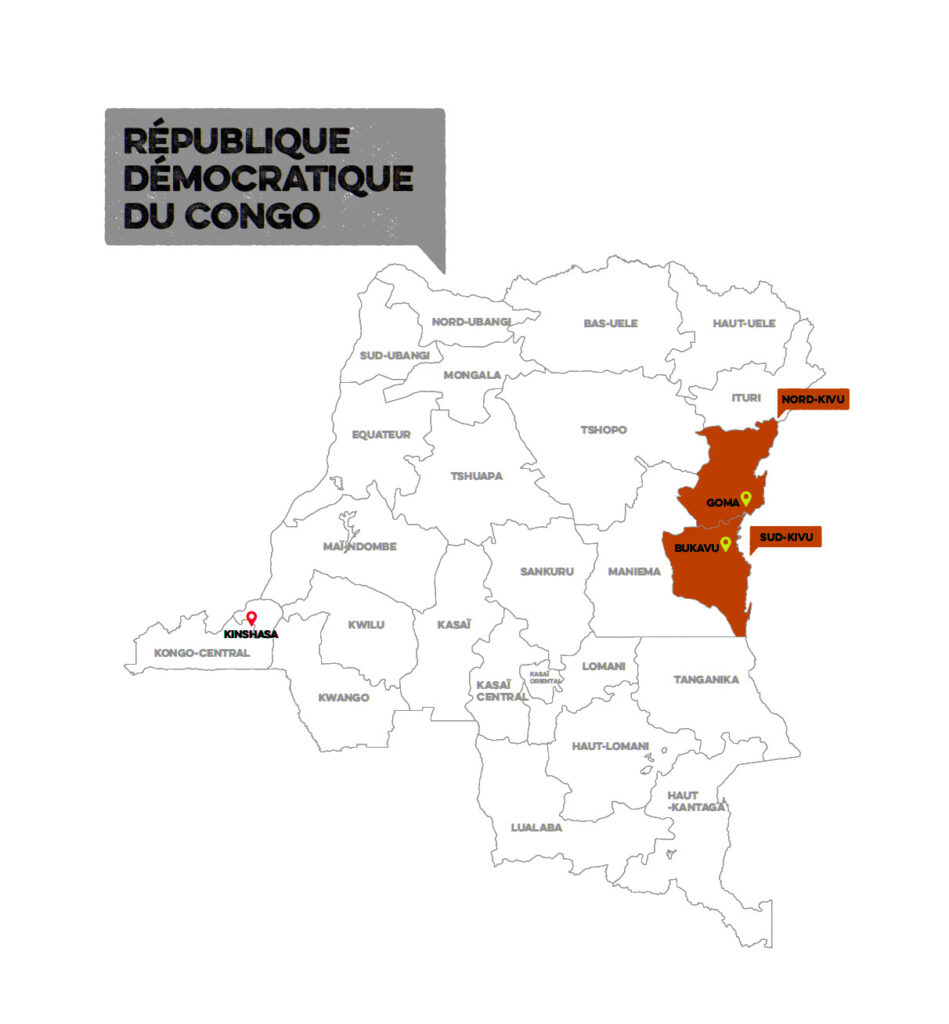
However, these pillars are weakened by the blows they receive, undermining their foundation and that of society.
In a context of abject poverty, the lack of social and socio-economic support condemns a majority of women in eastern Congo to remain permanently connected to the exhausting “survival” mode.
Dr. Denis Mukwege and other less broadcasted stakeholders have been sounding the alarm for two decades about the spread of the scourge of sexual violence, which Congolese and foreign armed groups use as a war weapon, and which is now spreading among the civilian population.
Beyond this terrible phenomenon, the women of the region are, as a whole, the first victims of the state of decay of Congo, which restricts their fundamental right to have access to quality health care.
Health centers are indeed insufficient in number and often difficult to access. They are under-equipped in terms of personnel, equipment and medication, as are many hospitals. Mental health remains a secondary concern, though the ills of the body and mind often go hand in hand.
The consequences of this situation are dramatic: because they are not treated in time, serious pathologies develop; the psychological state and the socio-economic situation of the women who suffer deteriorate, making them even more vulnerable.
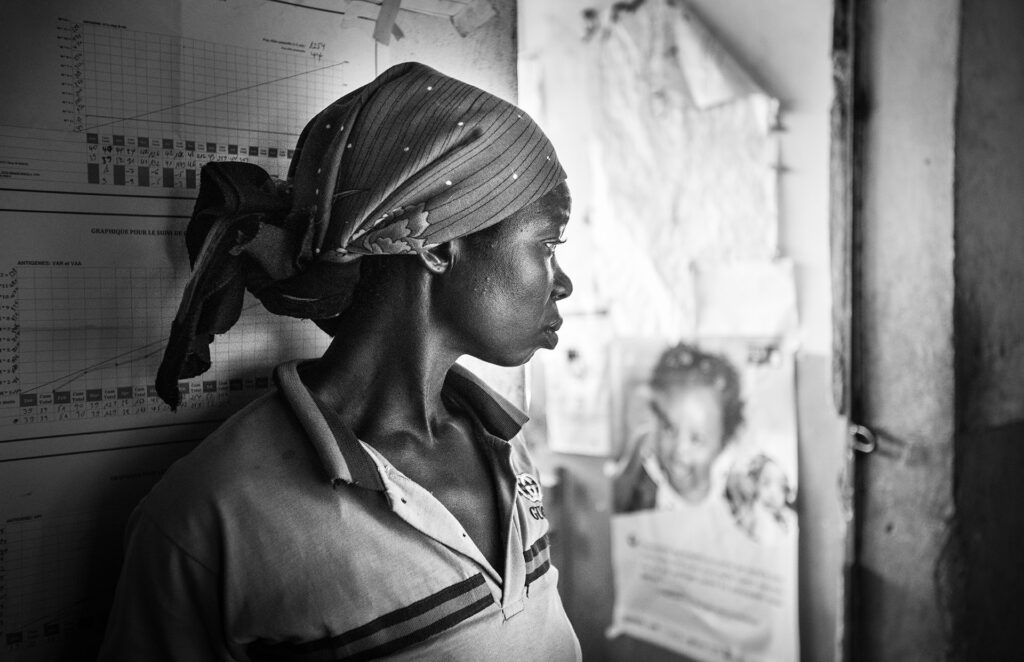
Bogamanda Health Center,
2022
Women who are victims of sexual violence often suffer a double punishment and find themselves excluded from their community. Mediation is an important action process that allows for discussion and unblocking of certain family situations in order to put an end to the ostracism of which these women are victims.
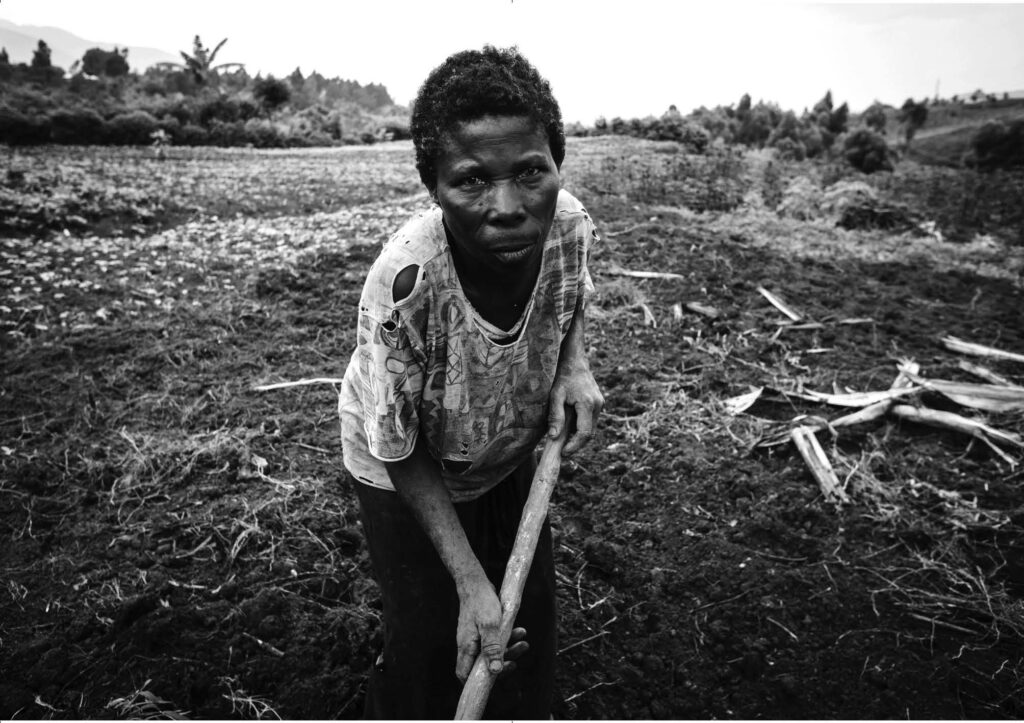
Kalehe Hills,
2022
In the eastern part of the Democratic Republic of Congo, women who work in the fields earn an average of 1 USD per day. The inhabitants are all too aware of the precarious situation in which they live and are calling for changes that the instability of the region prevents from happening.
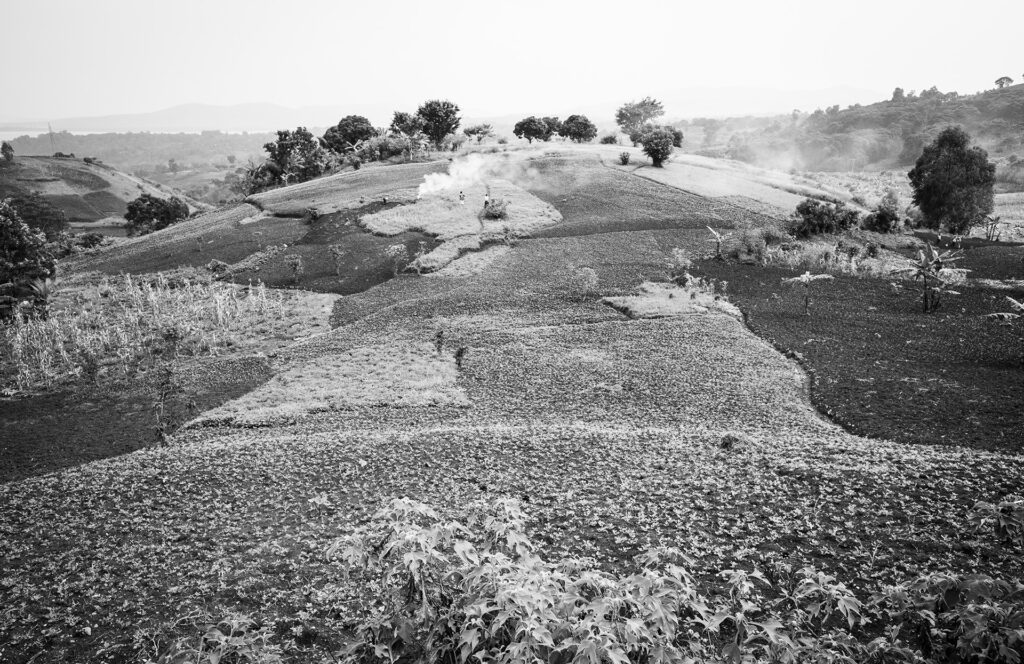
Kalehe Hills,
2022
South Kivu is rich in fertile land. Unfortunately, work in the fields is not only hard, but also poorly paid and dangerous. The women who work the land are under constant threat from
armed Congolese and foreign militias, and even from the regular Congolese army (FARDC), who are guilty of rape.
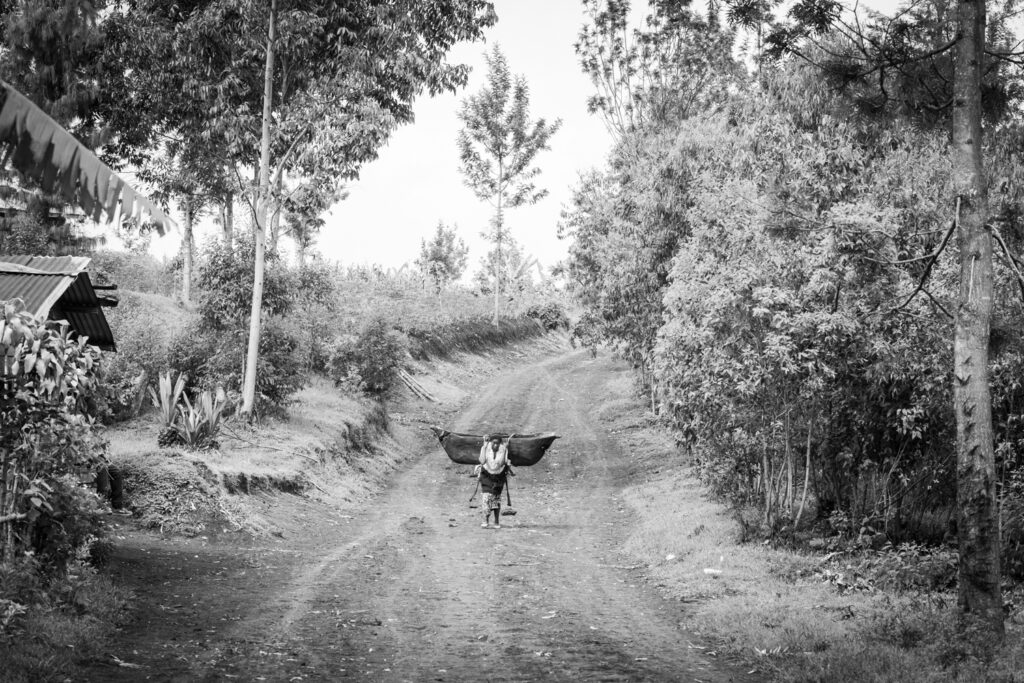
Muganzo, Kabare,
2022
On the road to the Muganzo health center, a woman carries the mukenzi, a wooden vat used to brew ripe bananas to produce the local kasiksi beer.
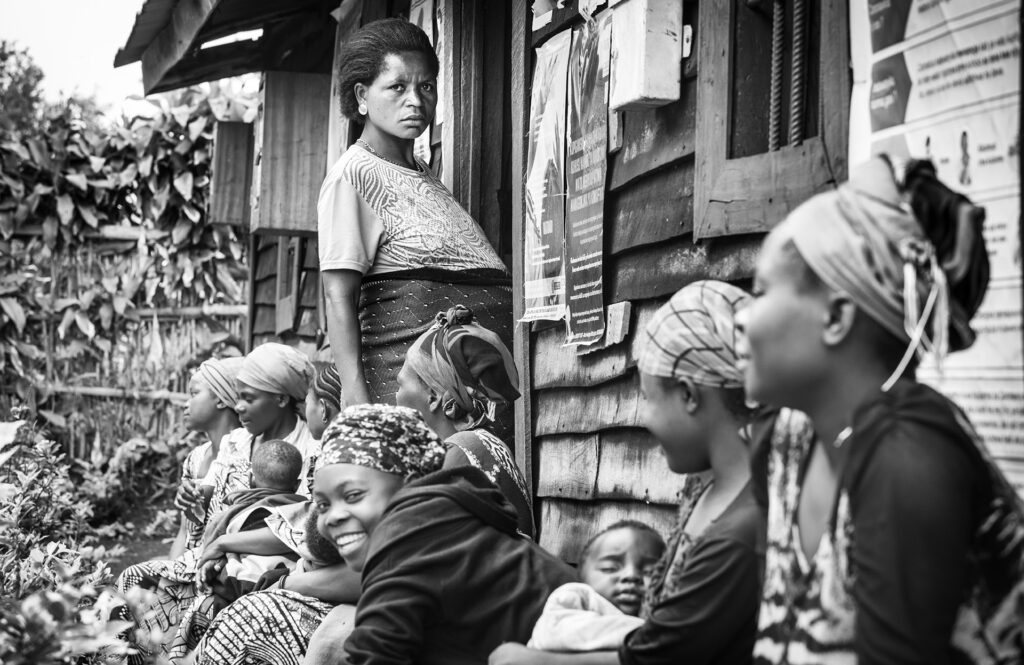
Muganzo Health Center, Kabare,
2022
The entrance to the Muganzo health centre is full on the days dedicated to pre-natal consultations.
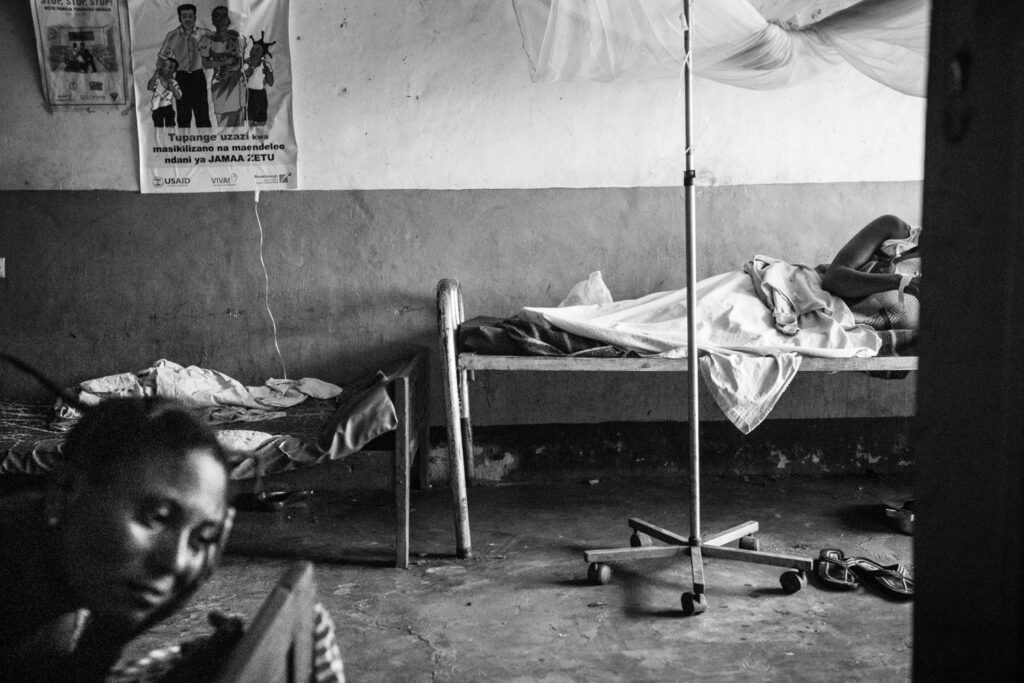
Bogamanda Health Center, Kalehe,
2022
According to the UN agency OCHA, acute respiratory diseases are the second most common cause of death and the second most common disease in South Kivu, after malaria. Areas of high malaria prevalence are mainly areas of armed conflict and hosting of displaced people.
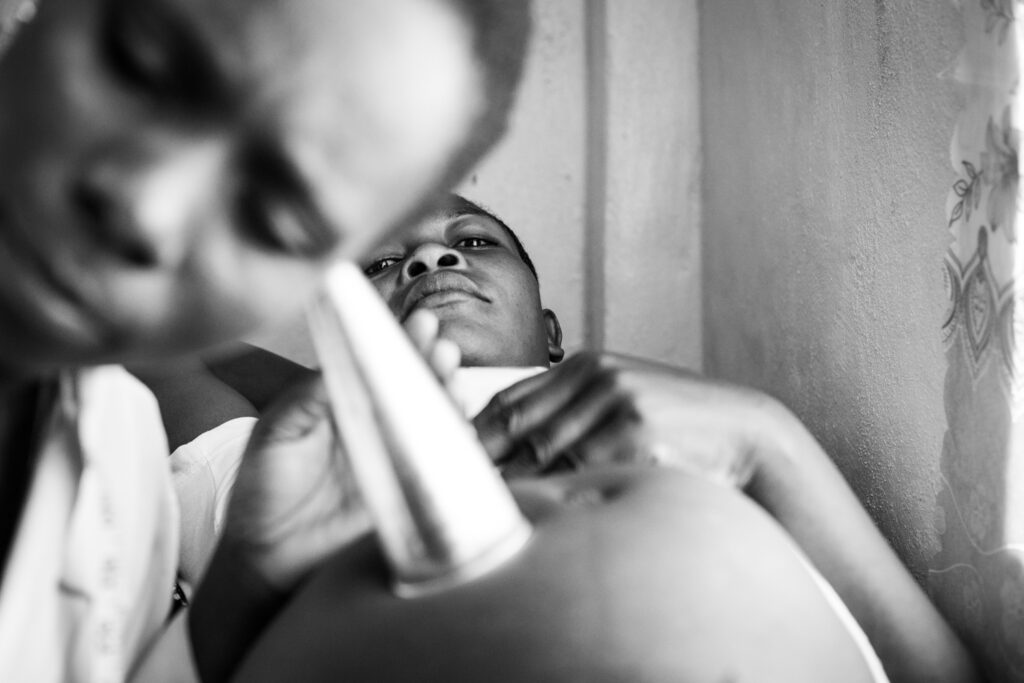
Muganzo Health Centre, Kabare,
2022
The nurse-midwife listens to the baby’s fetal heart during a pre-natal consultation. A new maternity ward that allows women to avoid “giving birth on the floor” has just been built in Muganzo. It was built by the villagers in collaboration with the NGO Memisa and the non-profit organization Action d’Espoir. The local community managed to raise USD 5,000 for the construction, which is a fortune for the inhabitants.
Muganzo Health Center, Kabare,
2022
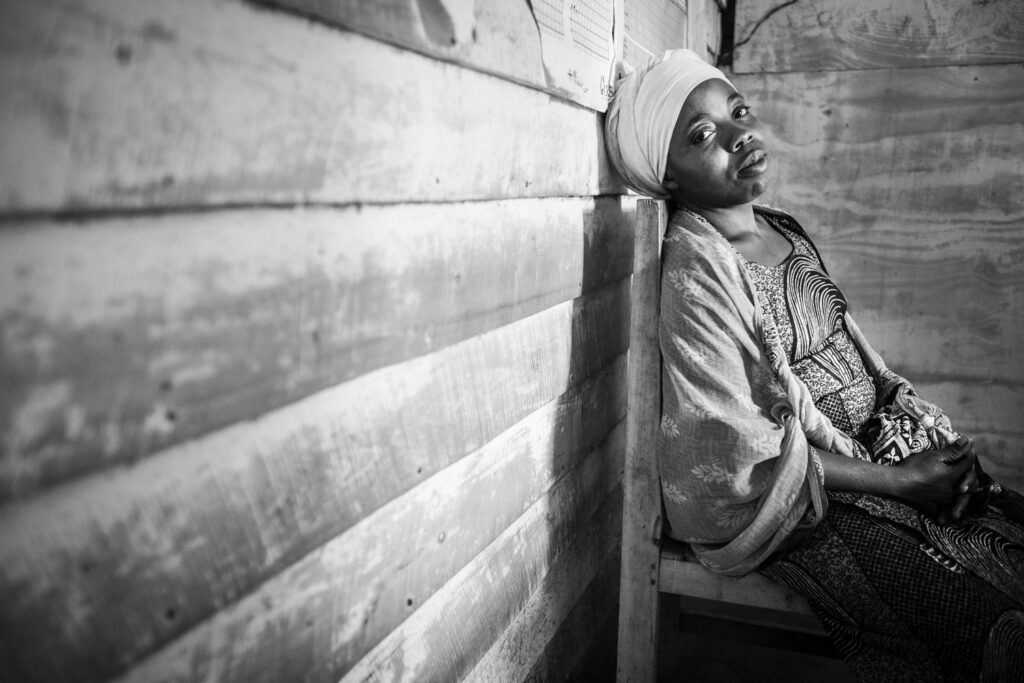
Patient waiting for medical consultation. According to a study conducted by REACH in 2020, the health situation in South Kivu province is characterized by relatively good physical access to health facilities. In the majority (76%) of the locations assessed, it is reported that the majority of the population goes to a health facility (center, clinic, hospital, etc.) to obtain care.
Keshero Health Center, Goma,
2022
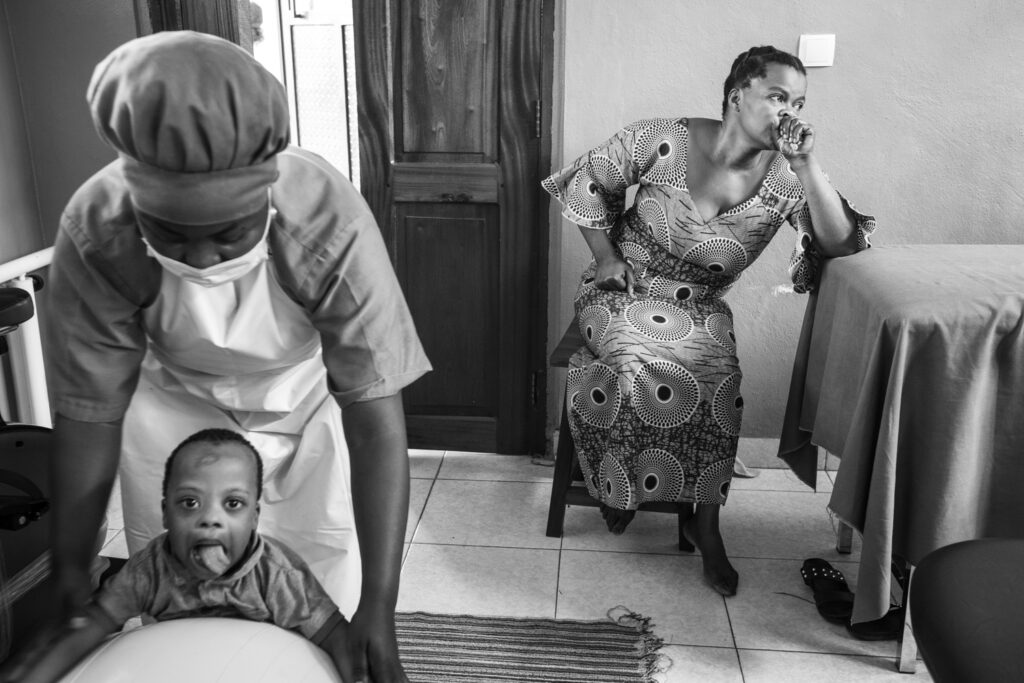
While physical therapy is widely available in many countries, it remains rare in the public health care system in the Democratic Republic of Congo. Yet, this type of rehabilitation is essential and contributes to people’s well-being. It is one of the services offered to the public at the Keshero urban medical center in Goma, at rates accessible to the greatest number. Hélène goes there three times a week with her three-year-old son Espoir, who has Down’s syndrome. “The goal is for him to be able to walk,” says Laetitia, the physiotherapist.
Bogamanda Health Center,
2022
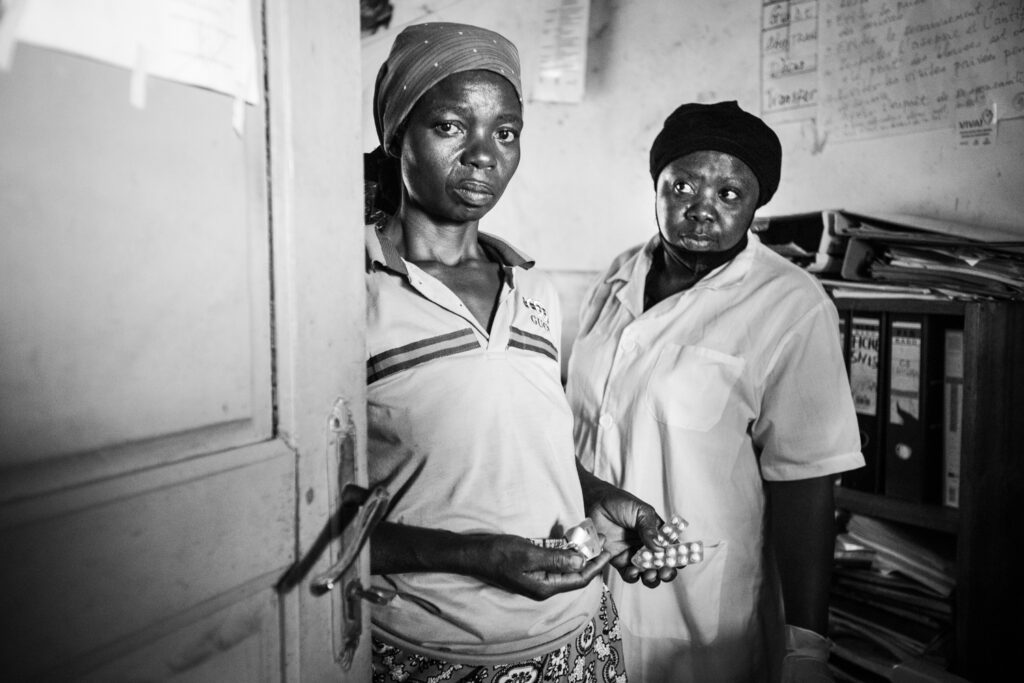
An hour and a half’s drive from Bukavu, Mamas For Africa has set up a reception point and a medical procedure to identify women who need gynecological care delivered in the form of medication or those who need to be referred to the Panzi hospital for surgery.
Mubumbano General Reference Hospital,
2022
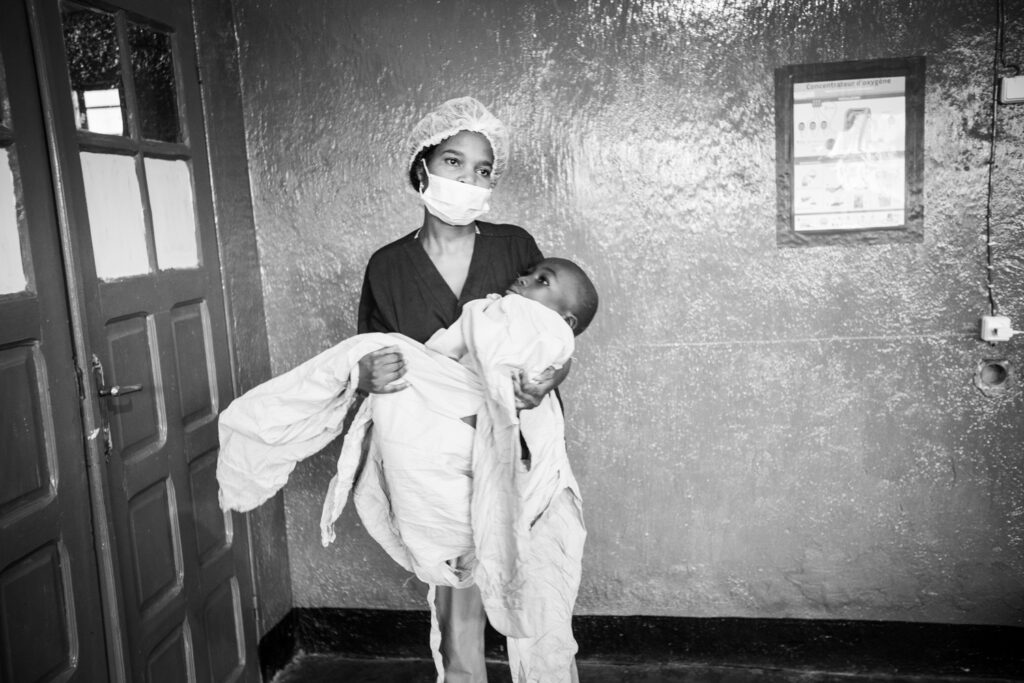
Deborah is a young general practitioner. She is observing a surgery in order to perfect her training, in the context of a project around surgical assistance organized by Médecins Sans Vacances/Artsen Zonder Vakanties.
Mubumbano General Reference Hospital,
2022
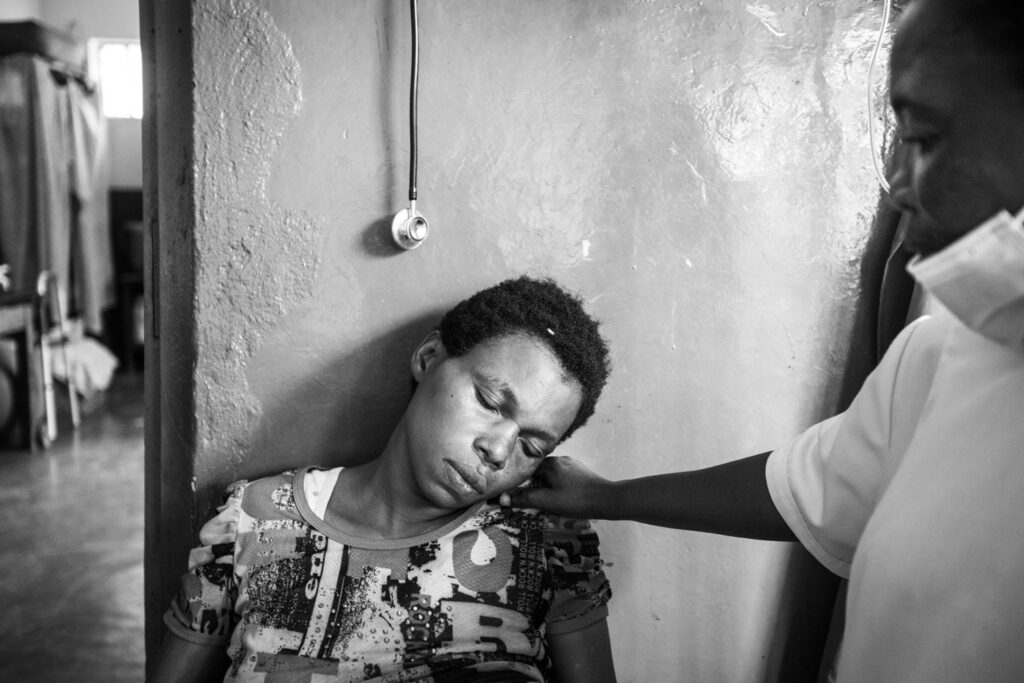
A woman waits for a C-section at the general reference hospital in Mubumbano.
In 2019, according to the World Bank, the nativity rate (children who are born alive) in DRC was amongst the highest in the world, with 5.82 children per woman.
Along the road towards Kavumu,
2022
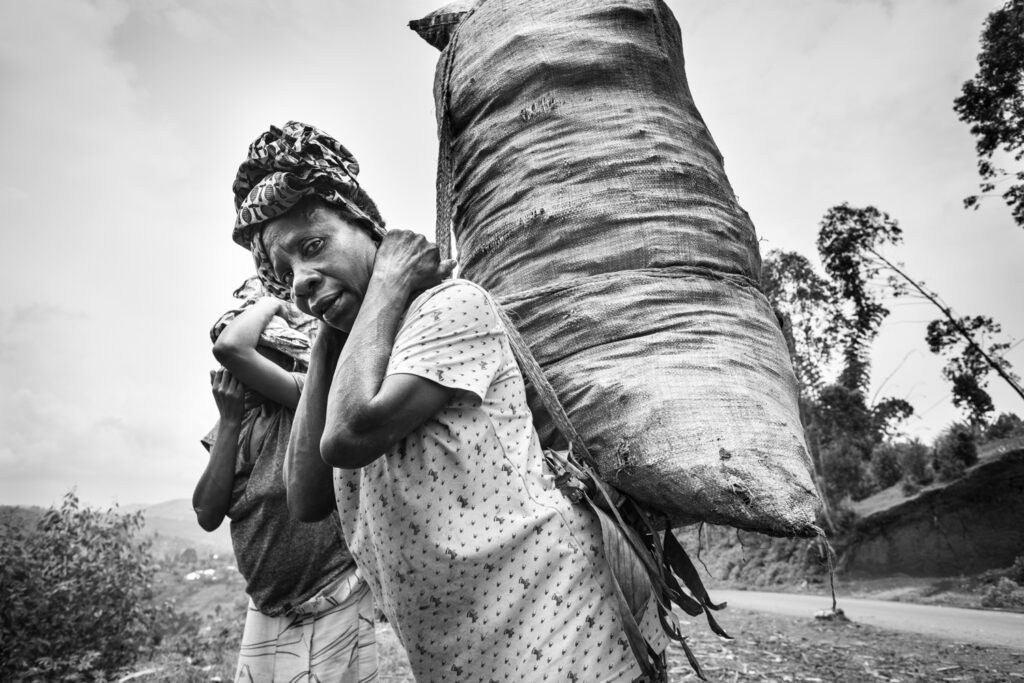
Many women carry too heavy bags of charcoal, which are often their only source of revenue. A bag is worth around 16 USD. On a long-term basis, carrying such heavy loads can cause gynecological issues such as prolapse (slipping down of organs) due to the loosening or damaging of body structures (ligaments, pelvic muscles or connective tissue).
Mugeri Health Center, Katana,
2022
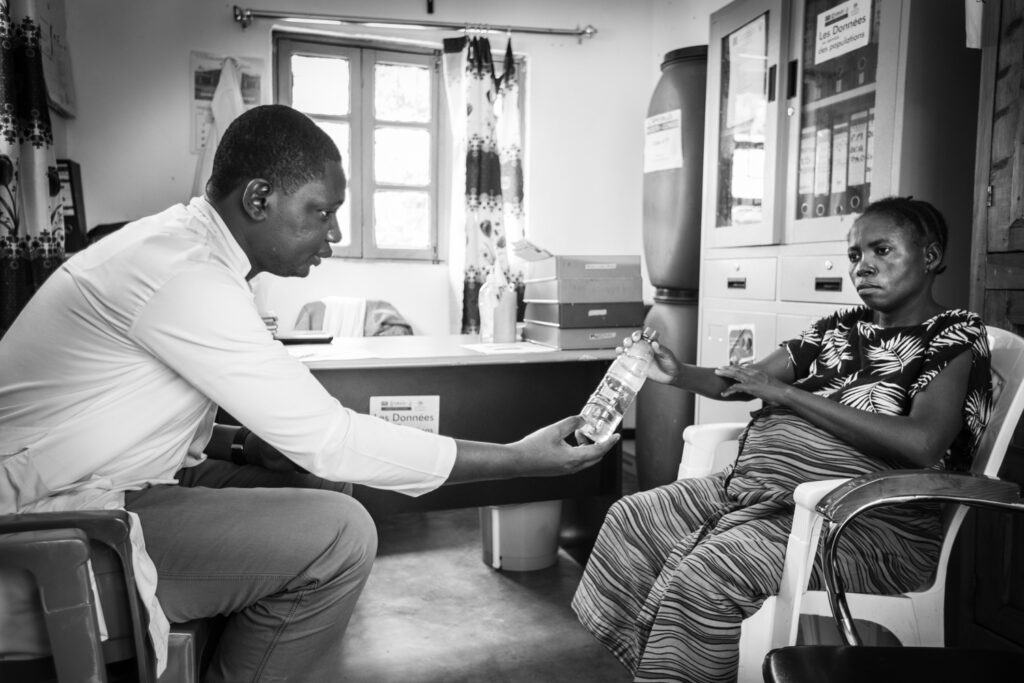
A psychologist from the Medico-psycho-social Support Center (Centre d’Appui Médico-Psycho-Social or CAMPS) takes care of Georgette, who is about to give birth. A bottle of water is handed to her to create trust. The psychosocial supported granted to her should enable her to give birth in good conditions despite her depressive state.
Bagira, Bukavu,
2022
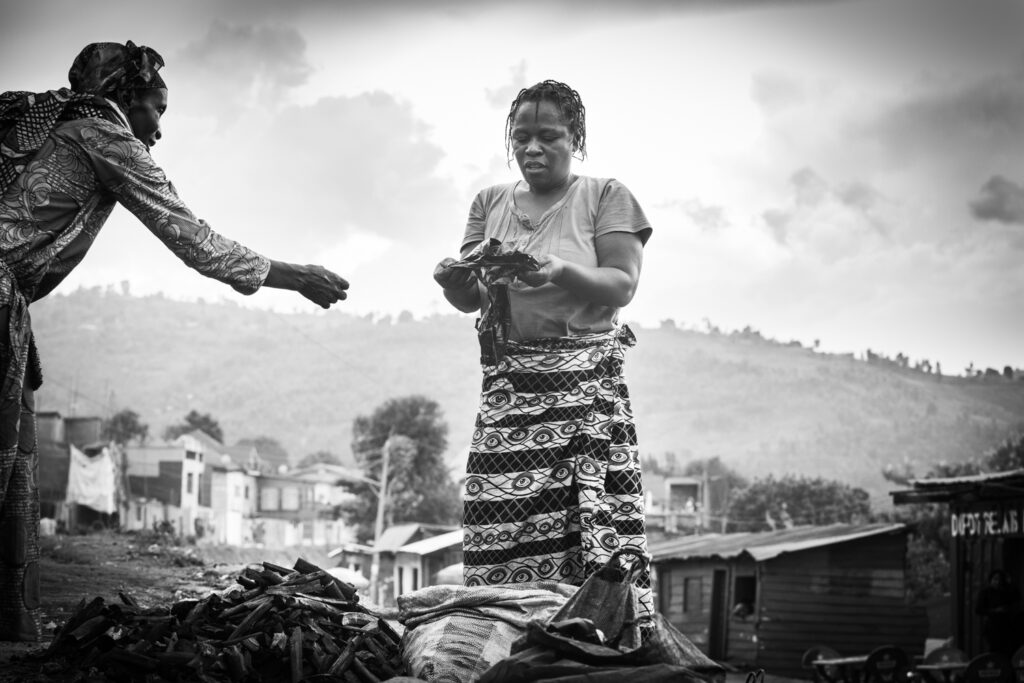
Dalia* lives alone with her two children after having been abandoned by her husband. Thanks to material aid she was given during a family strengthening program managed by SOS Villages d’Enfants, she was able to develop her own economic activity. This has made it possible for her to offer her children school and necessary care.
* Alias name
ACKNOWLEDGEMENT
Maud Adam, Aline Bahati Cibambo, Emma Bangirahe, Vital Barholere, Adélaïde Blavier, Kathryn Brahy, Guy-Bernard Cadière, Marijke Ceyssens, Marie-Noël Cikuru, Martyne Cote, Caroline de Clercq, Véronique De Keyser, Cathleen de Kerchove, Christian Dengis, Clémence Denis, Isabelle Duvigneaud, Emilie de Liamchine, Anne Dechamps, Marie Devreux, Catherine Eeckhoudt, Rémi Fabbri, Julie Godfroid, Muriel Gonçalves, Jan Goossens, Stéphanie Grisard, Françoise Grolleau, Alexandra Guillot, Françoise Hocquet, Sophie Huguenet, Alexander Jacoby, Karlien Jolie, Guy Jungblut, Crispin Kashala, An Lavens, Hubert Leclercq, Ceara Legoff, Jan Leysen, Hervé Lisoir, Christophe Loyen, Yann Mai, Pilar Martinez, Olivier Matumaini, Alejandra Mejia, Nathalie Mignano, Sandrine Morreale, Romain Mukupi, Denis Mukwege, Herman Mukwege, Kabika Mukubwa, Caroline Nallet, Murhabazi Namegabe, Patrick Ndara Bakole, Robert Ndjangala, Delphine Noël, Sifa Ntamwenge, Sophie Omari, Blaise Ombeni, Léa Paccaud, Stéphanie Pécourt, Marc Pecsteen, Daniele Perissi, Lucie Plessis, Fabienne Richard, Michel Riche, Maud Salomé Ekila, Anna Salvati, Julie Simon, Valérie Vandersmissen, Olivier Vanderveeren, Henriette van Hofwegen, Lara Youssef.
Staff of associations and health services in Kivu, patients
SANGTERRA
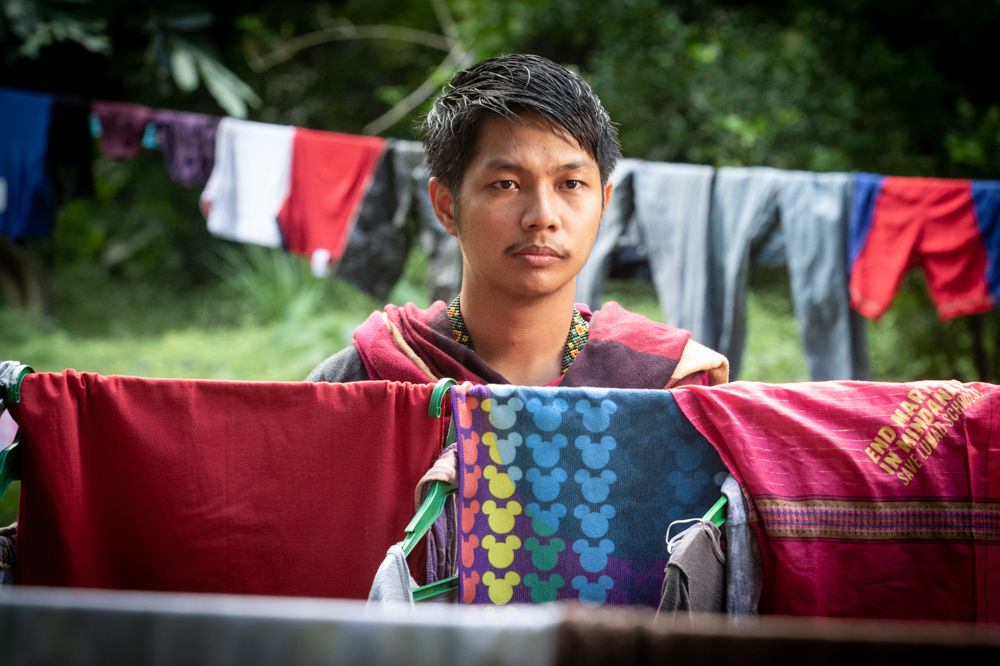
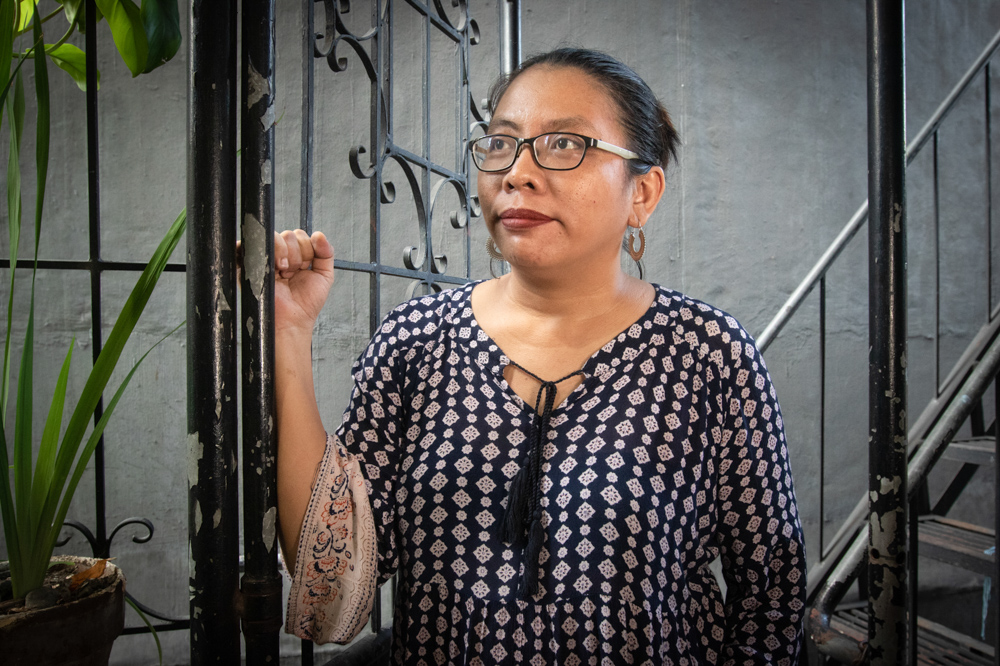
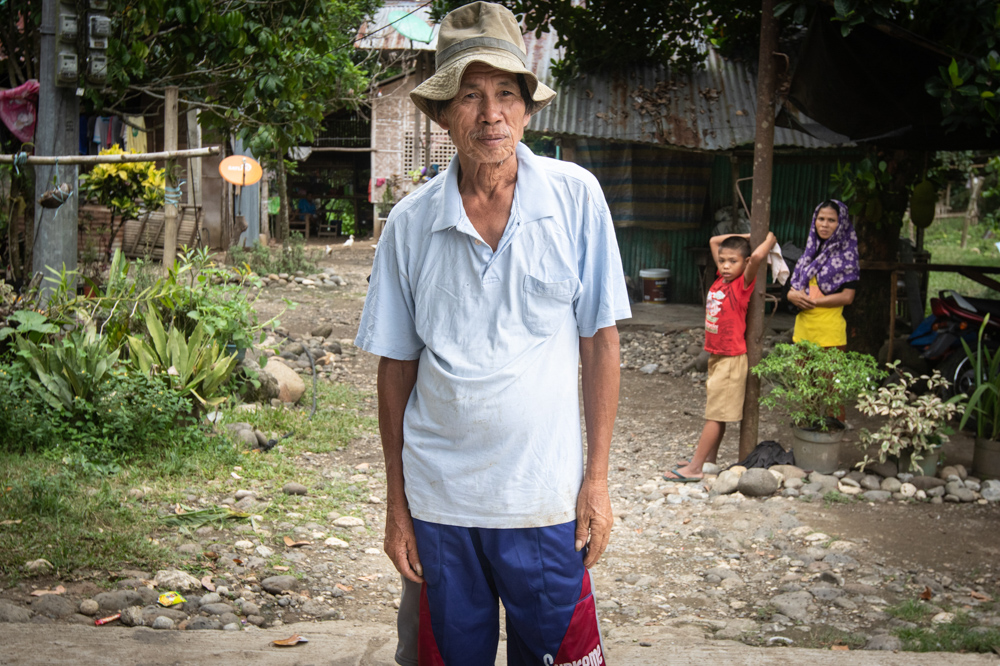
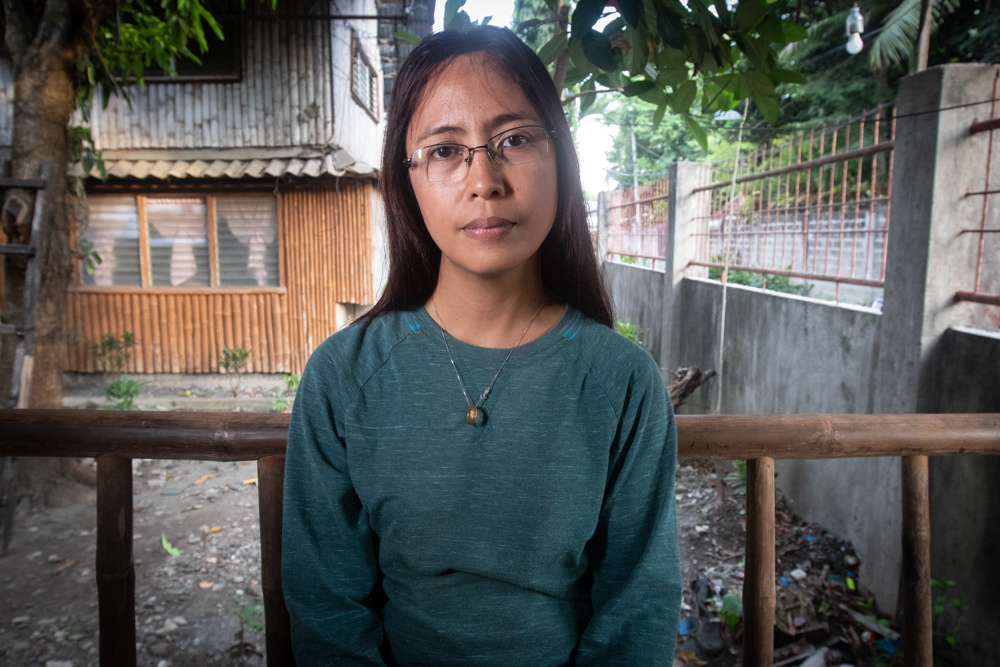
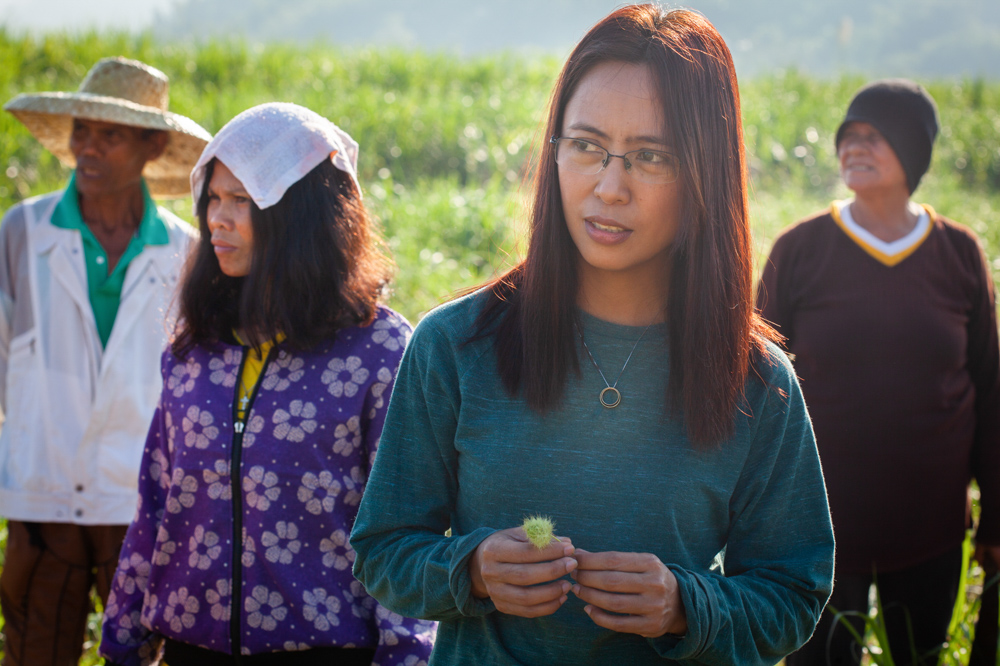
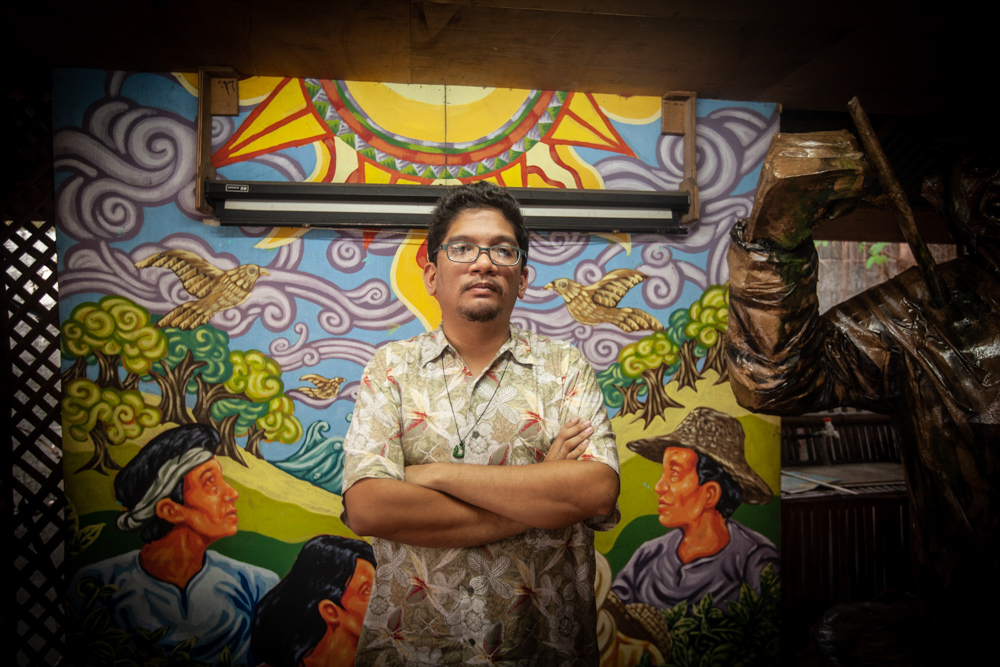
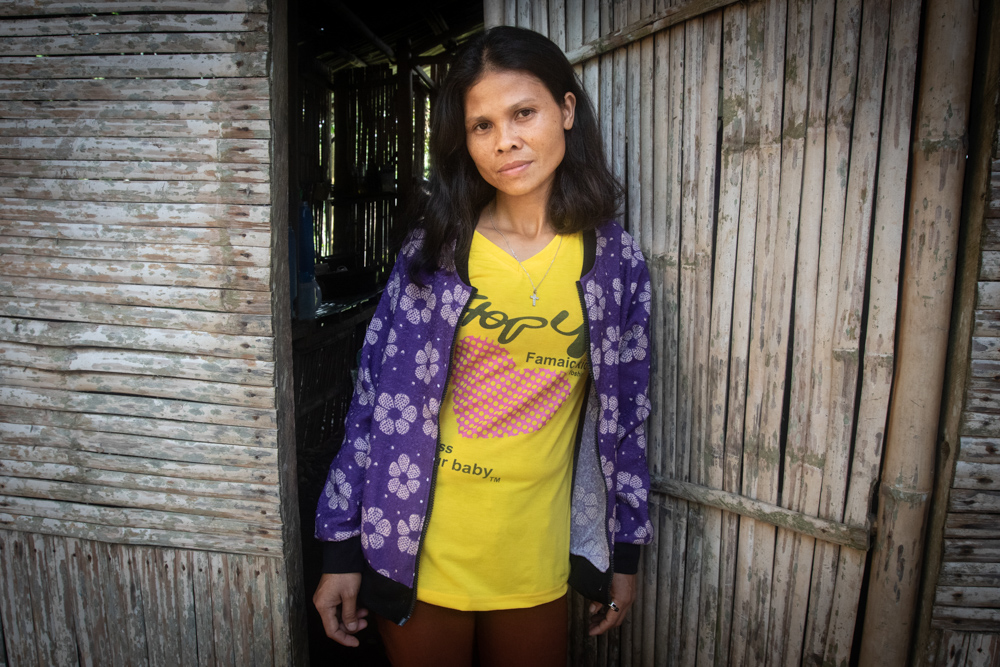
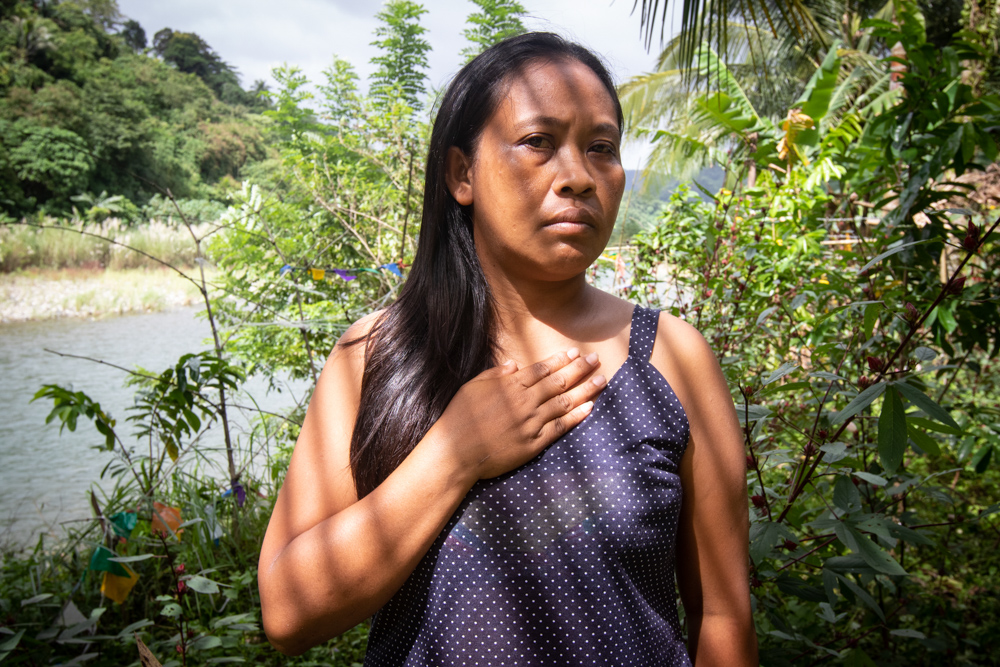
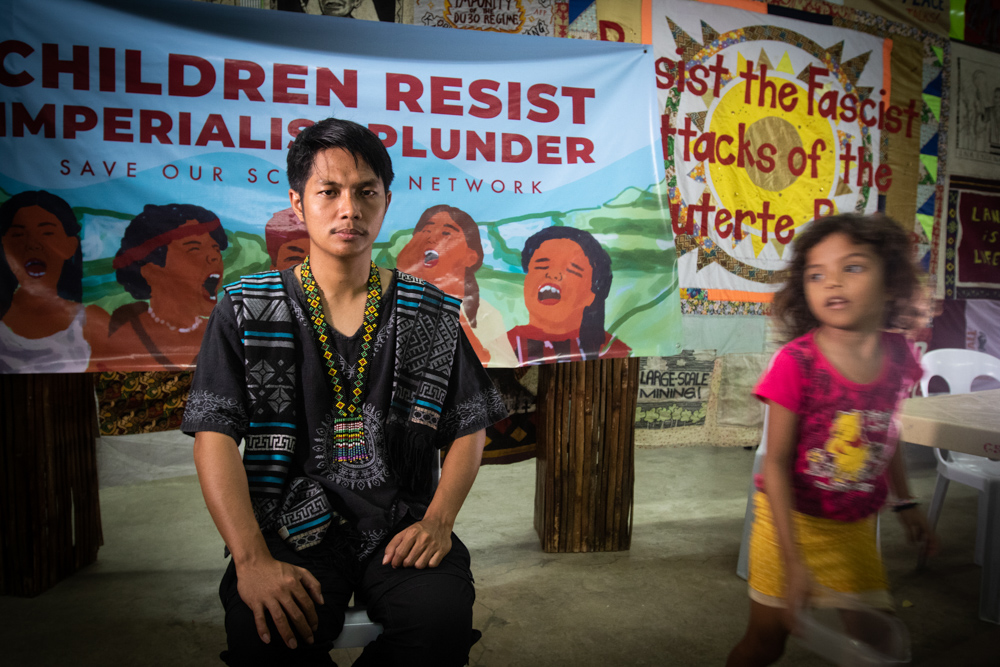
Nearly 200 land and environmental defenders are killed every year for protecting their land and our environment, according to the NGO Global Witness — that’s an average of four people every week. This is four times more than a decade ago.
What is our share of responsibility as consumers and citizens?
How can we act?
La Boîte à Images is producing an ambitious multimedia project in about a dozen countries, focusing on endangered land defenders. The project includes around twenty short video documentaries and fifty photographic portraits.
Together, they aim to form an awareness and advocacy tool for civil society — to shed light on this urgent issue.
Video capsules: Jean-Noël Lansival – Photography: Christophe Smets




MODERN TALES AND LEGENDS FROM ARDENNE

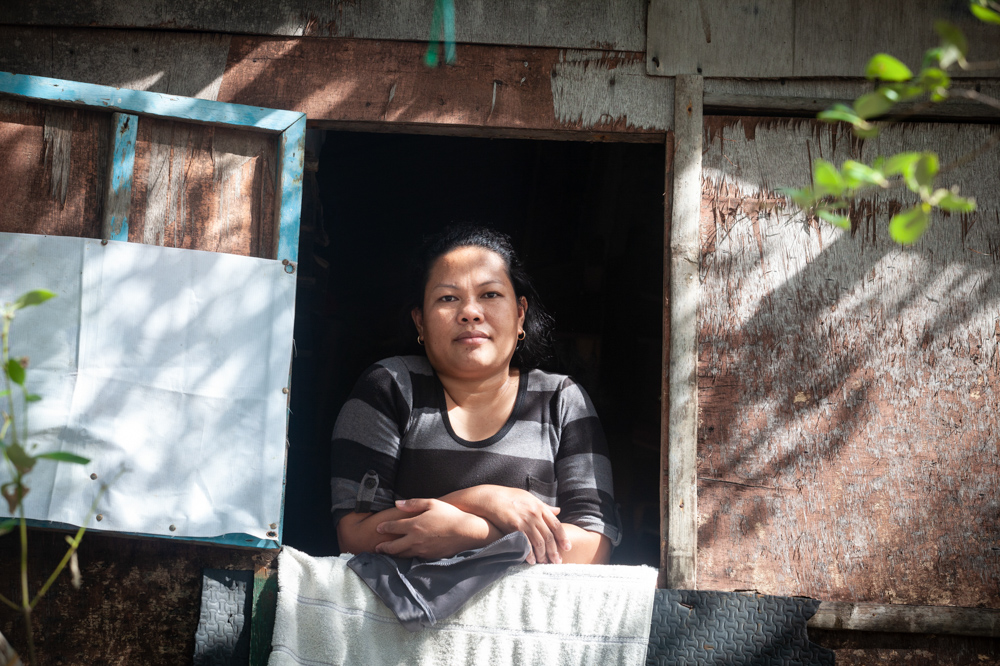
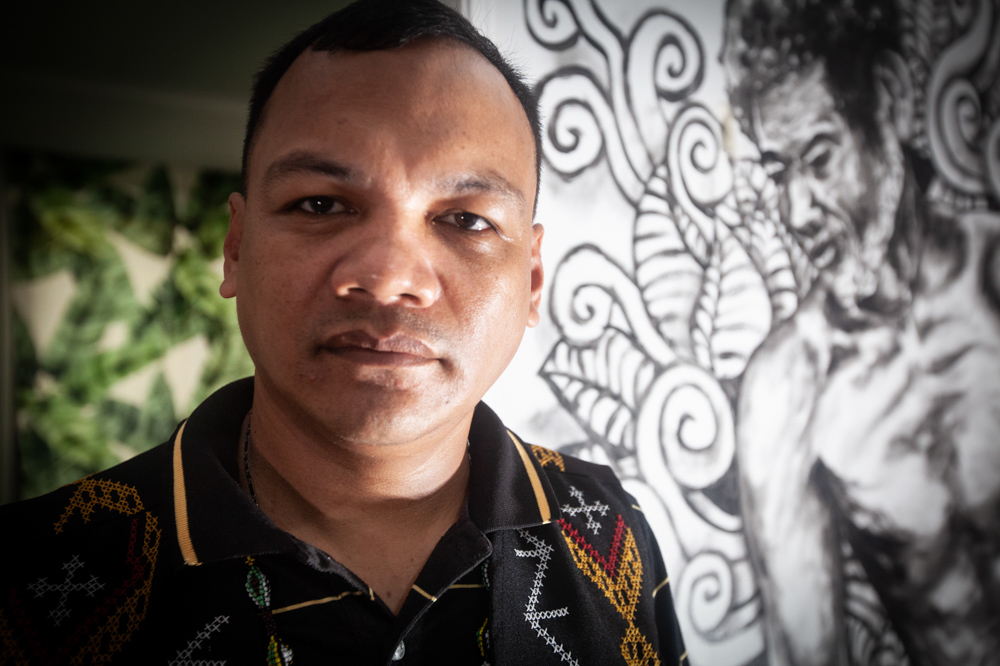
Once upon a time, in the heart of a forgotten valley,
lived a young woman in an abandoned forest —
with an imaginary monster…
A series of playful updates to our childhood imagination, inspired by our most beautiful walks through the deep and gentle Ardennes.
All wrapped in black-and-white imagery, meant to bring us back to the essentials: the magic of storytelling.
A brand-new, beautiful project — simply looking for a publisher. Nothing more…


INVISIBLES

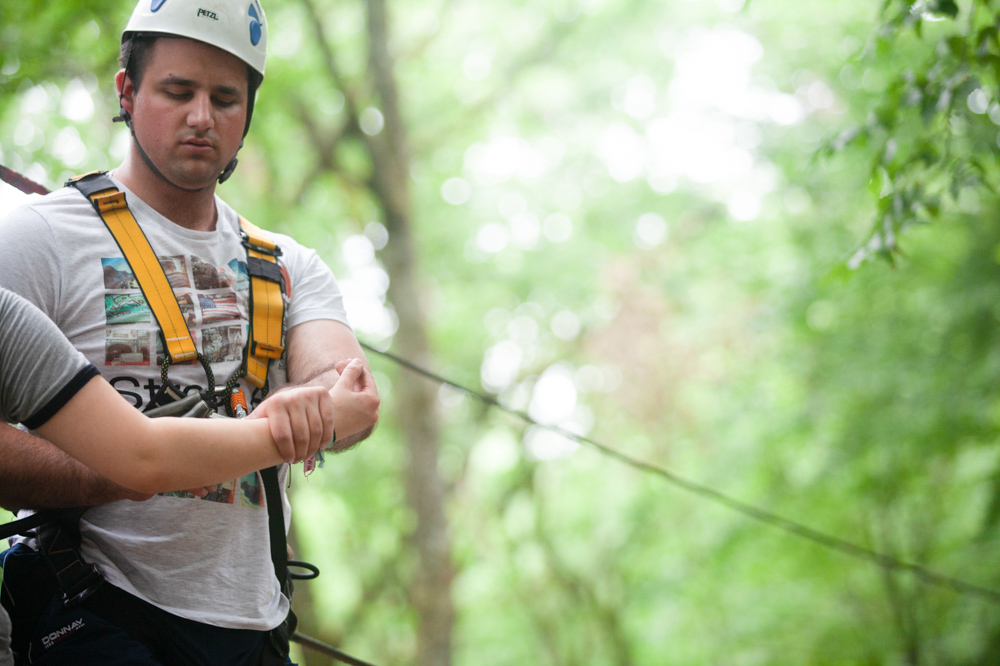
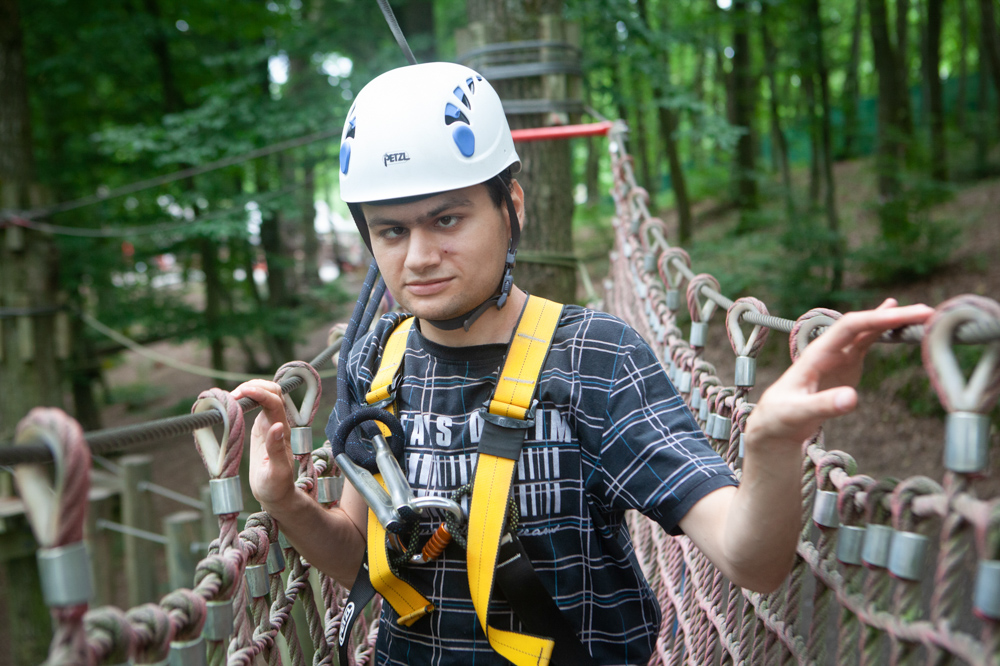
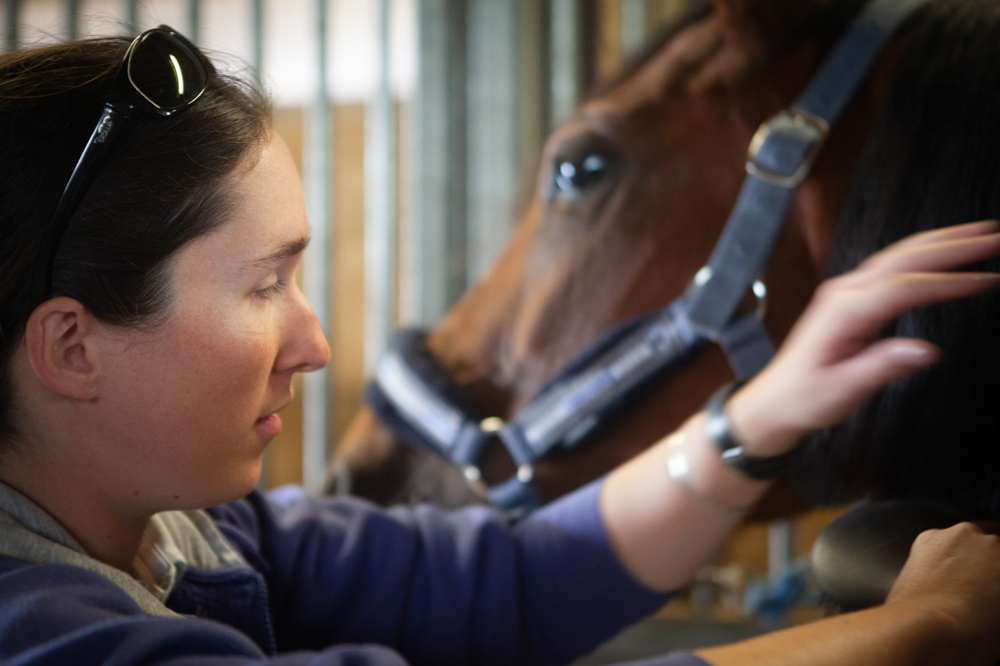
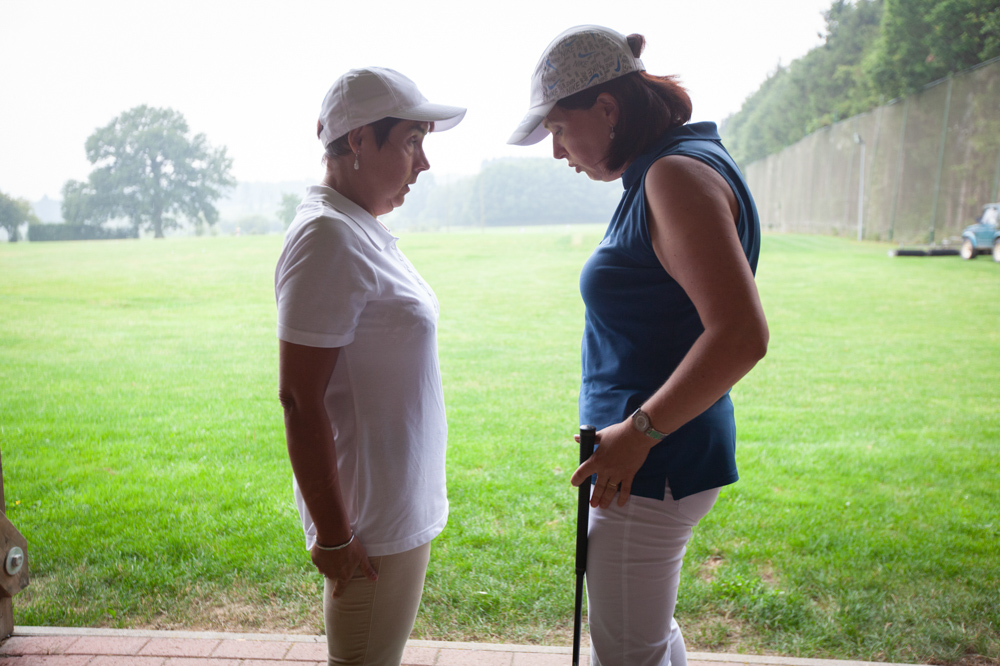
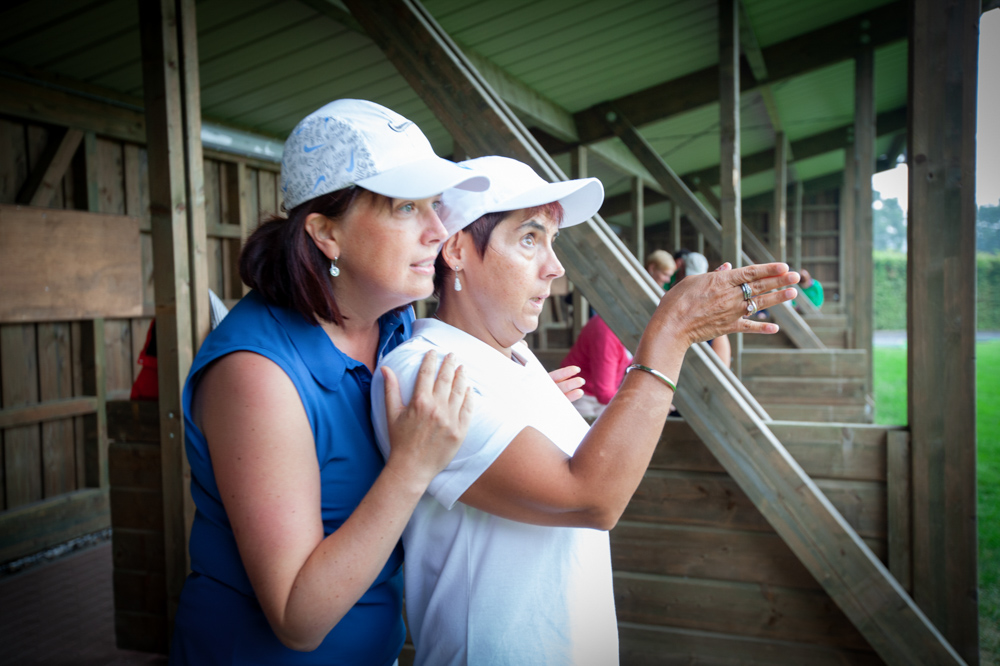
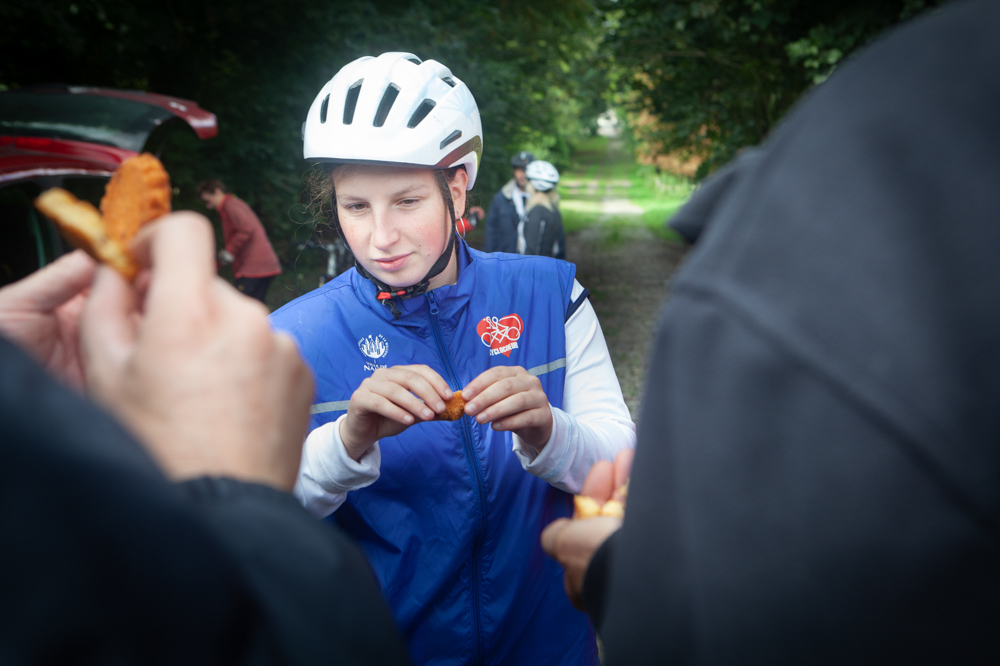
La Boîte à Images set out to meet visually impaired people who, despite their disability, pursue professions or activities that are often unexpected.
Beyond the usual image of a visually impaired person with a white cane, the project seeks to portray men and women who work, take action, and strive to live as normally as possible despite their condition.
A museum guide, a lawyer, a magician — these are just a few of the individuals we met, each embodying a different story of autonomy and resilience.
The project’s aim is to offer a fresh, caring, and thoughtful perspective — one that serves those who need it, while helping to strengthen social bonds through a deeper understanding of each person’s reality.








PERU: BETWEEN RESISTANCE AND SOLIDARITY
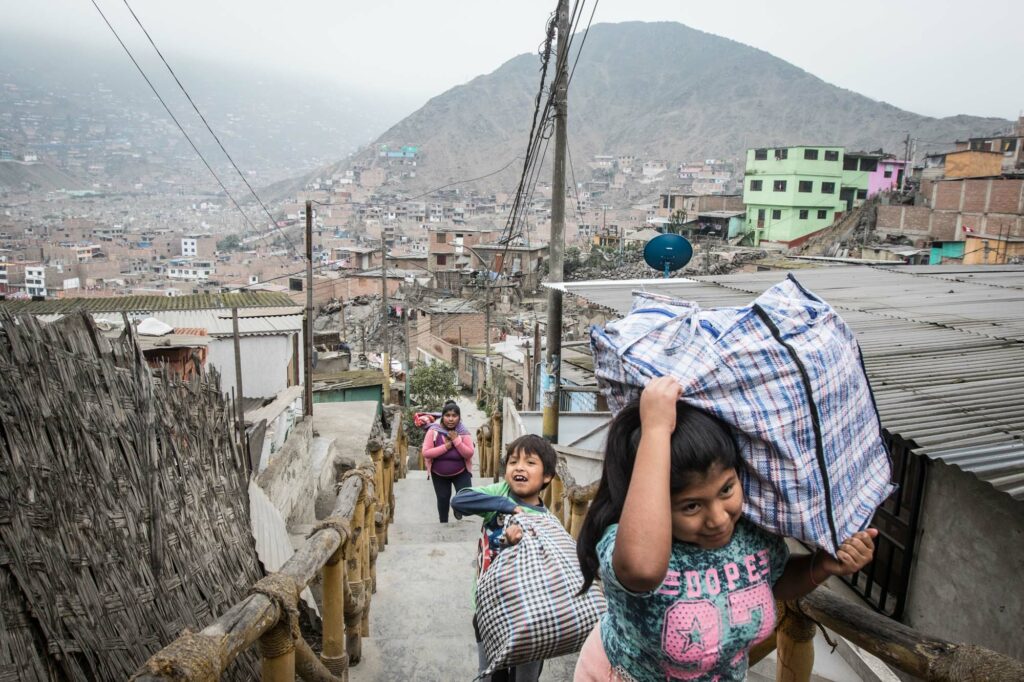
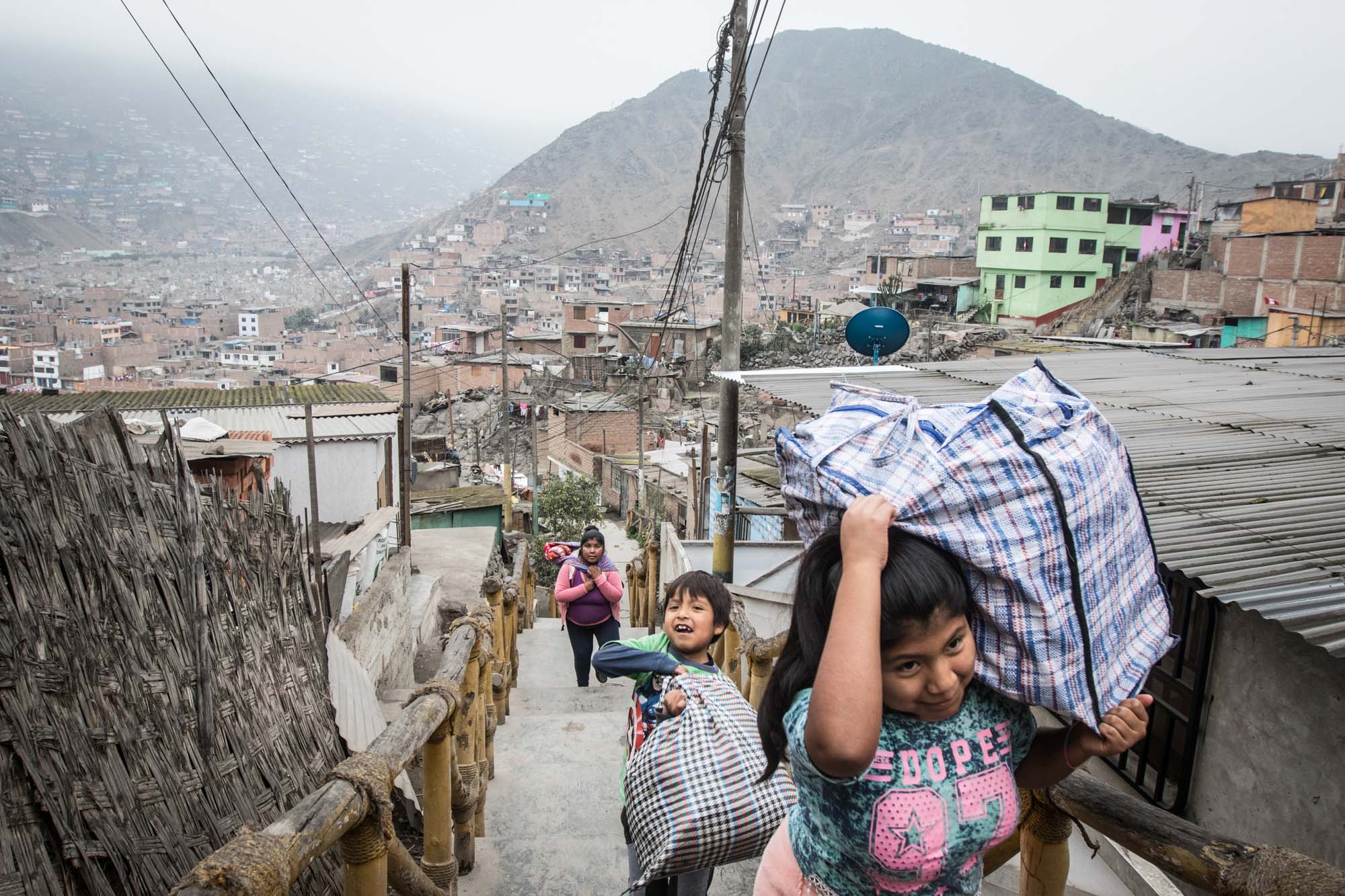
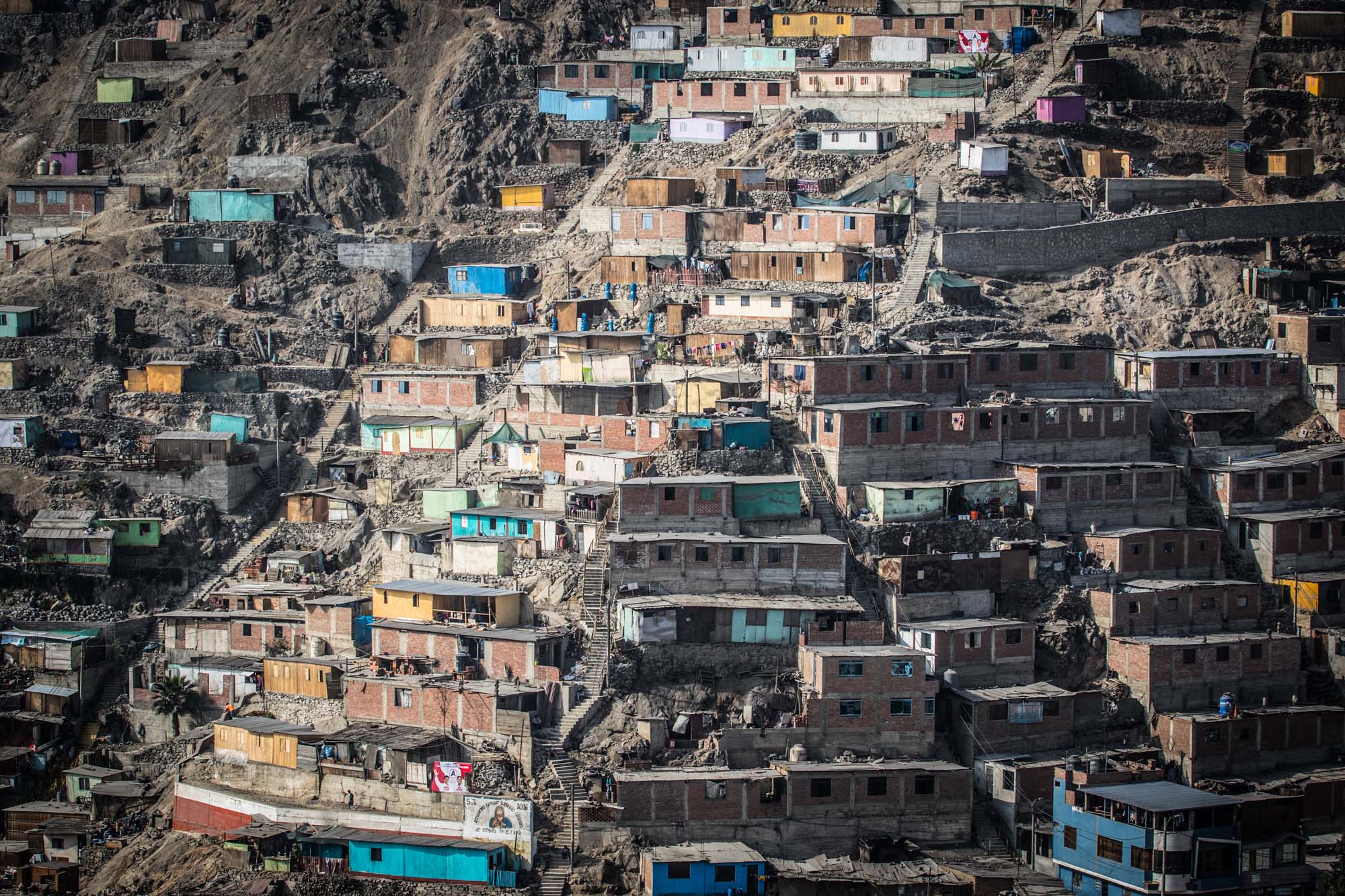
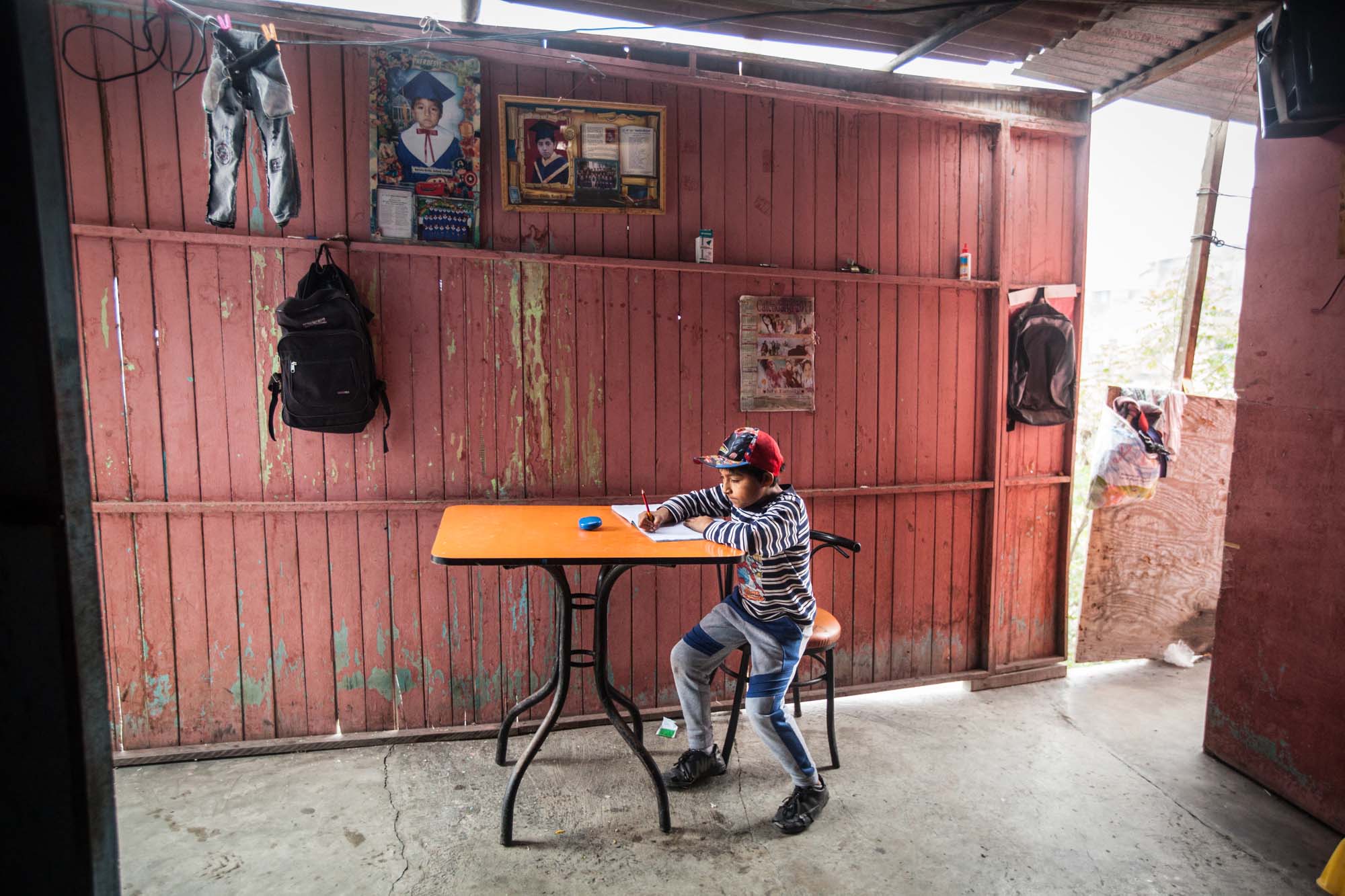
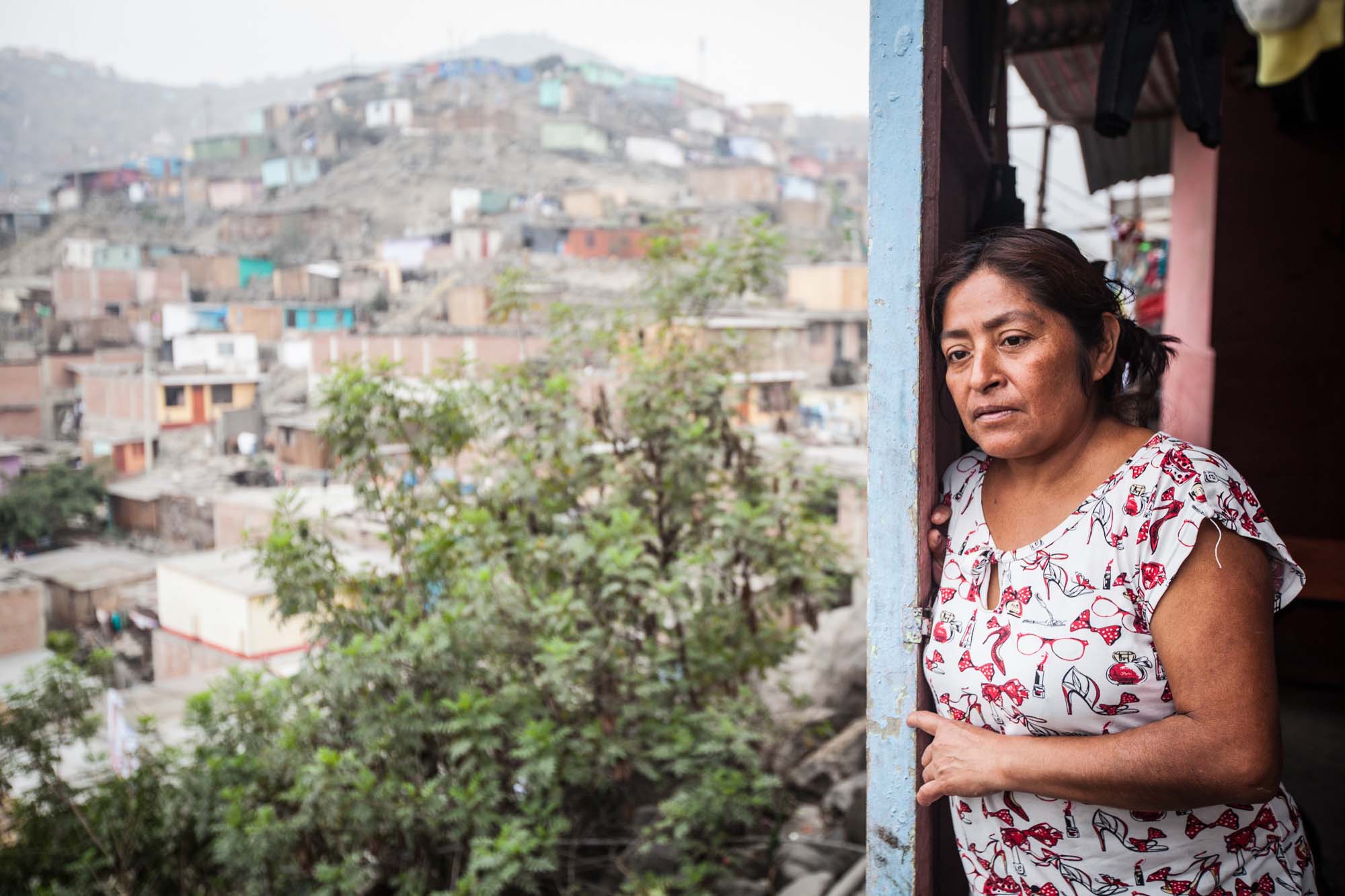
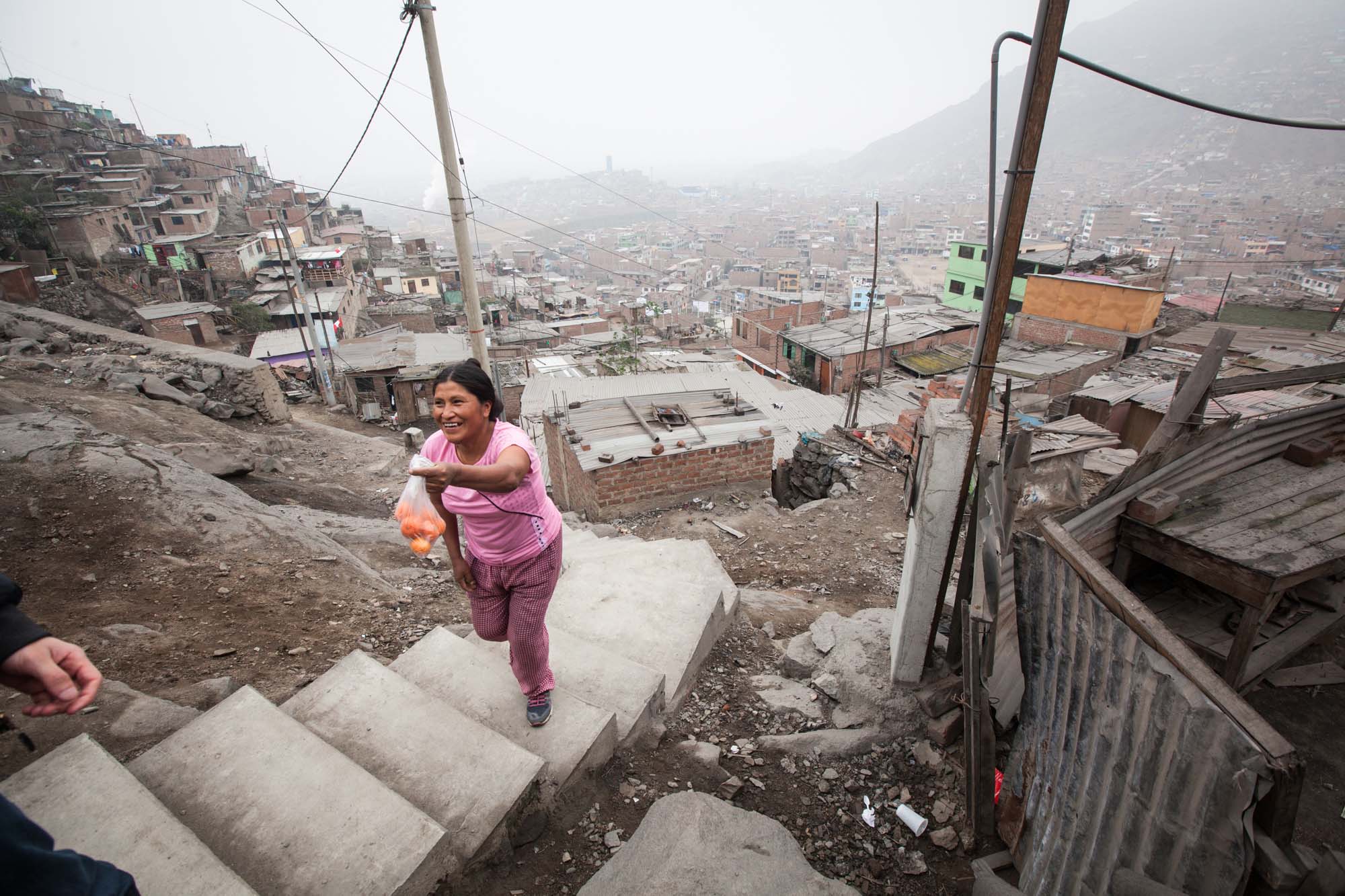
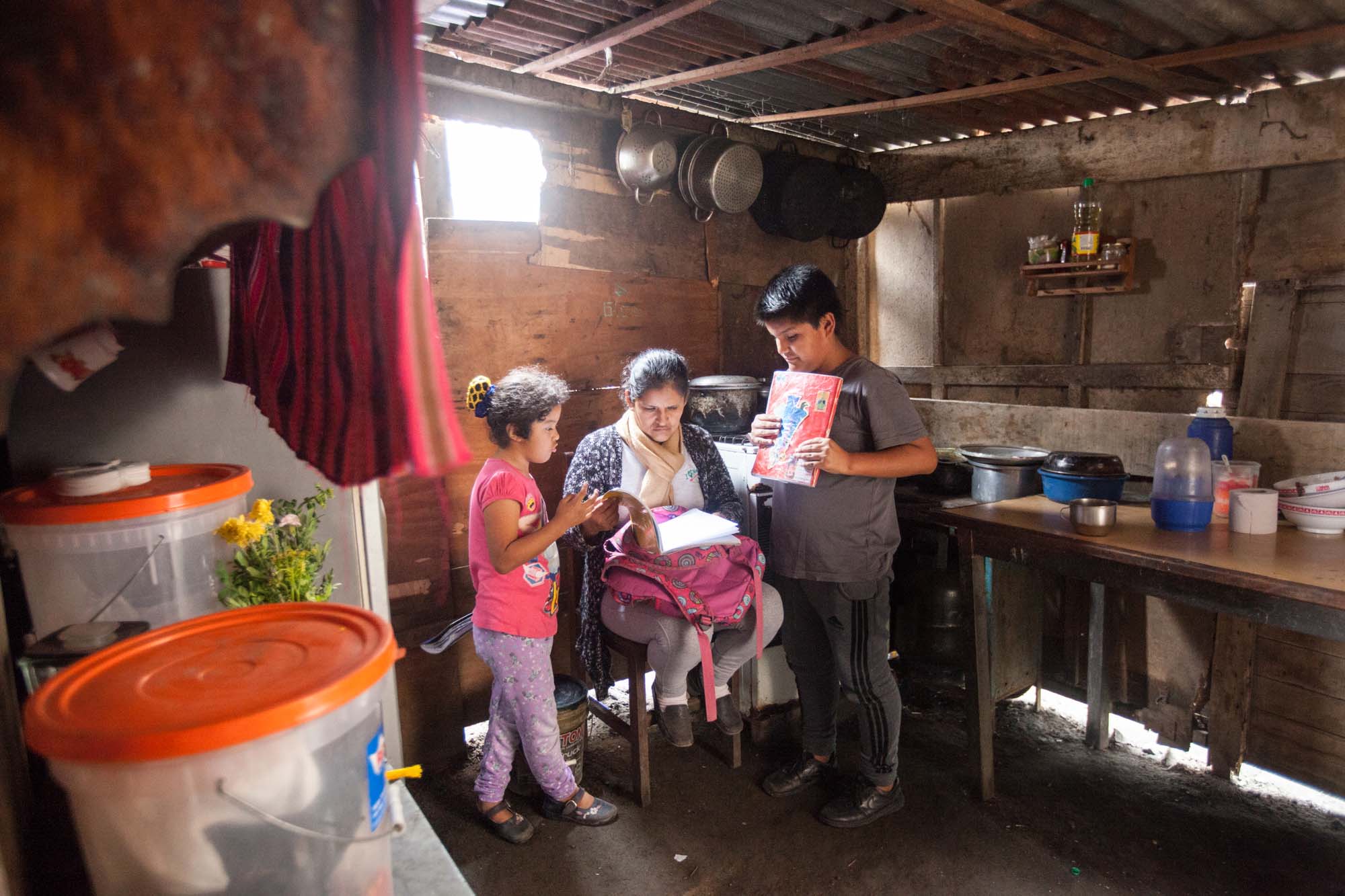
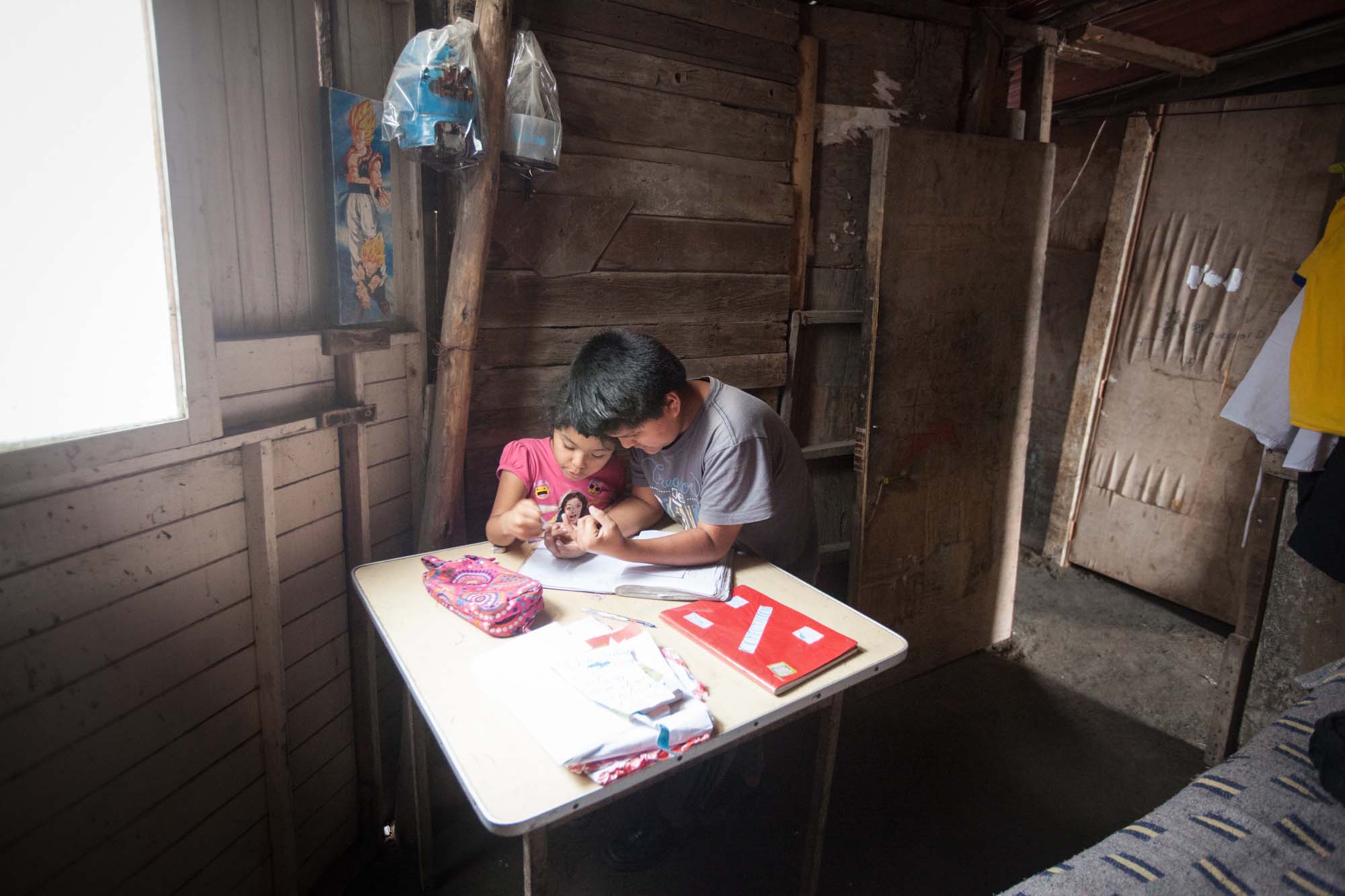
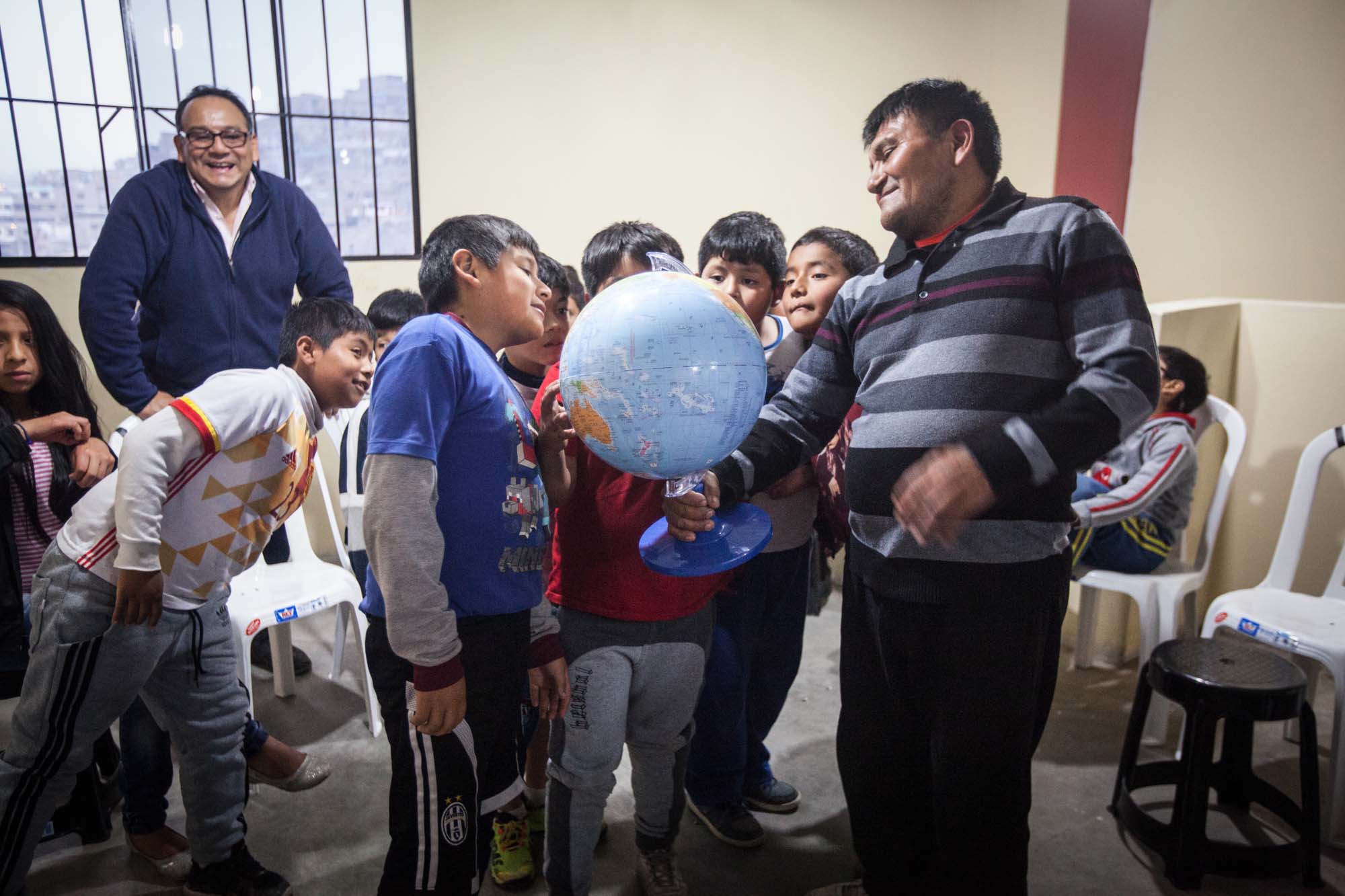
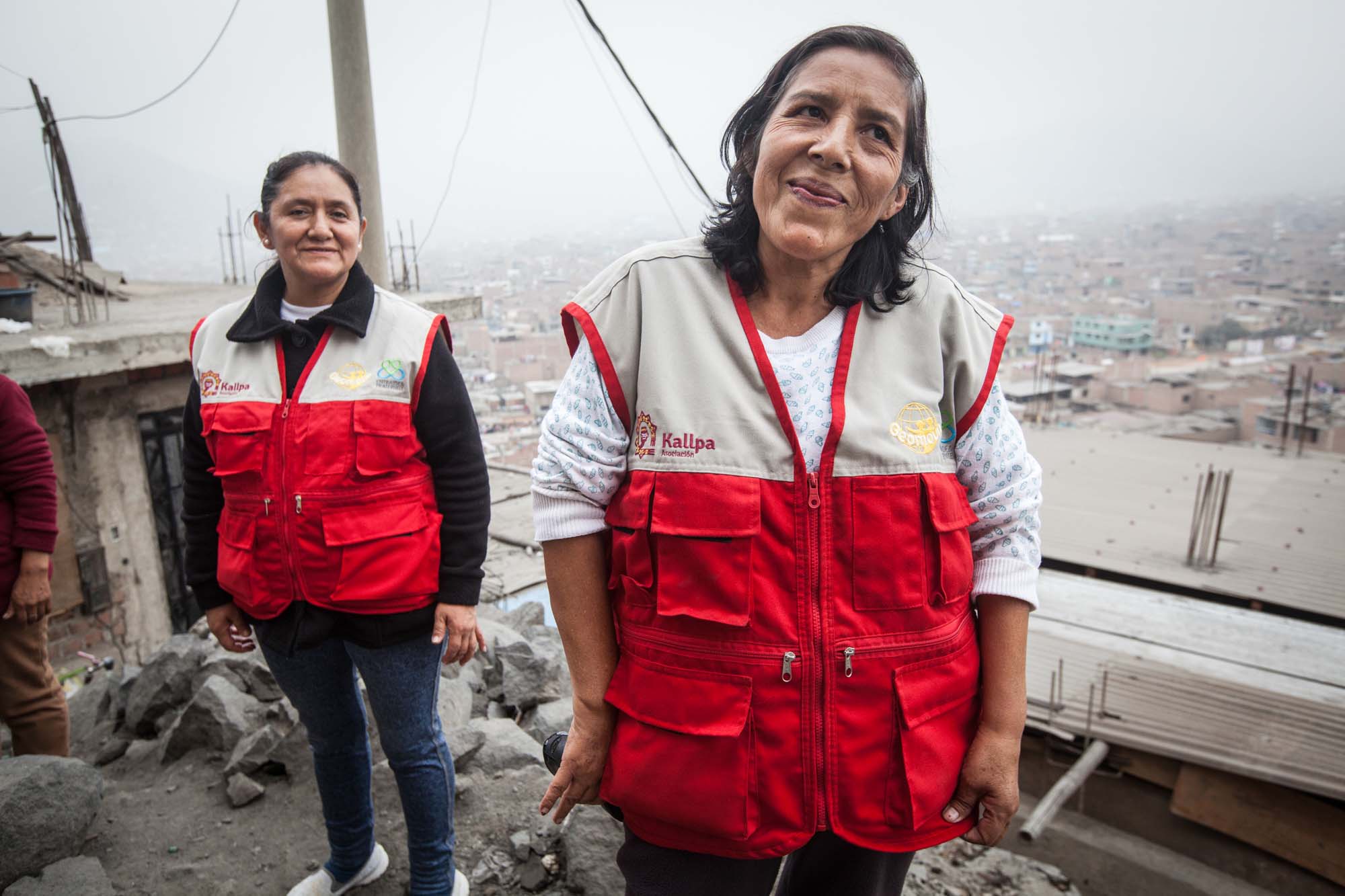
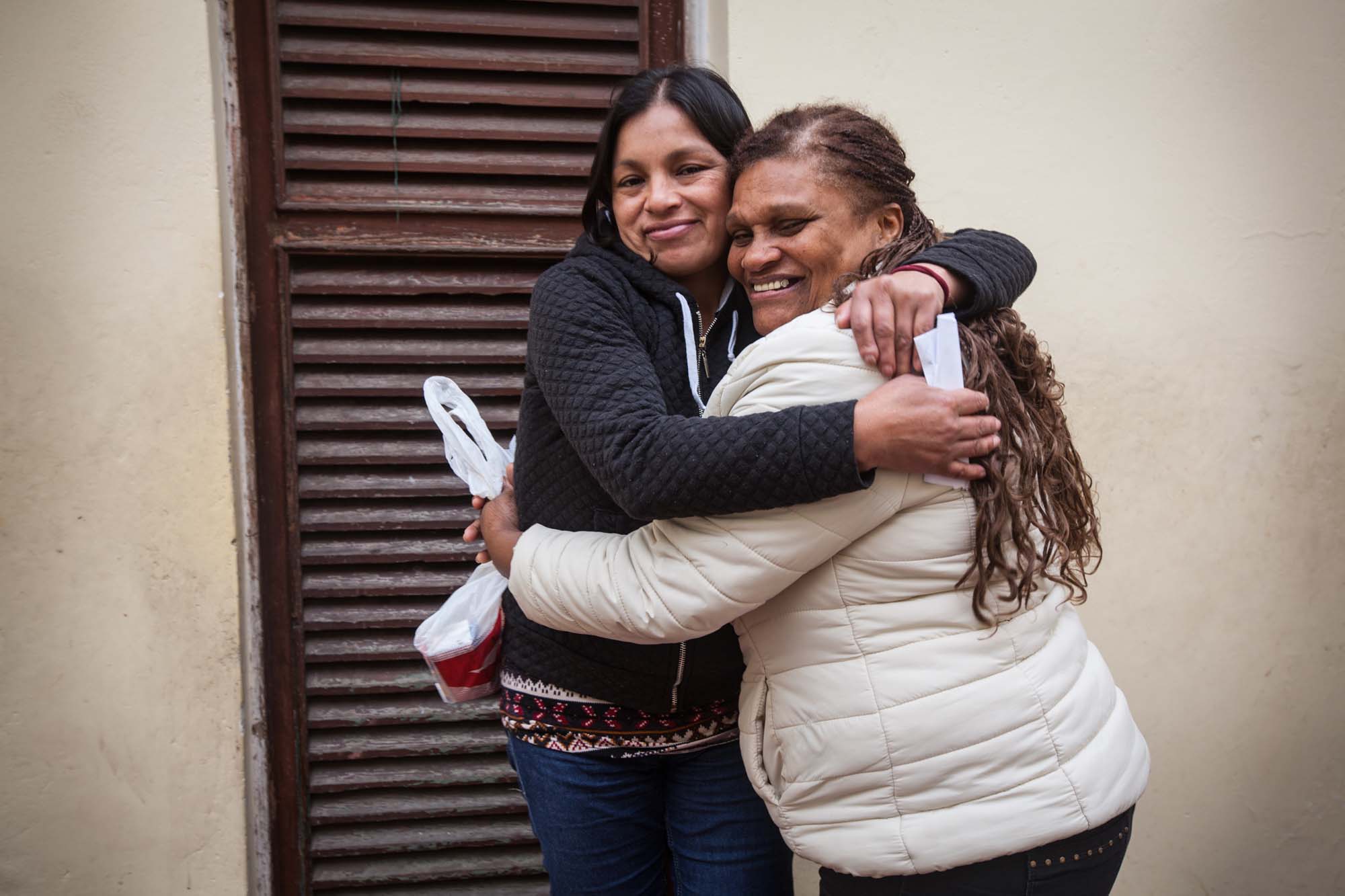
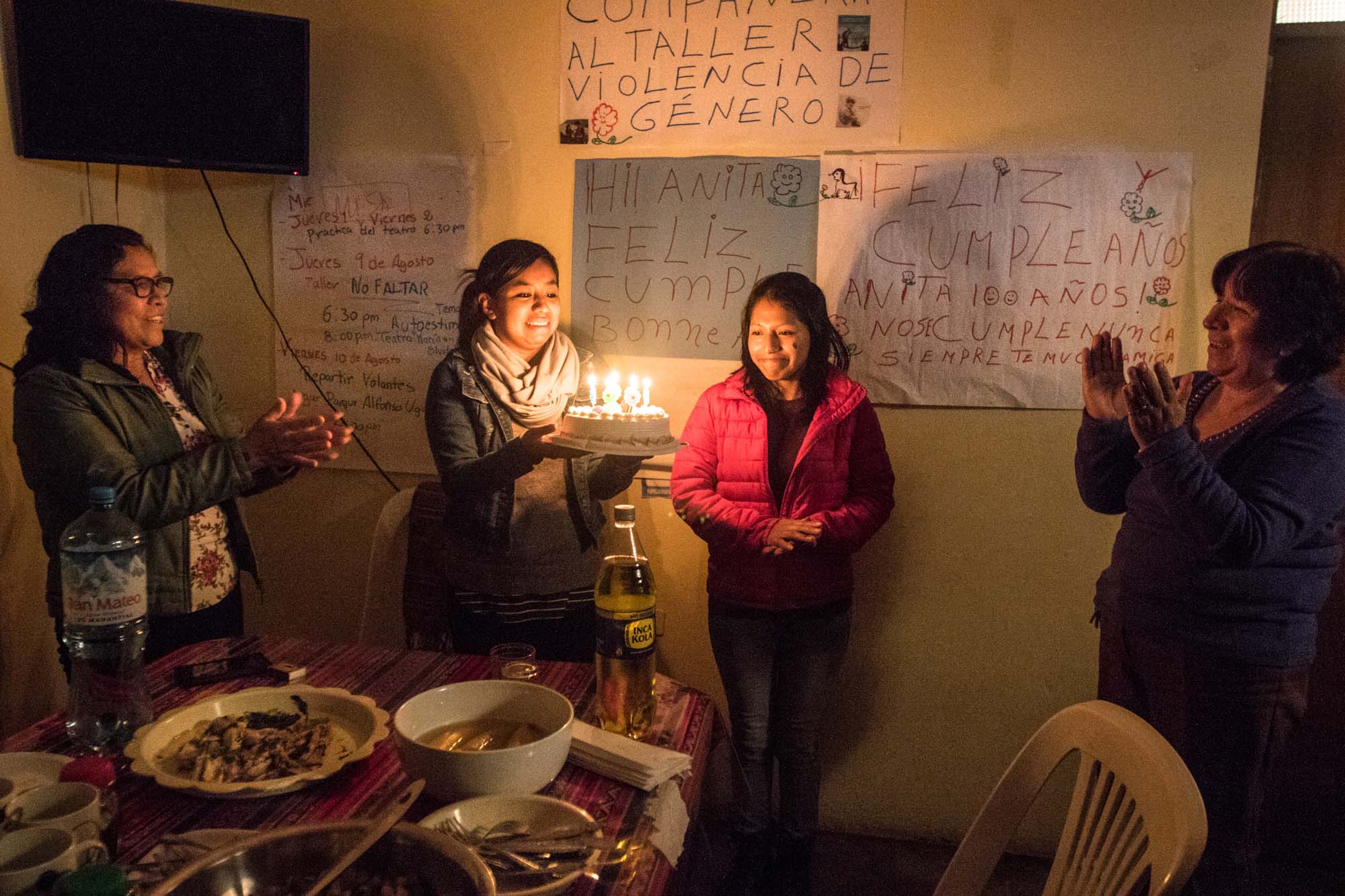
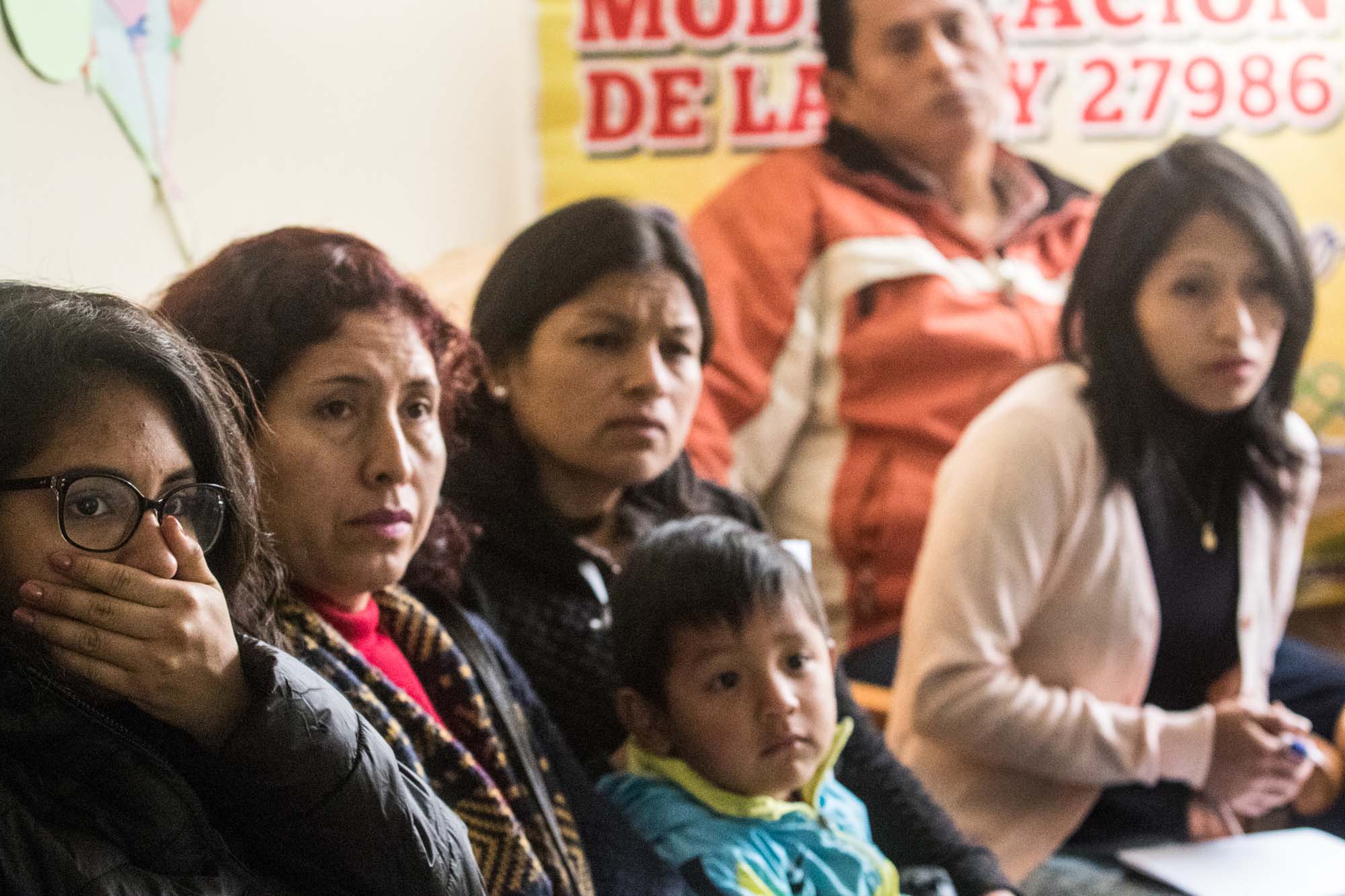
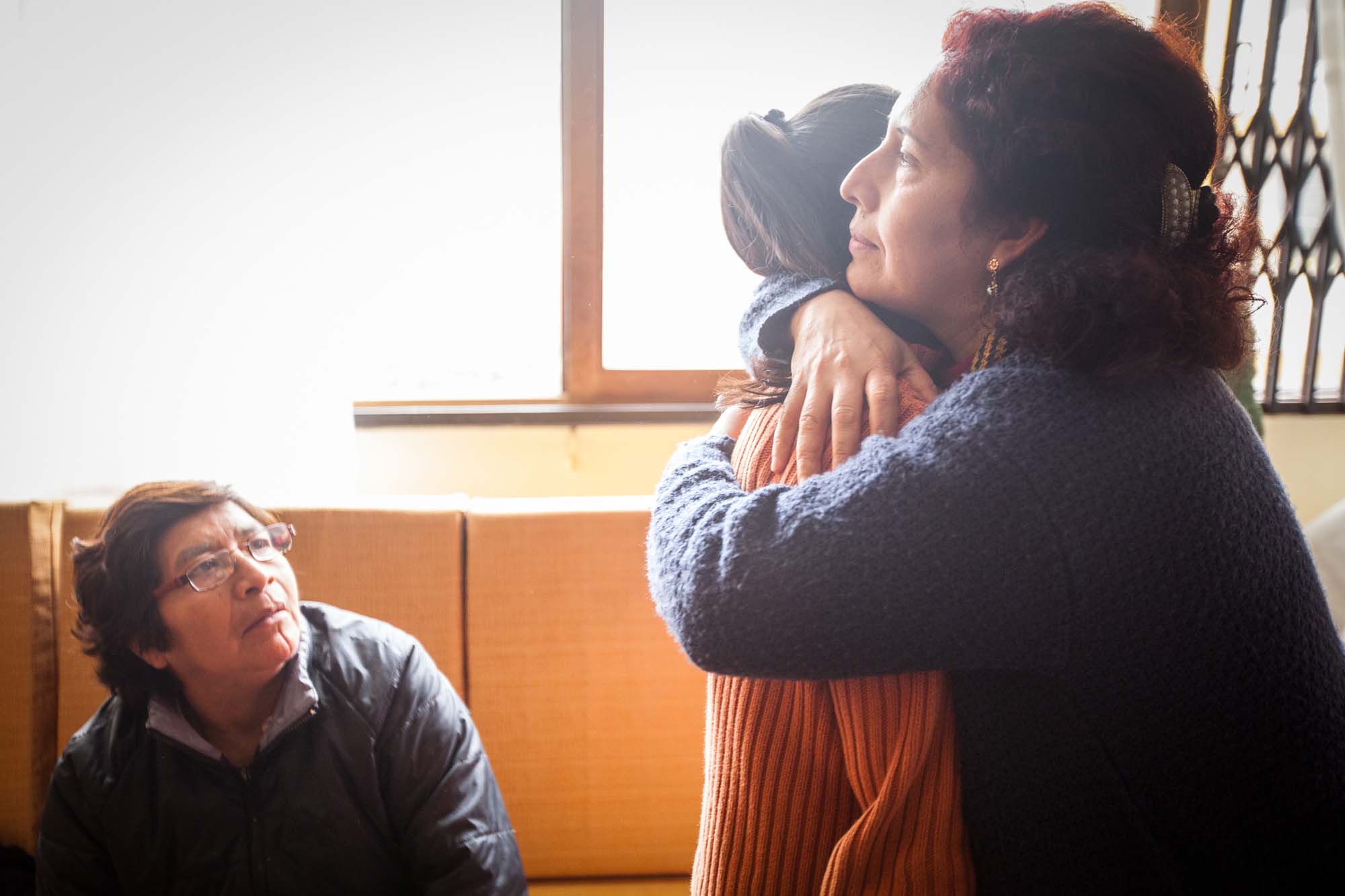
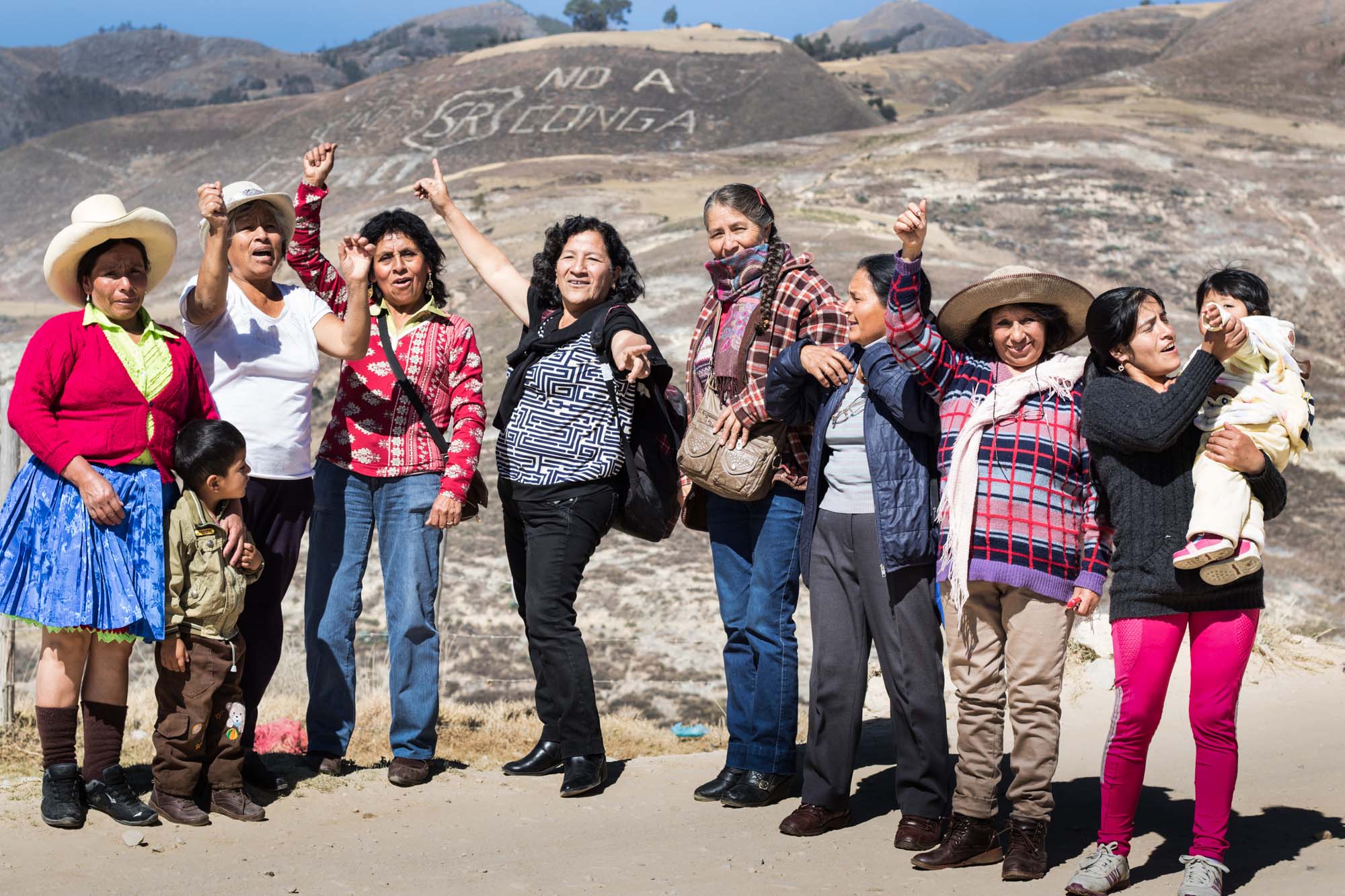
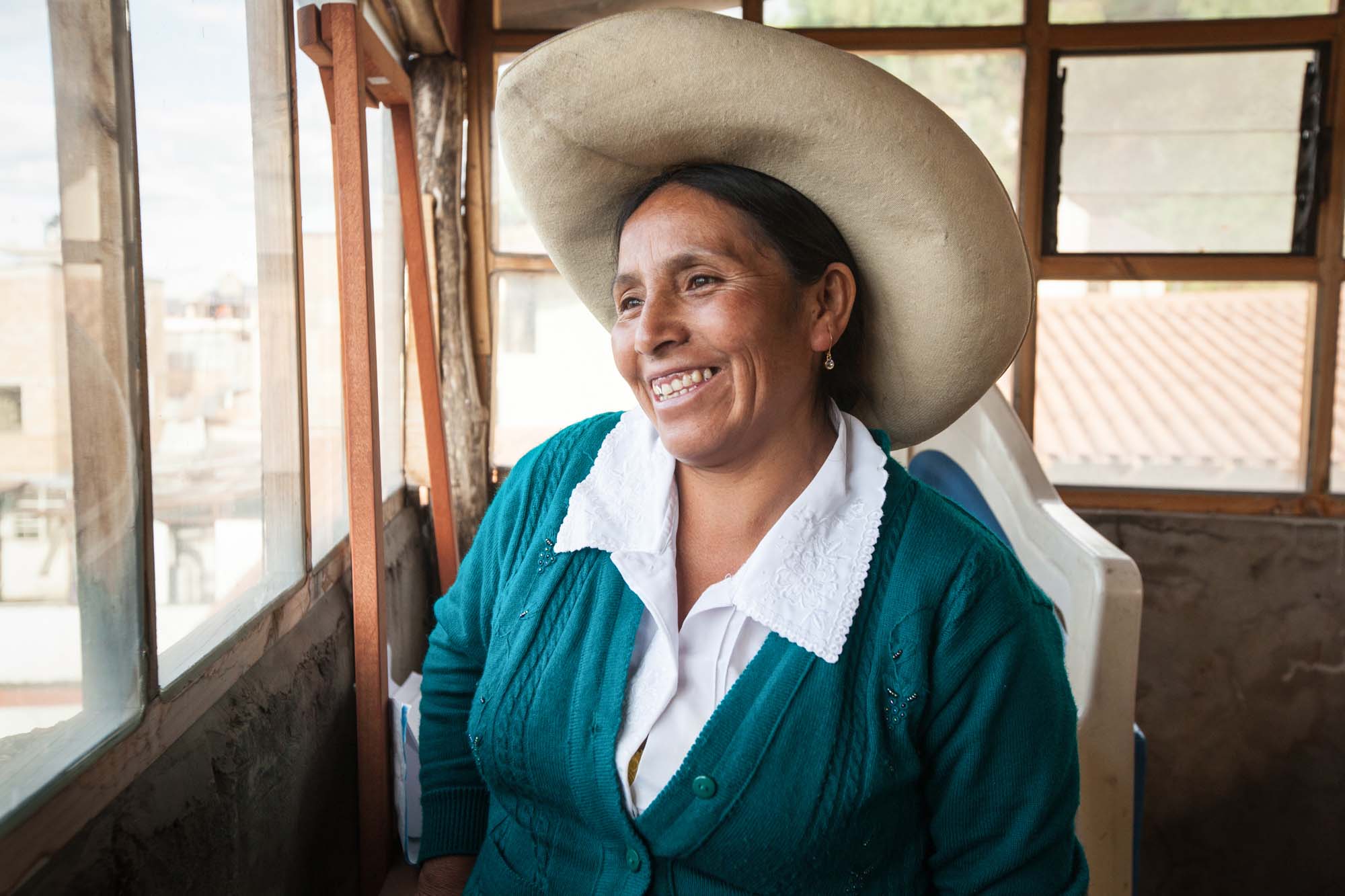
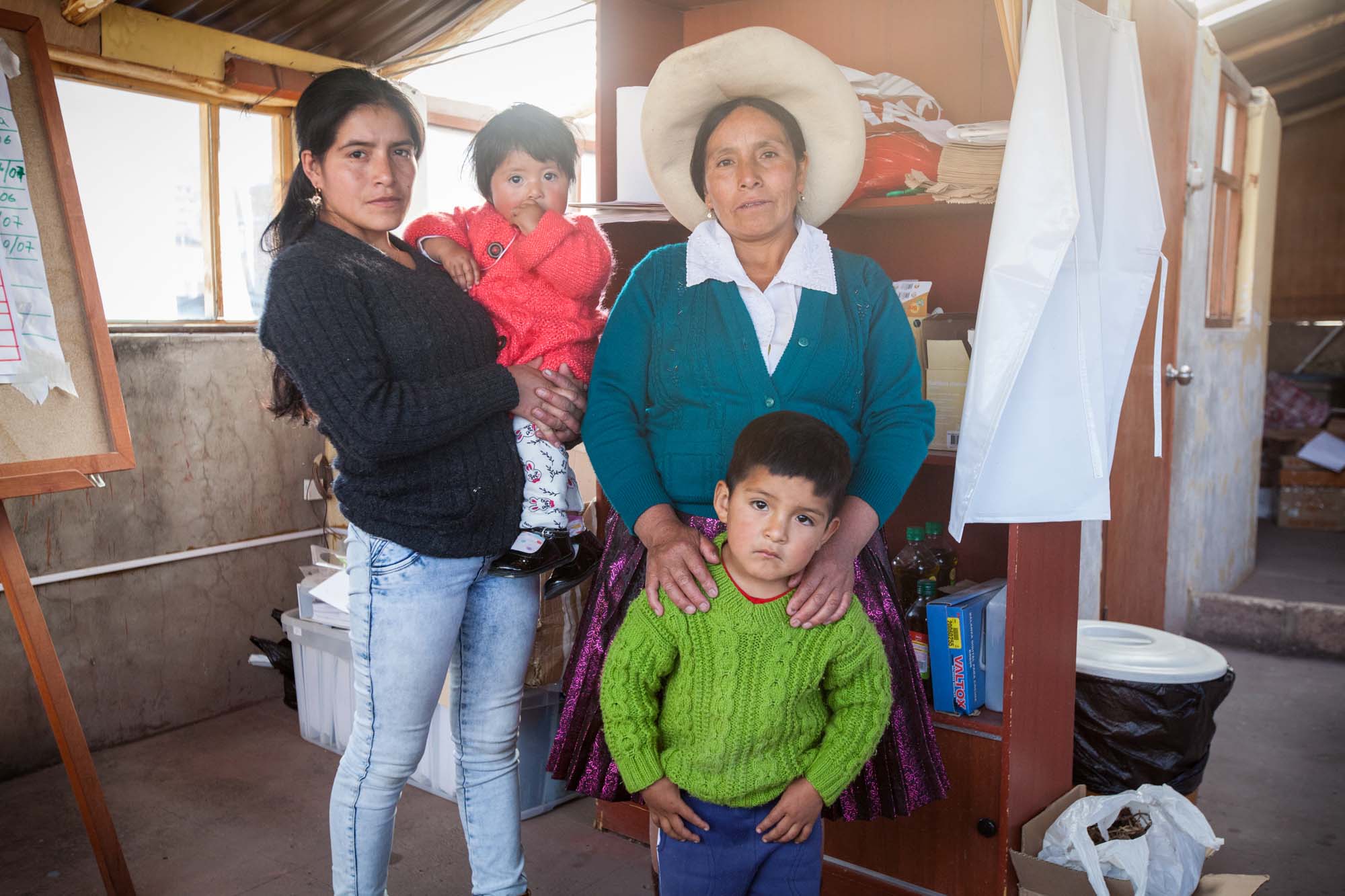
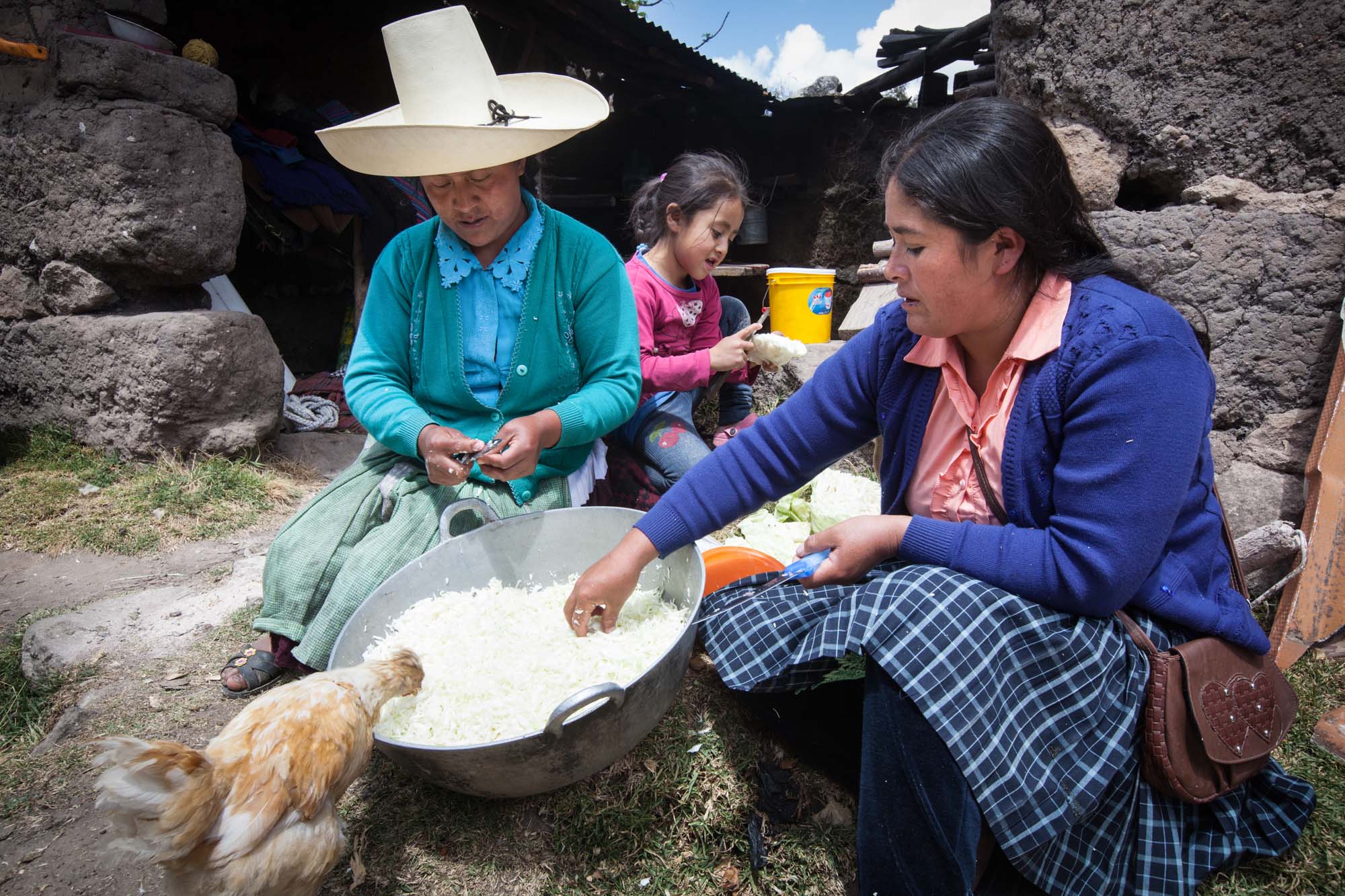
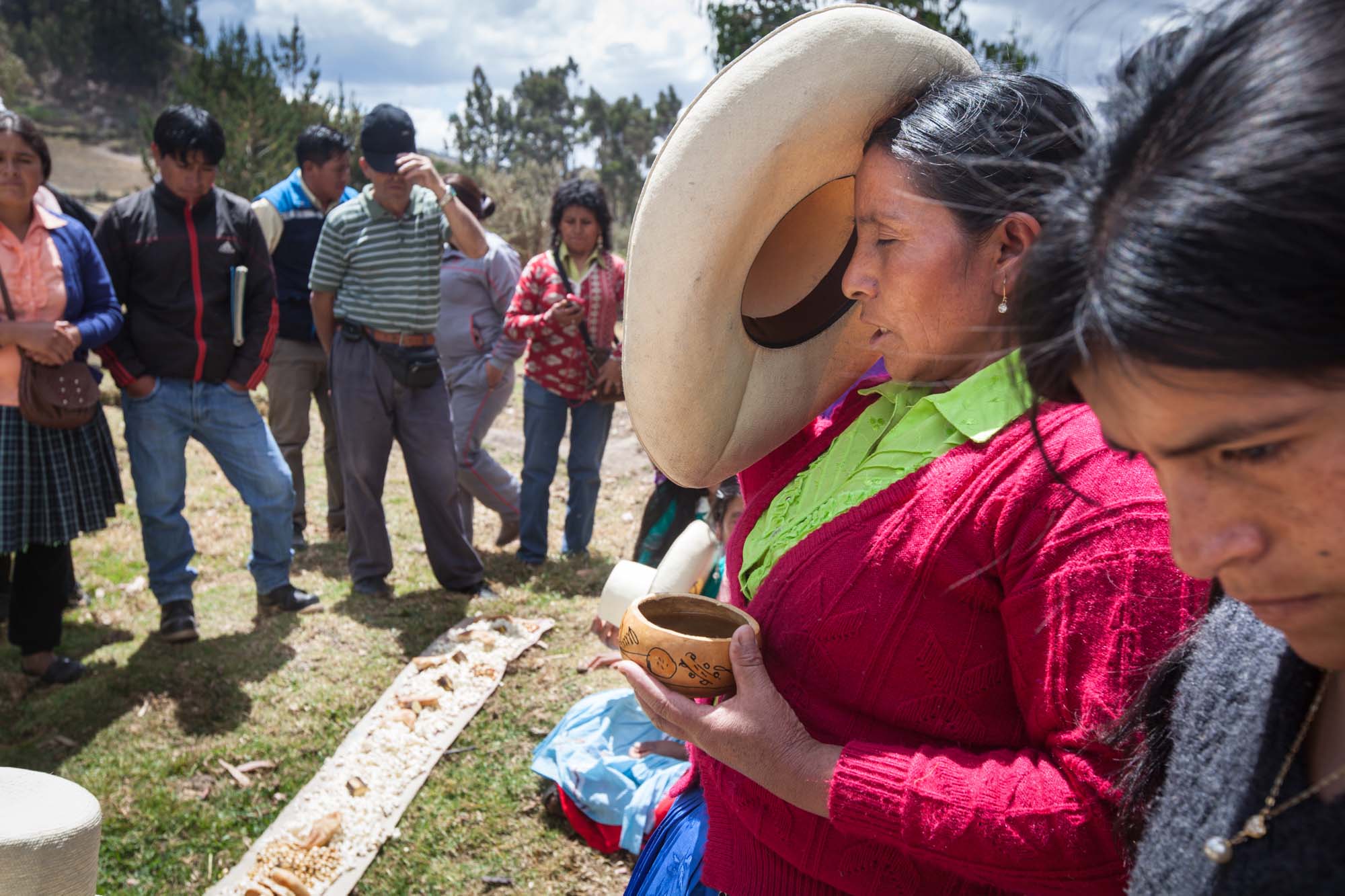
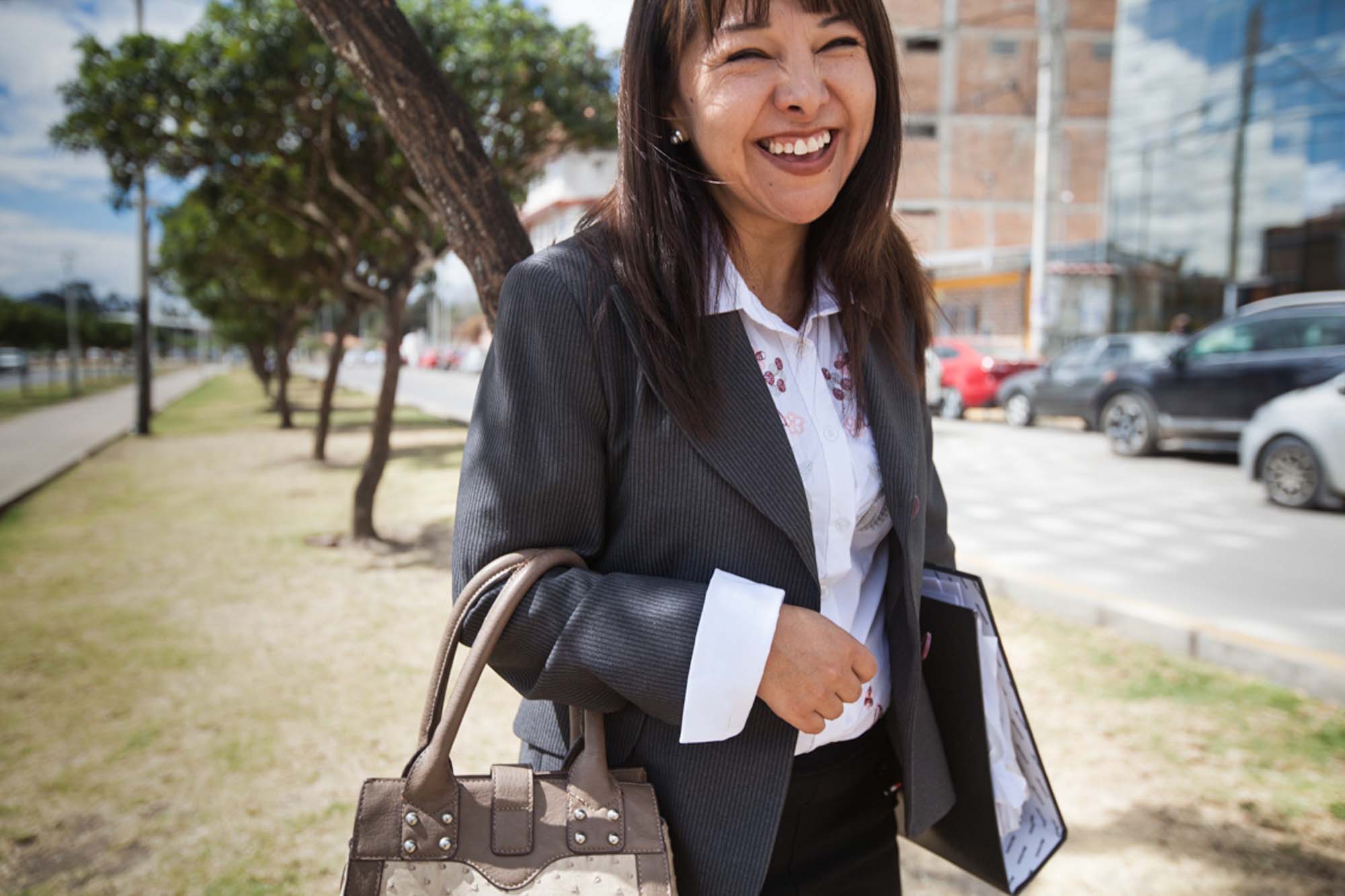
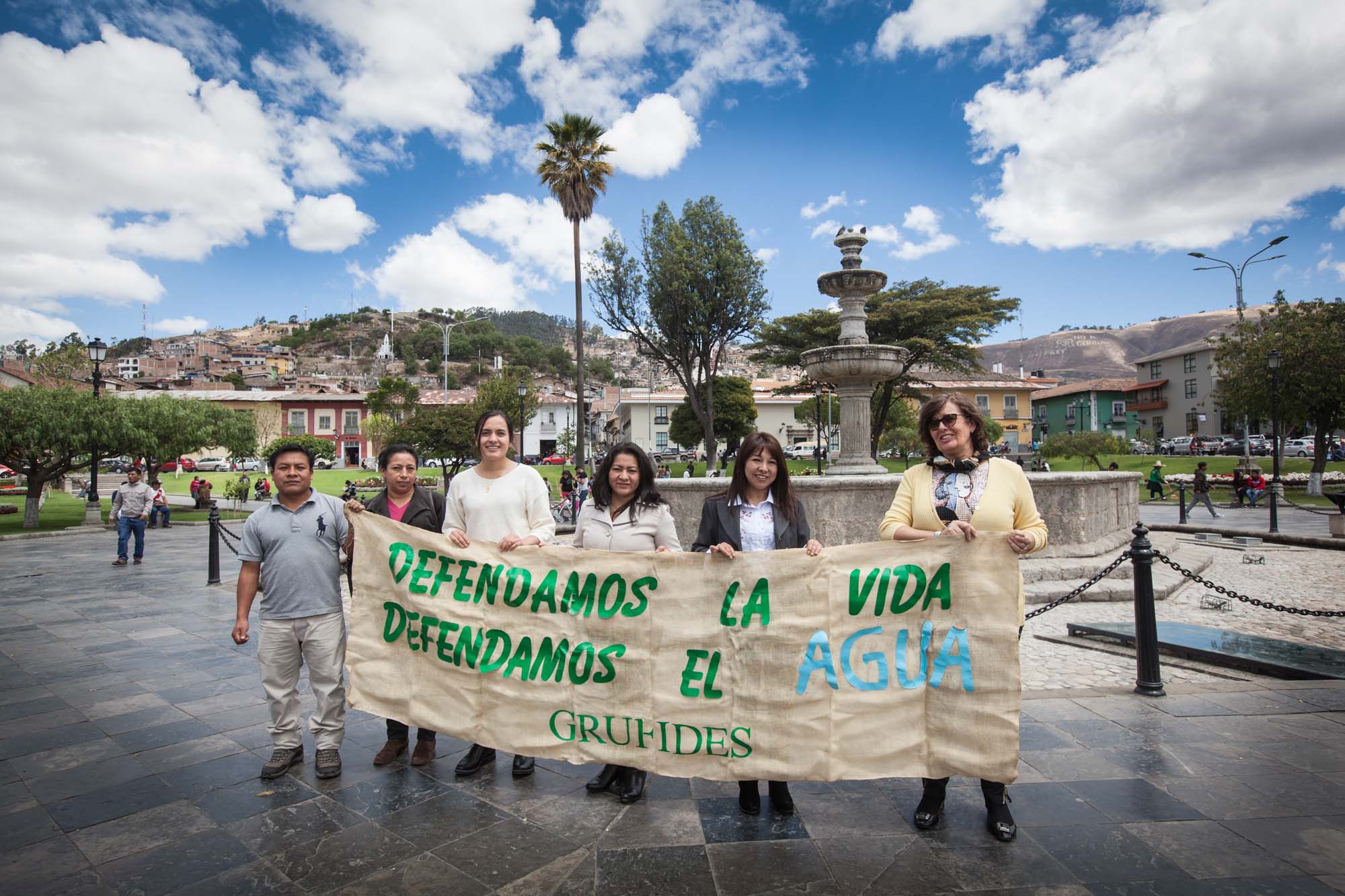
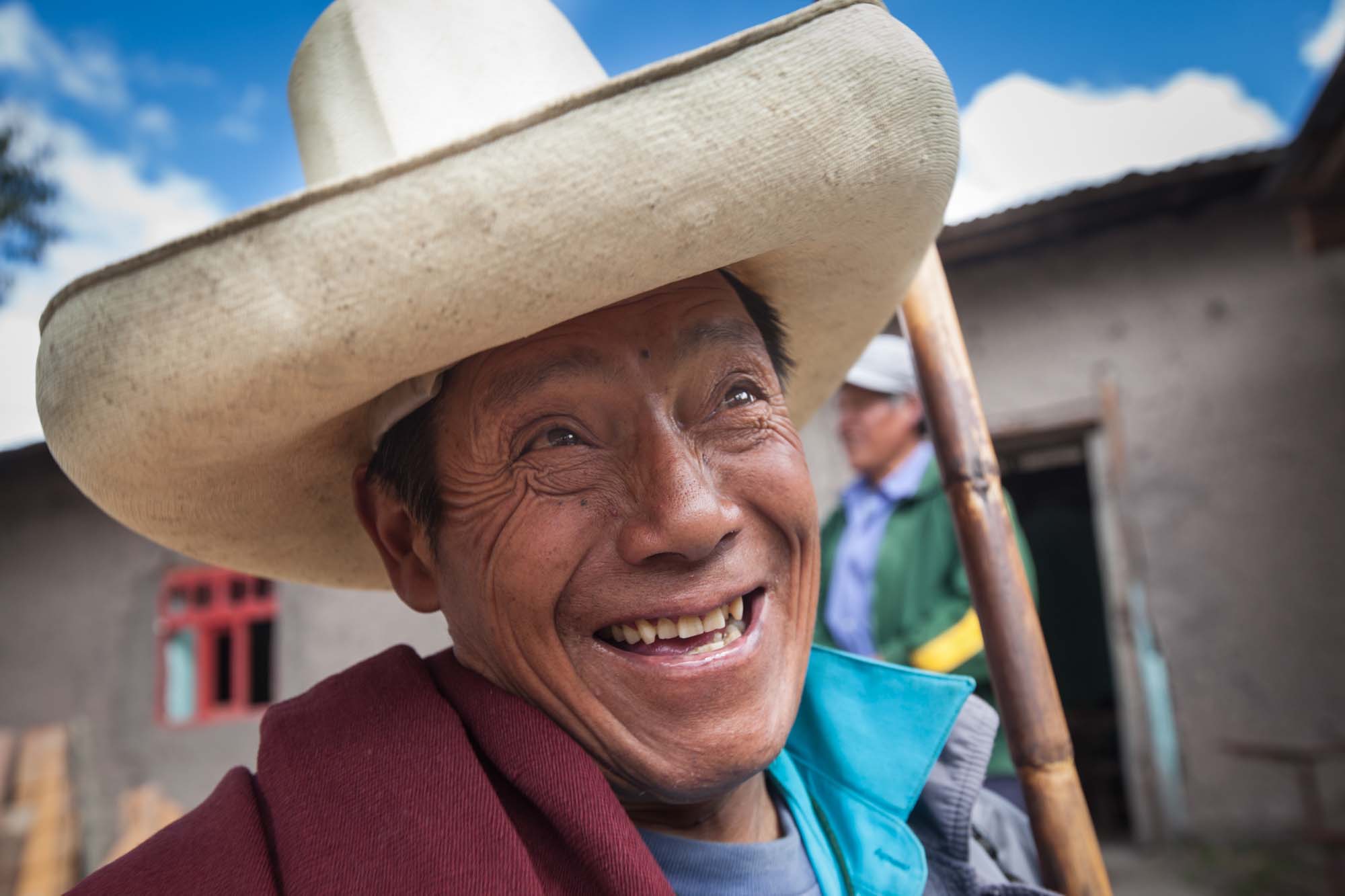
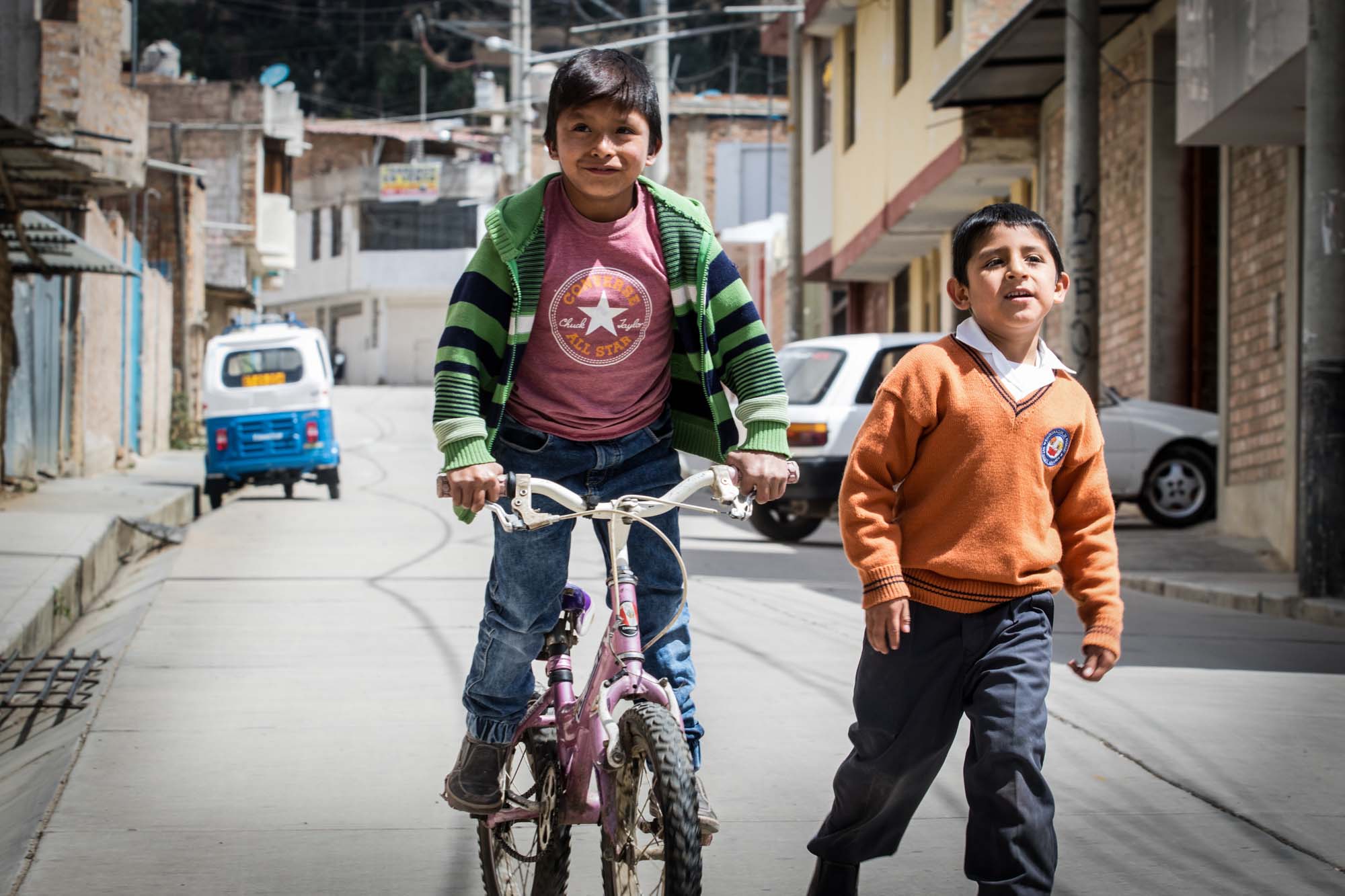
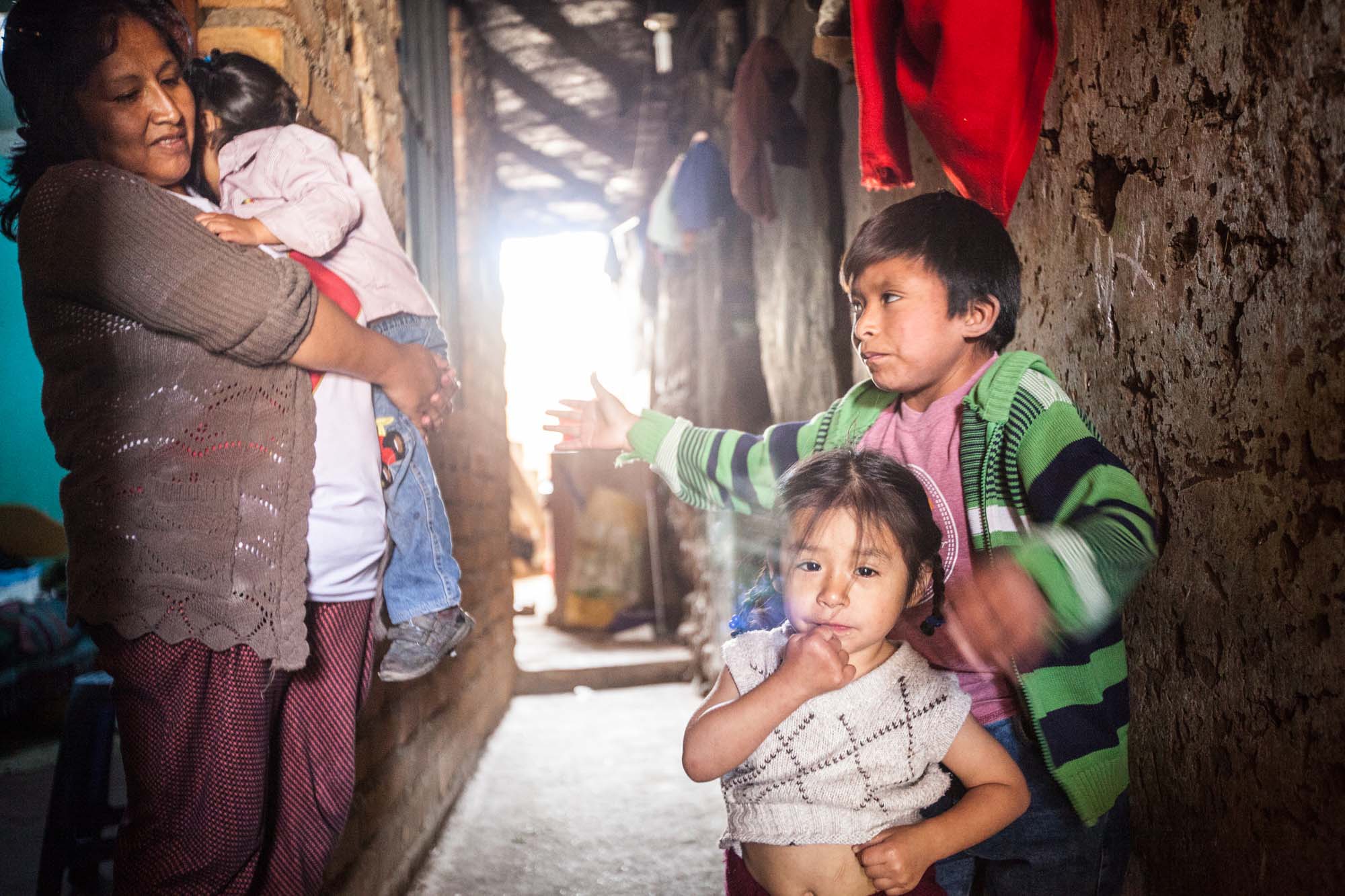
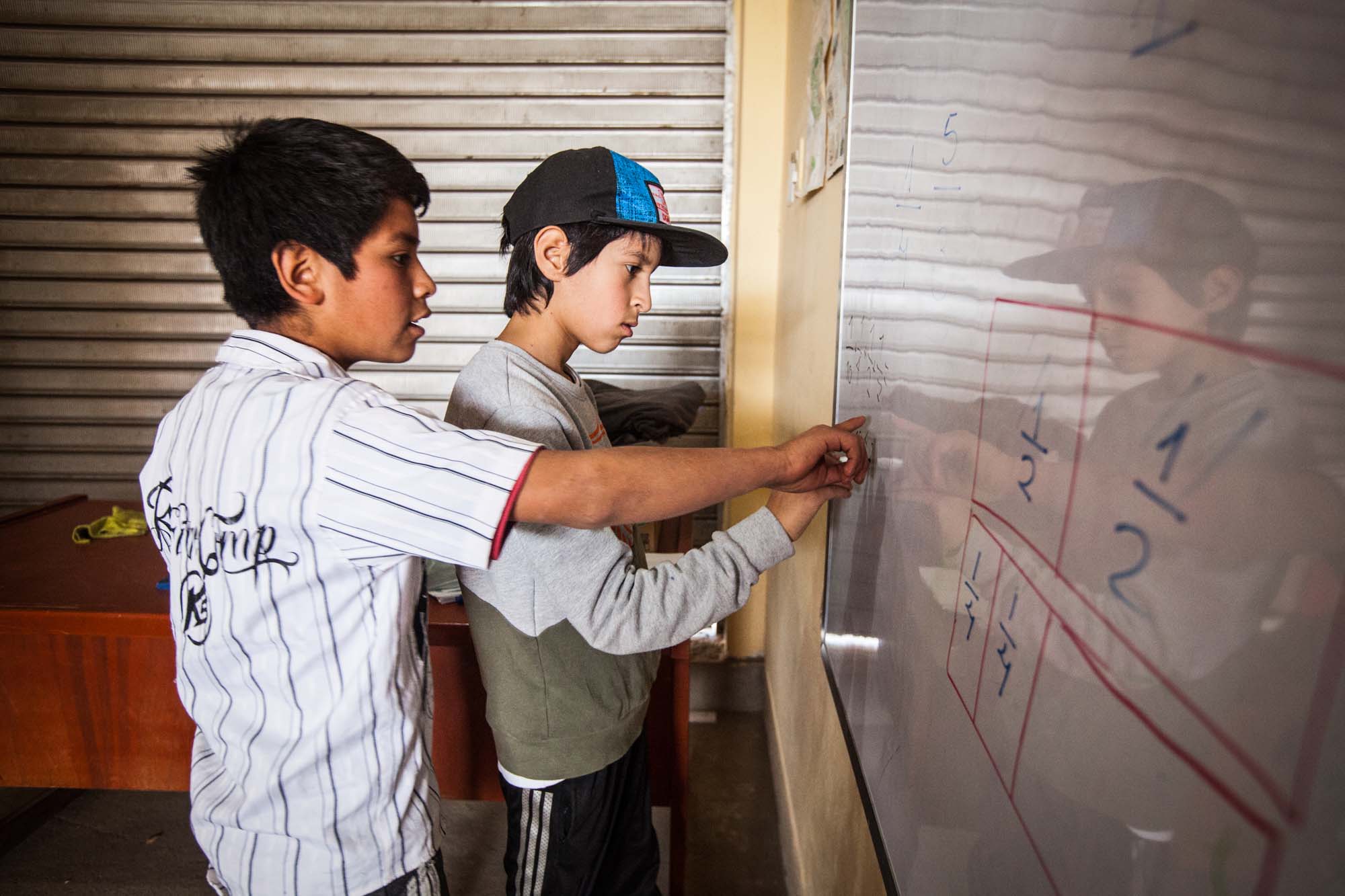
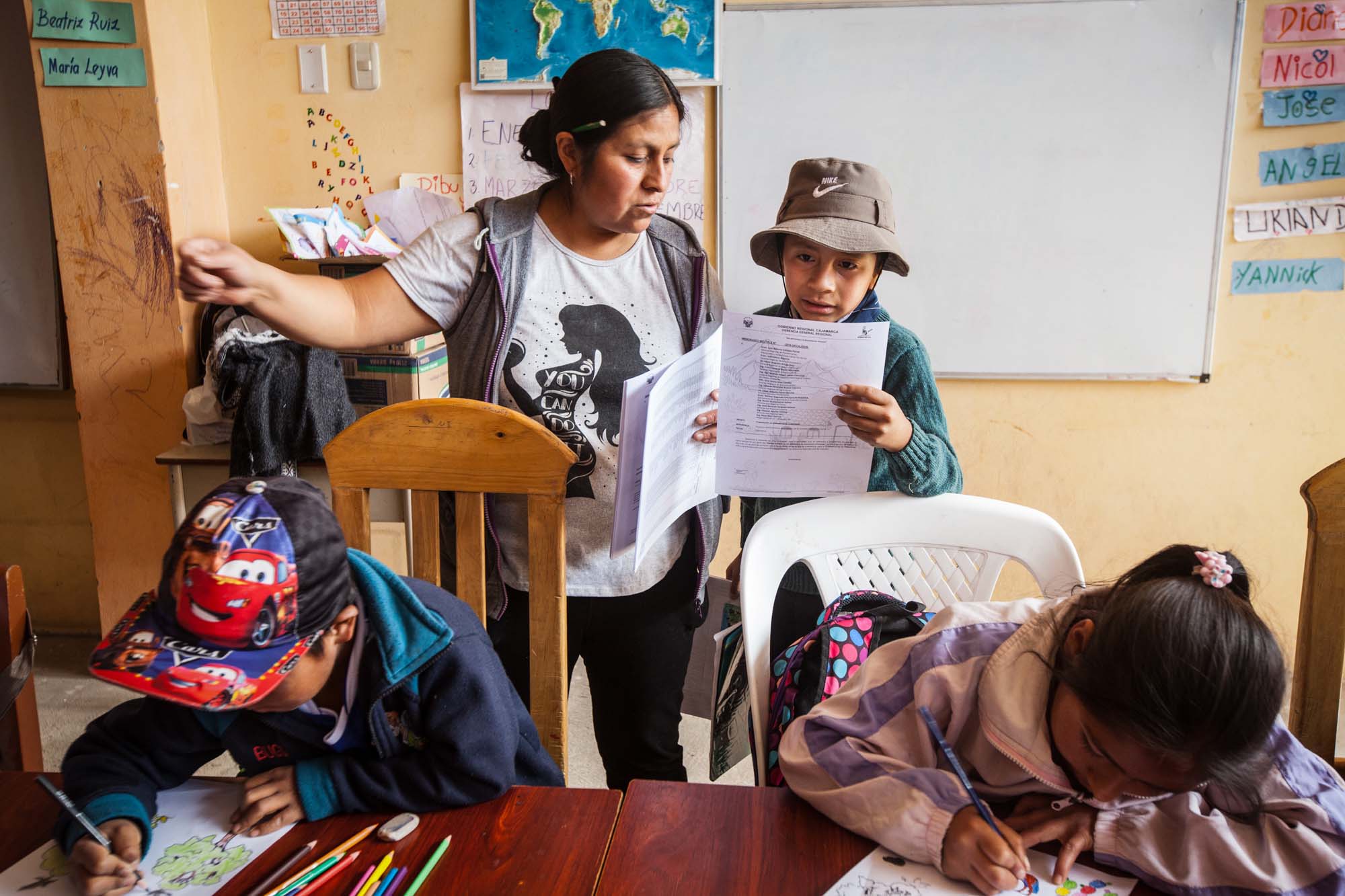
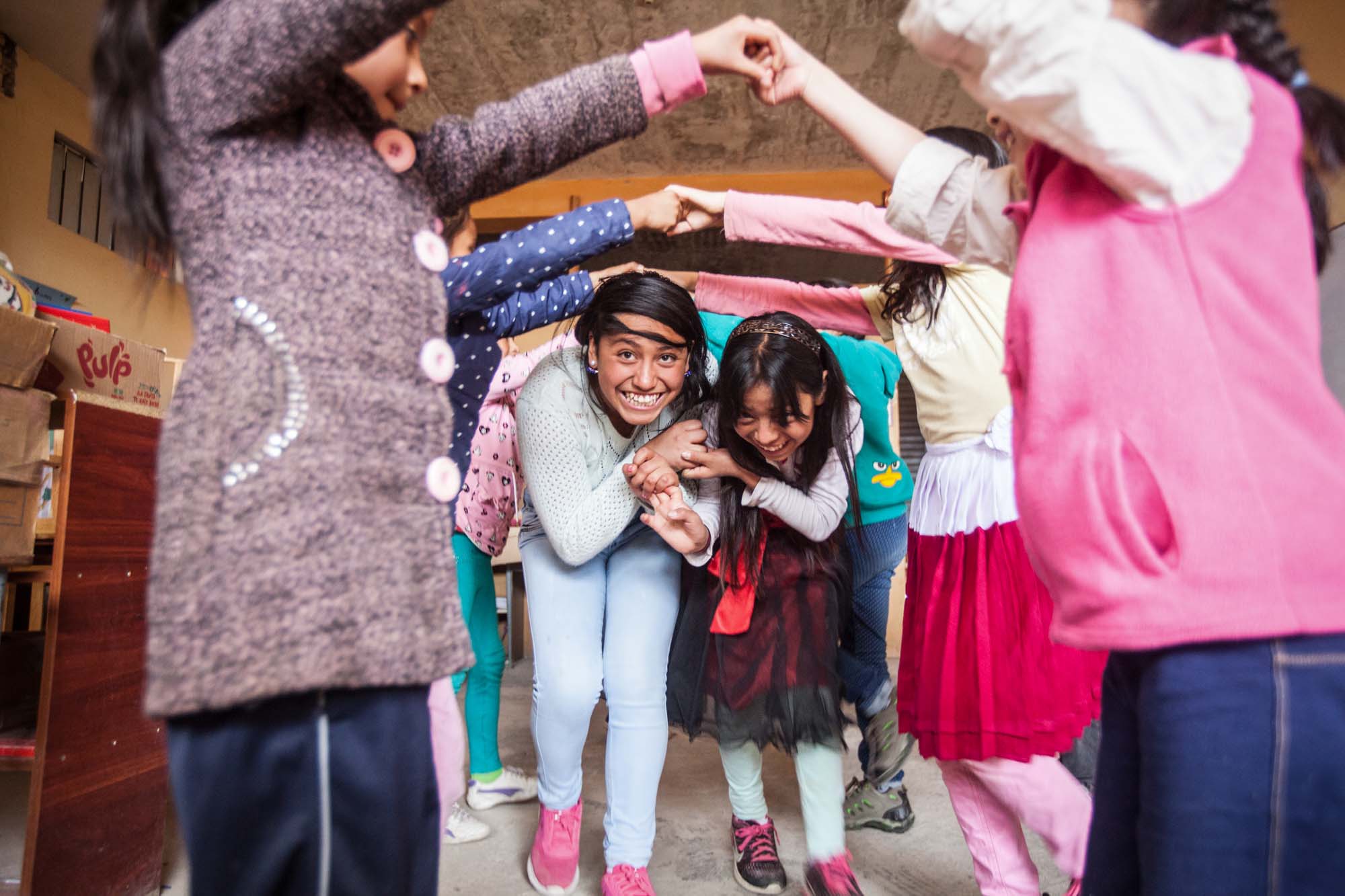
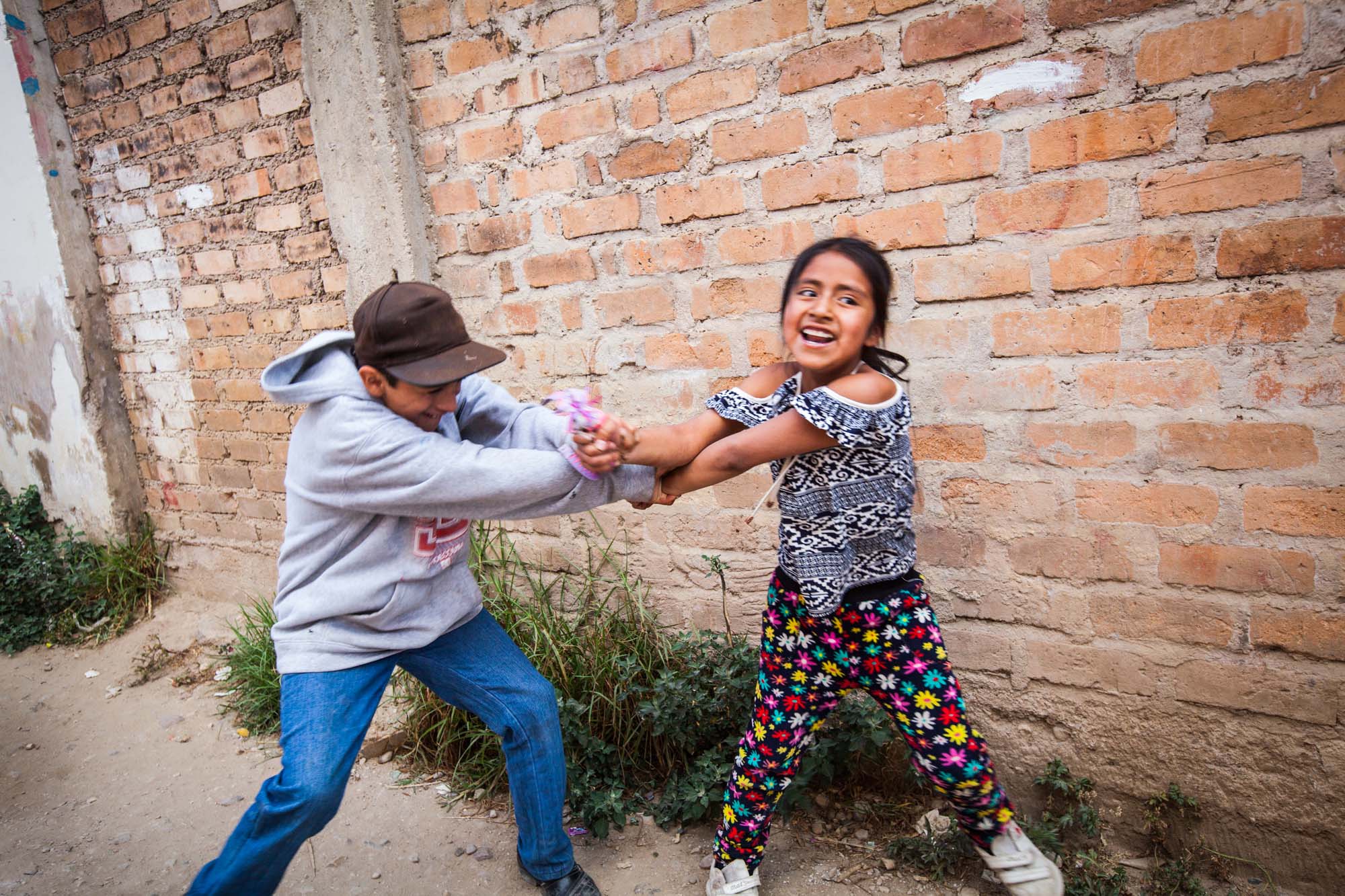
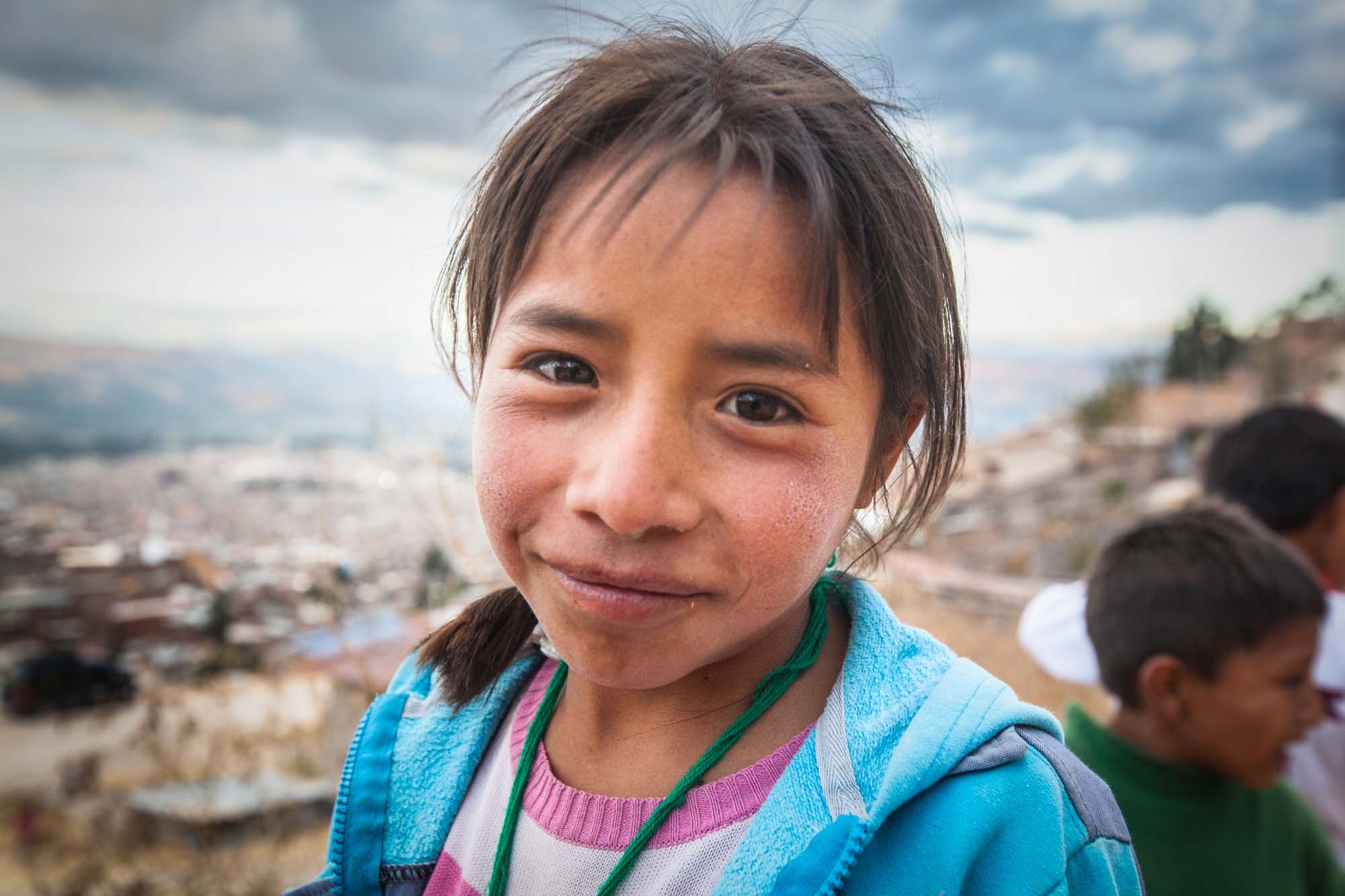
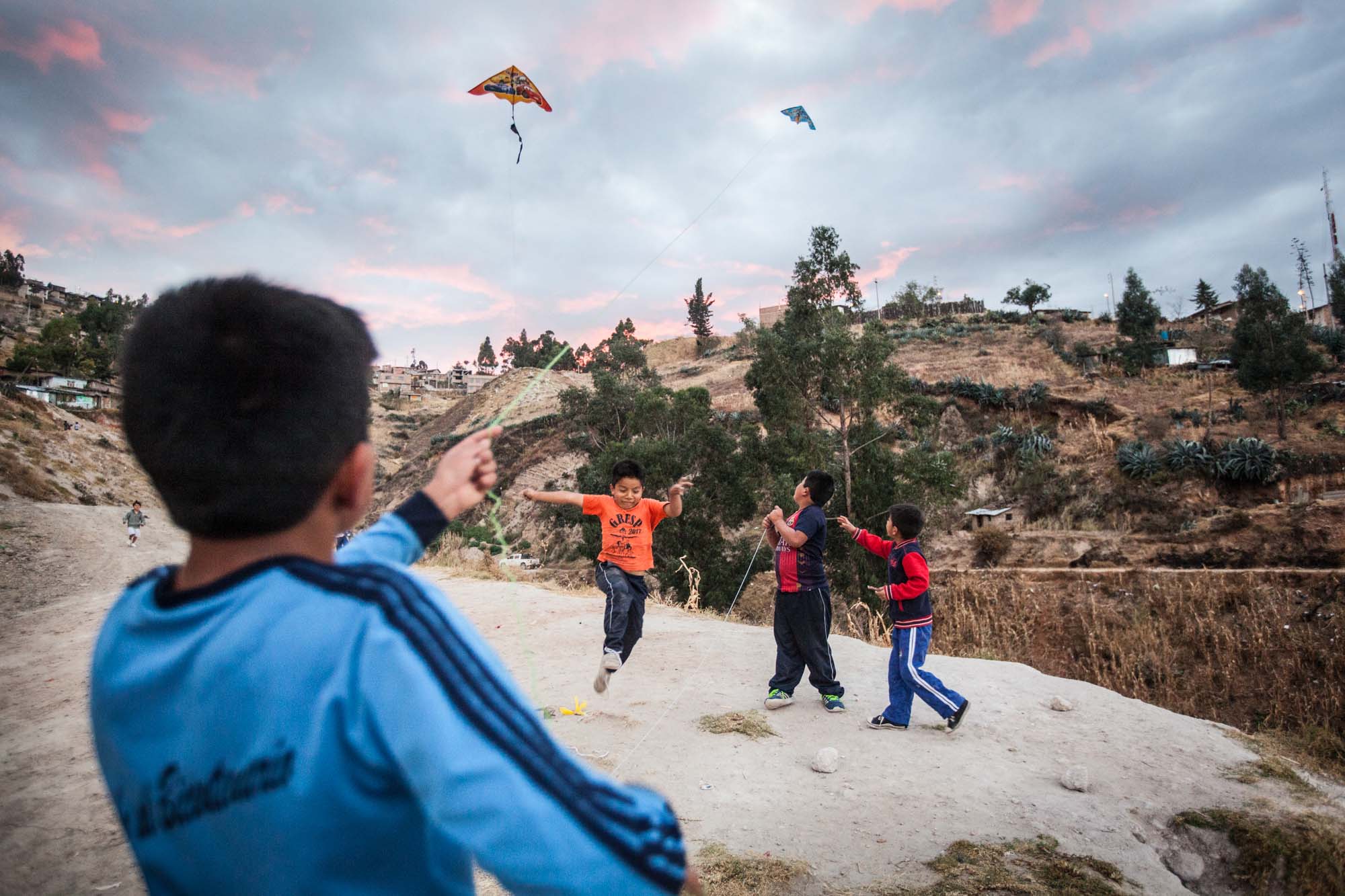
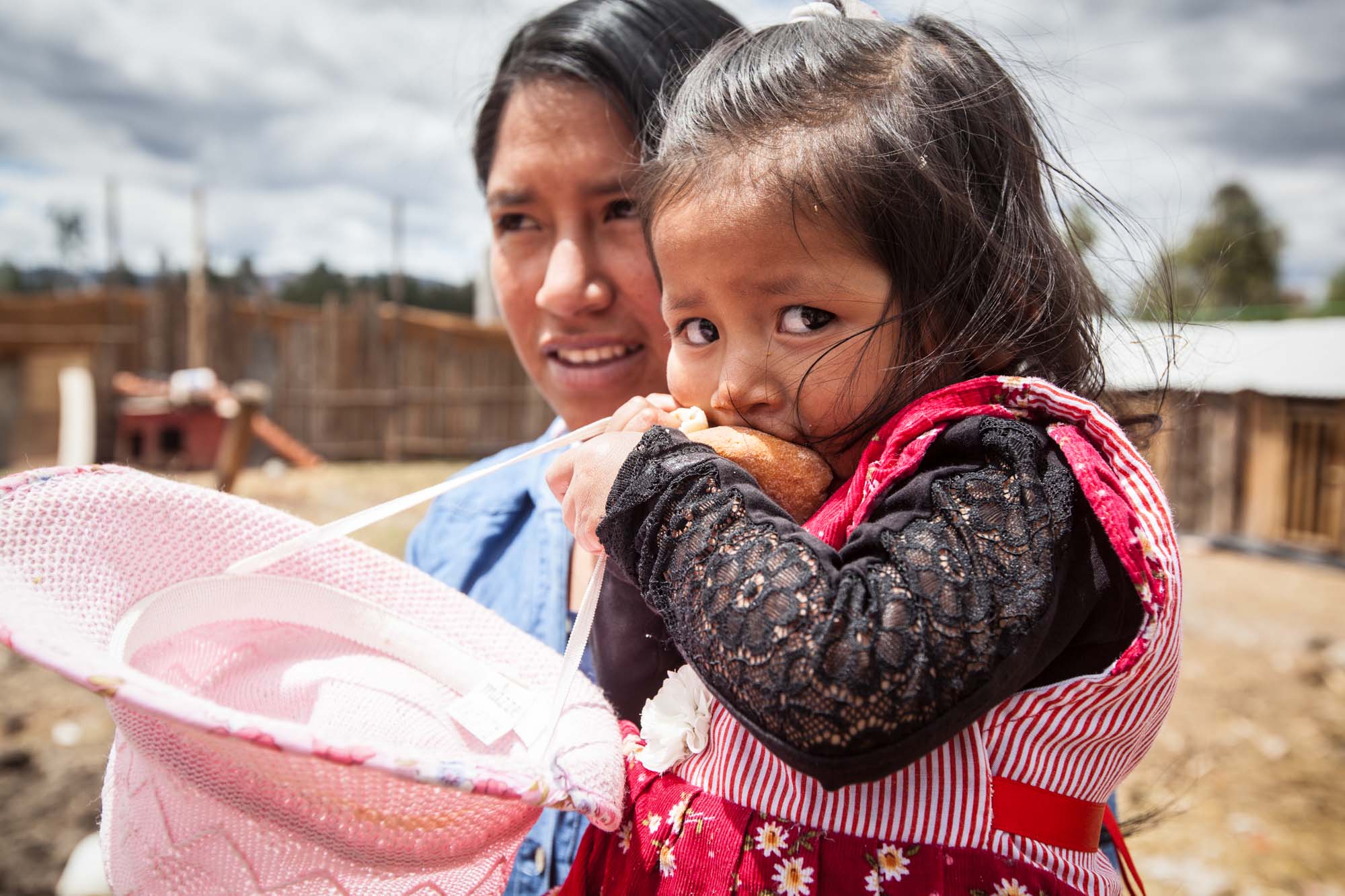
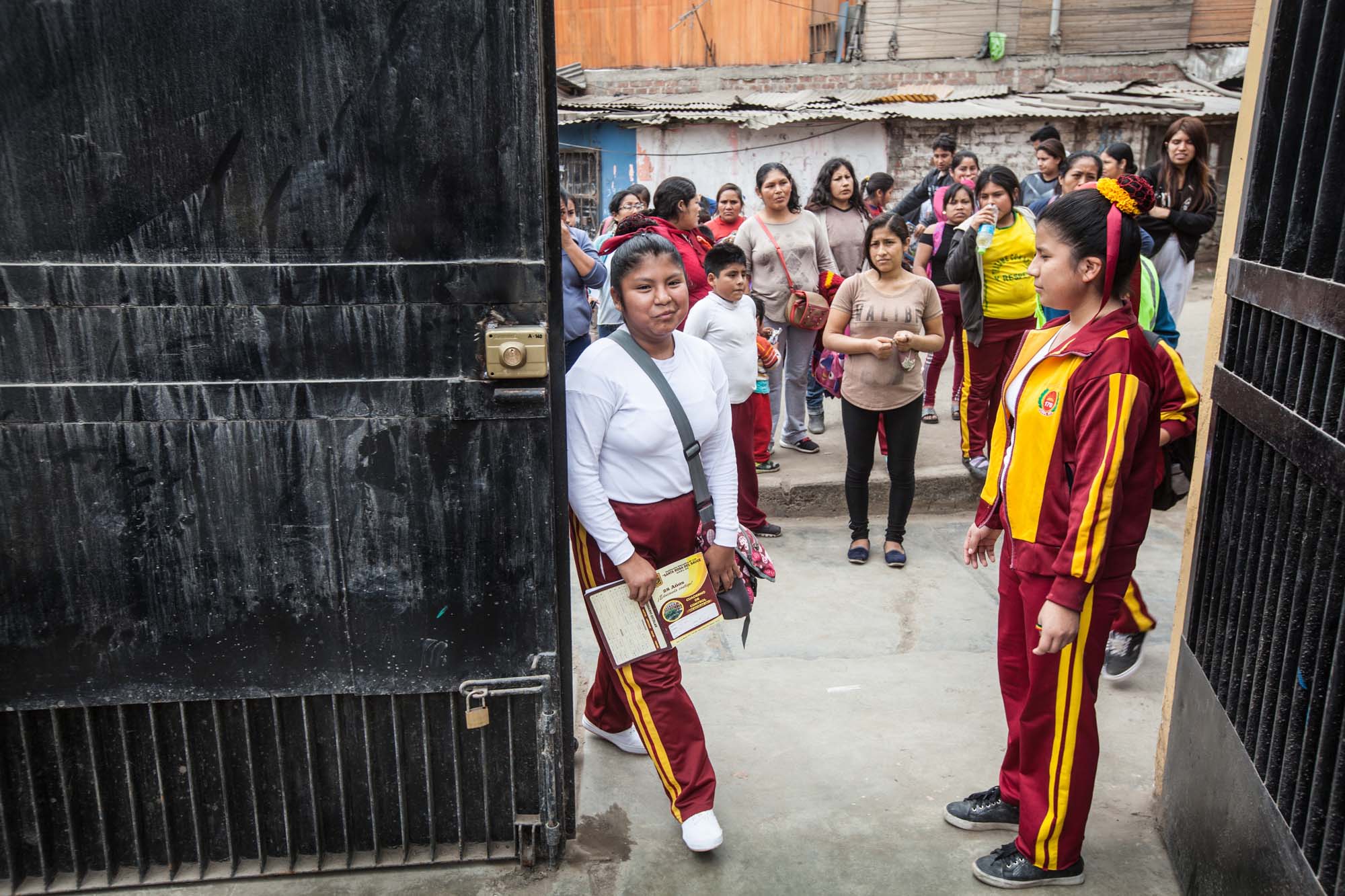
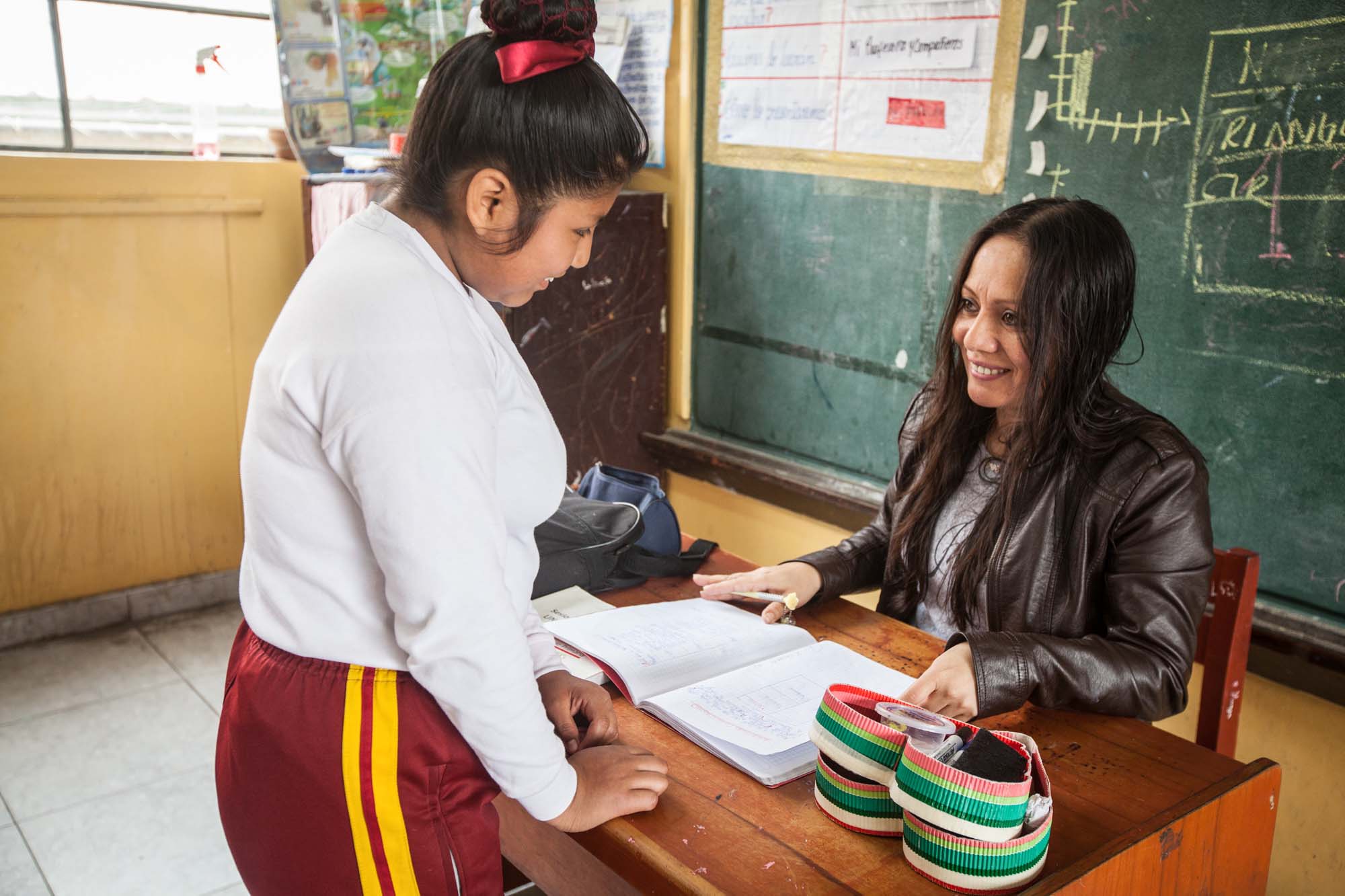
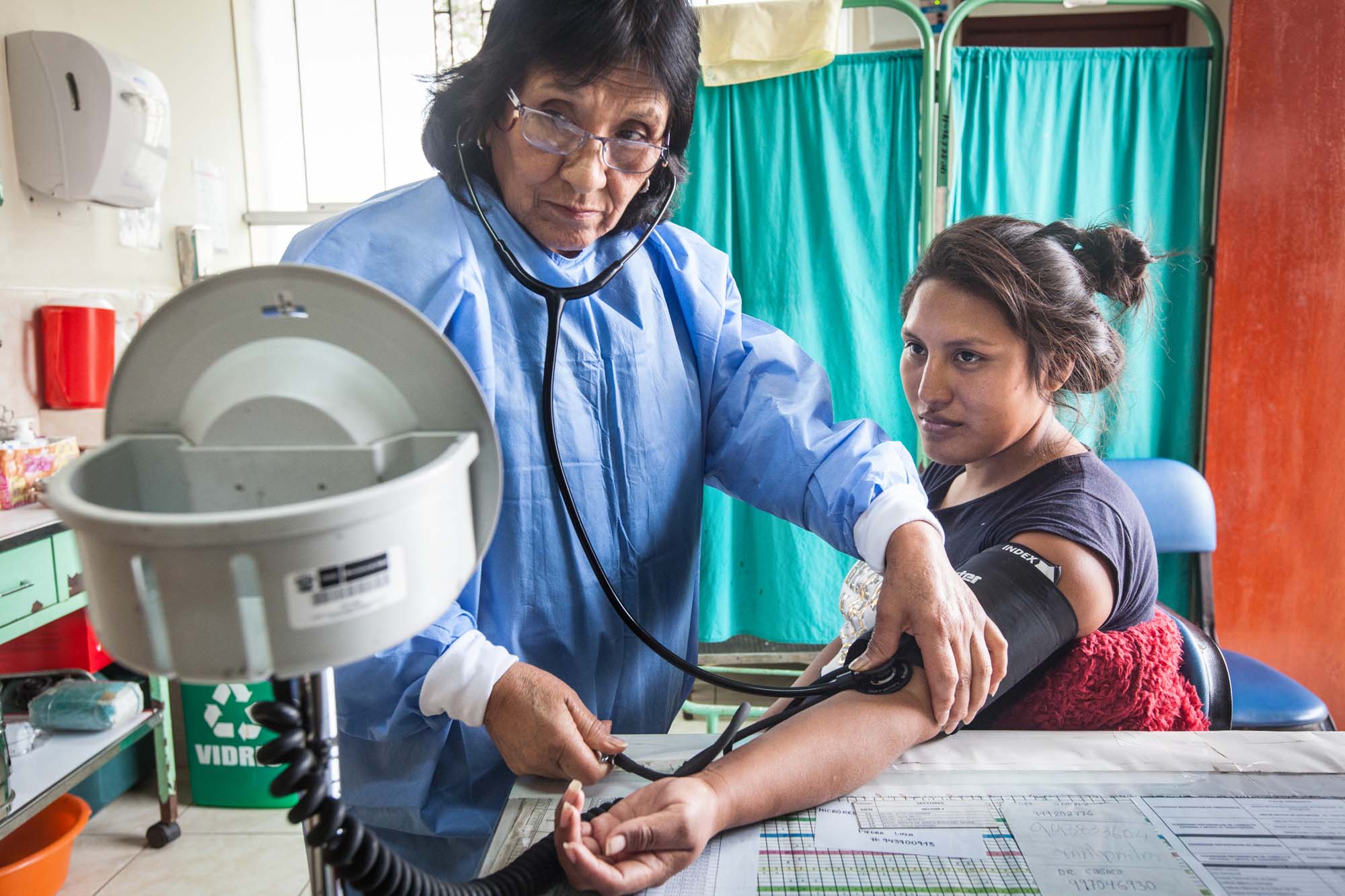
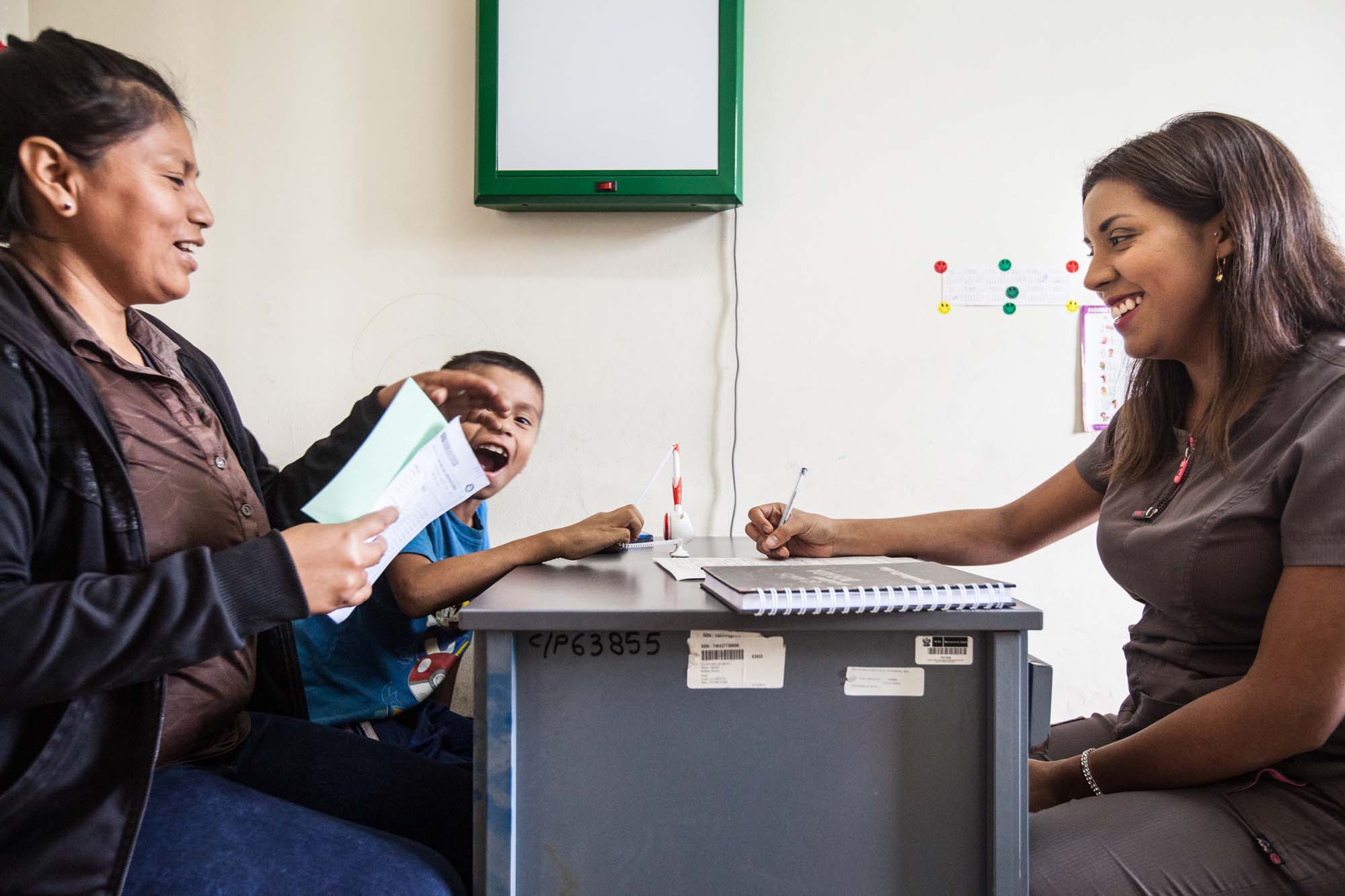
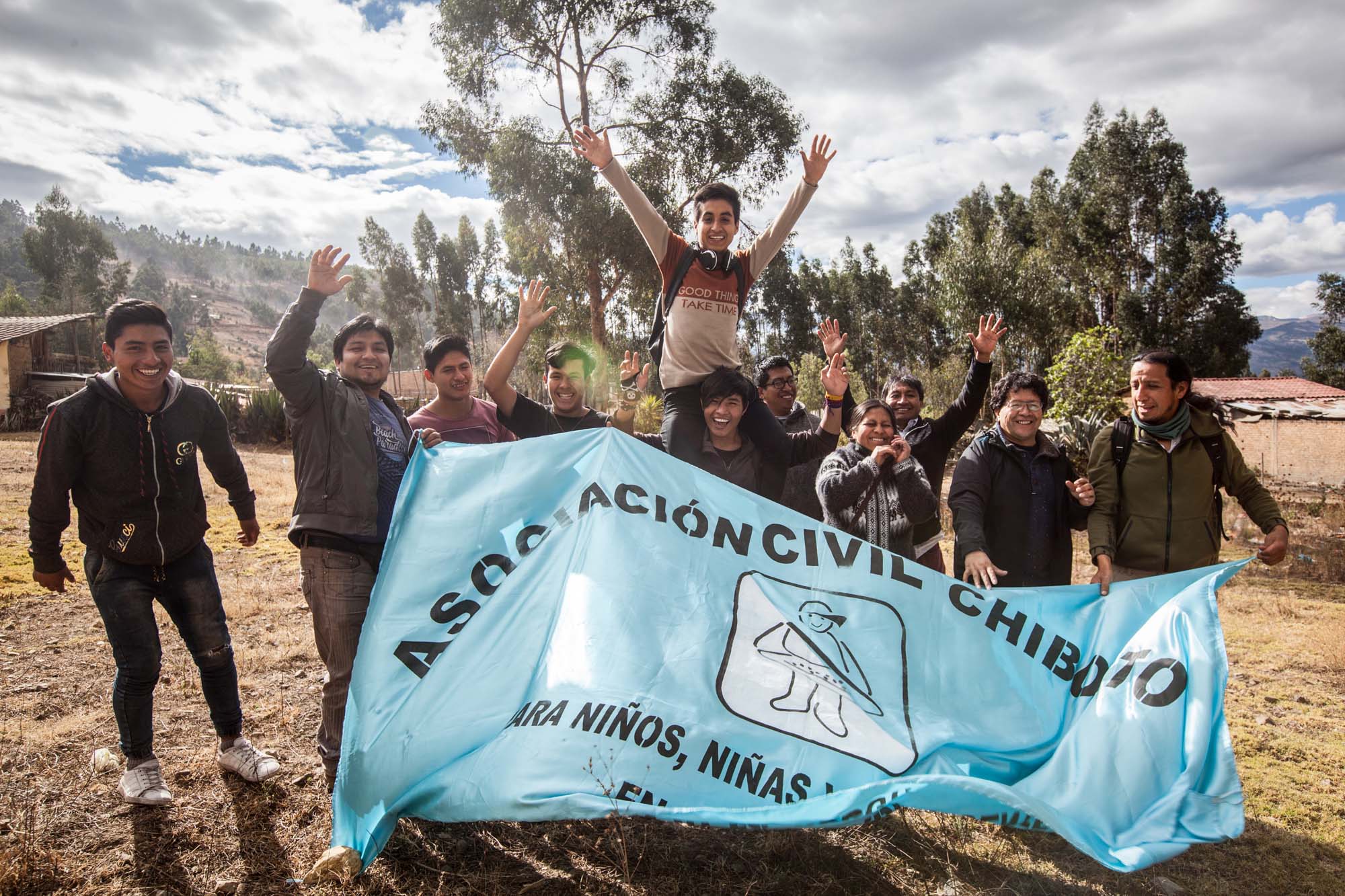
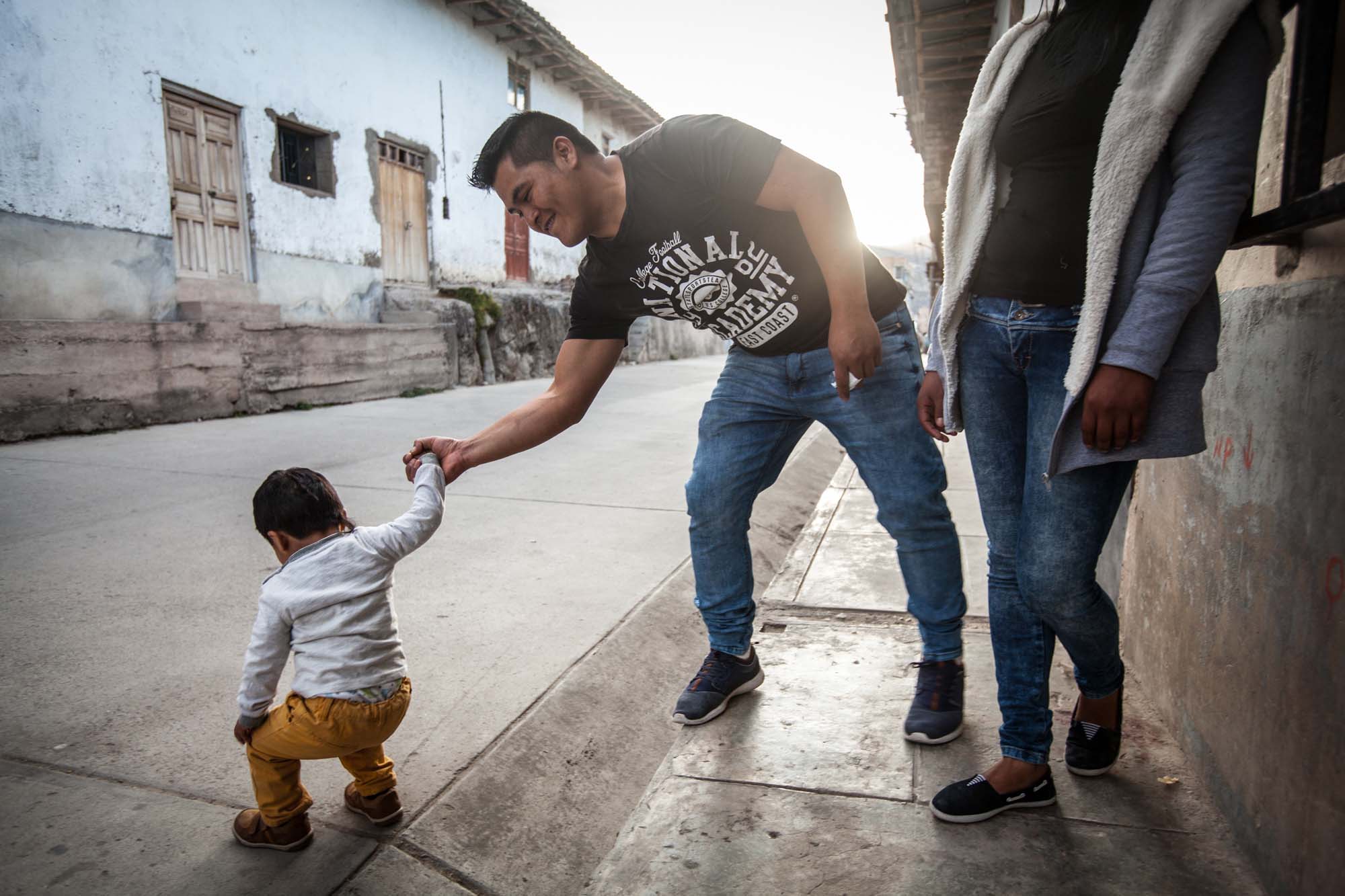
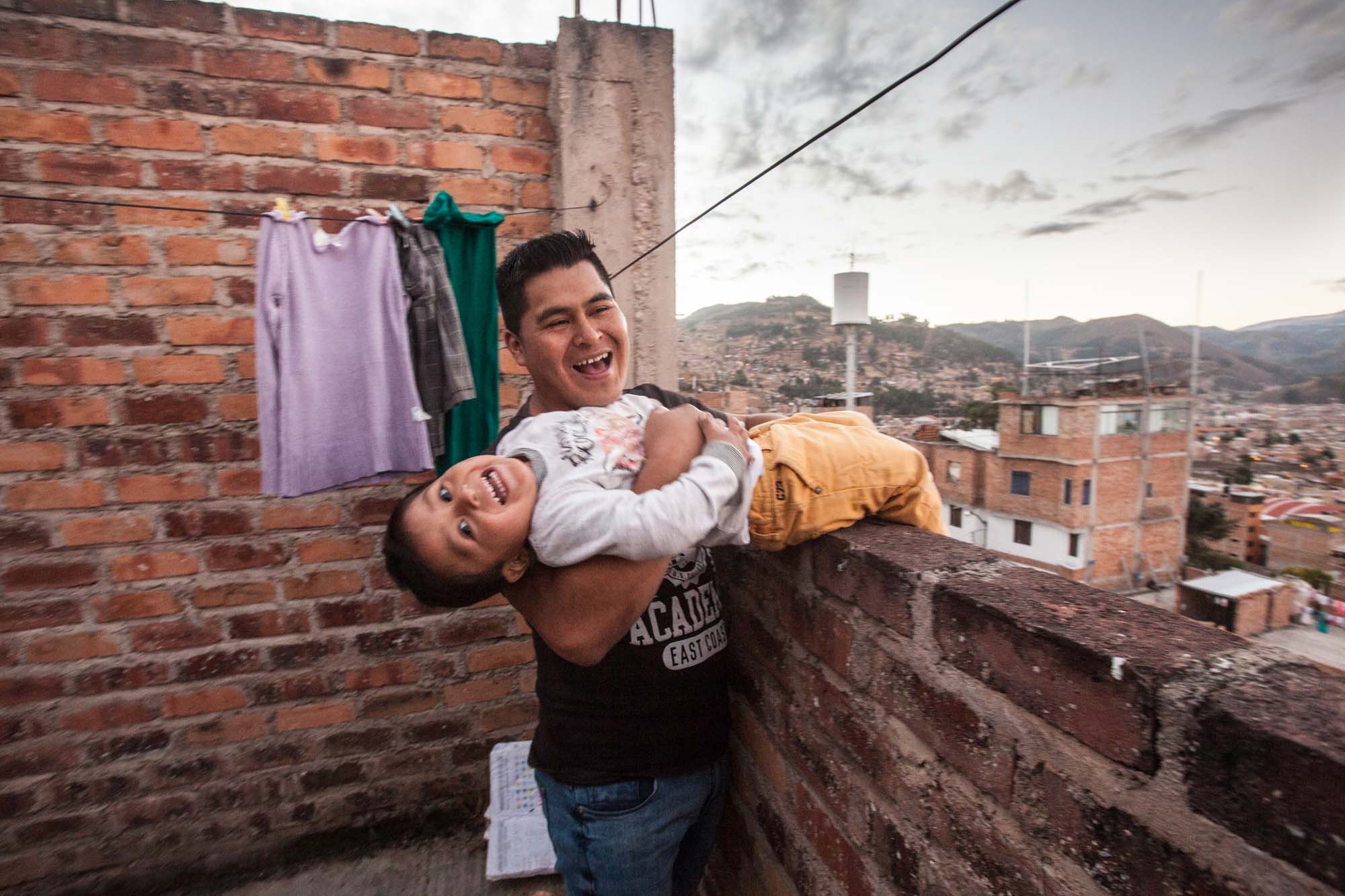
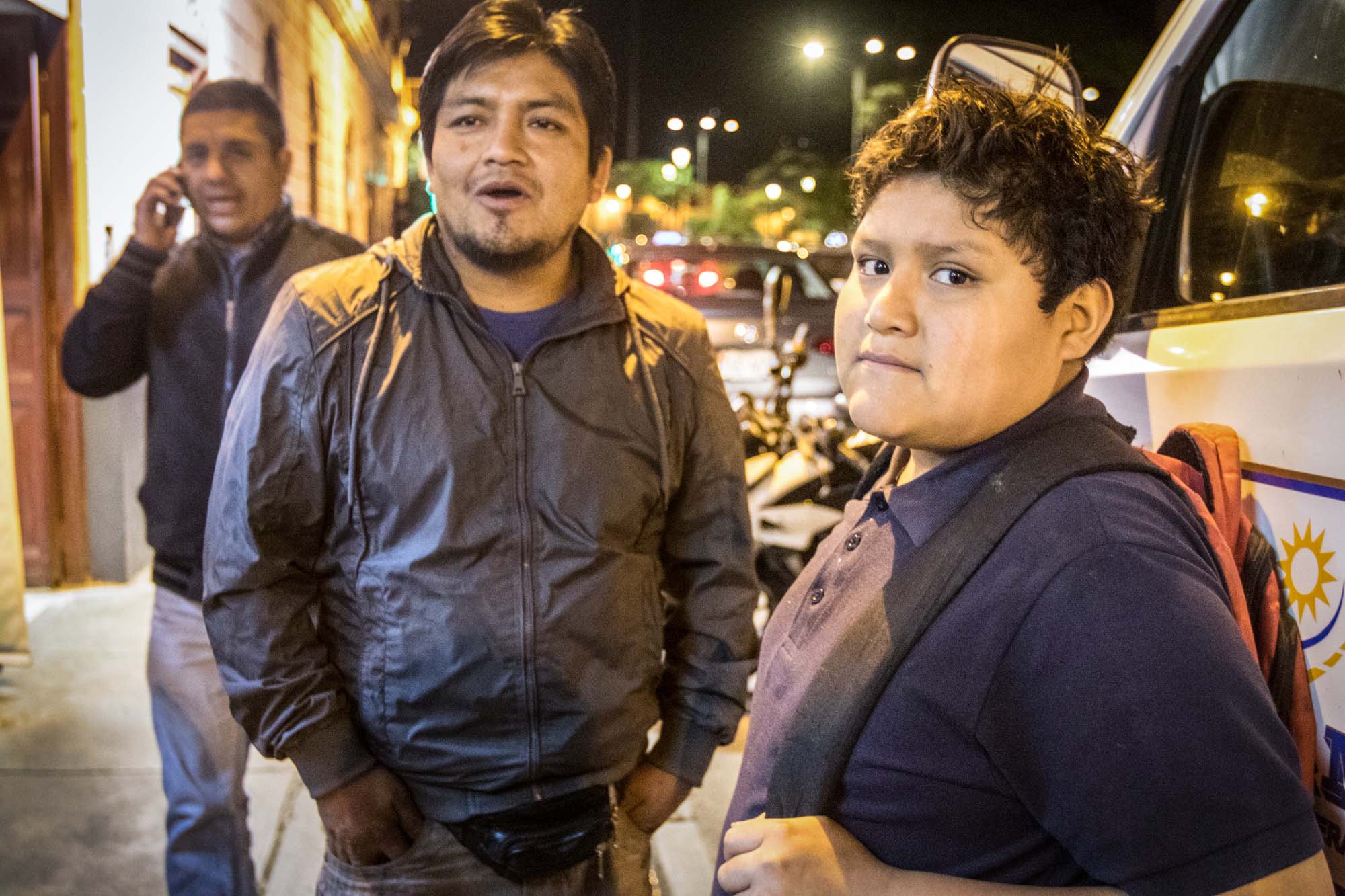
In Lima and the Andean region of Cajamarca, Entraide et Fraternité supports partners working with the most vulnerable. In the capital, Iprofoth promotes popular, participatory education, while Kalppa empowers women socially and economically. In Cajamarca, a region marked by mining conflicts, Grufides defends rural communities’ rights against abusive exploitation. Also in Cajamarca, the Children of Chibolito project assists disadvantaged children and families, offering support, care, and hope.
Together, these initiatives weave a network of civic resistance centered on social justice, dignity, and ecology. Through these Peruvian partners, Entraide et Fraternité helps nurture hope at the grassroots.
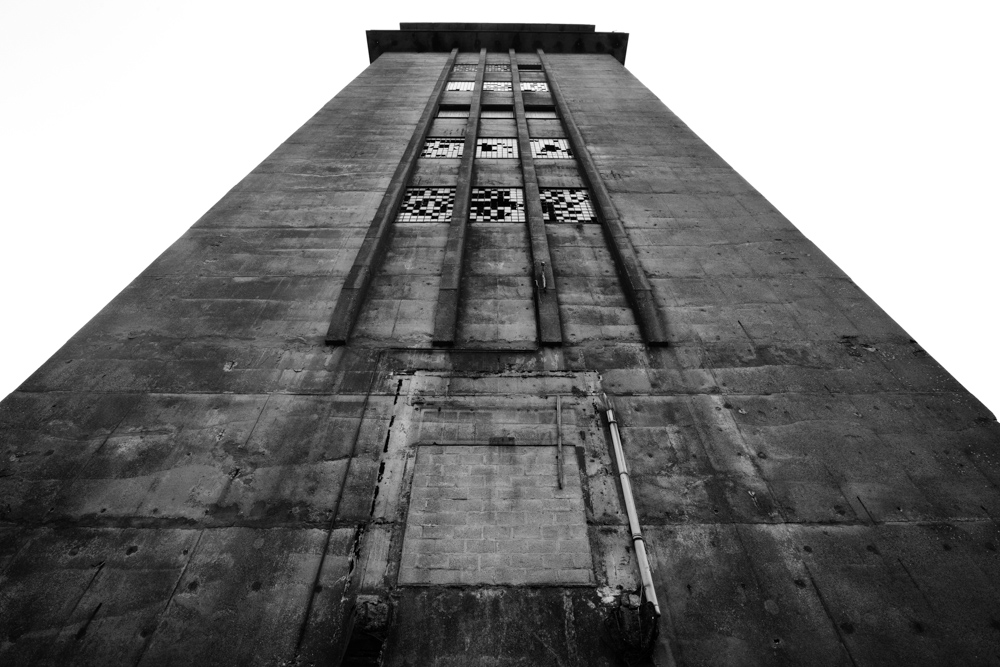
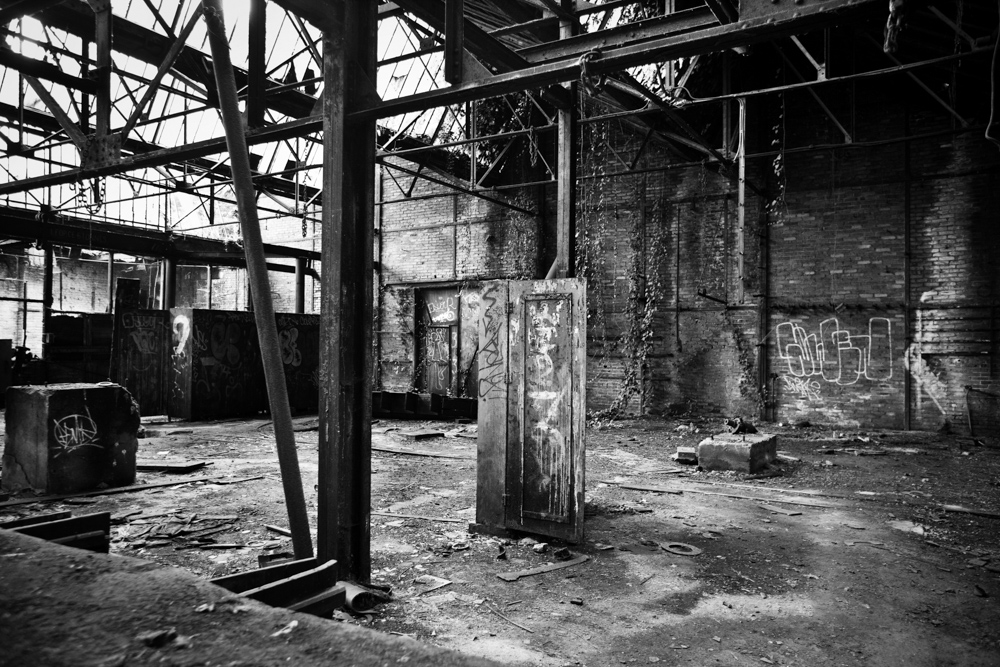
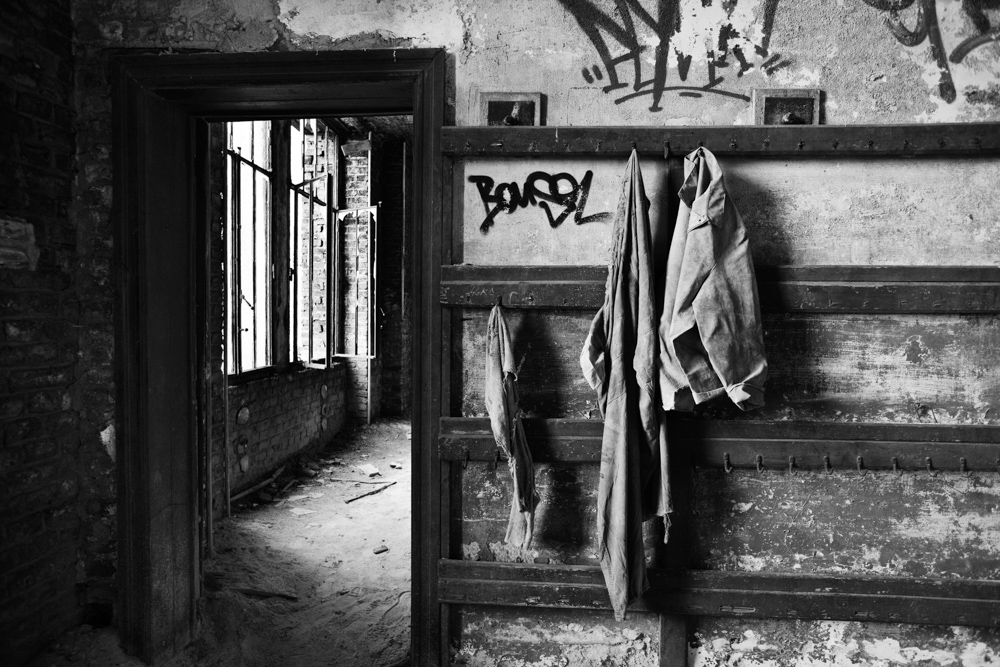
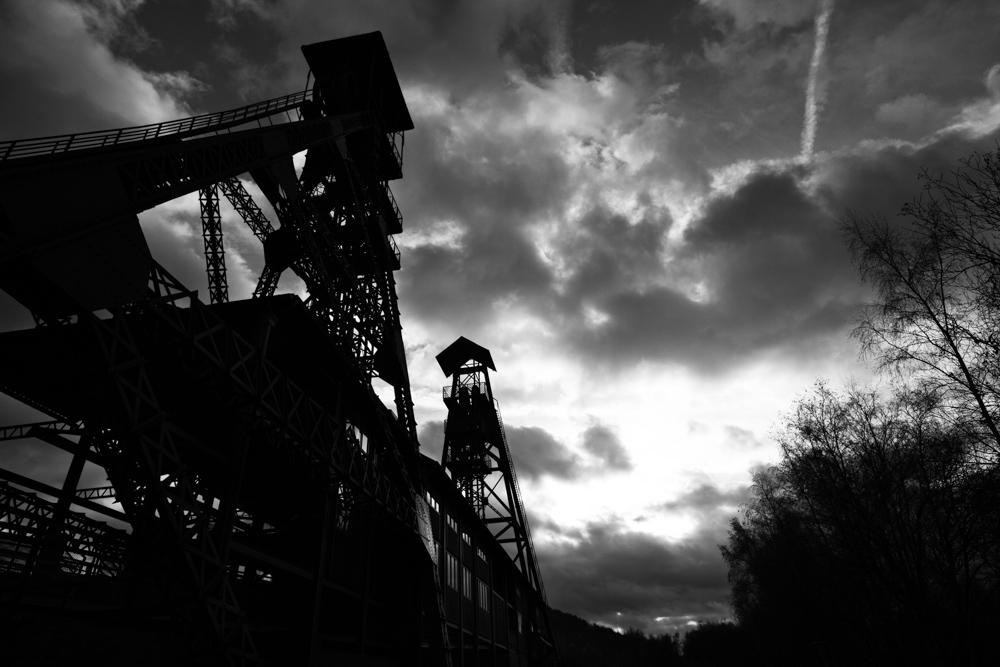
COAL IN MEMORY
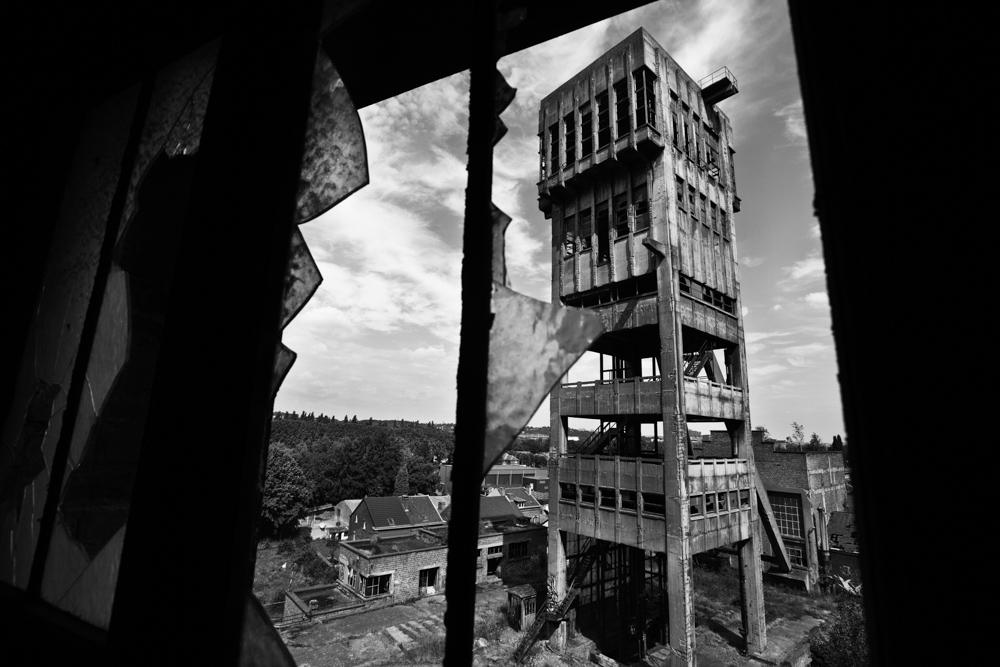
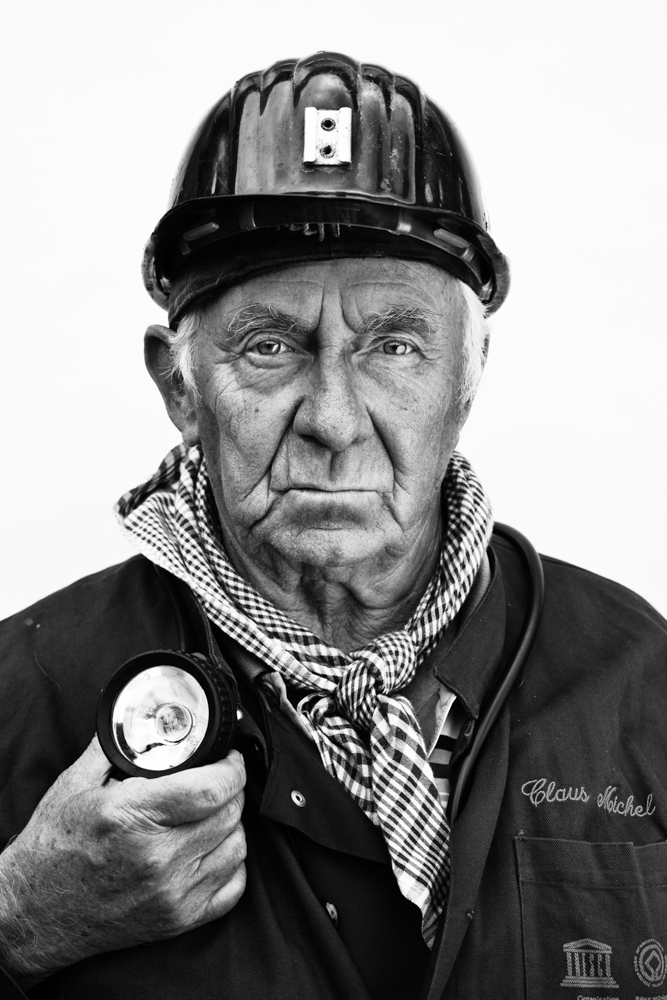
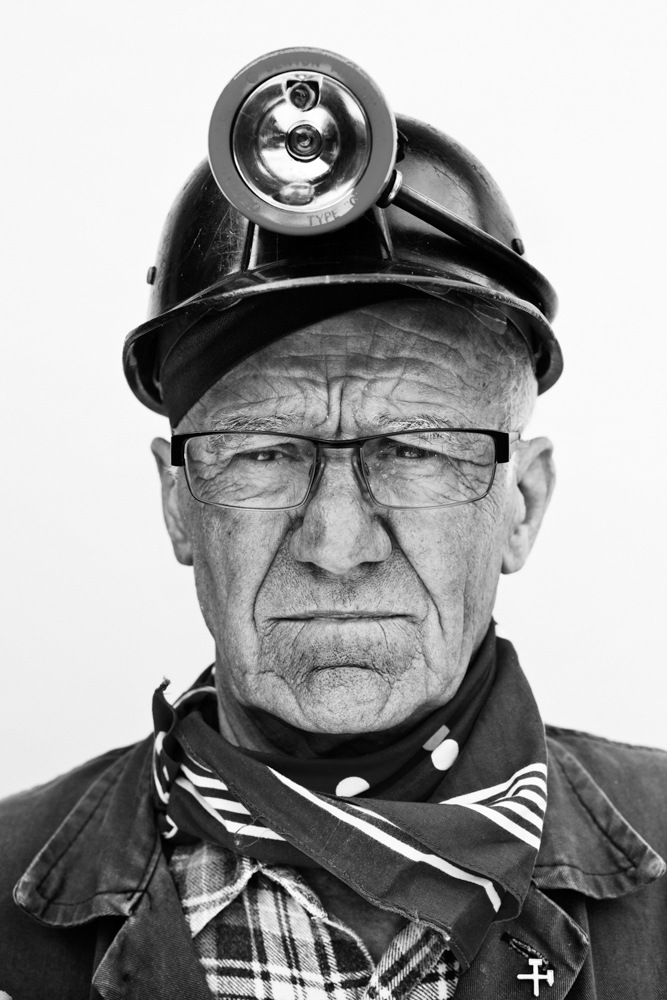
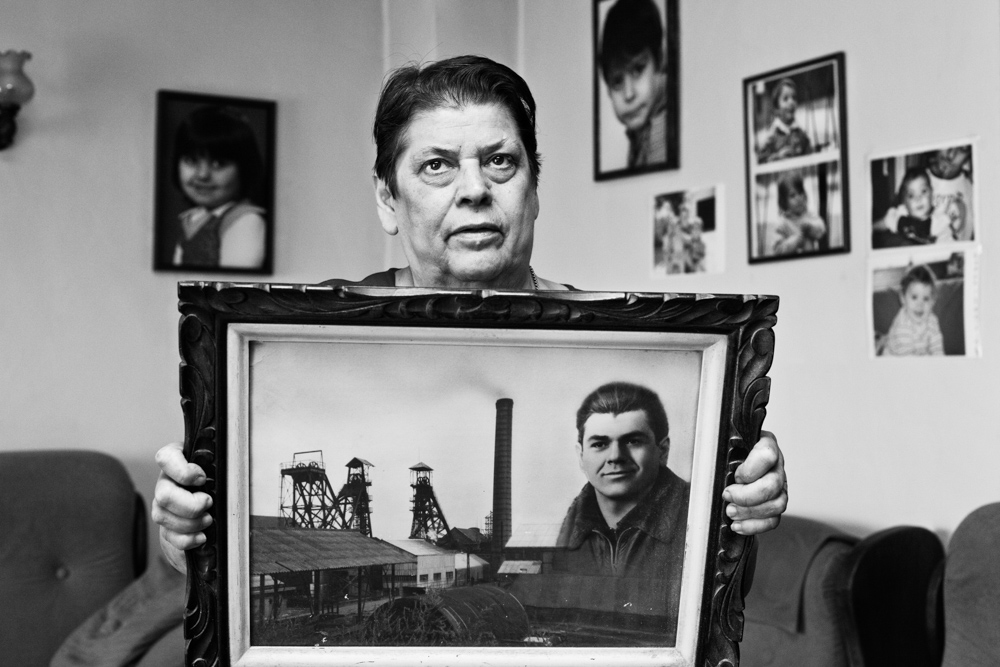
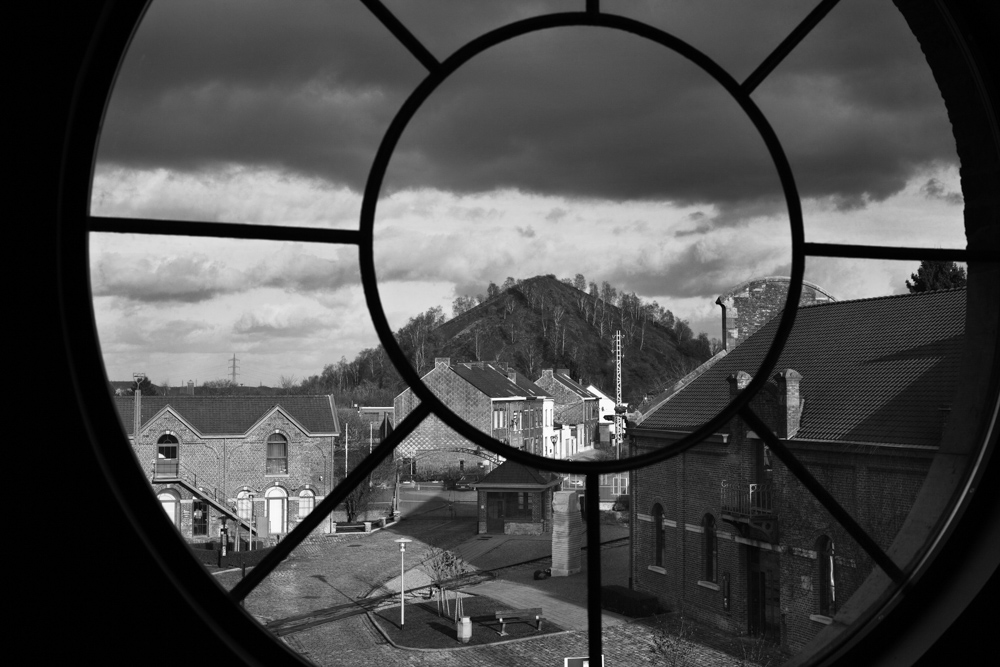
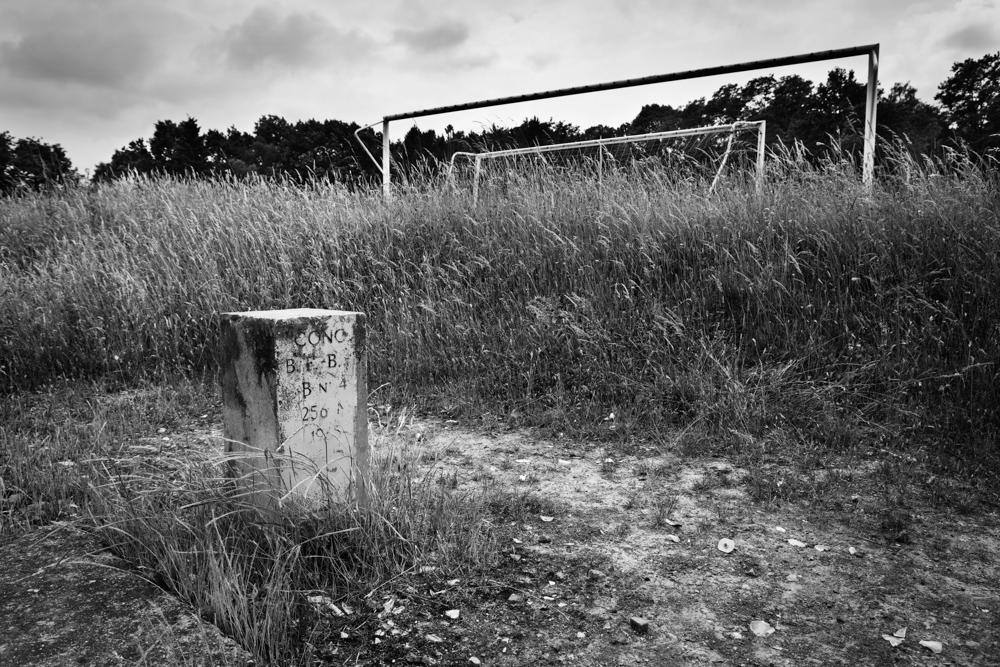
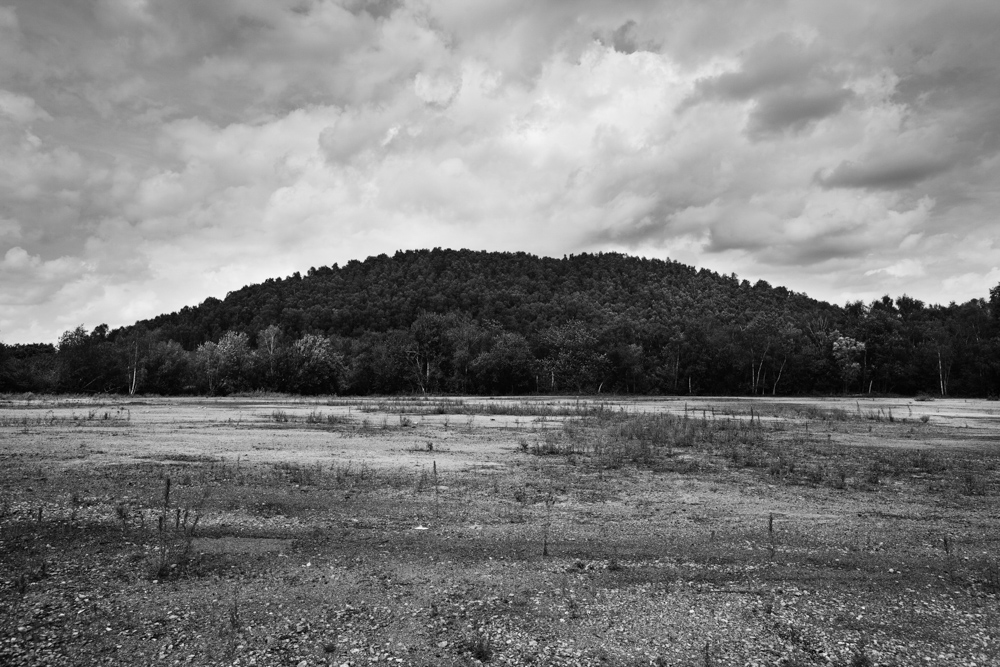
Belgium, and Wallonia in particular, have been involved in coal mining since the Middle Ages. Even today, many tangible and intangible traces remain throughout the country. Since the mines closed, they have somewhat faded into oblivion, except for some Walloon coal mines being honored as UNESCO World Heritage sites.
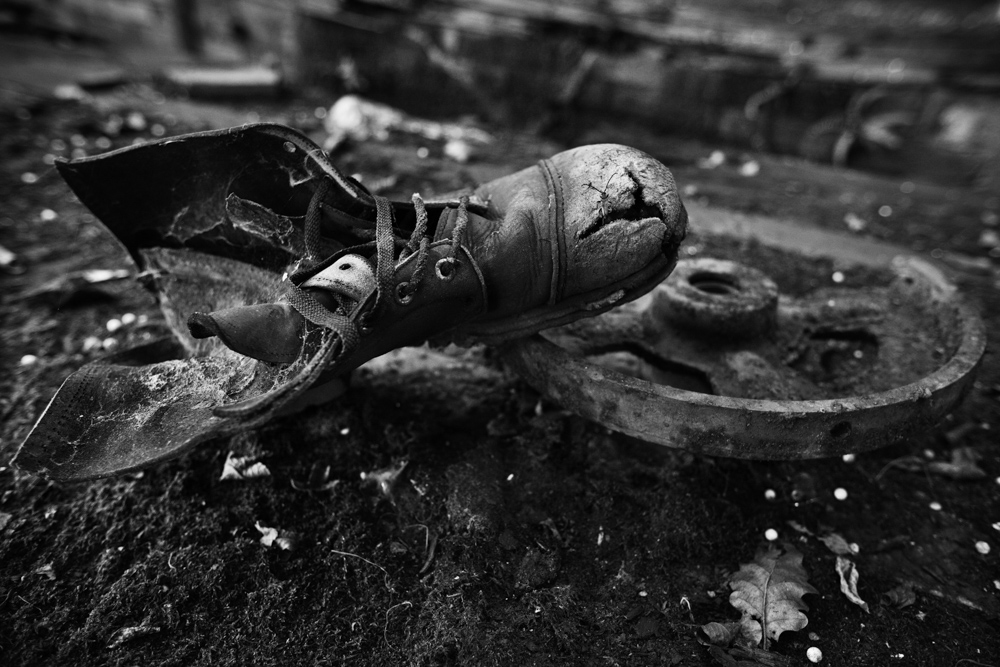
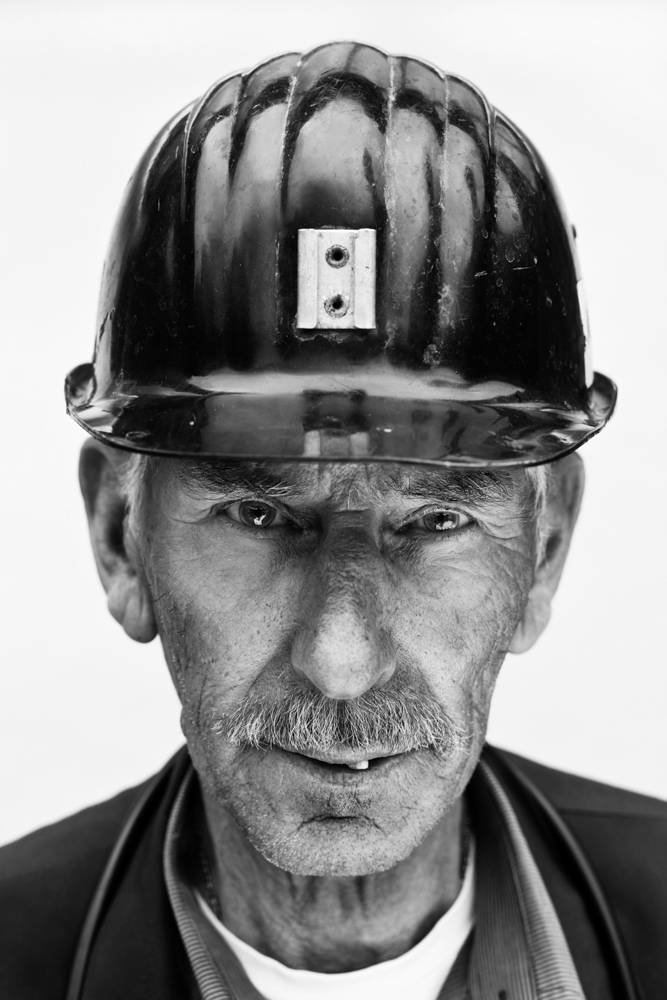
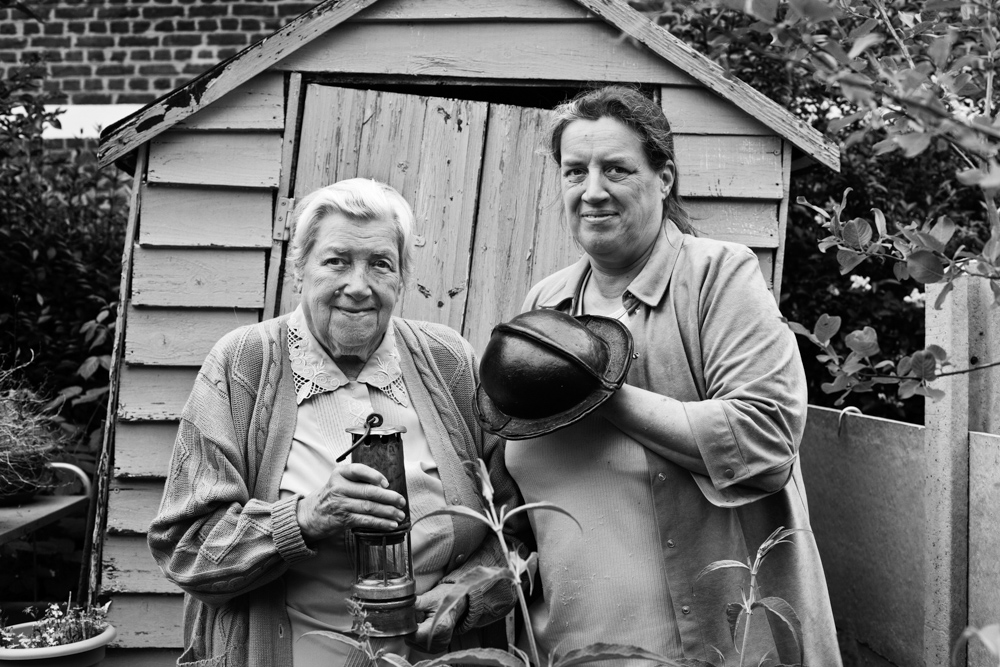
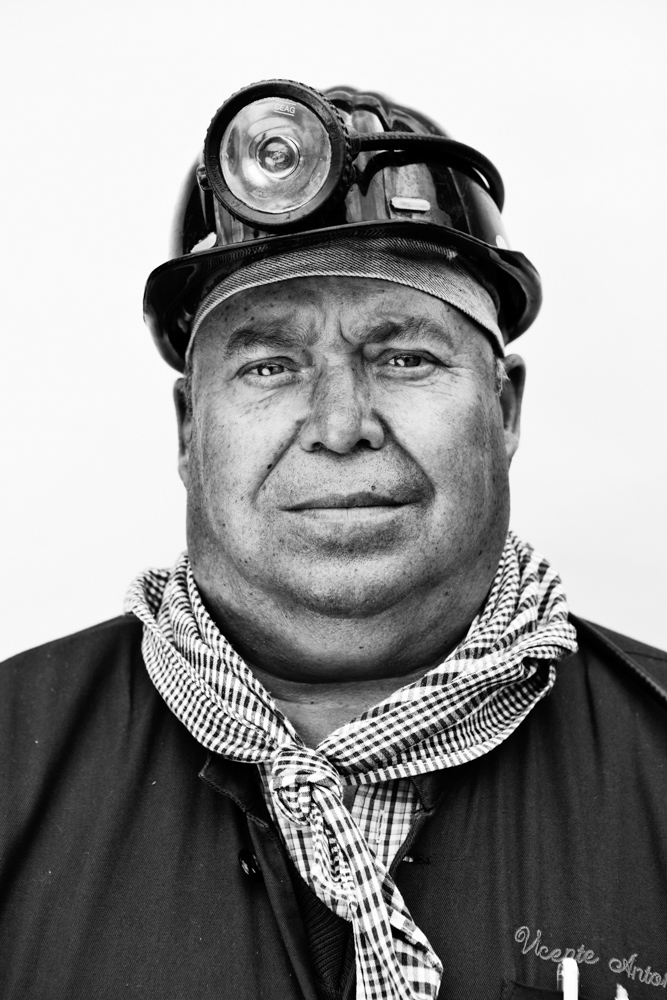
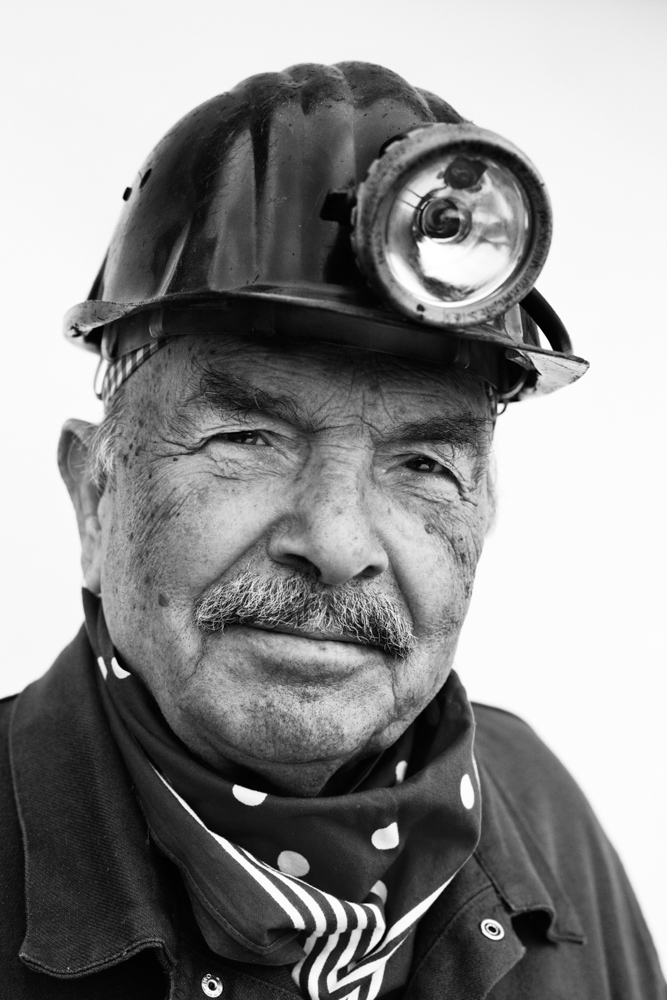
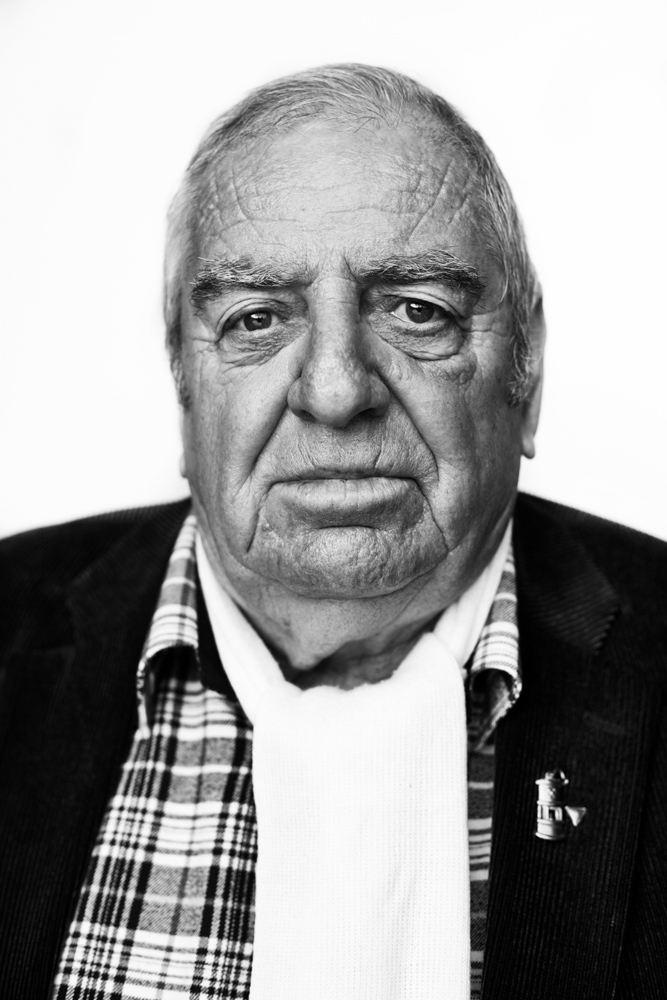
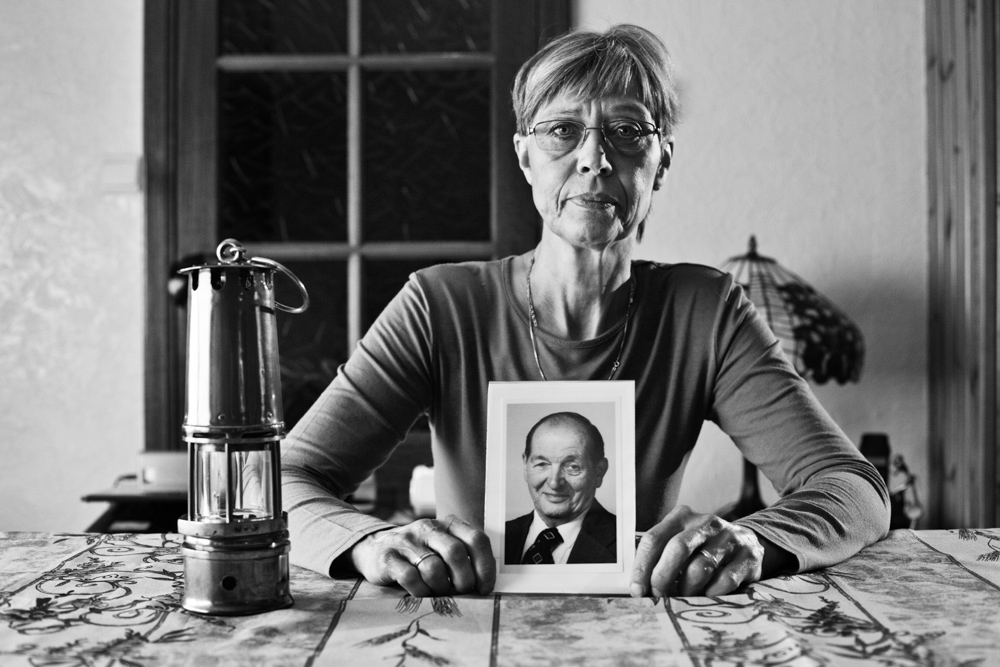
The mine represents the depths, confinement, pain, darkness, and dust. It is also a father or grandfather who worked there for many years — to avoid poverty, feed their family, or avoid being taken to Germany as forced labor.
More than 30 years after the closure of the last coal mine, what remains of this heritage in Wallonia?
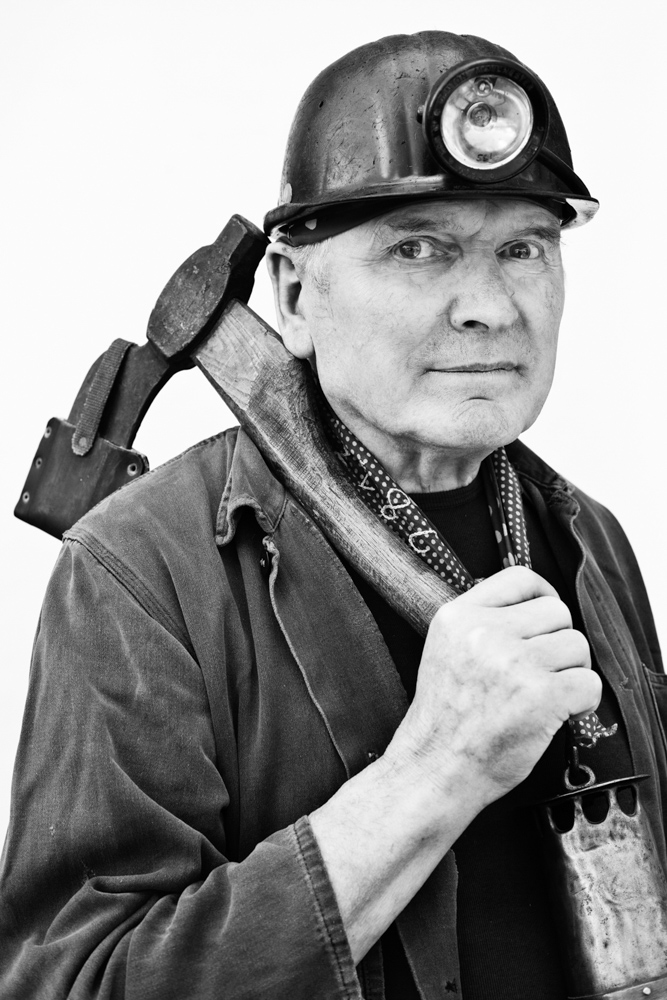
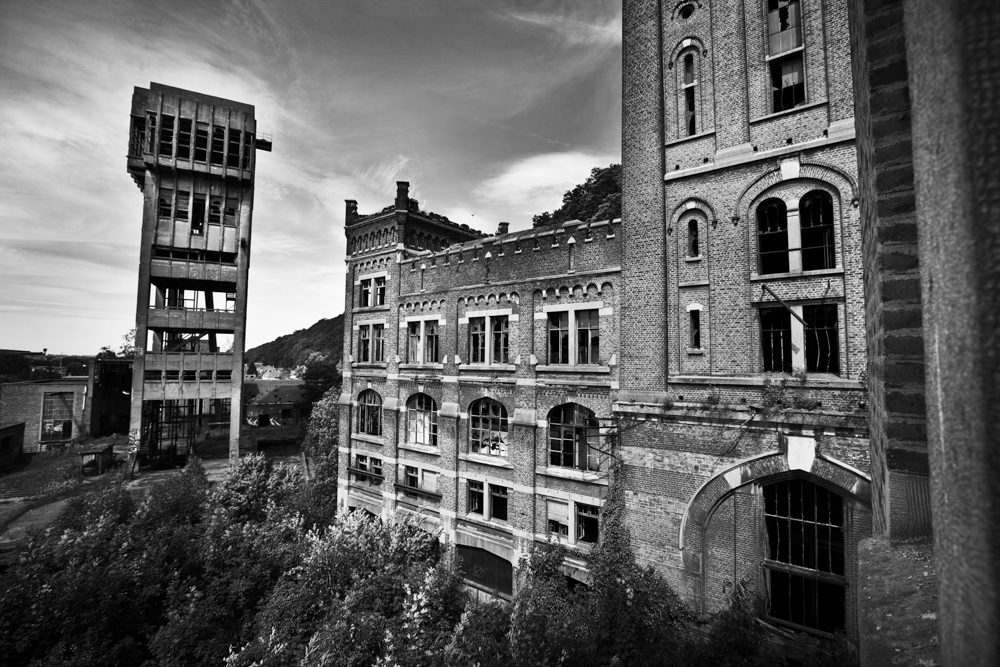
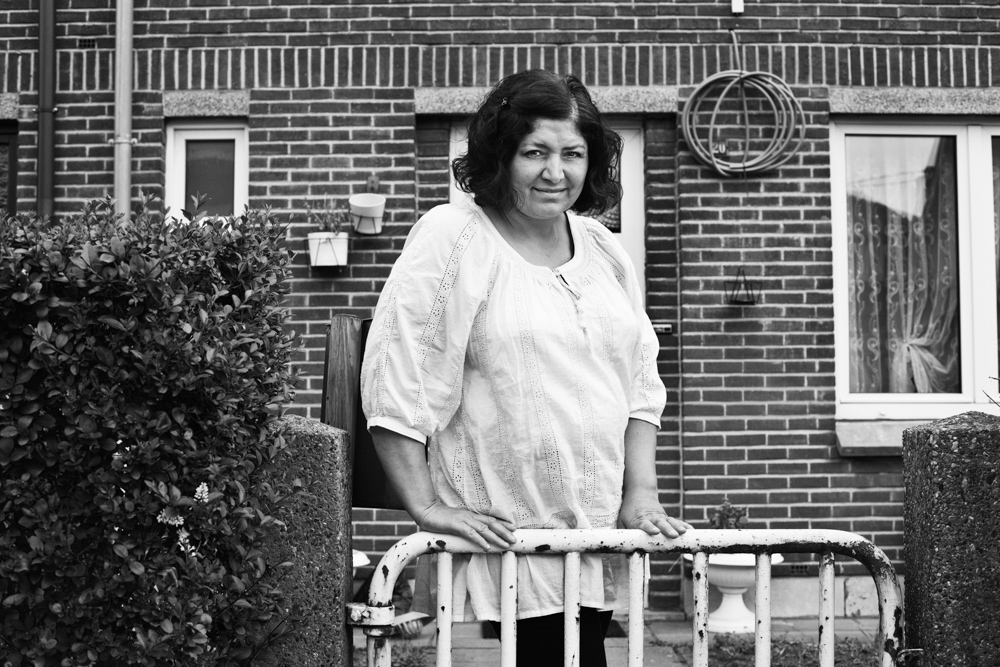
We set out to meet and listen to the memory of coal through the testimonies of former miners and the traces left by mining sites, paying a humble and united tribute — just like the mine itself.
At the same time, highlighting the architectural and heritage potential still present today, which can be sustainably rehabilitated.
Texts: Ricardo Cherenti
Photos: Frédéric Pauwels (Huma) and Christophe Smets







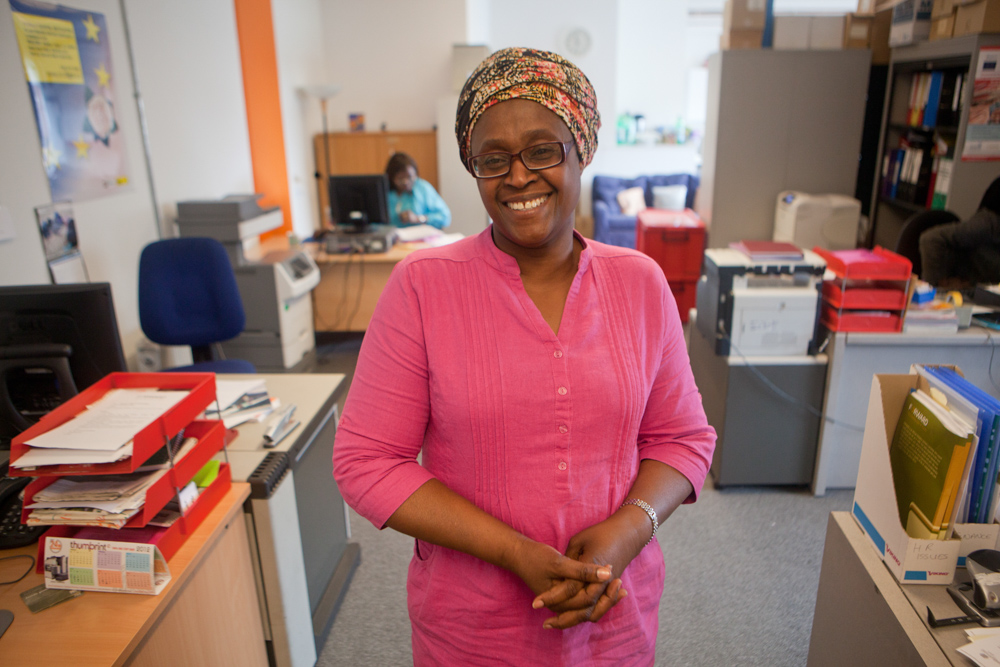
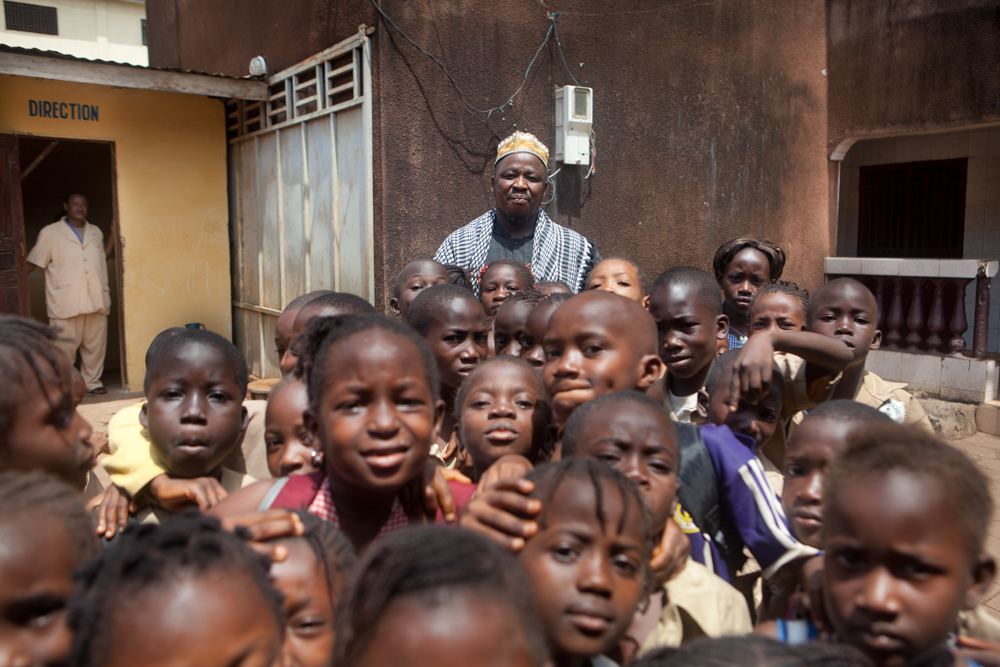
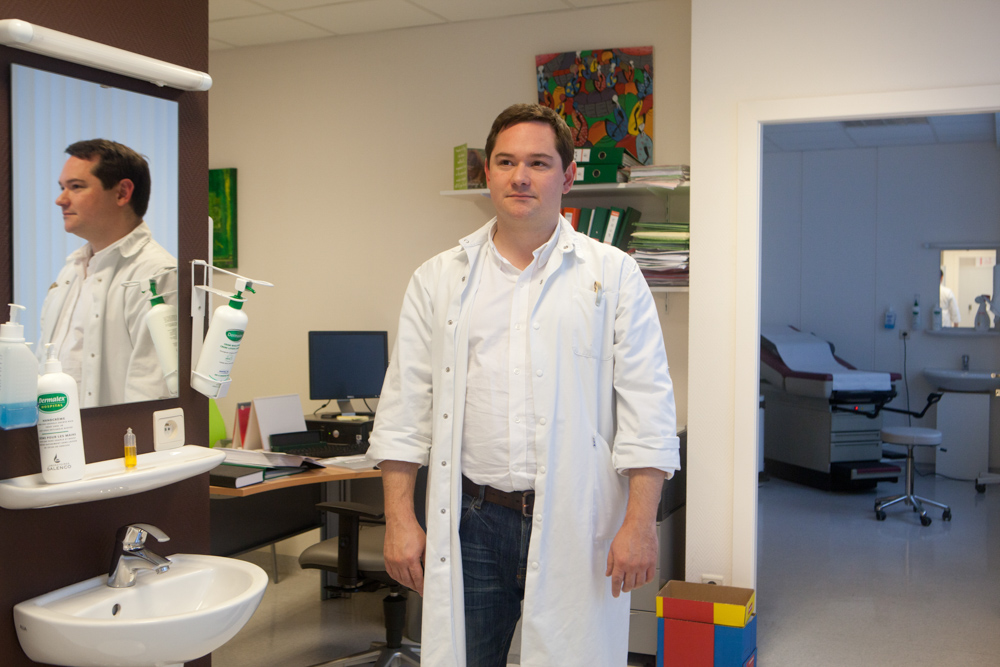
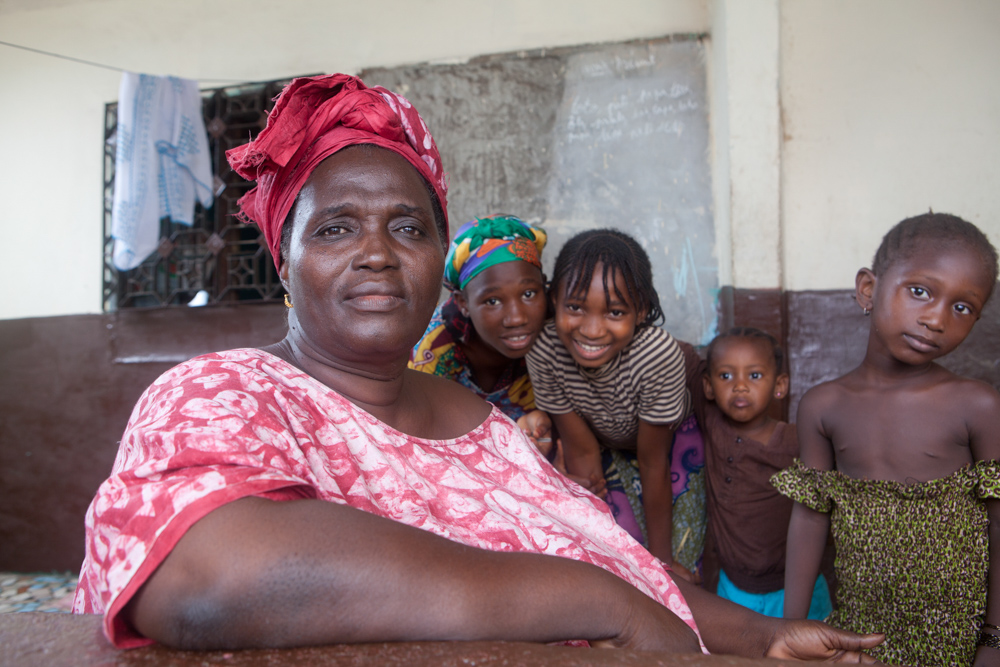
FEMALE GENITAL MUTILATION: “MY WAY OF SAYING NO”

Today, refusing female genital mutilation is still an act of courage.
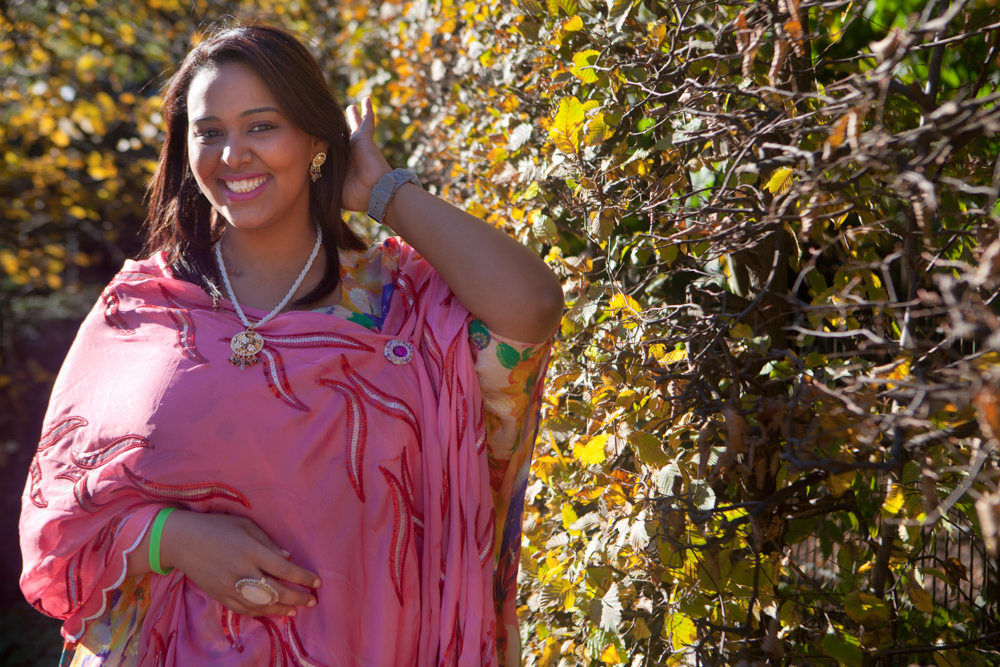
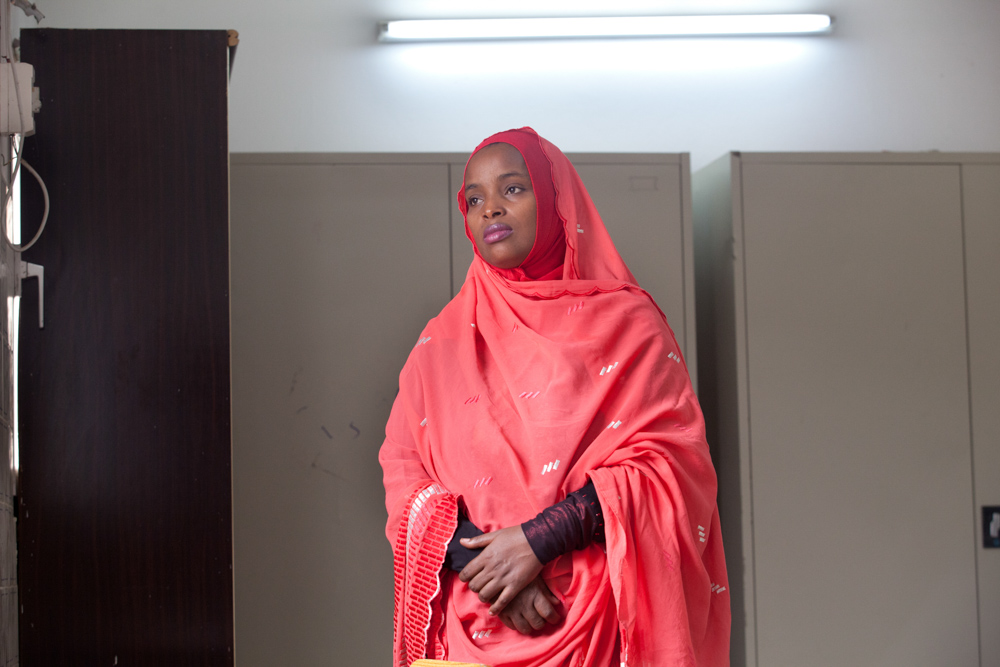
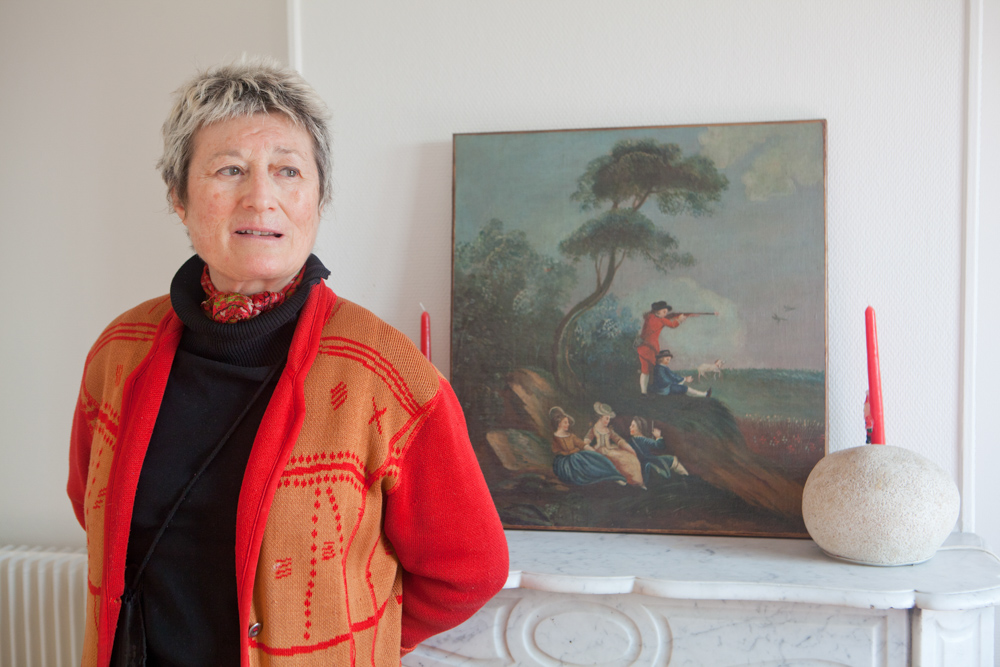
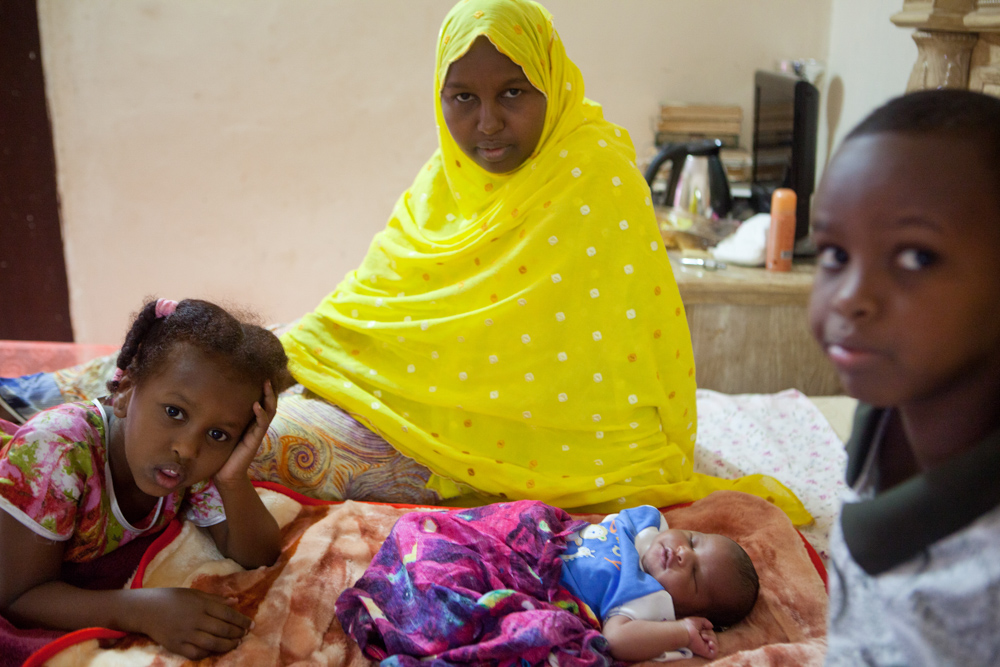
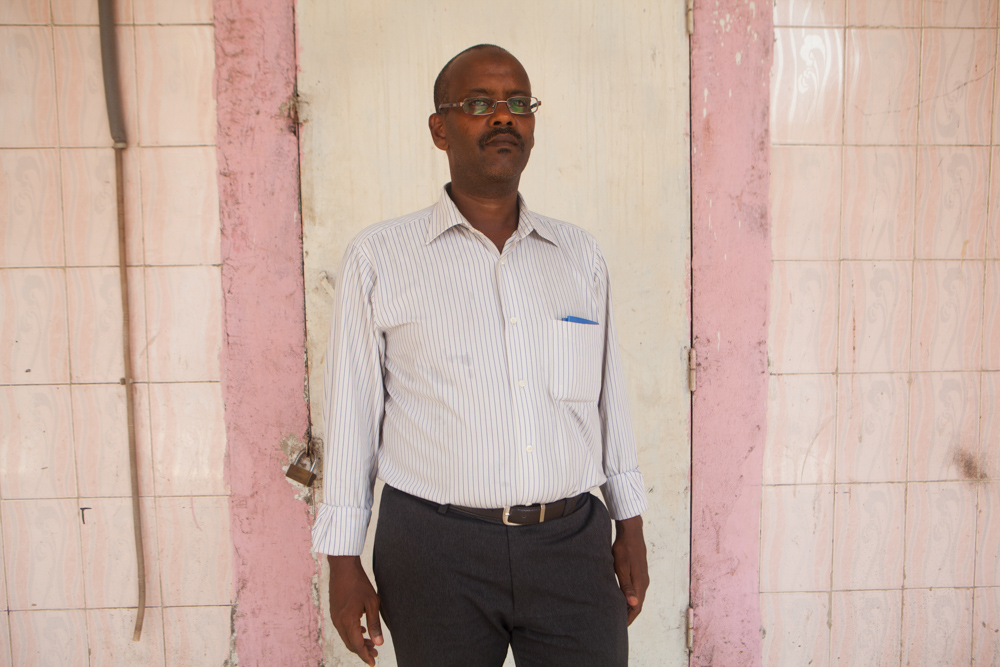
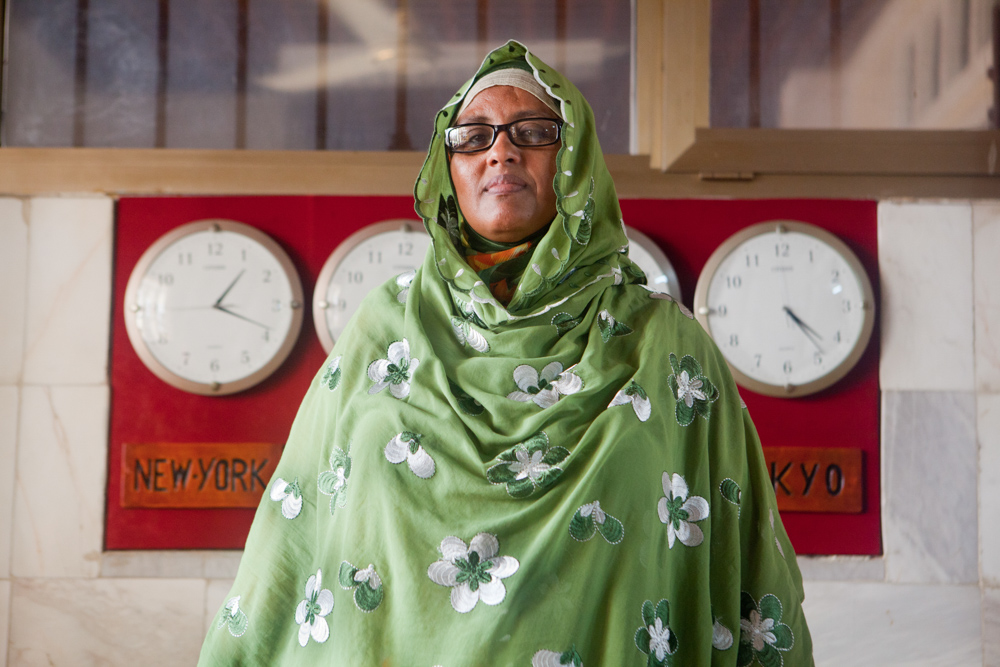
The exciser who buries her knife, the mother who says no to her in-laws, the doctor who refuses to be complicit — each takes a risk by saying “no” to mutilation.
We met with women and men in Europe (Belgium, France, the United Kingdom) and Africa (Senegal, Djibouti, Guinea) to explore how, in their own way, they are standing up against FGM.
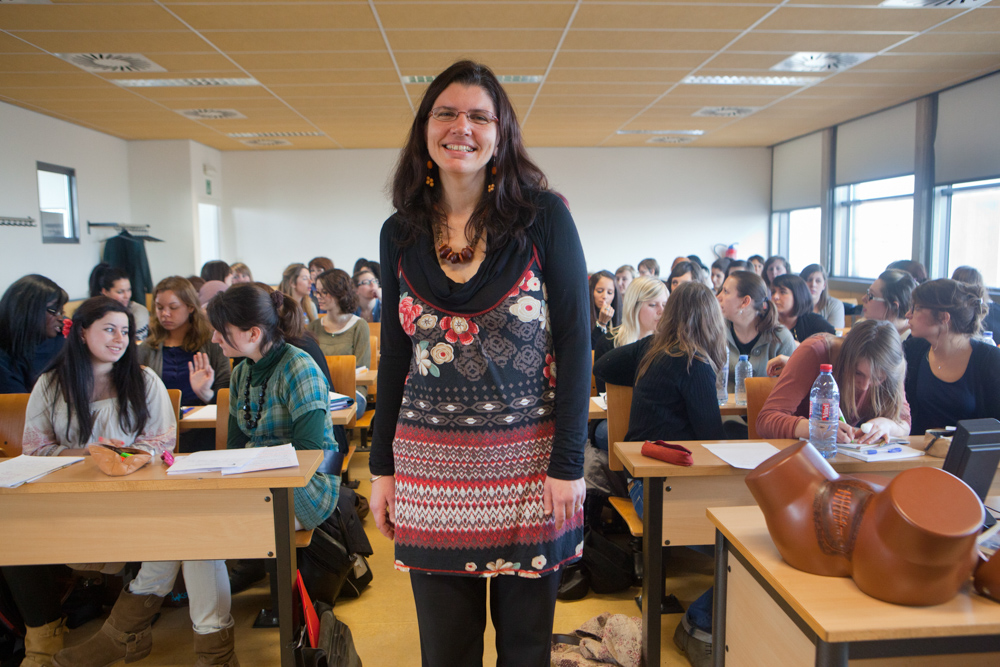
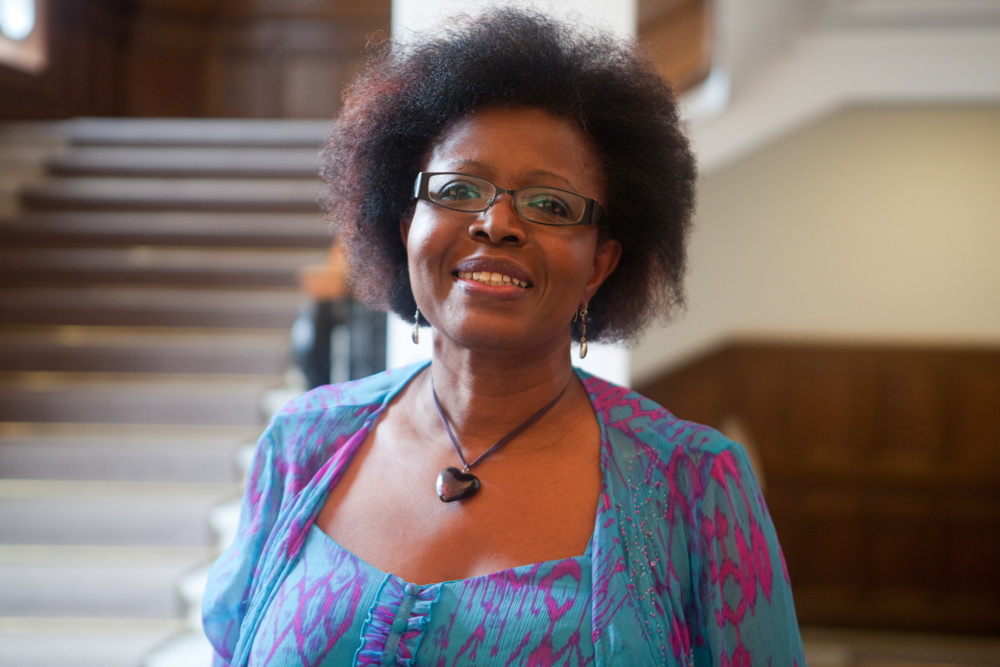
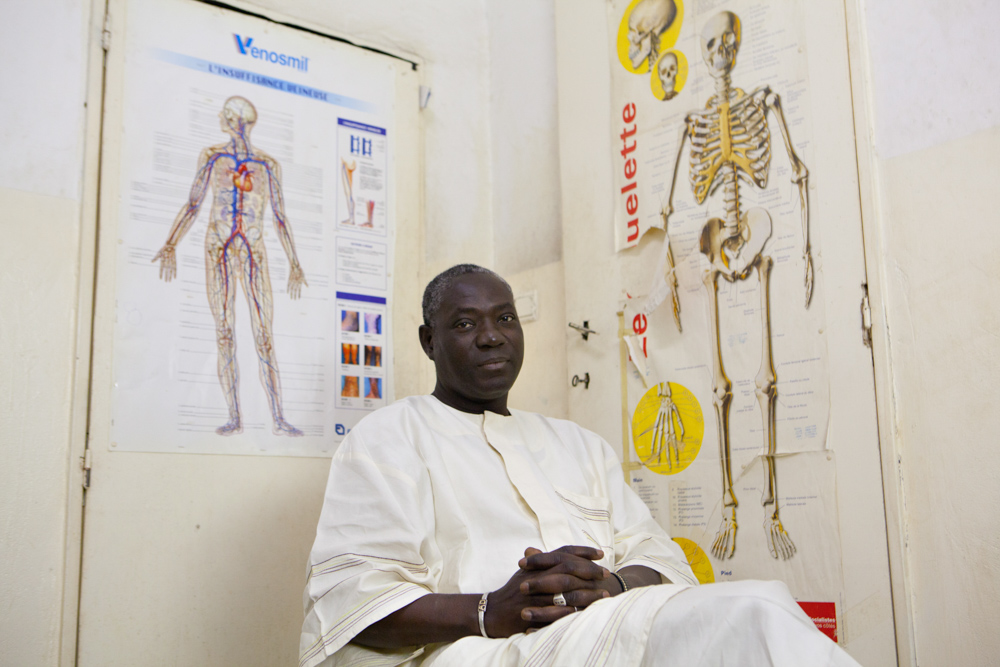
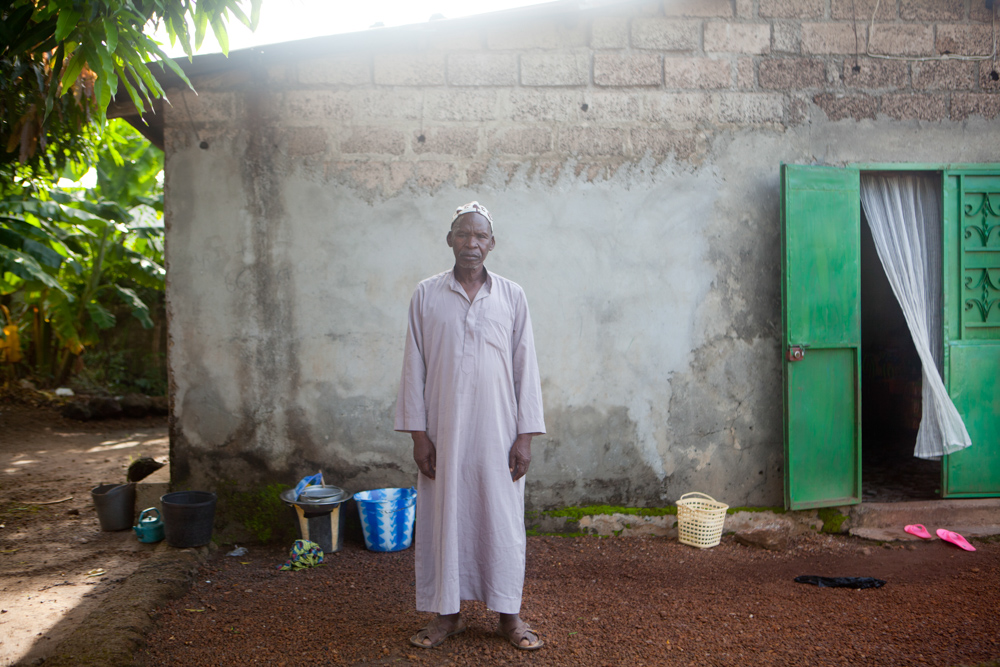
The result is a series of 32 portraits (texts and photographs), presented as a travelling exhibition designed to raise awareness among policymakers, healthcare and education professionals, and all citizens — about the many ways people resist these practices.
Texts: Marie Bryon & Céline Gautier
Photos: Christophe Smets












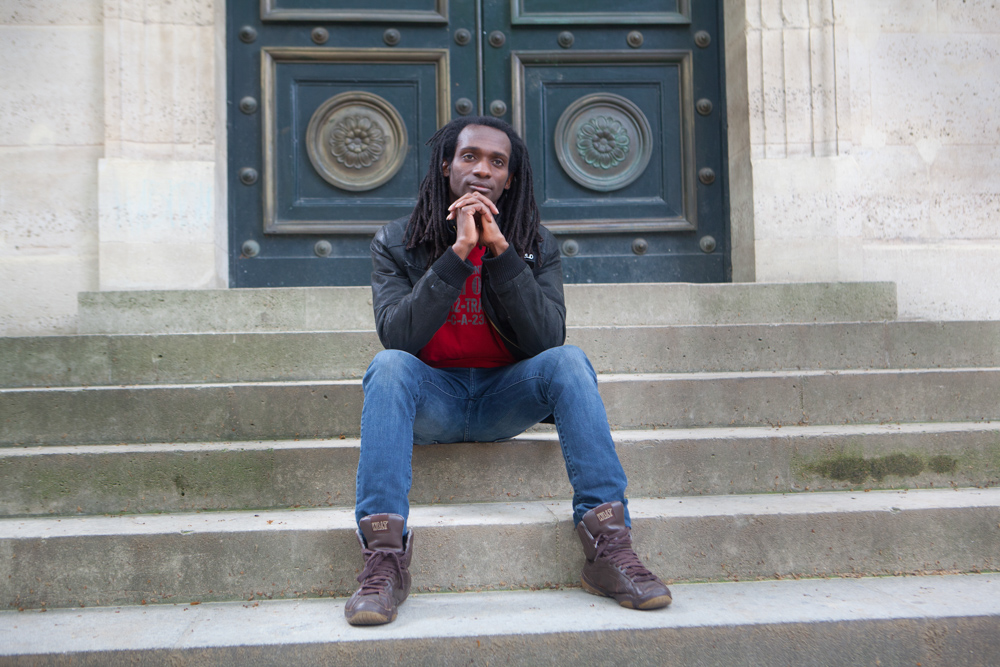


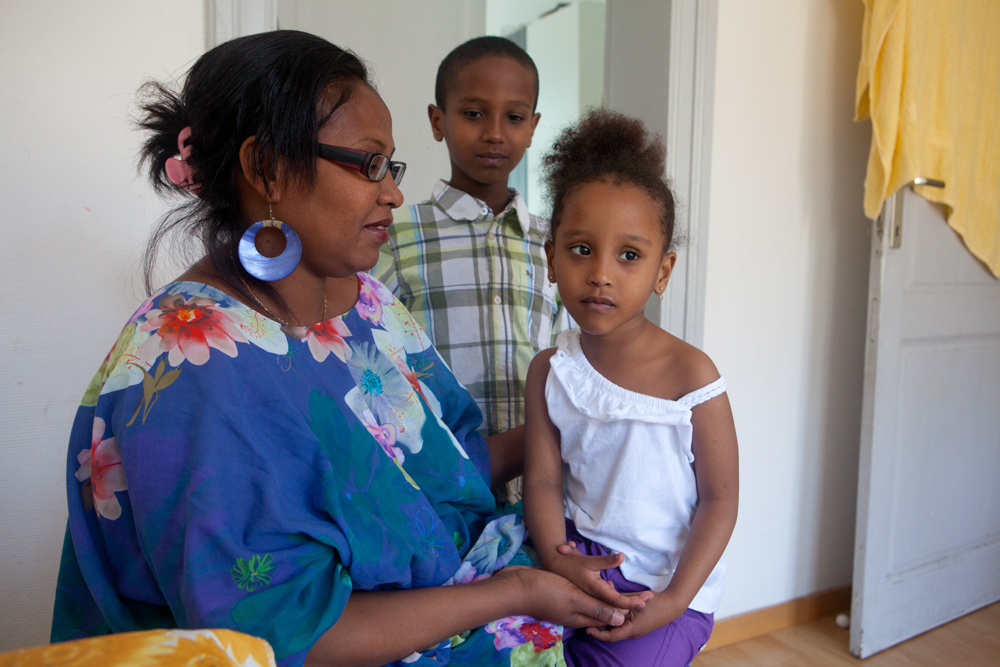
HAITI

A year and a half after the devastating earthquake that struck Haiti, Christophe Smets took the pulse of a nation rising to its feet, revealing the work of Haitian associations and the wealth of grassroots initiatives emerging from civil society.
A multitude of faces — men and women standing tall despite hardship.
Haiti is still healing, but it is also rolling up its sleeves.
Everywhere, people are laying the foundations for a better future.
Caught between hope and resignation, Haitians have always been — and remain — the main actors in shaping the future of their country.
A 25-photo exhibition initiated and presented by Entraide et Fraternité (entraide.be), with the support of Wallonie-Bruxelles International.


WOMEN AND POVERTY

Society advances at the pace of its weakest members.
In Brussels, the capital of Europe, 28% of the population lived at risk of poverty in 2010. Six years later, that figure rose to 31%. This is huge.
All studies confirm it: poverty primarily affects the most vulnerable — women, children, the elderly, and isolated individuals.
We wanted to meet women affected by poverty. We asked each of them what was dear to their hearts. What do they dream of? What still holds value when one lacks basic necessities? Children, memories of a parent, a pet, an object worth nothing but meaningful to the heart, an empty bag, a symbol. That is their luxury.
Thanks to Maria, Annick, Nathalie, Svetlana, Kaouthar, Dorothée, Philomène, Wendy, Ana Maria, Rachel, Habiba, Jessica, Patricia, Constance, Elisabeth, Fatiha, Ajsche, Widad, Mbayang, Louise, Christiane — so many shared moments around what truly matters.
A project presented as a travelling exhibition featuring about twenty diptychs accompanied by texts.
Texts: Céline Gautier
Photos: Christophe Smets


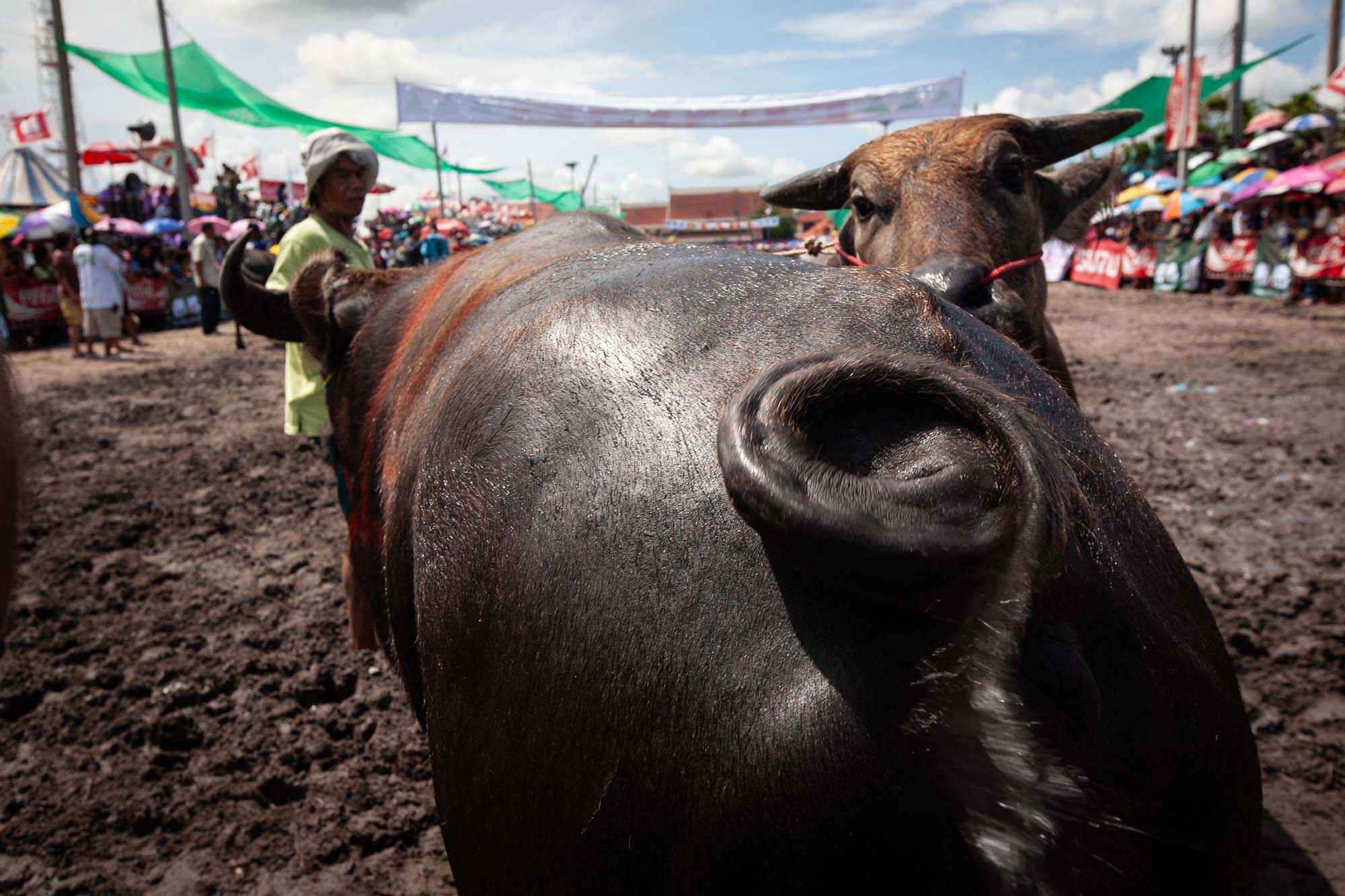
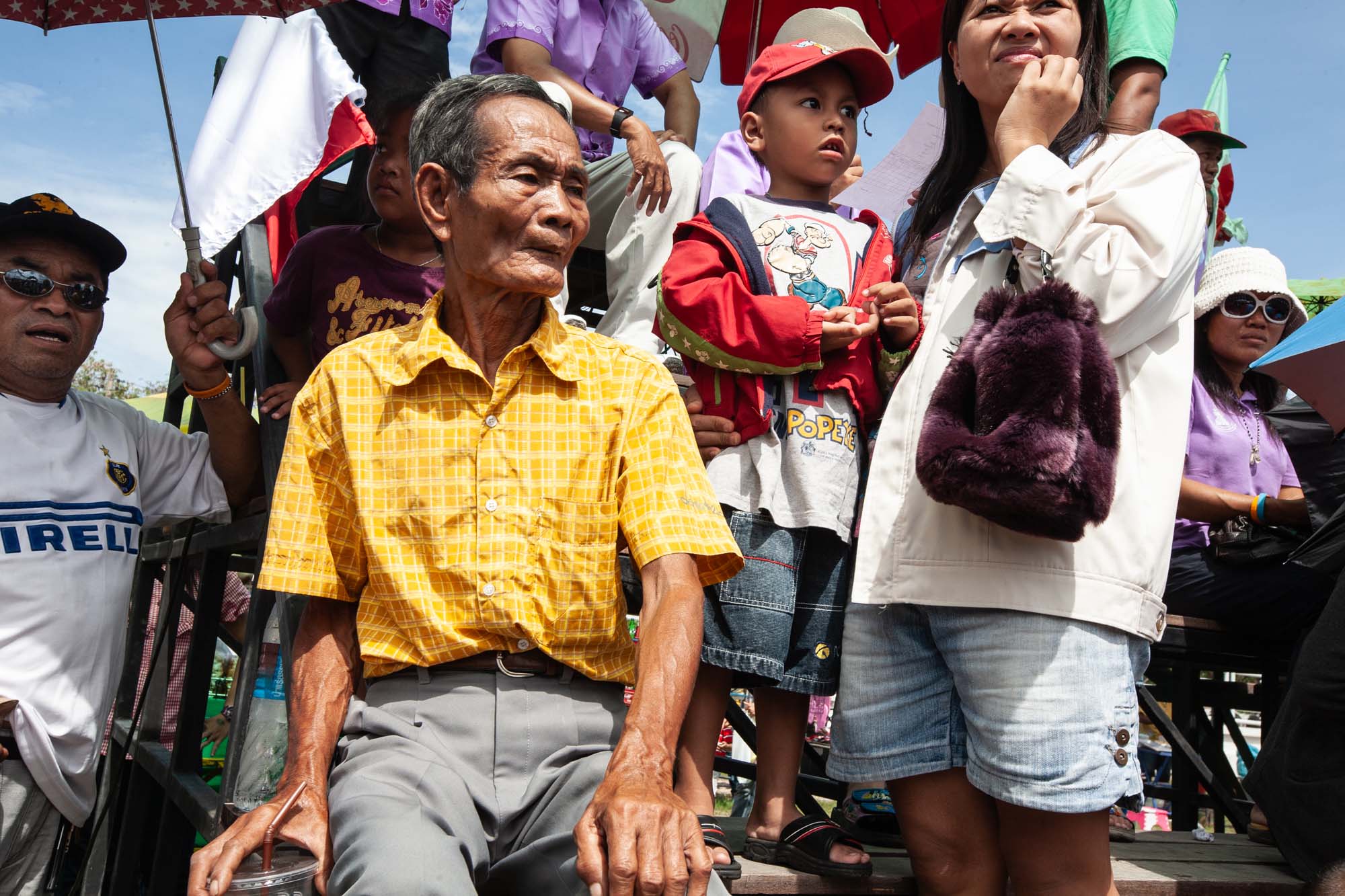
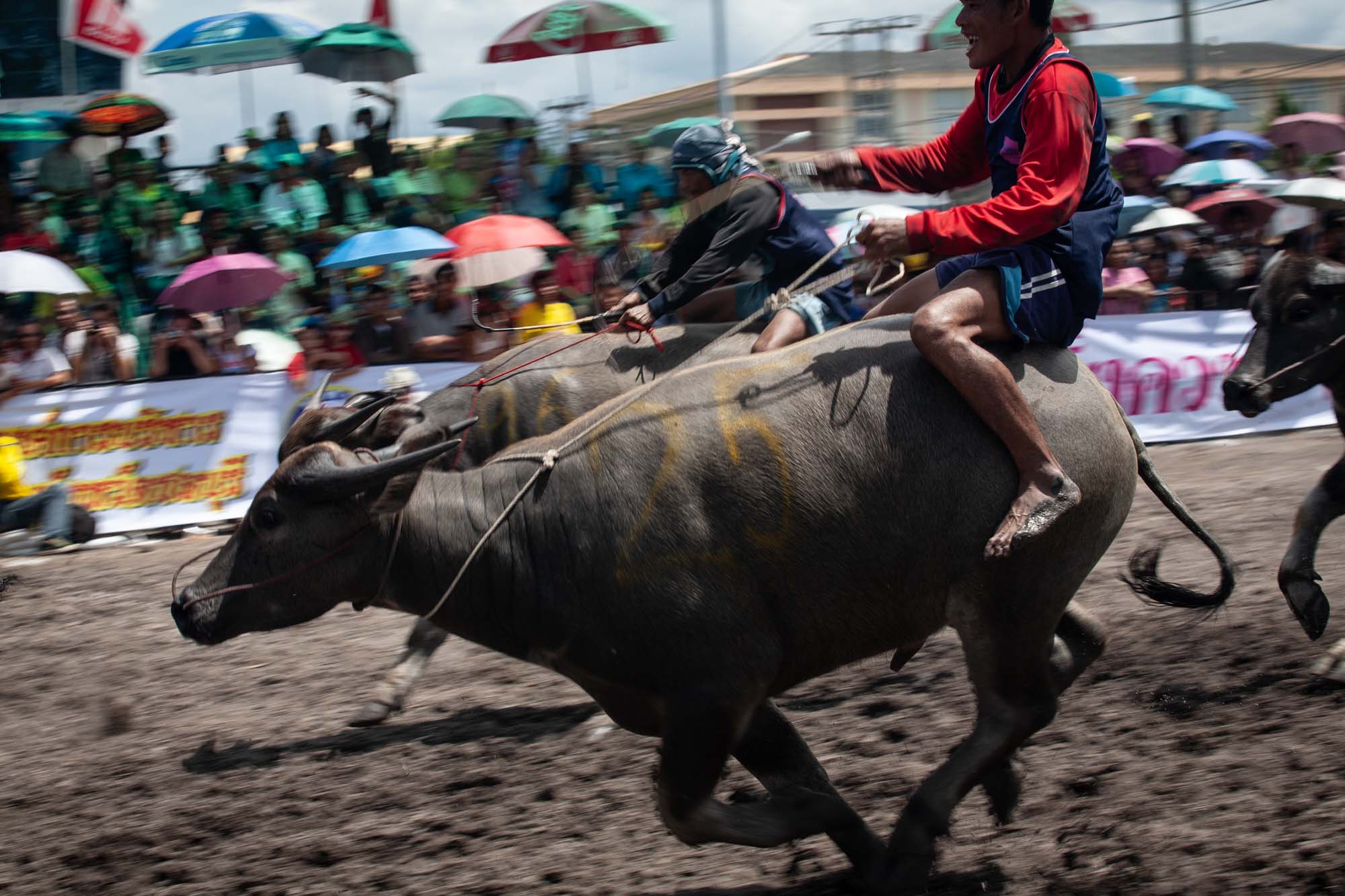
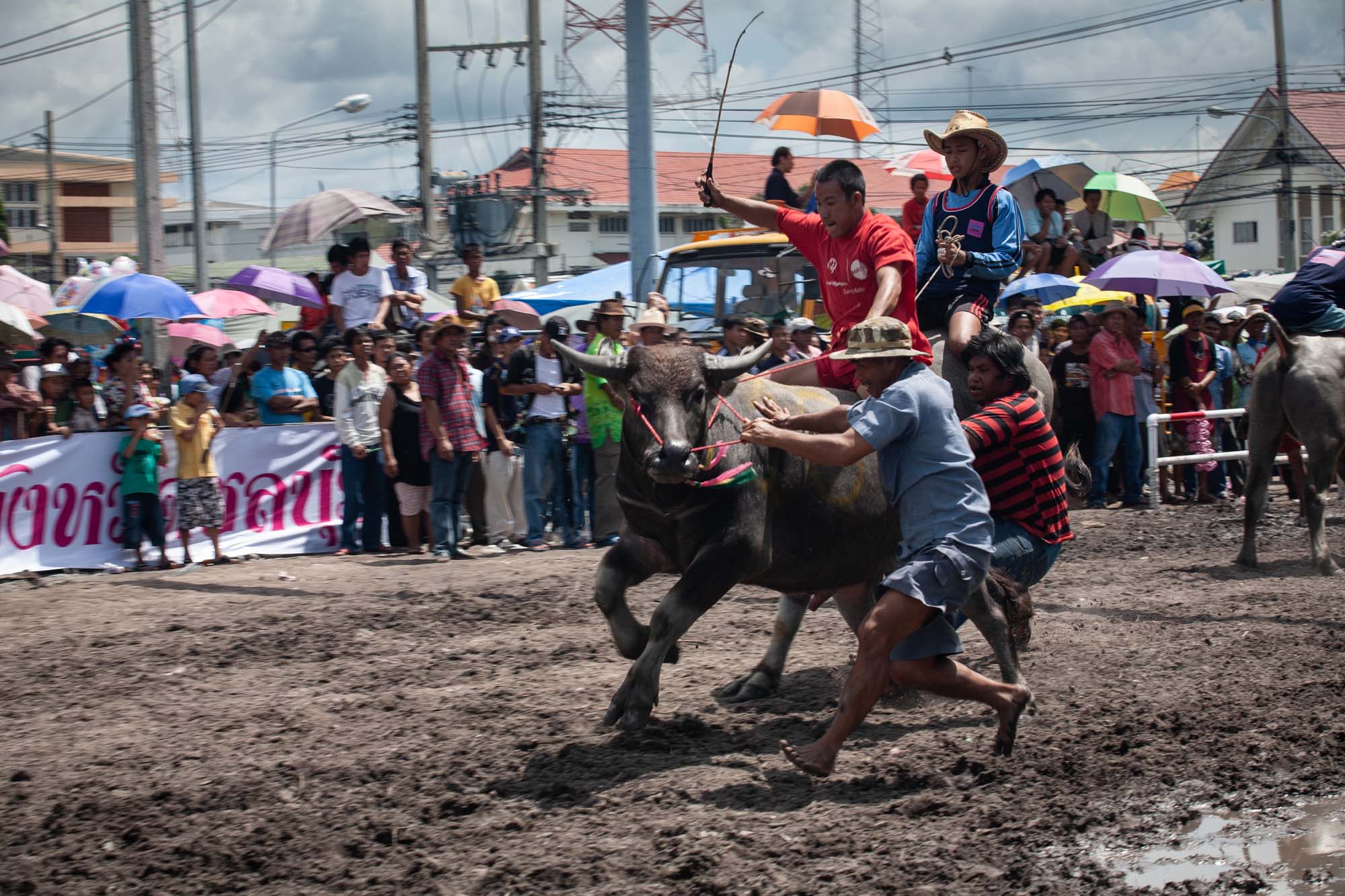
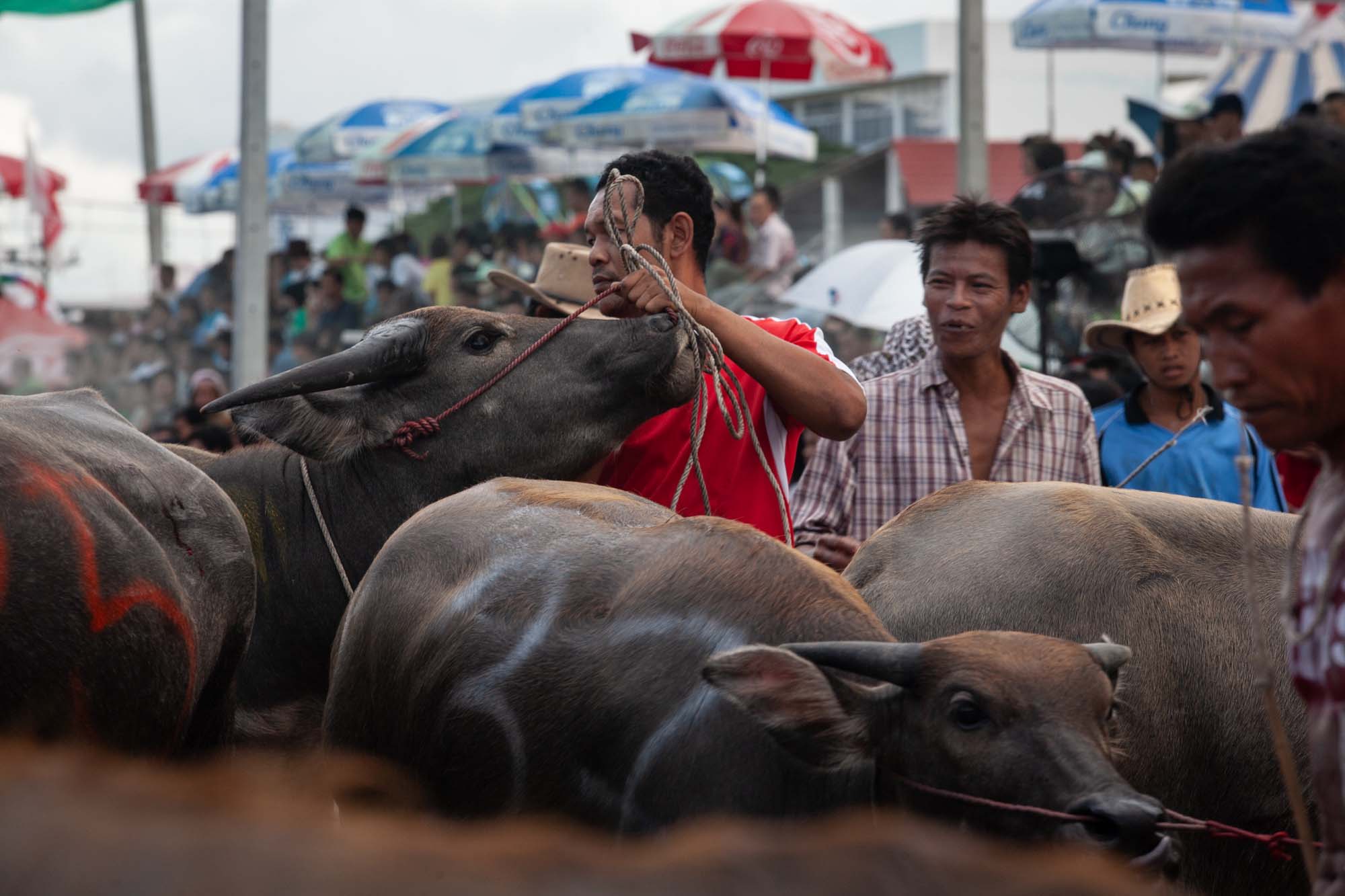
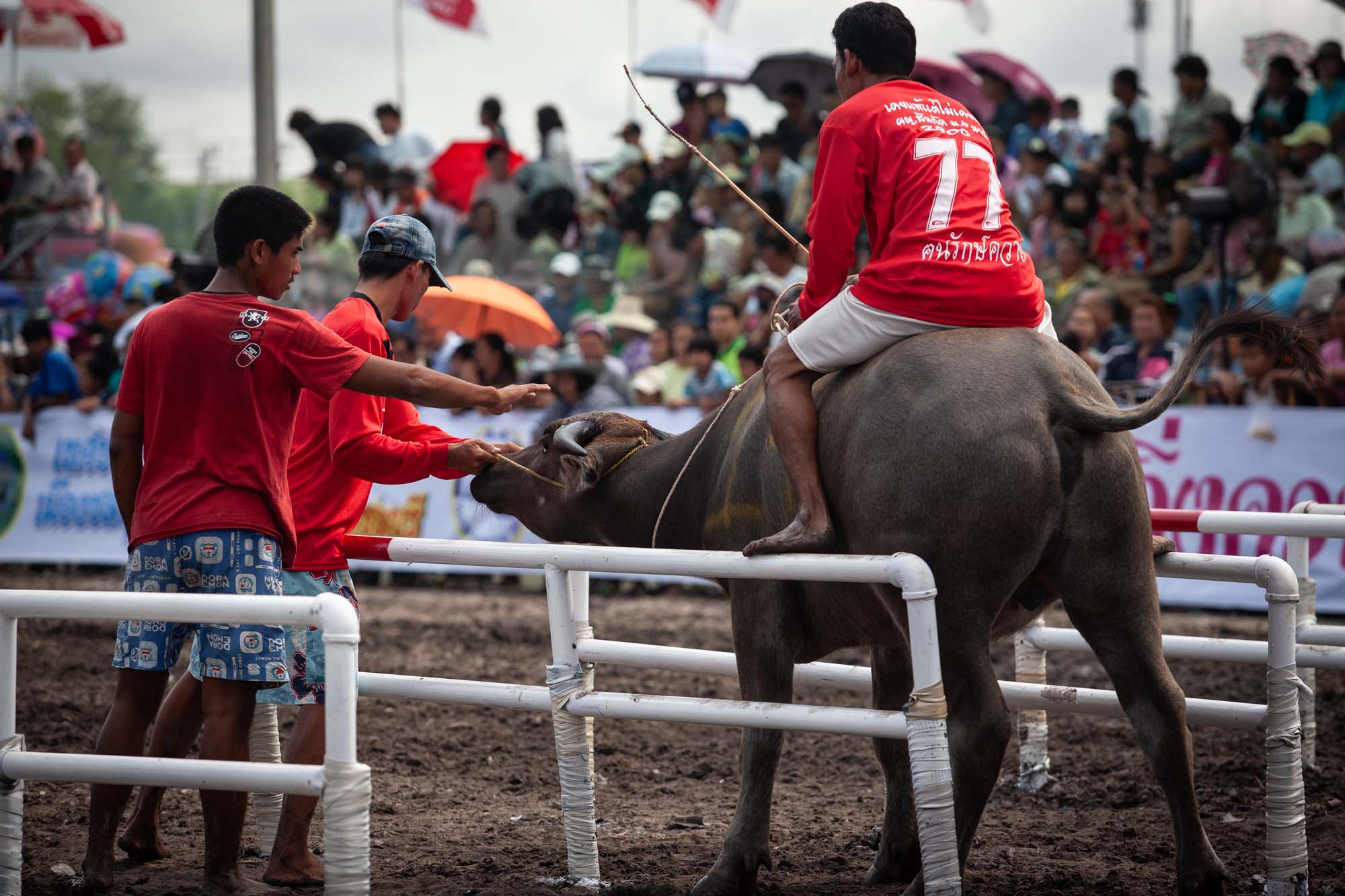
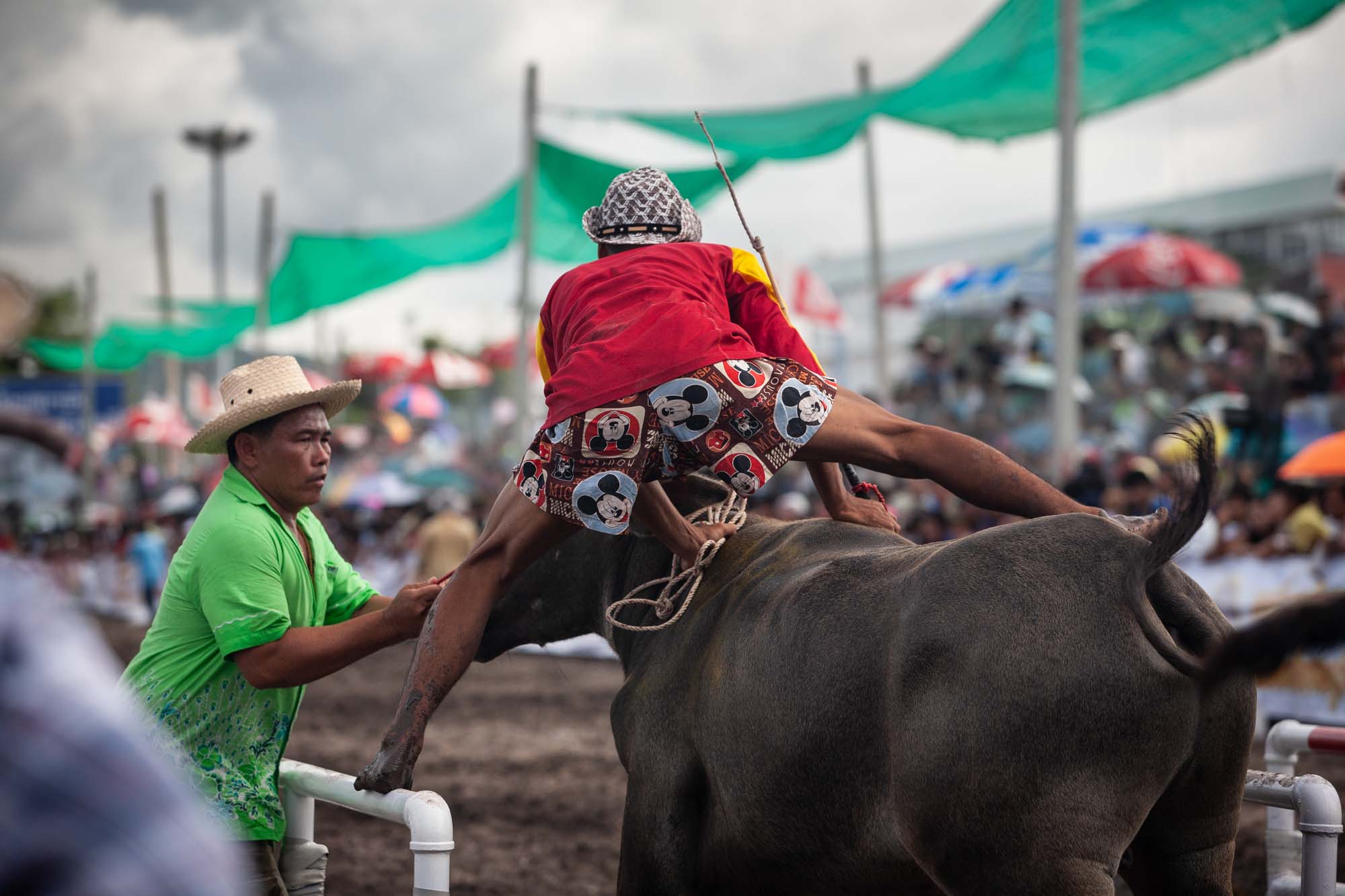
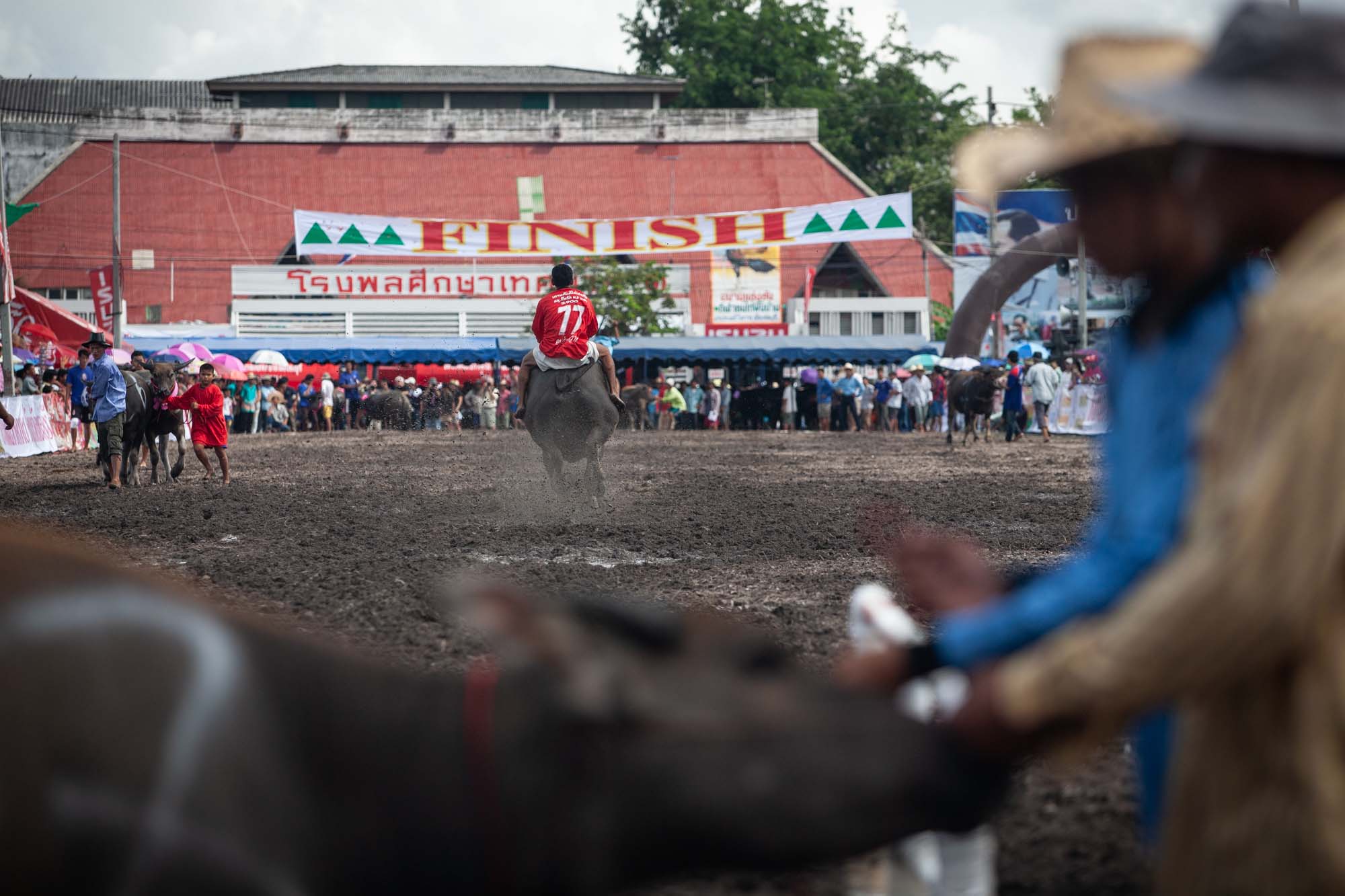
CHONBURI FESTIVAL : HONORING BUFFALOES AND THE LAND
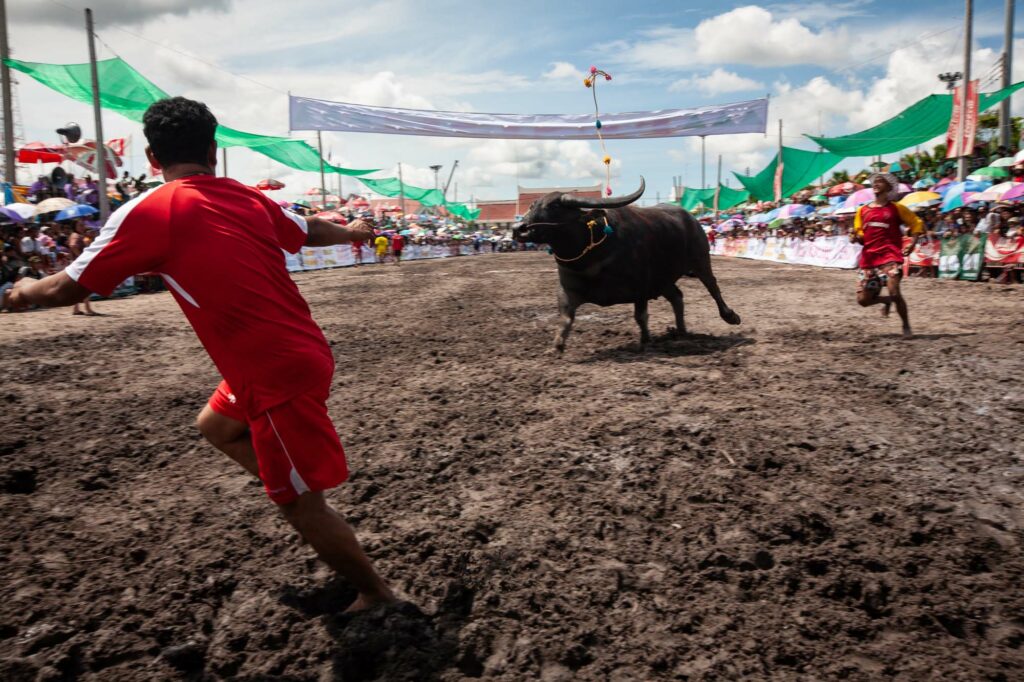
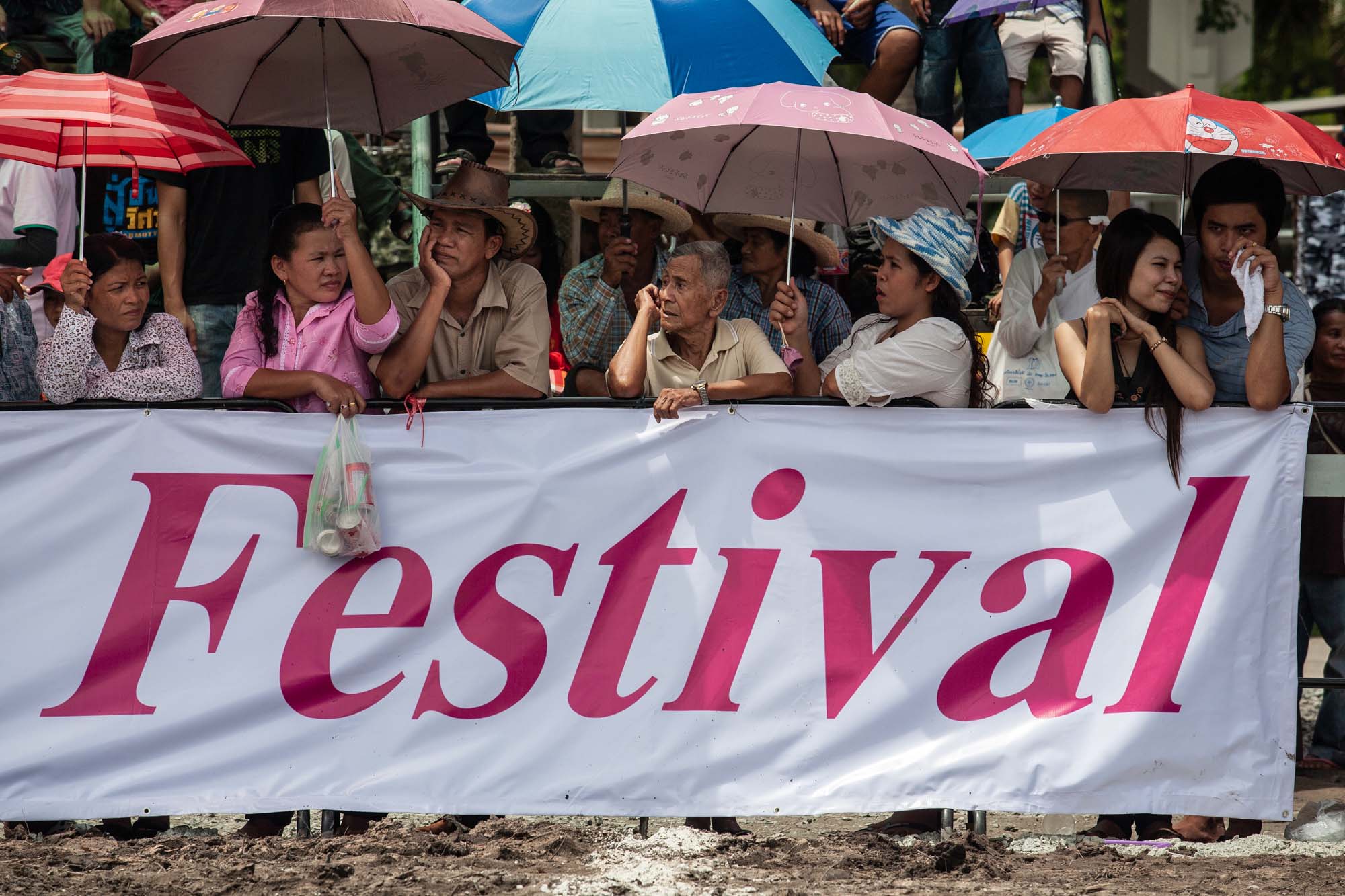
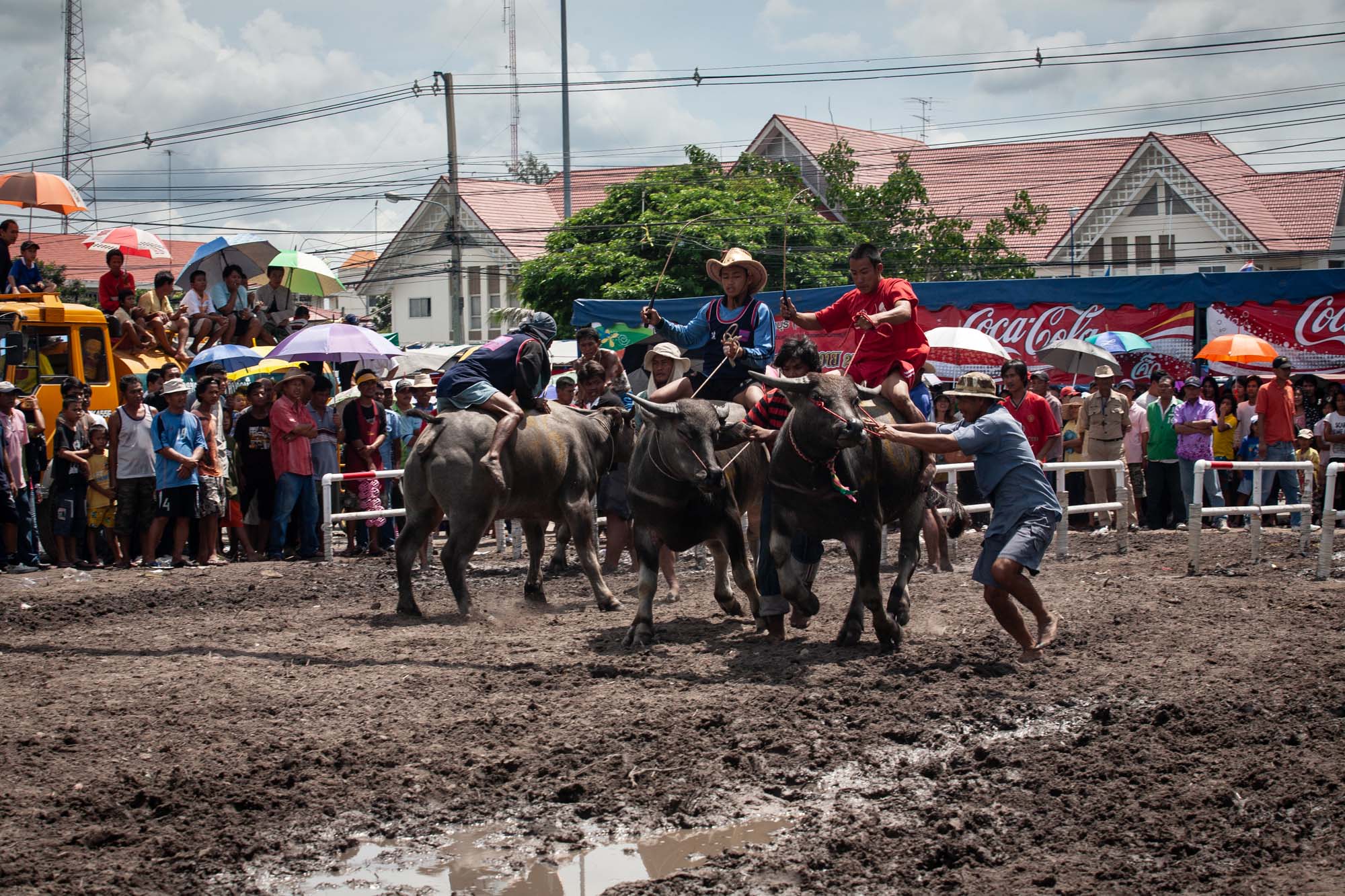
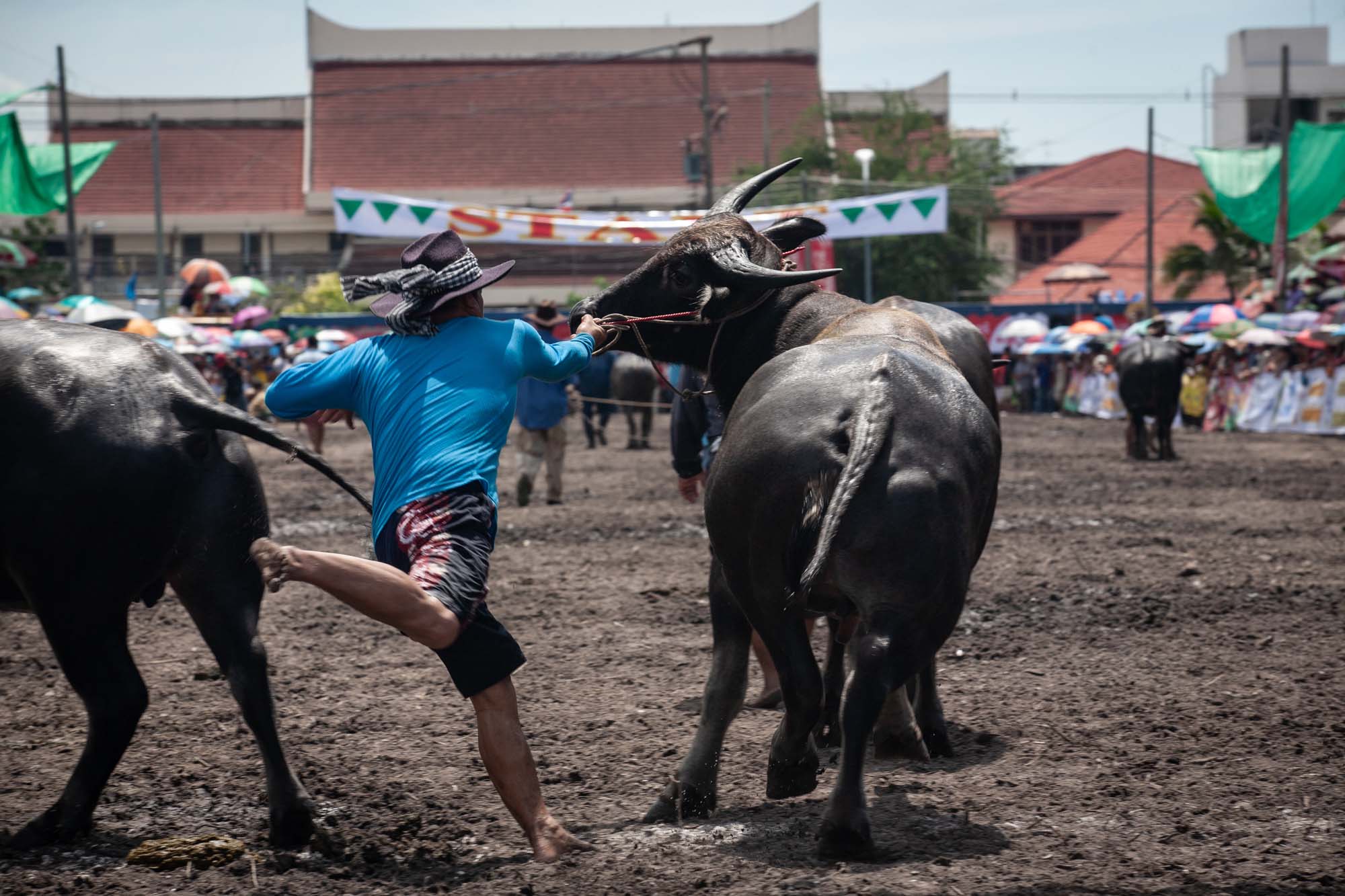
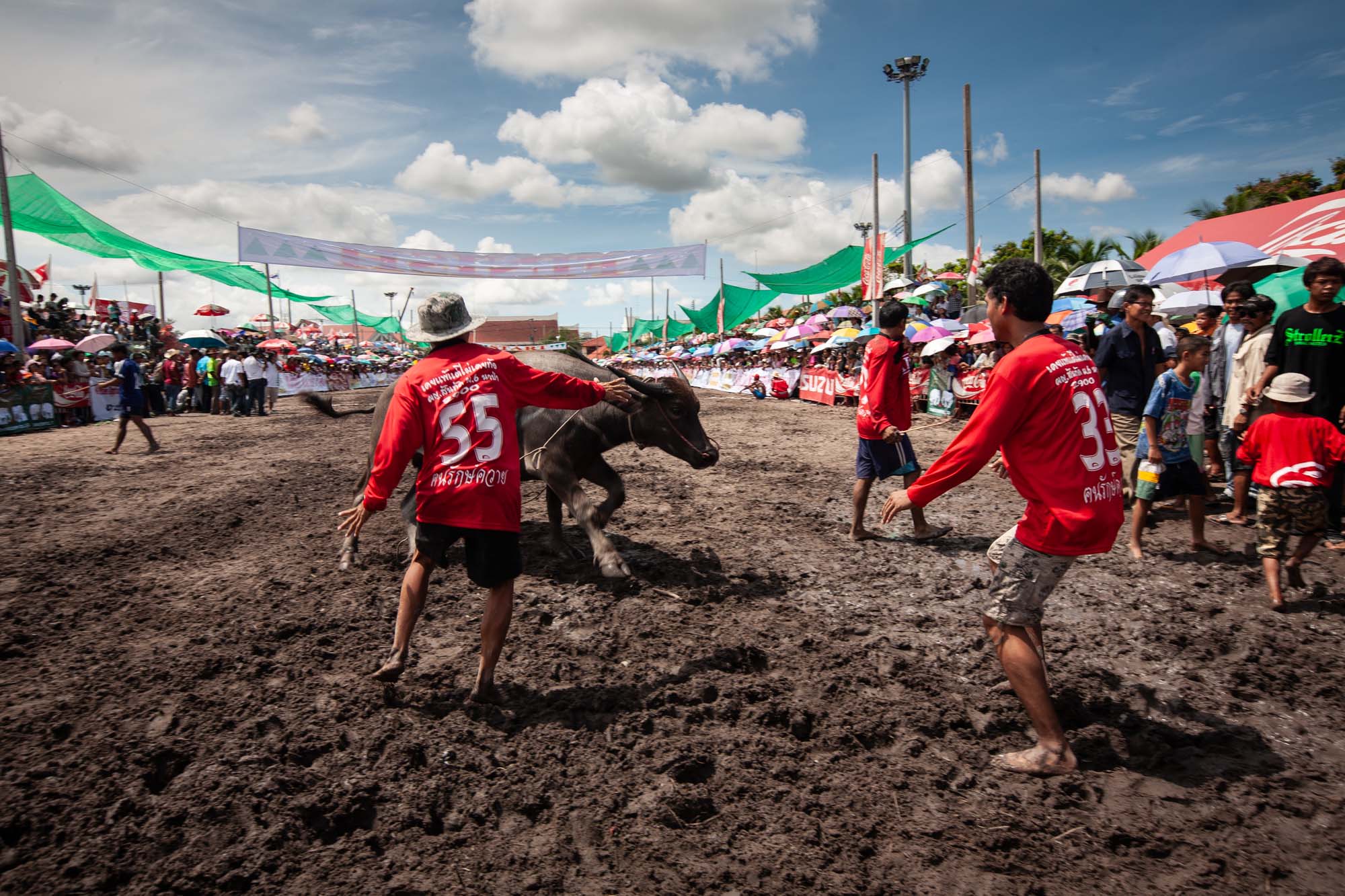
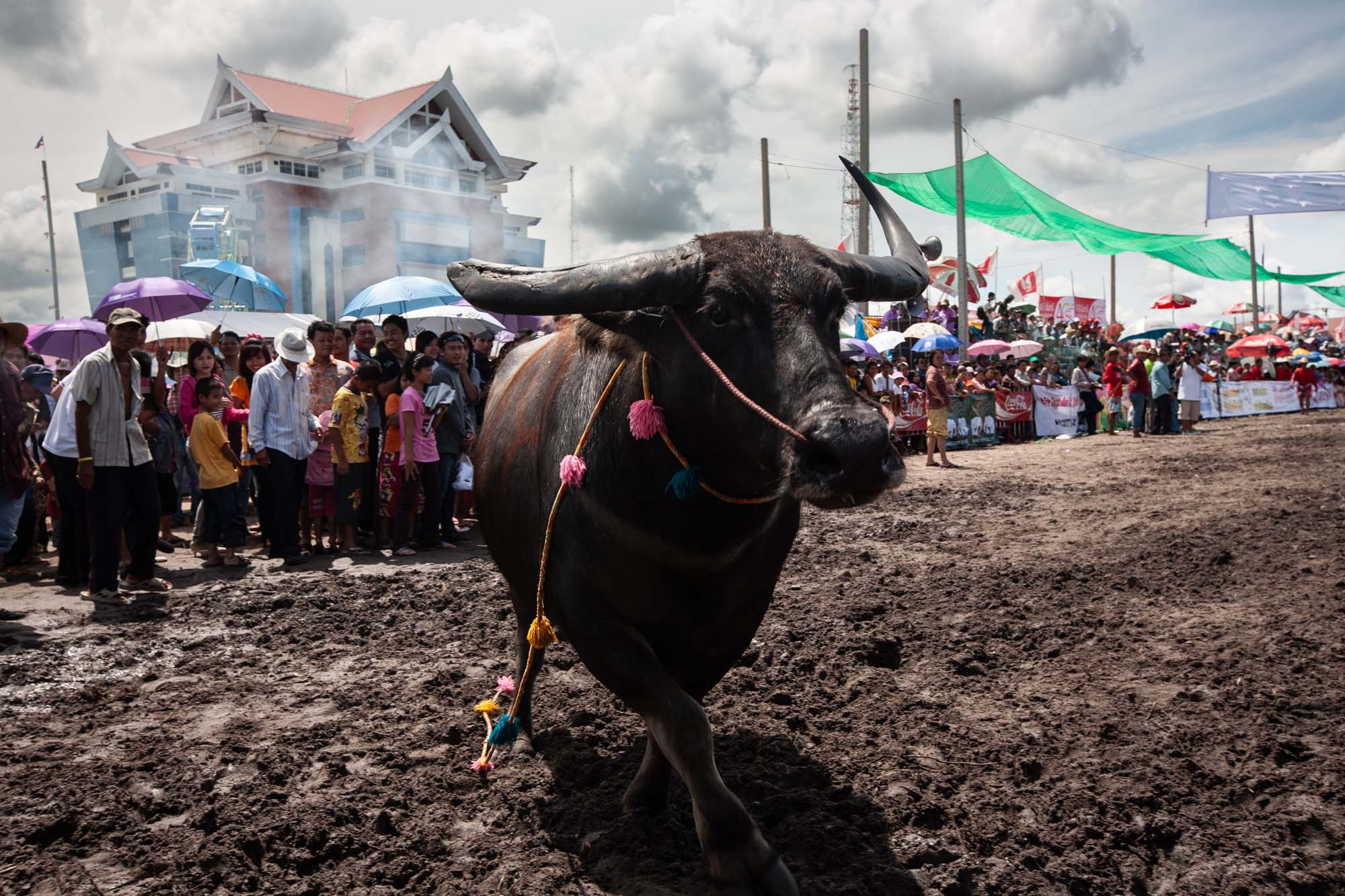
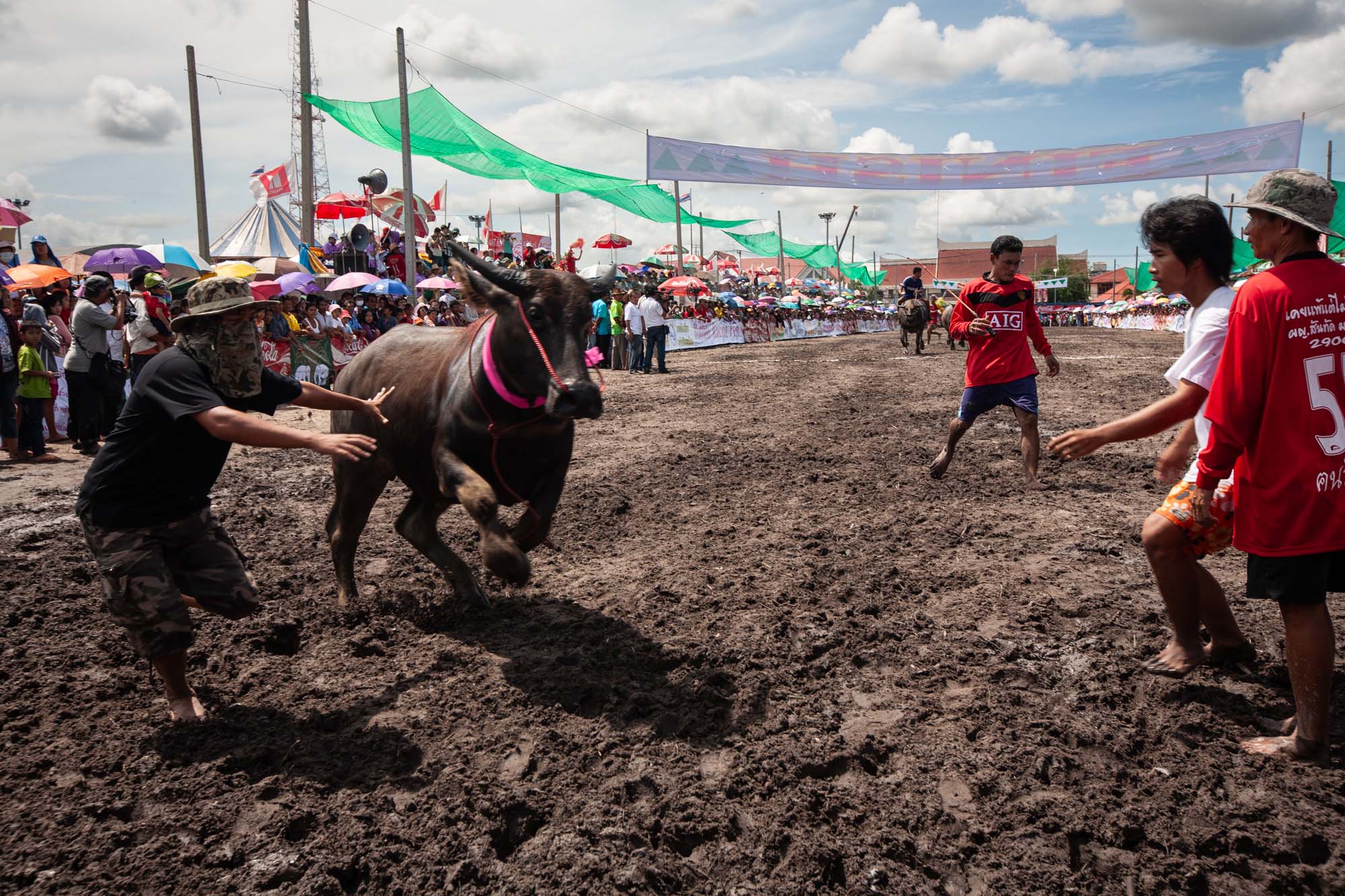
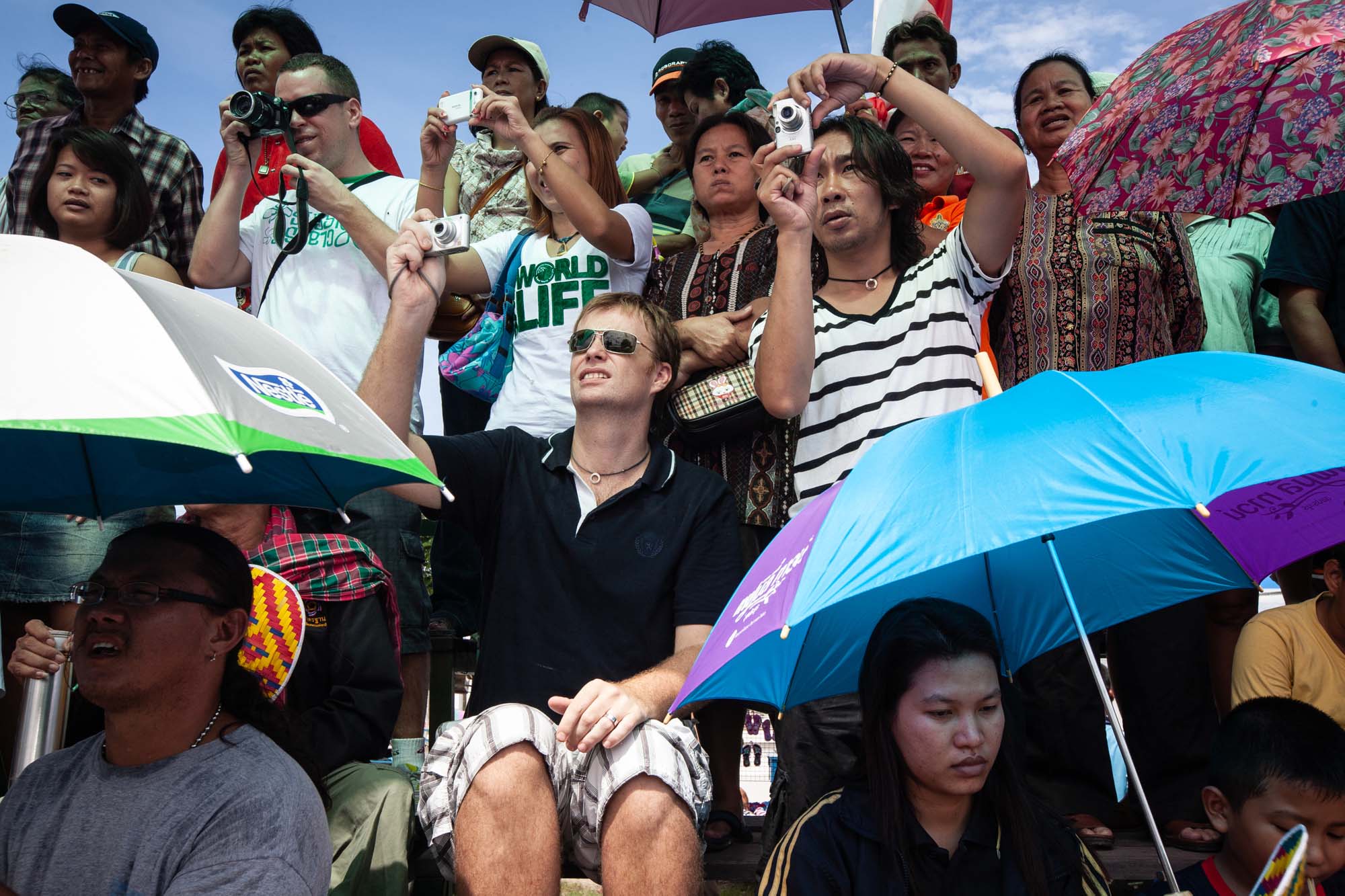
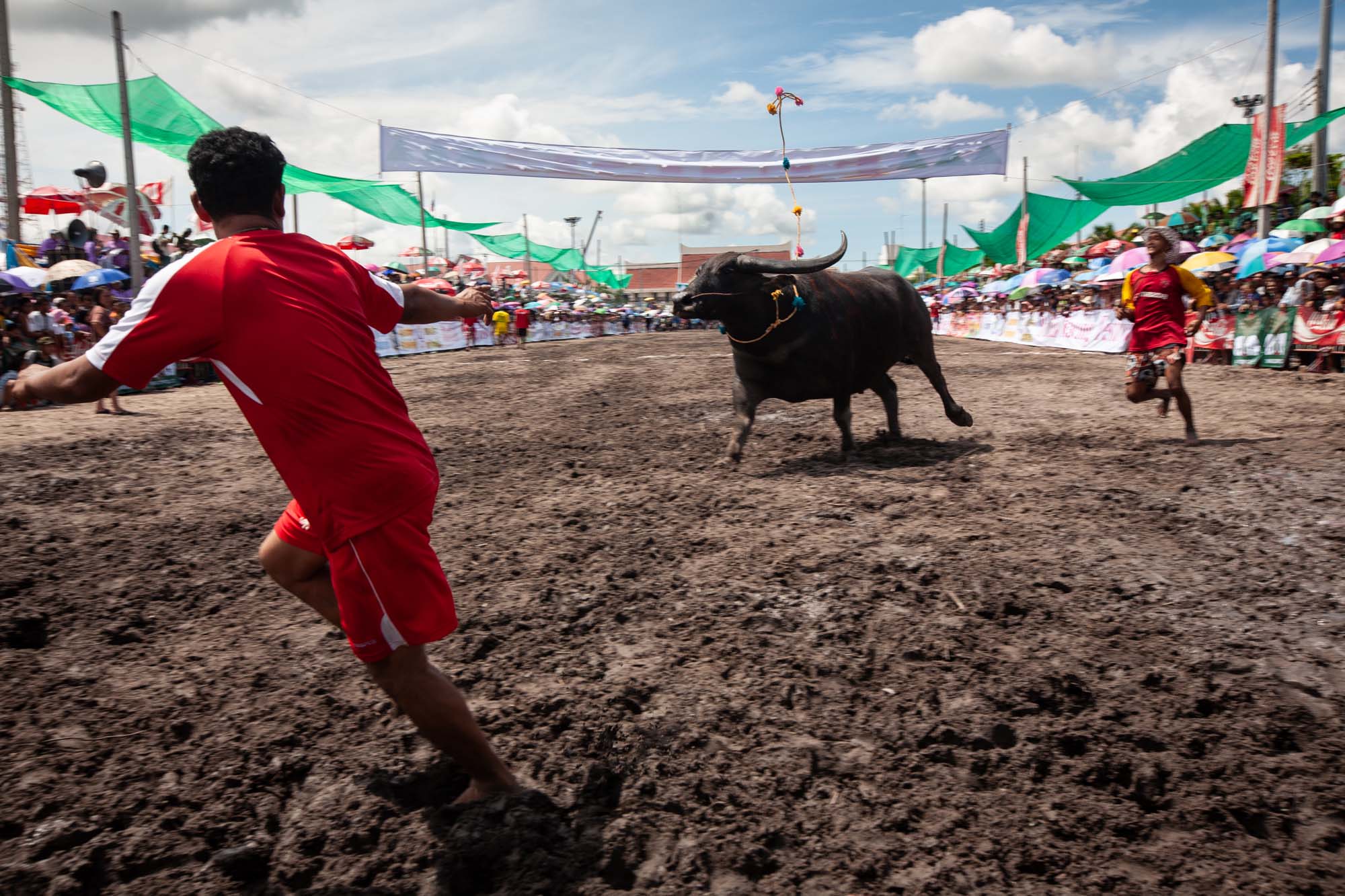
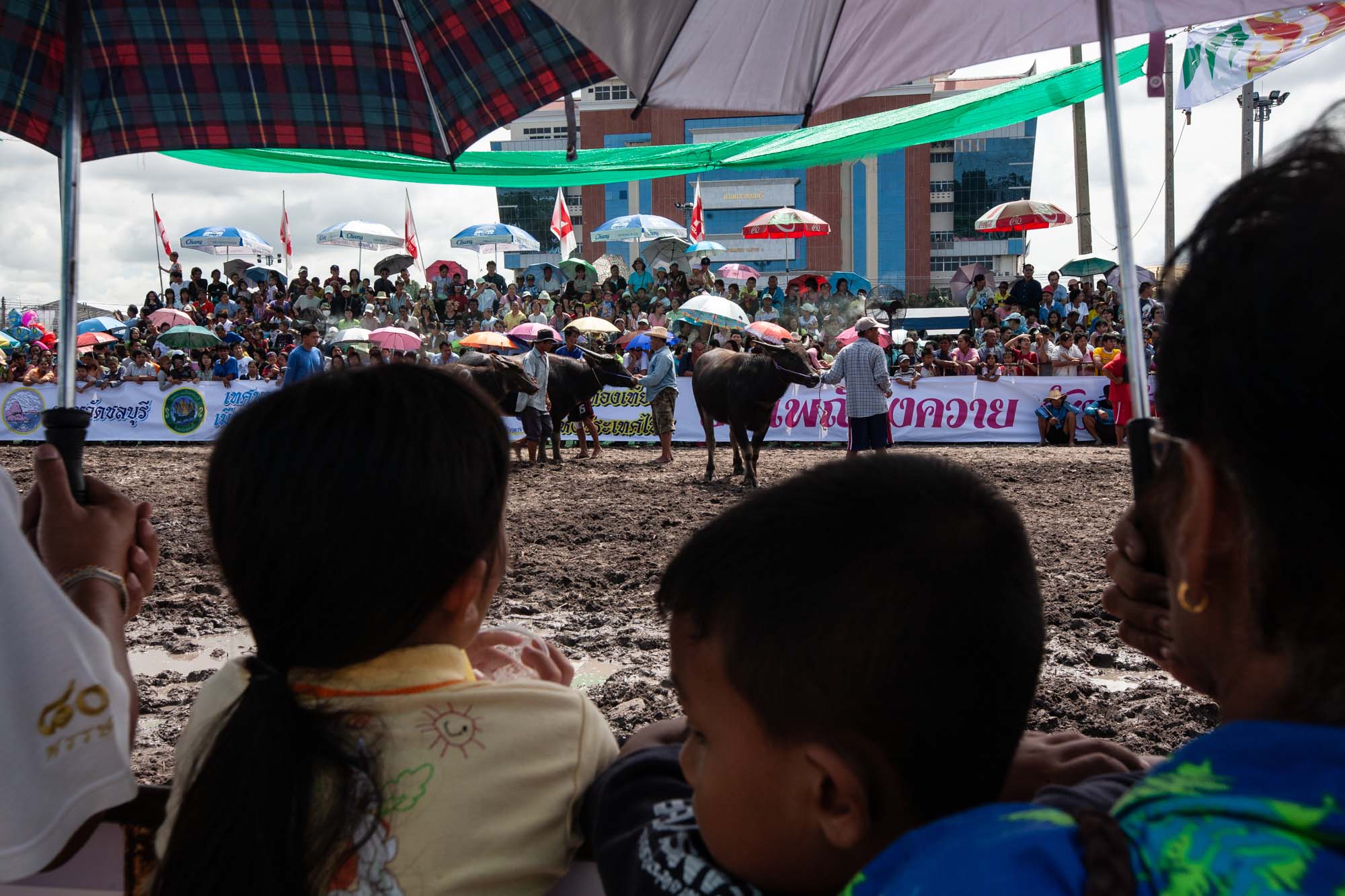
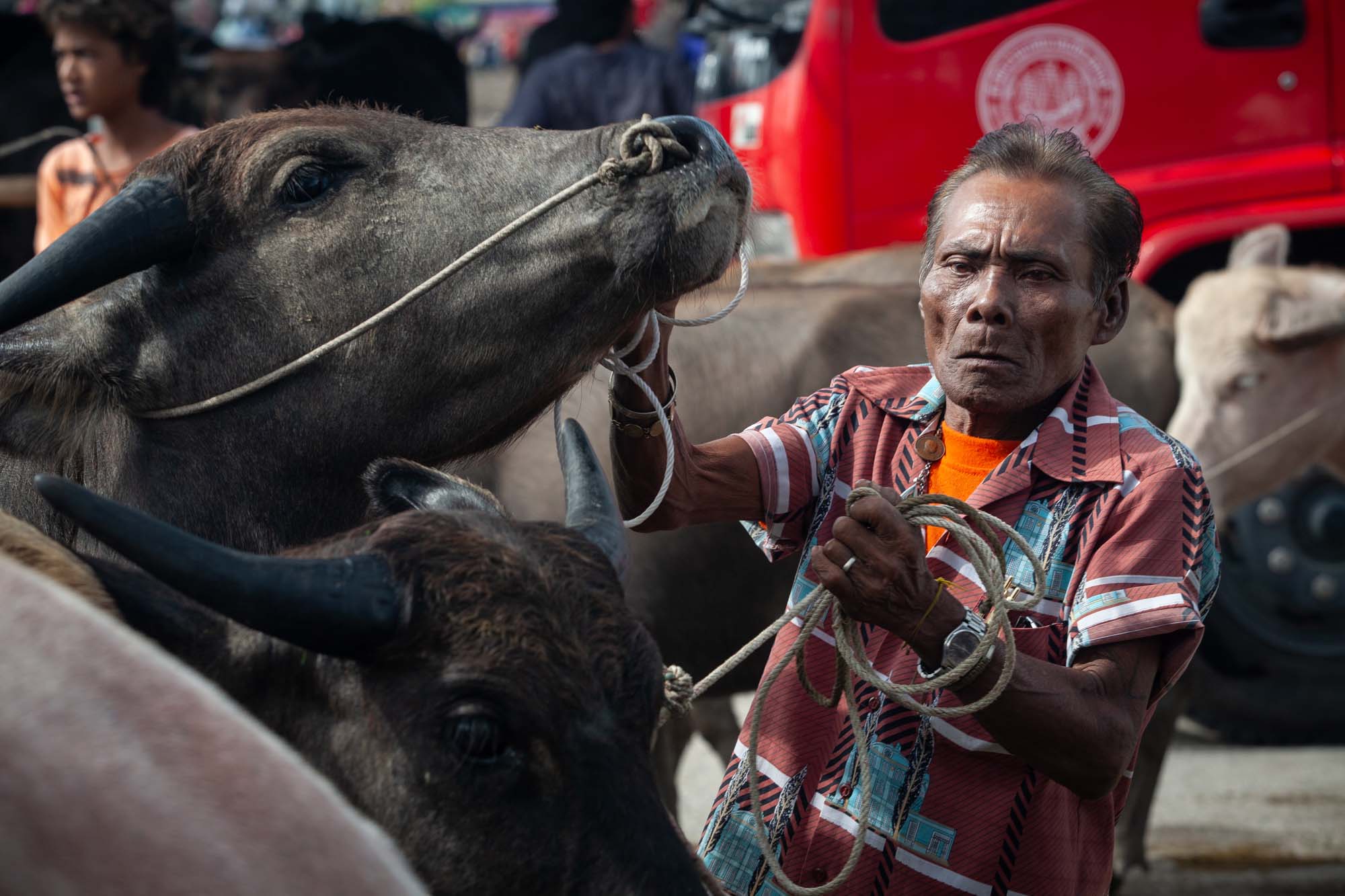
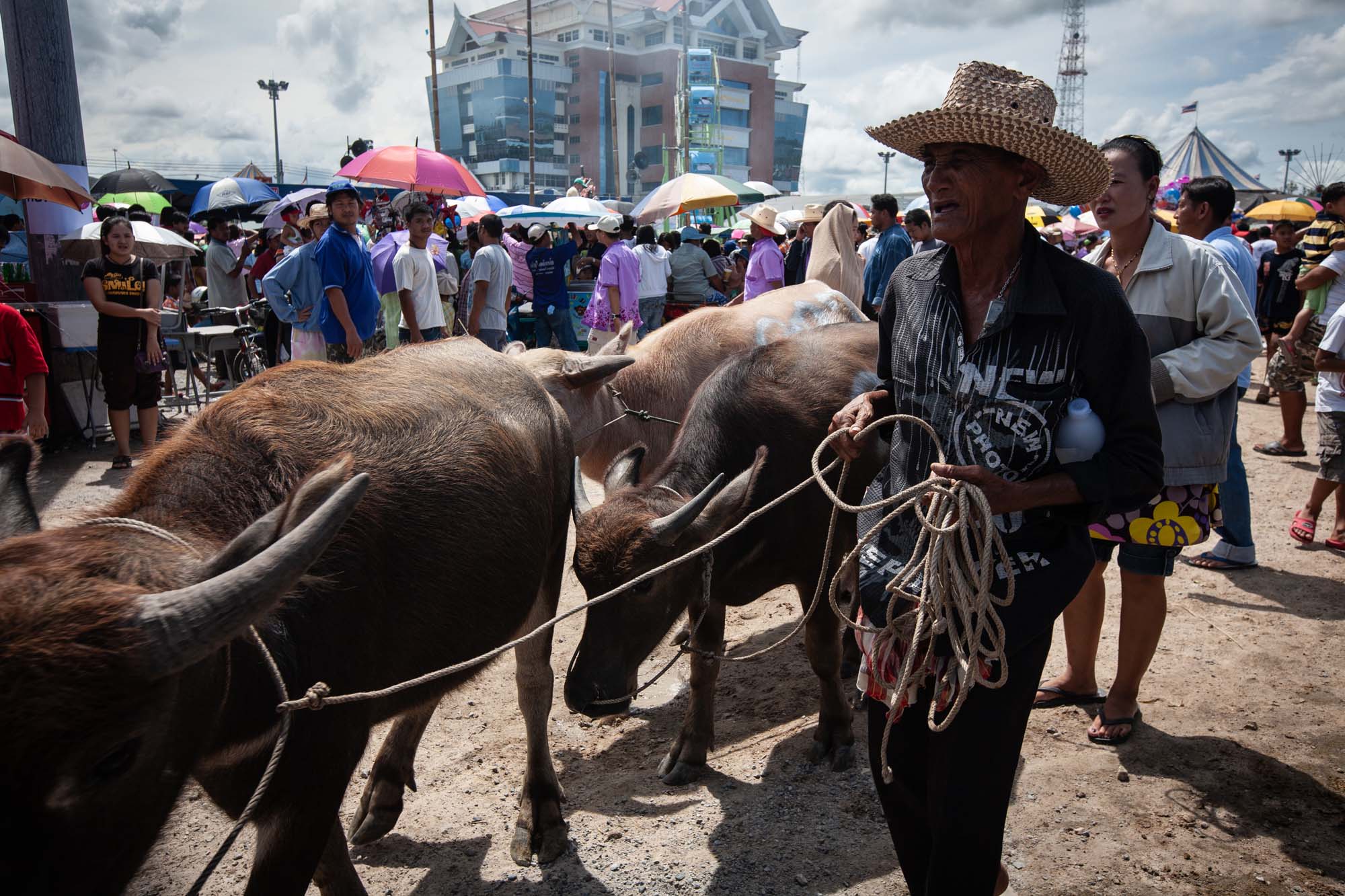
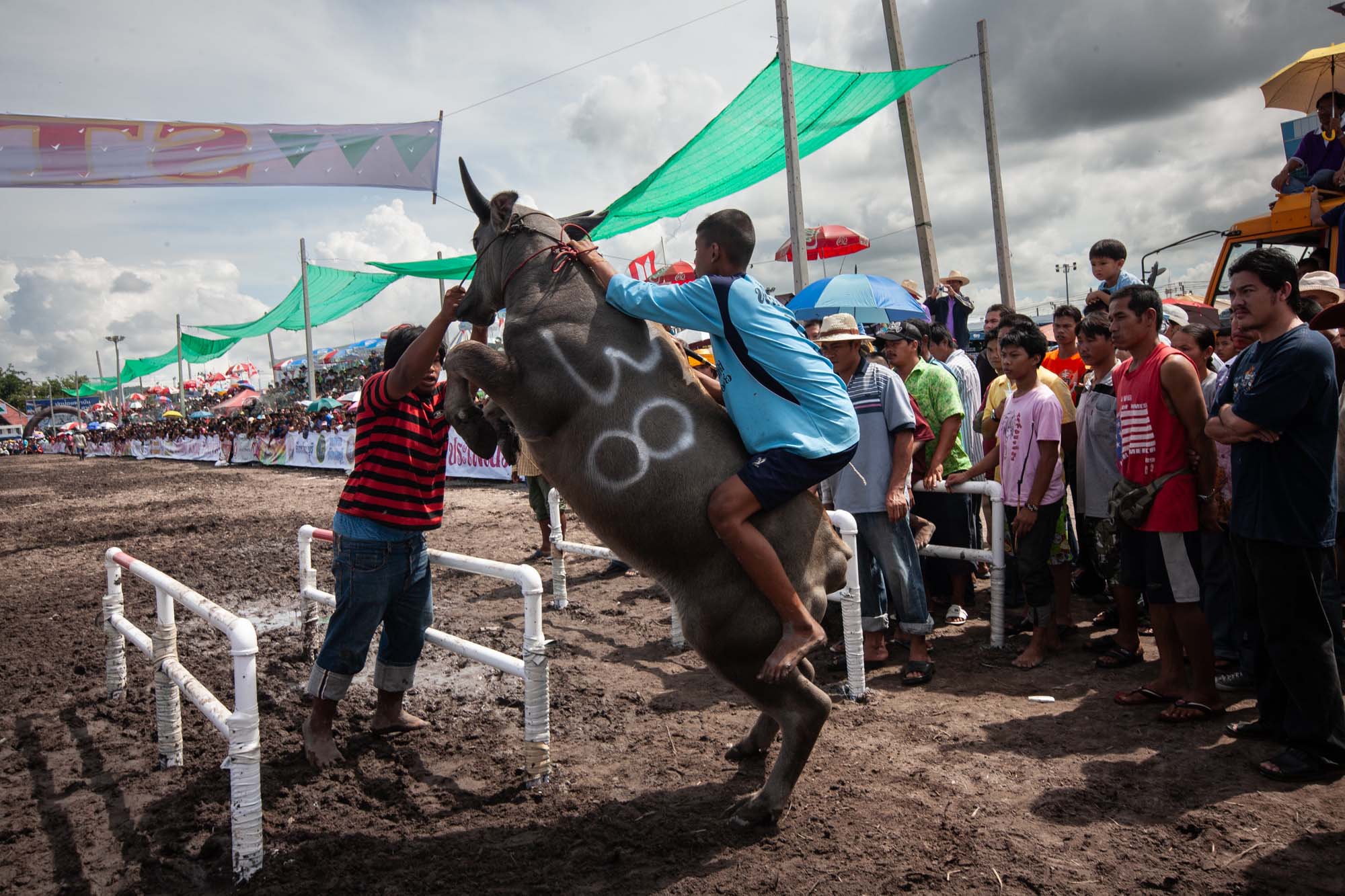
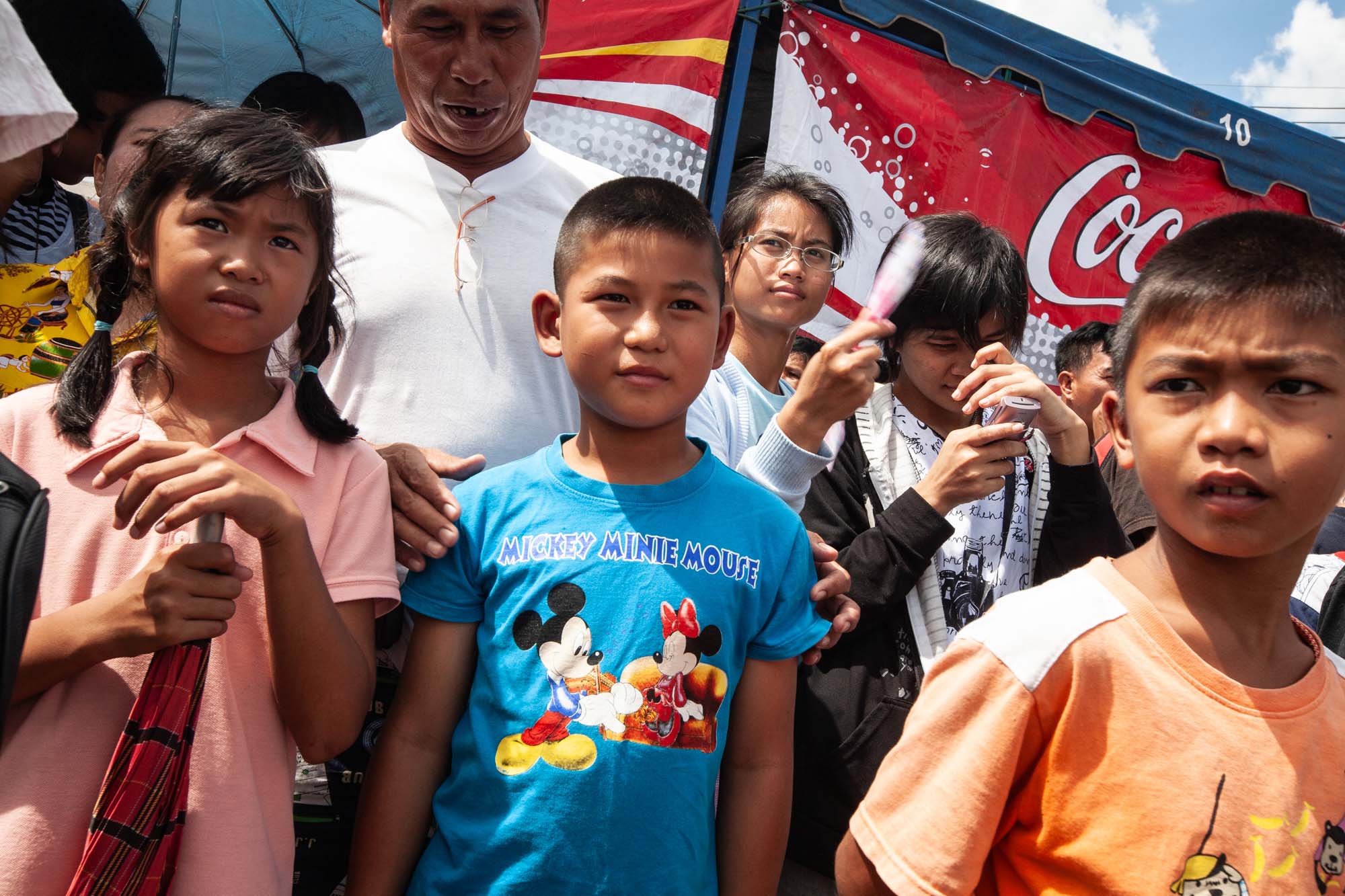
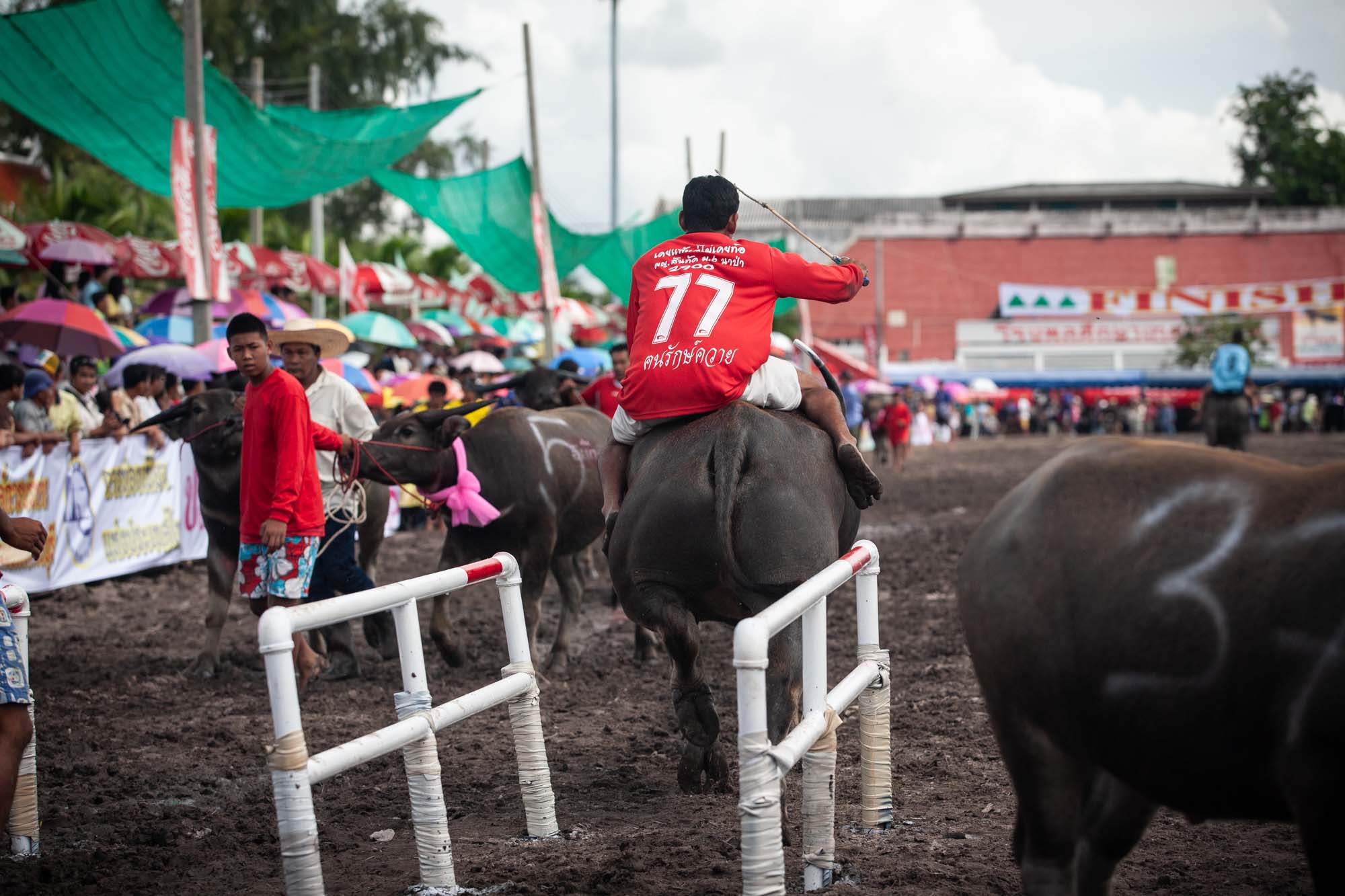
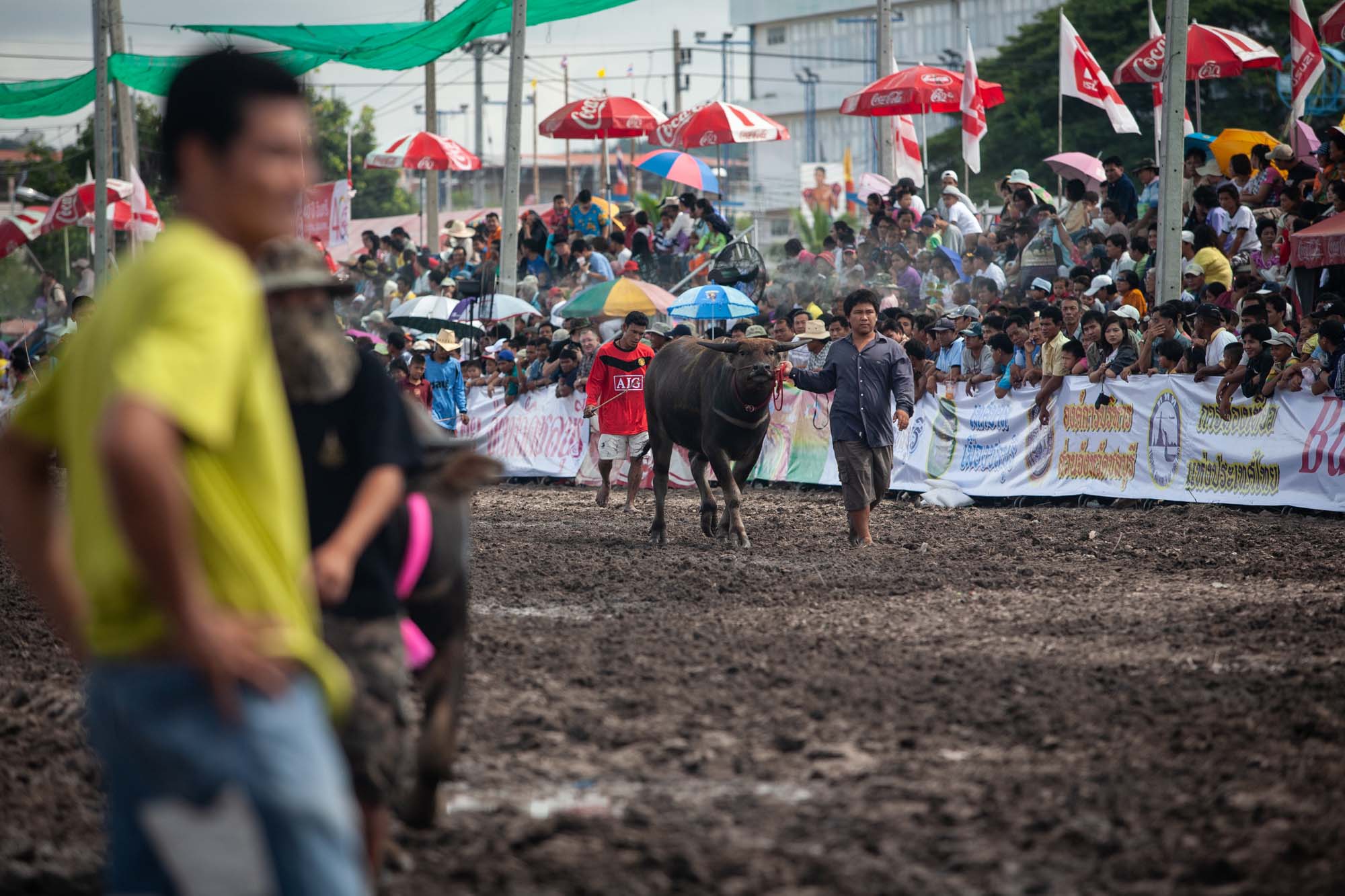
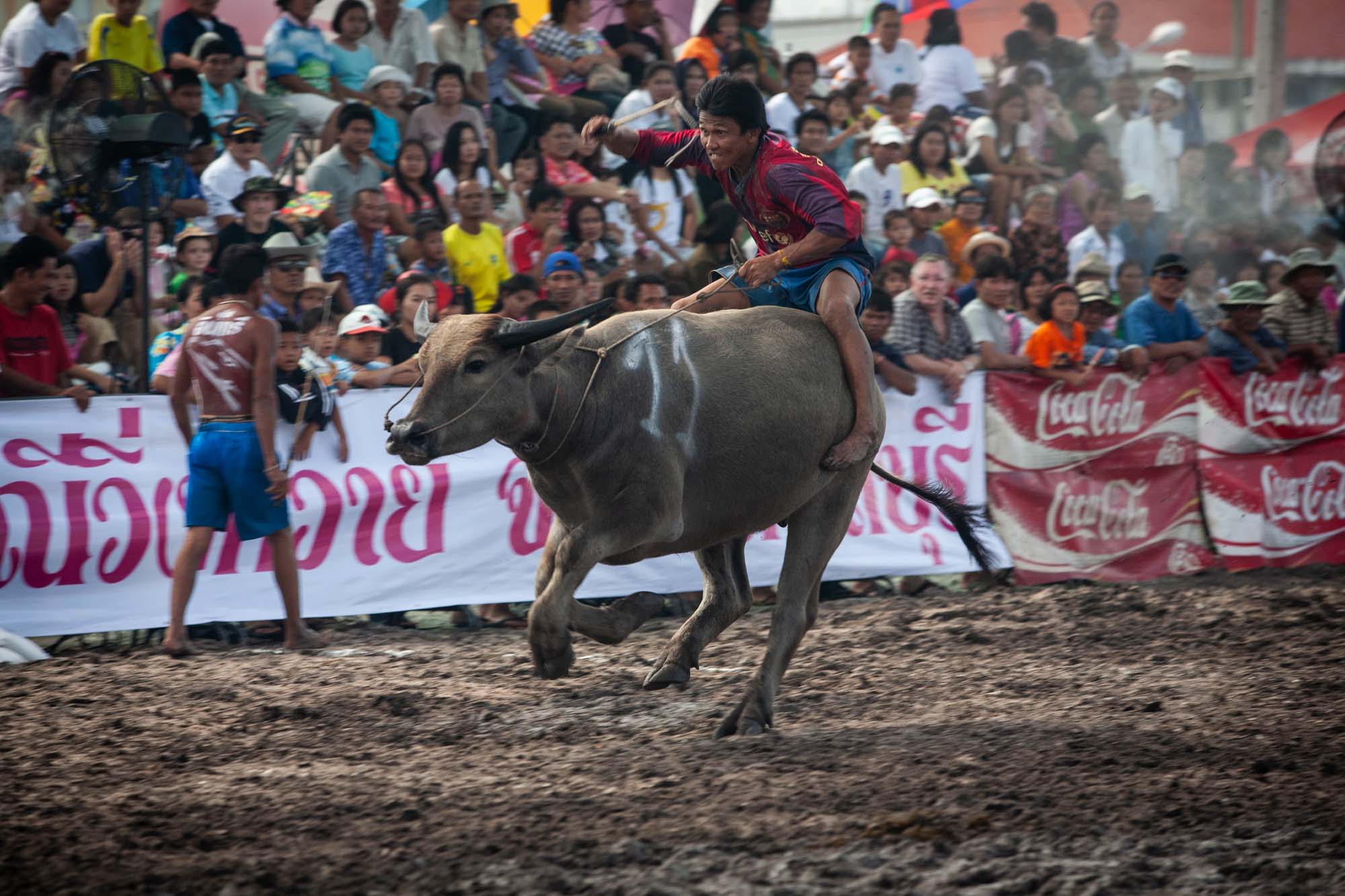
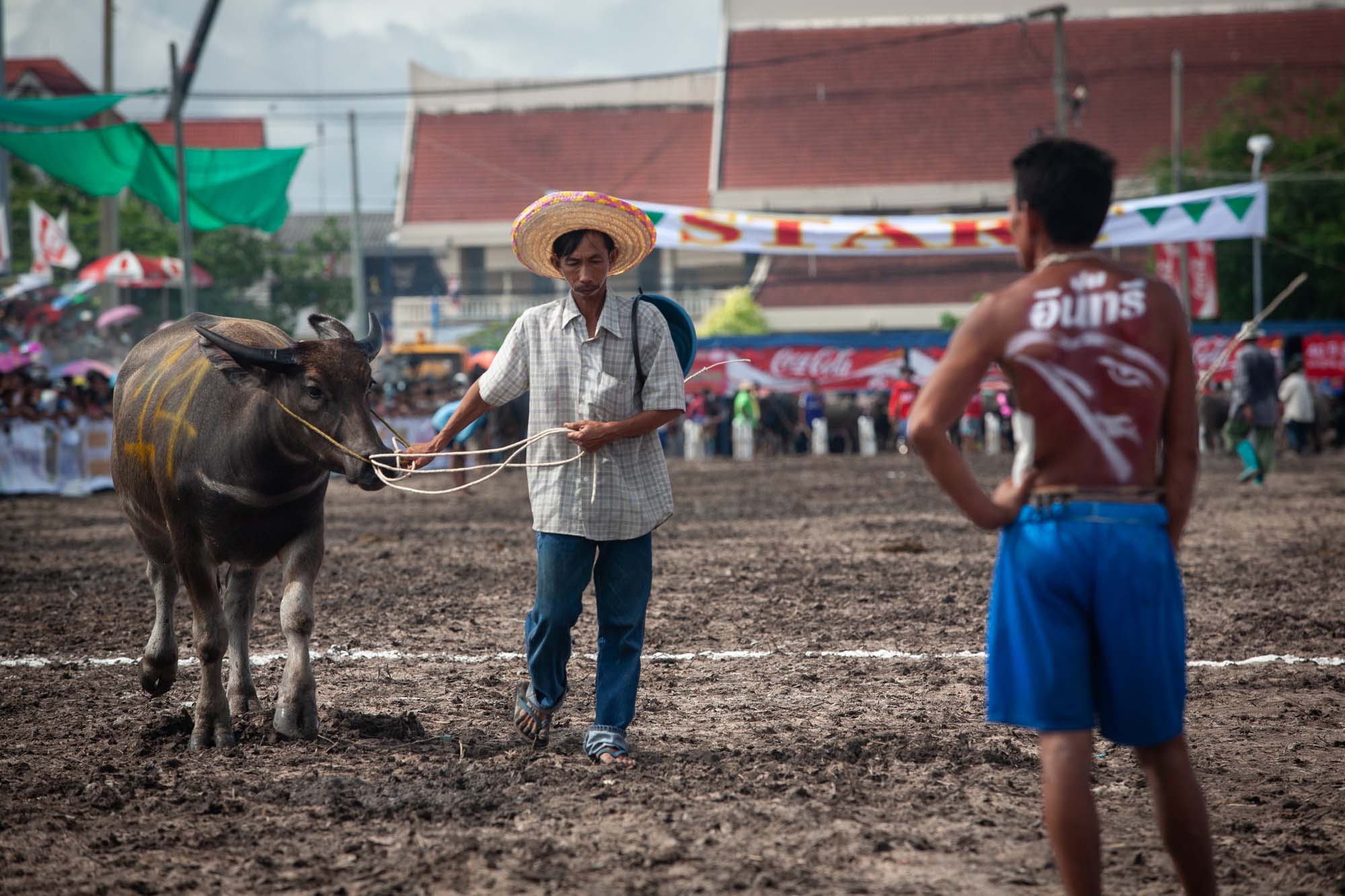
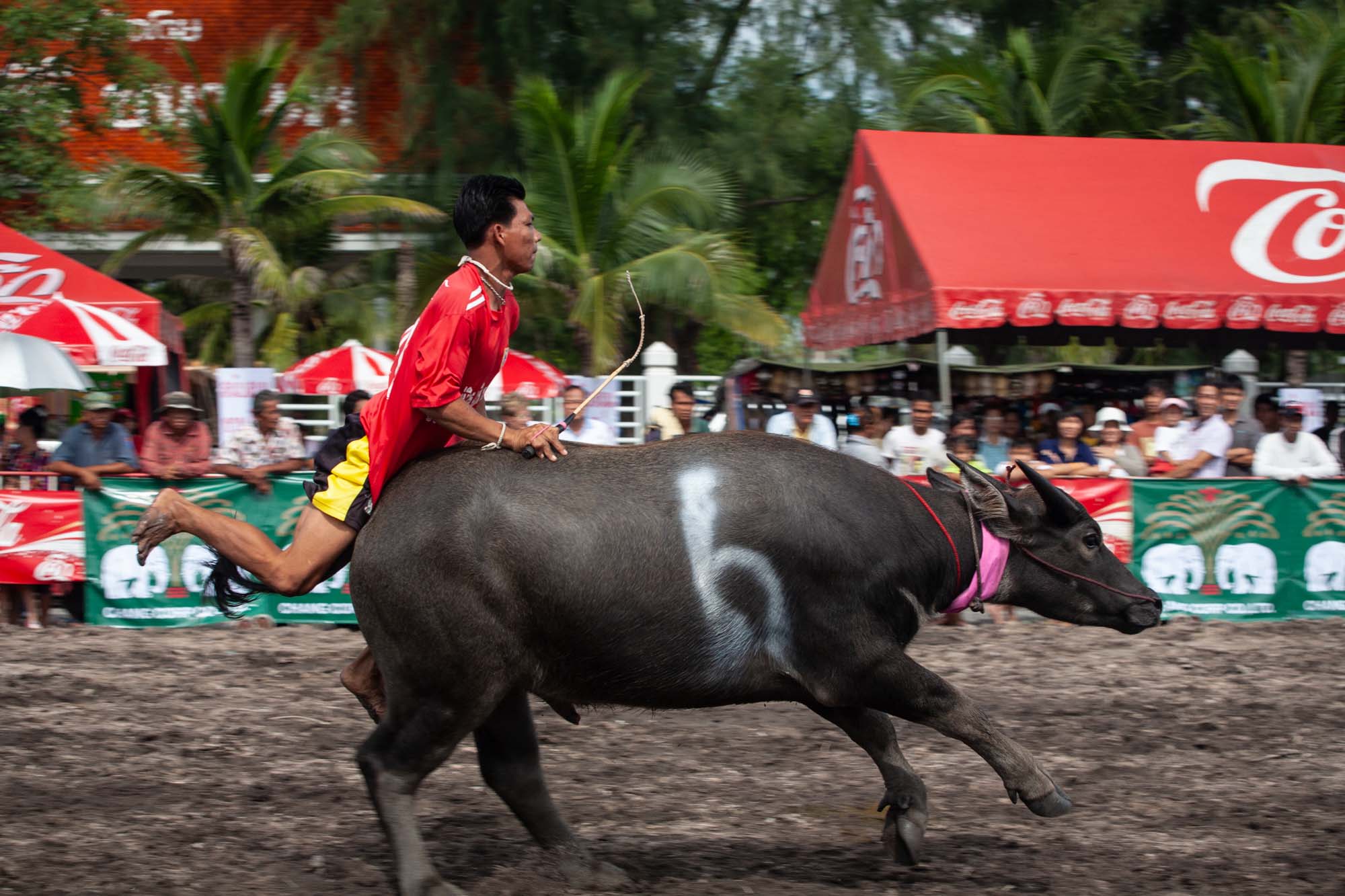
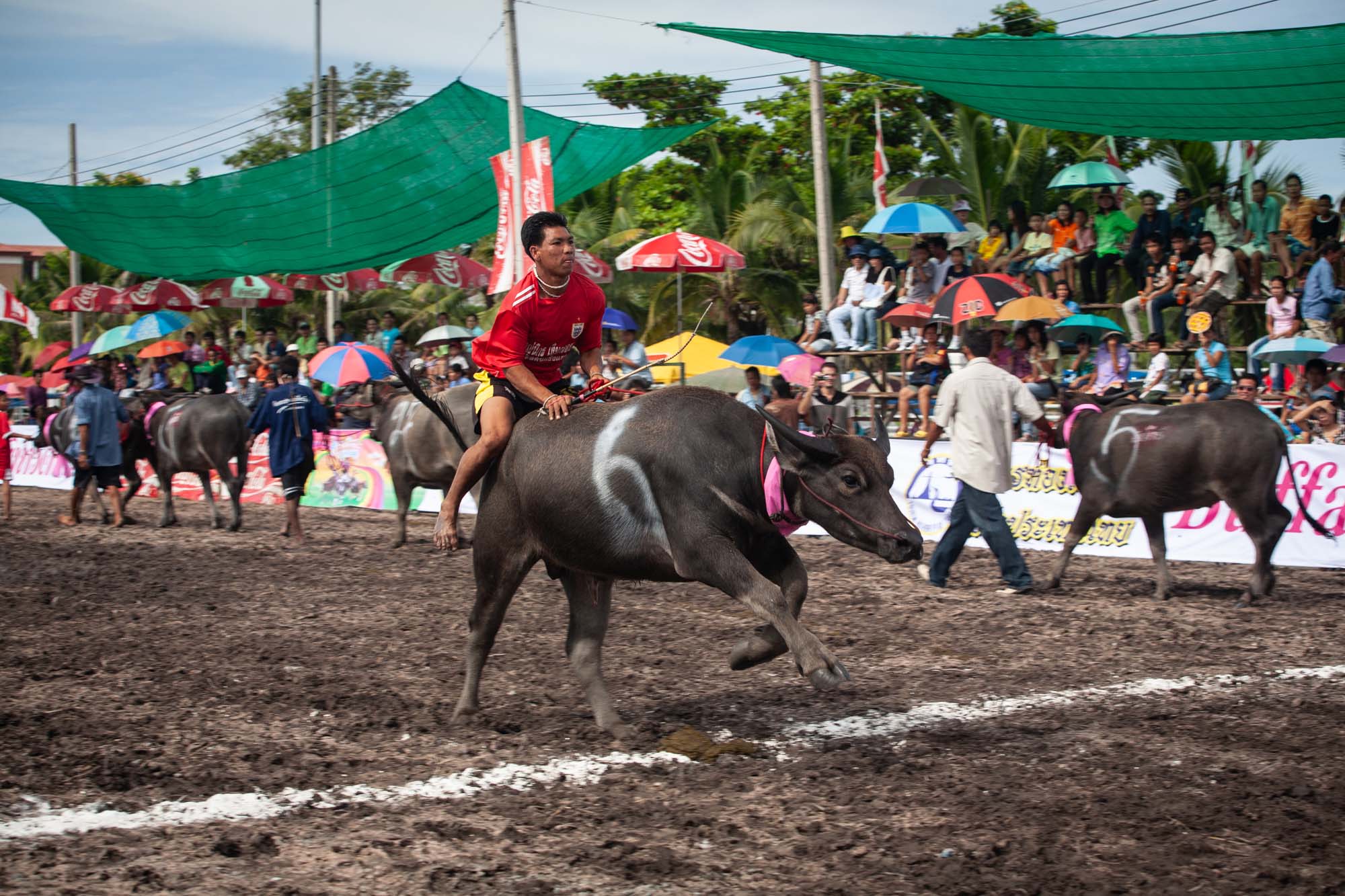
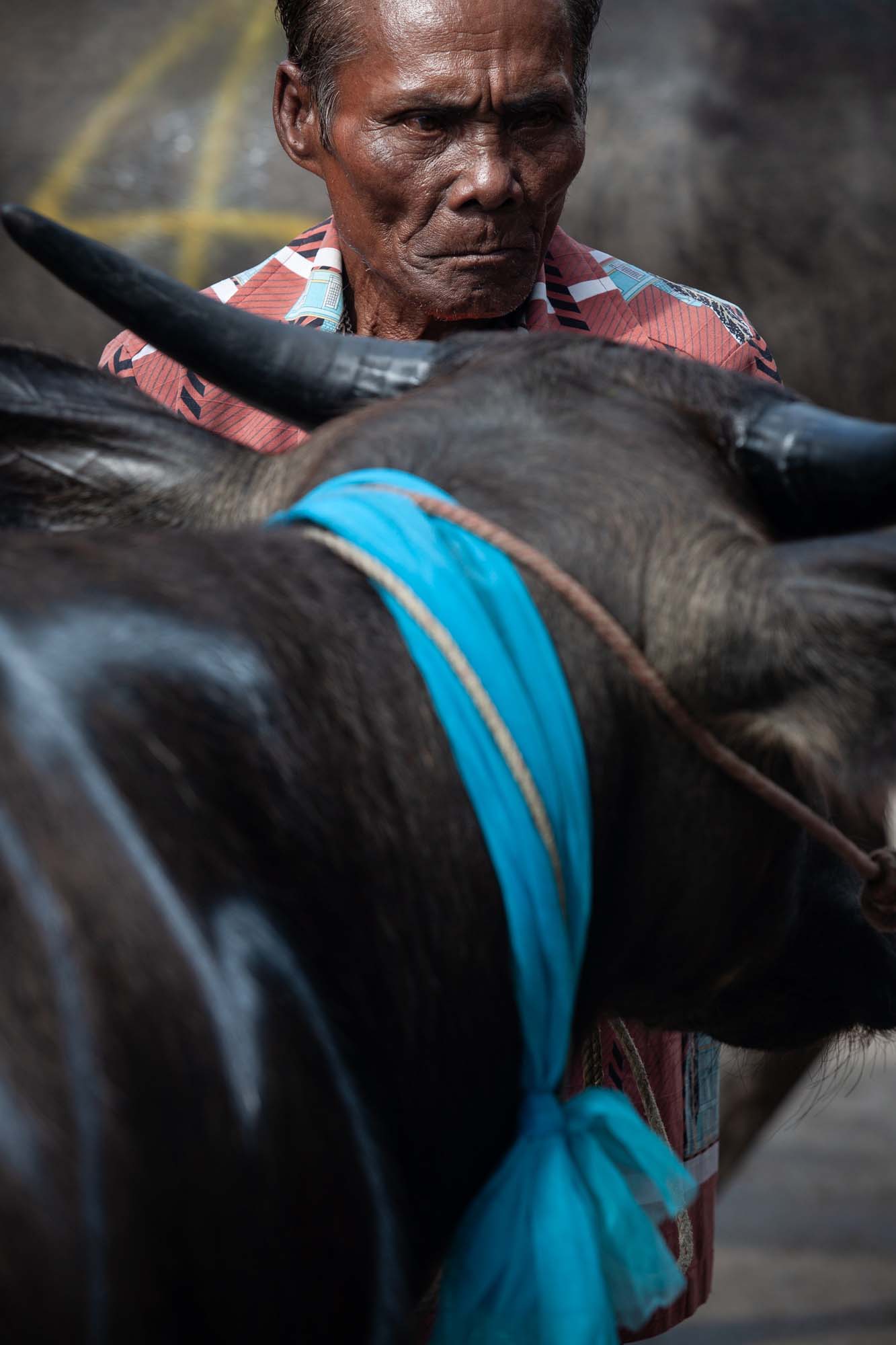
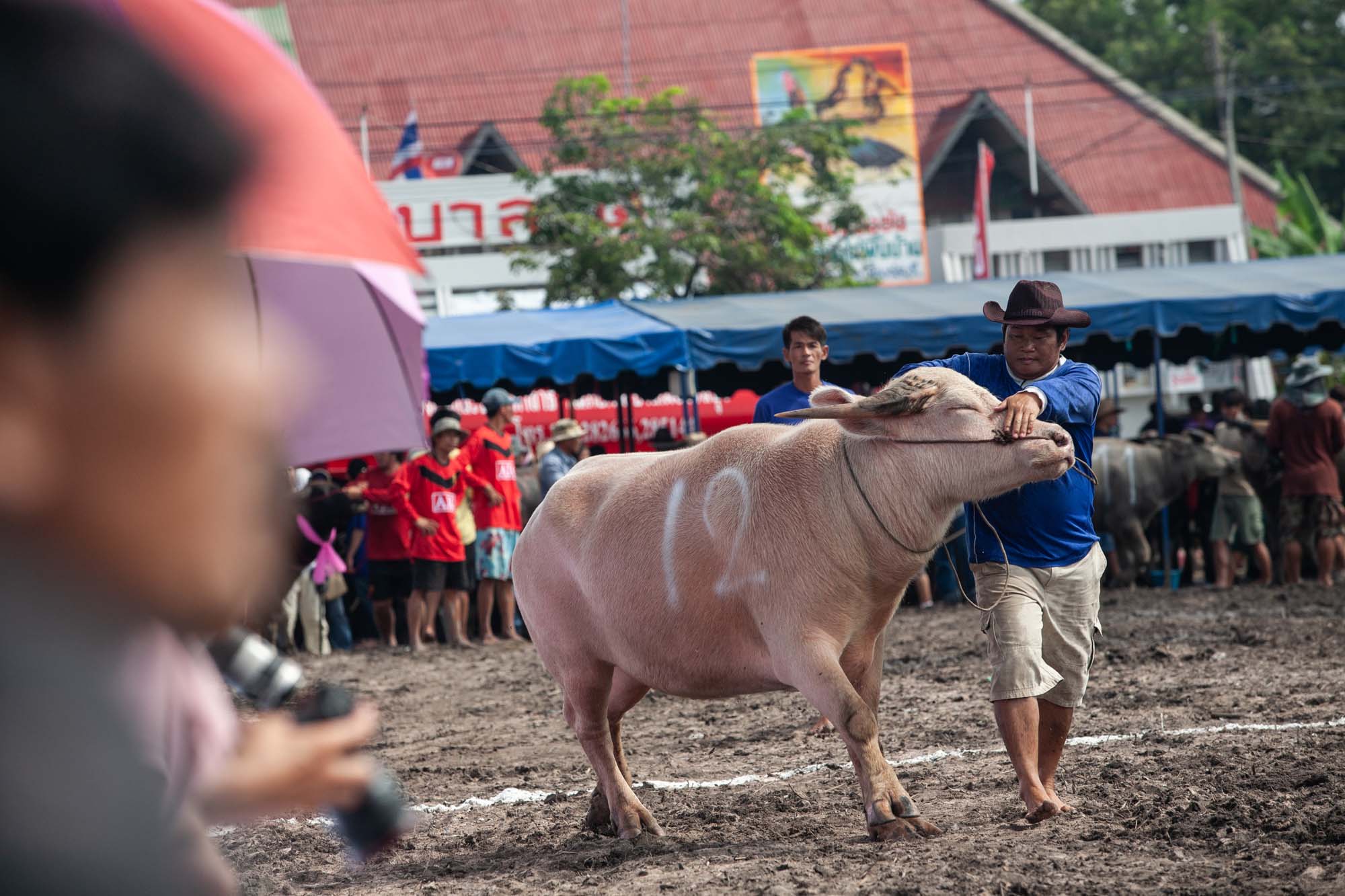
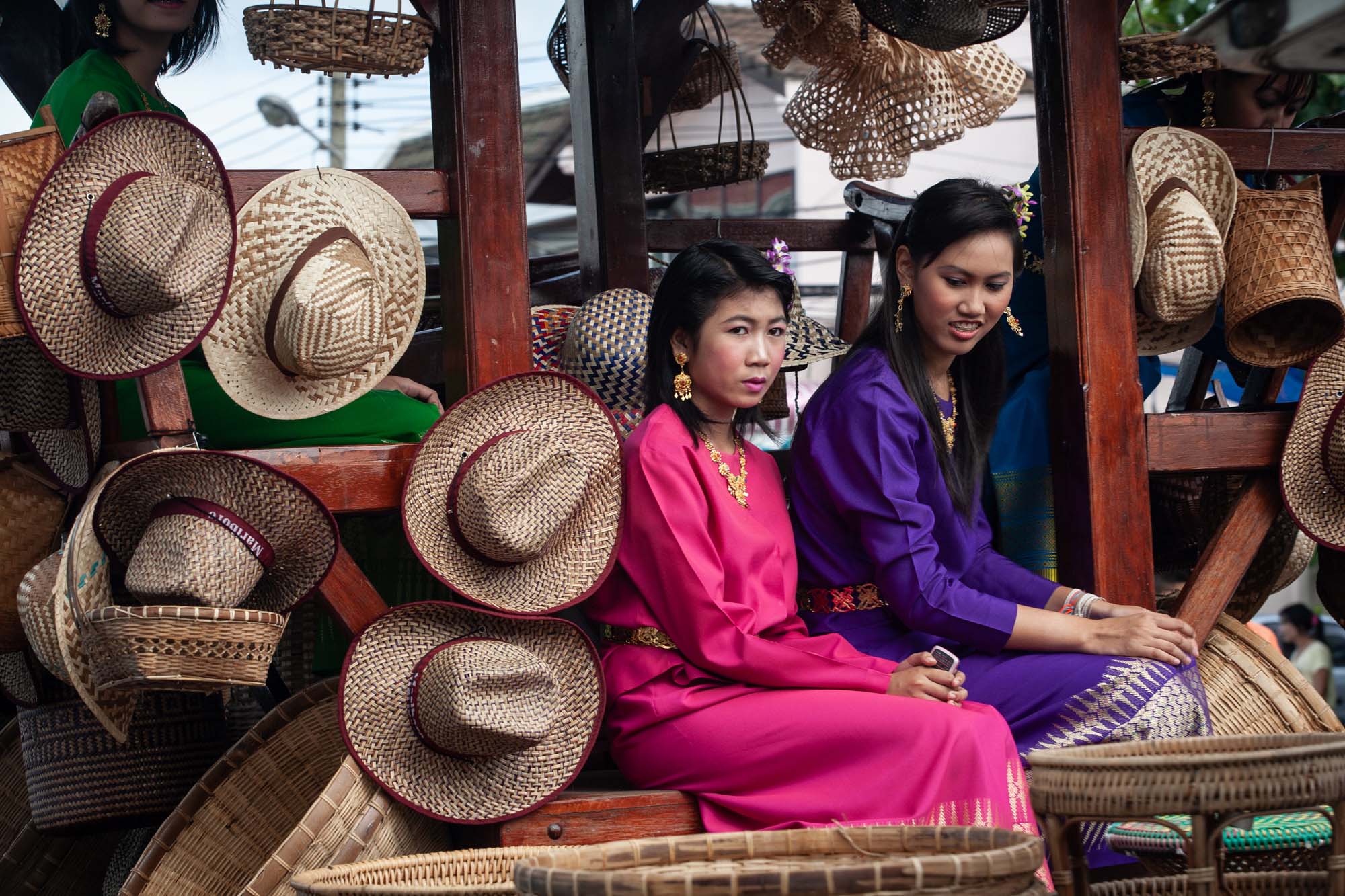
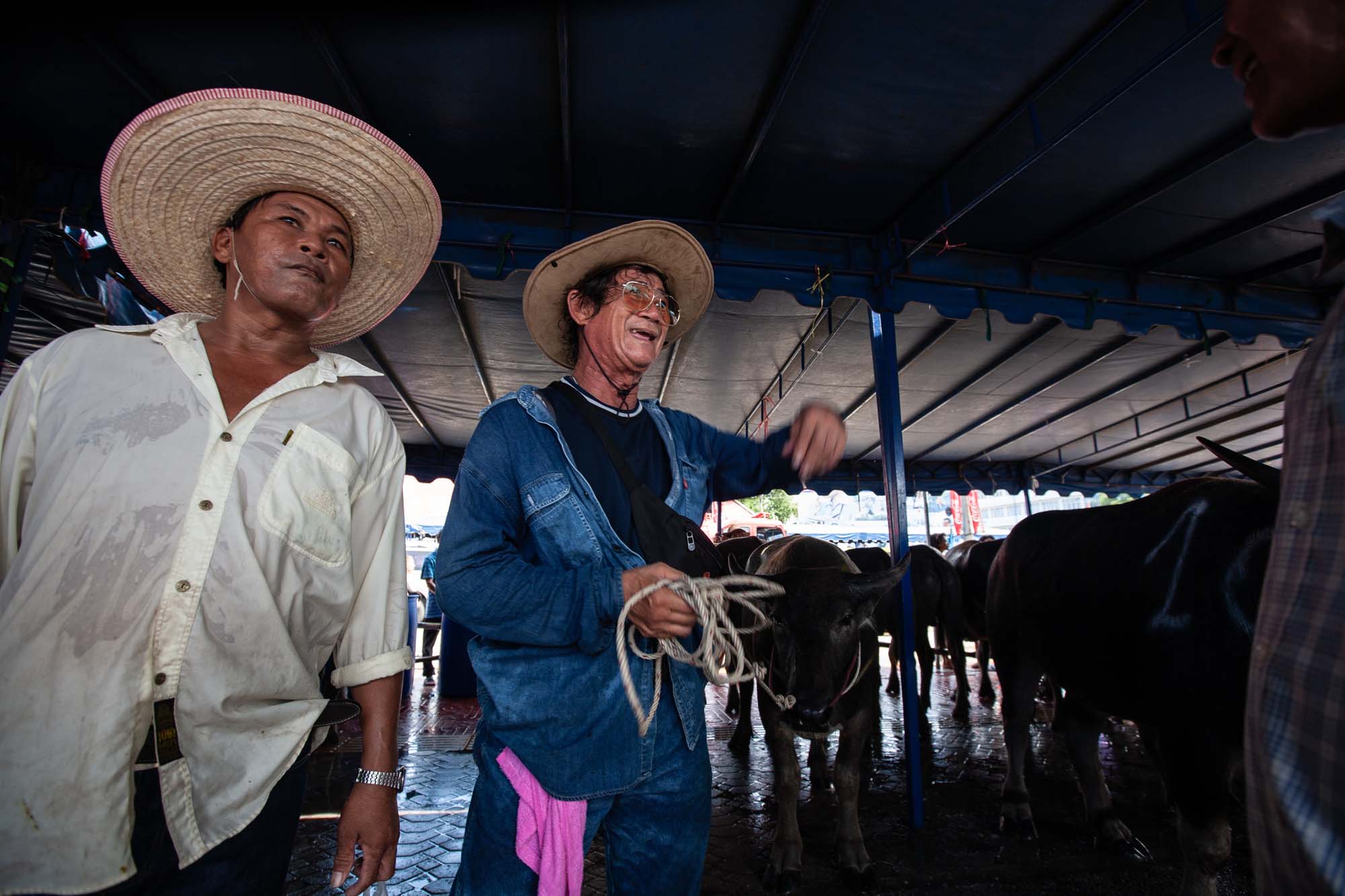
Every early October, at the end of the Buddhist Lent, the small town of Chonburi, near Bangkok, hosts one of Thailand’s most remarkable festivals. Hundreds of farmers gather with their buffaloes to celebrate the rice harvest’s end.
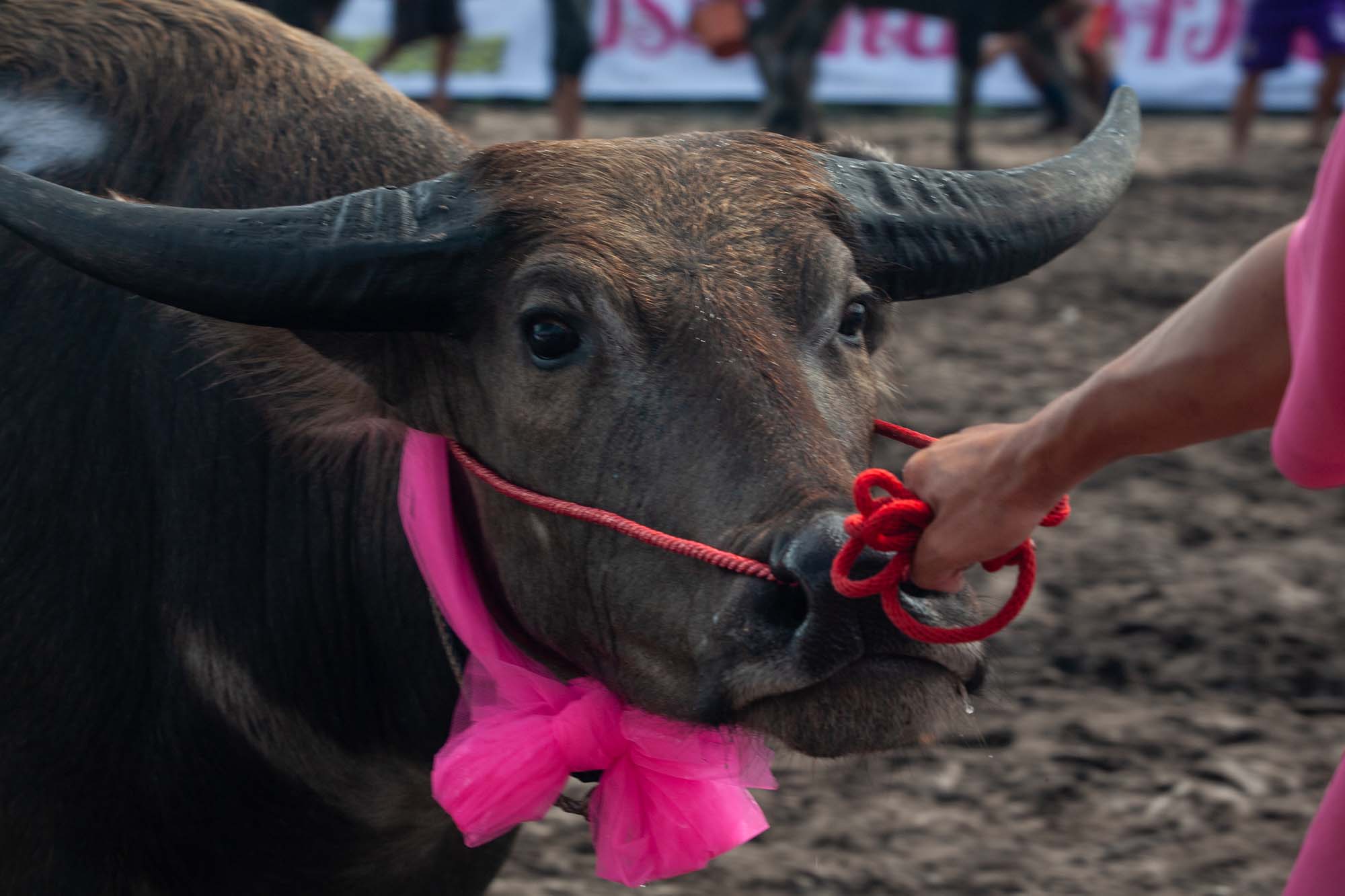
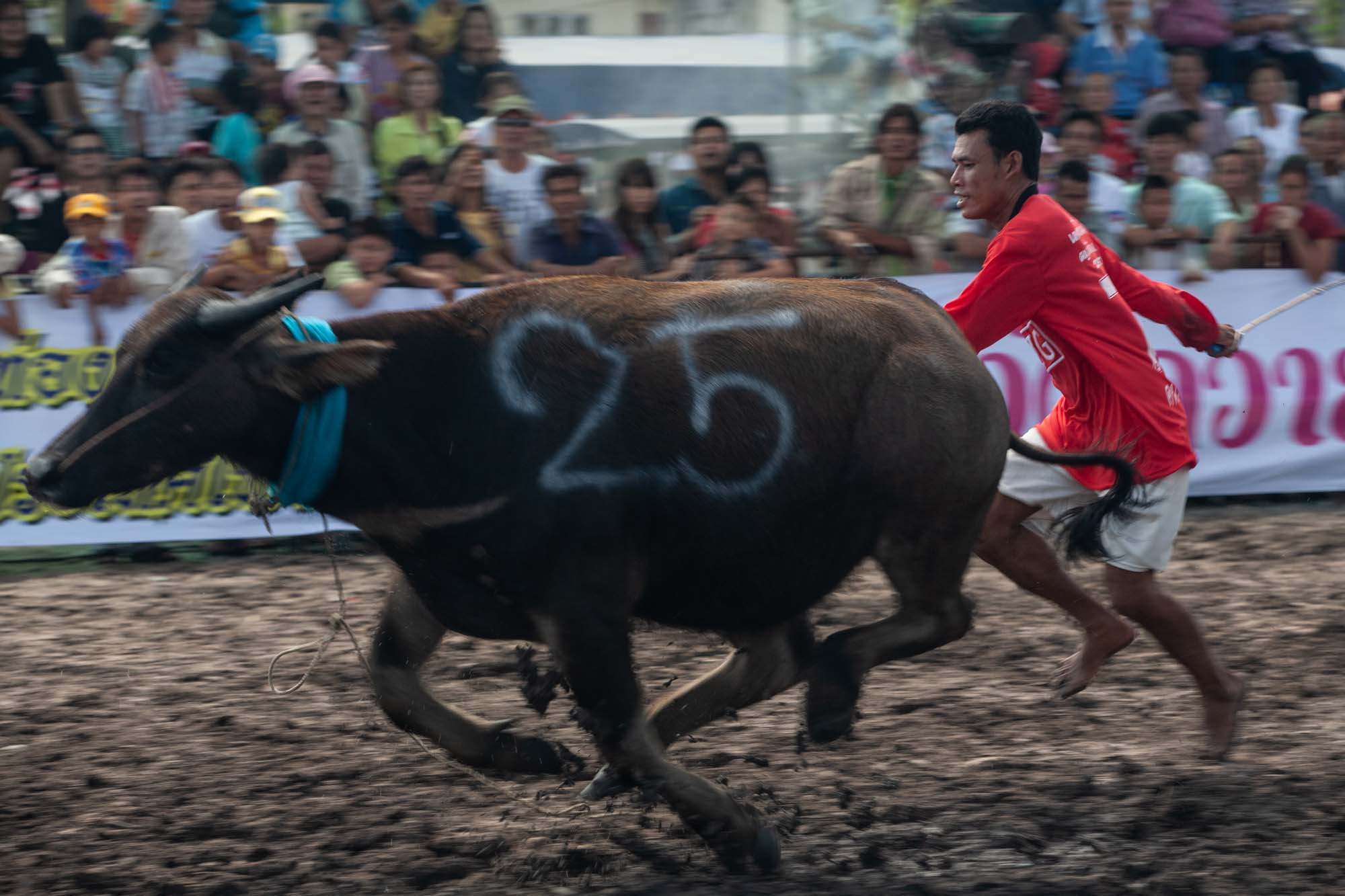
In festive spirit, each village parades in traditional dress, paying thanks to Buddha and honoring these sturdy animals — prized not only for their strength and calm but also for their surprising speed in races.
Mounted bareback by daring young farmers, buffaloes compete amid heat, dust, smoky stalls, and traditional Thai games. Cockfights (without spurs), roasted grasshoppers, Muay Thai boxing, and rattan ball matches celebrate a rural world rich in tradition and color over a vibrant weekend.
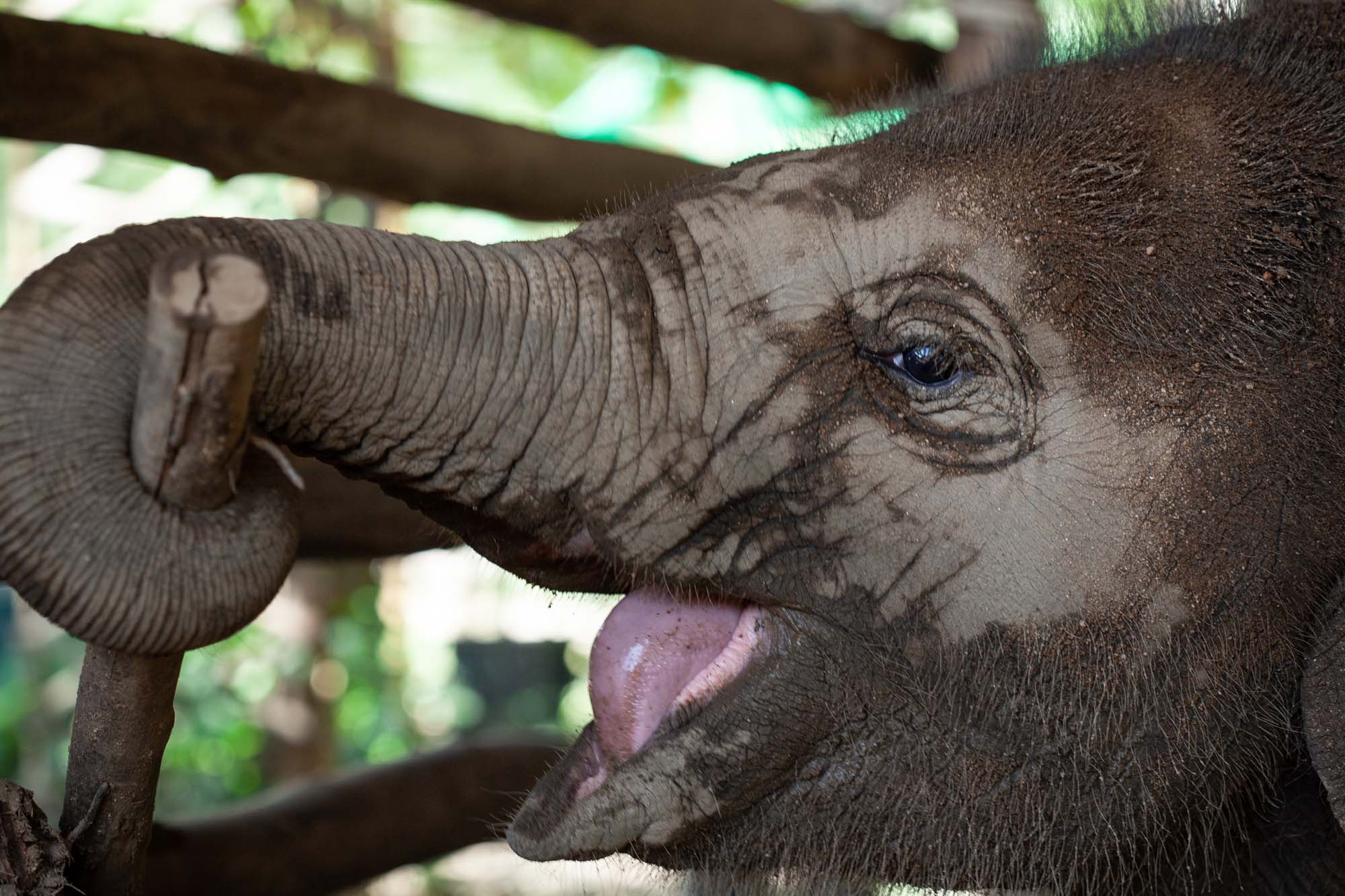
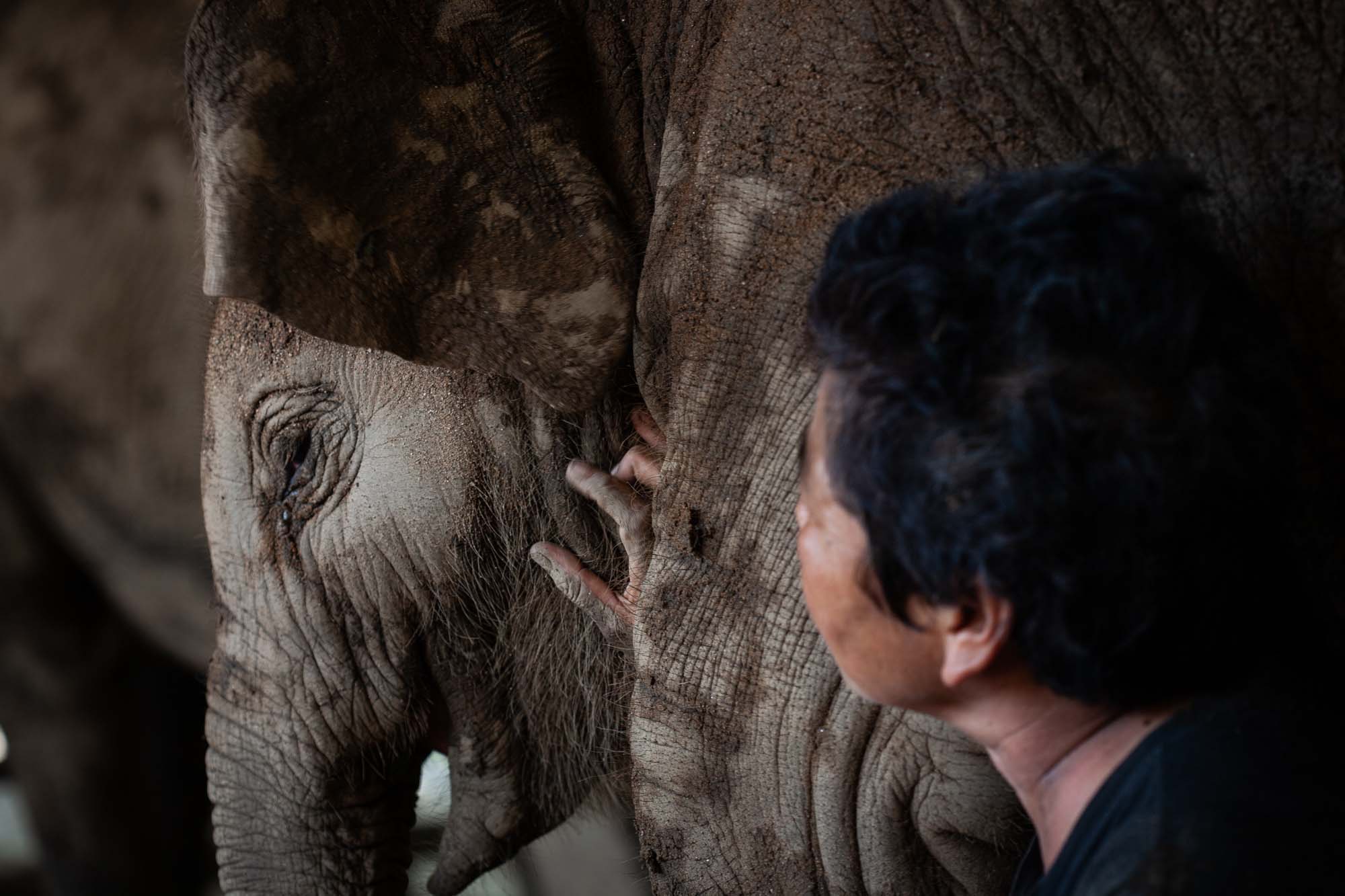
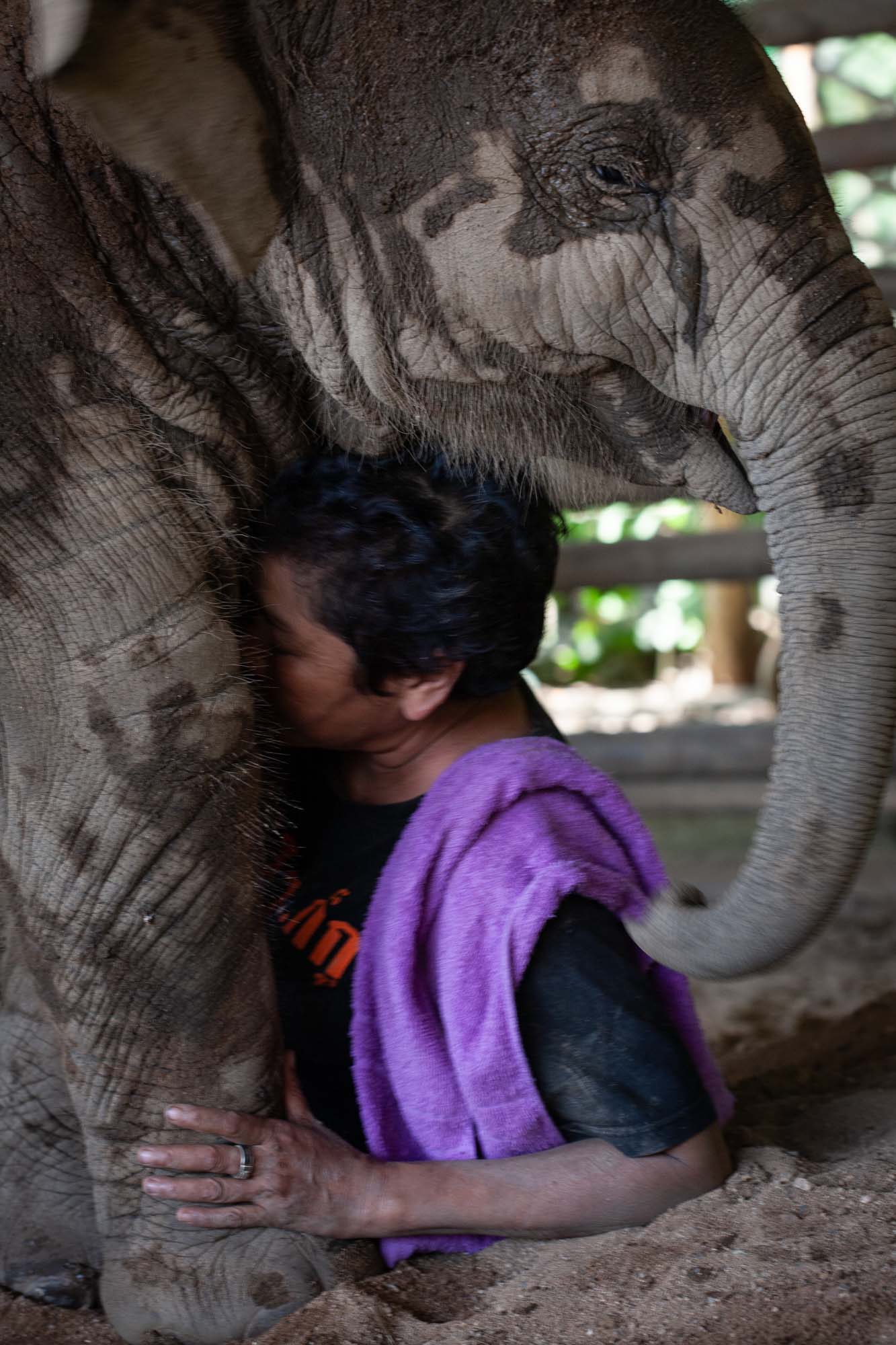
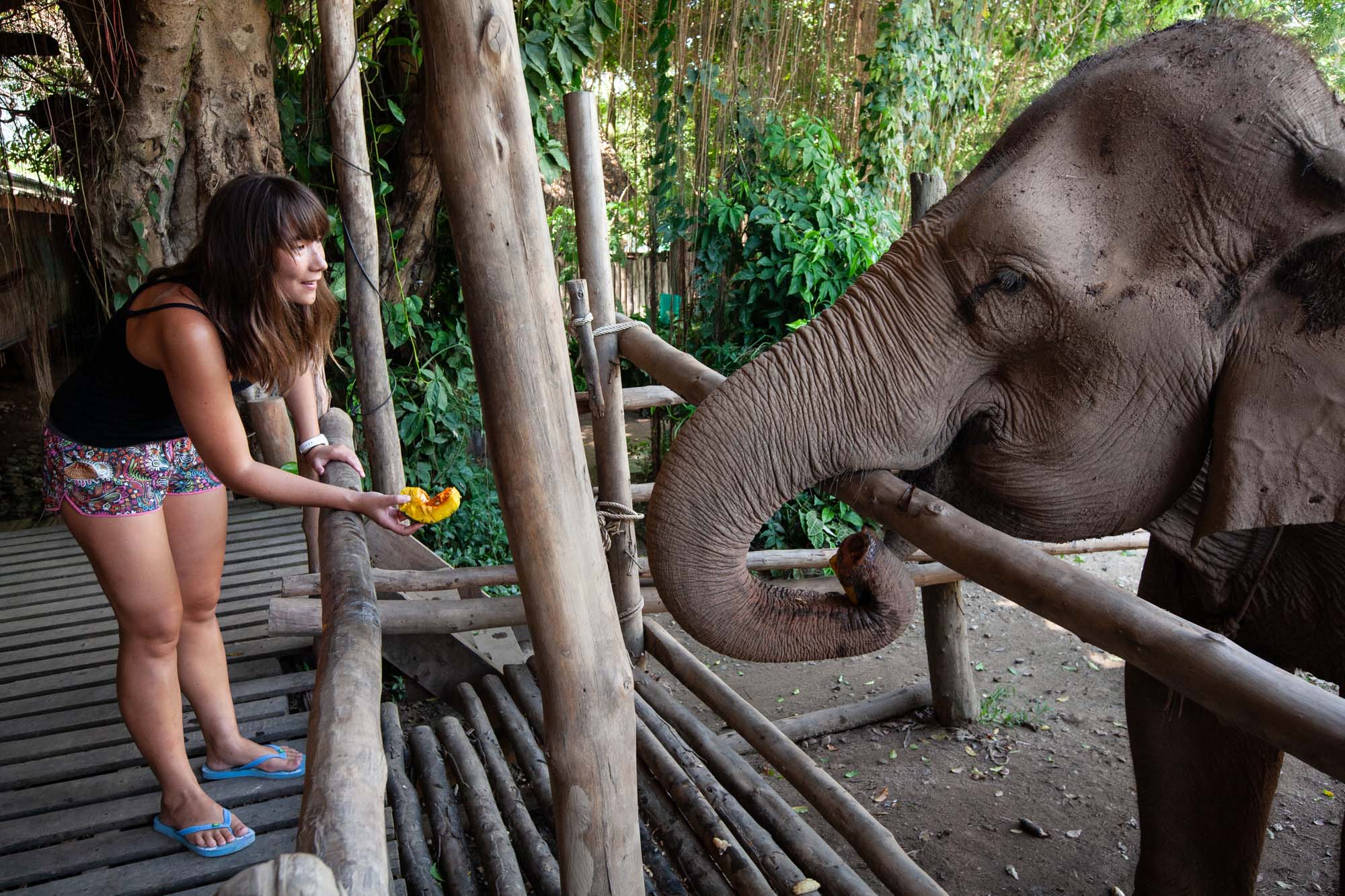
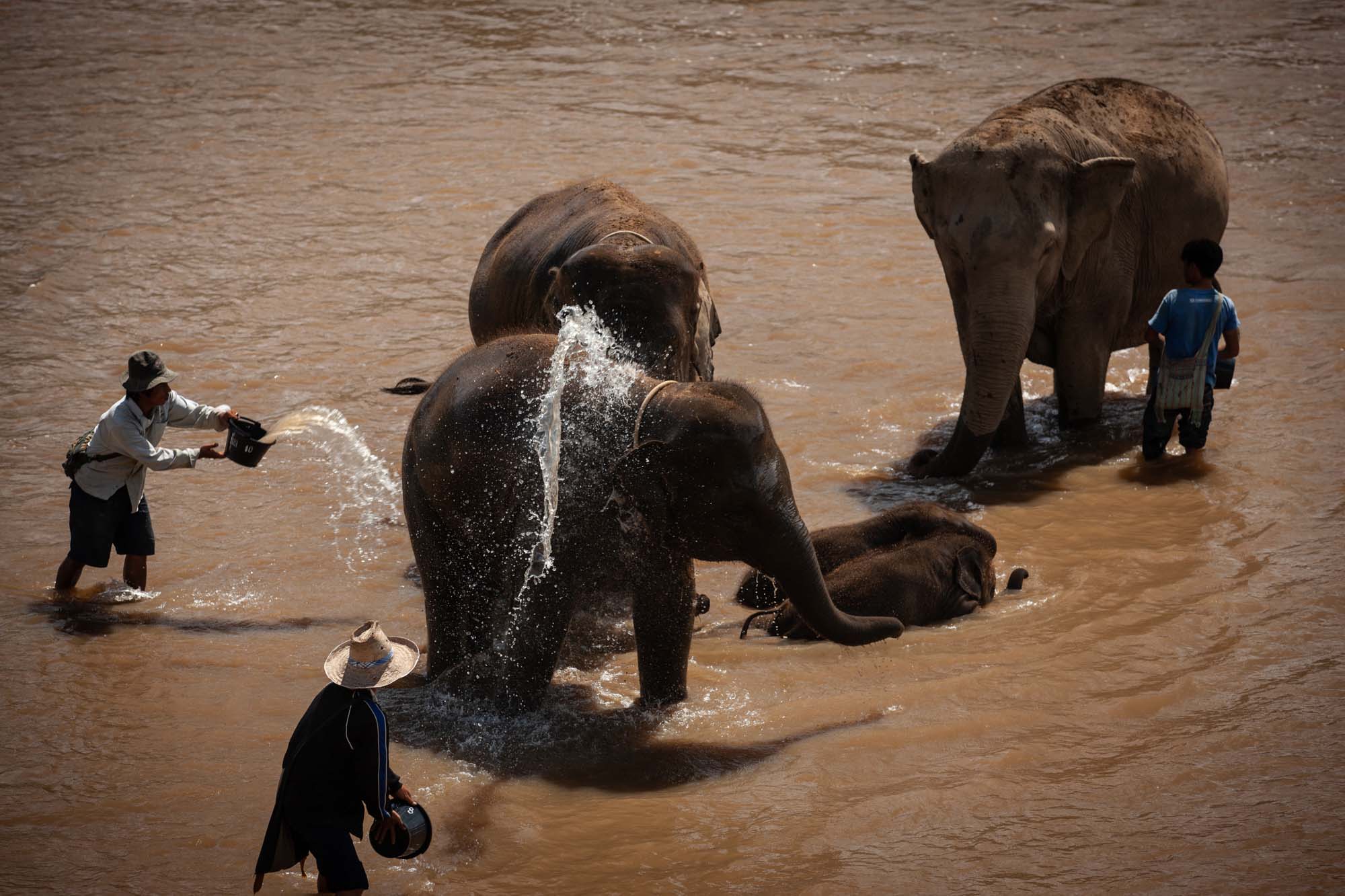
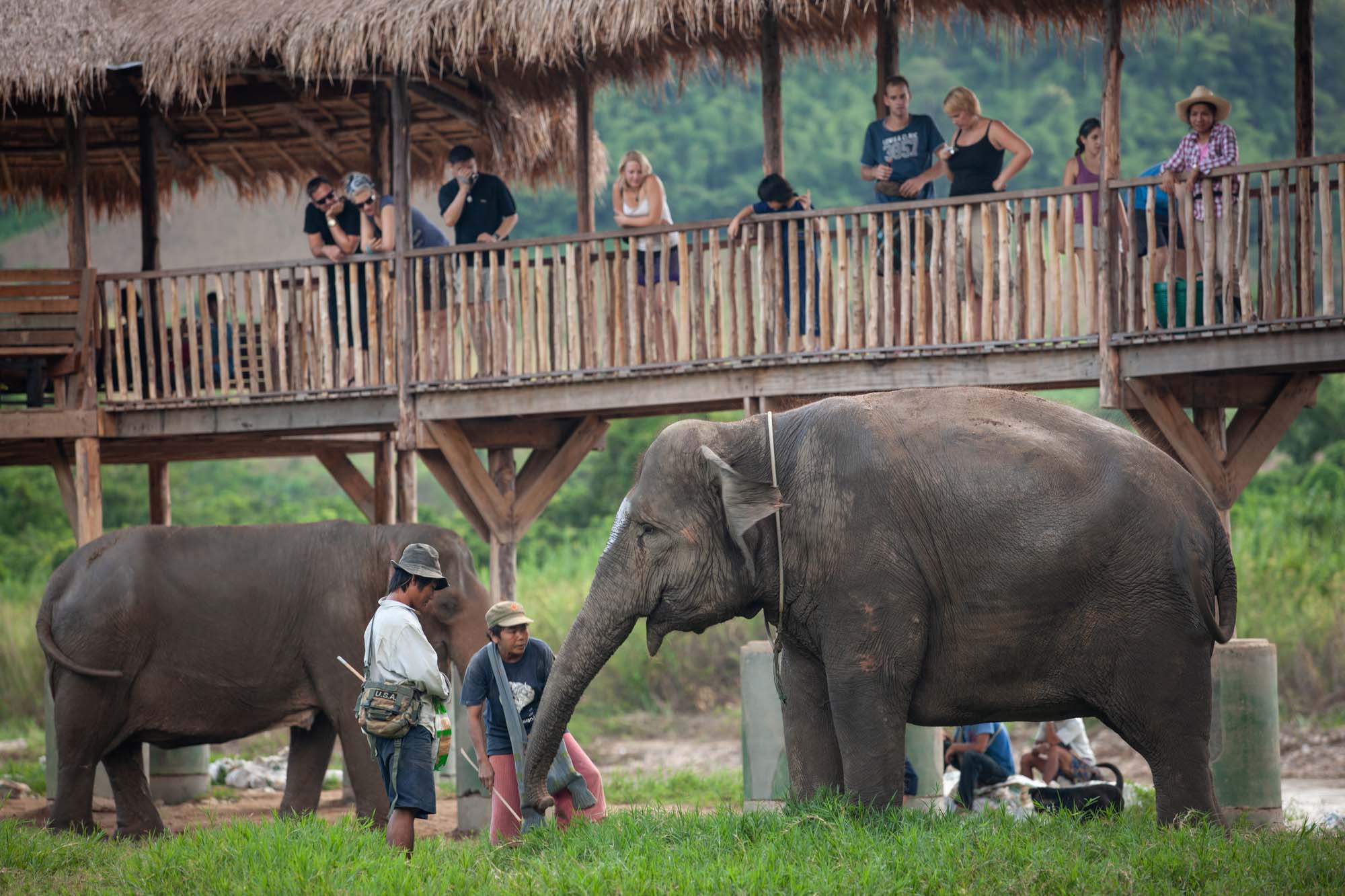
ELEPHANT NATURE PARK
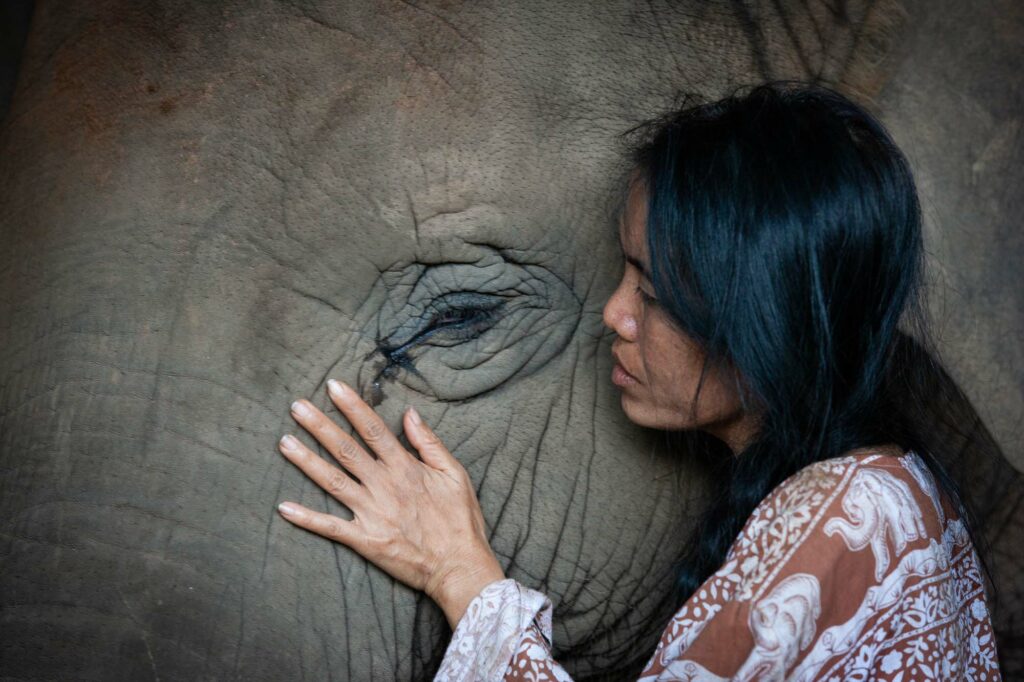
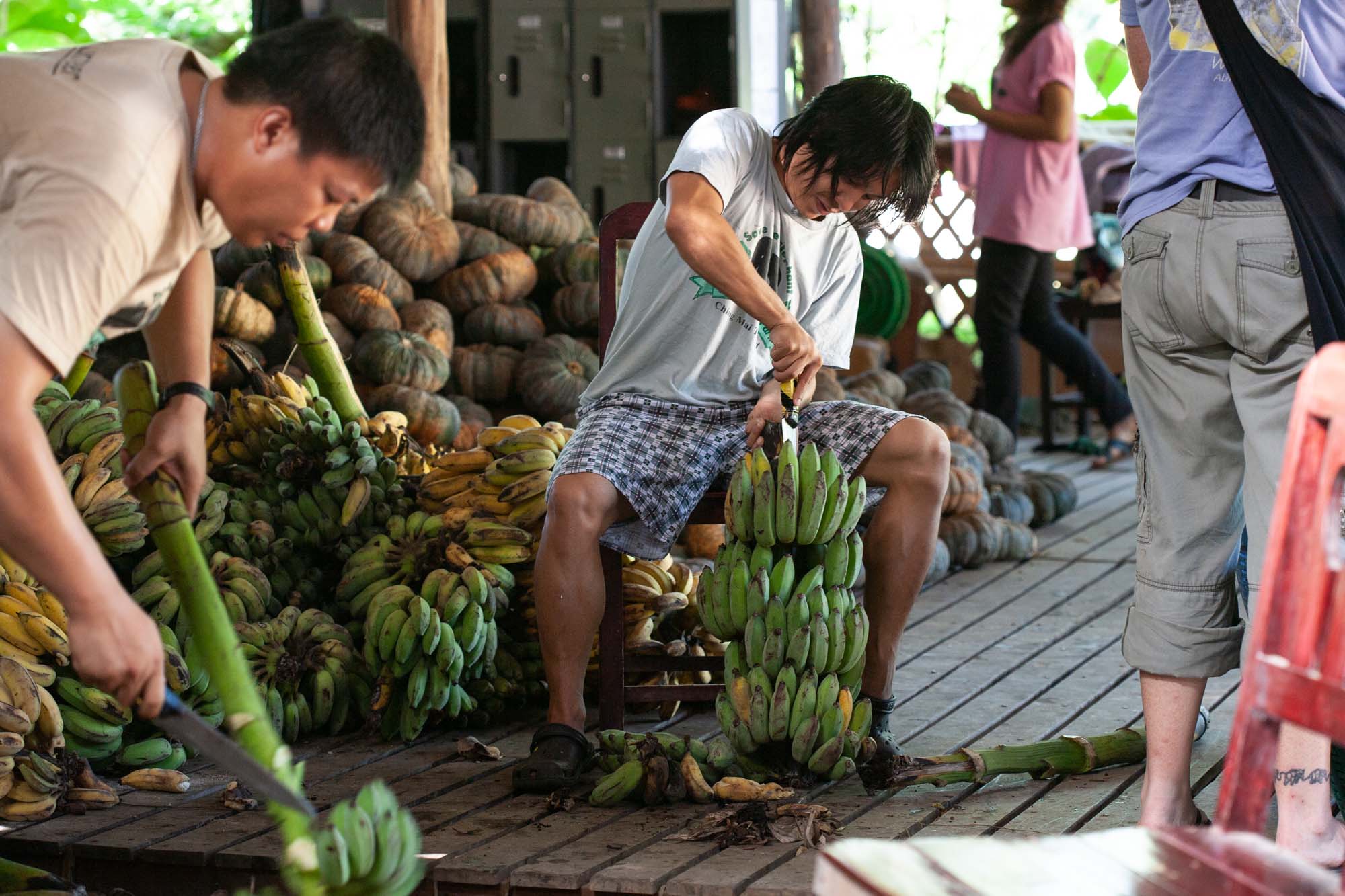
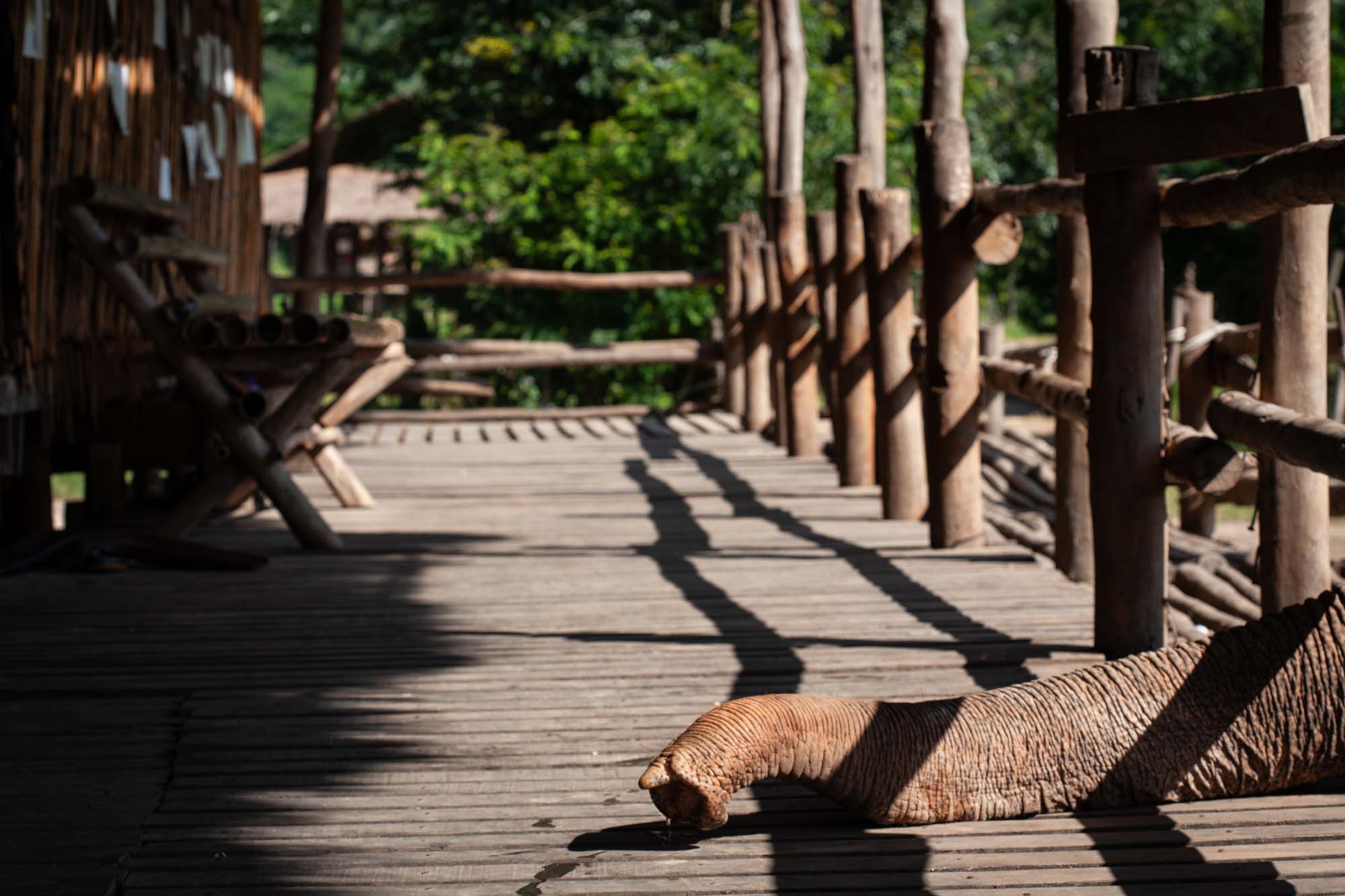
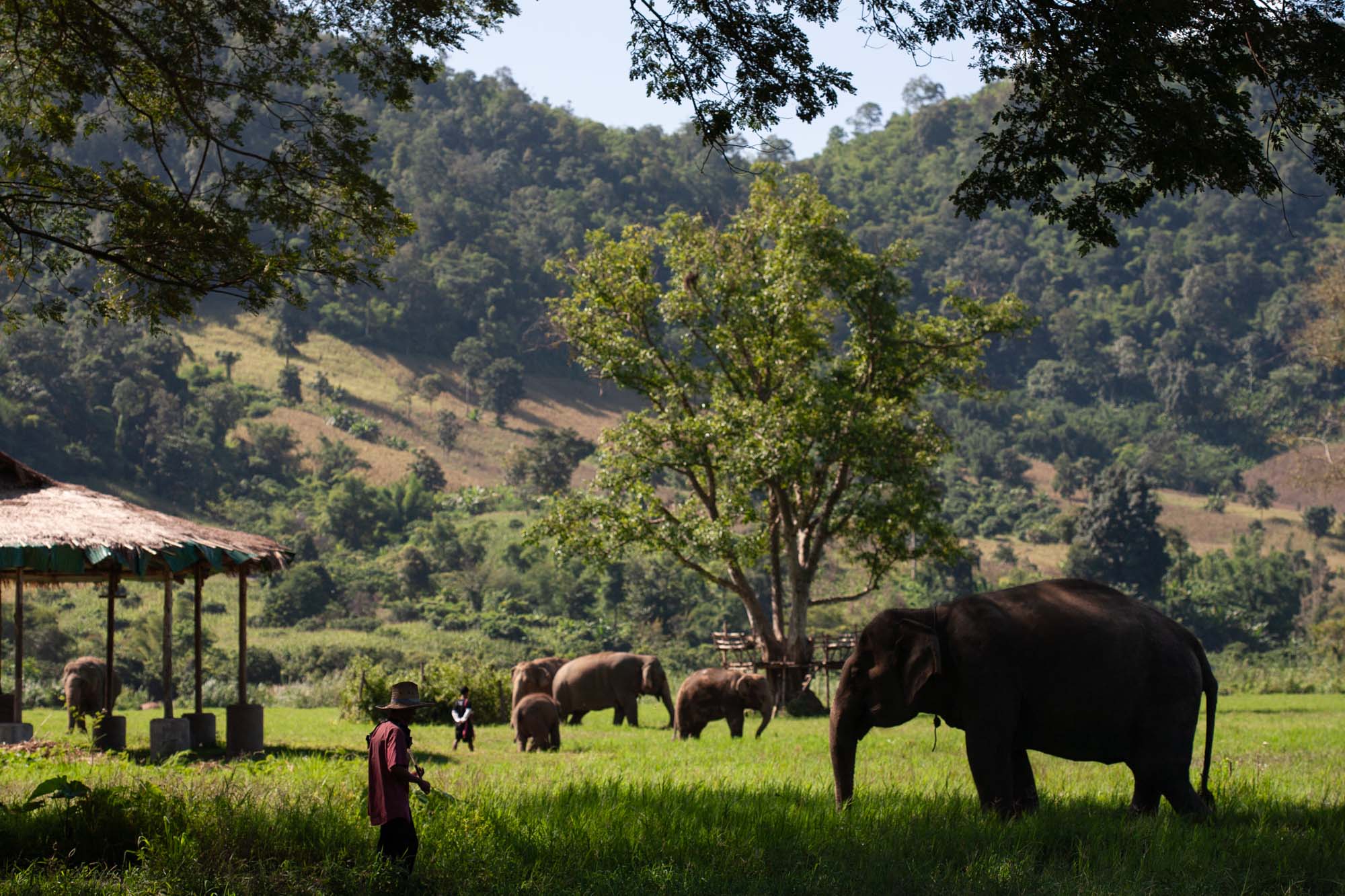
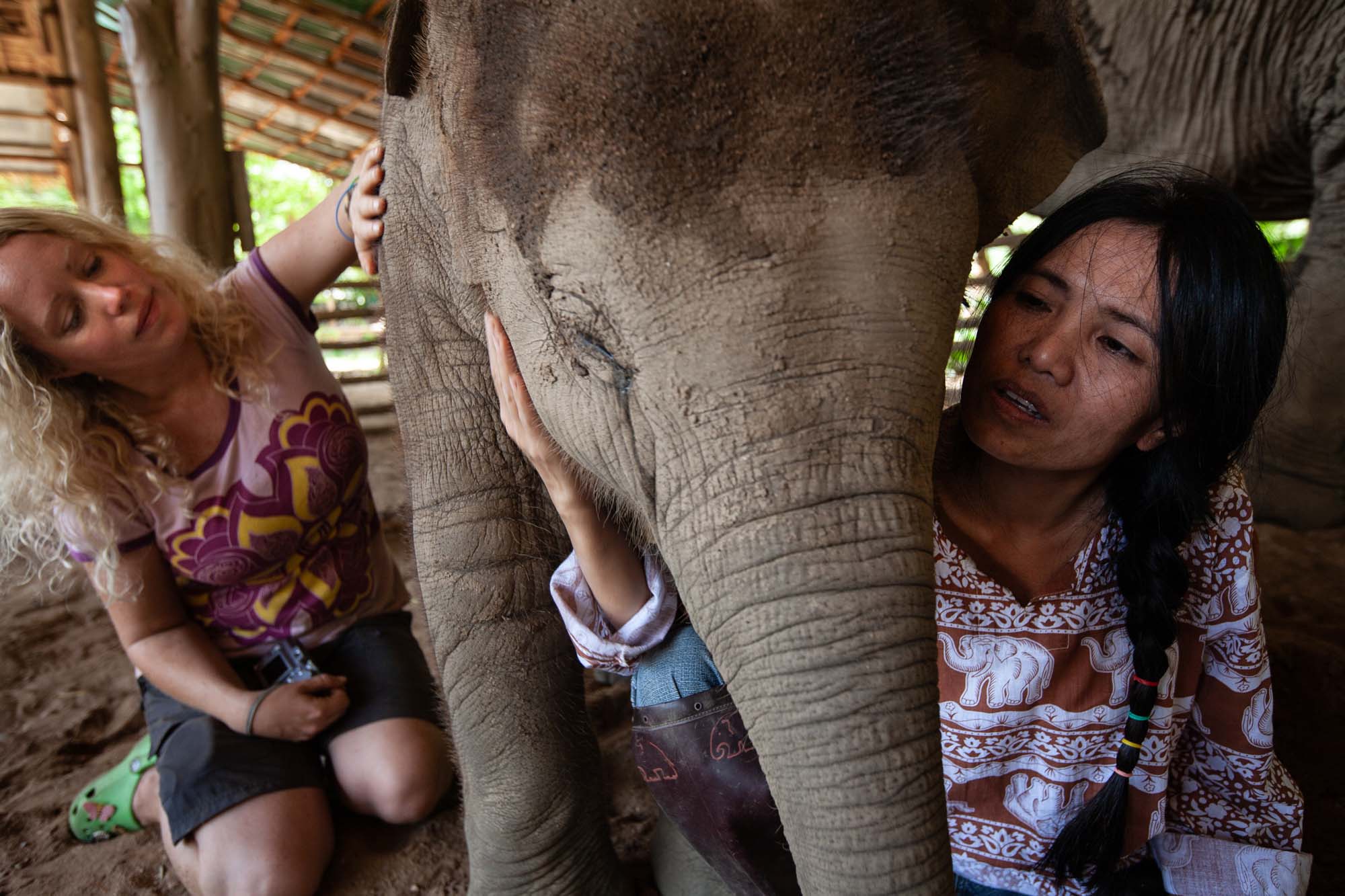
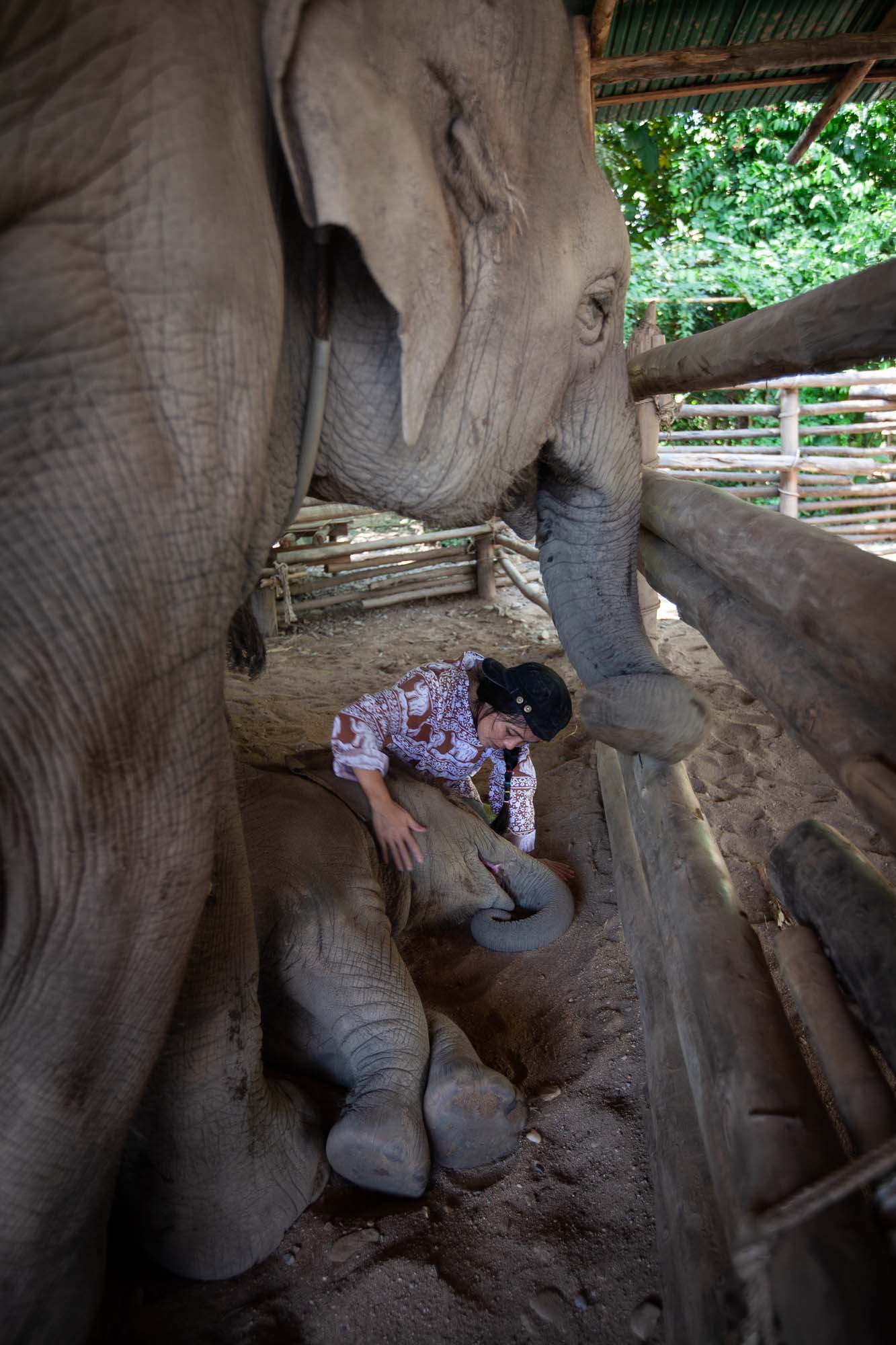
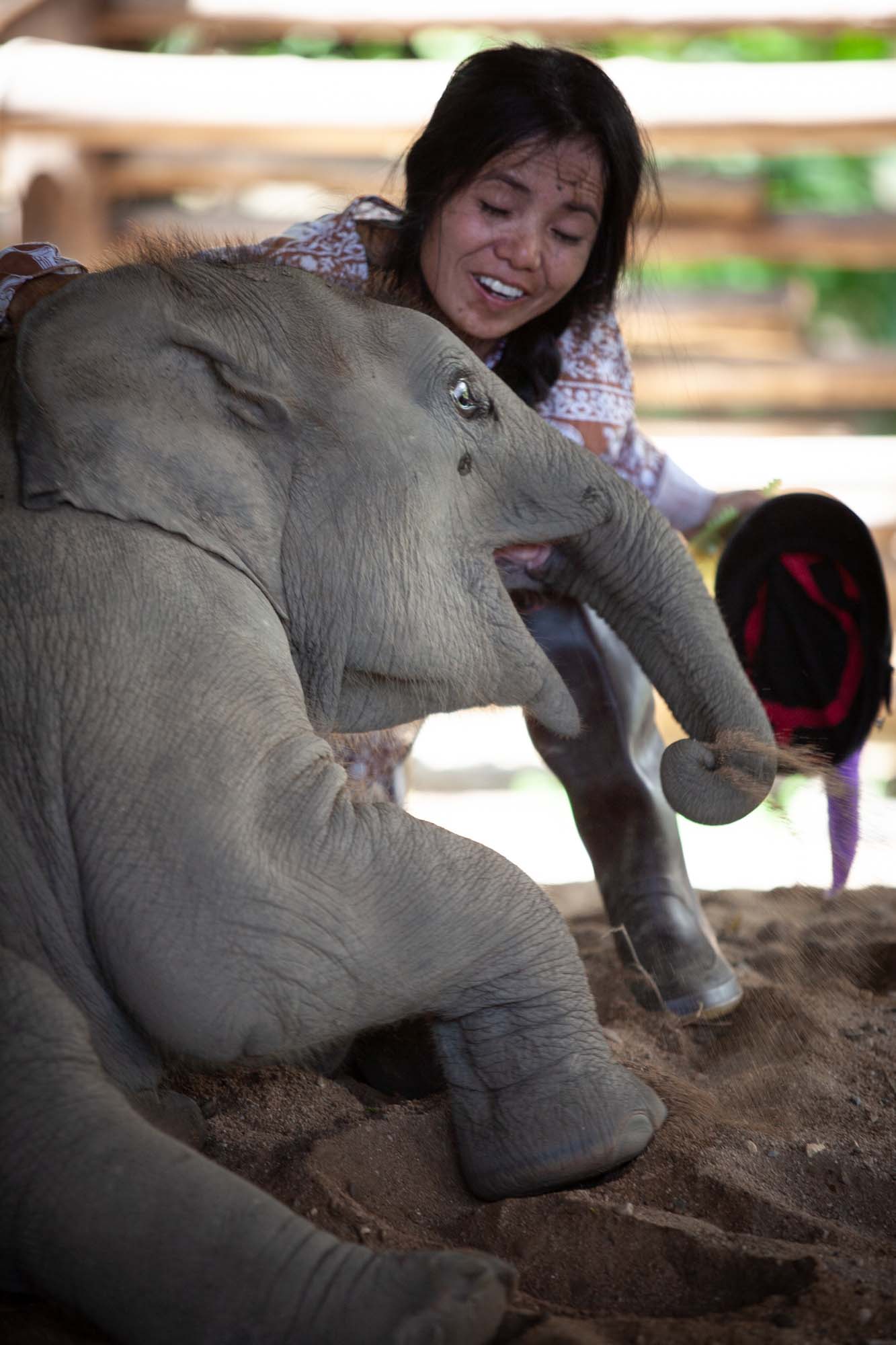
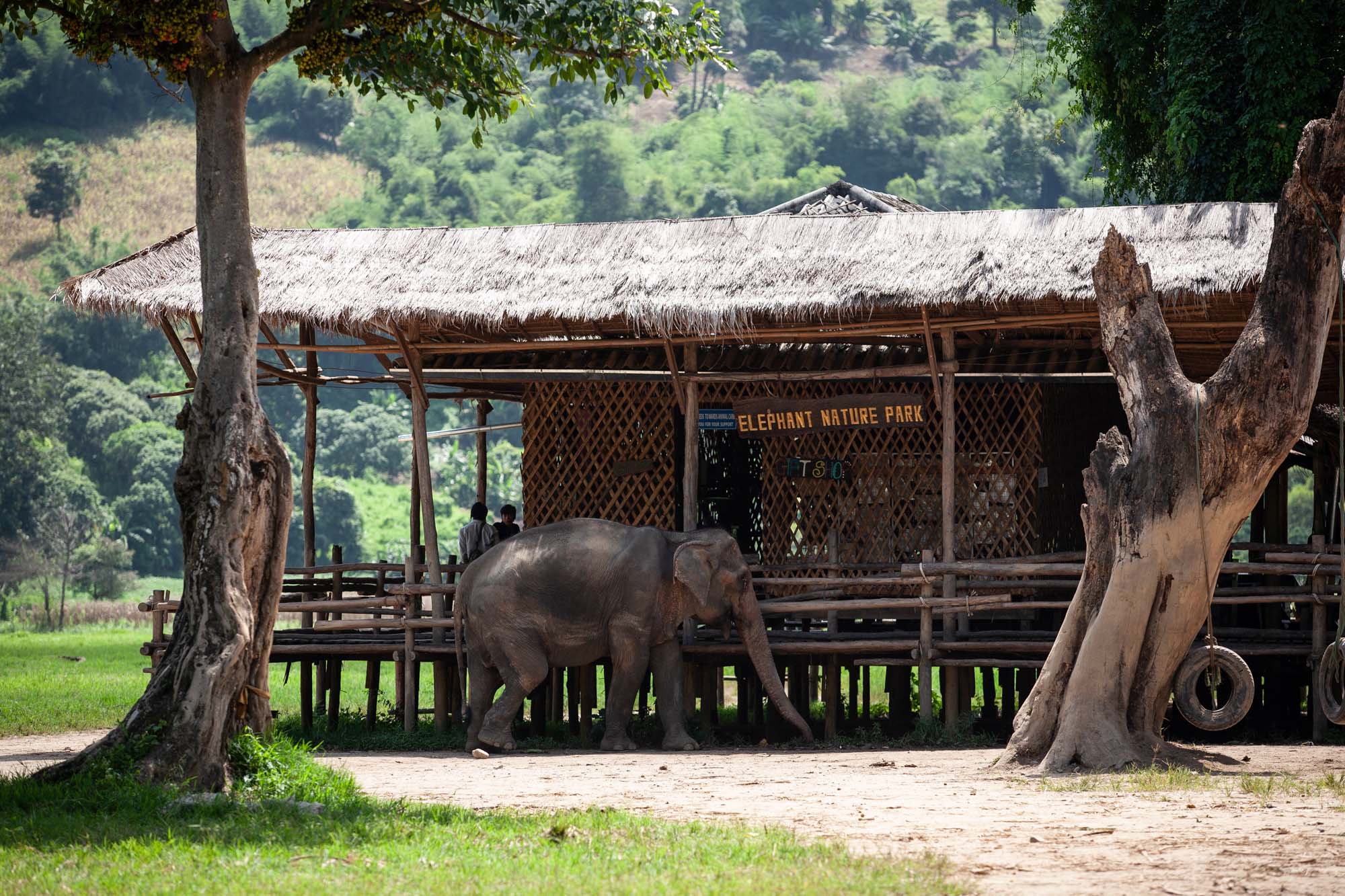
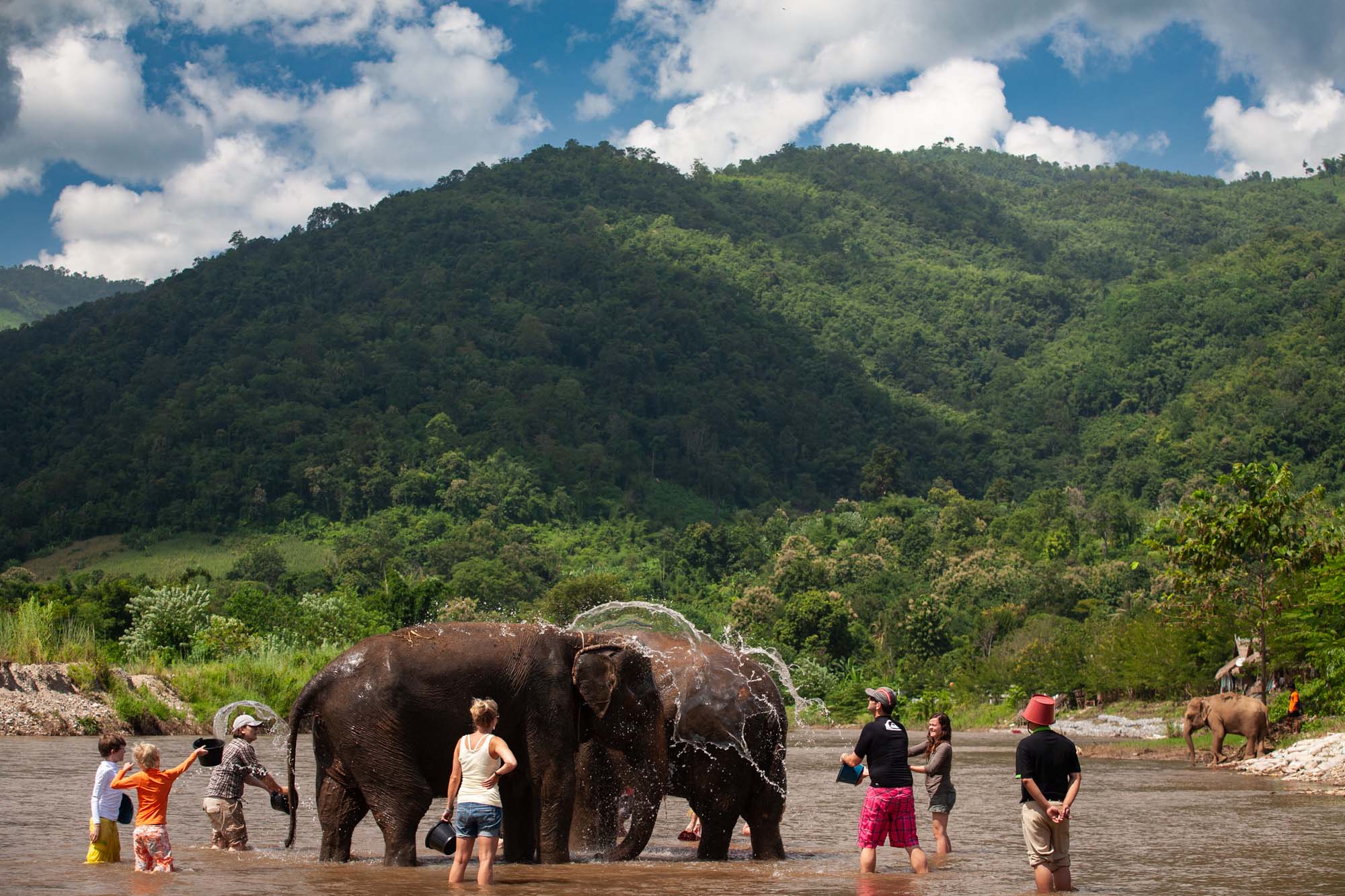
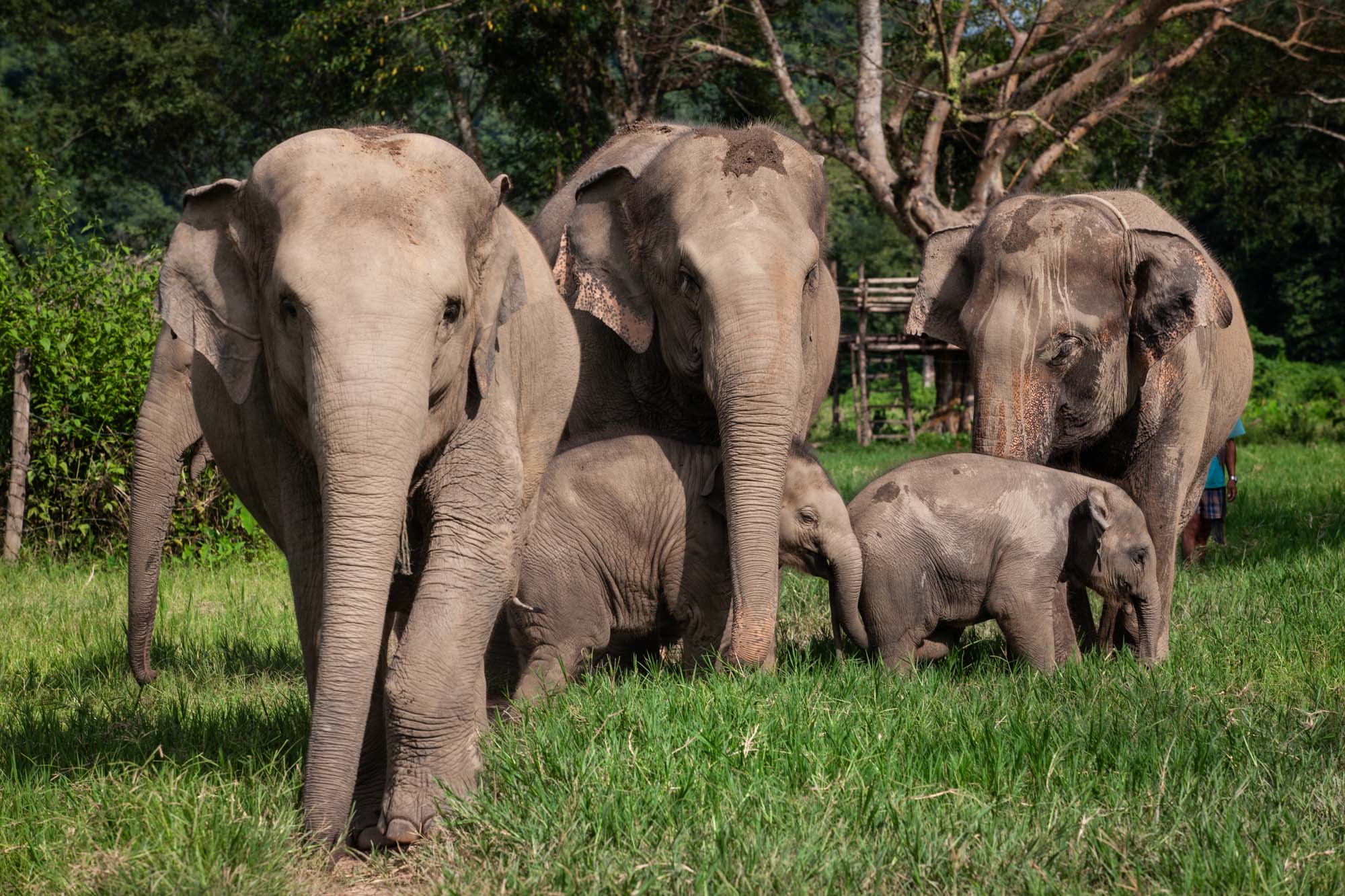
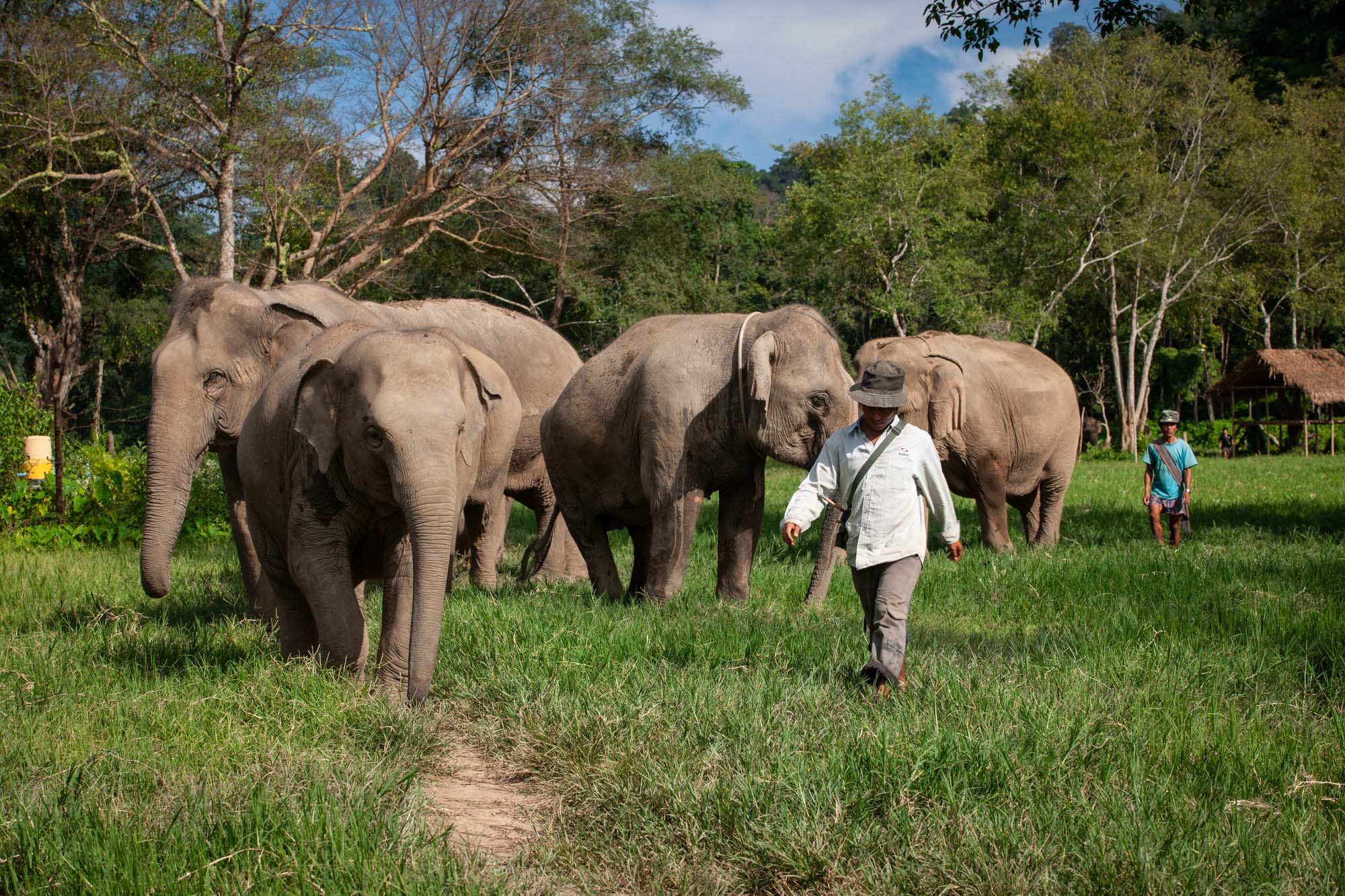
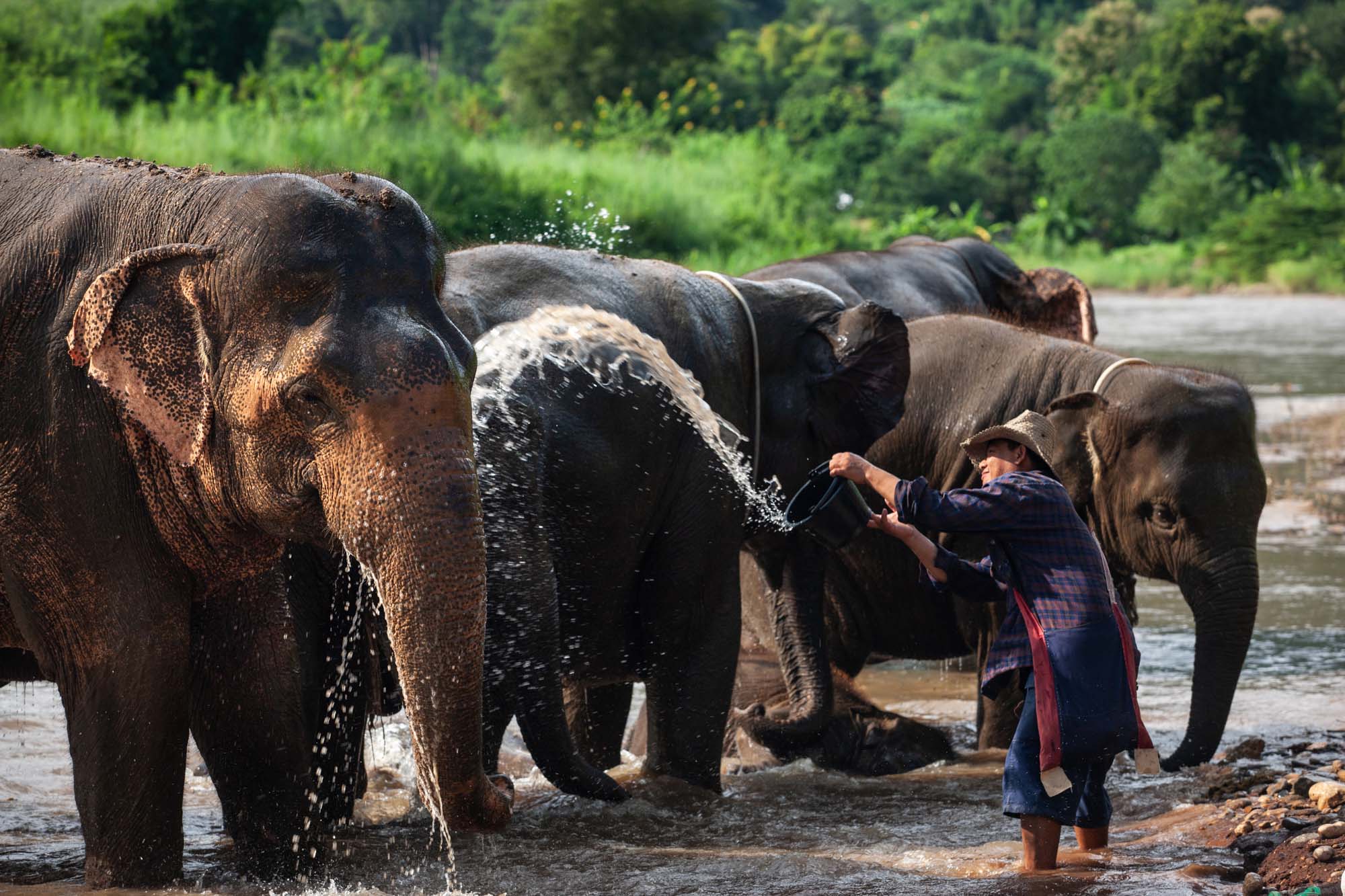
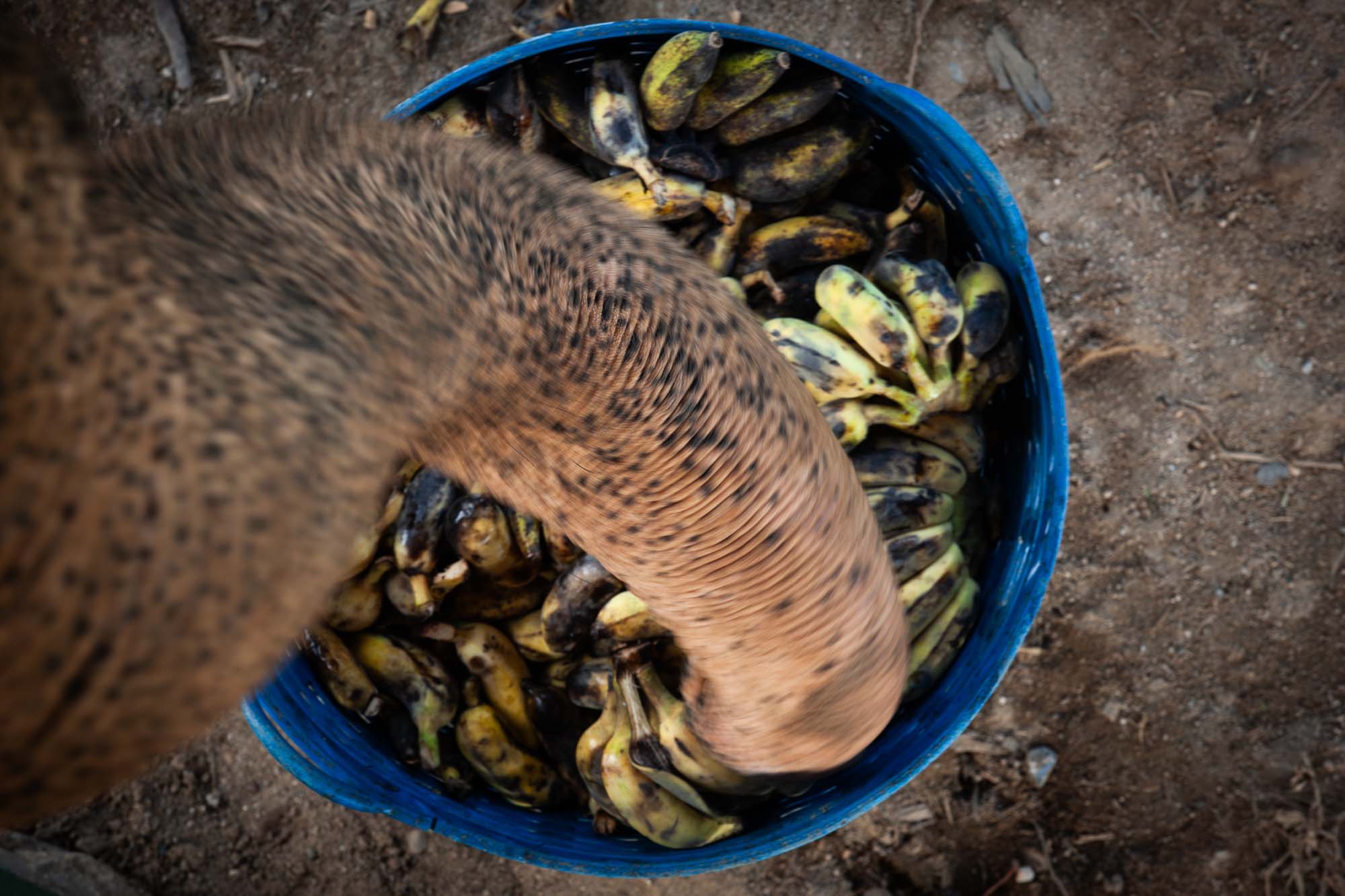
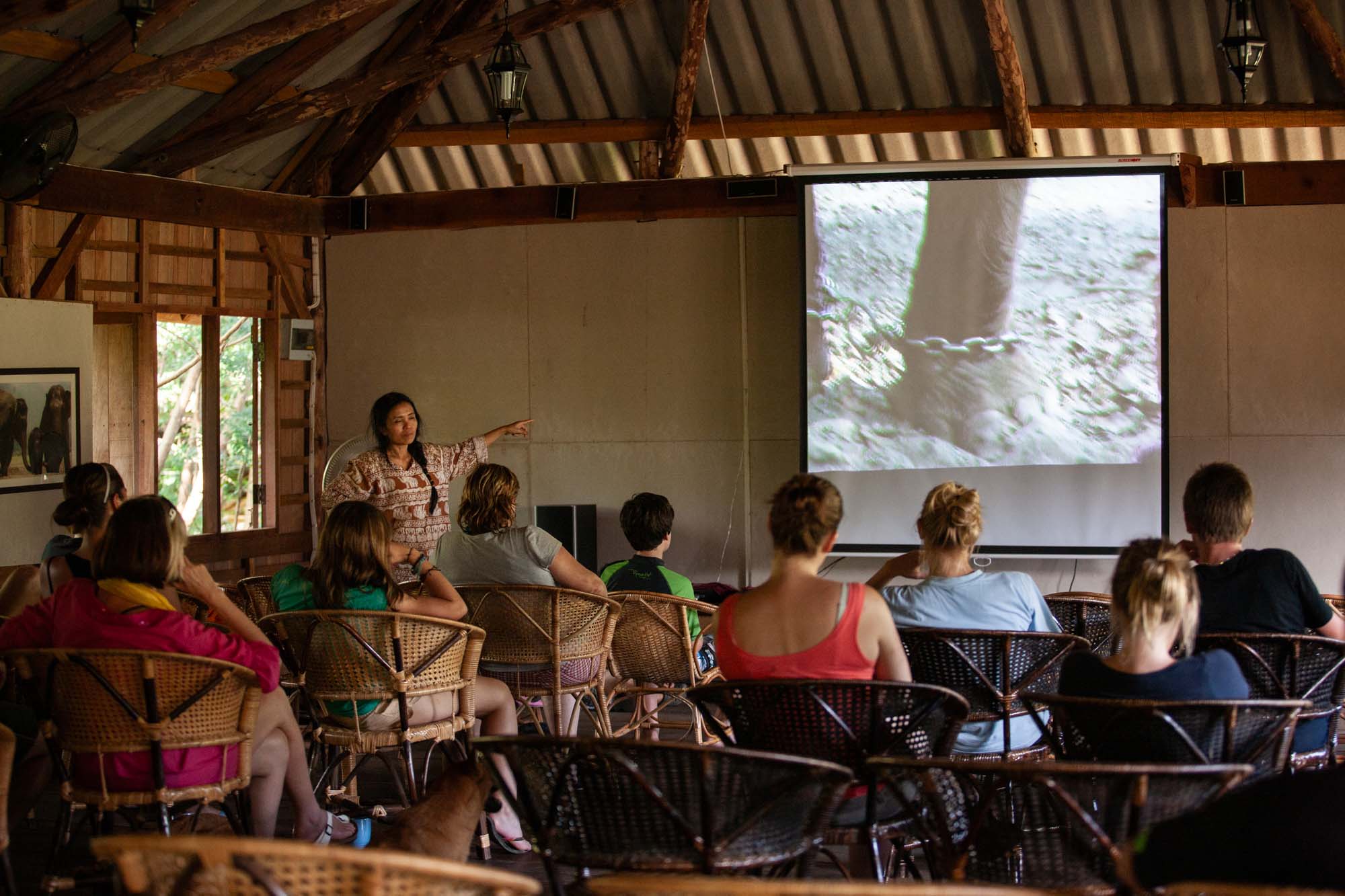
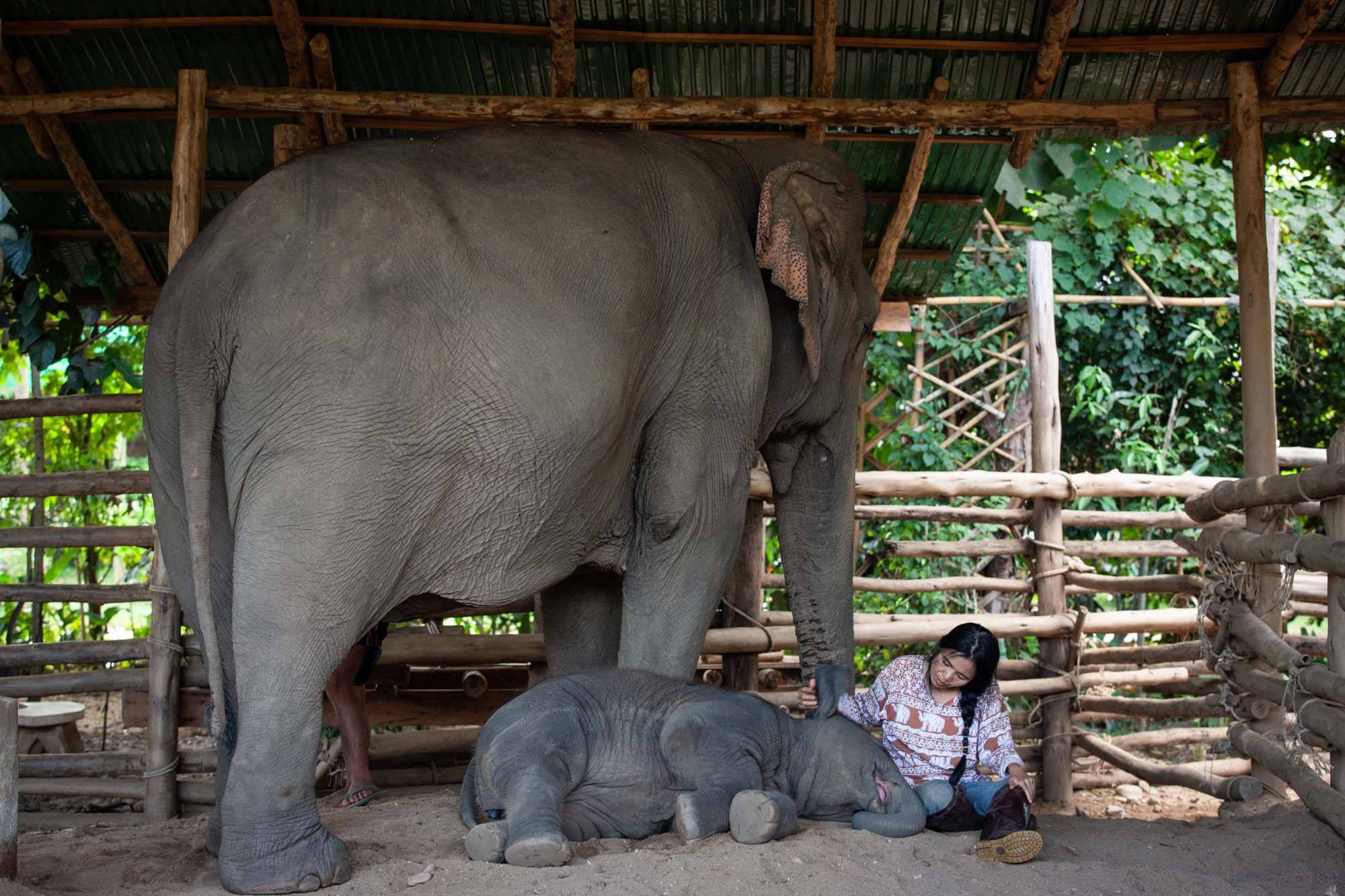
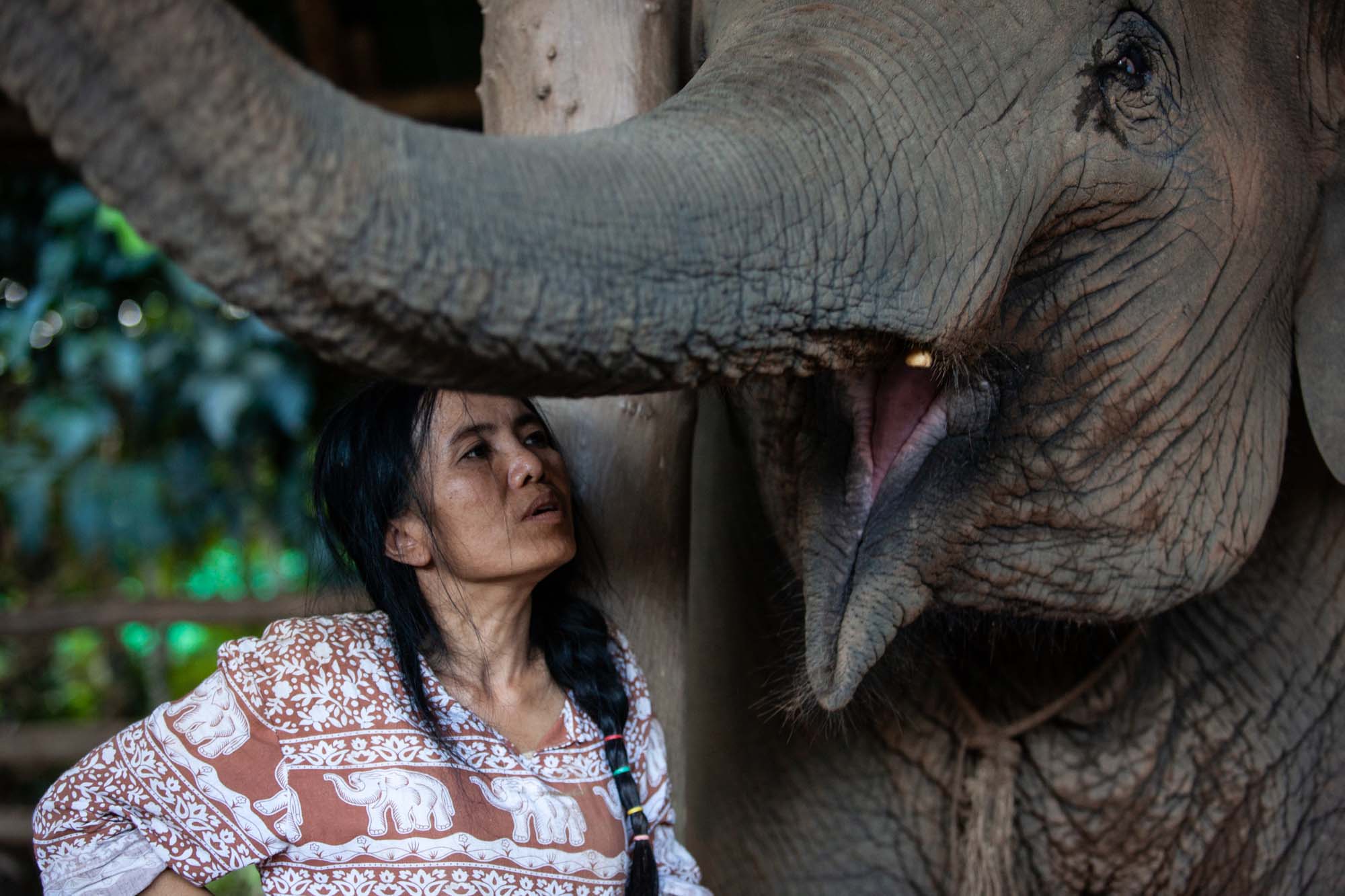
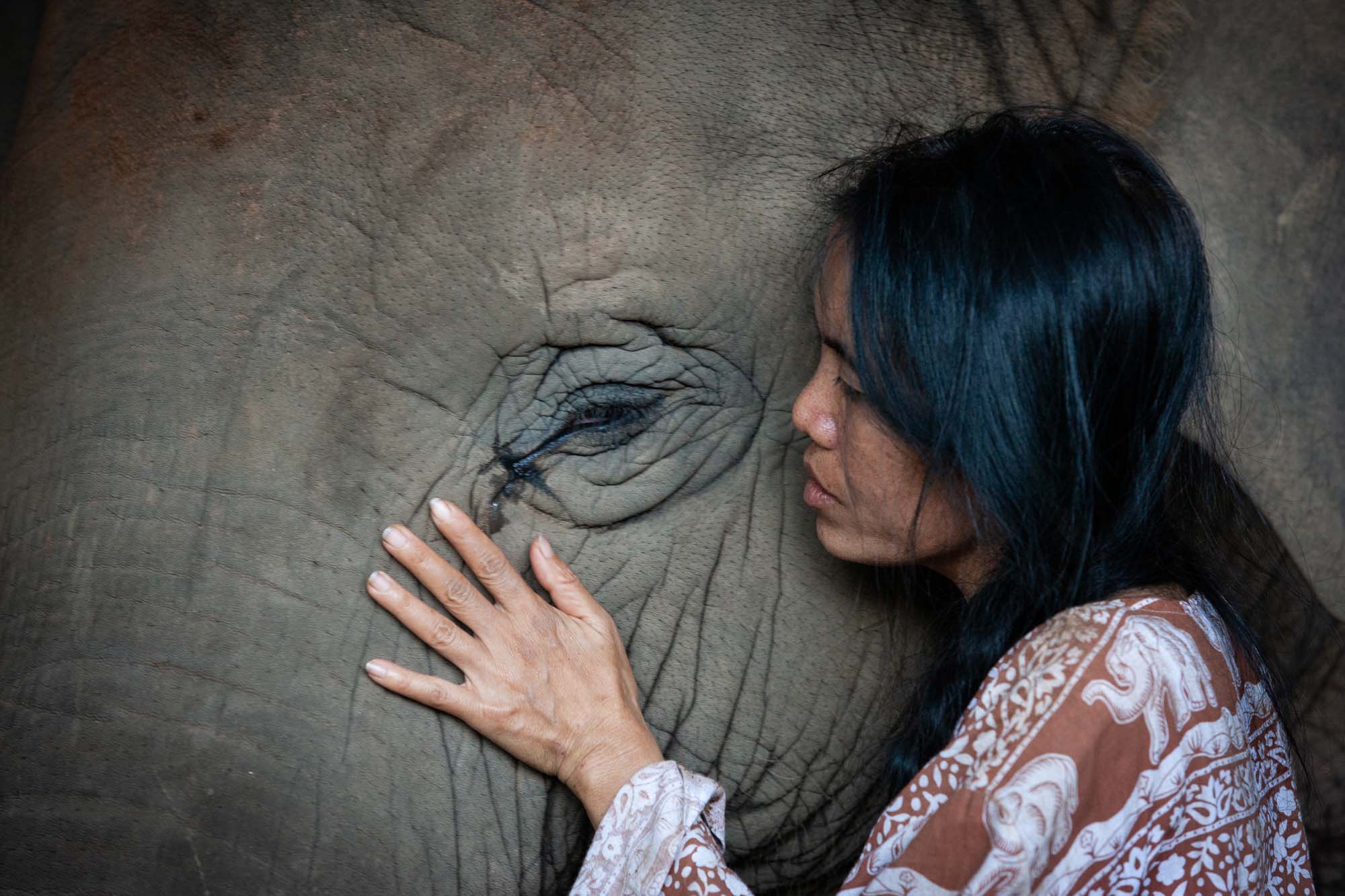
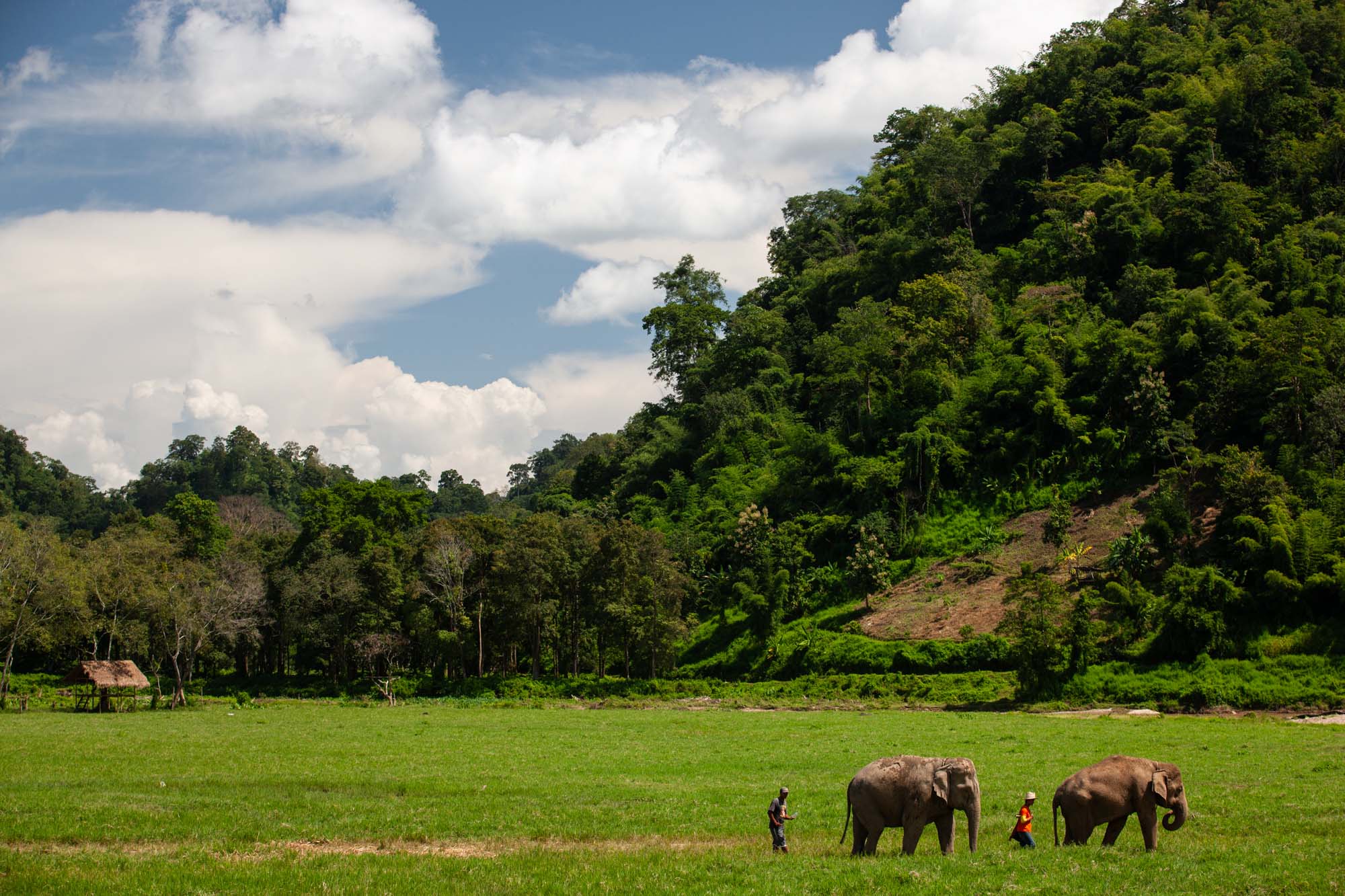
In Thailand, wild elephants benefit from legal protection, but domestic elephants often suffer harsh conditions. Considered livestock and trained through violence, some die from mistreatment.
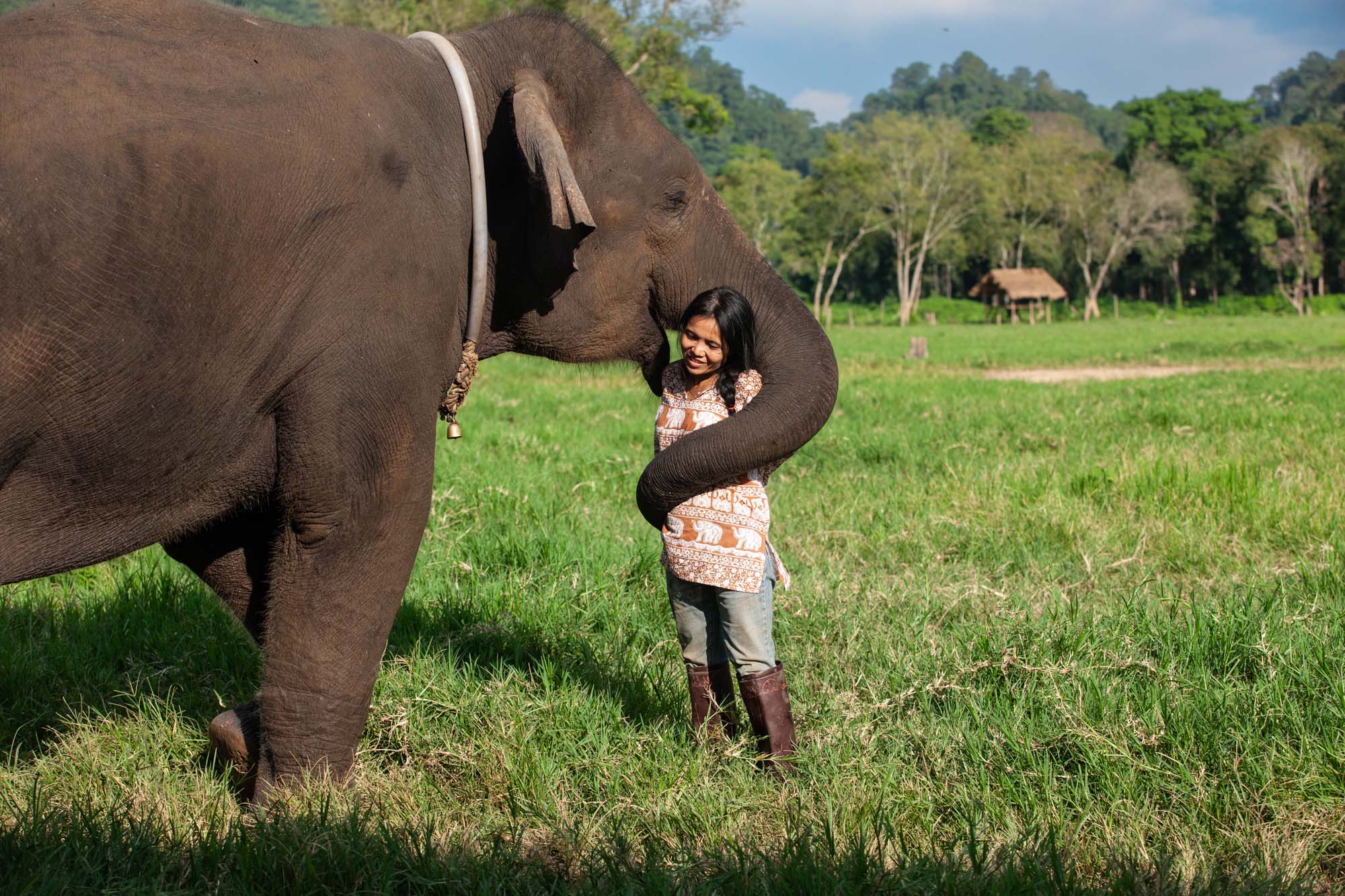
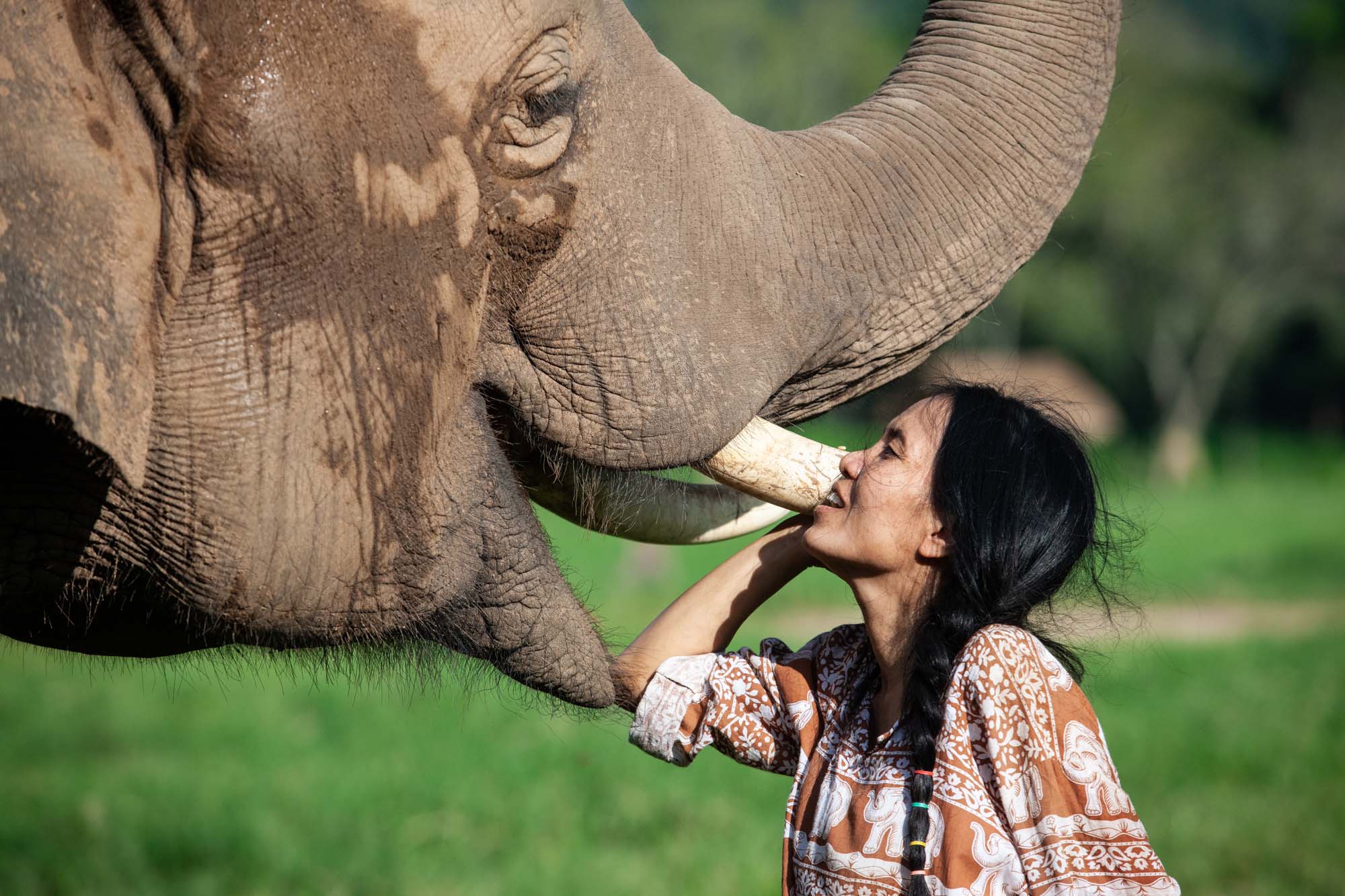
Since 1992, a remarkable woman, Sangduen Chailert — known as “Lek” — has fought to change this. Born into a marginalized hill tribe, she founded the Elephant Nature Park, a sanctuary where abused elephants receive care and respect. Thanks to her, dozens of elephants regain dignity and sometimes return to the forest.
Lek also champions women’s and minority rights. Honored as Time magazine’s Asian Hero of the Year in 2004, her relentless fight continues for a fairer future.
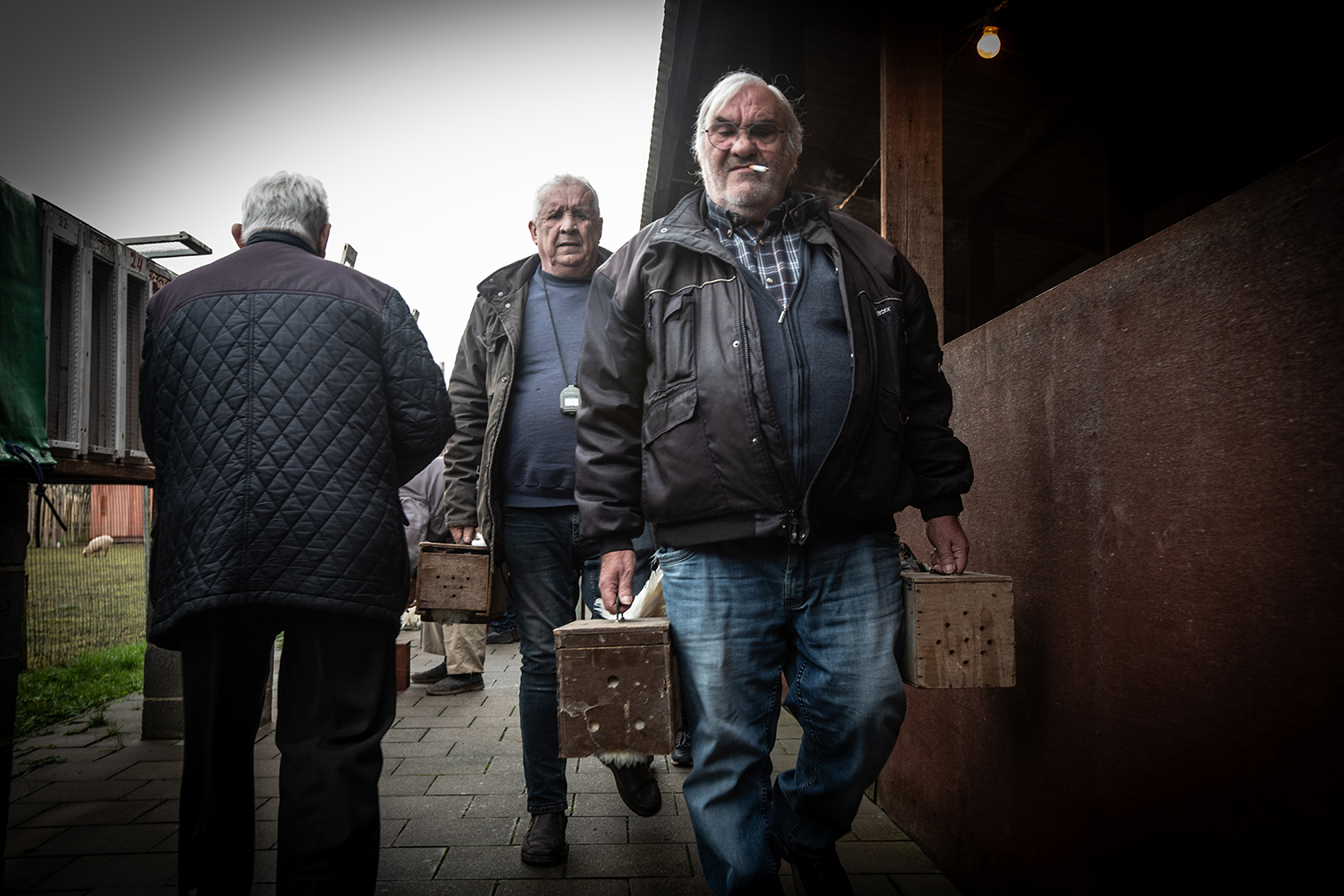
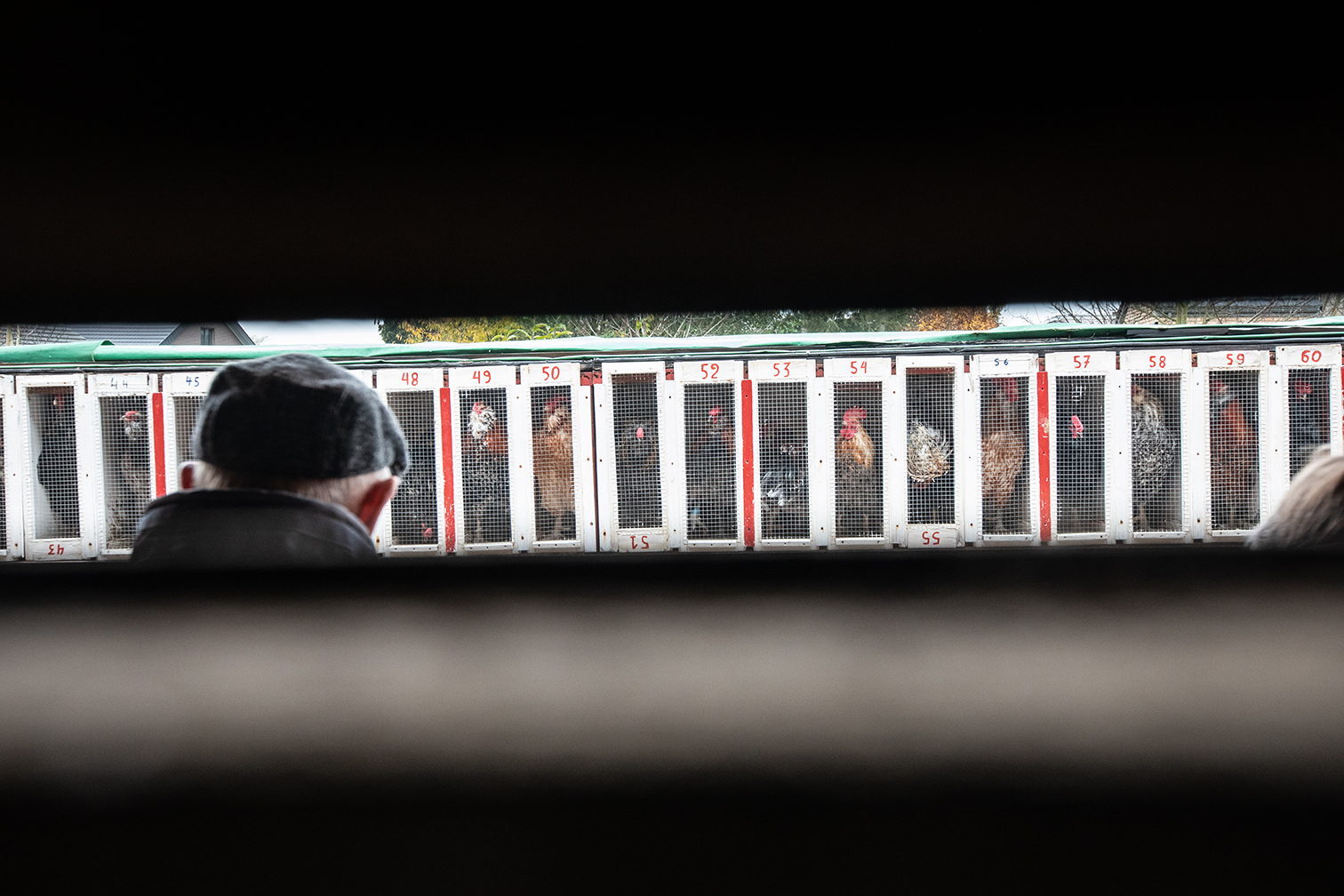
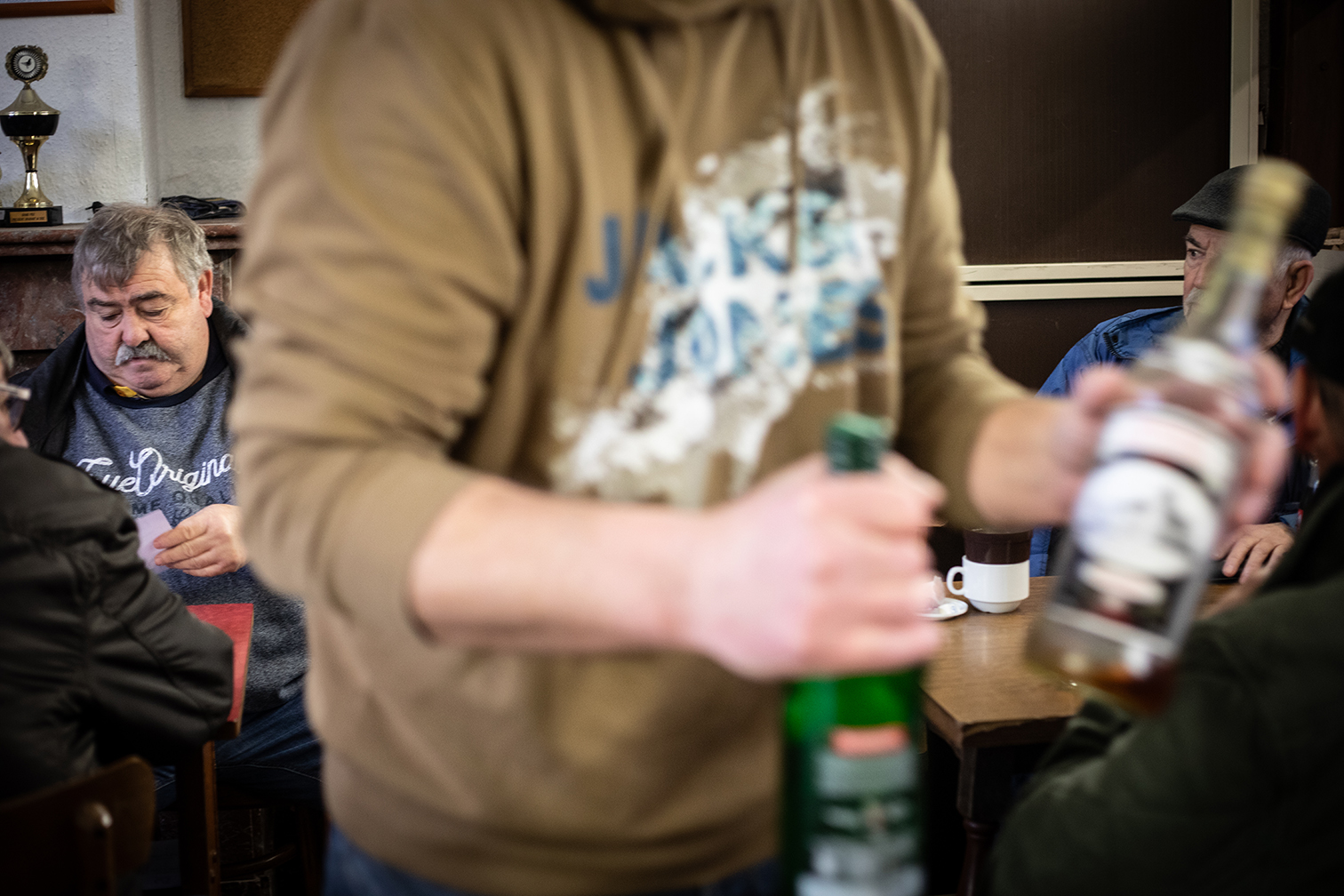
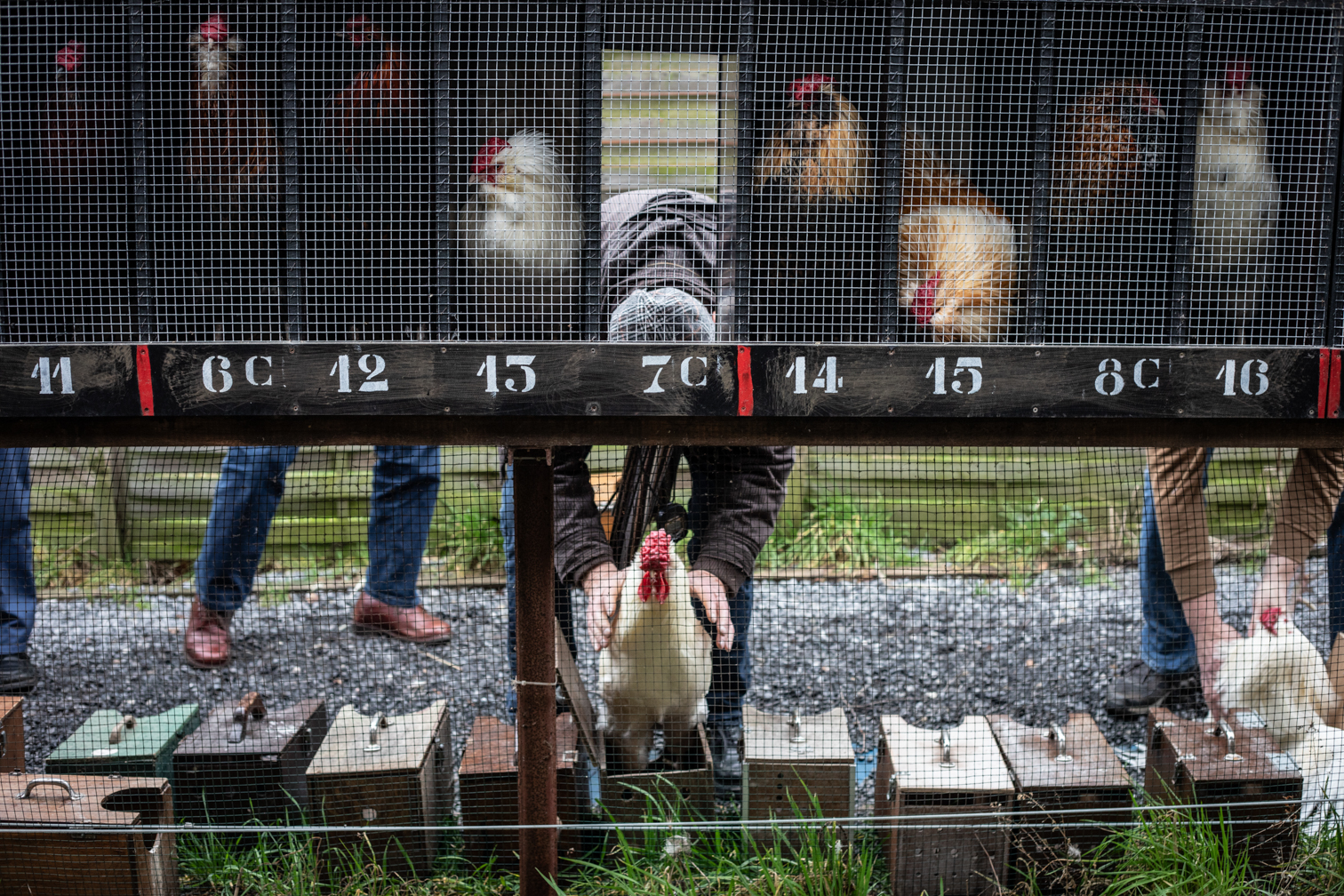
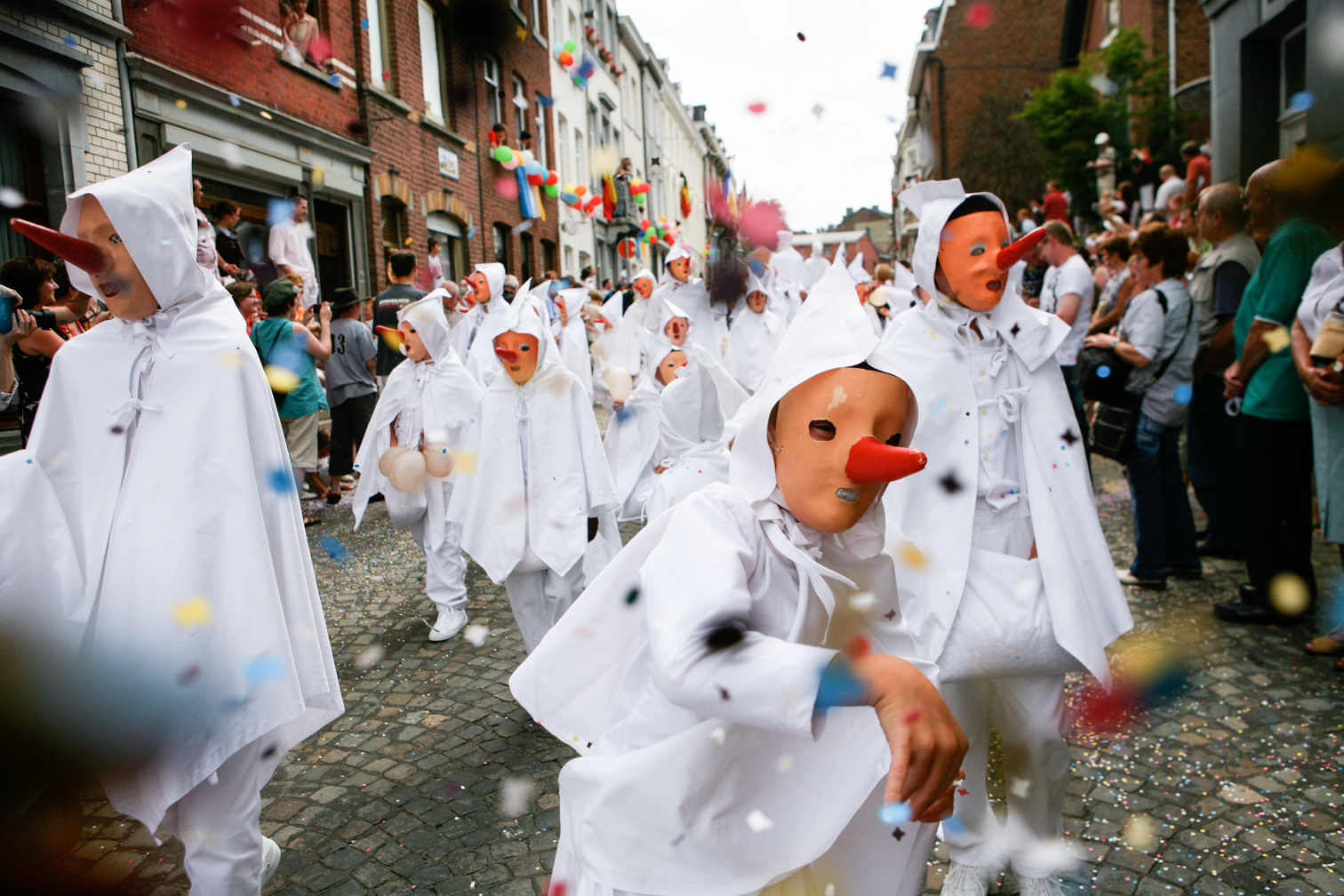
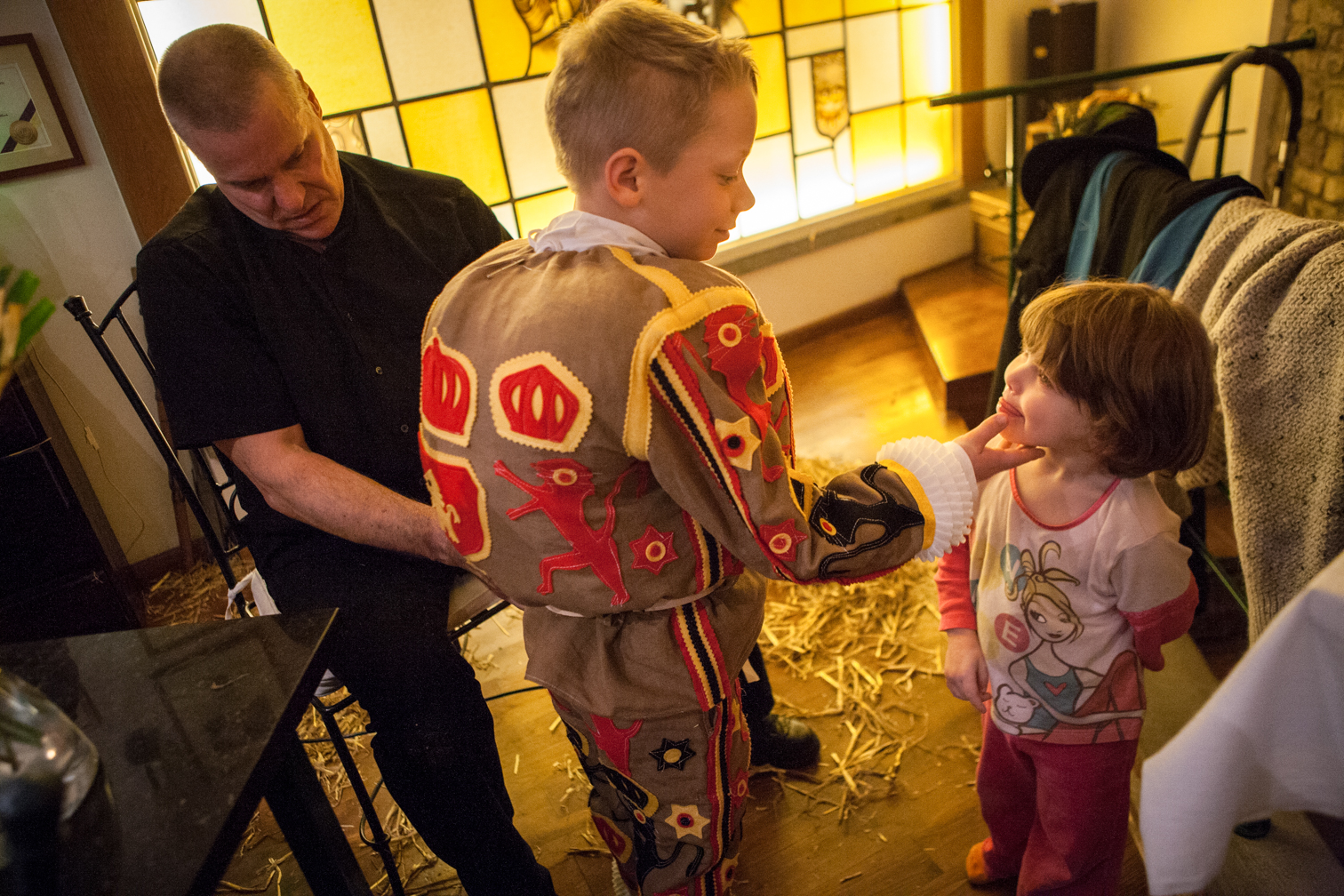
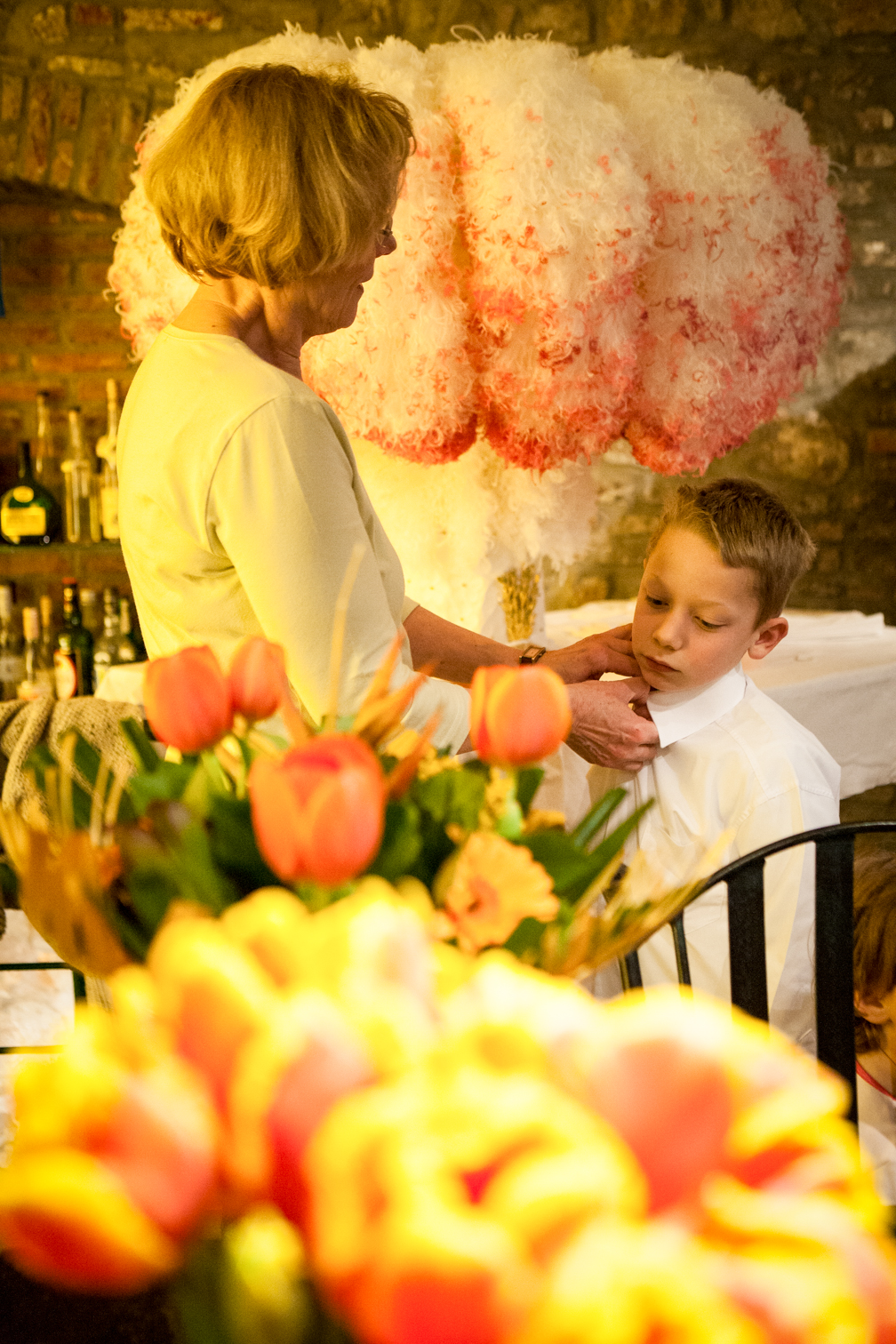
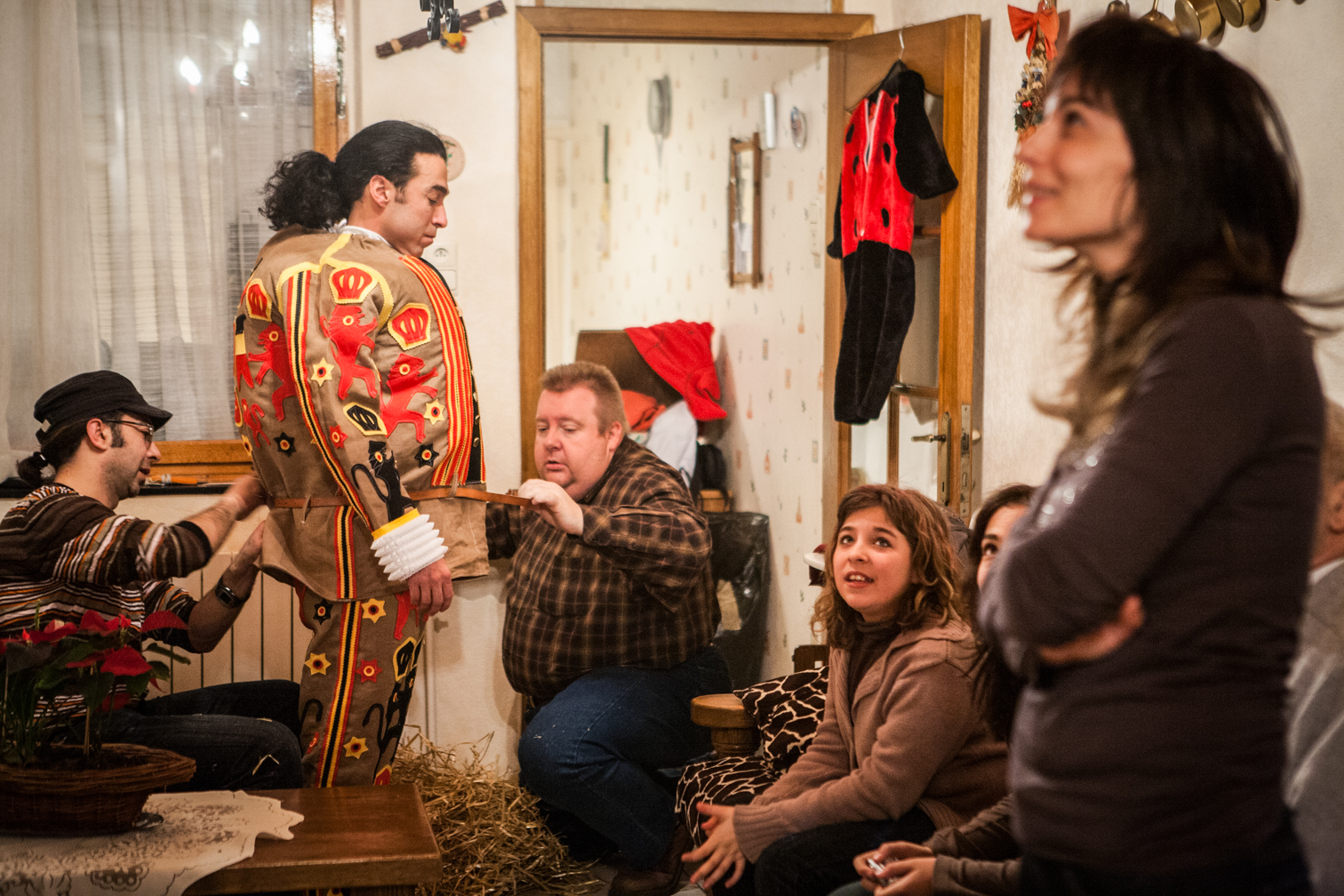
WALLOON FOLKLORE
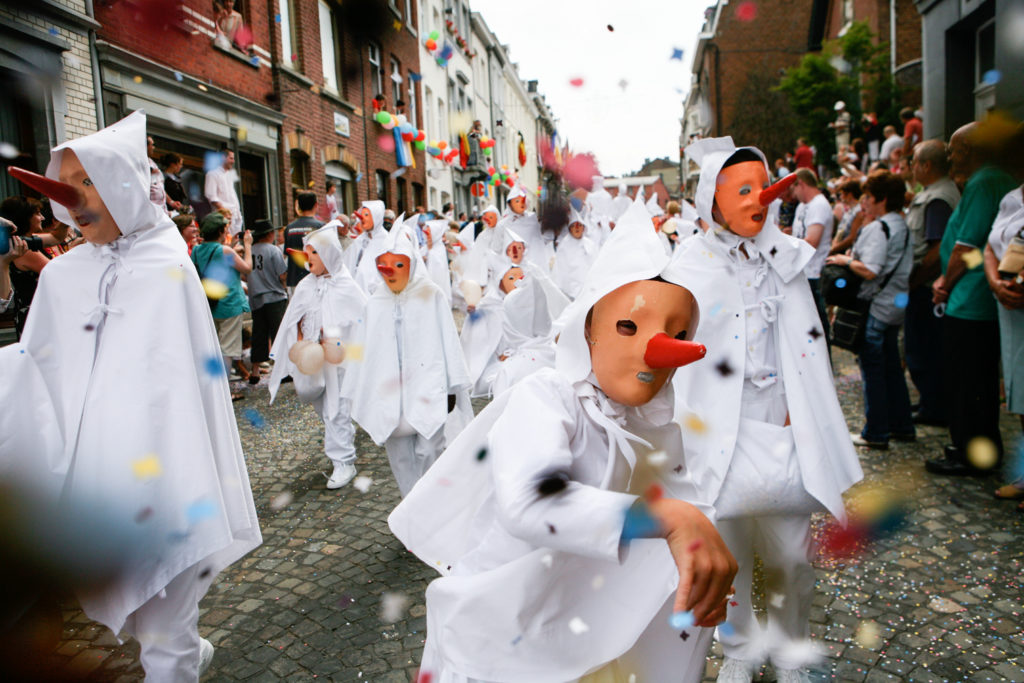
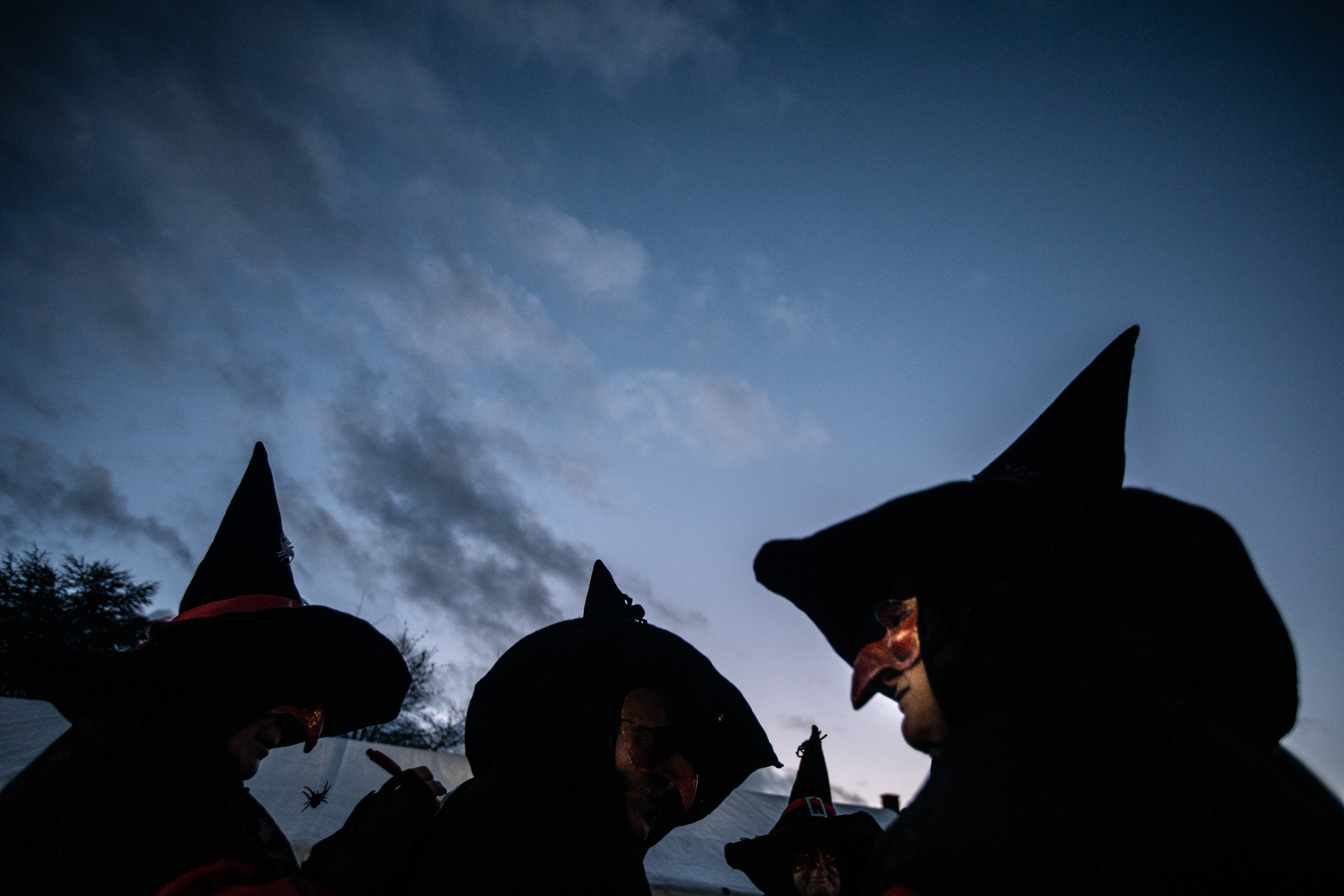
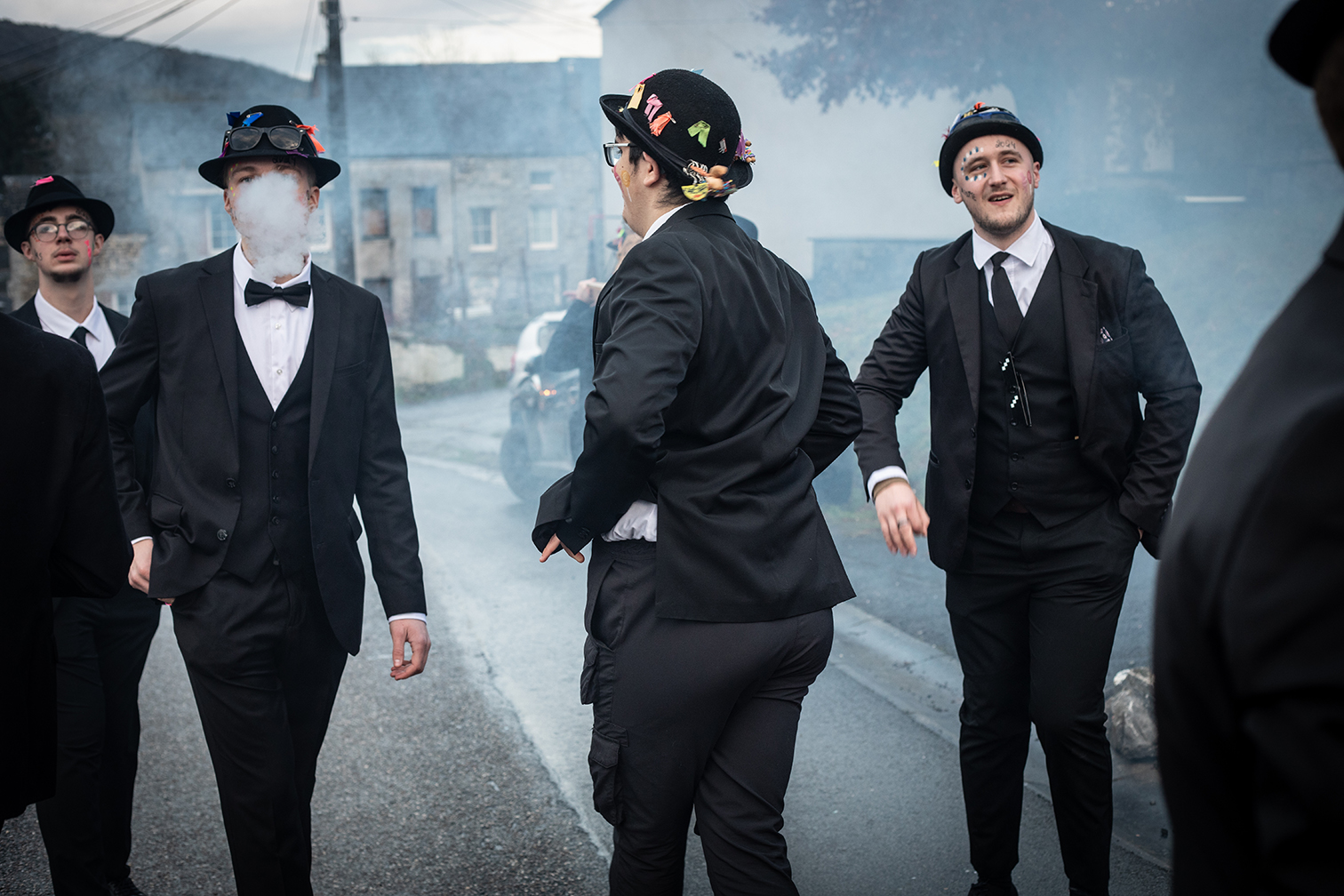
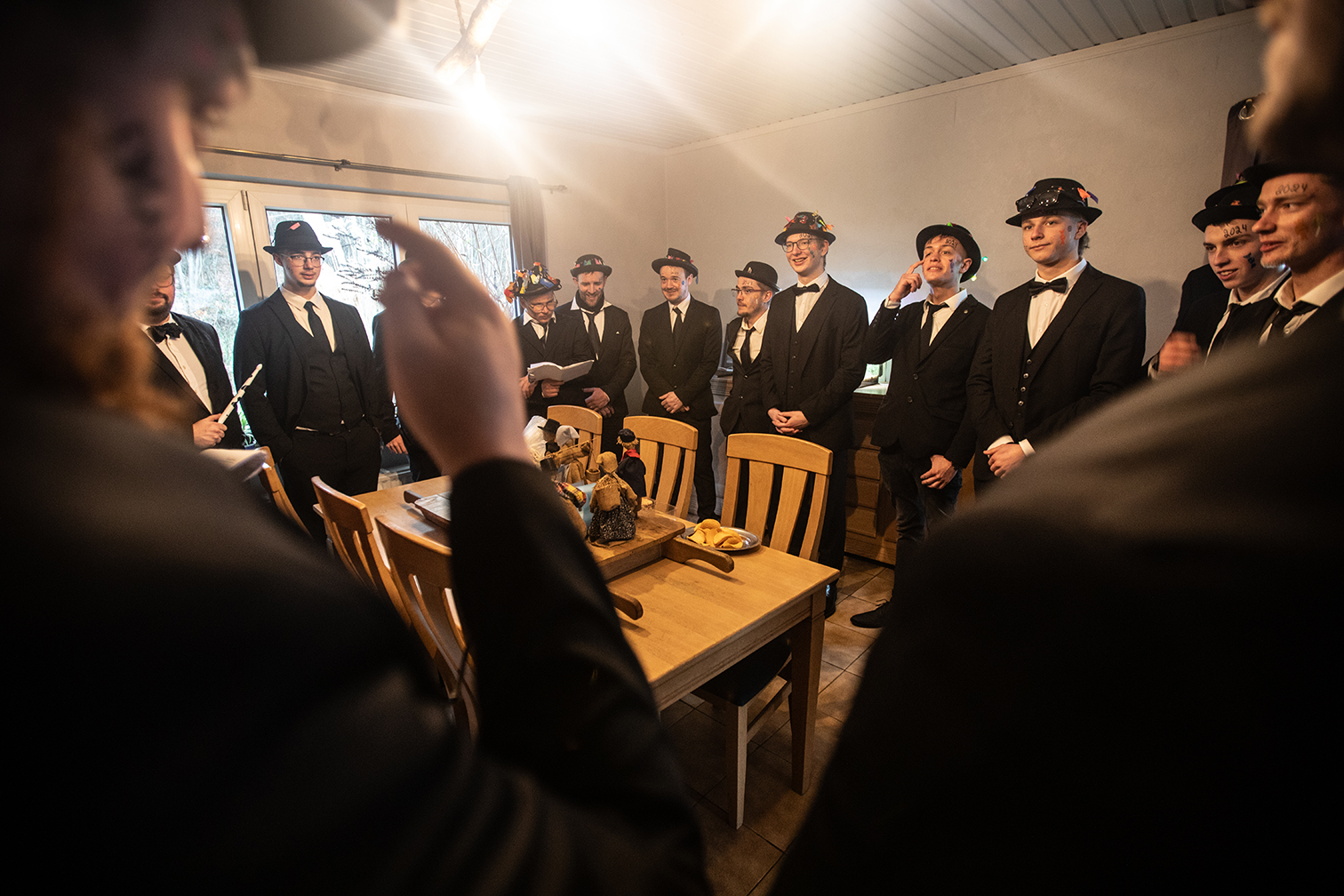
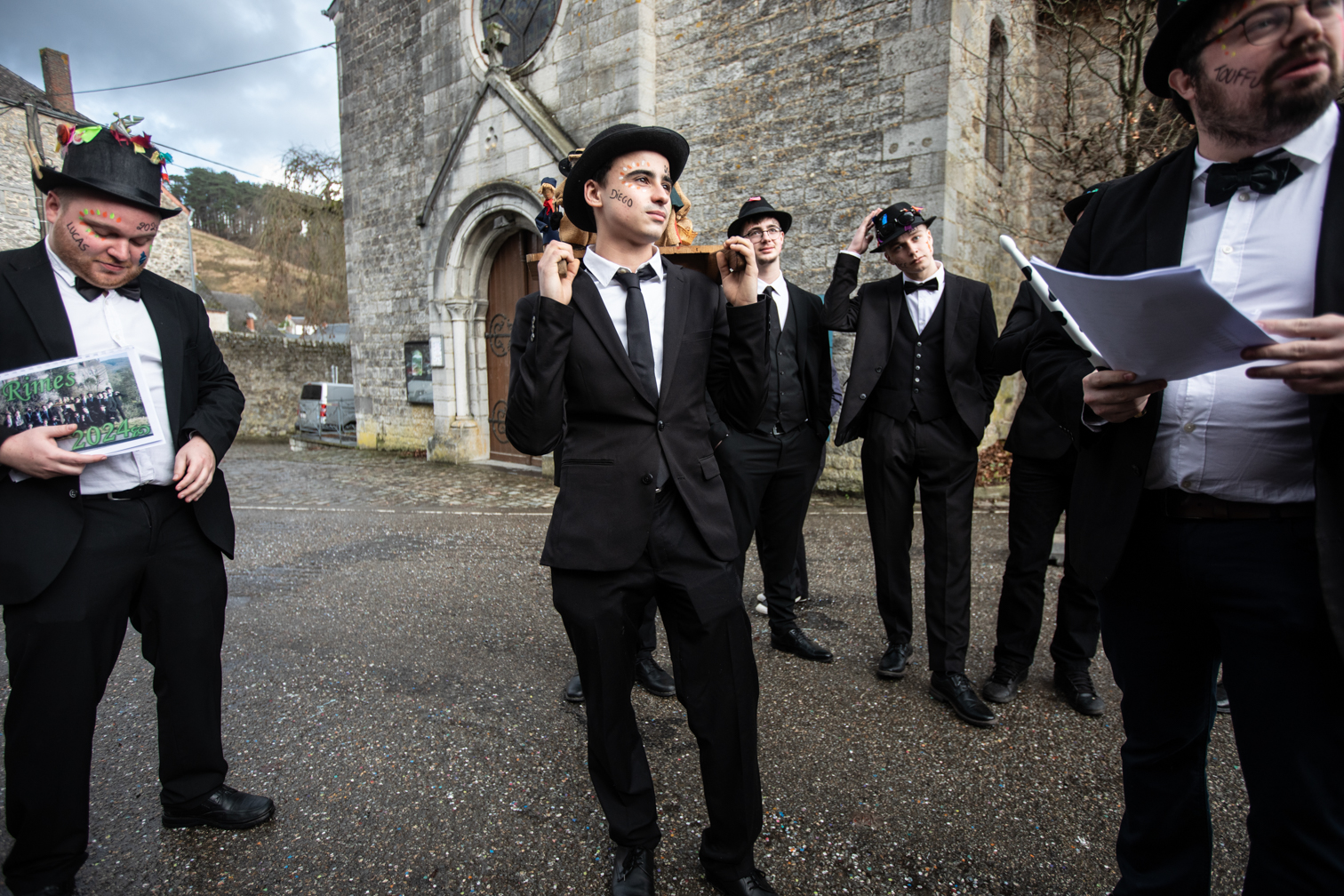
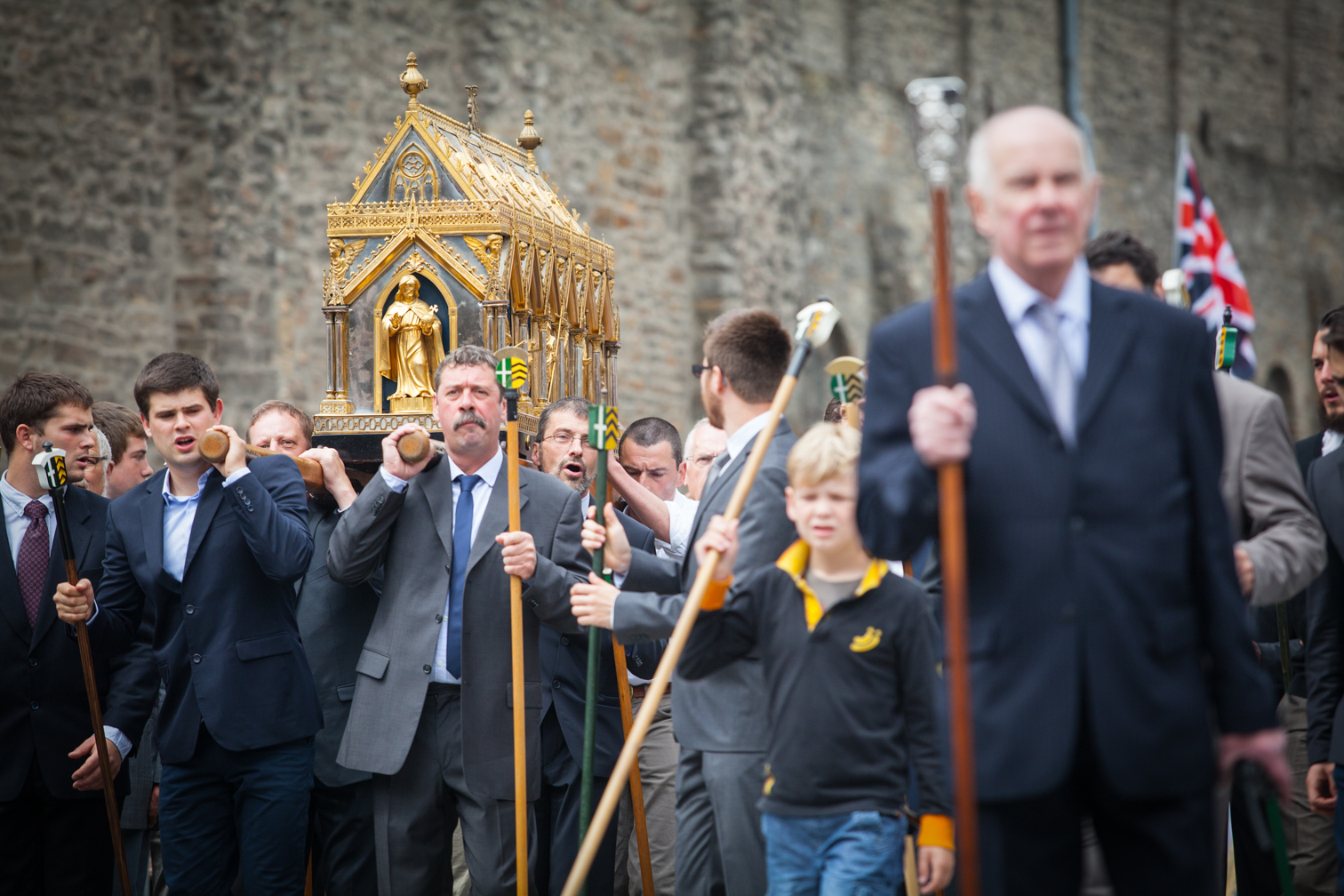
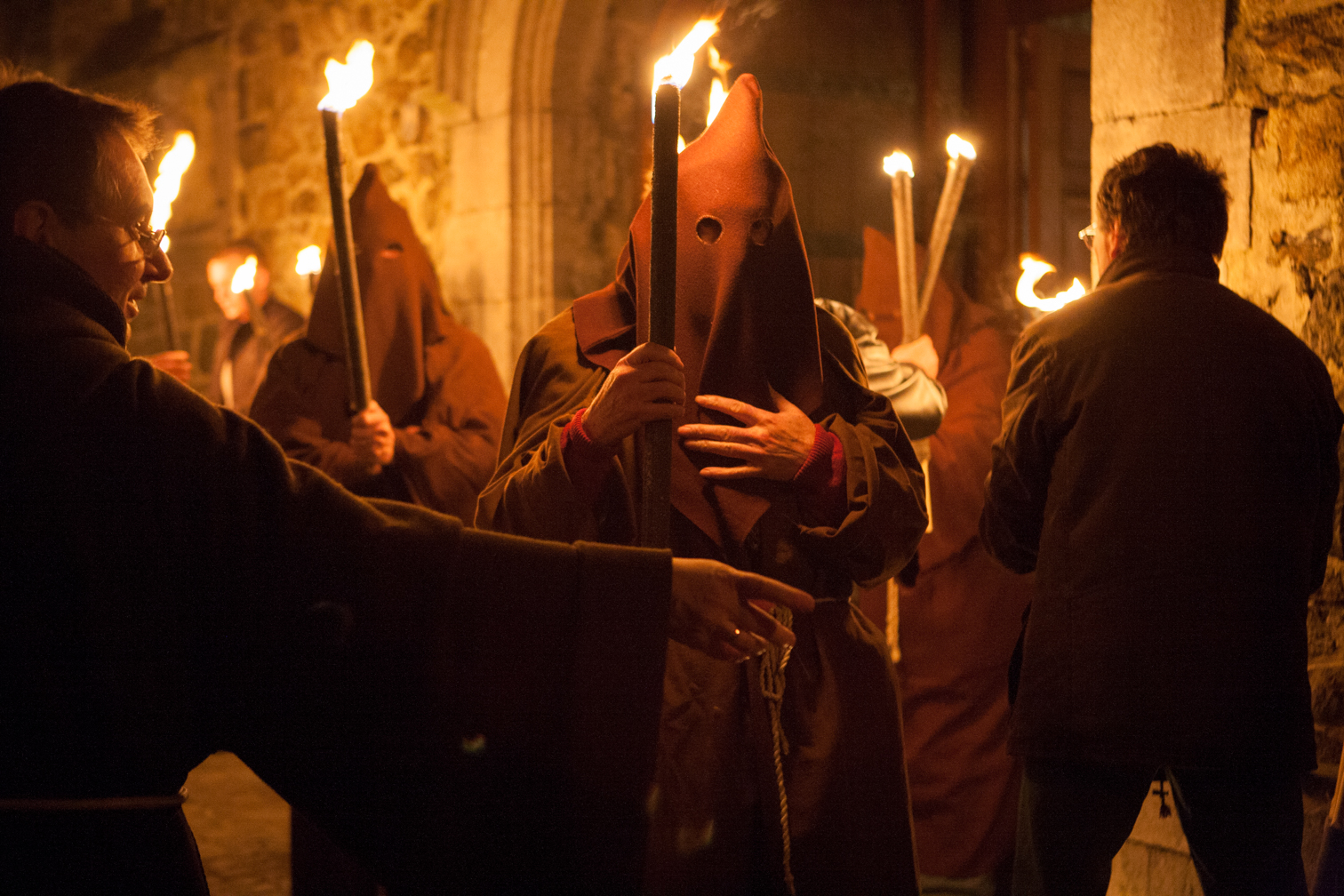
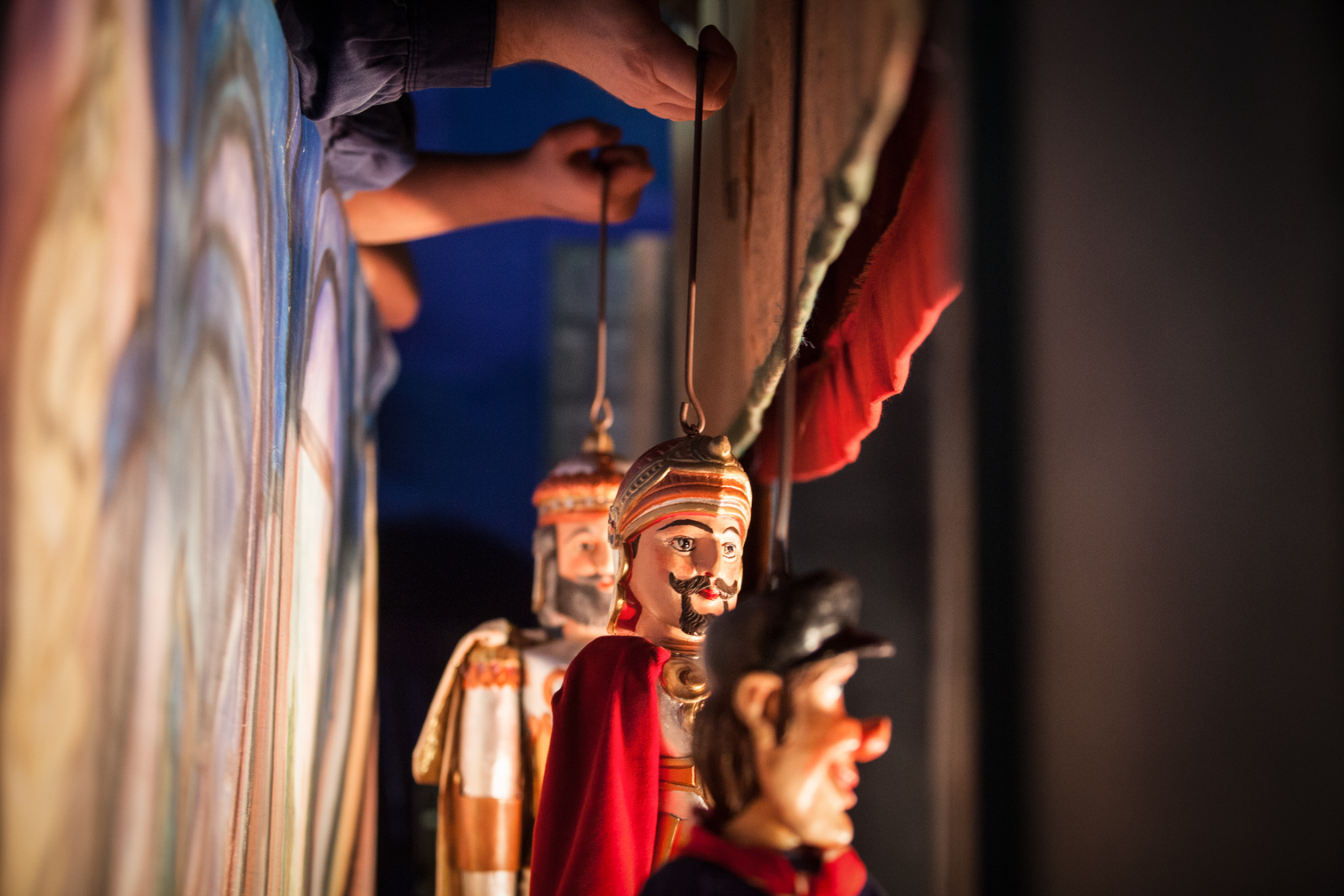
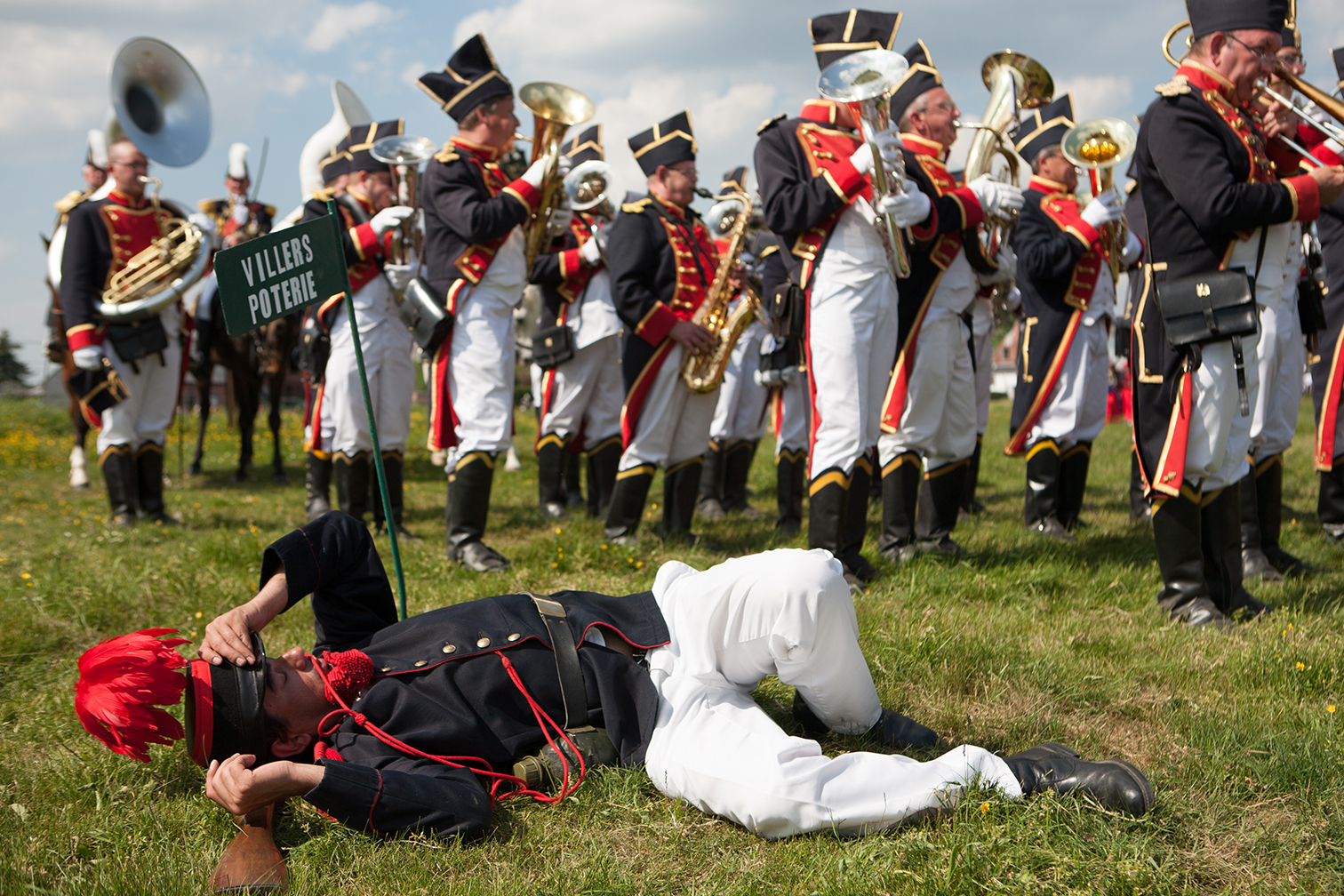
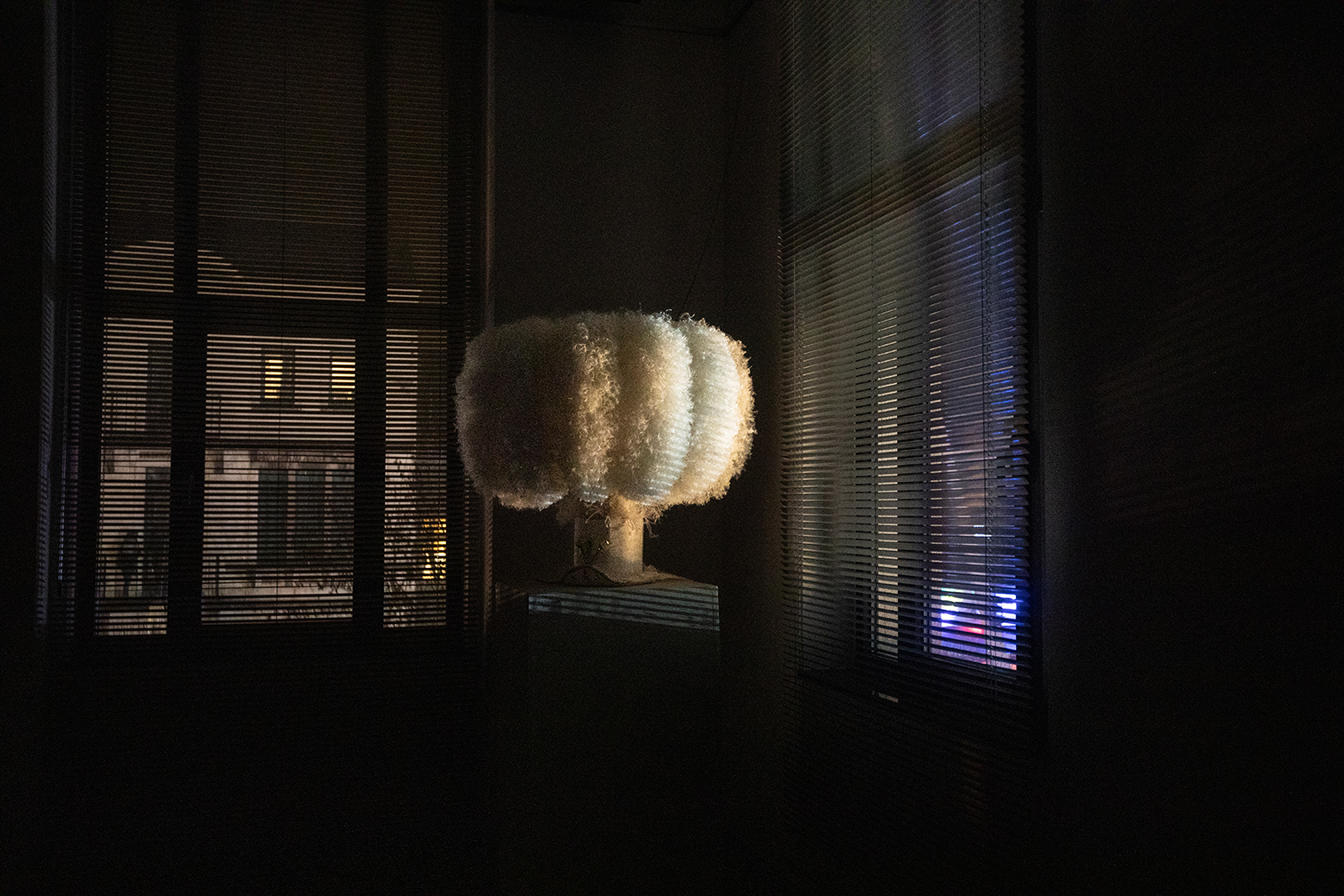
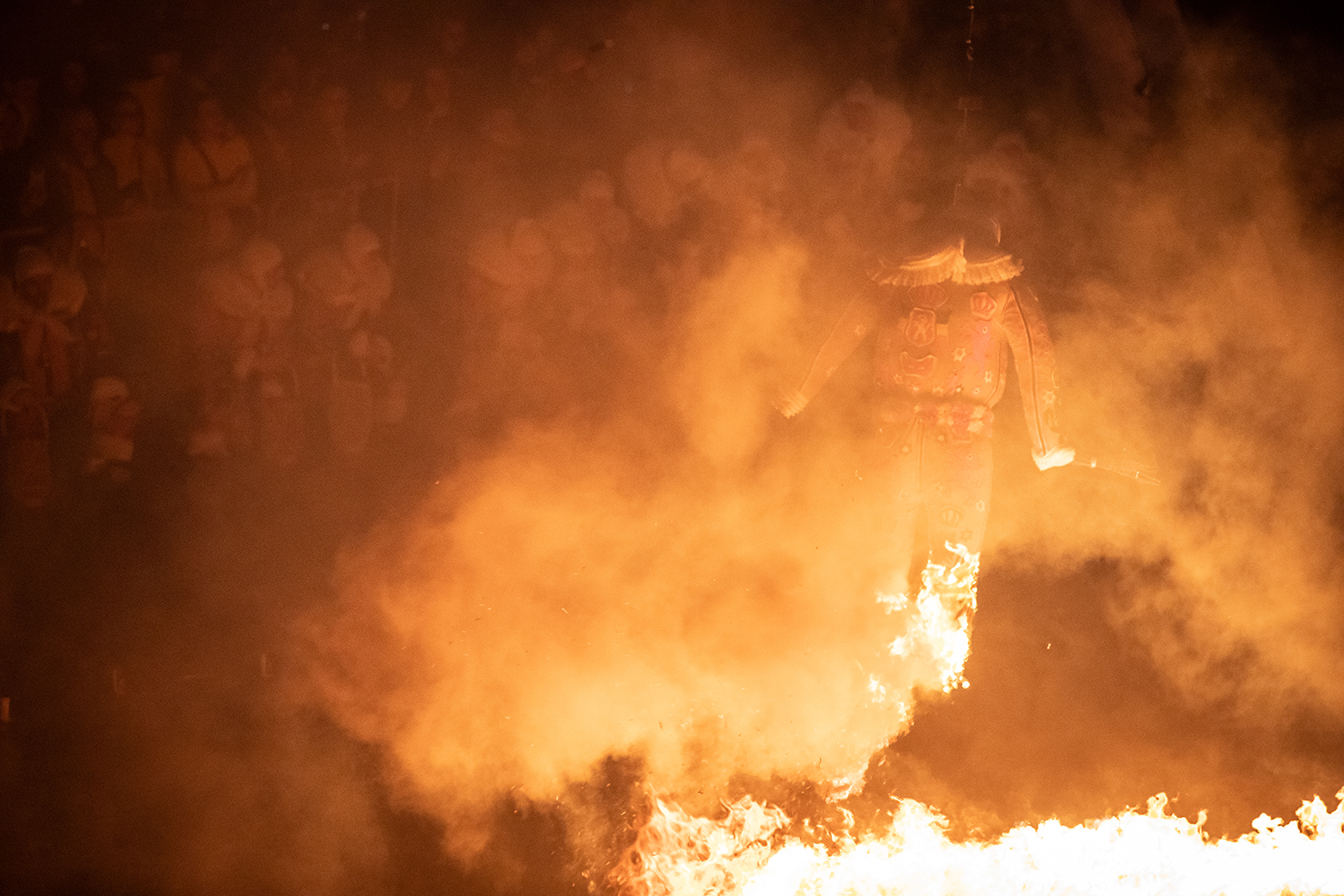
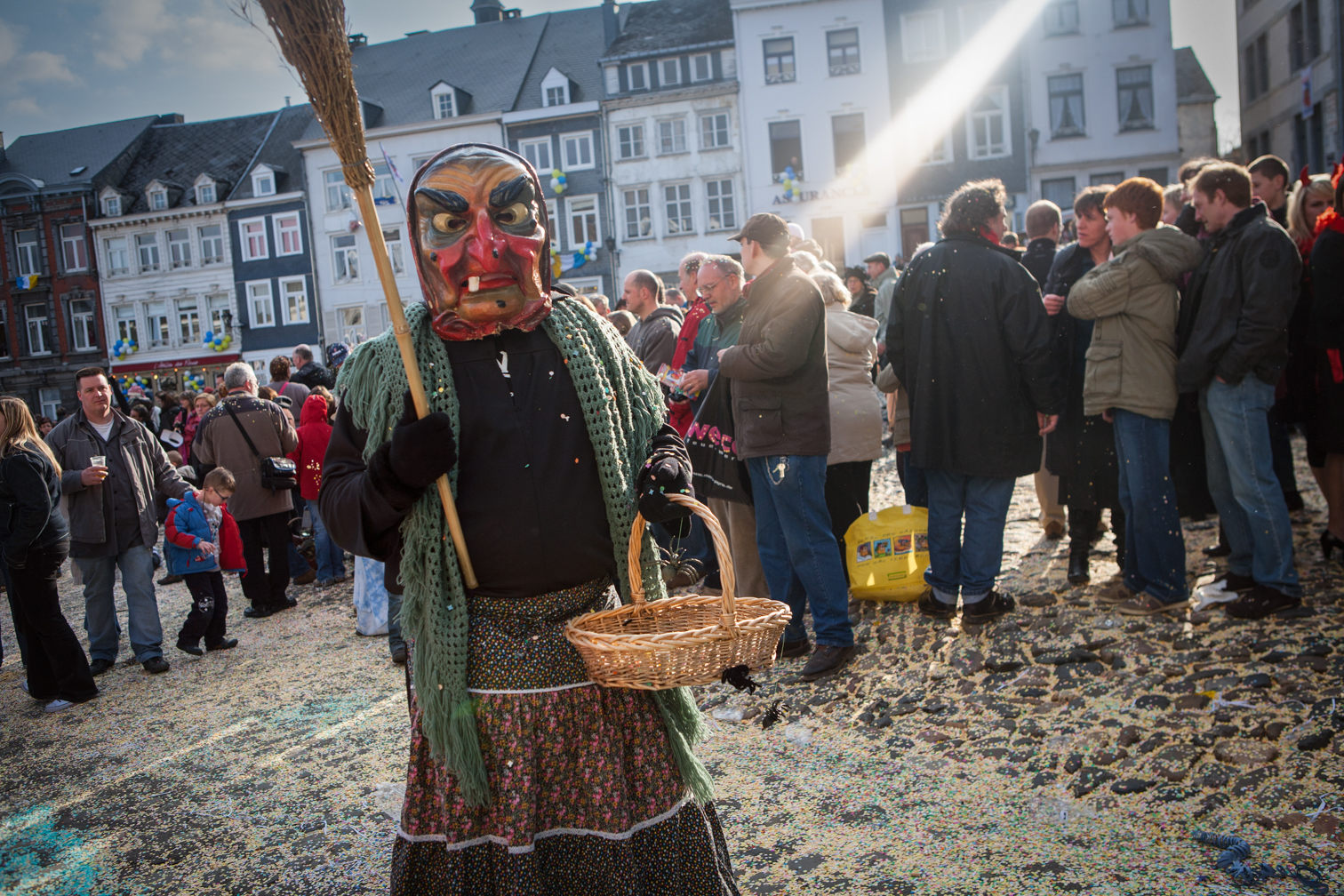
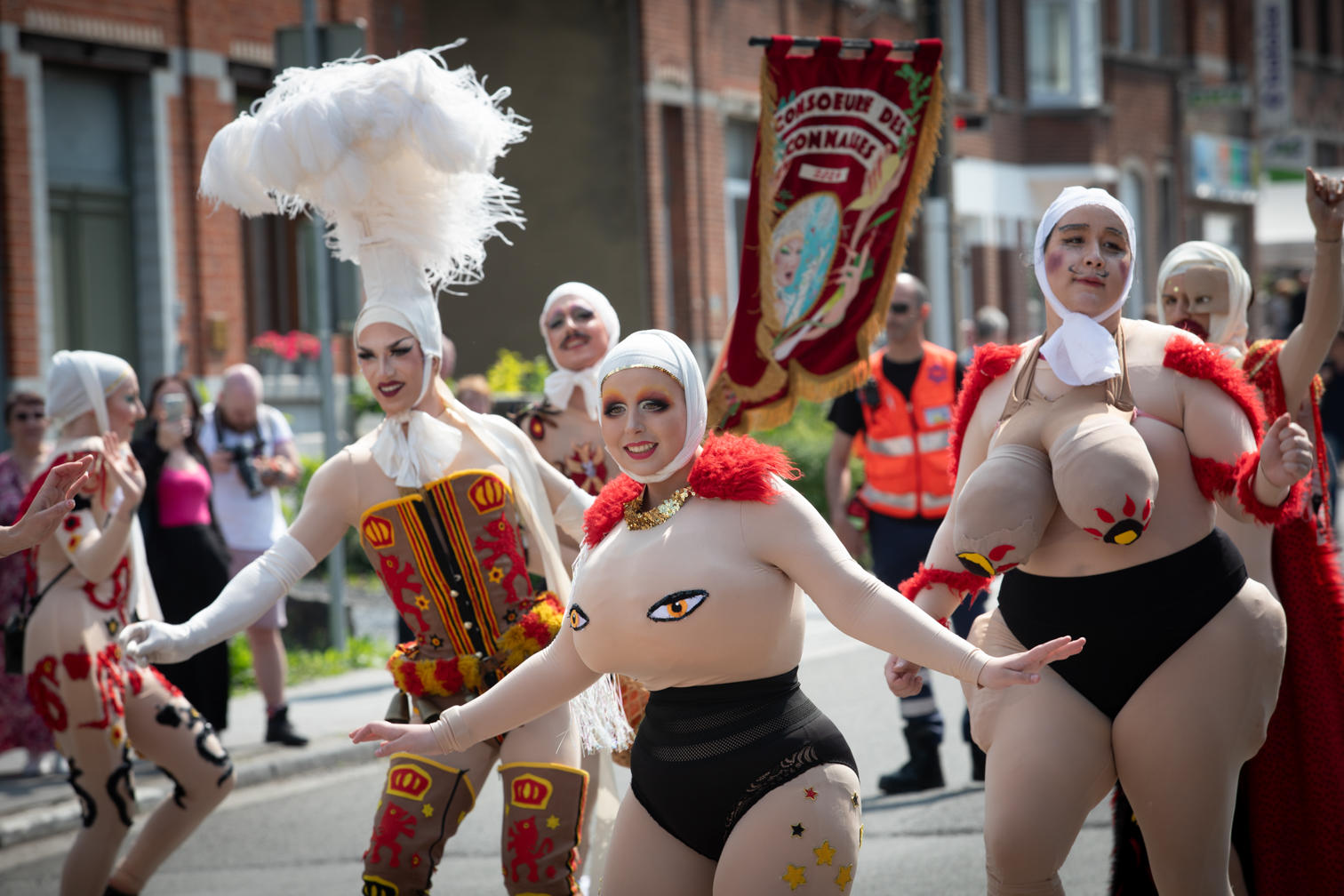
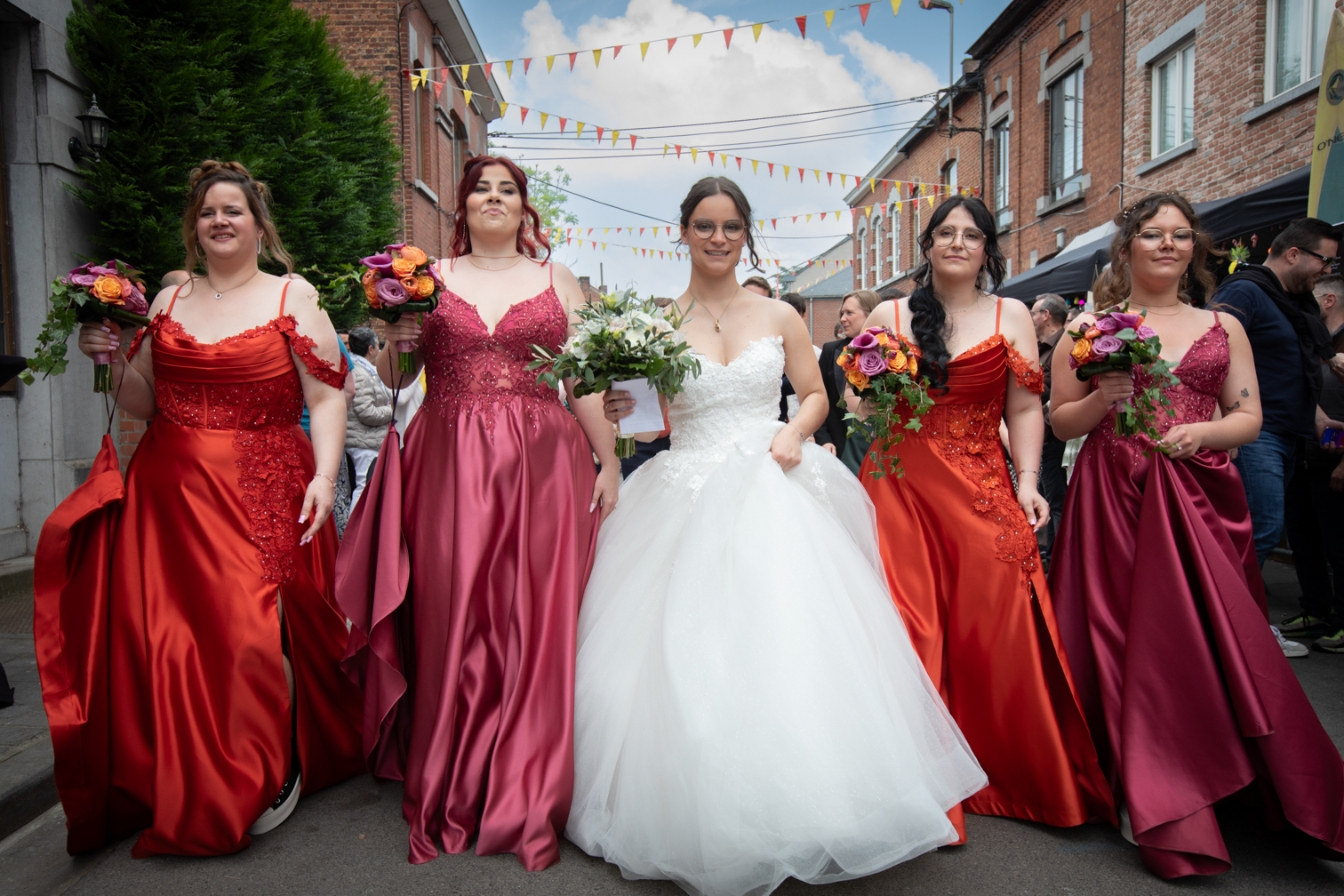
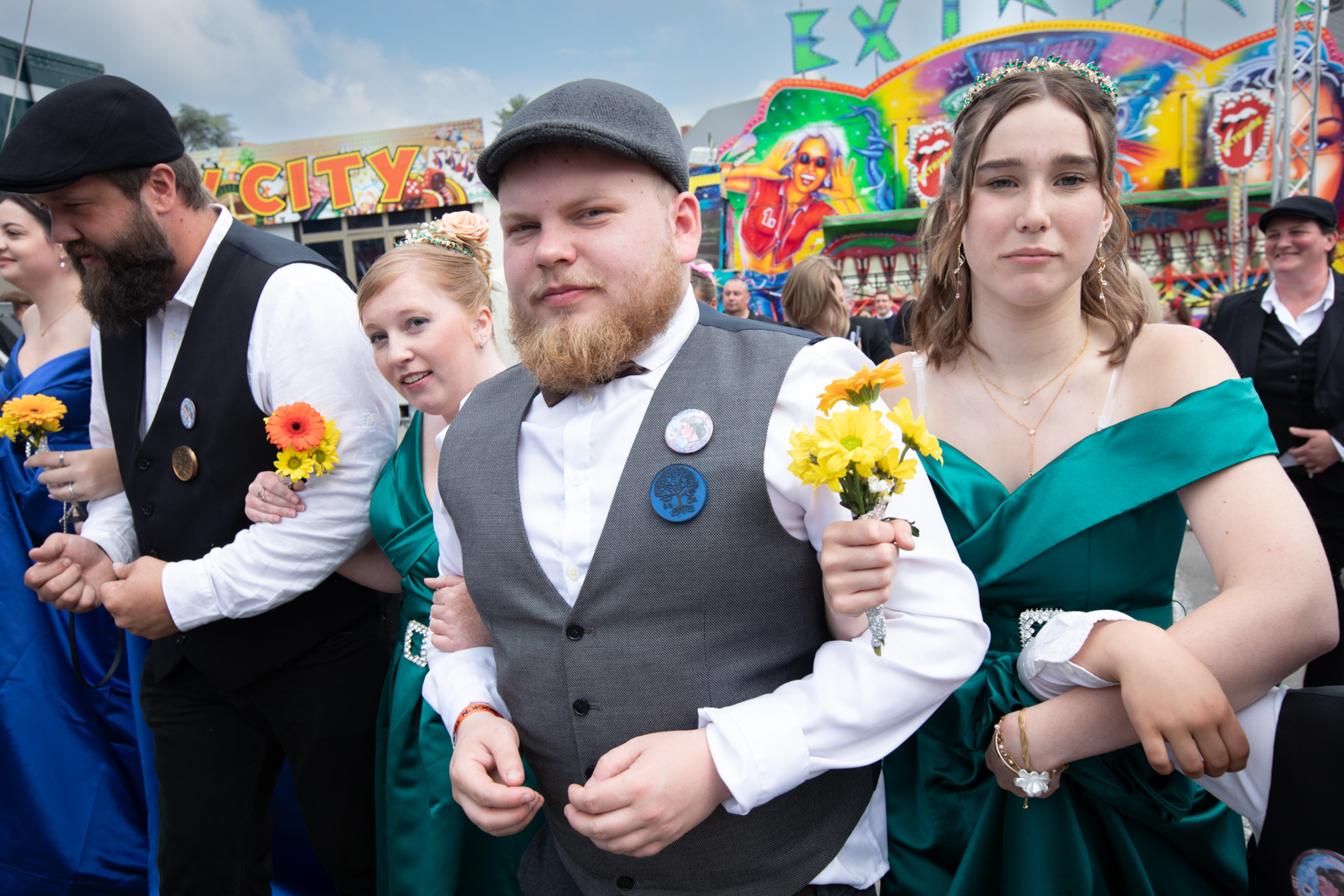
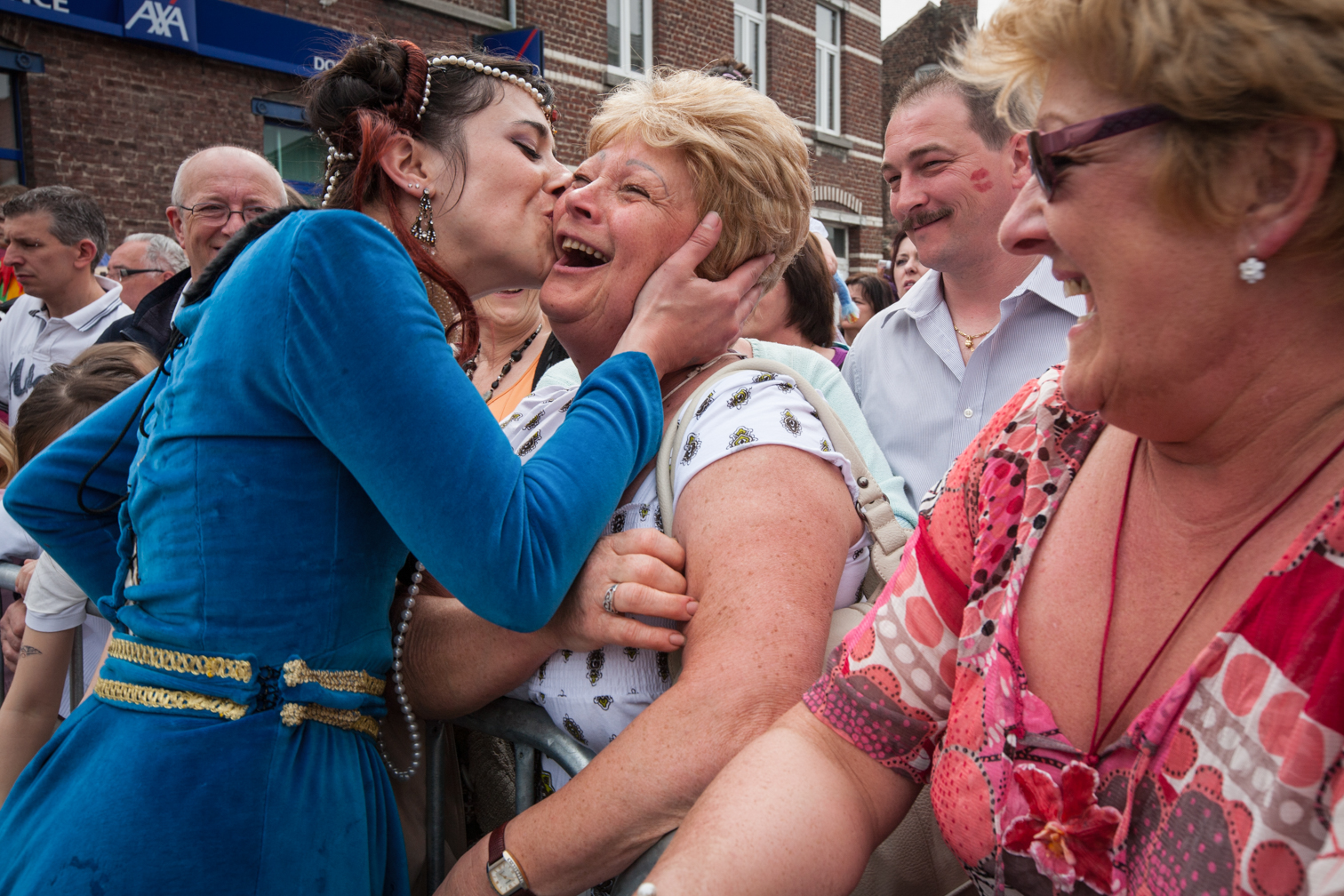
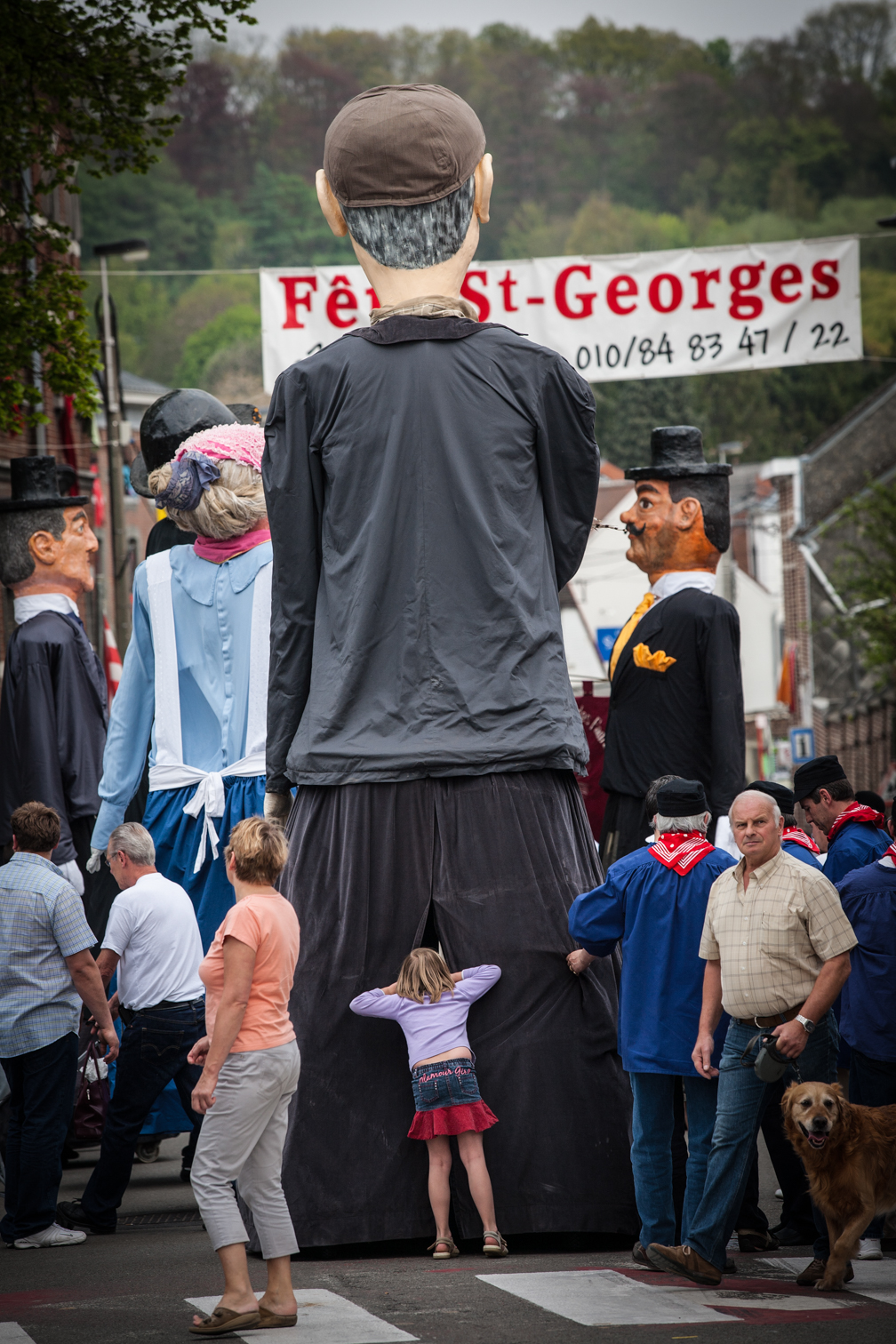
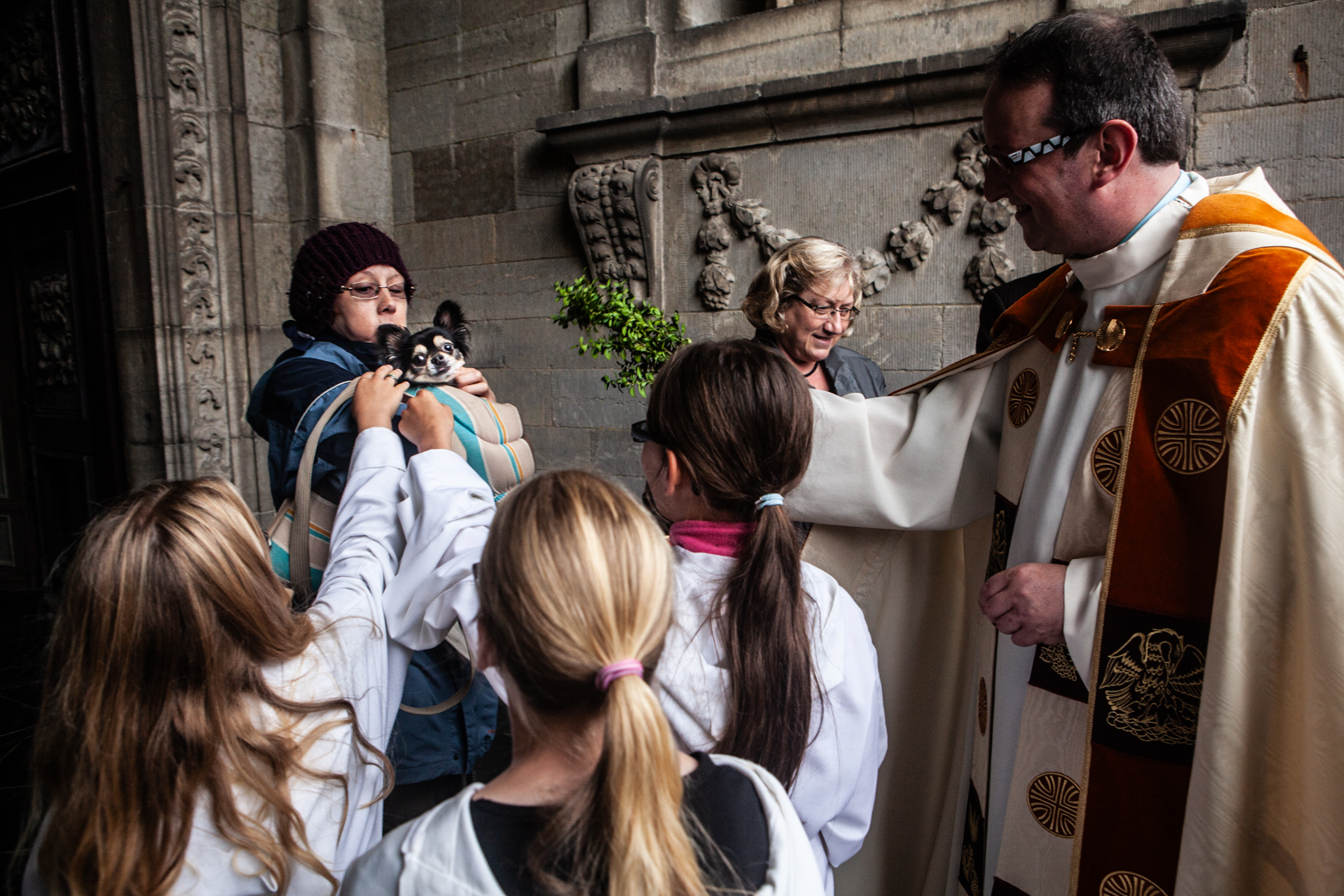
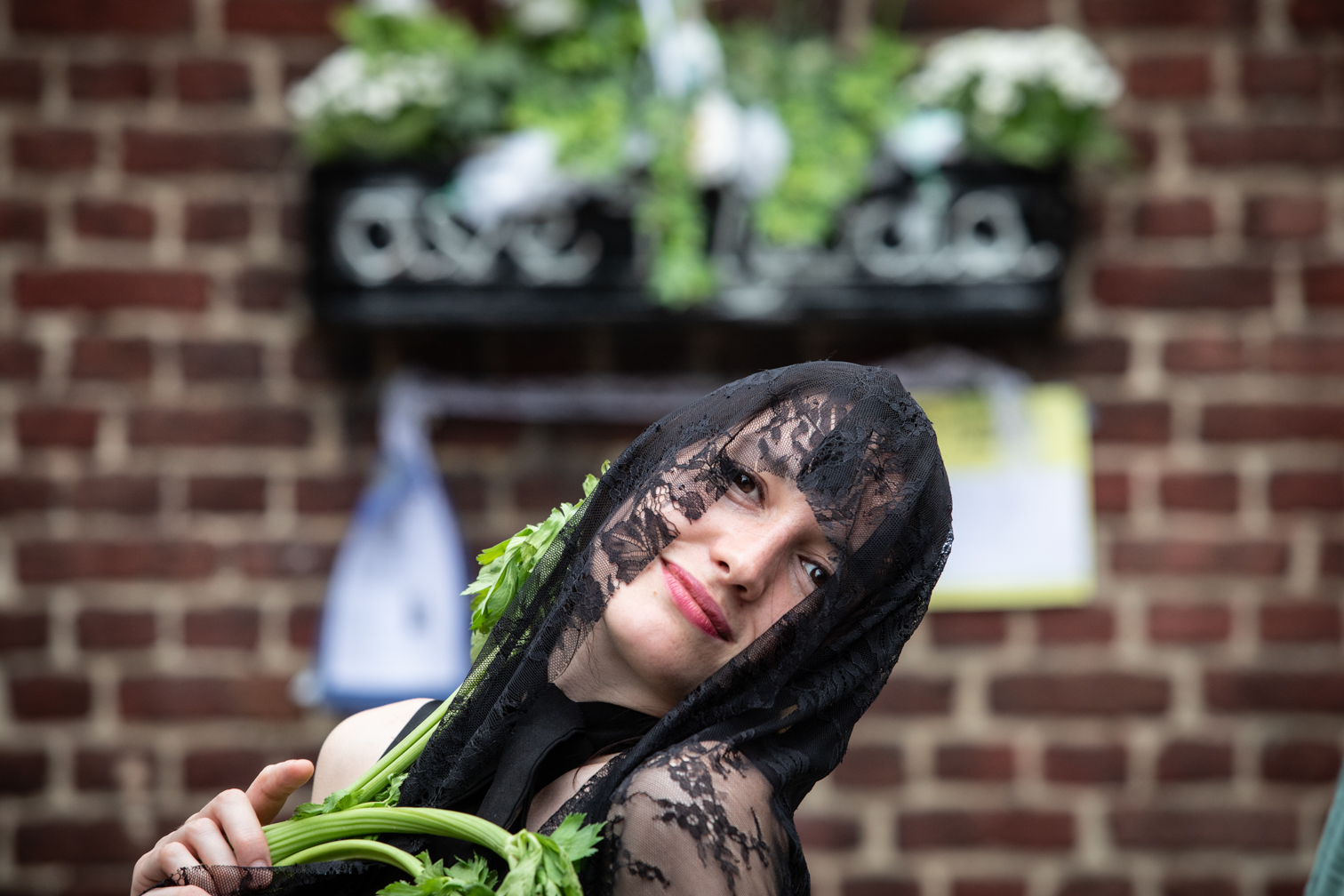
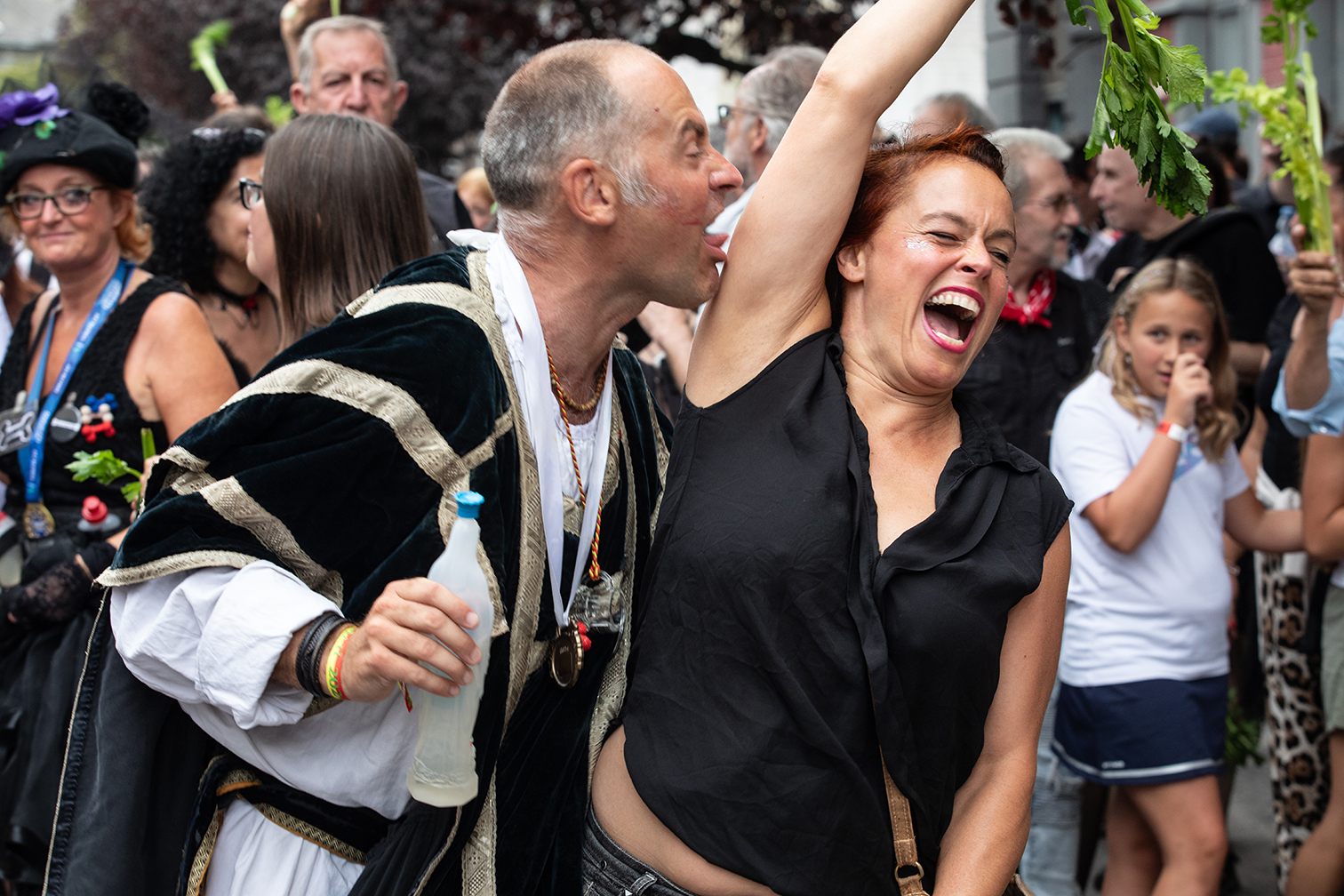
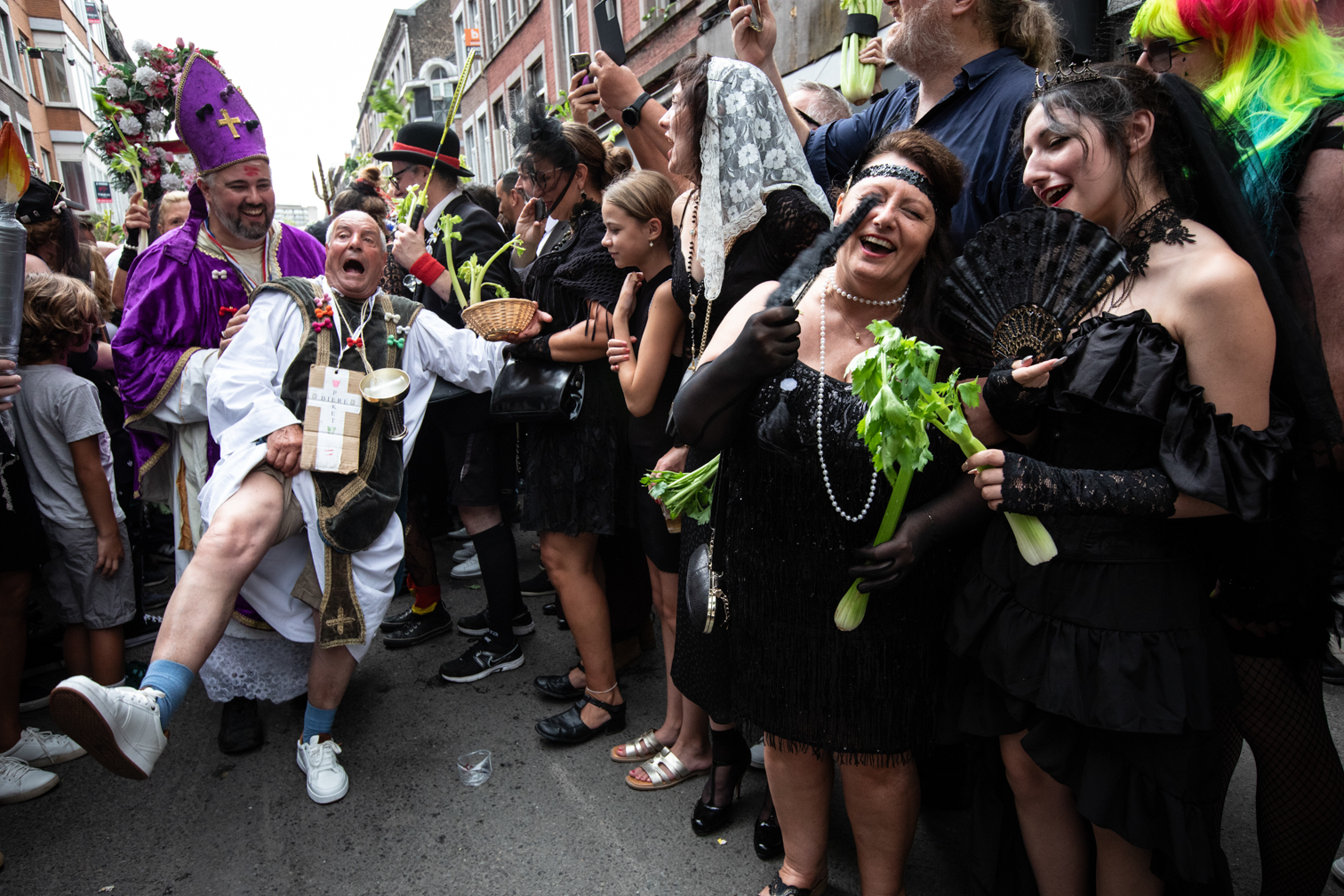
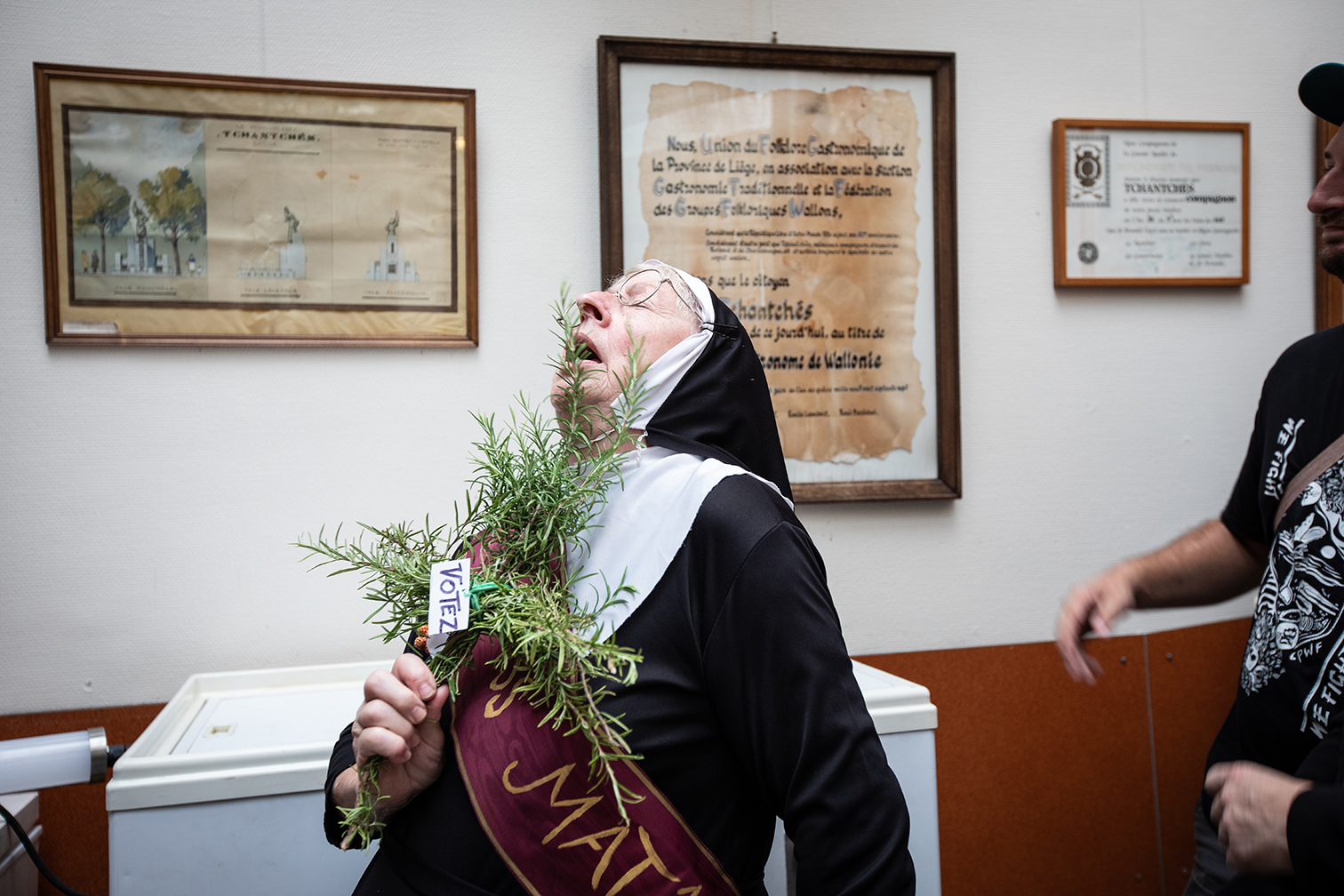
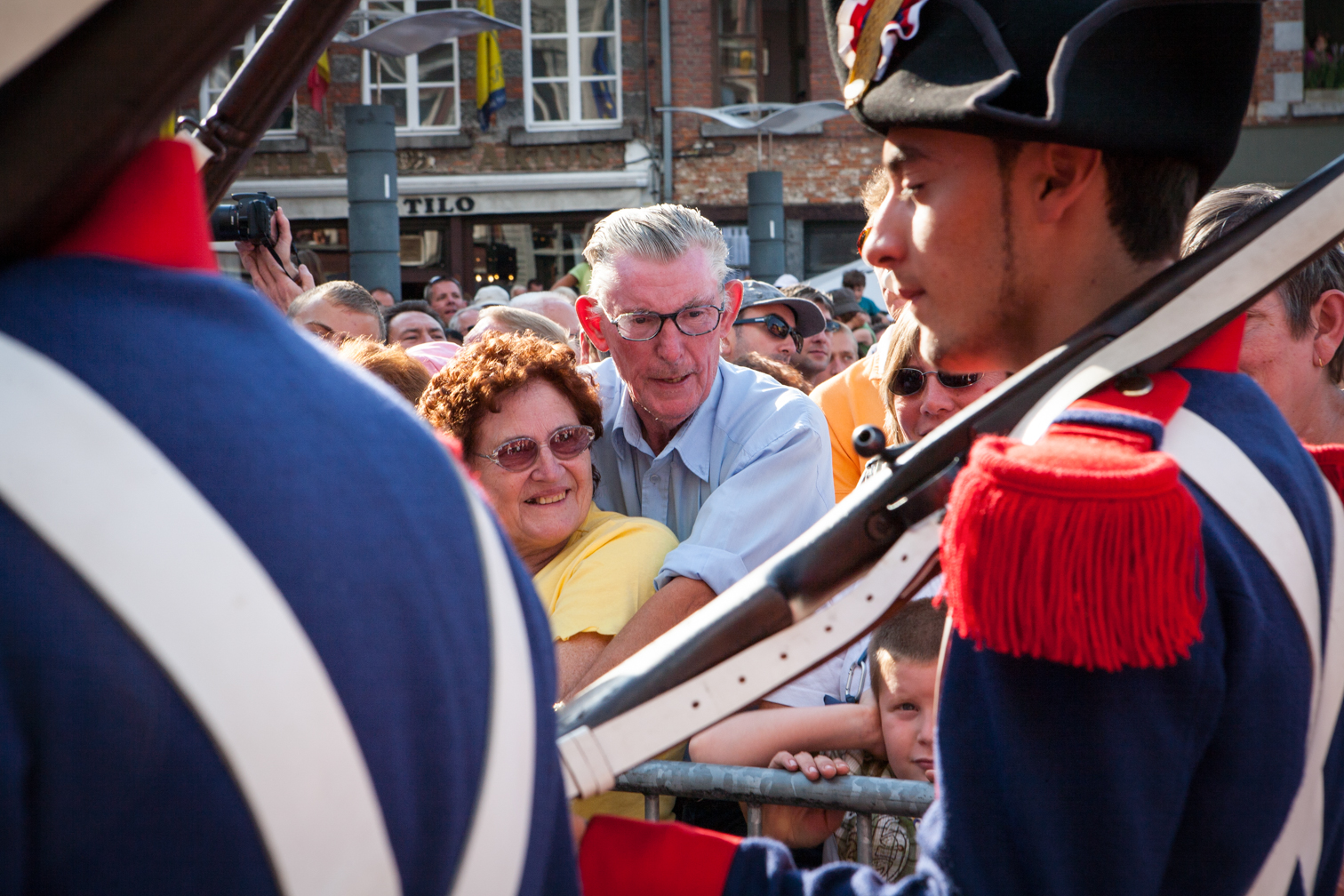
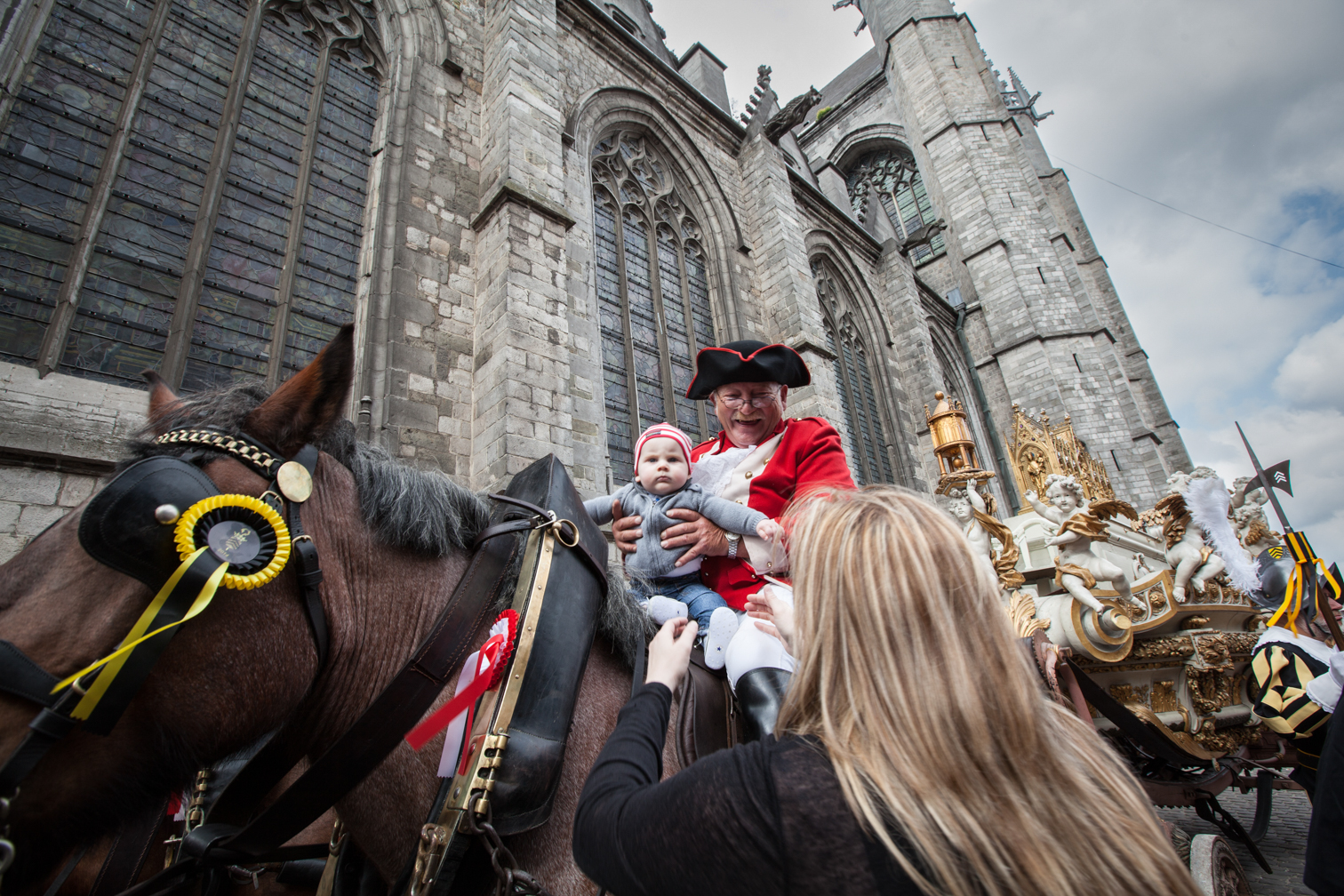
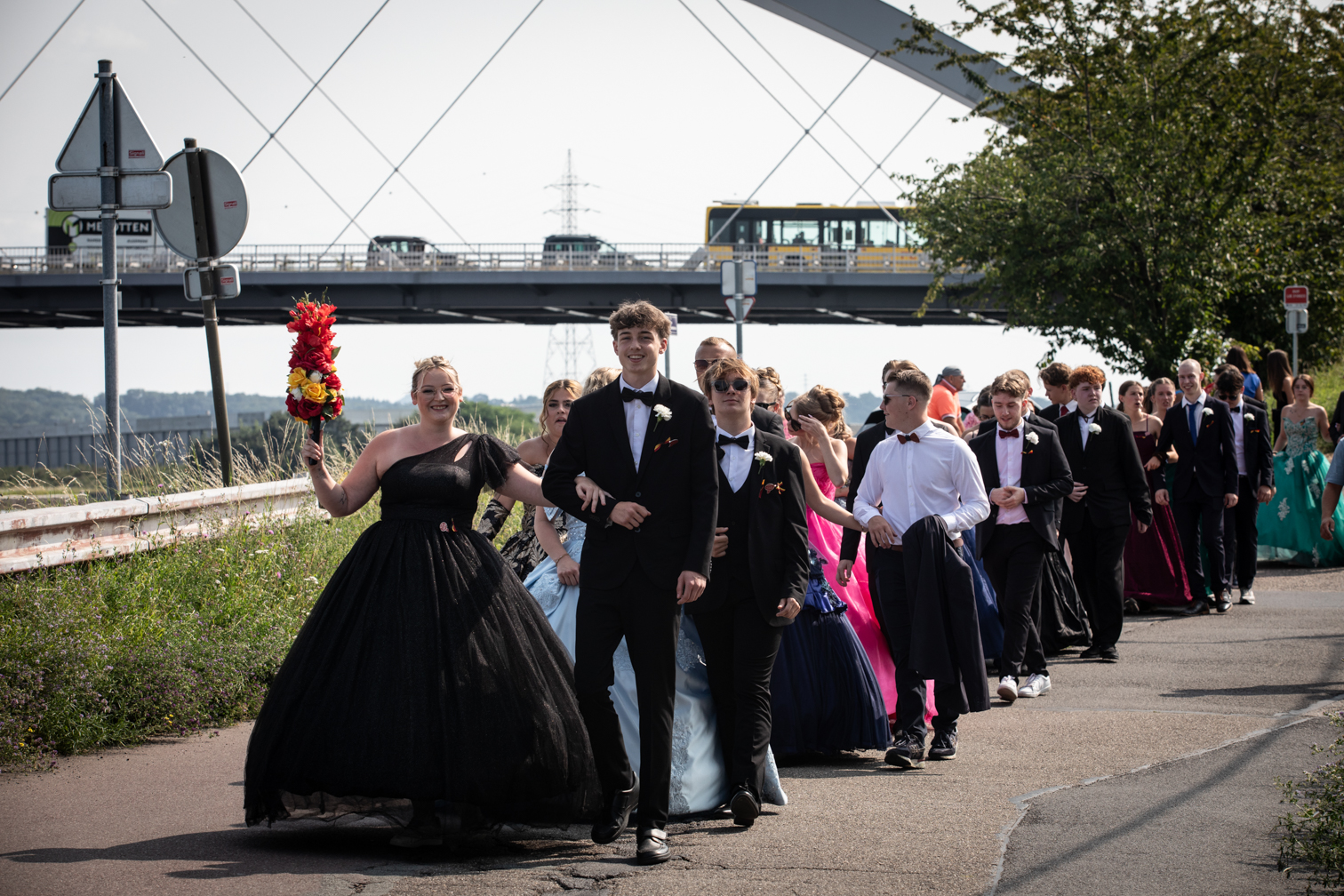
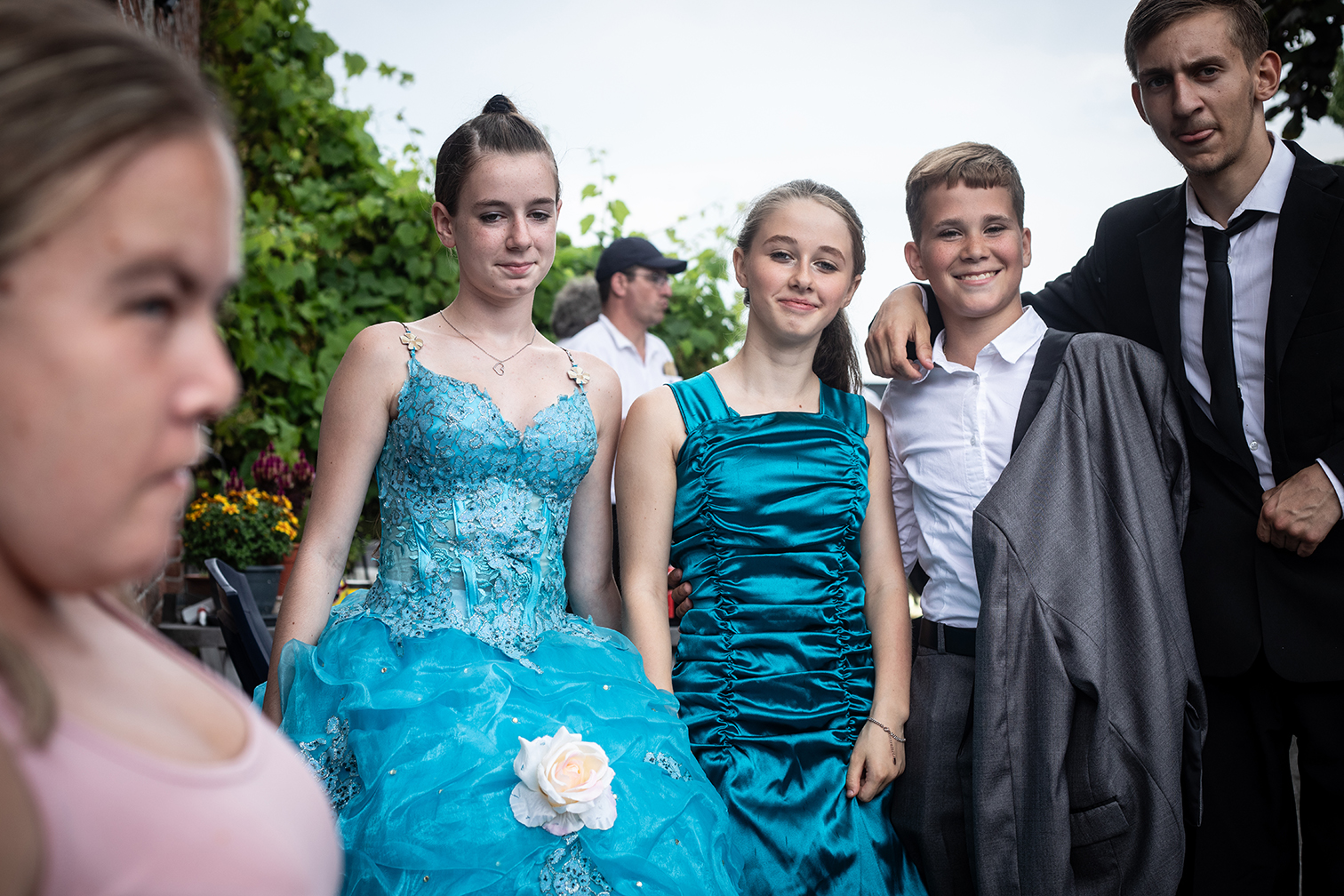
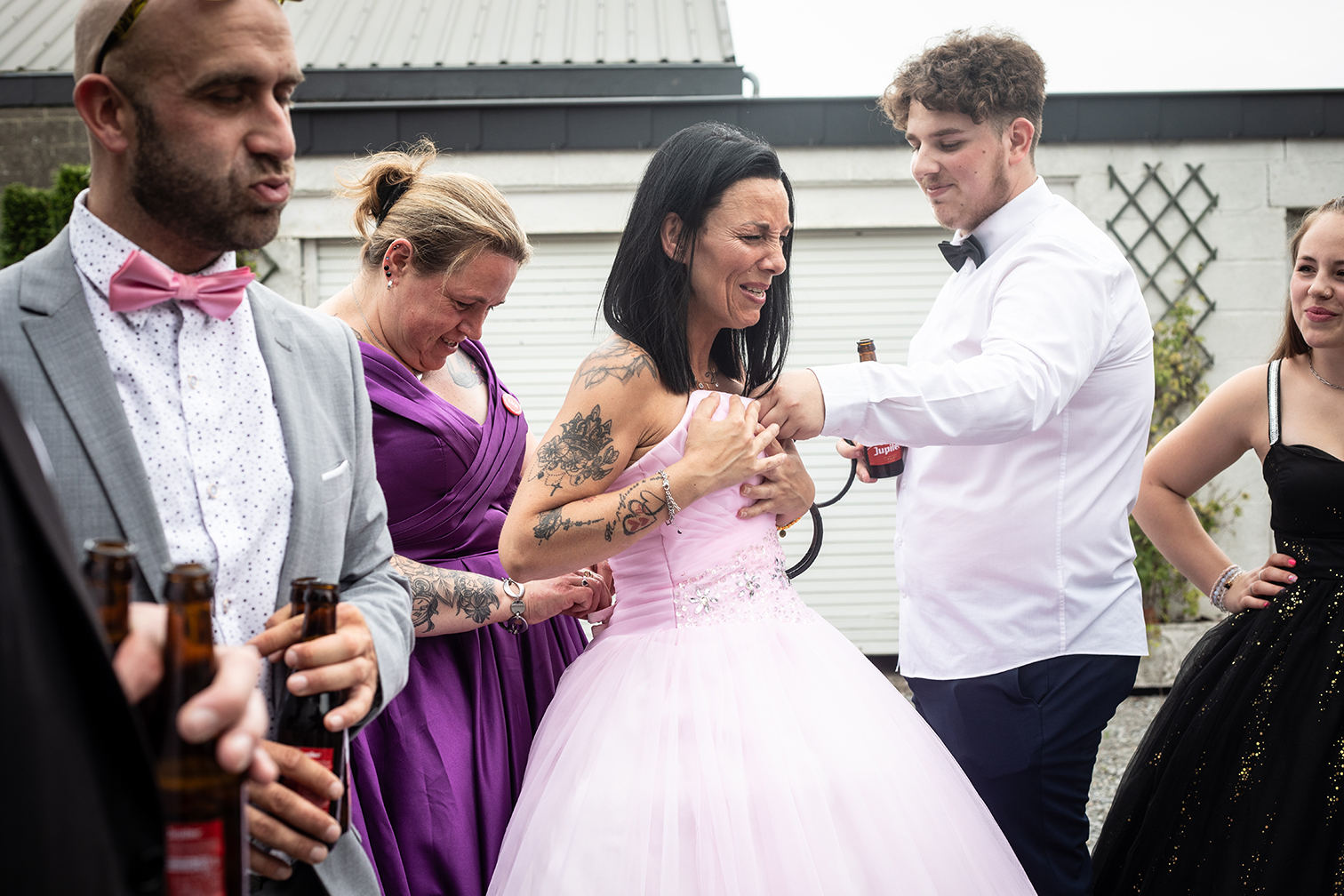
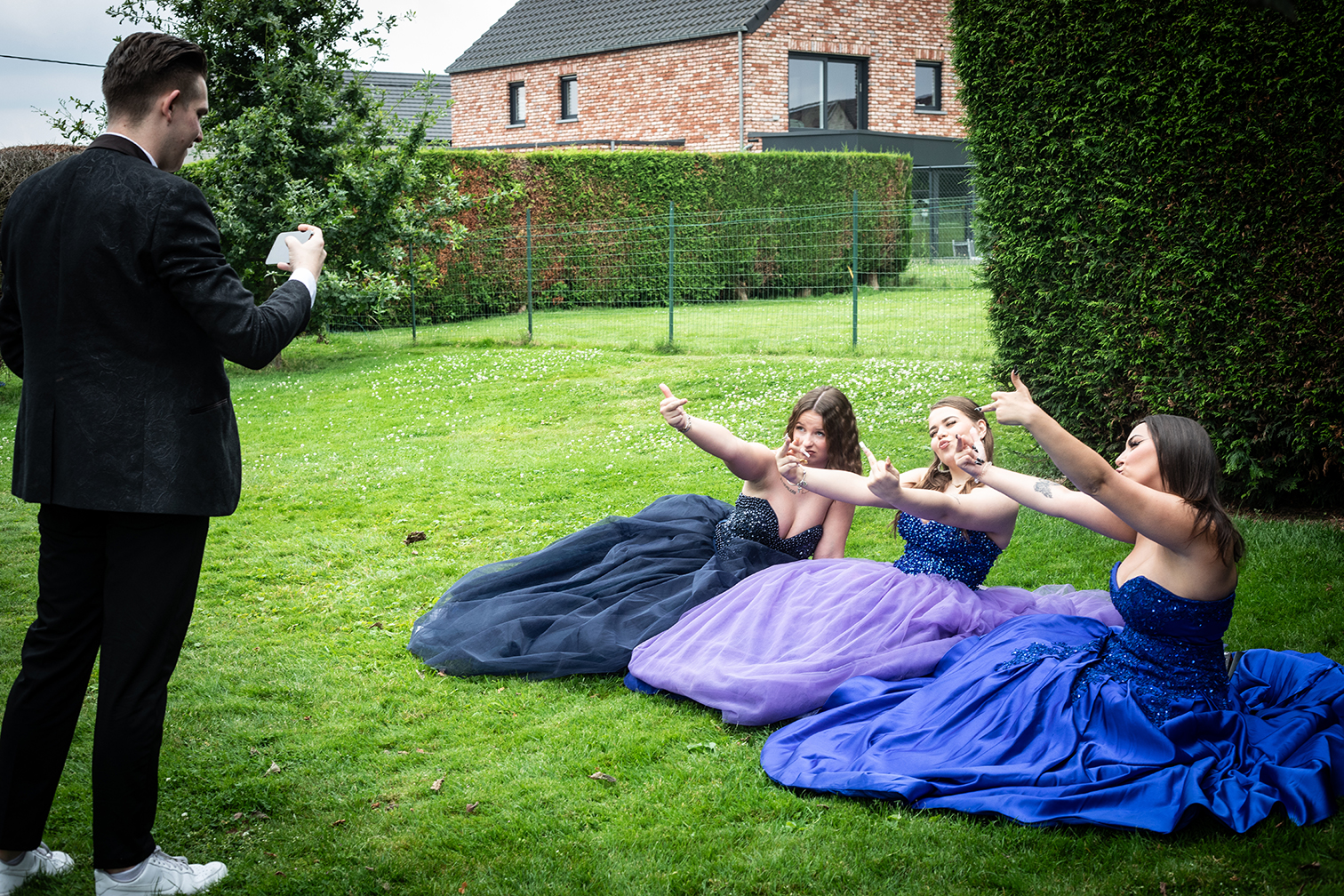
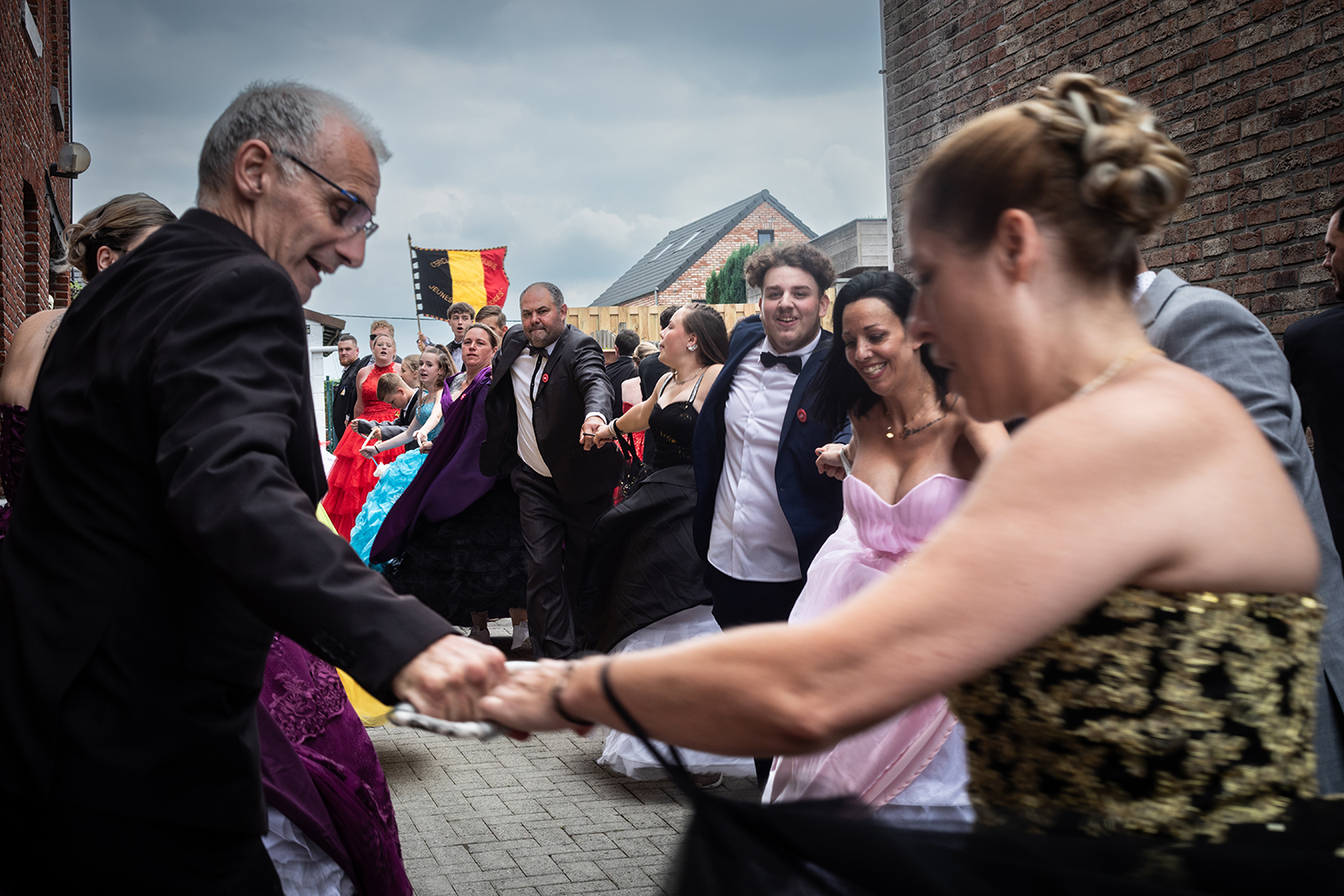
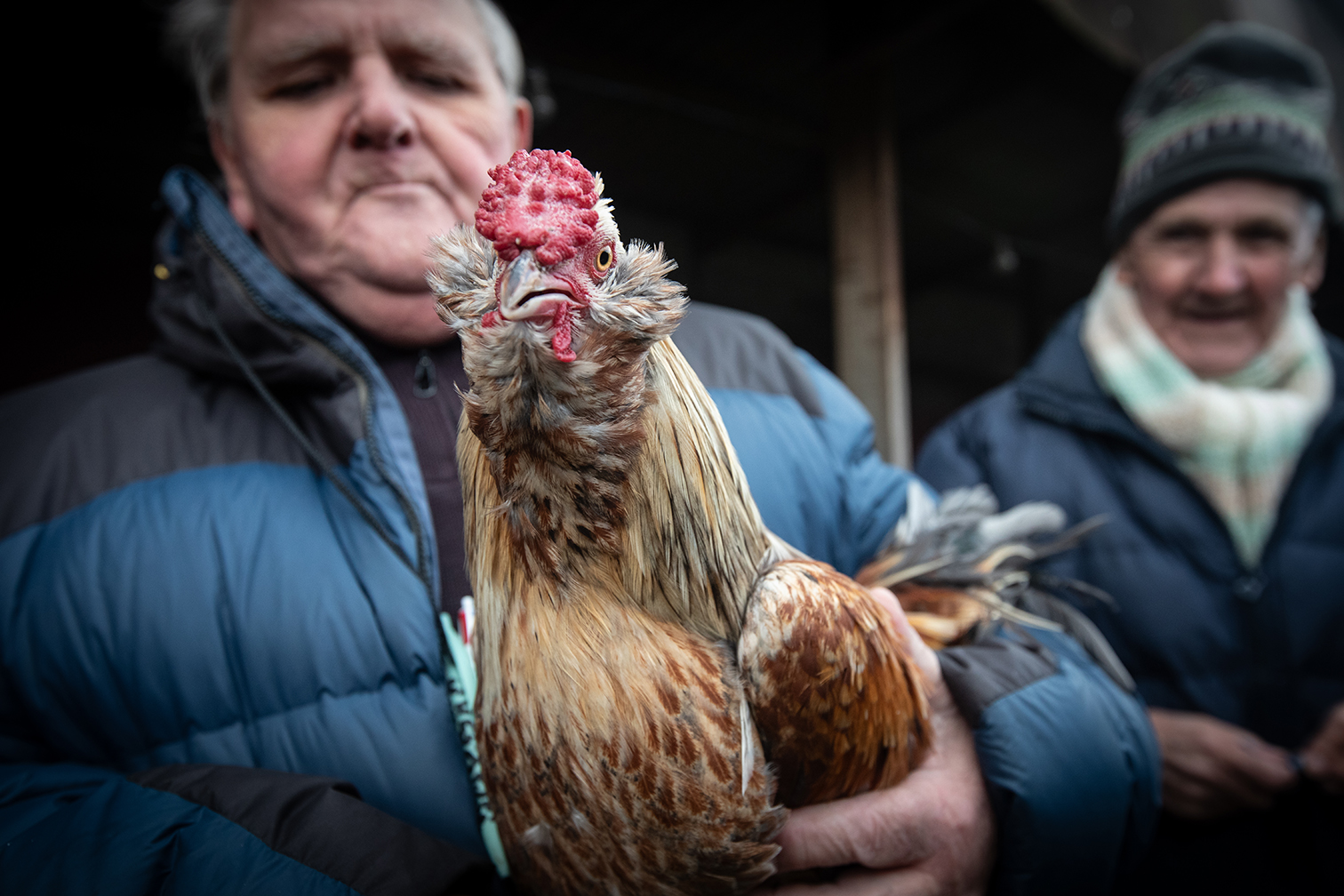
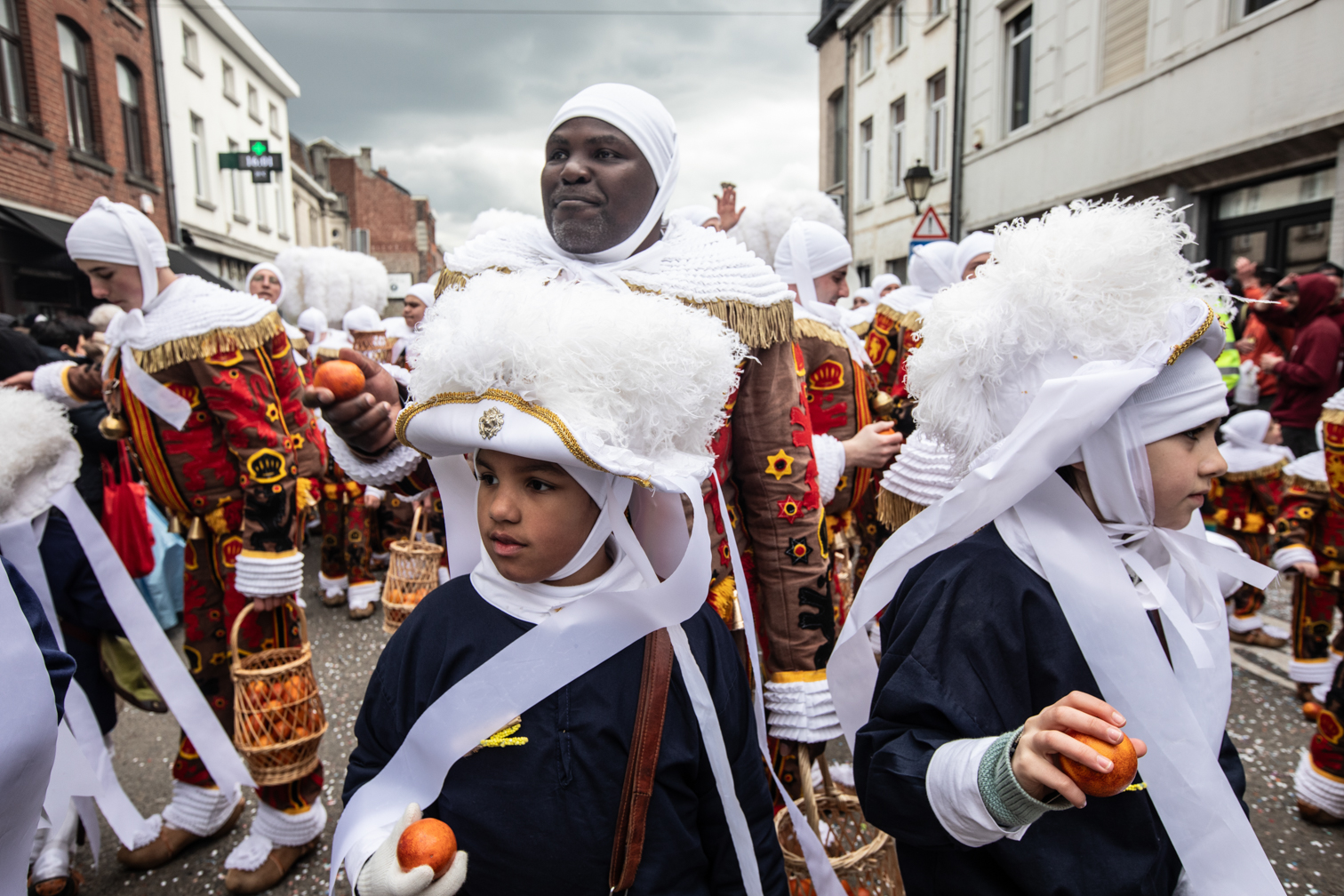
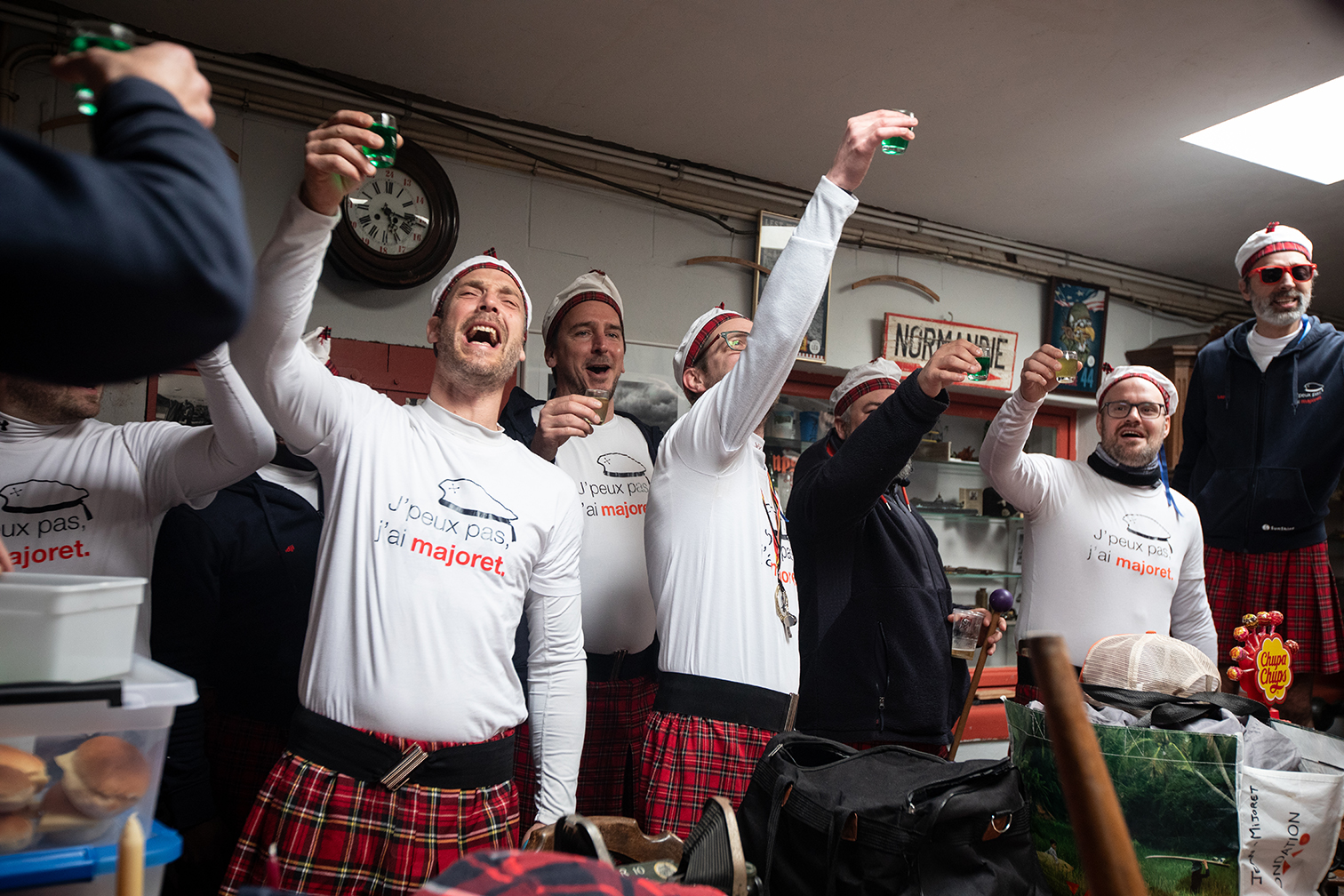
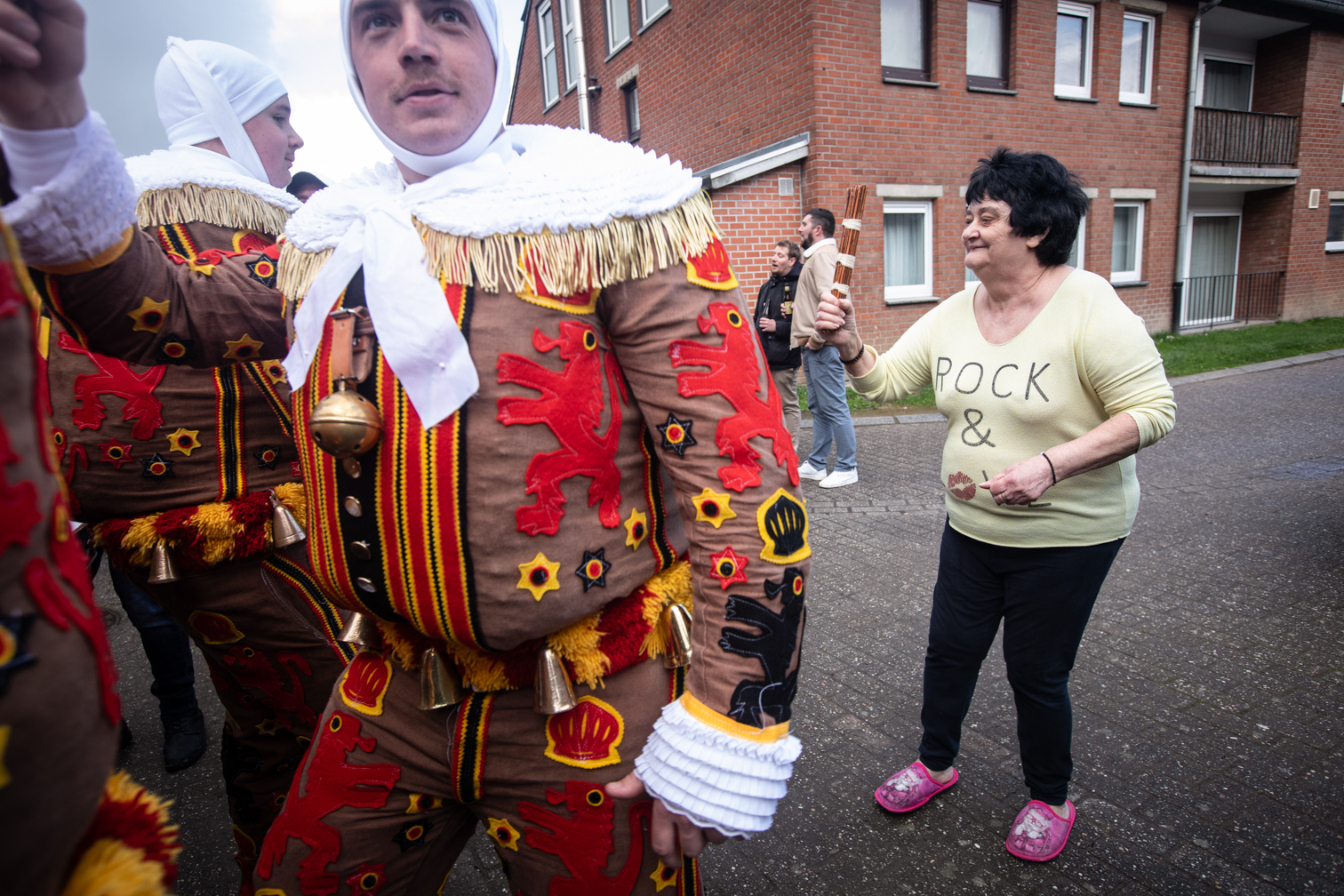
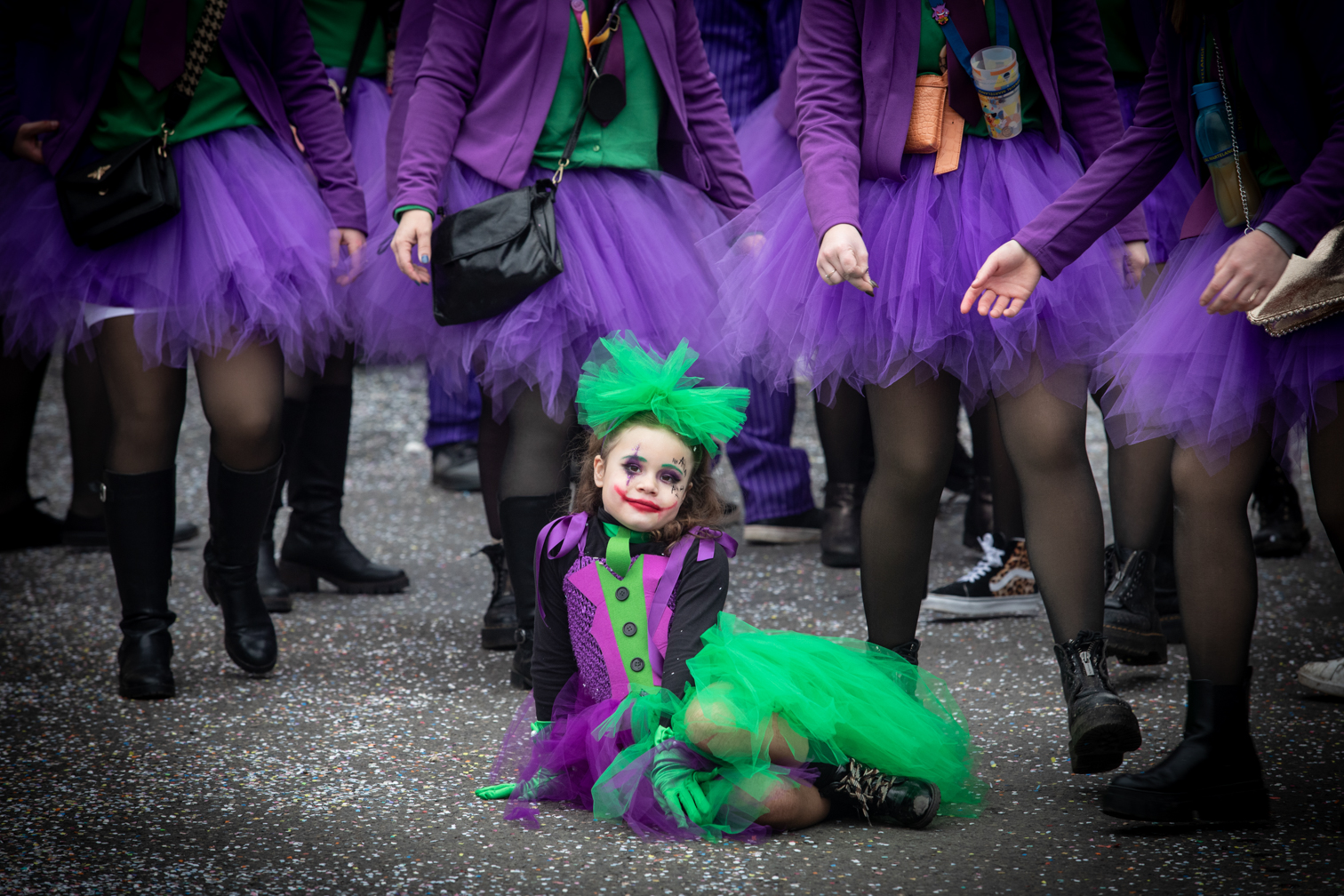
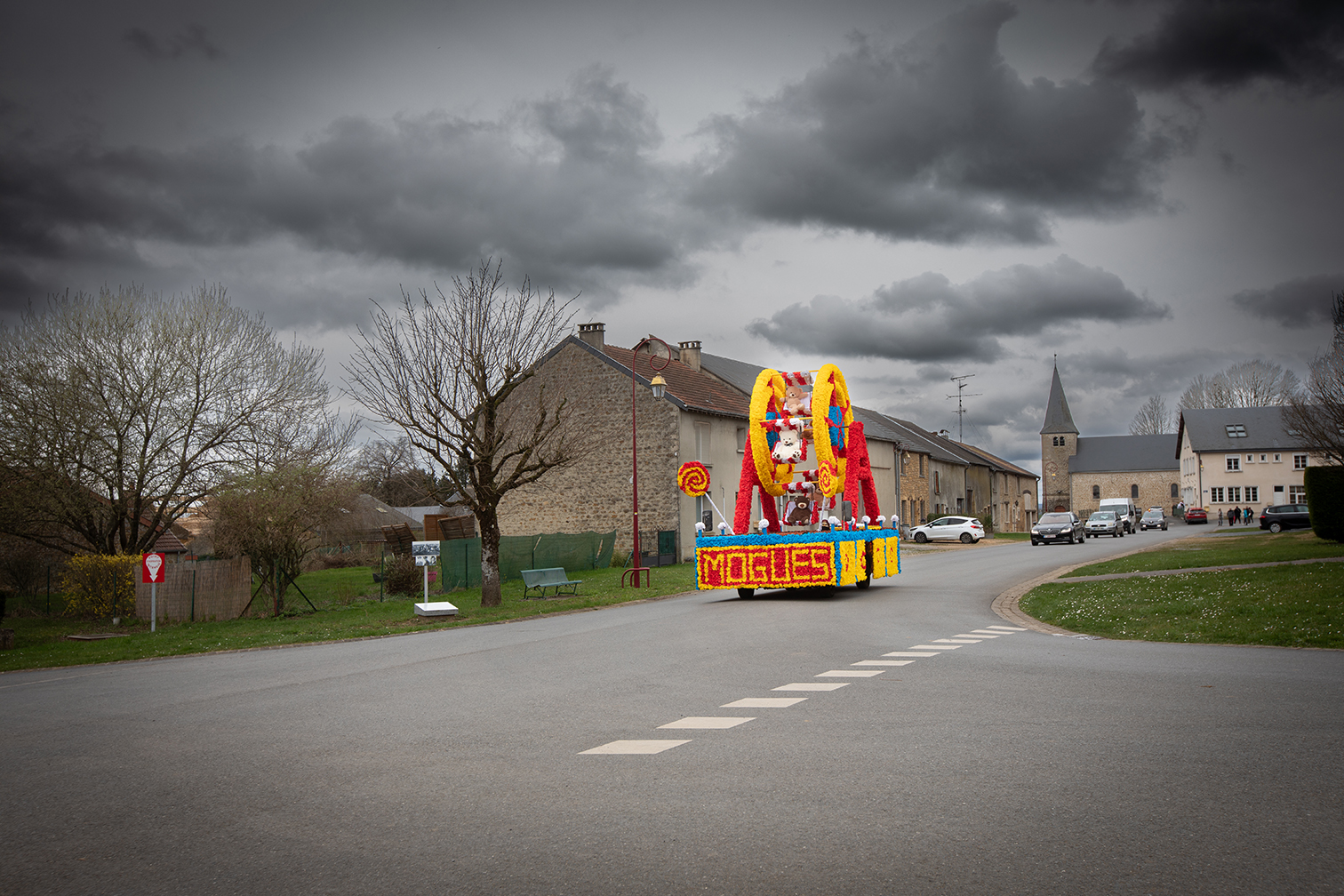
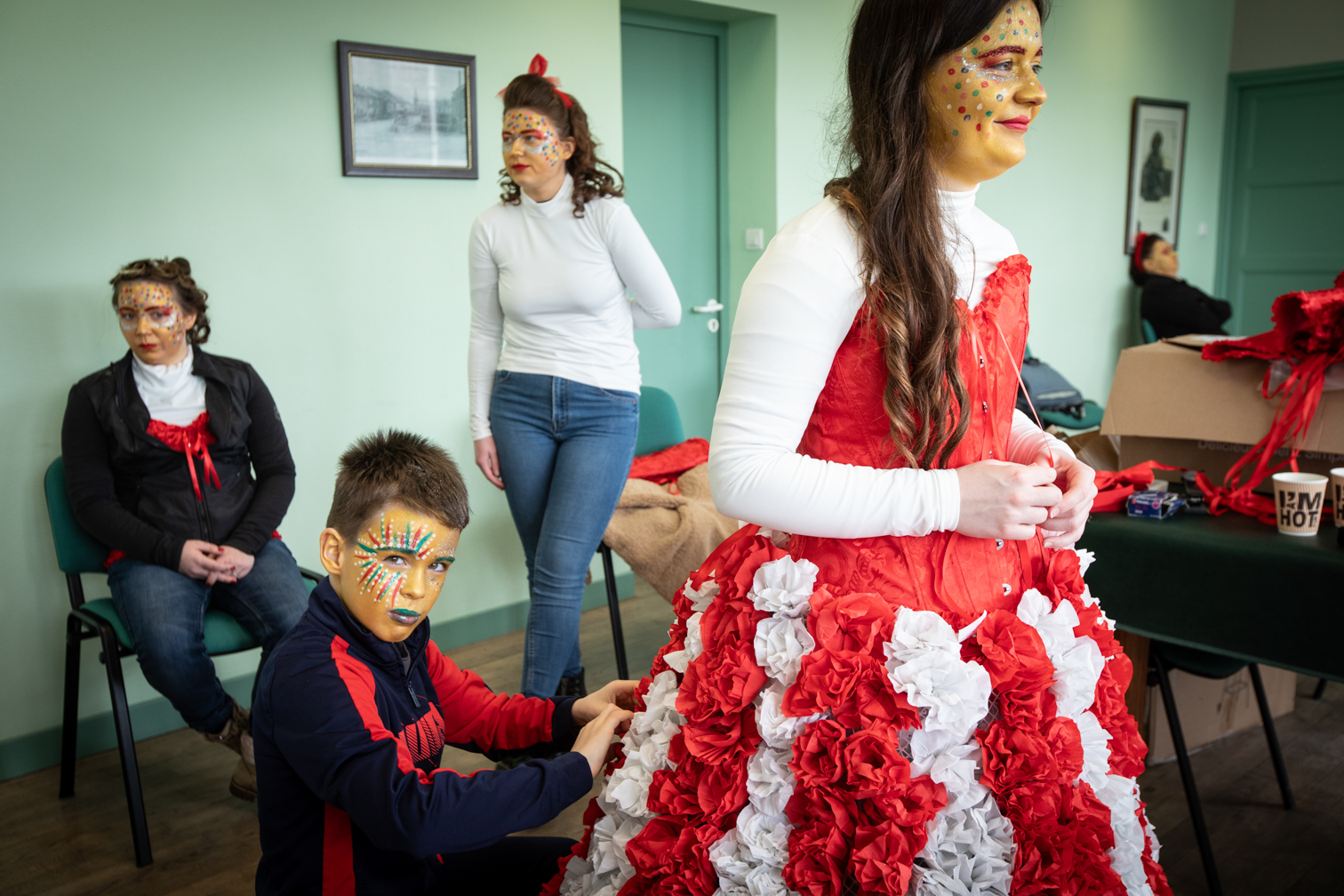
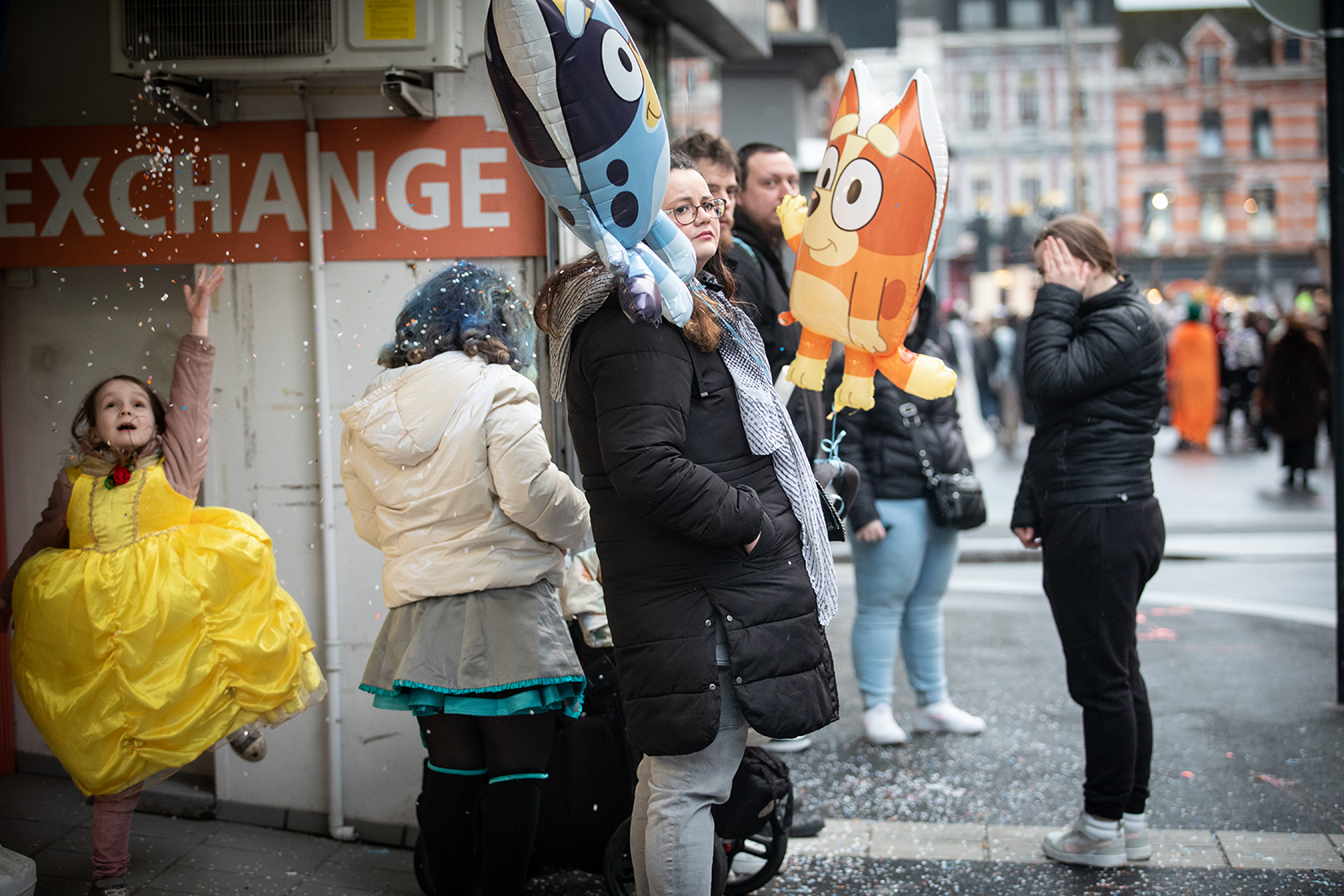
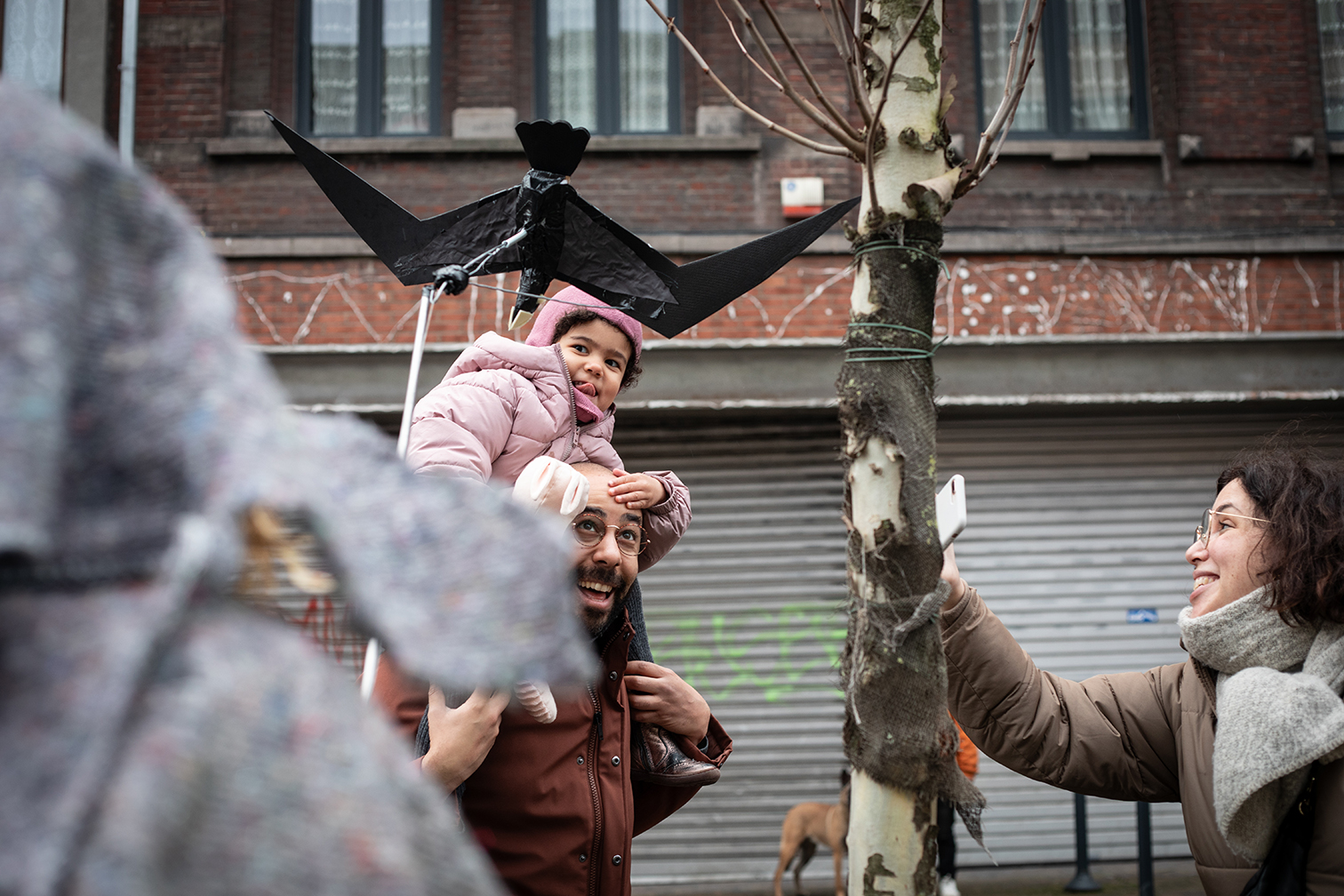
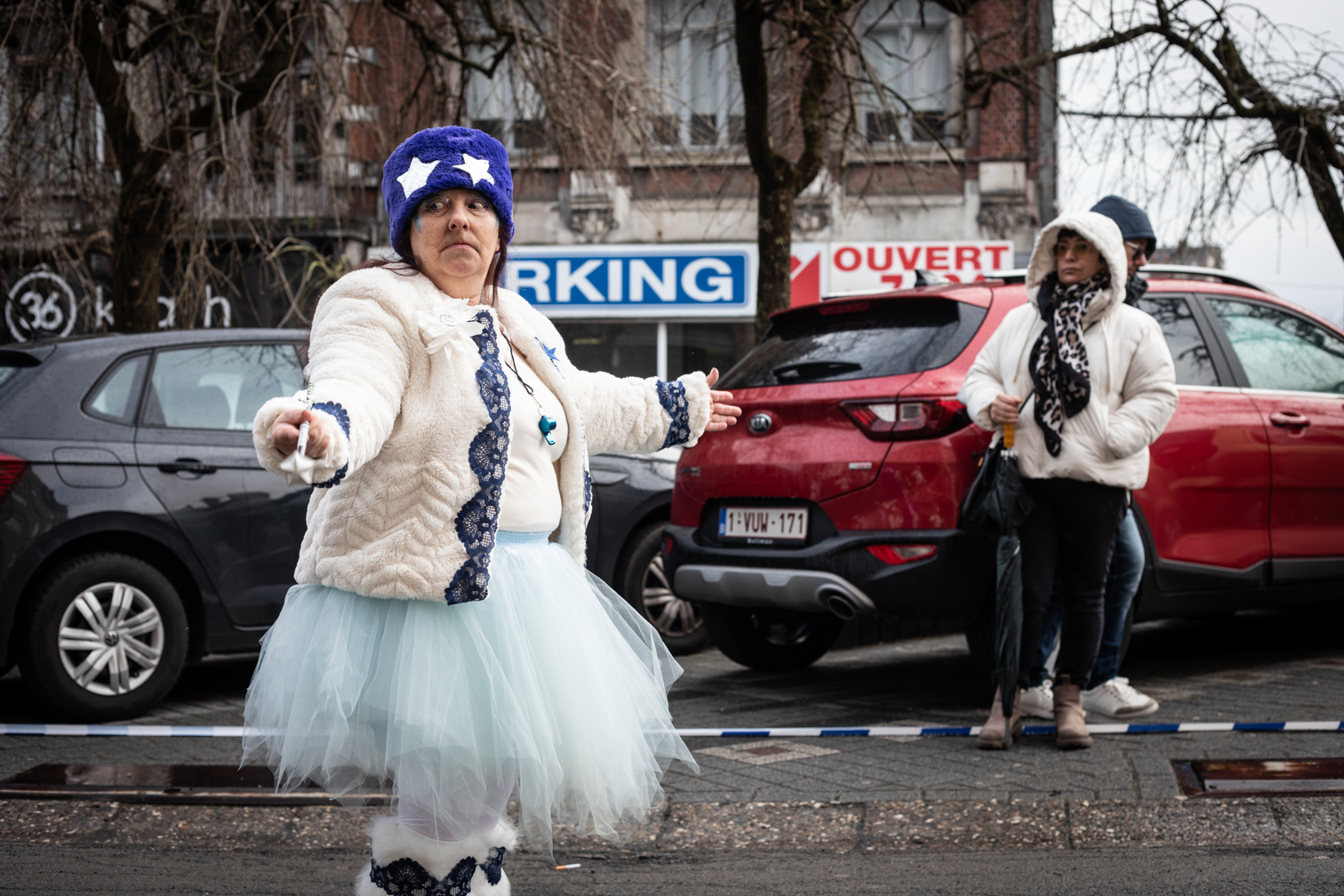
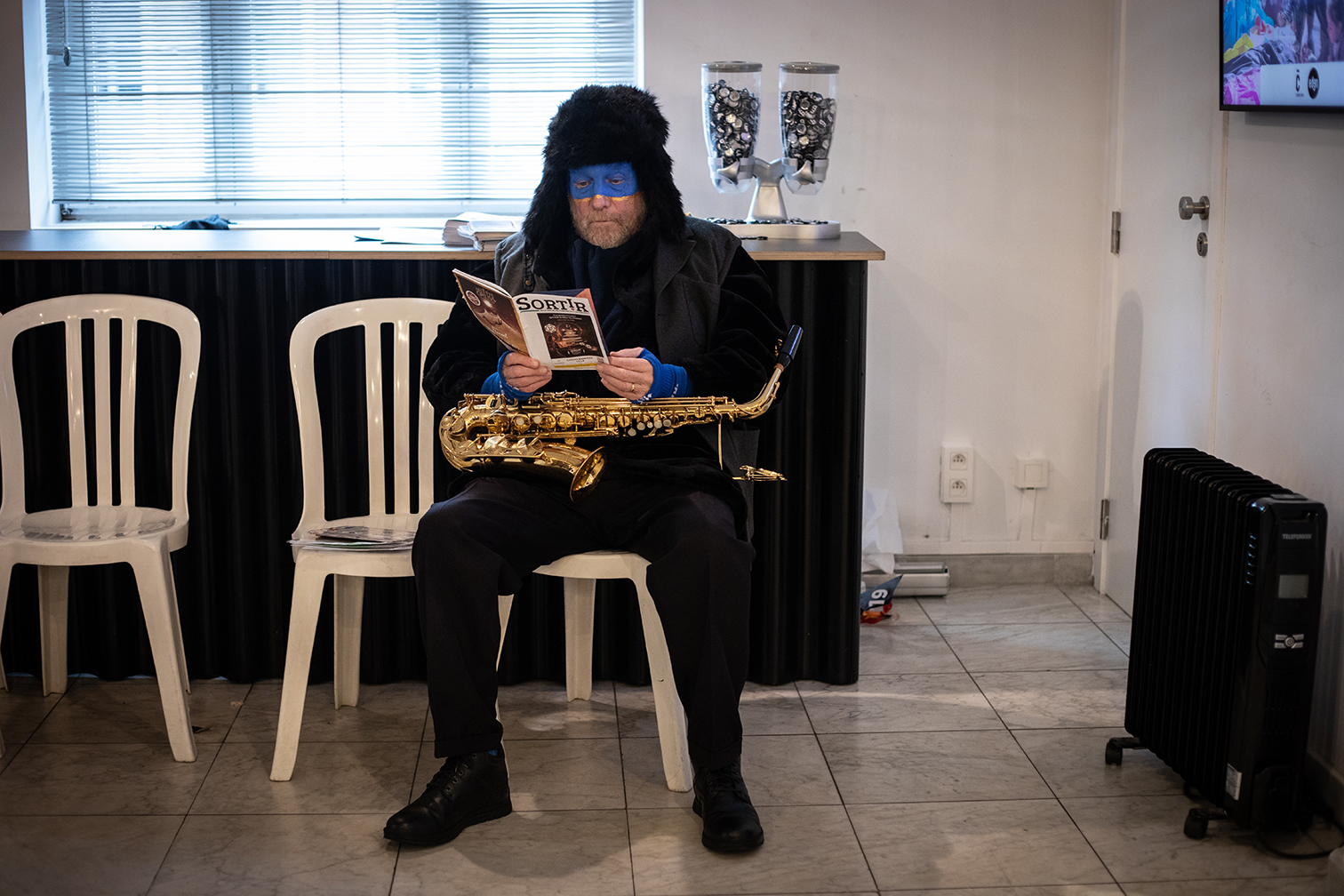
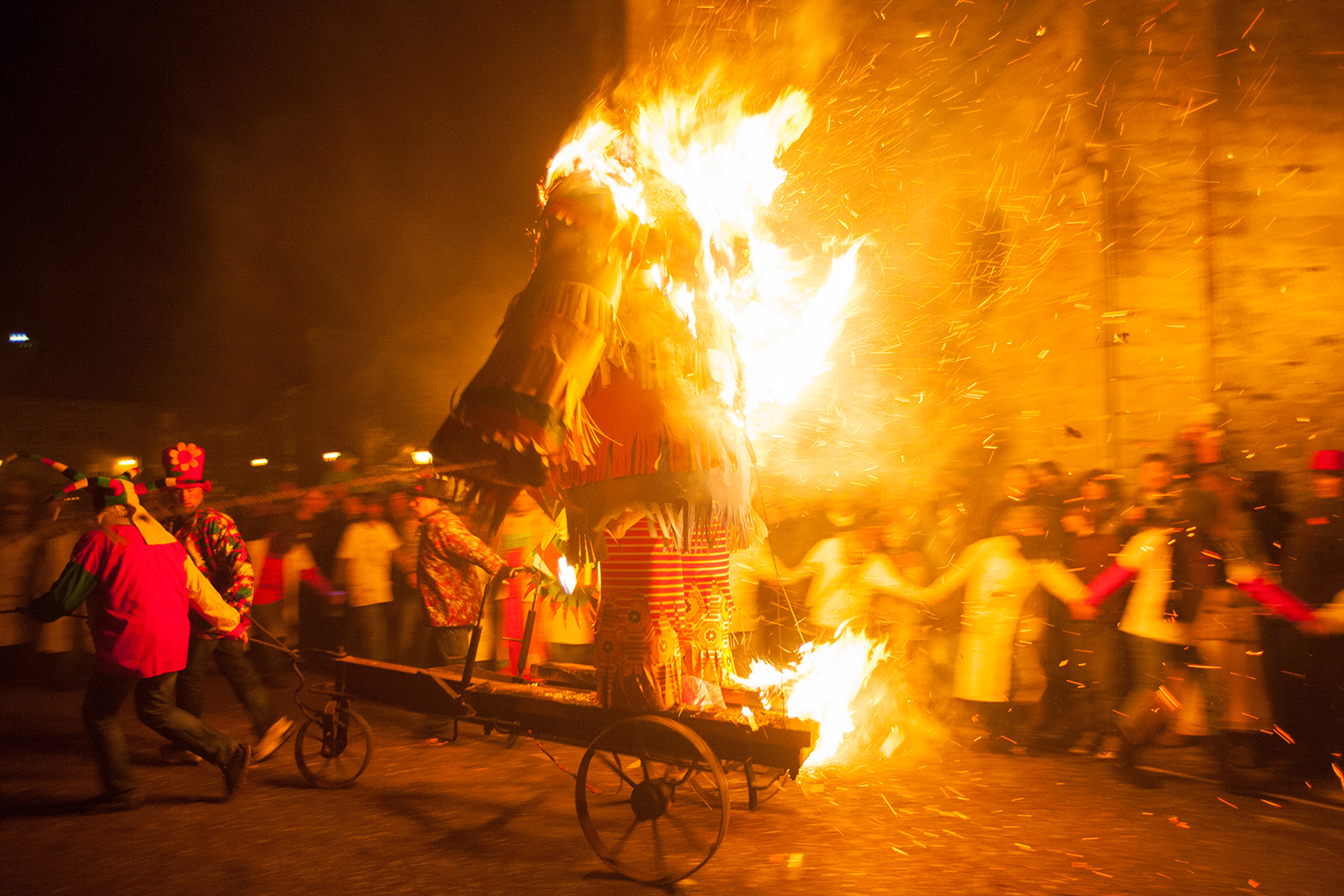
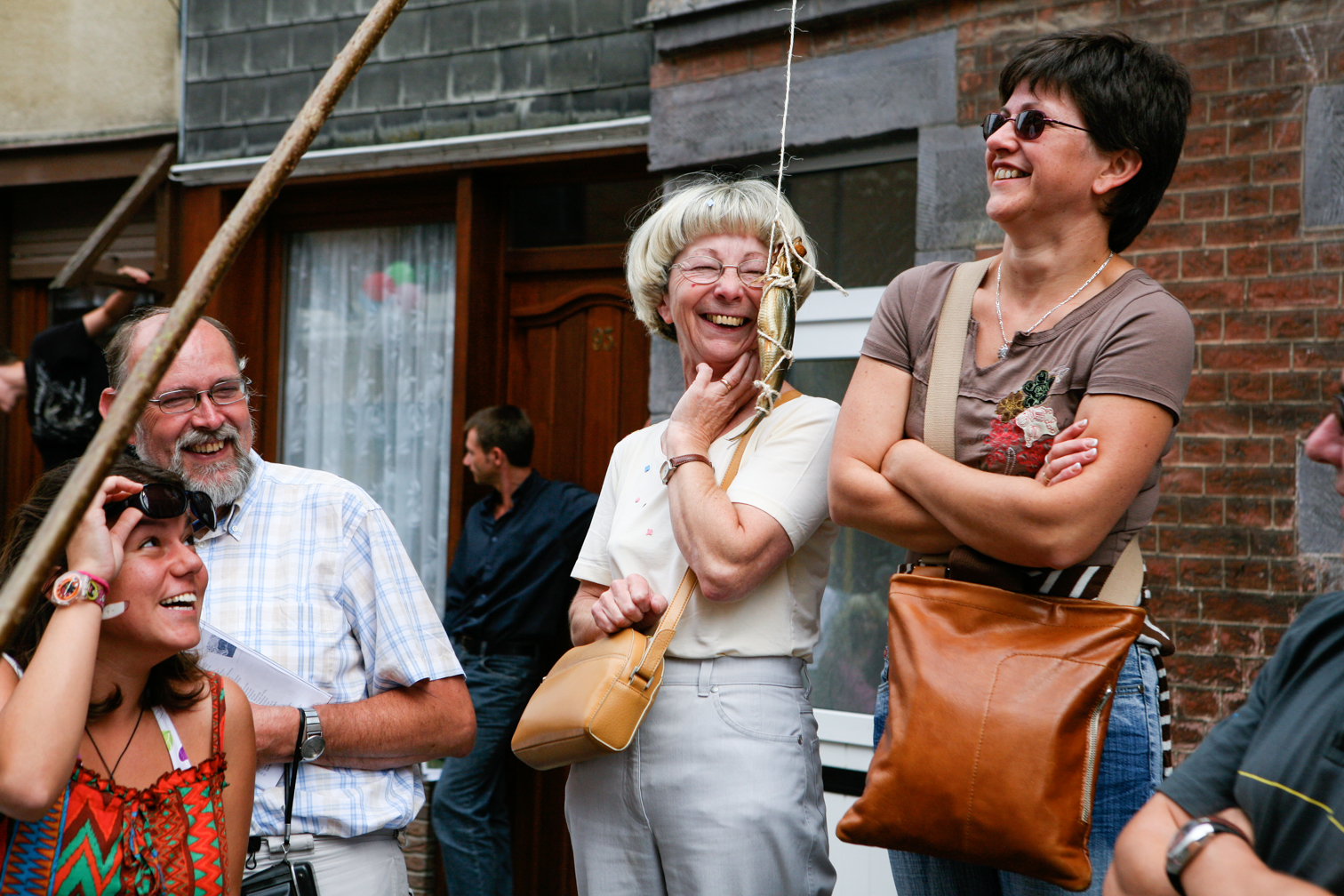
For nearly twenty years, Christophe Smets has been conducting in-depth work on Belgitude — that oh-so-abstract notion that is at once surprising, humorous, and at times surreal. It reveals itself primarily through folklore and sport, but also subtly and delicately in the small gestures of daily life.
Belgitude is a kind of attitude one adopts in this peculiar little country — for reasons no one truly seeks to understand, but which are often tinged with a certain magic…
We set out to meet Belgians and document how they experience the events that bring people together today.
A Guide to Walloon Folklore was published based on the photographic work (Éditions La Renaissance du Livre).
Texts: Jacques Willemart
Photos: Christophe Smets
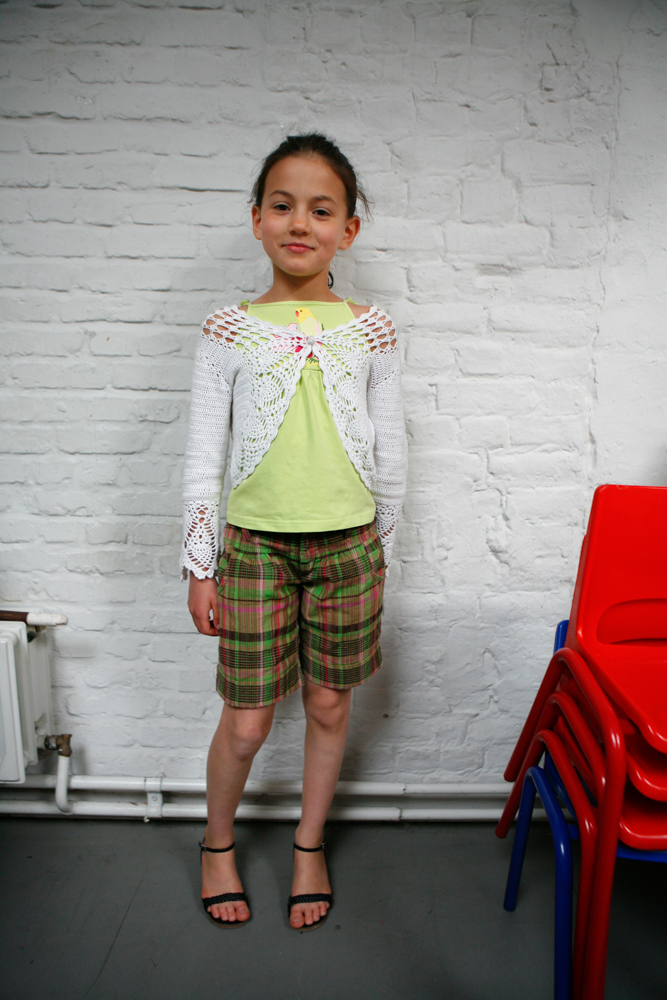
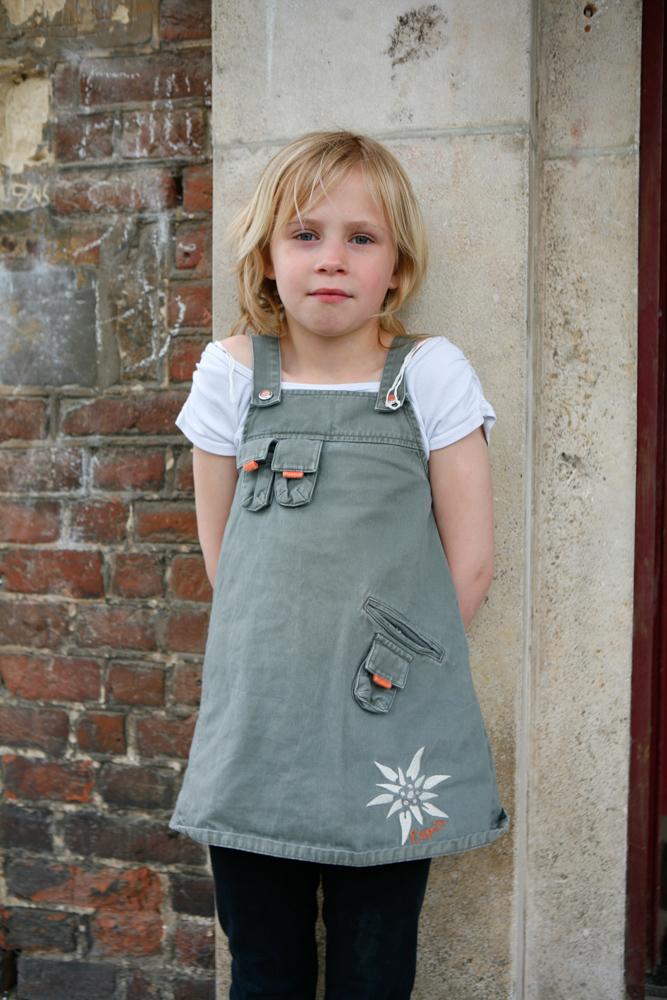
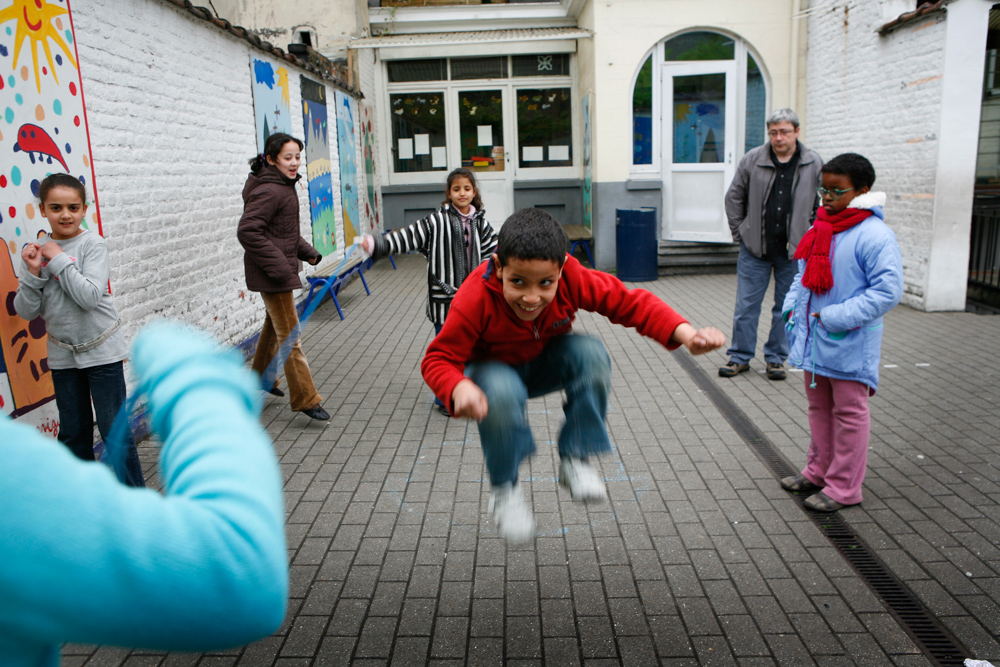
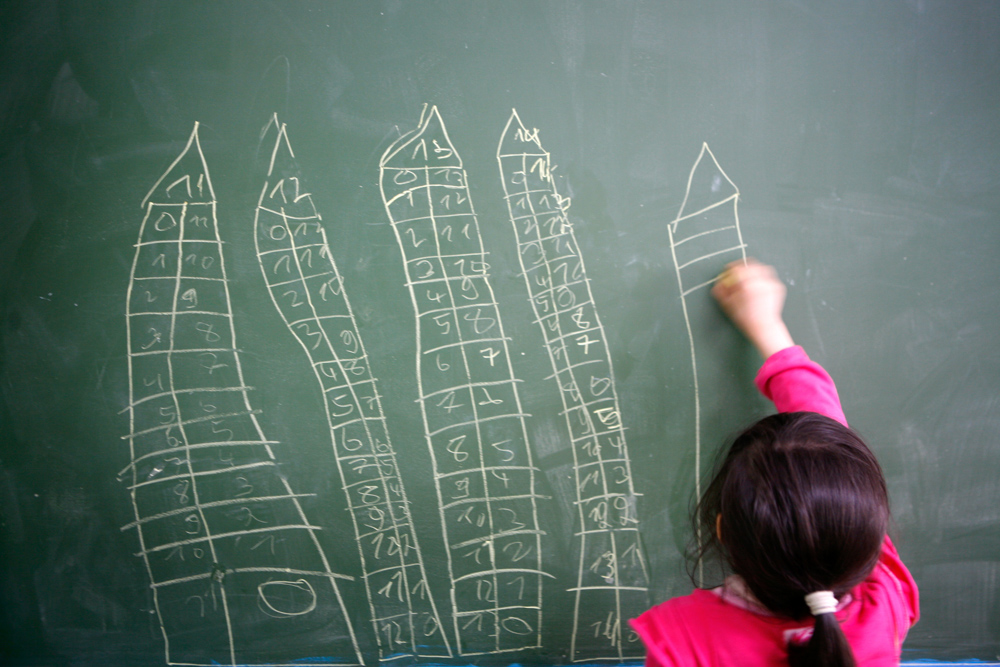
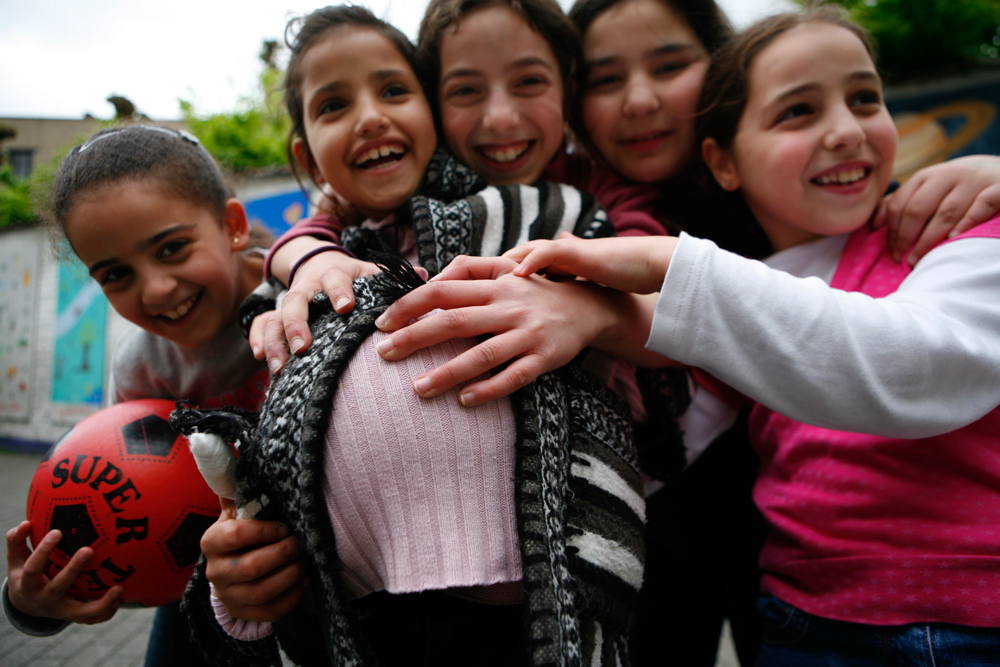
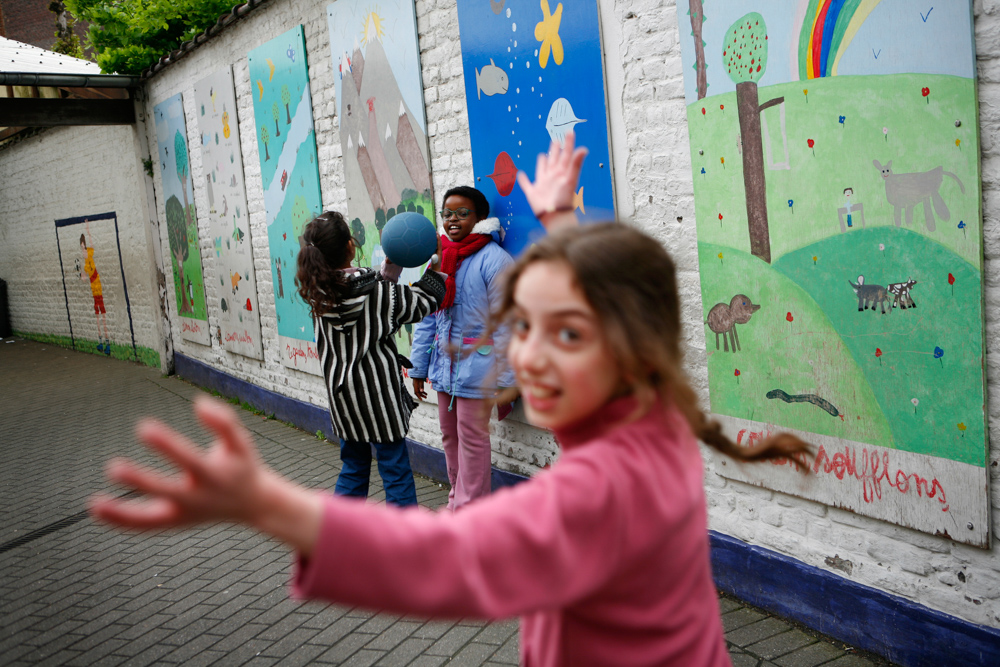
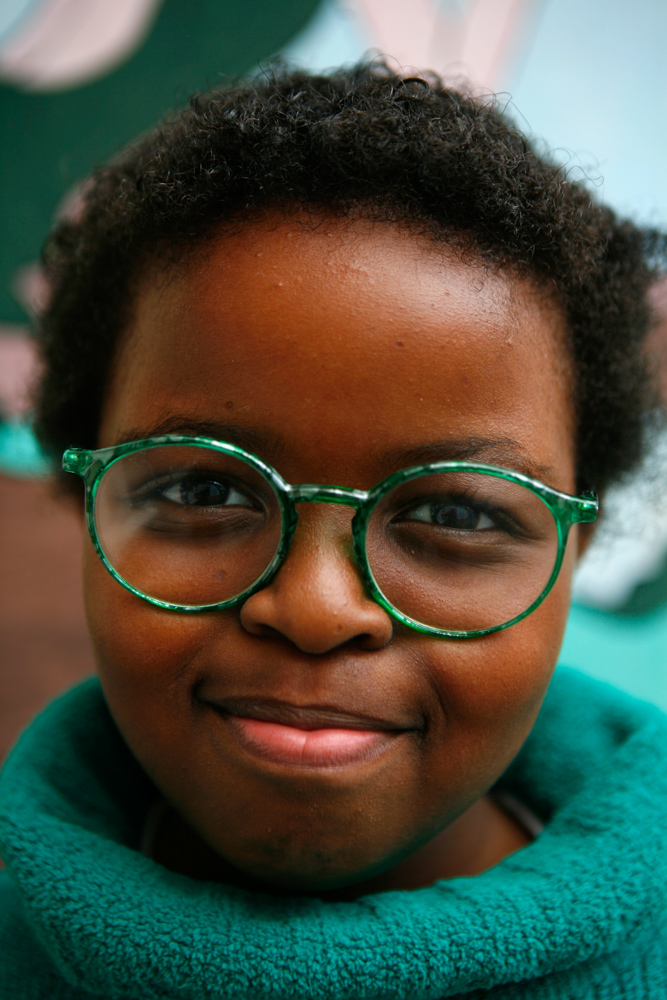
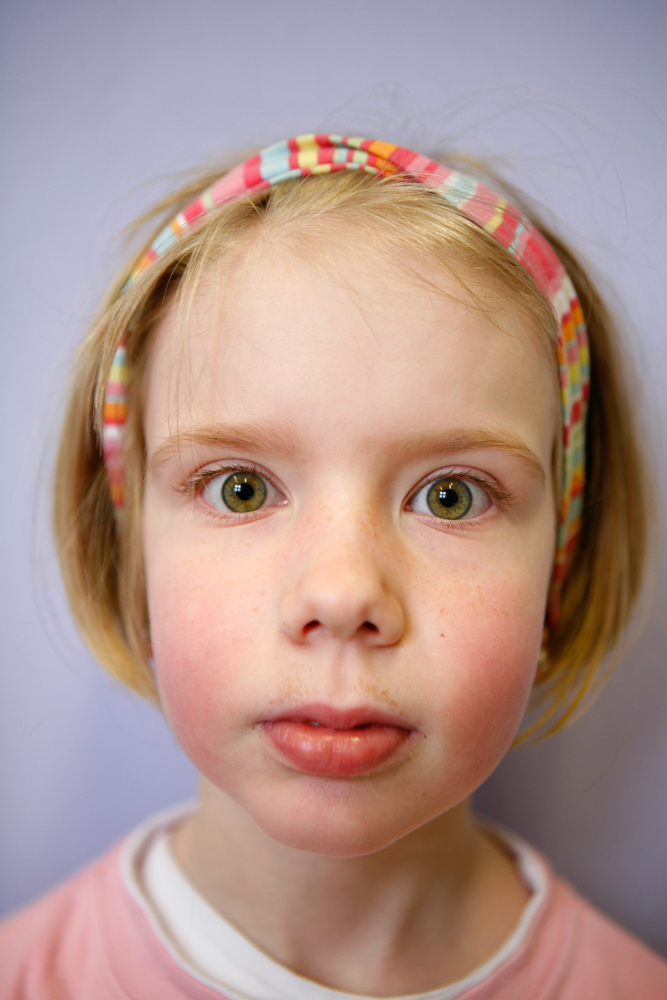
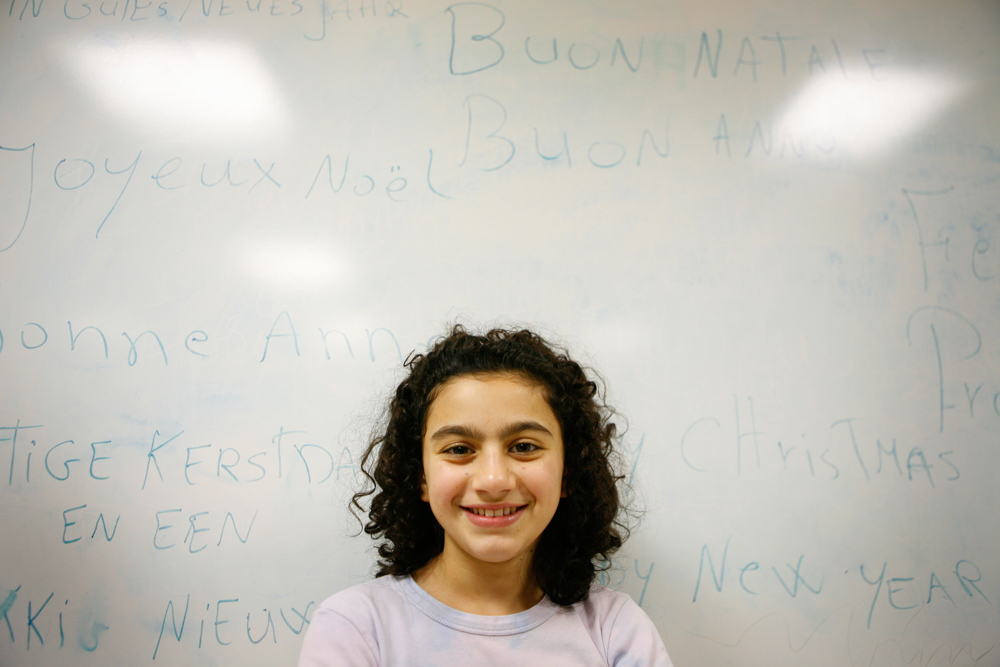
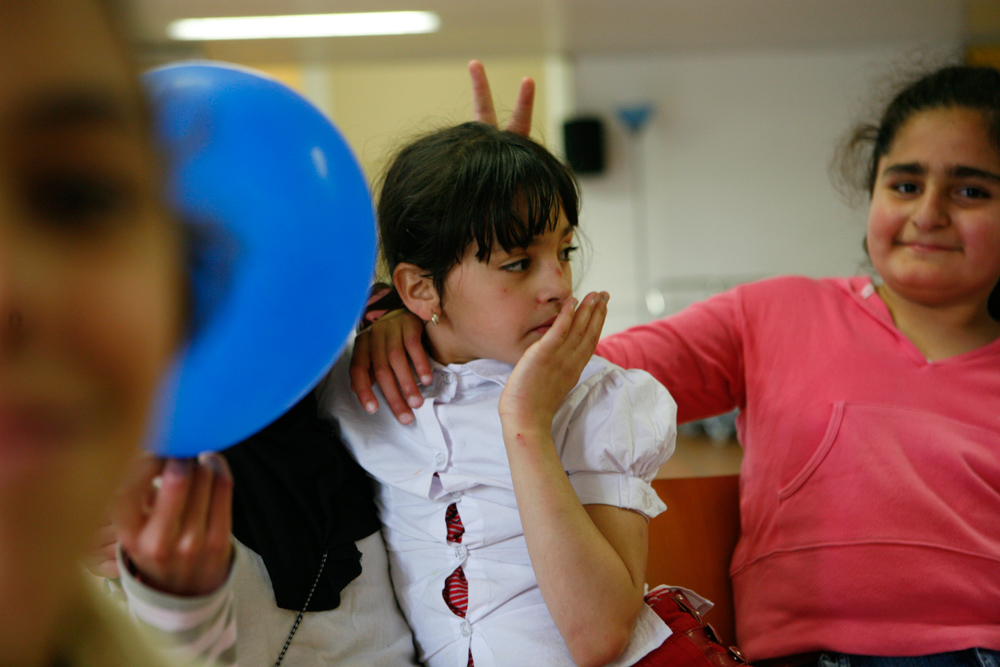
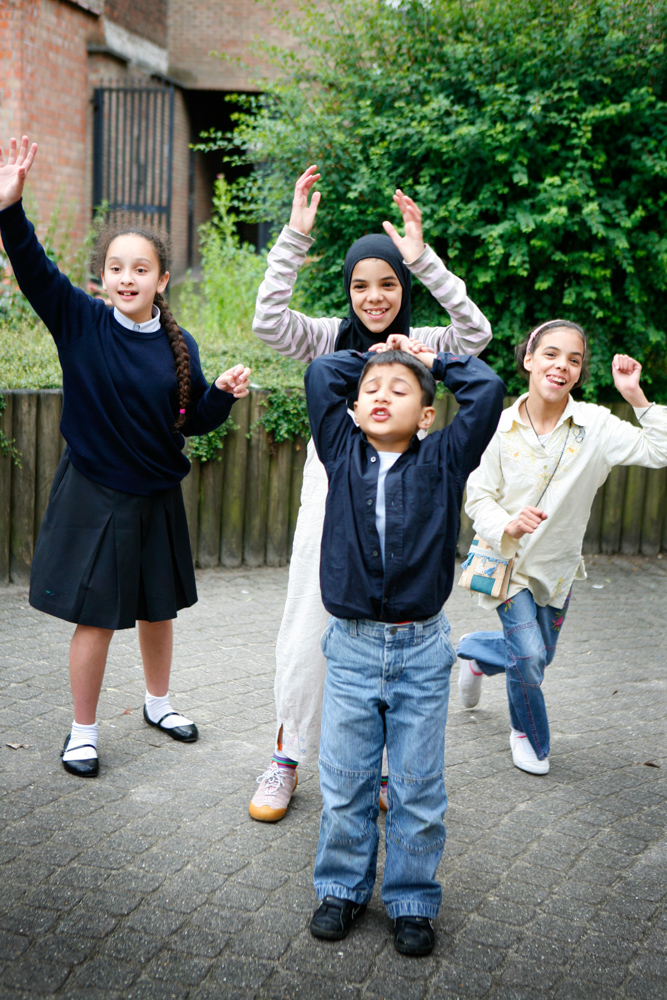
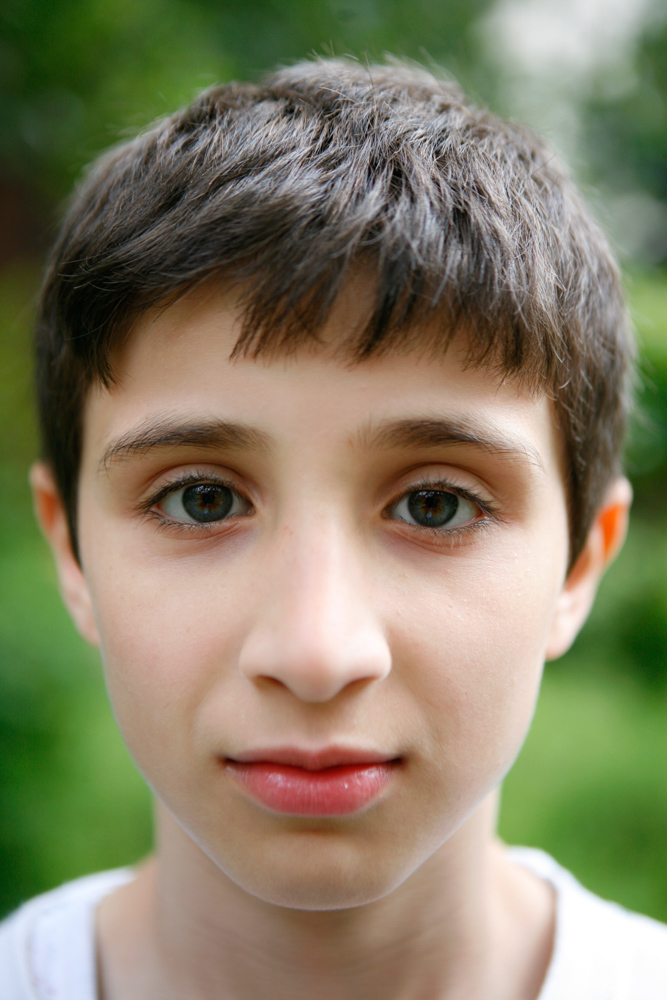
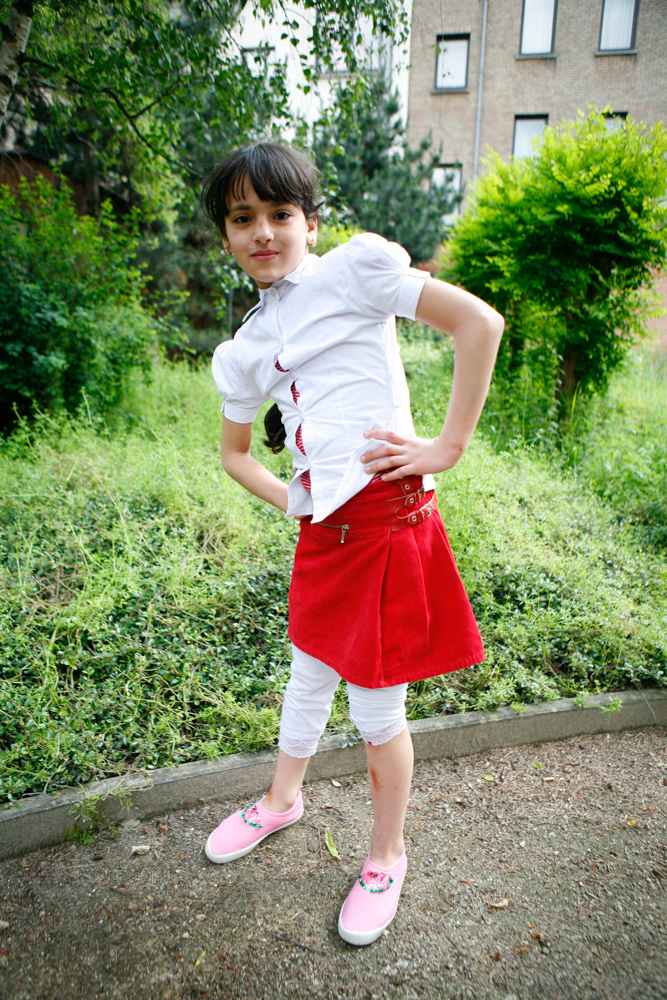
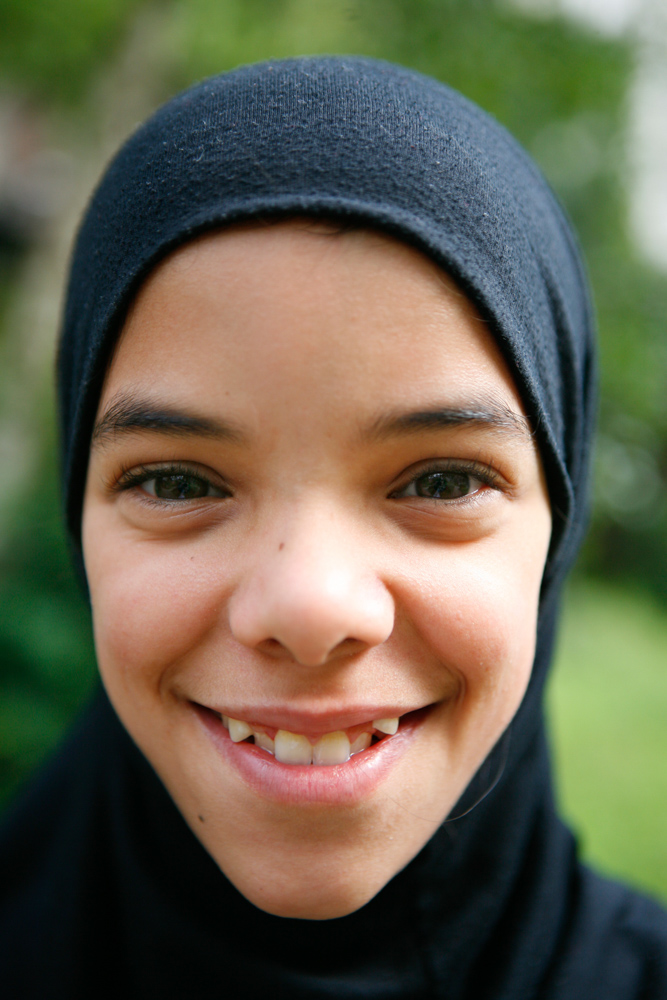
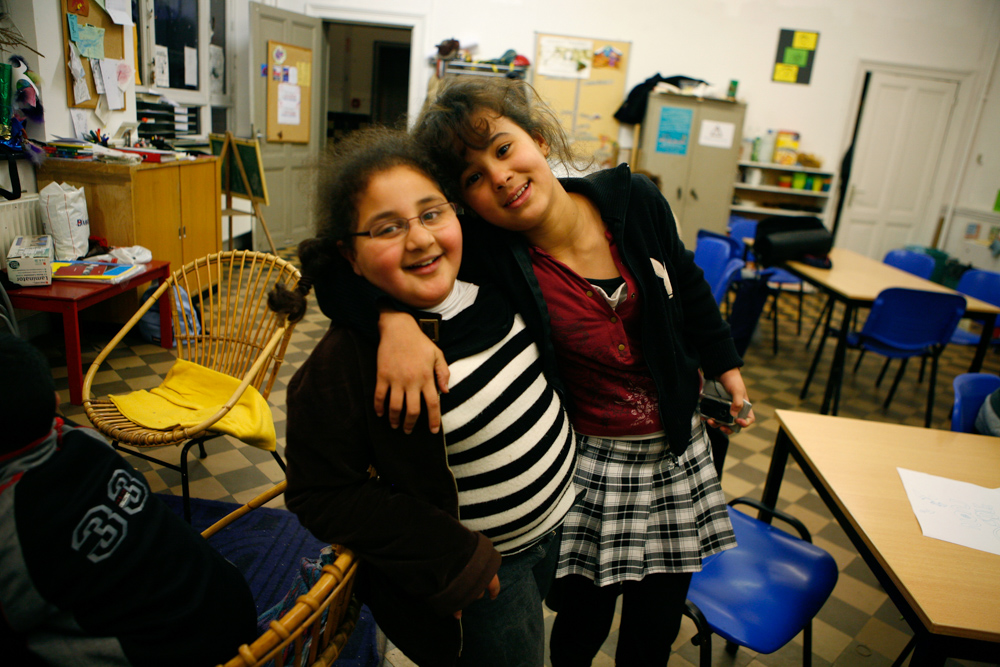
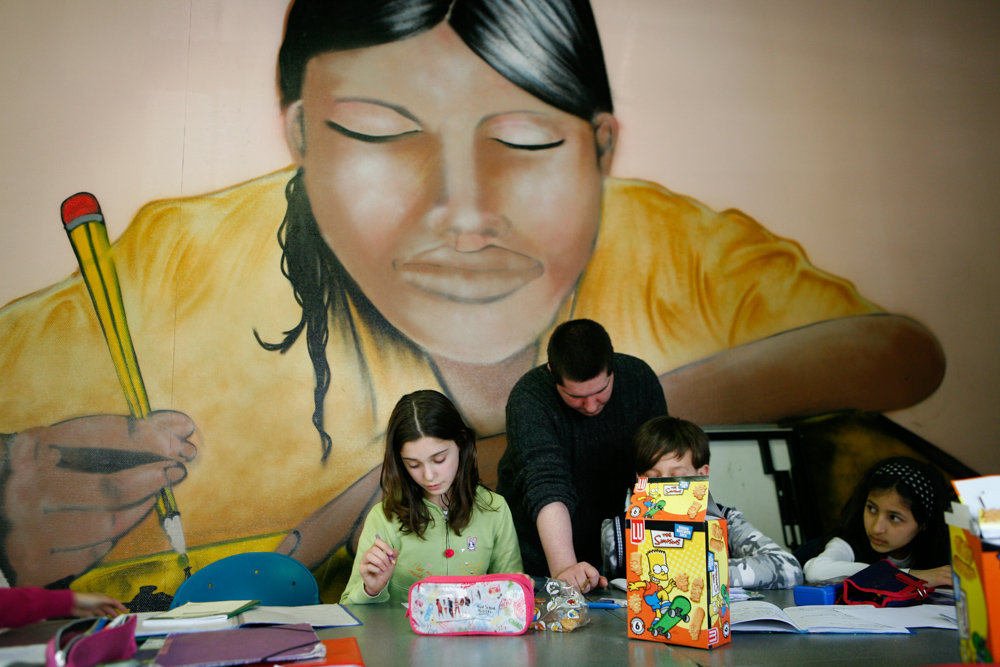
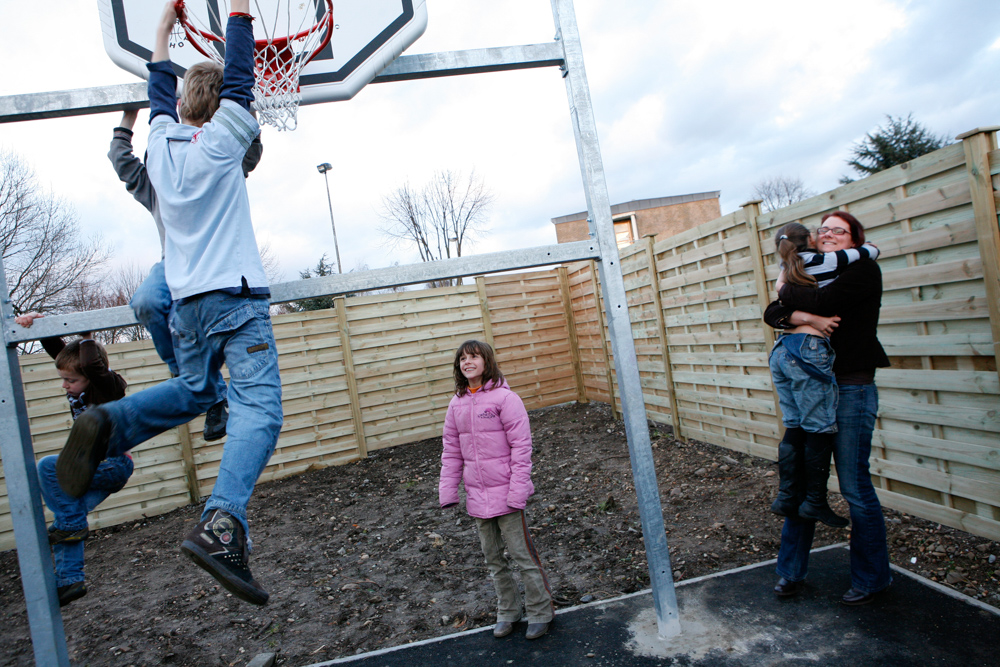
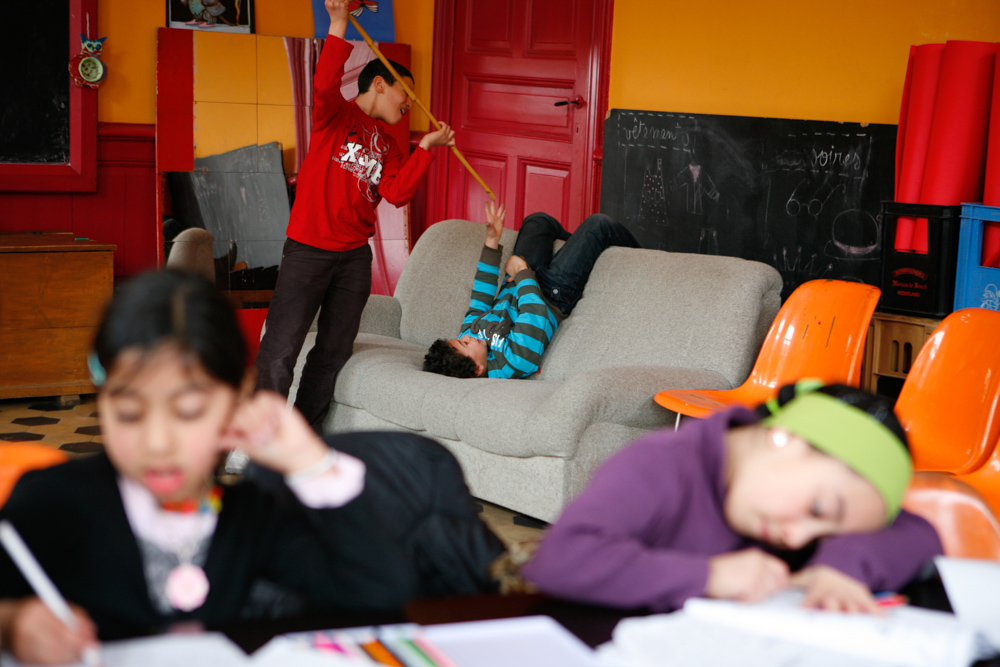
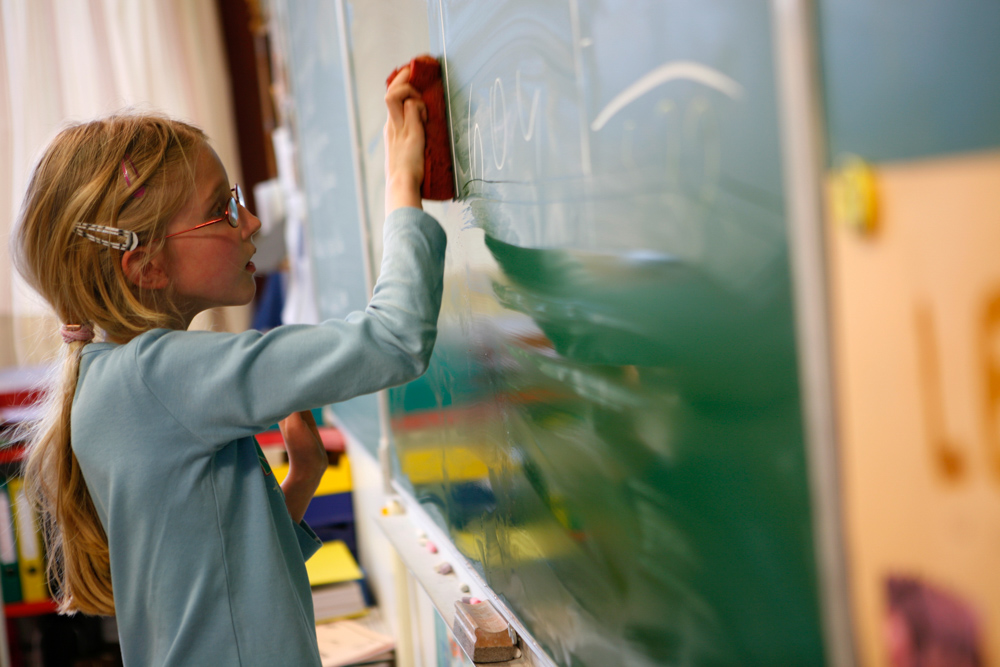
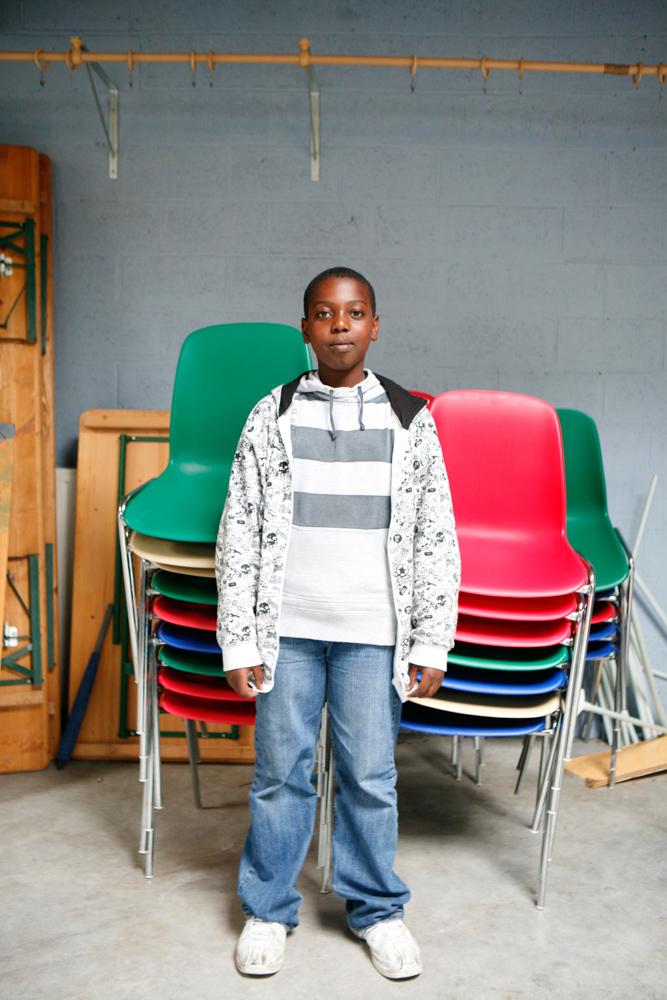
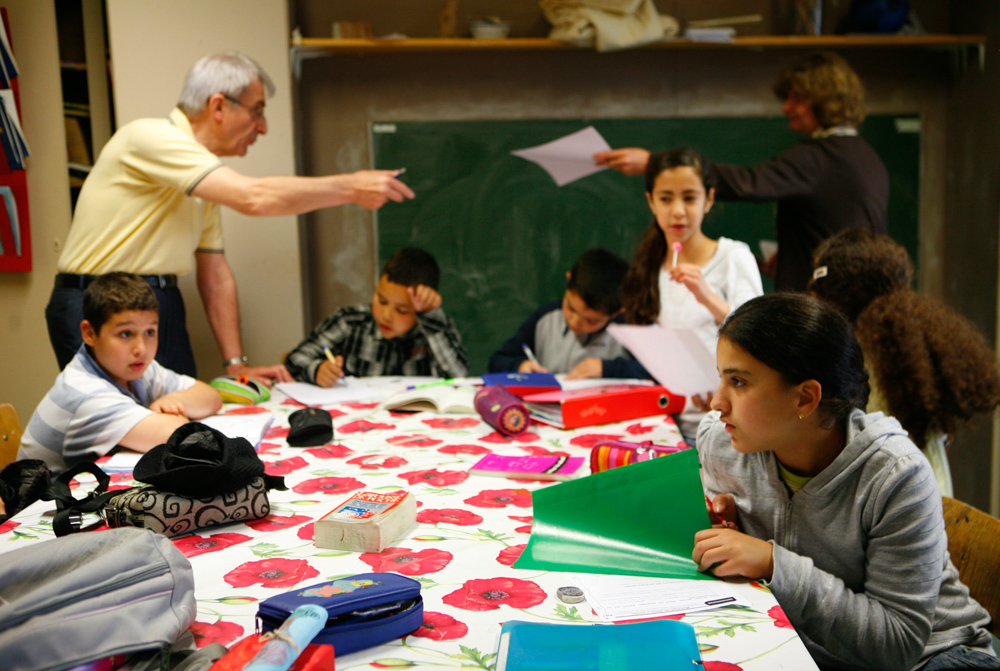
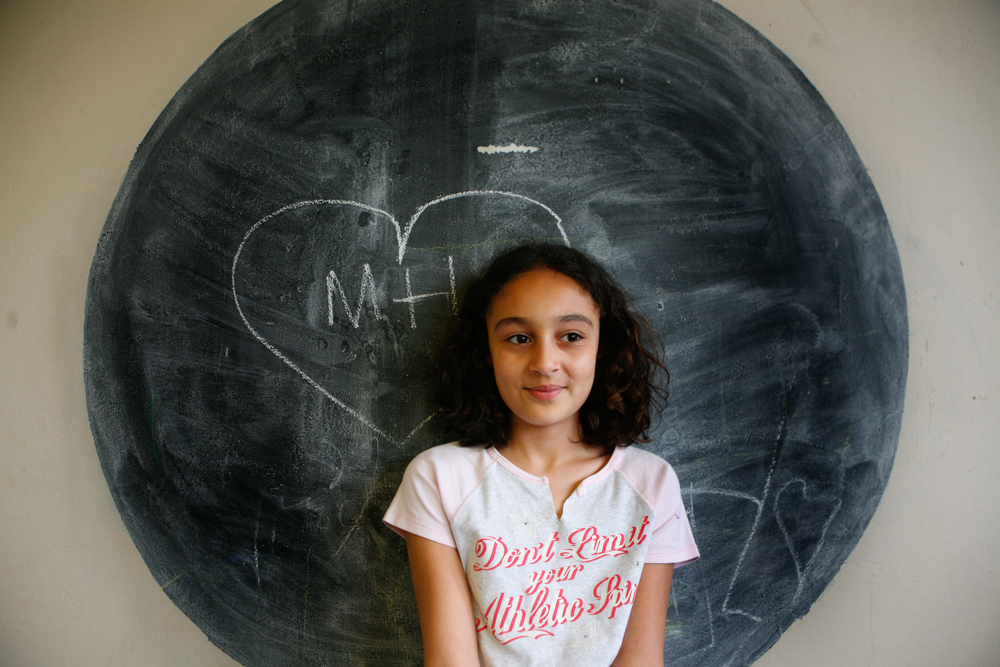
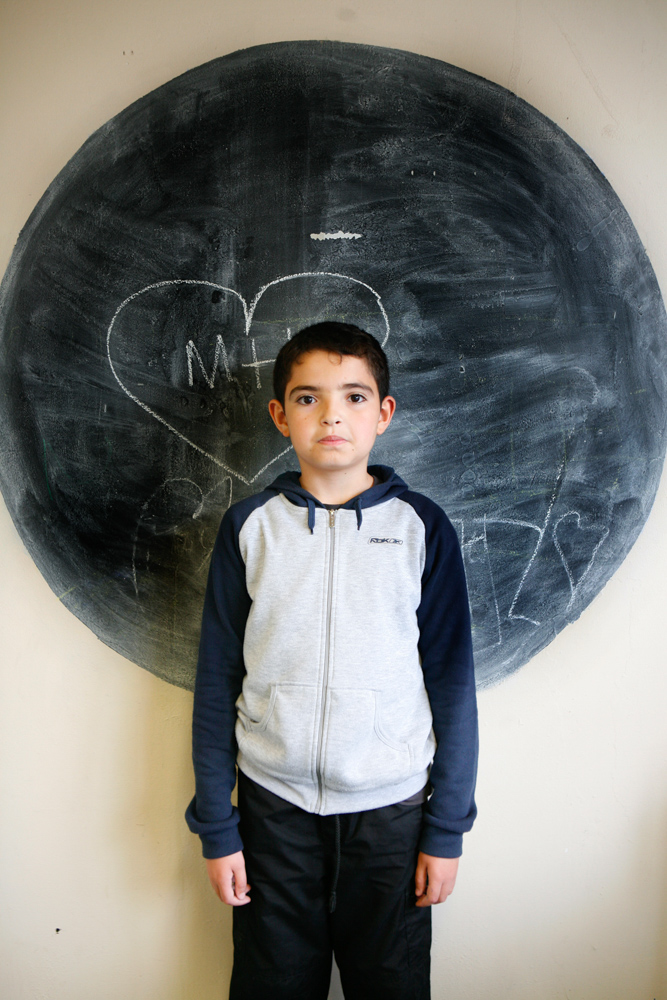
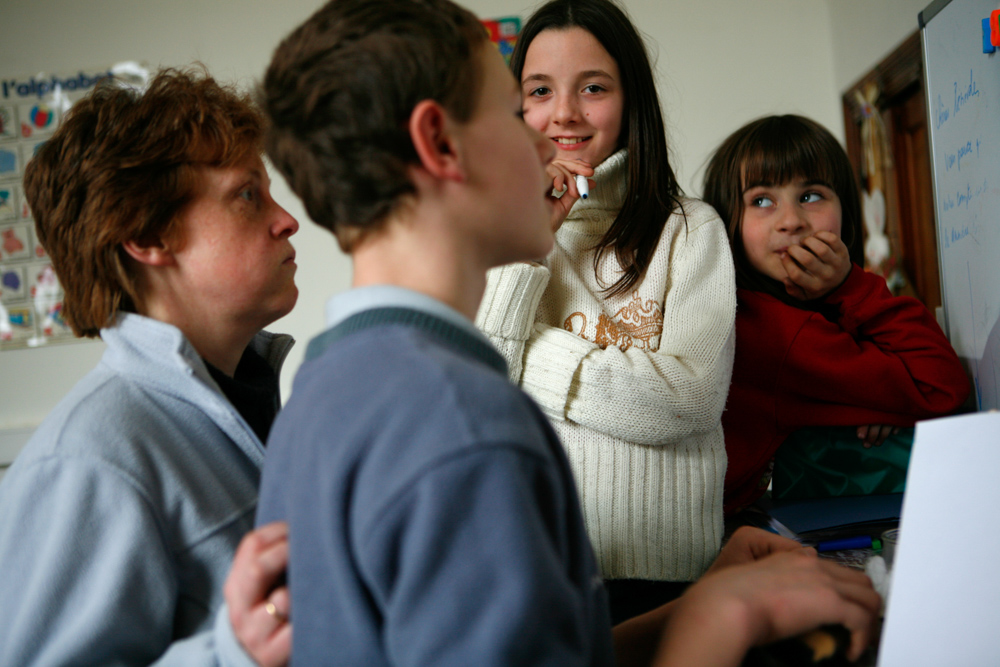
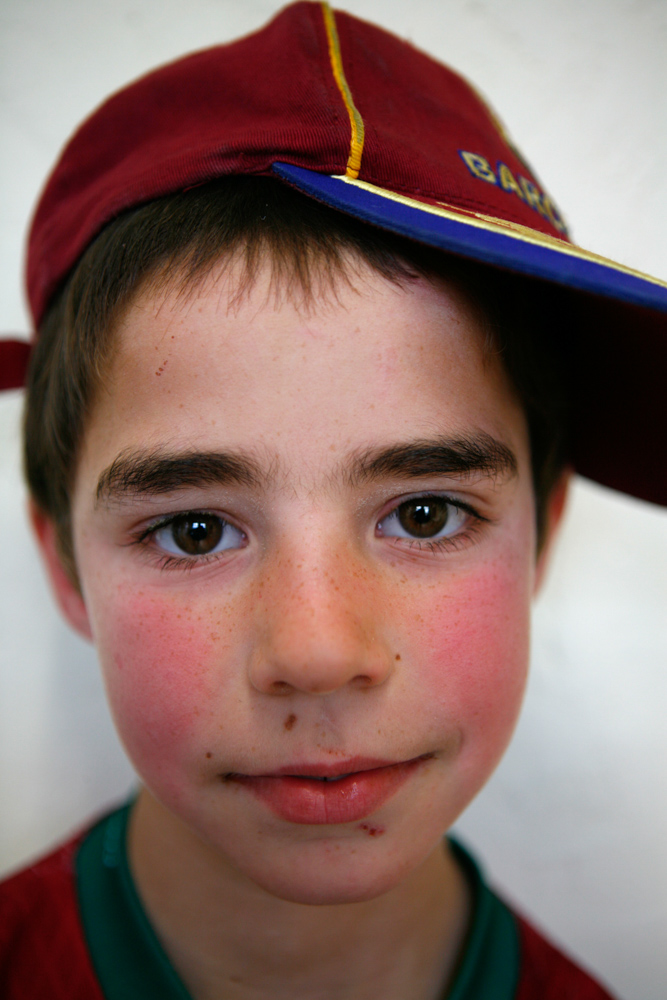
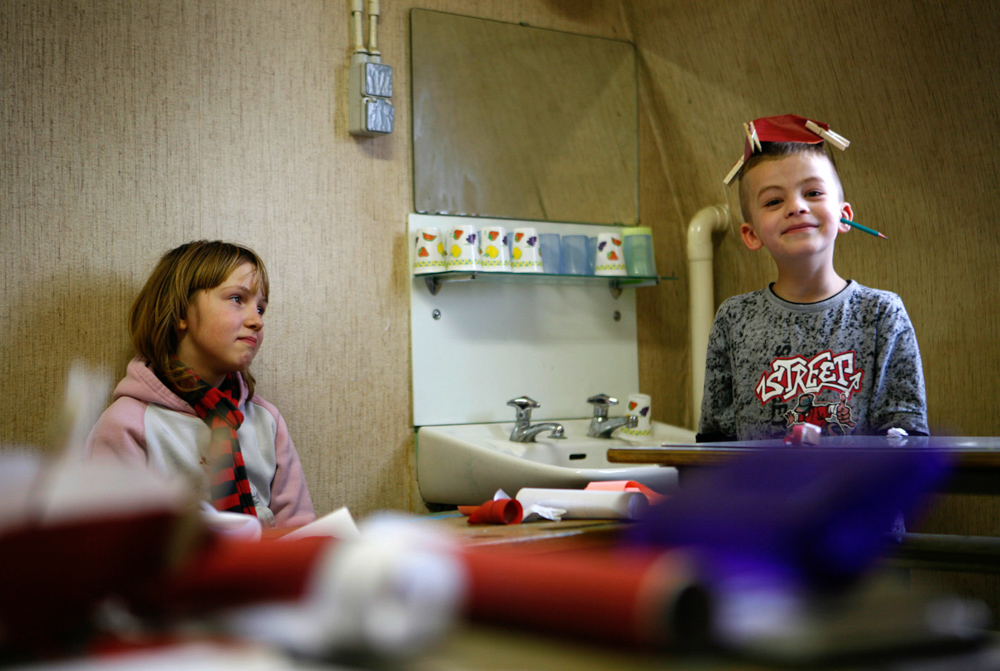
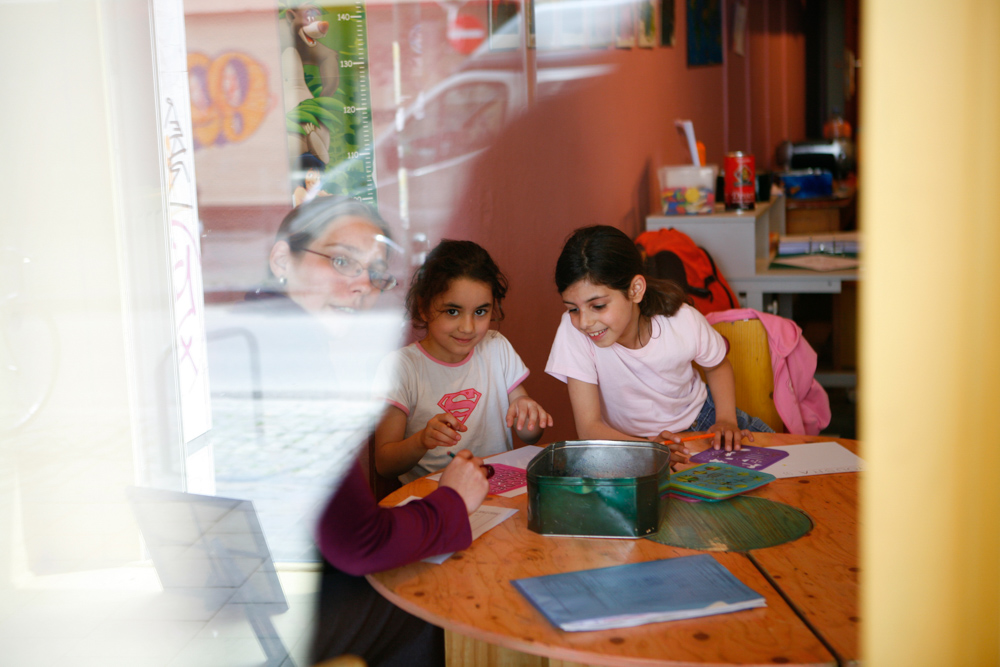
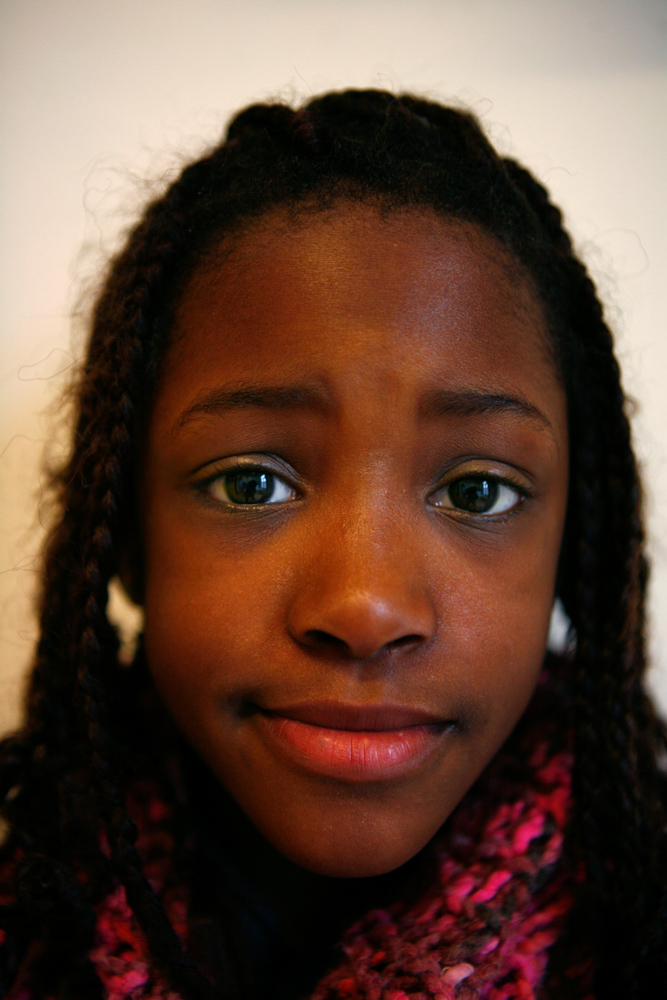
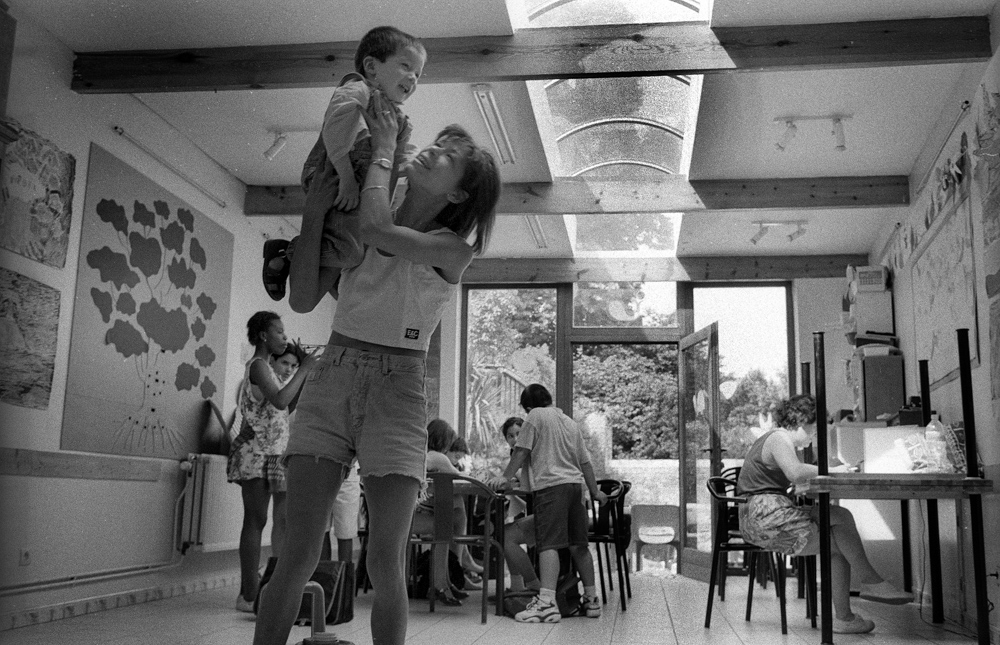
CHILDREN’S DESTINIES: THE WORK OF HOMEWORK SCHOOLS
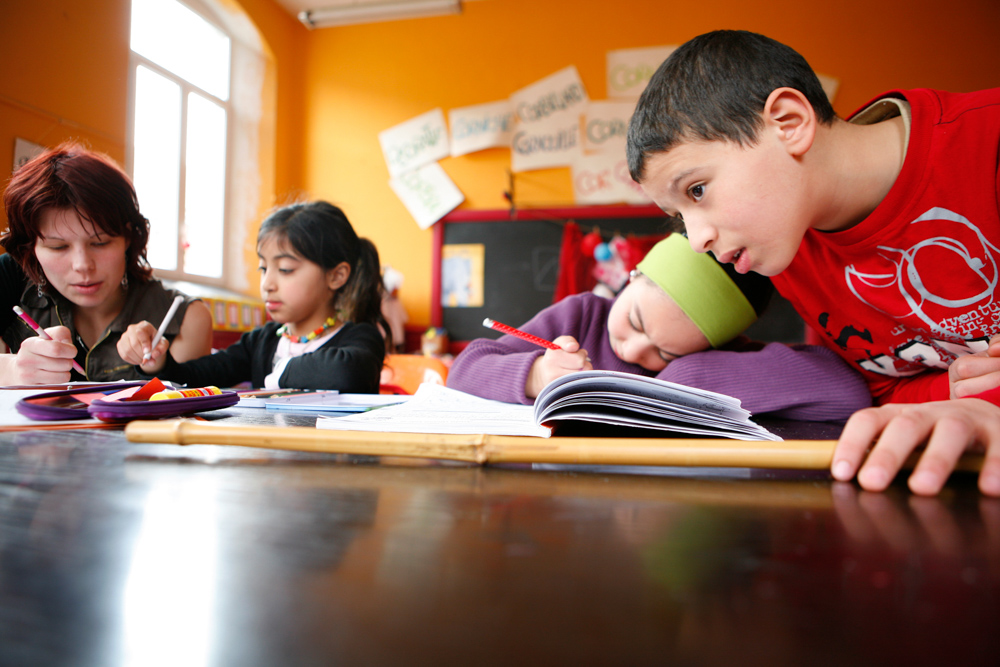
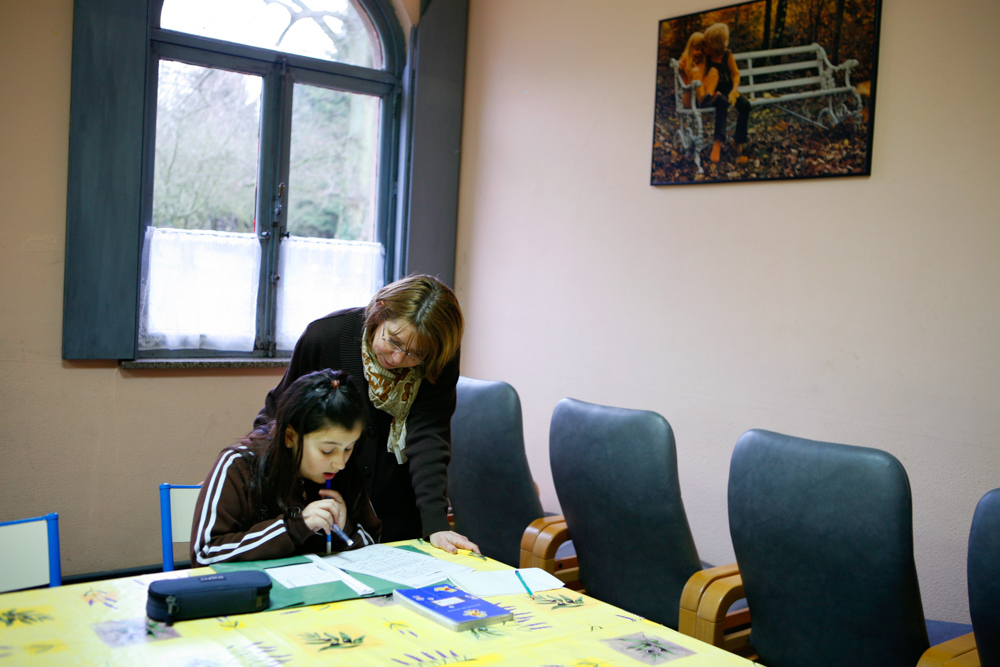
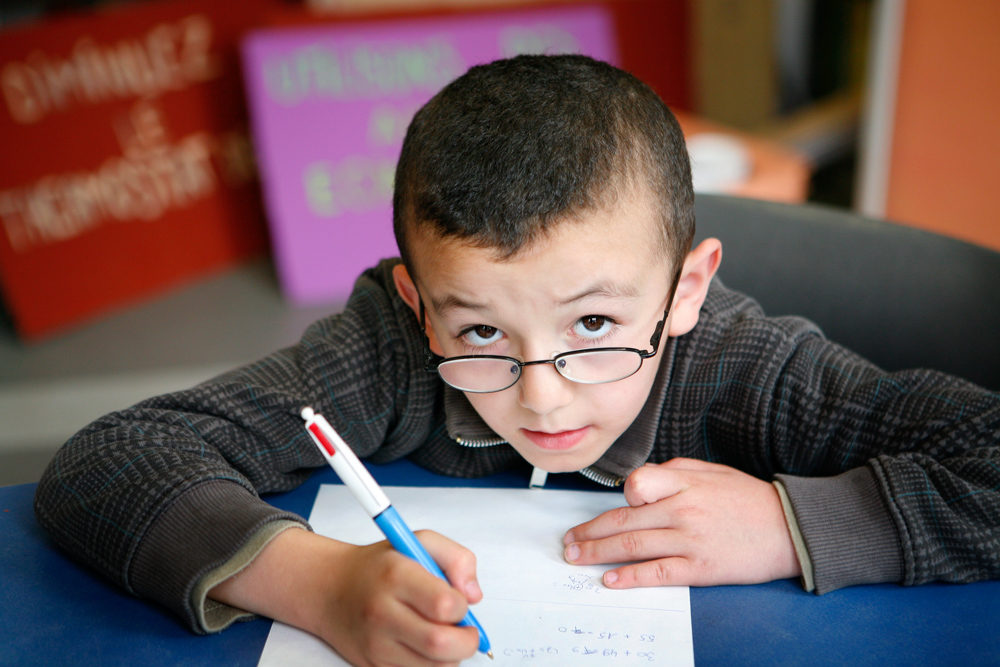
La Boîte à Images chose to focus on the work of Homework Schools (Écoles de Devoirs) for a simple reason: the quality and importance of what they do deserves to be brought to light.
We visited over a hundred of these centers to photograph the lives and faces of the children — thousands of them — so that their existence can never again be denied or forgotten.
For nearly 40 years, Homework Schools have been offering, throughout Brussels and Wallonia, a playful and creative environment where children struggling with learning can acquire the skills needed to continue their educational journey.
A book and a travelling exhibition by La Boîte à Images,
in partnership with the Fédération Francophone des Écoles de Devoirs (ffedd.be)
Texts: Valérie Vandersmissen
Photos: Christophe Smets
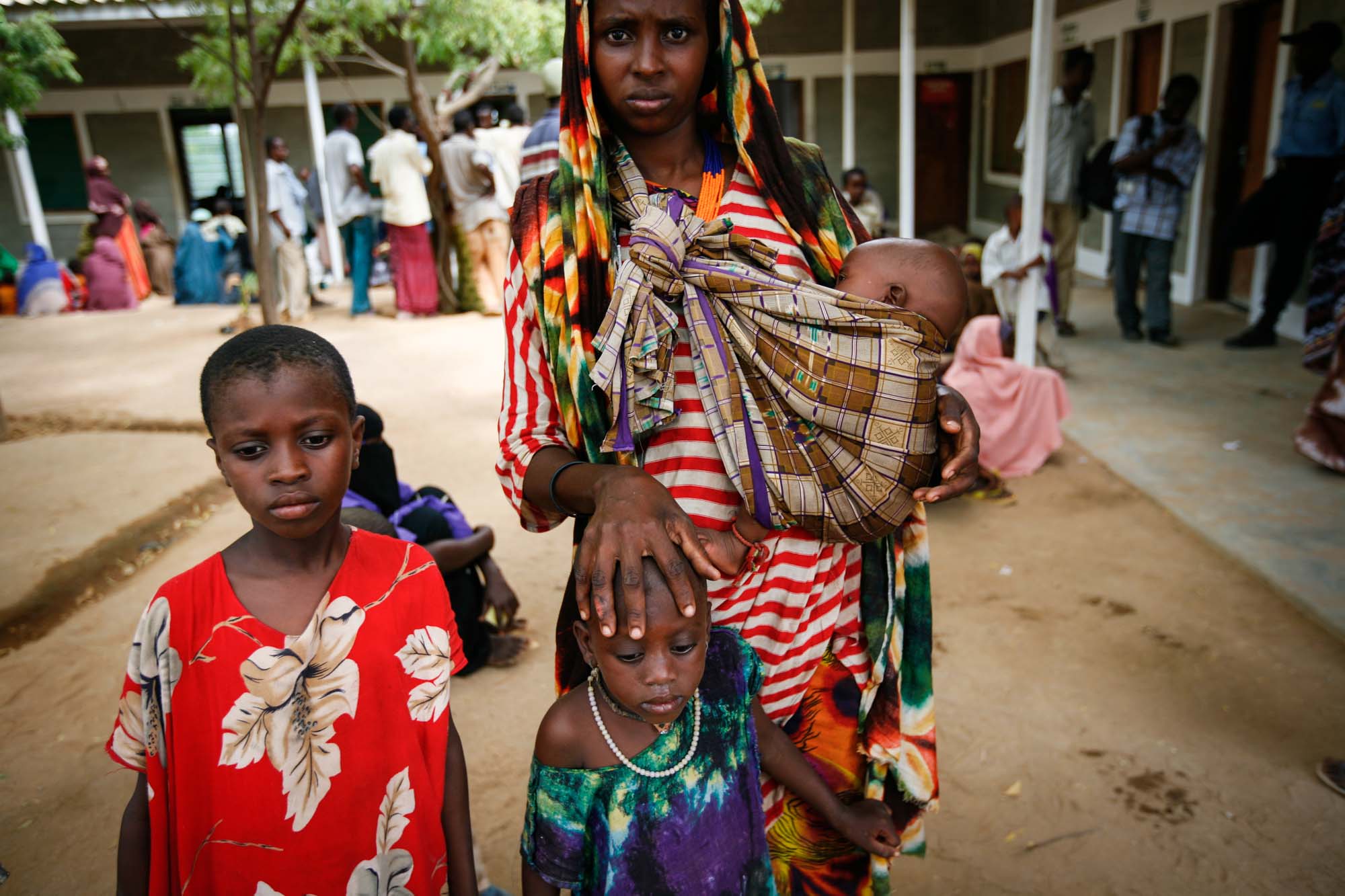
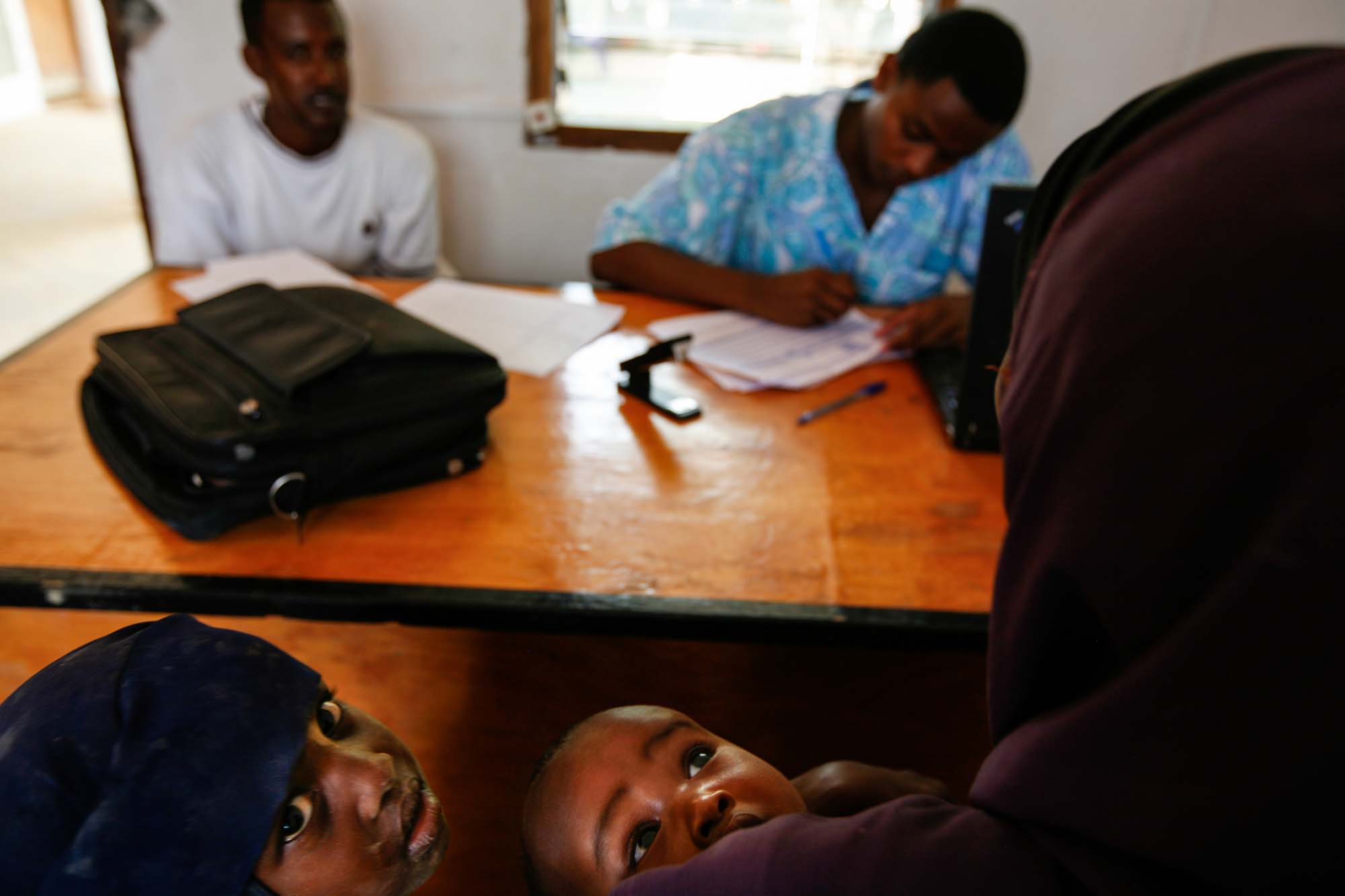
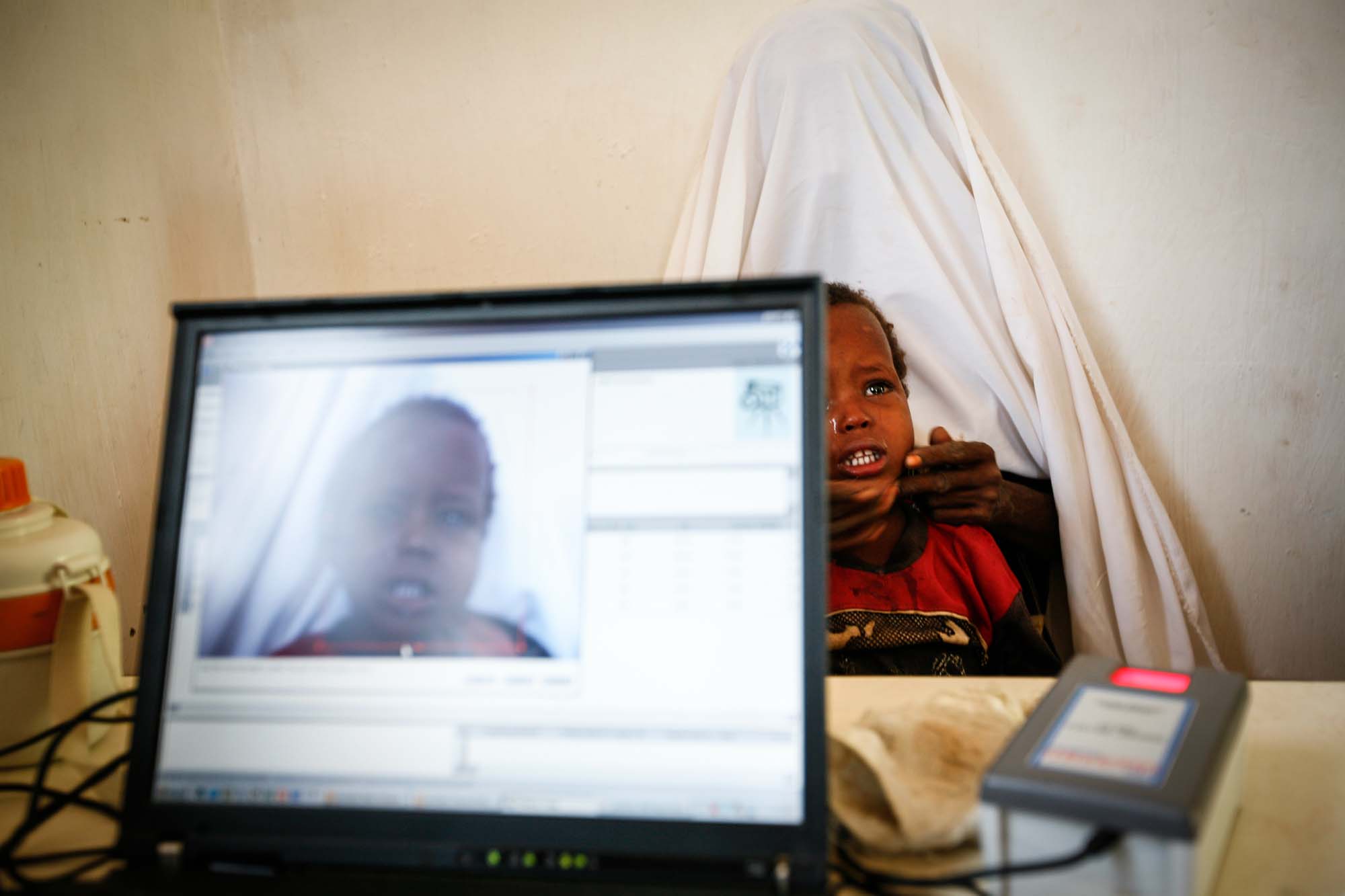
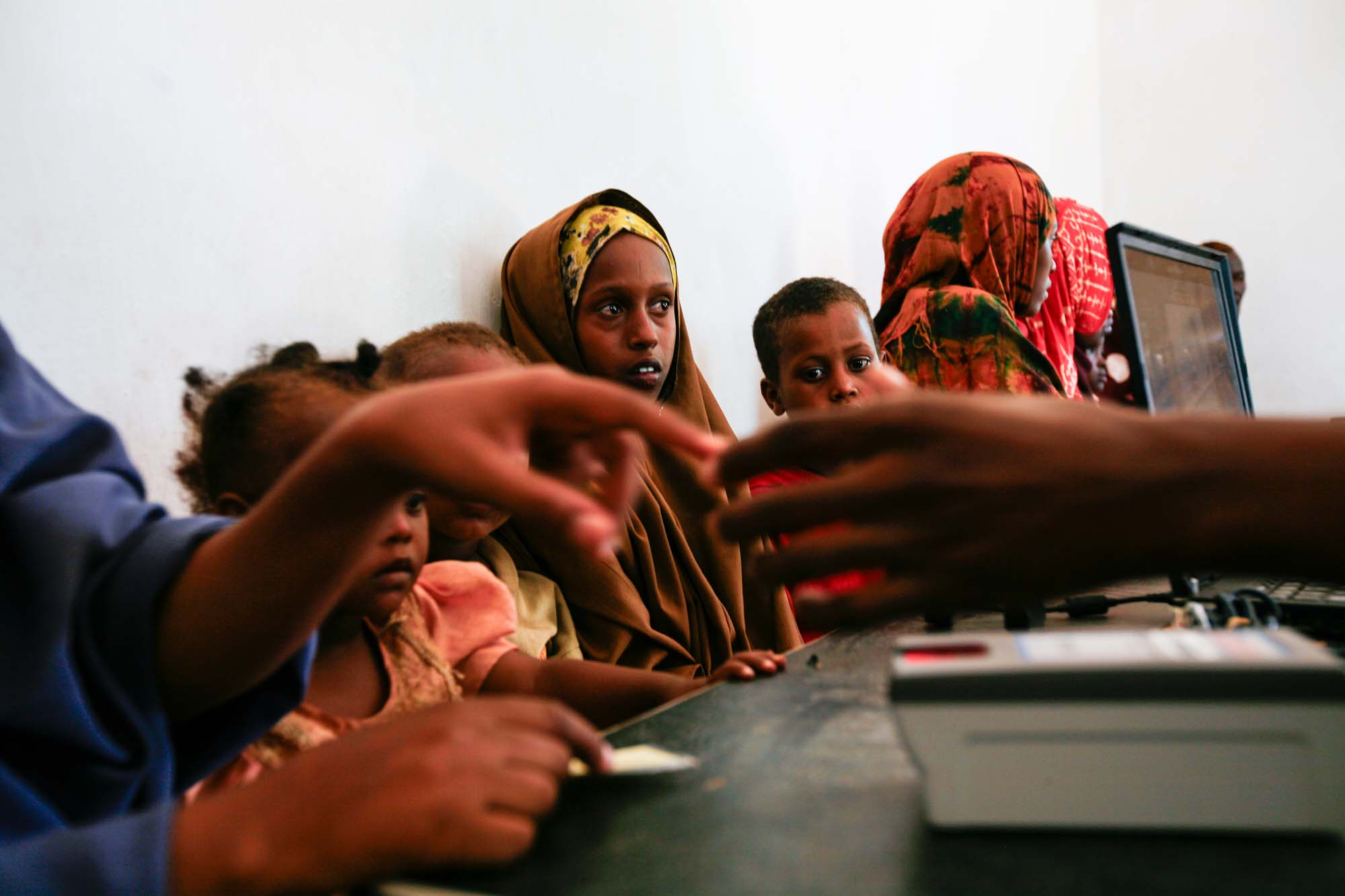
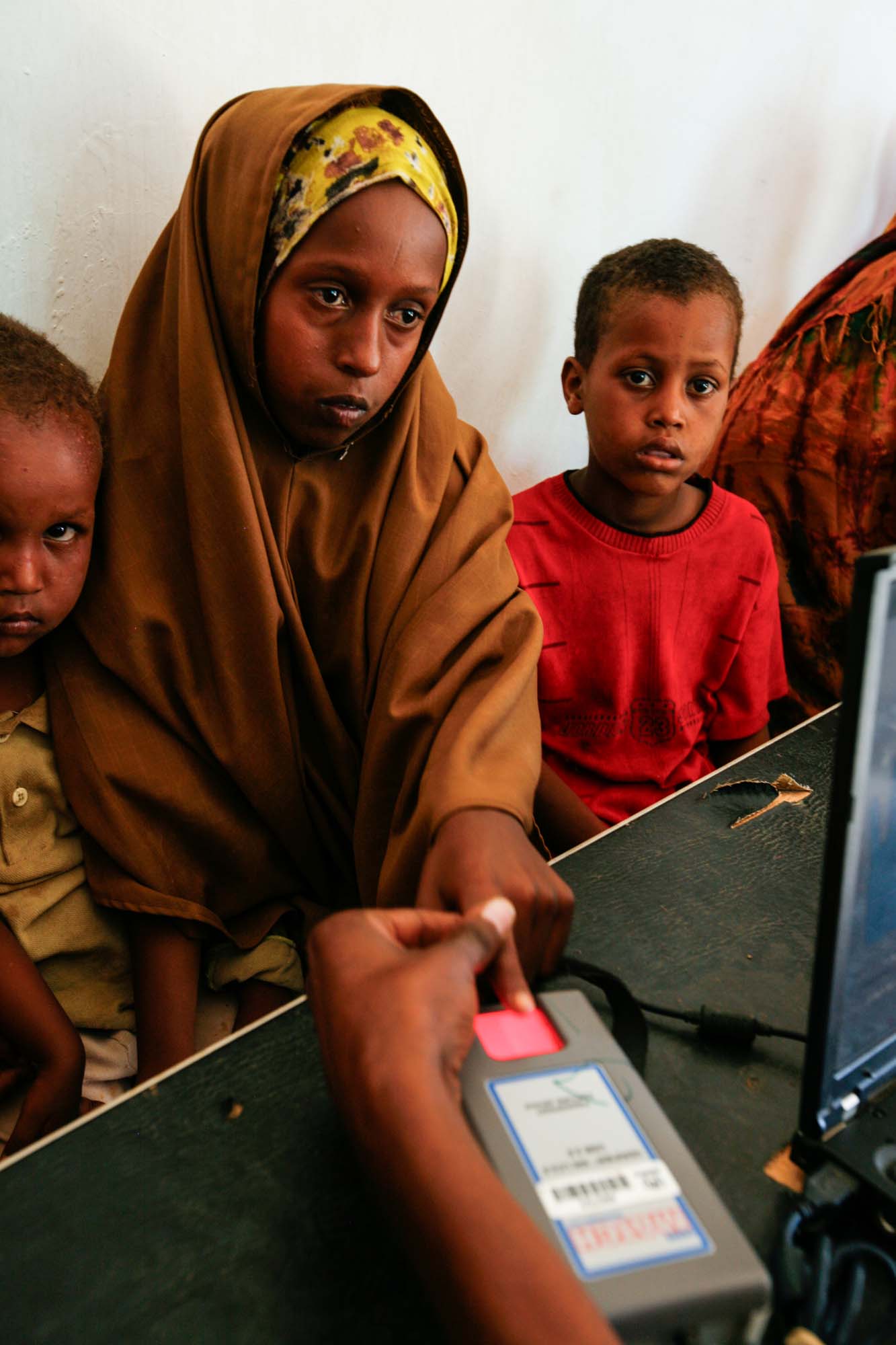
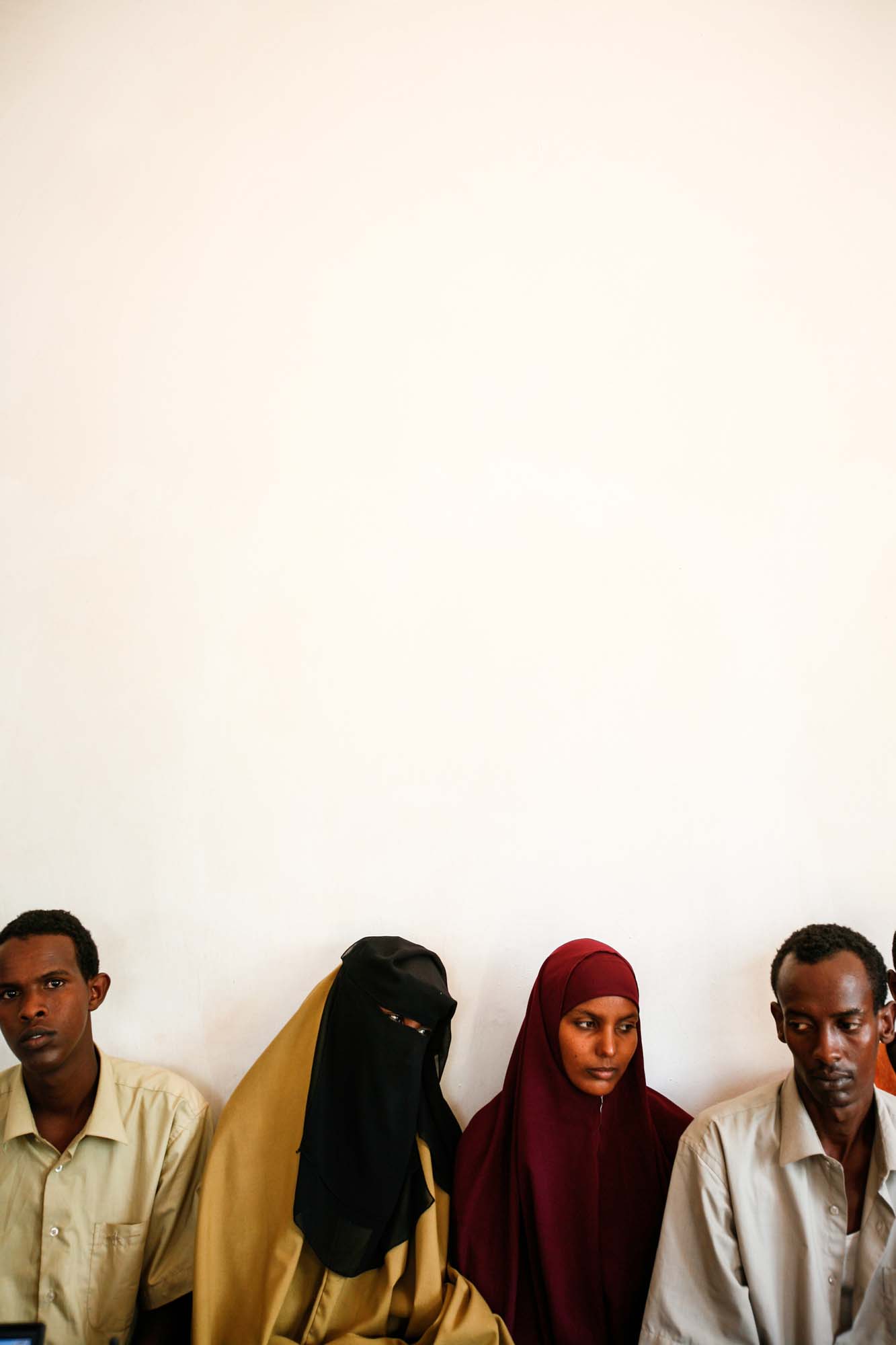
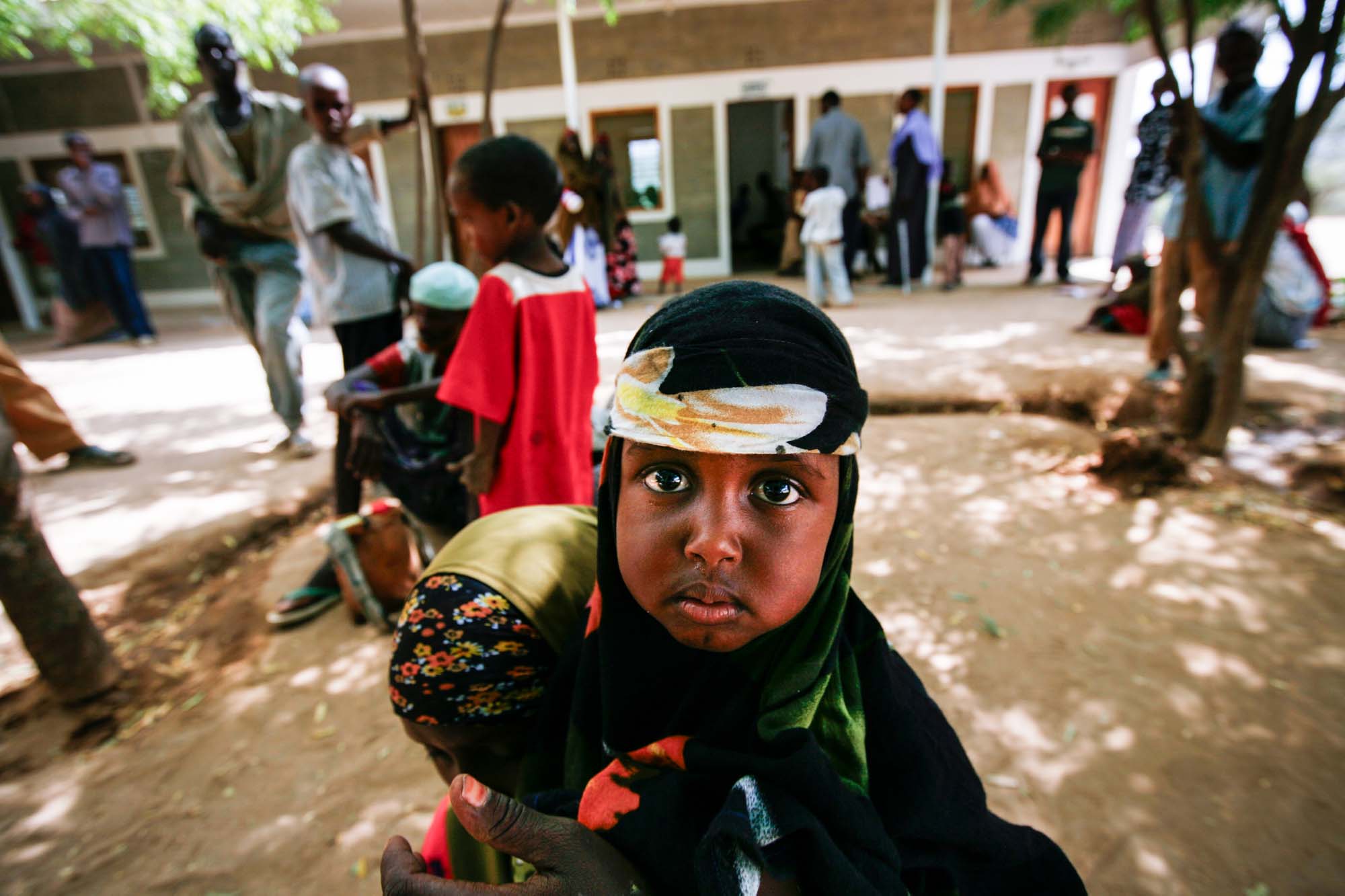
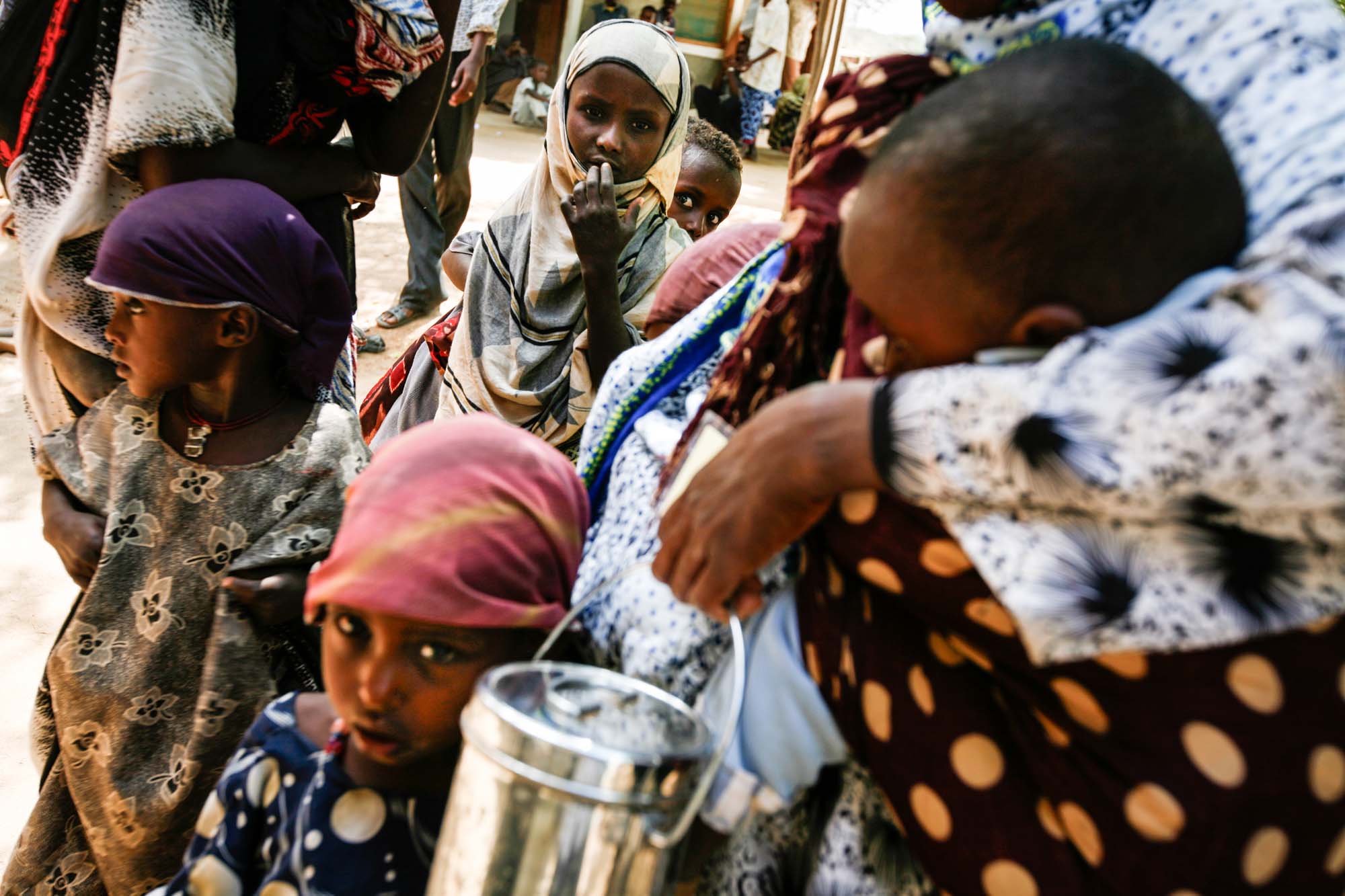
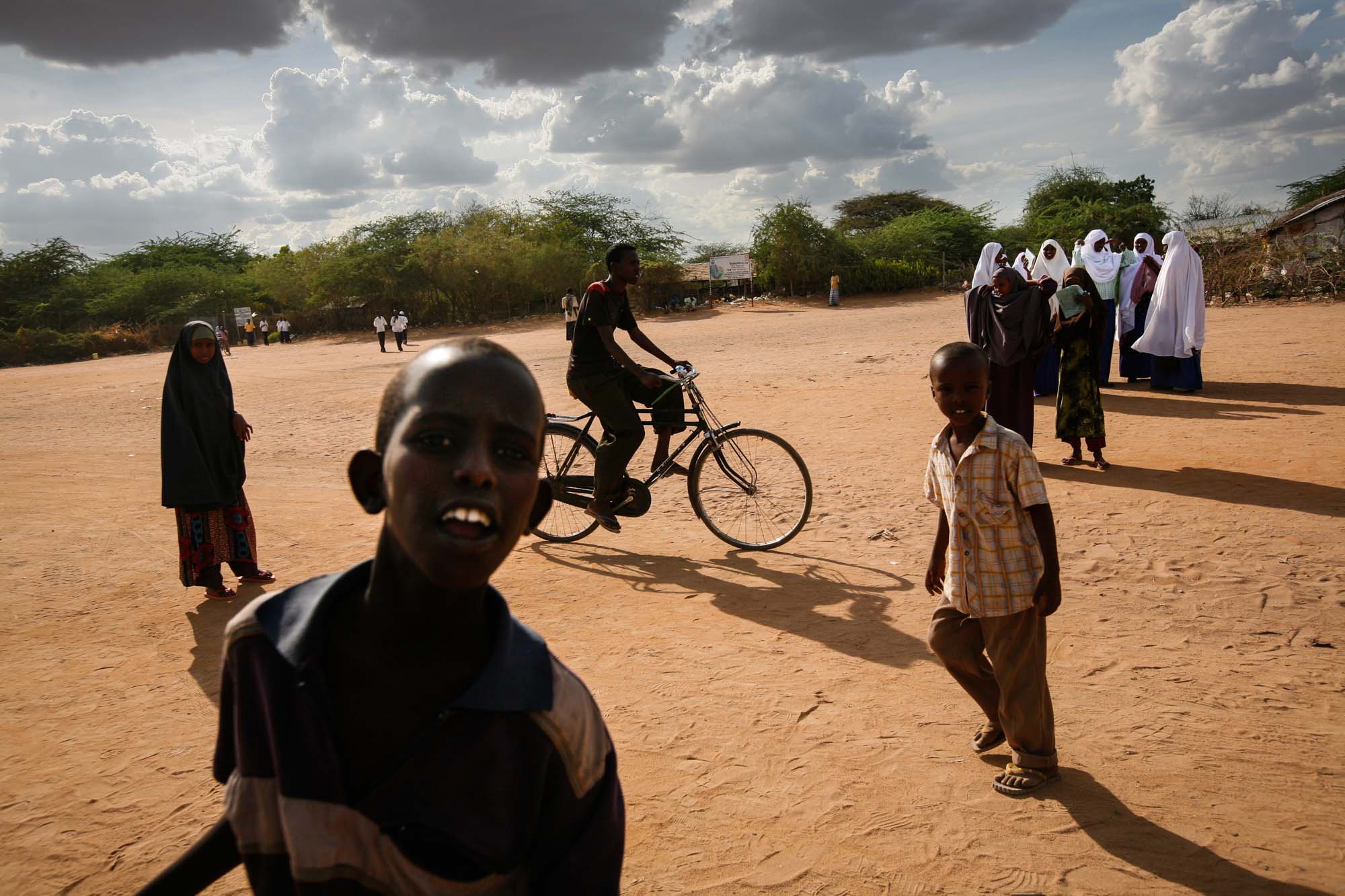
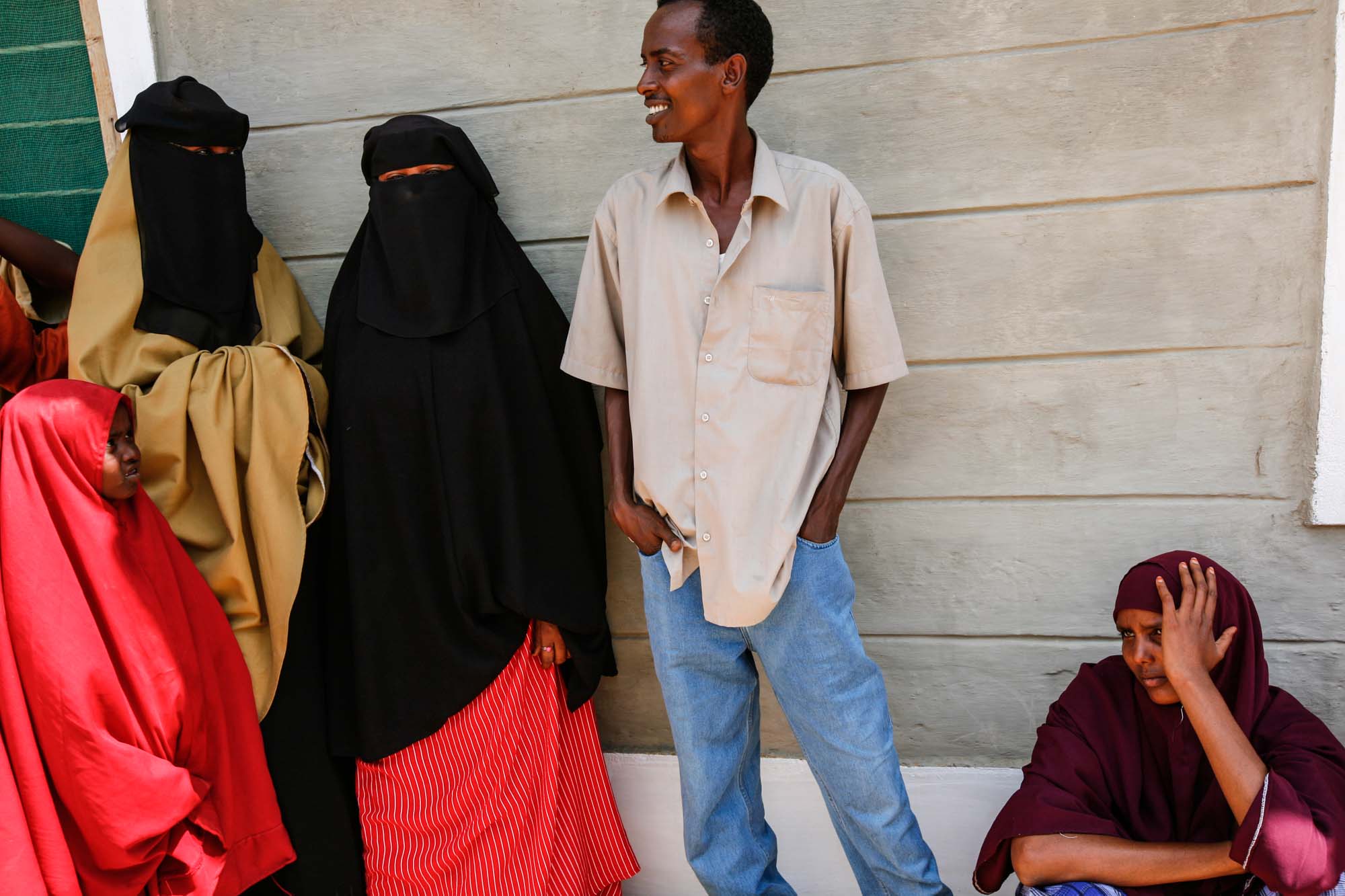
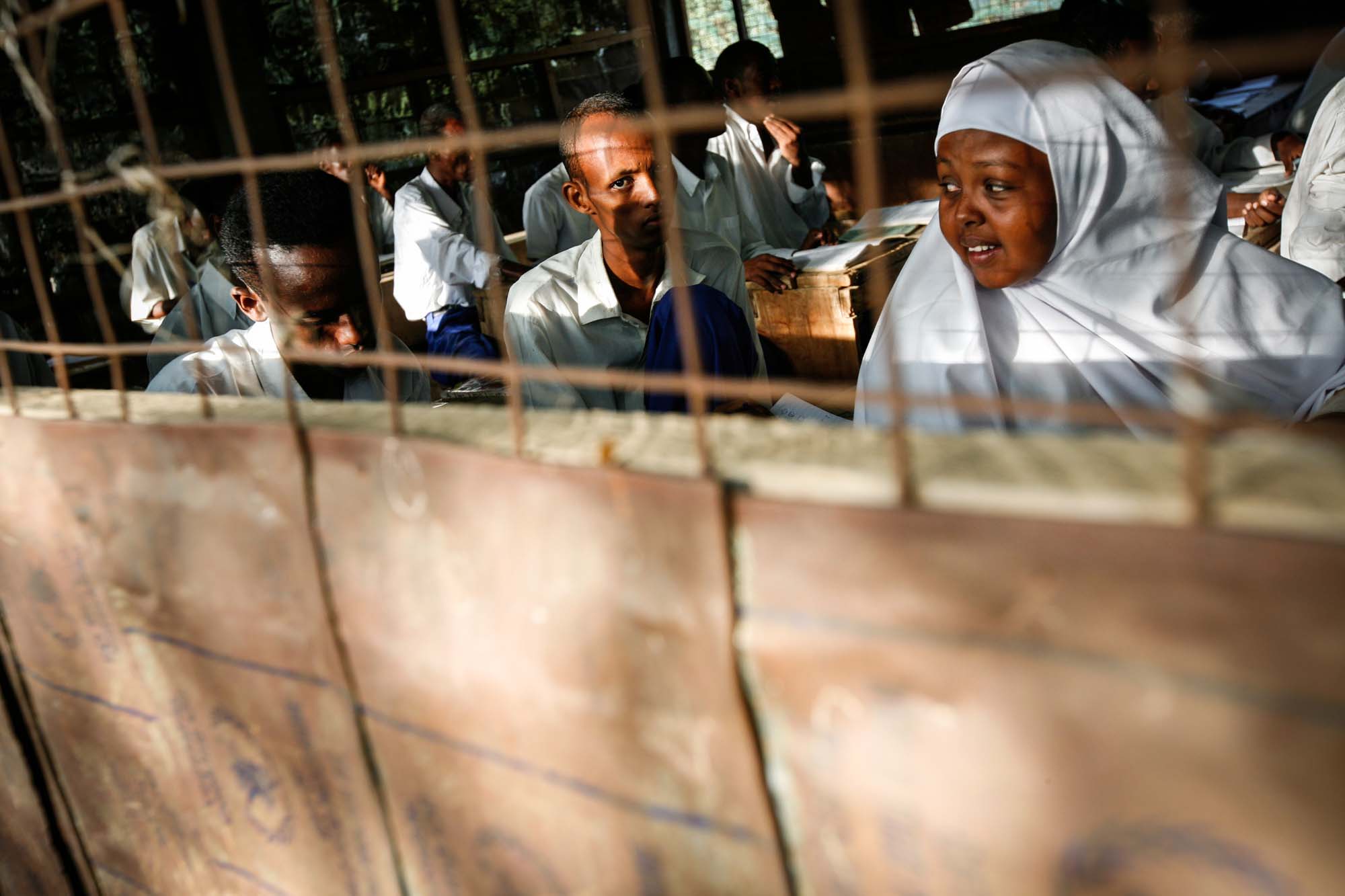
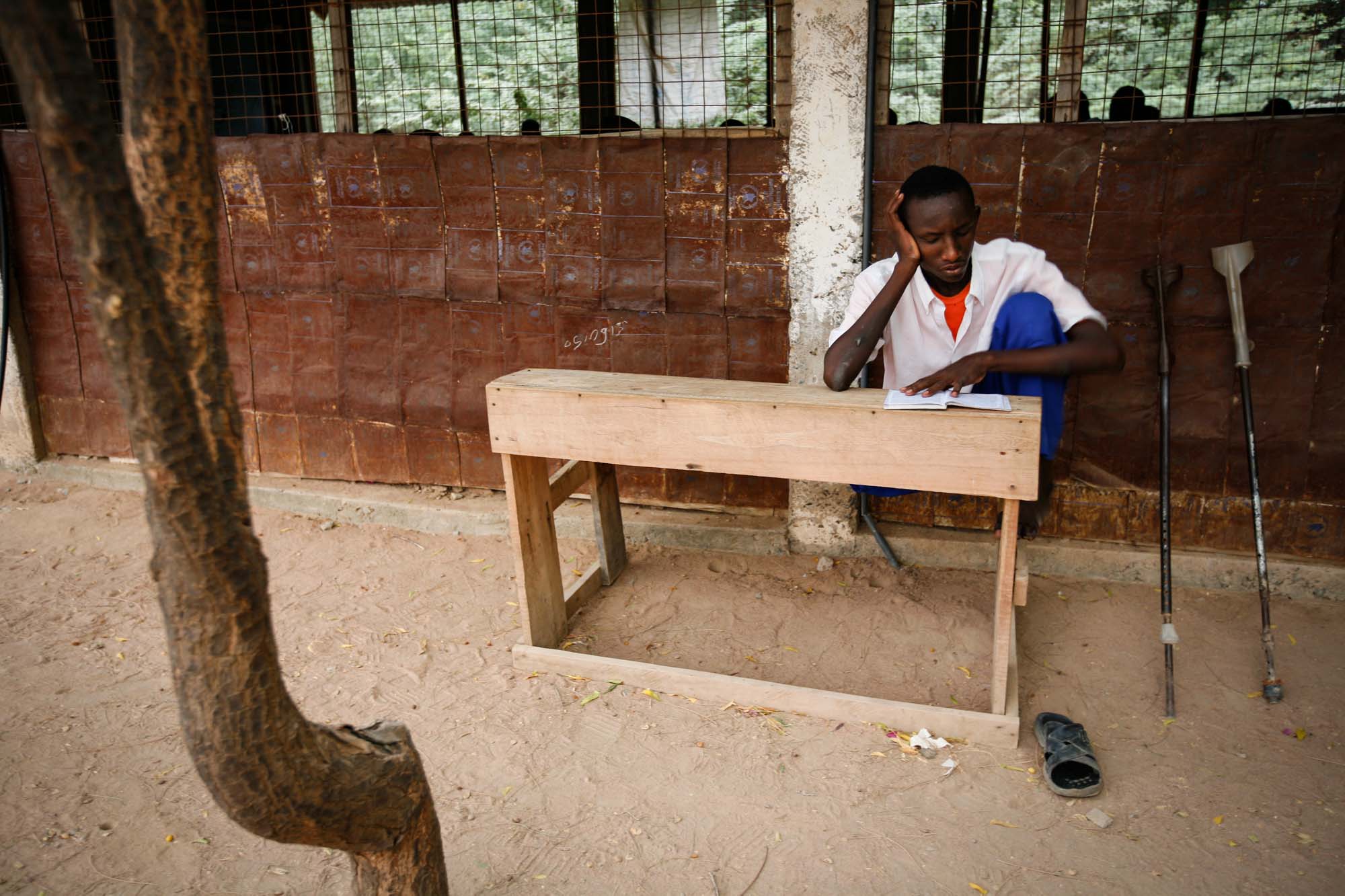
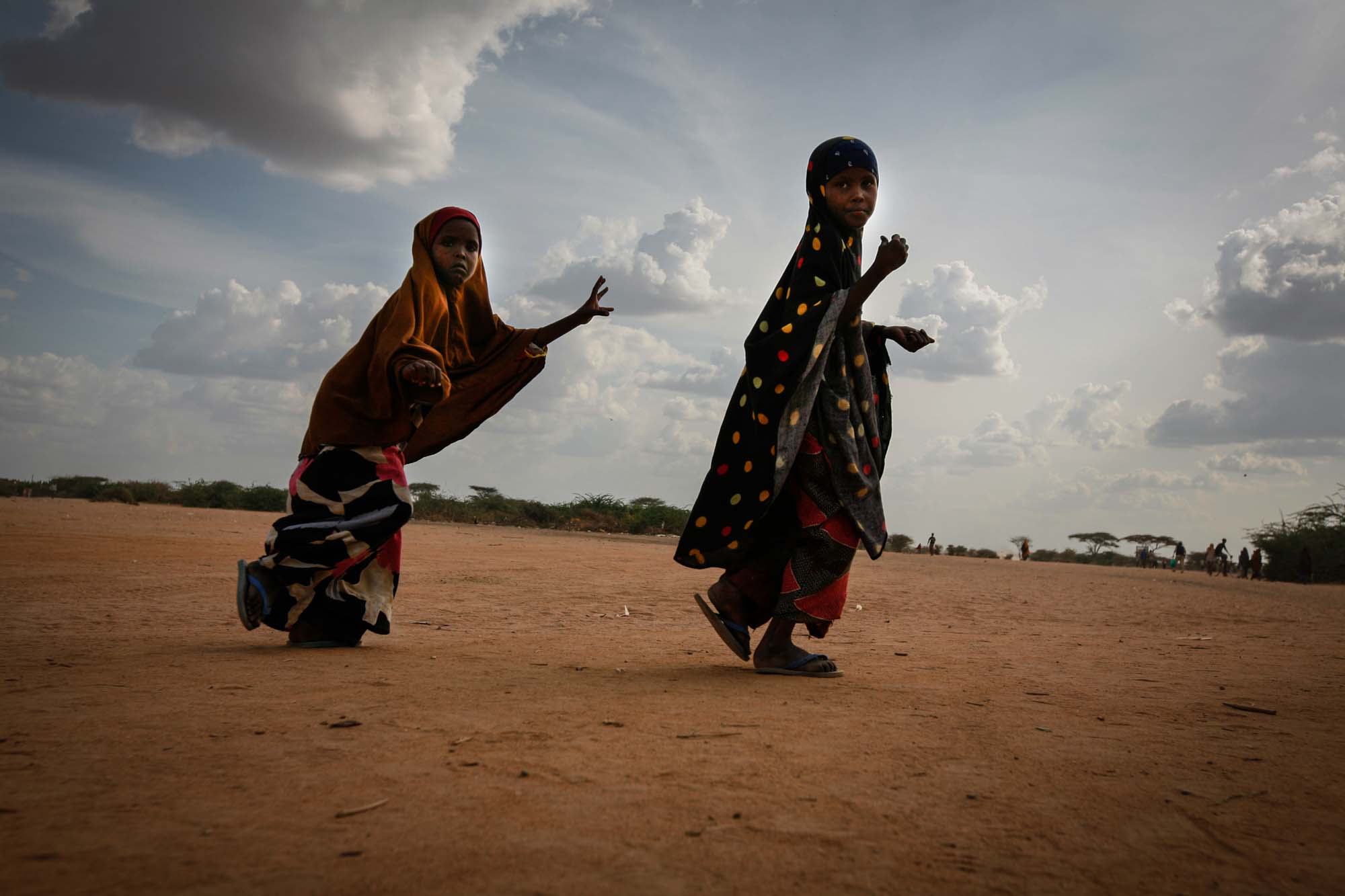
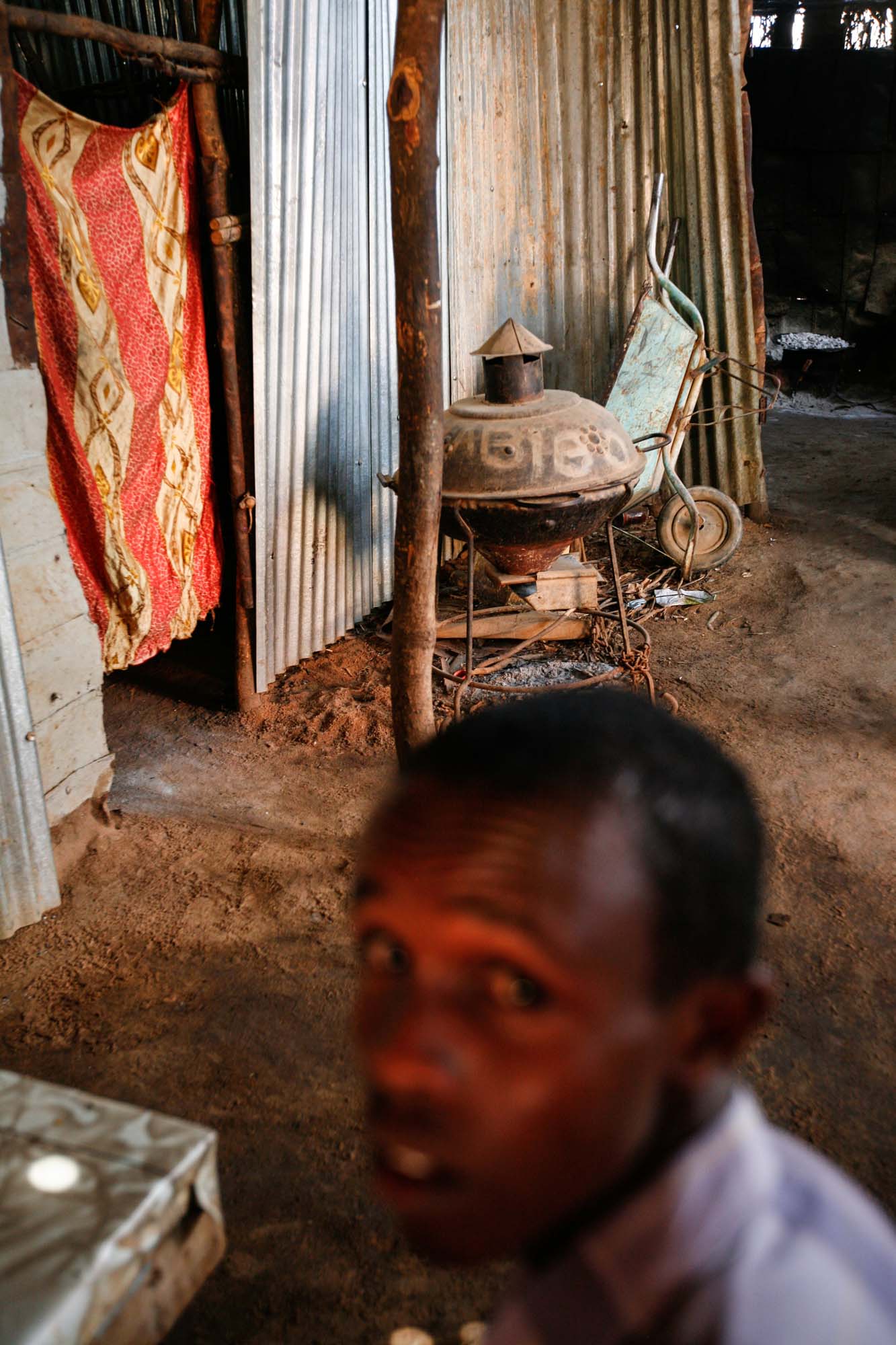
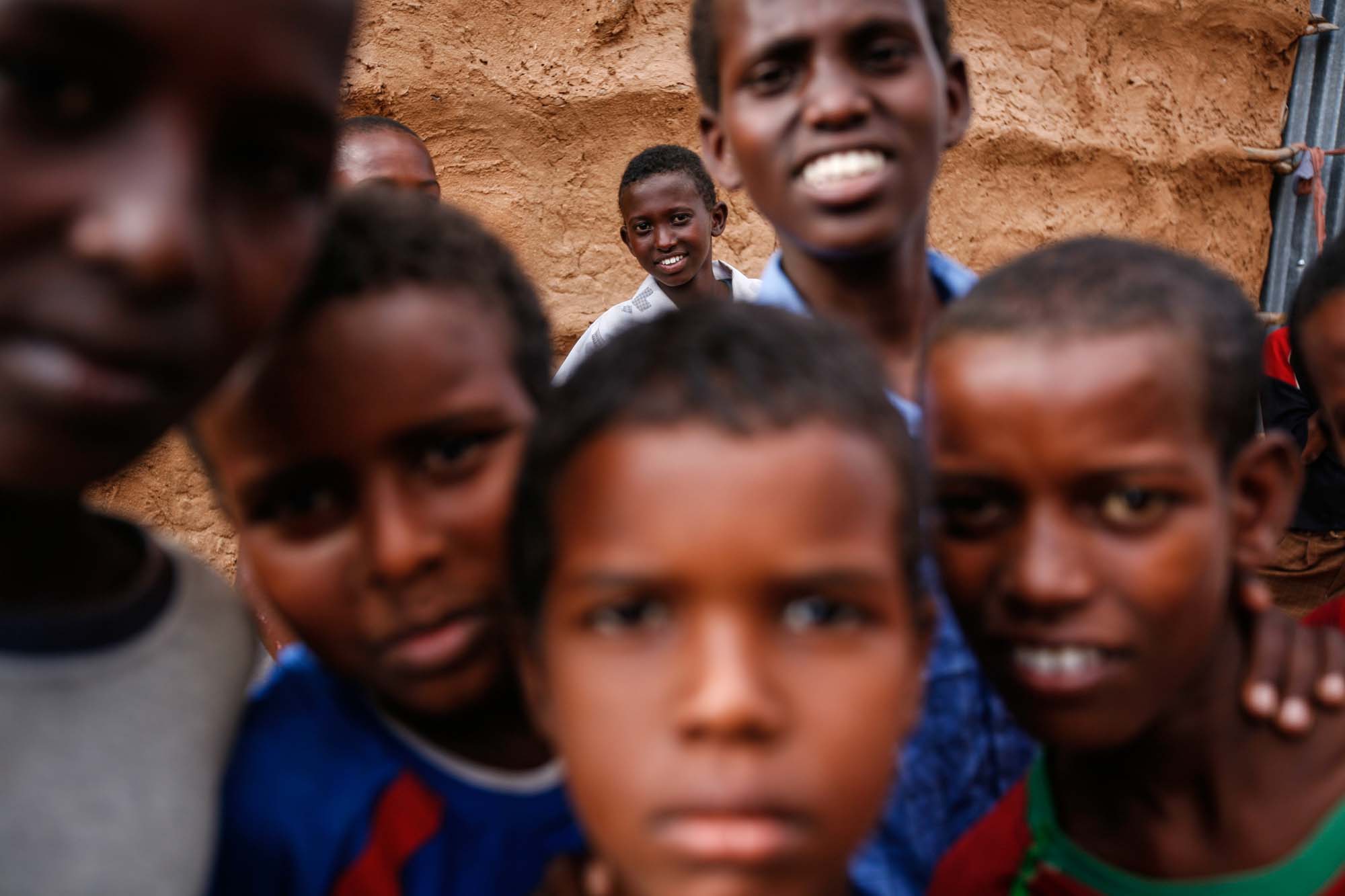
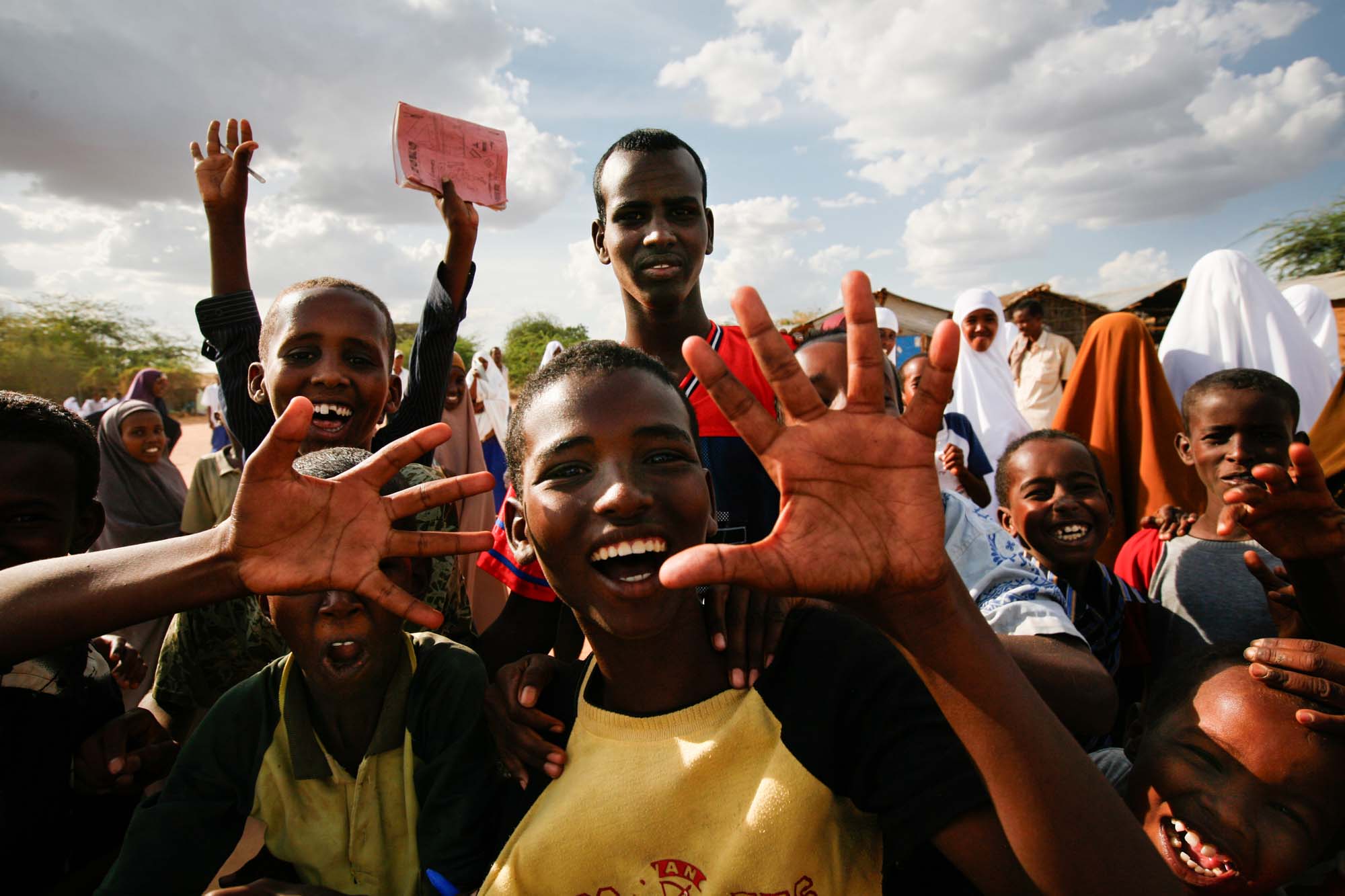
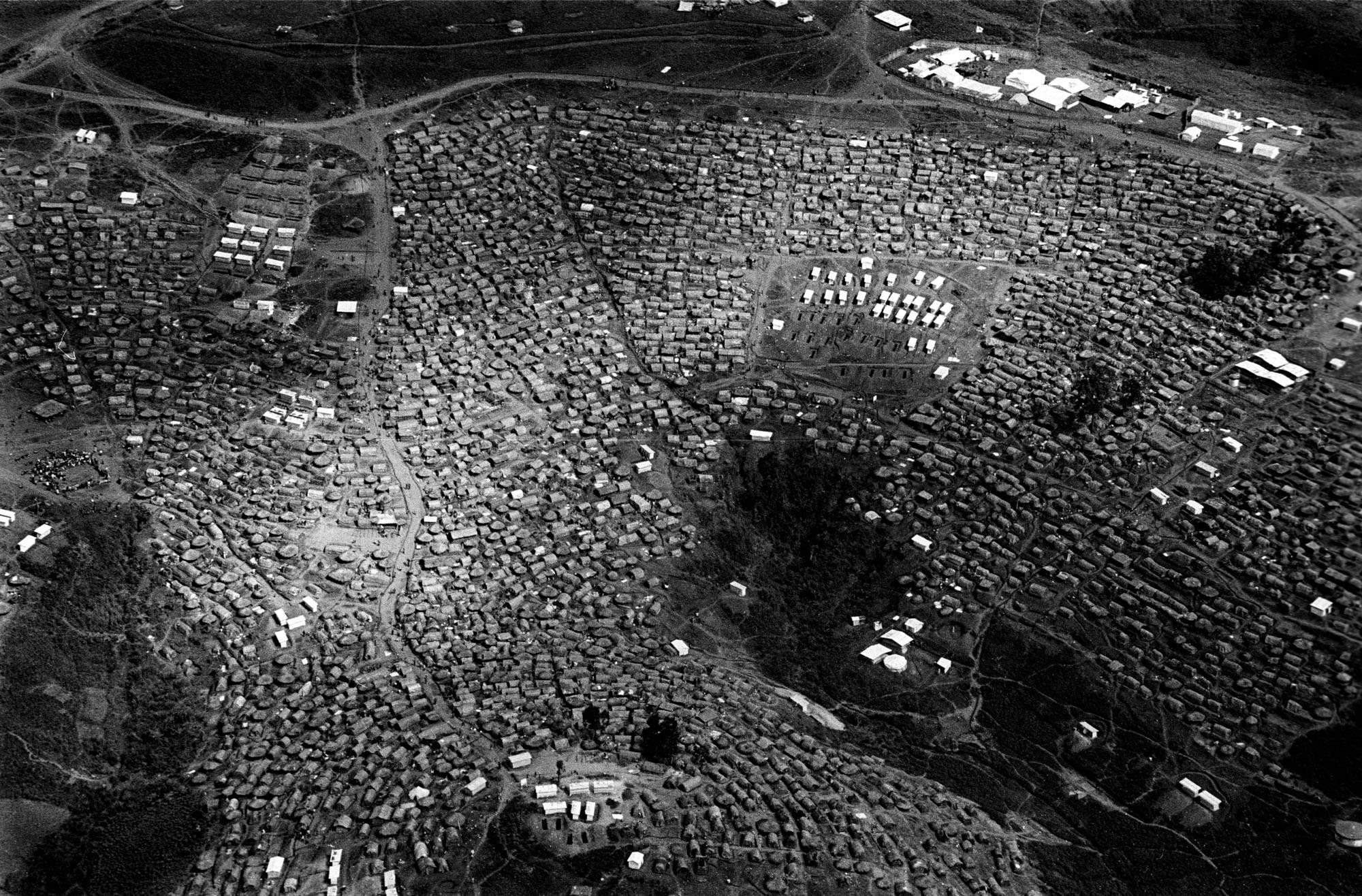
DADAAB CAMP, ON THE EDGE OF HOPE
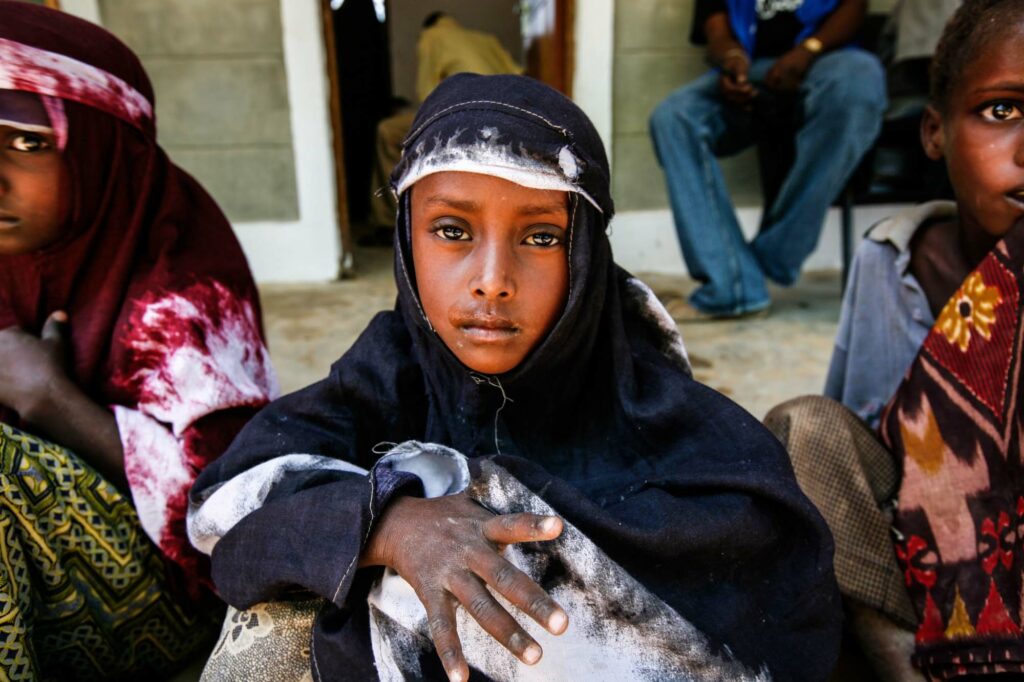
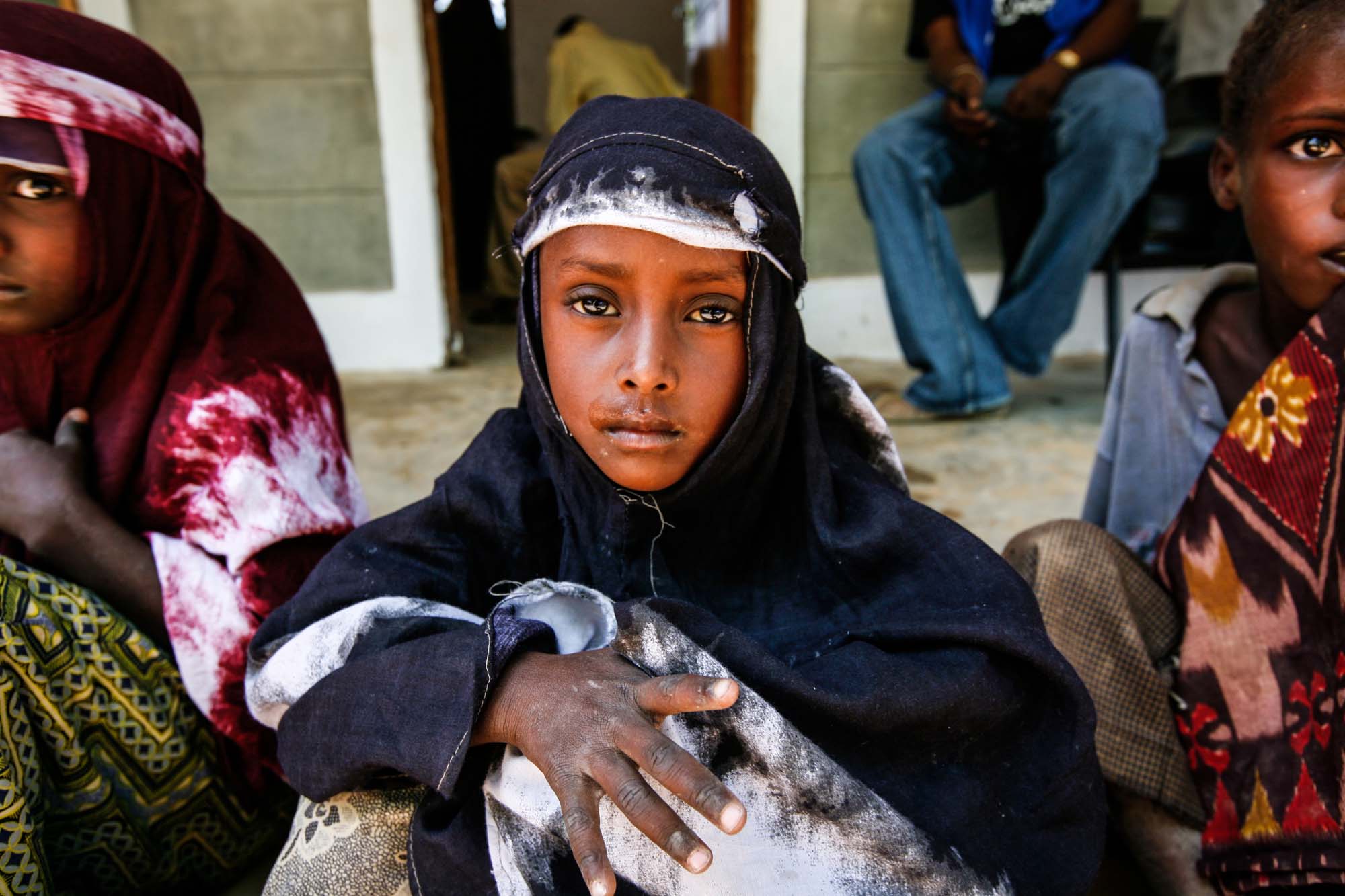
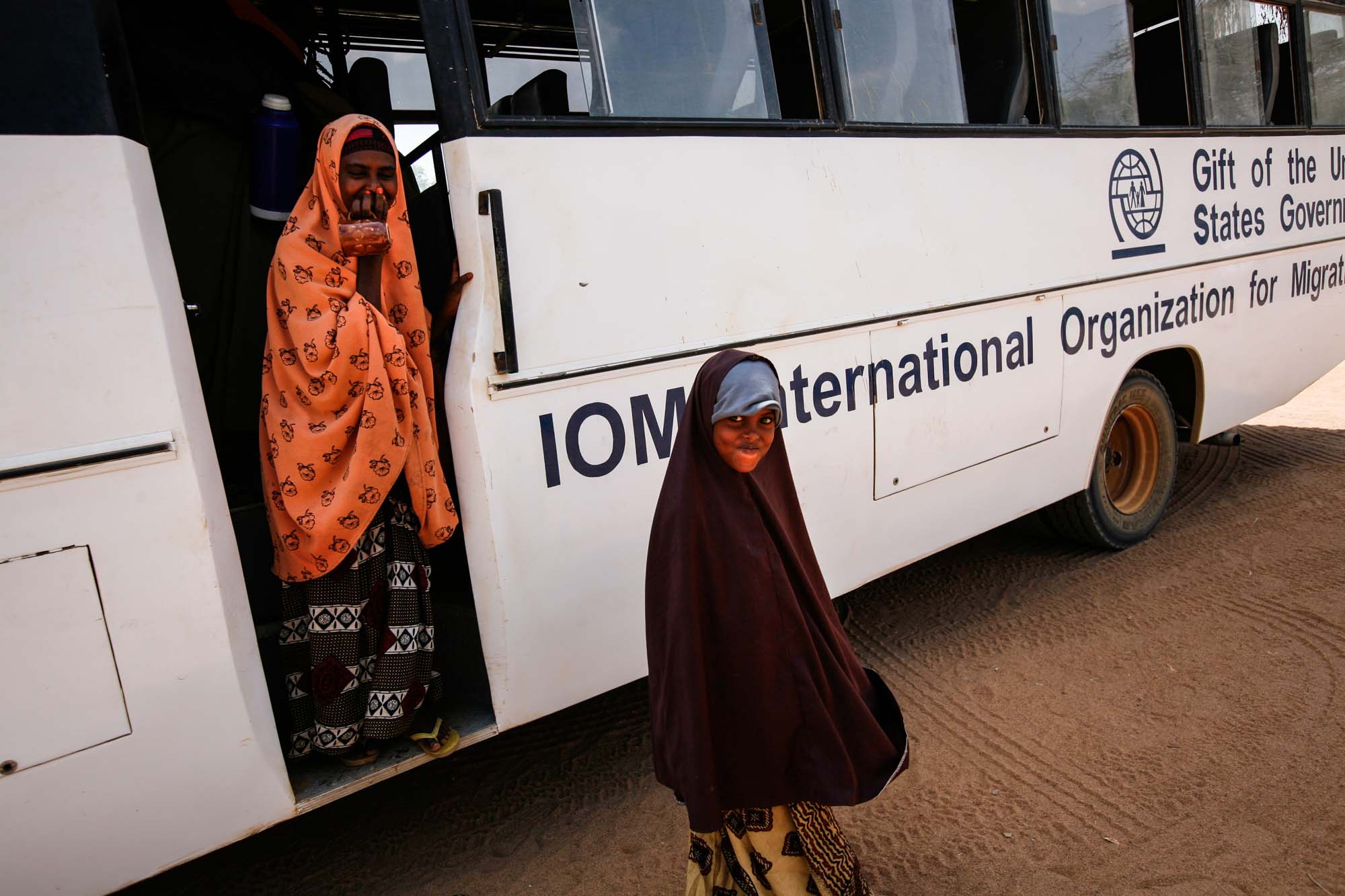
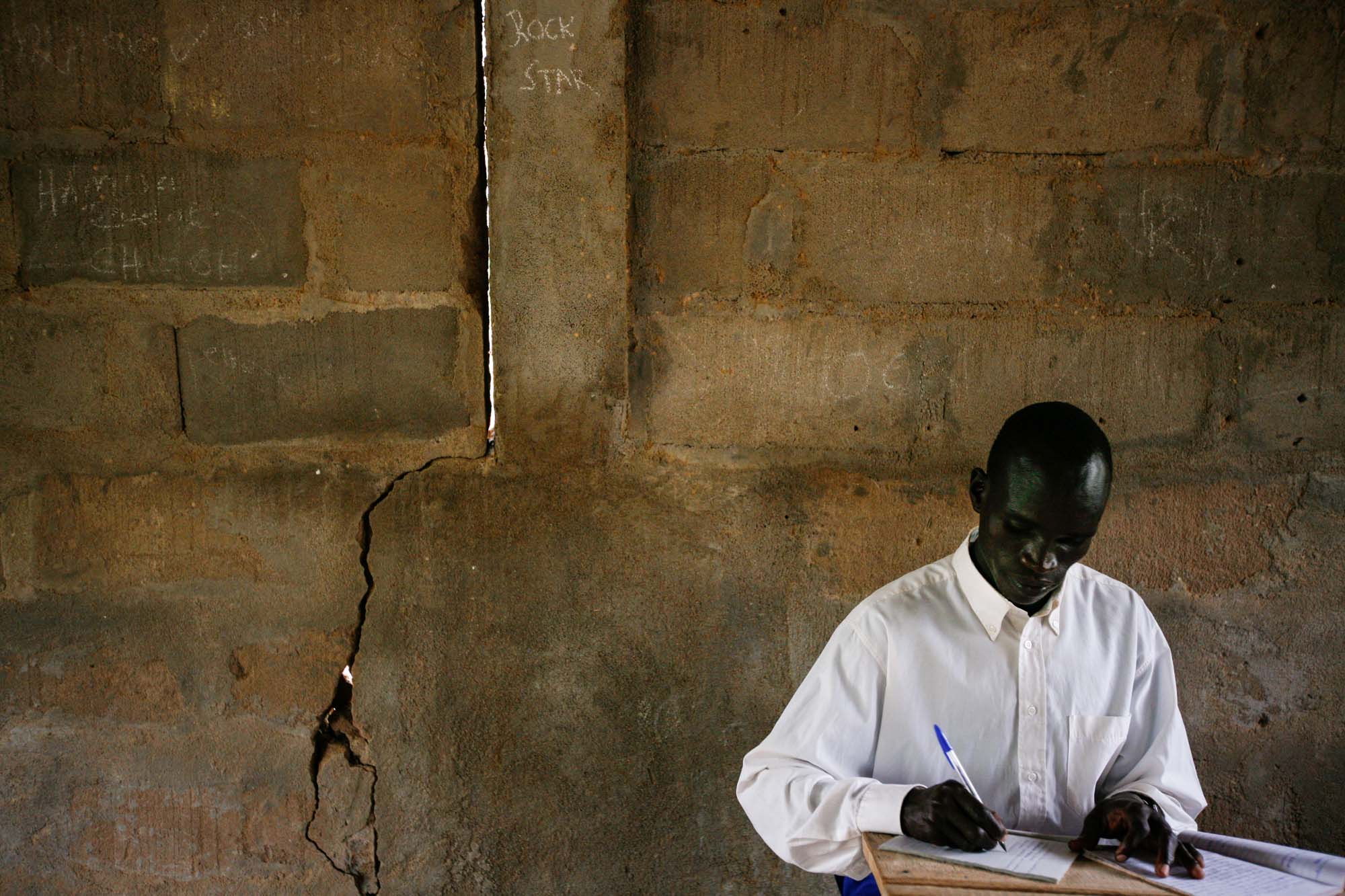
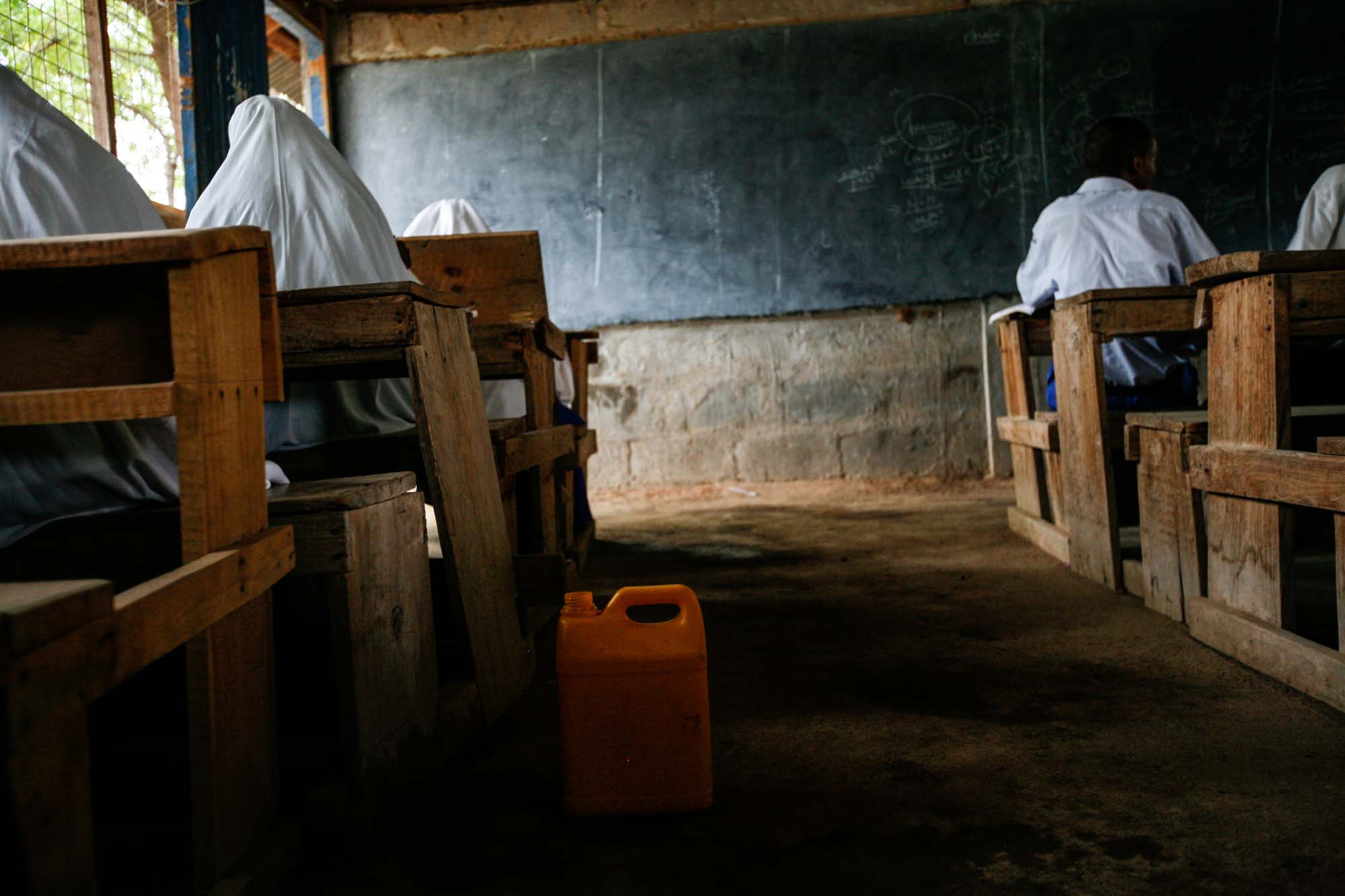
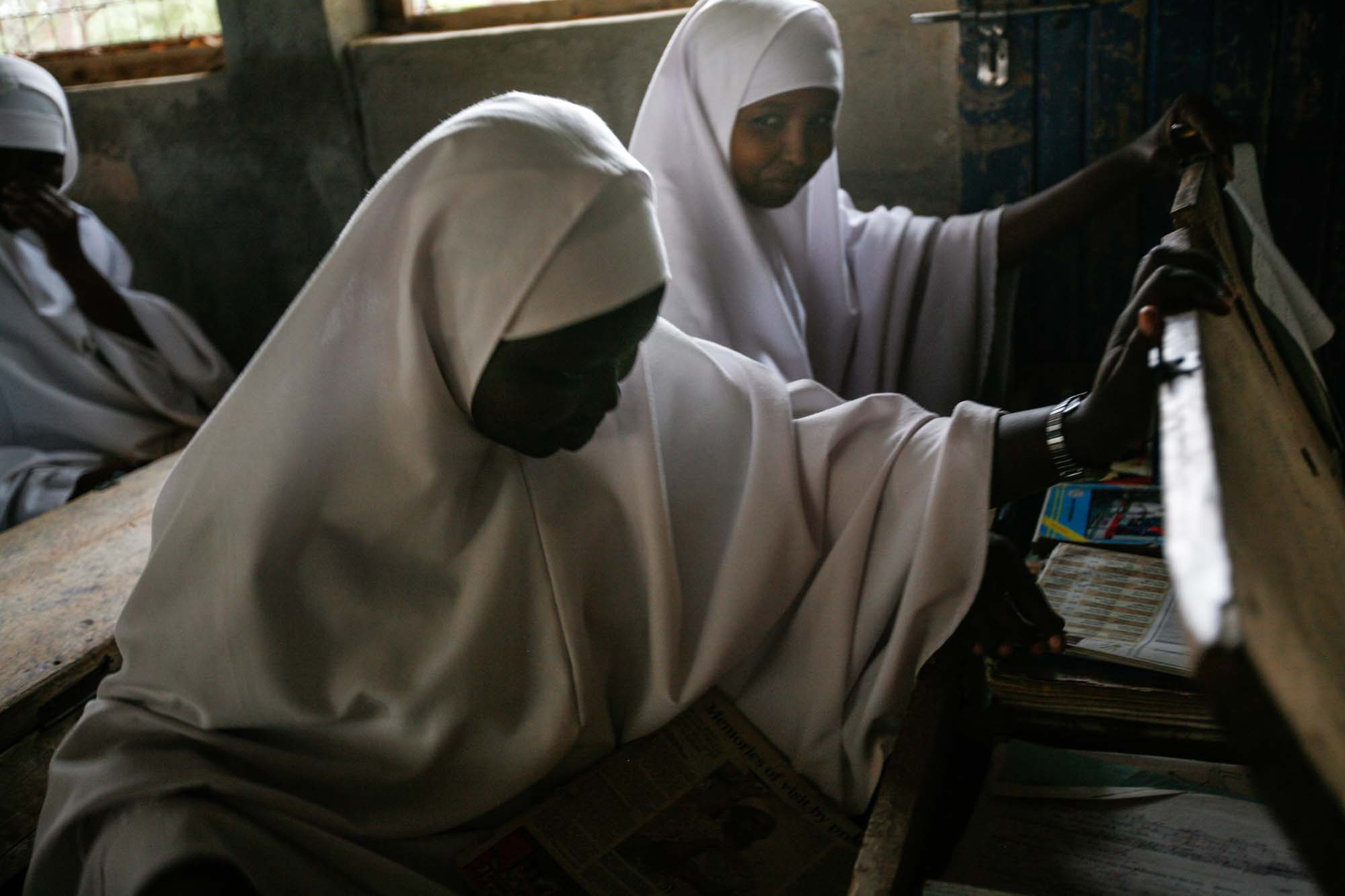
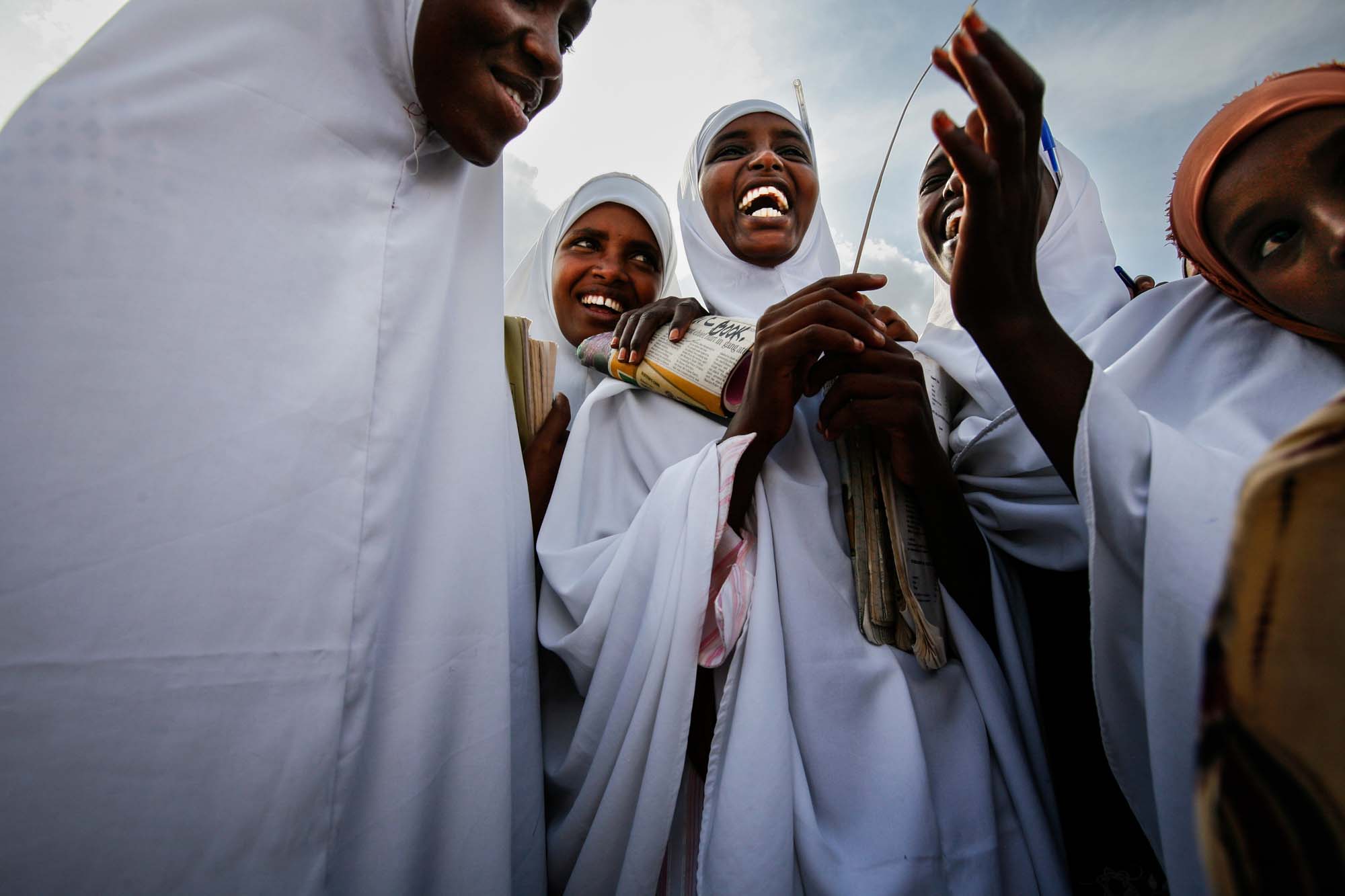
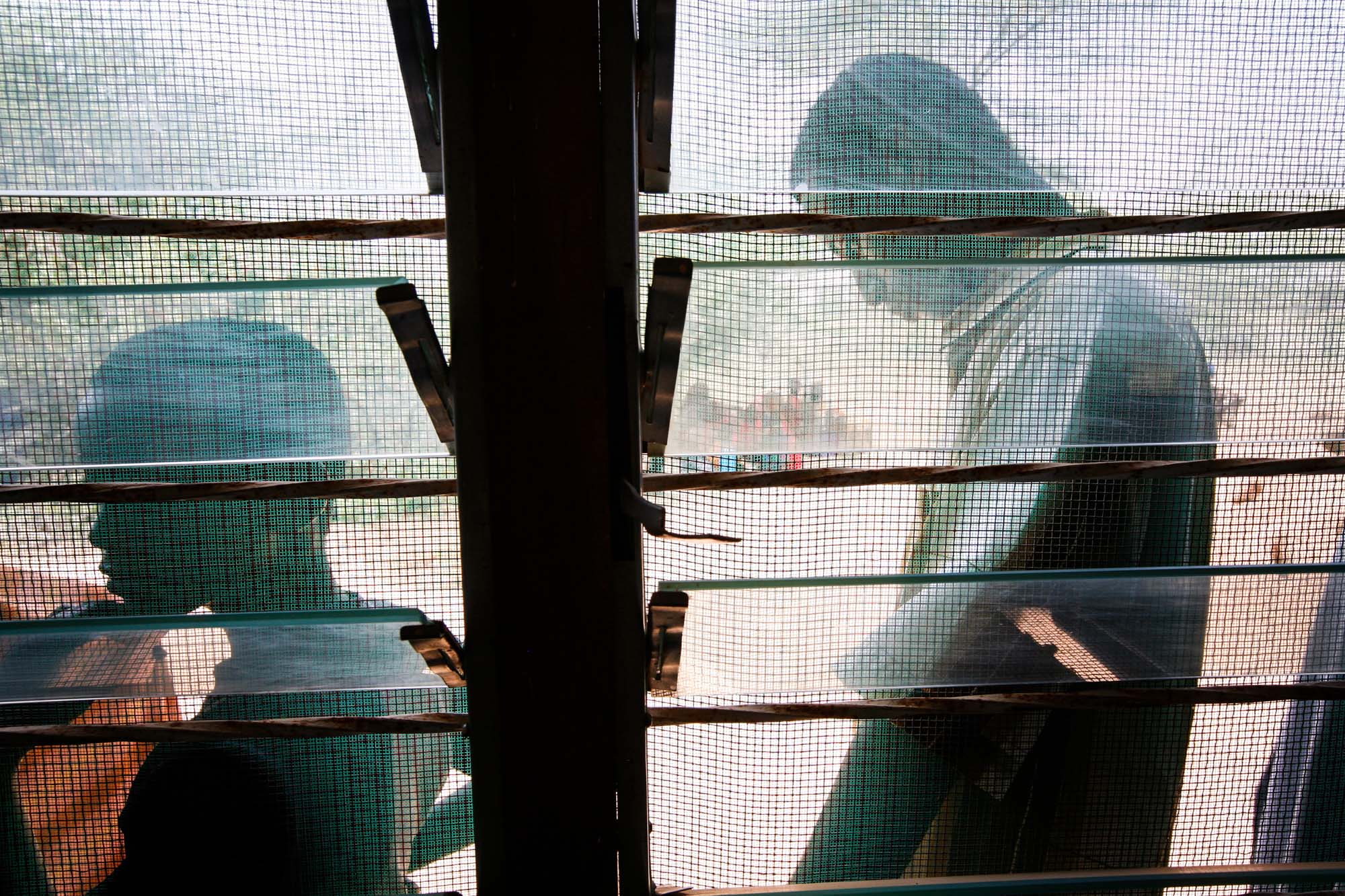
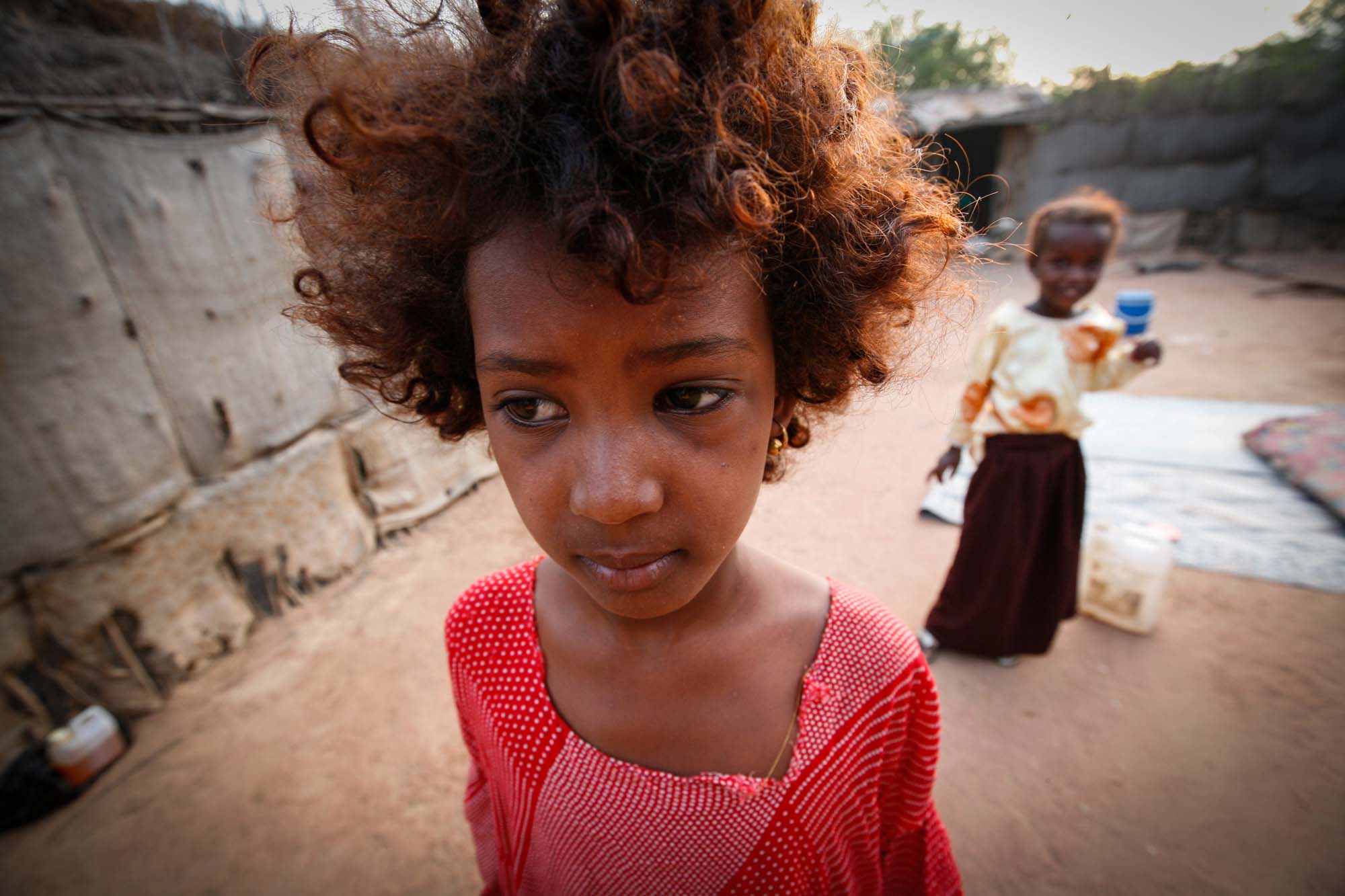
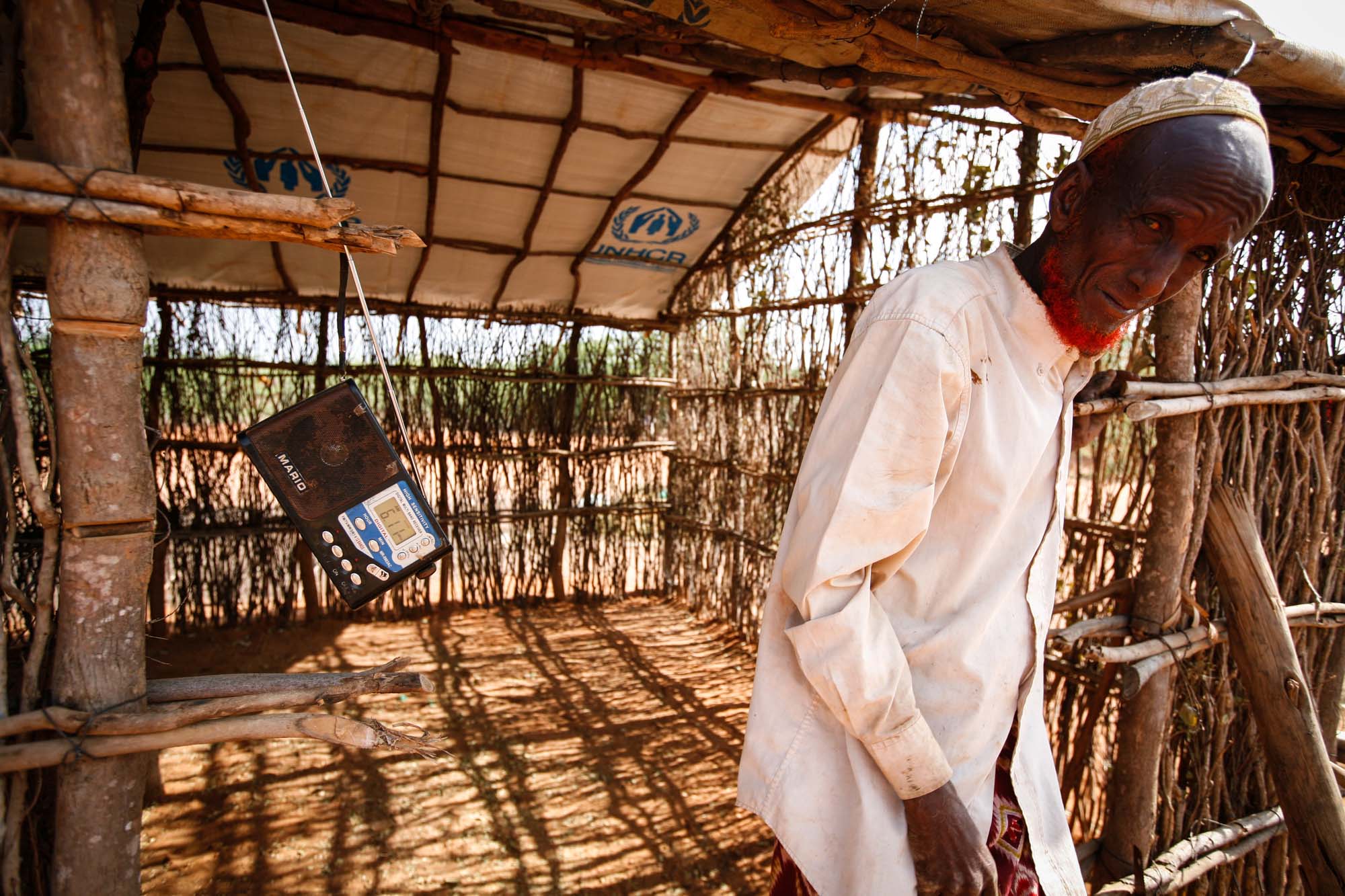
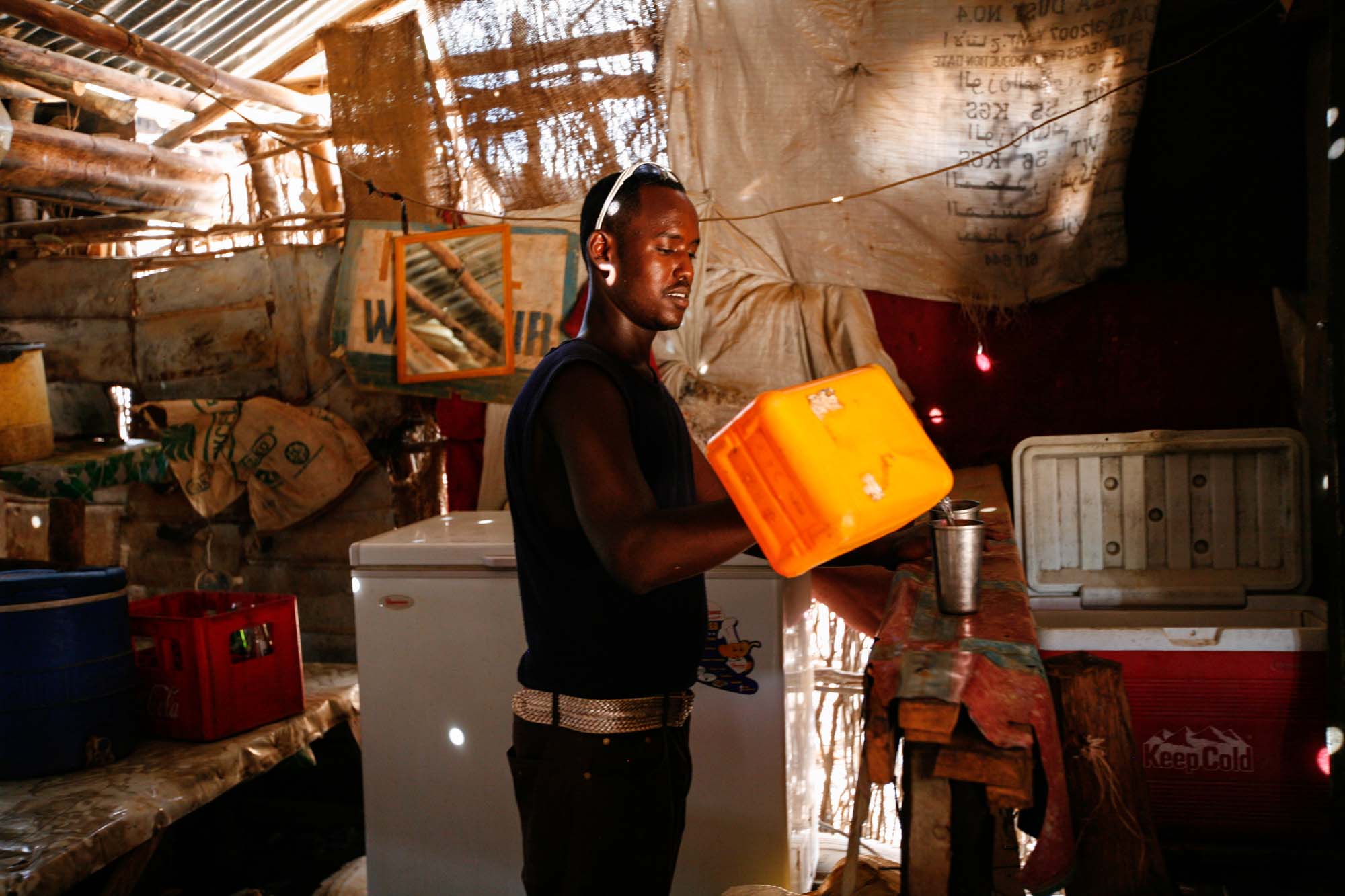
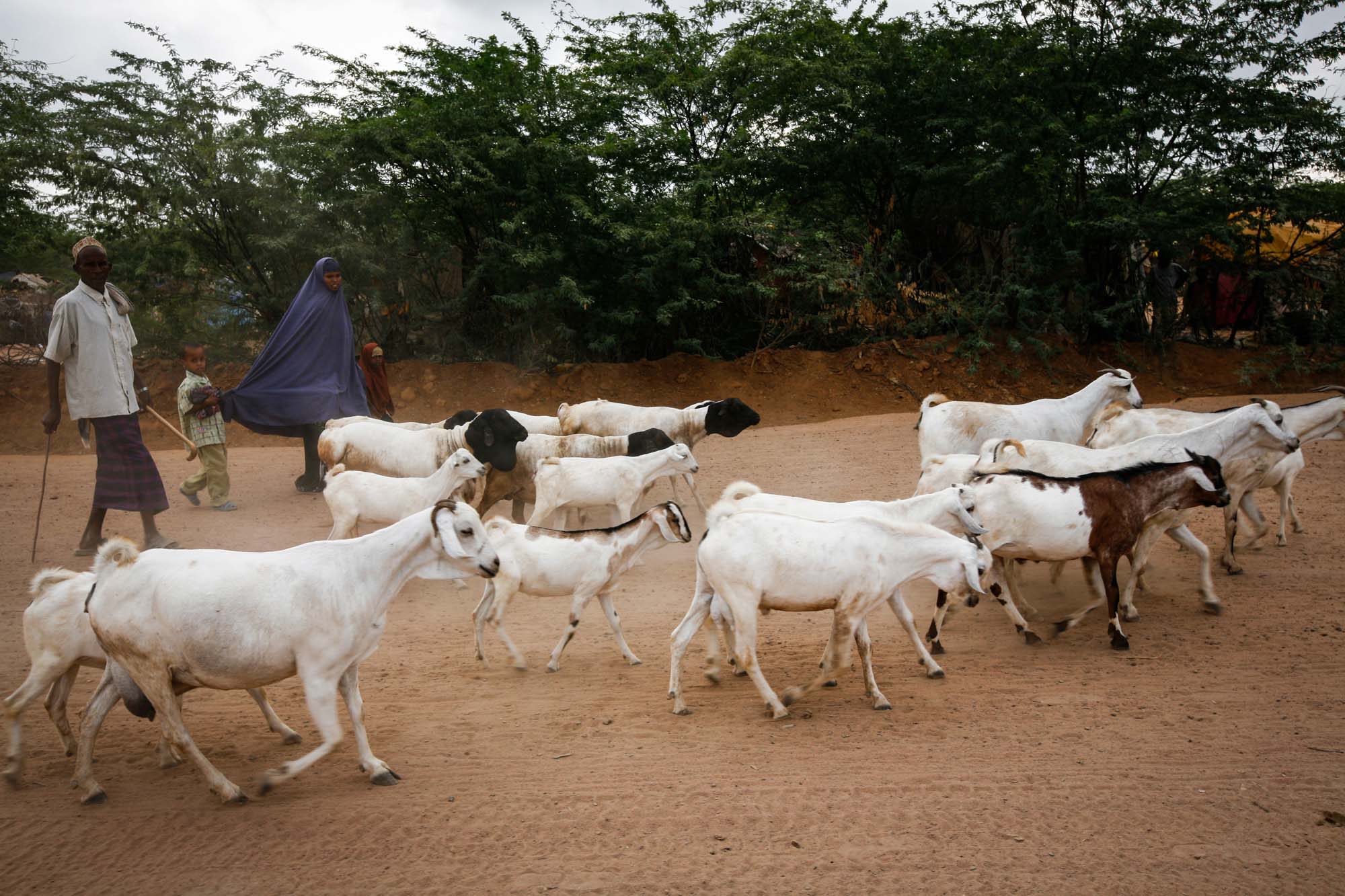
Located in northeastern Kenya, Dadaab camp is one of the world’s largest refugee settlements.
Established in the 1990s to shelter victims of Somalia’s civil war, it now hosts hundreds of thousands fleeing conflict, drought, or food insecurity.
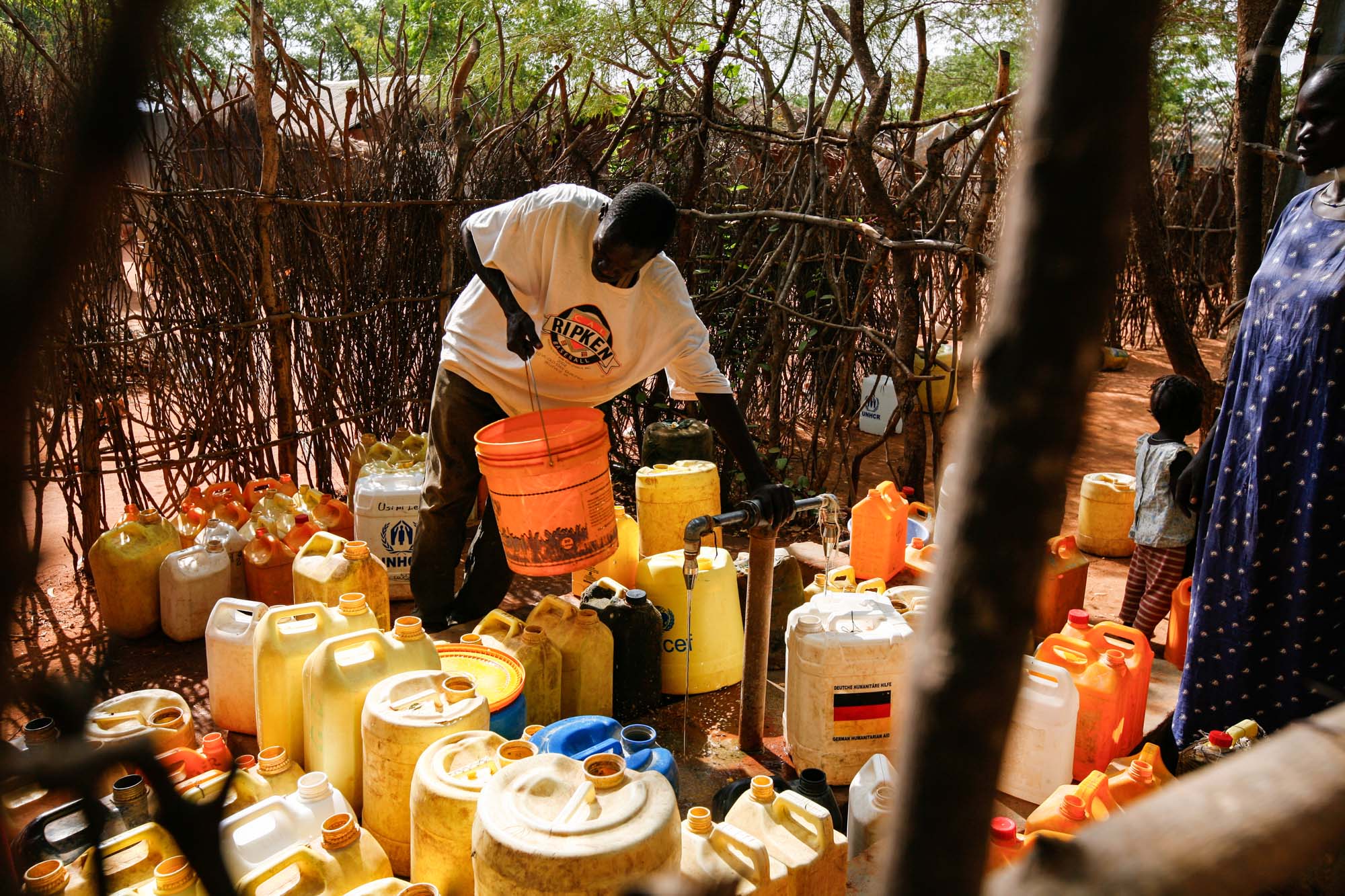
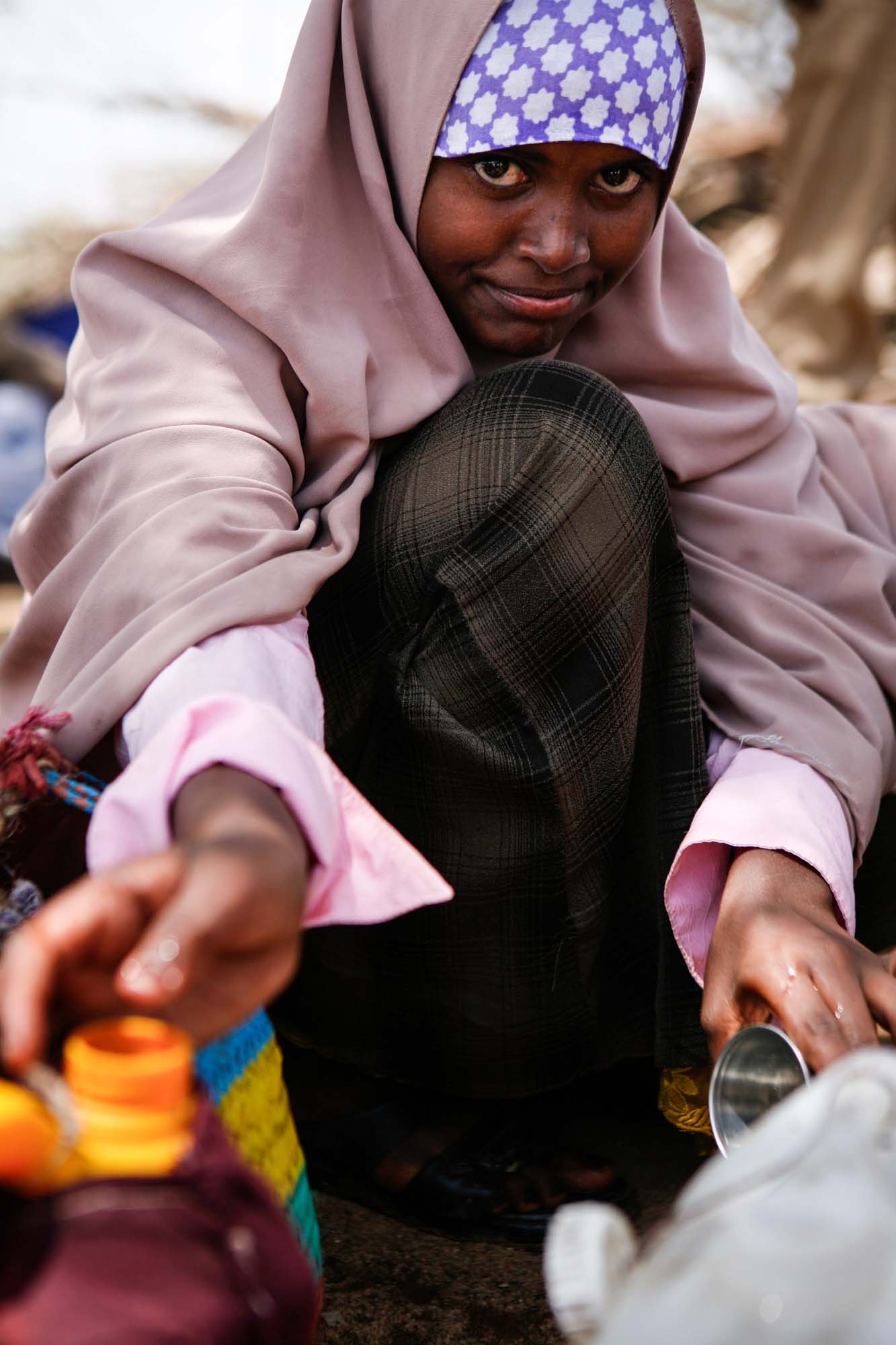
A sprawling tent city, Dadaab operates through the joint efforts of UNHCR, NGOs, and refugees themselves. Despite harsh living conditions — limited water, education, and healthcare — the resilience of its inhabitants is remarkable.
Between hopes of return and resettlement, the camp embodies humanity in limbo, where generations are born, grow, and survive.
In Dadaab, exile has become a way of life.
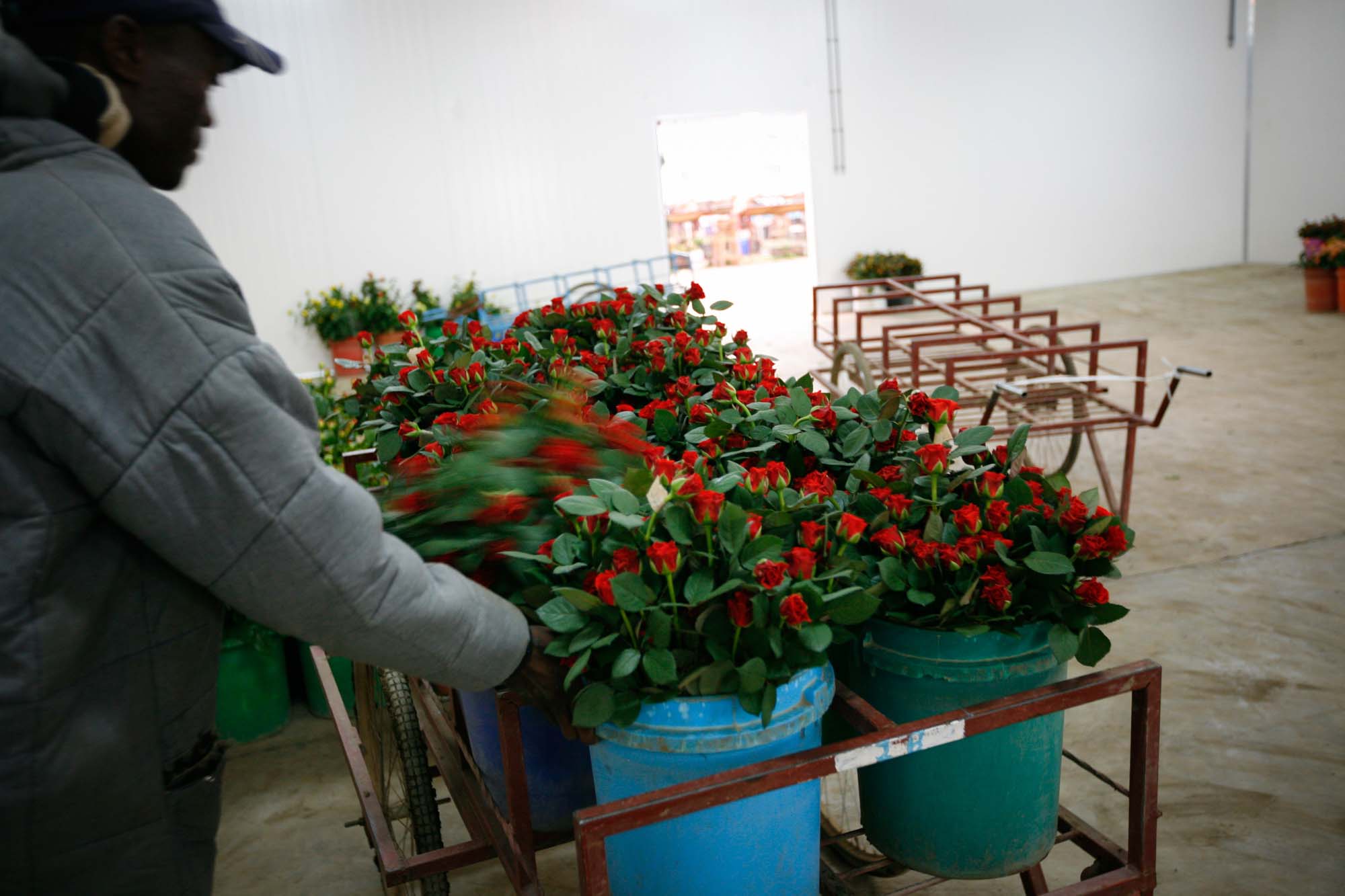
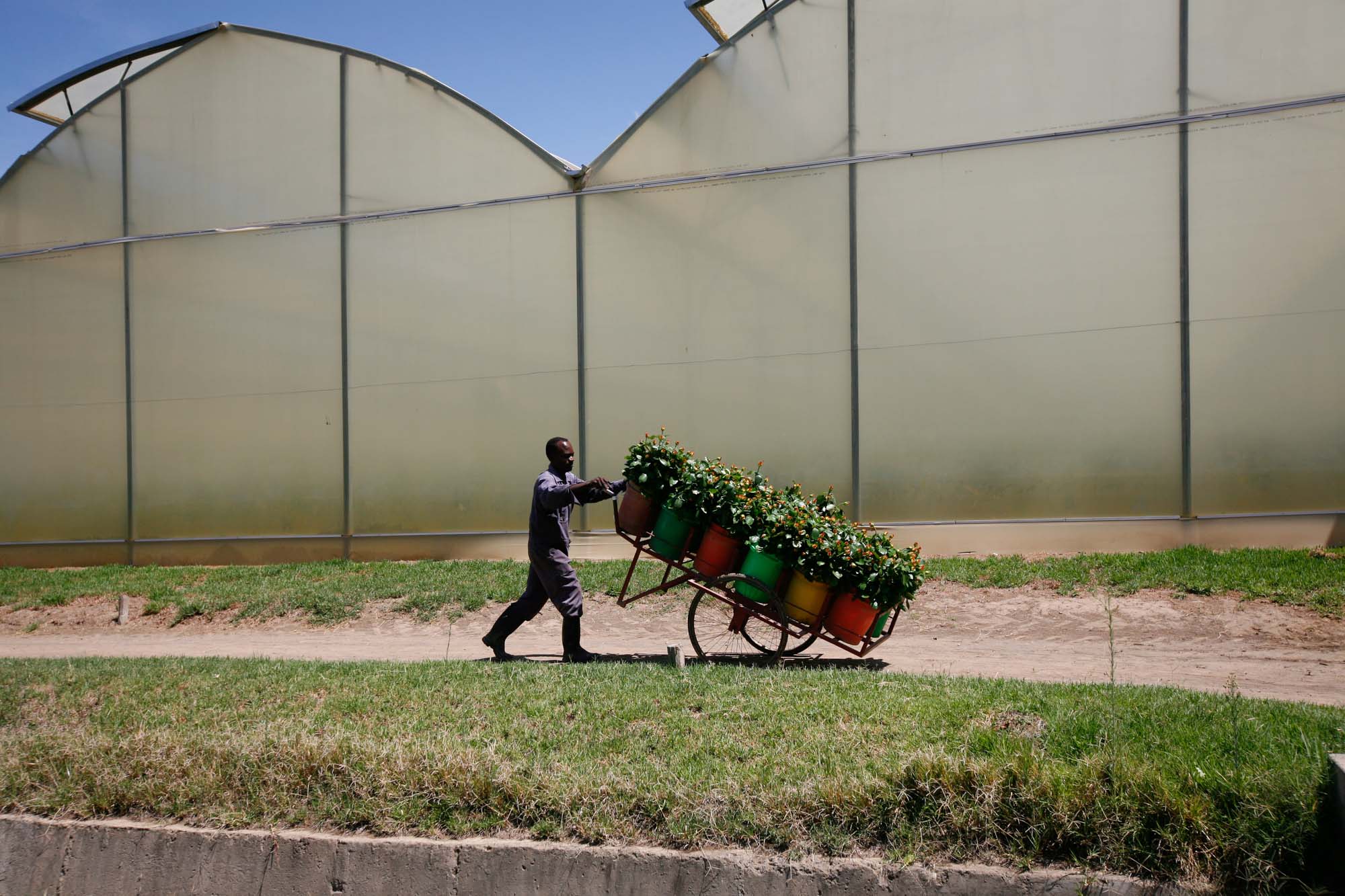
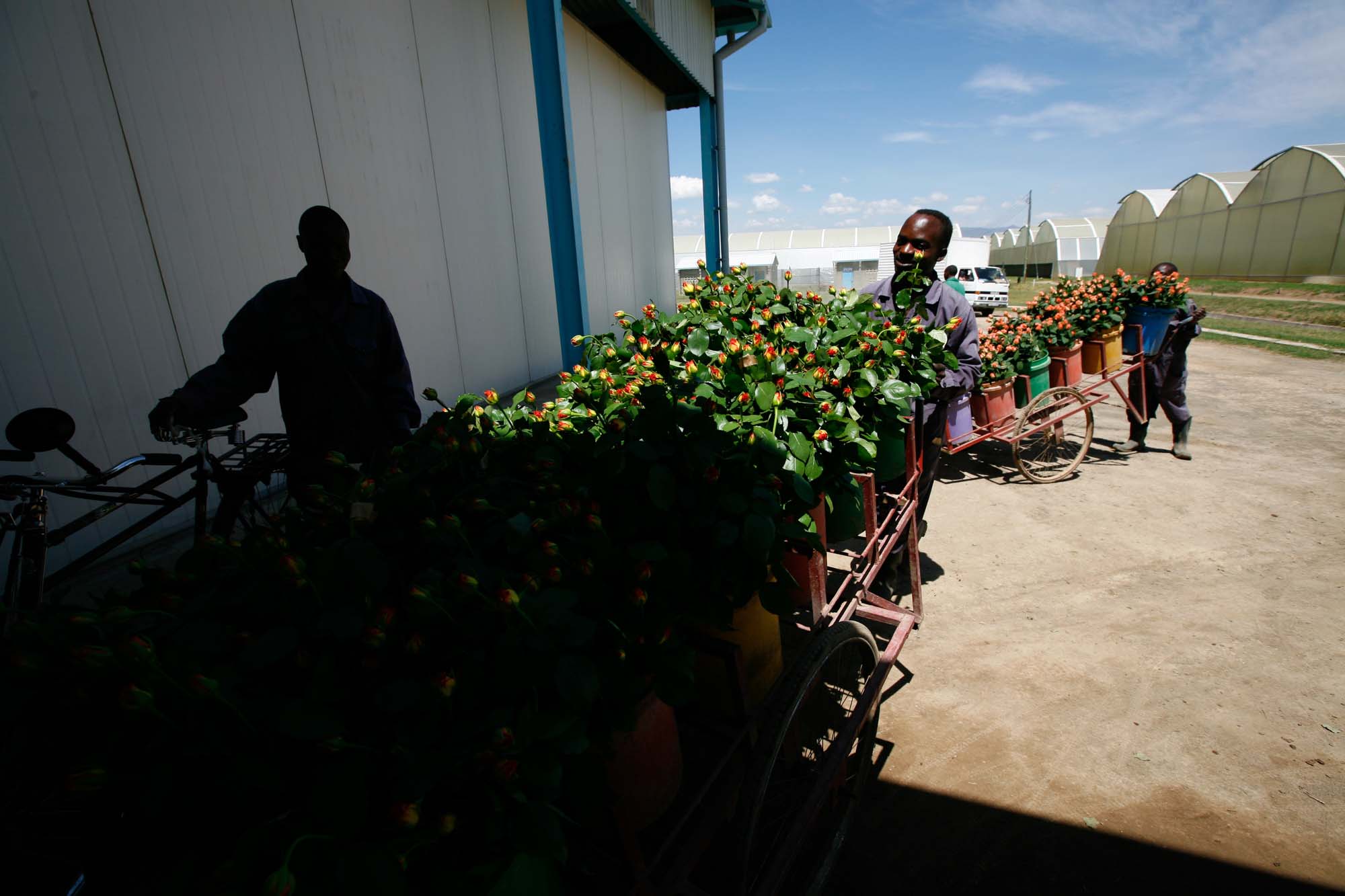
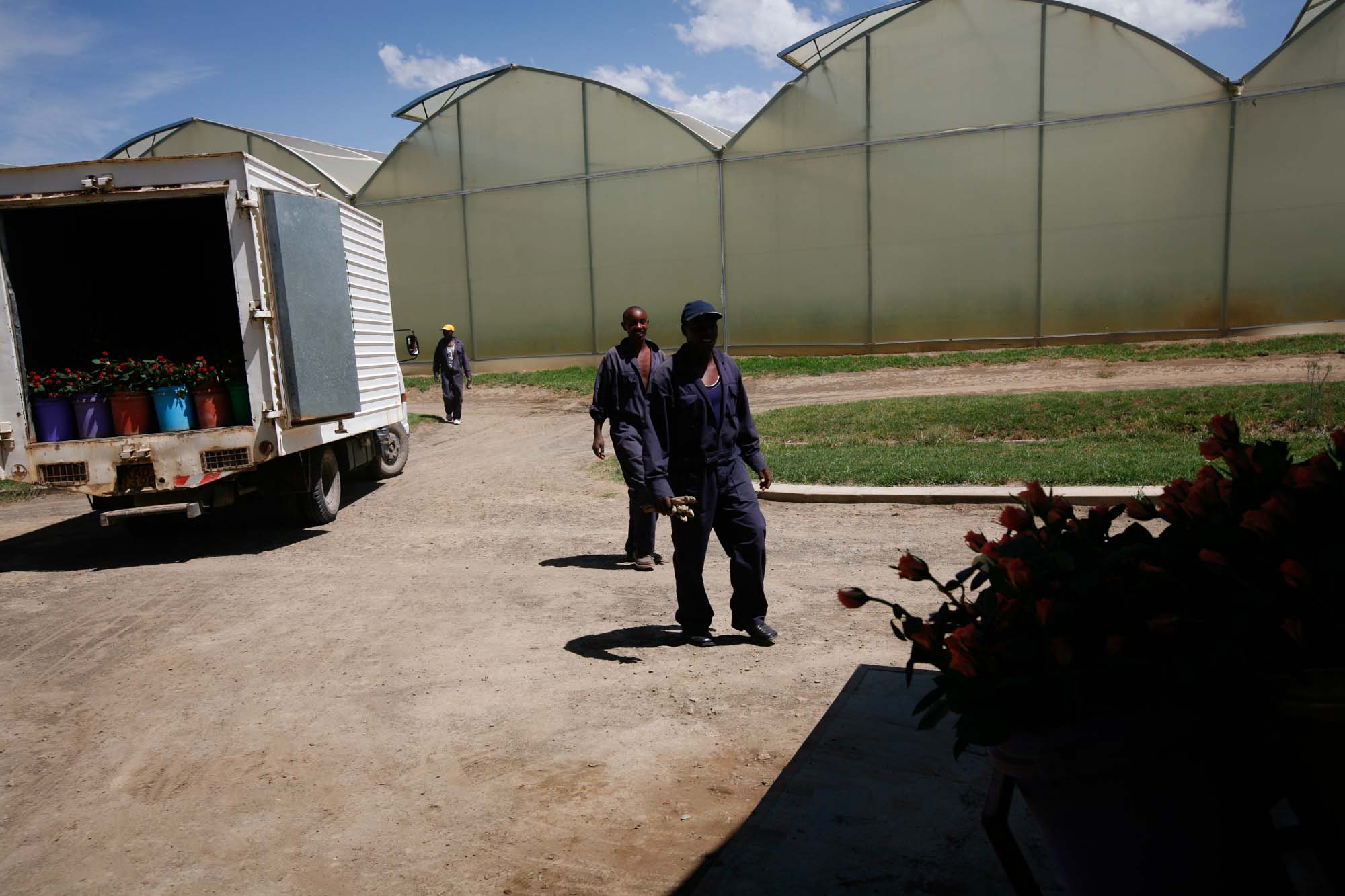
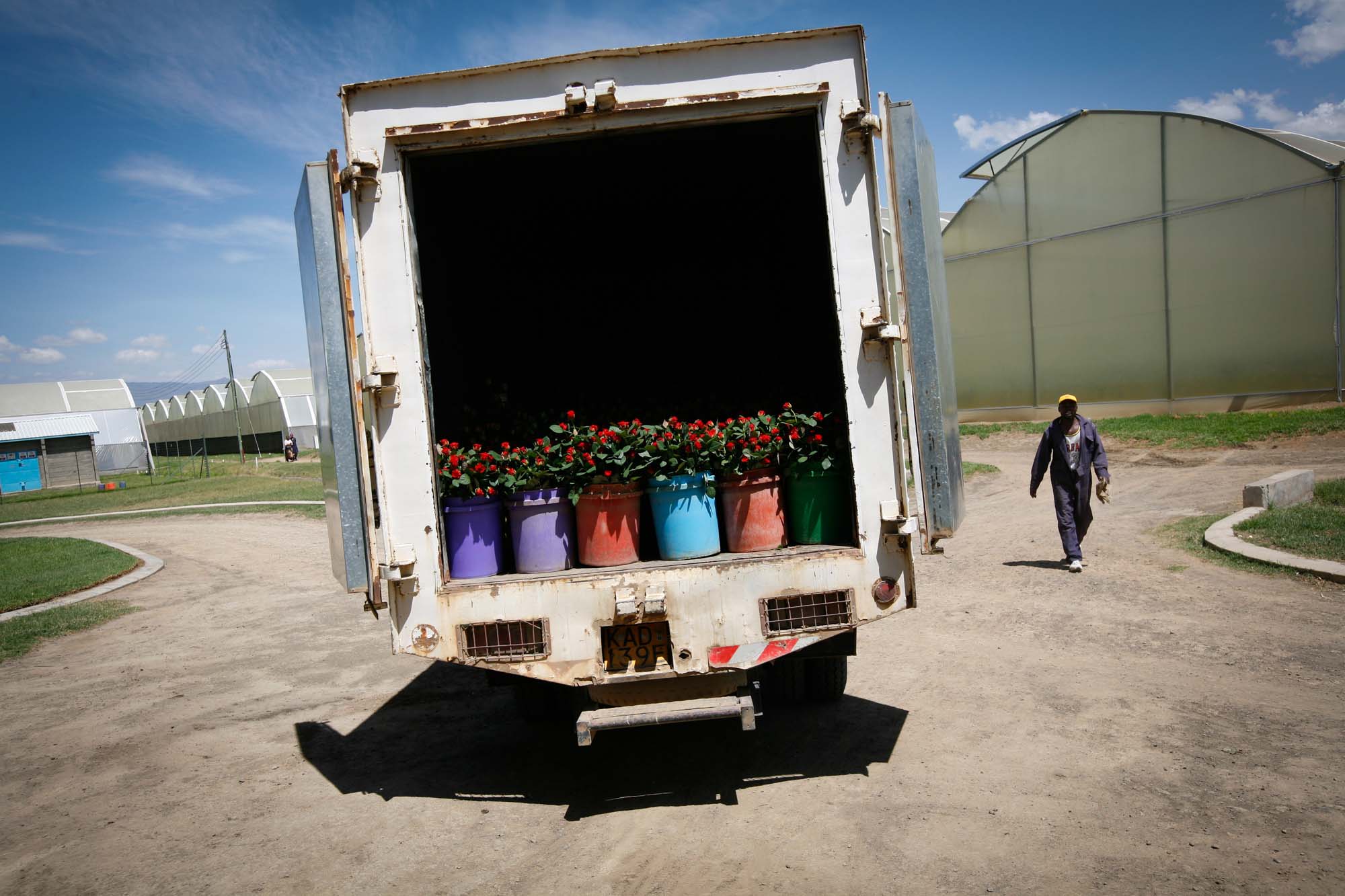
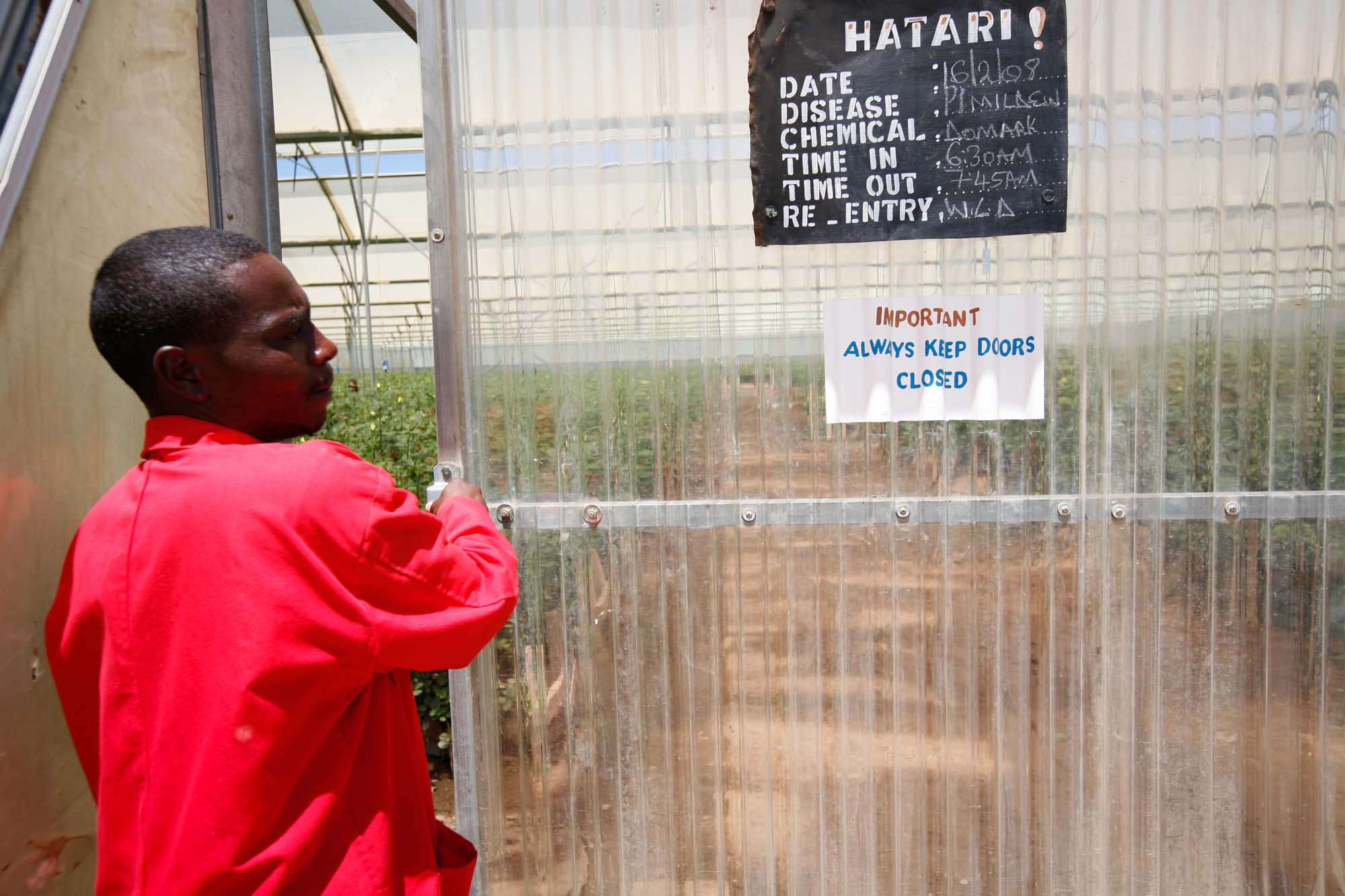
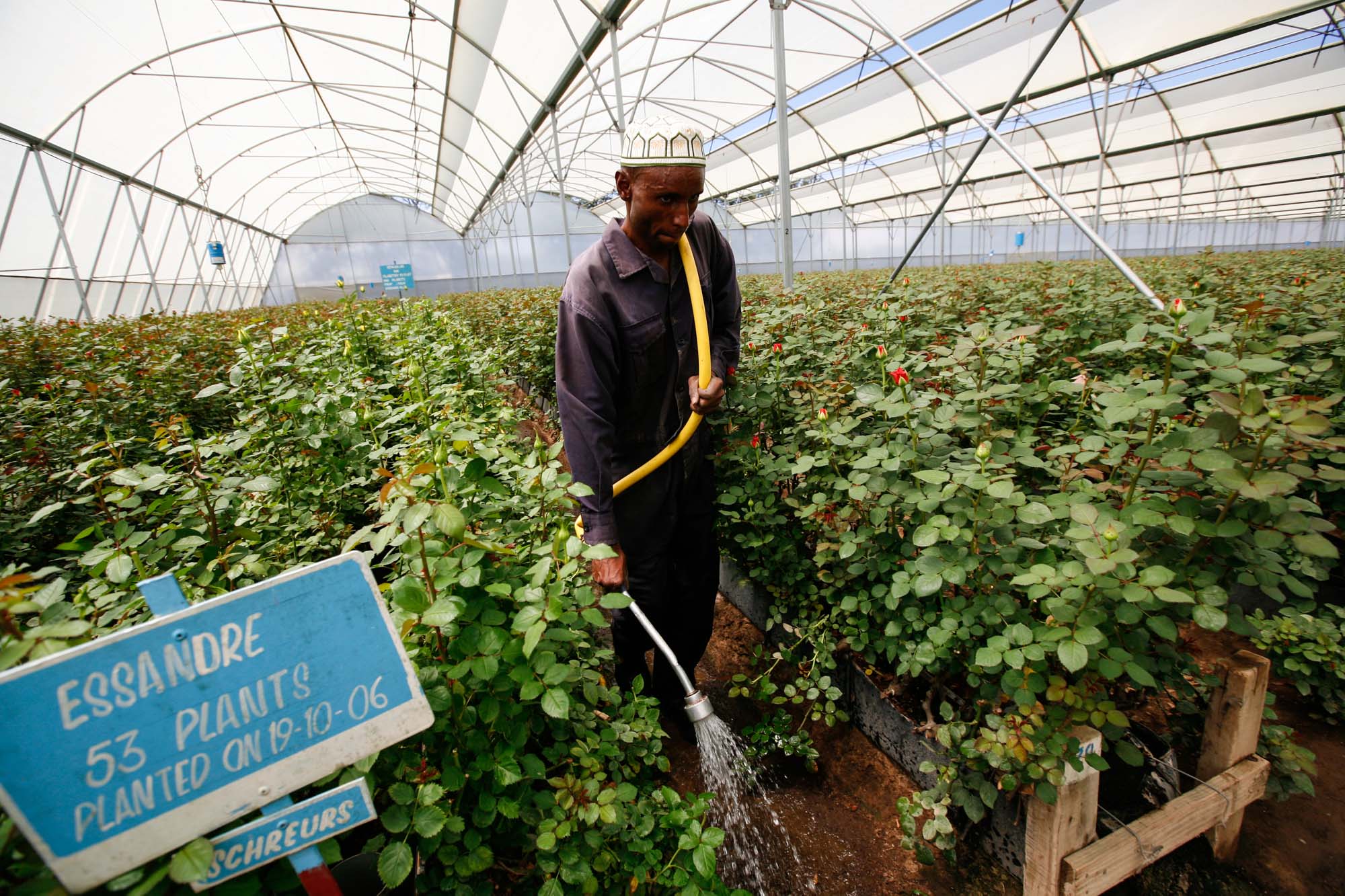
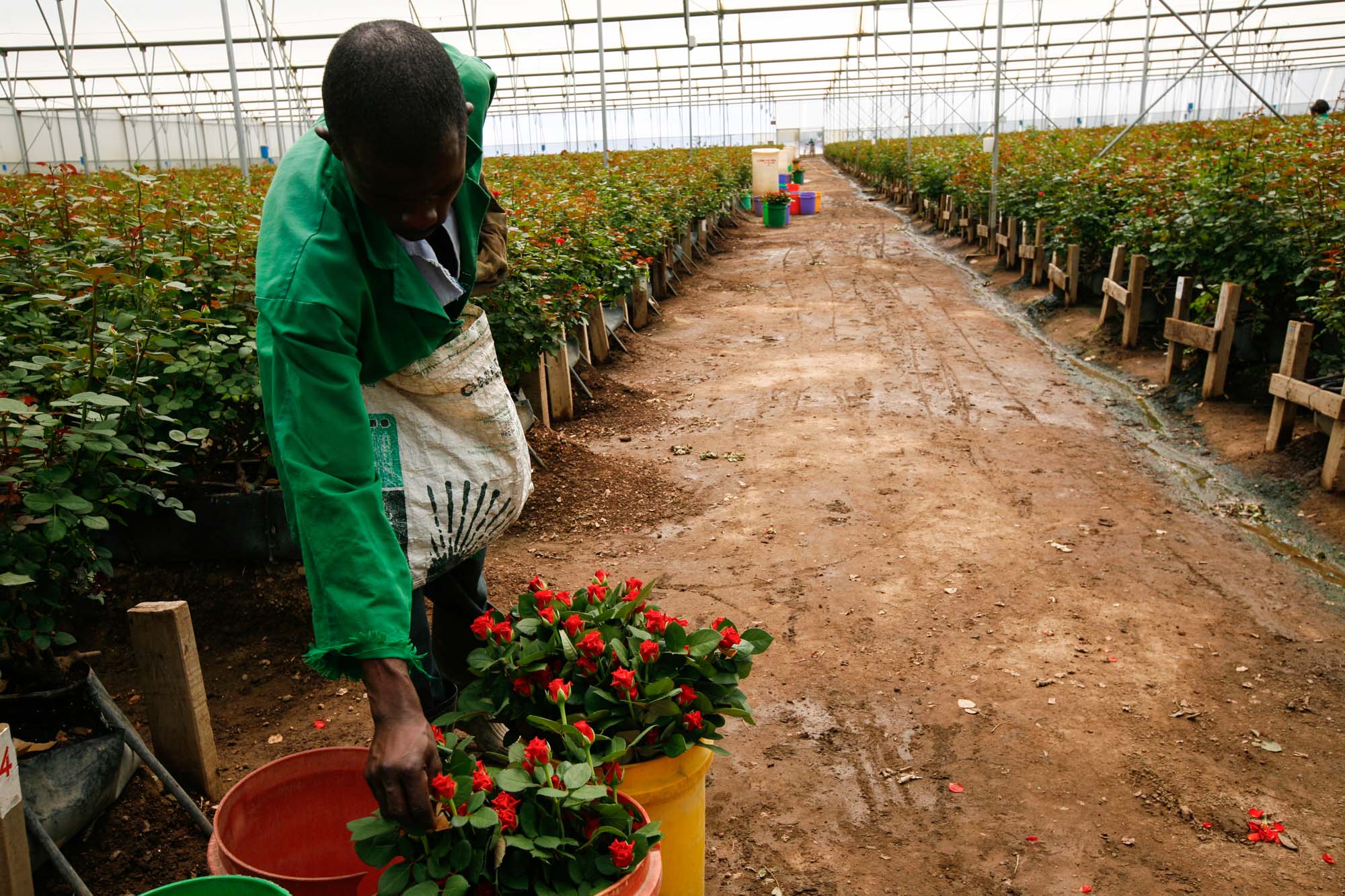
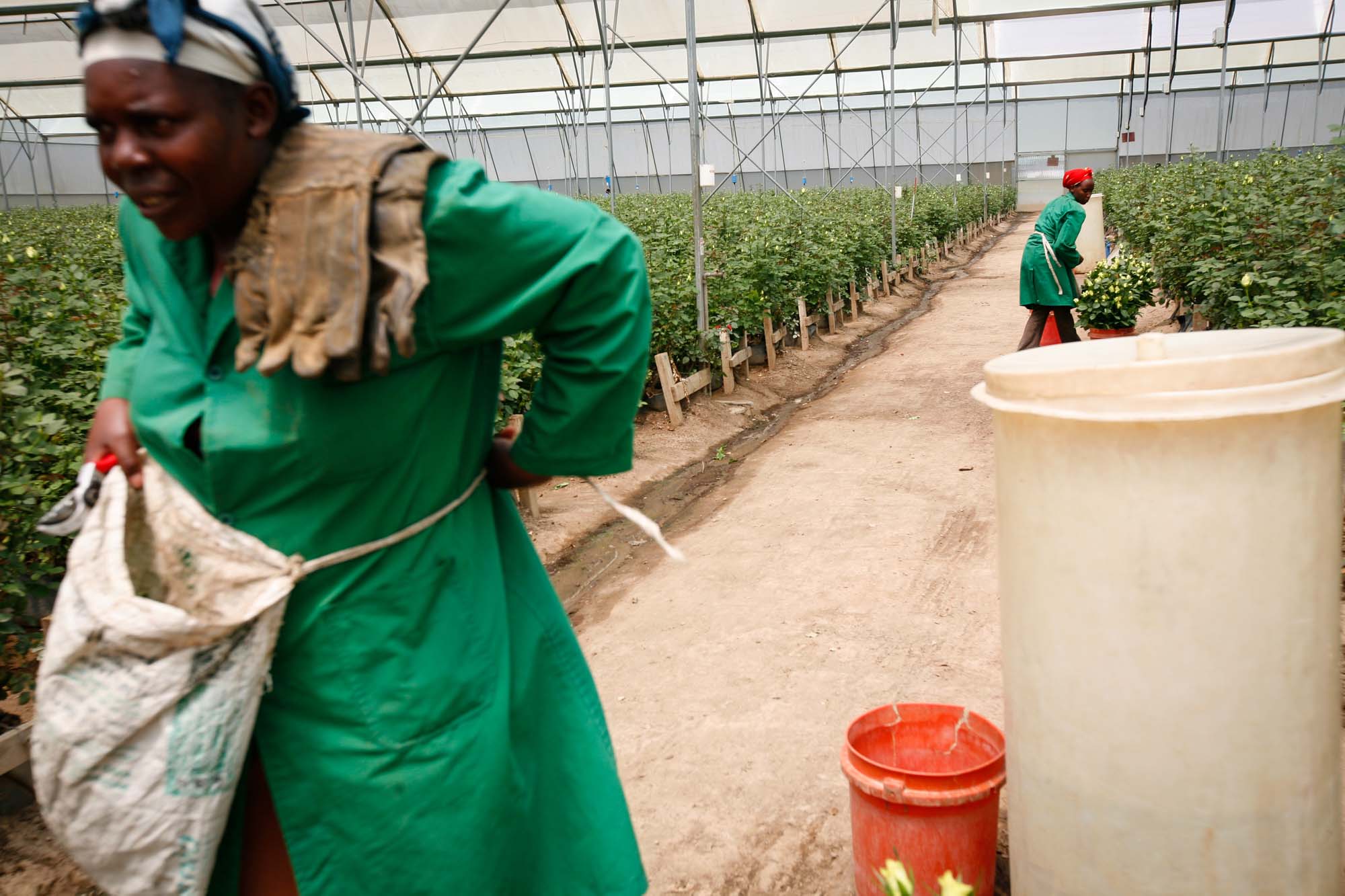
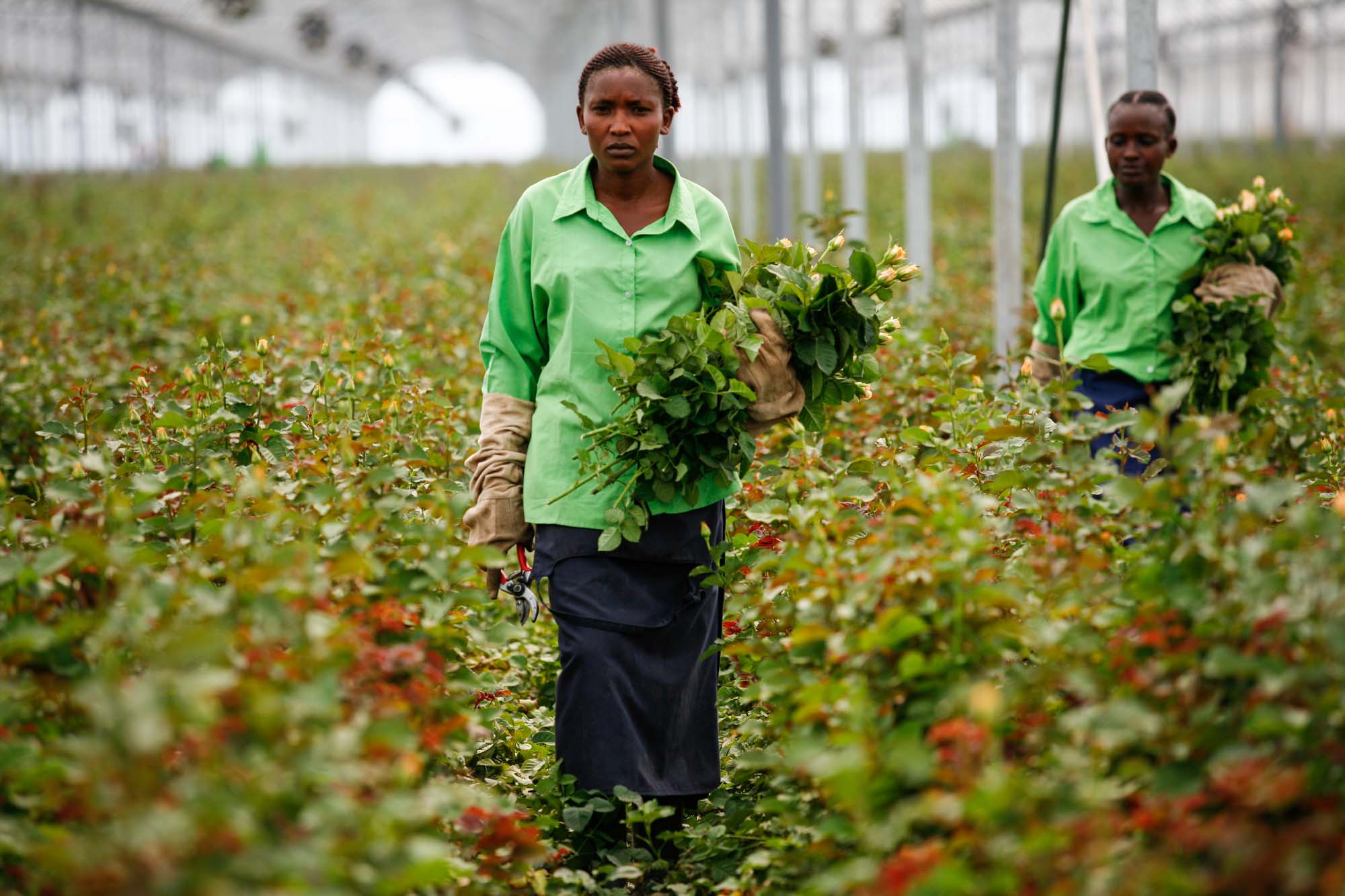
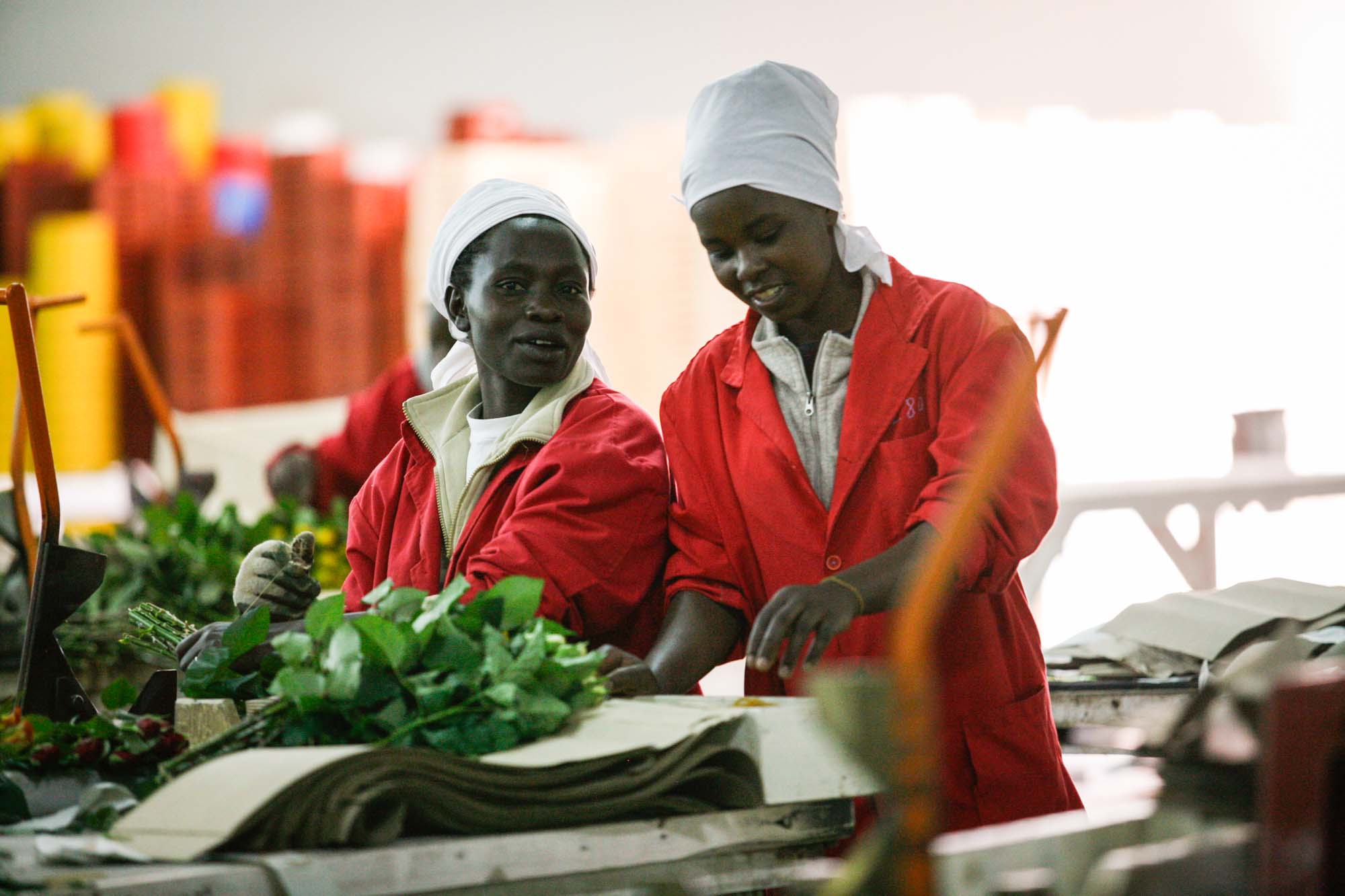
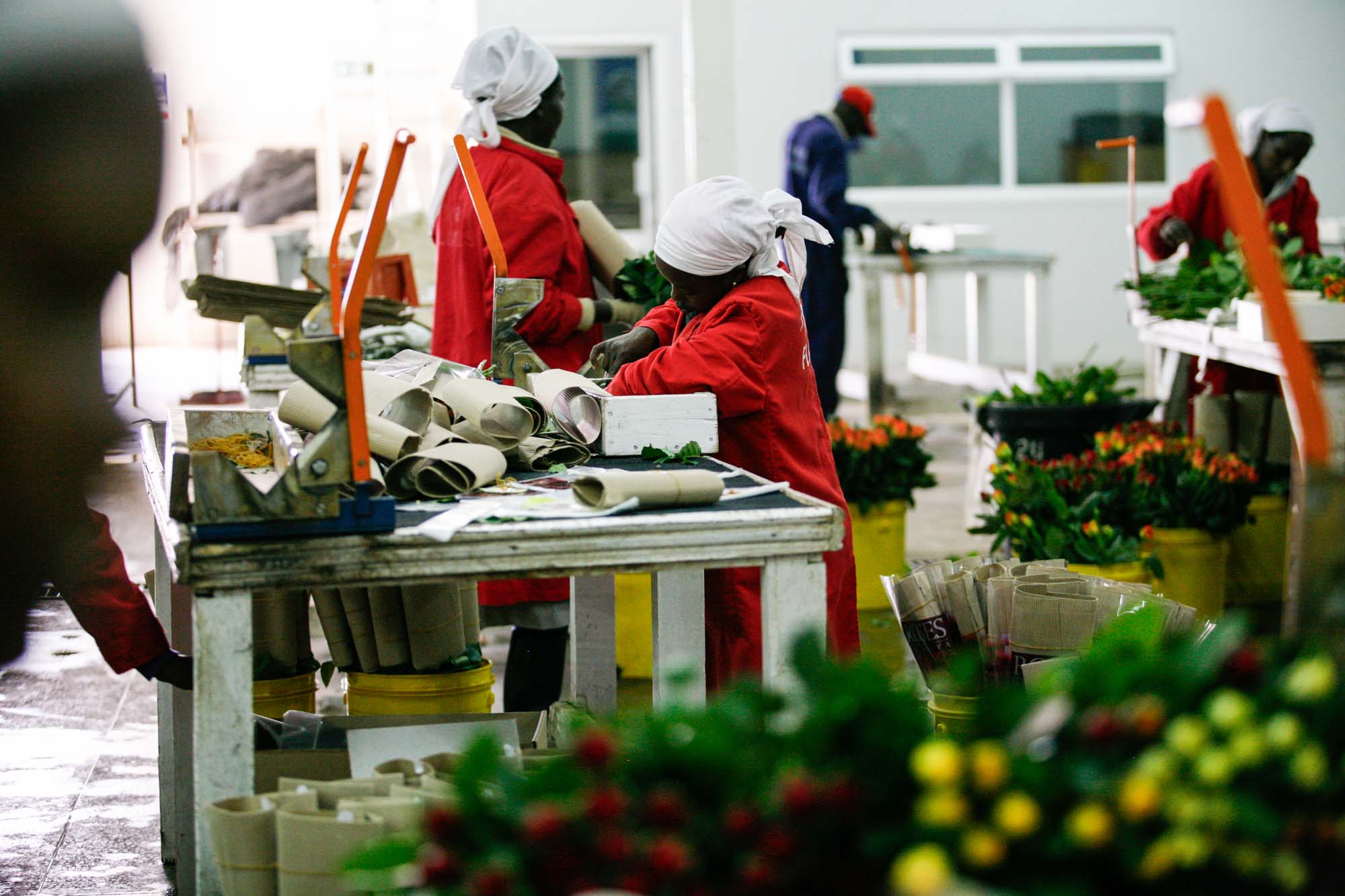
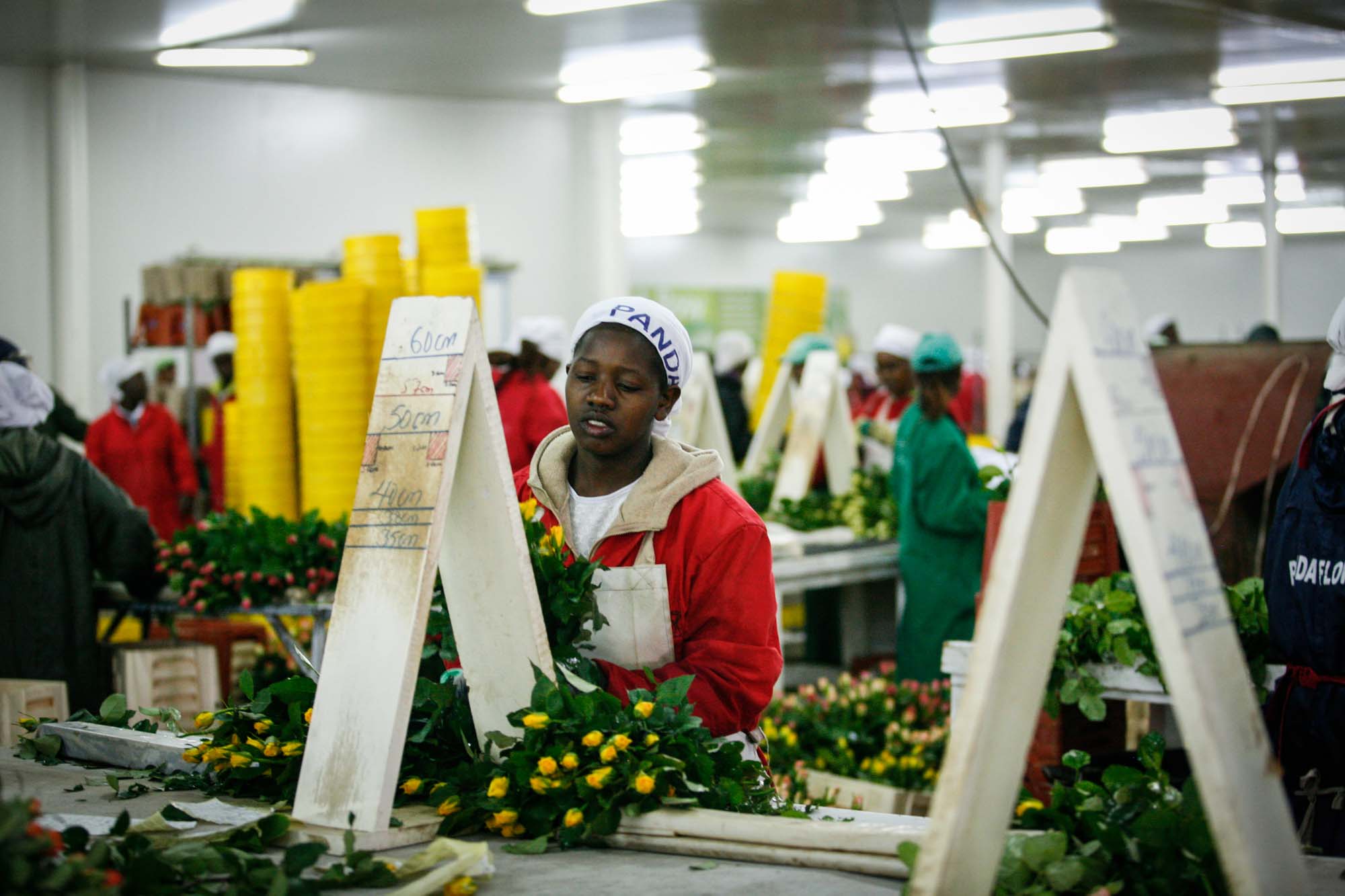
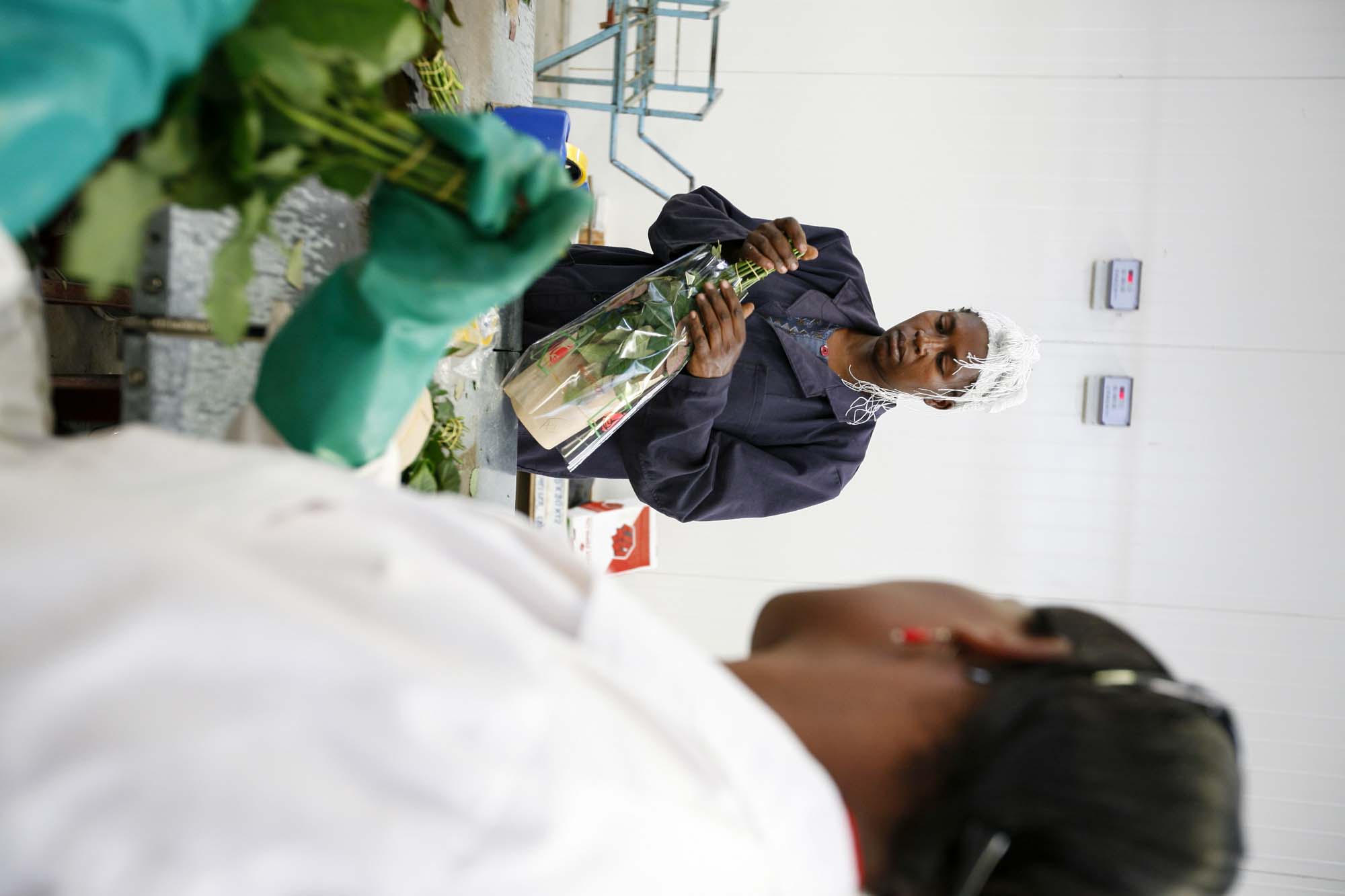
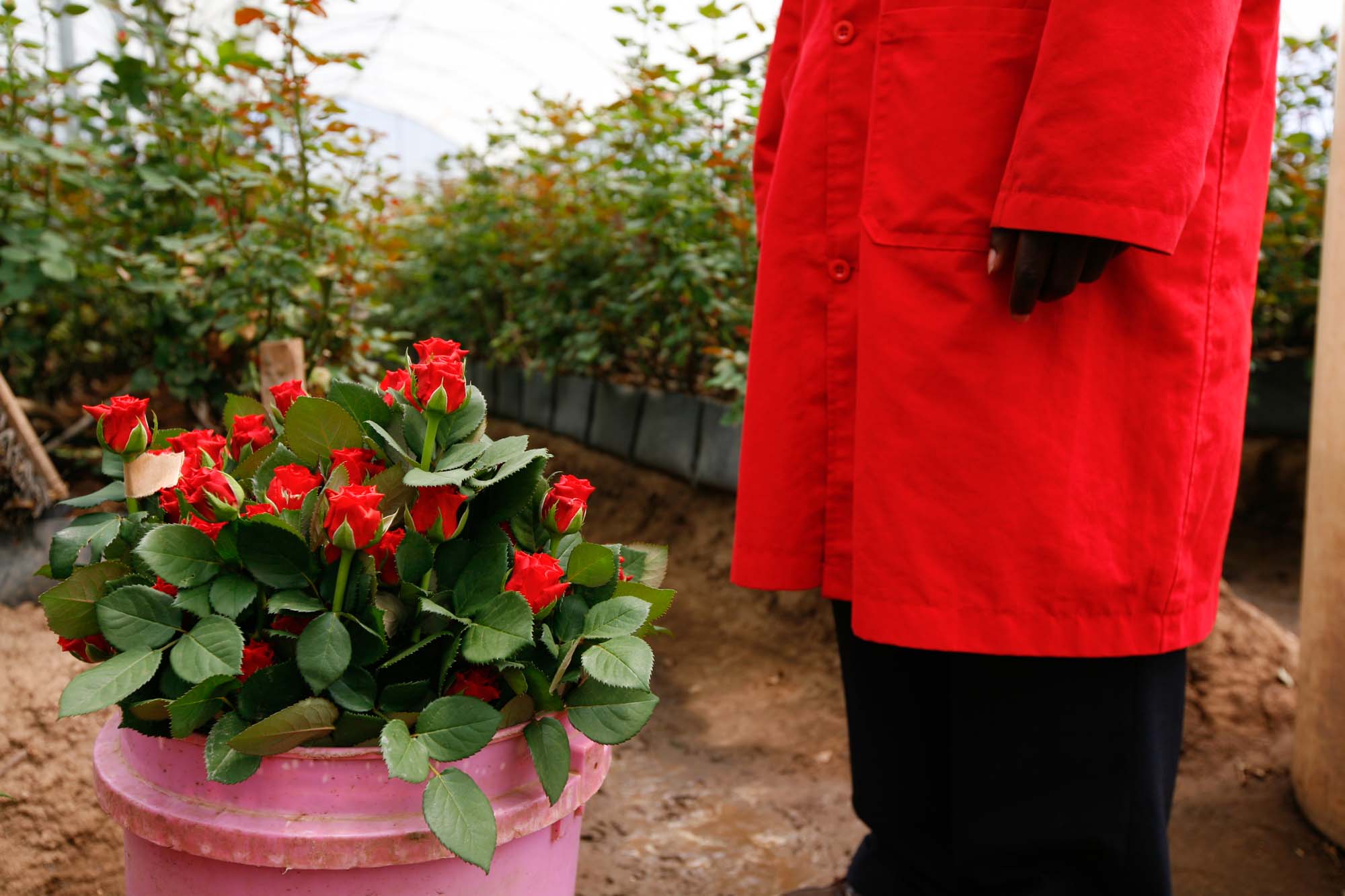
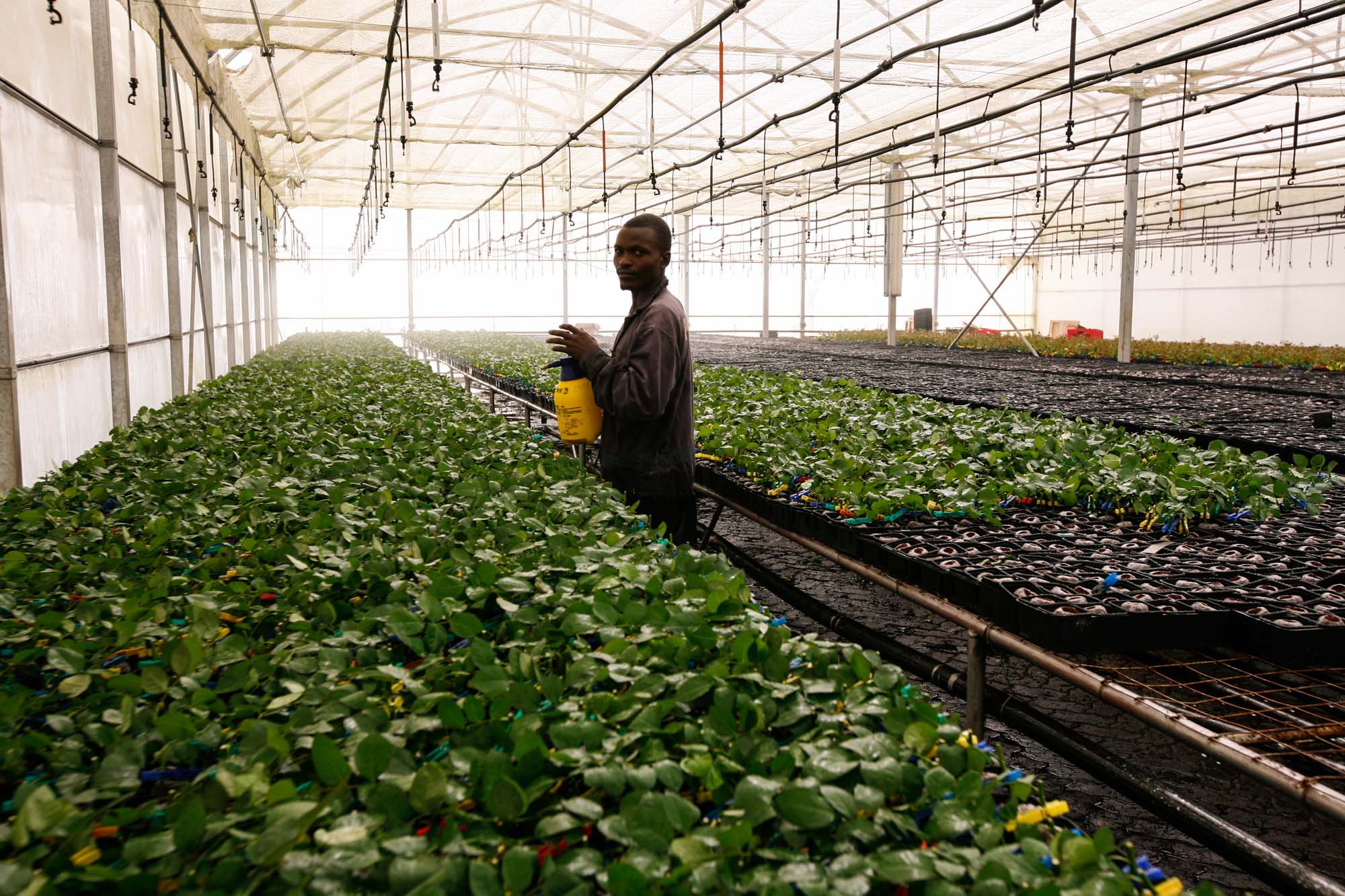
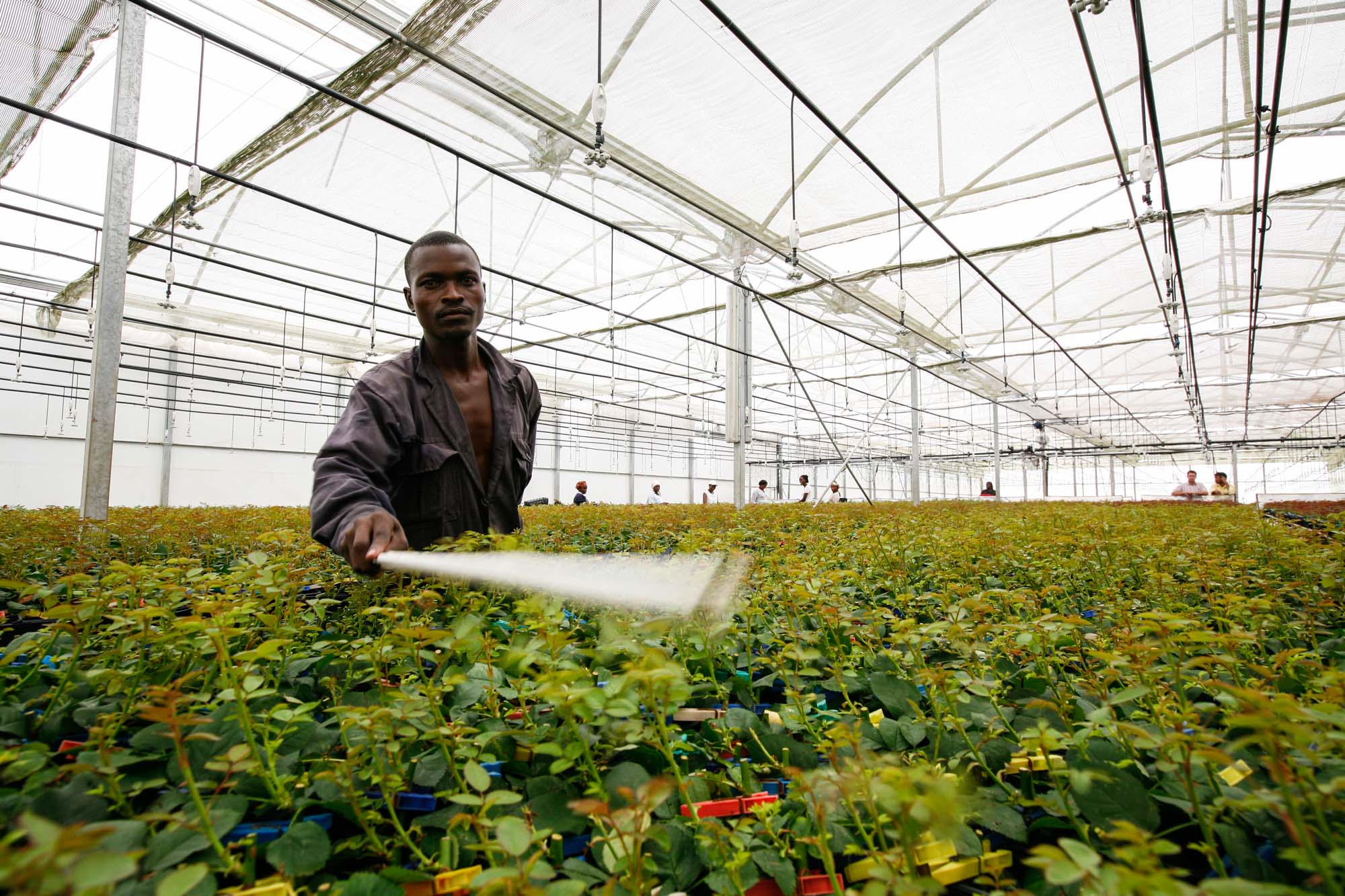
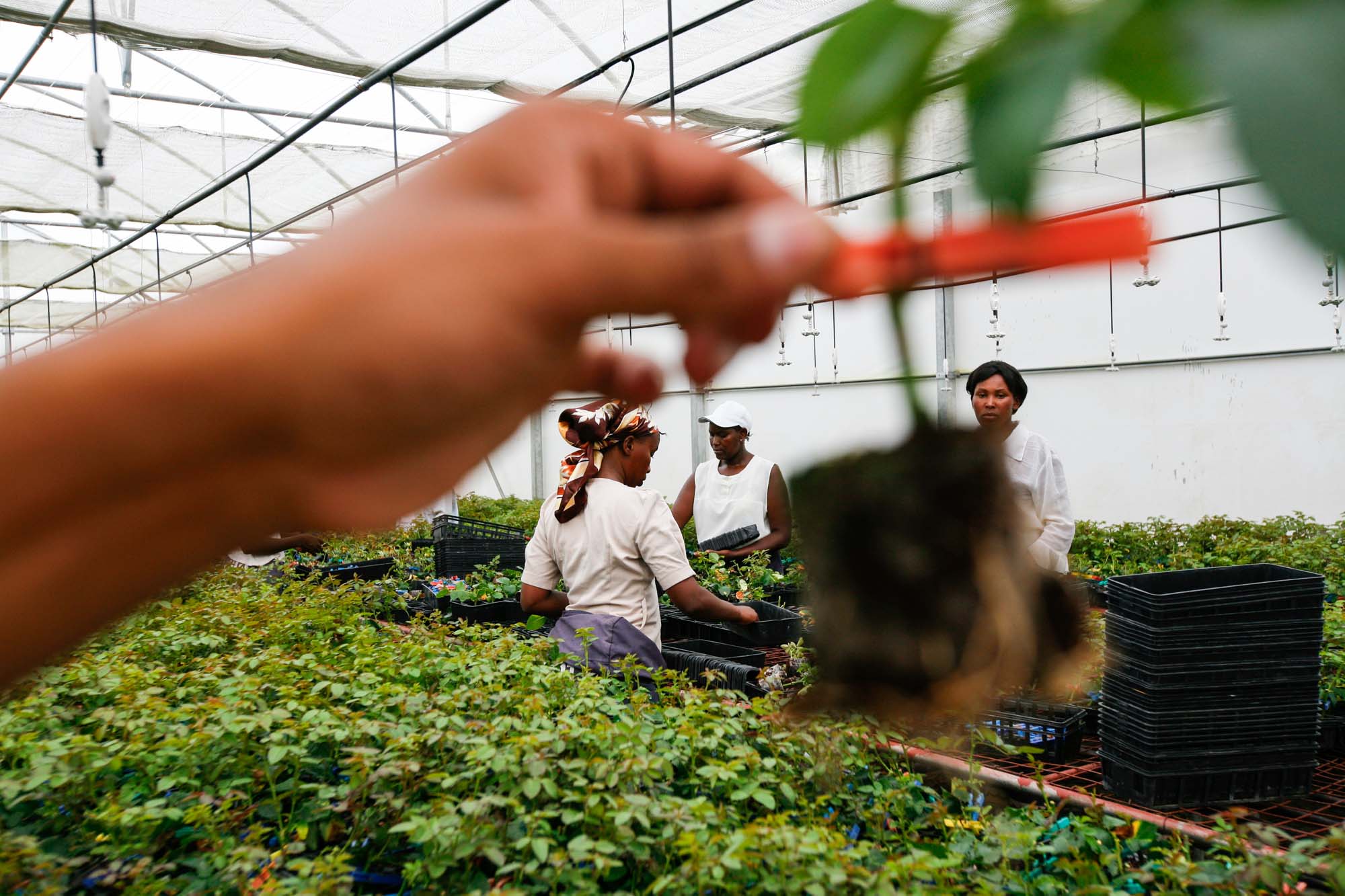
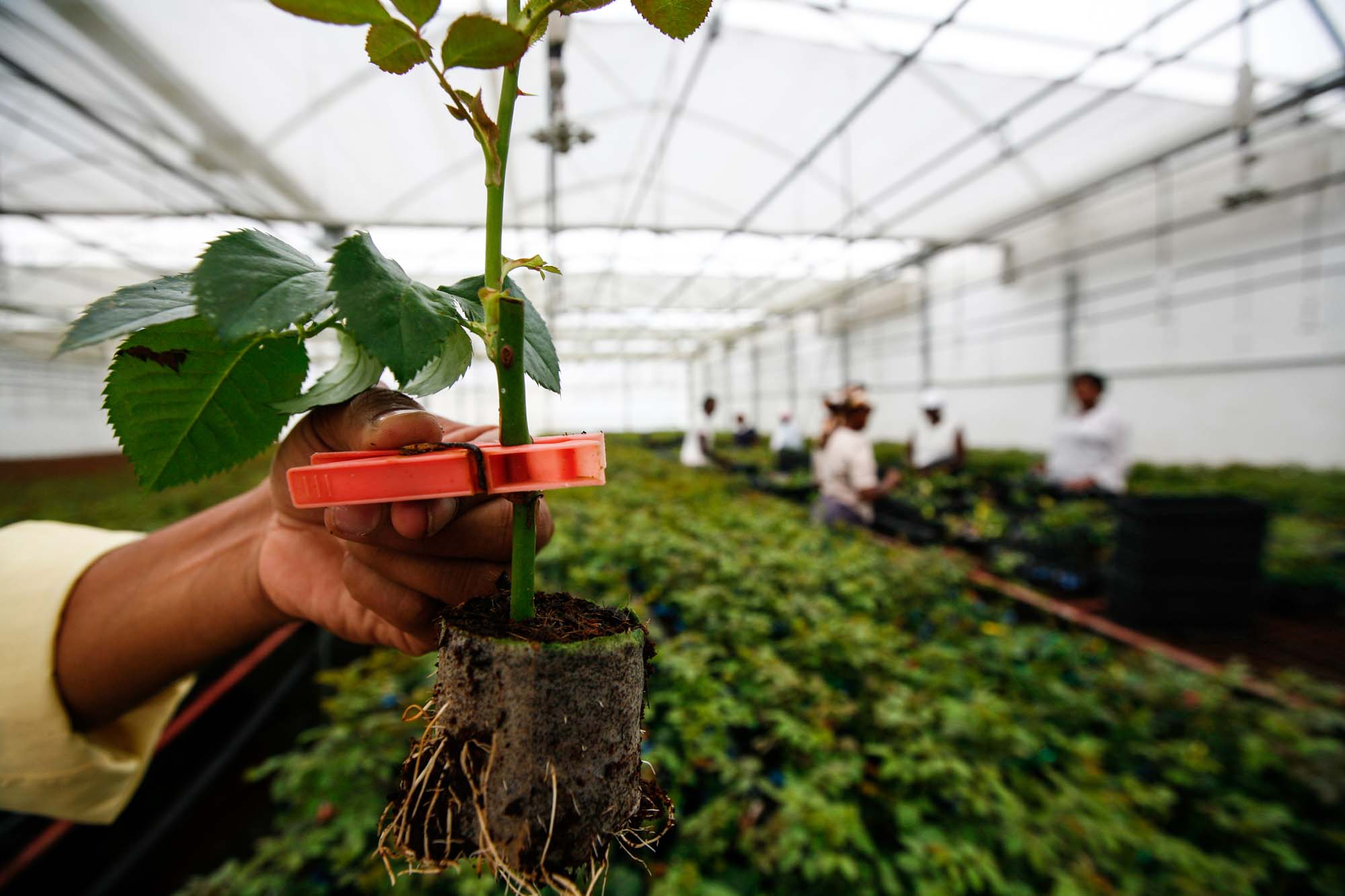
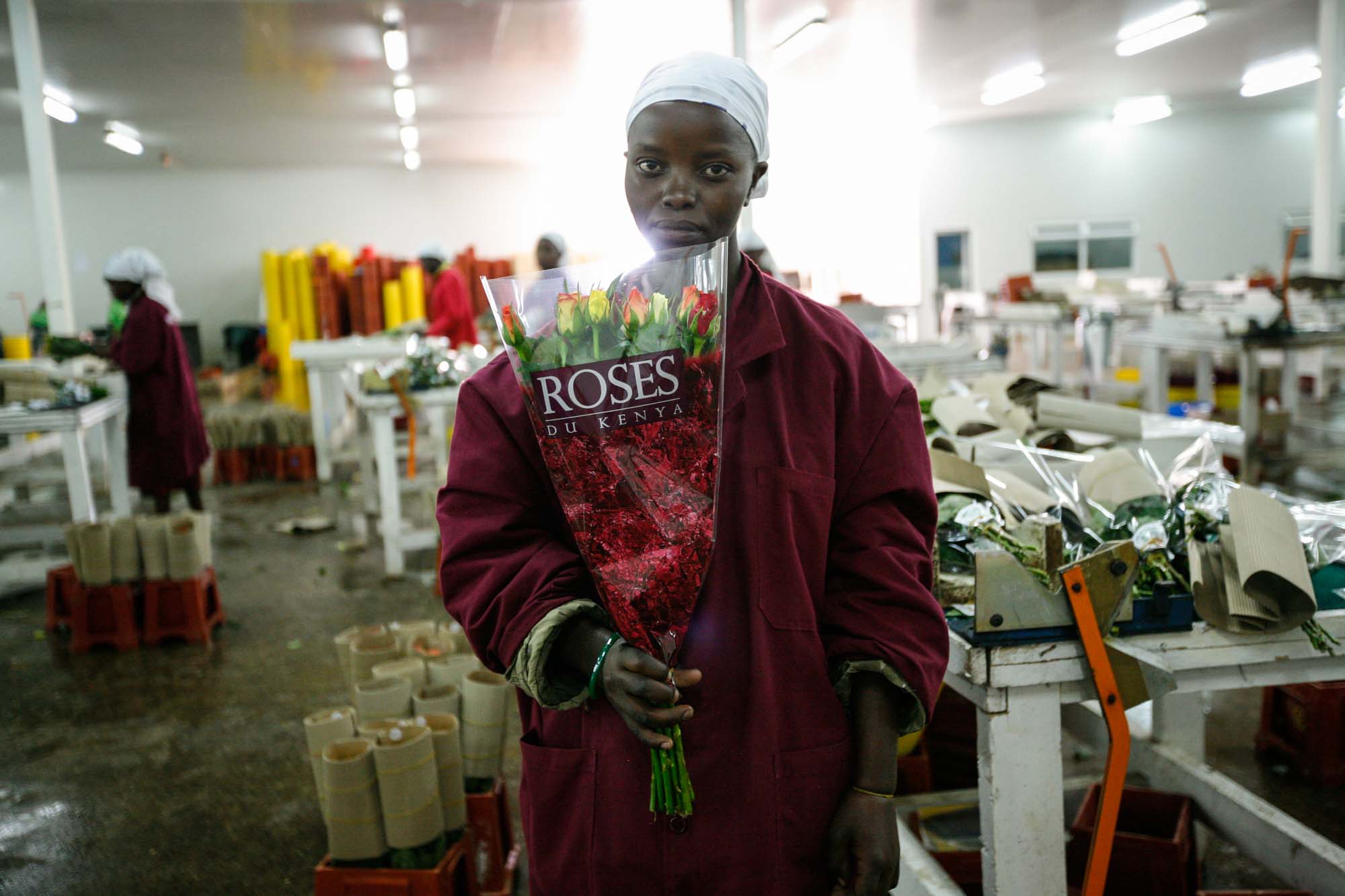
SUSTAINABLE FLOWER FARMING IN NAIVASHA (KENYA)
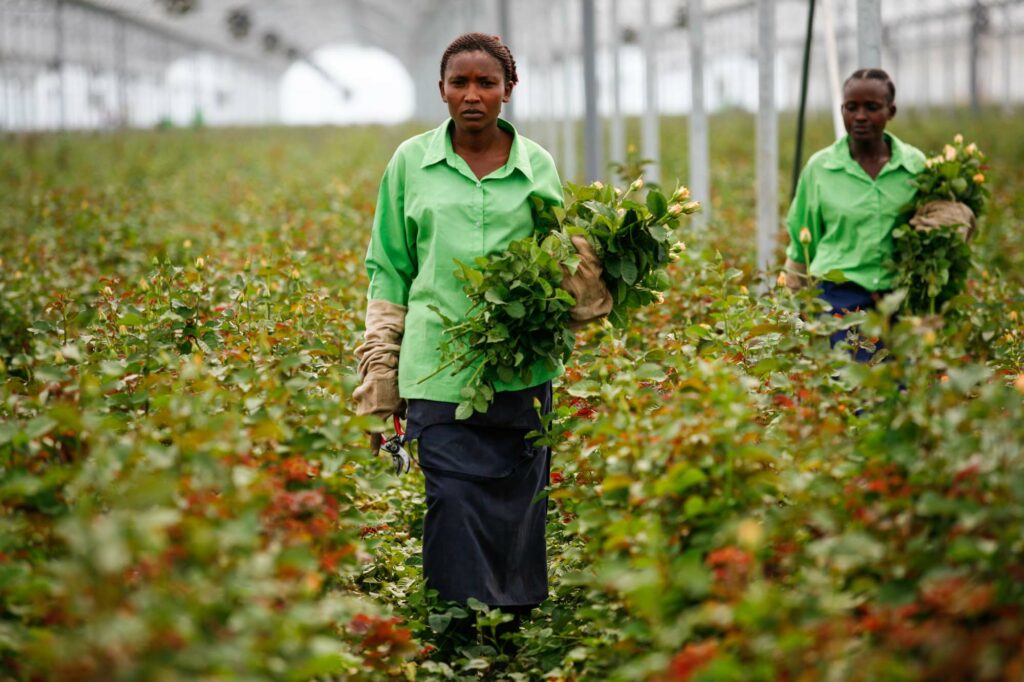
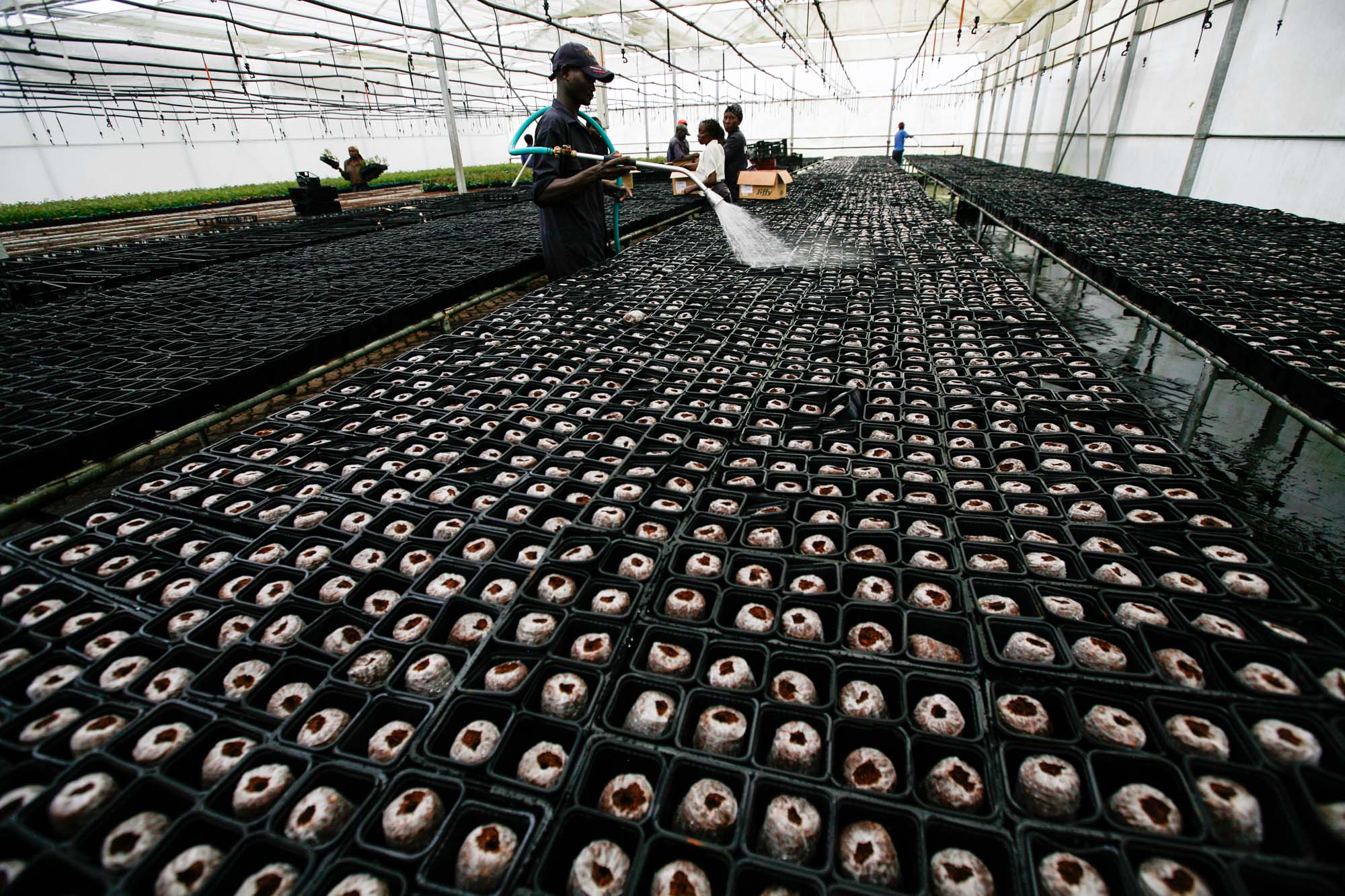
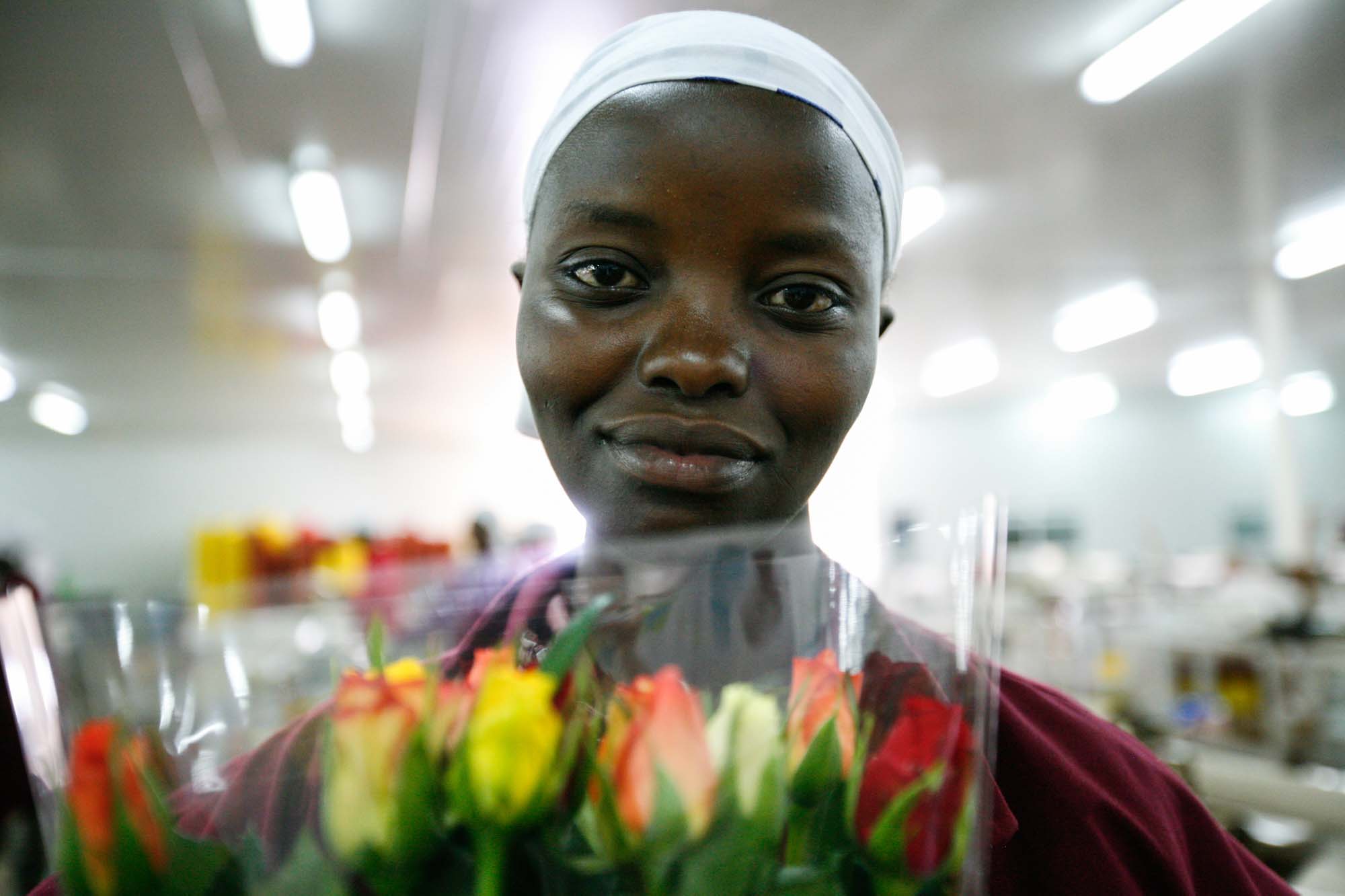
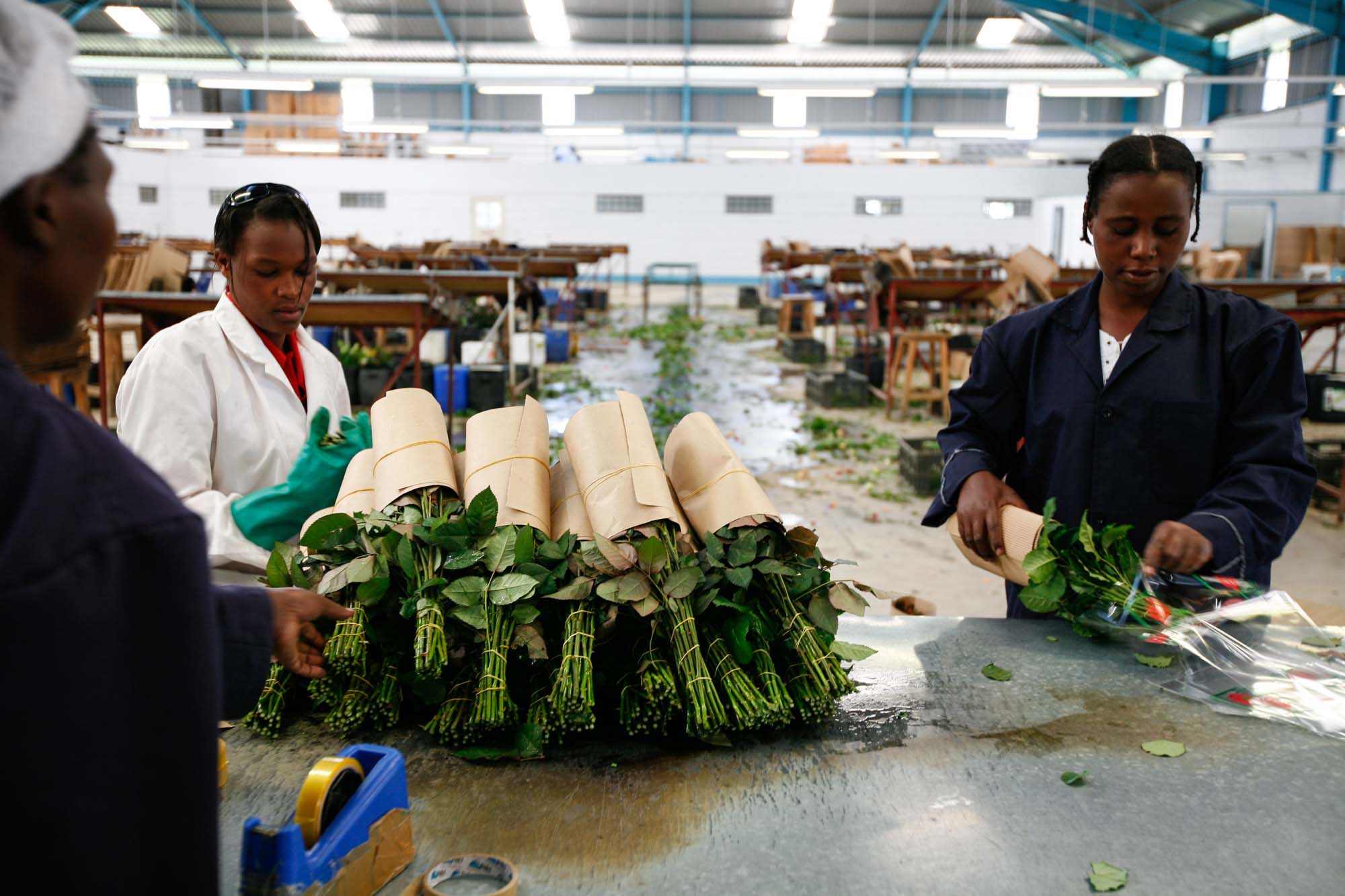
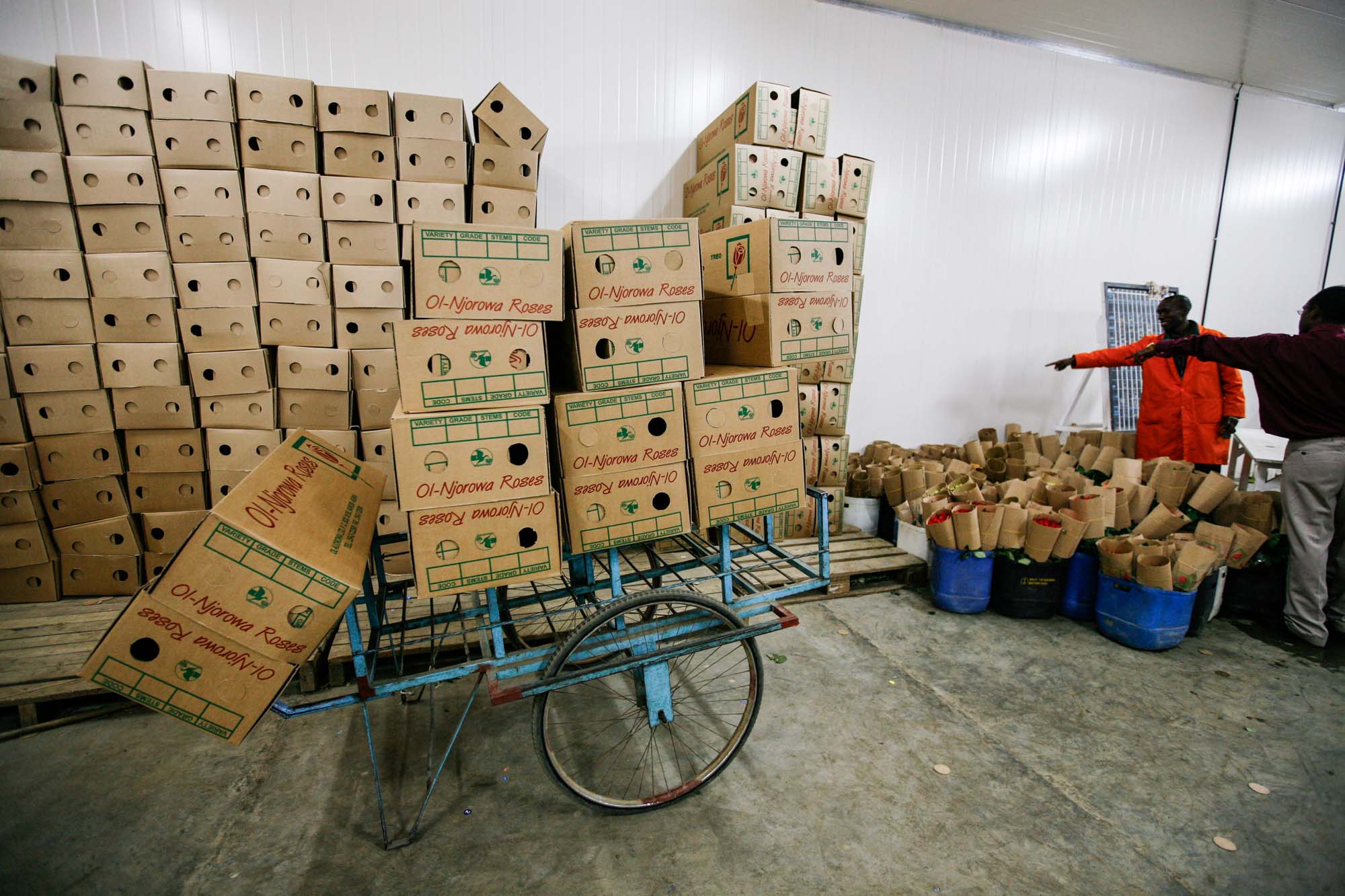
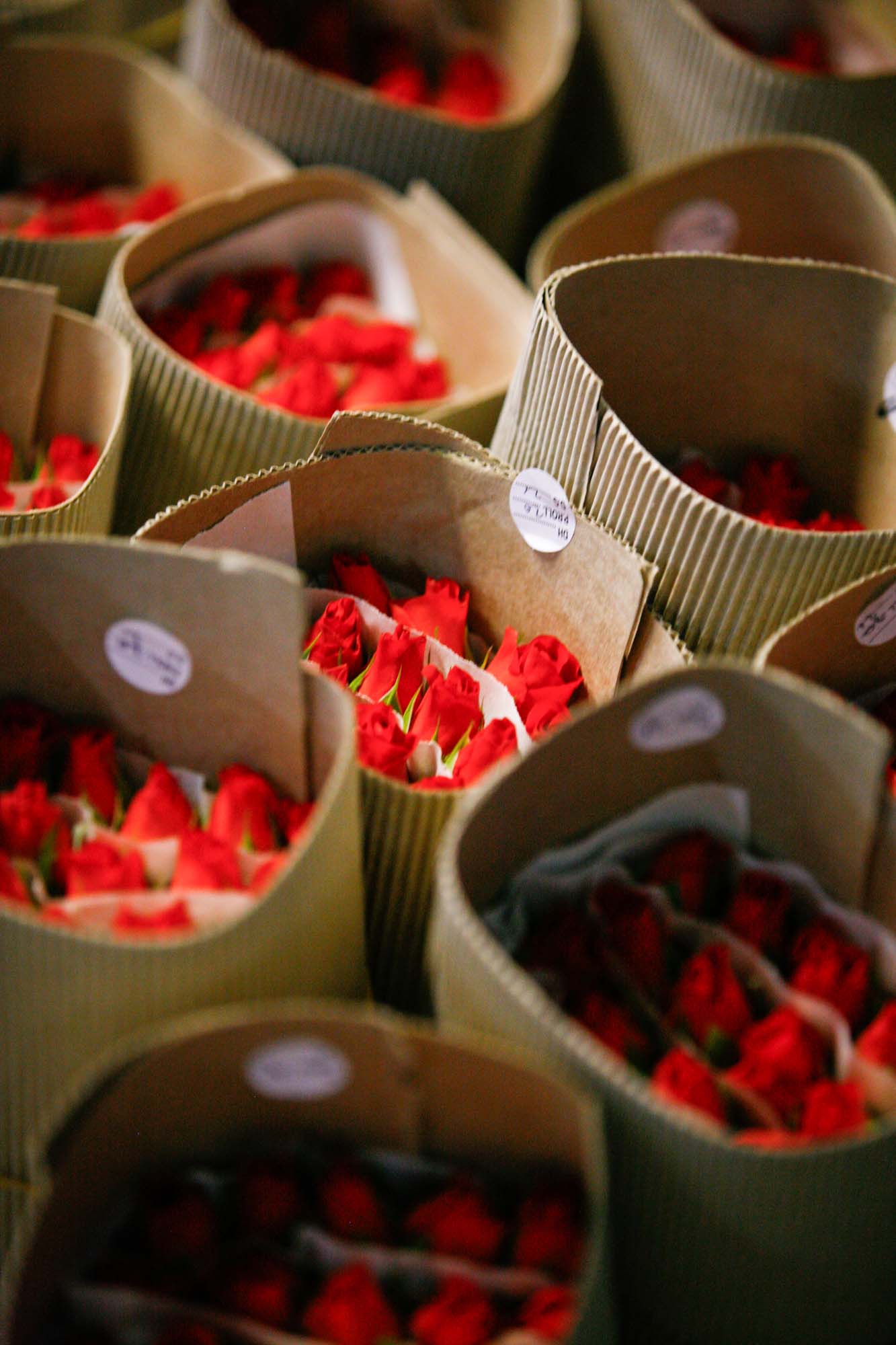
In Kenya’s Naivasha region, the flower industry — especially roses for export — is undergoing a sustainable shift. Long criticized for ecological and social impacts, floriculture is embracing more responsible practices: careful management of Lake Naivasha’s water, pesticide reduction, use of renewable energy, and improved labor conditions.
Several certified farms adopt an ethical approach, balancing profitability and environmental responsibility.
This transition offers hope to local communities relying on this sector while protecting a fragile ecosystem. In Naivasha, flowers are no longer just beautiful — they carry the promise of fairer, balanced development.
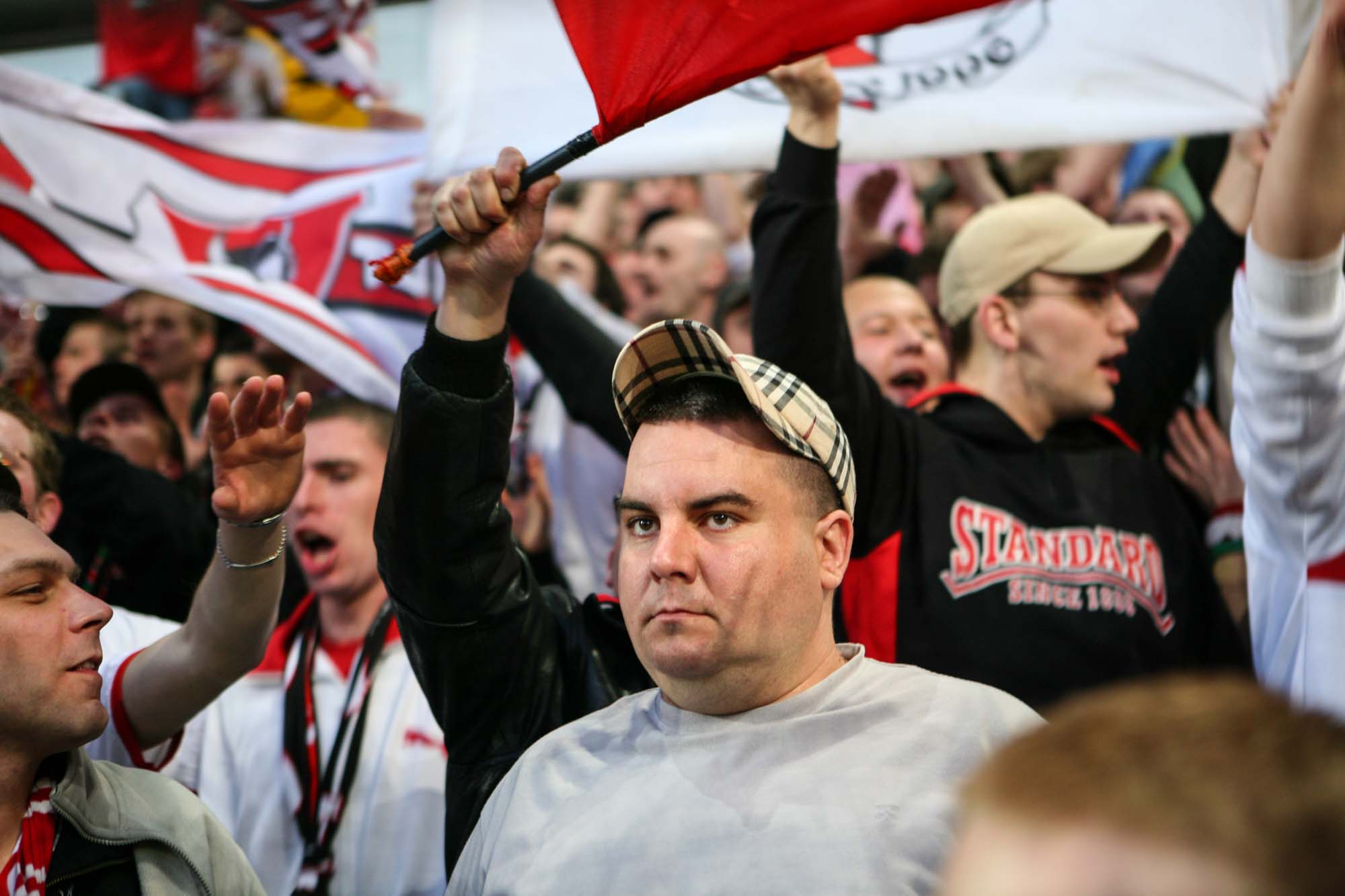
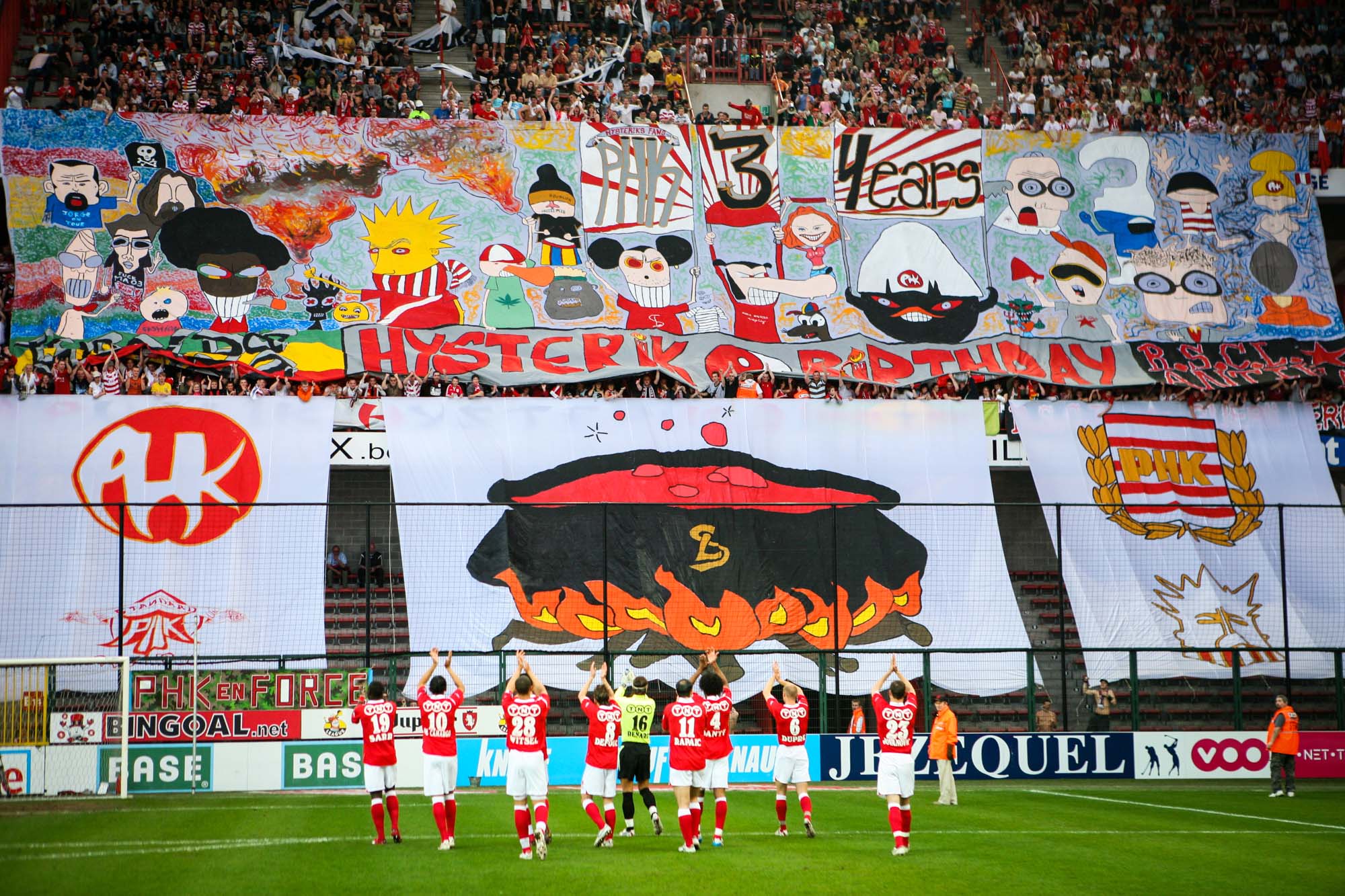
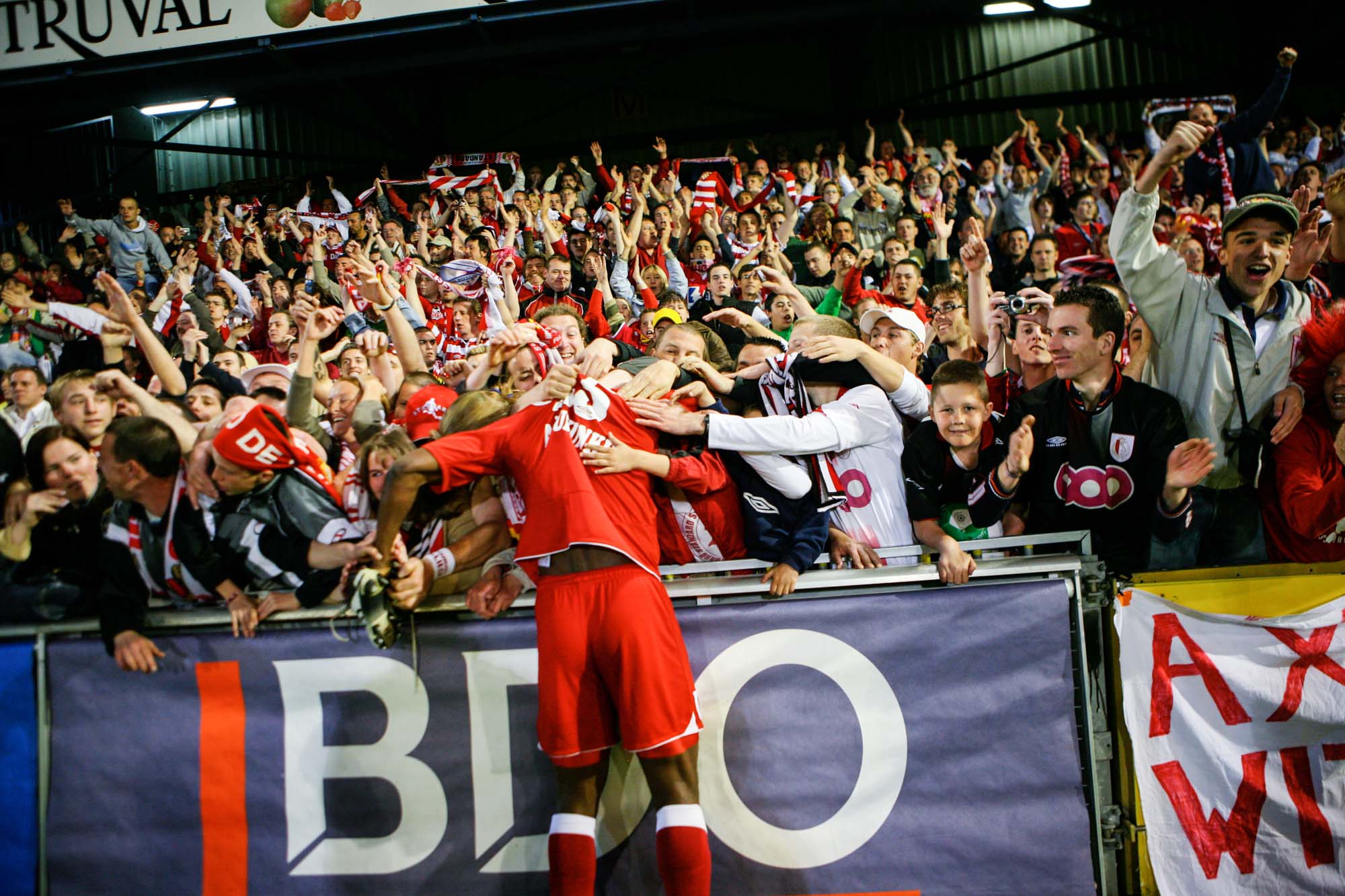
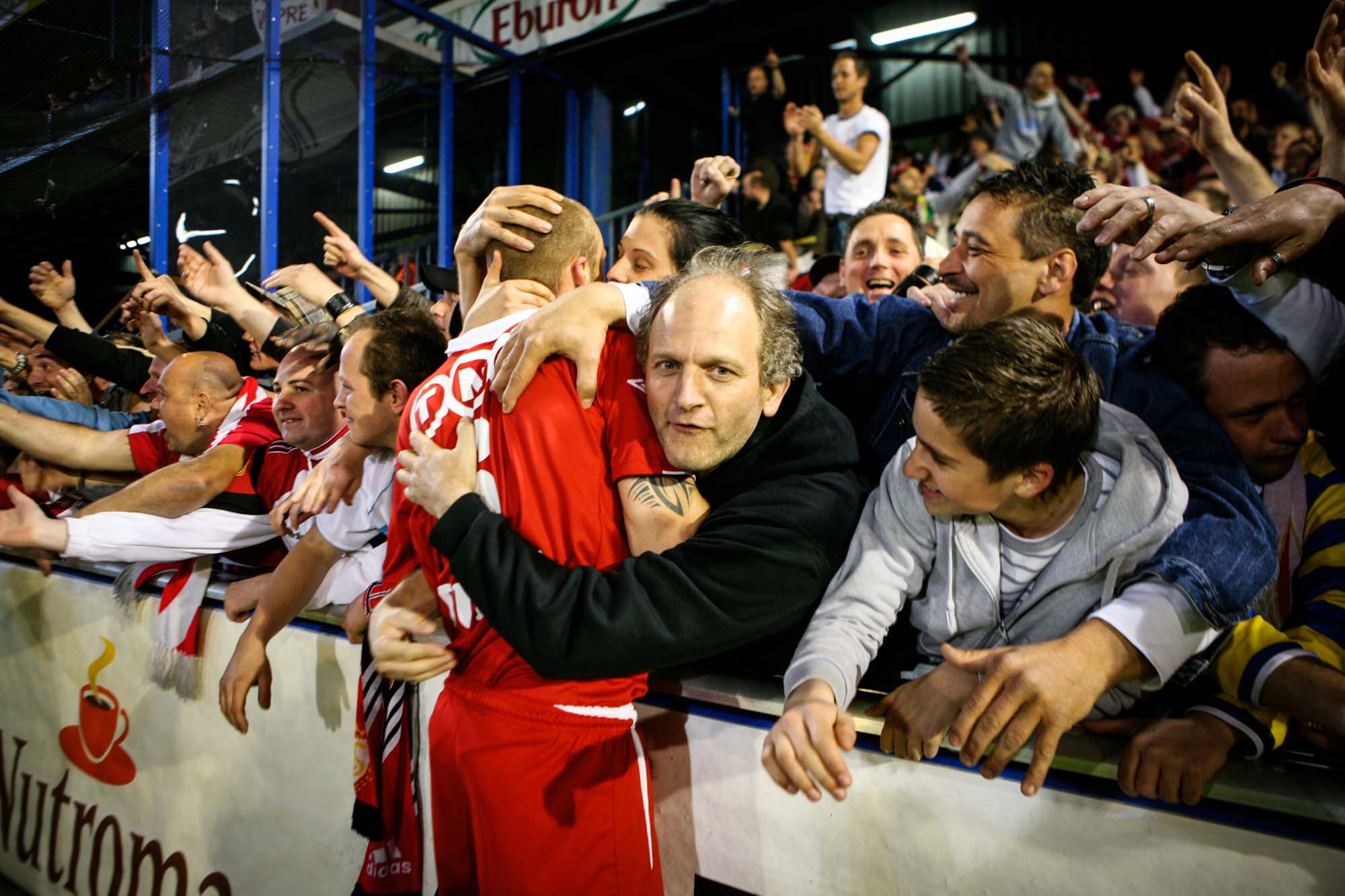
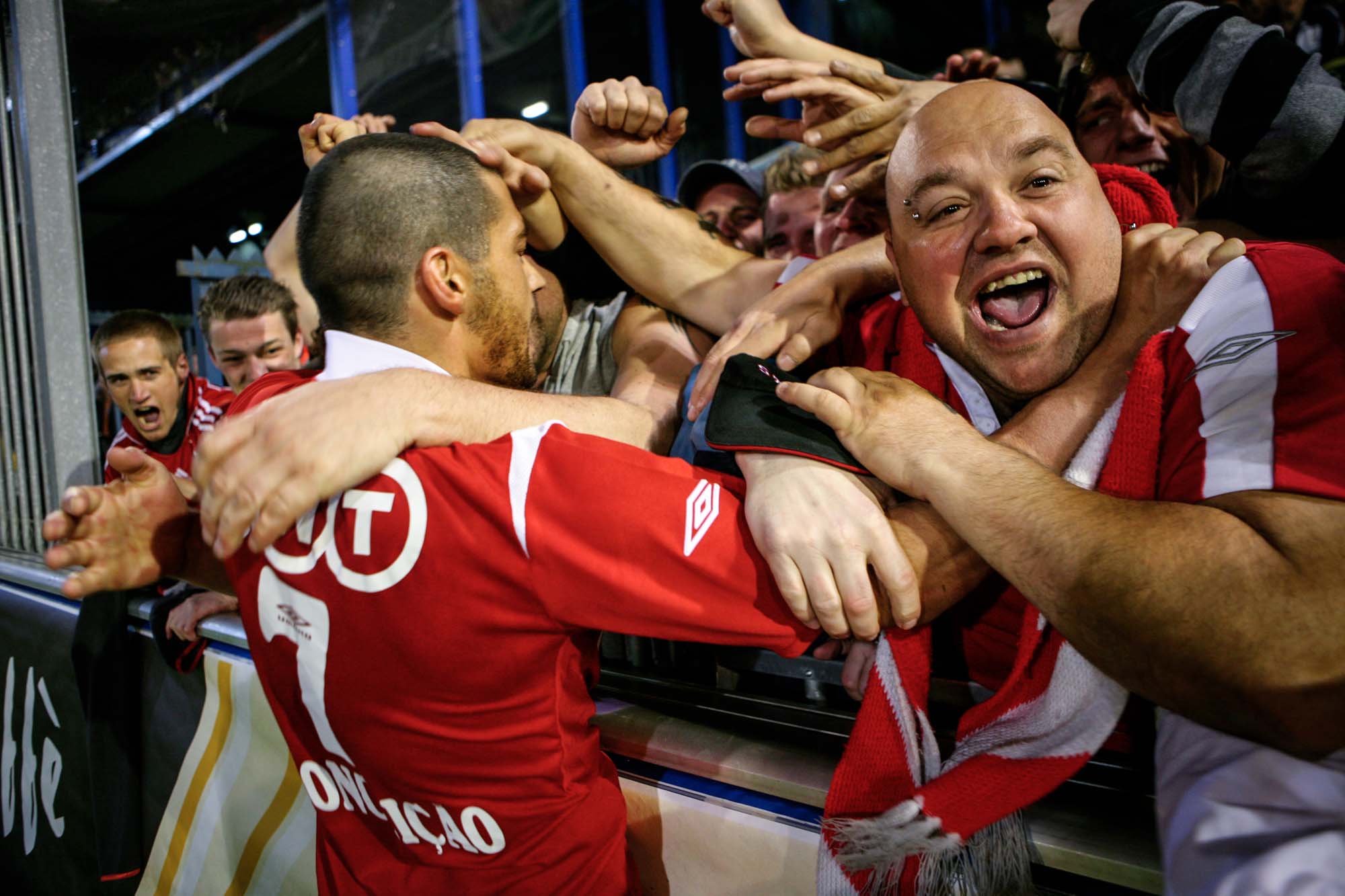
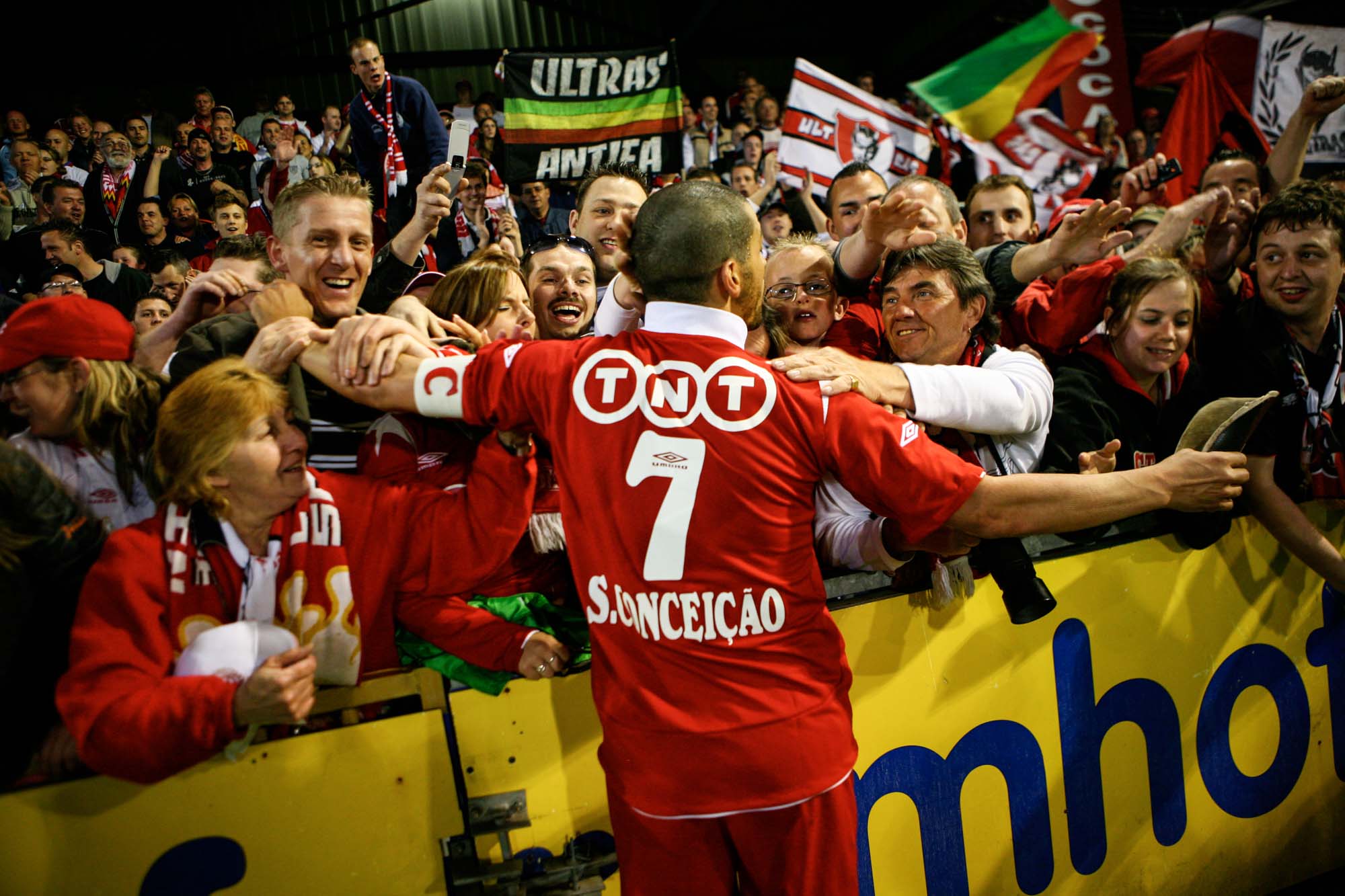
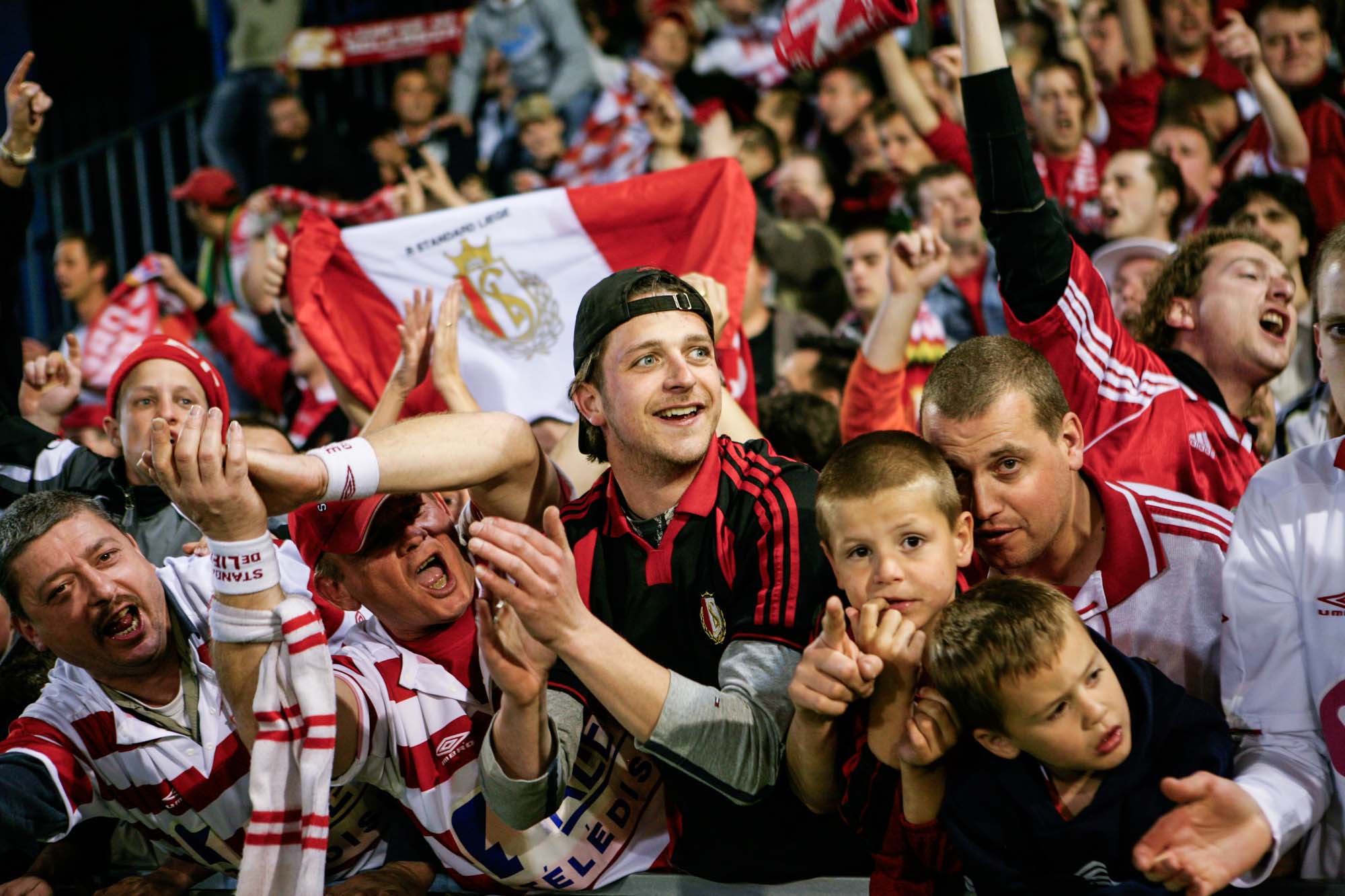
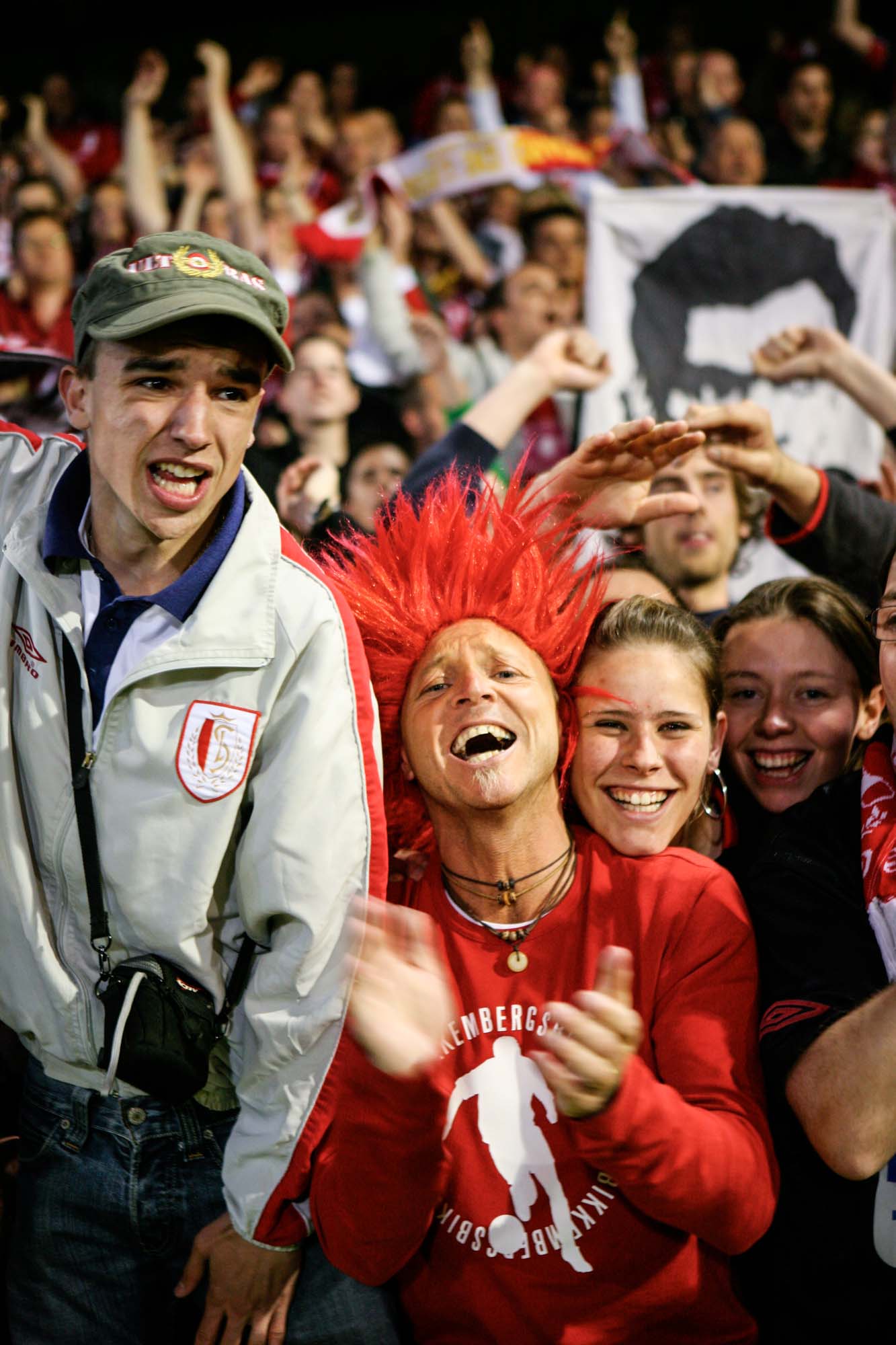
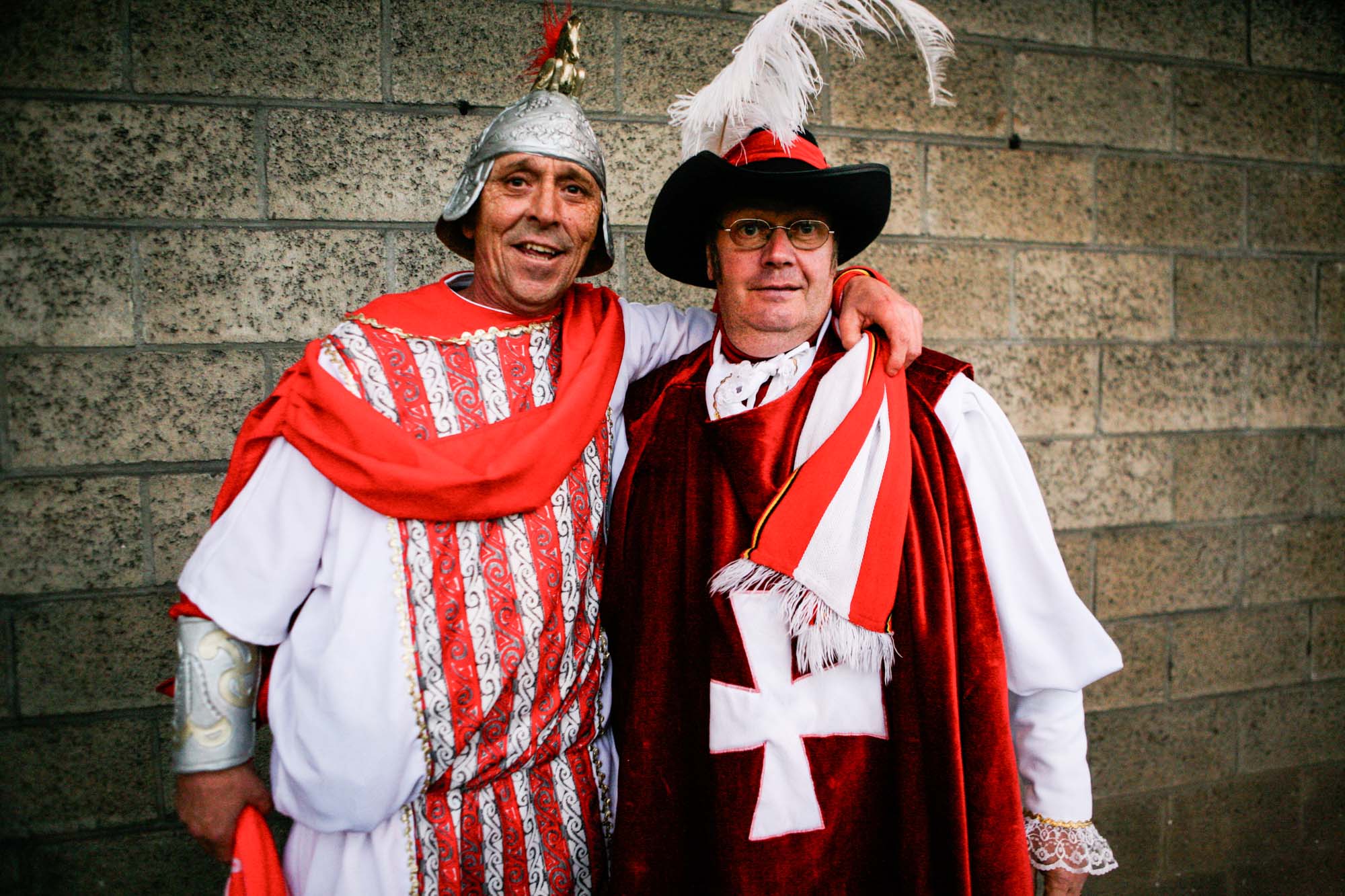
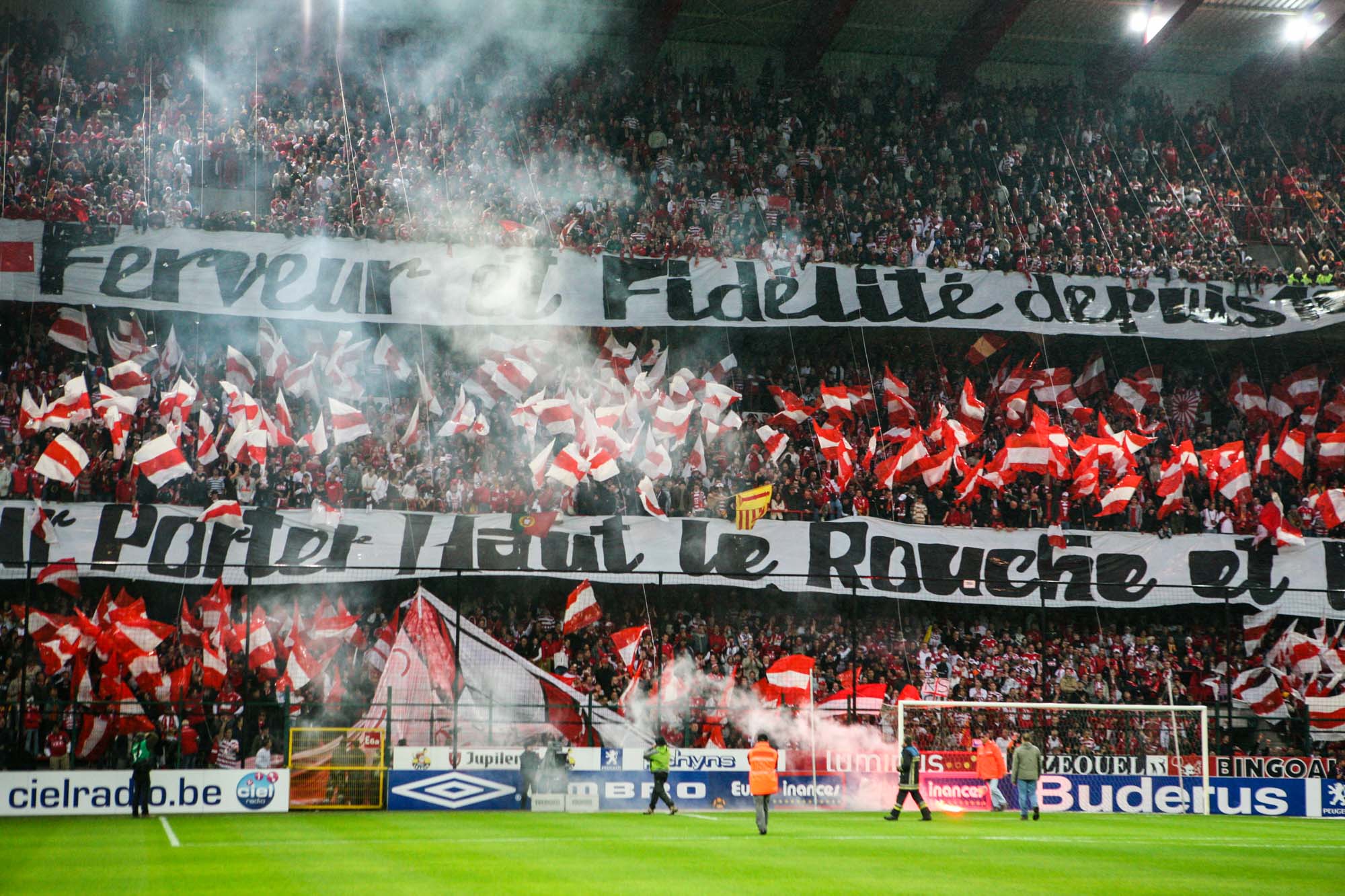
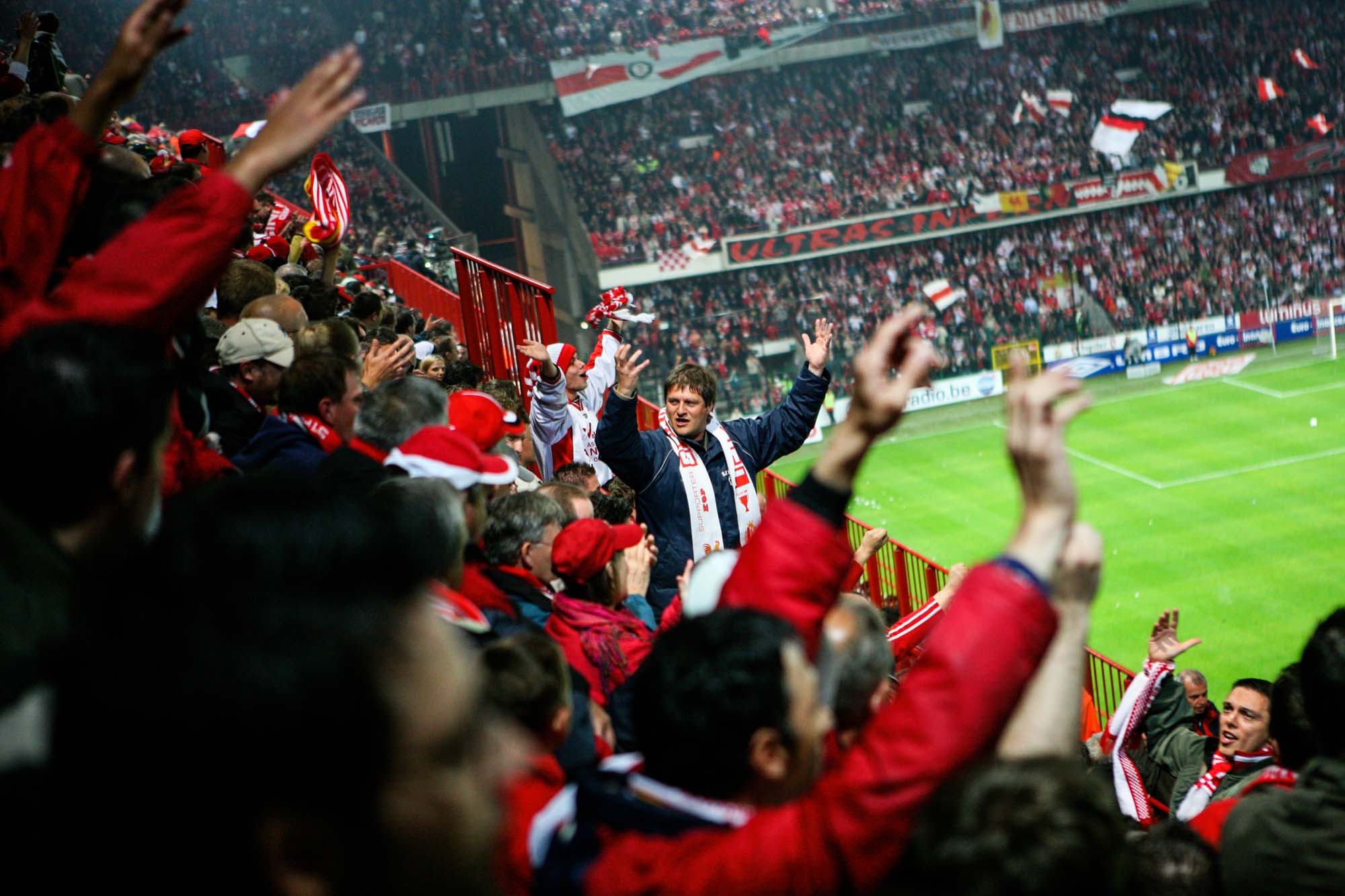
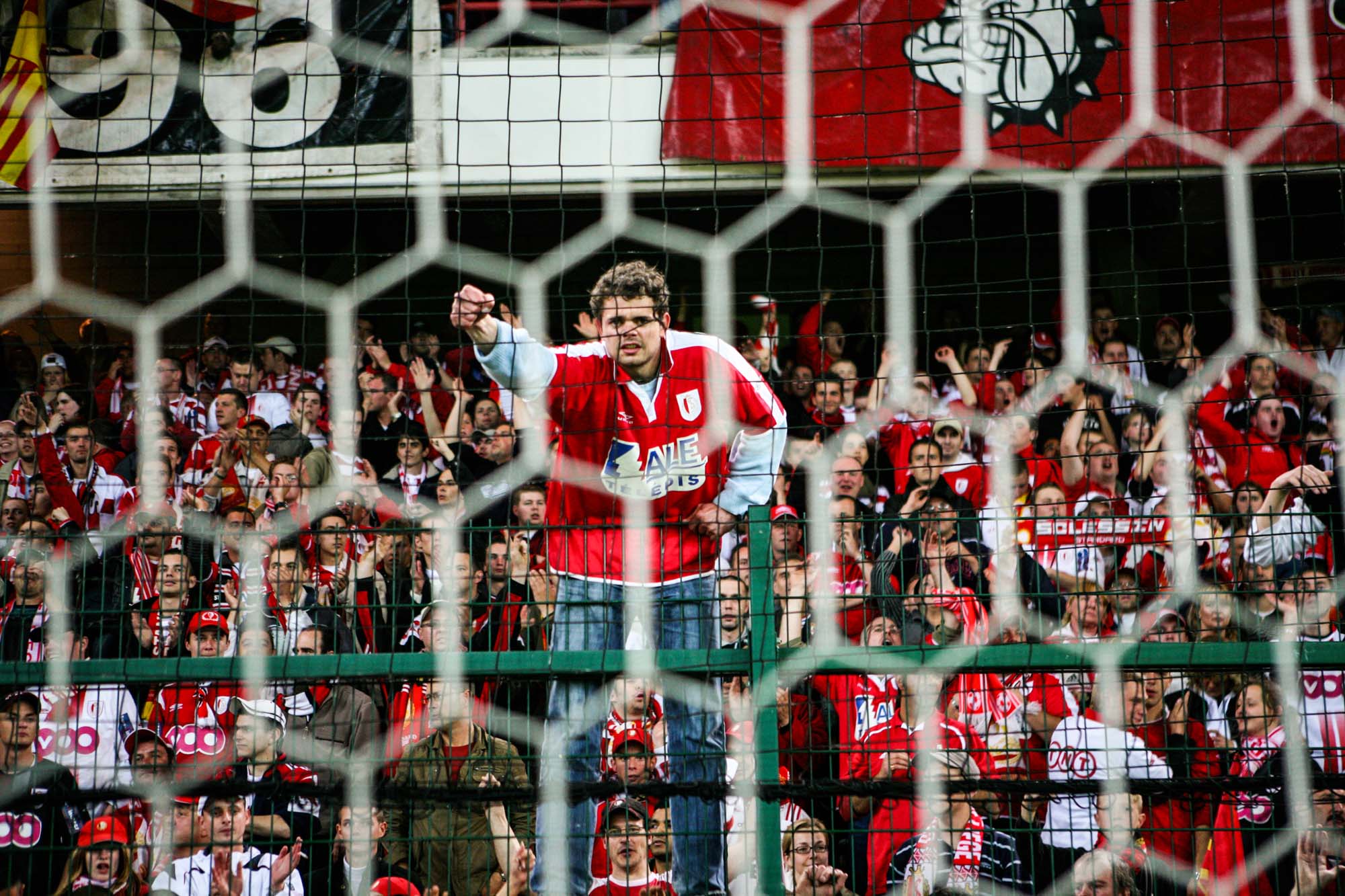
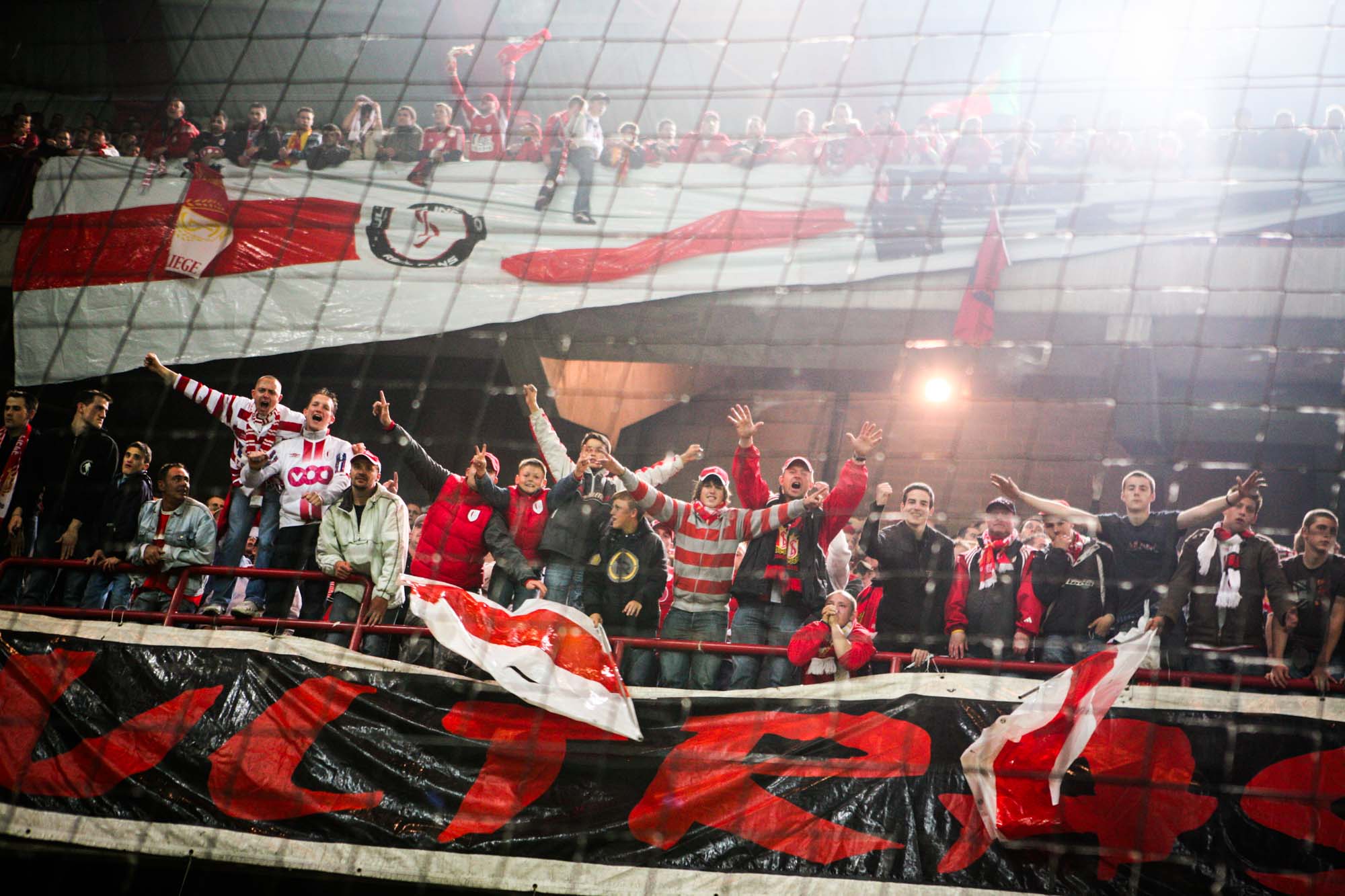
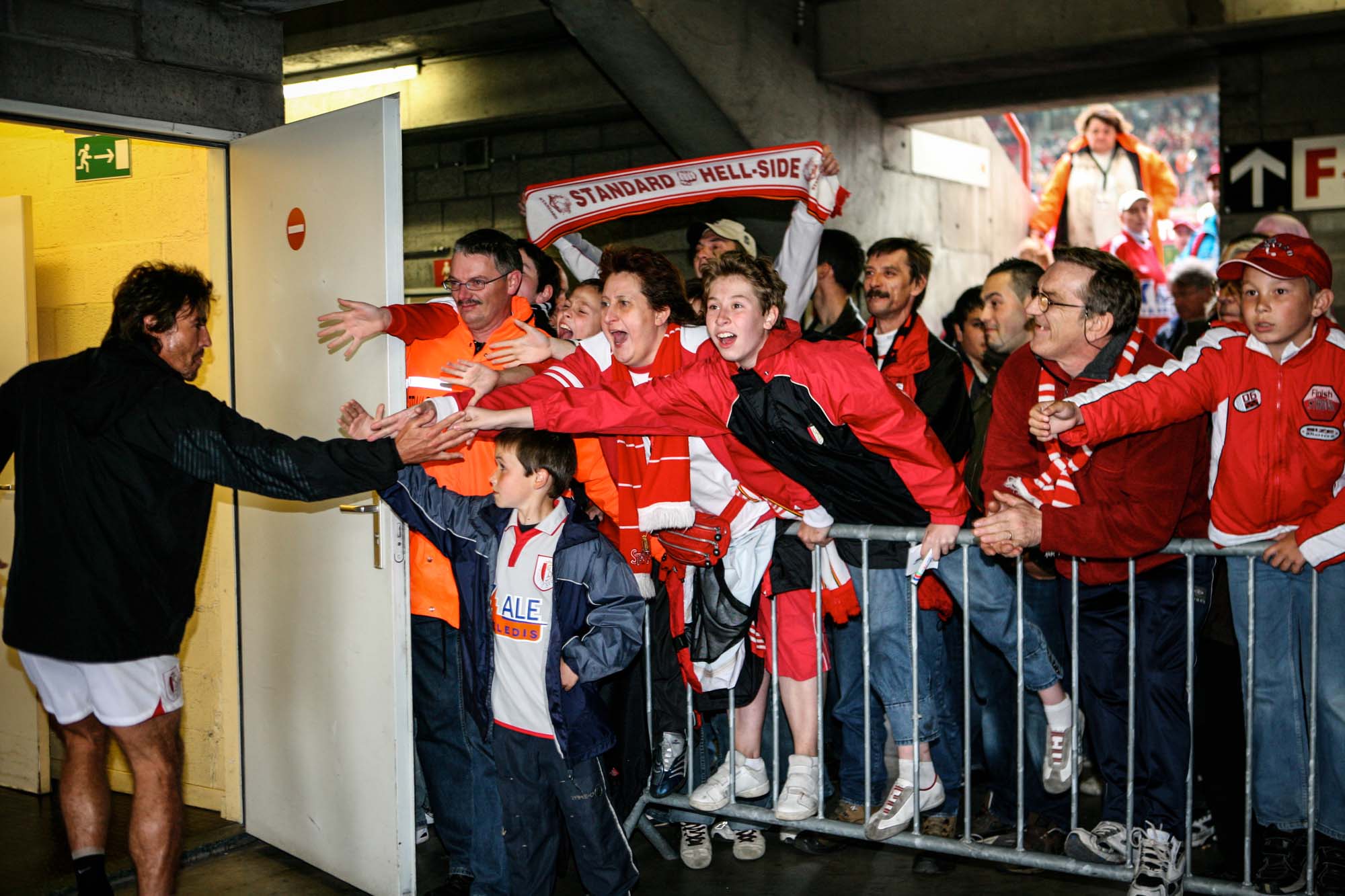
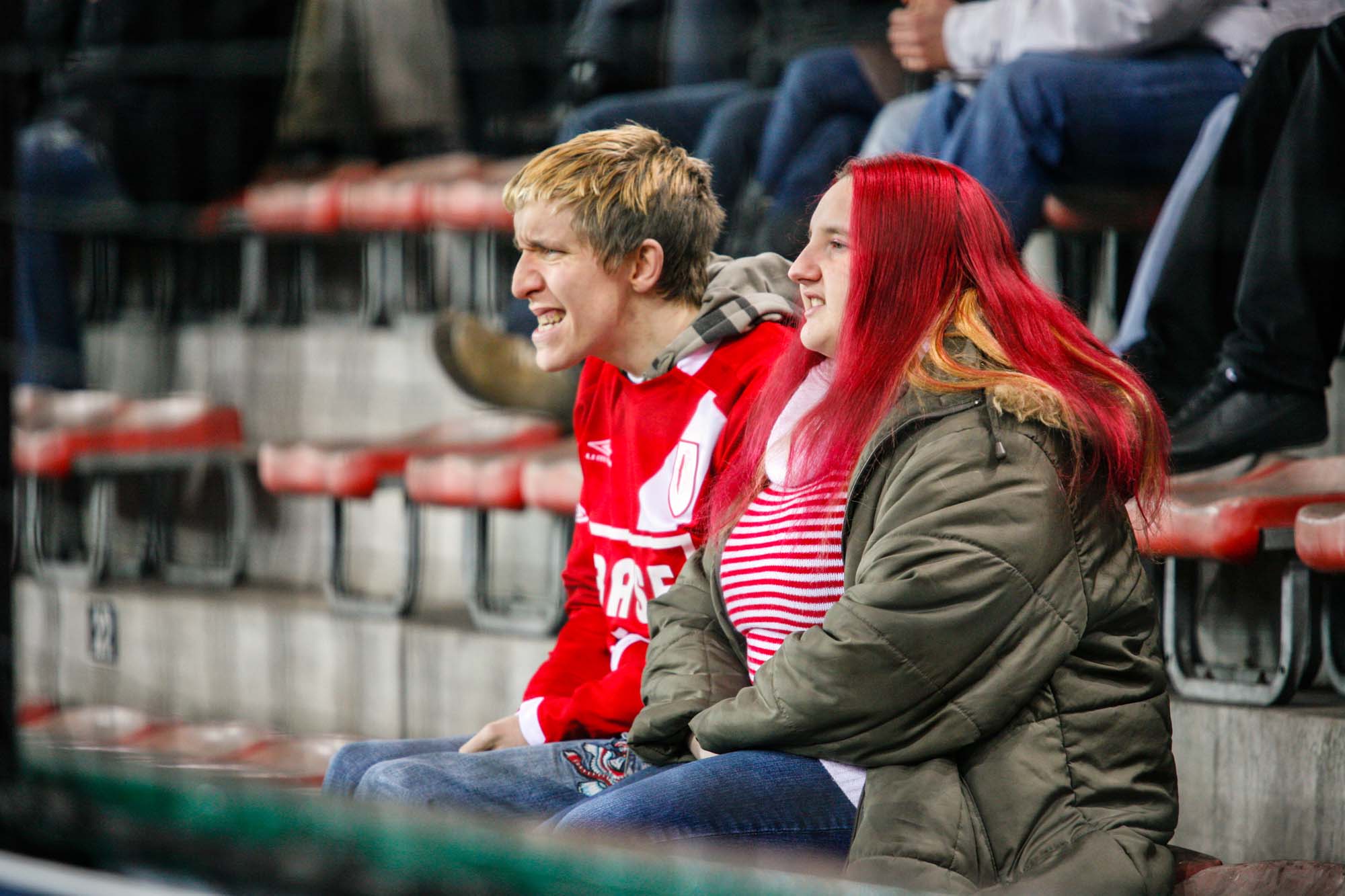
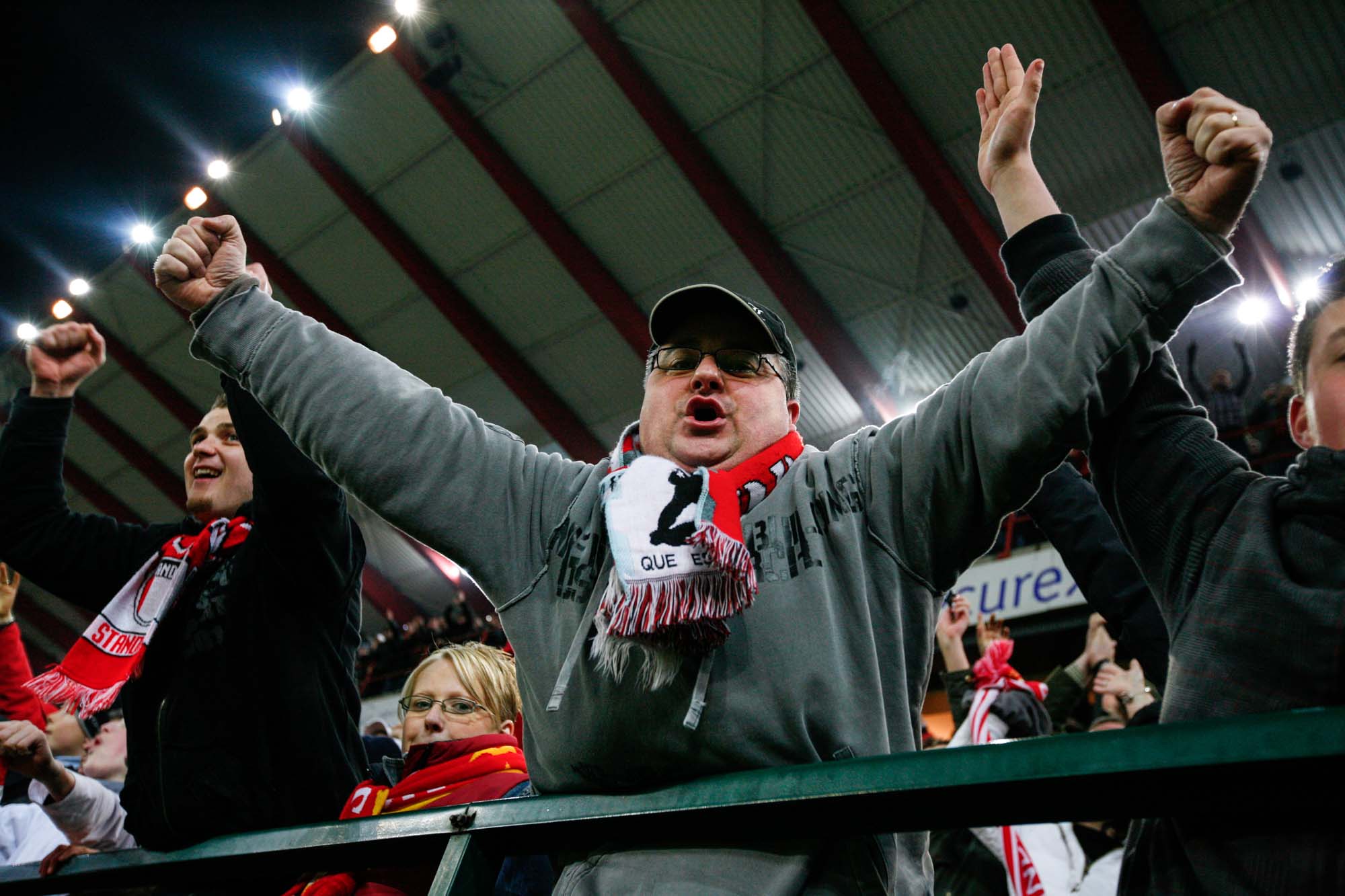
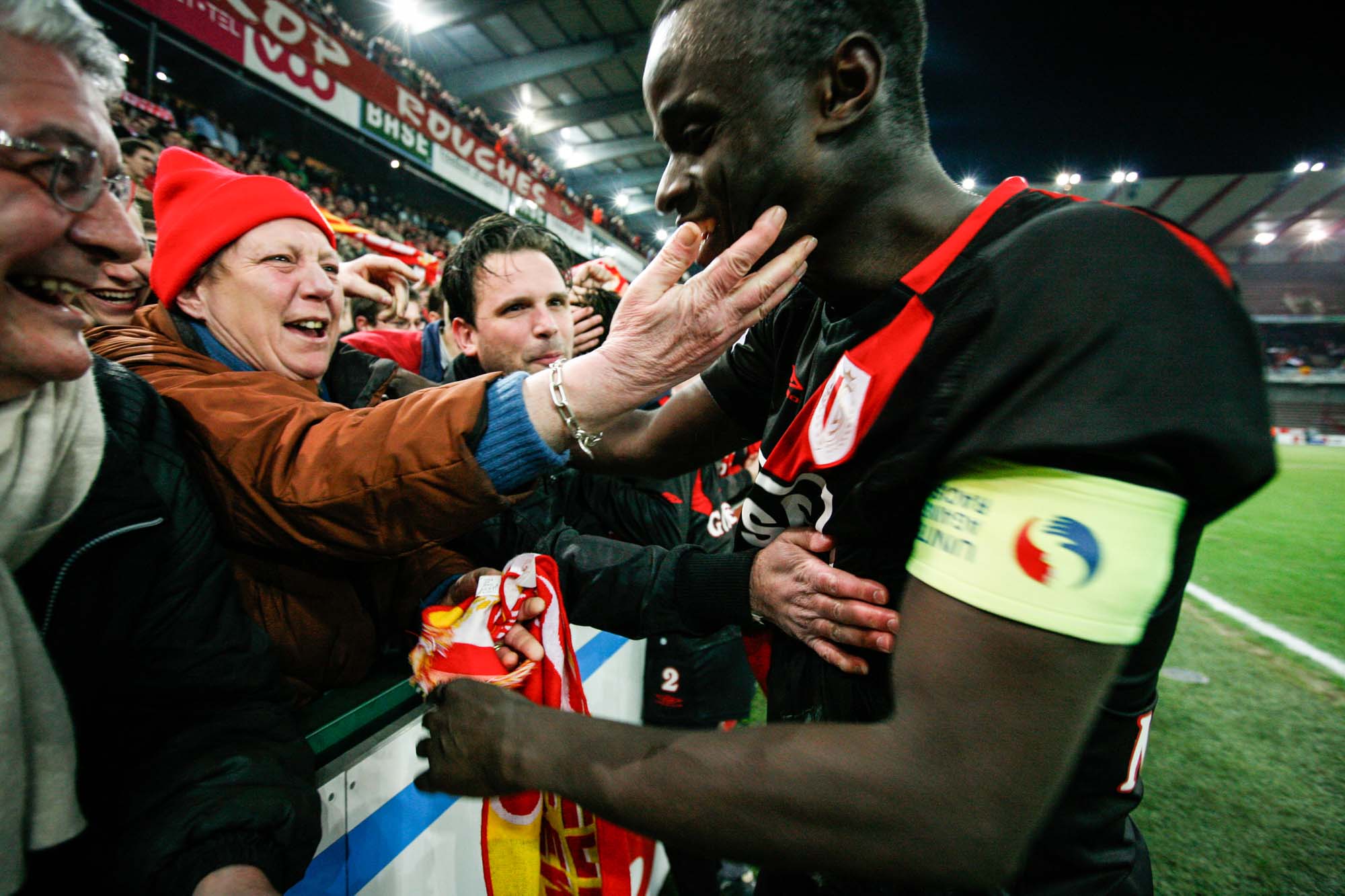
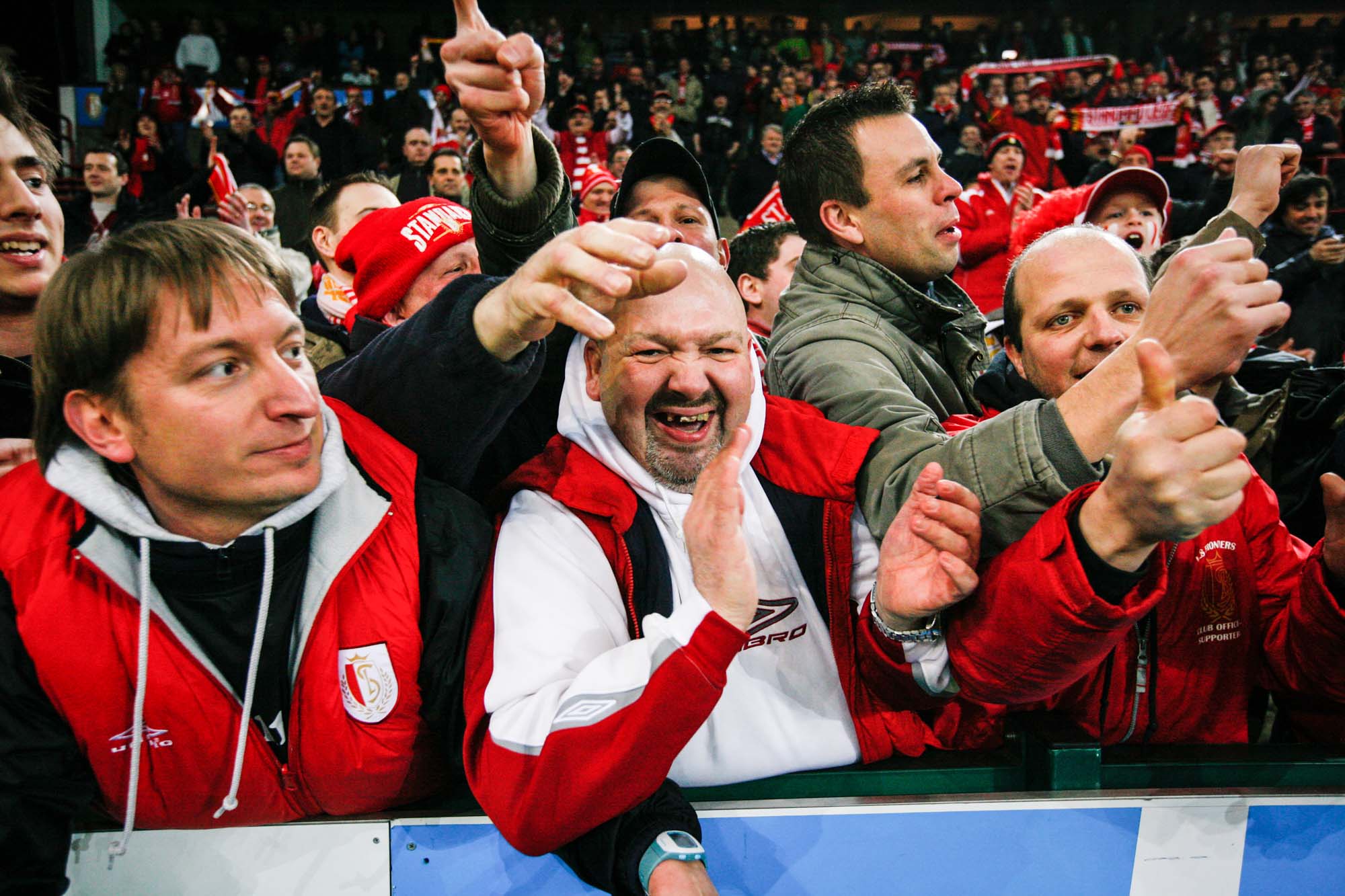
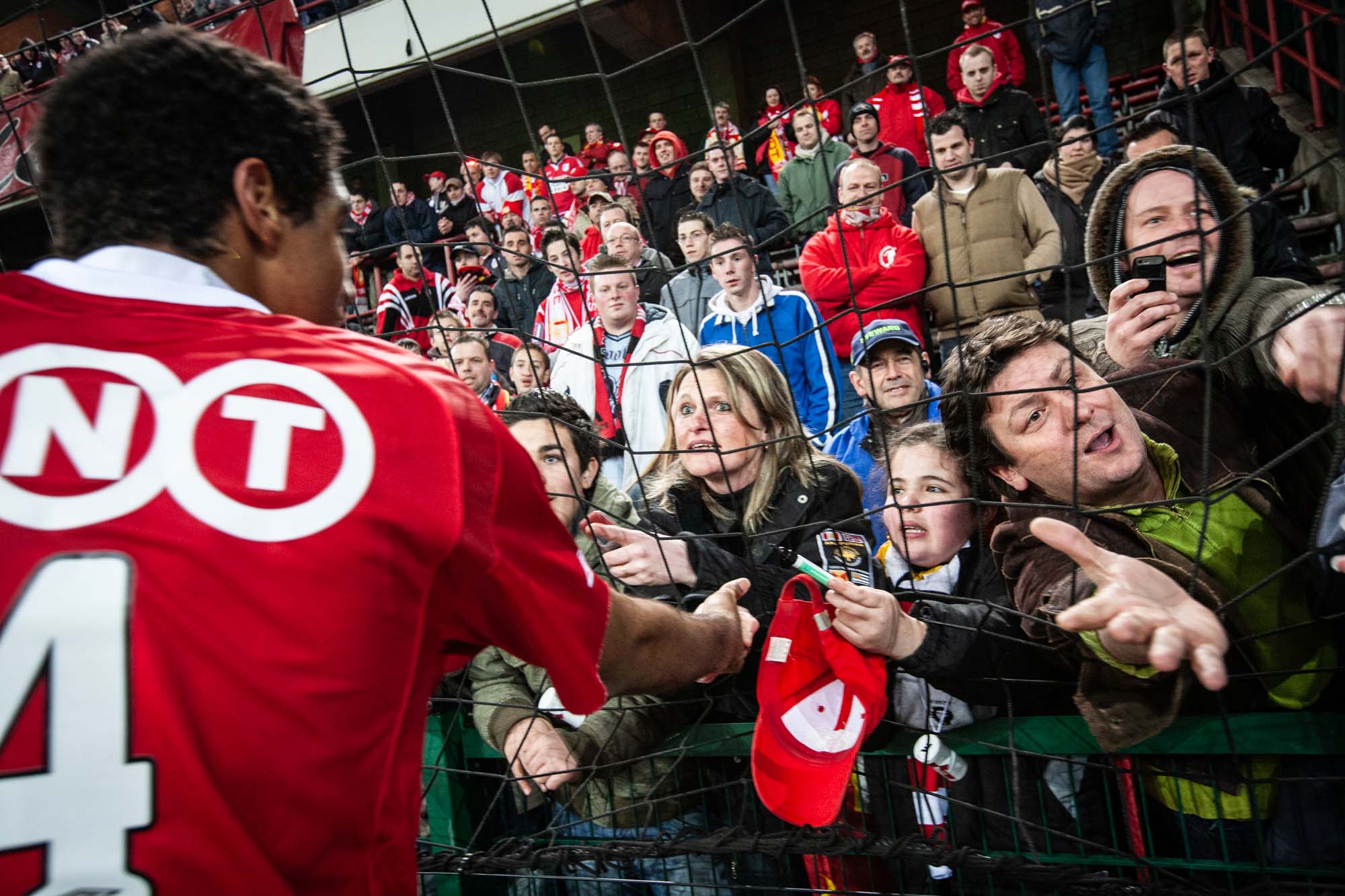
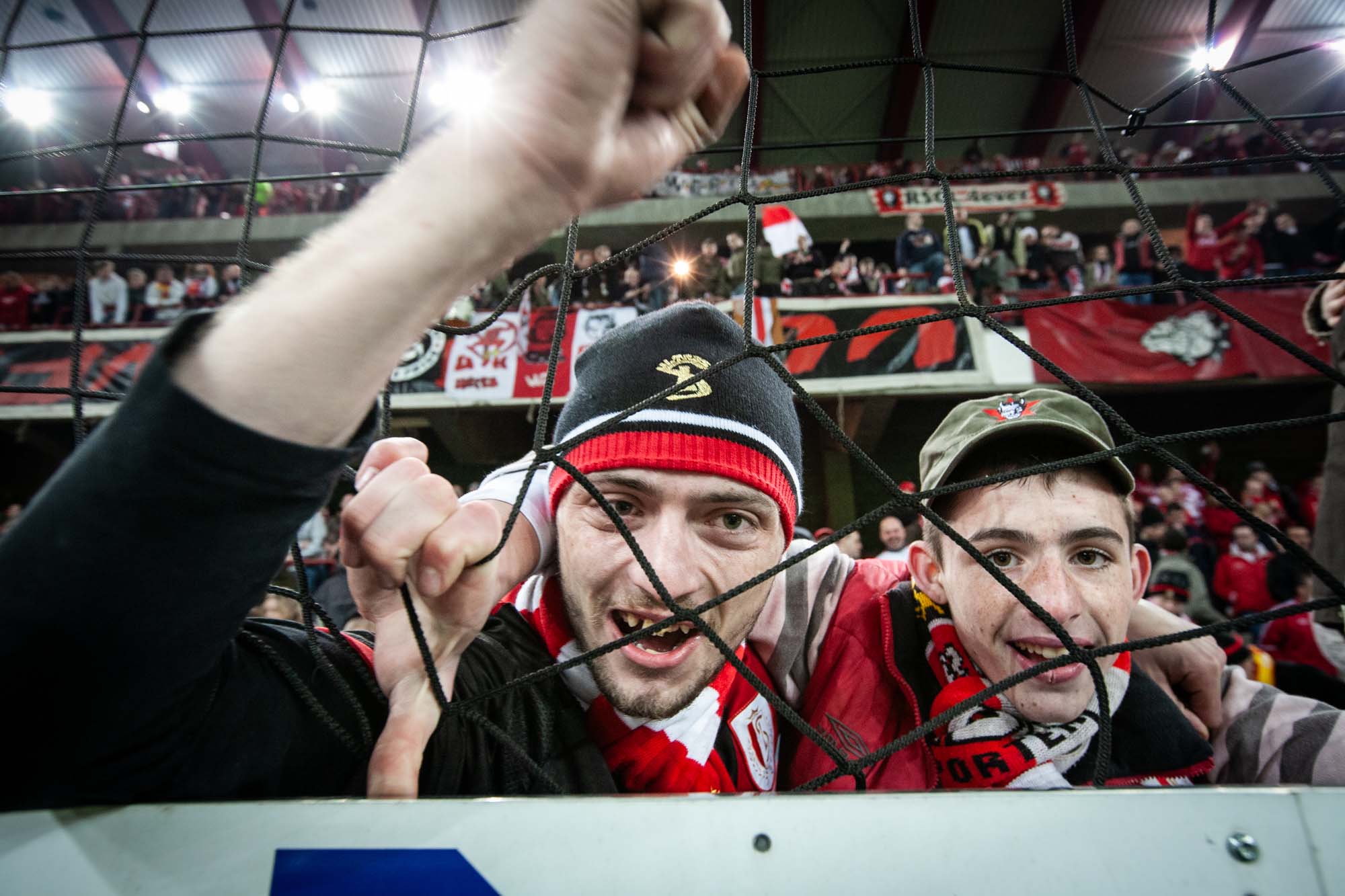
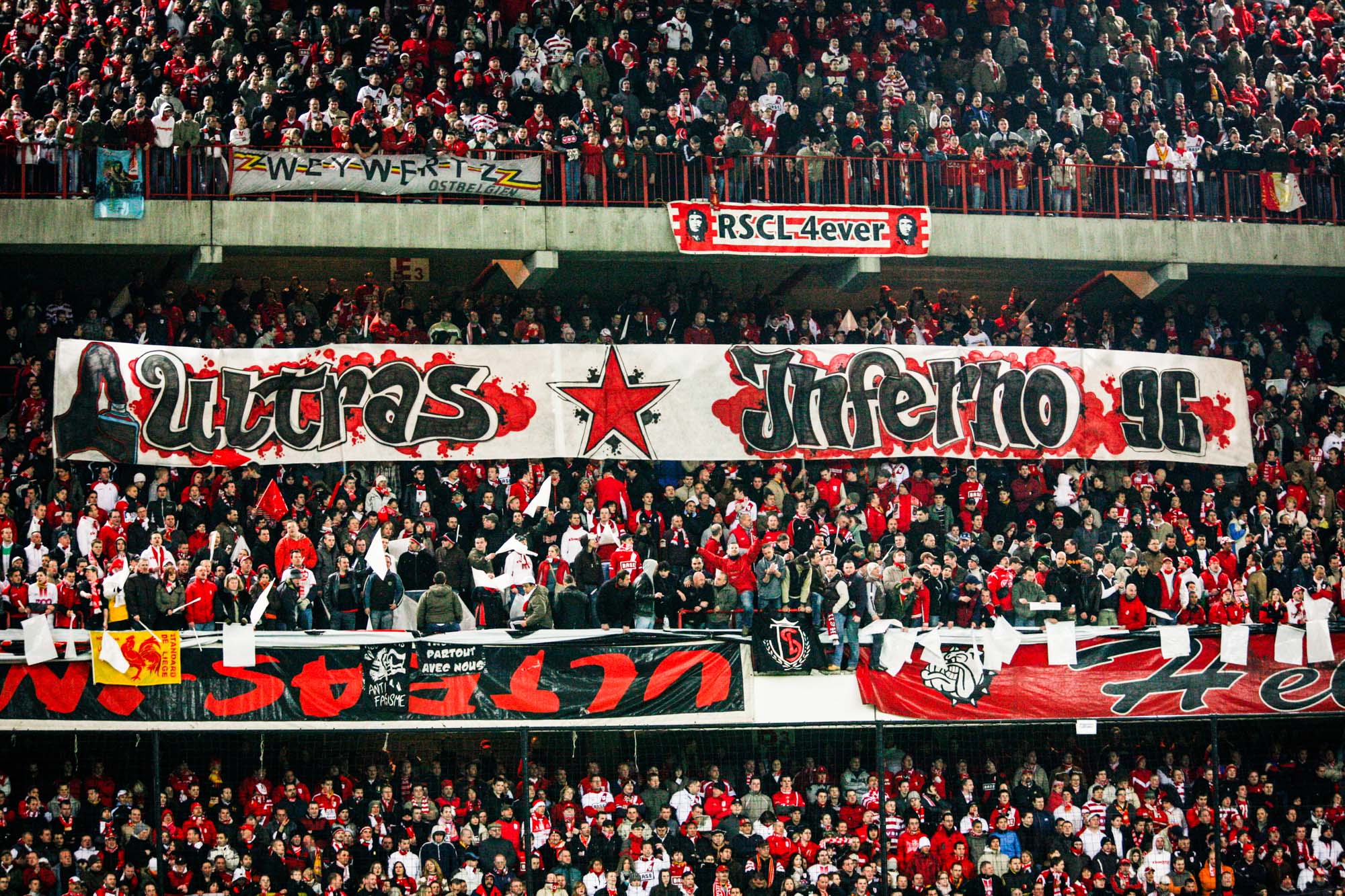
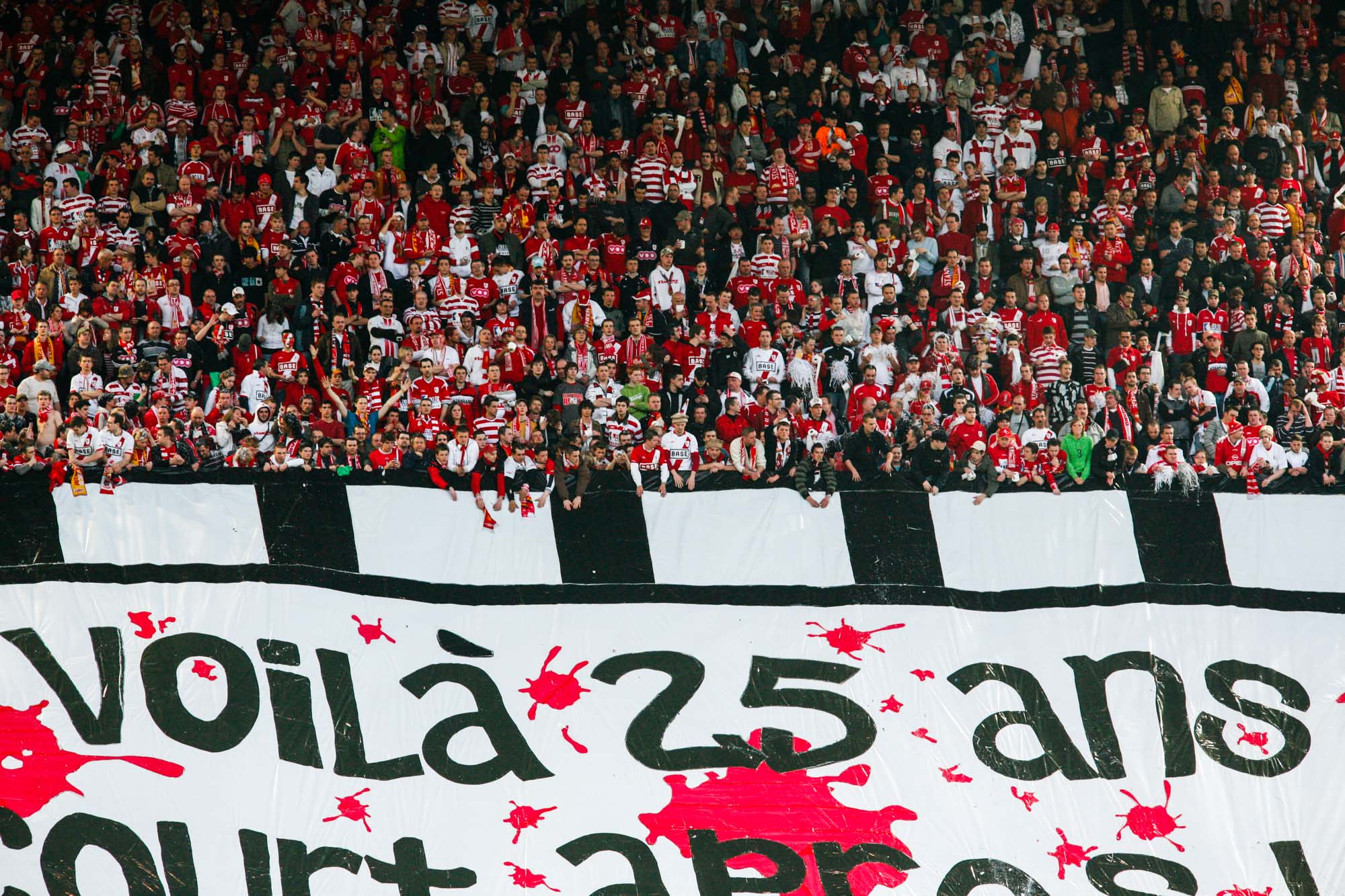
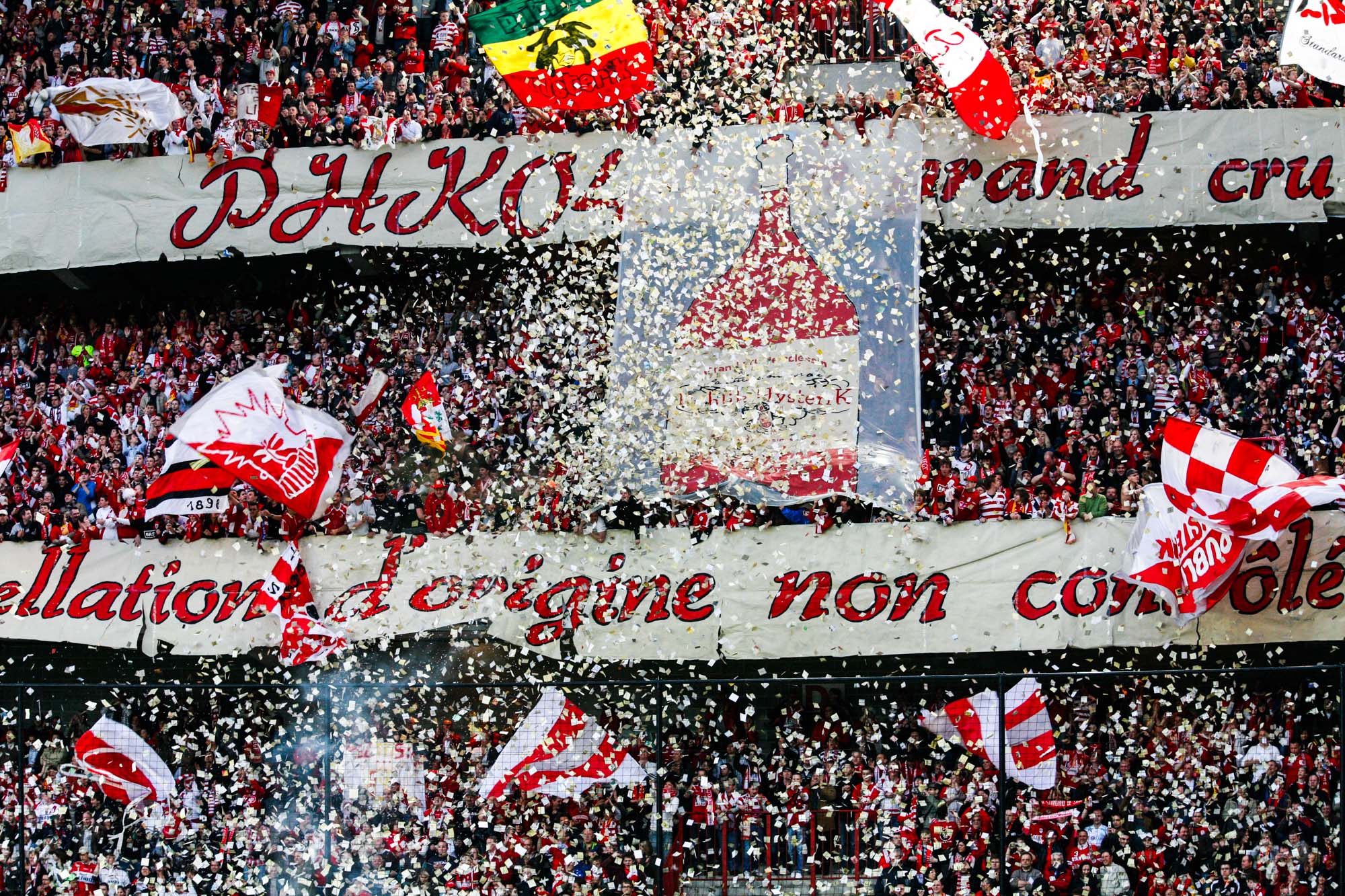
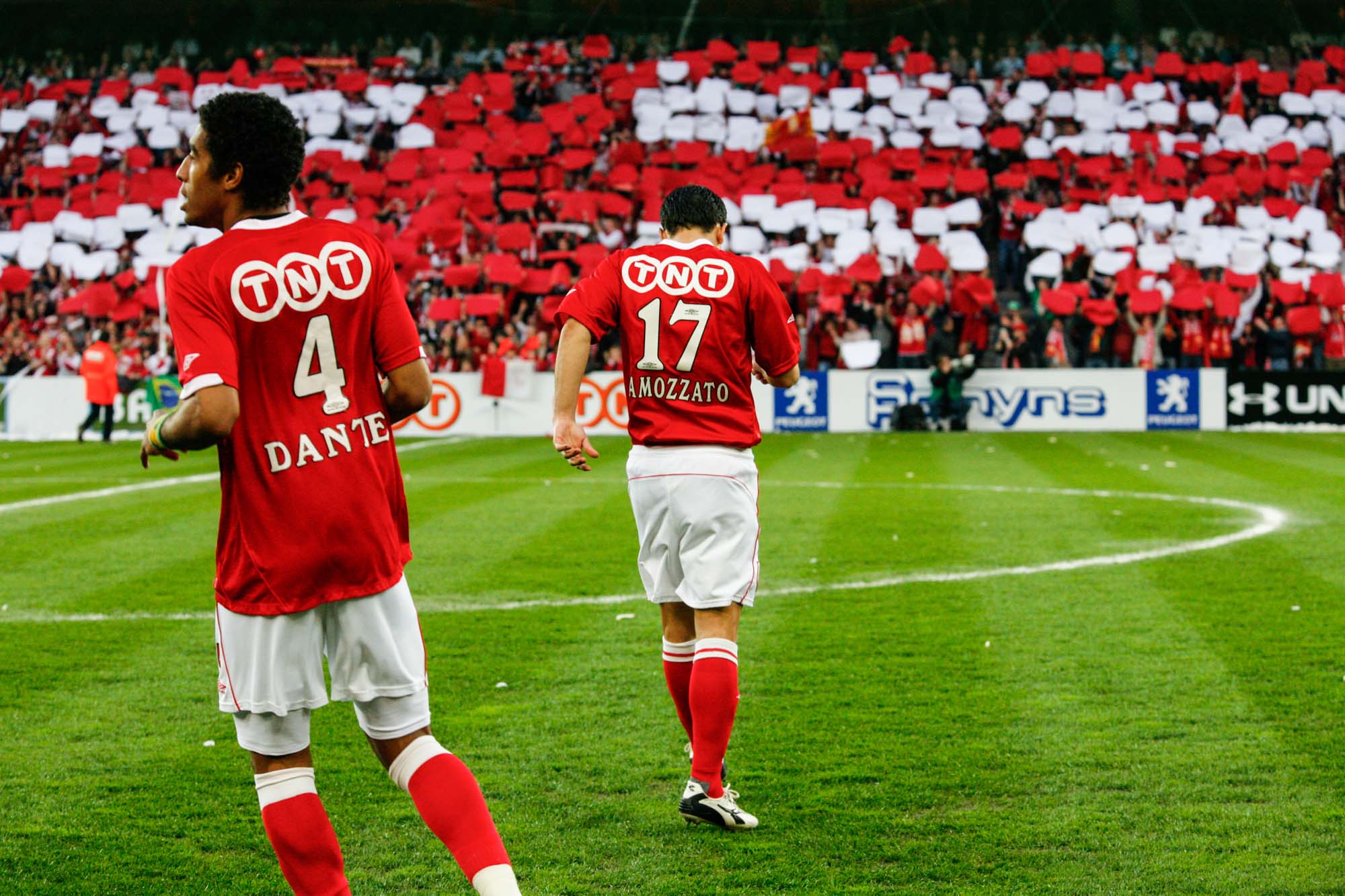
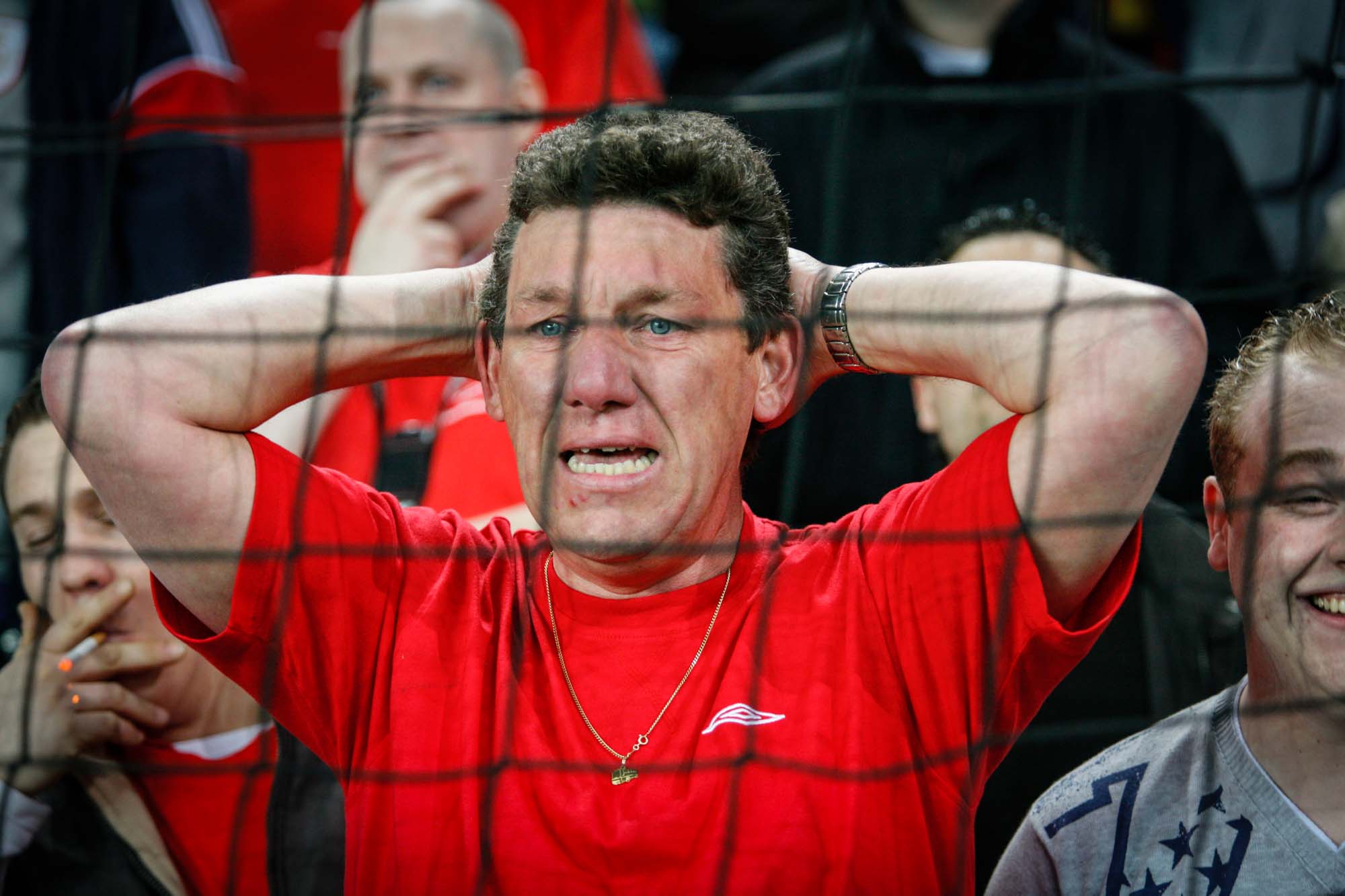
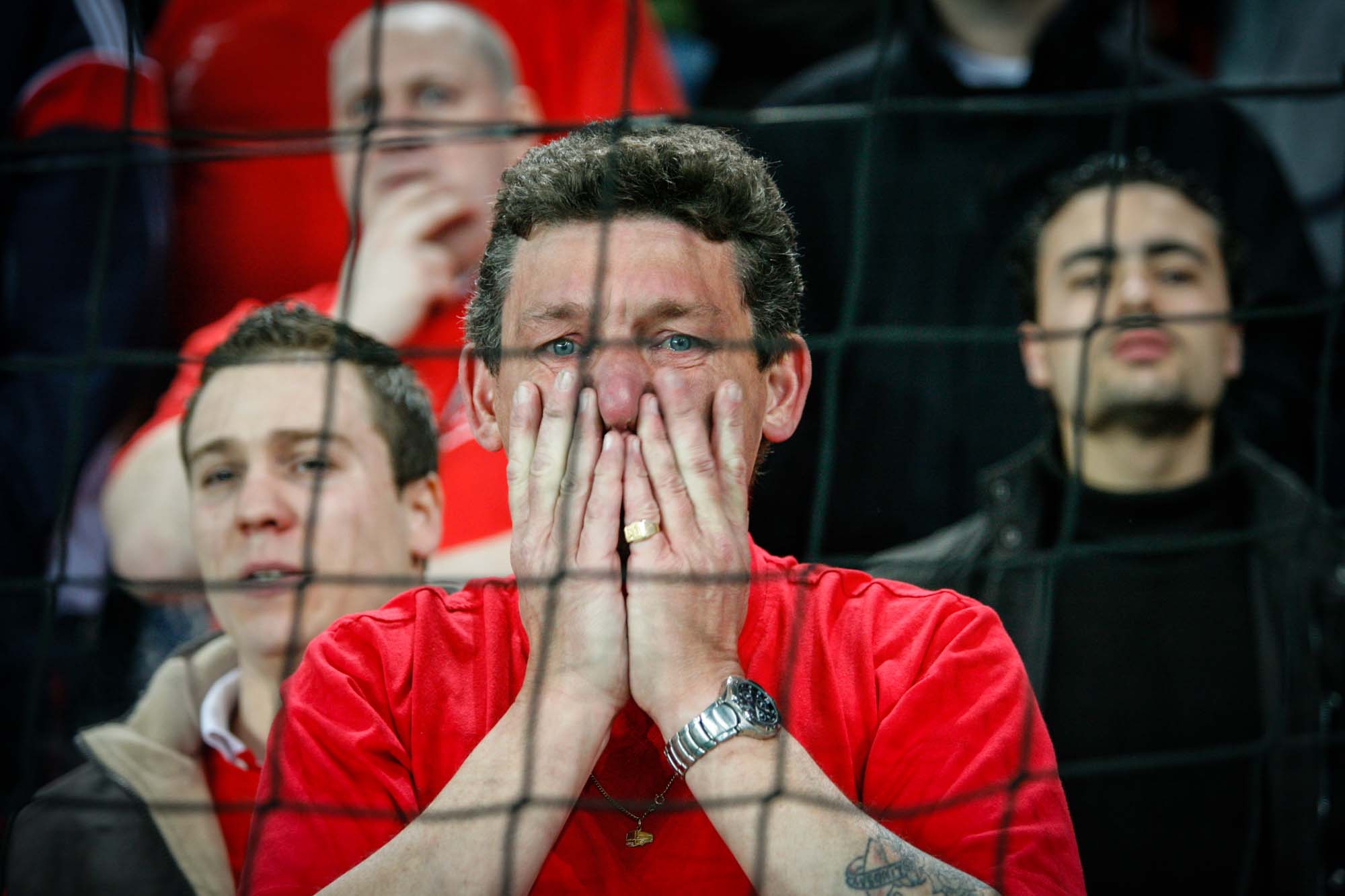
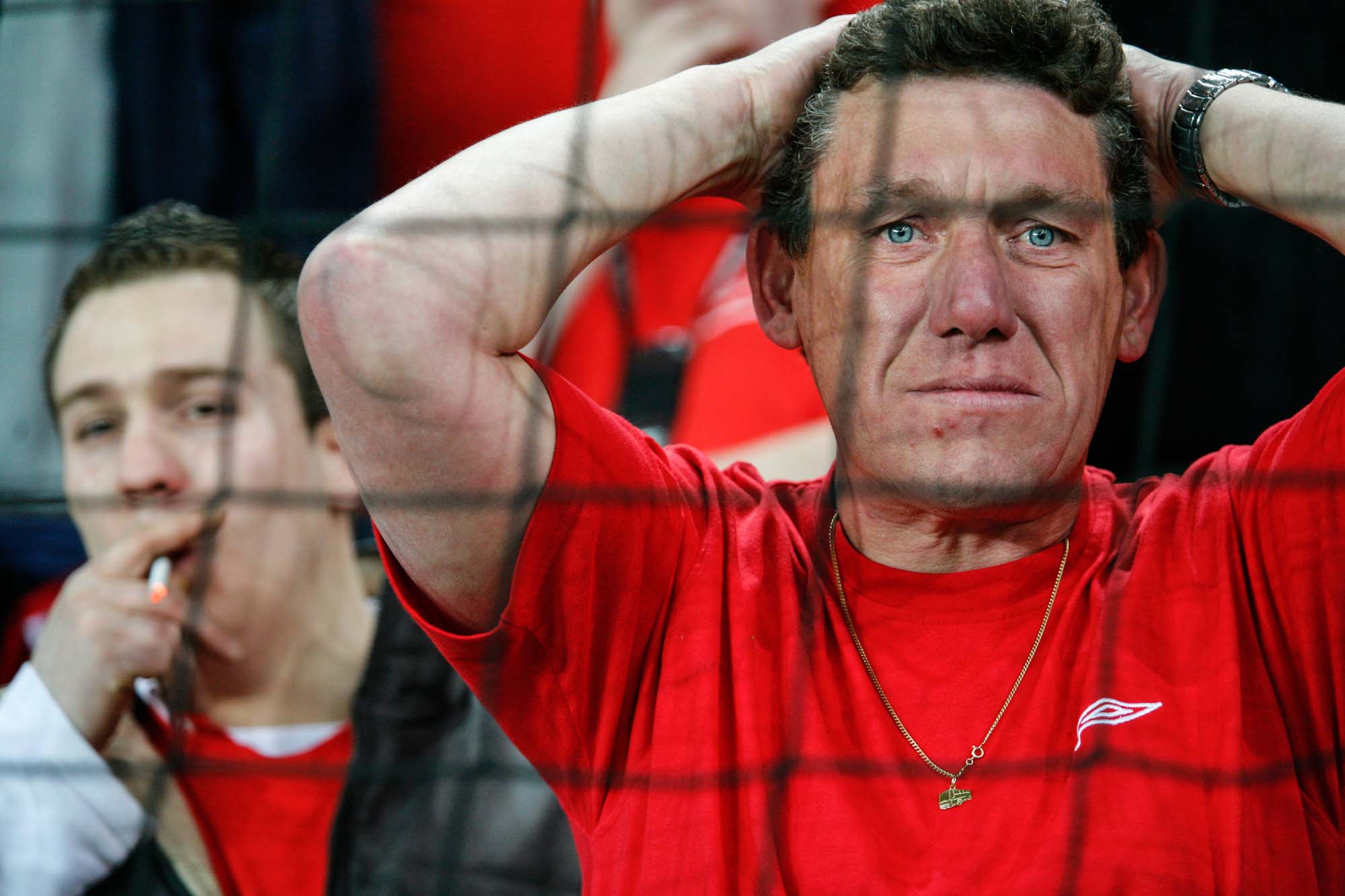
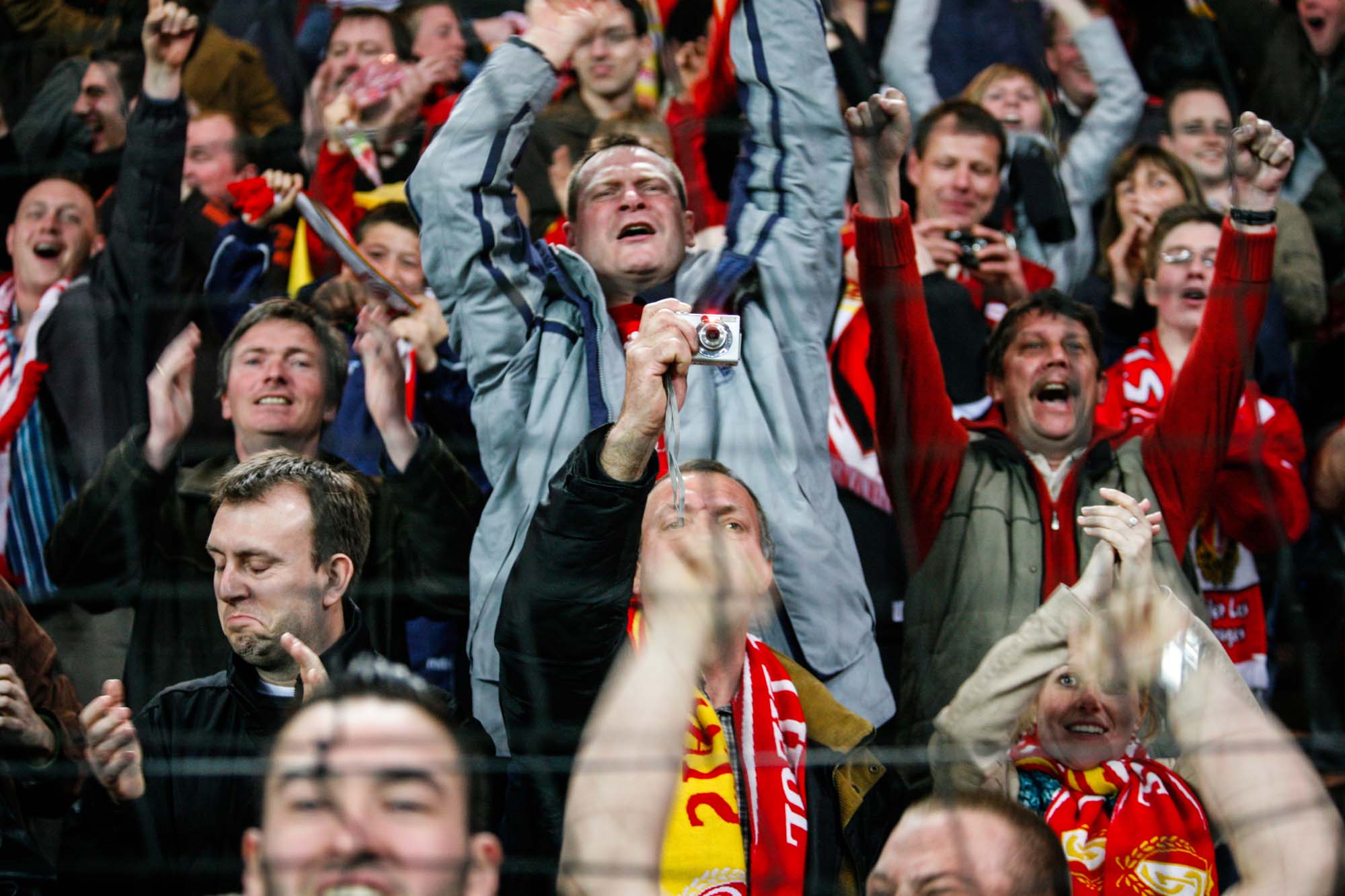
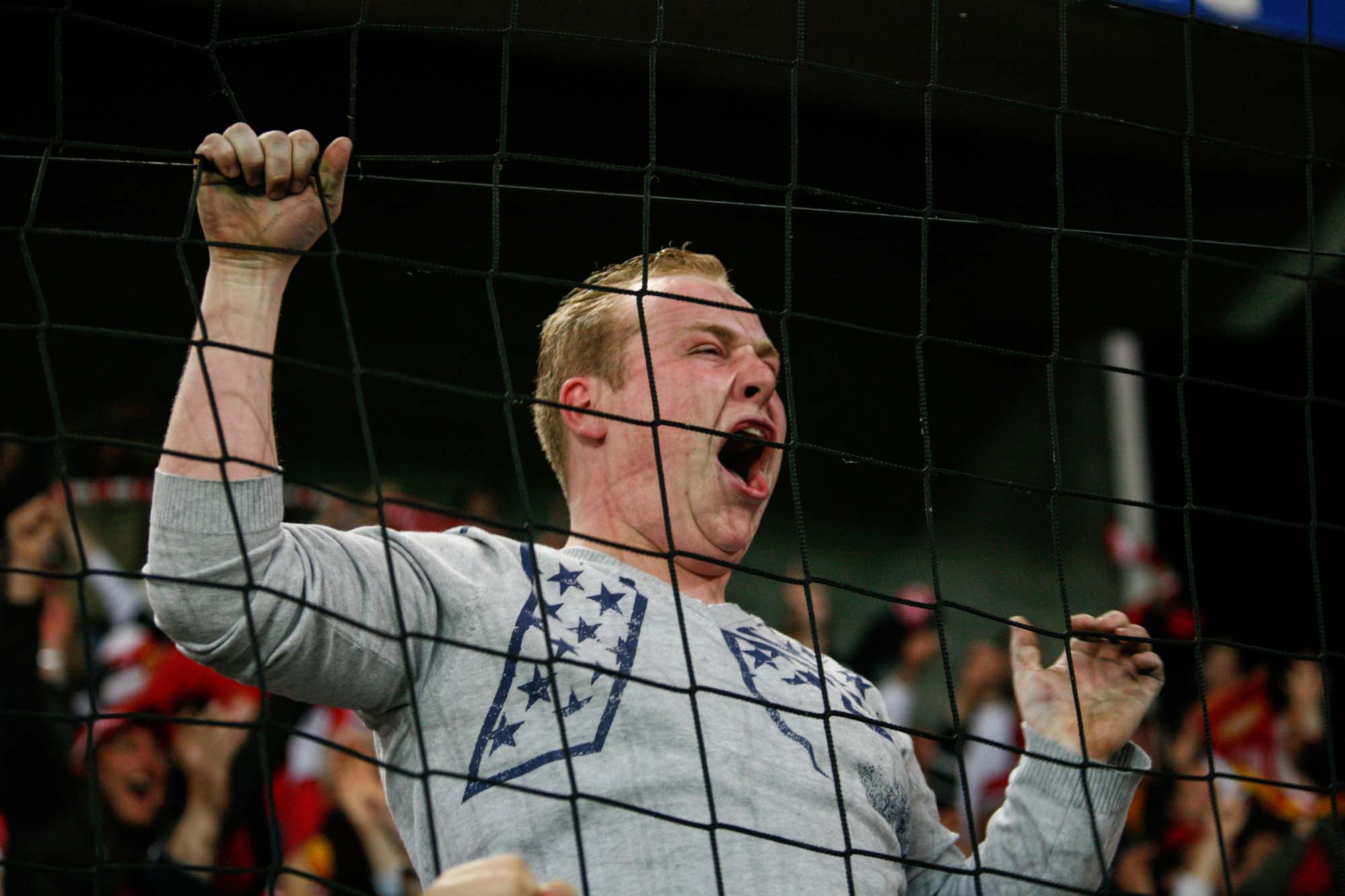
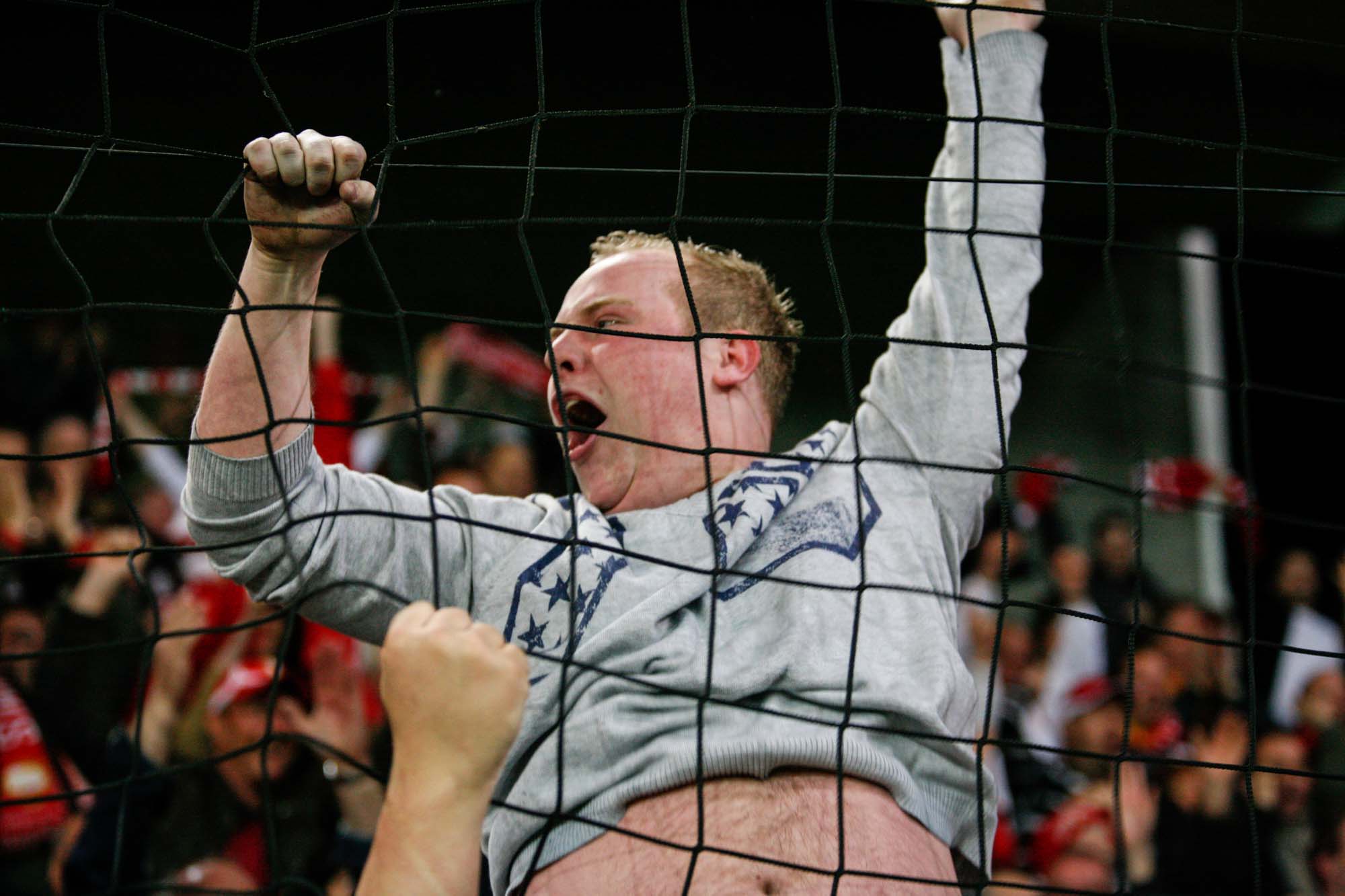
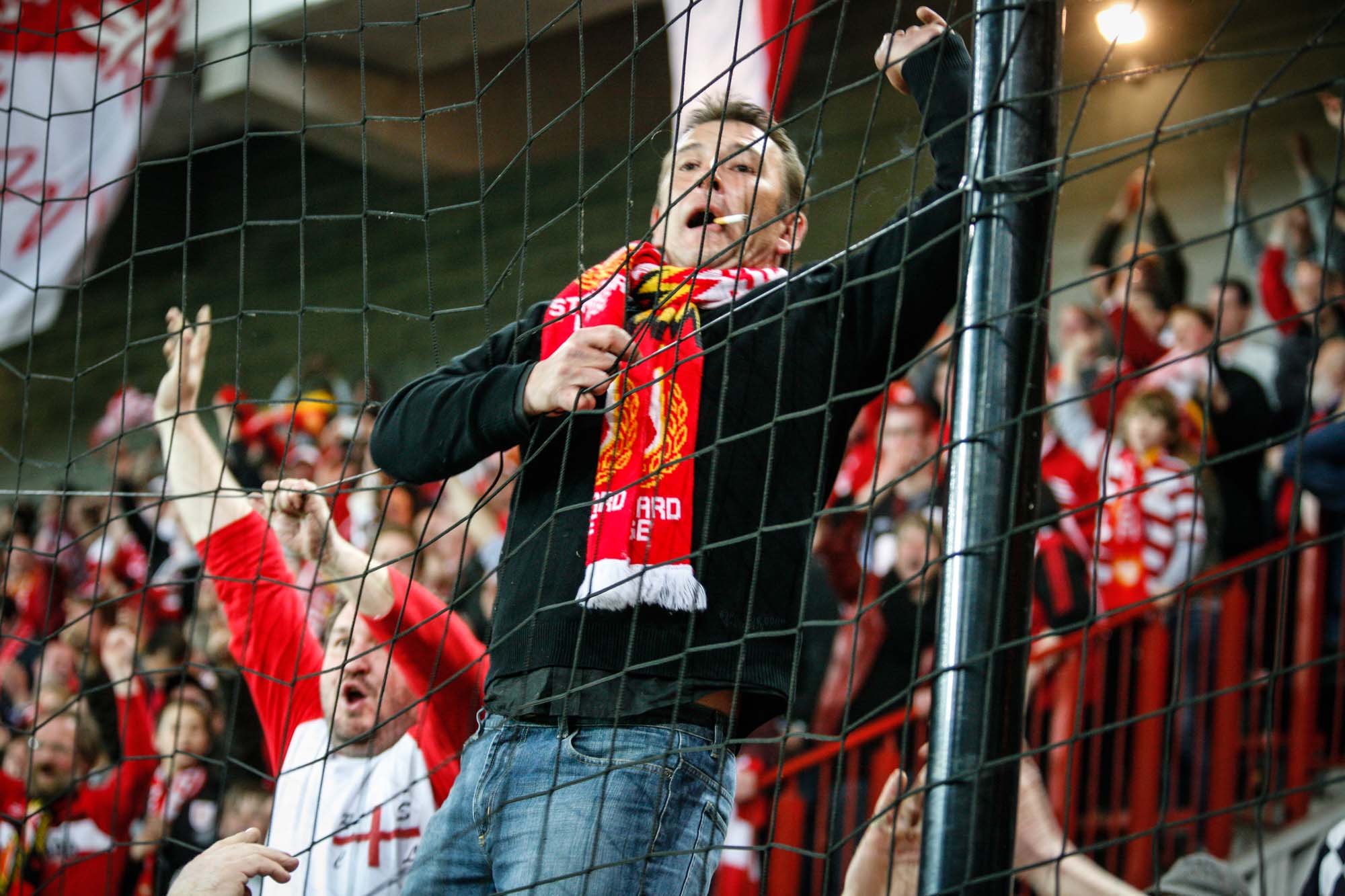
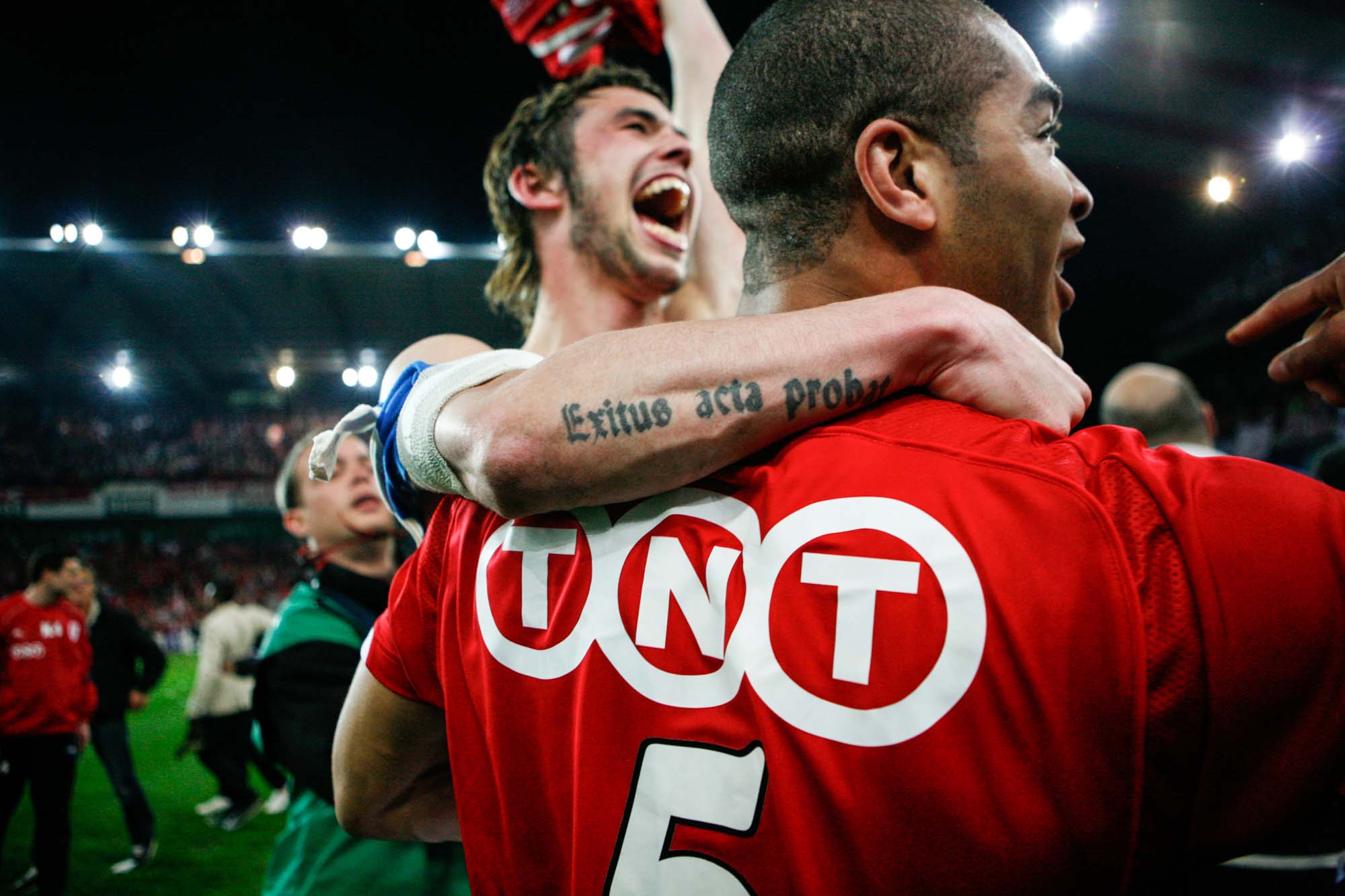
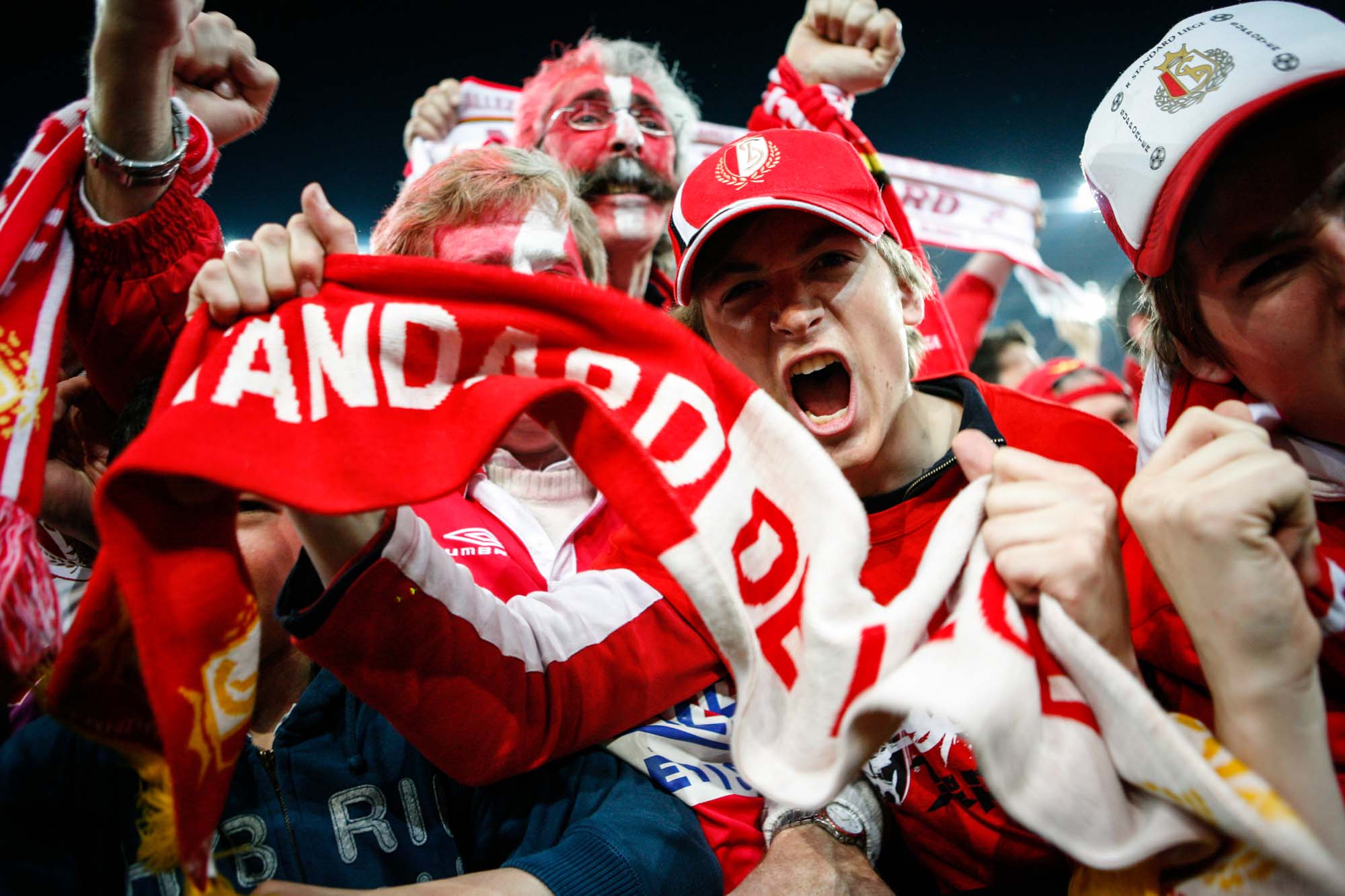
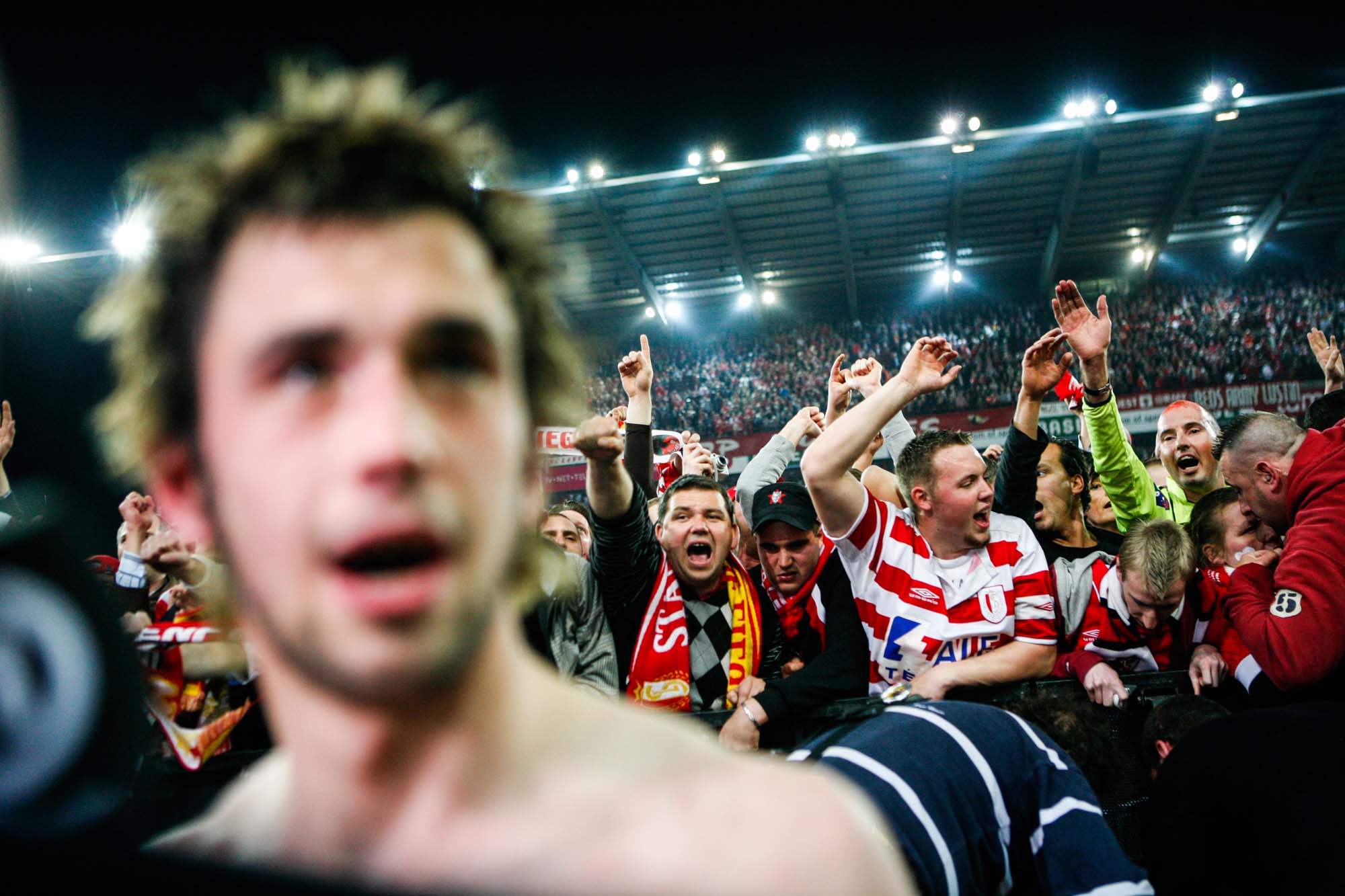
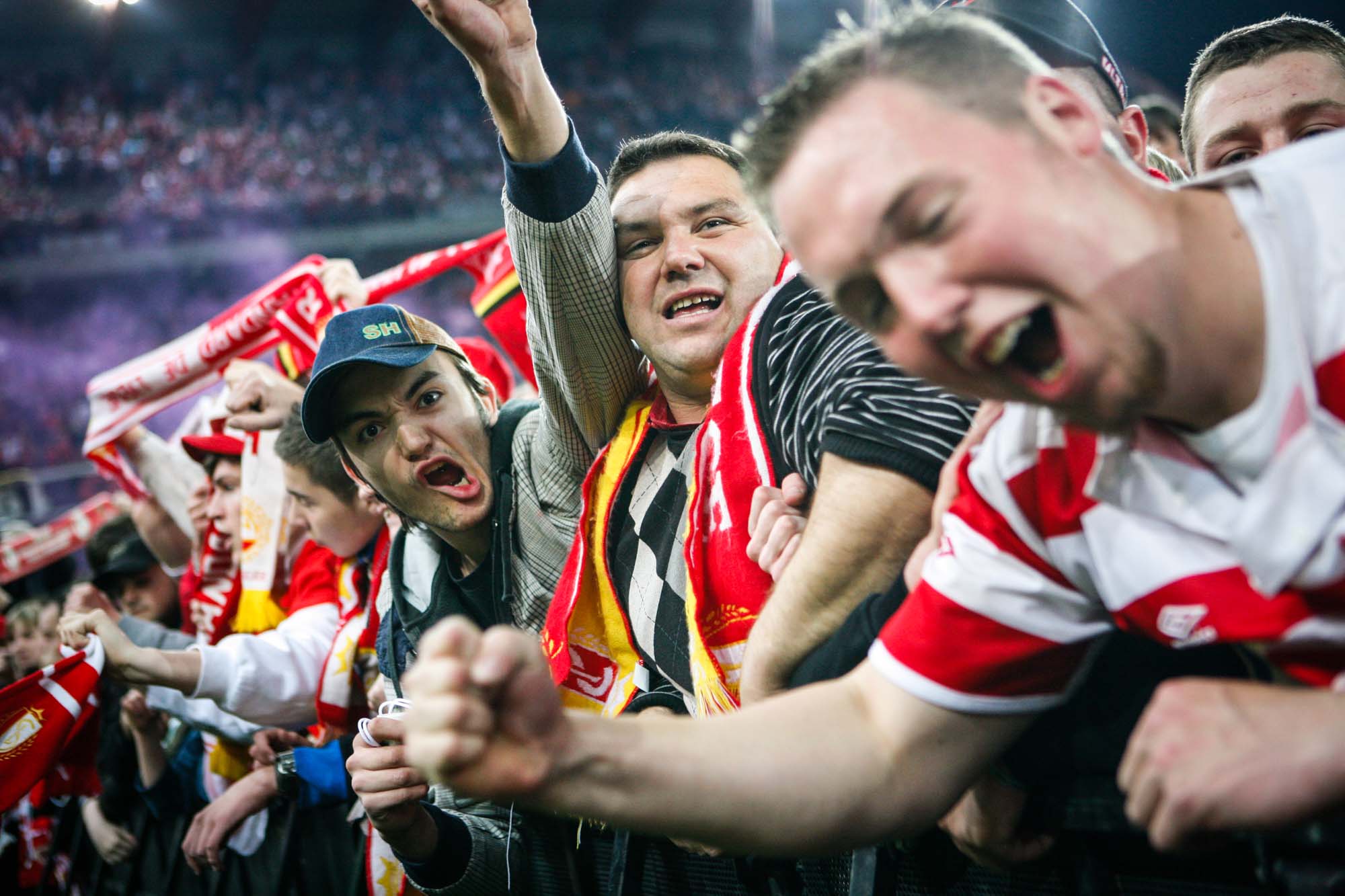
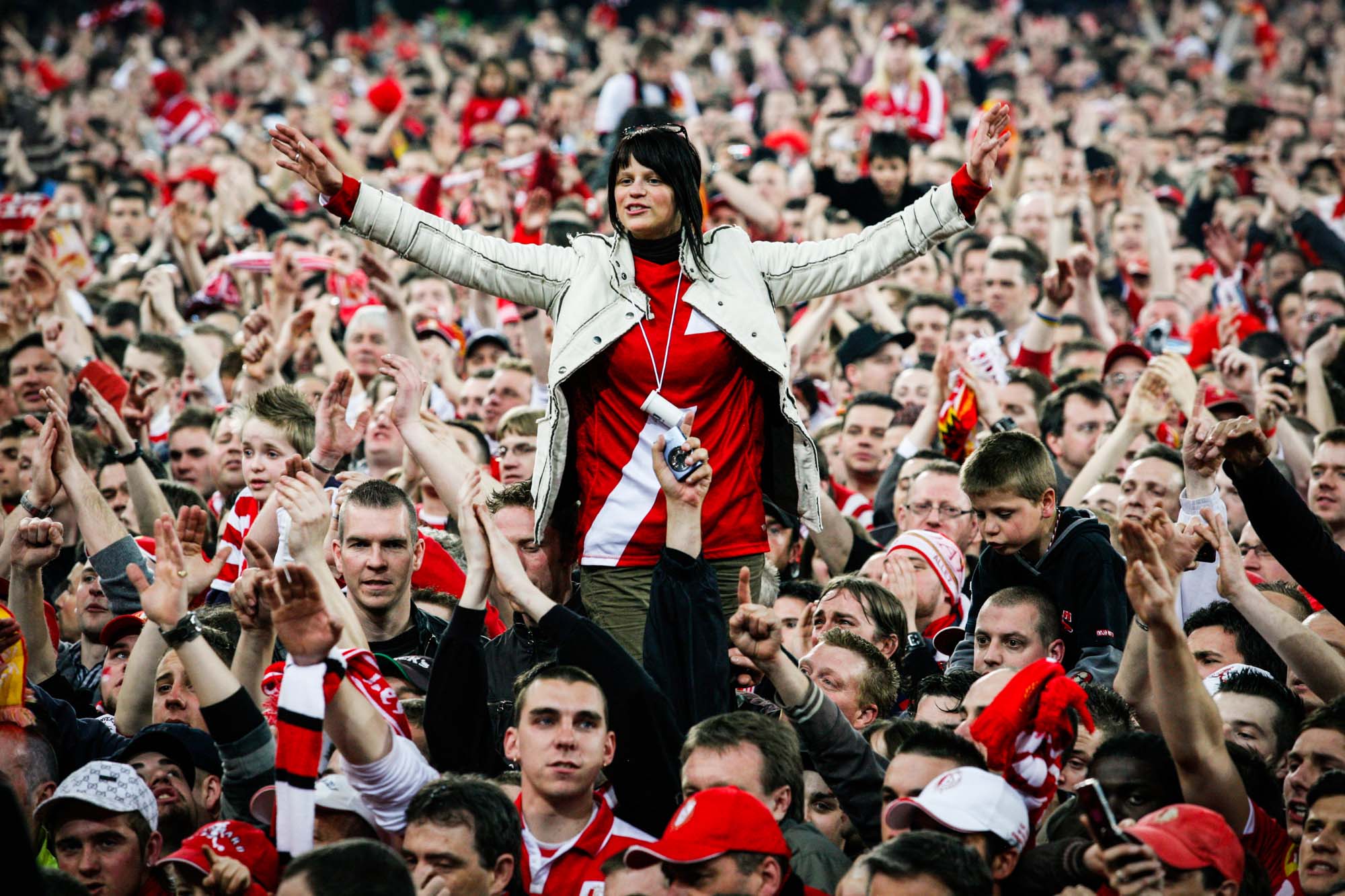
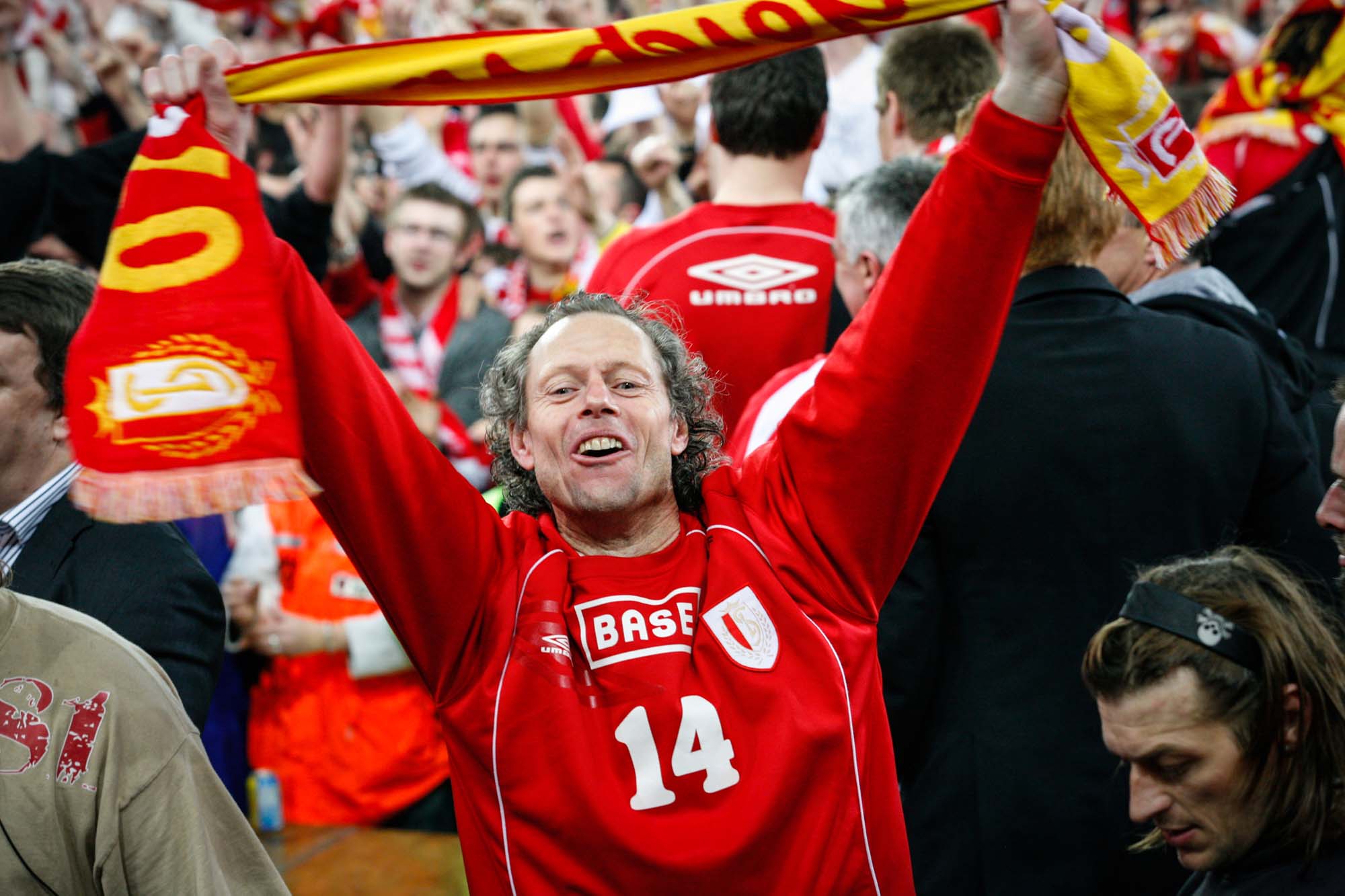
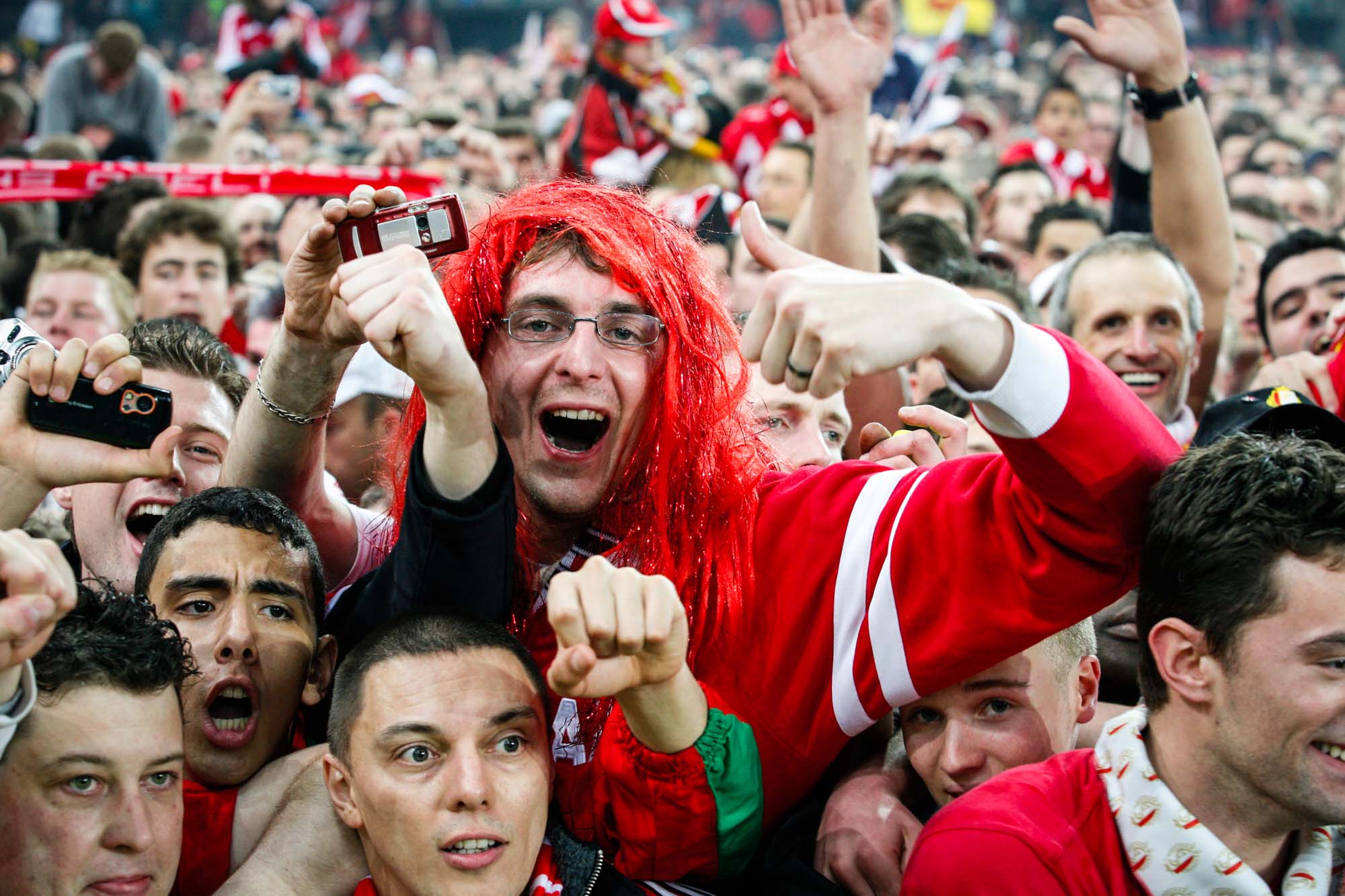
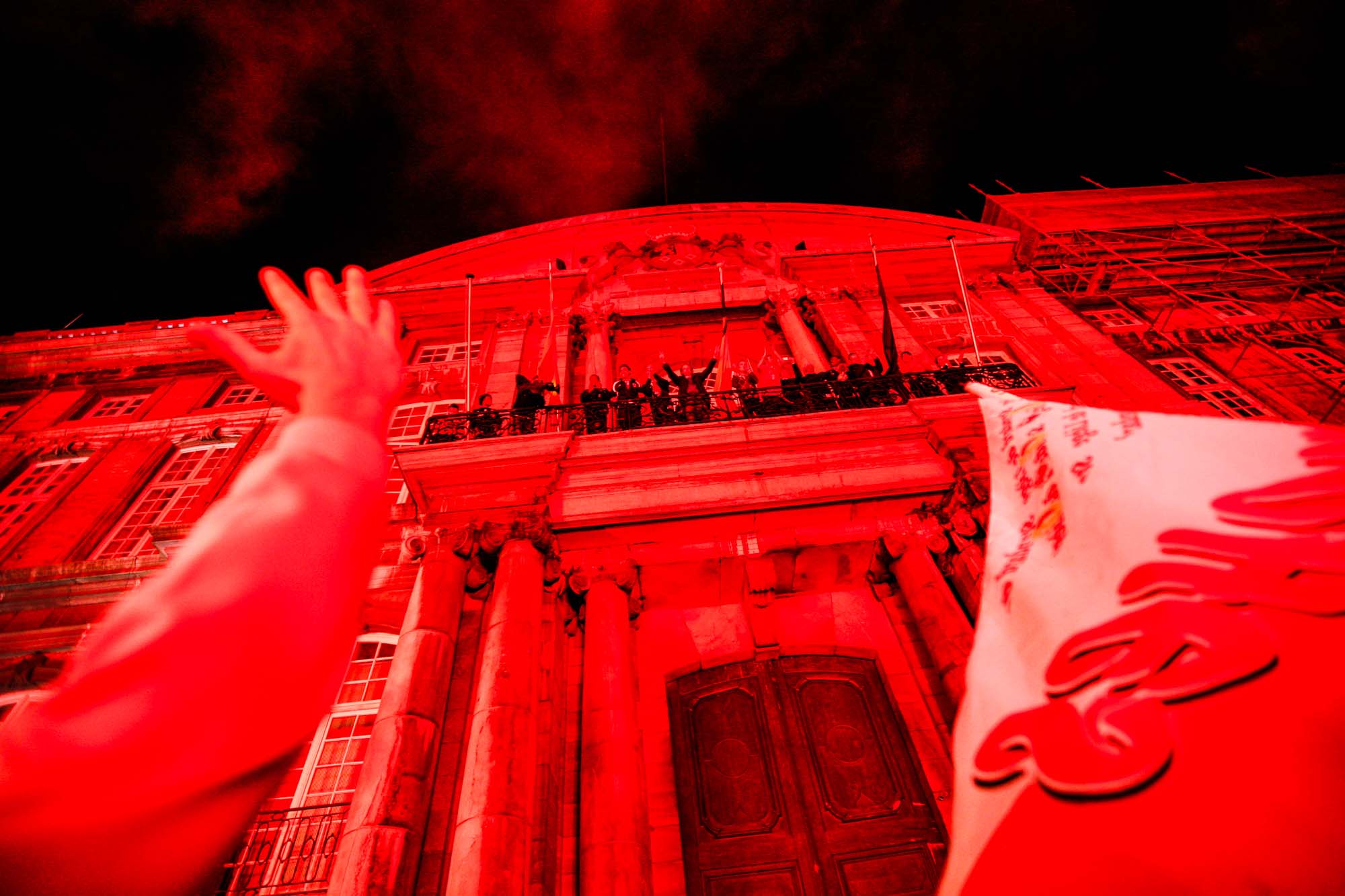
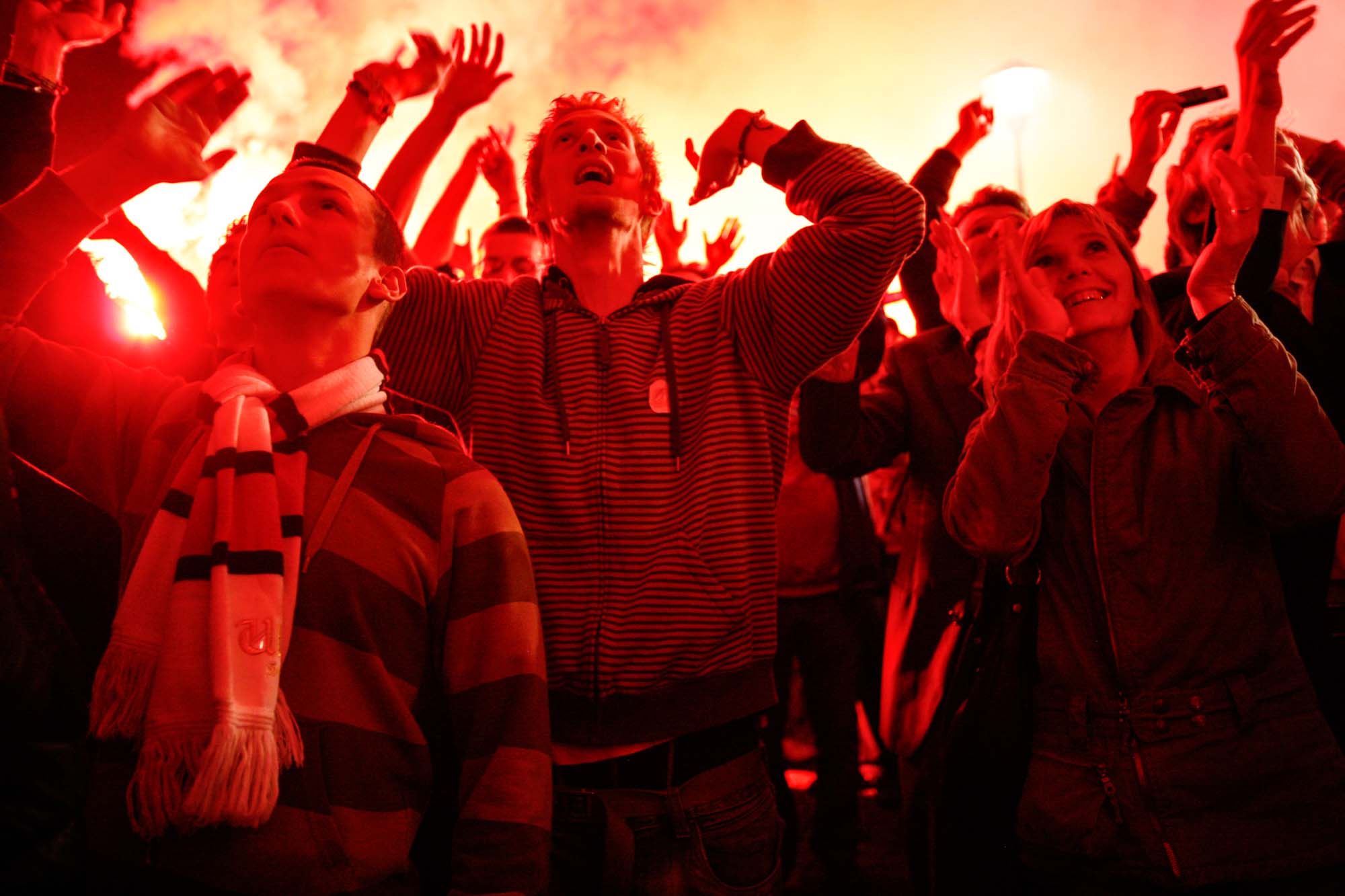
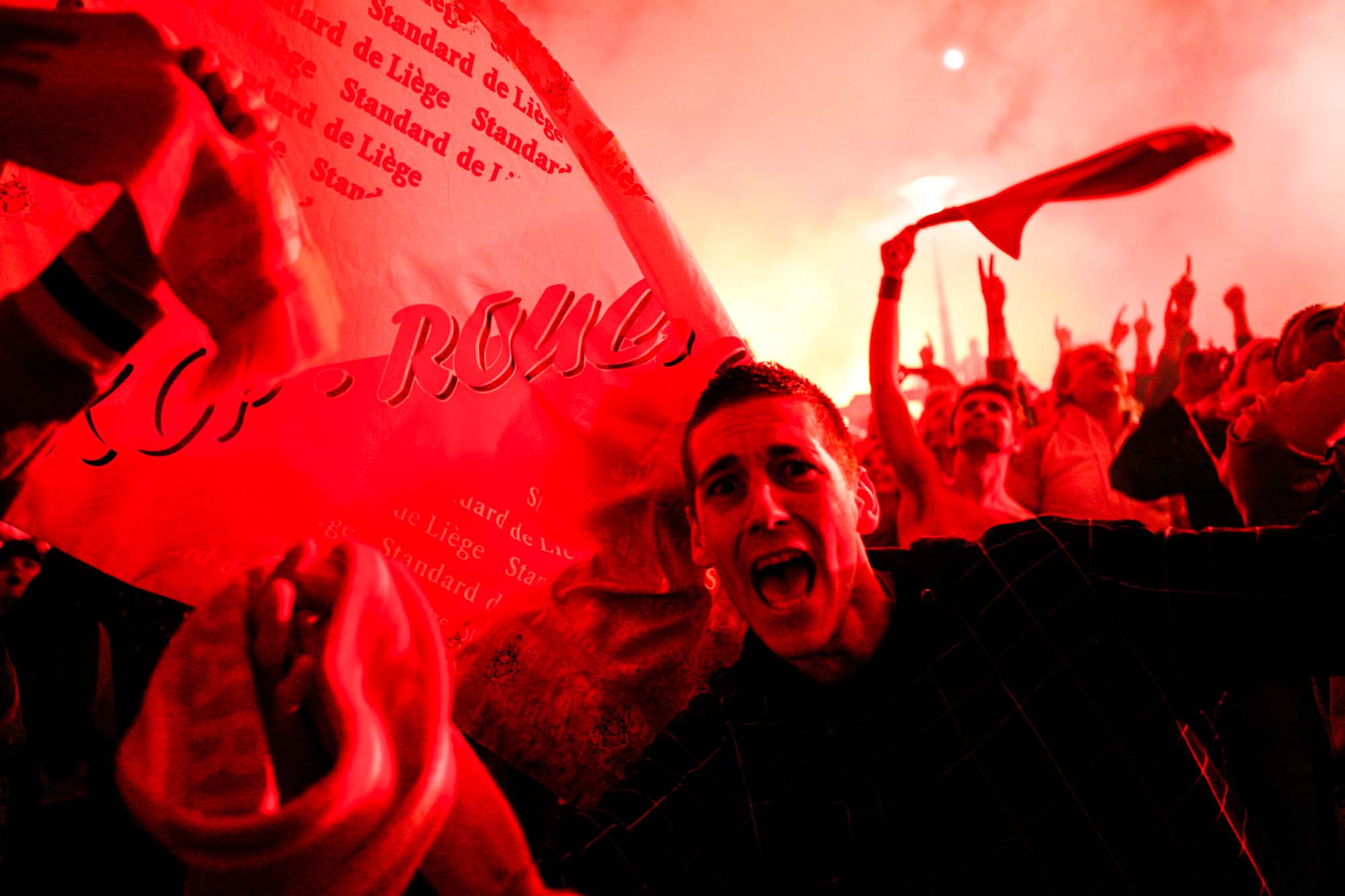
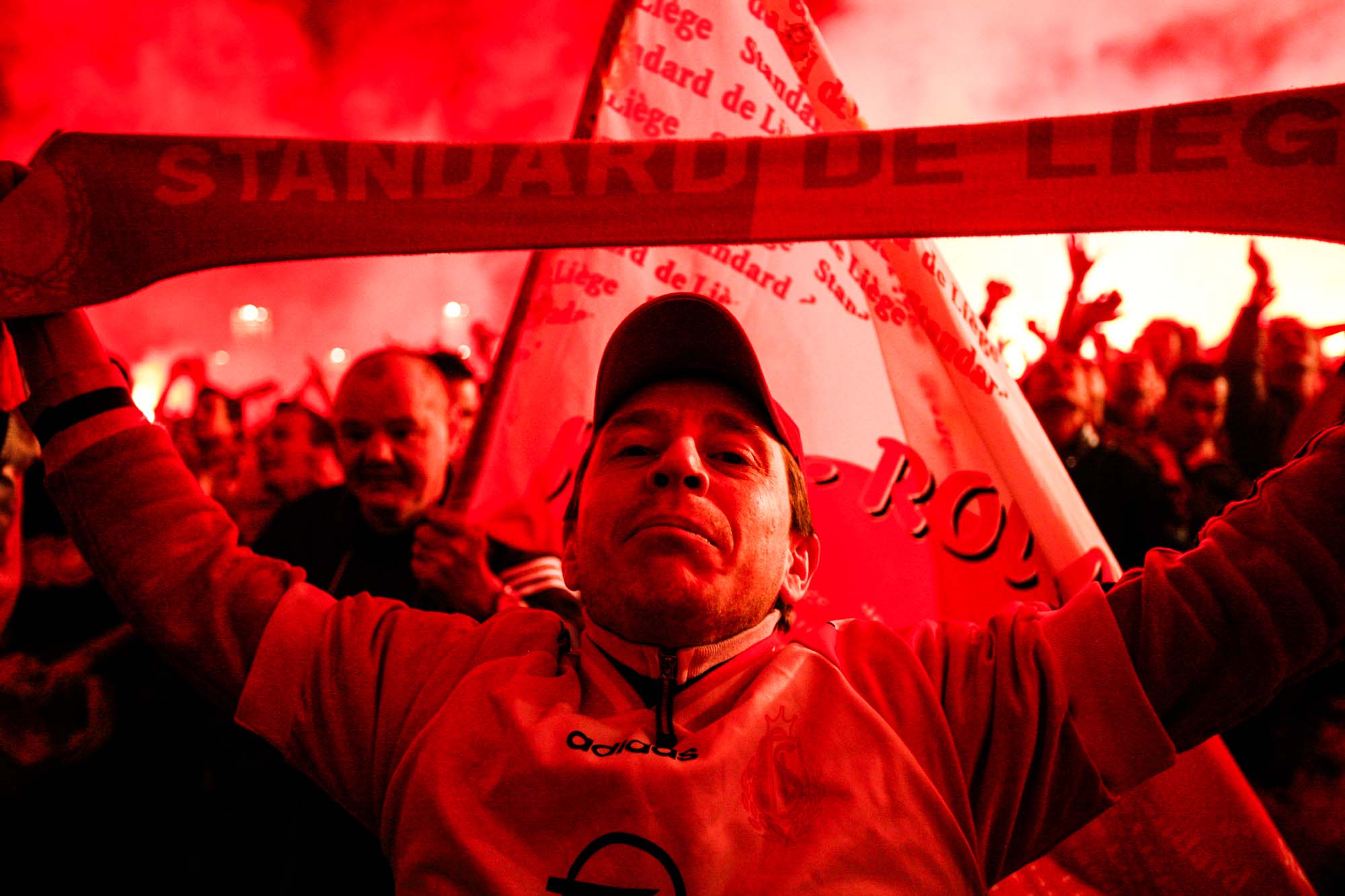
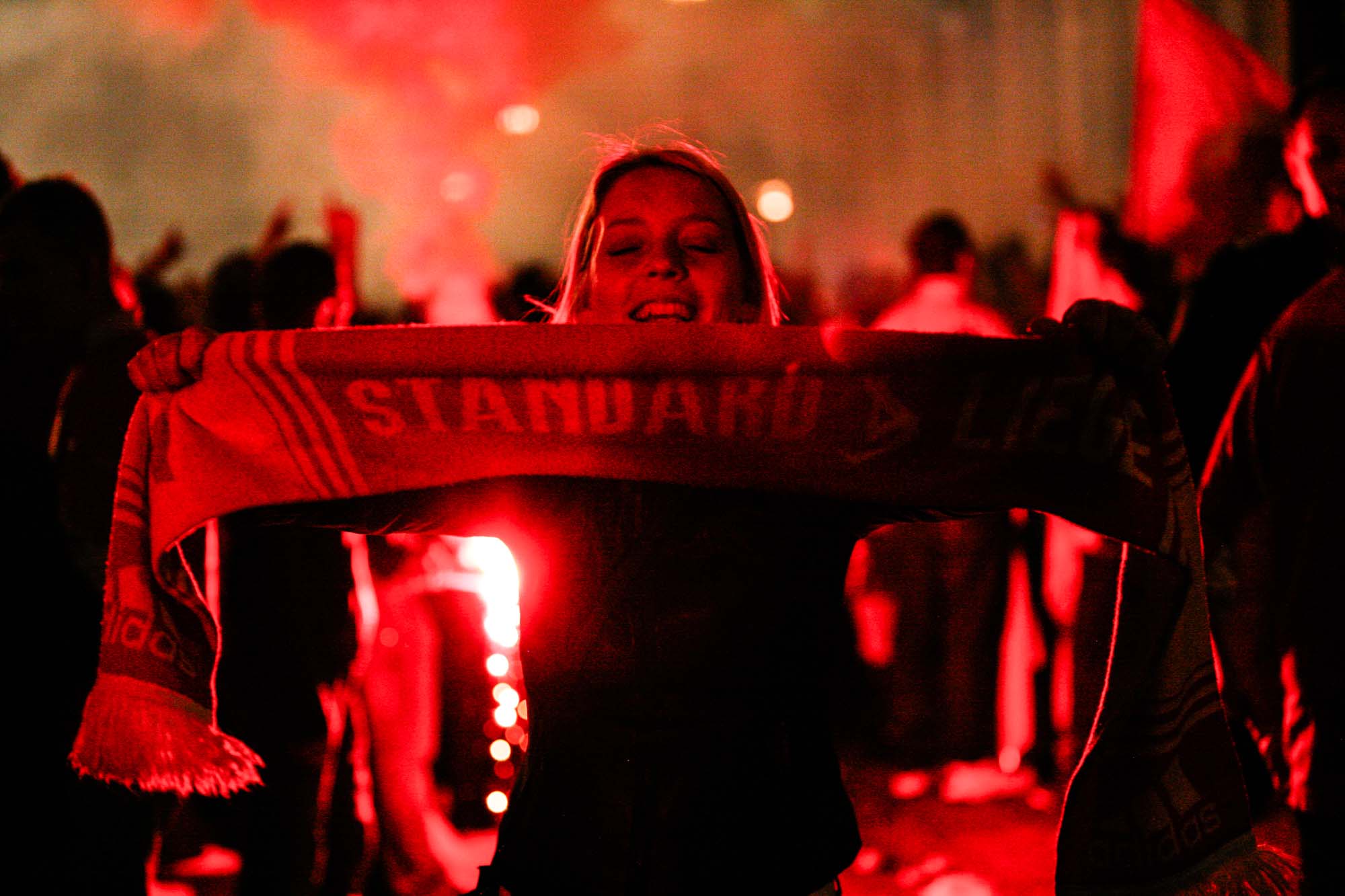
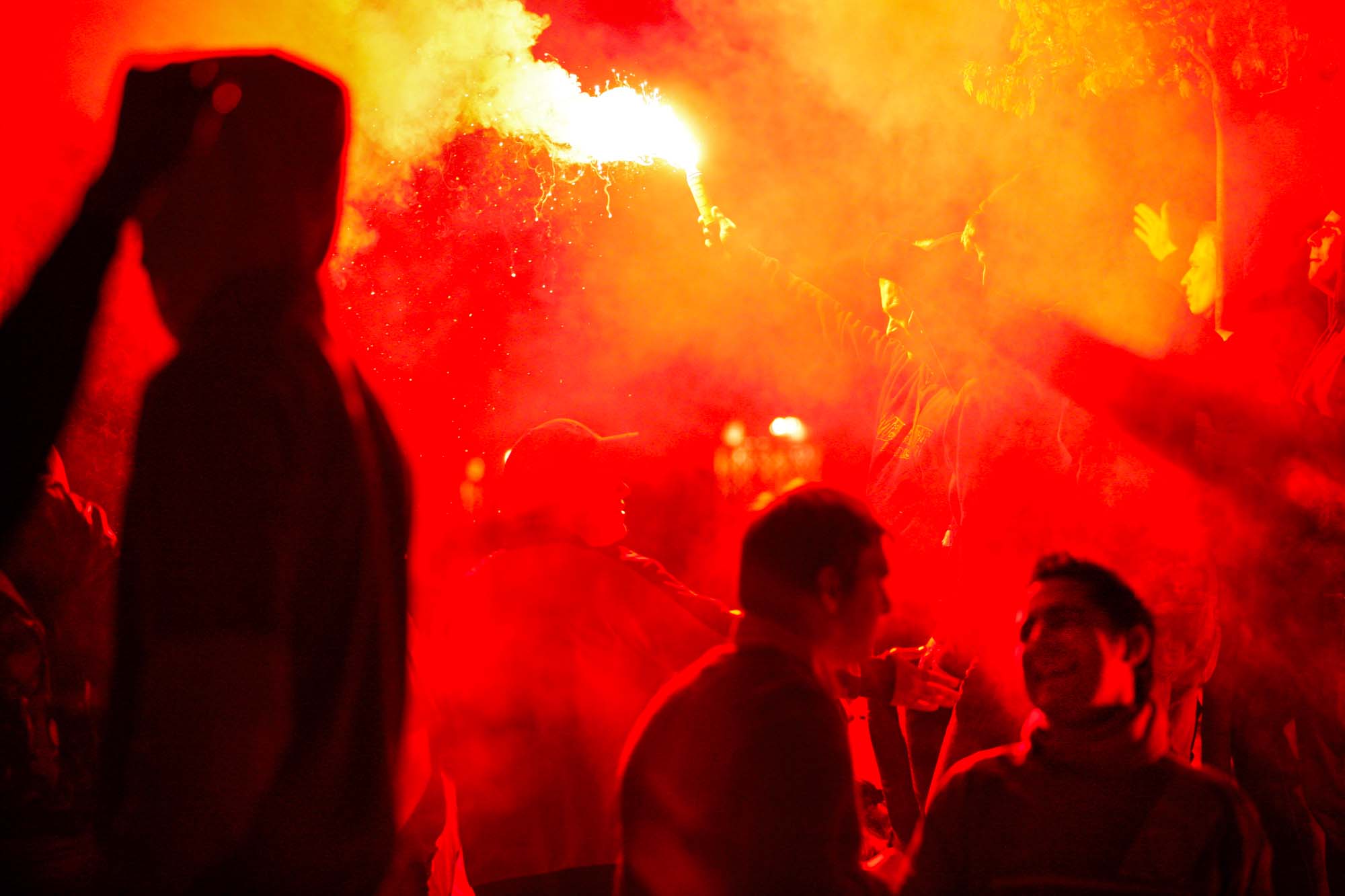
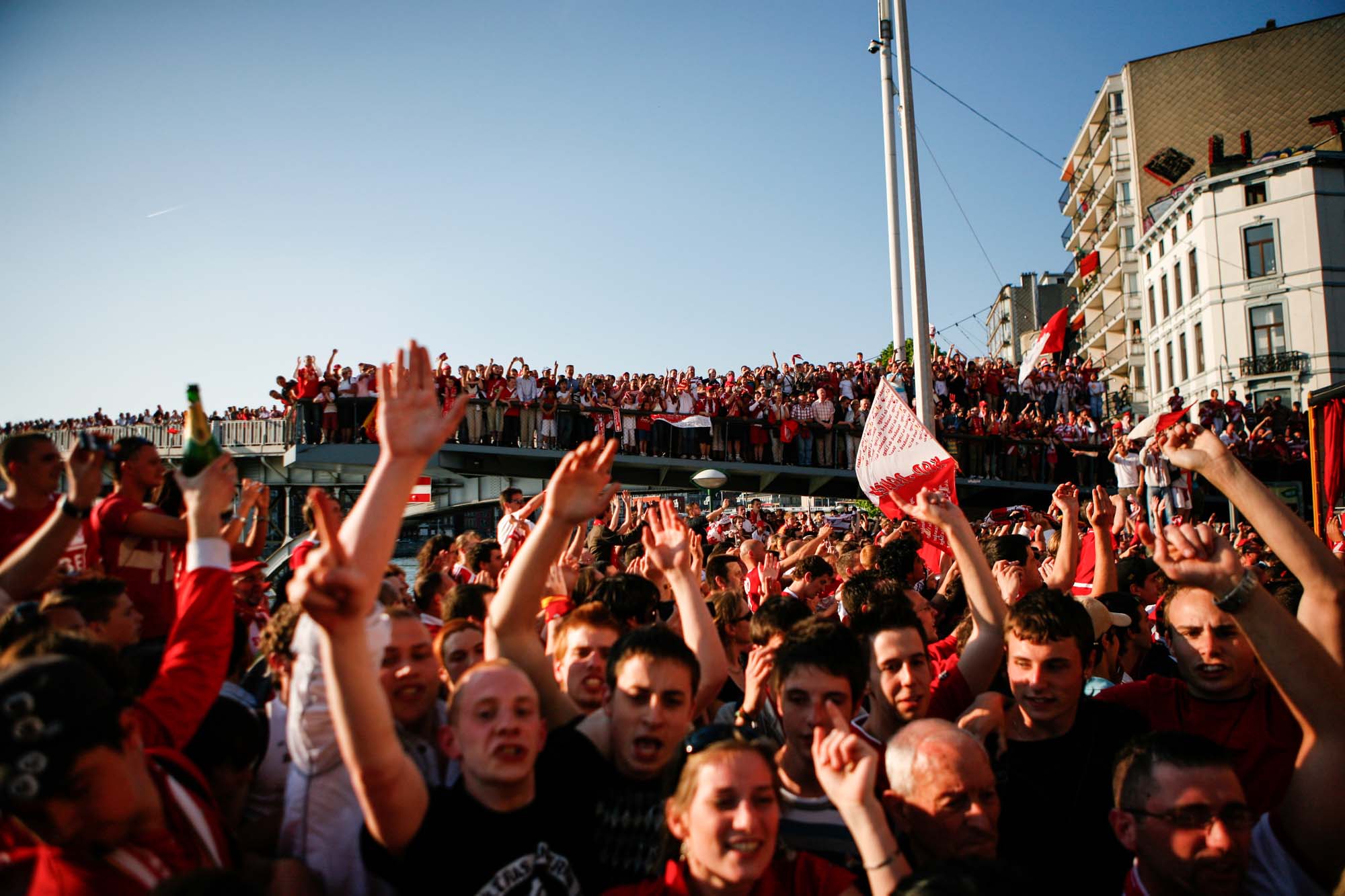
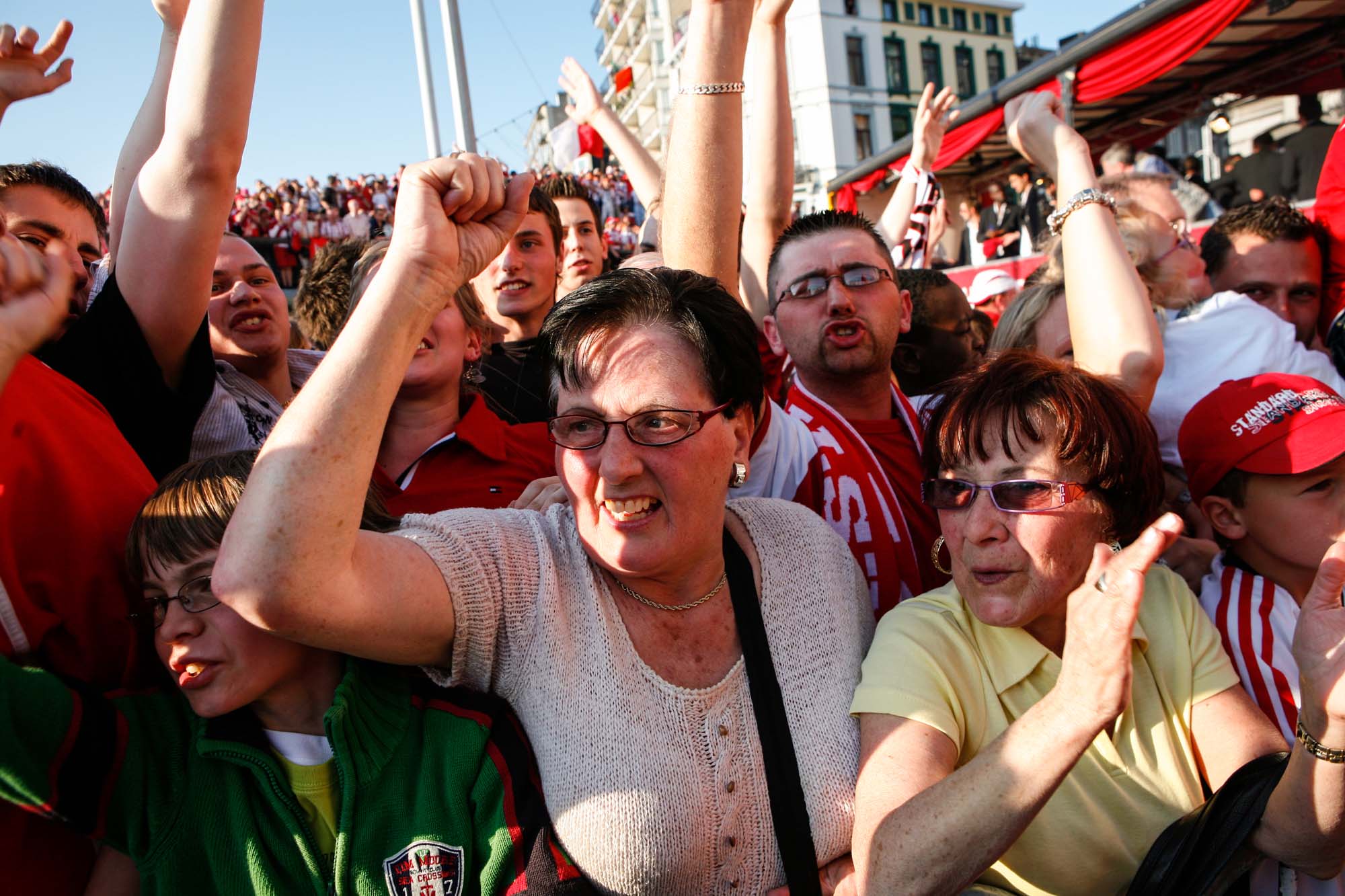
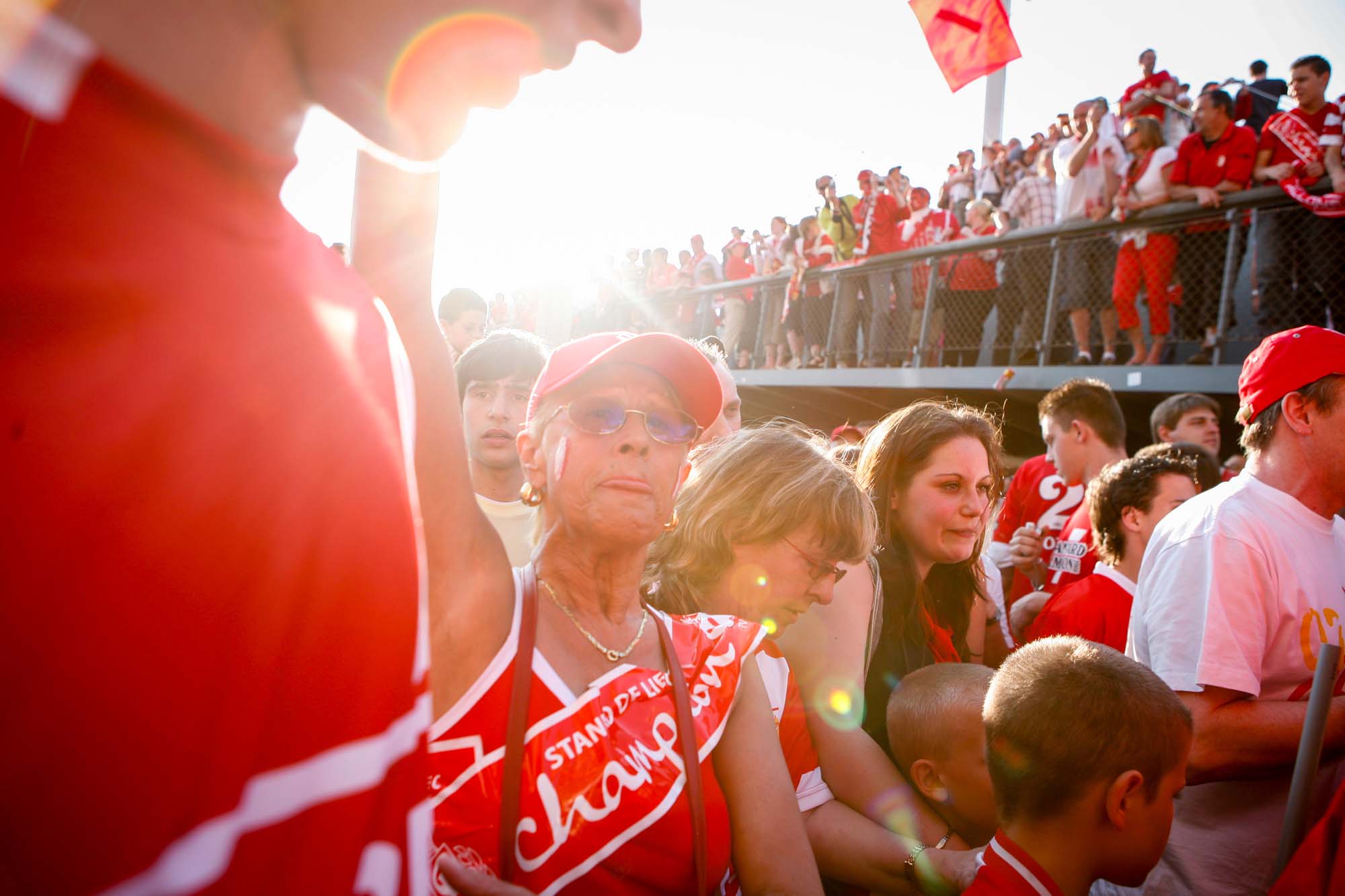
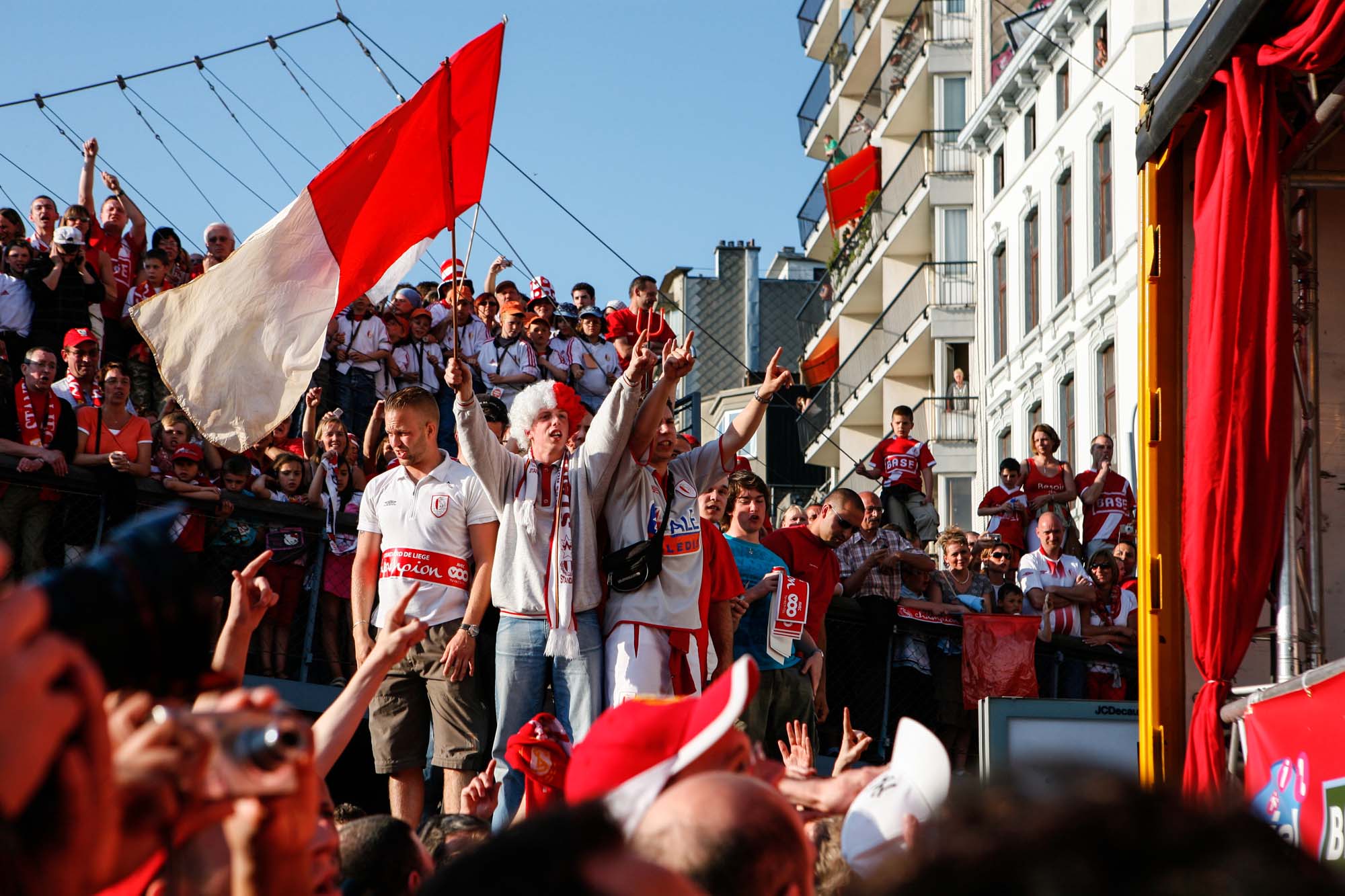
STANDARD LIEGE SUPPORTERS: THE TITLE AFTER 25 YEARS
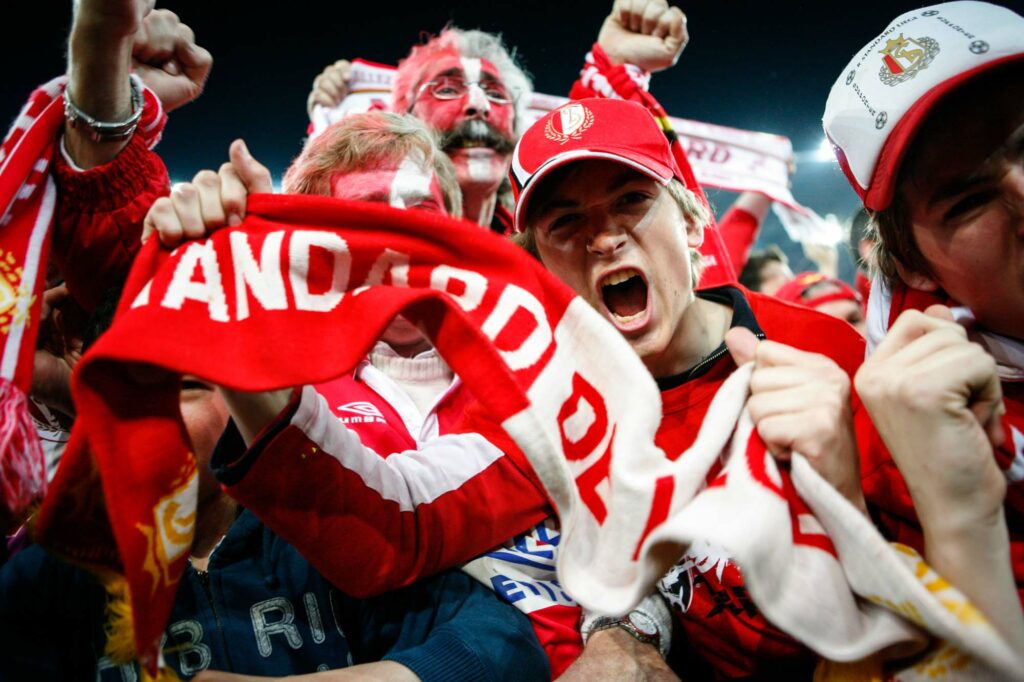
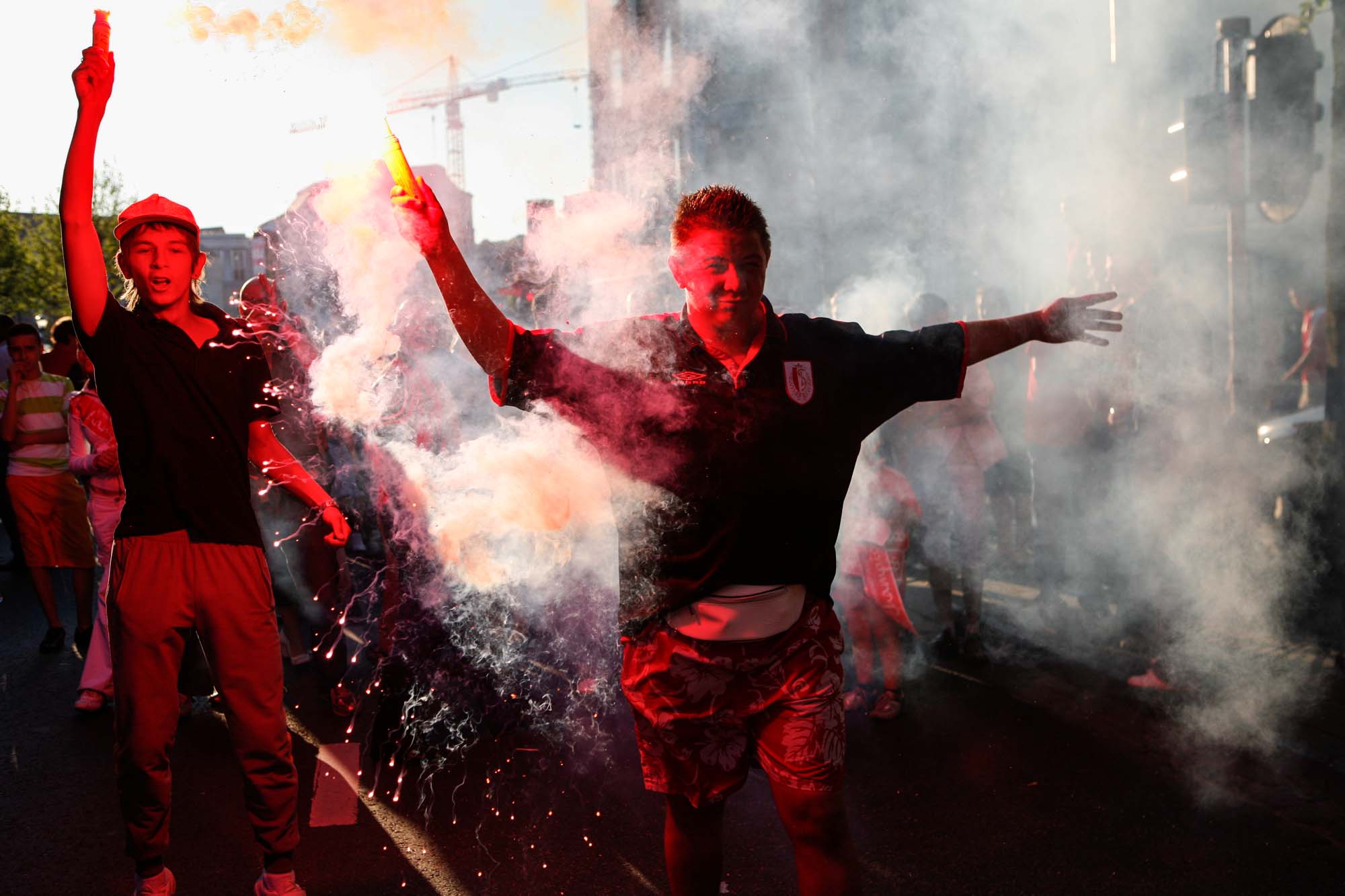
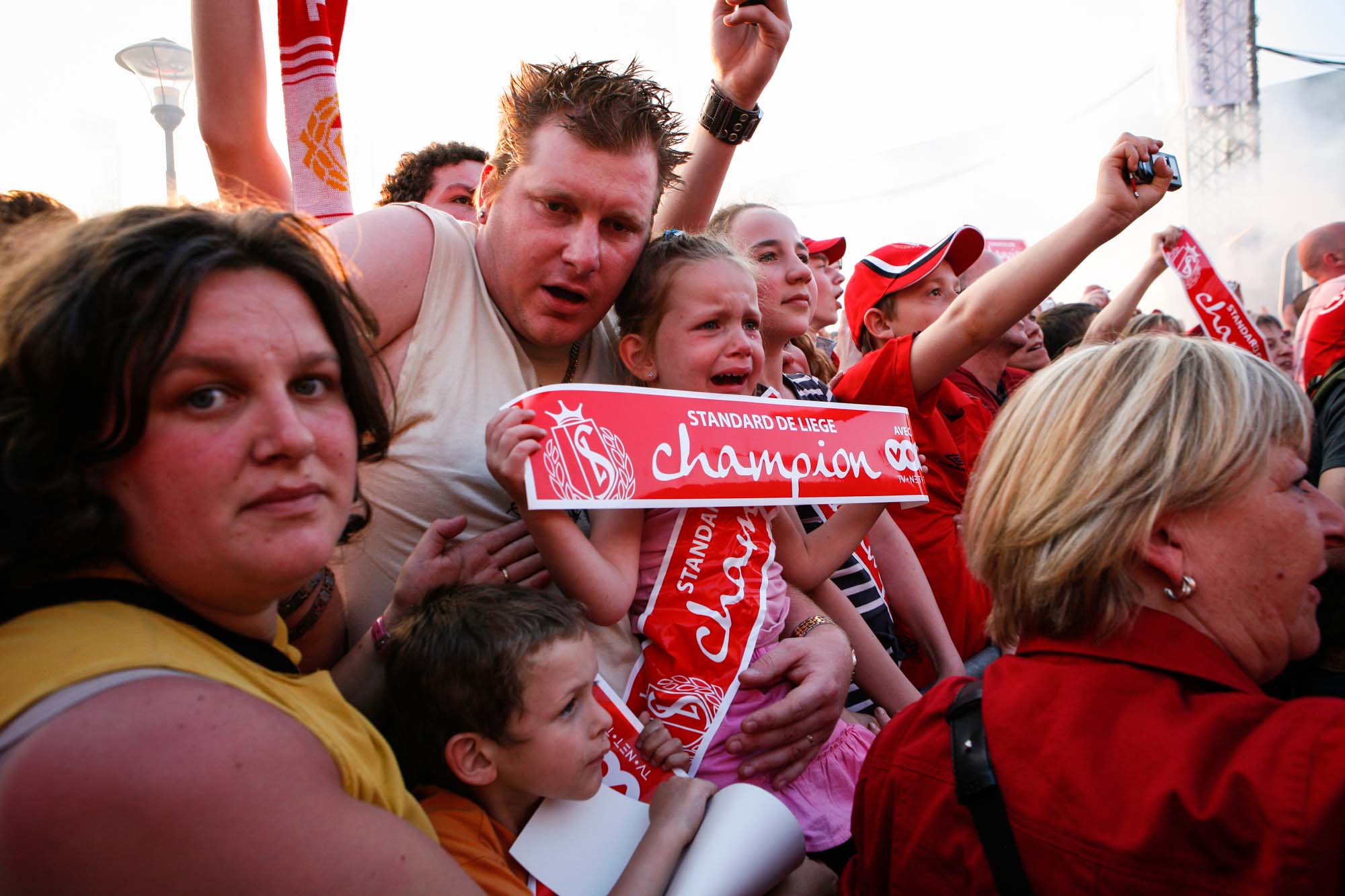
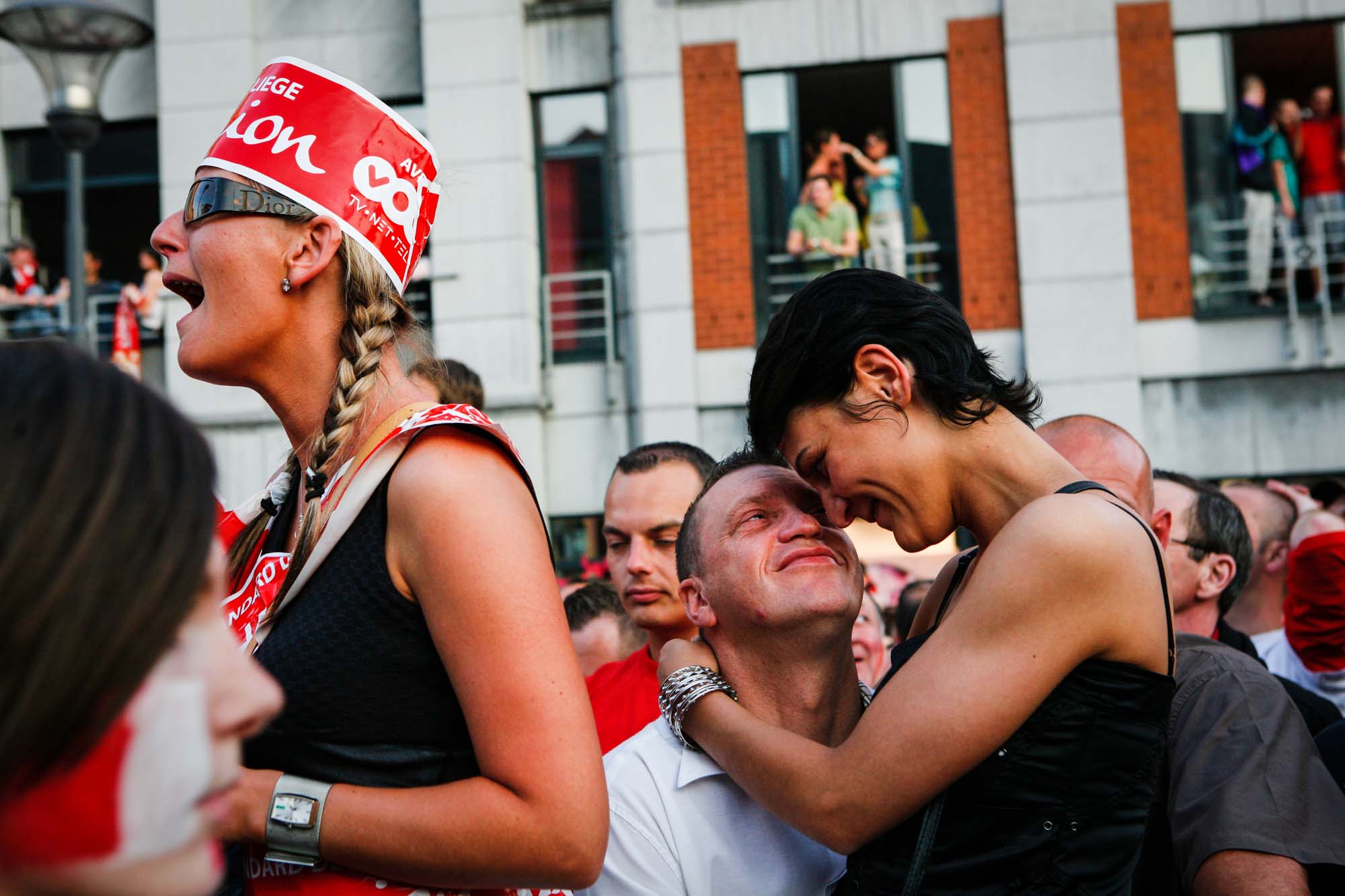
After a quarter-century wait, Standard Liège finally won the Belgian football championship, unleashing a wave of intense emotions among its passionate supporters.
Loyal through highs and lows, fans have lived through hopes and frustrations. This victory is more than a trophy: it symbolizes perseverance, deep attachment to regional identity, and pride in a united community.
In the streets of Liège, chants, flags, and celebrations lit up the city, reflecting unique popular fervor. This triumph resonates as a renewal, fueling dreams of a glorious future for one of Belgian football’s historic clubs.
CHRONICLES FROM NO JOBS LAND

Twelve individuals in search of employment.
Testimonies that challenge the negative image of the unemployed.
Are you, like us, surprised, concerned, outraged?
Surprised by the sweeping generalizations,
concerned by the spread of stereotypes,
outraged to see how all of this fuels suspicion, intolerance, and rejection toward those without work.


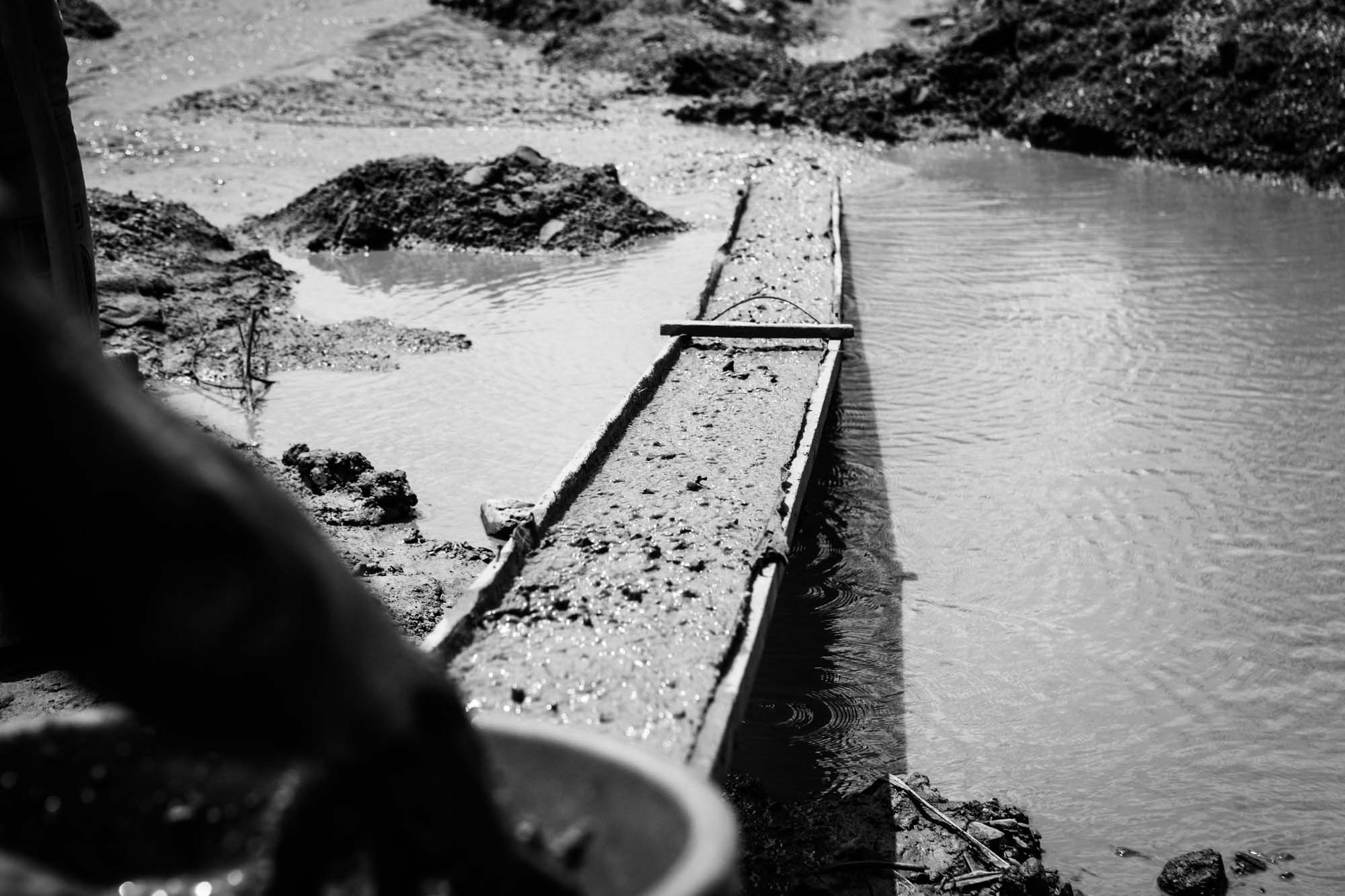
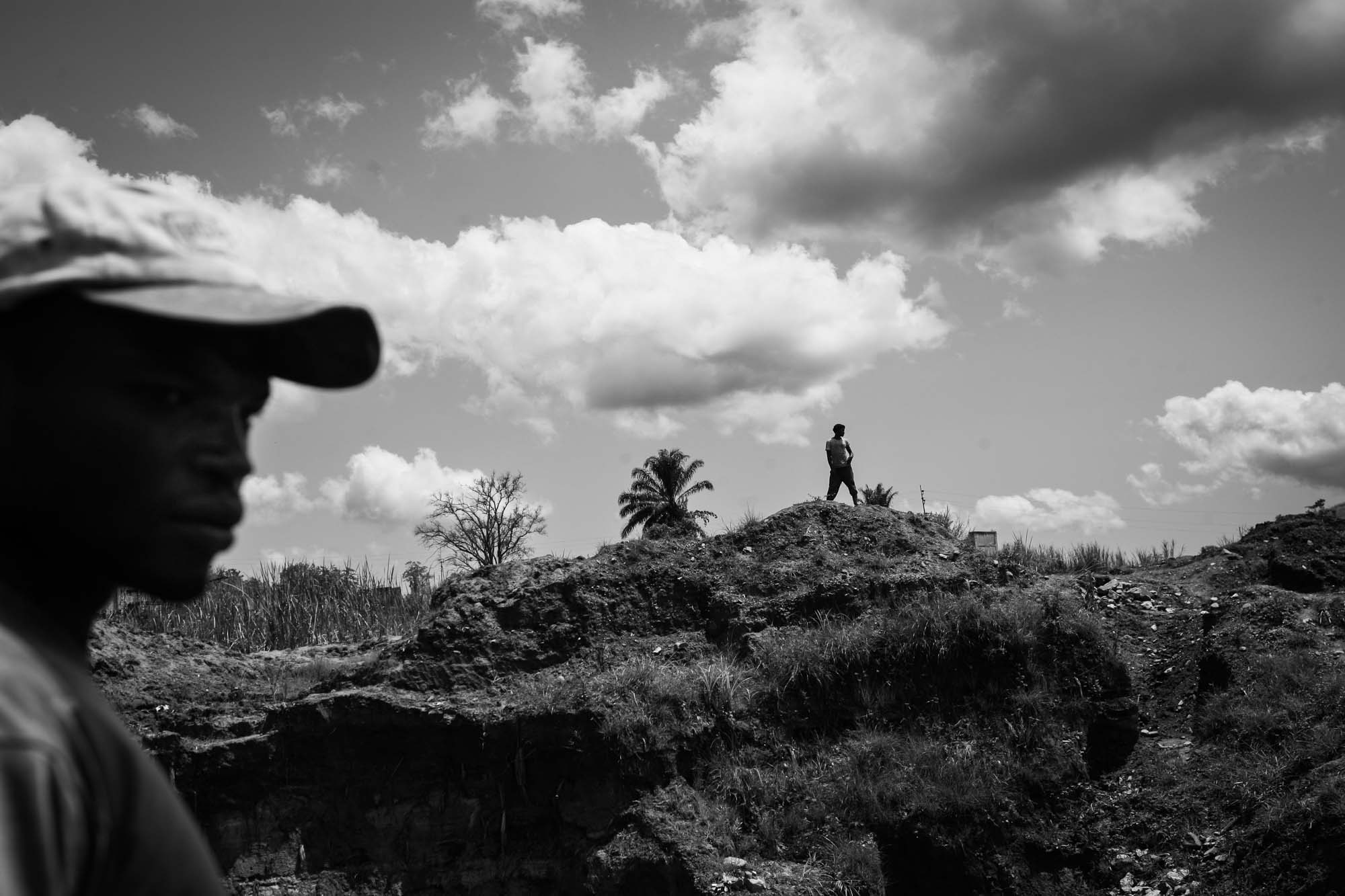
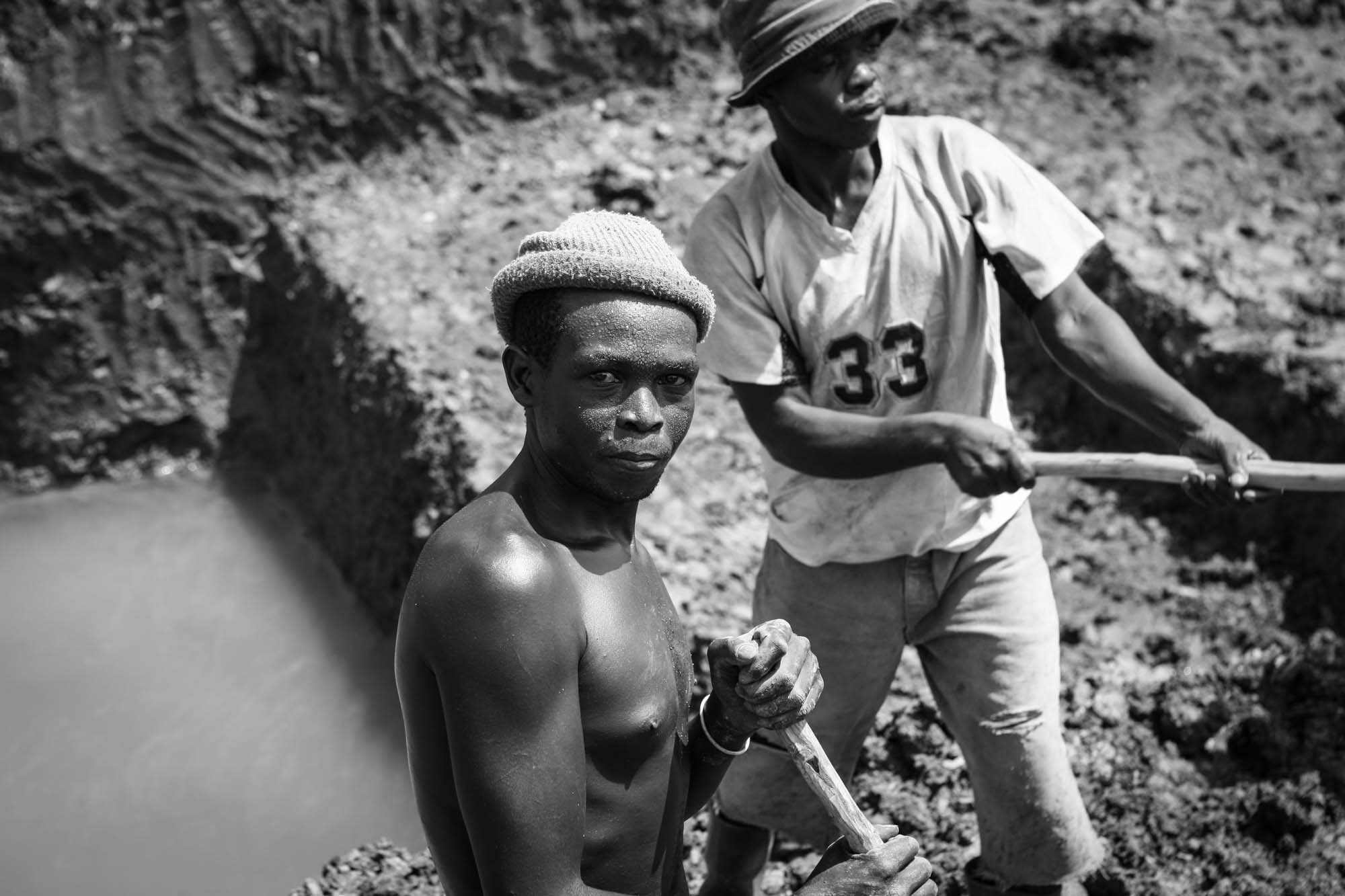
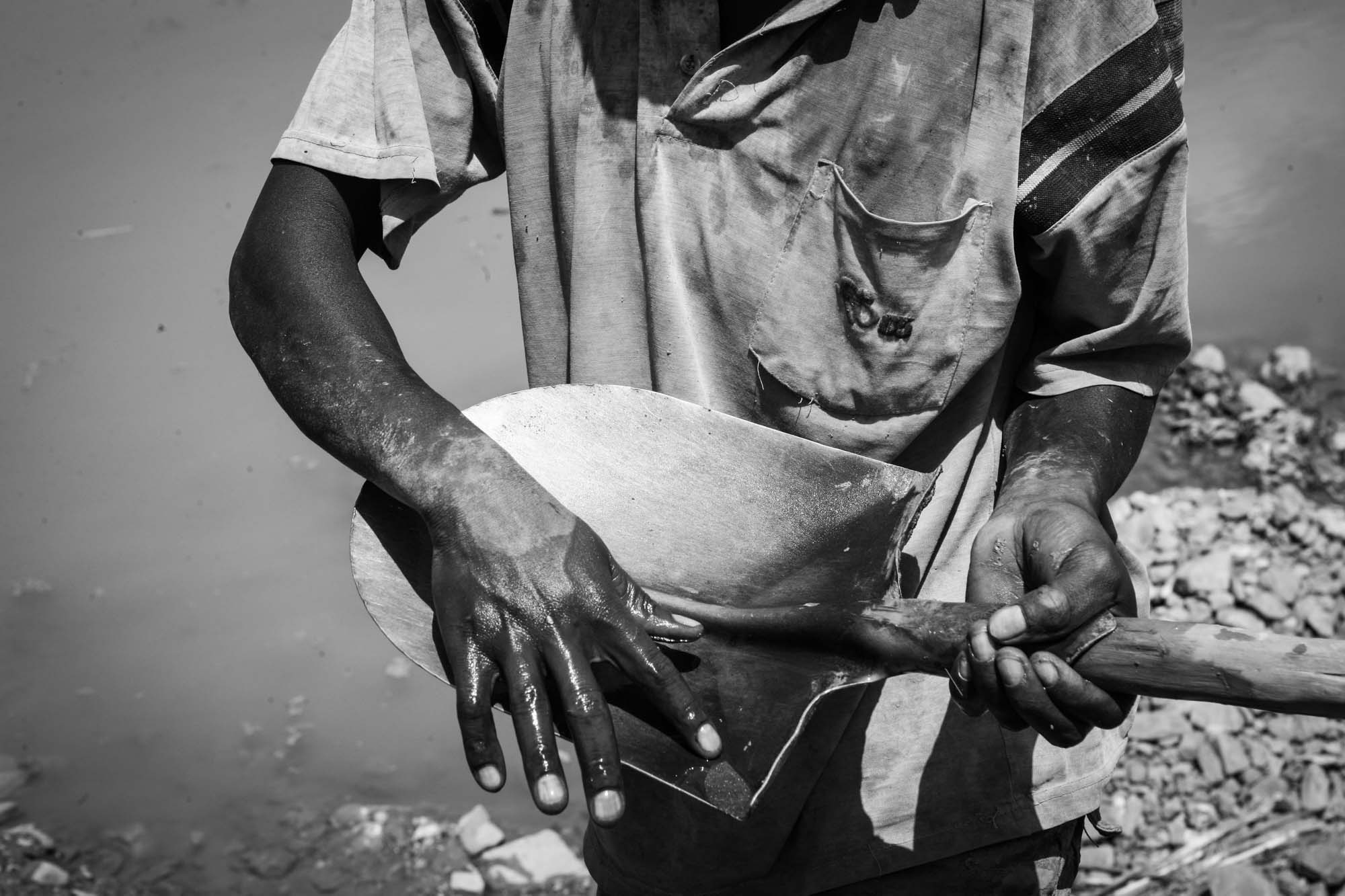
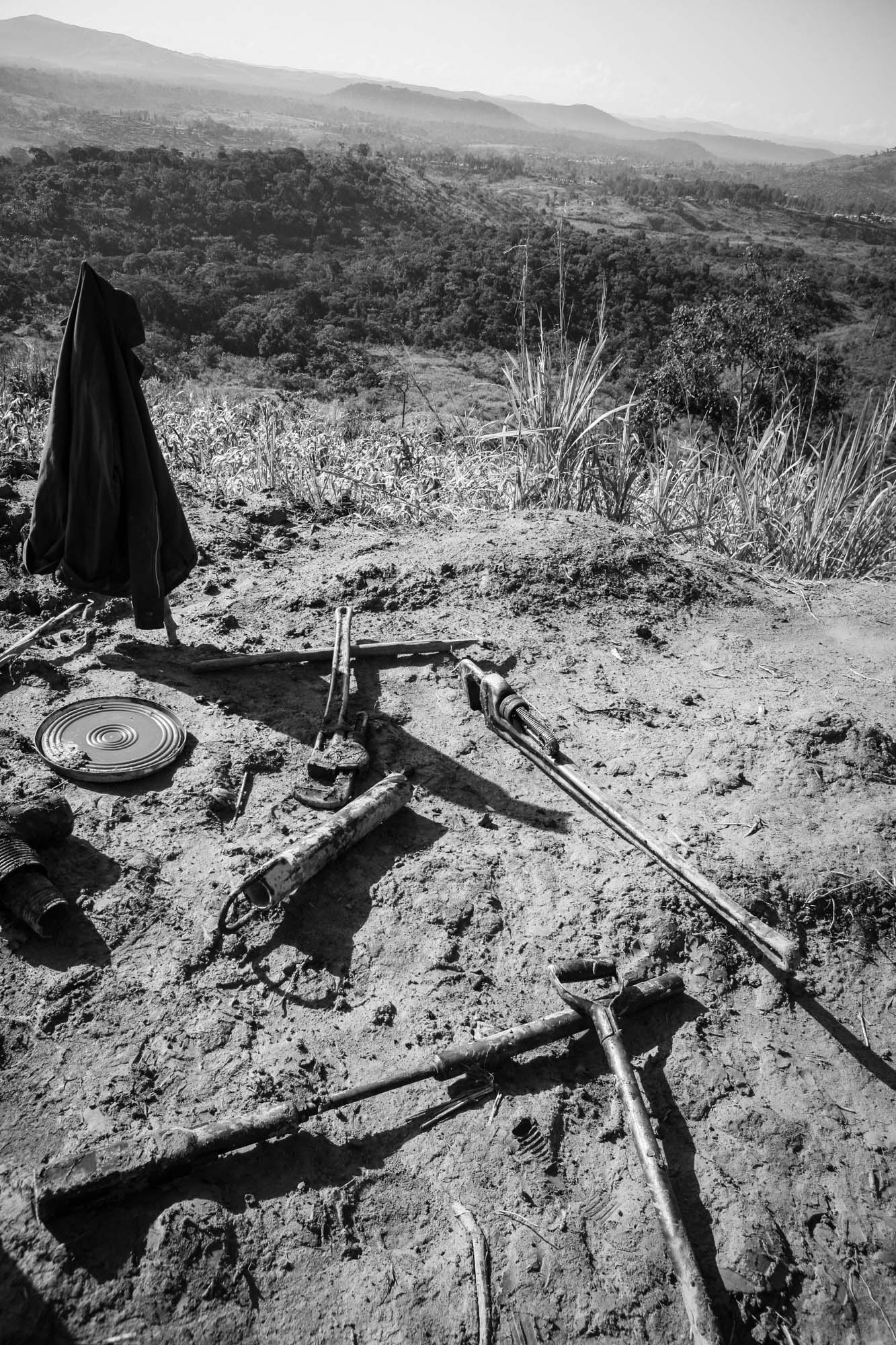
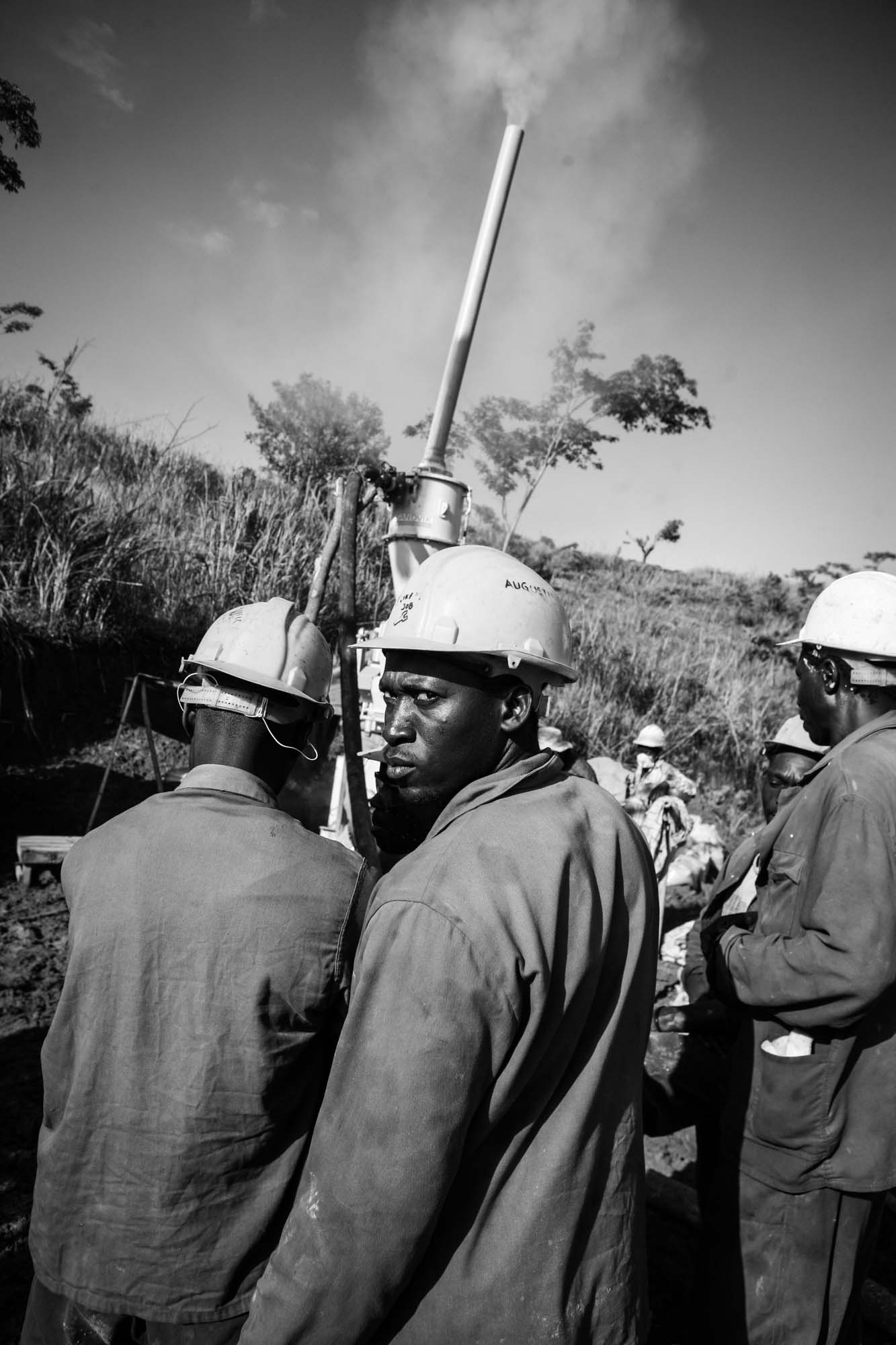
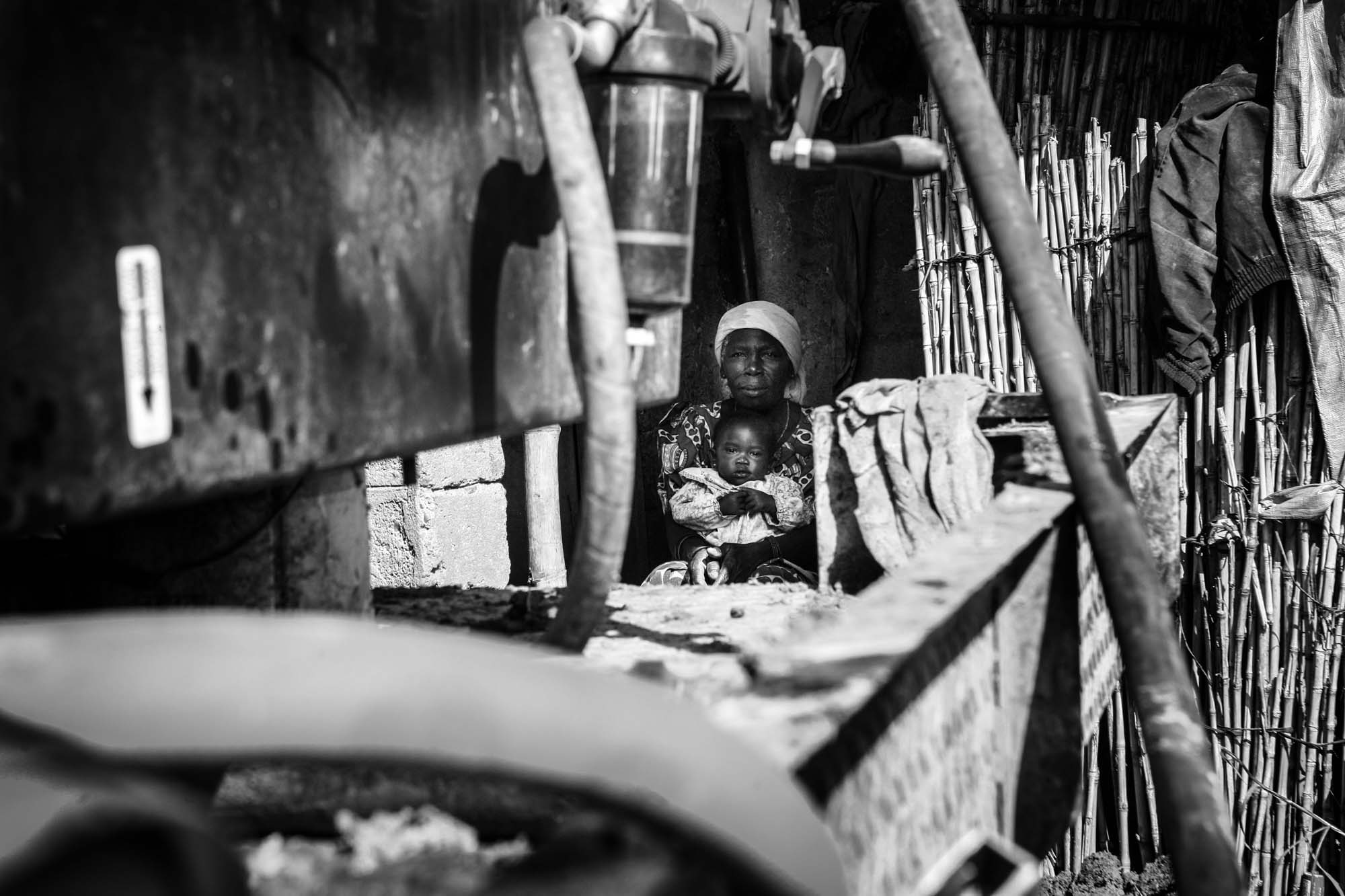
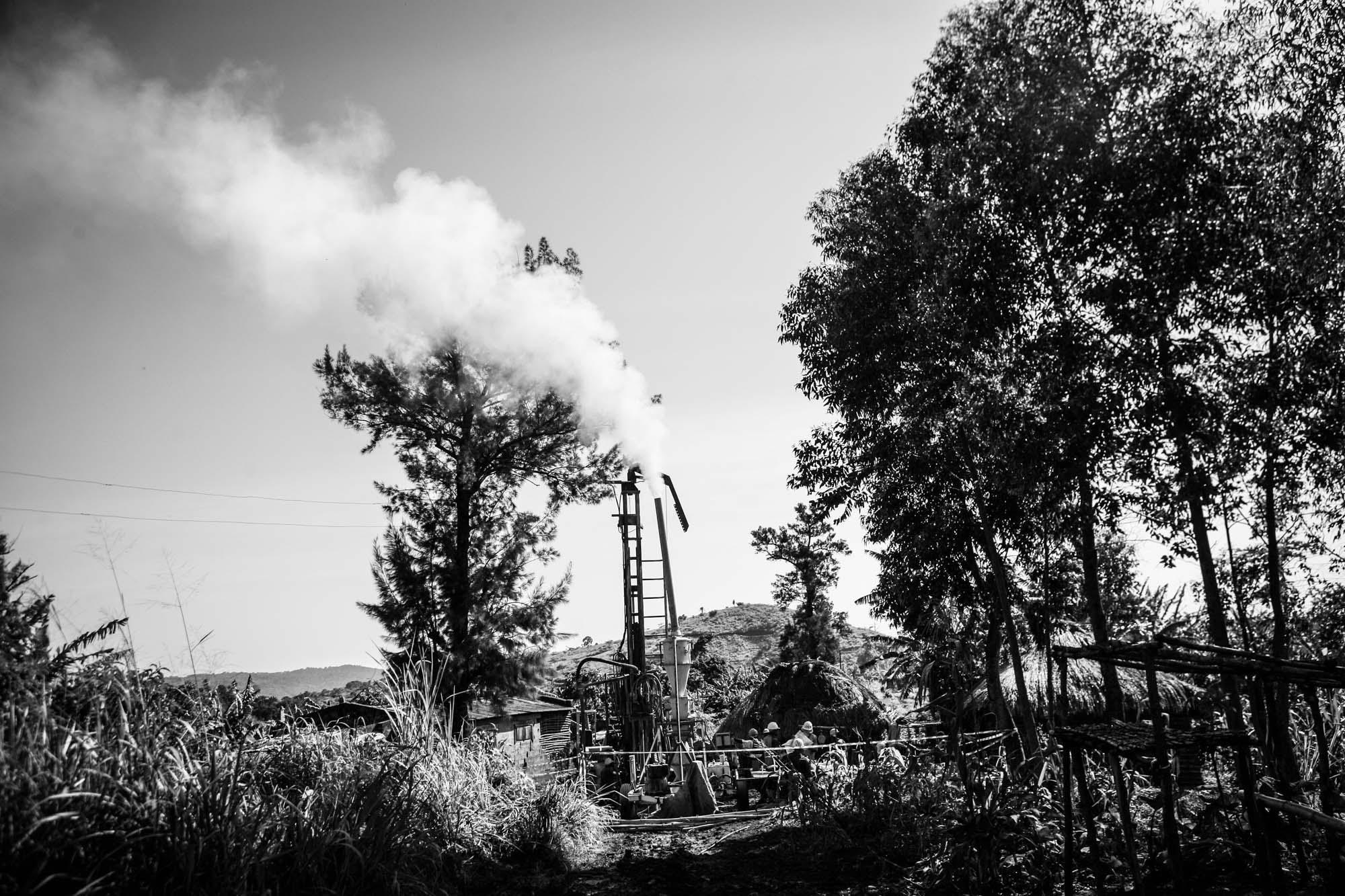
GOLD IN MONGBWALU
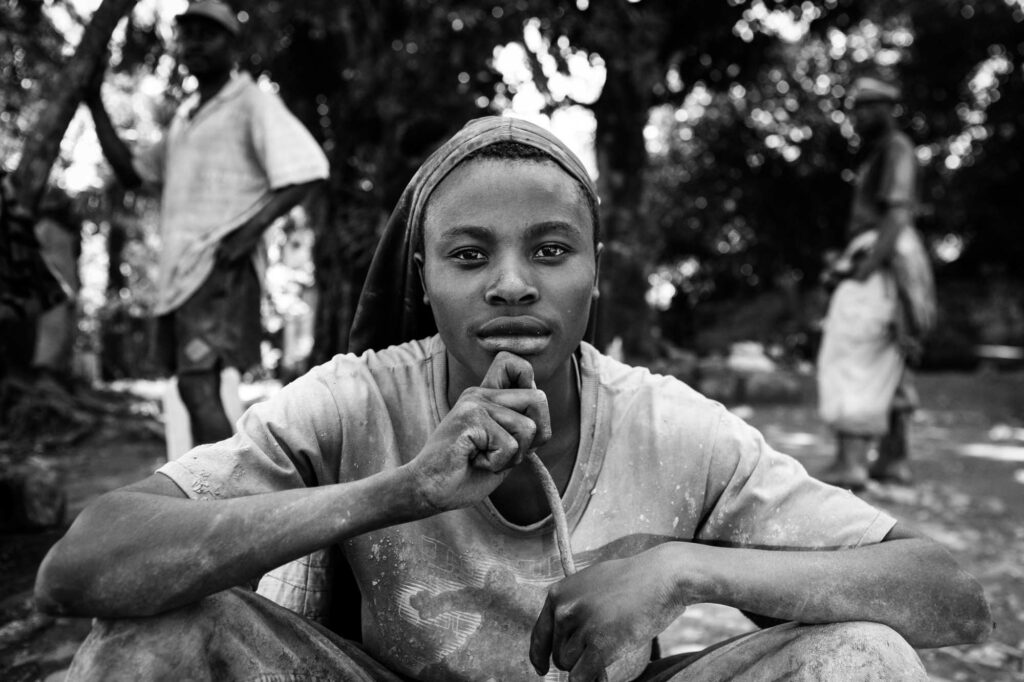
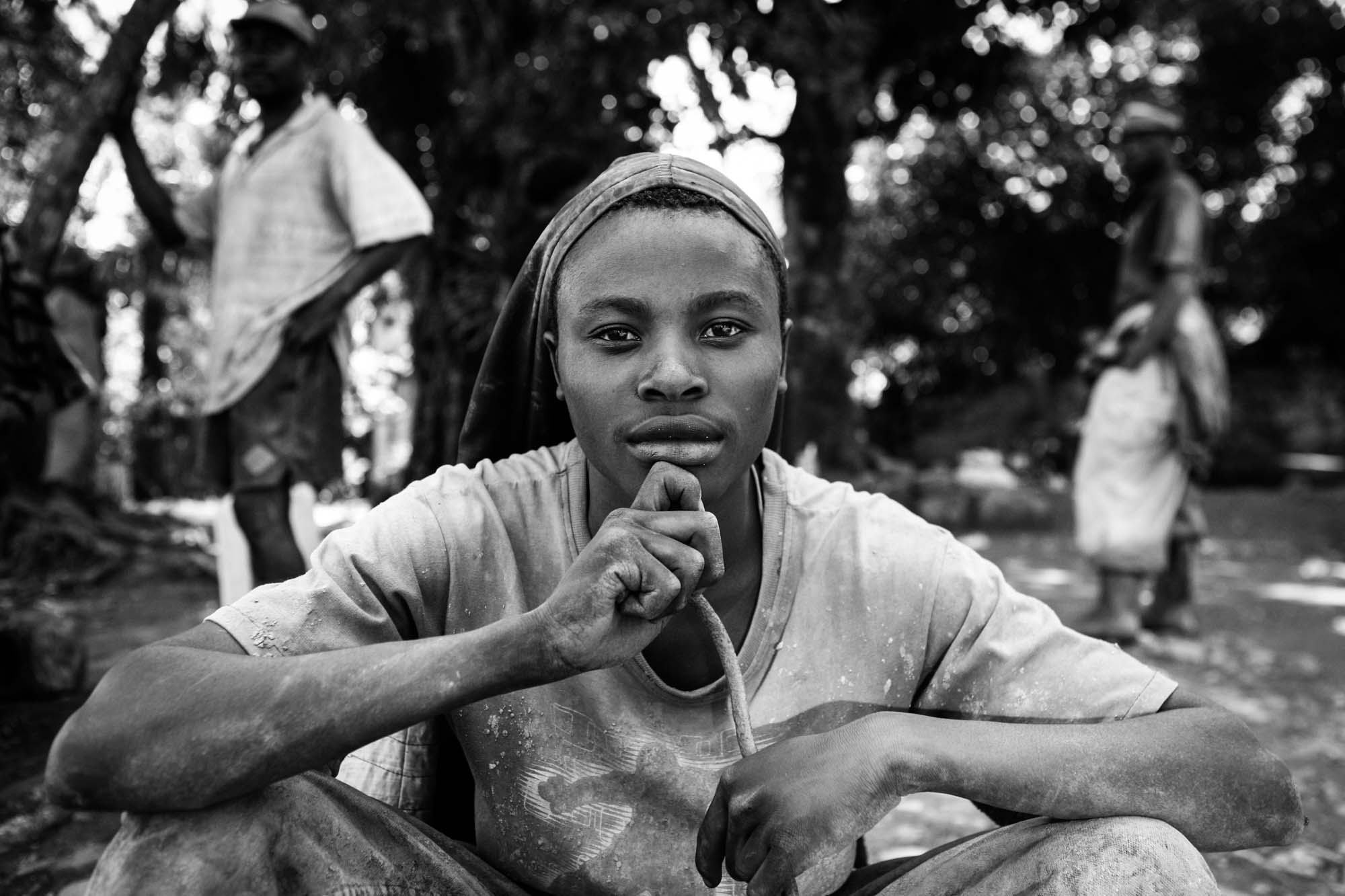
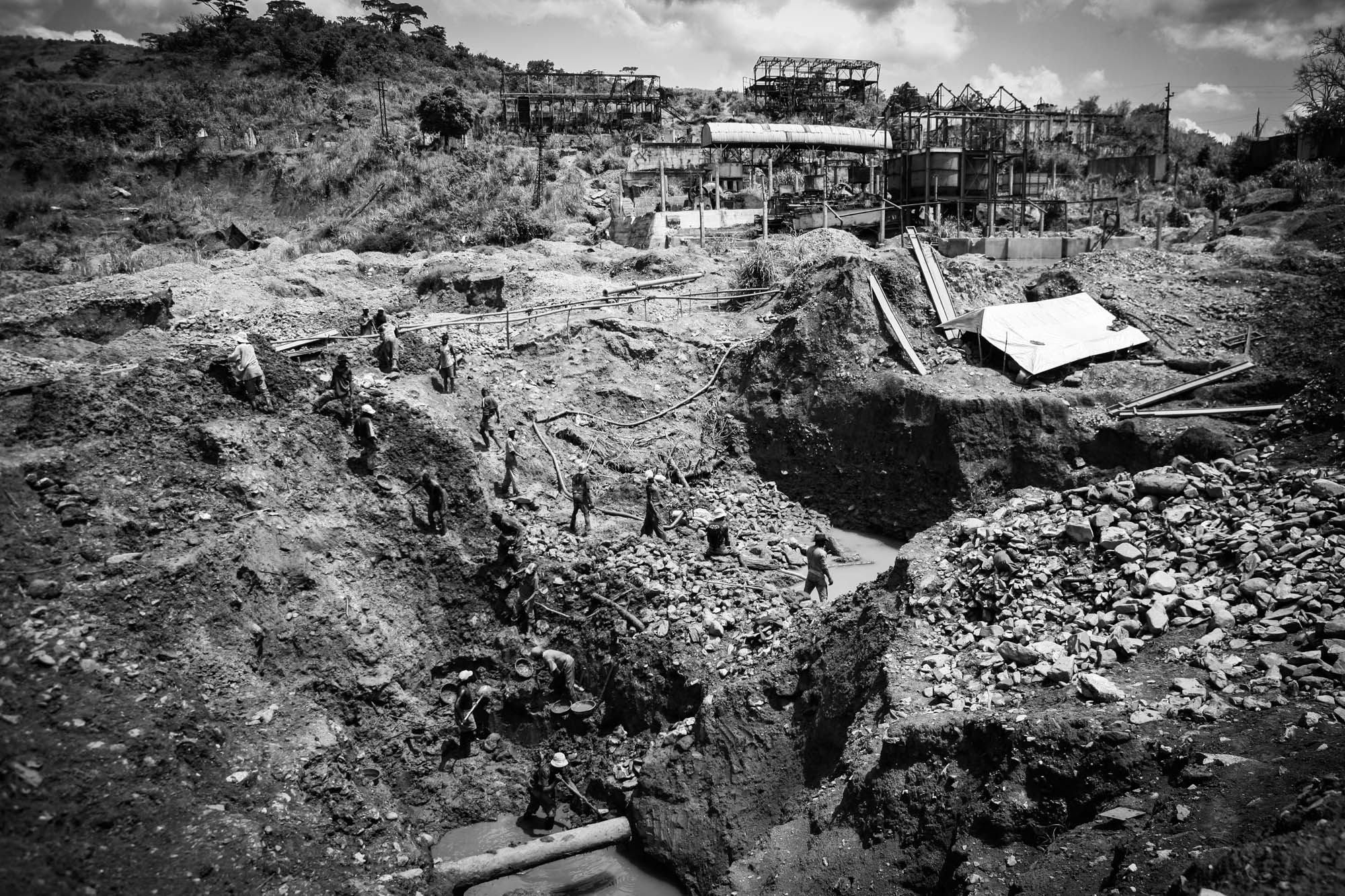
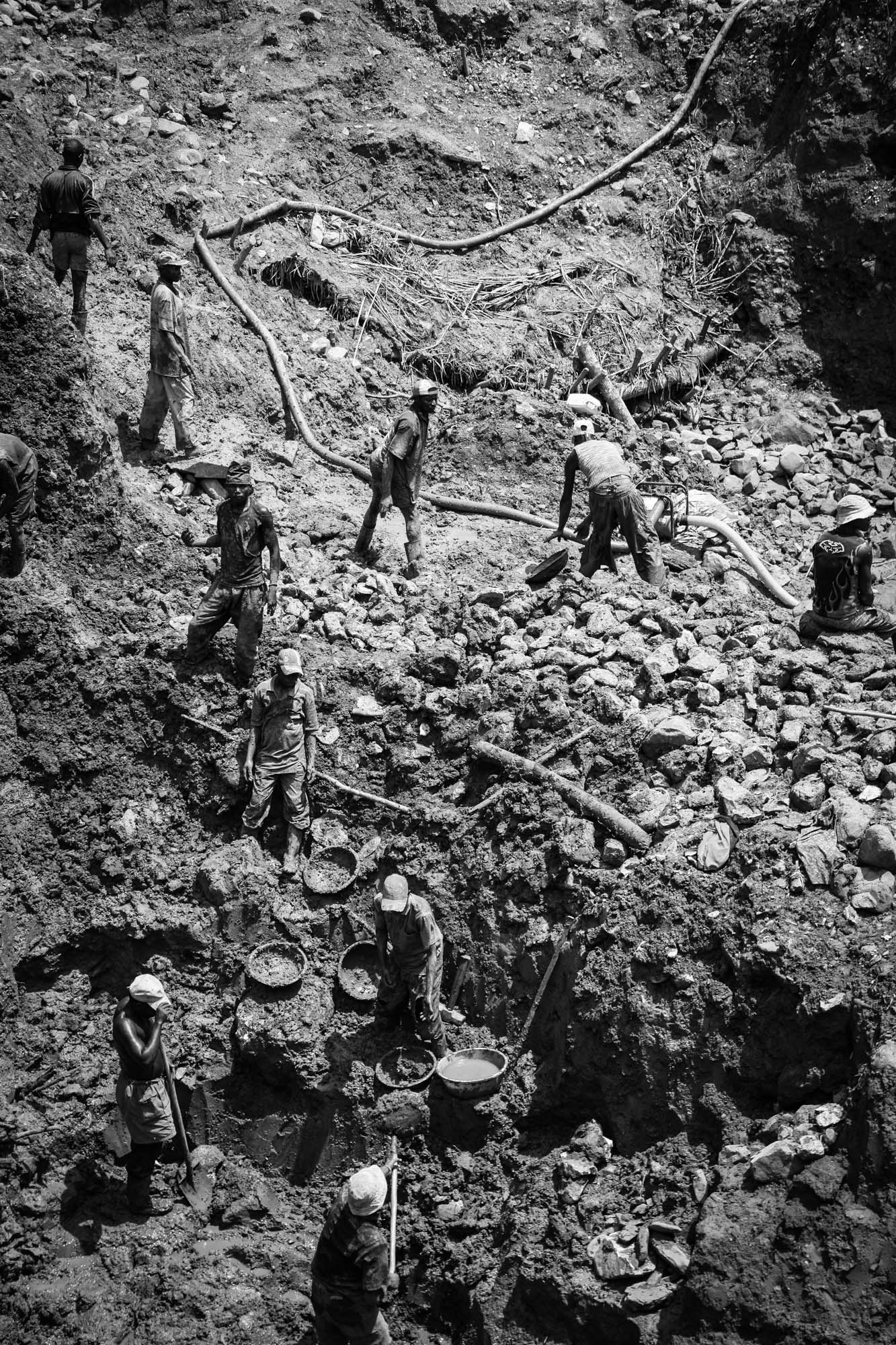
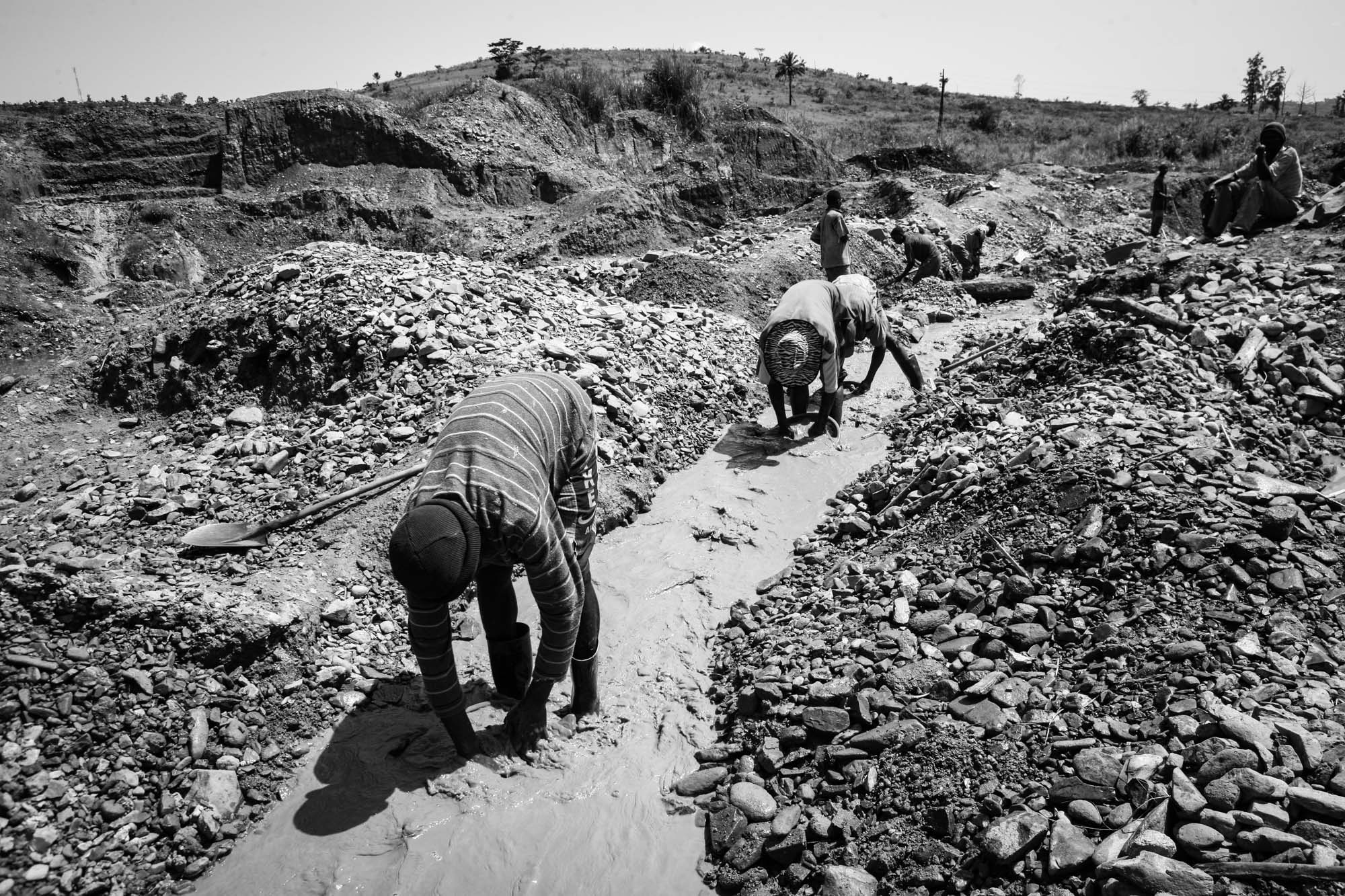
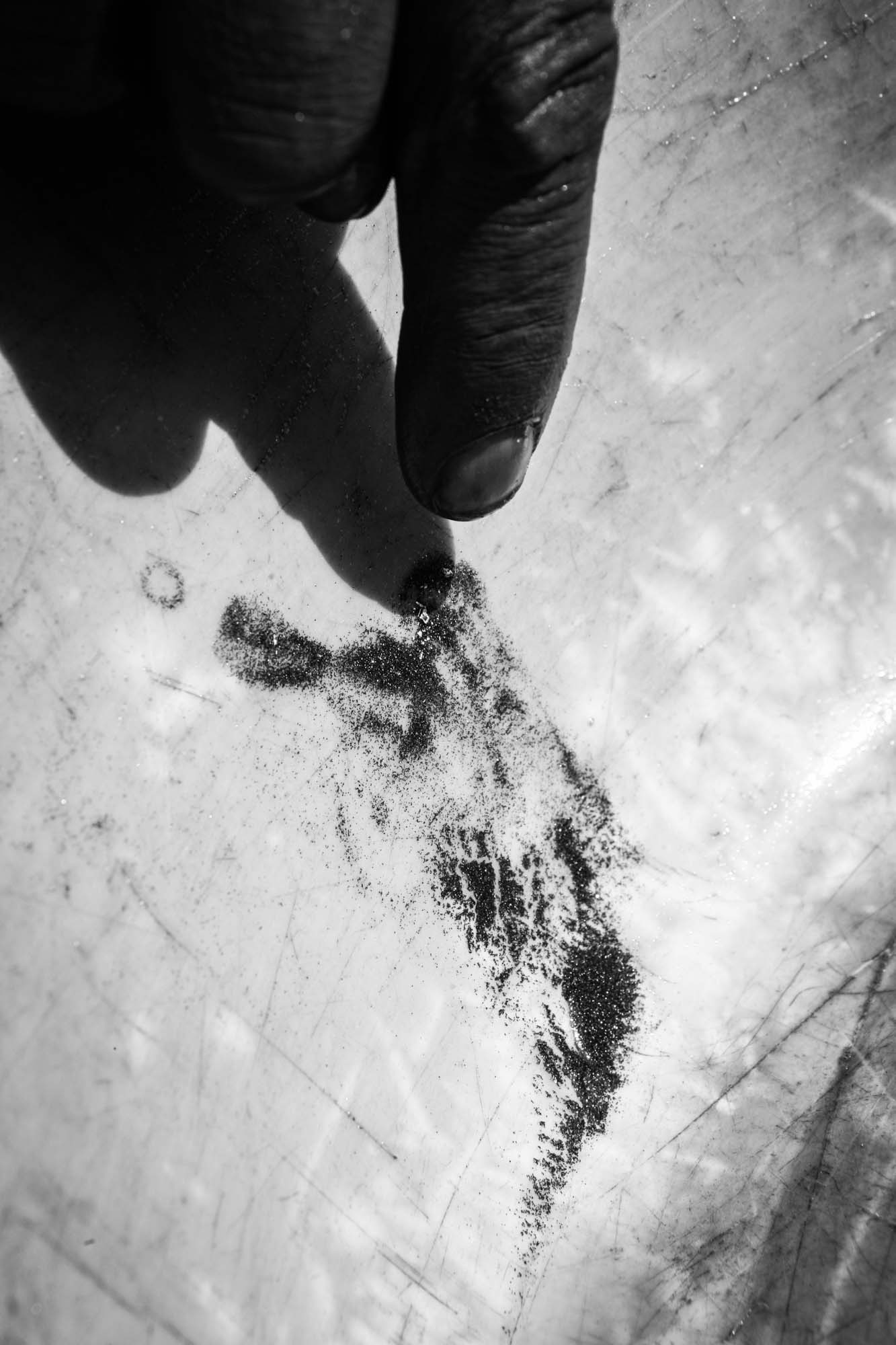
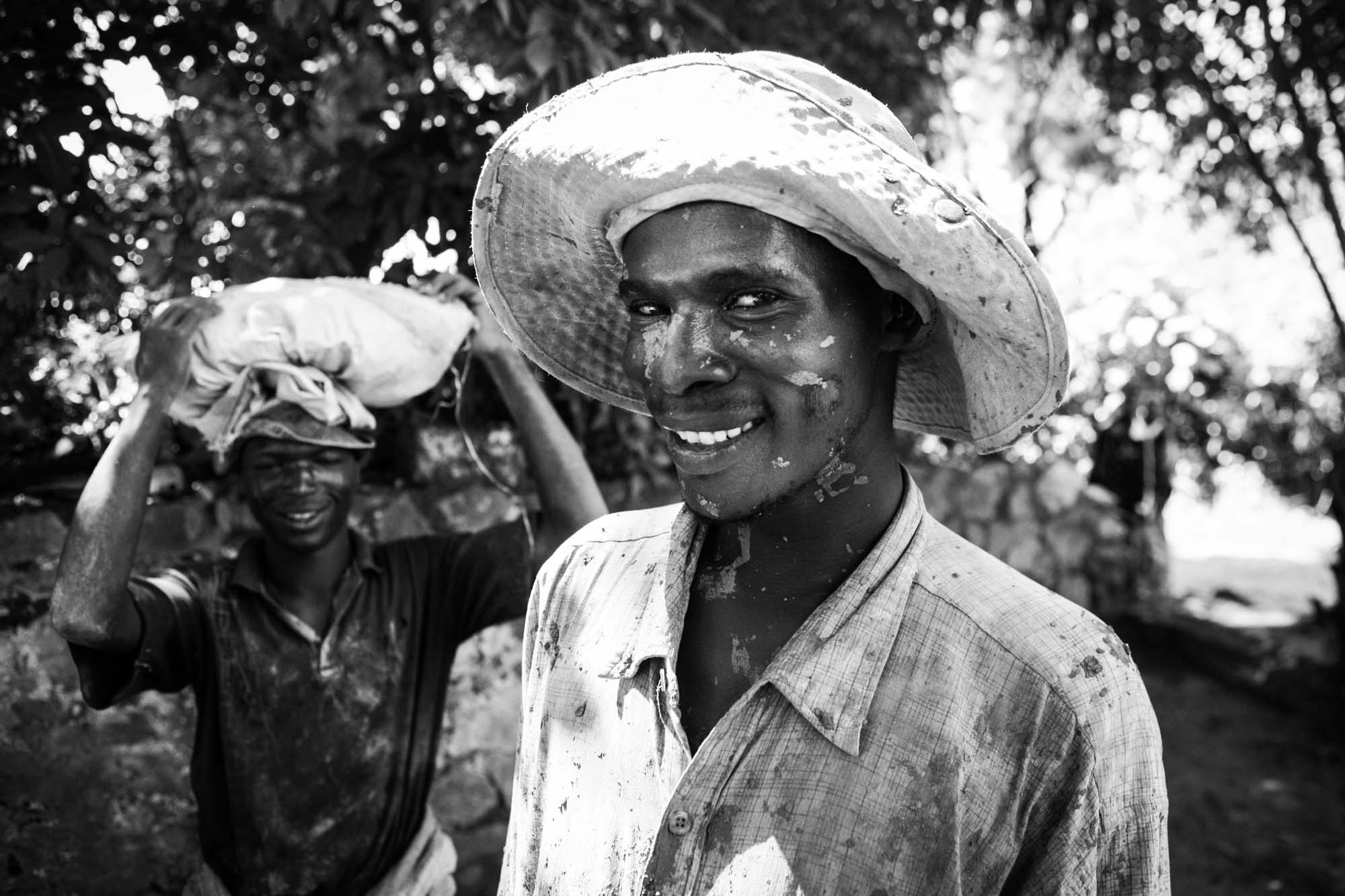
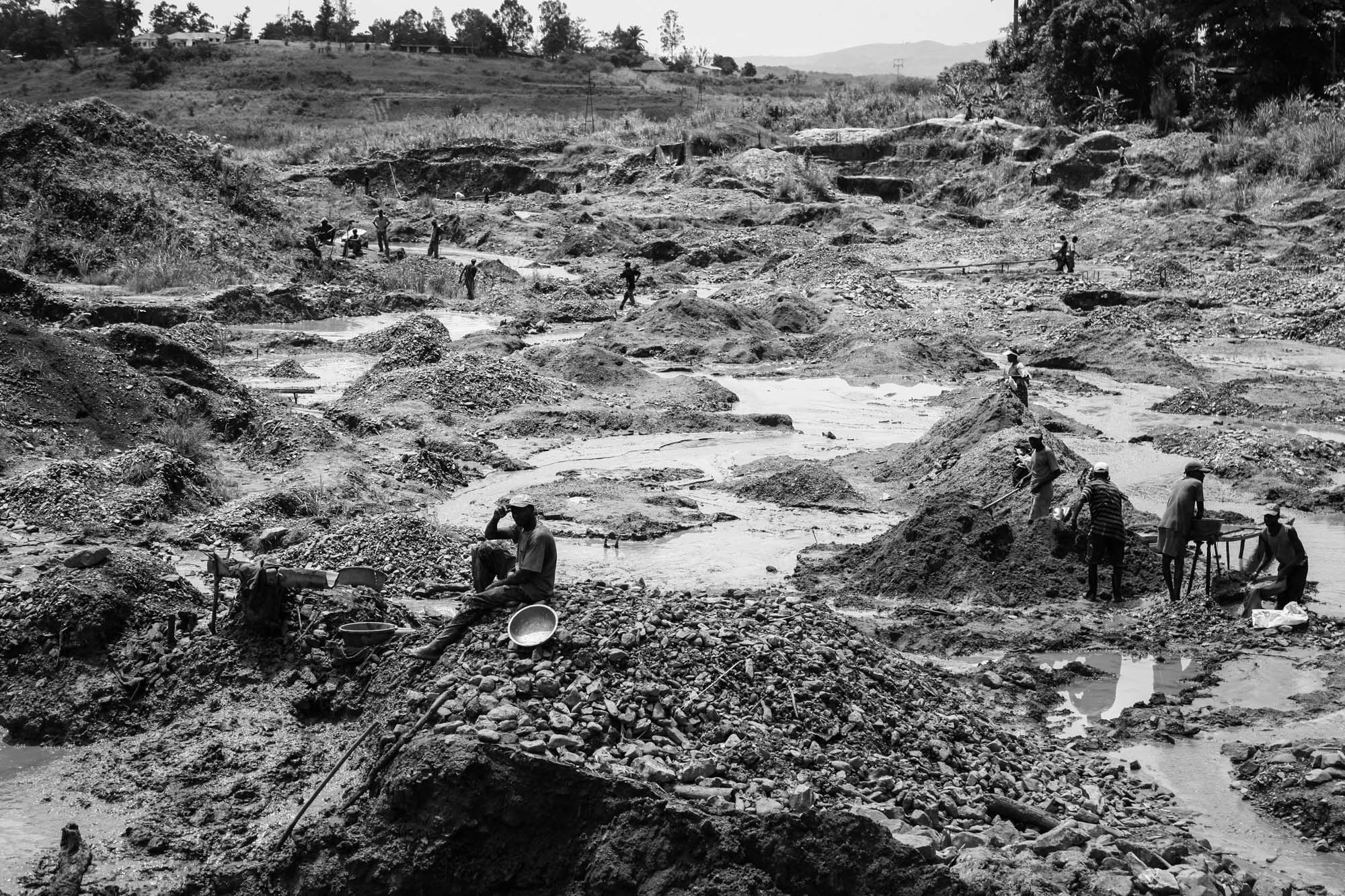
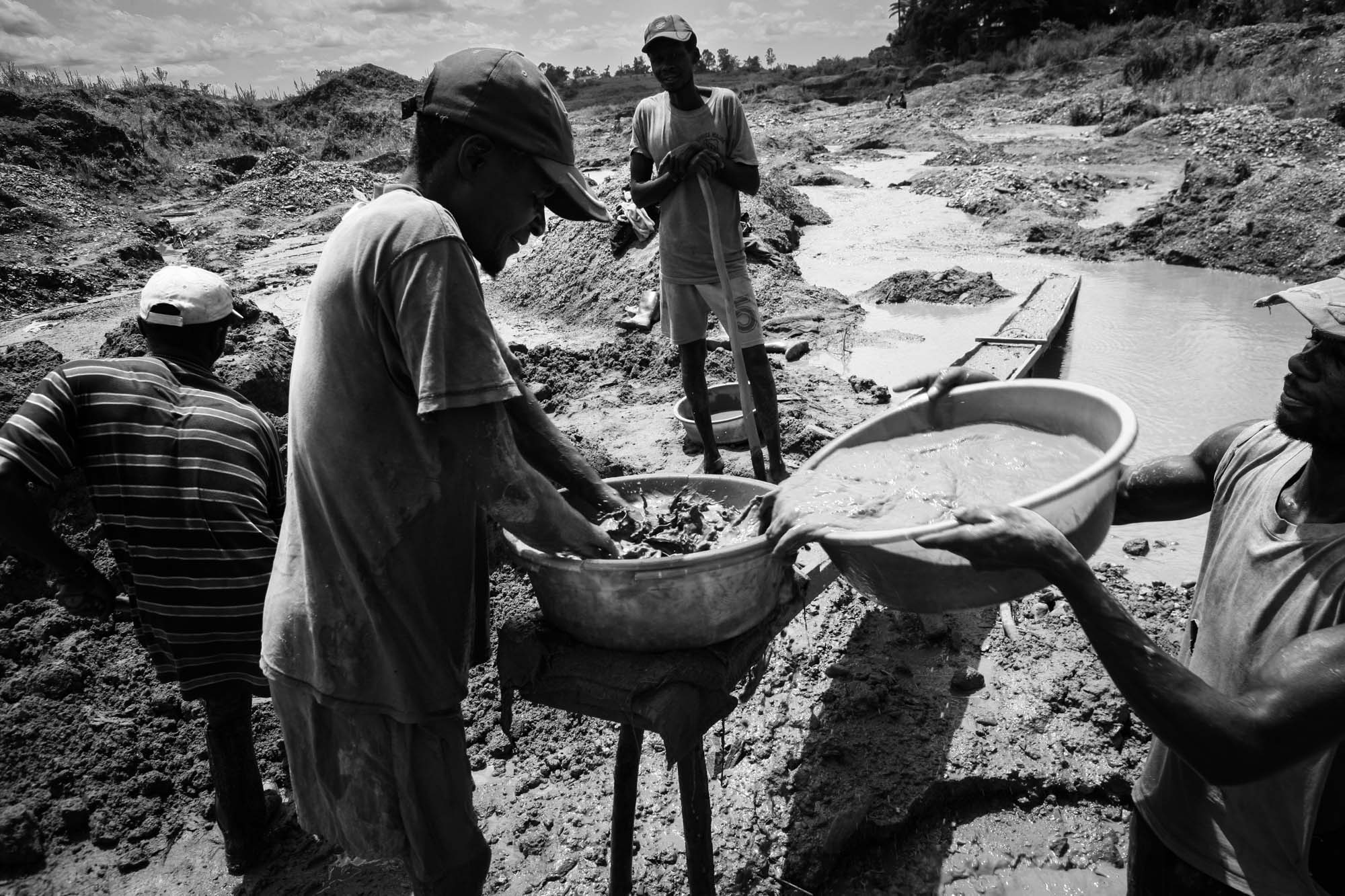
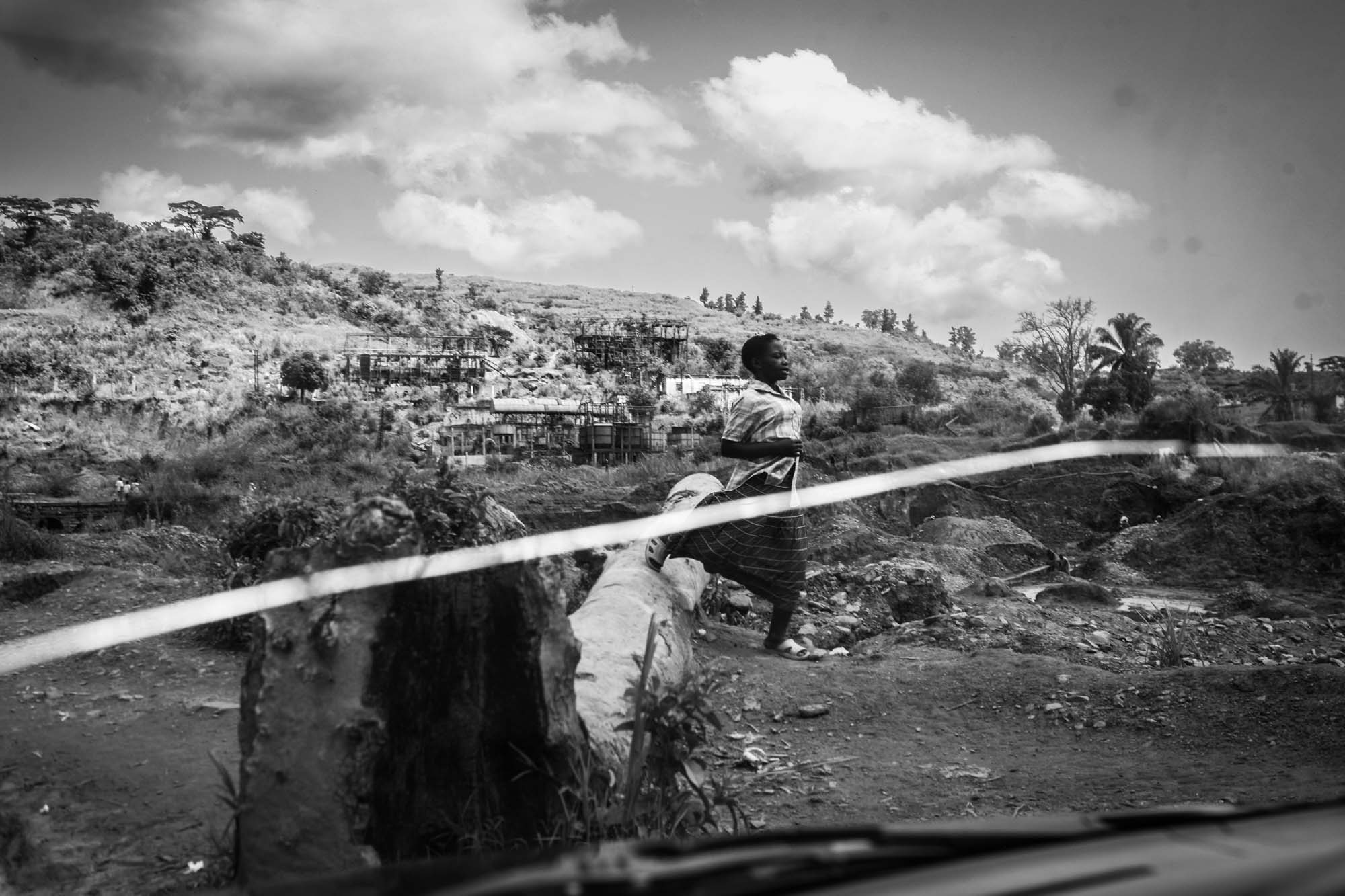
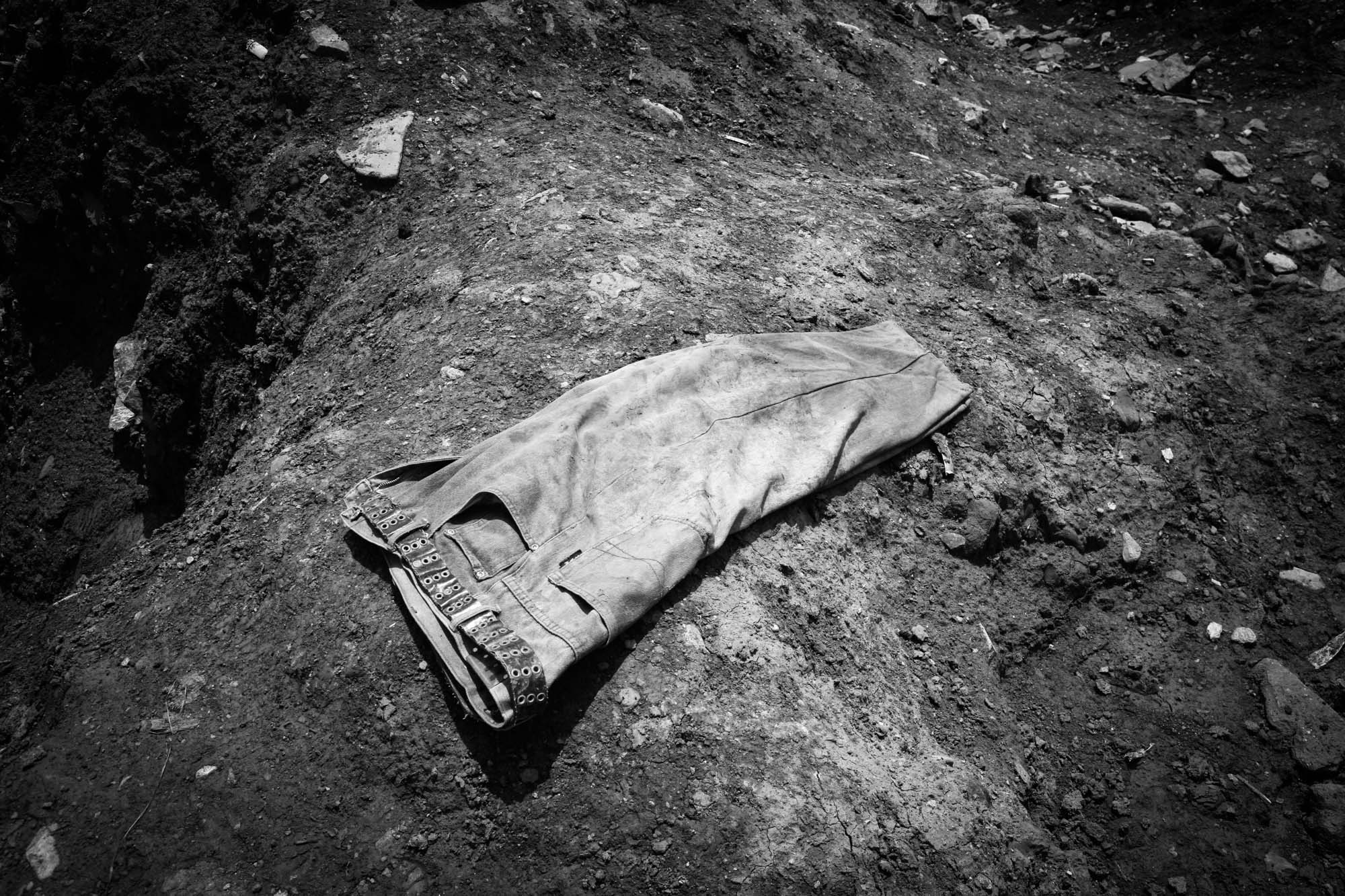
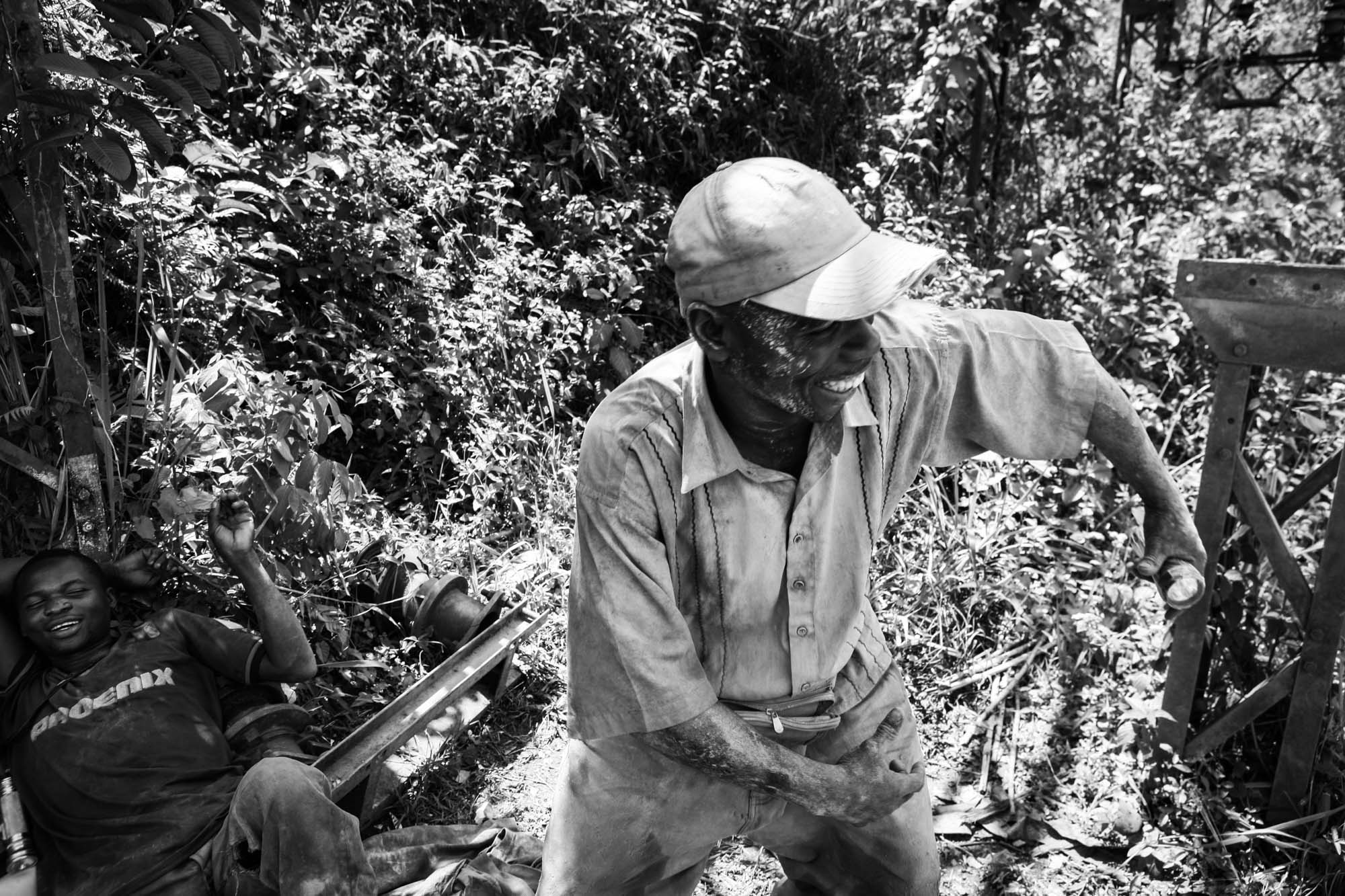
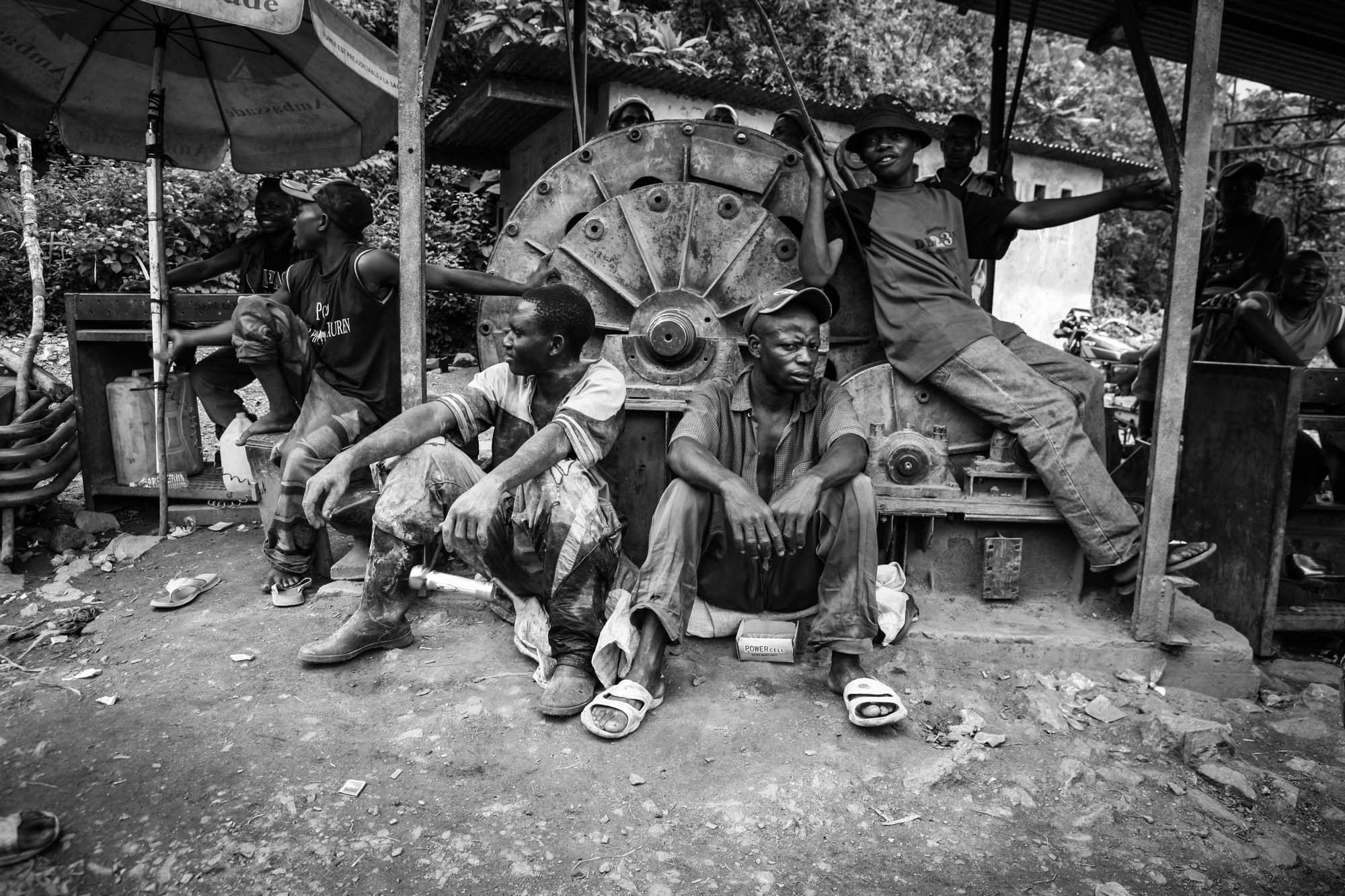
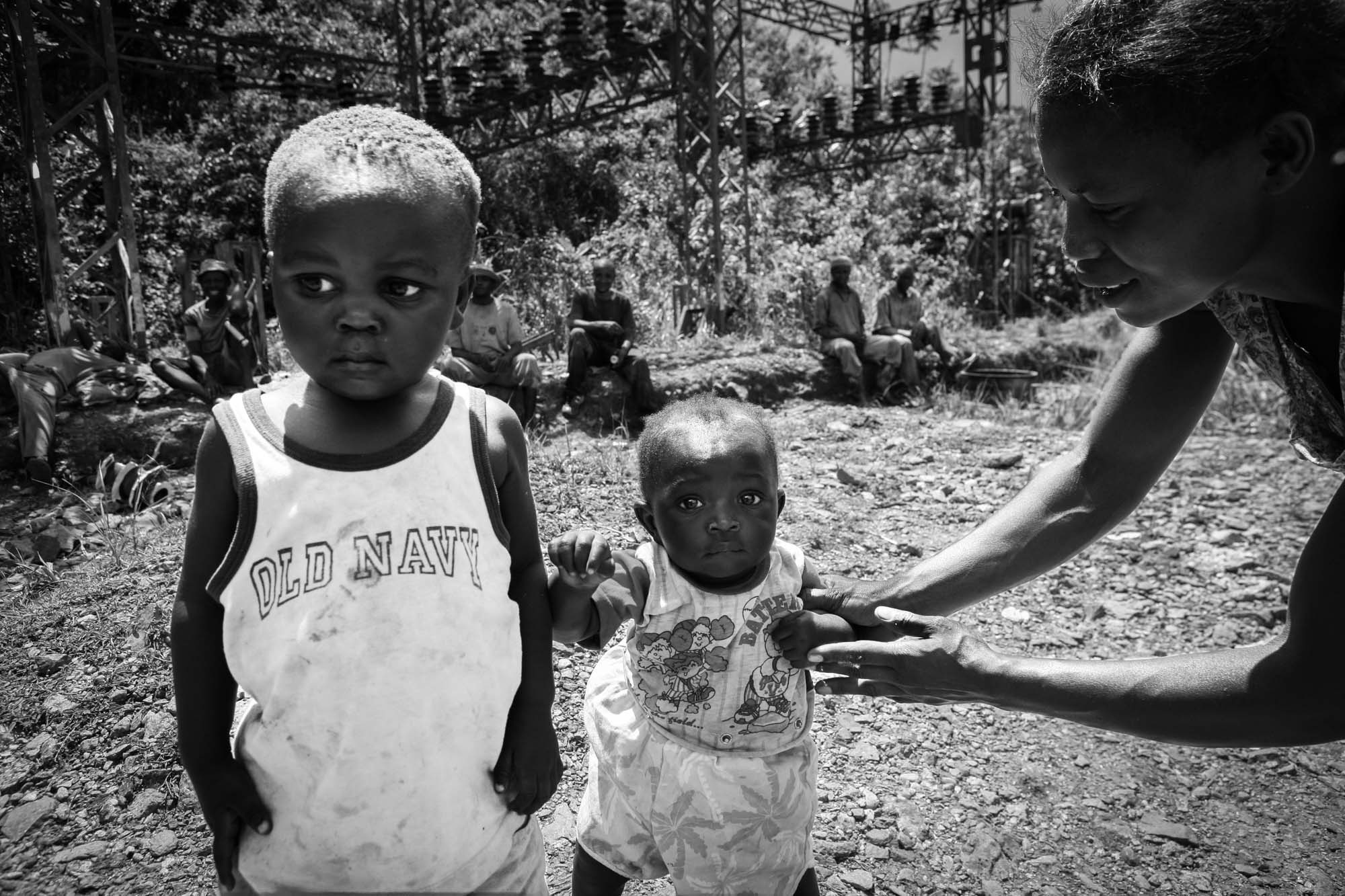
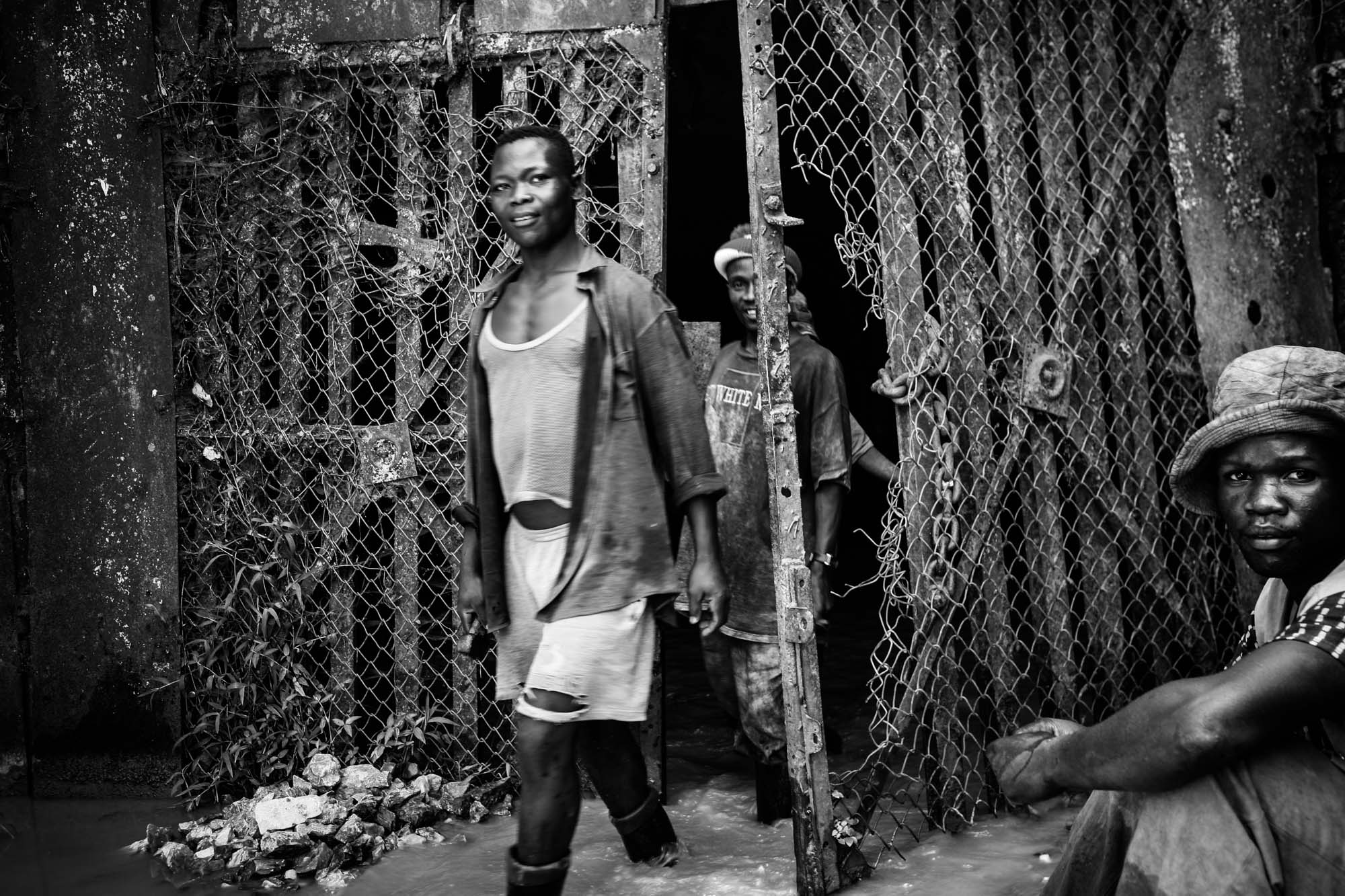
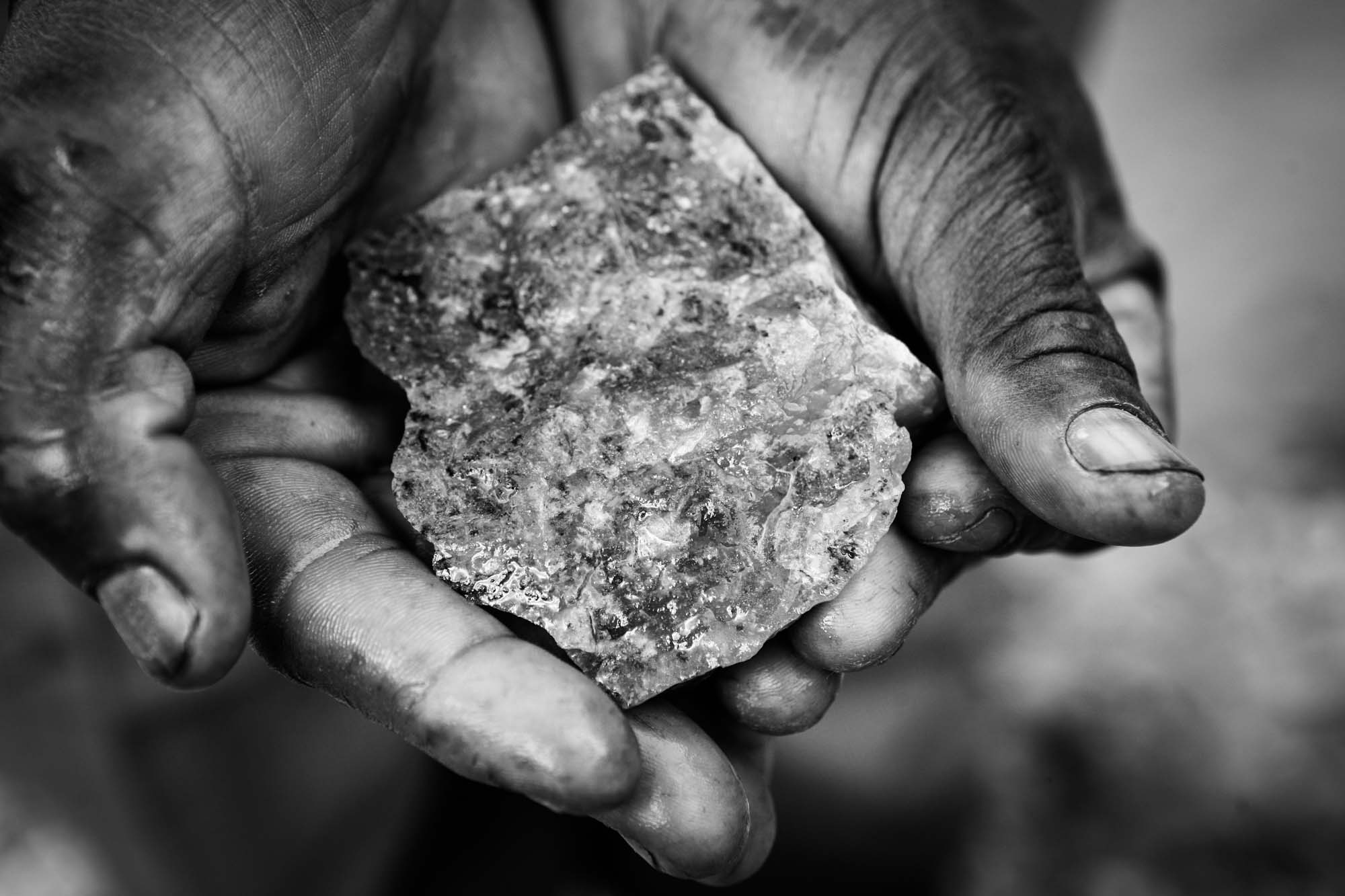
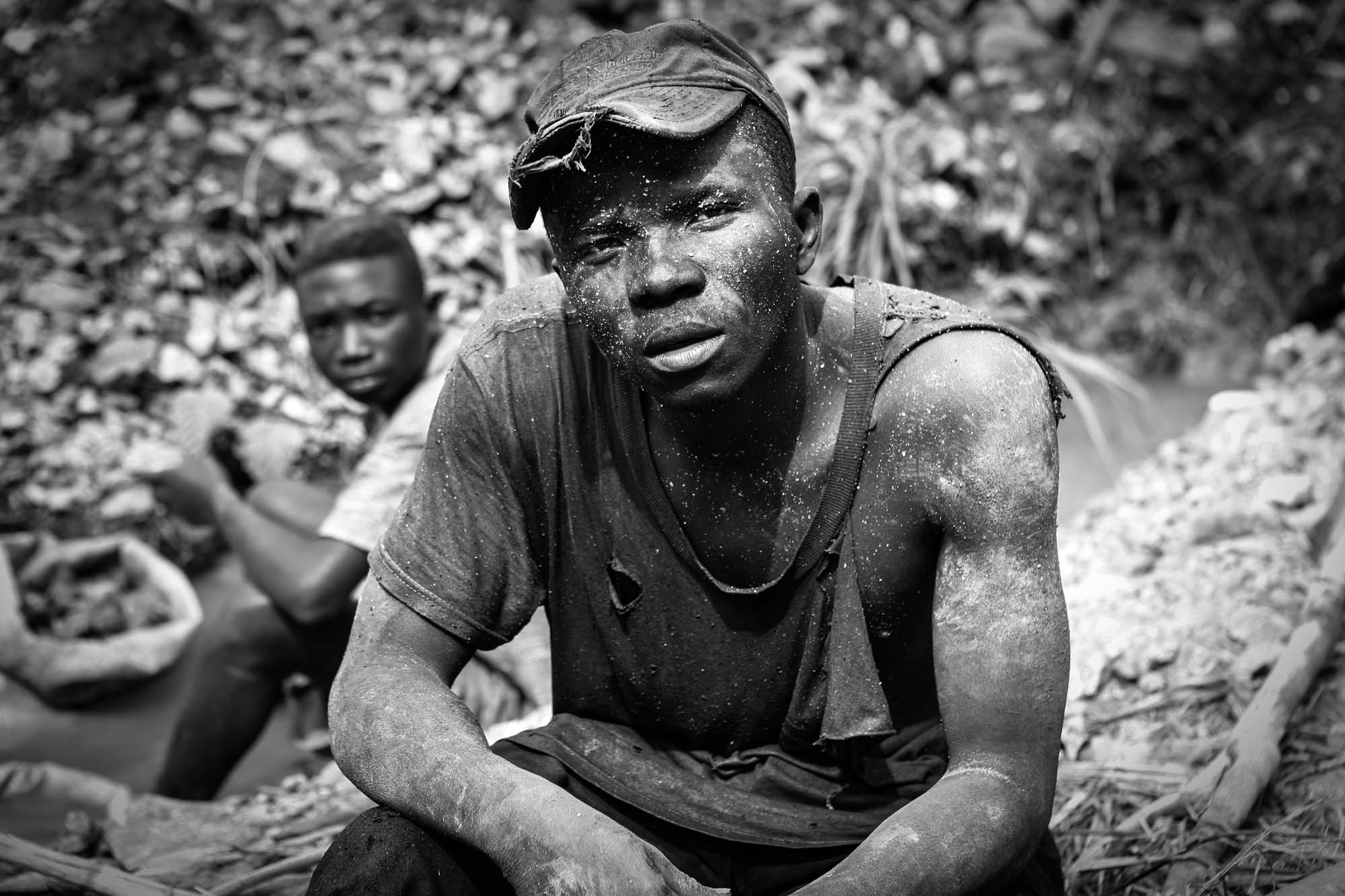
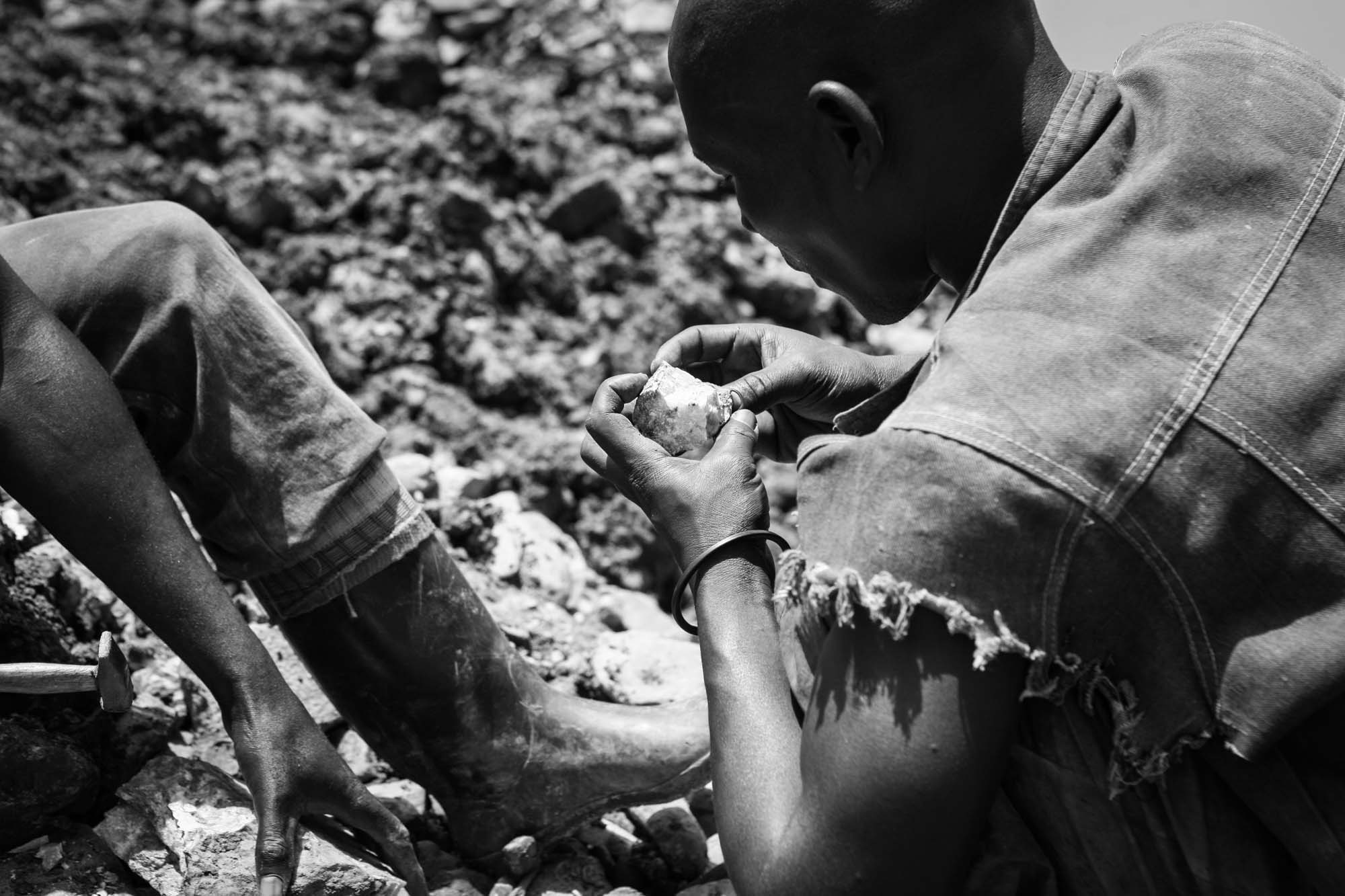
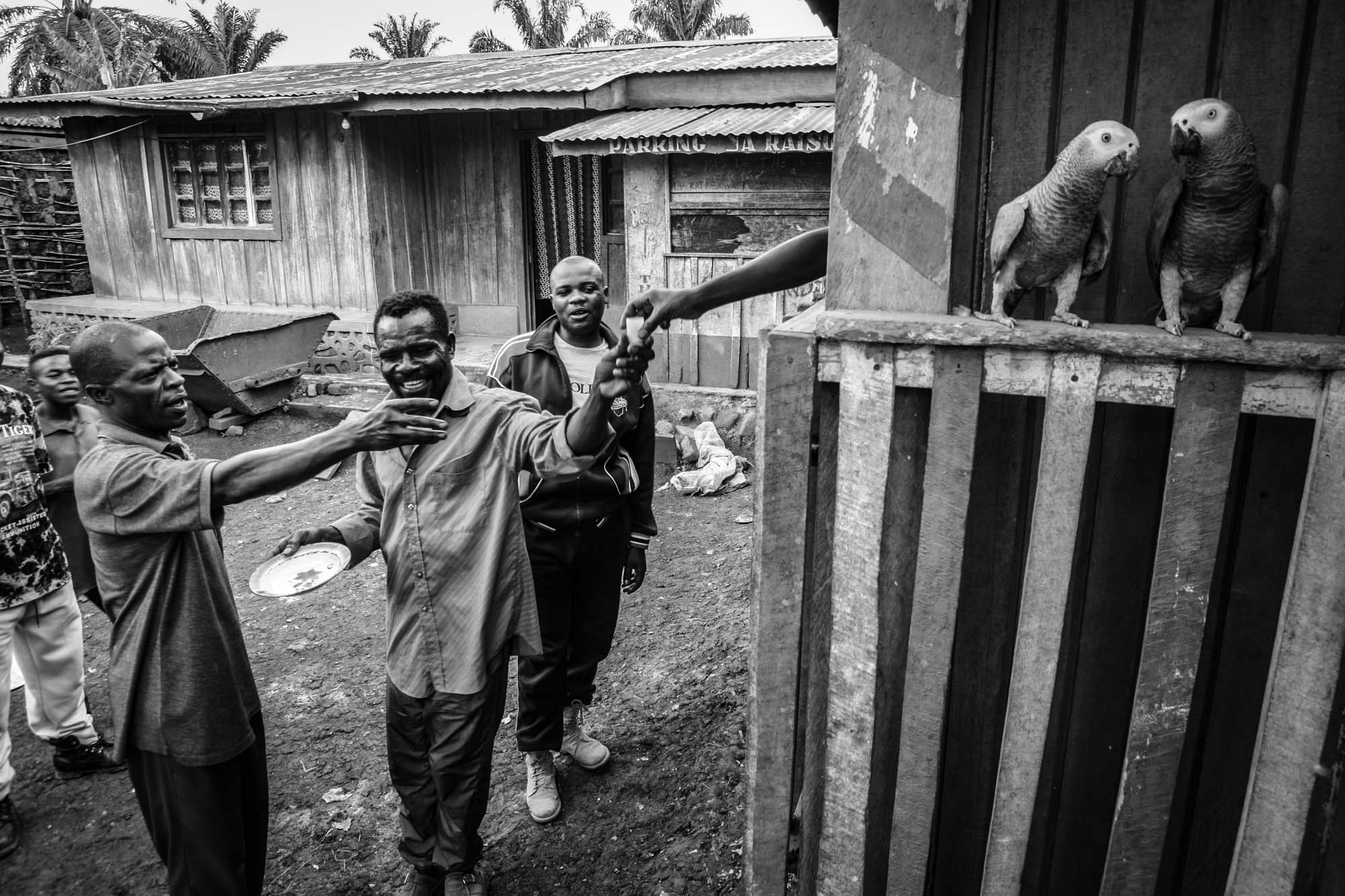
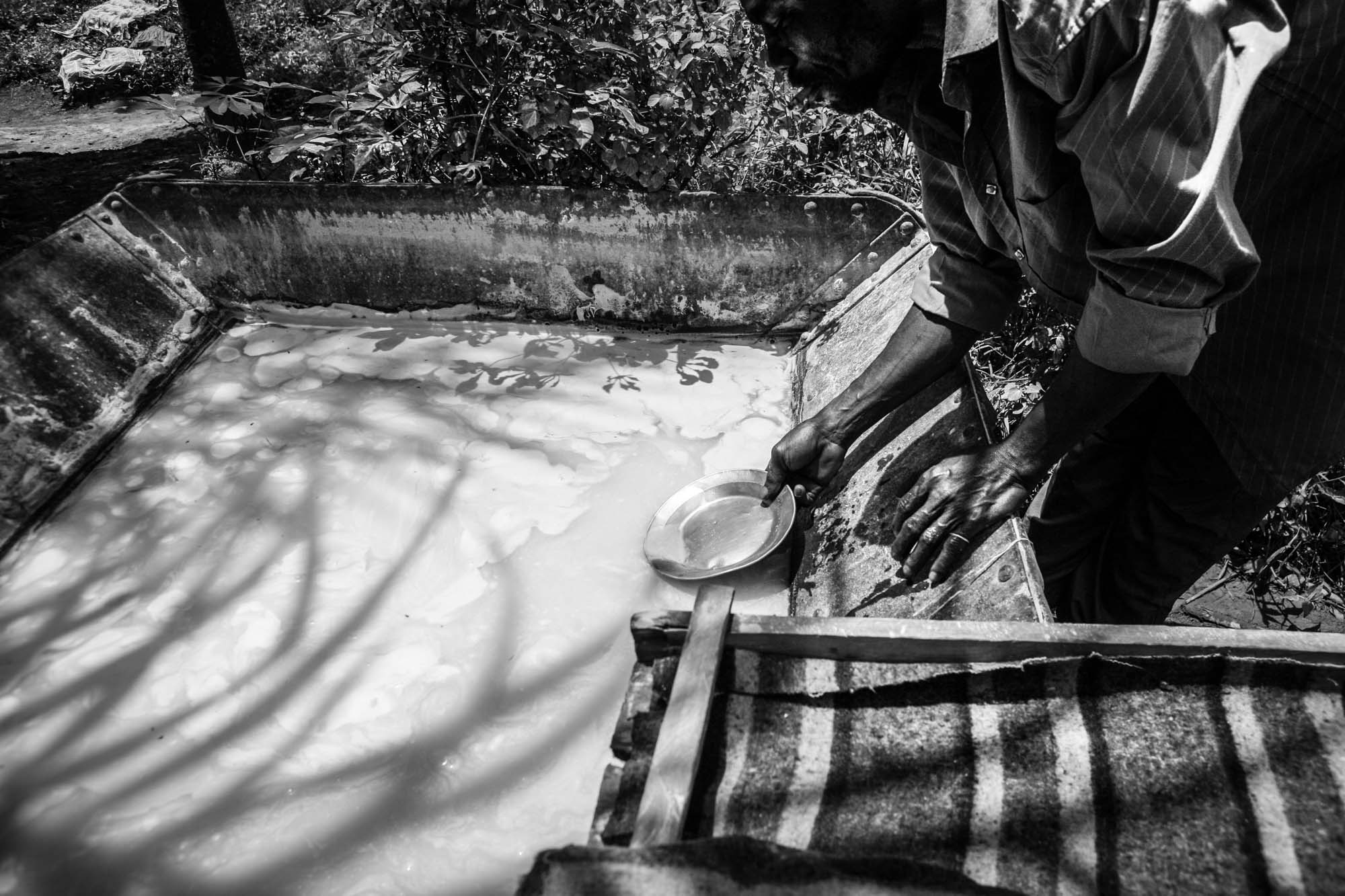
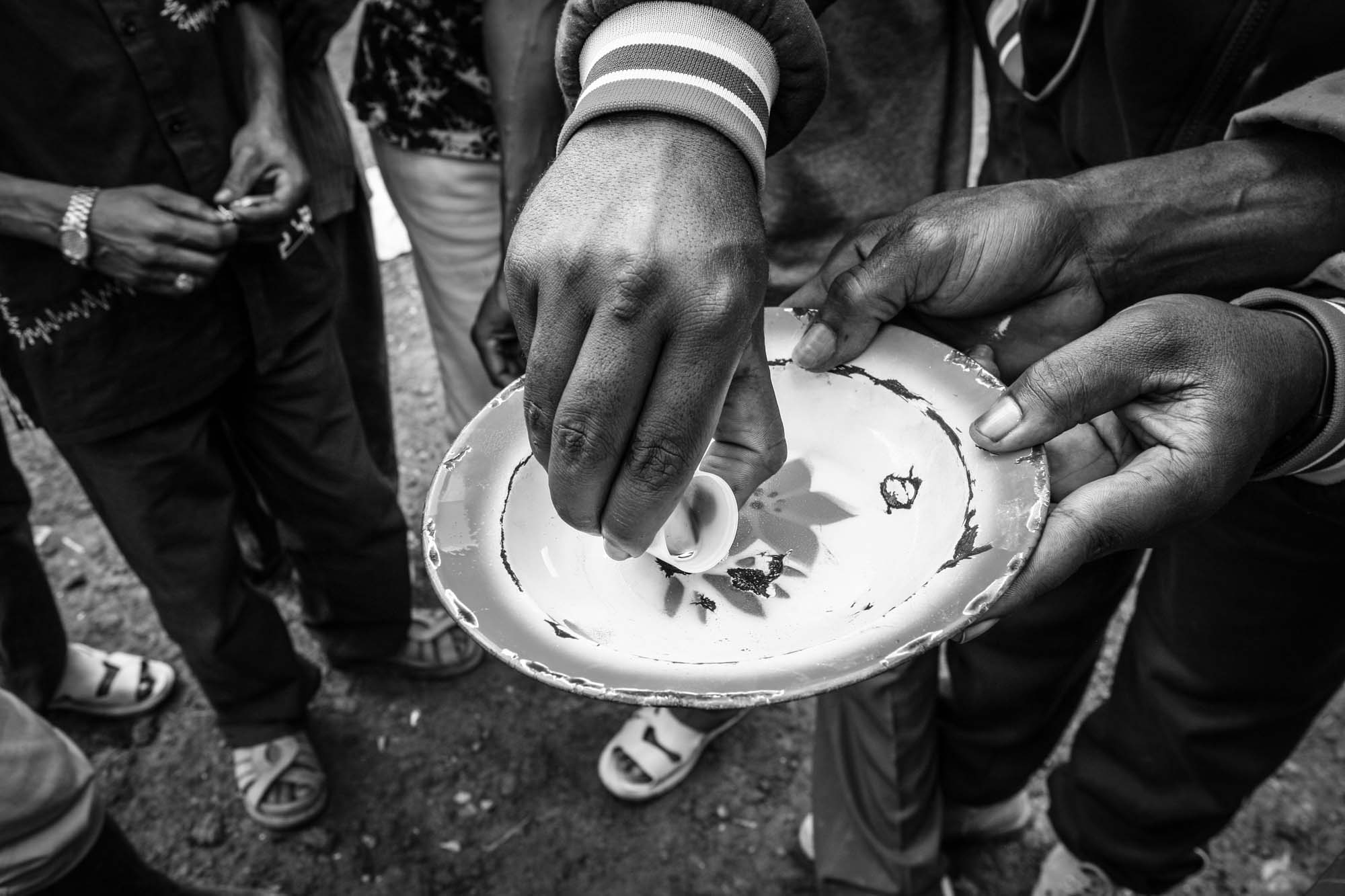
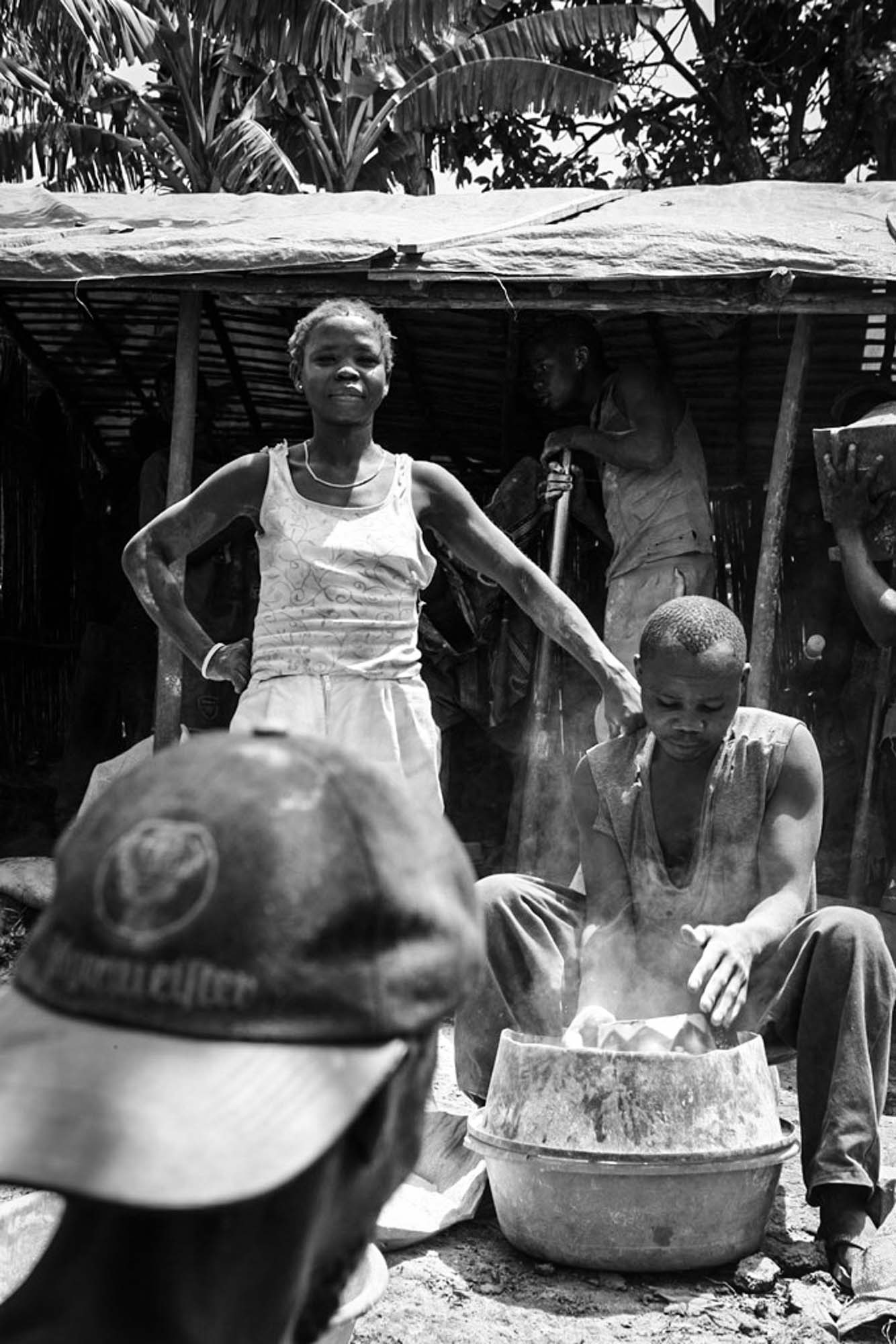
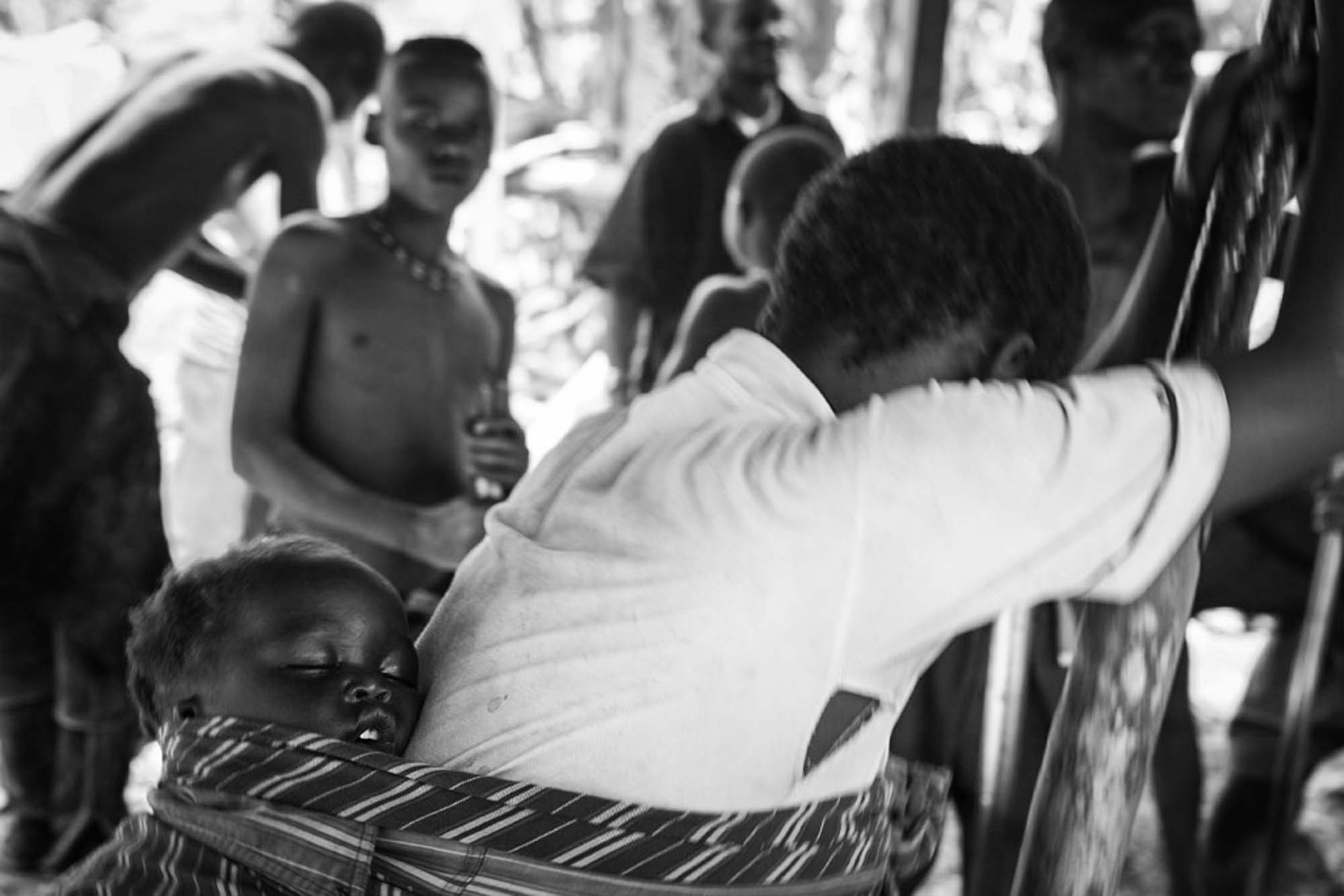
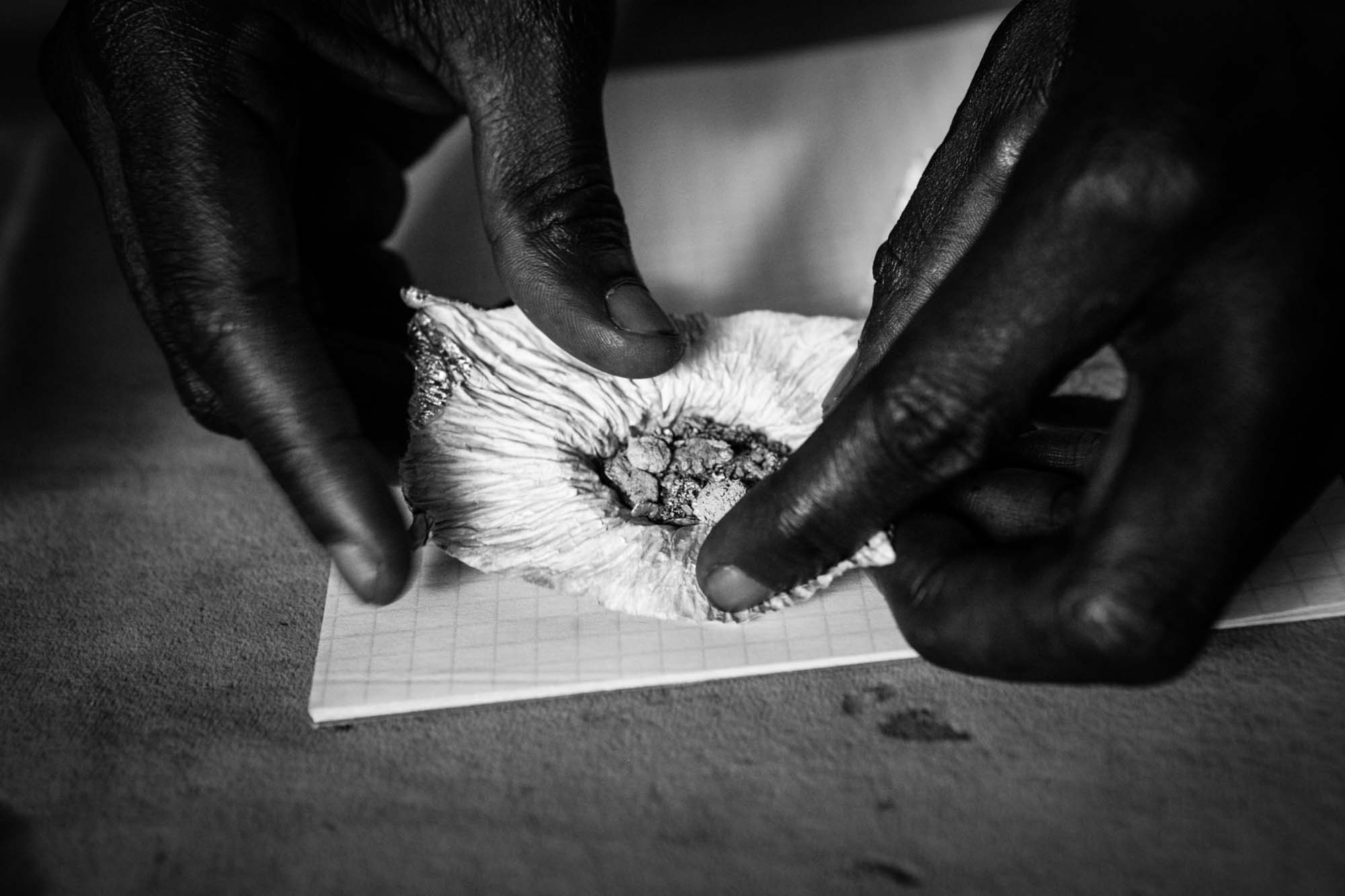
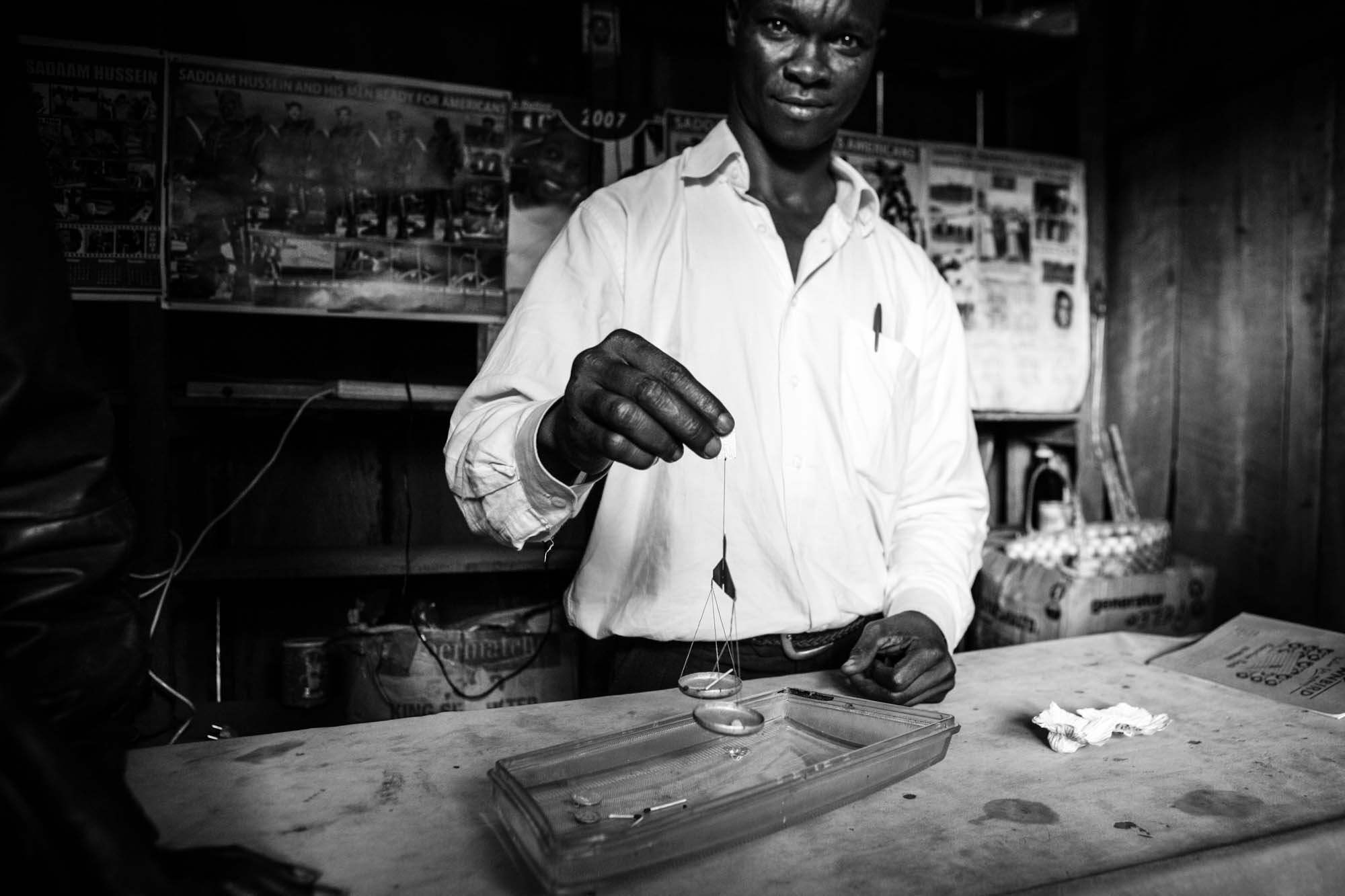
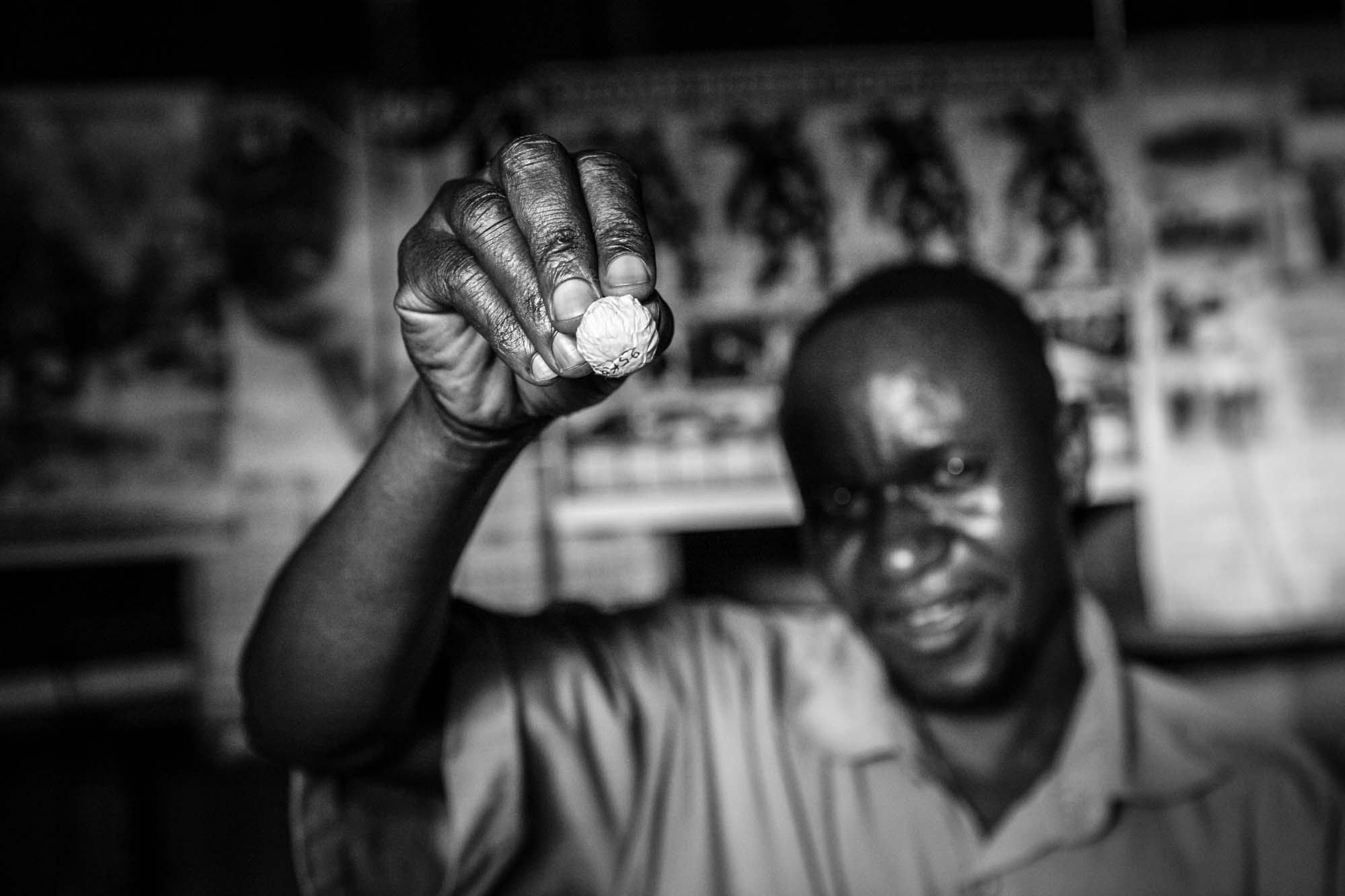
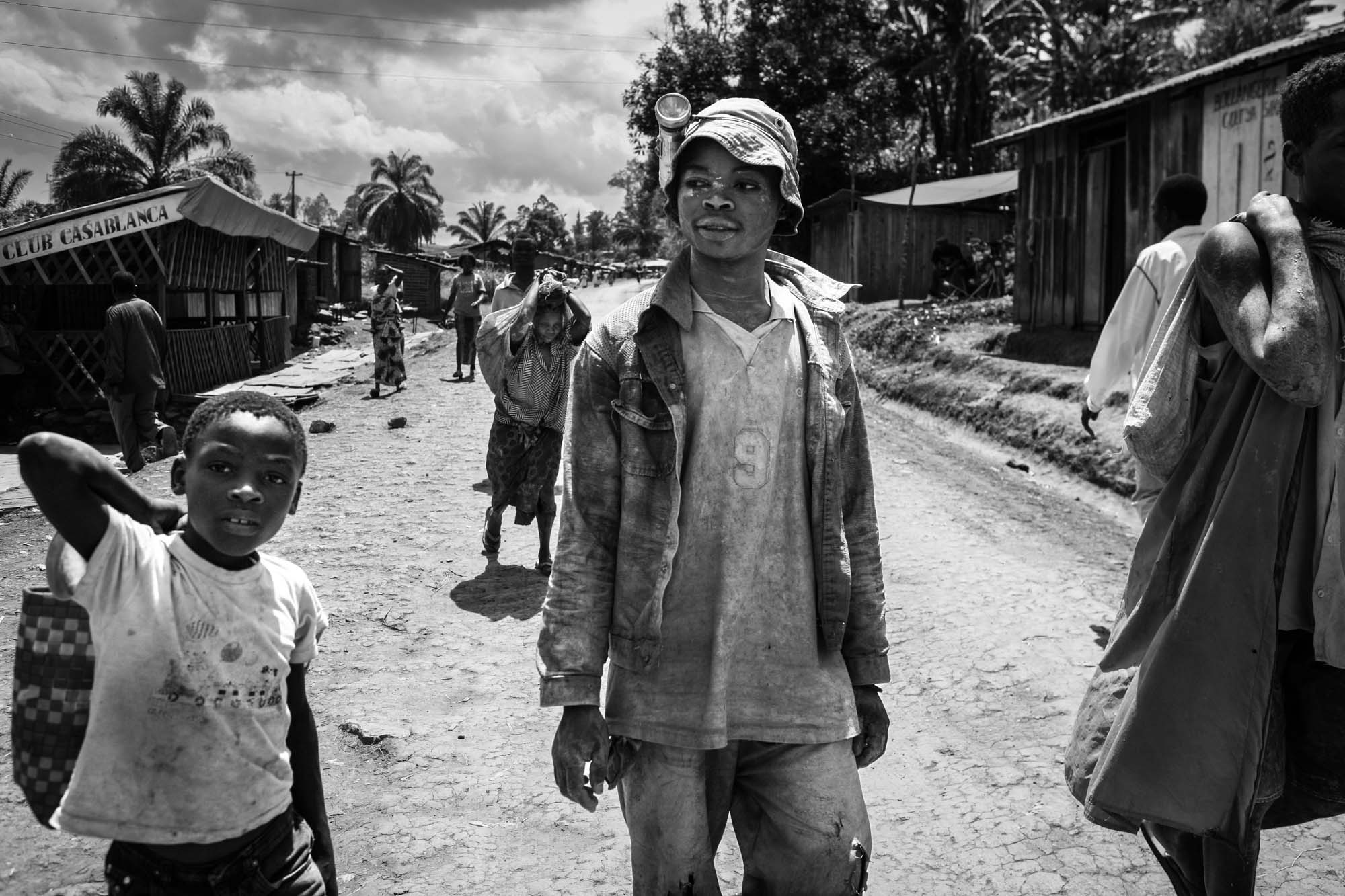
In Mongbwalu, eastern DRC, gold is the center of attention.
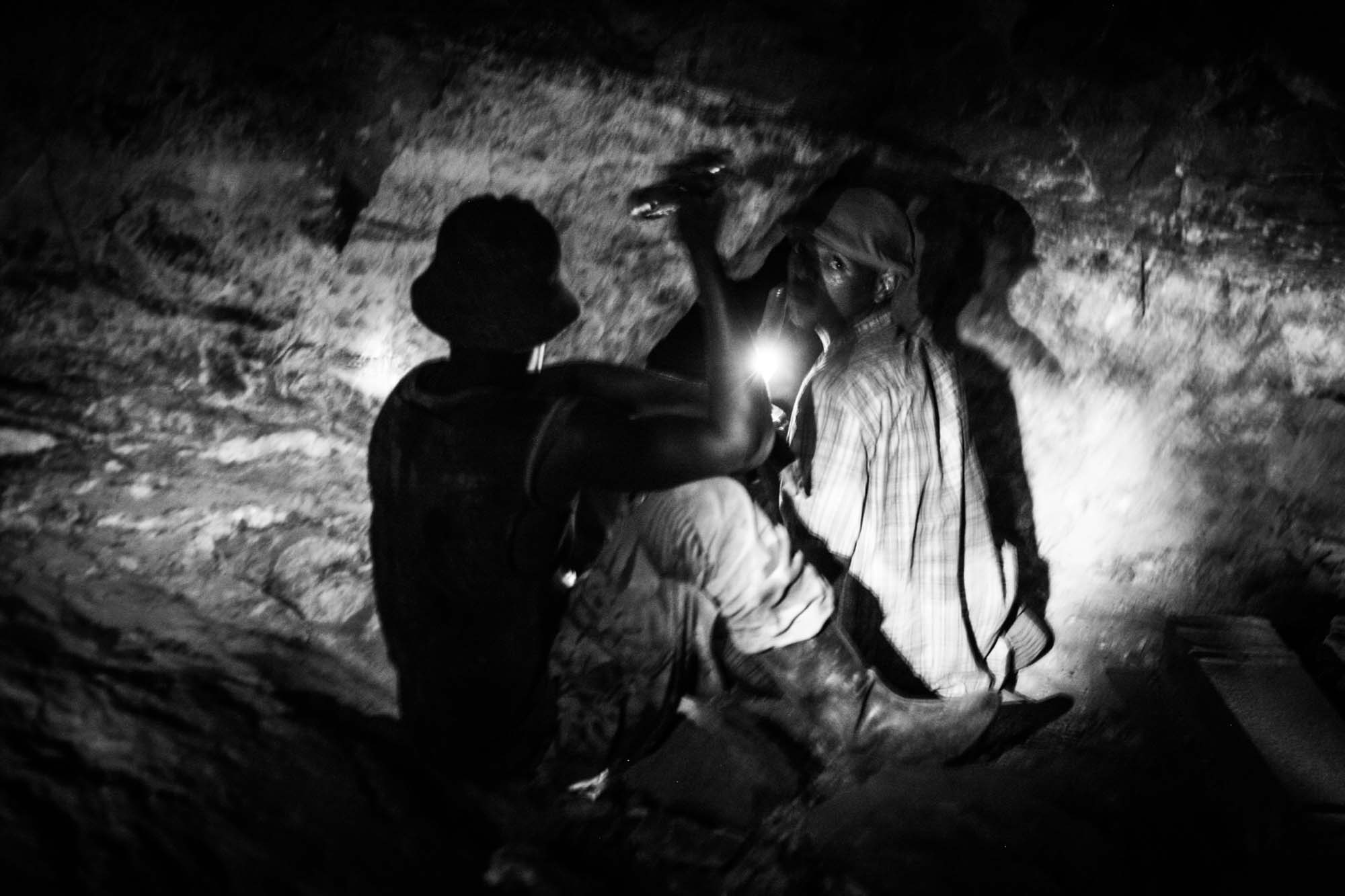
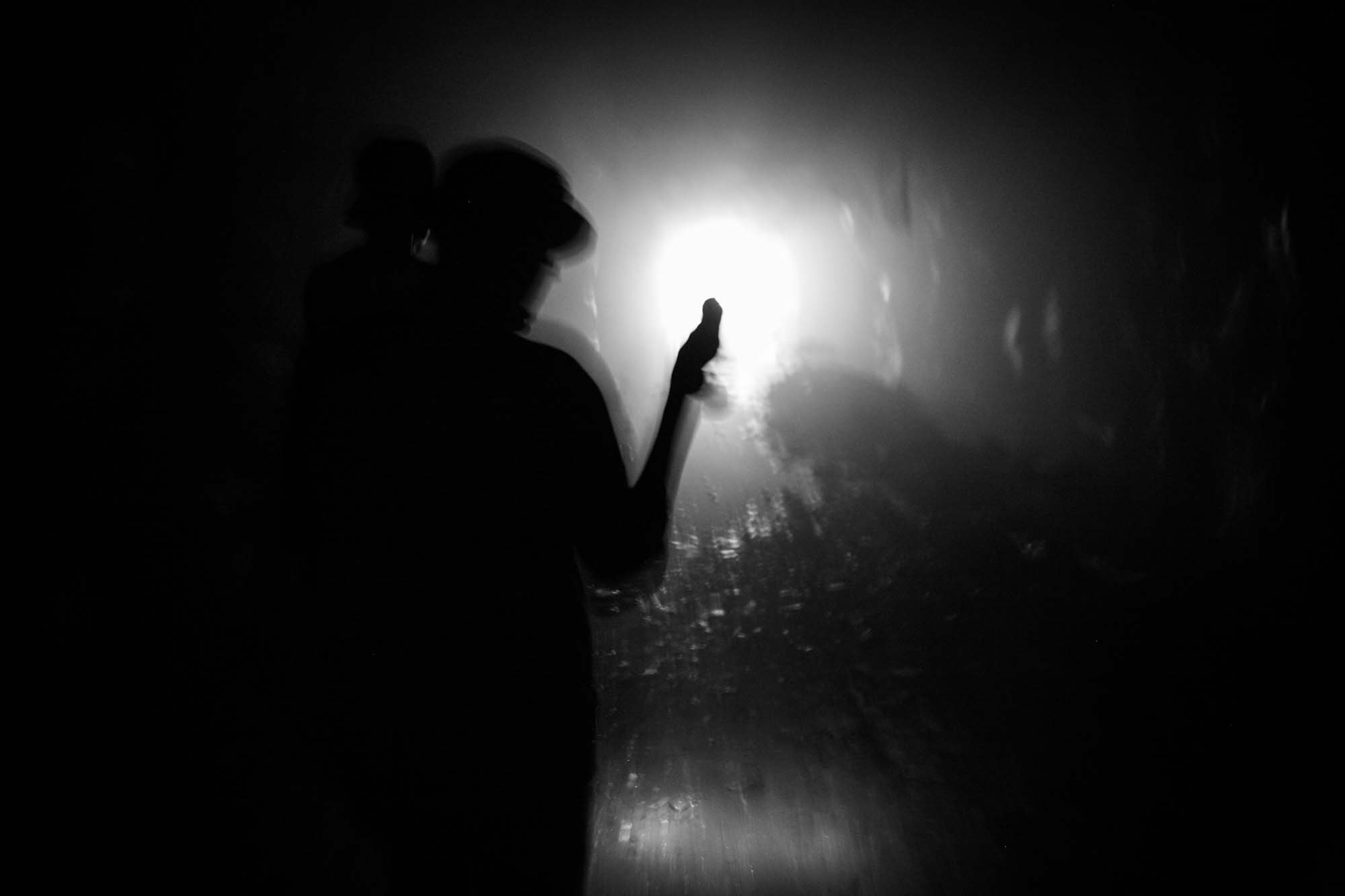
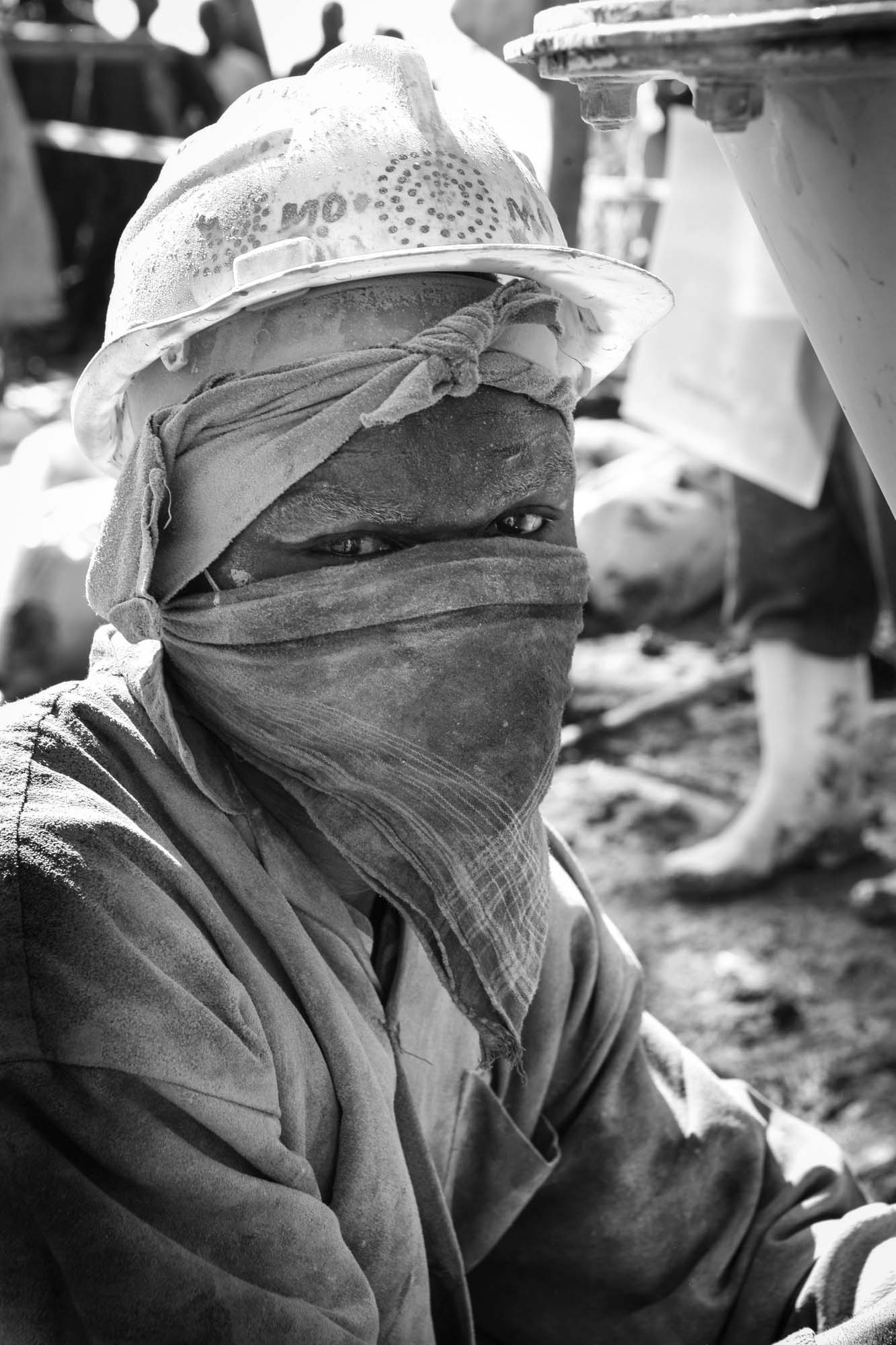
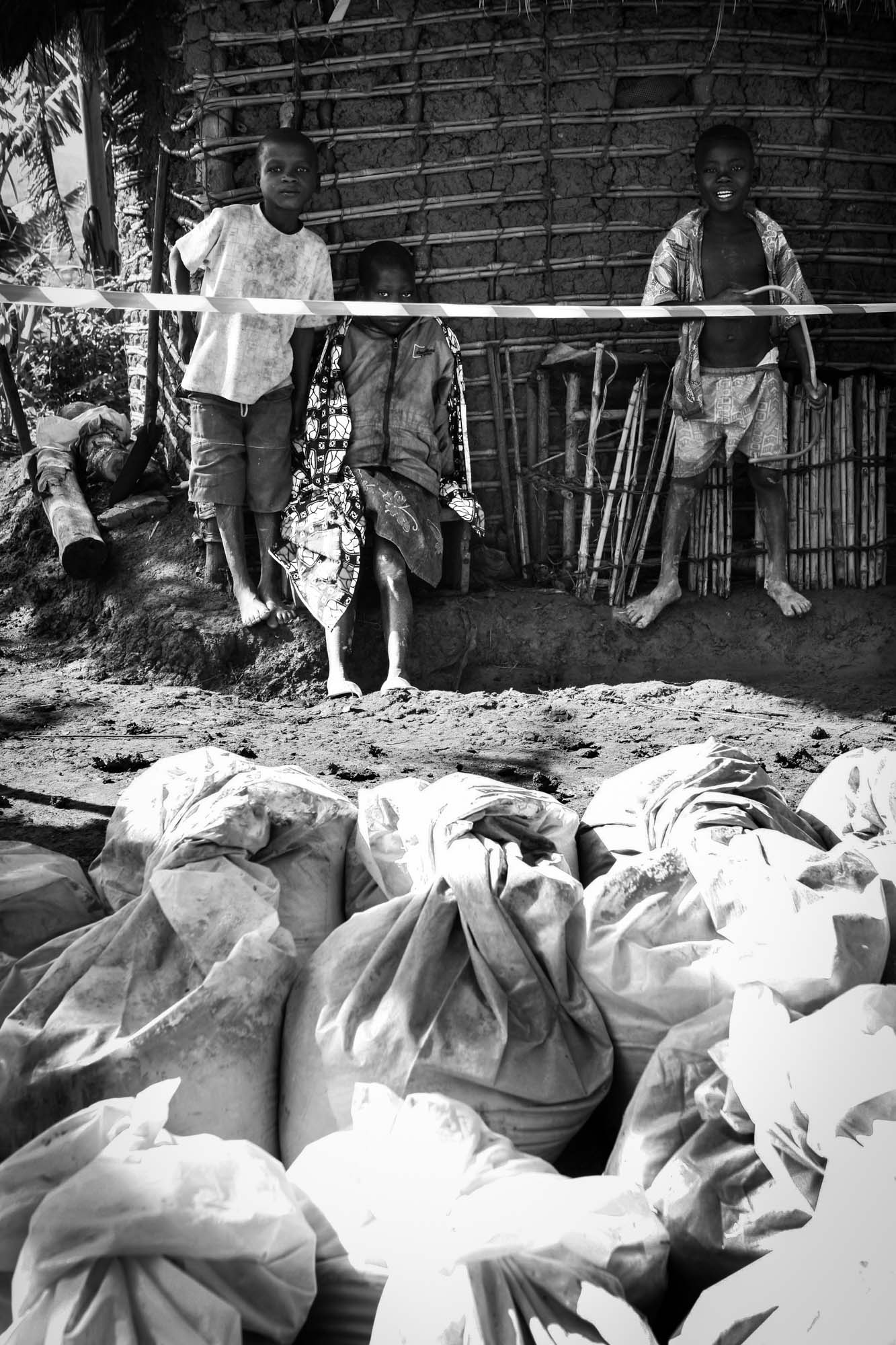
Hundreds of artisanal miners — including children — venture daily into an abandoned mine, closed for security reasons, defying basic safety rules in hopes of extracting a few grams of the precious metal.
The illusion of wealth is great, as is the pollution of waterways caused by mercury used to separate gold from other minerals.
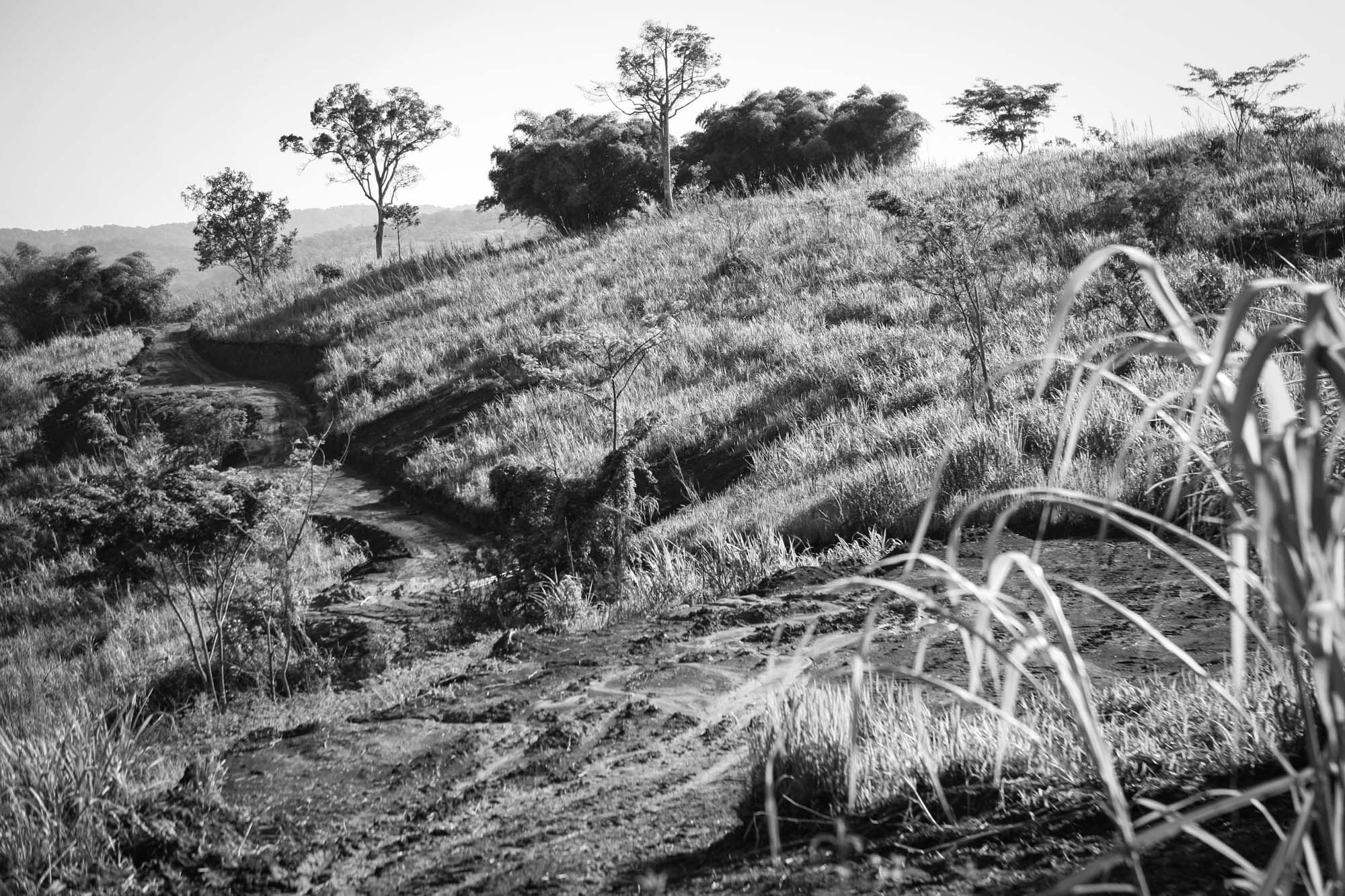
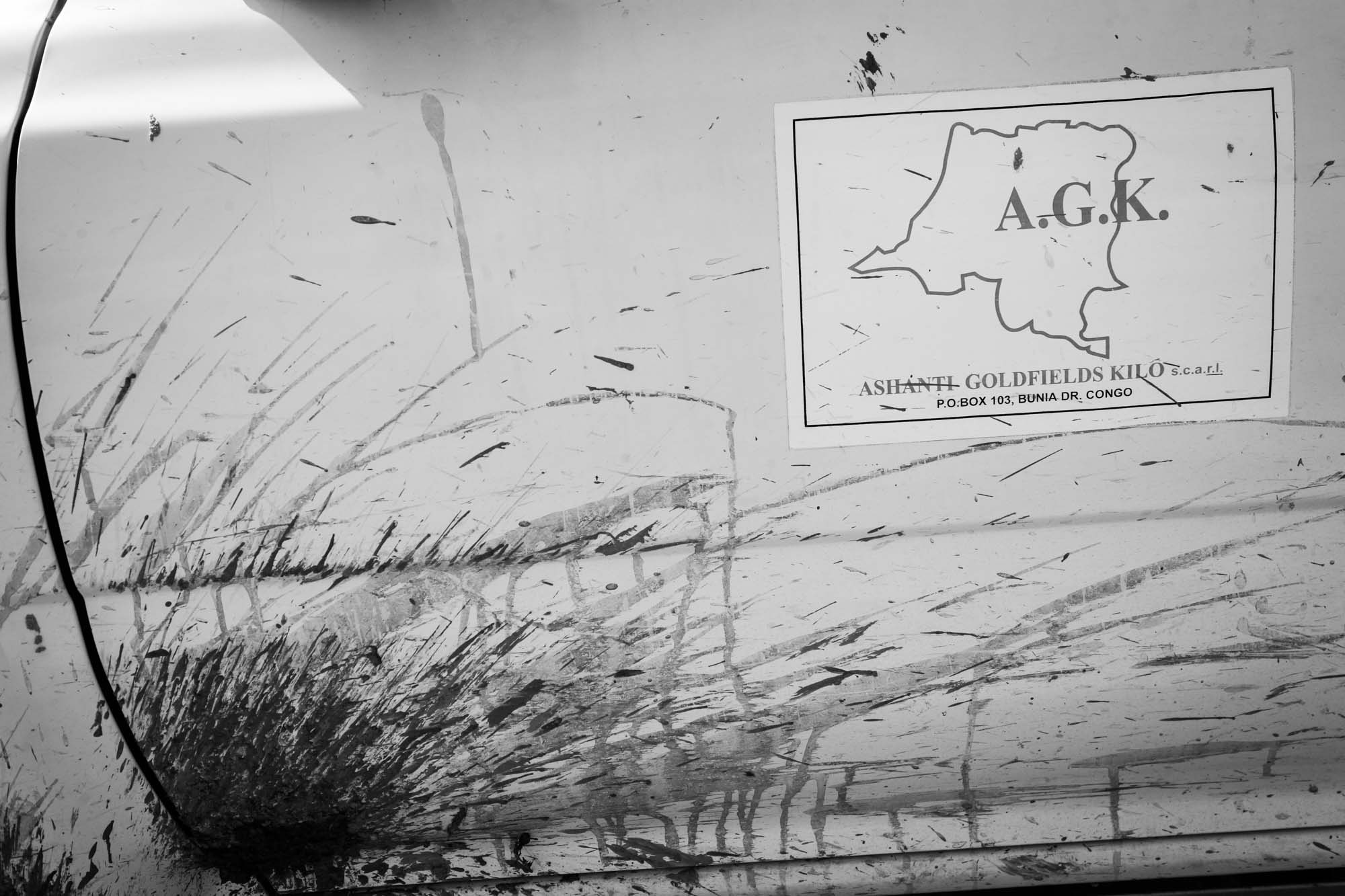
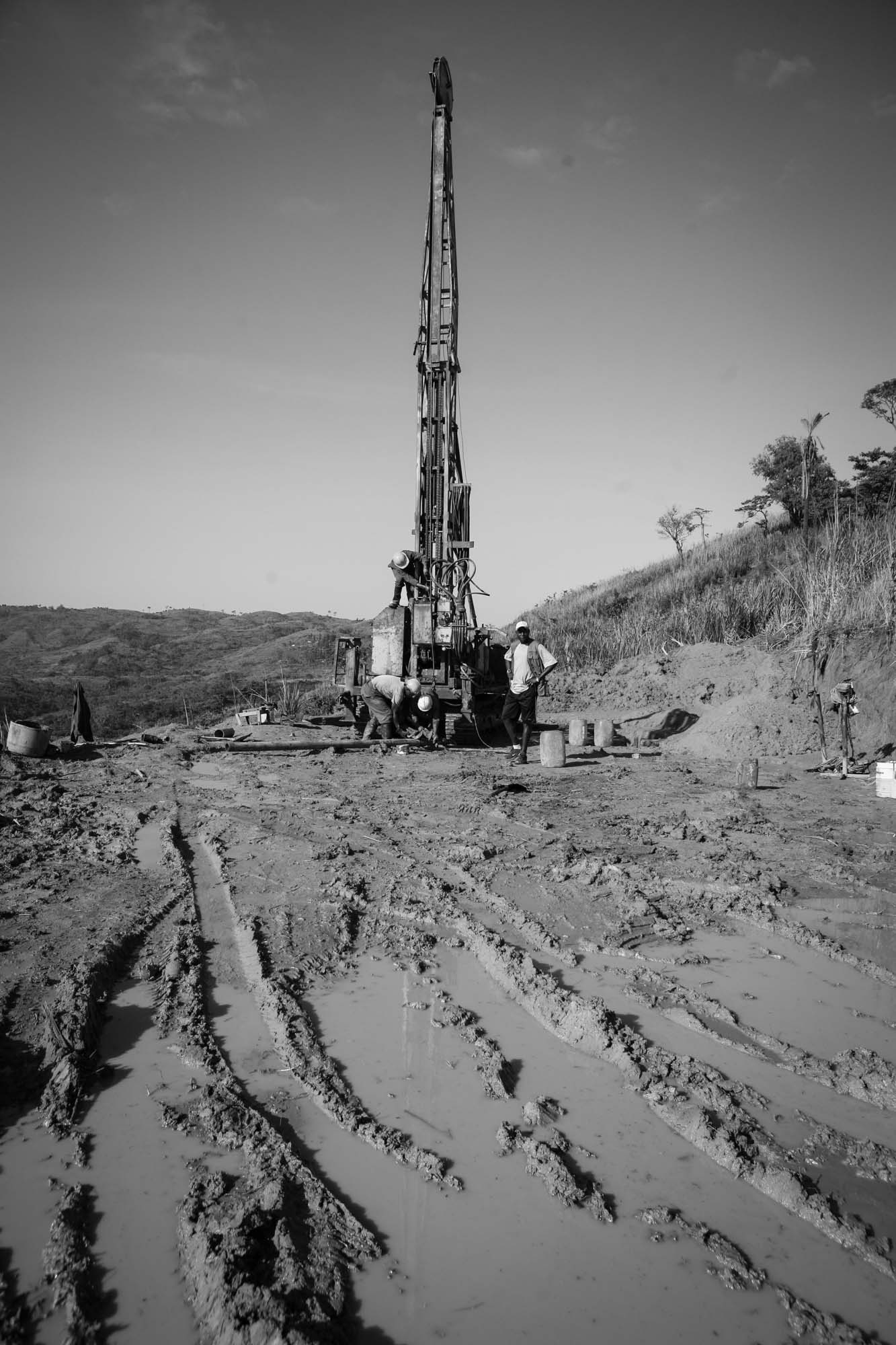
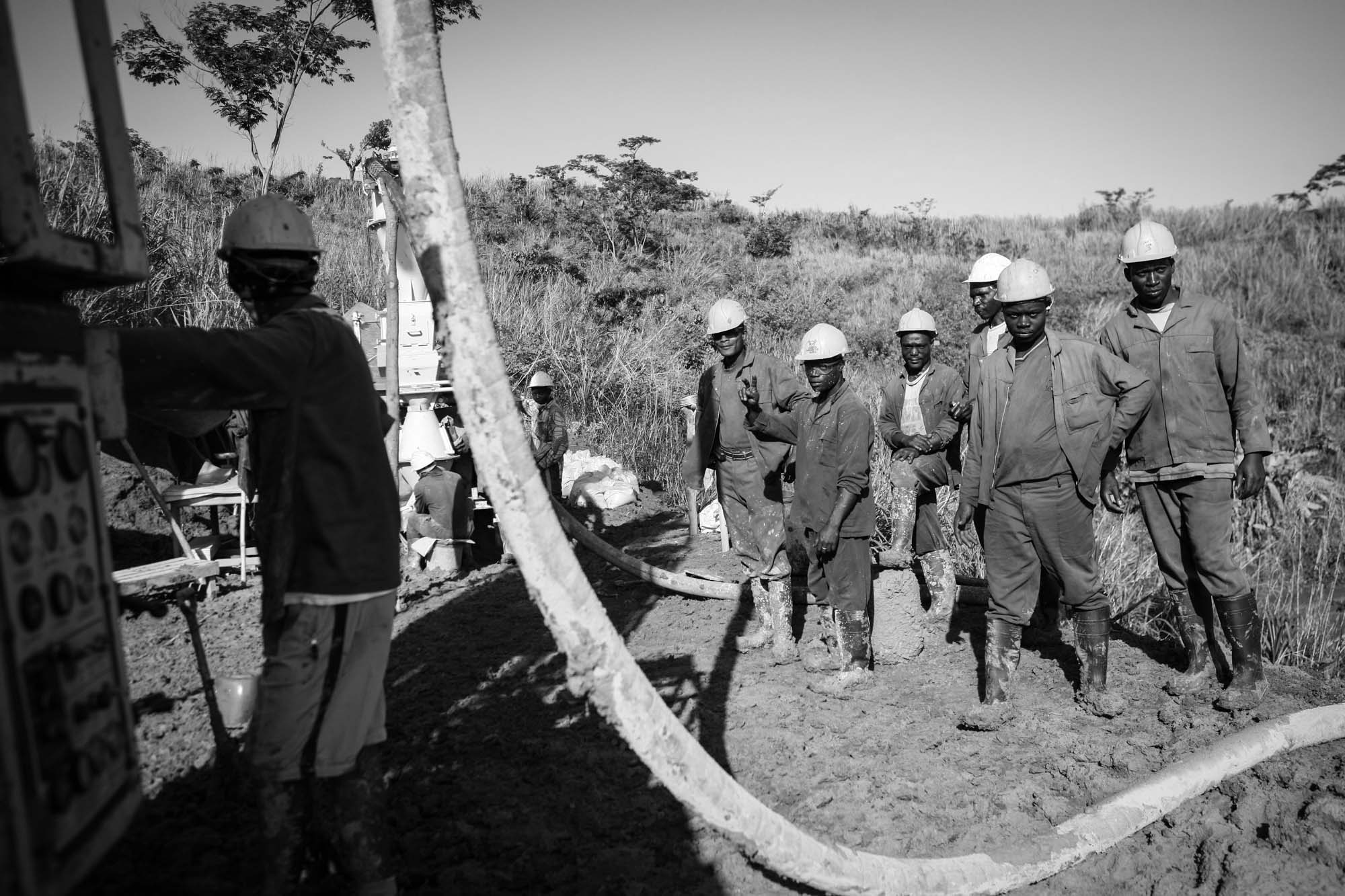
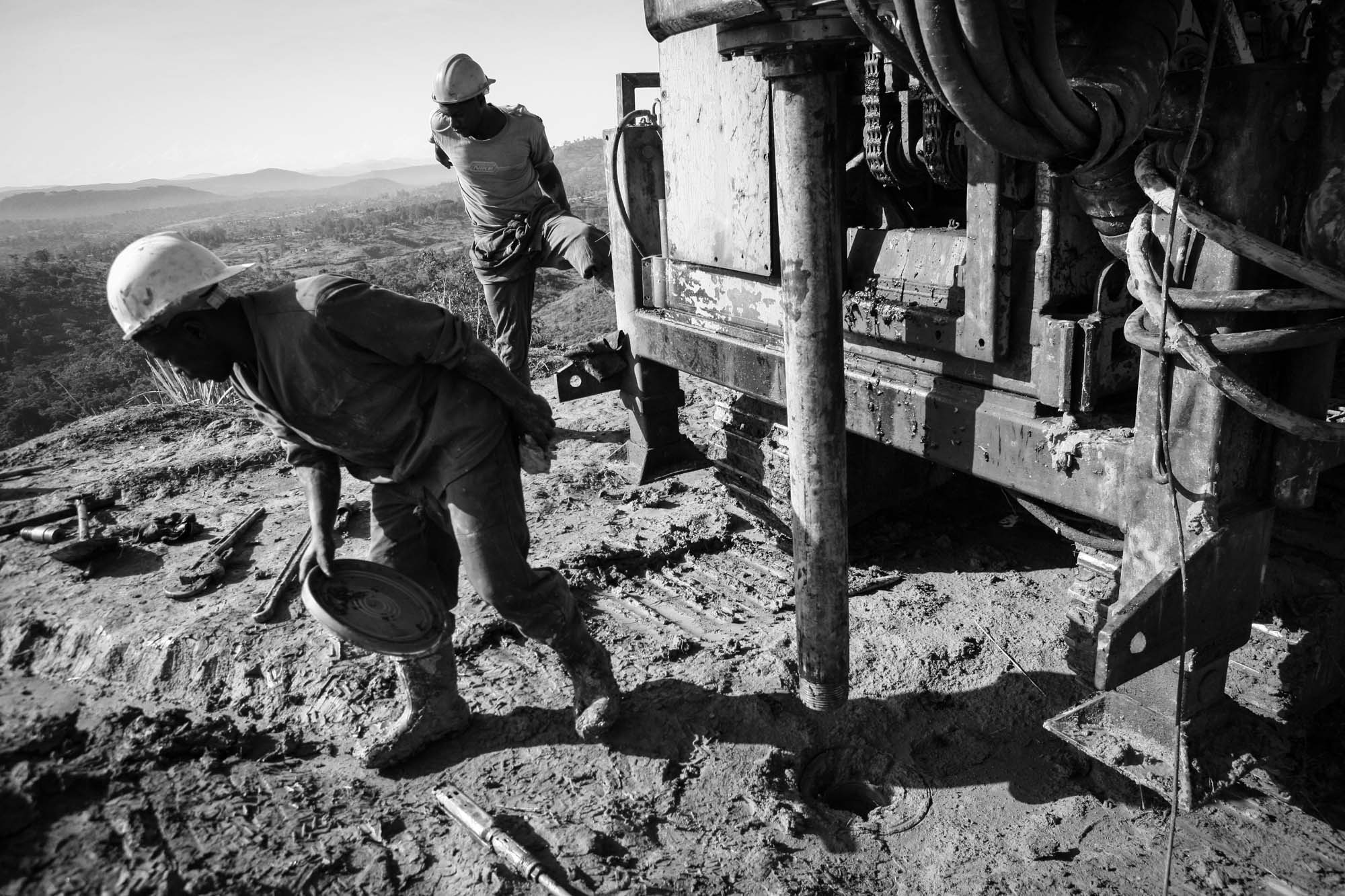
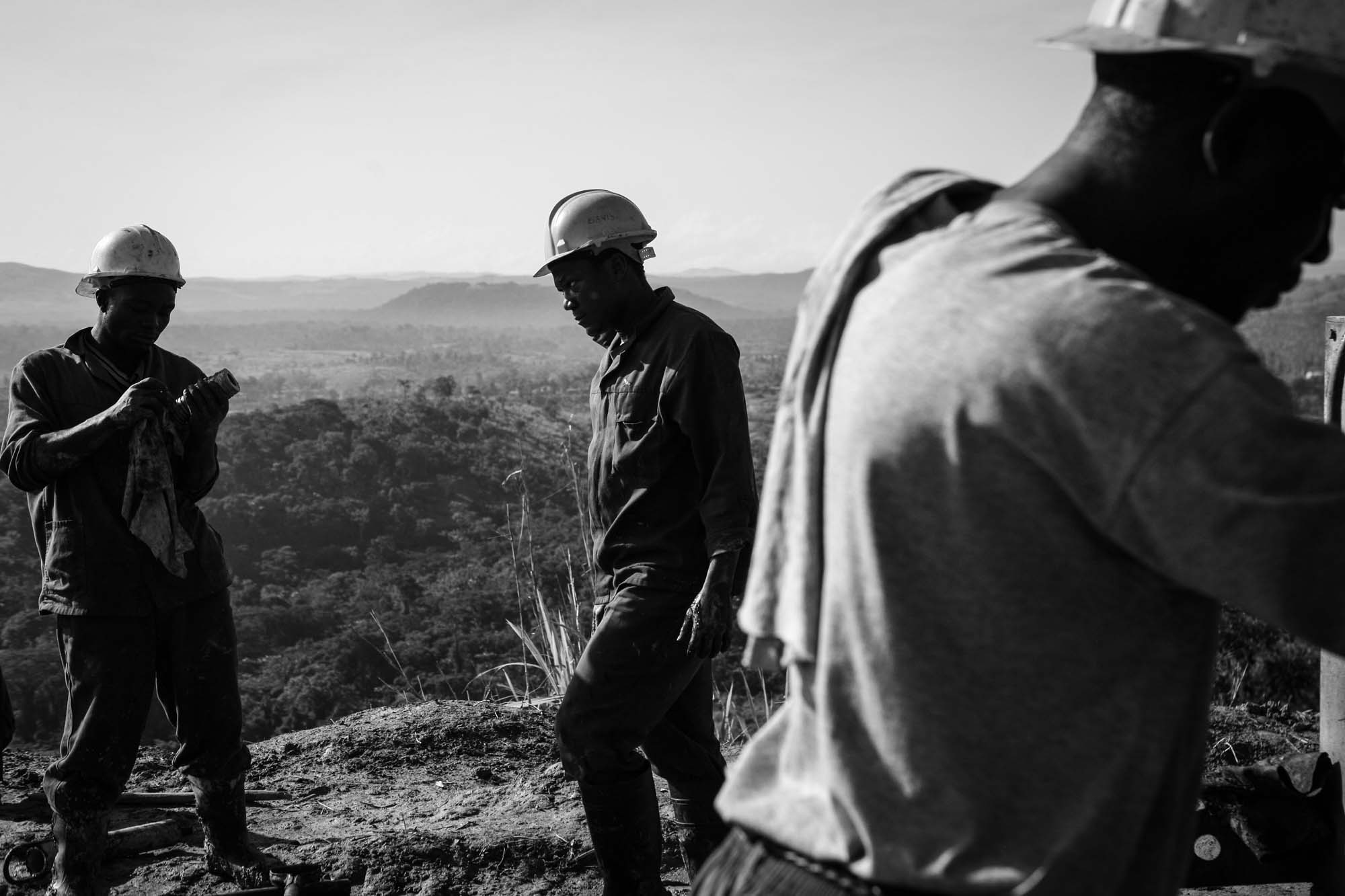
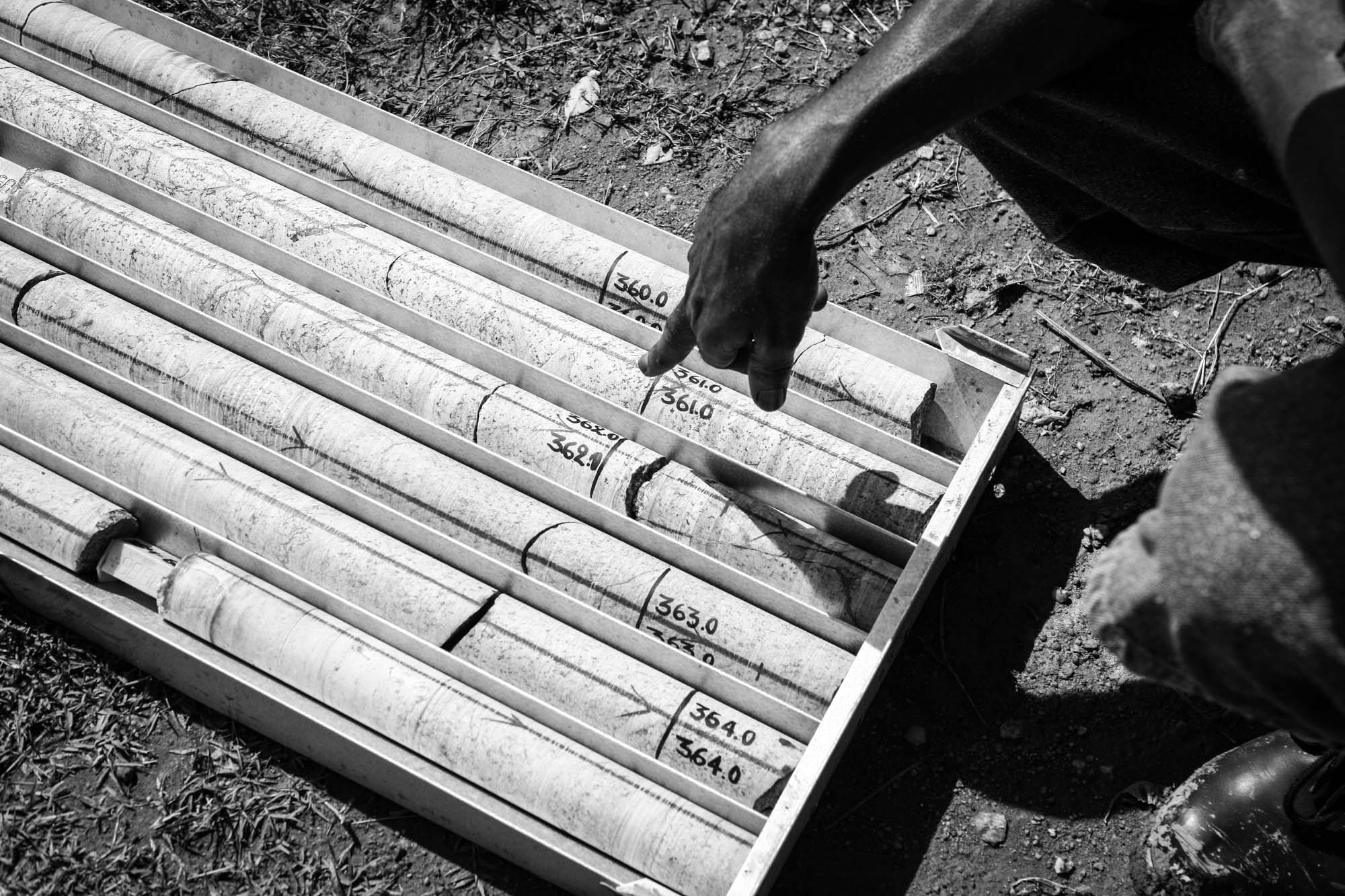
Meanwhile, Ashanti Goldfields Kilo is prospecting the hills near villages in search of a rich vein.
In Mongbwalu, gold shines as brightly as it poisons.
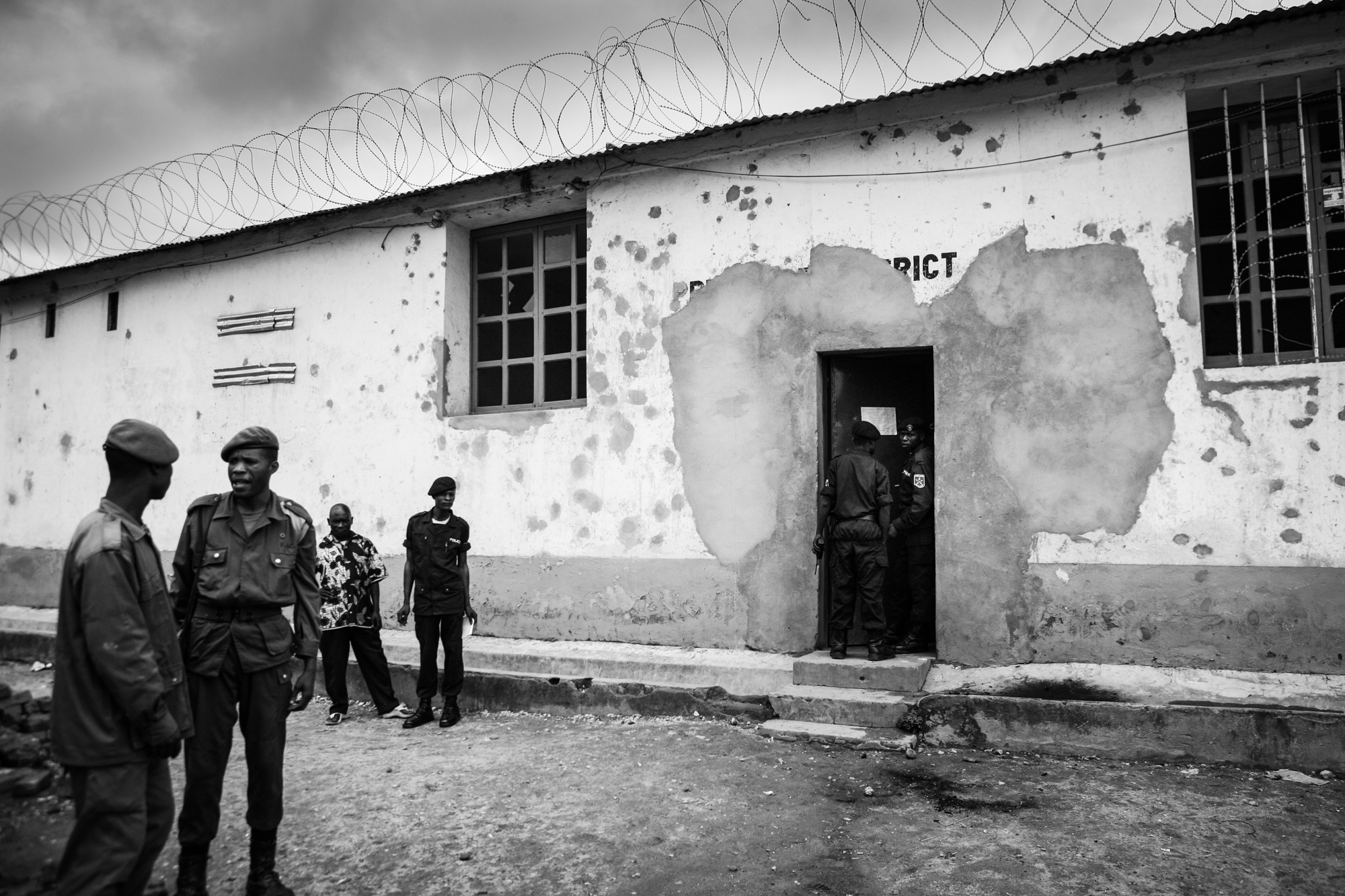
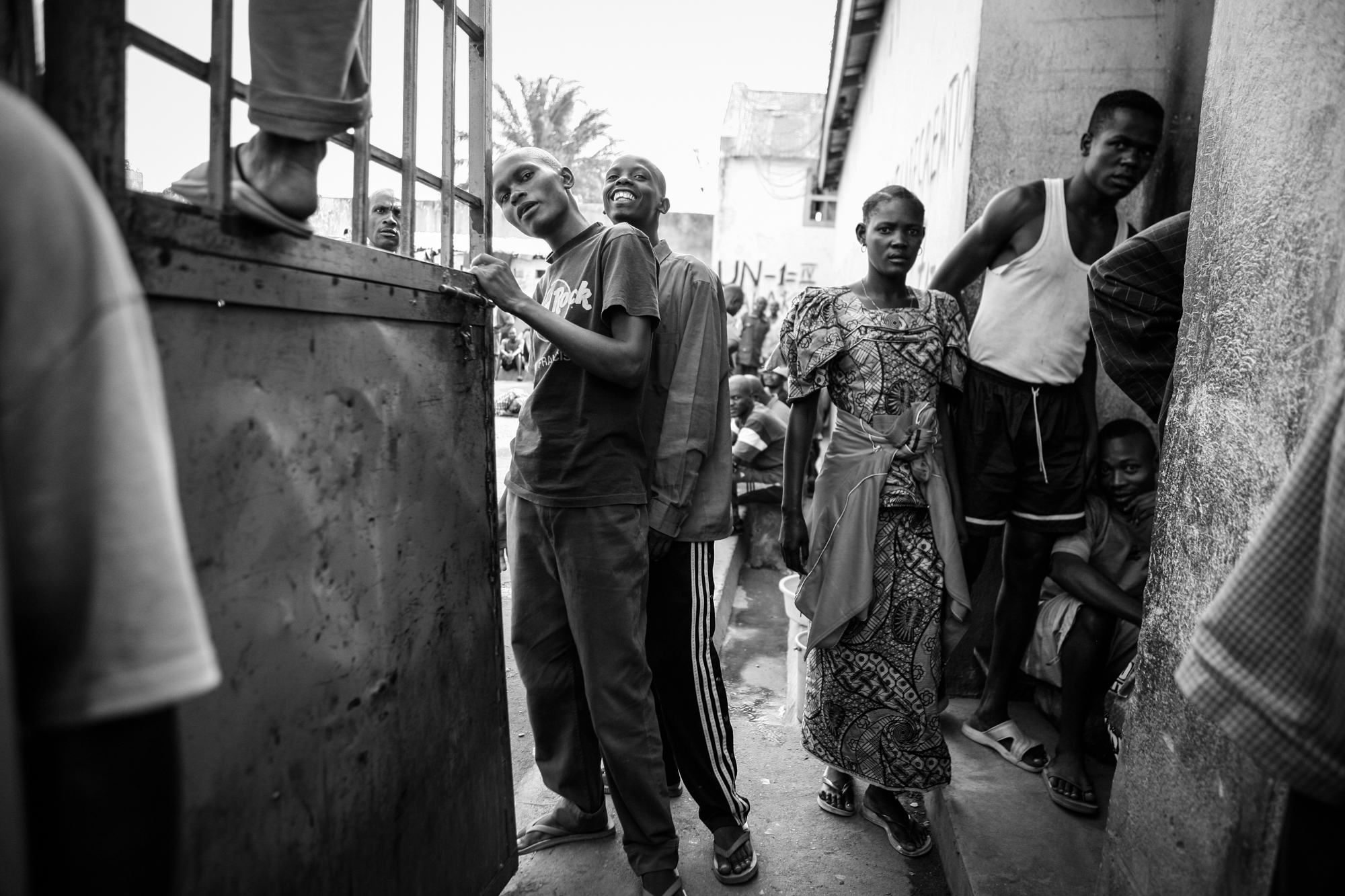
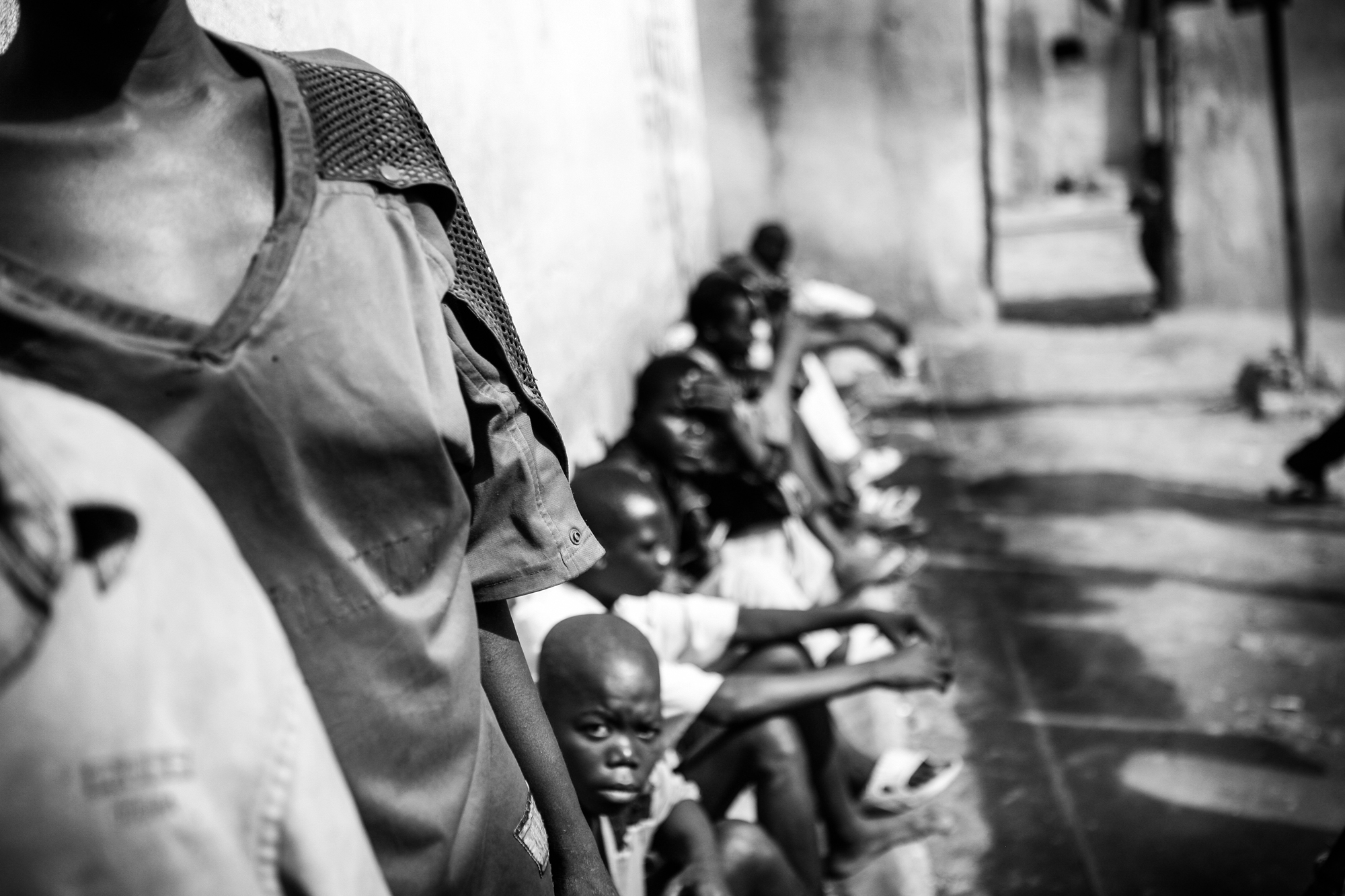
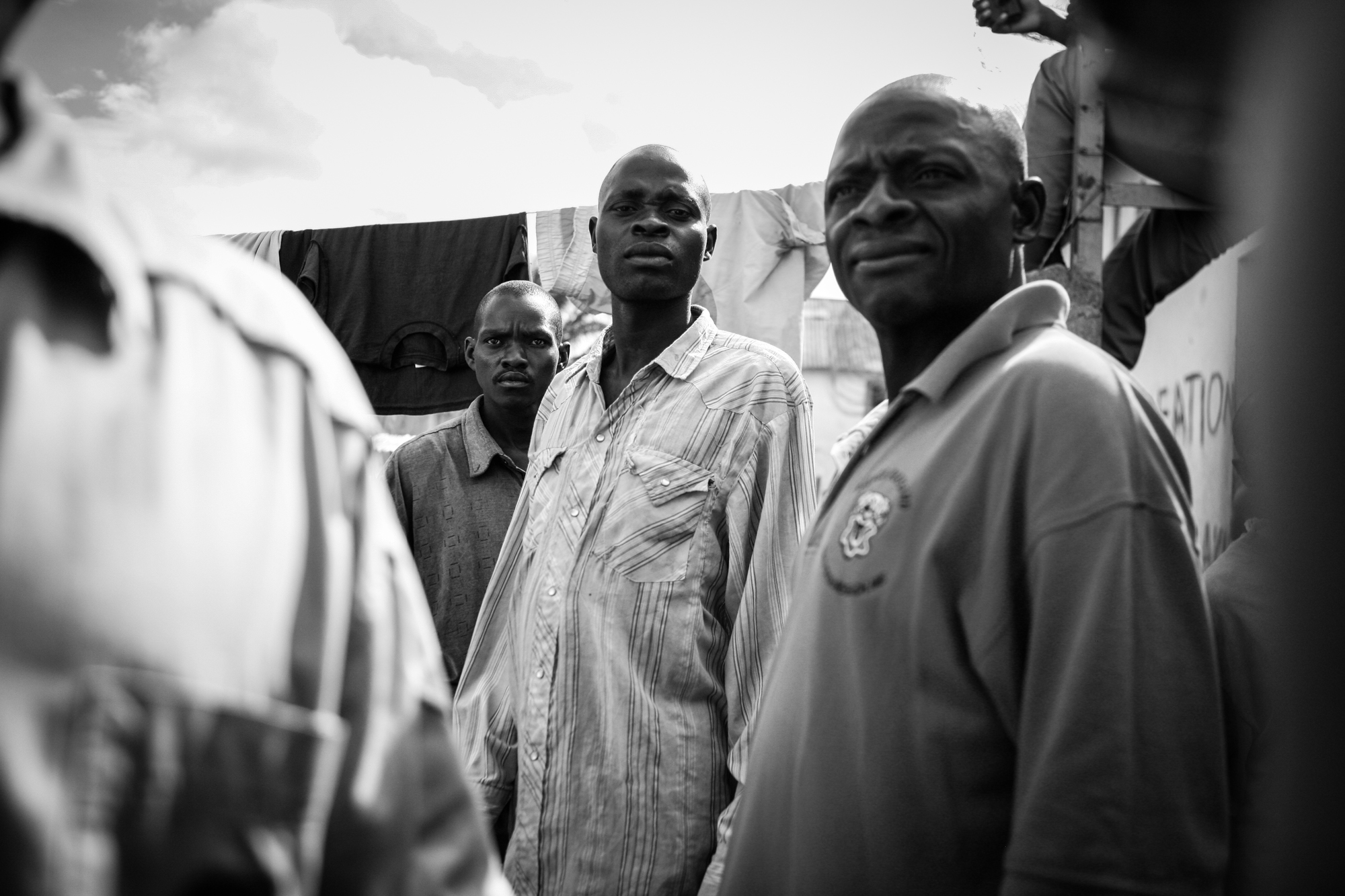
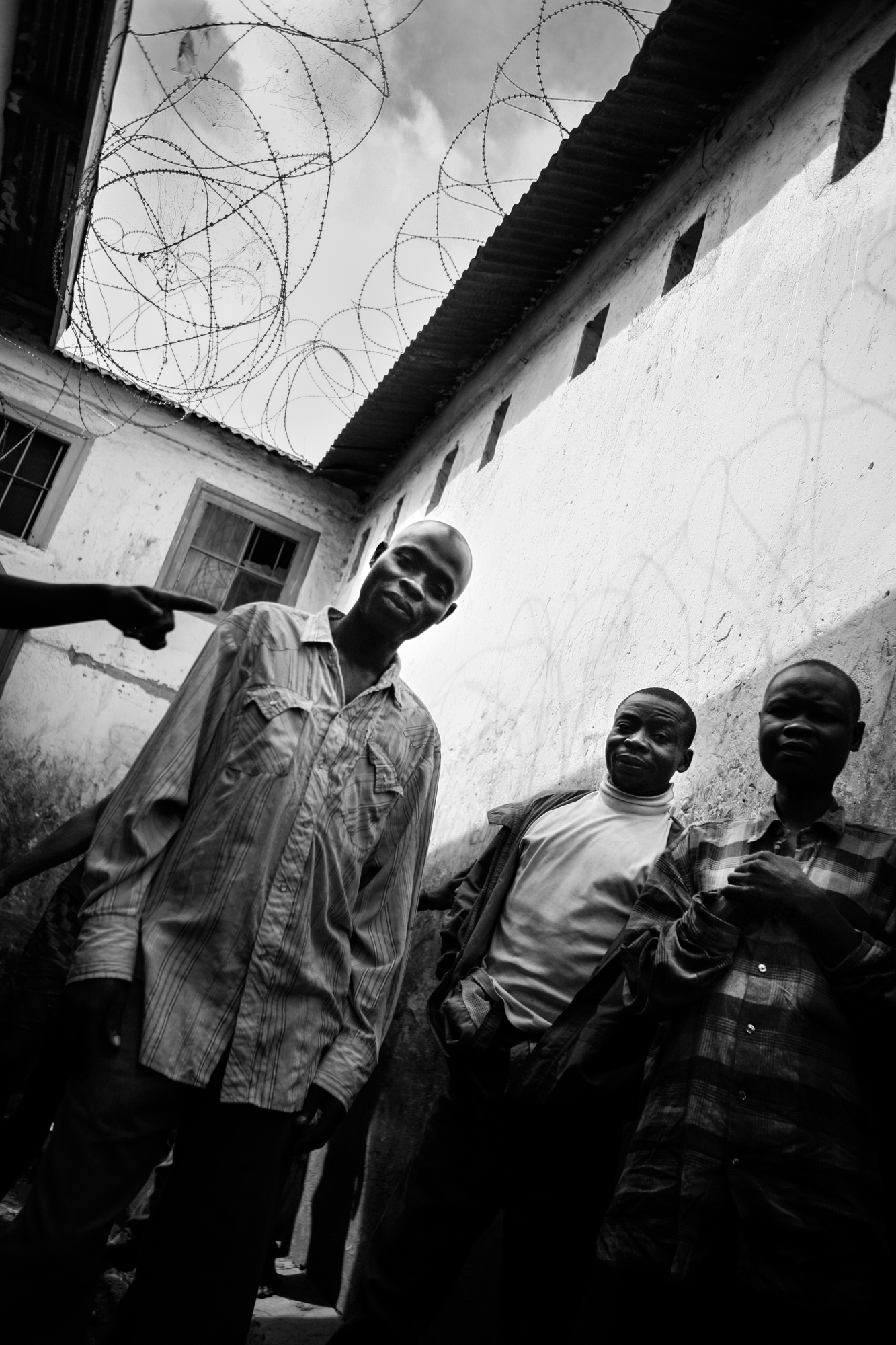
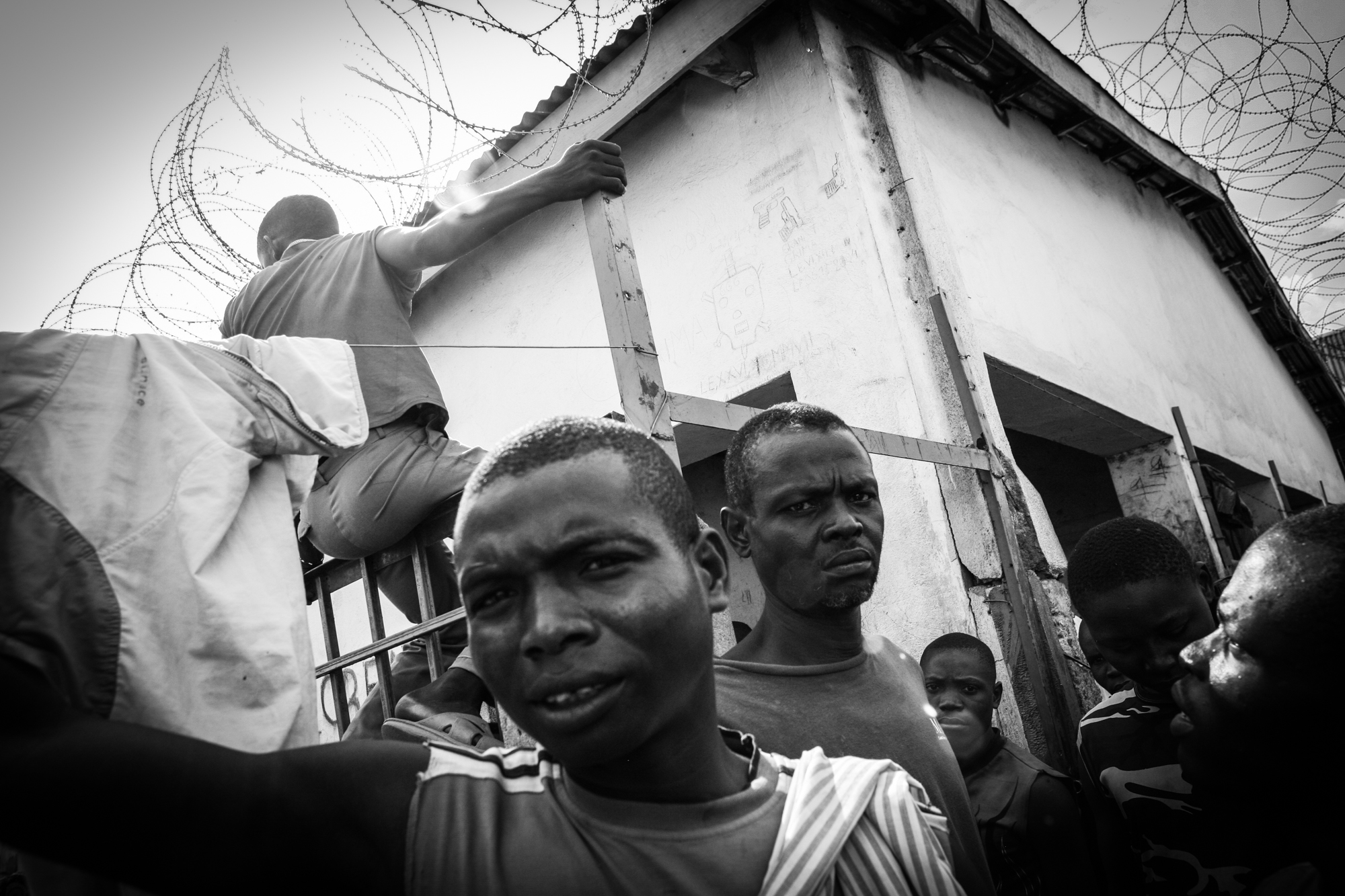
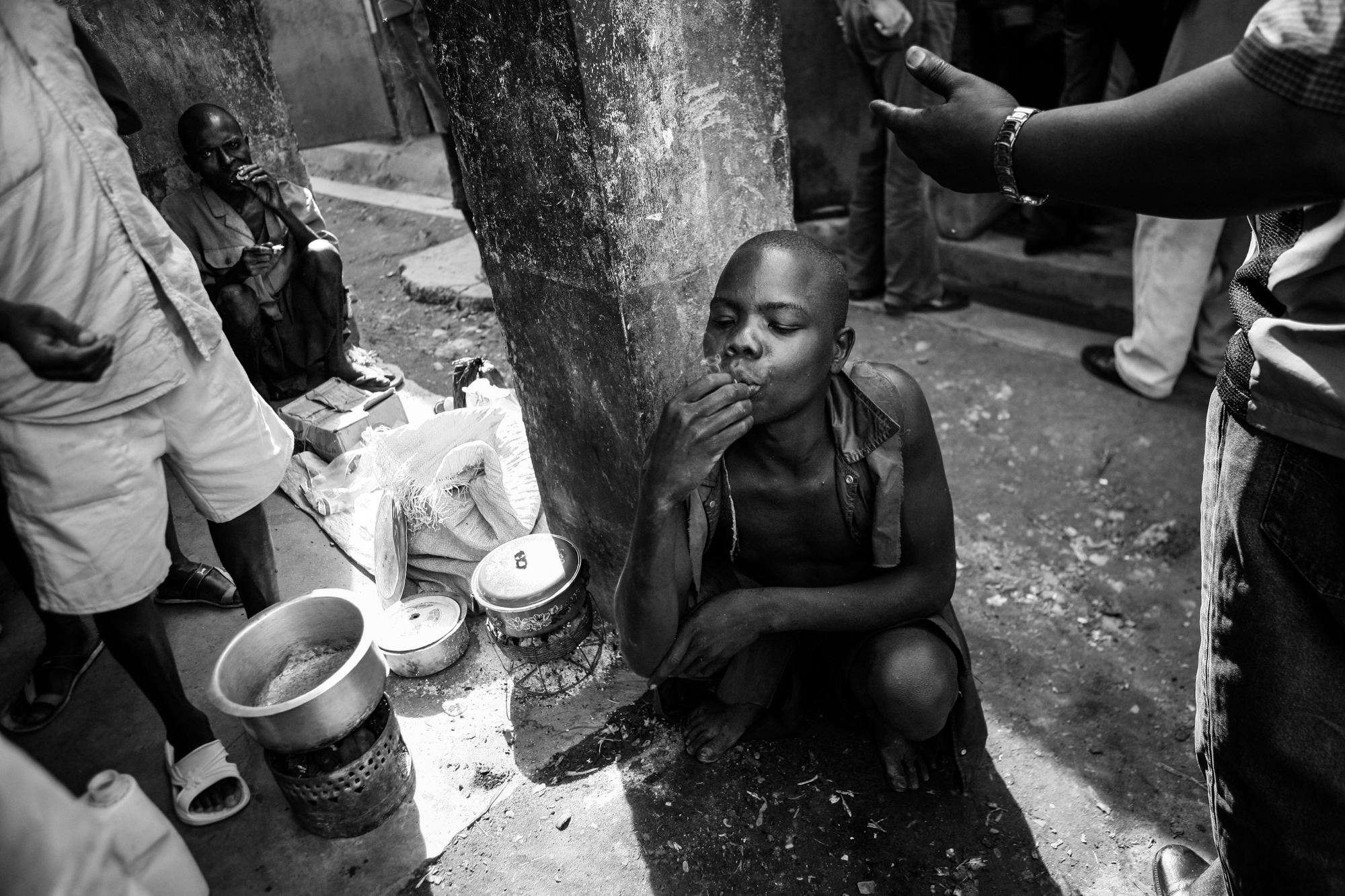
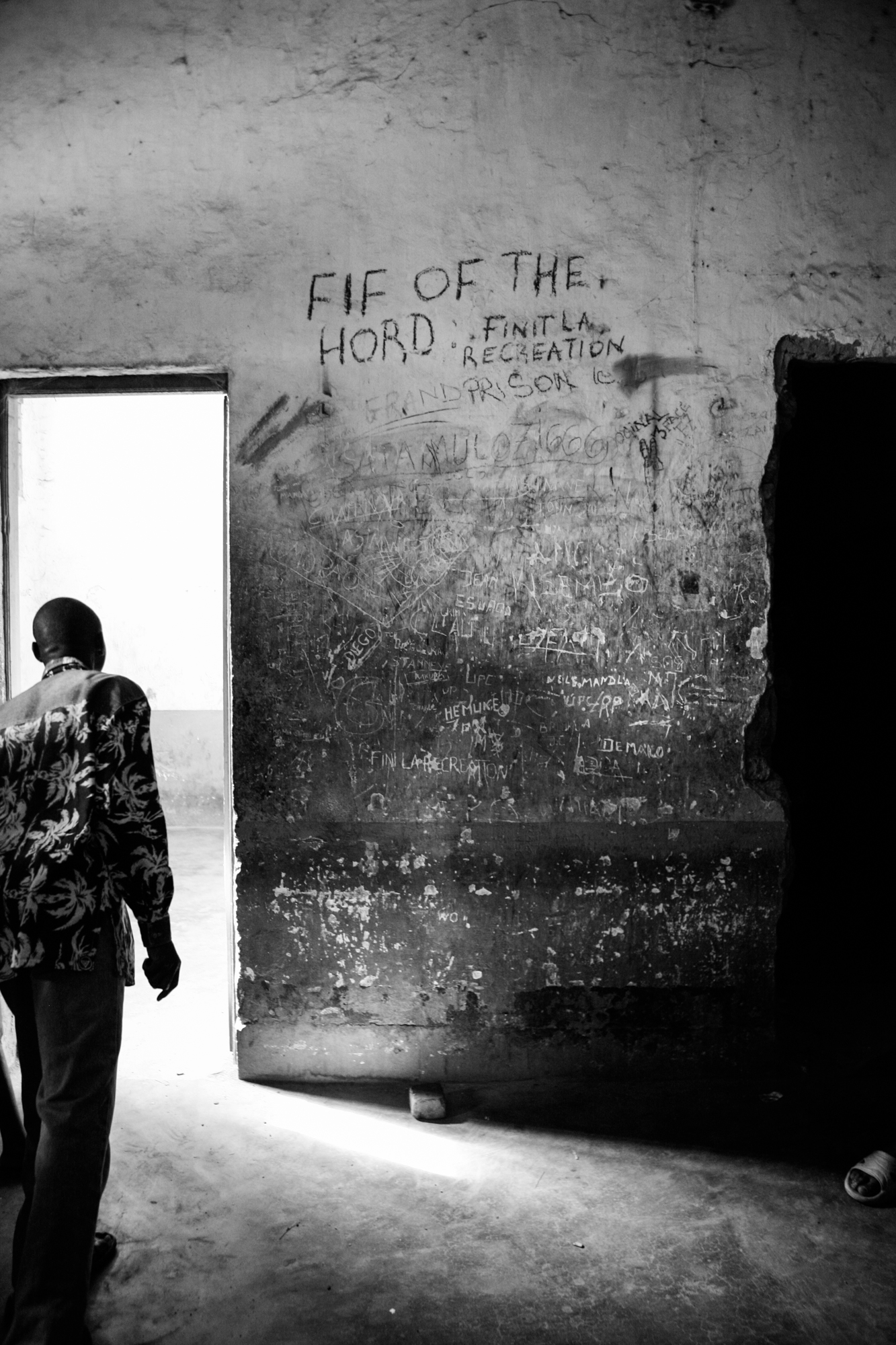
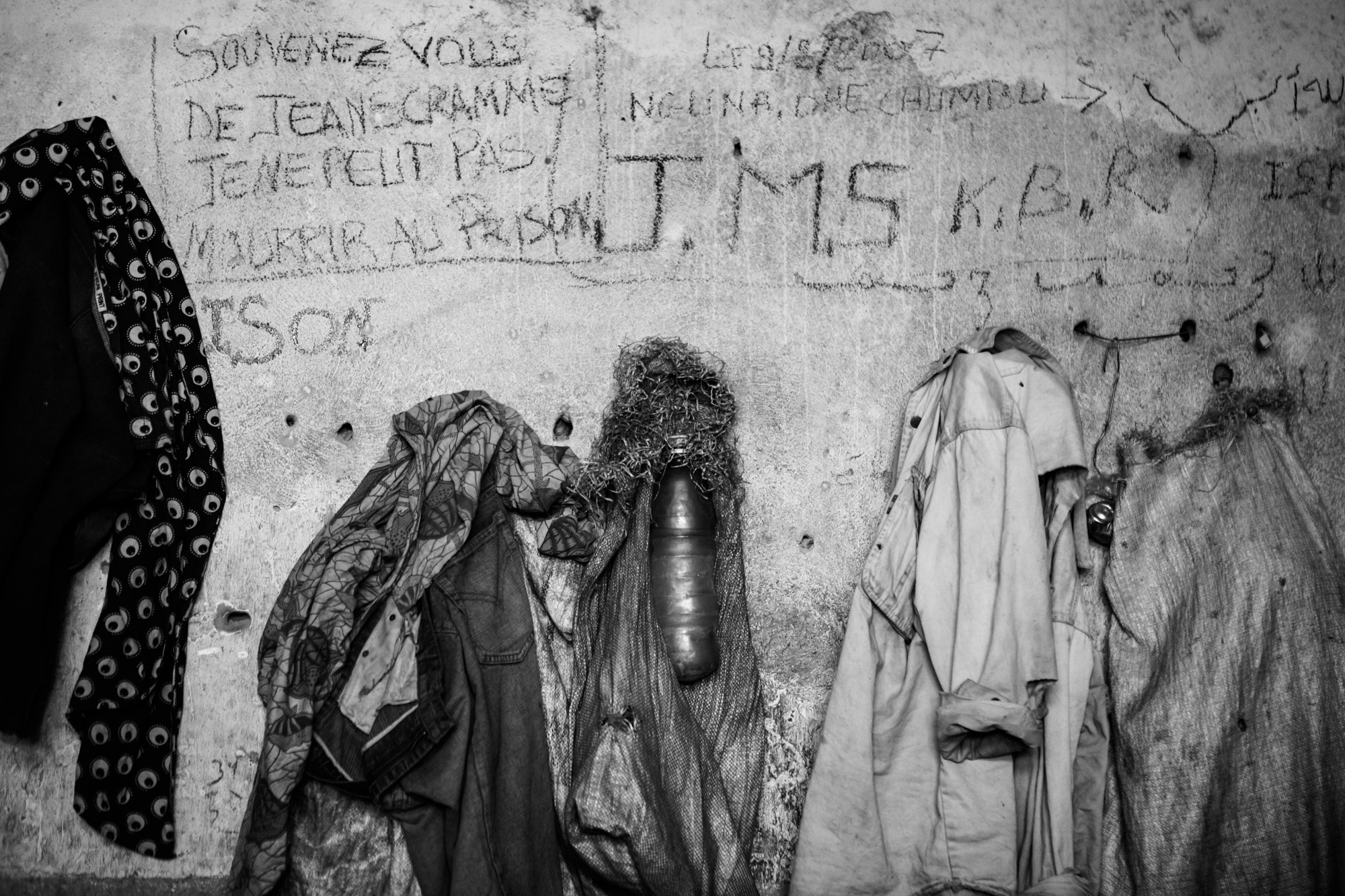
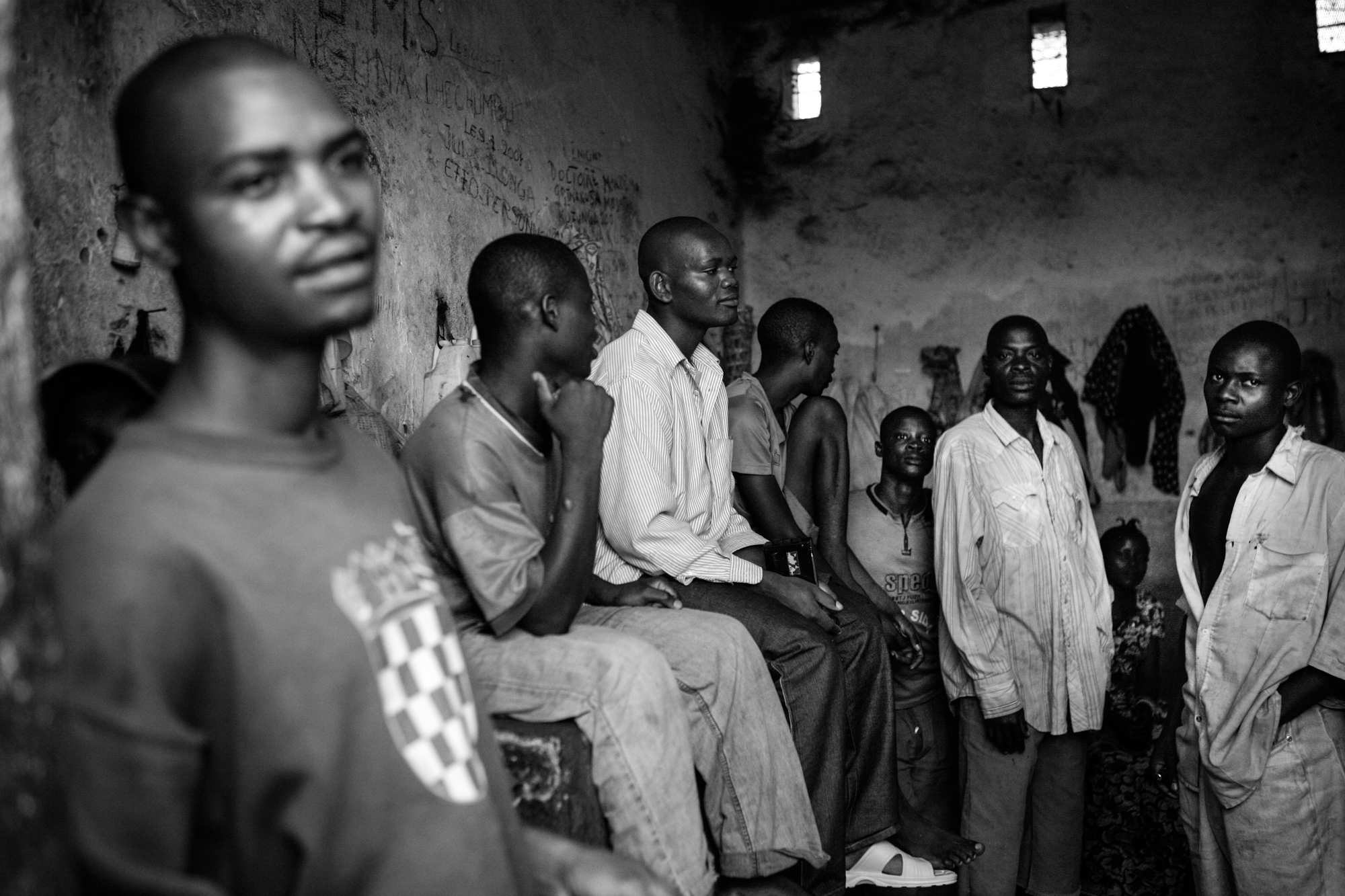
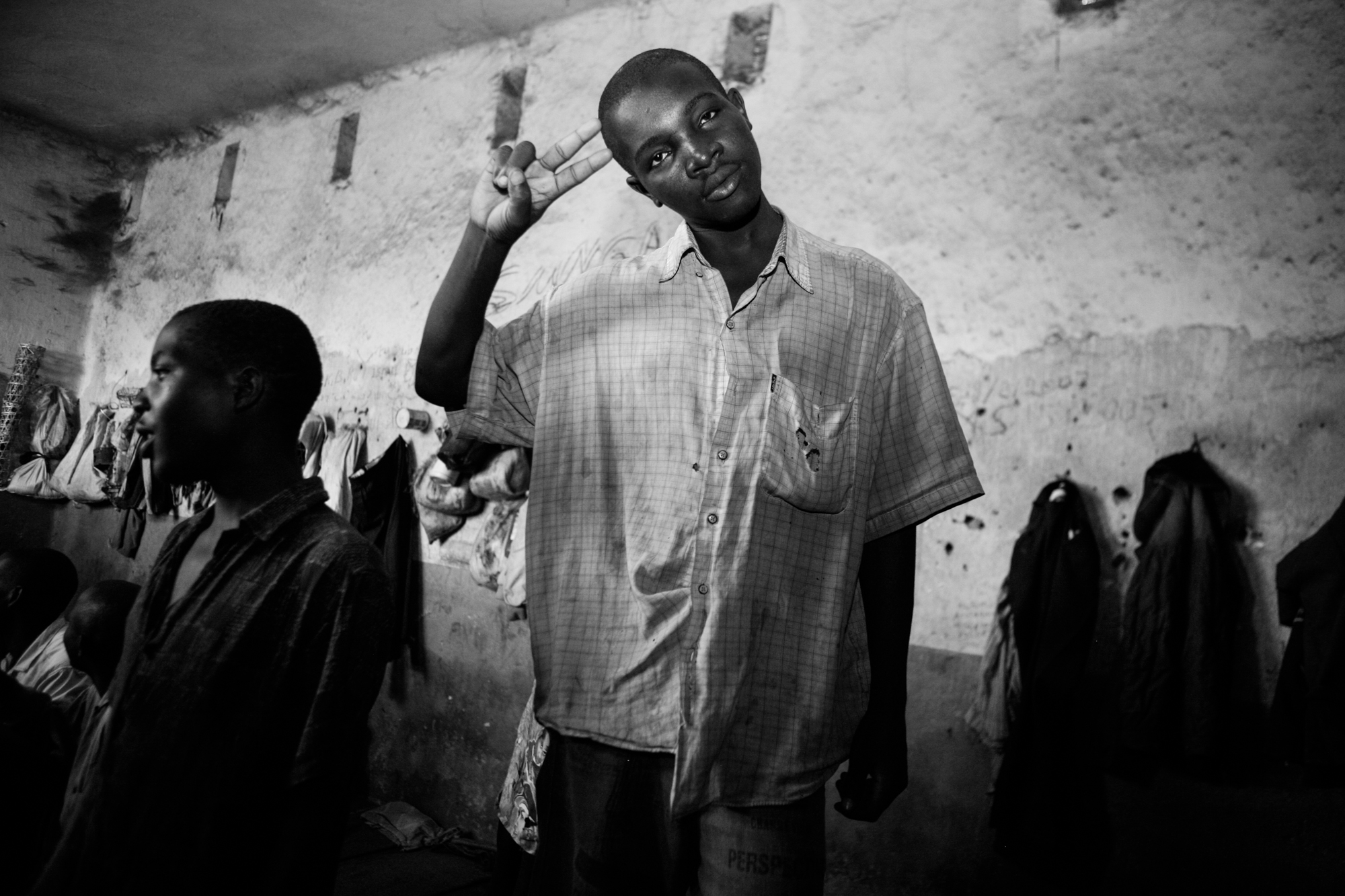
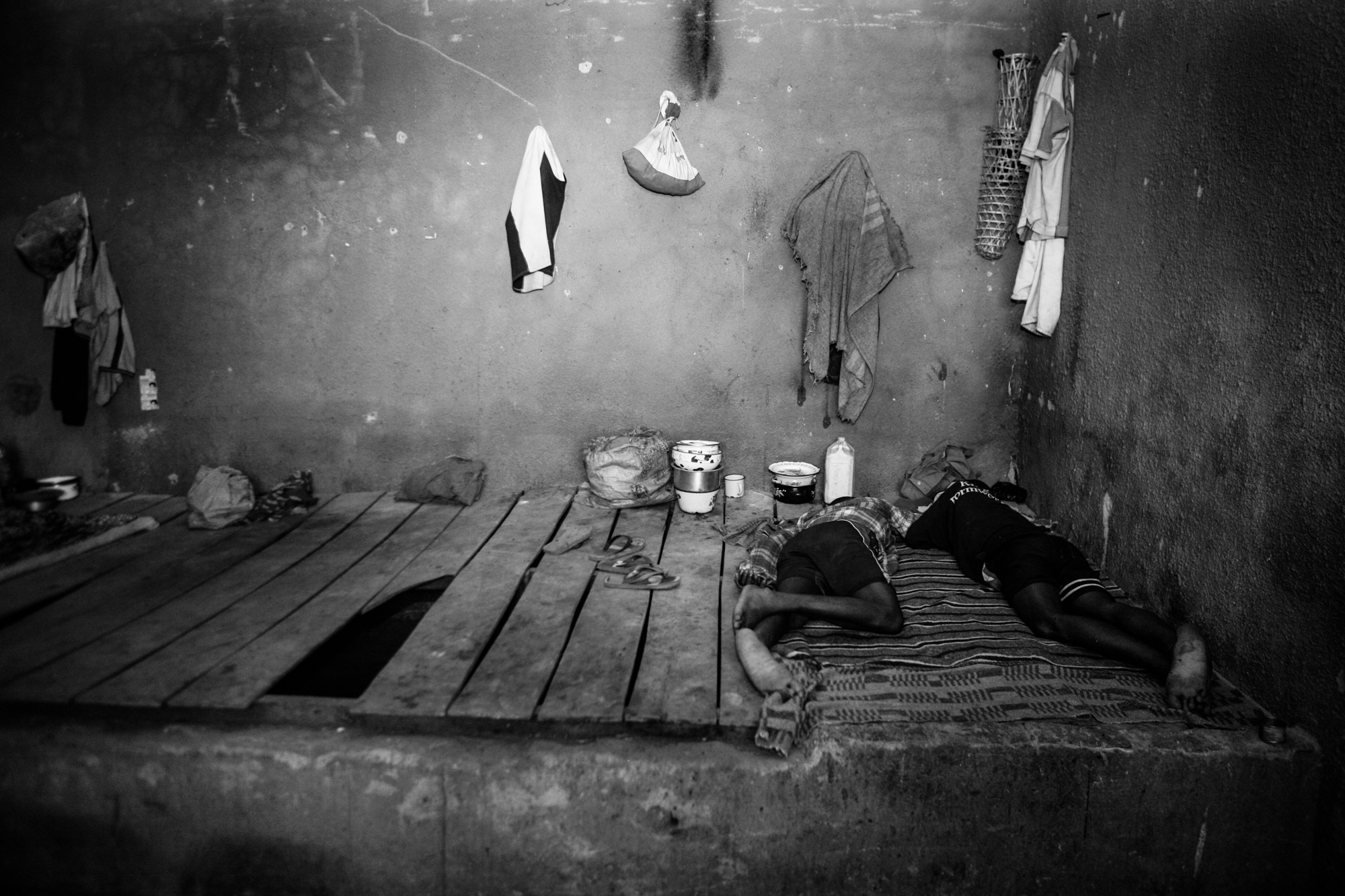
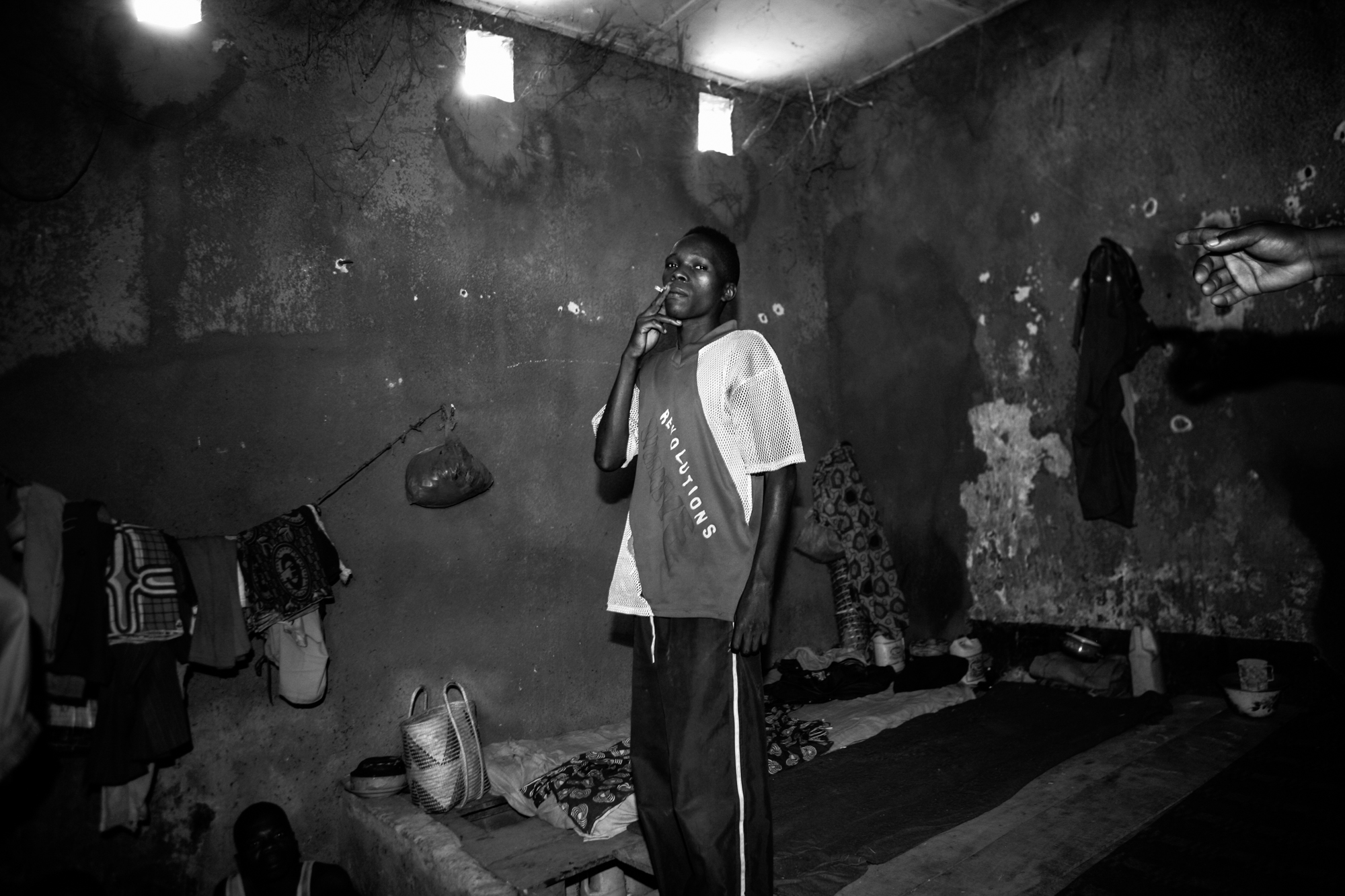
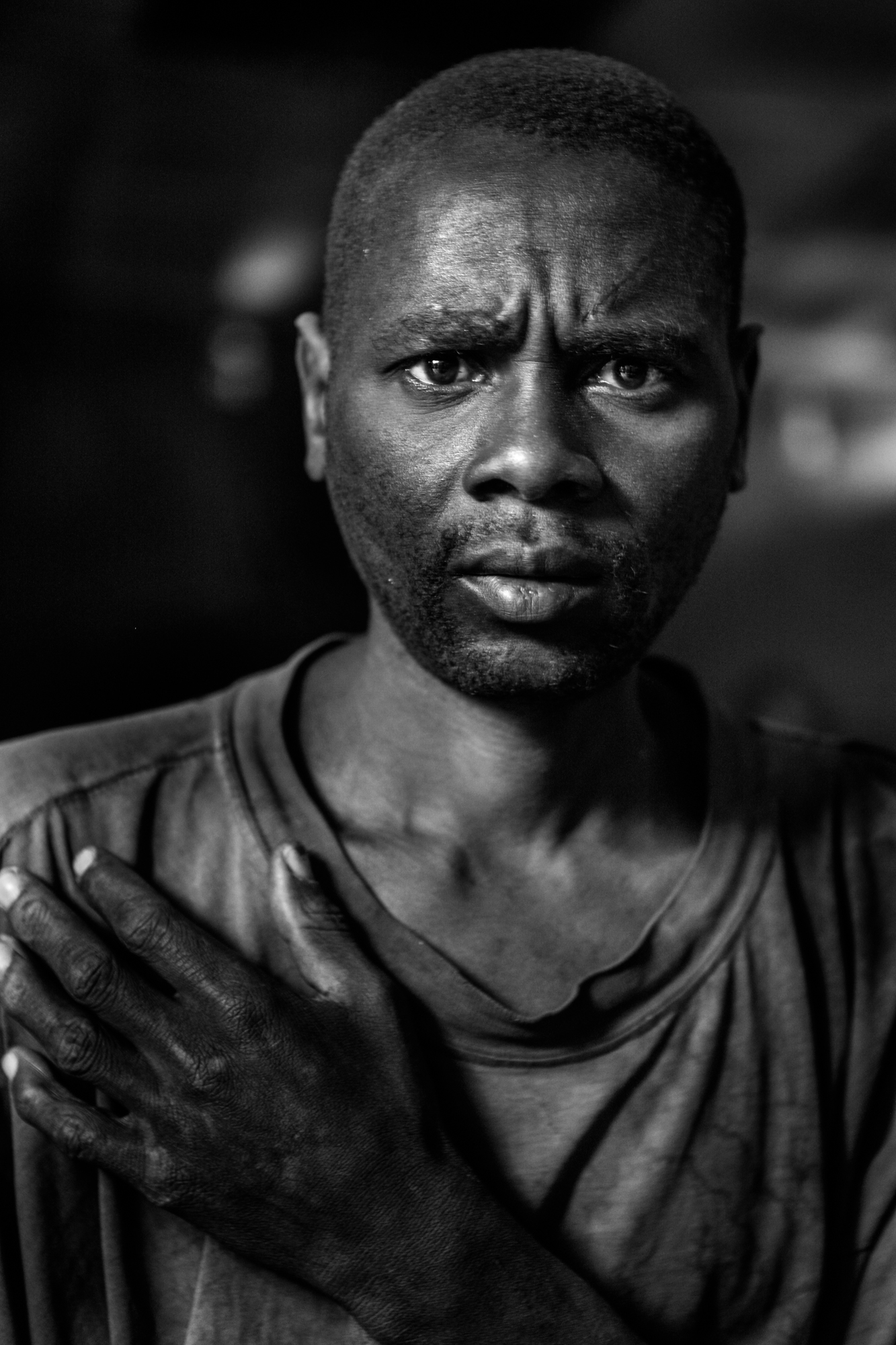
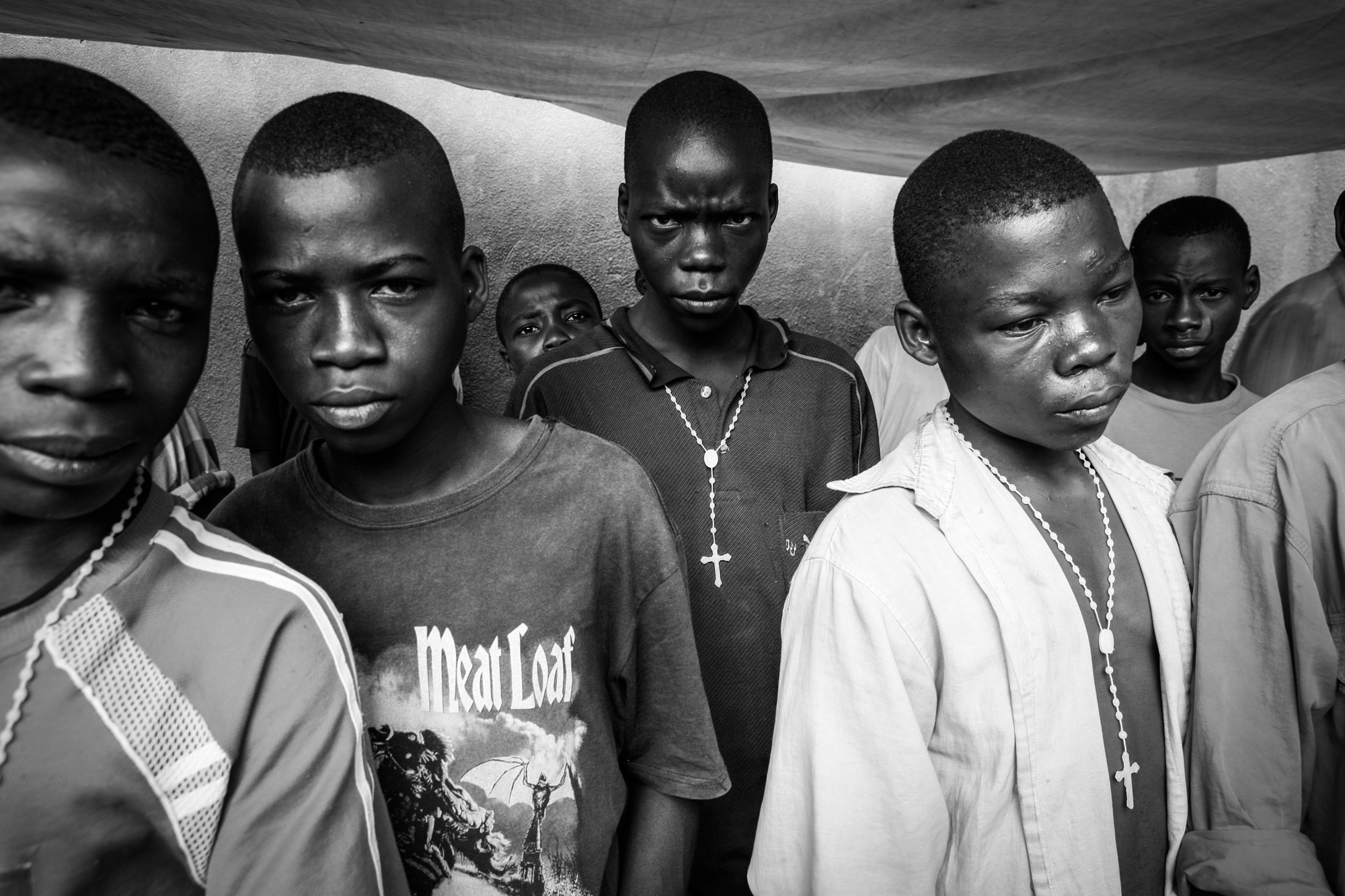
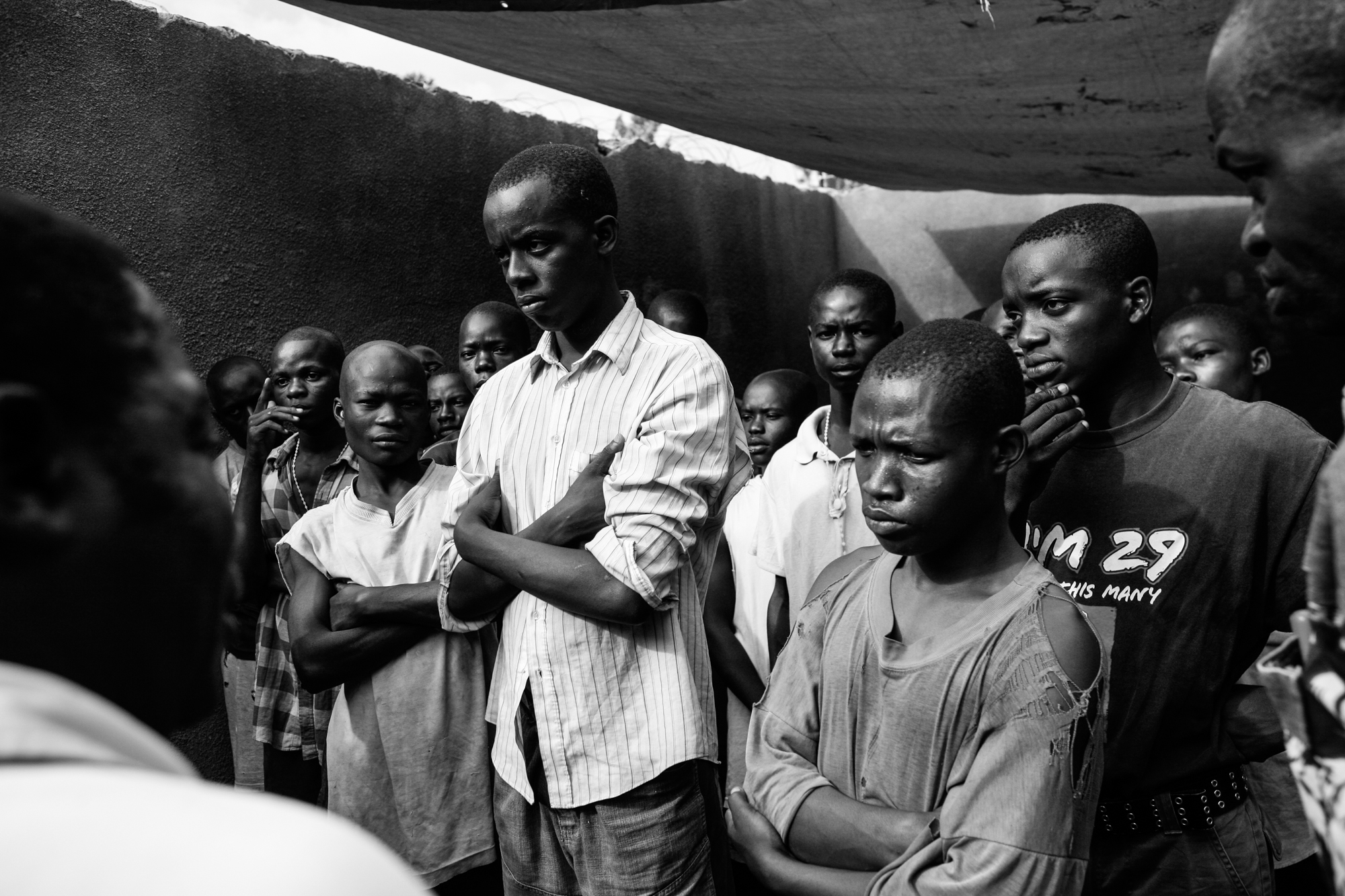
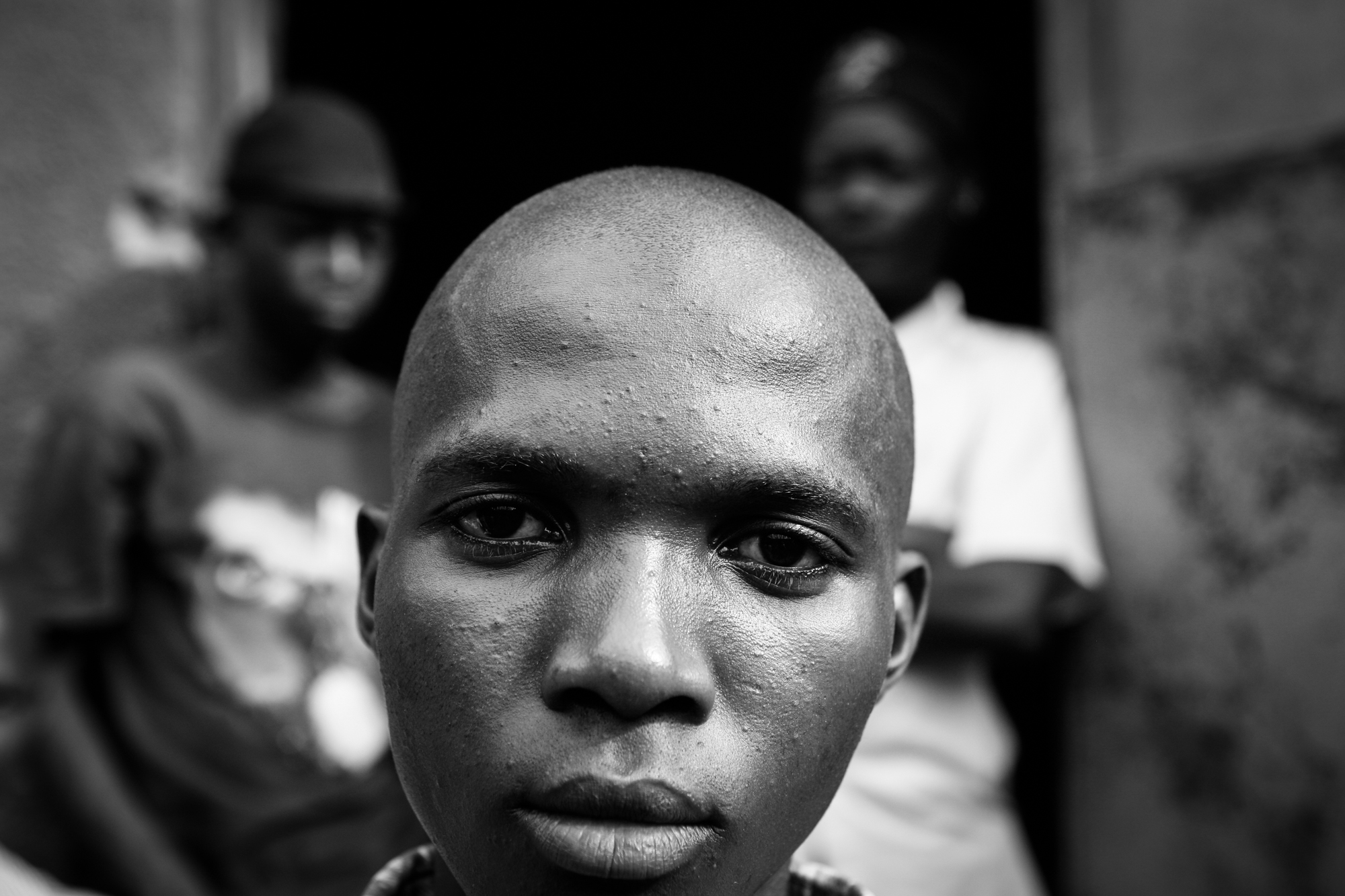
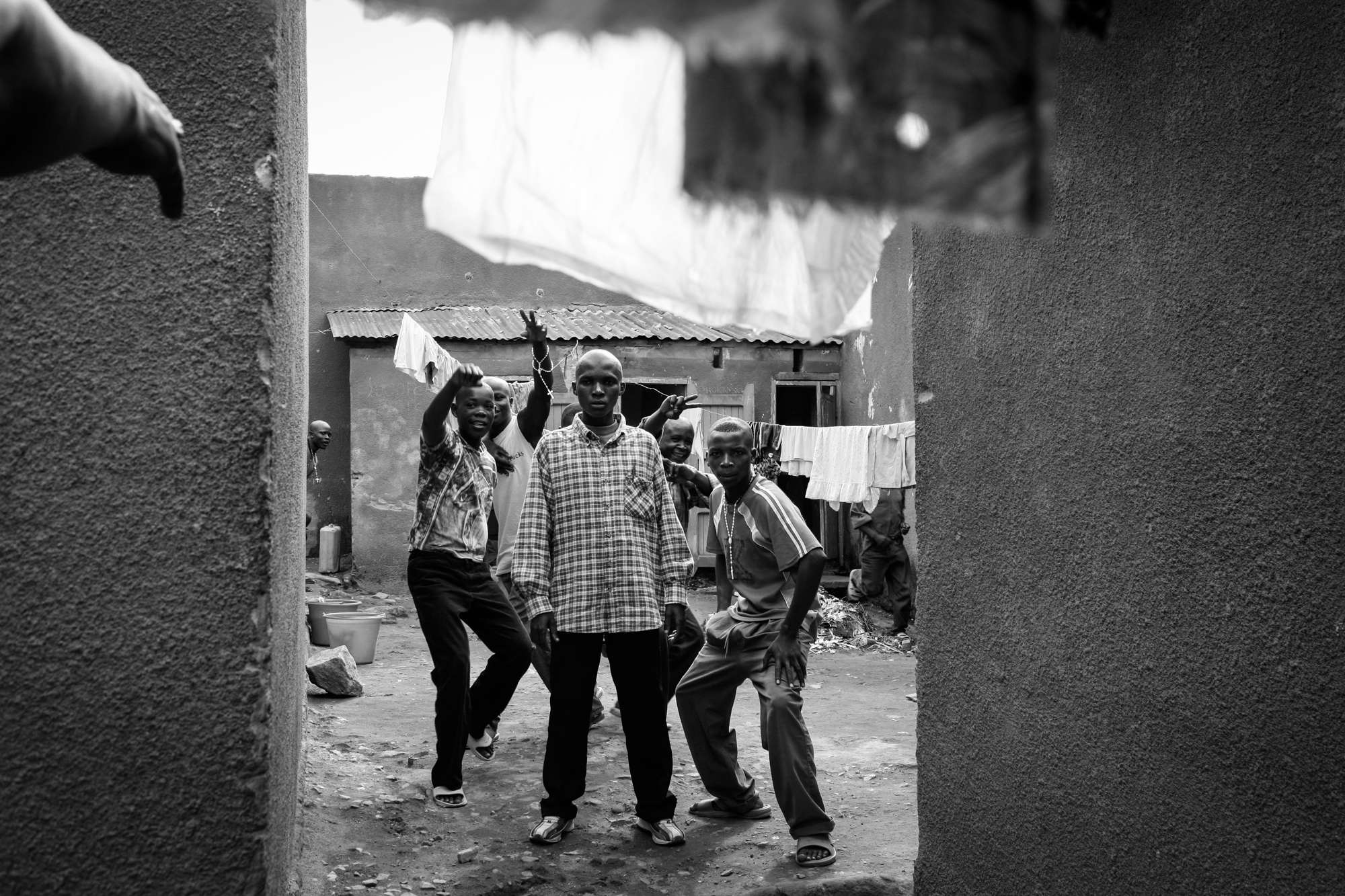
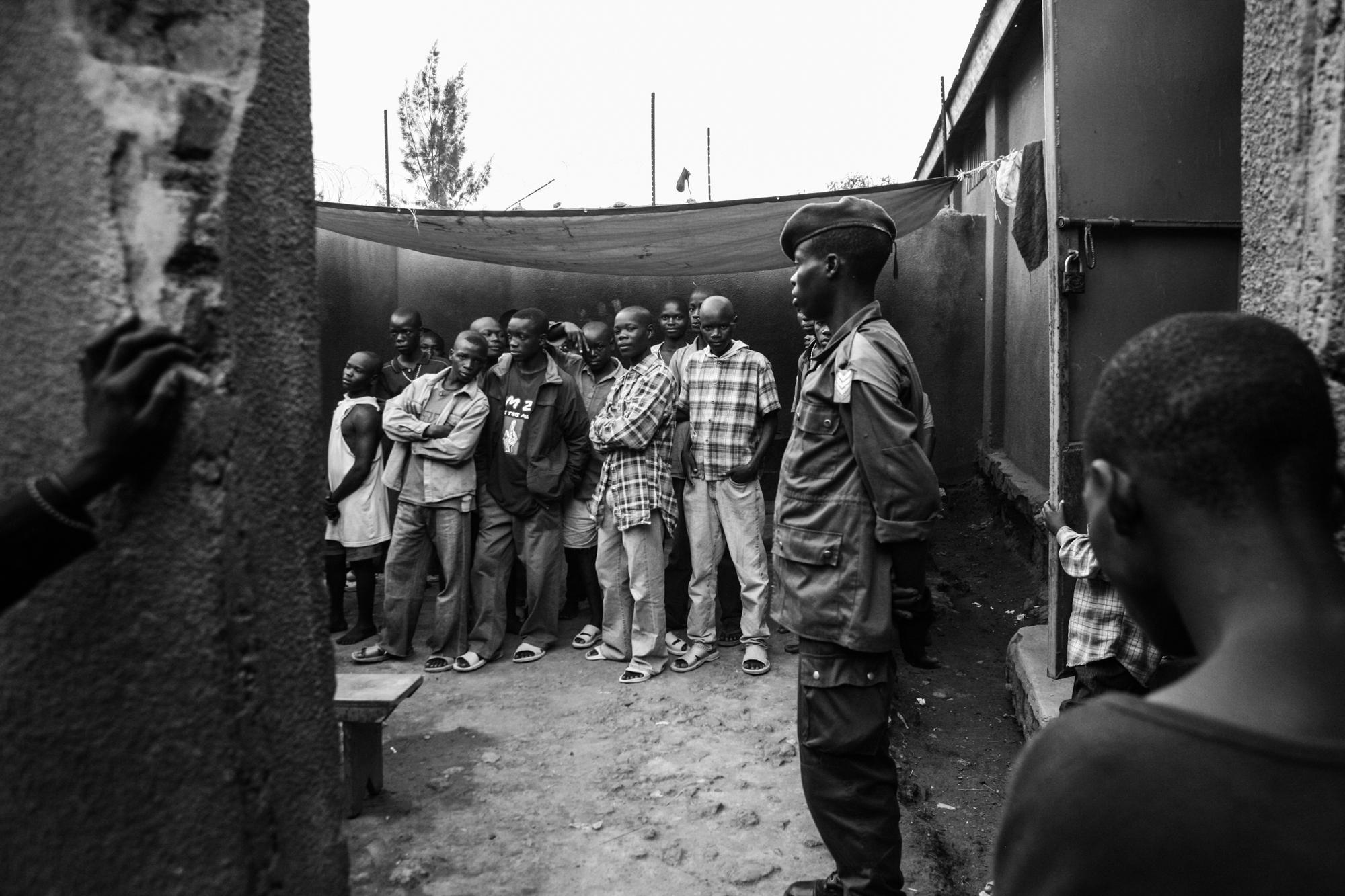
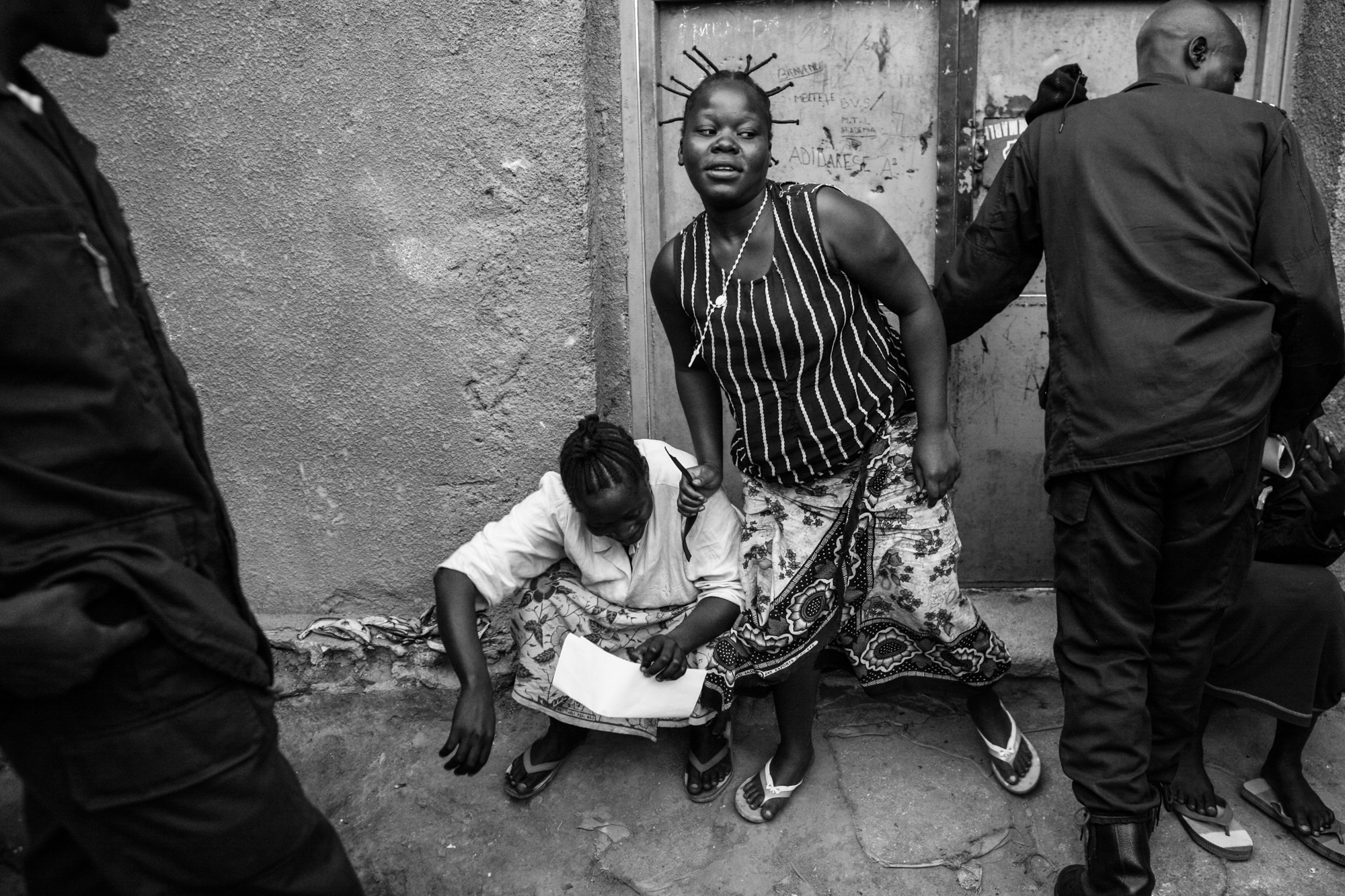
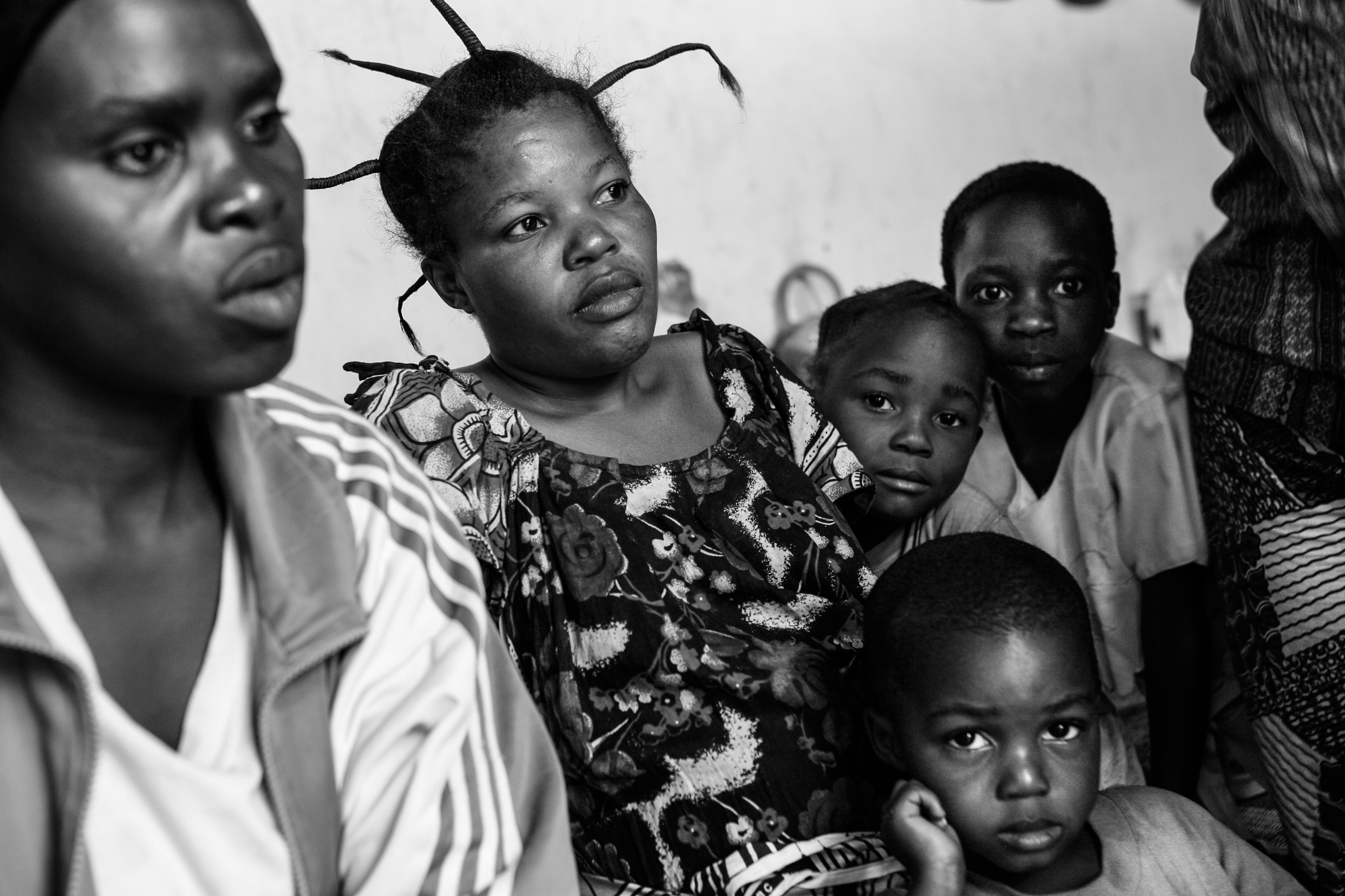
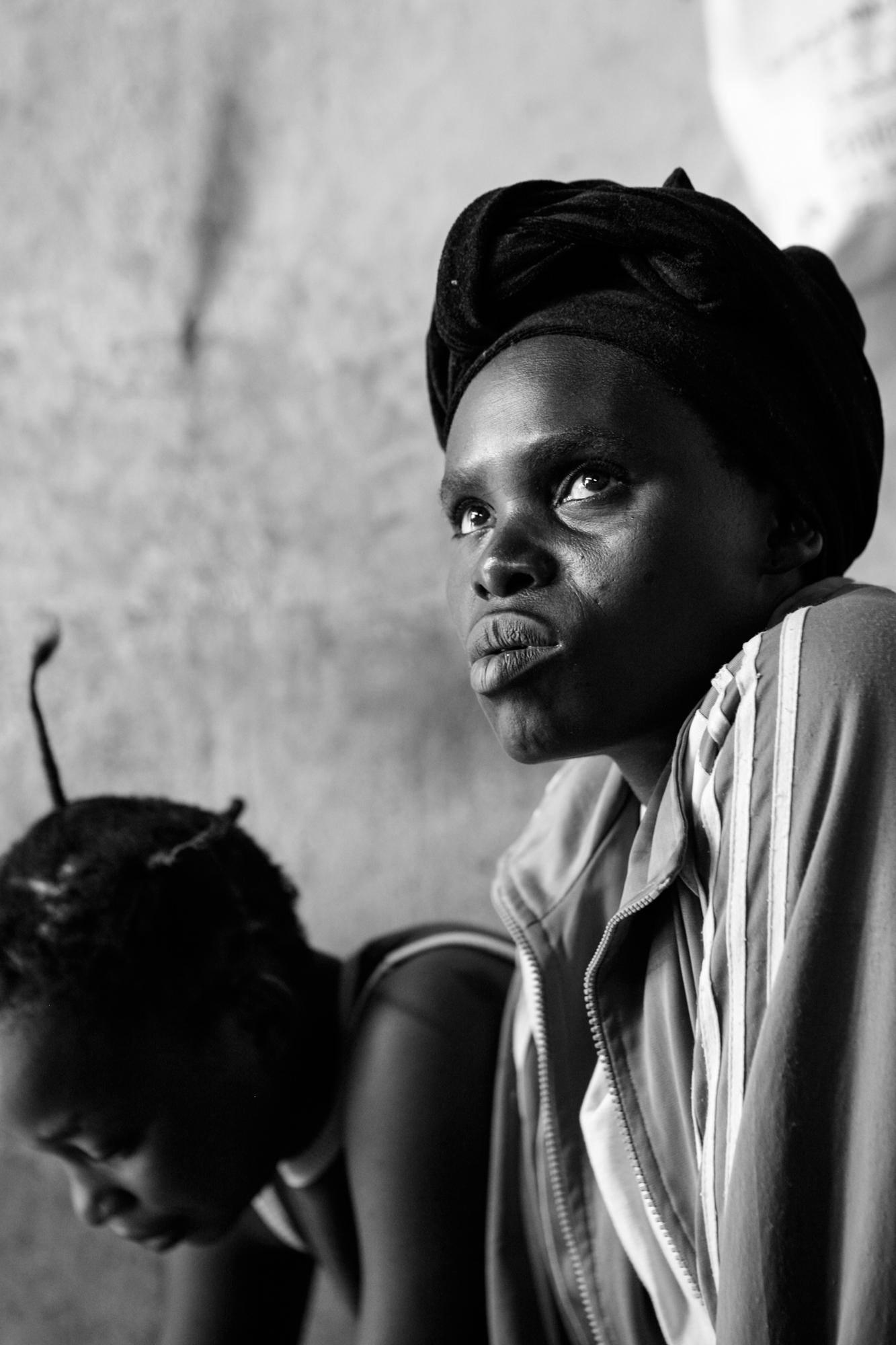
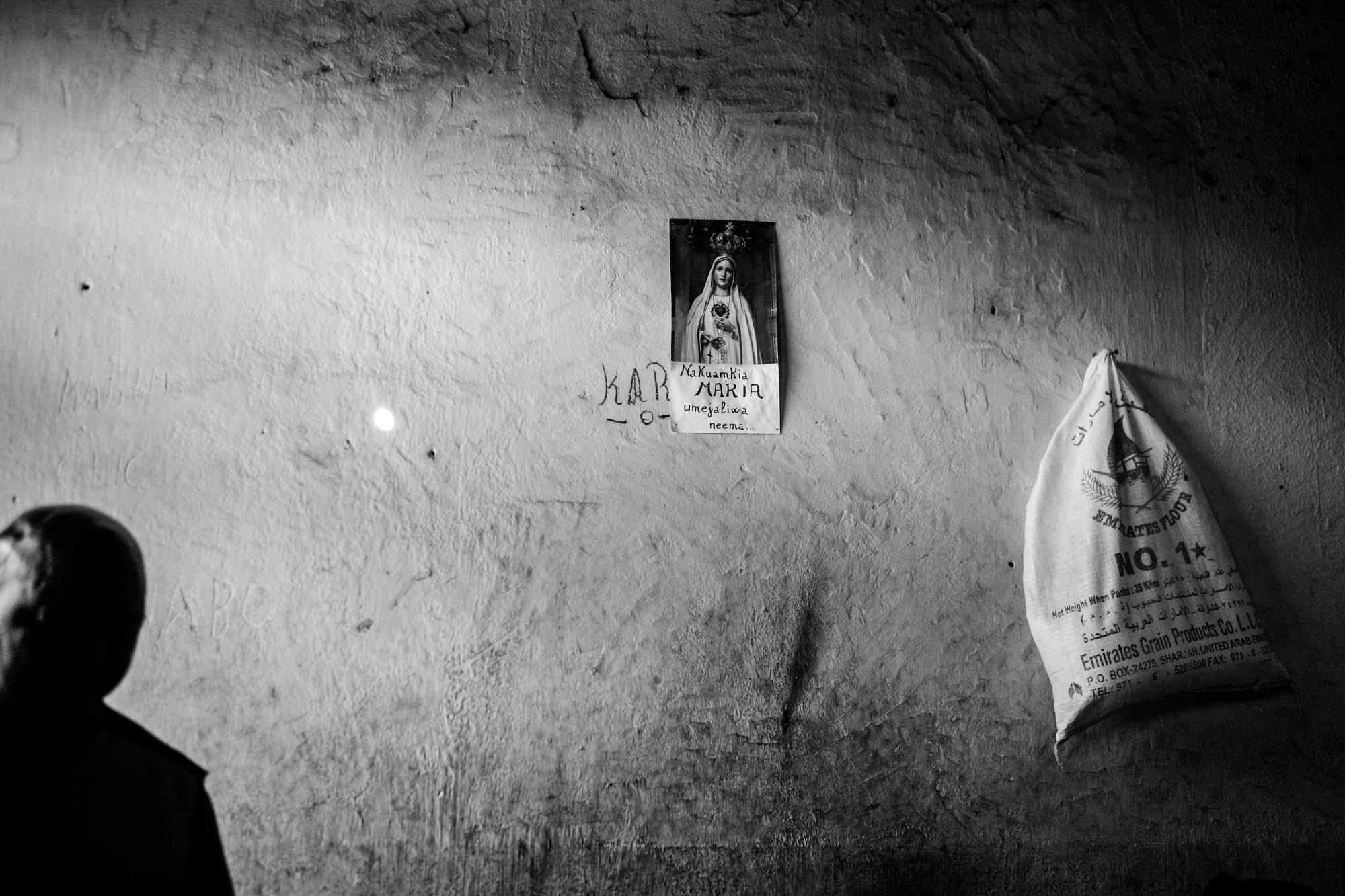
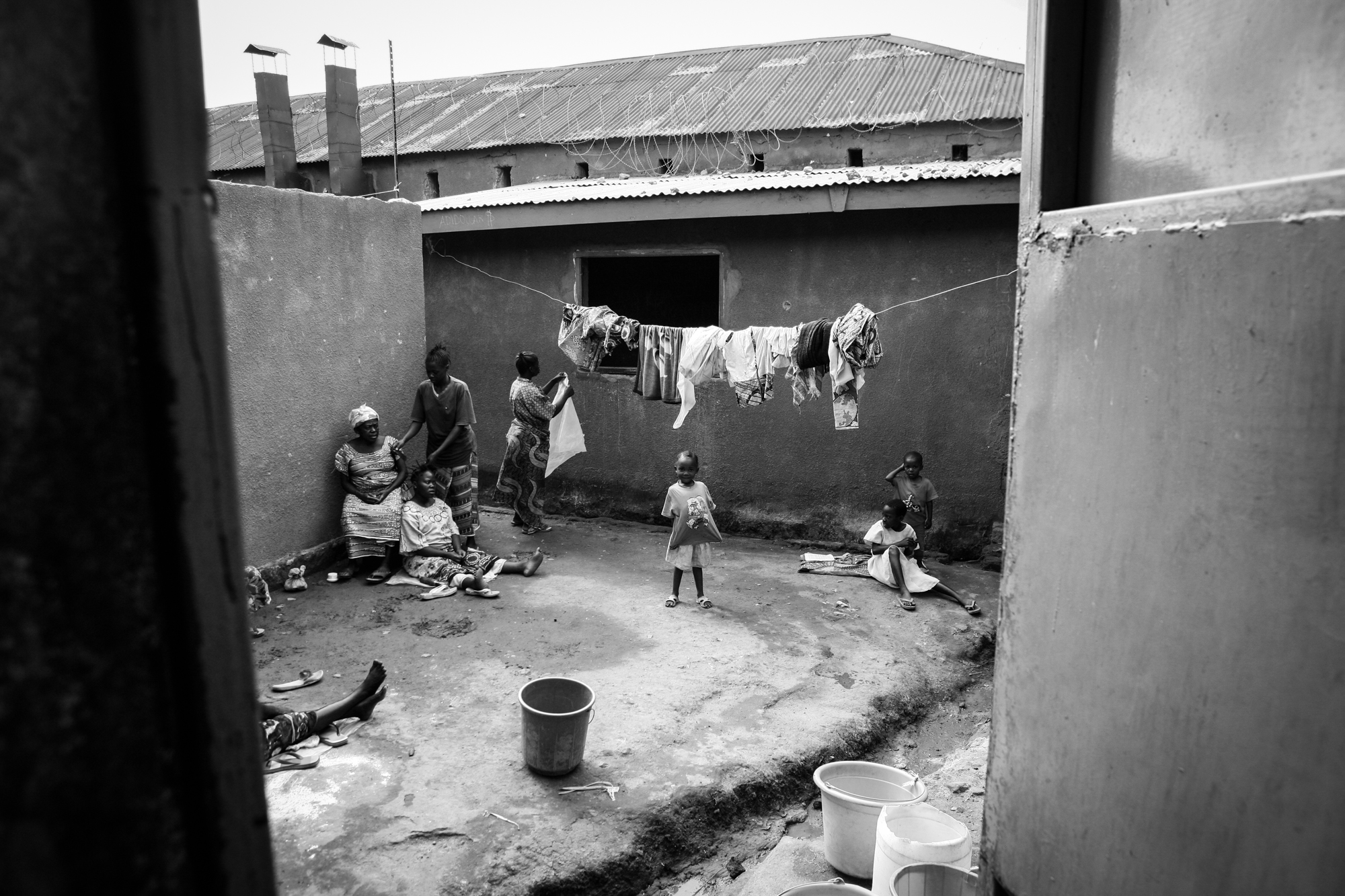
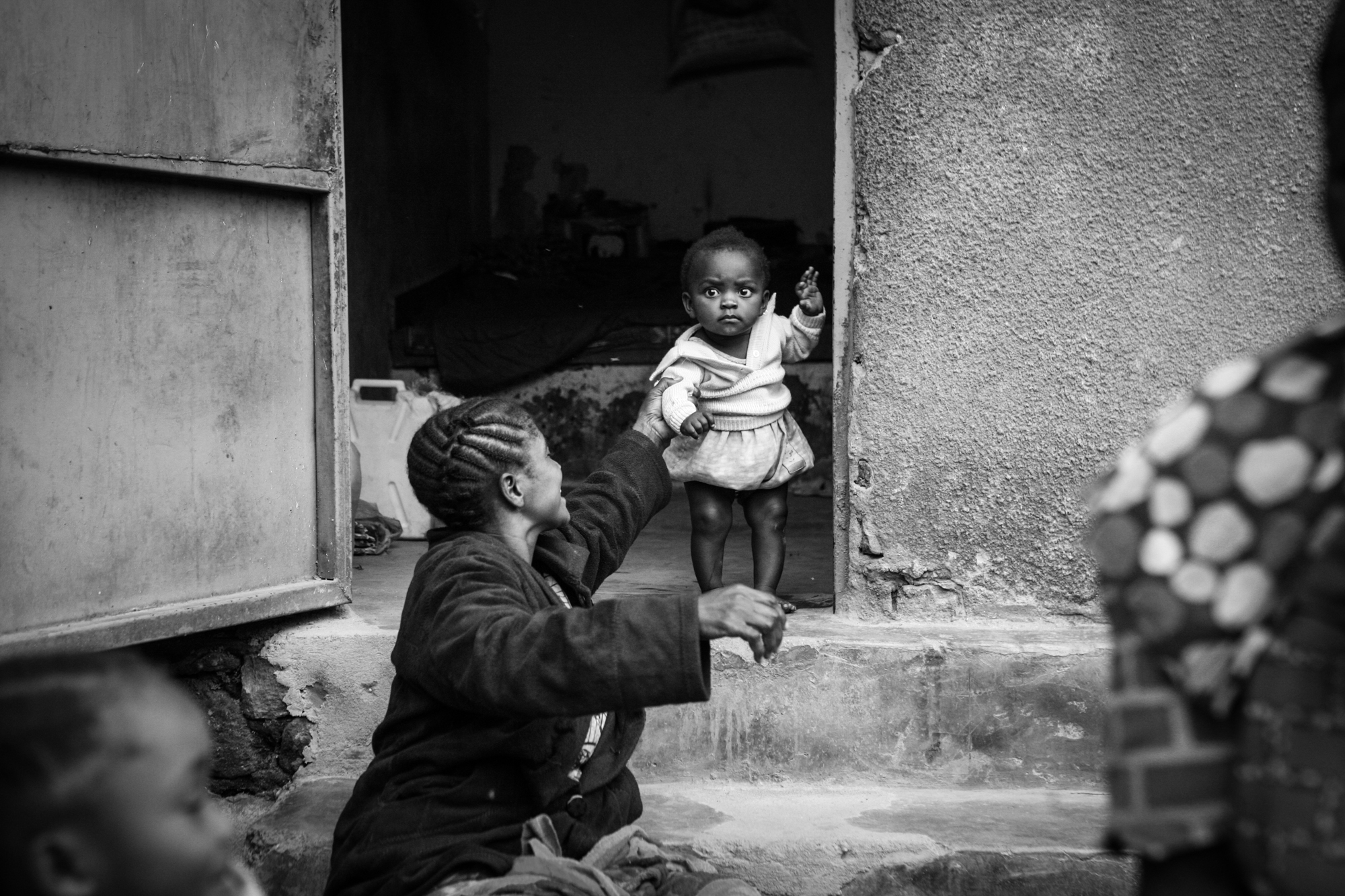
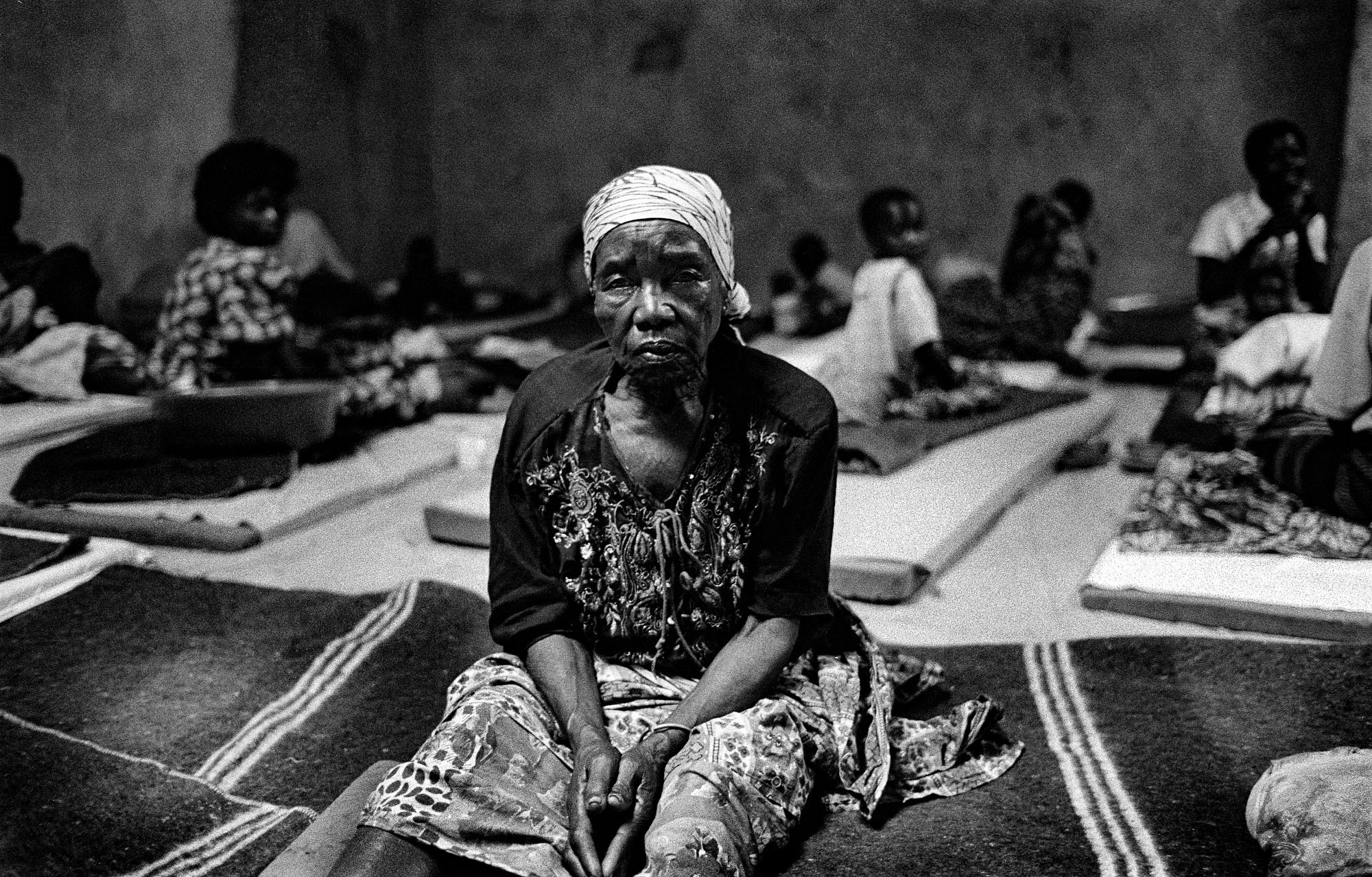
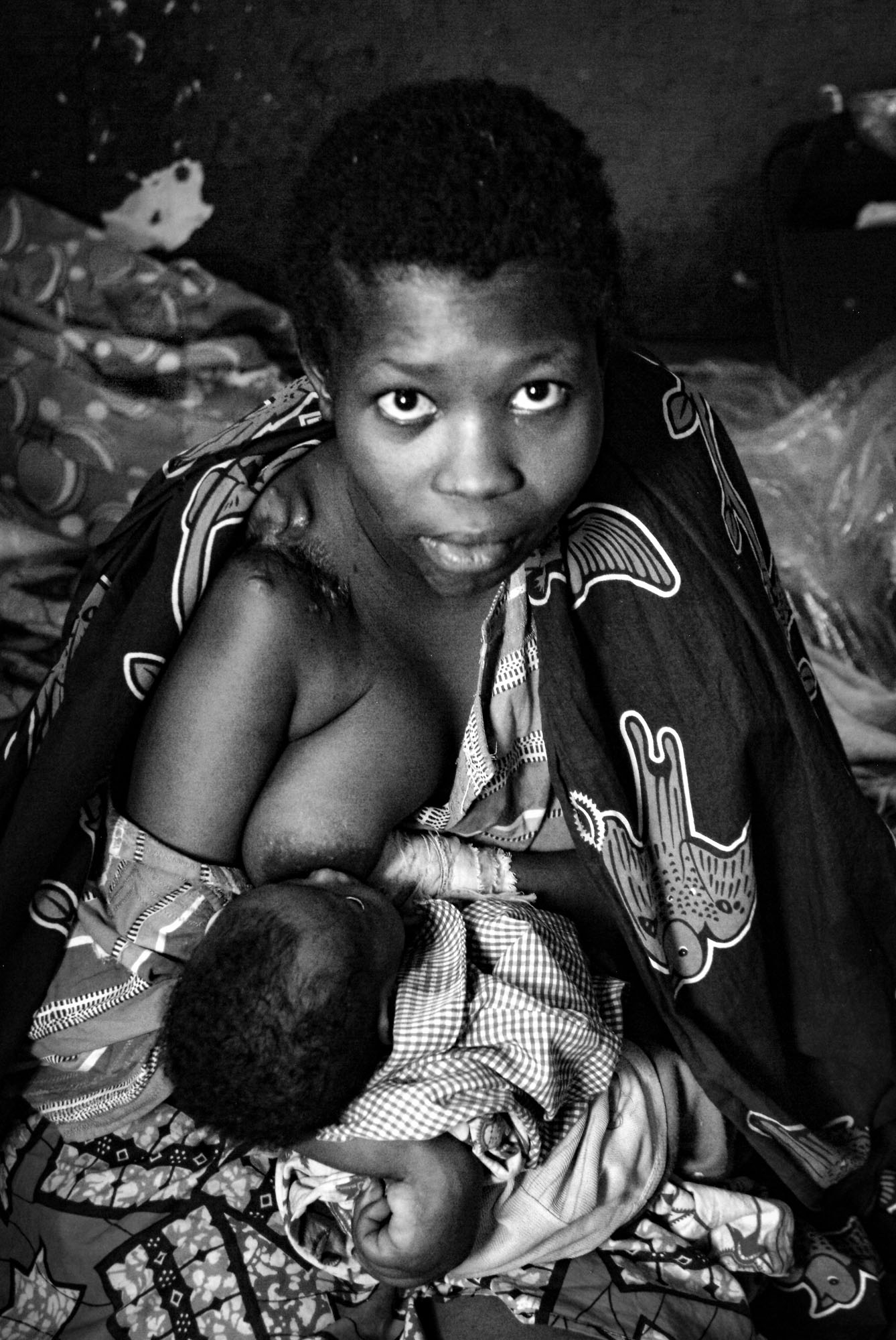
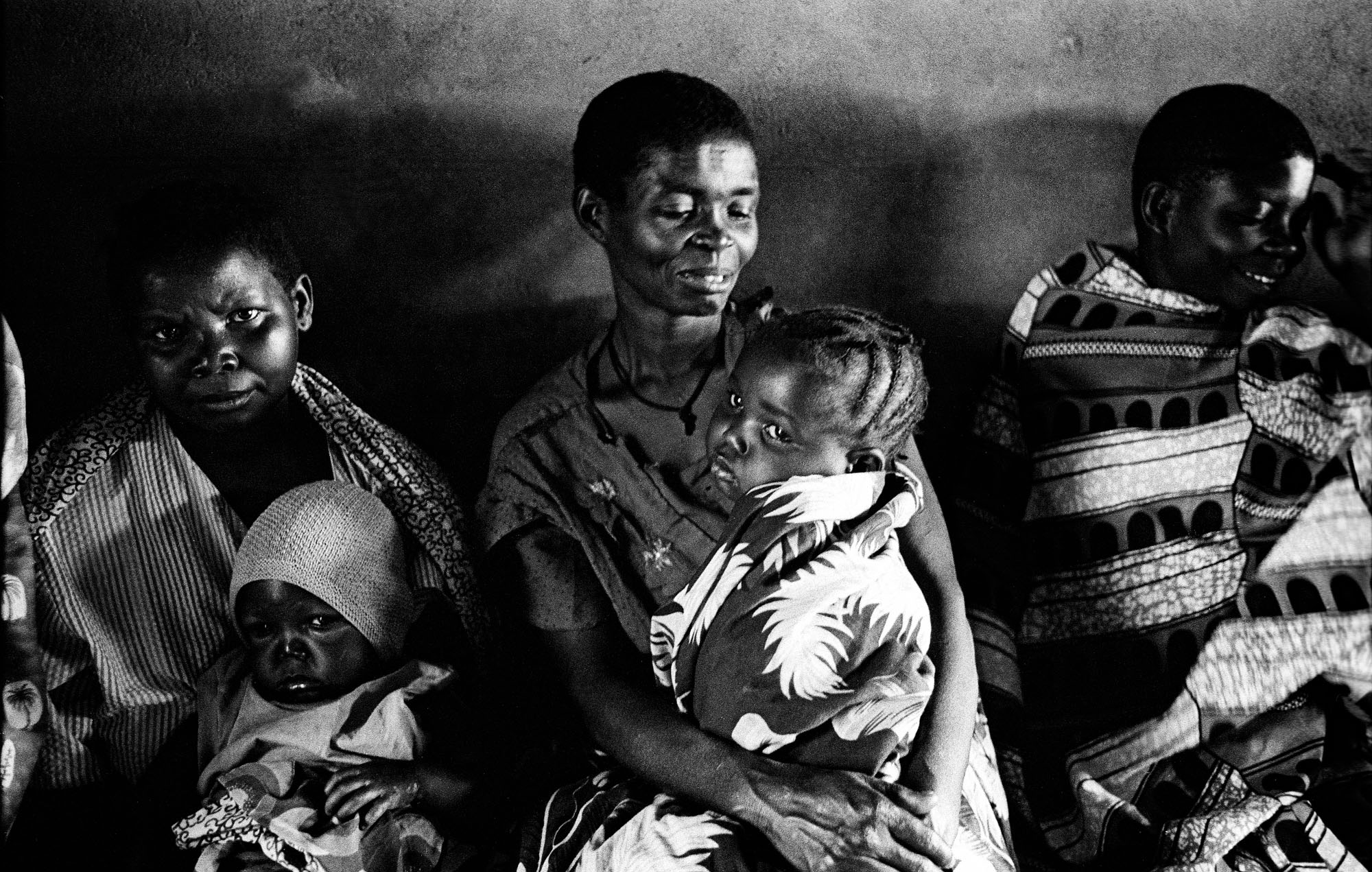
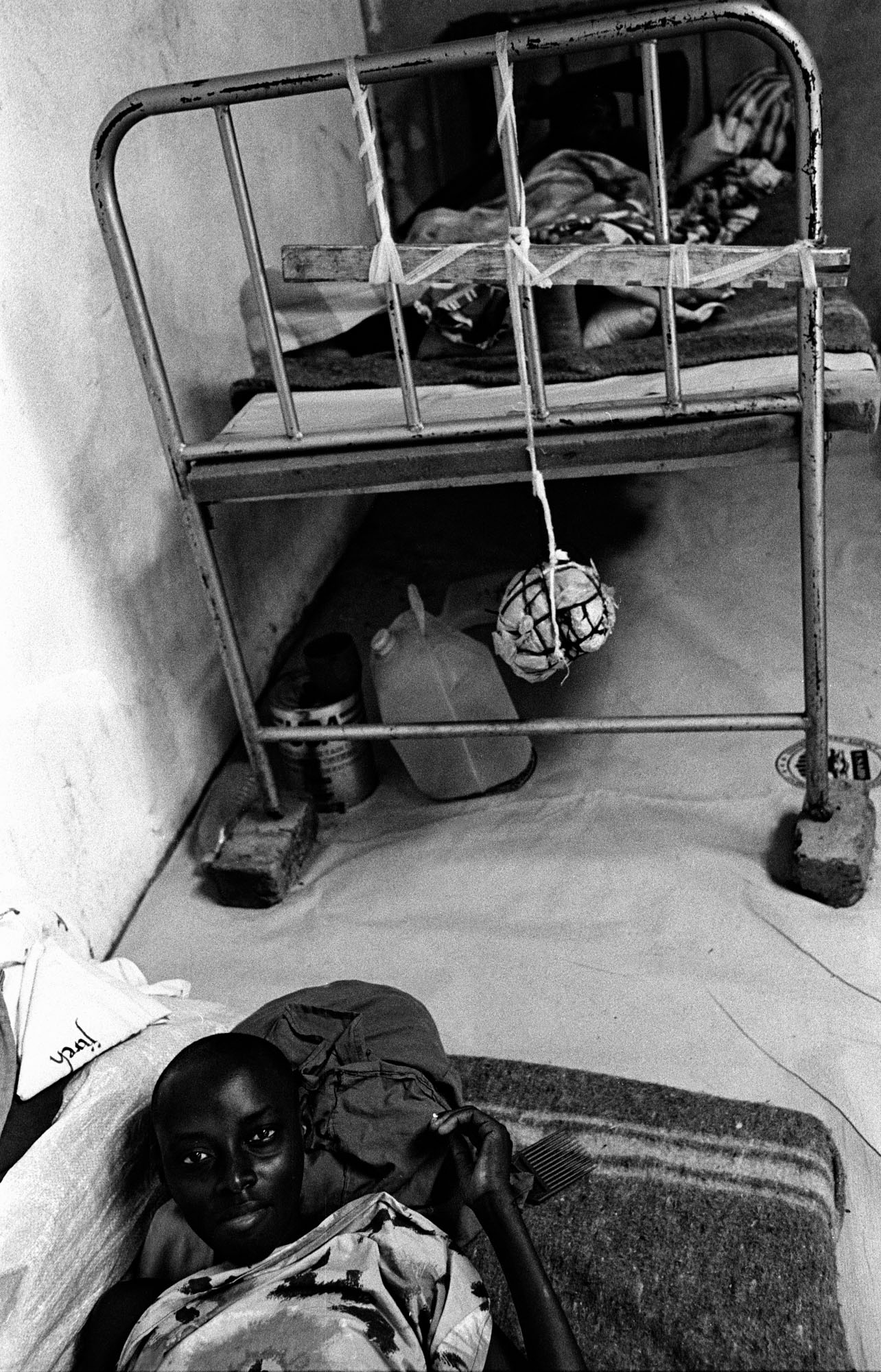
BUNIA PRISON IN ITURI (DRC)
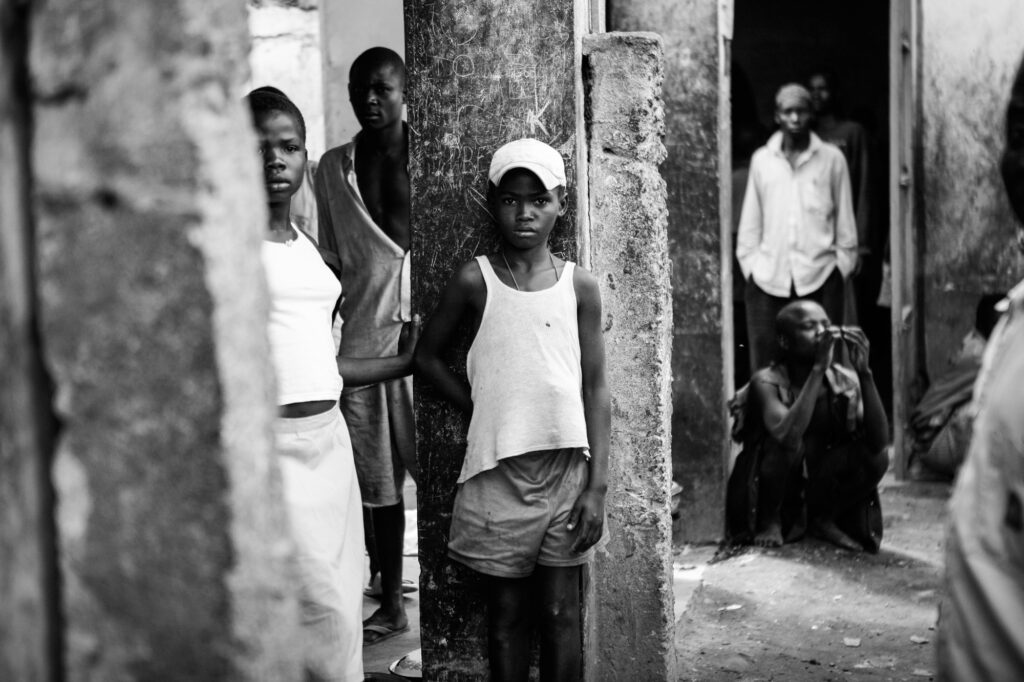
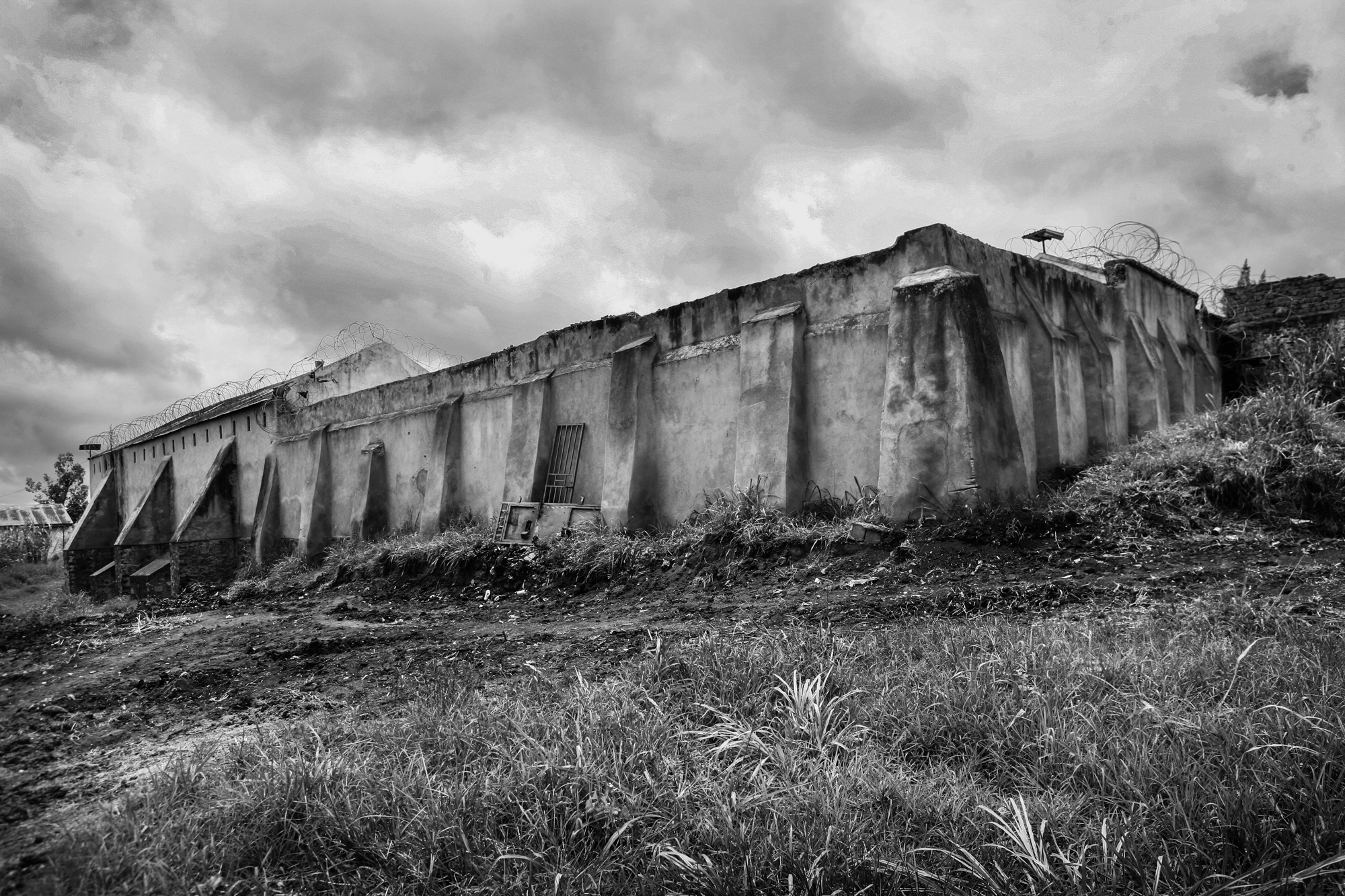
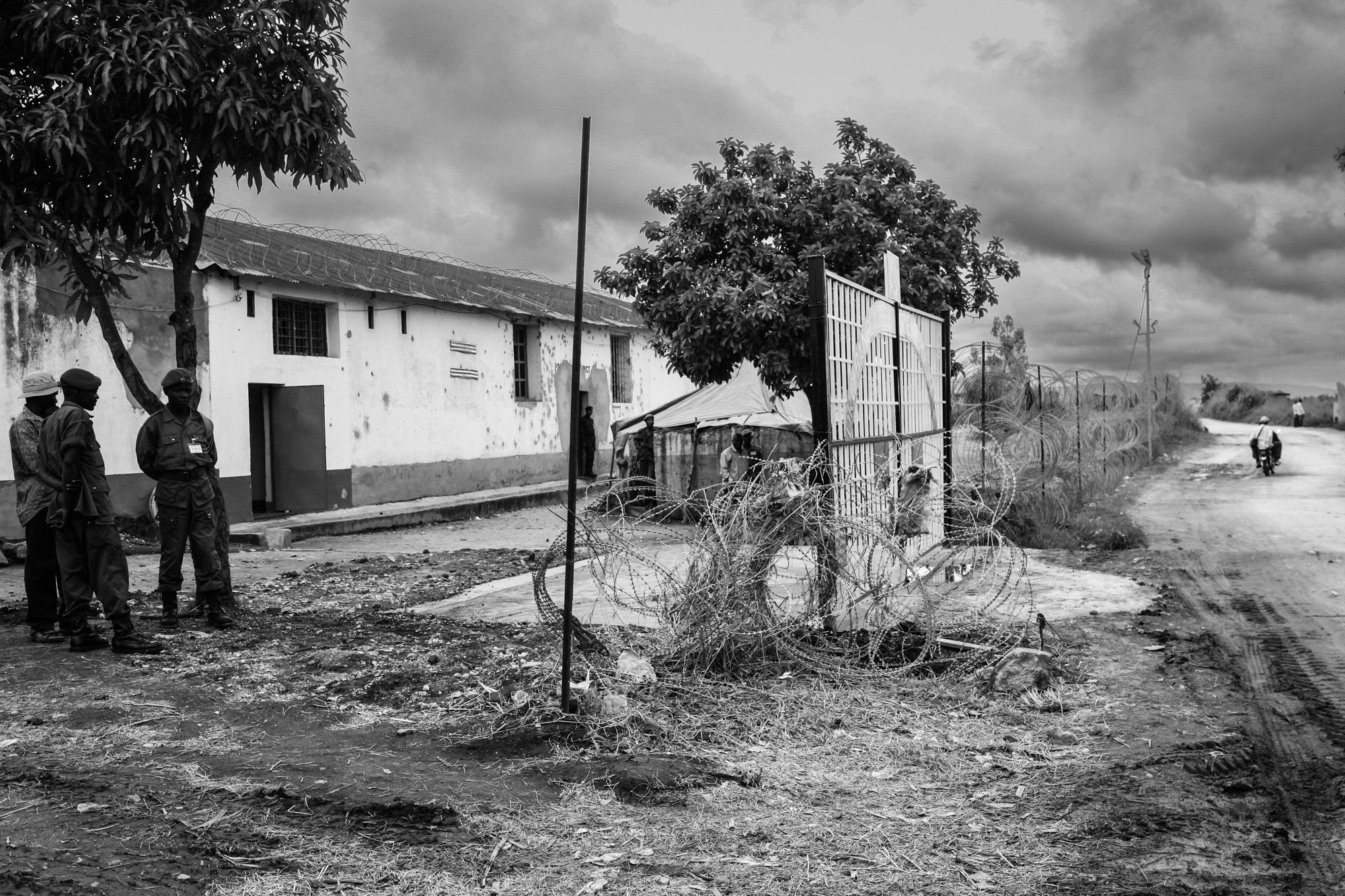
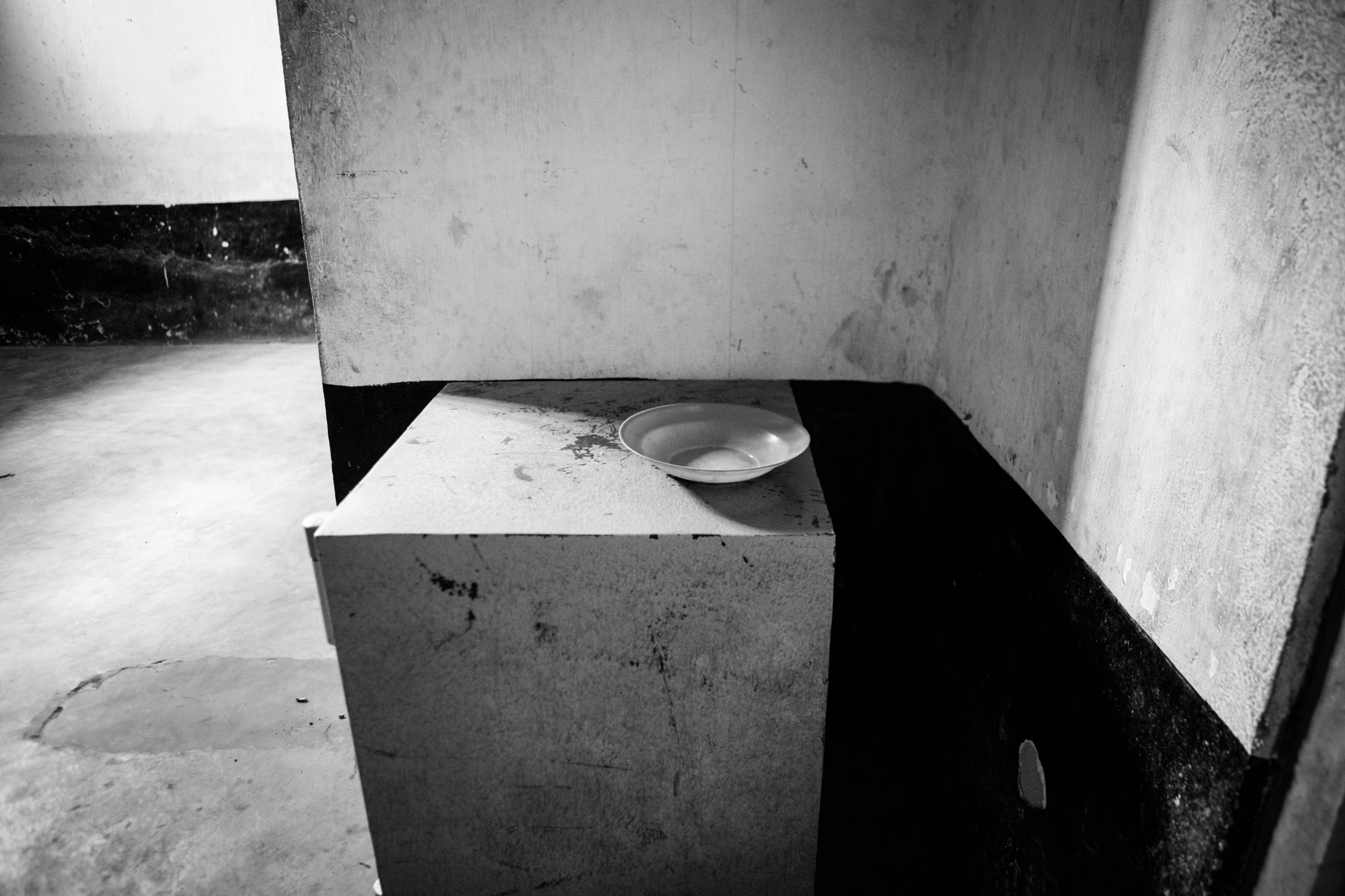
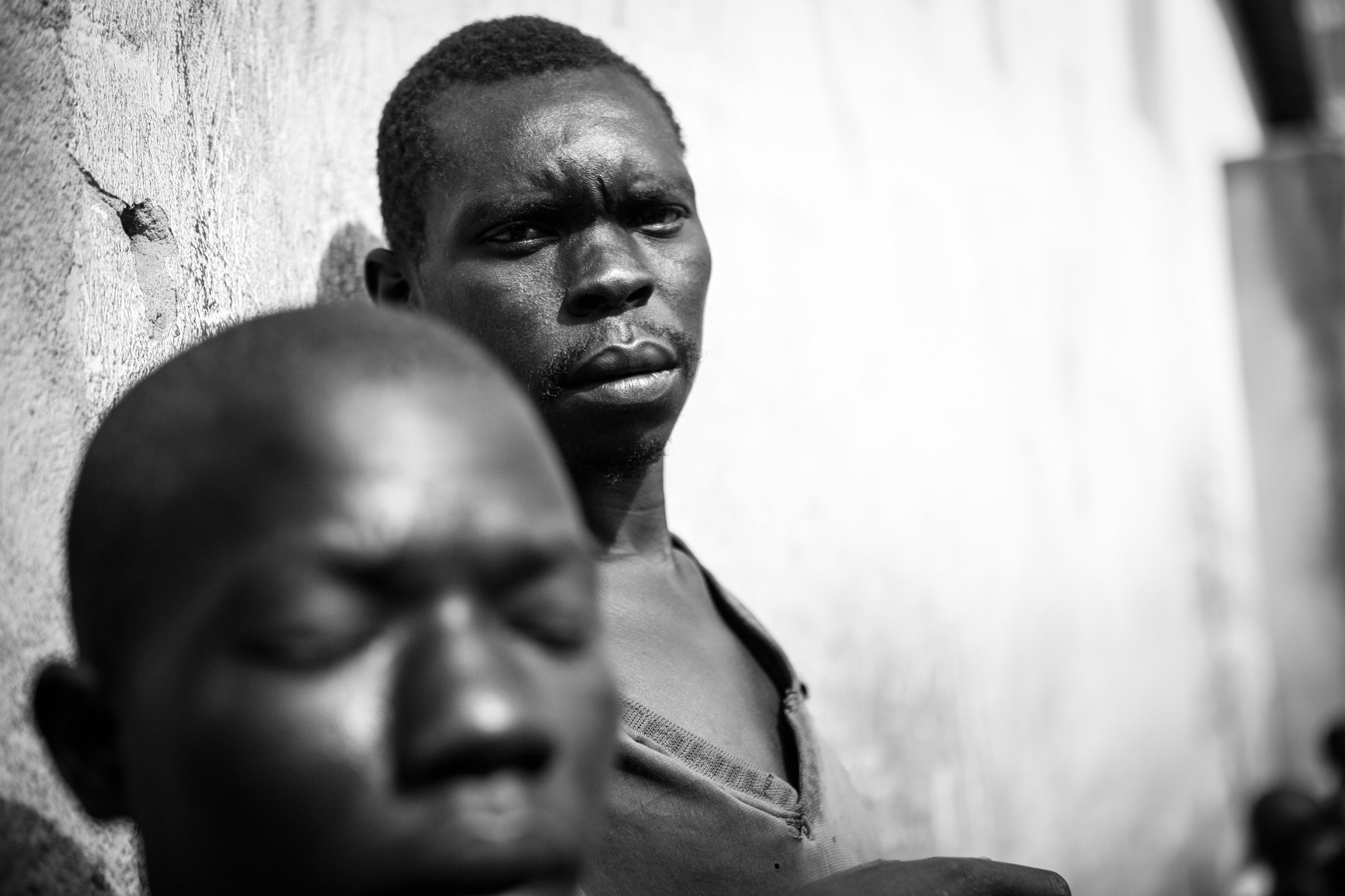
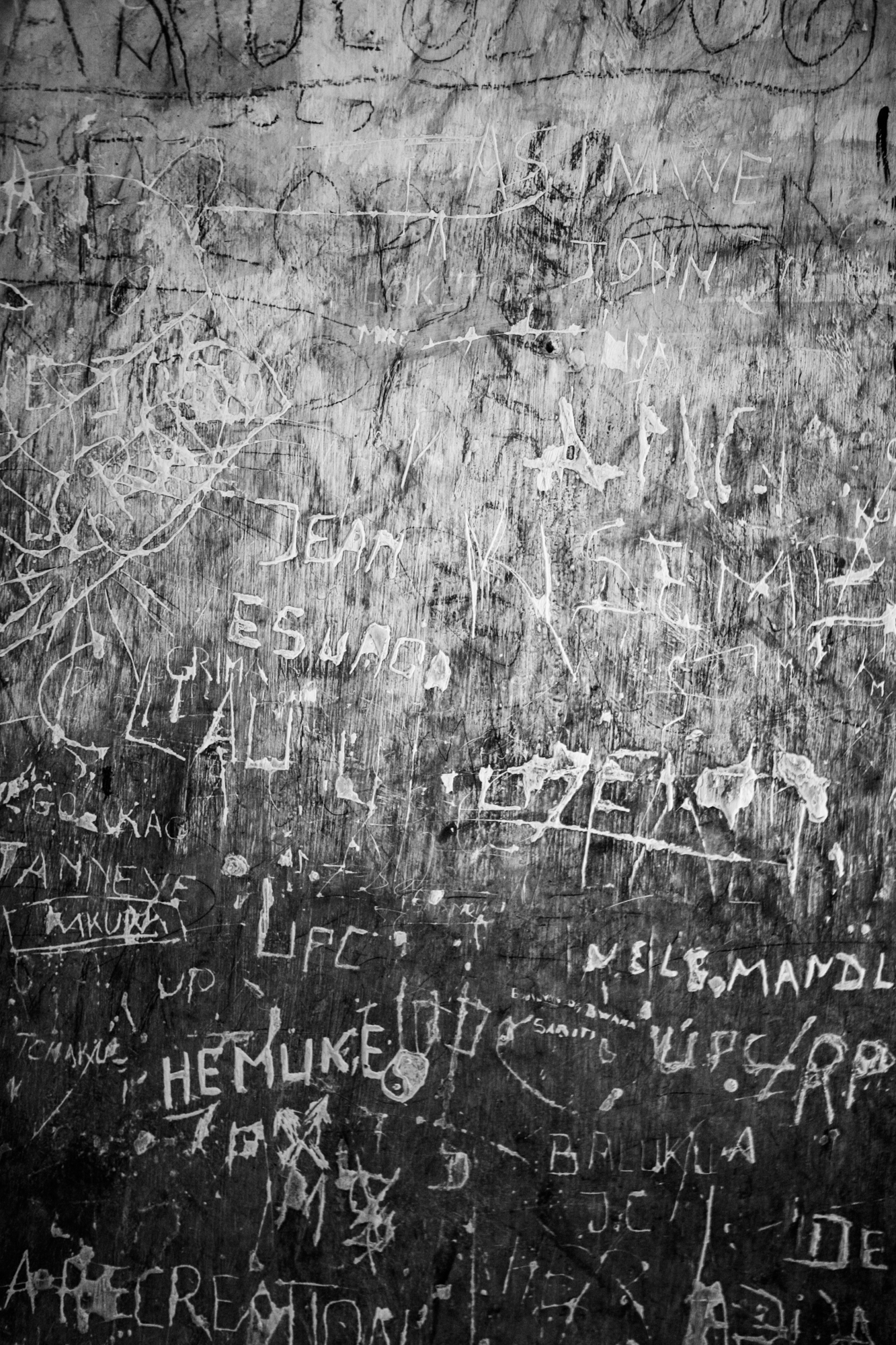
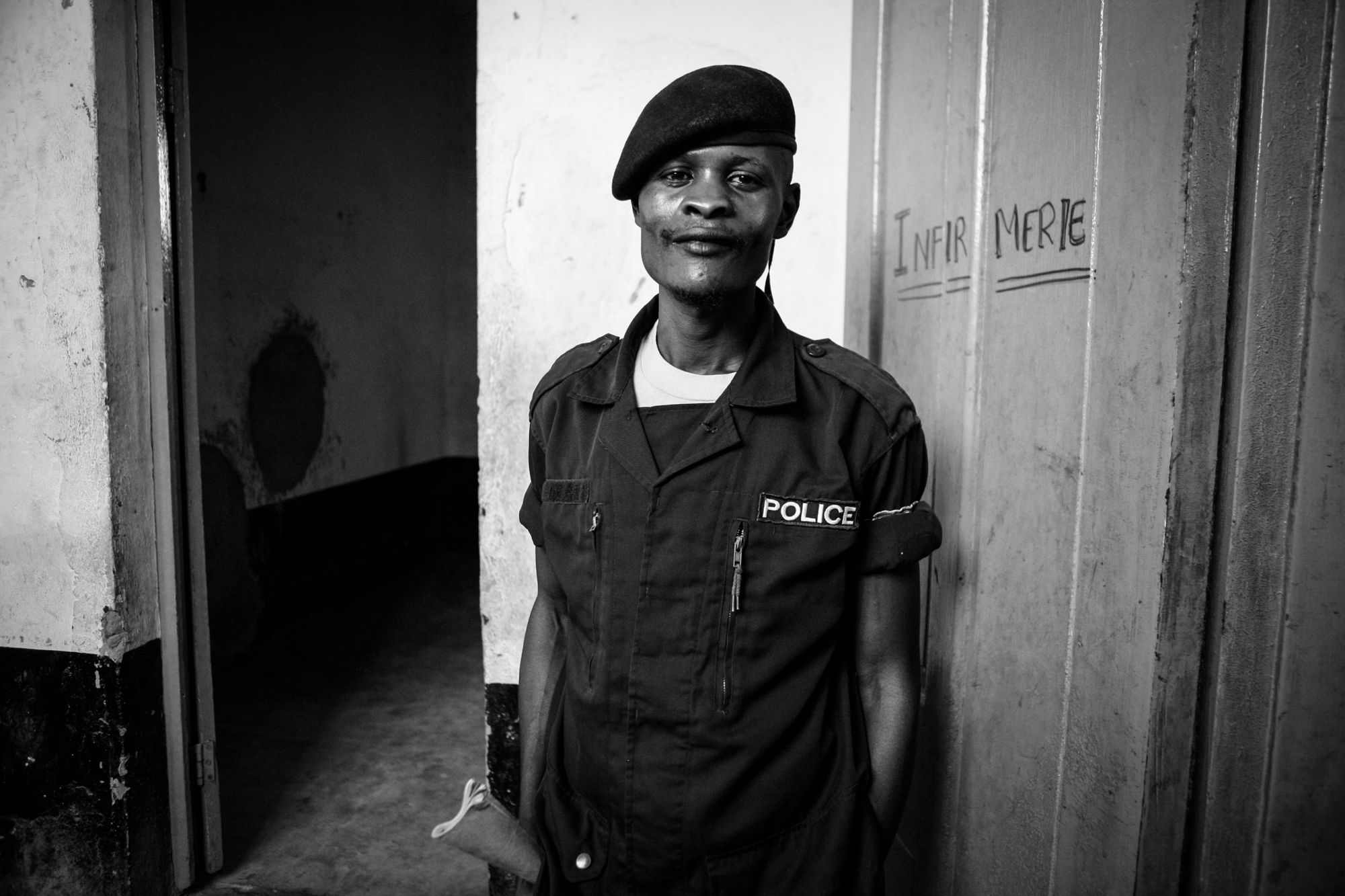
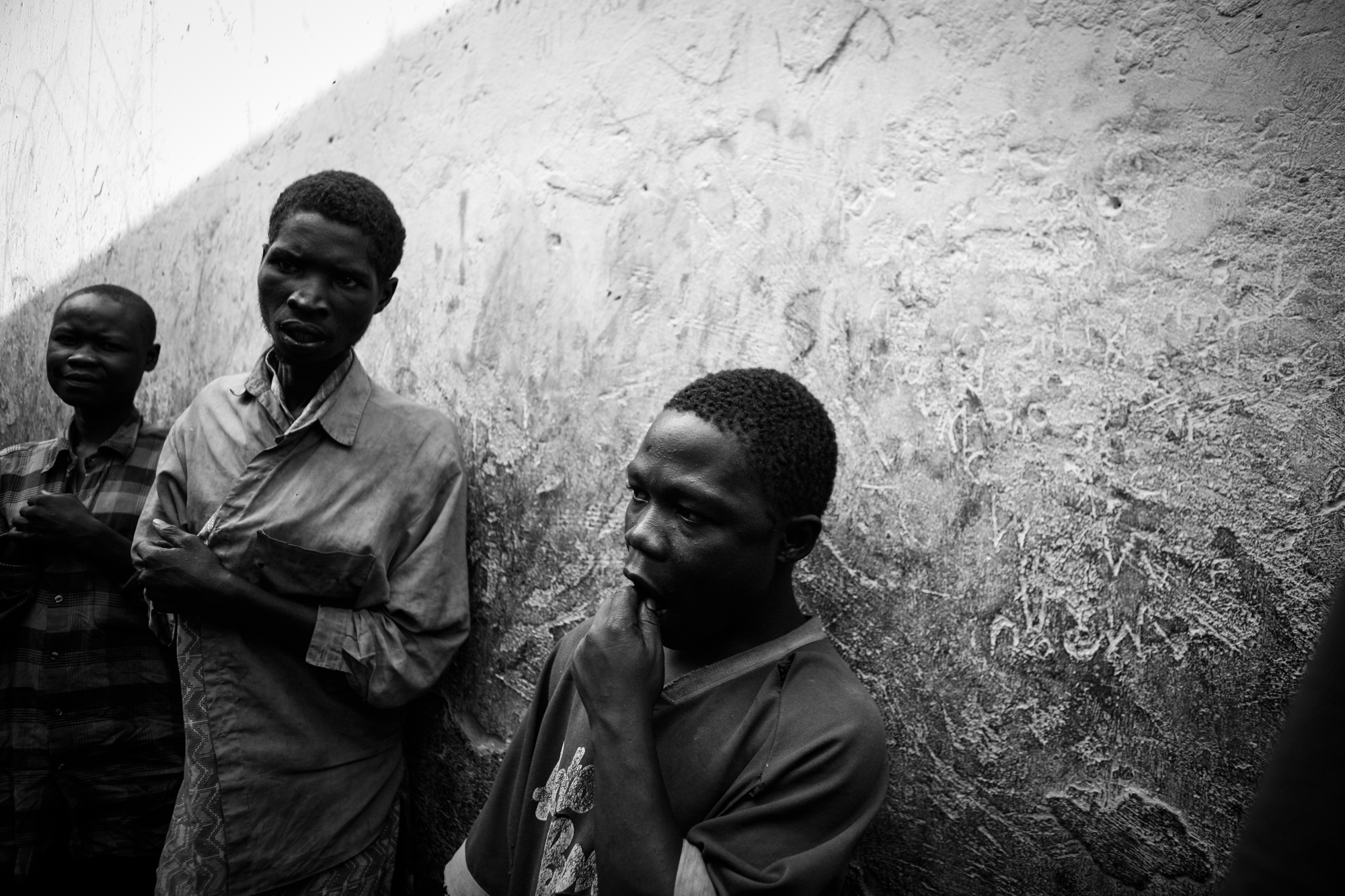
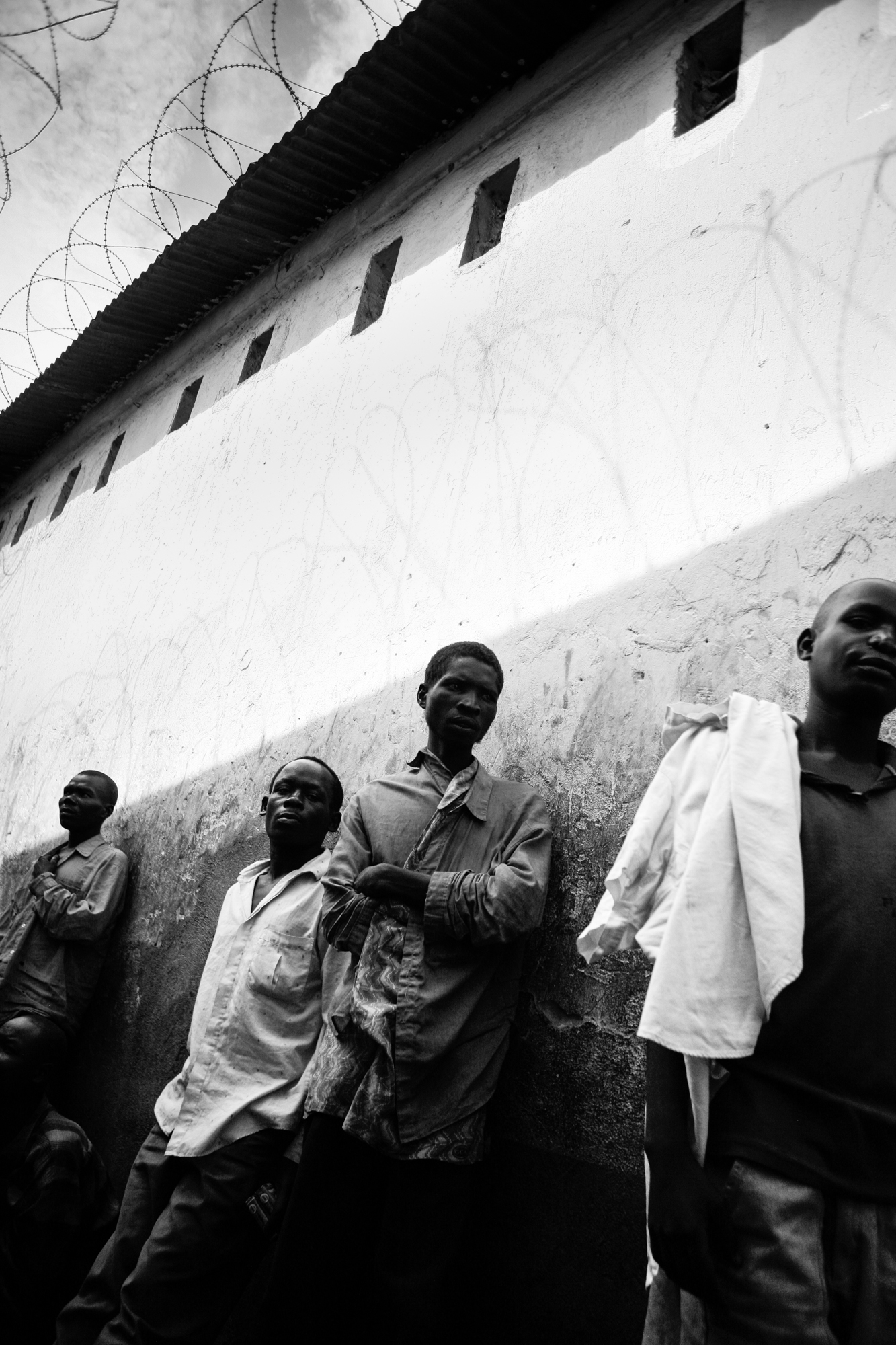
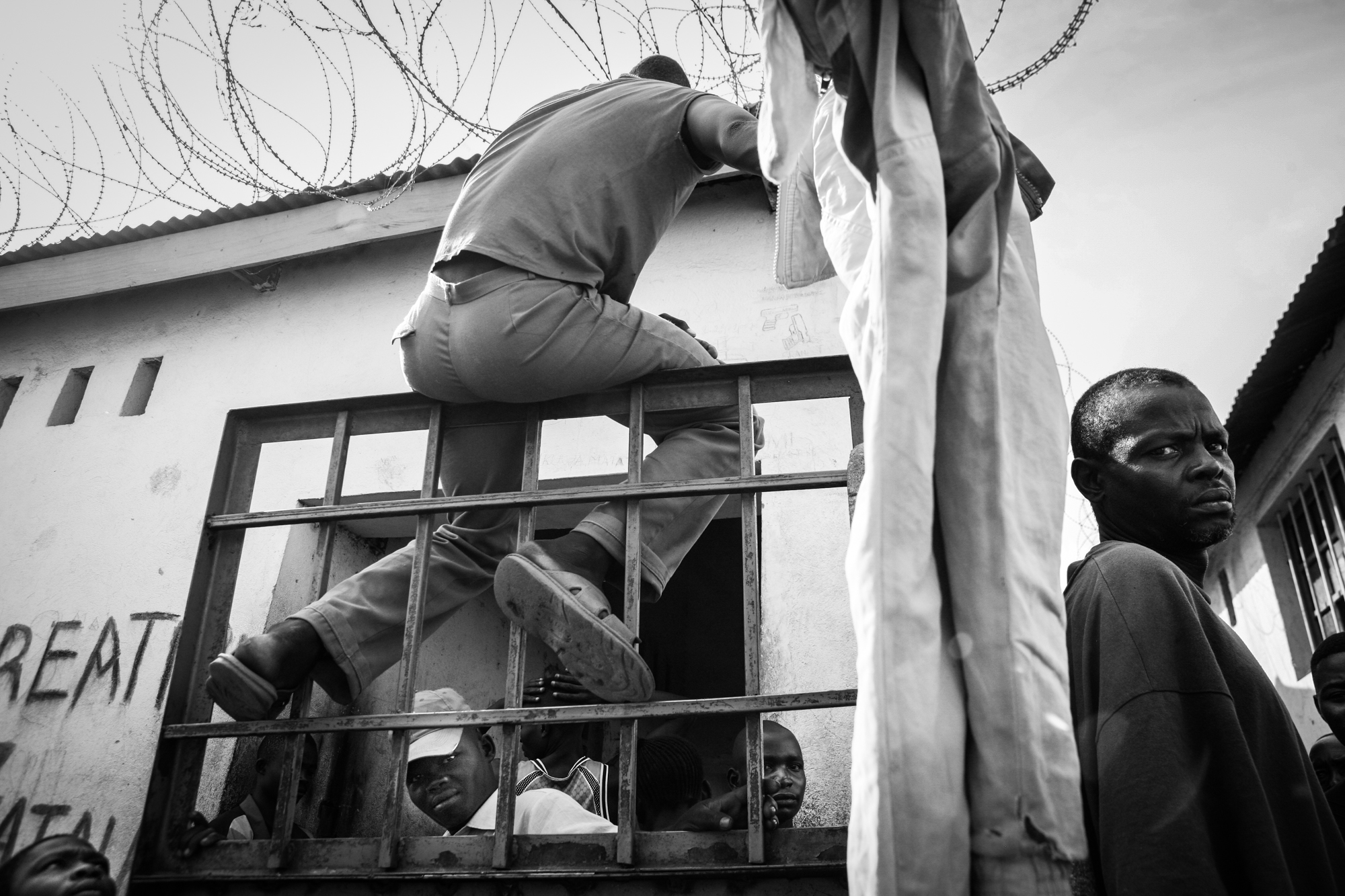
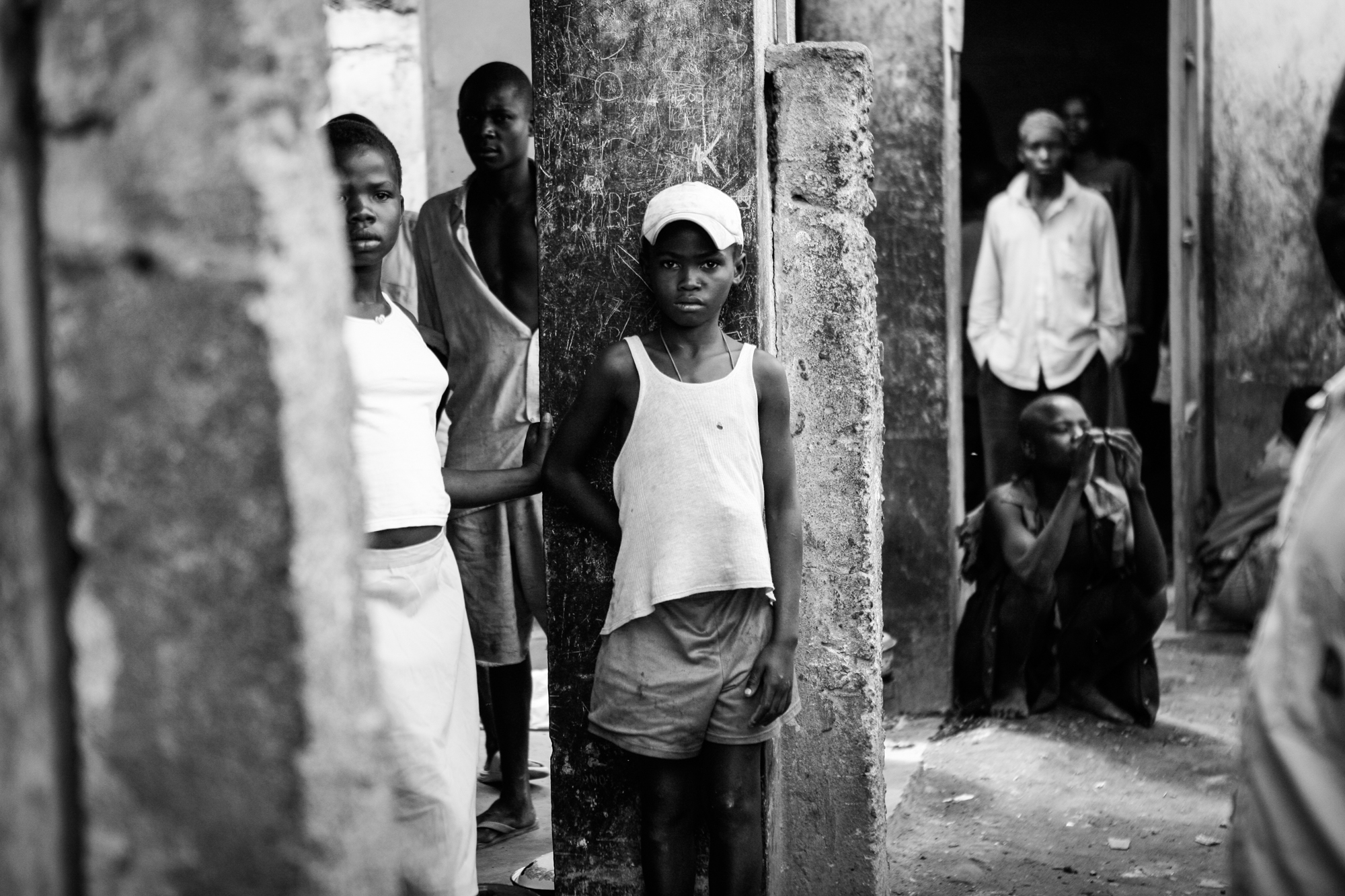
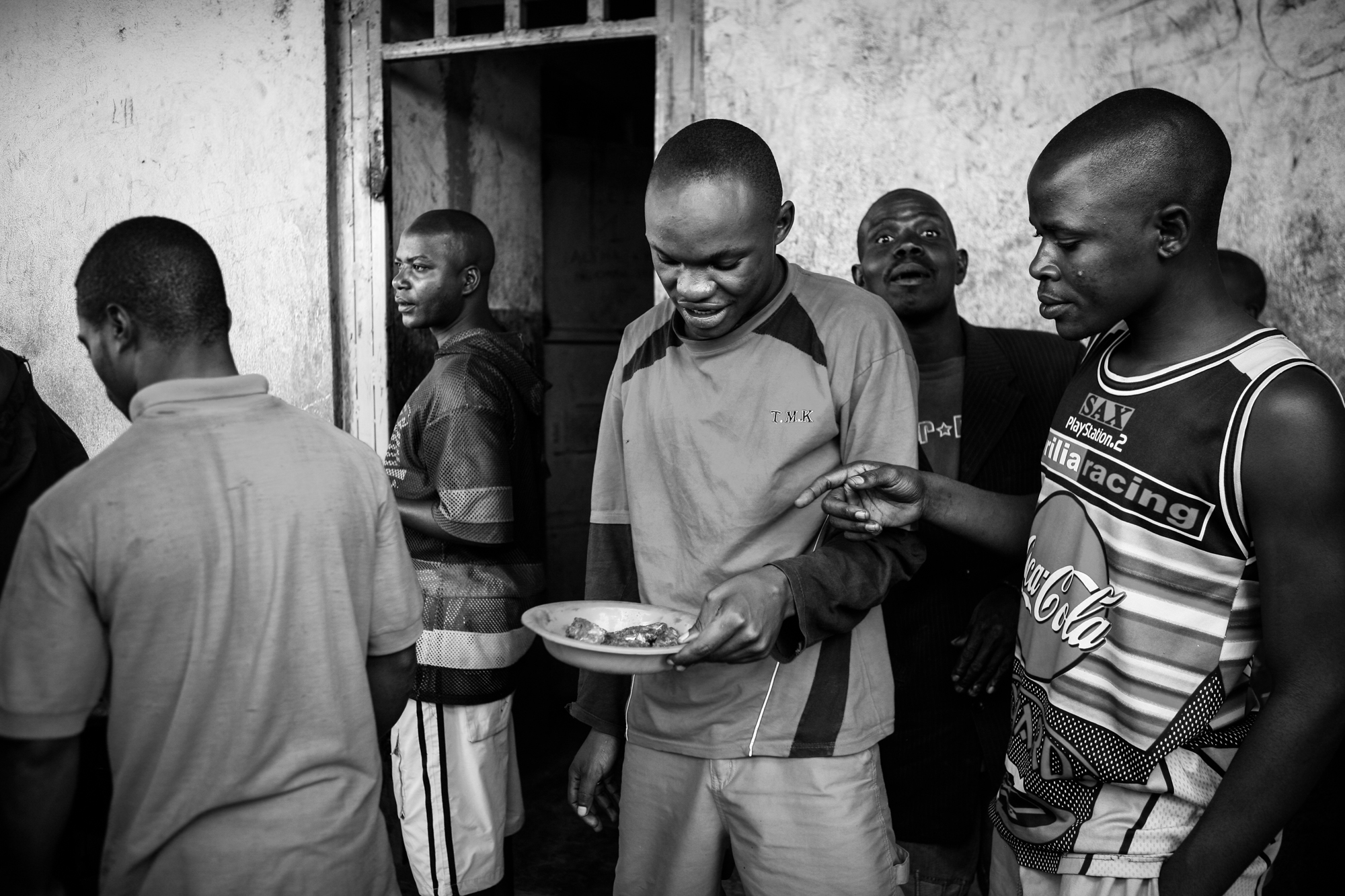
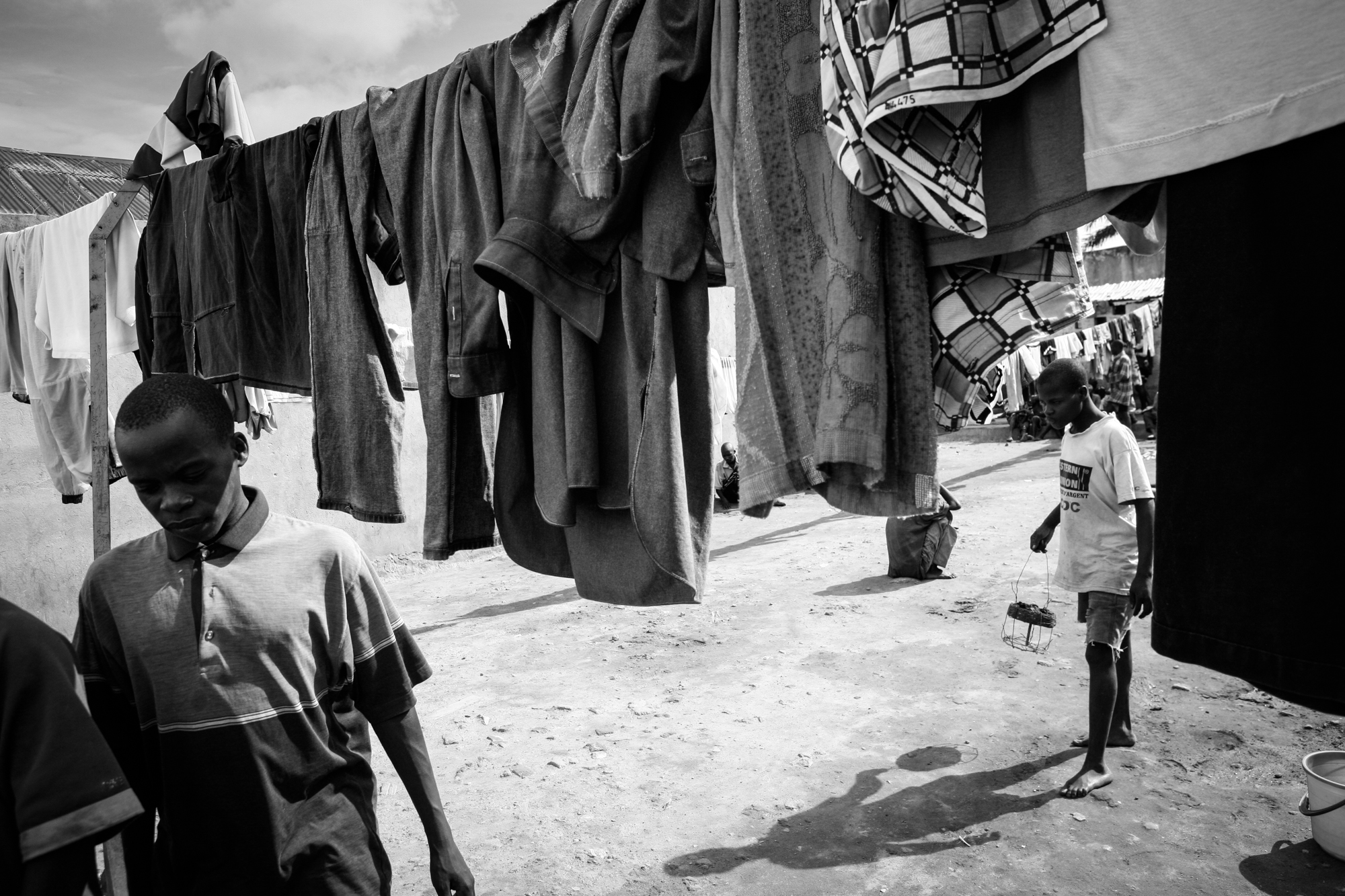
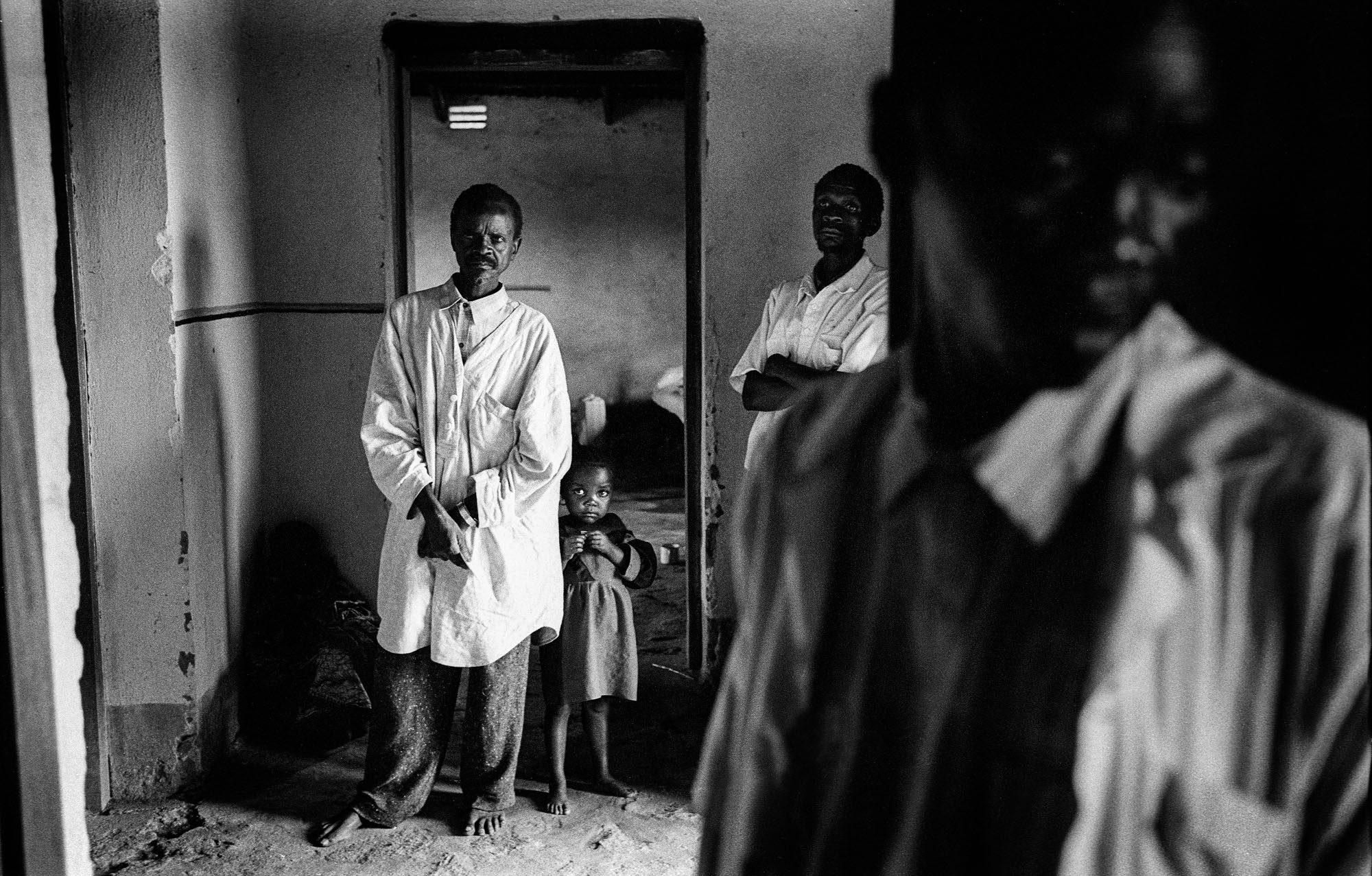
Bunia Prison in Ituri, eastern DRC, is marked by extremely harsh living conditions.
In 2007, a mutiny erupted, underscoring extreme tension caused by severe overcrowding and resource shortages.
Detainees, including minors, are crammed into cells without enough beds and no electricity.
At the time of the photos, the infirmary was completely empty, revealing a near-total absence of medical care.
In this dire situation, families and several NGOs often provide food and assistance to prisoners. This grim reality highlights serious failures in the local prison system and the essential solidarity needed to survive in such inhumane conditions.
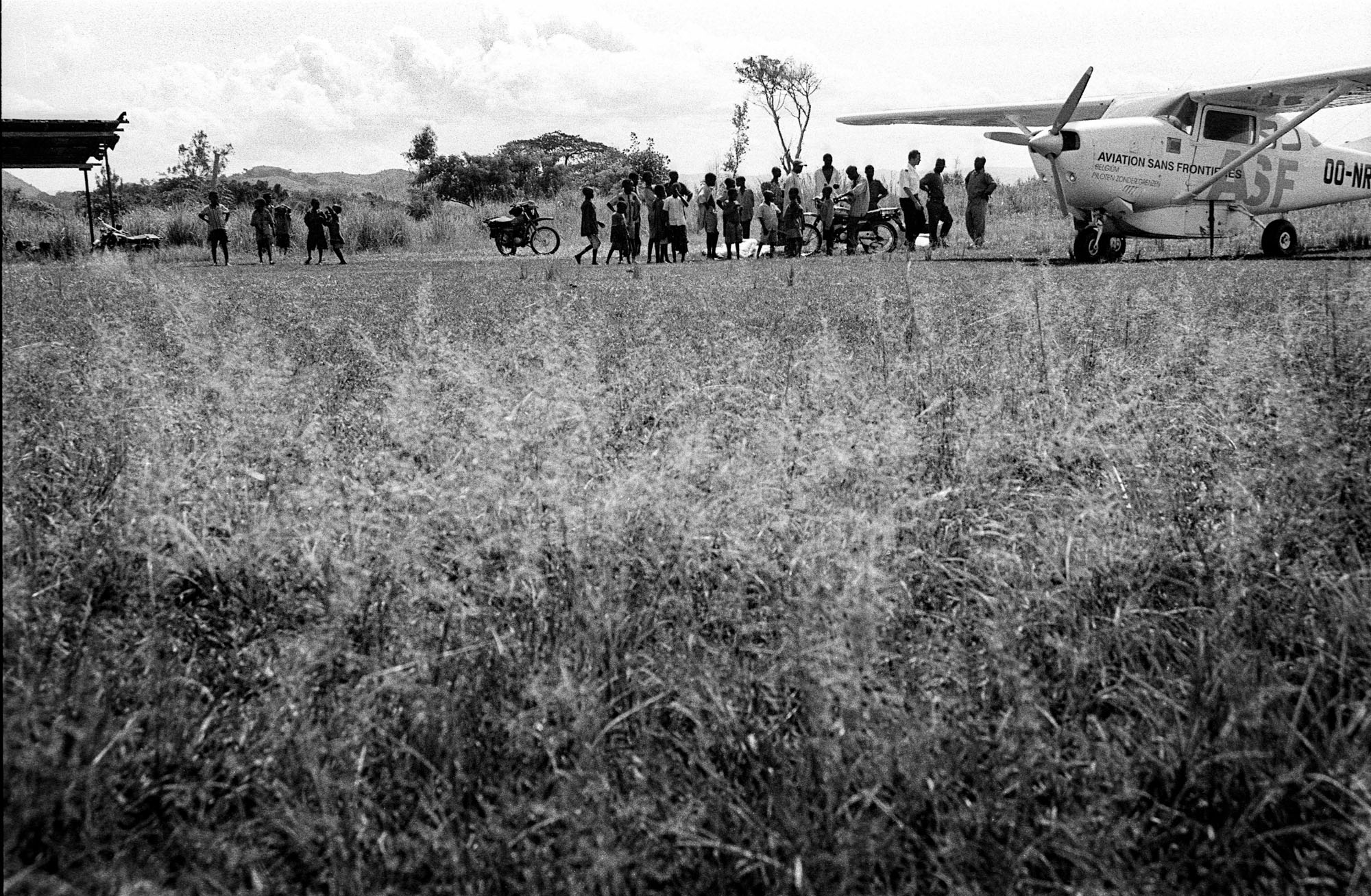
THE WINGS OF HOPE
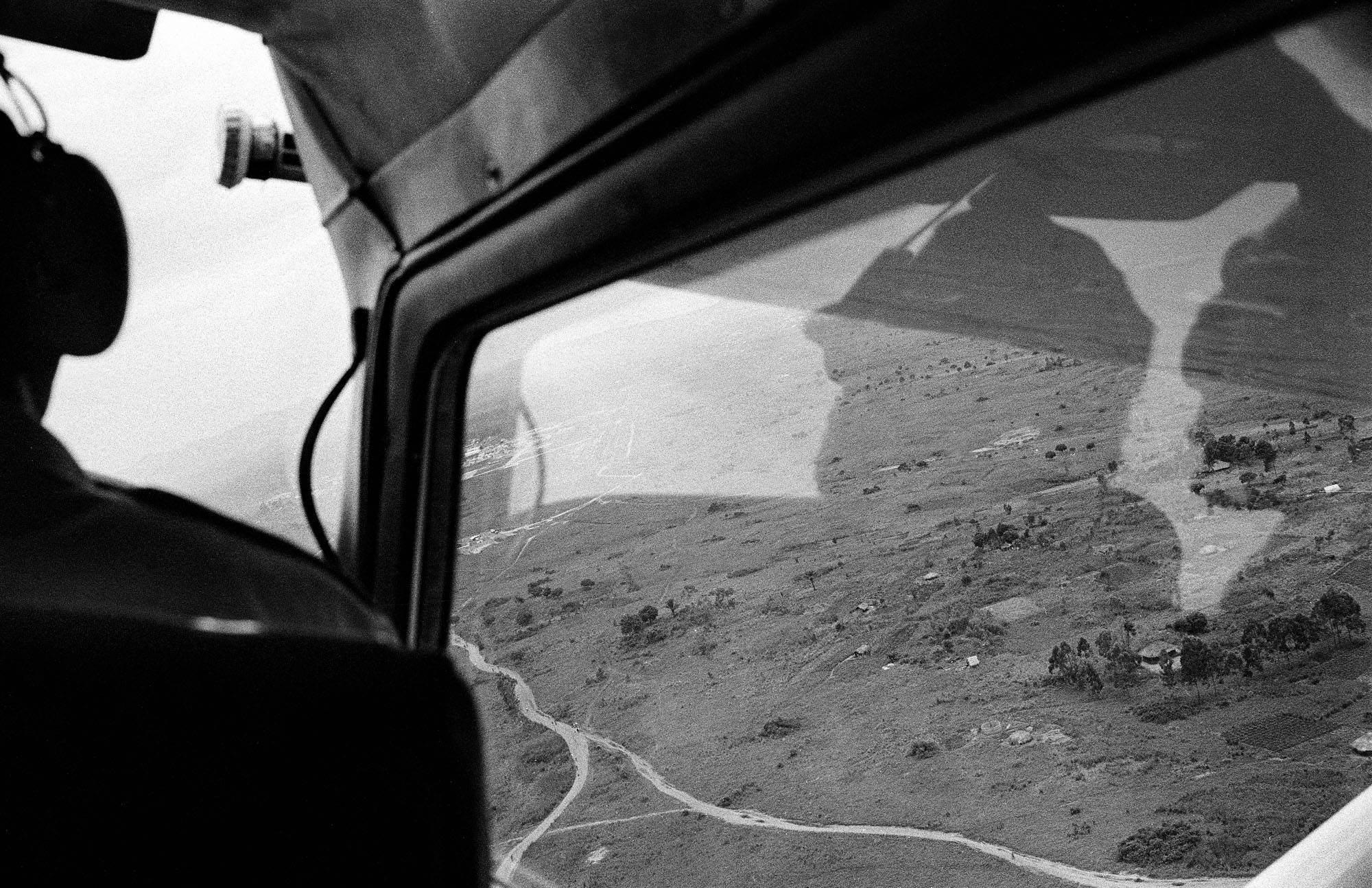
Aviation Sans Frontières Belgium puts its planes at the service of humanity.
In the Democratic Republic of Congo, its crews serve remote, often inaccessible areas by land. Thanks to these vital flights, NGOs and healthcare workers can reach isolated regions, supporting local populations.
The organization also plays a crucial role in transporting seriously ill African children to Europe for specialized treatments unavailable locally.
Every flight is a promise of life; every mission an act of solidarity. Beyond borders, Aviation Sans Frontières embodies a logistics of hope.
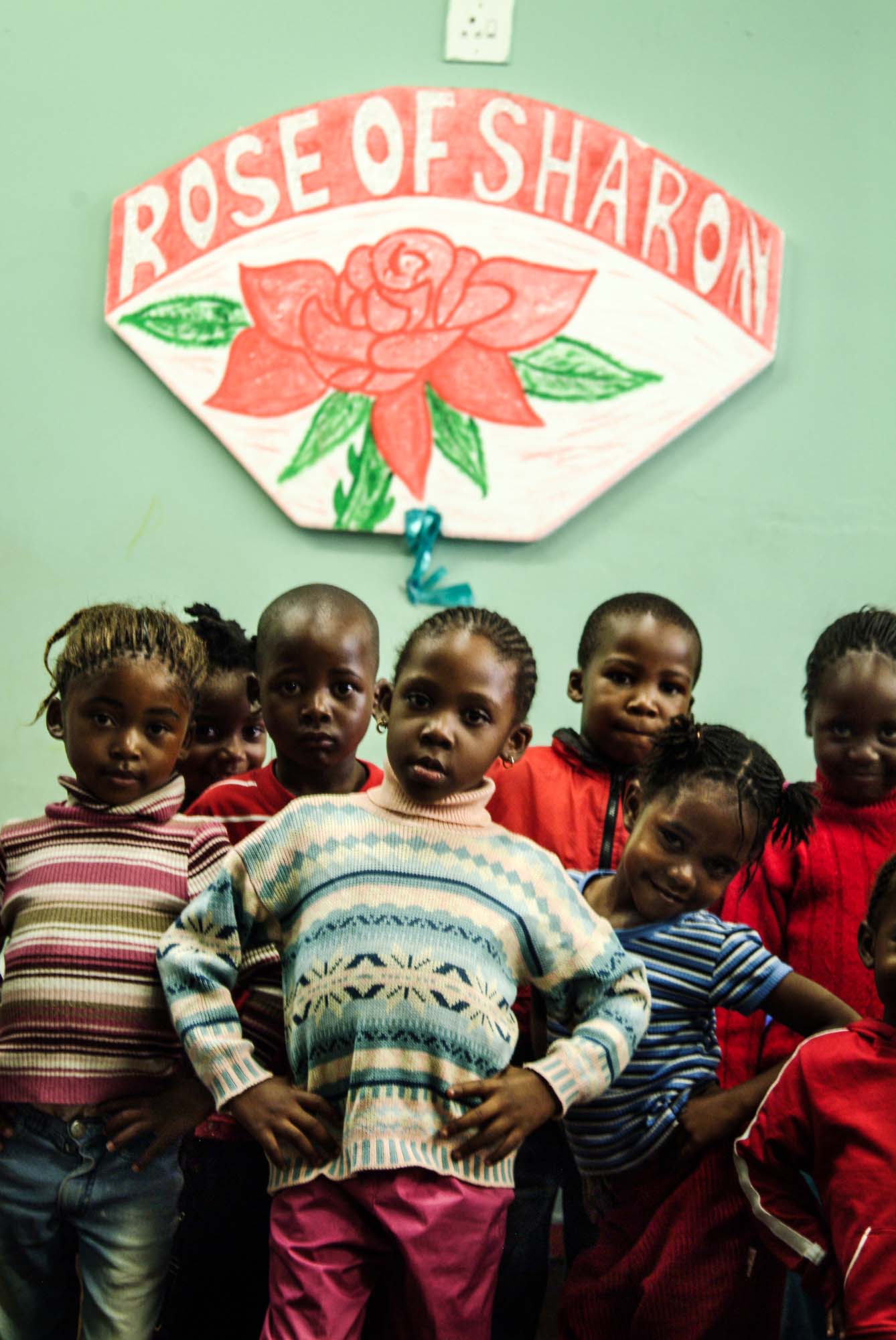
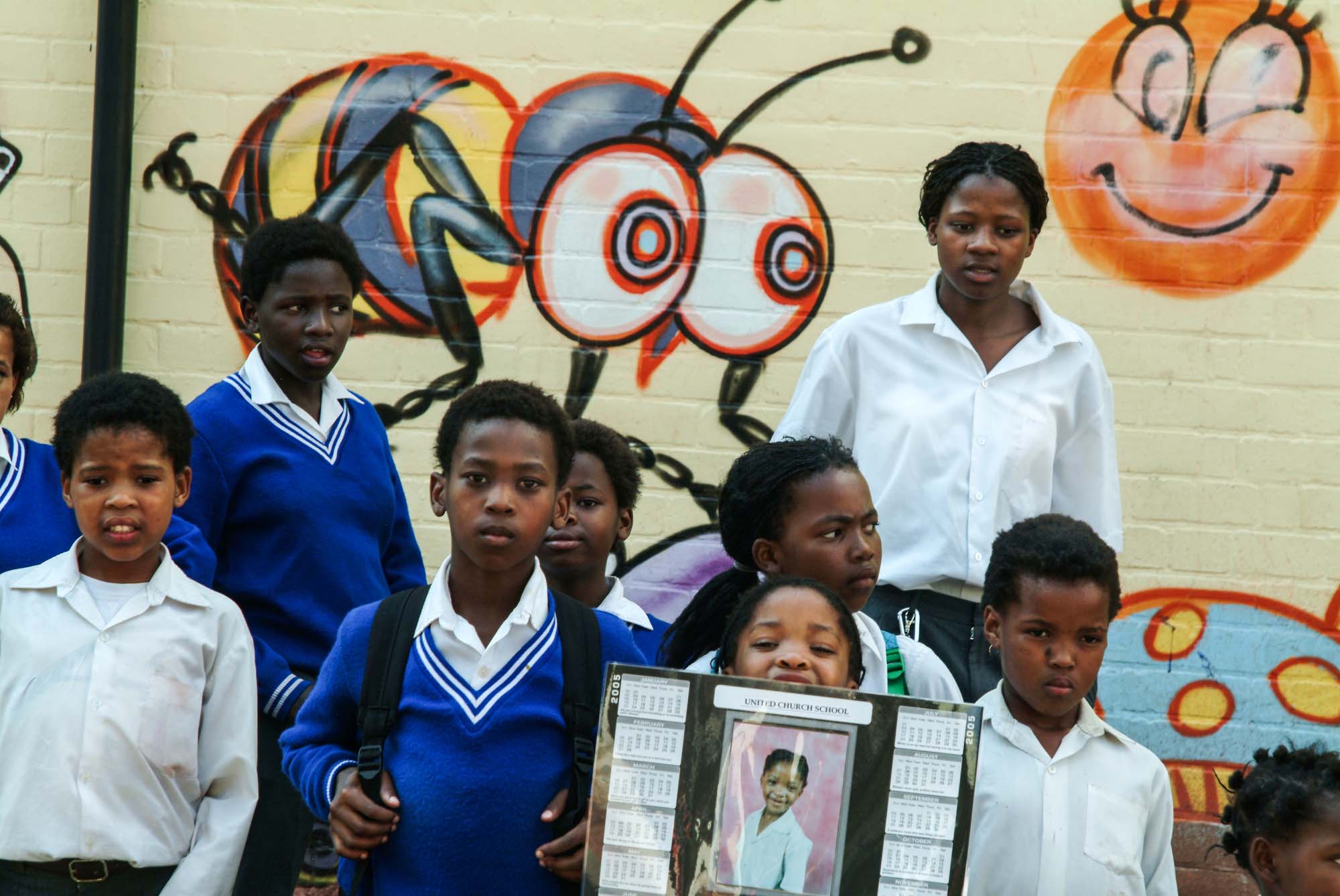
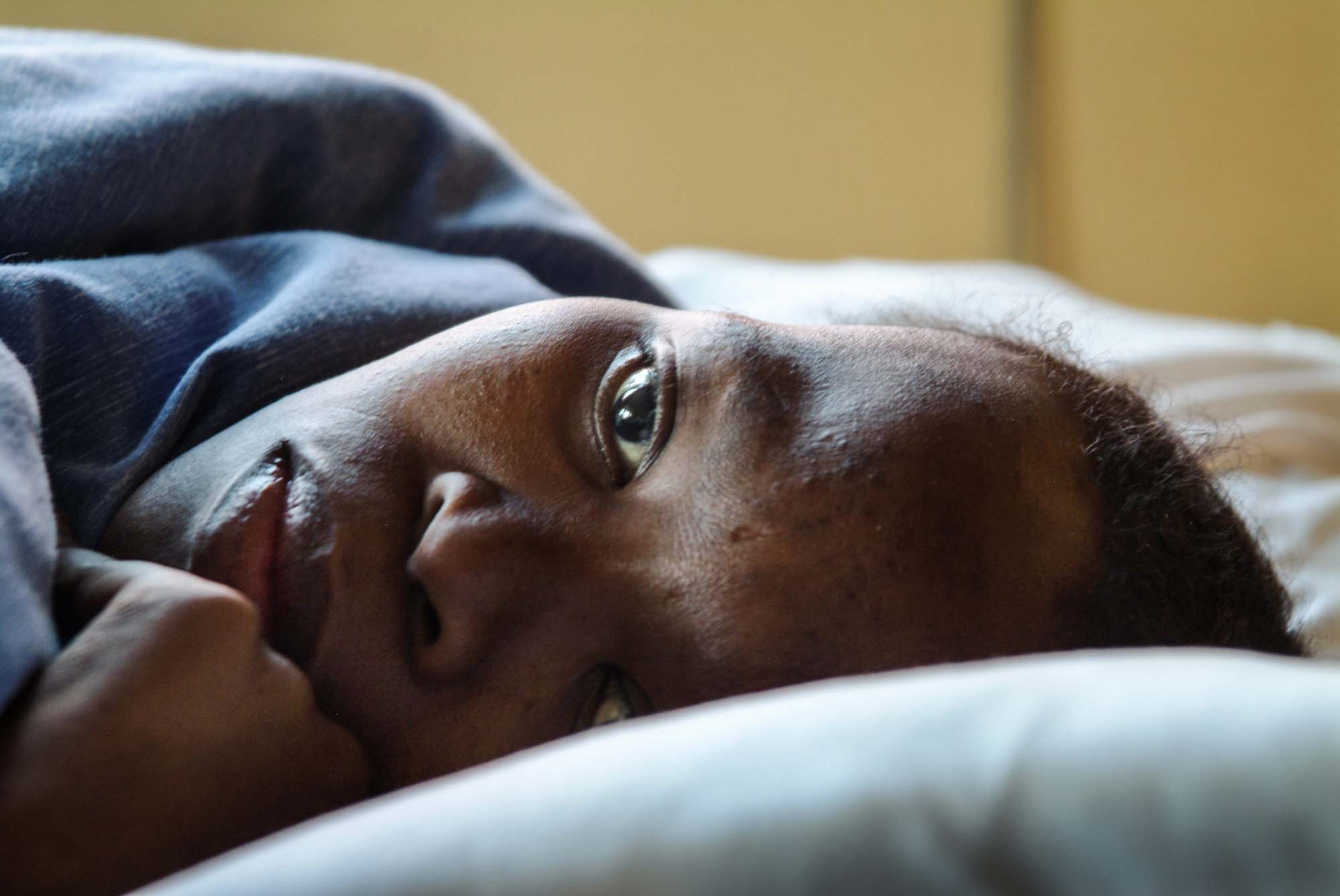
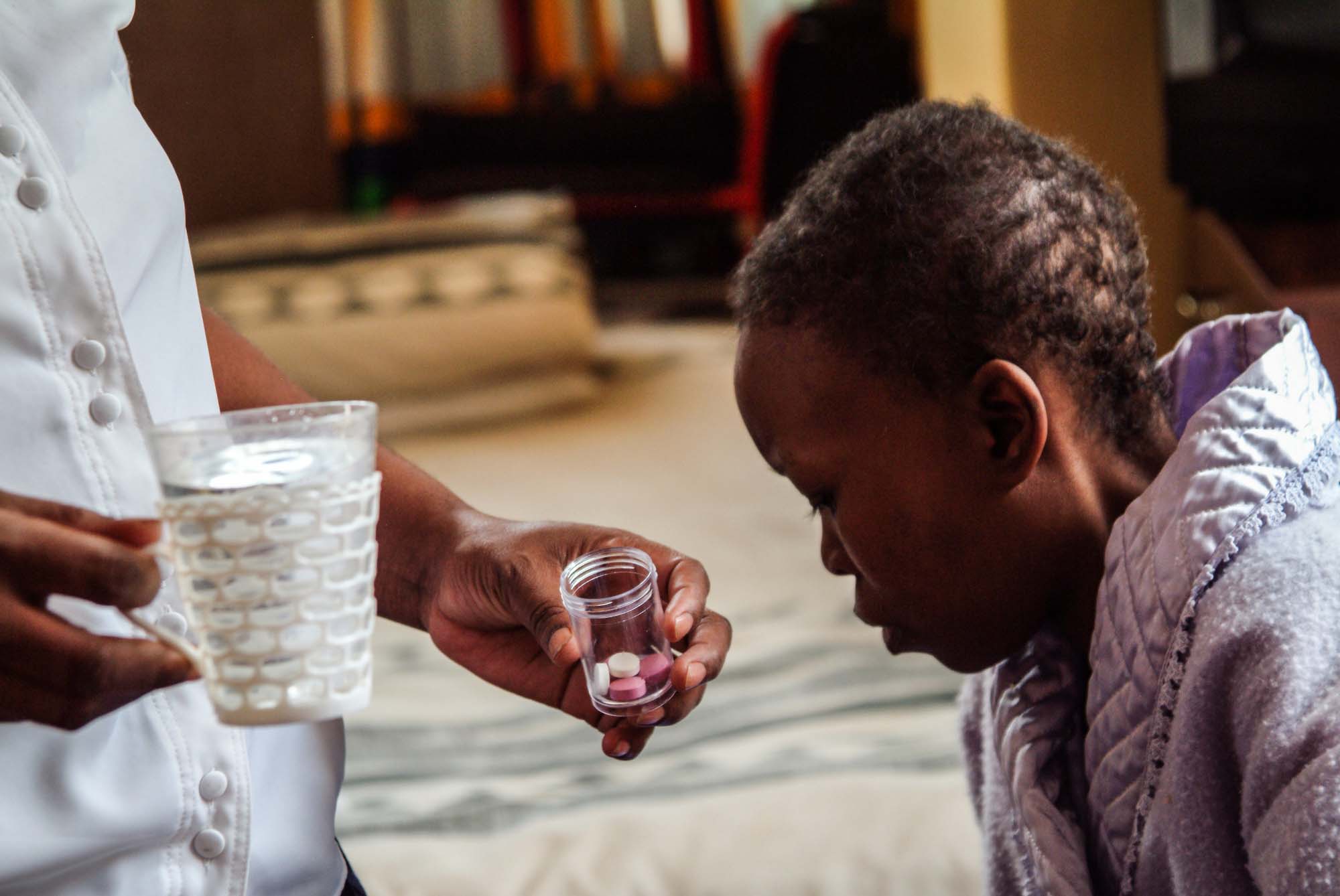
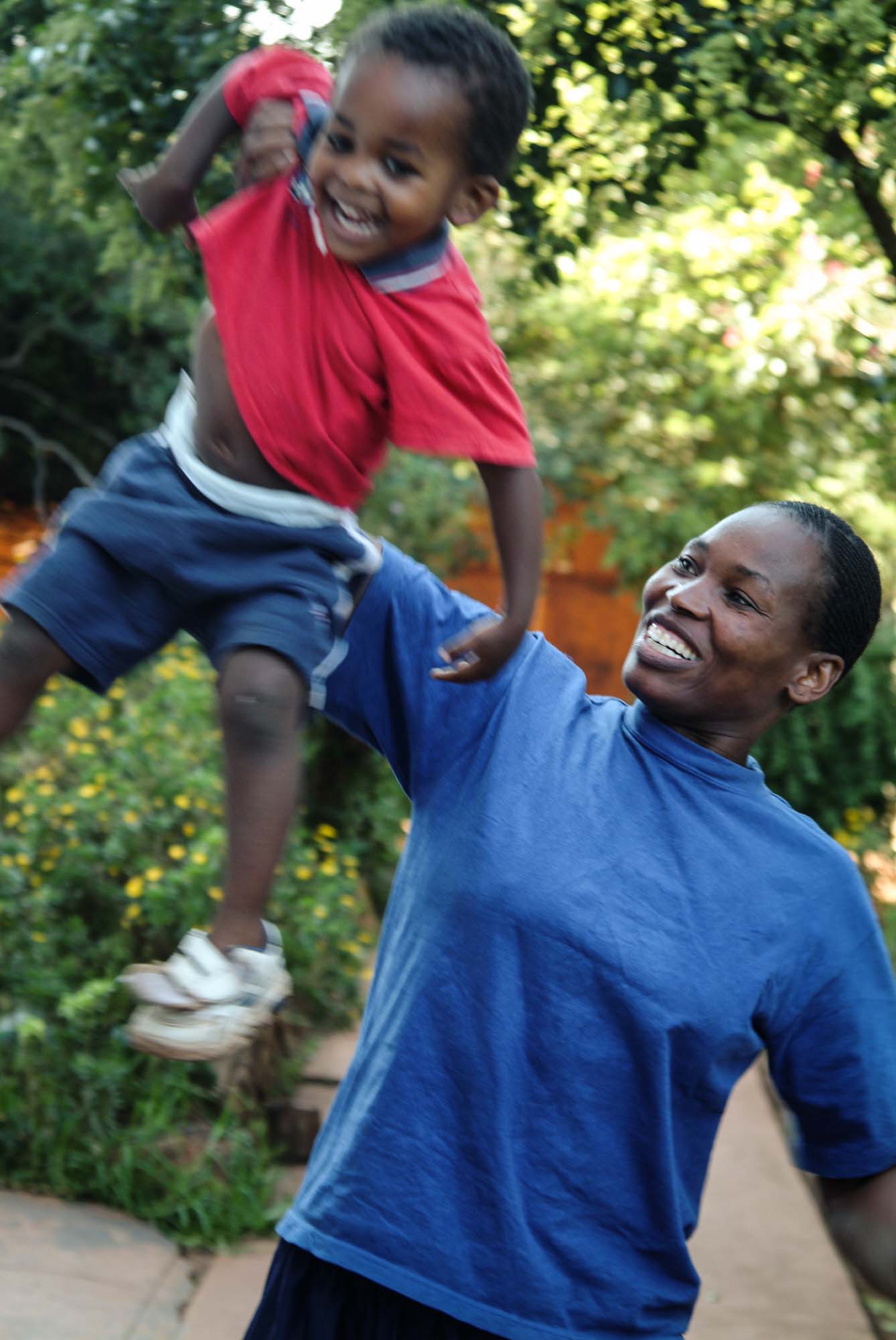
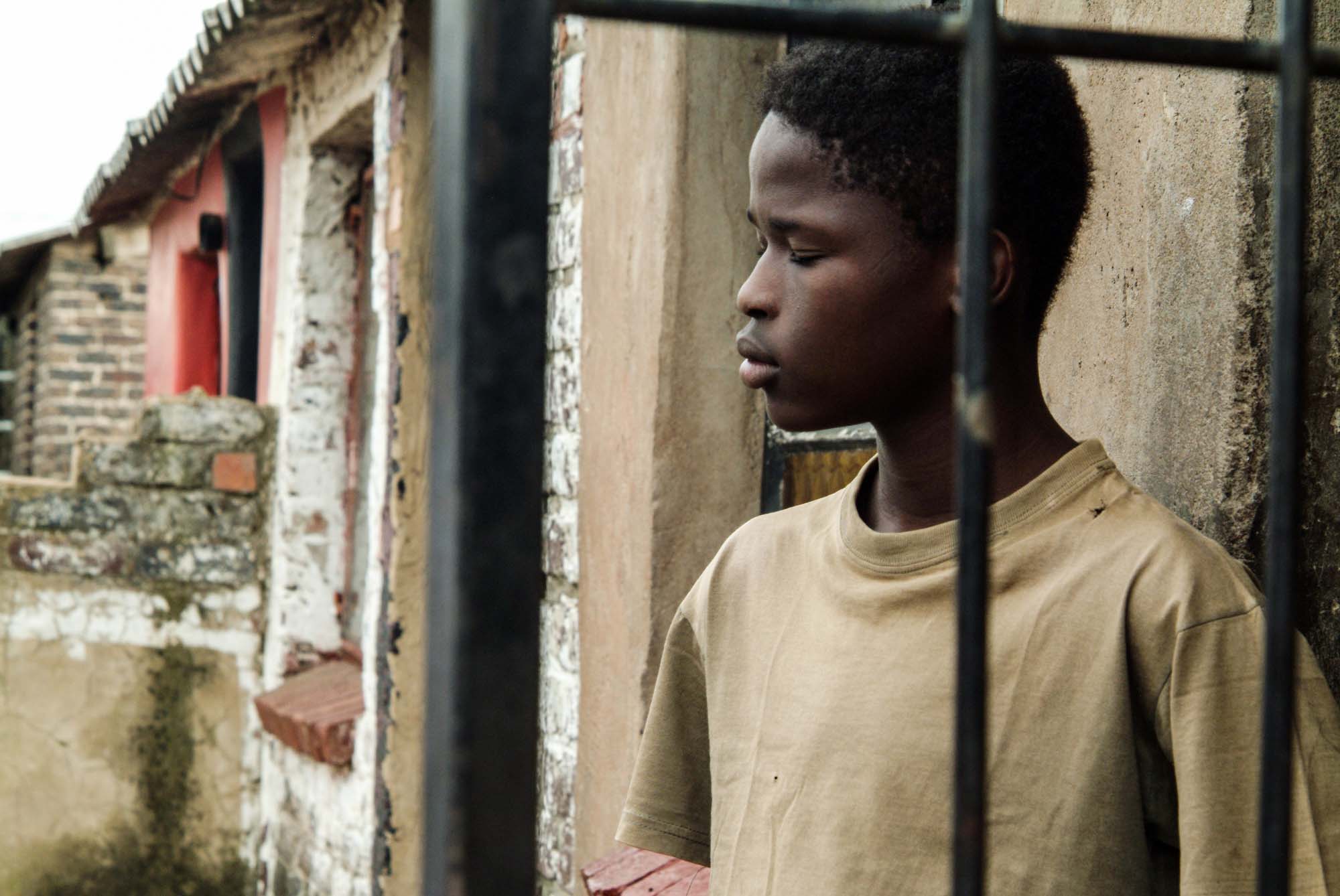
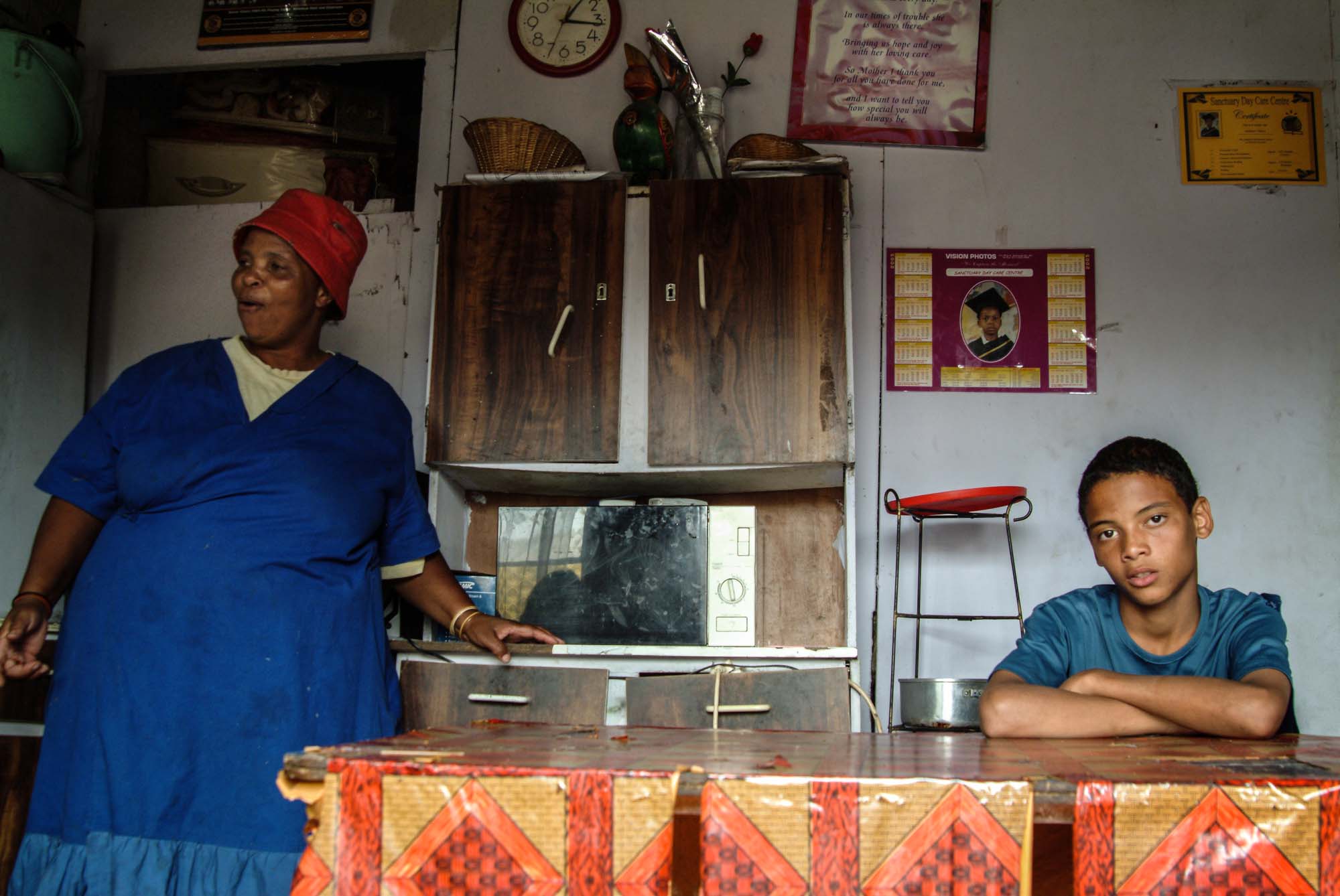
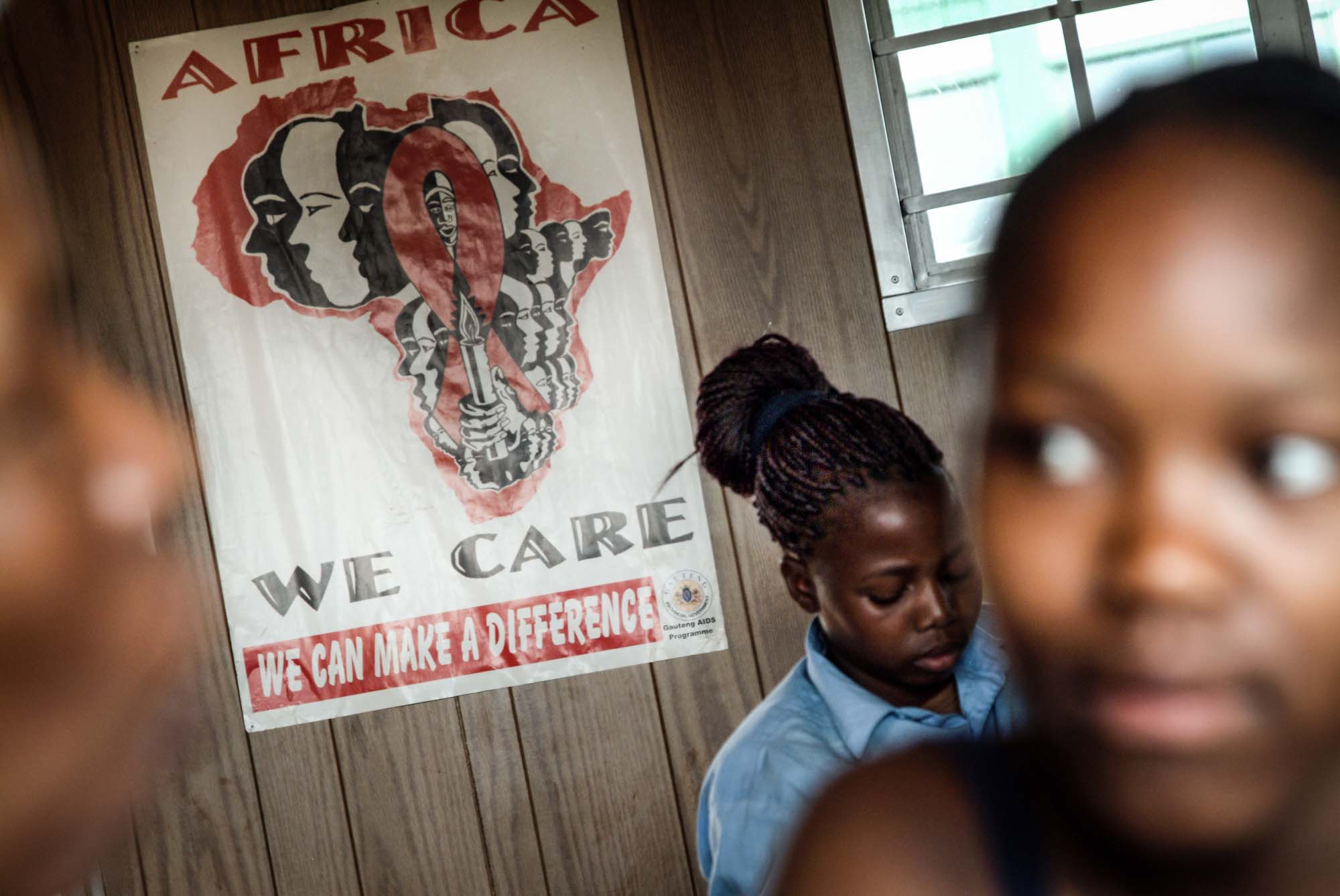
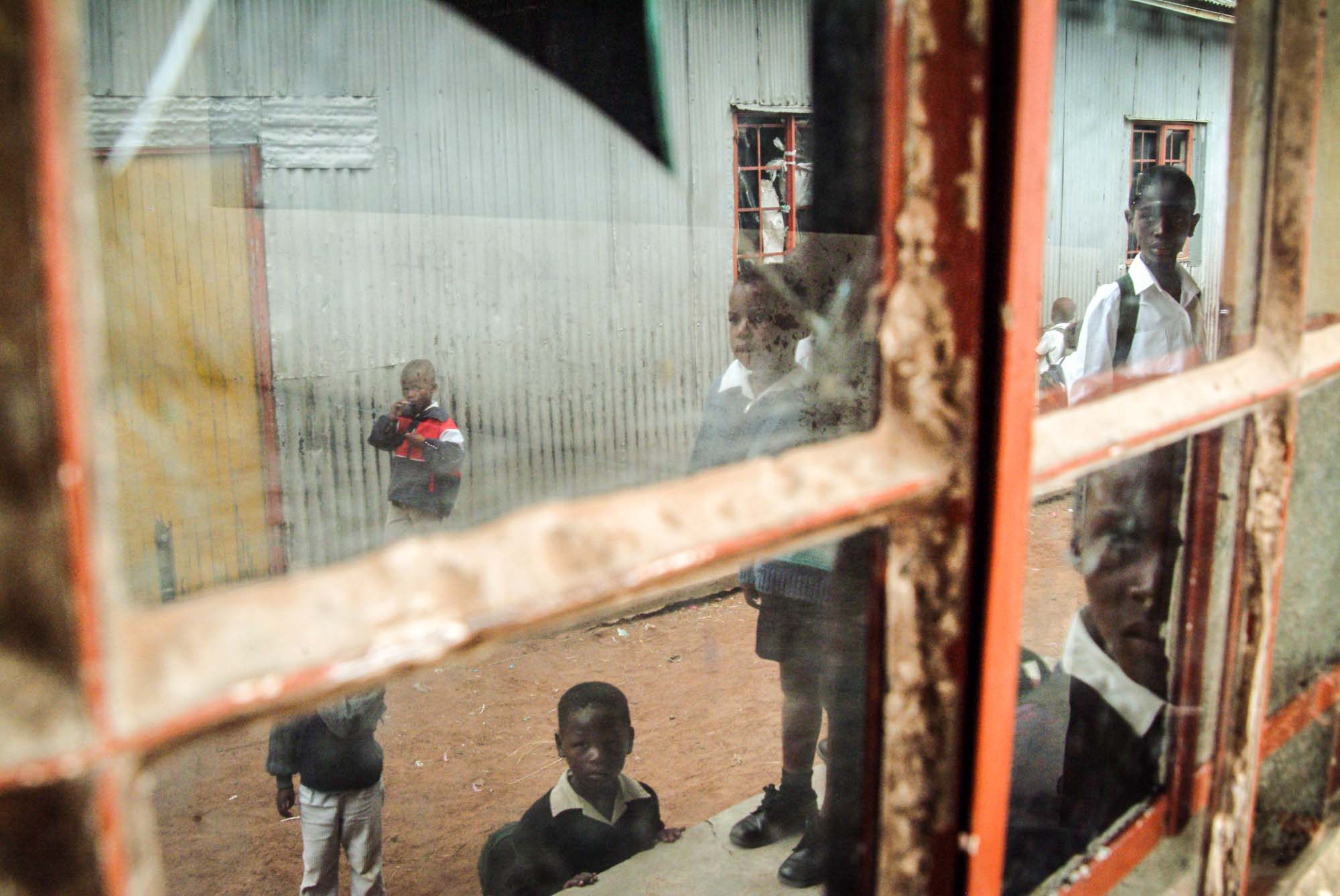
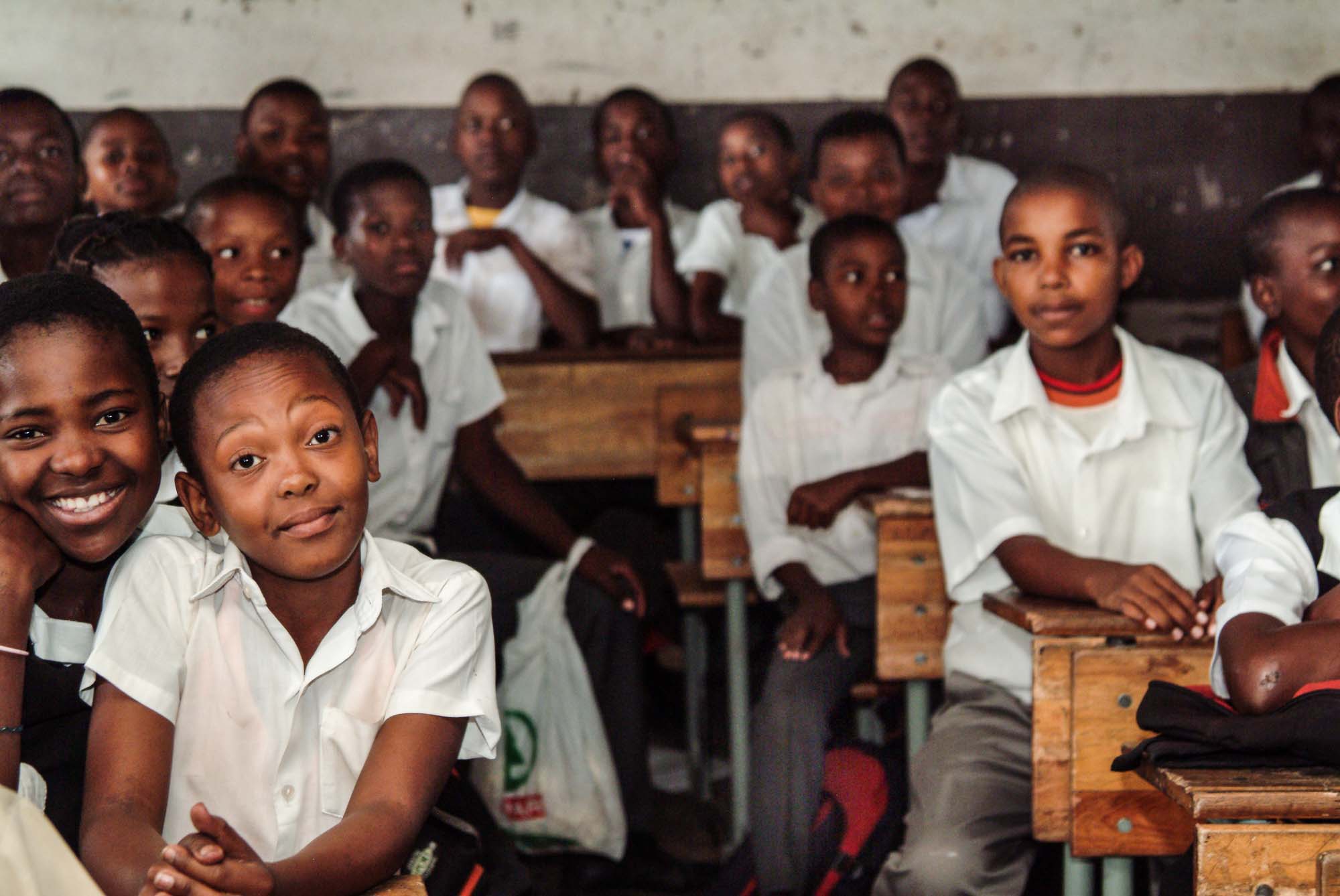
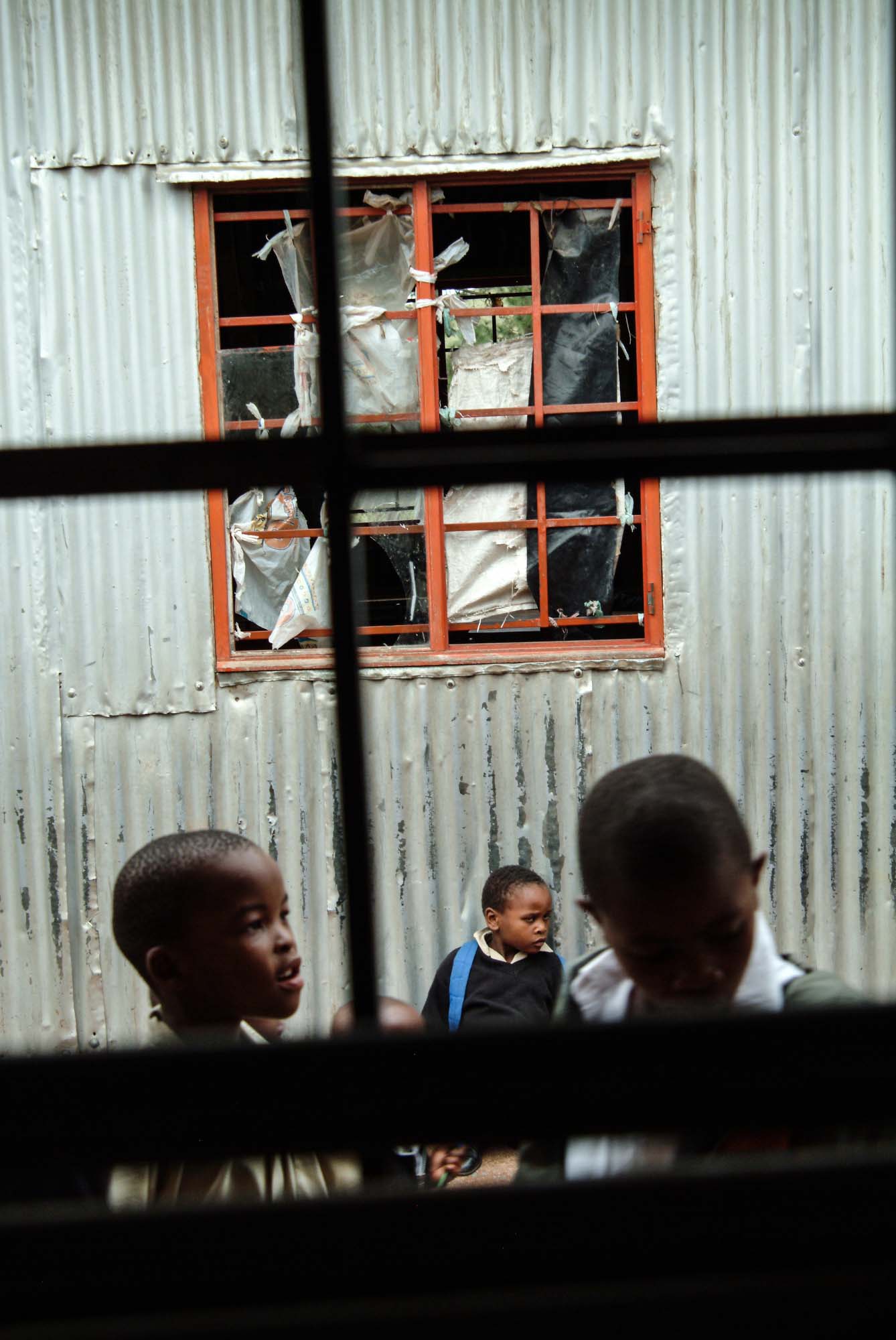
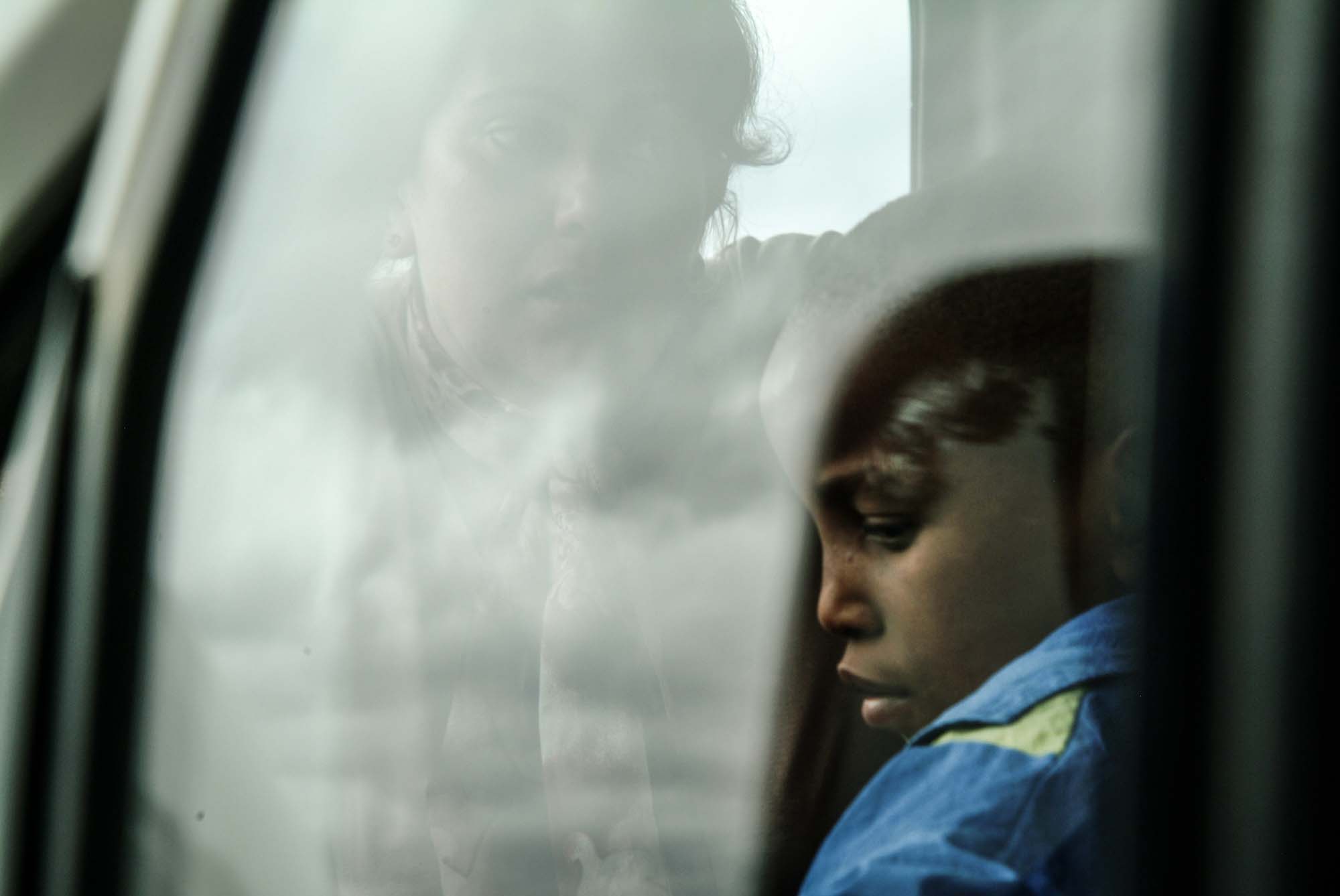
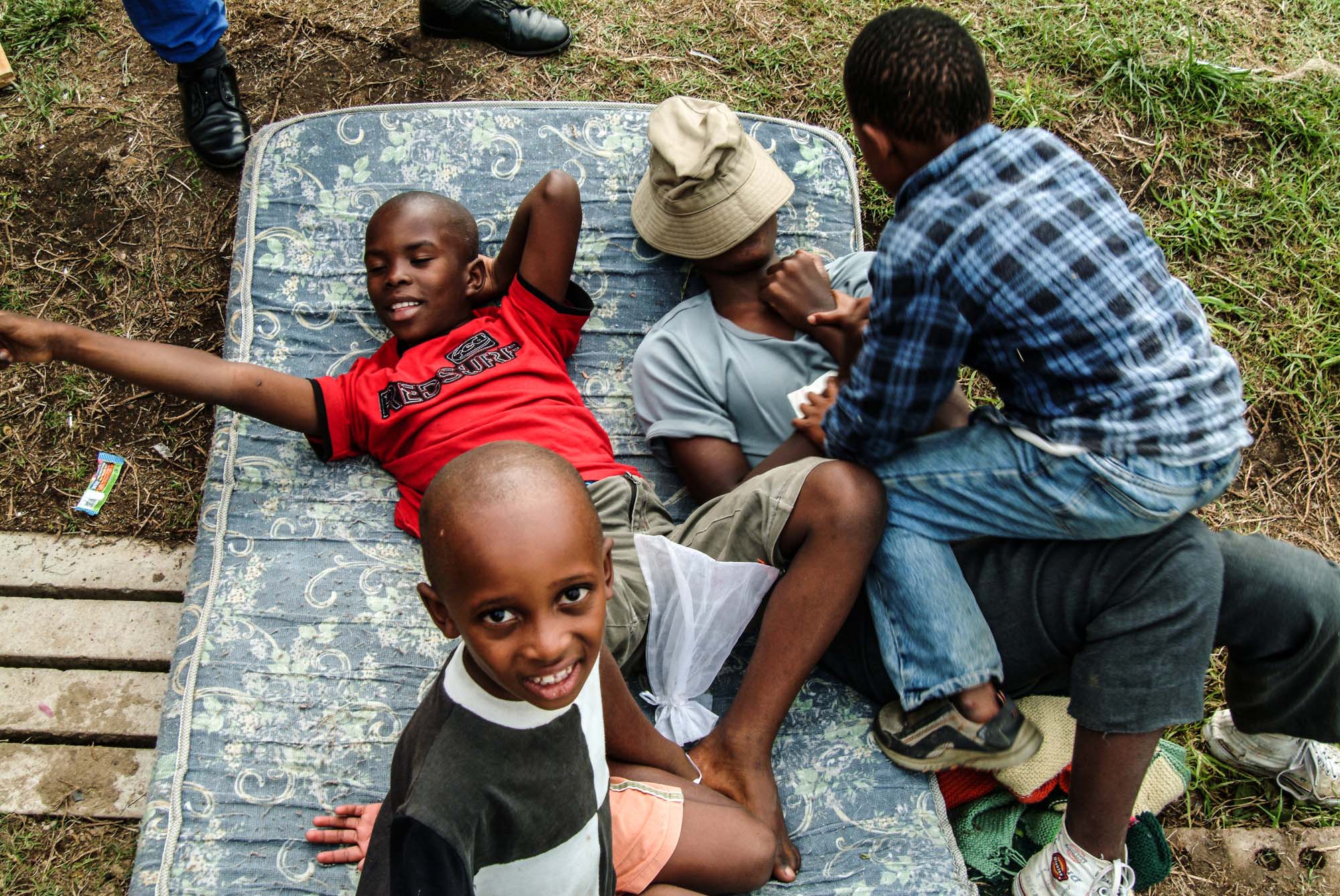
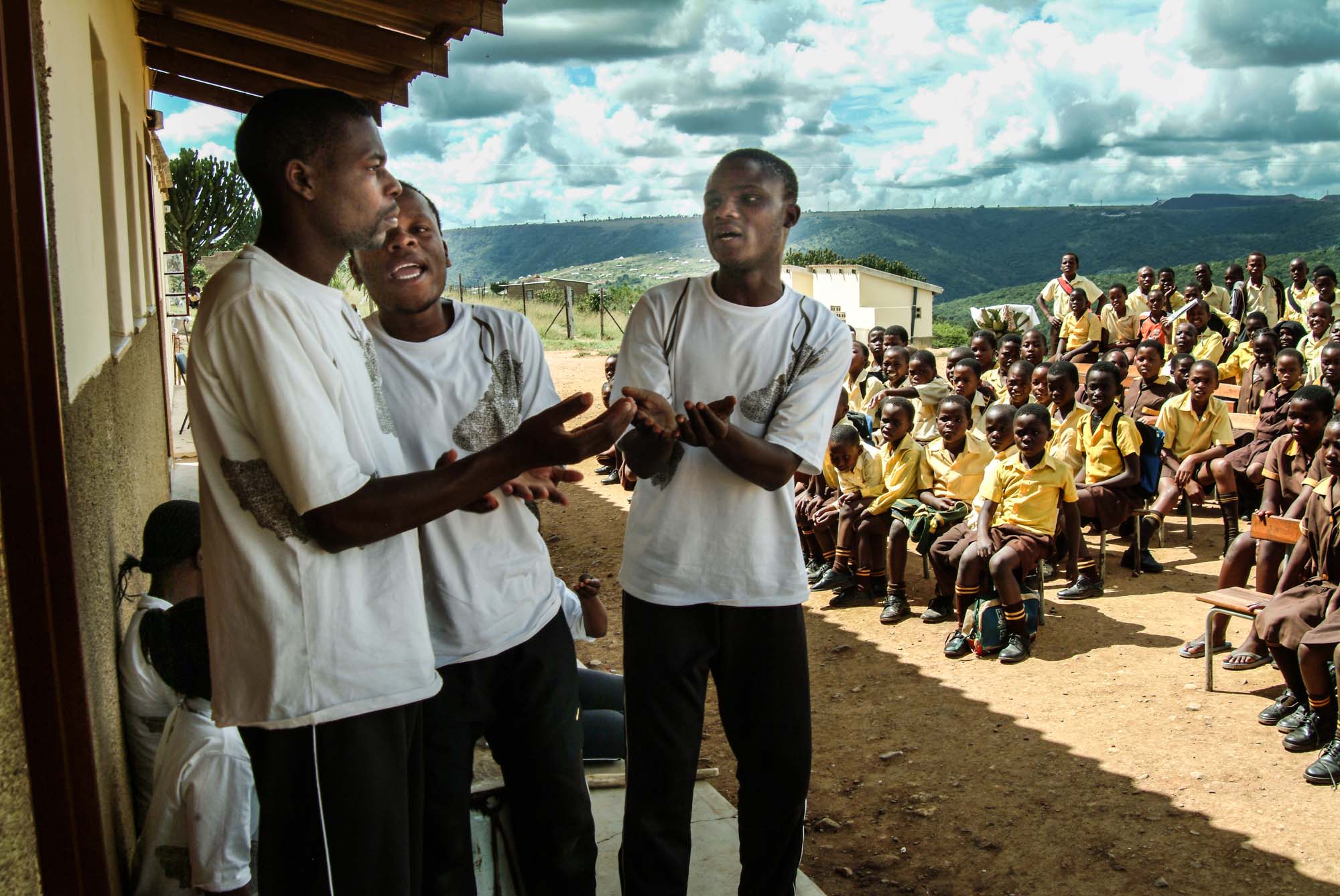
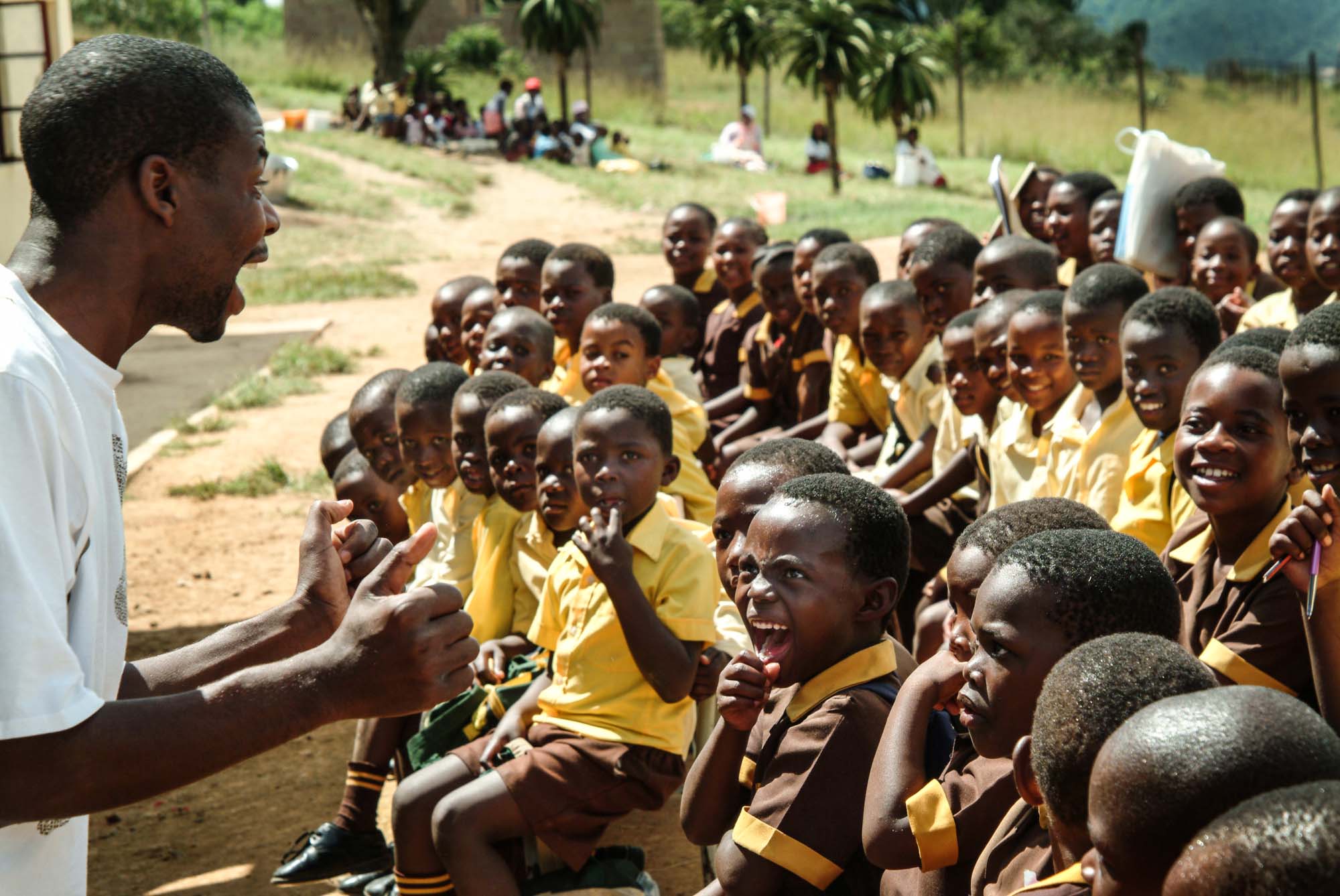
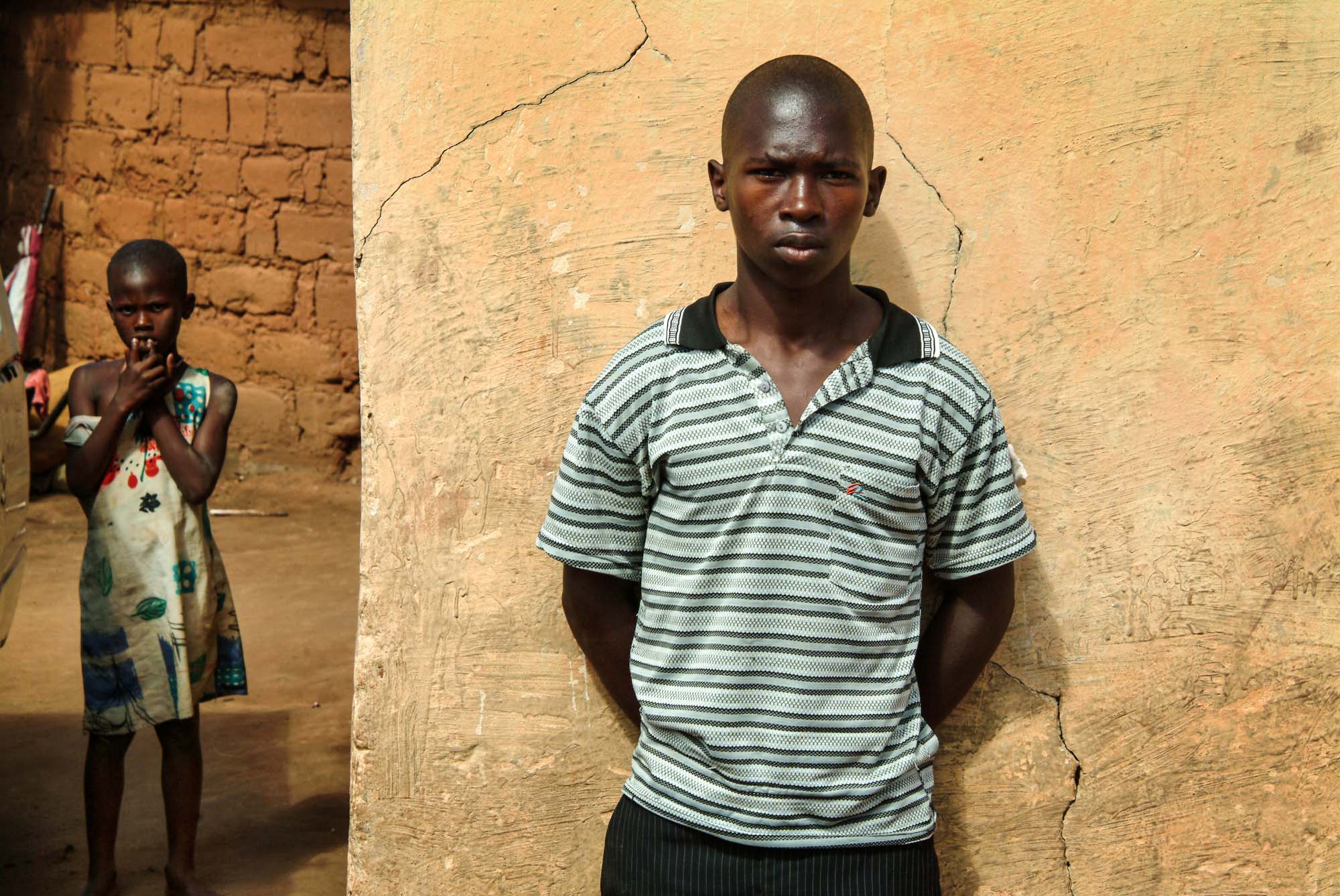
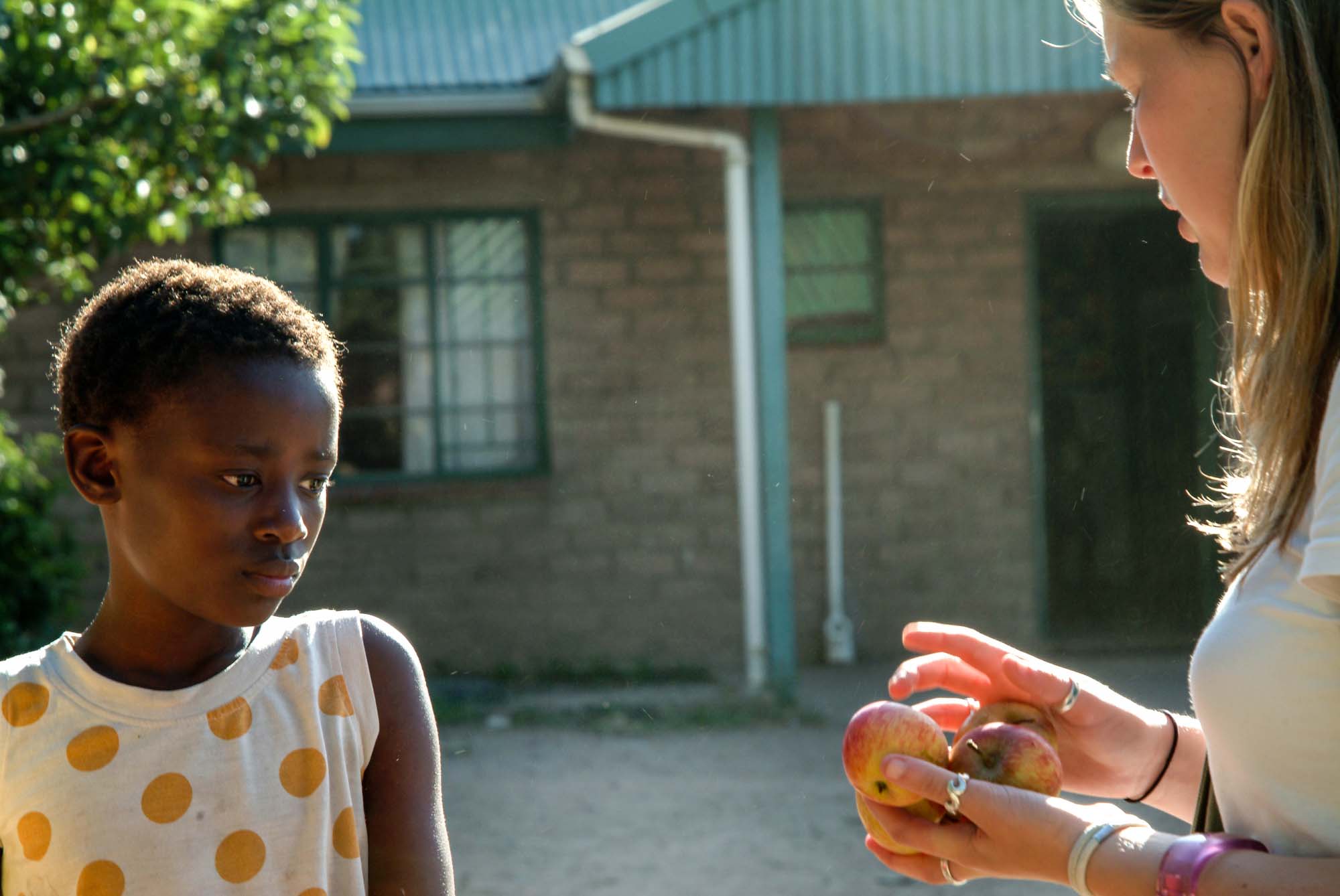
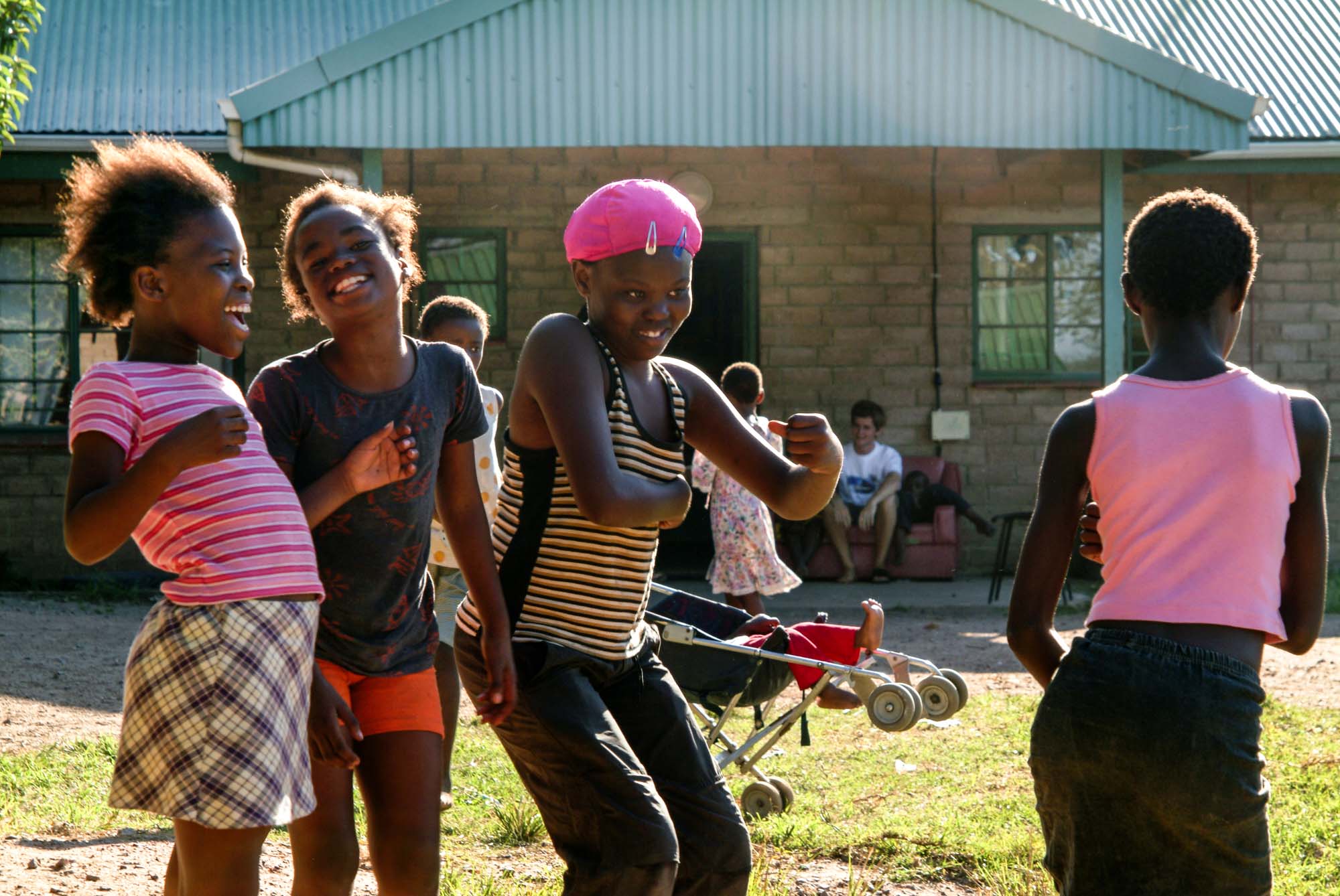
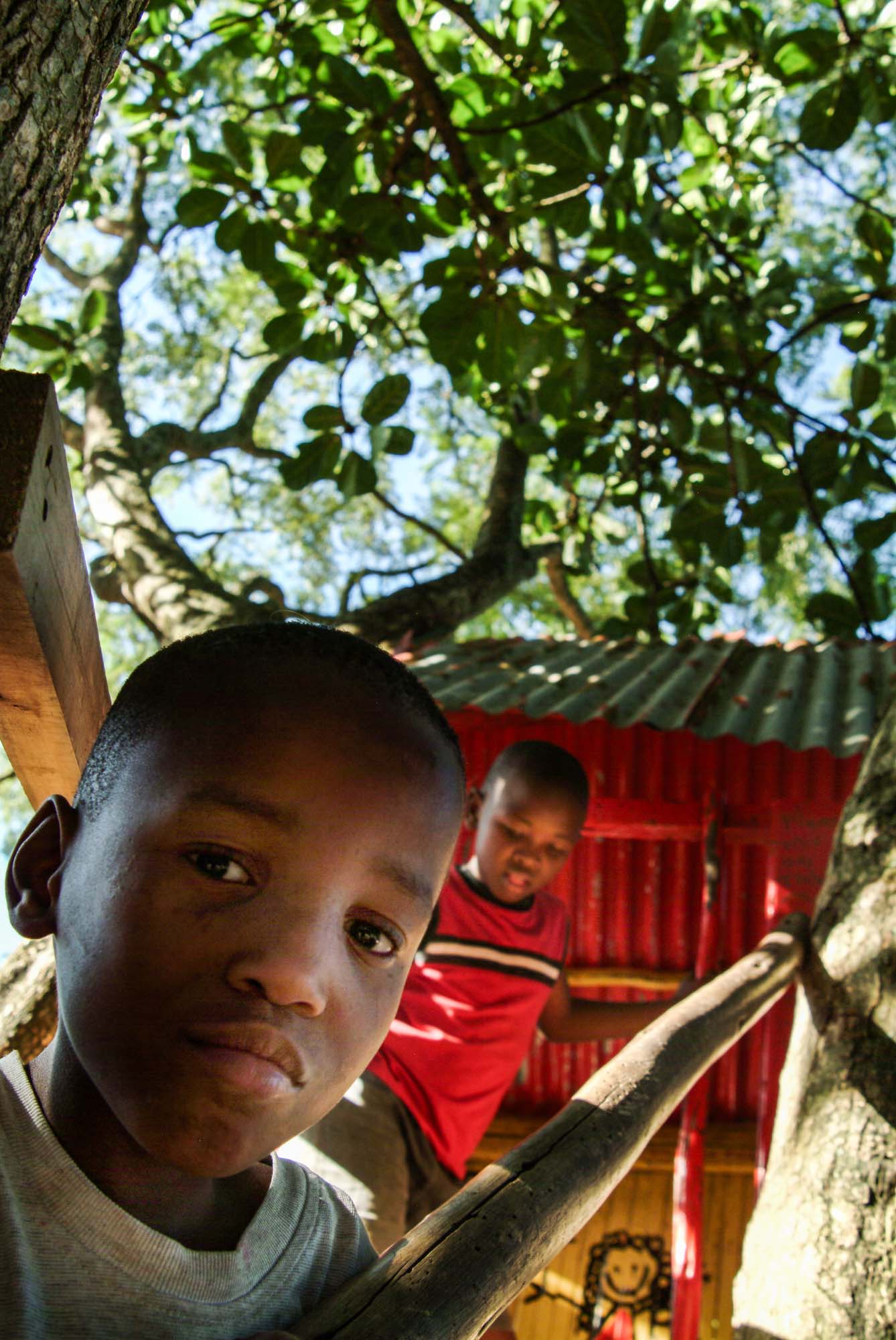
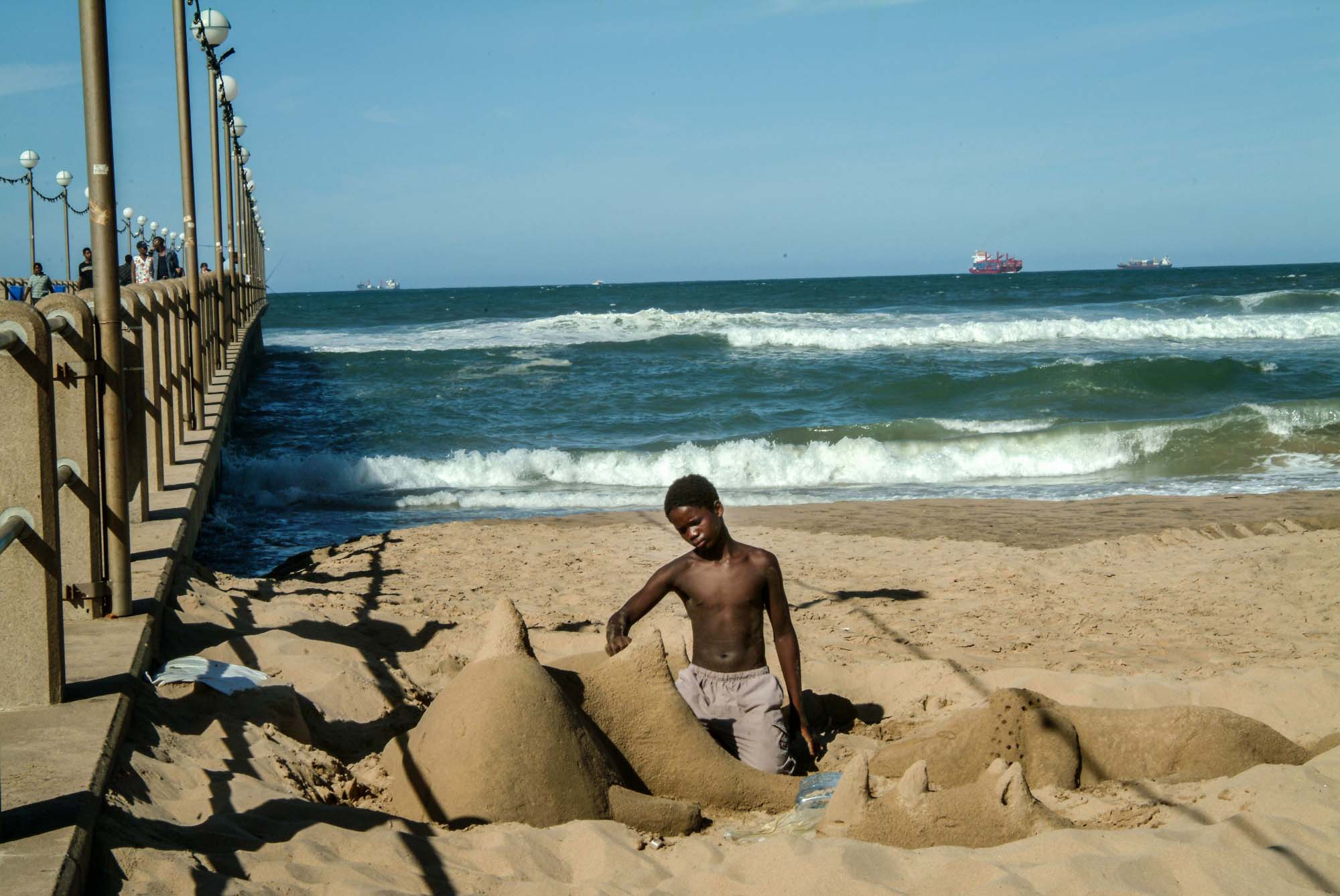
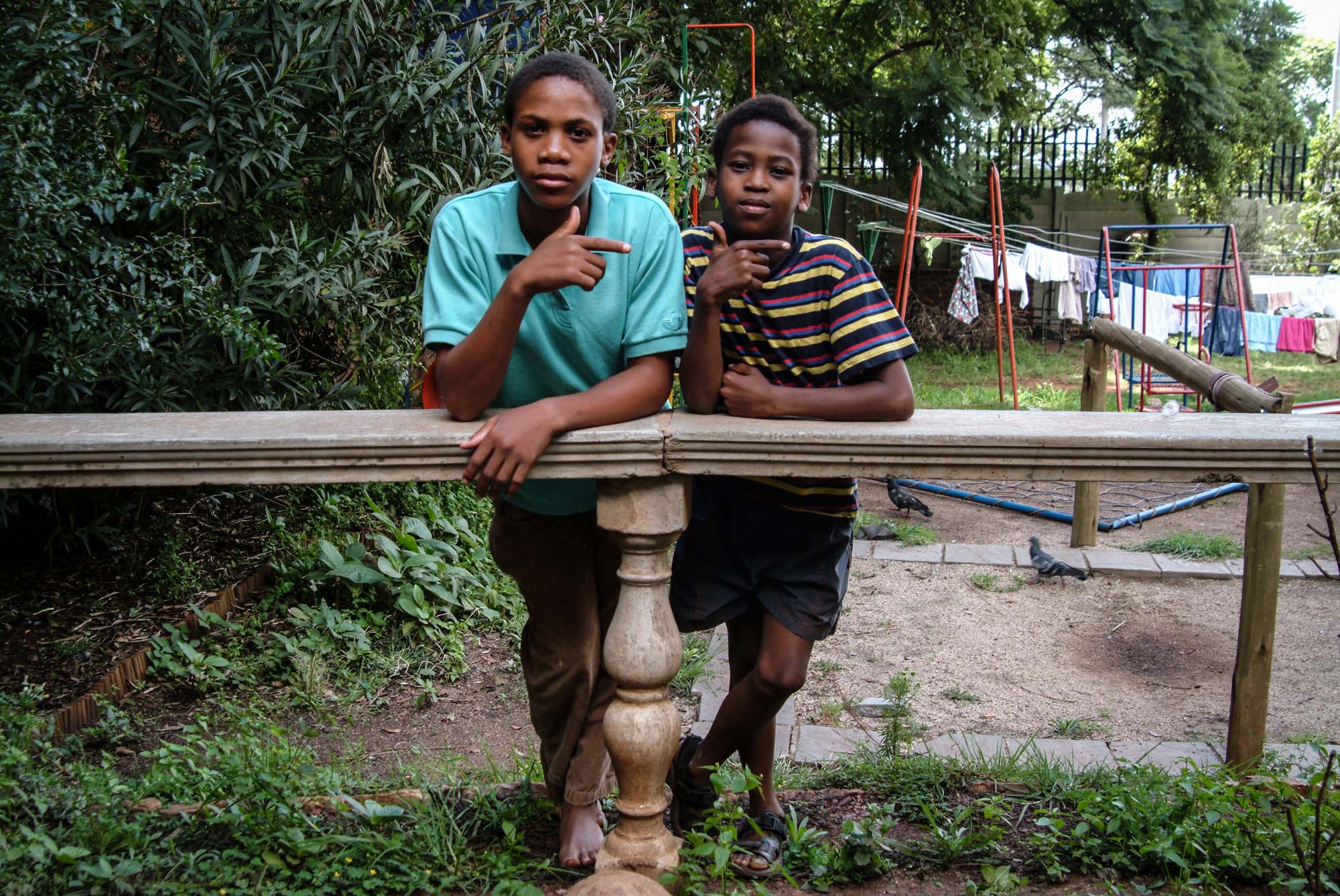
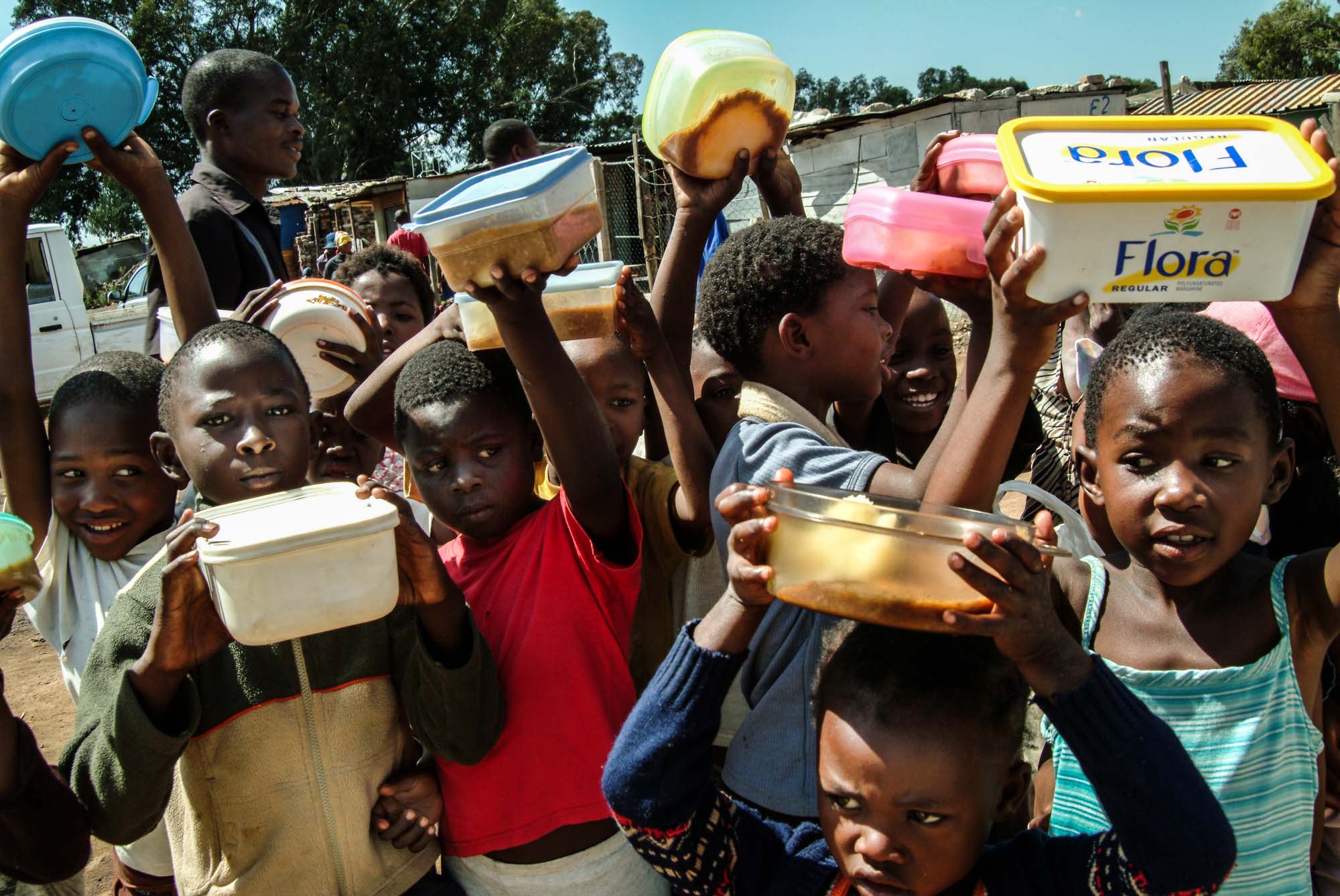
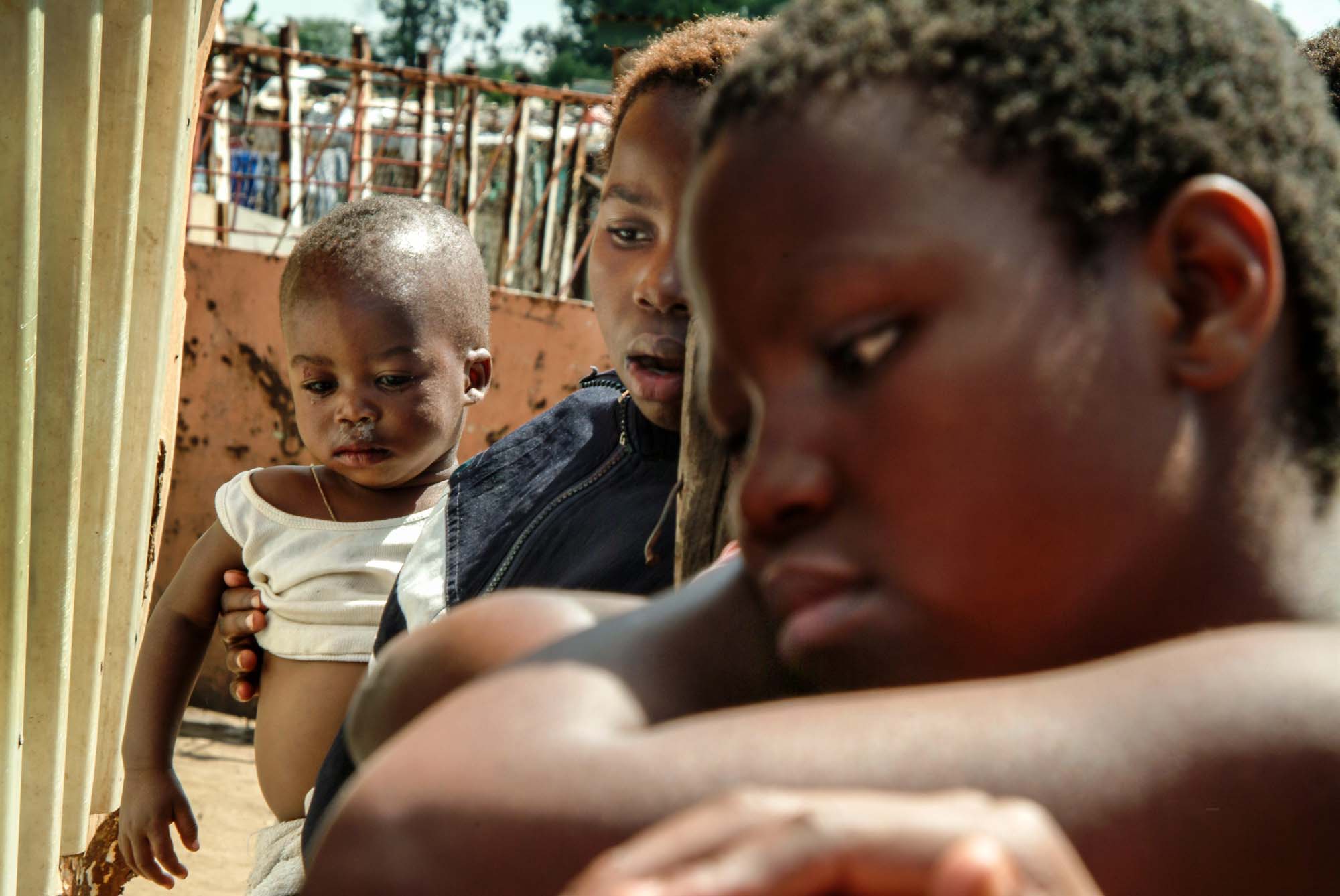
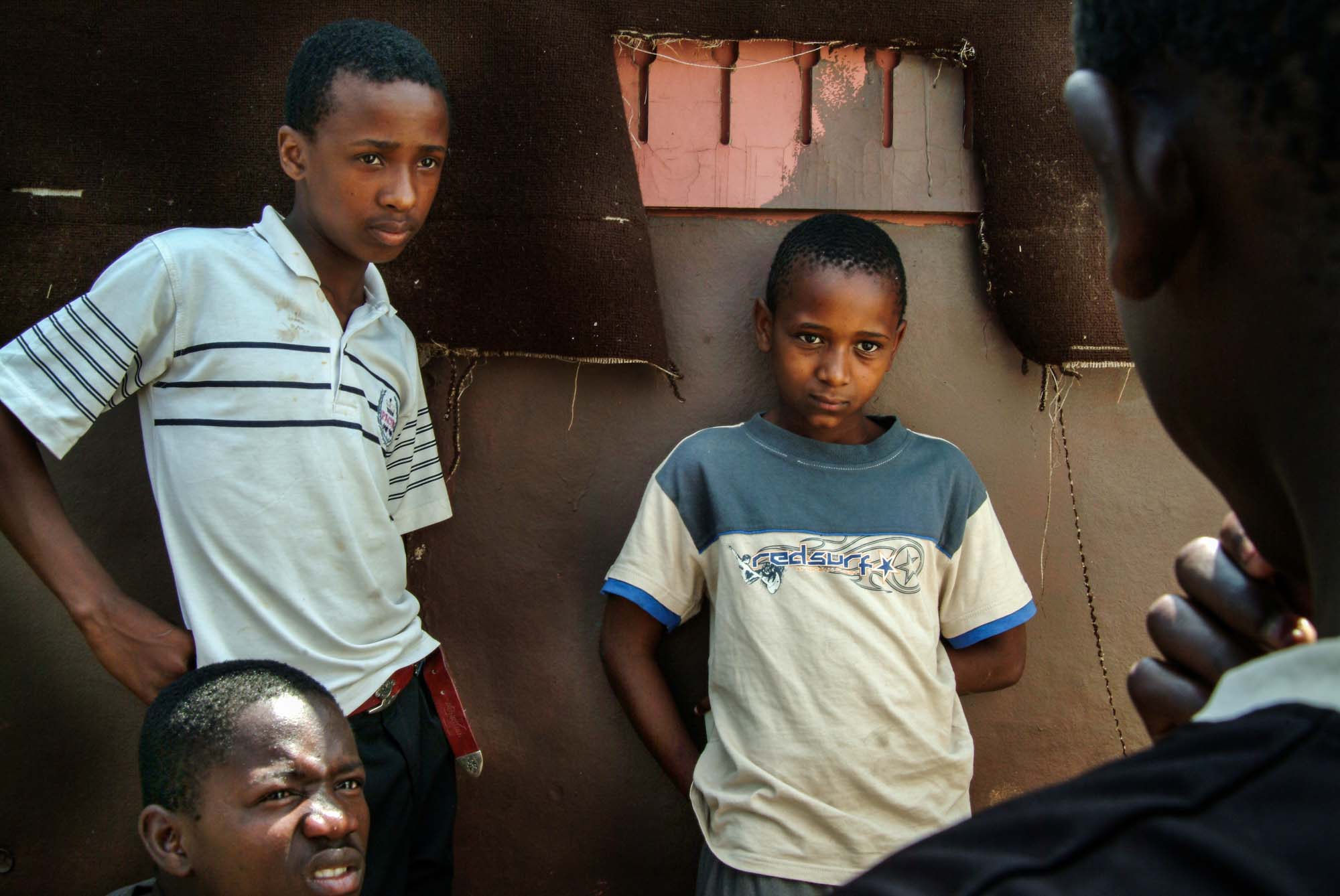
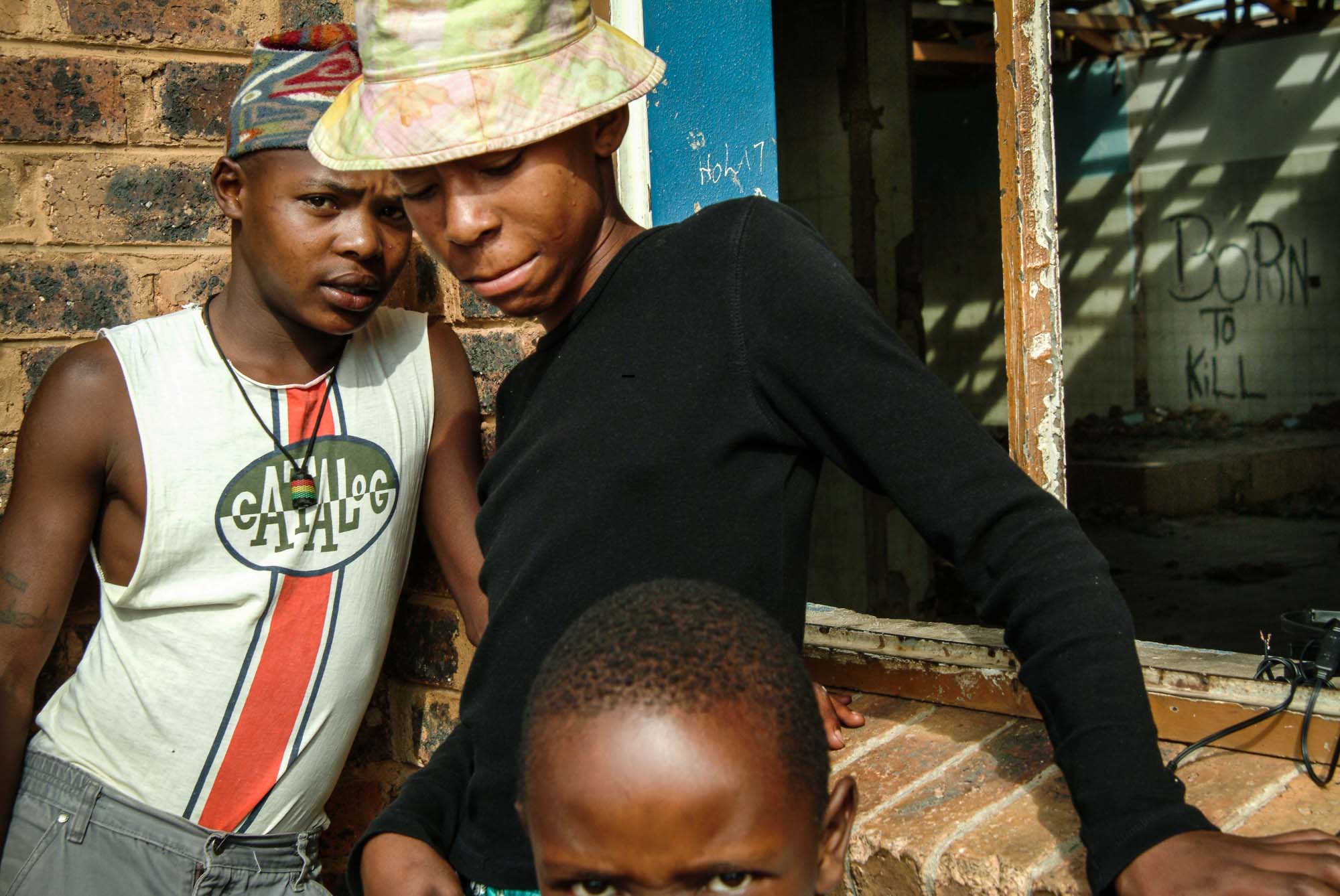
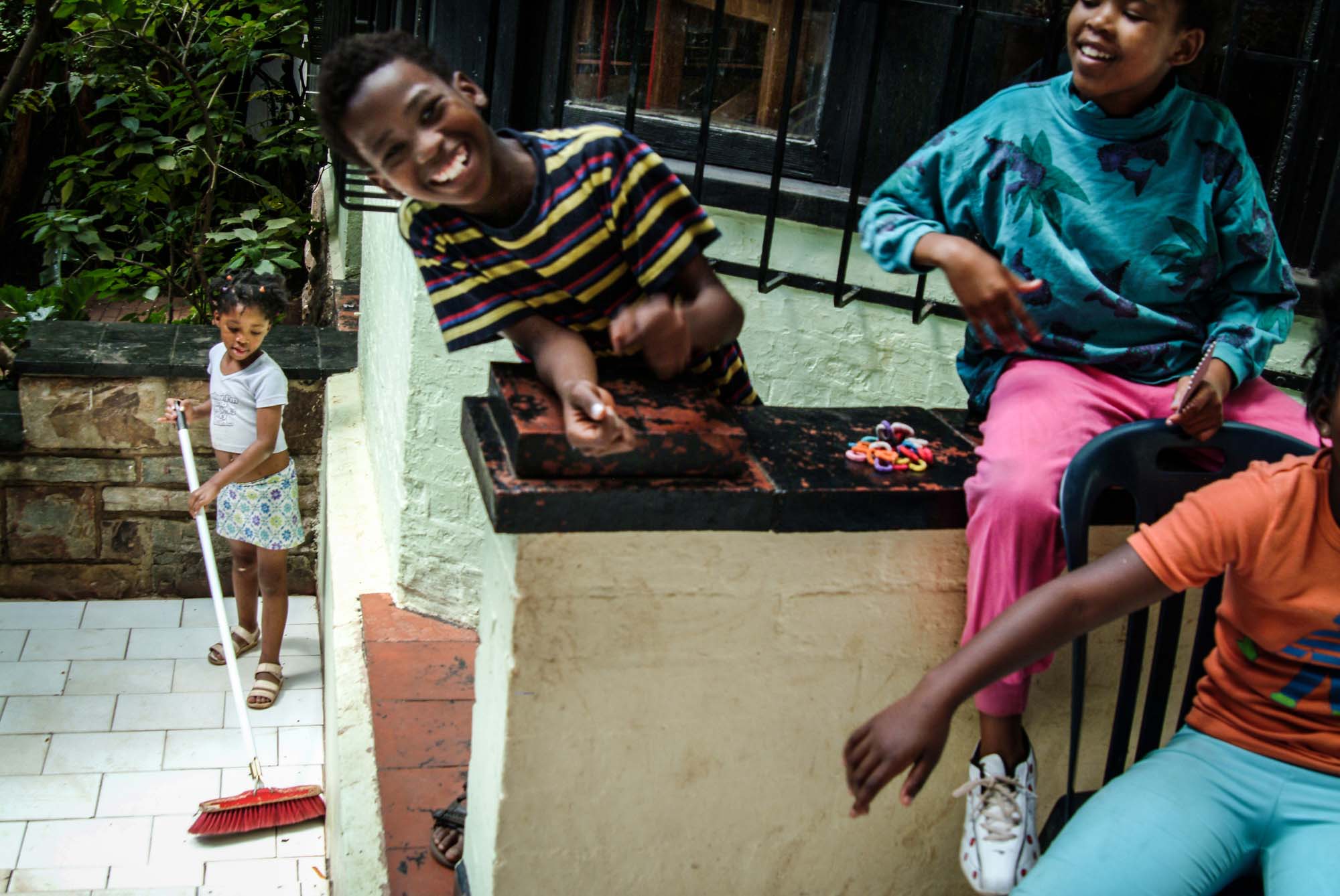
AIDS Orphans in South Africa
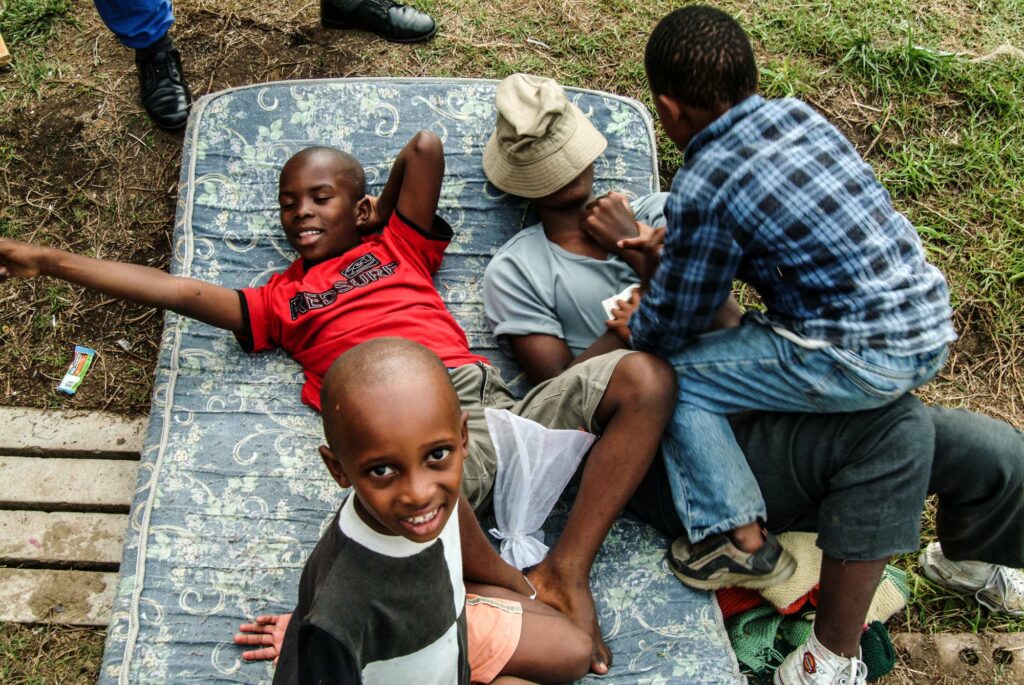
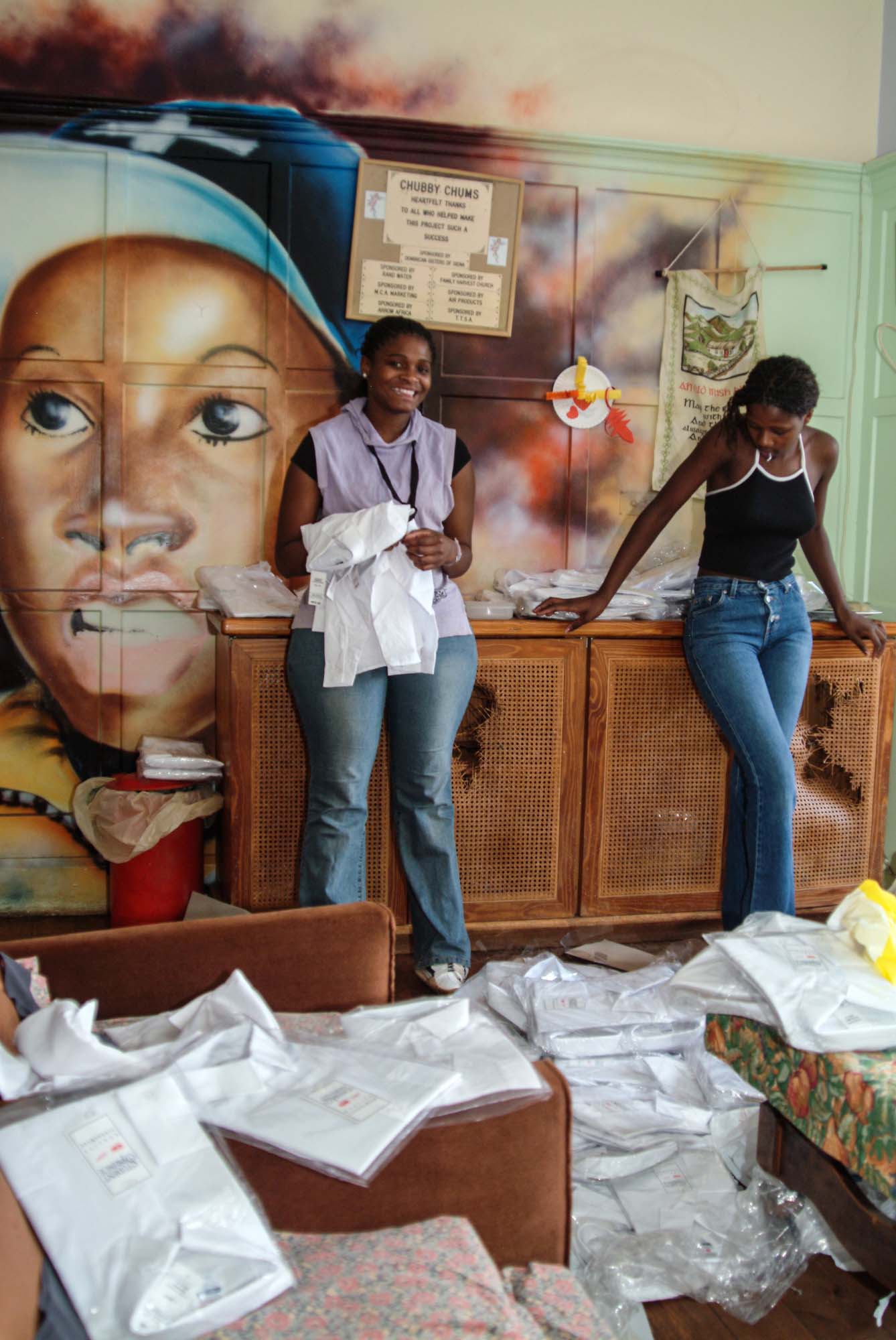
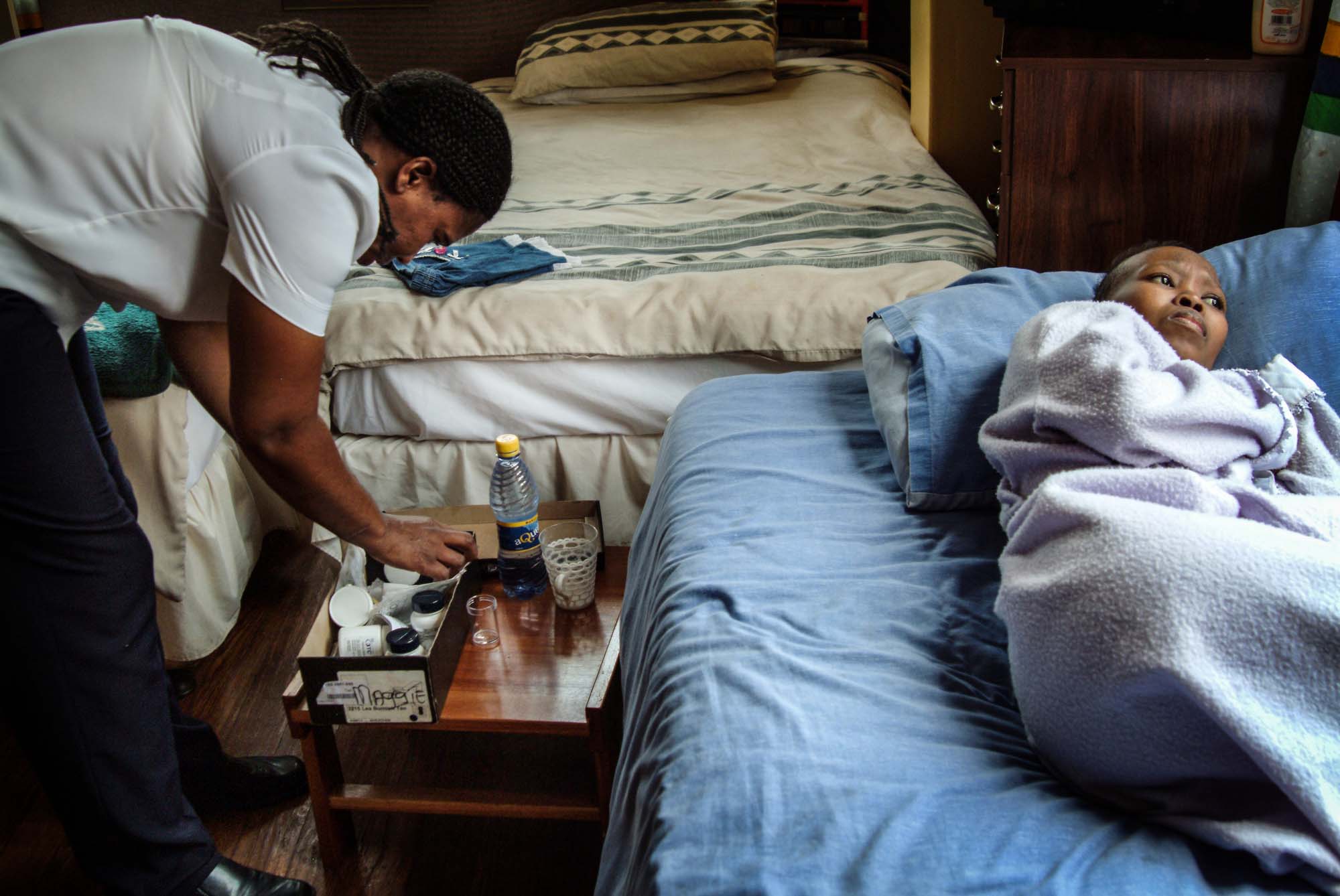
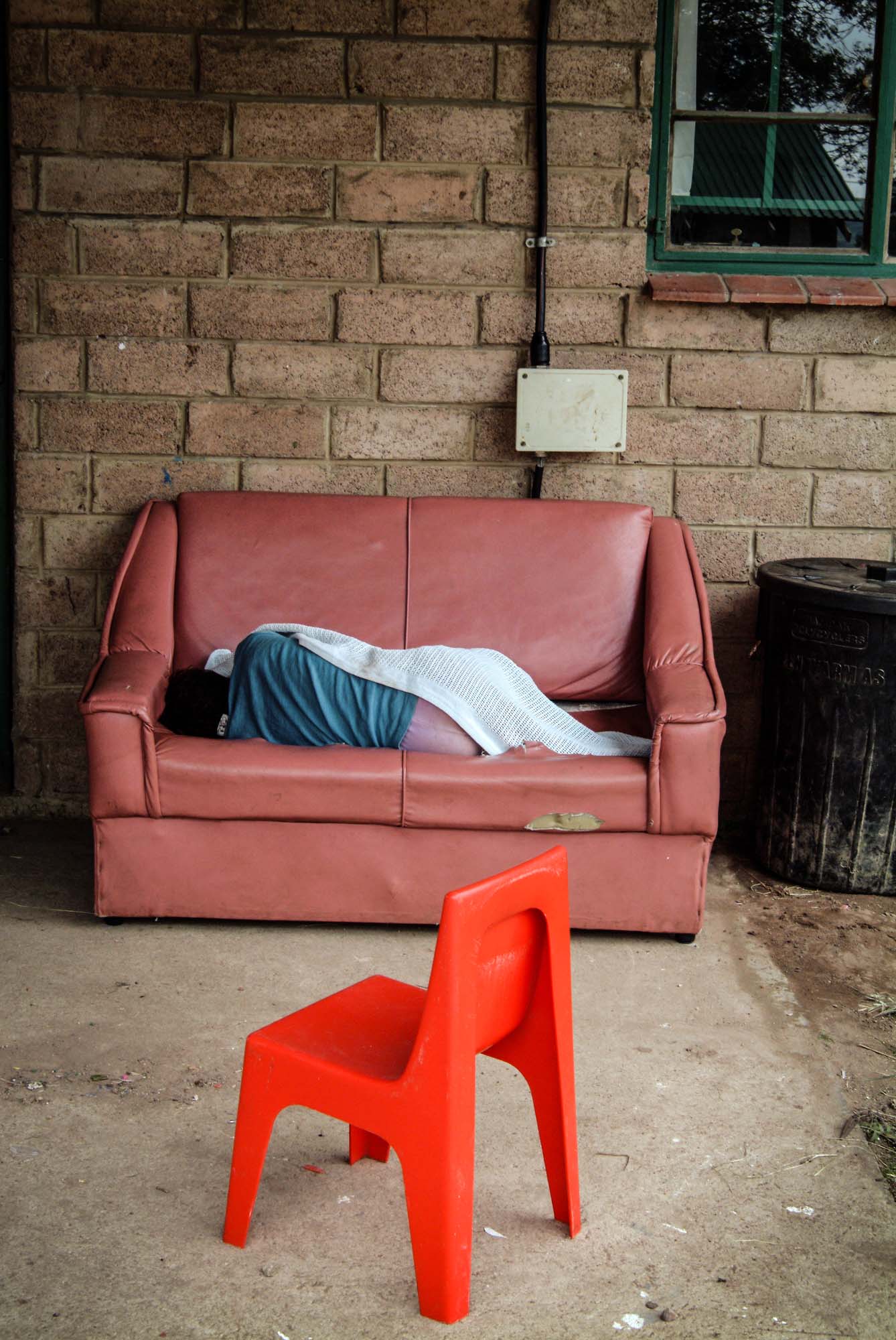
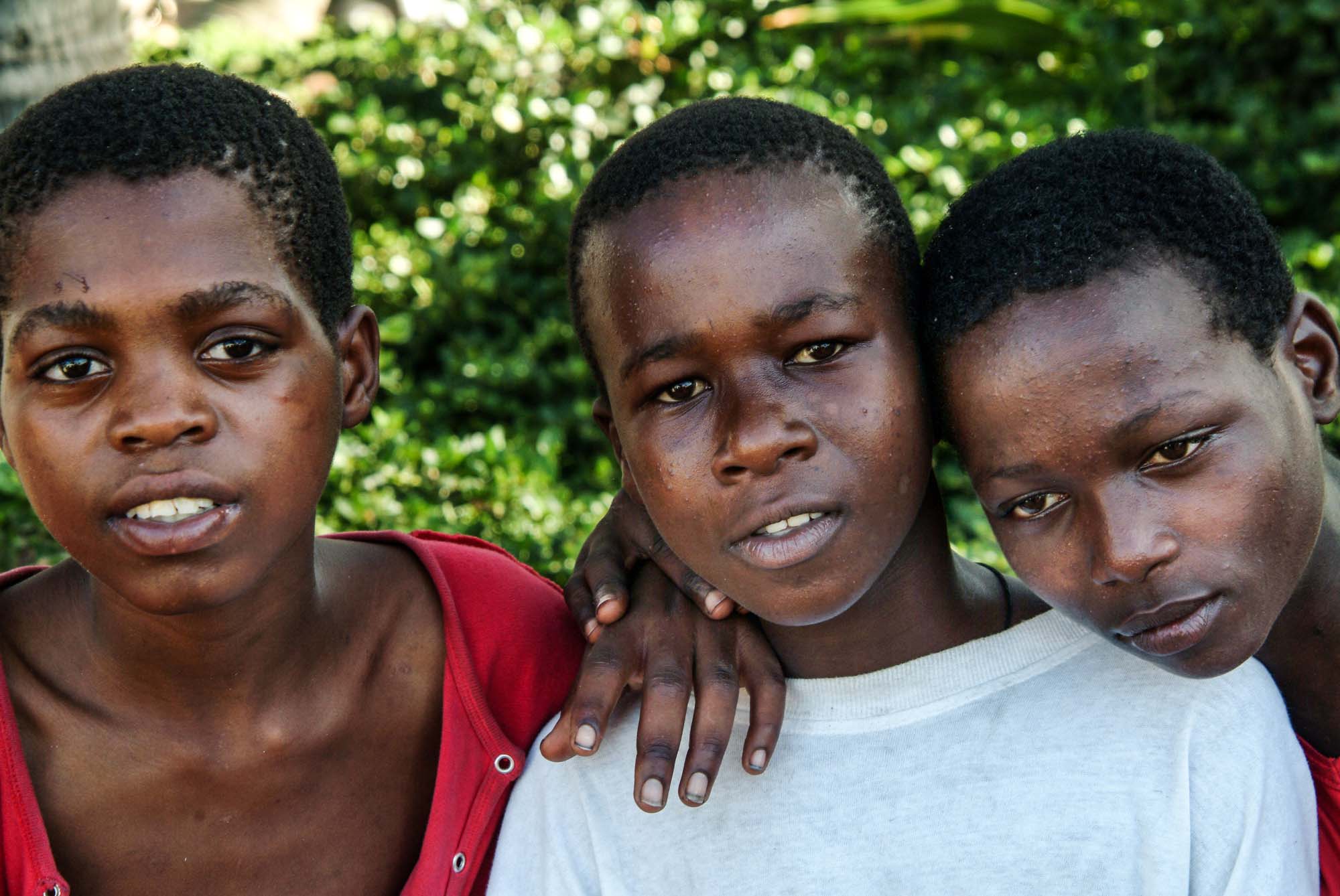
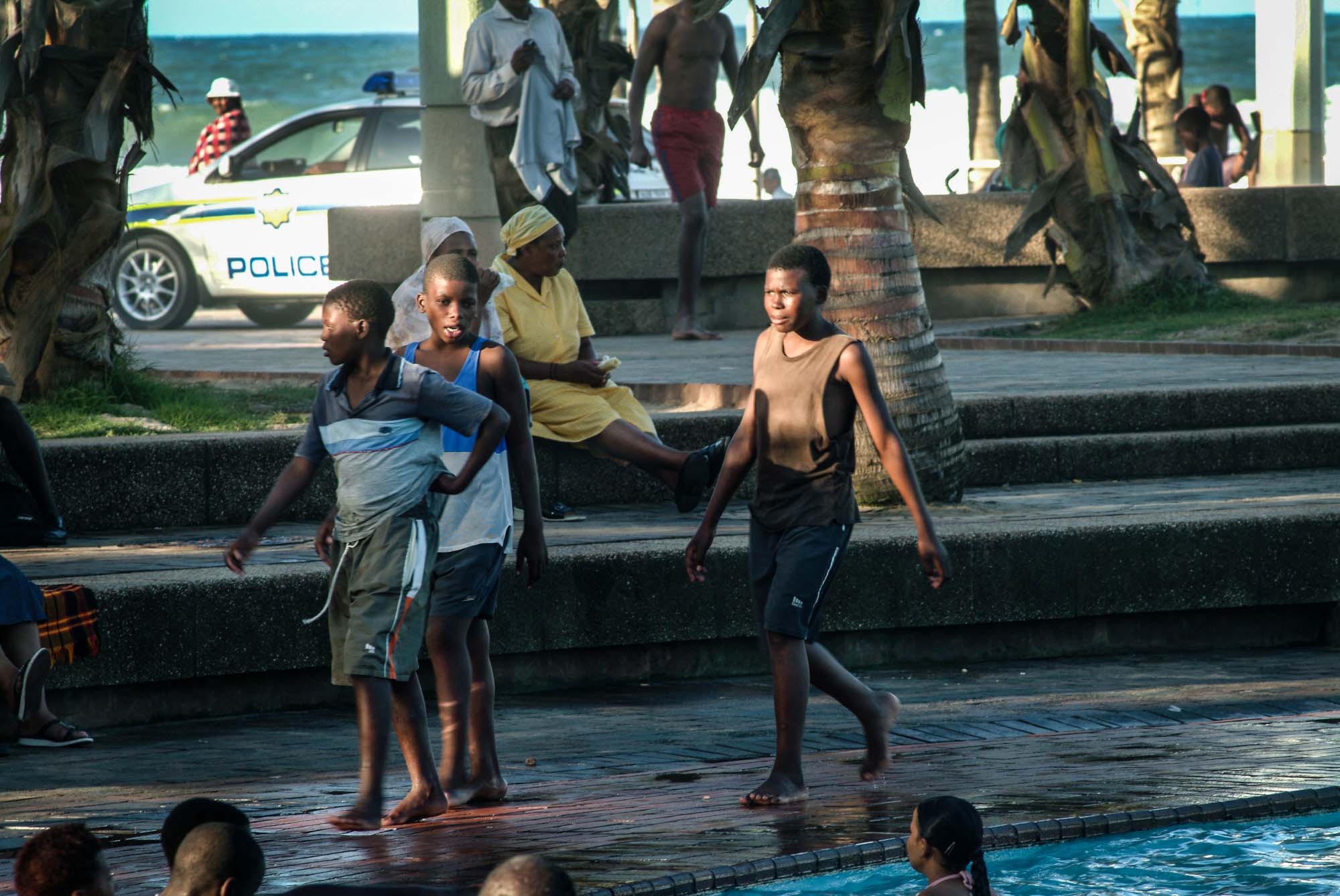
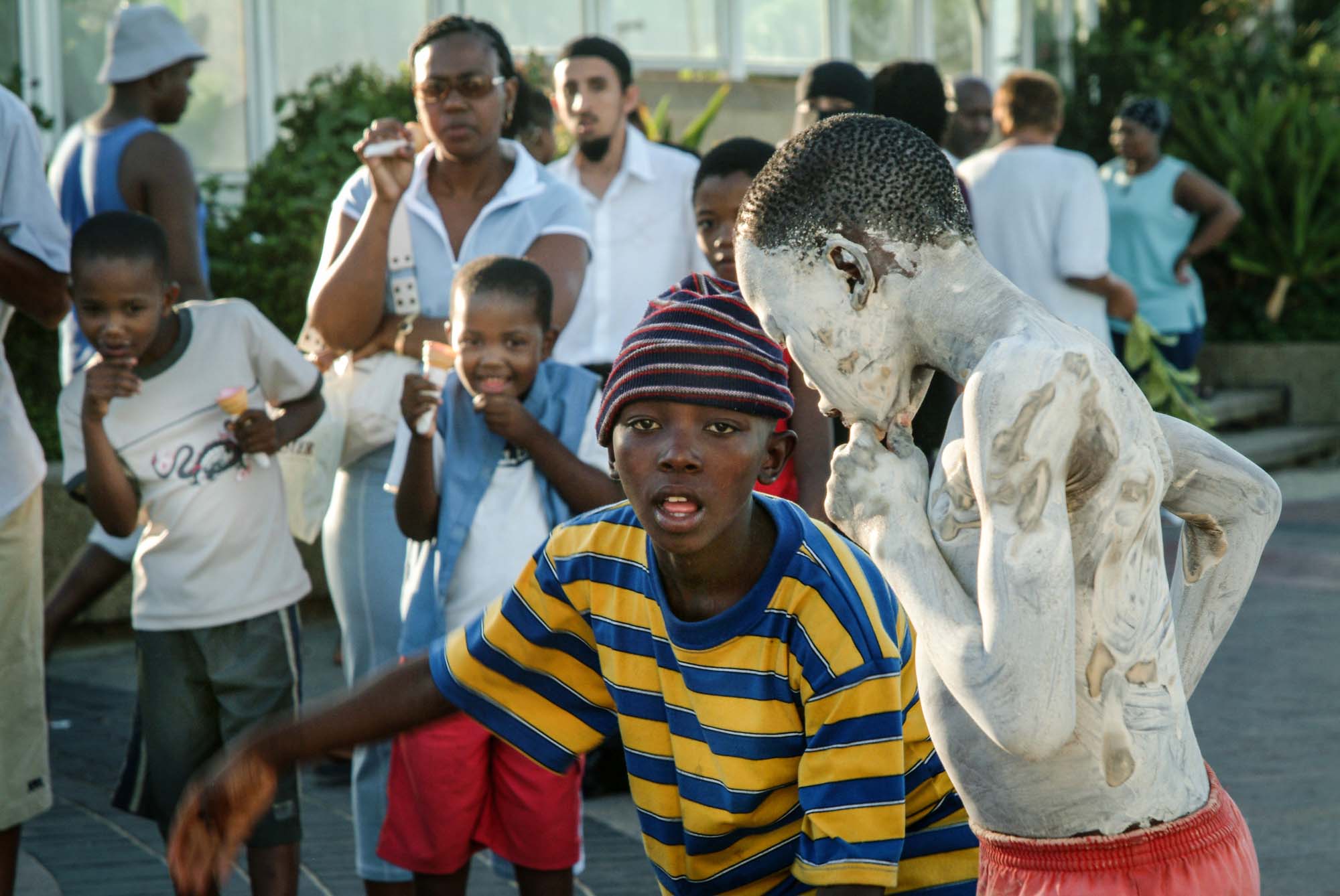
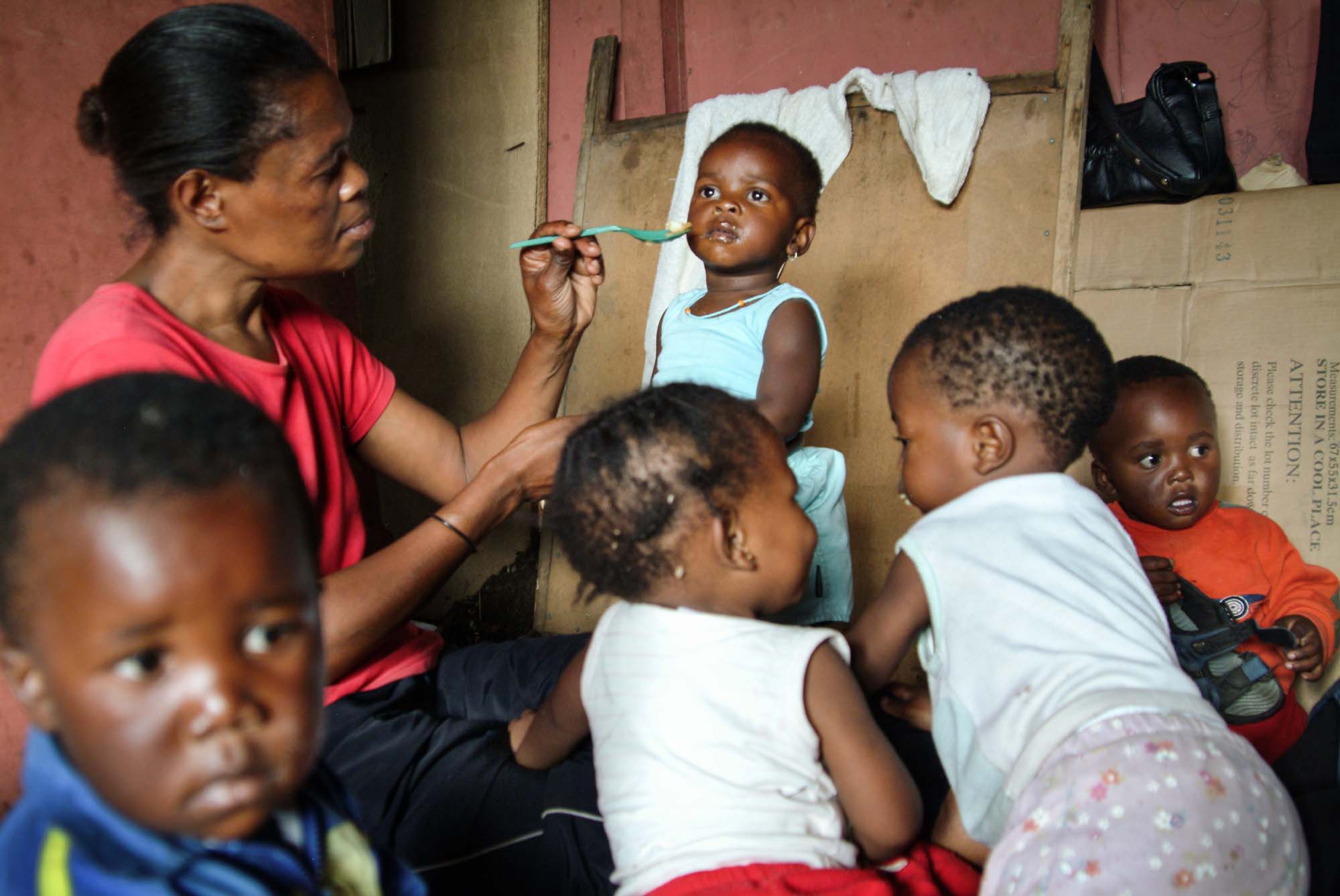
In South Africa, the AIDS epidemic has left millions of children orphaned, facing poverty, exclusion, and an uncertain future. Often isolated, these orphans lack family support and essential healthcare access.
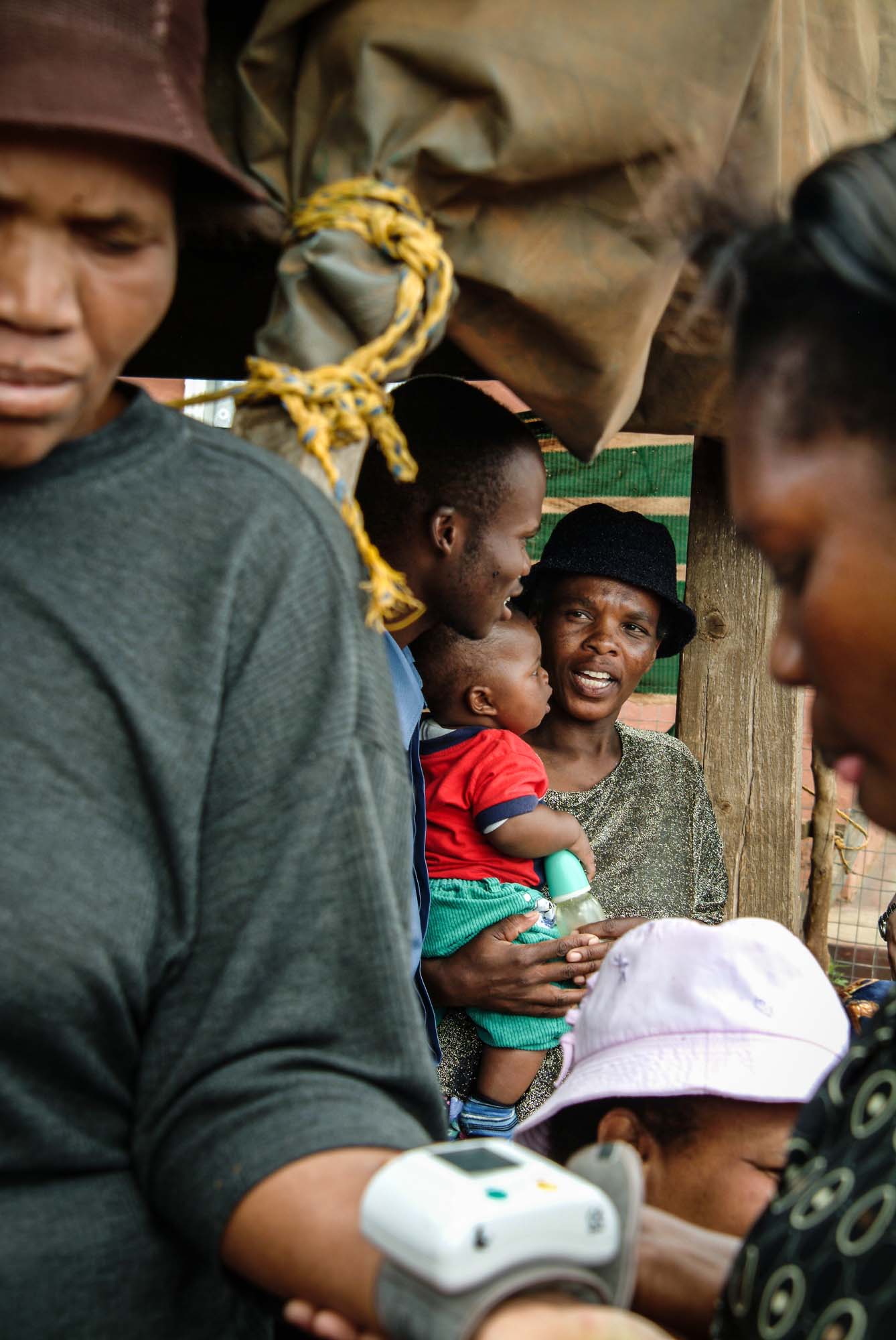
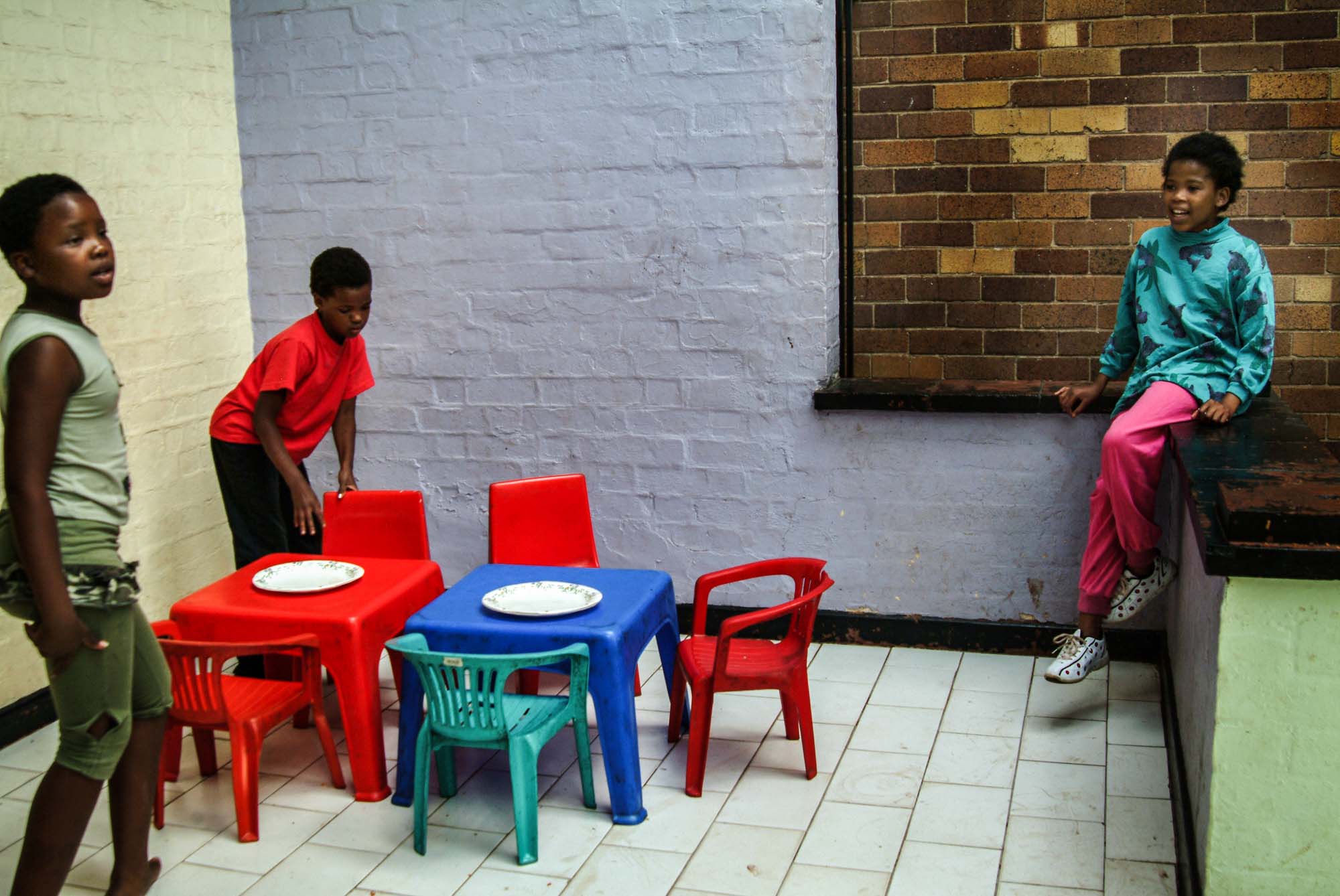
Numerous NGOs and local communities mobilize to offer protection, education, and psychosocial support. Through targeted aid programs, they strive to rebuild safe, nurturing environments that break the cycle of vulnerability.
These initiatives also raise awareness about prevention and stigma linked to HIV/AIDS.
Despite immense challenges, hope endures thanks to committed actors working to restore dignity and a promising future for these children.
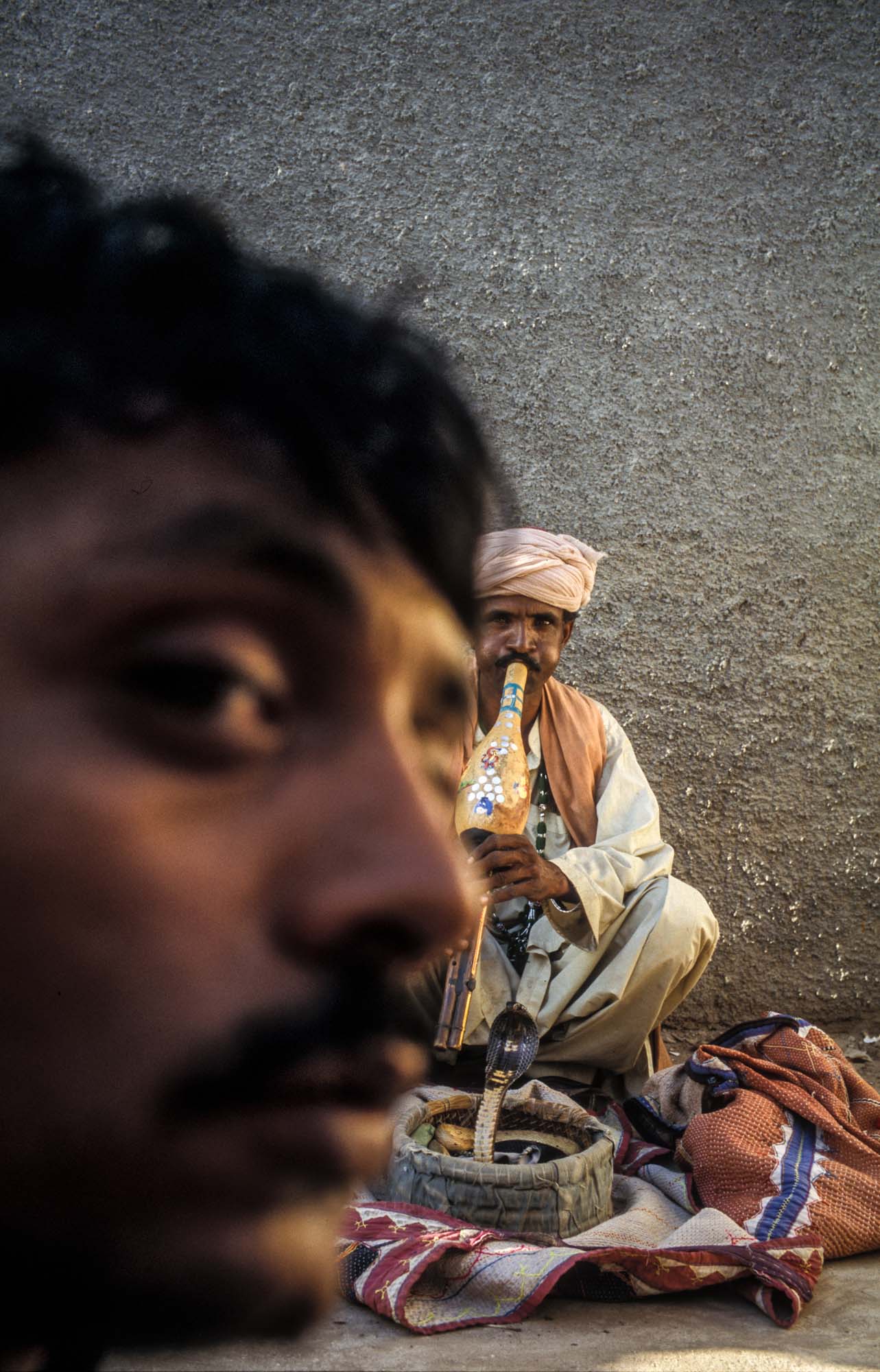
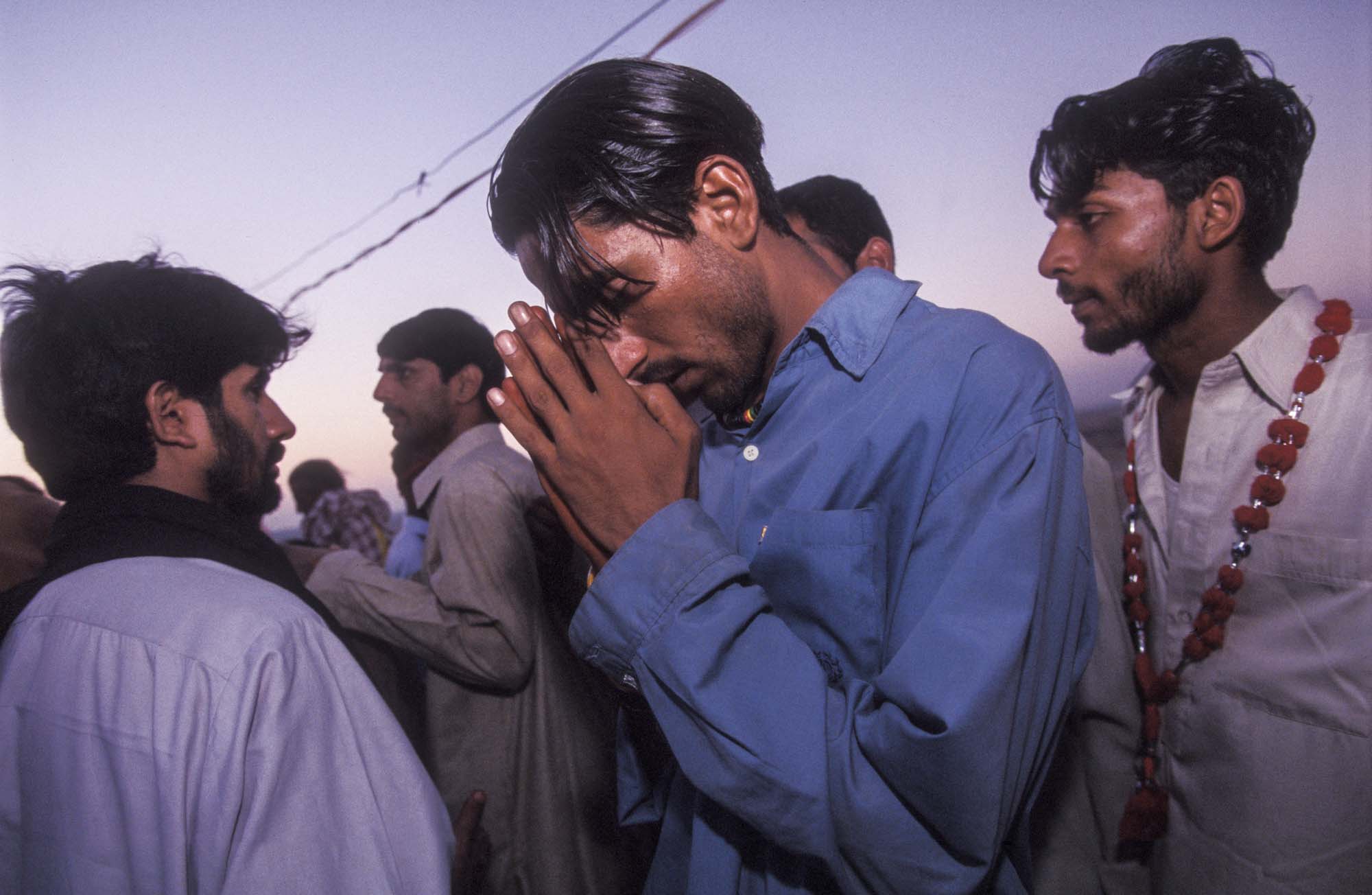
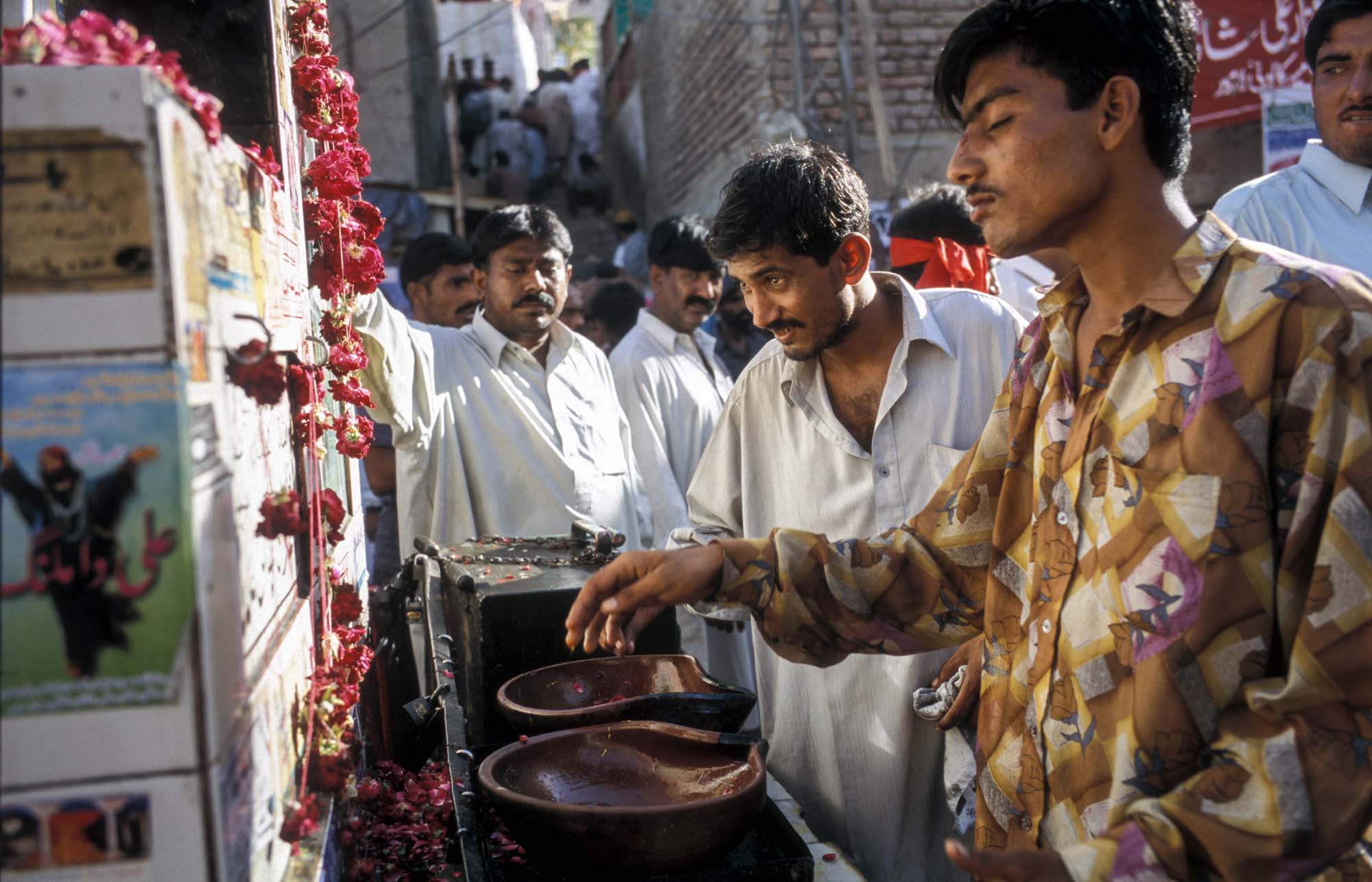
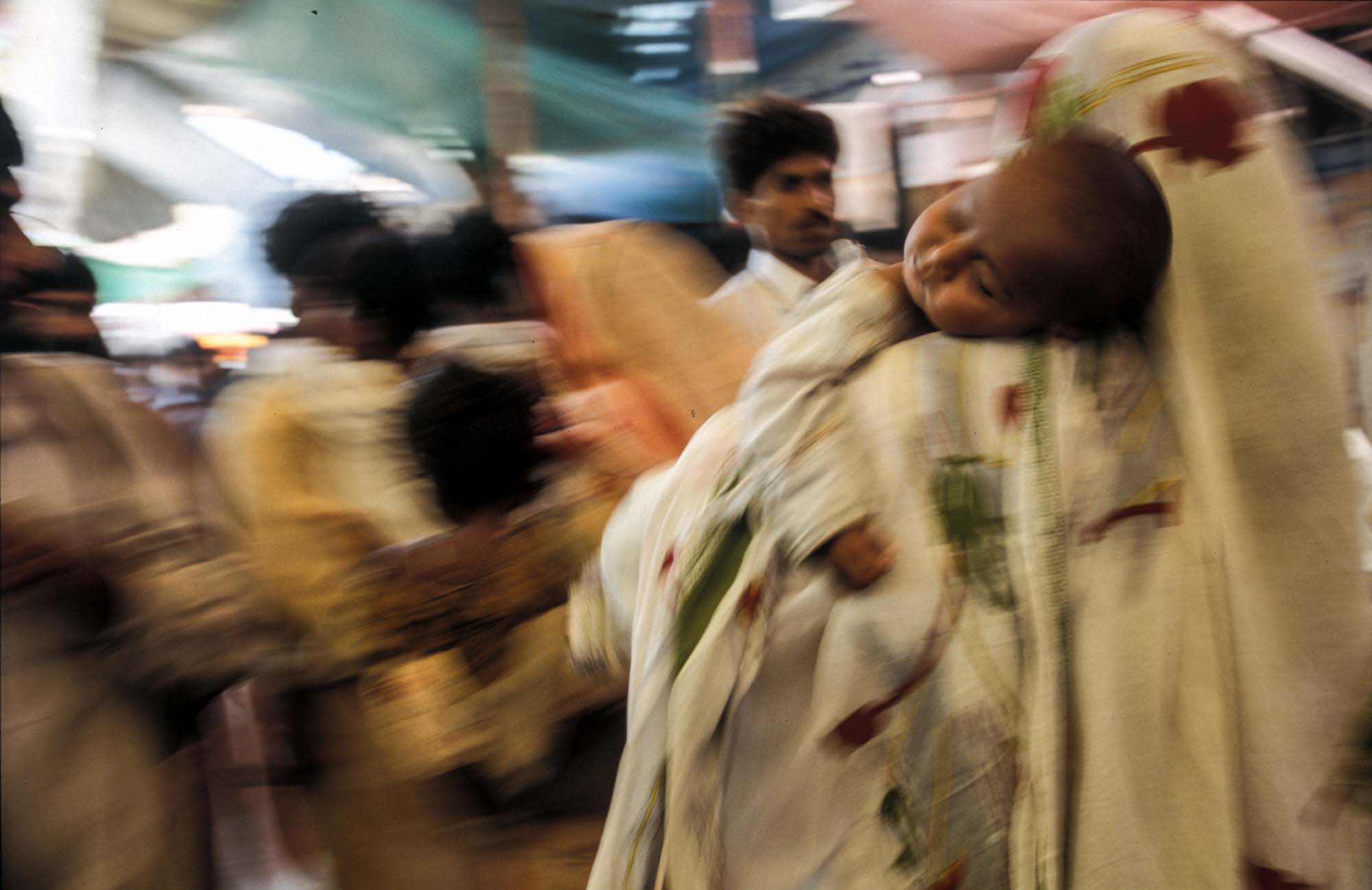
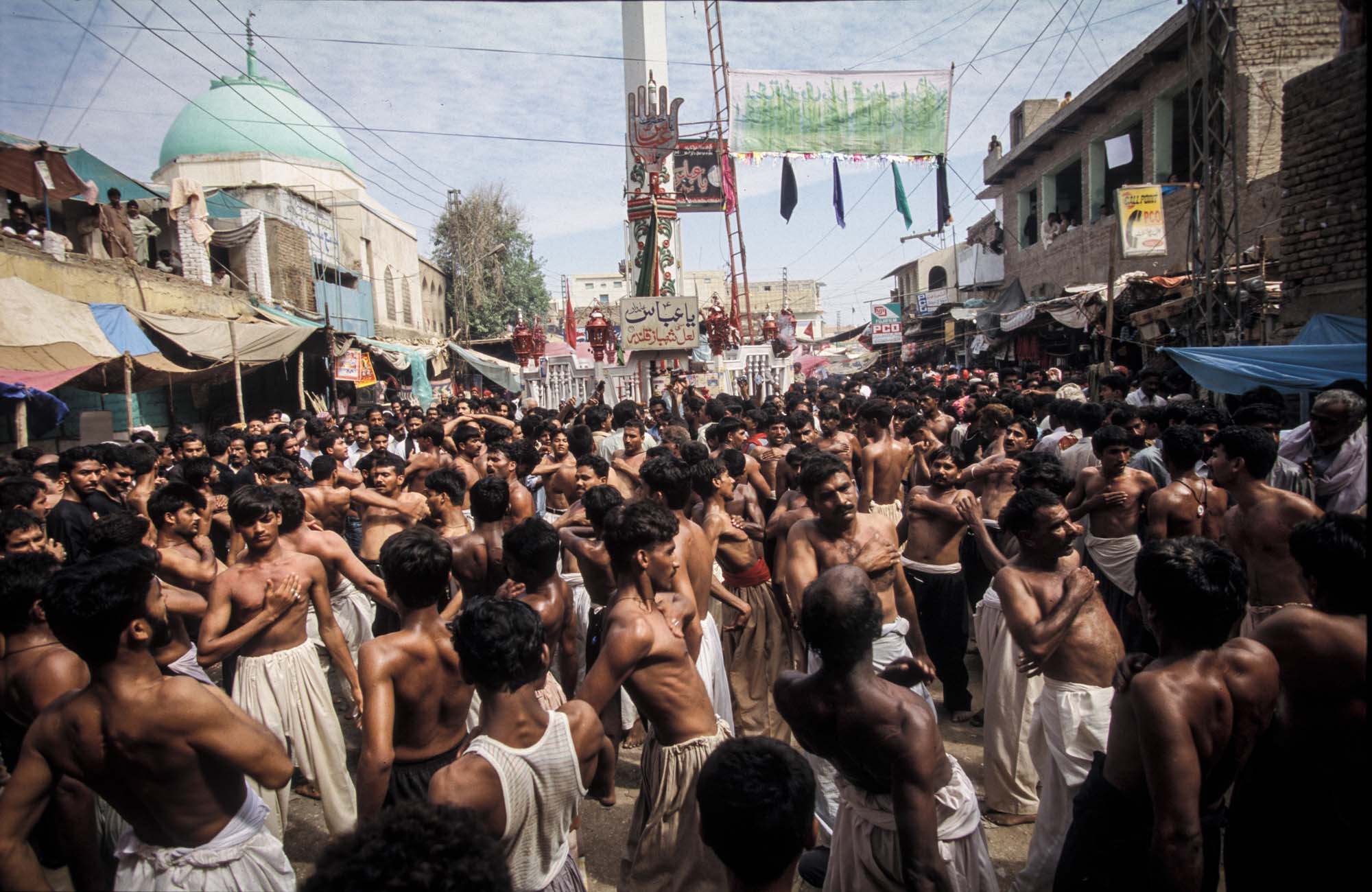
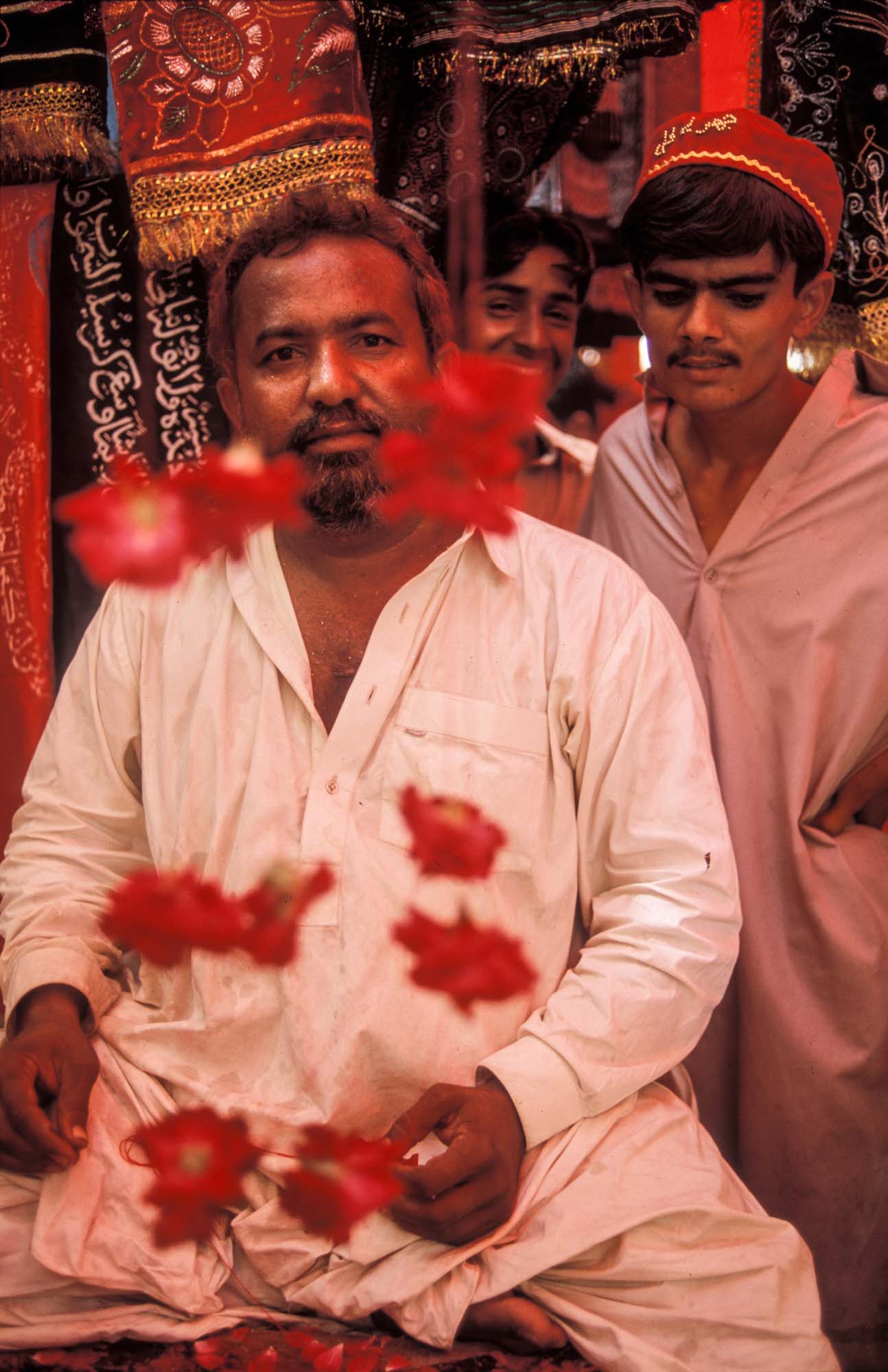
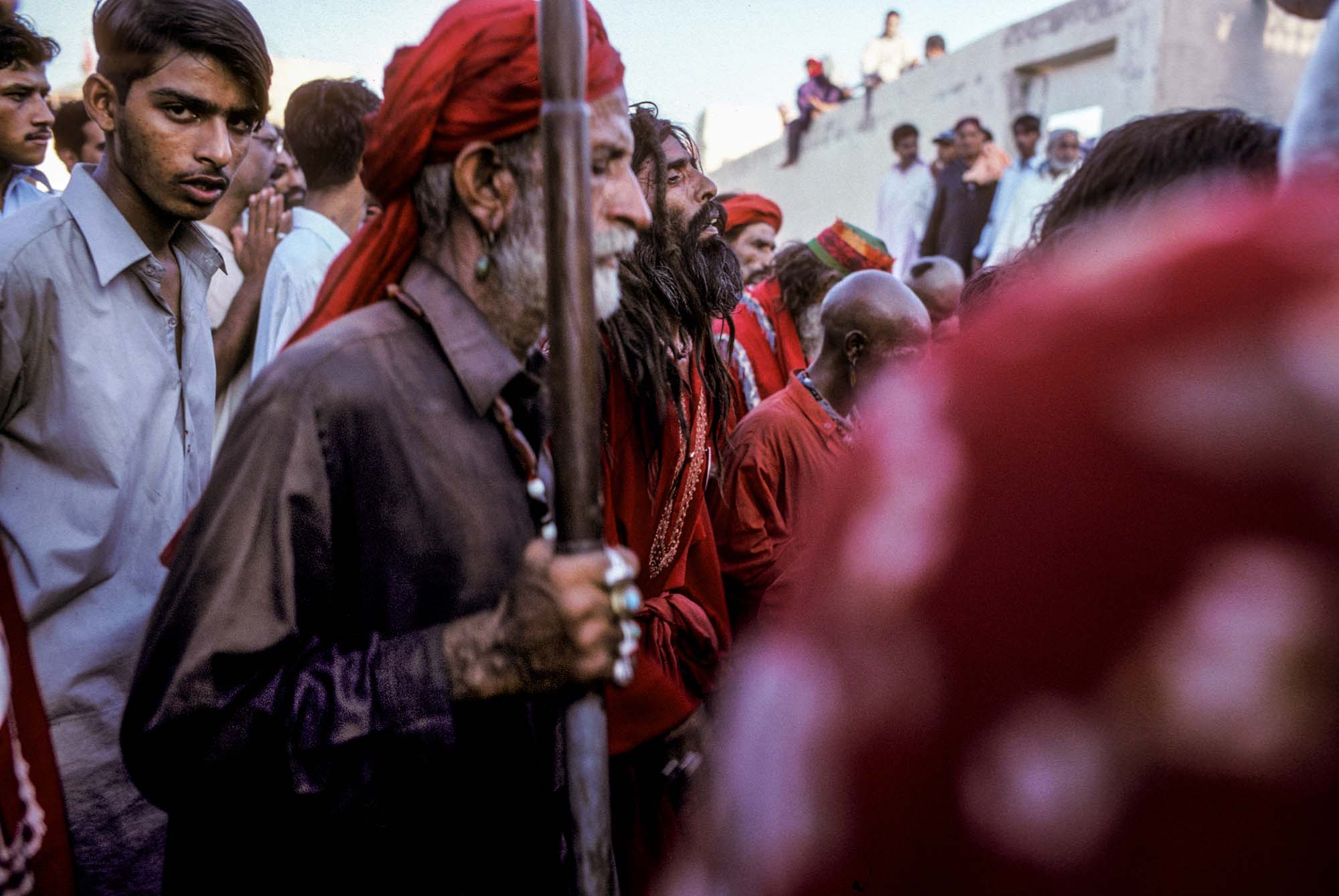
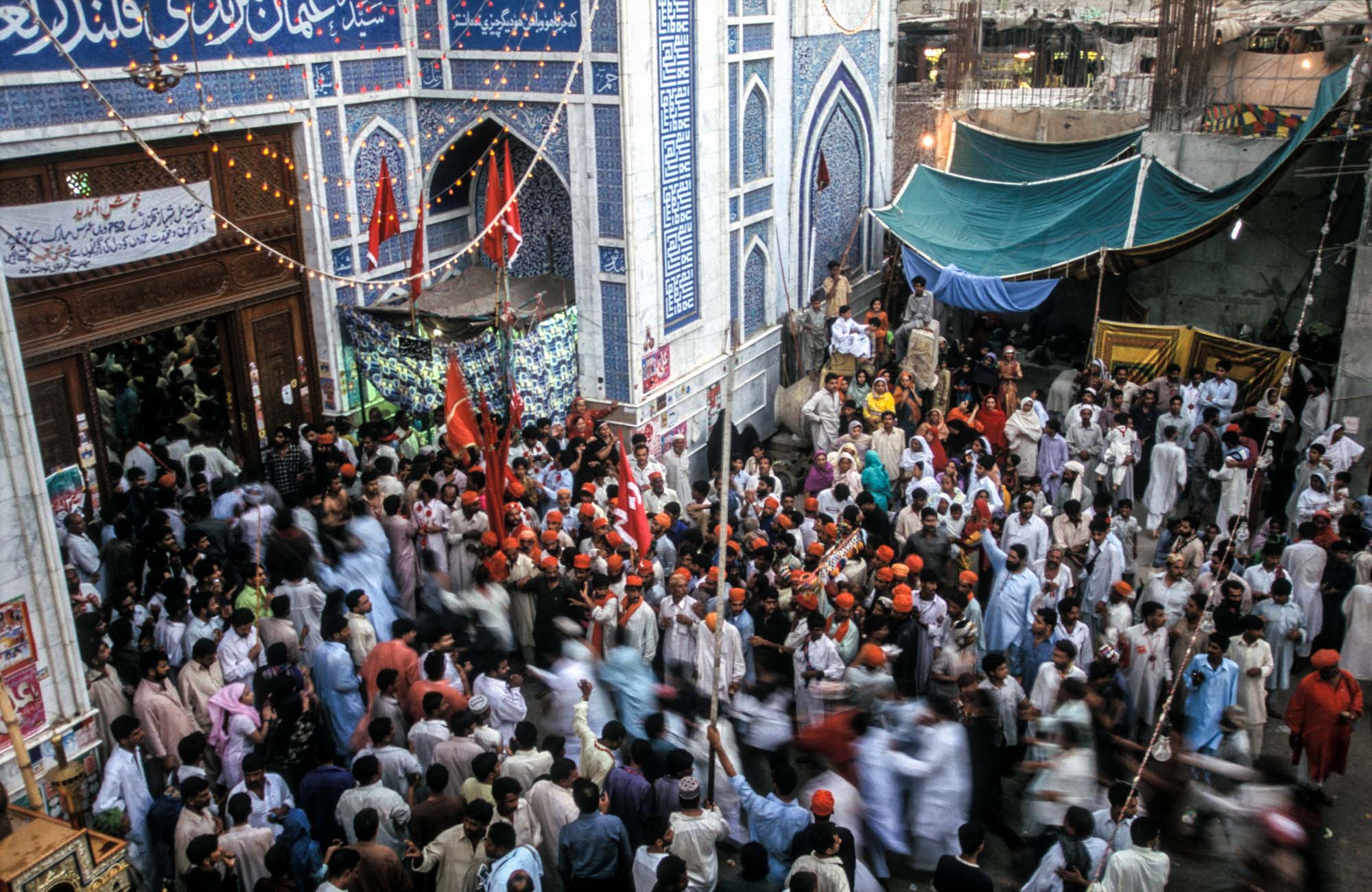
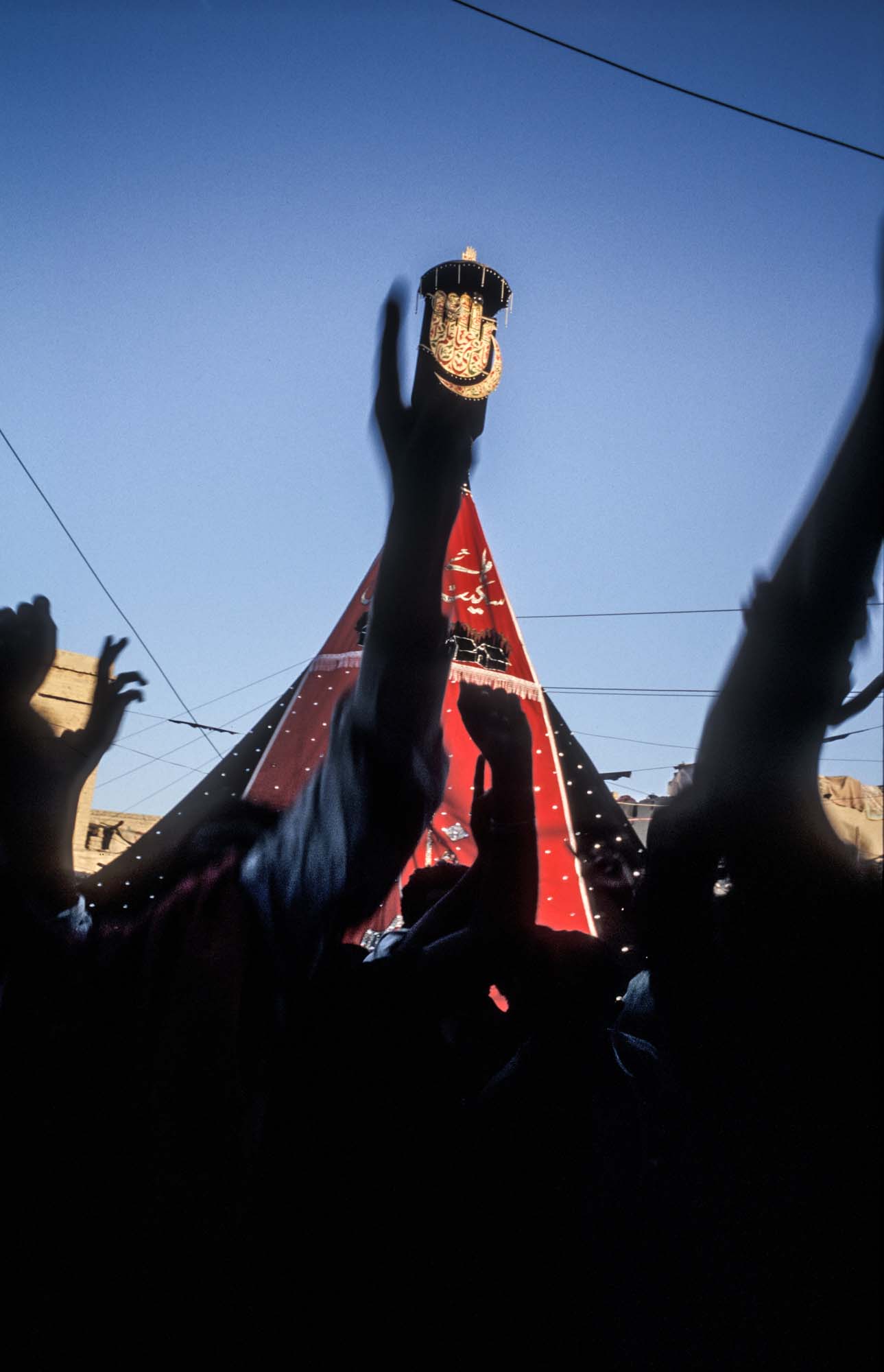
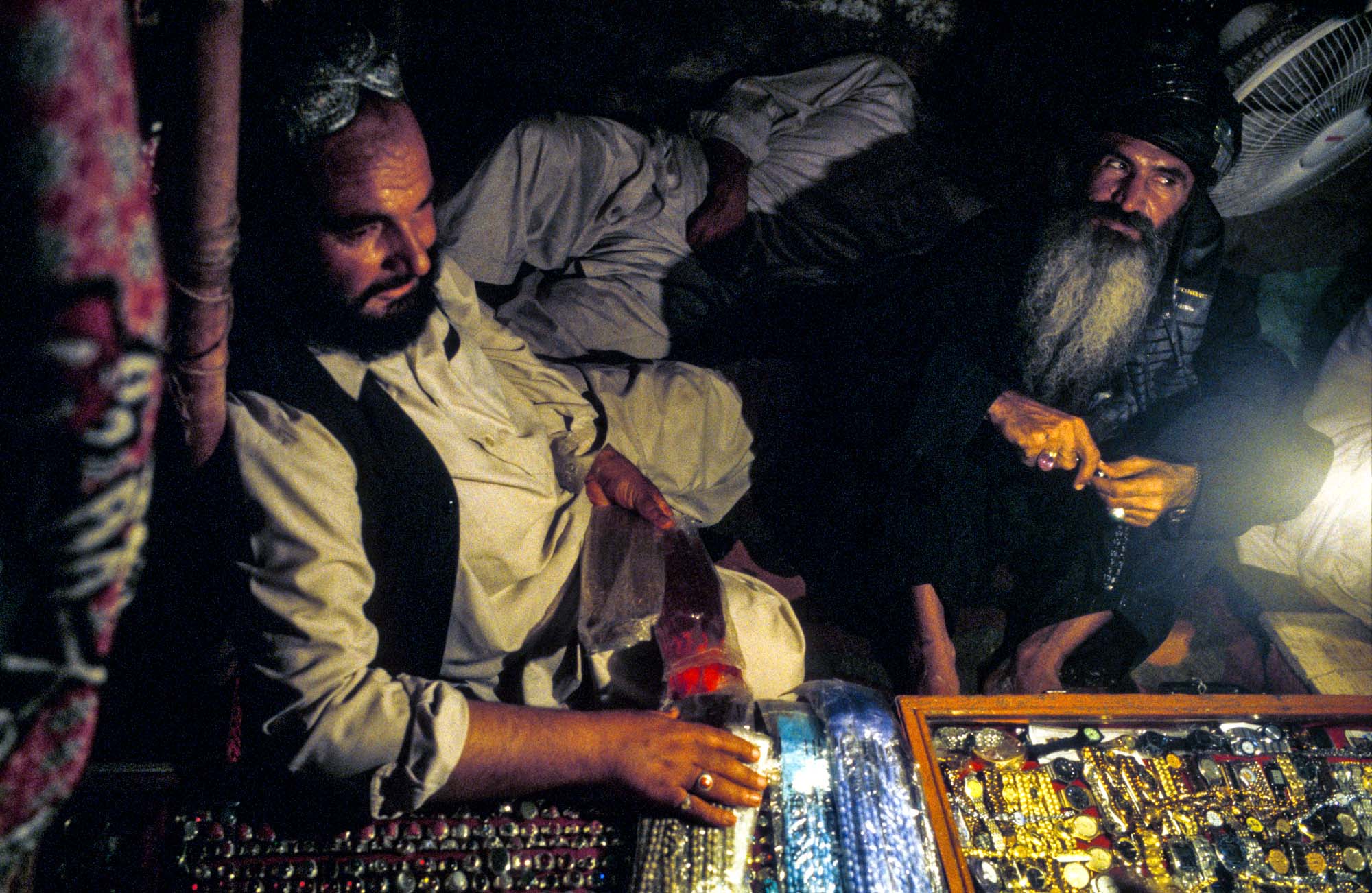
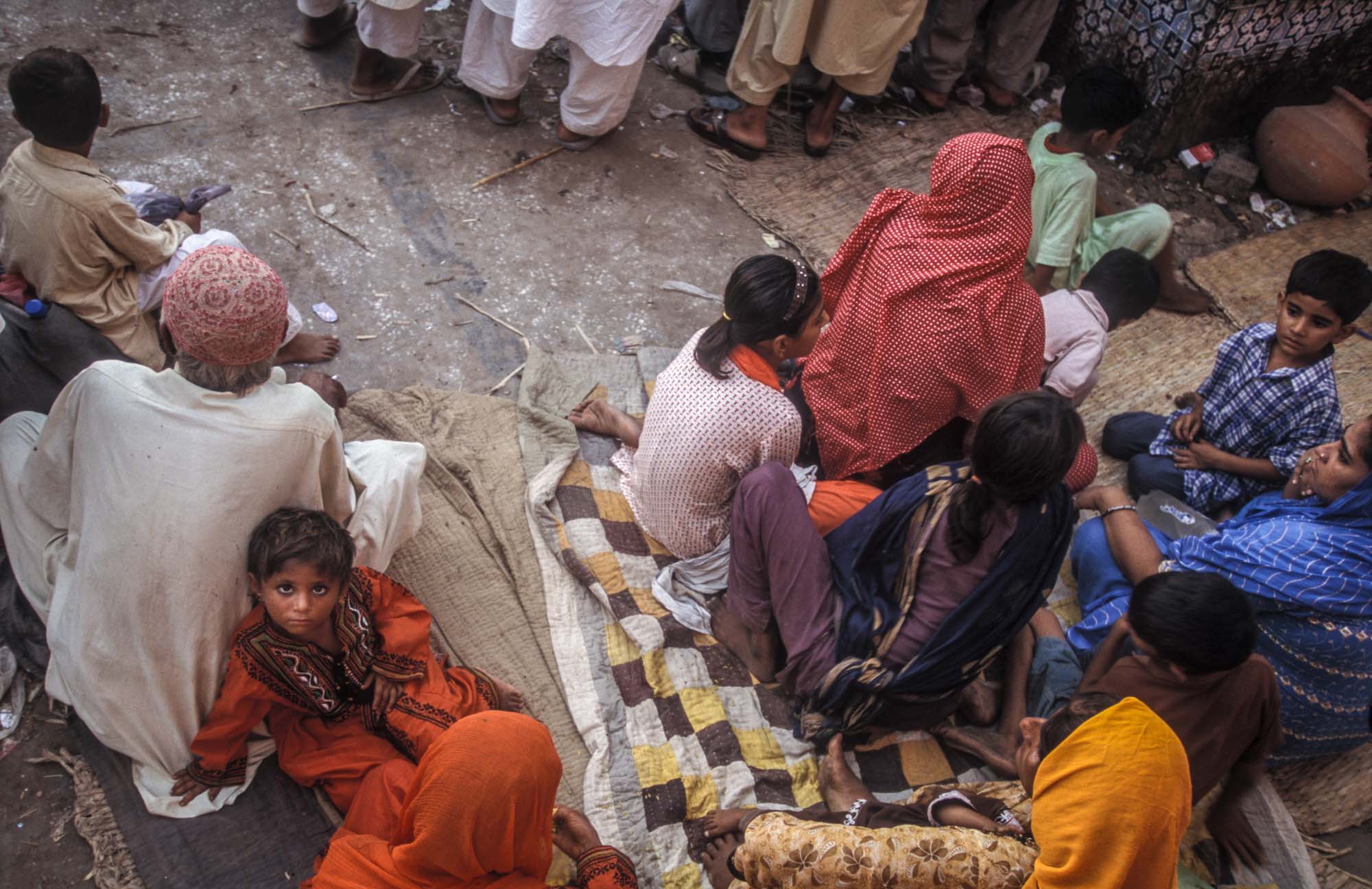
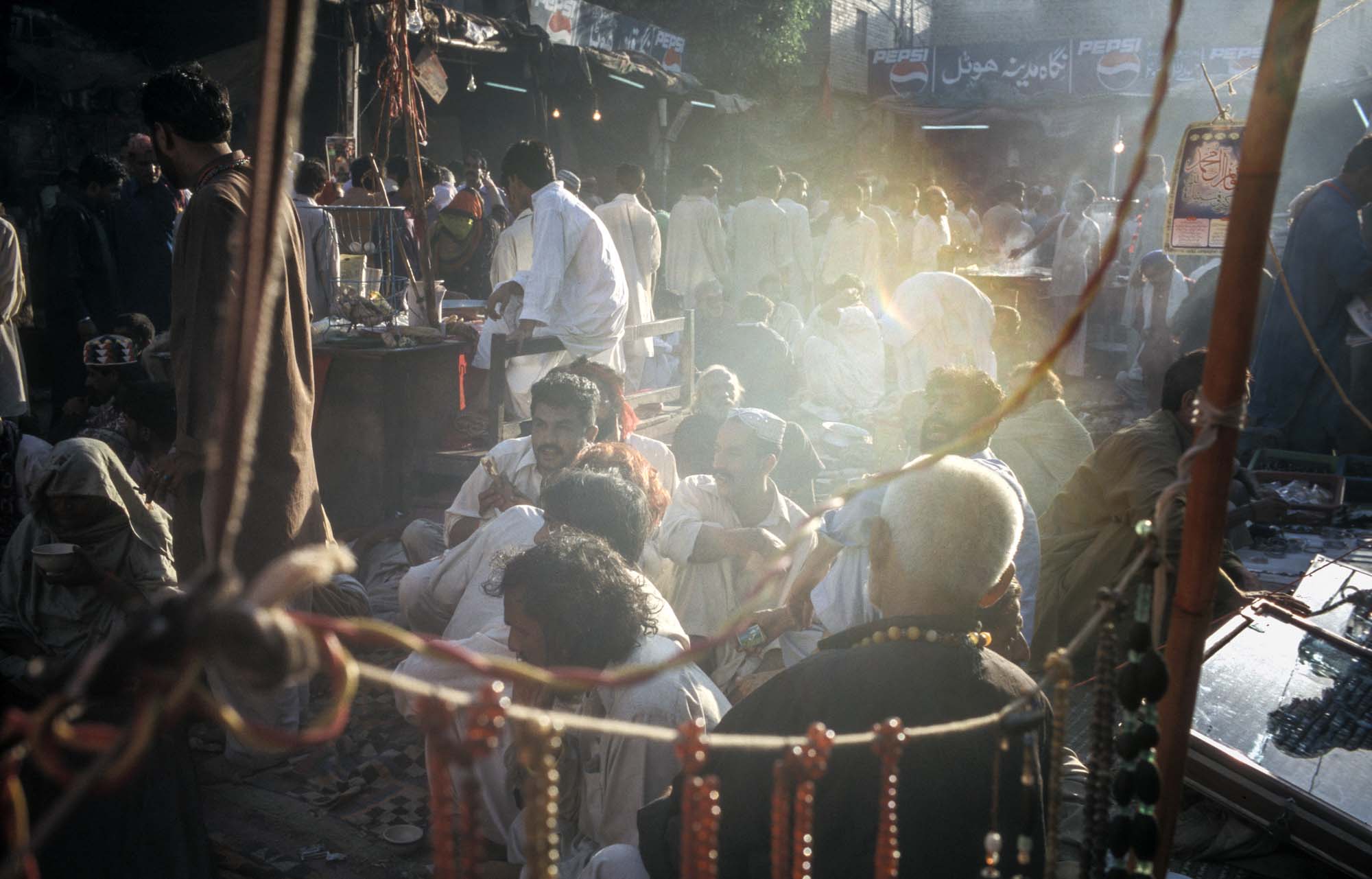
THE LAL SHAHBAZ SUFI FESTIVAL
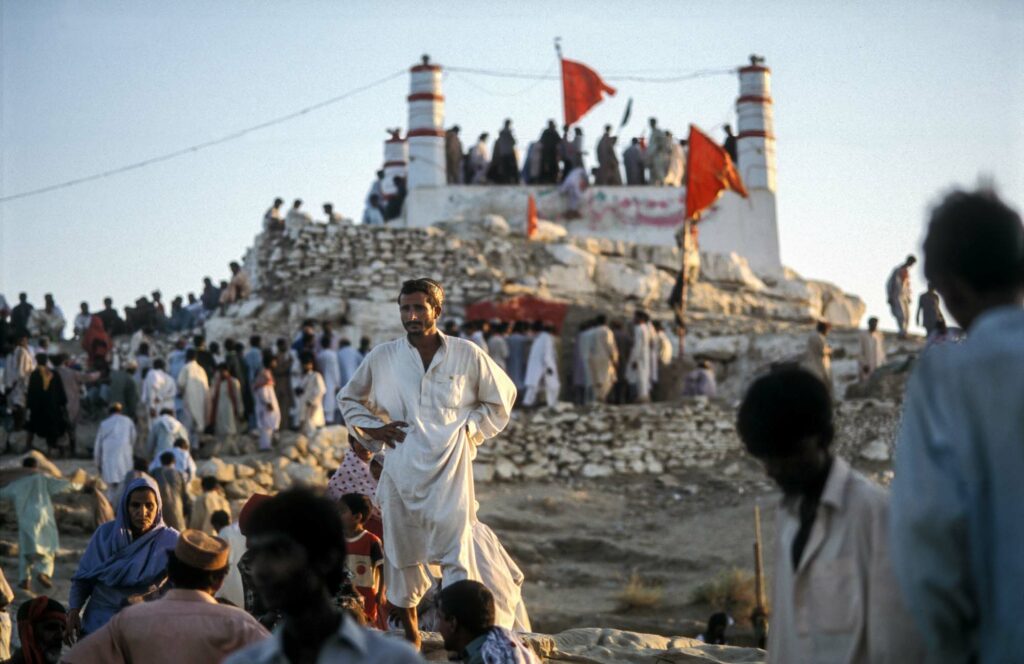
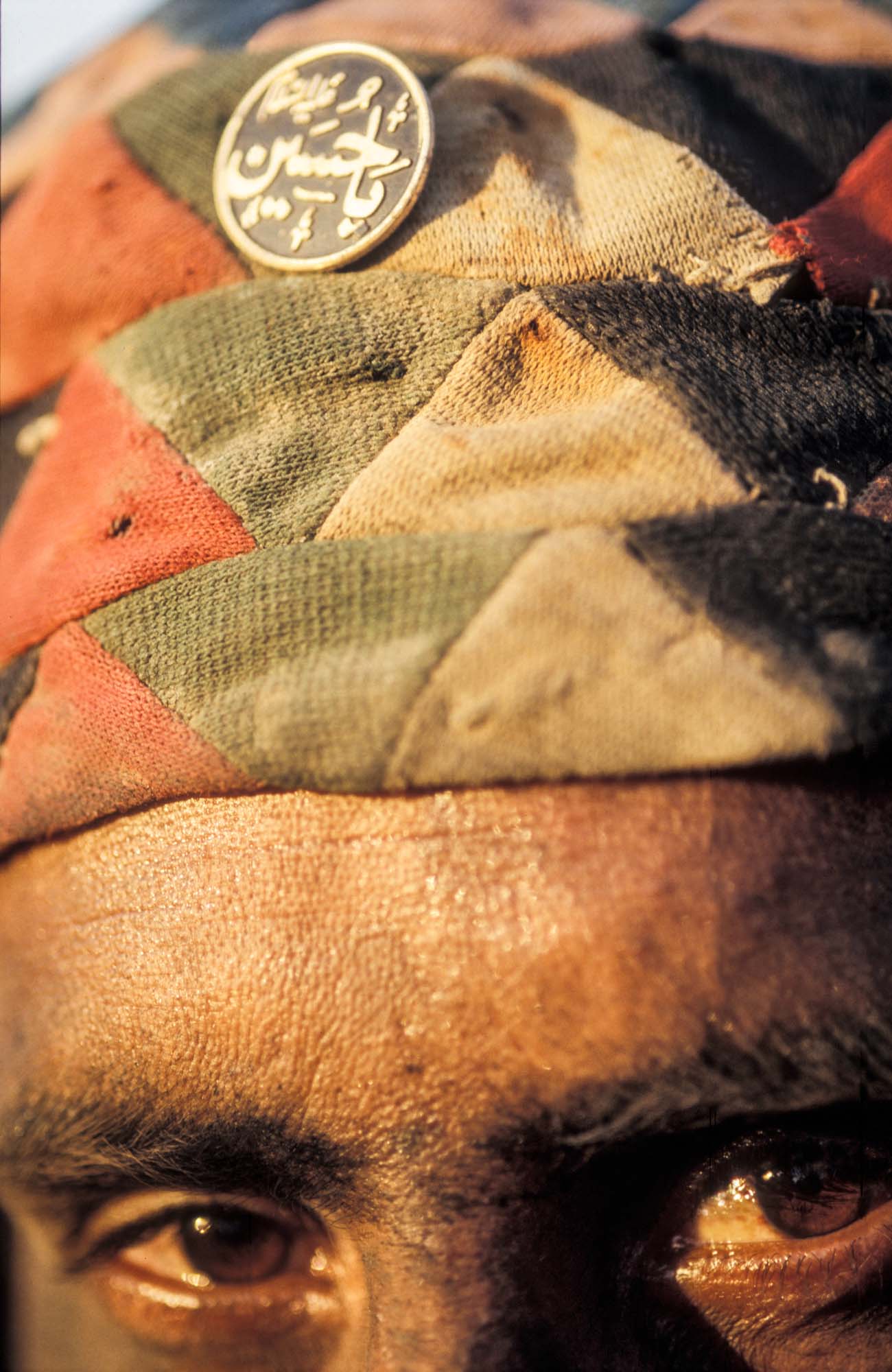
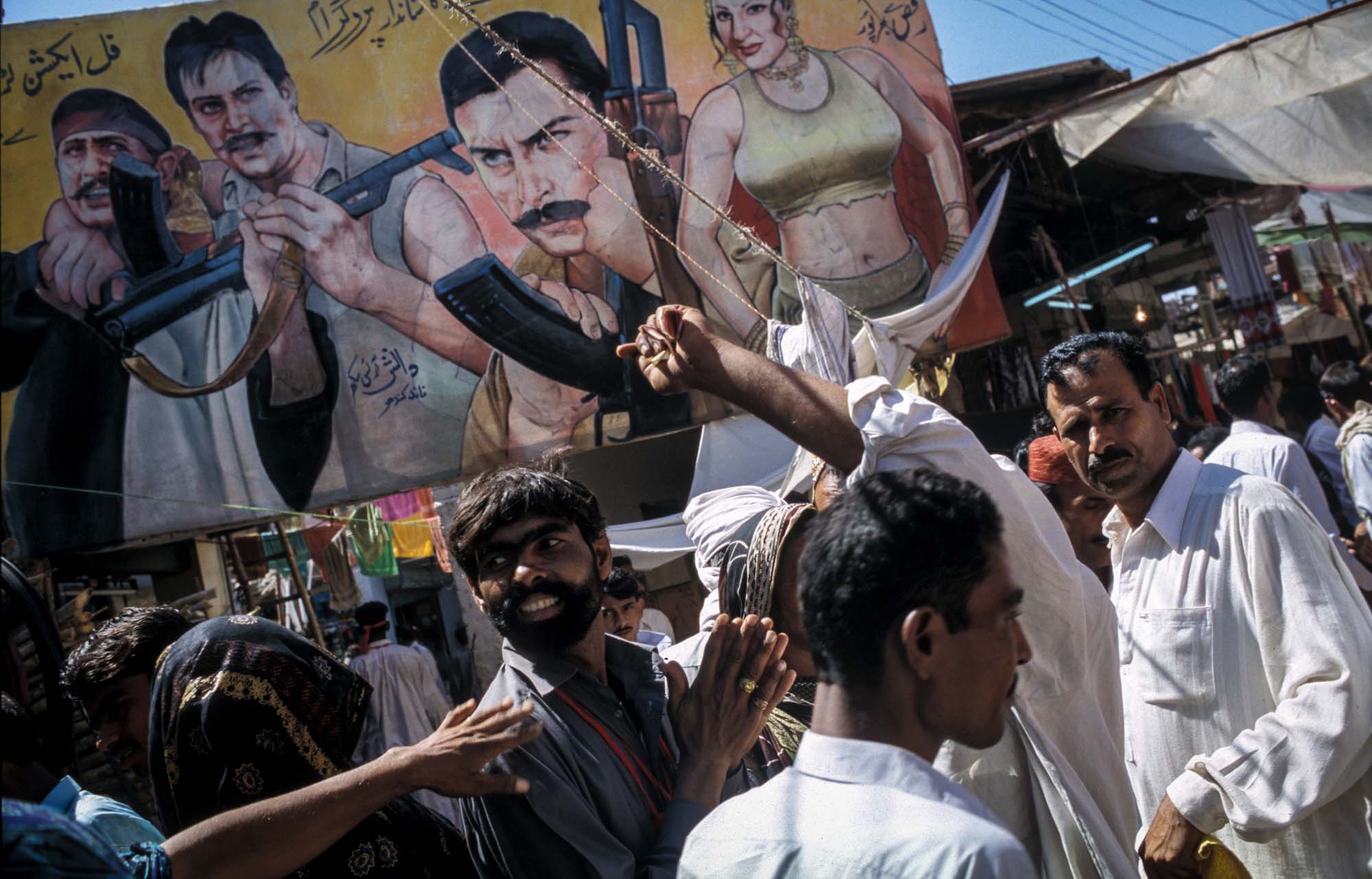
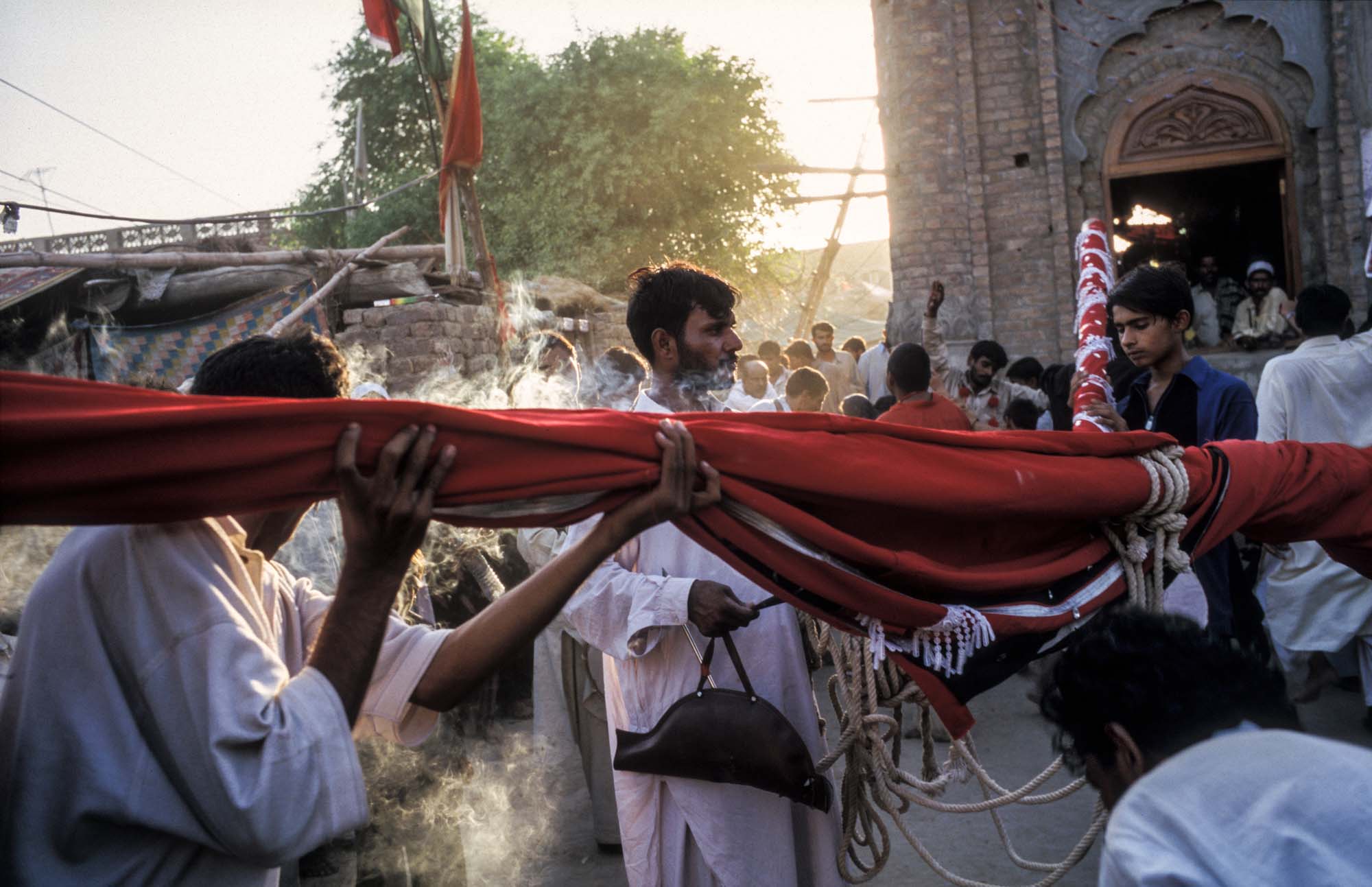
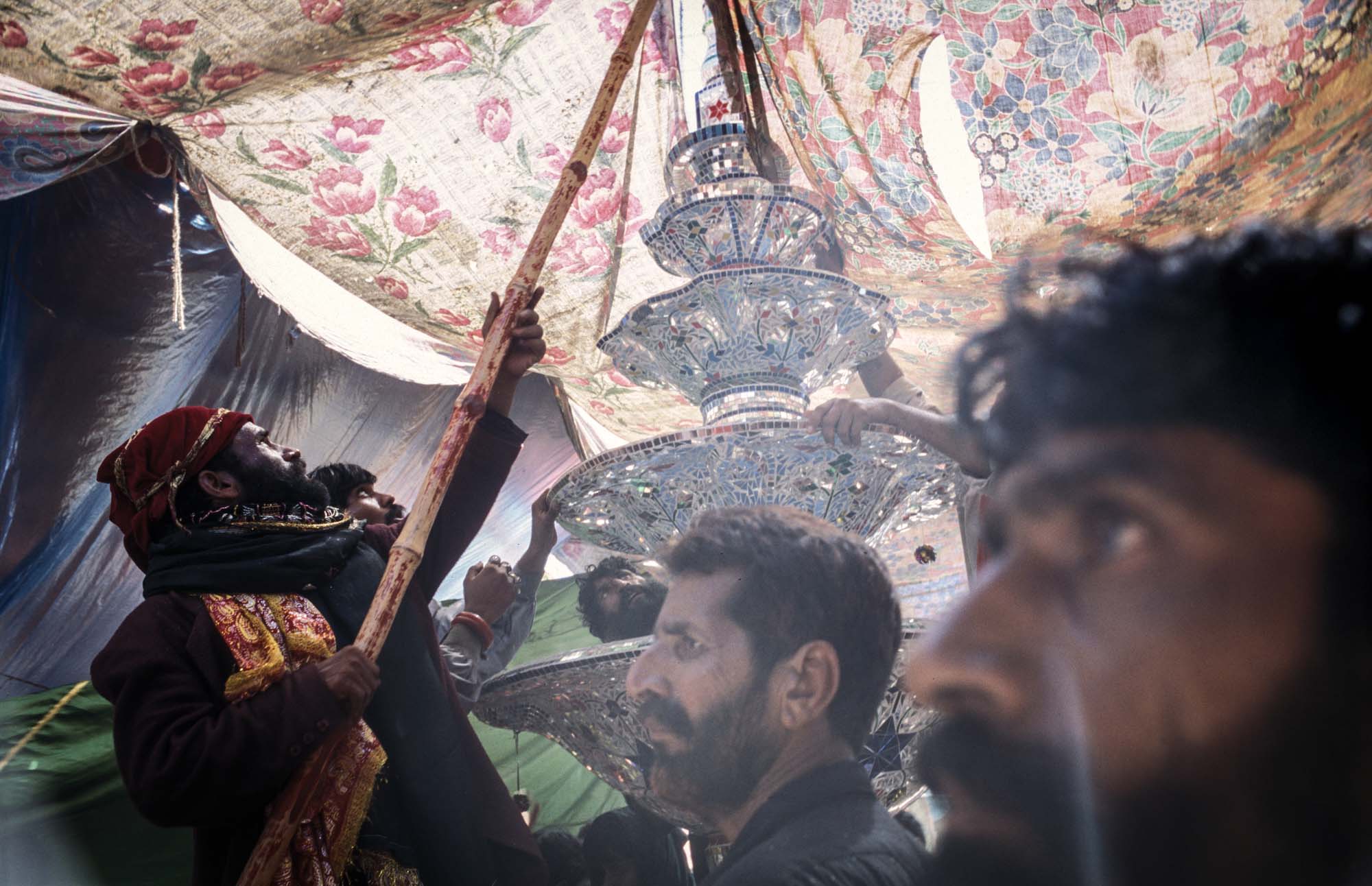
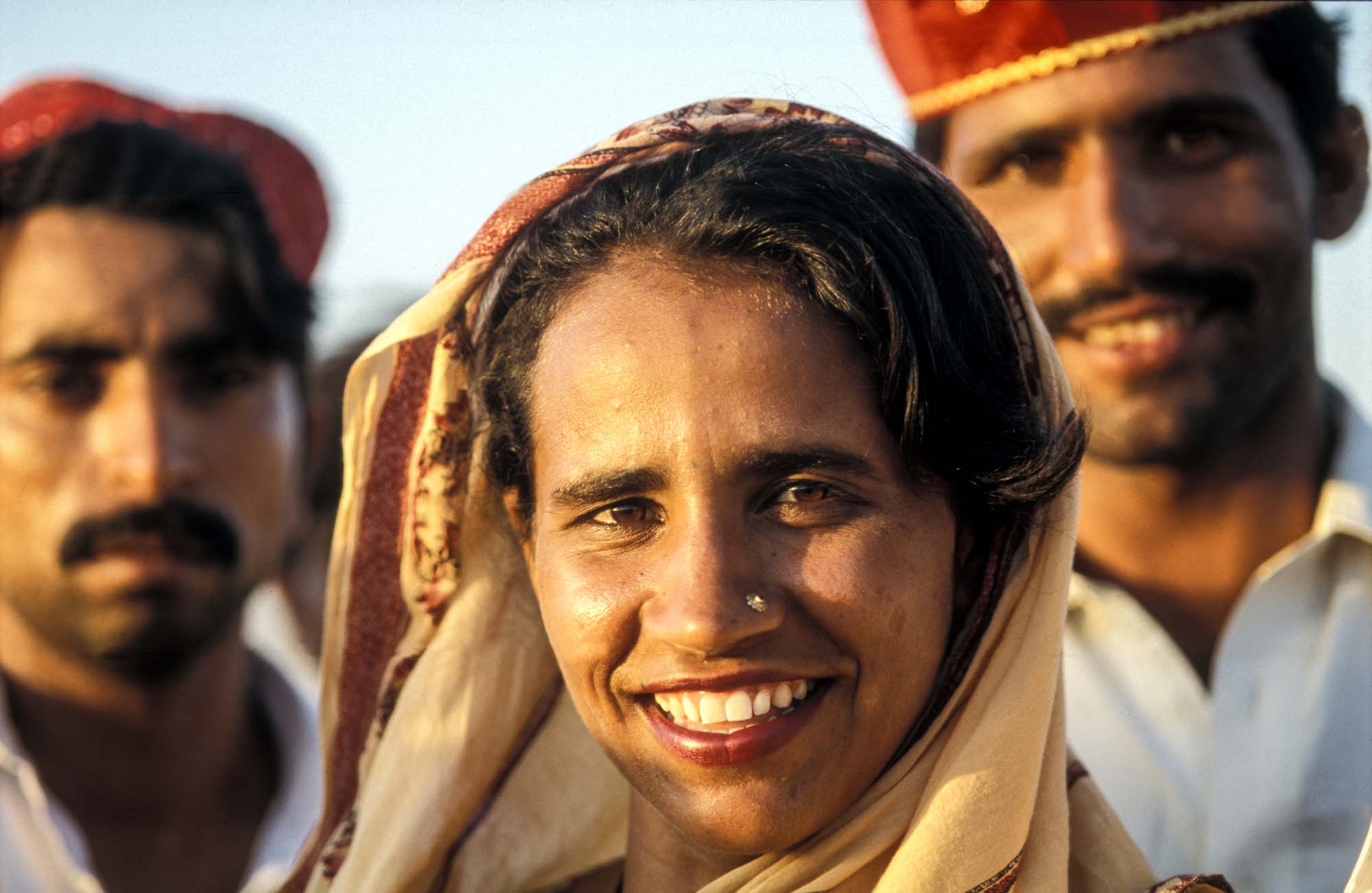
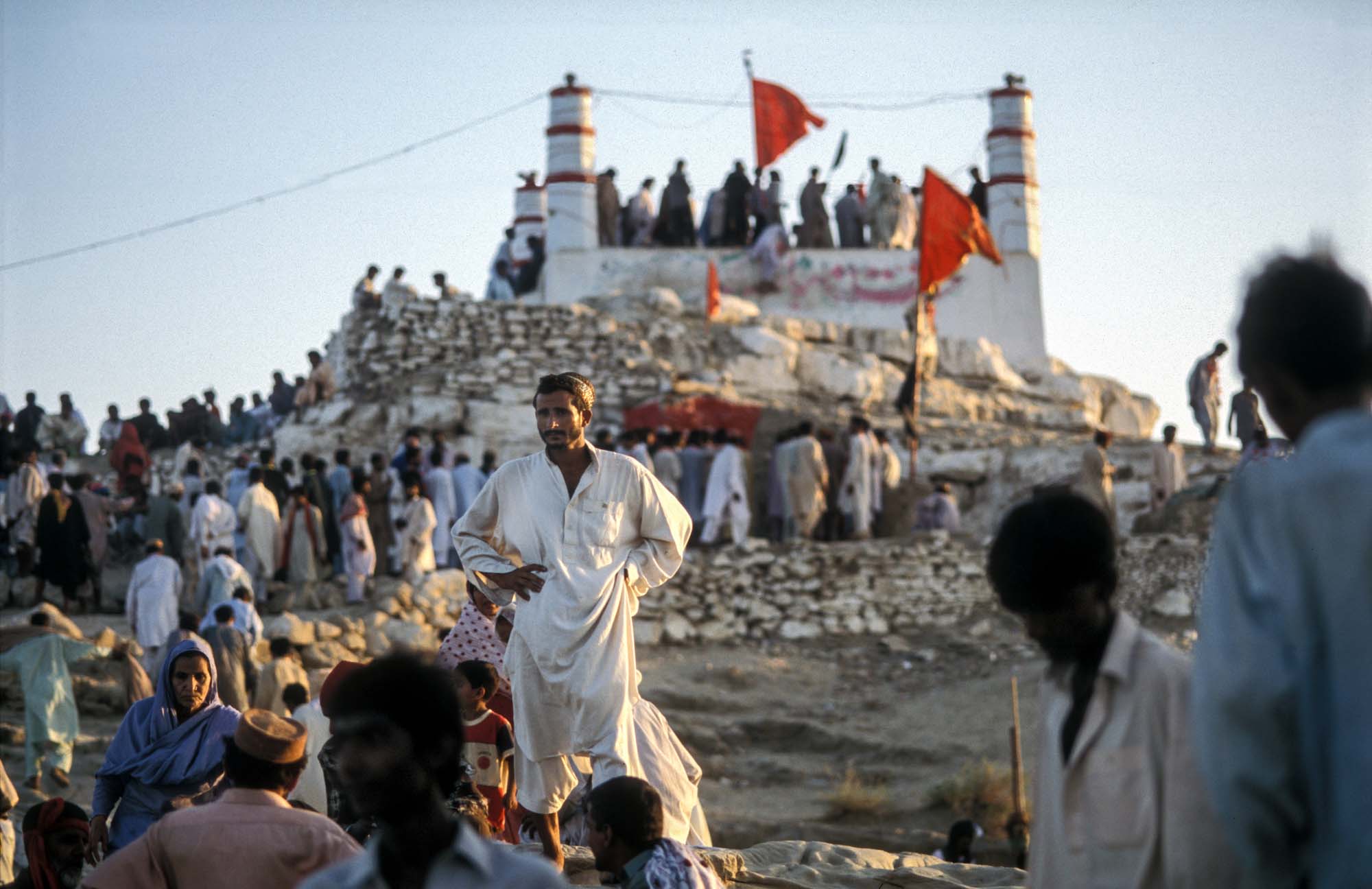
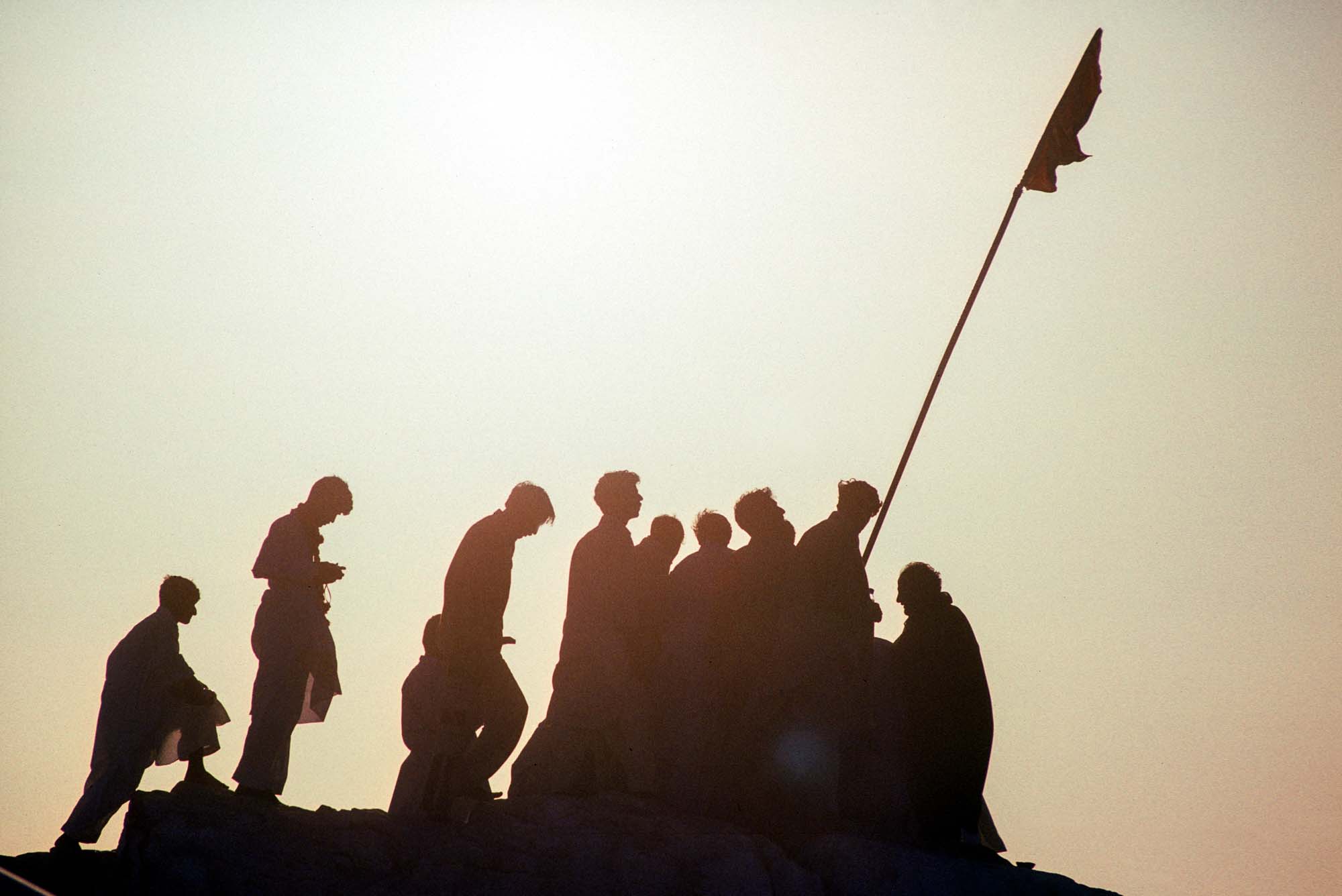
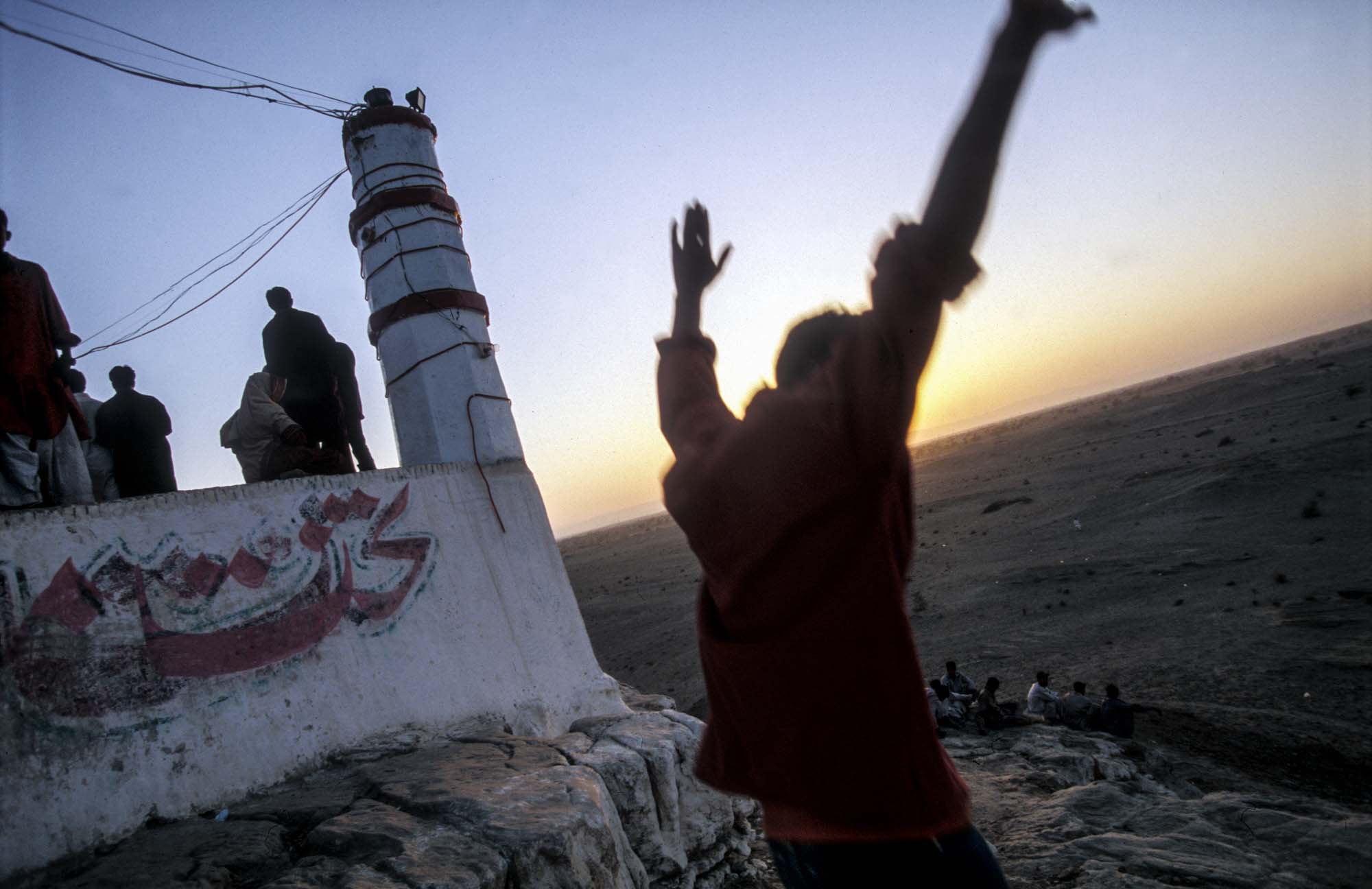
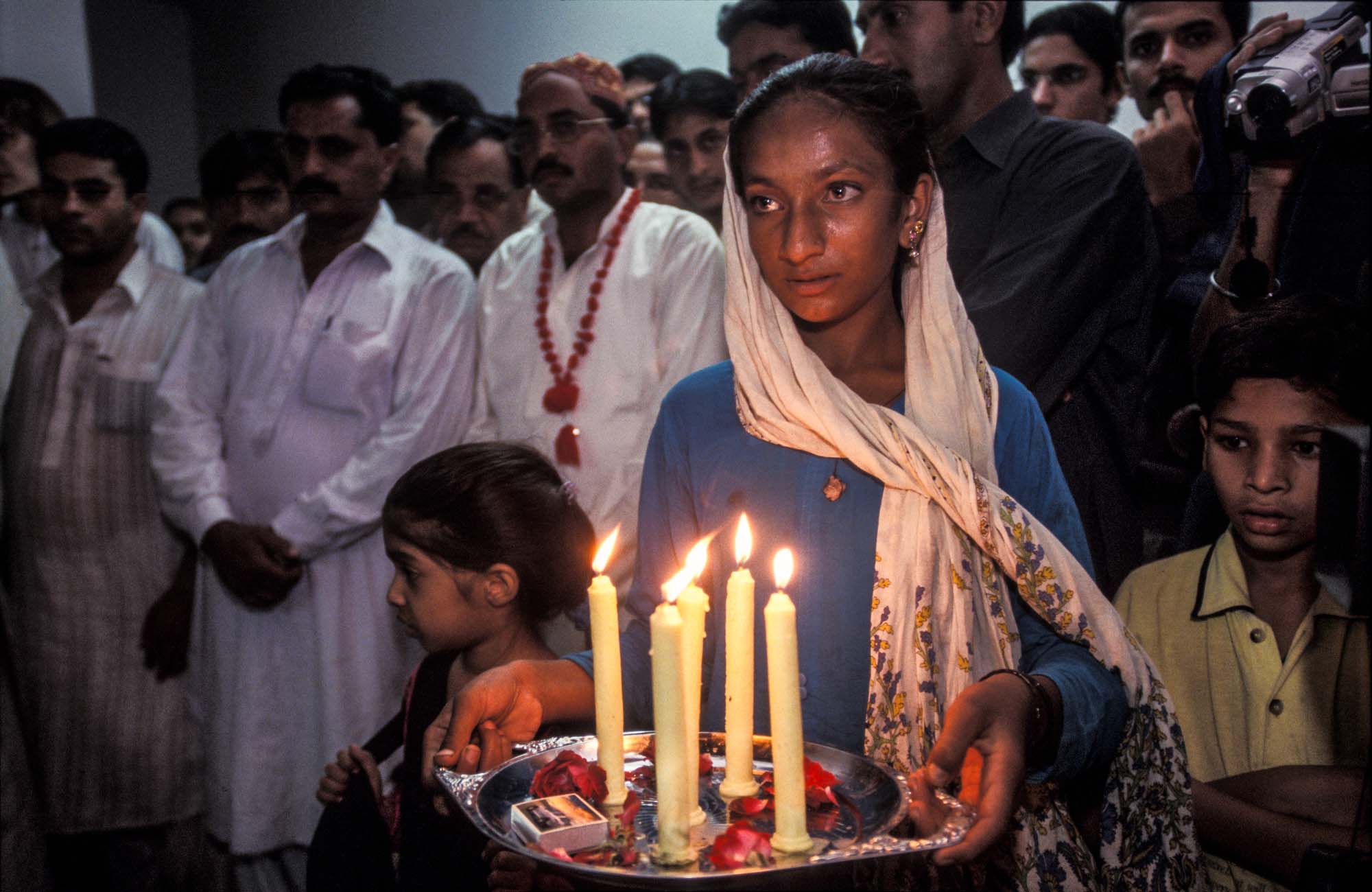
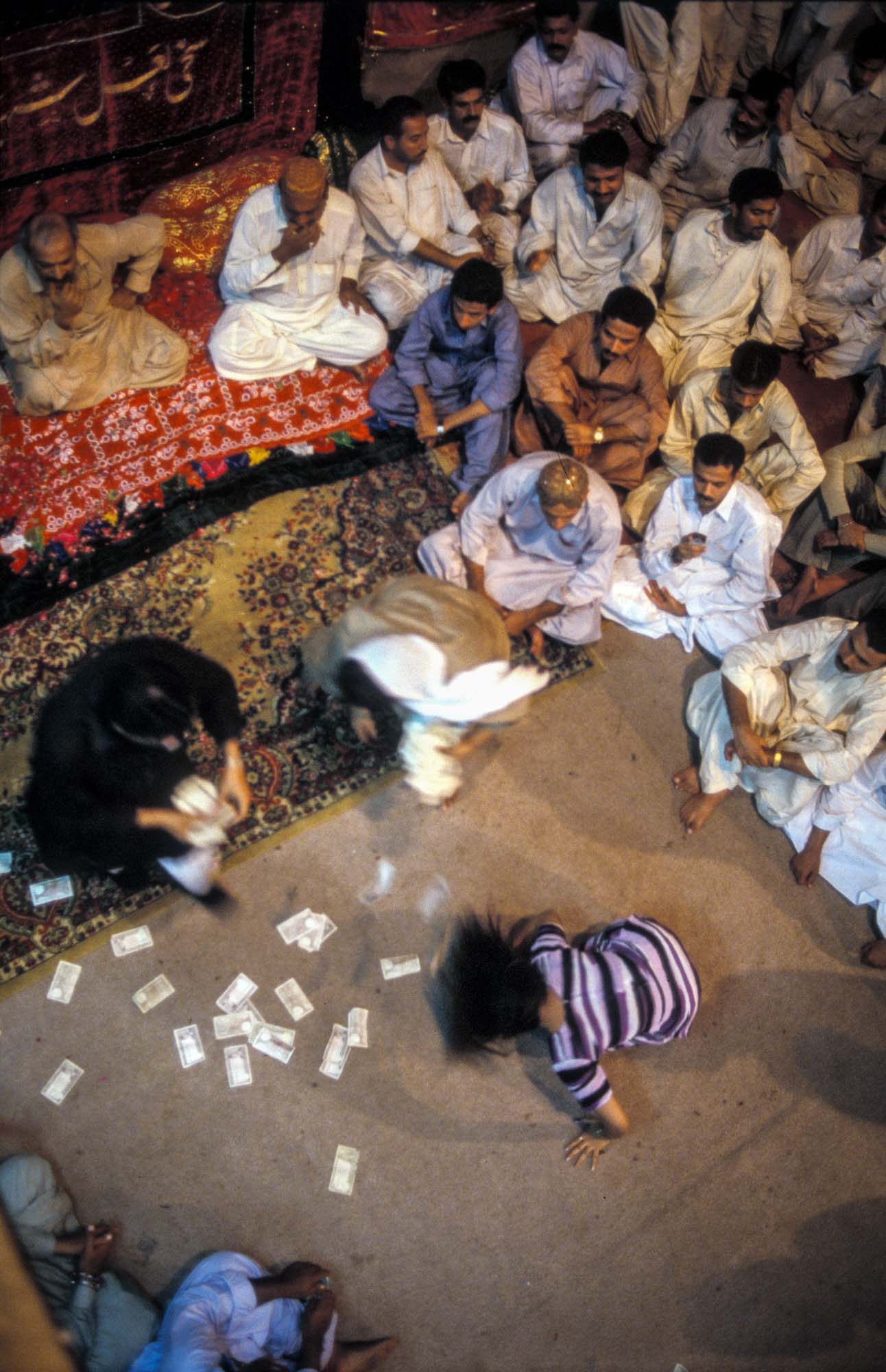
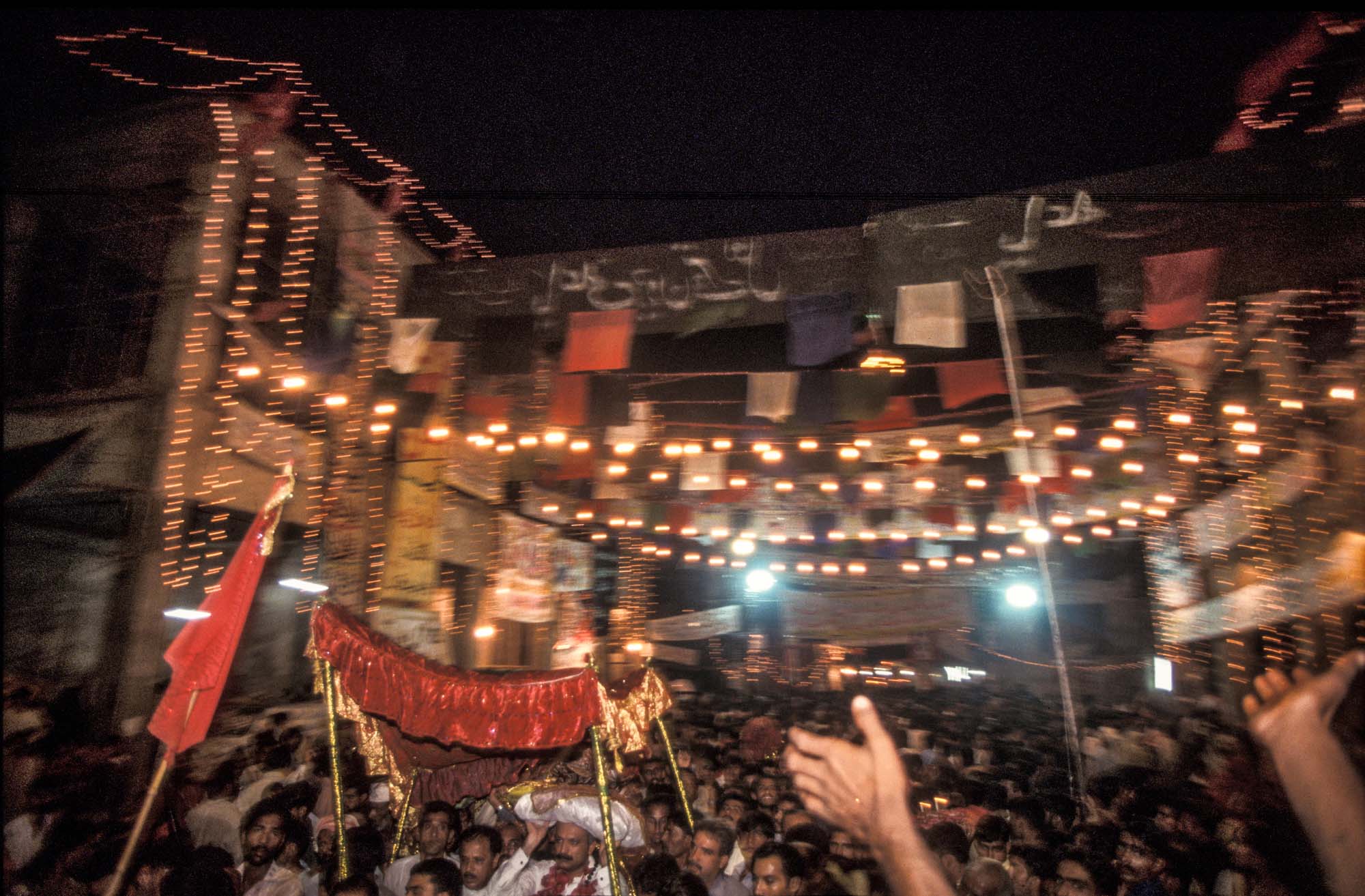
Every year, the town of Sehwan (Pakistan) hosts the Urs — a Sufi pilgrimage commemorating the death of Lal Shahbaz Qalandar, a 13th-century mystic poet — attracting over half a million pilgrims from across the country.
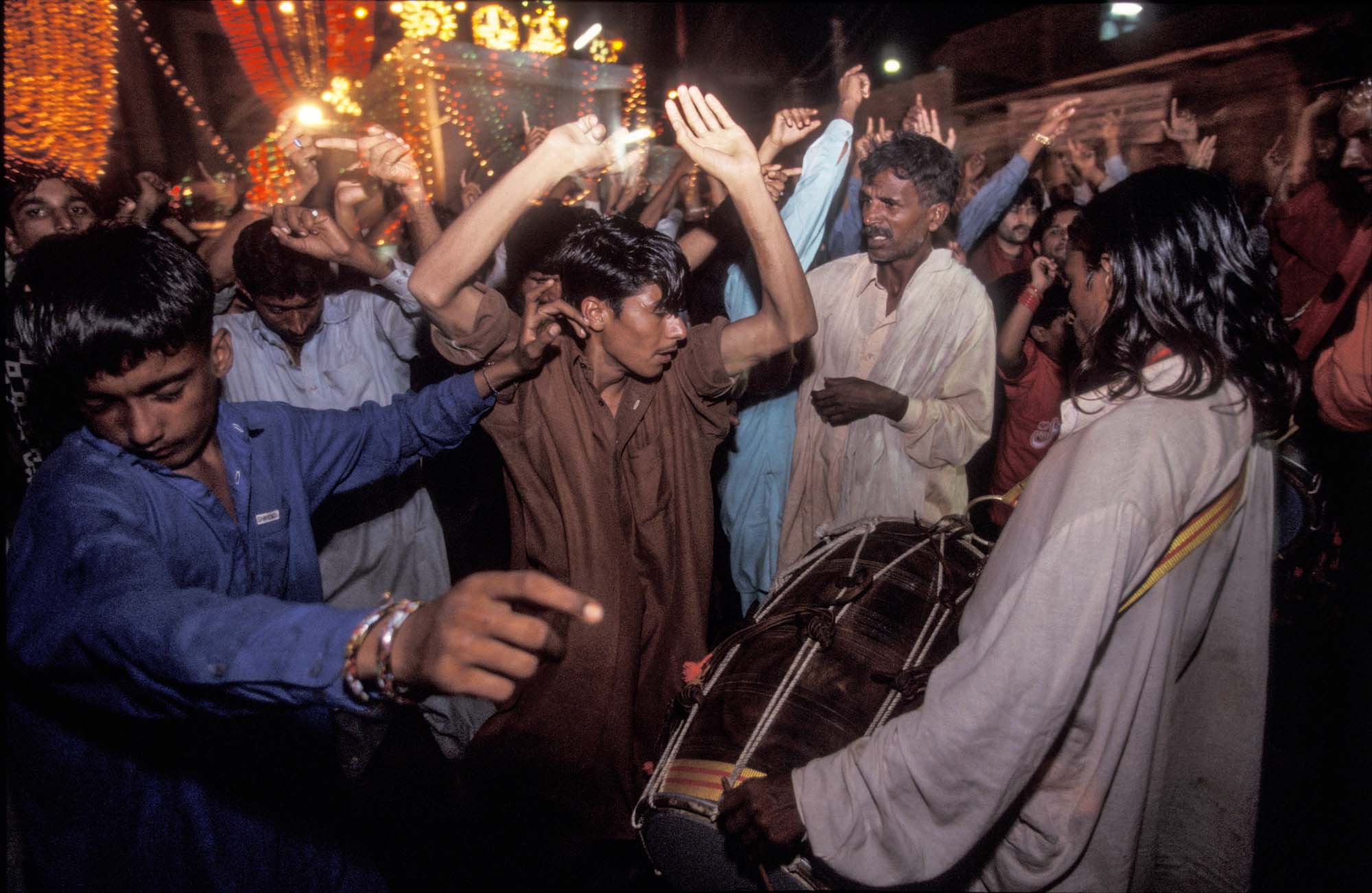
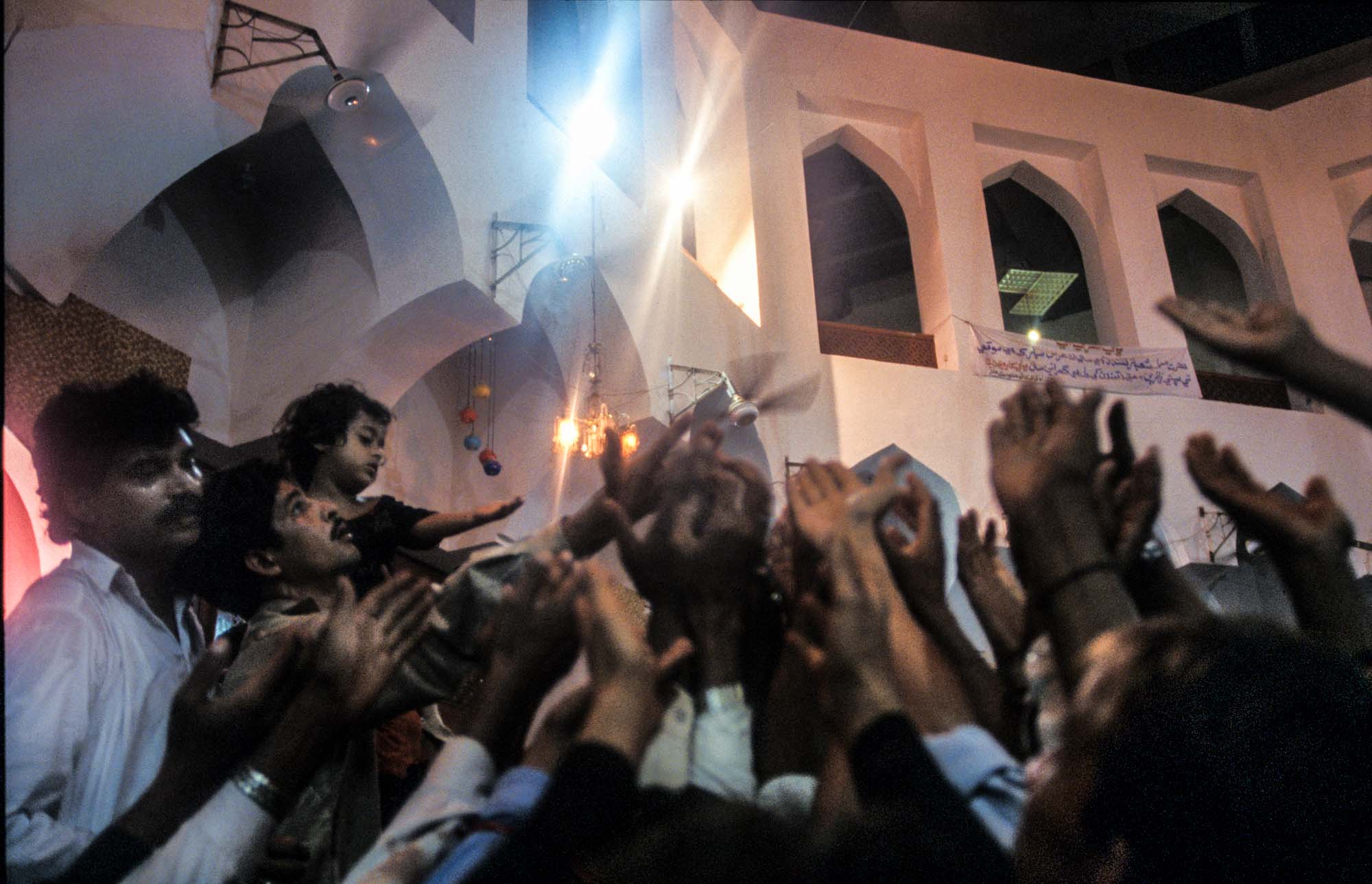
For three days, narrow streets fill with devotees and fakirs heading to the shrine to commune with the saint, pay homage, and offer their wishes.
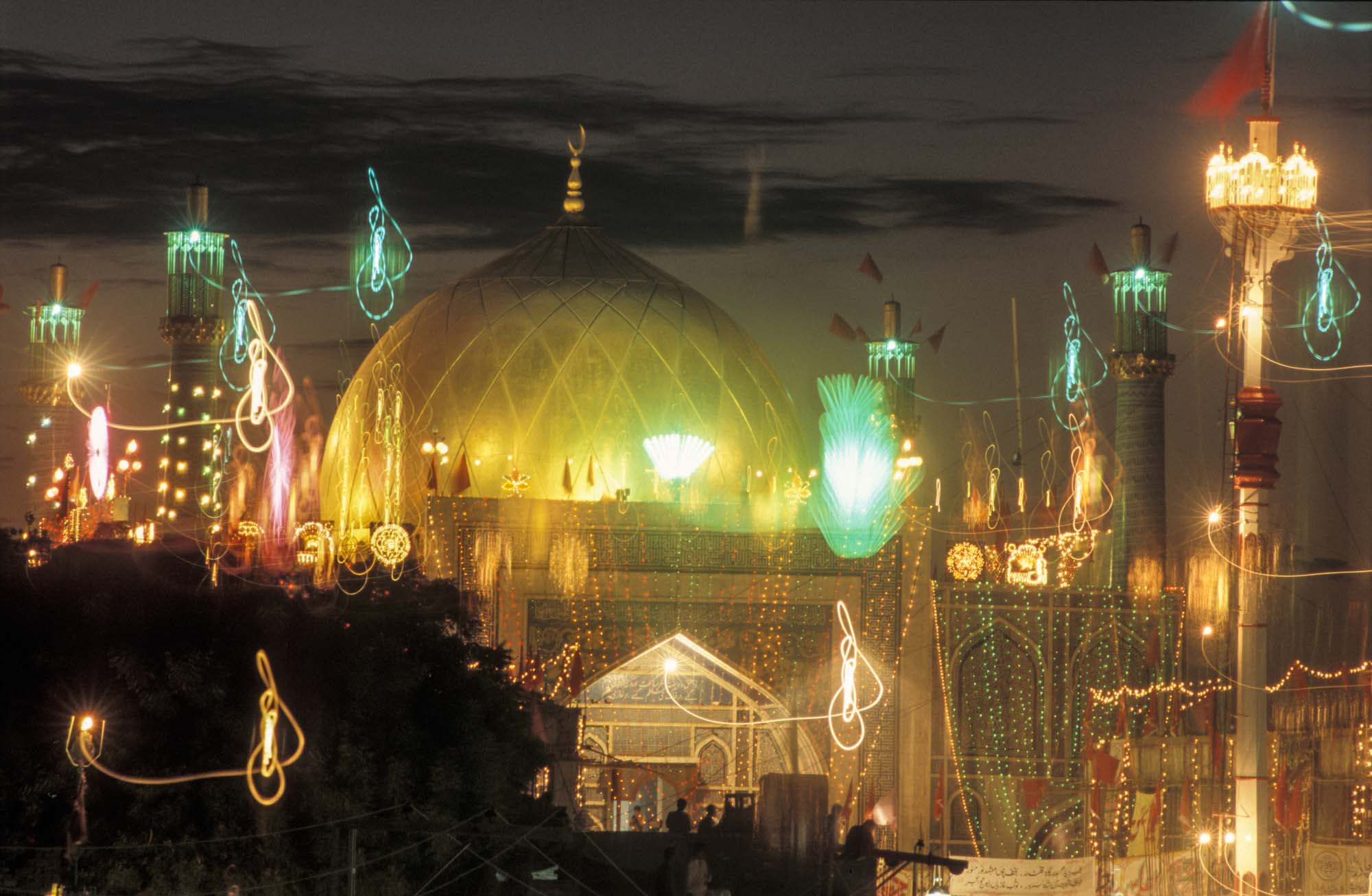
The extraordinary and purifying festivities mix ecstatic music and dance, embodying a deep spiritual quest. In 2017, an Islamic State suicide attack at the shrine killed 88 people, reminding all of the strength and fragility of this living tradition.
The festival stands as a vivid testament to the power of Sufism.
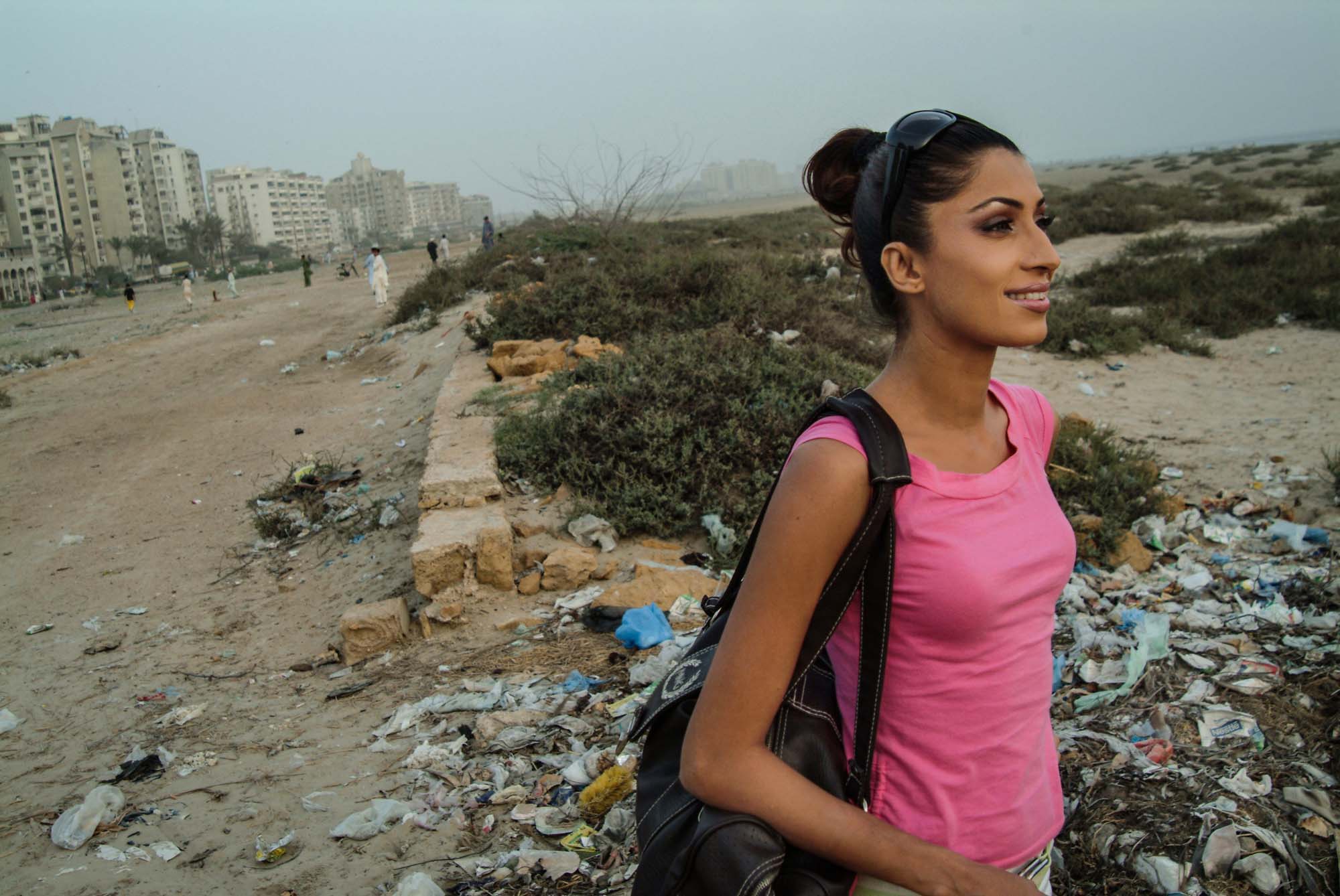
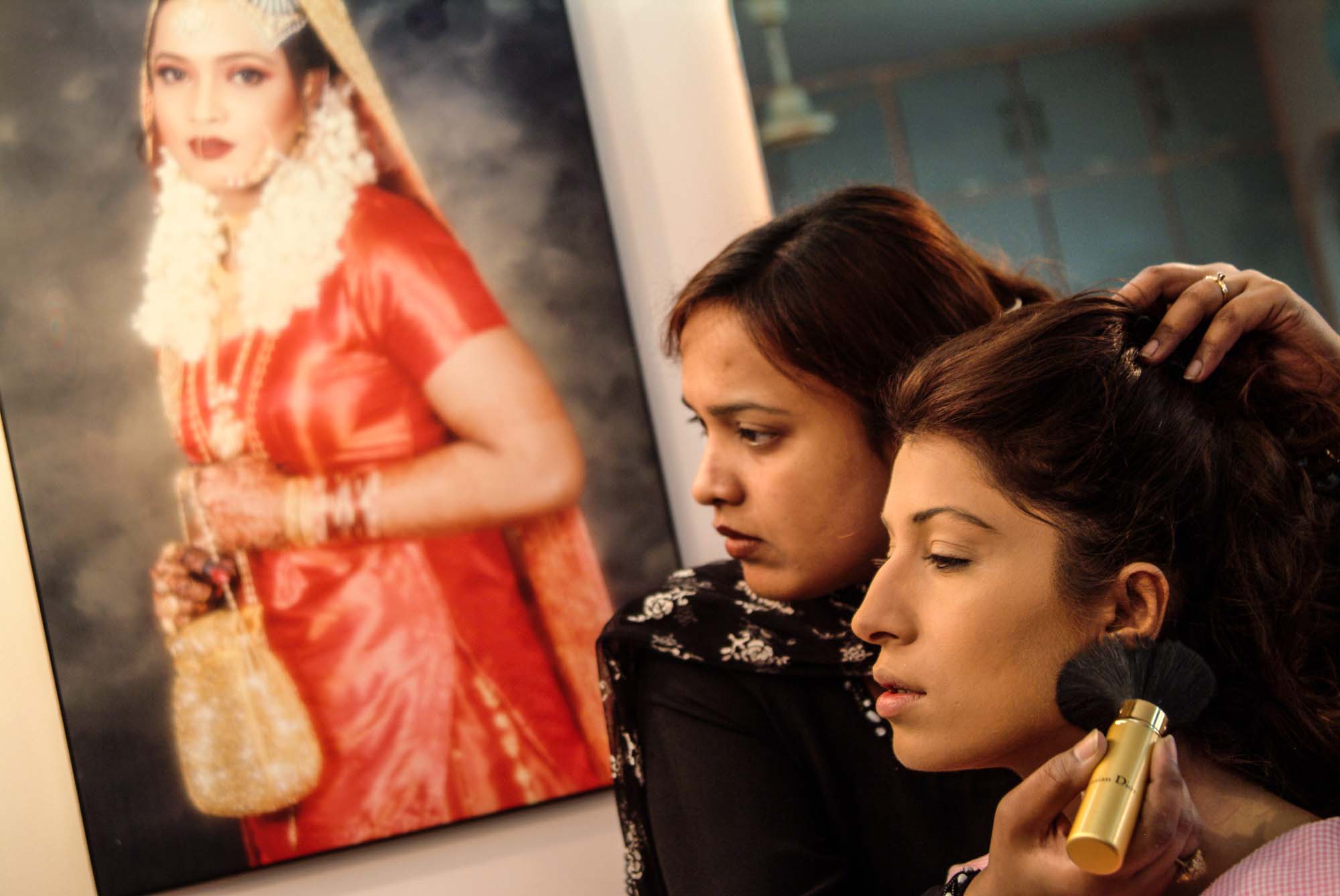
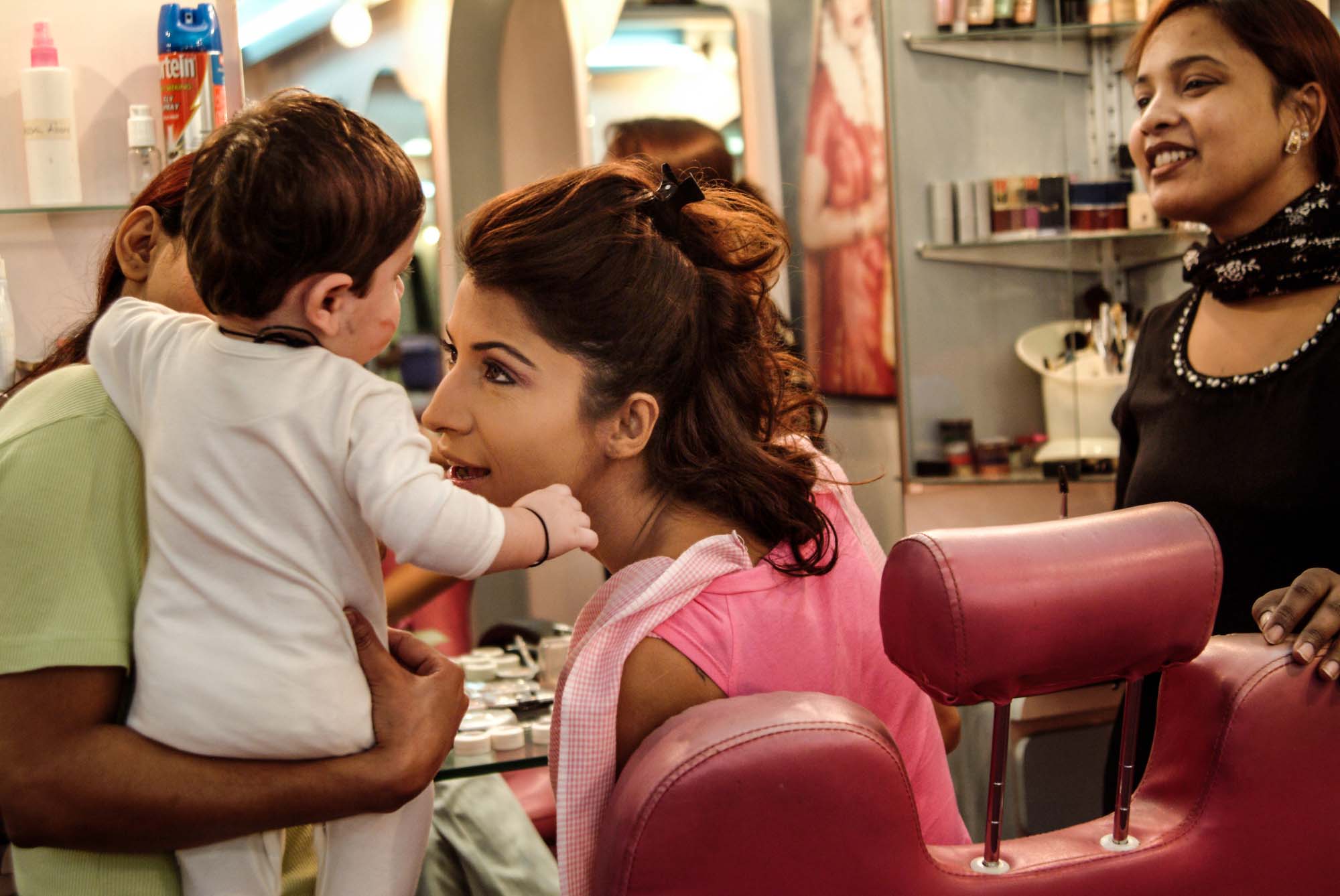
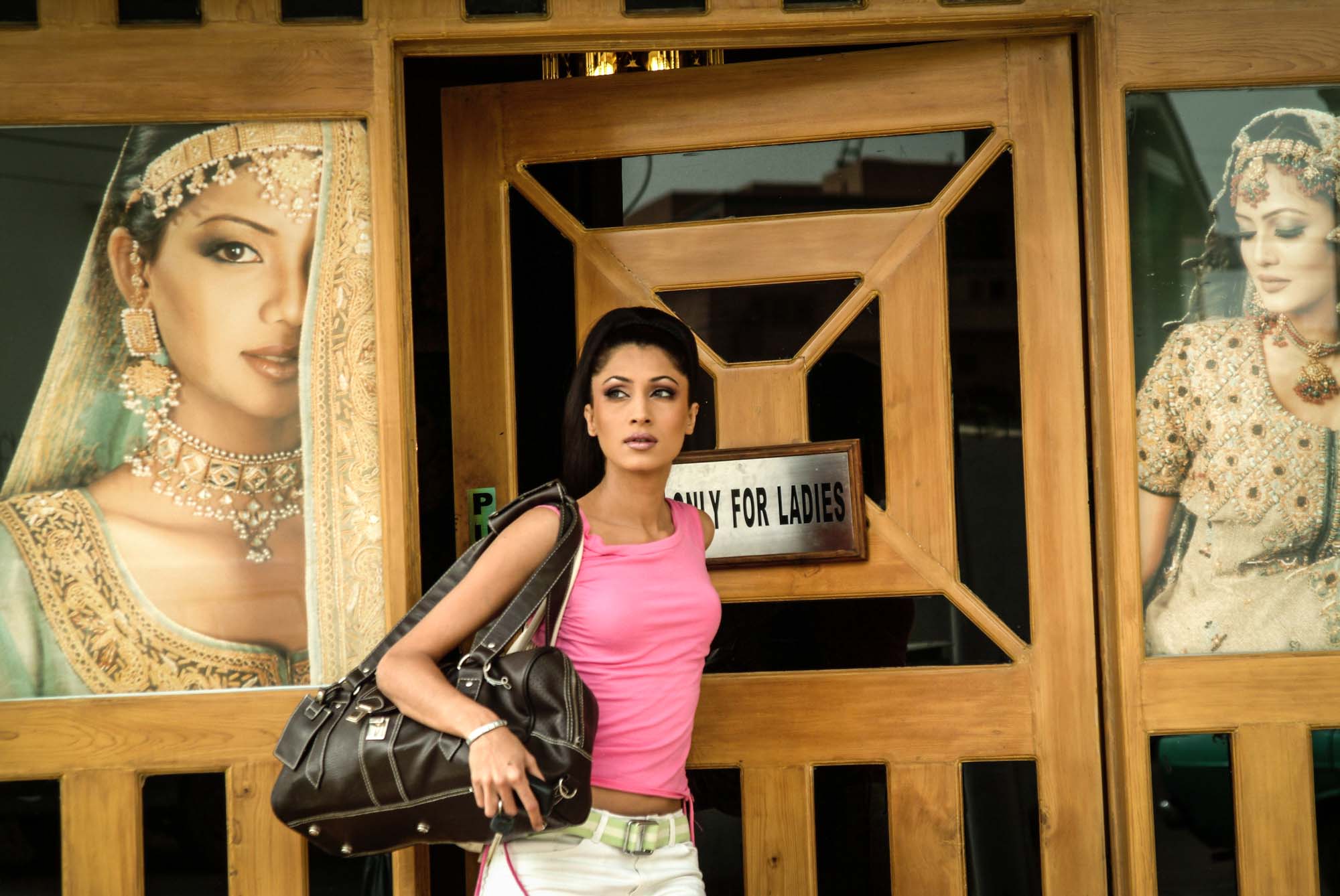
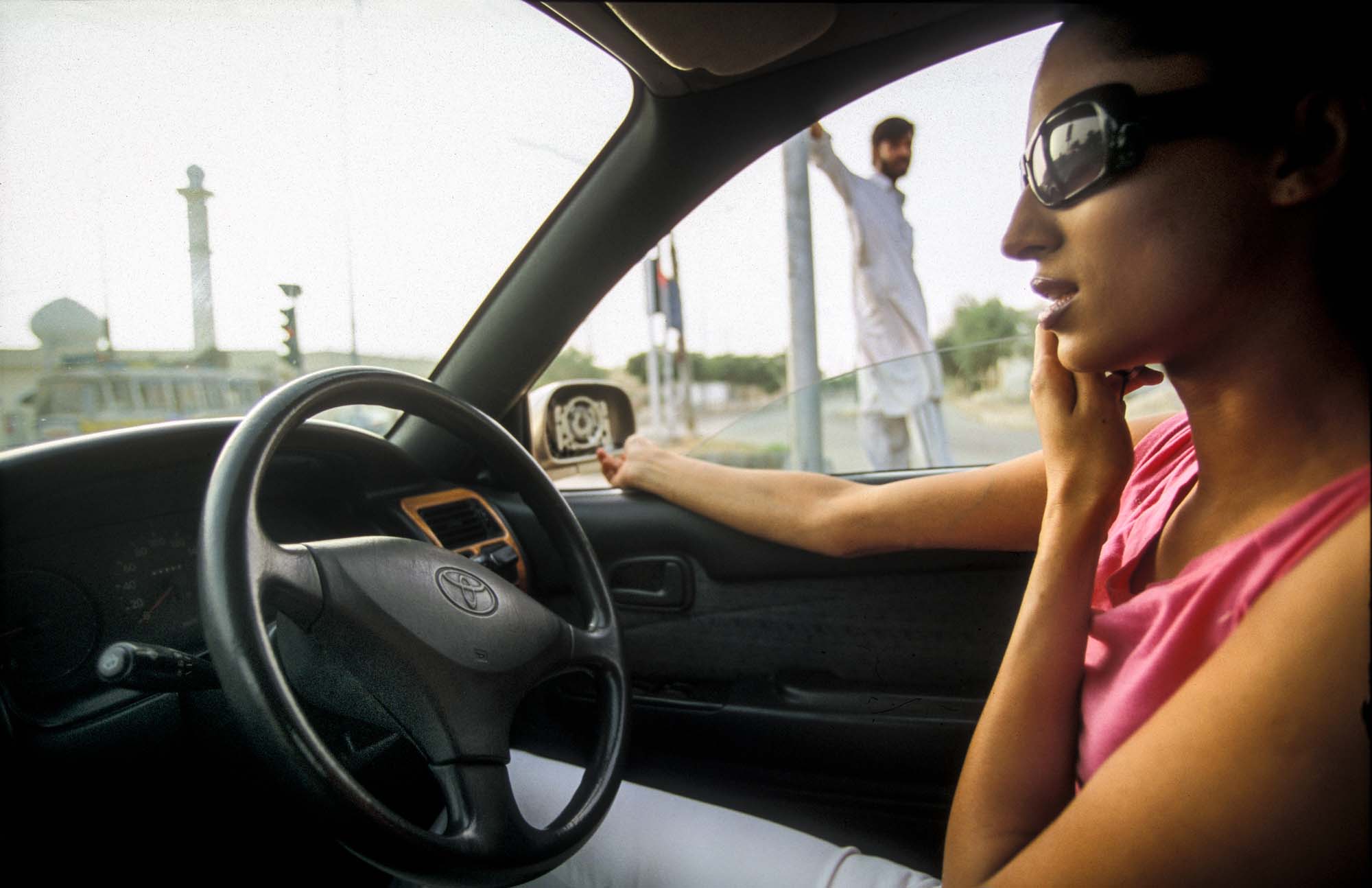
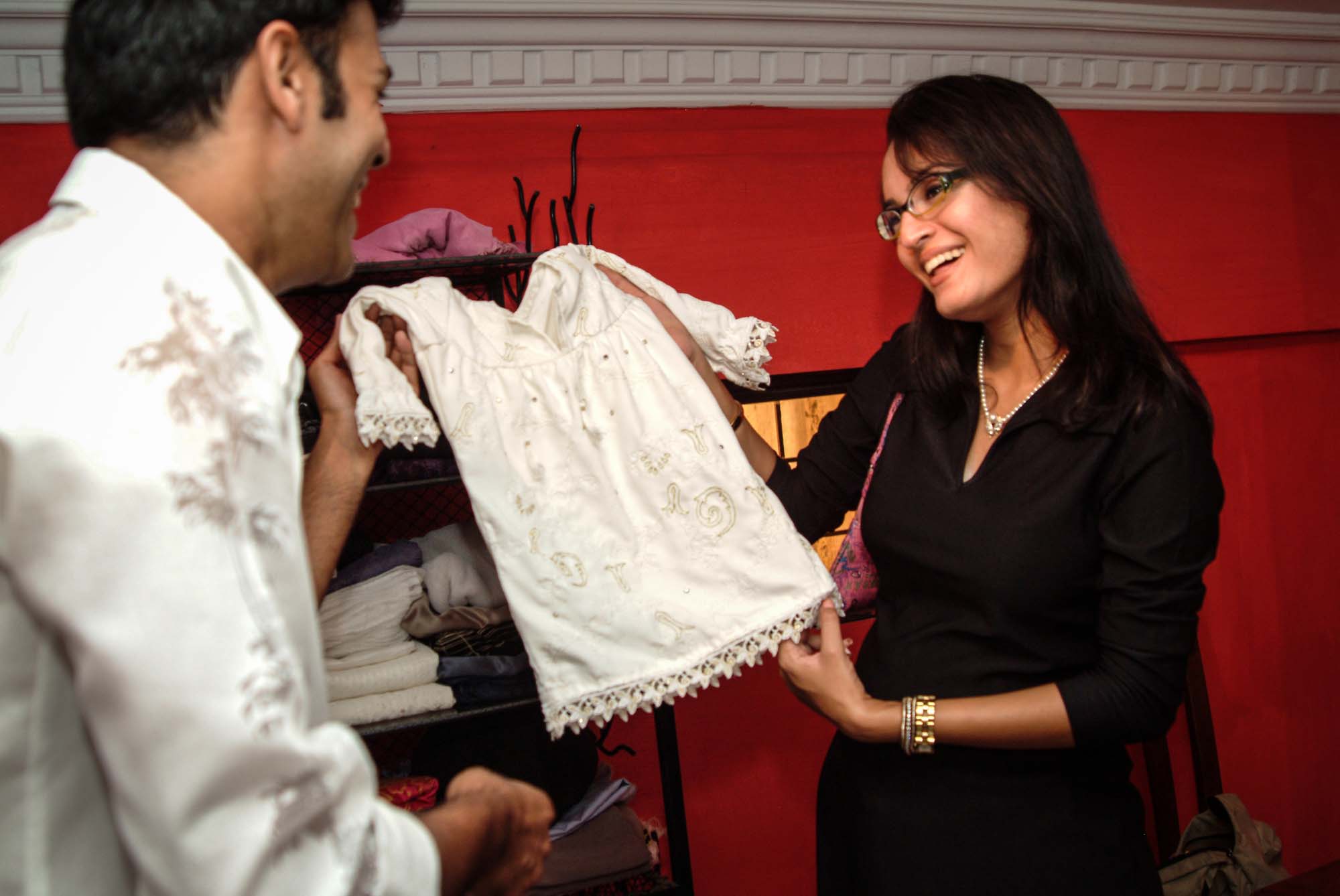
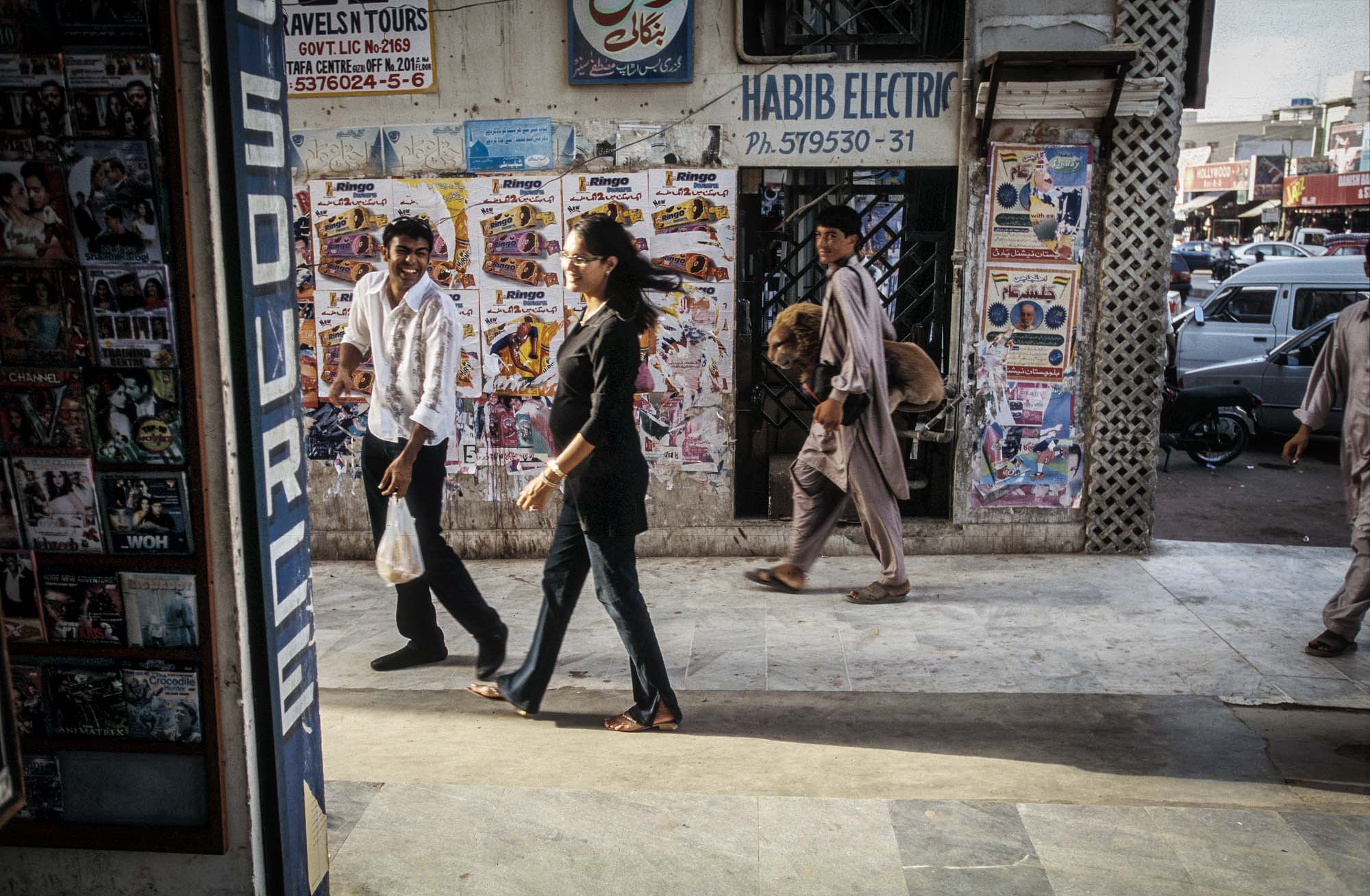
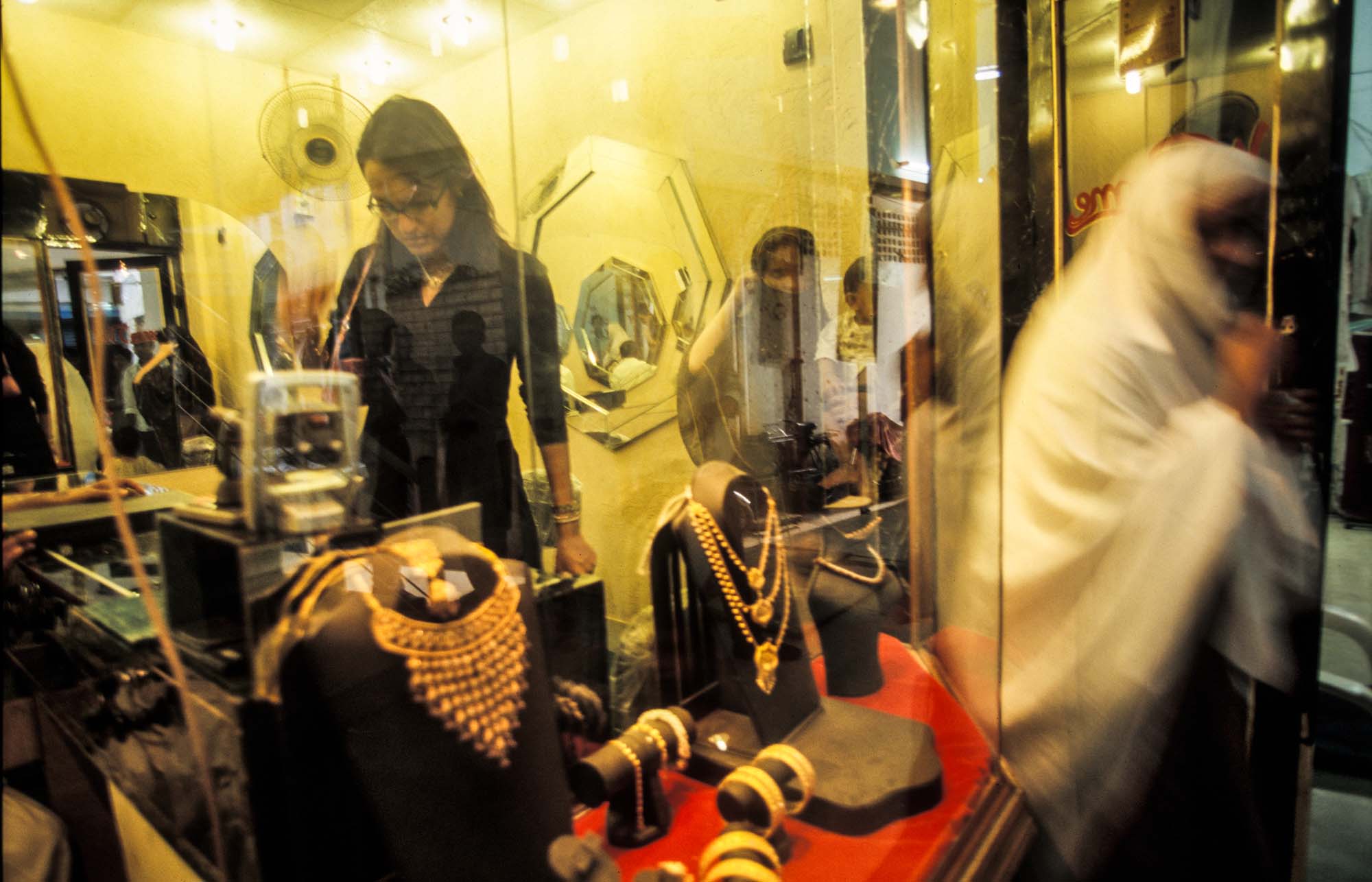
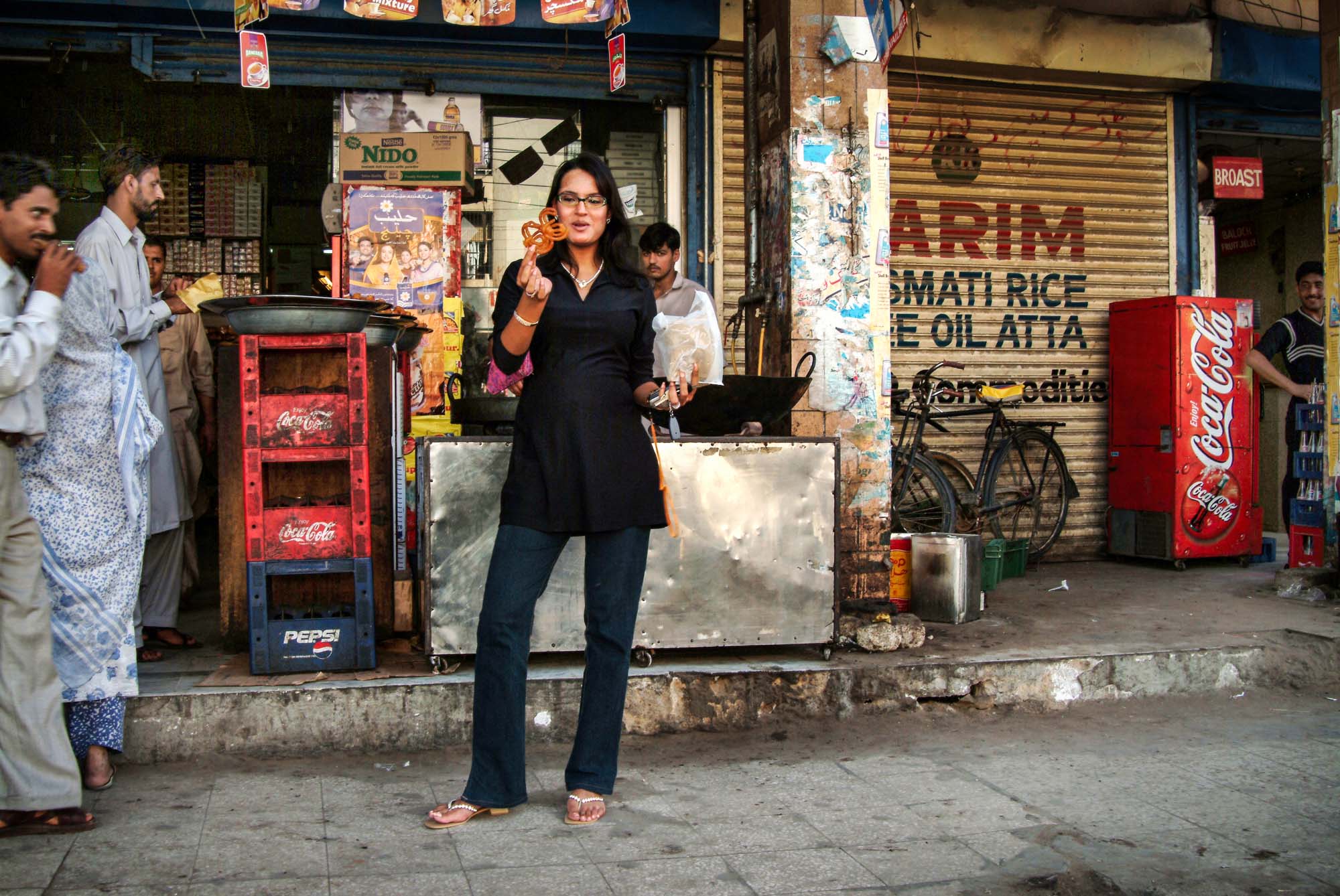
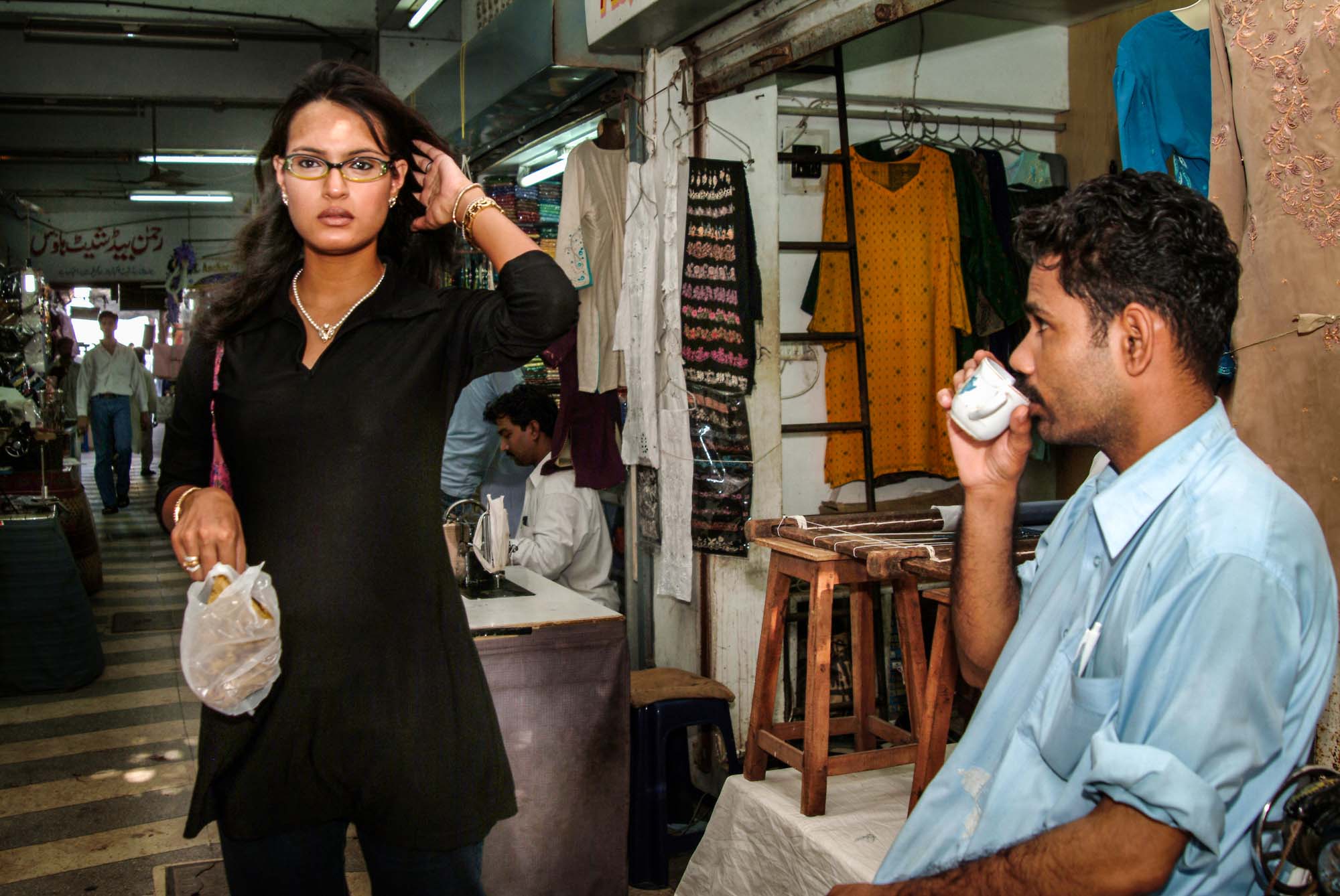
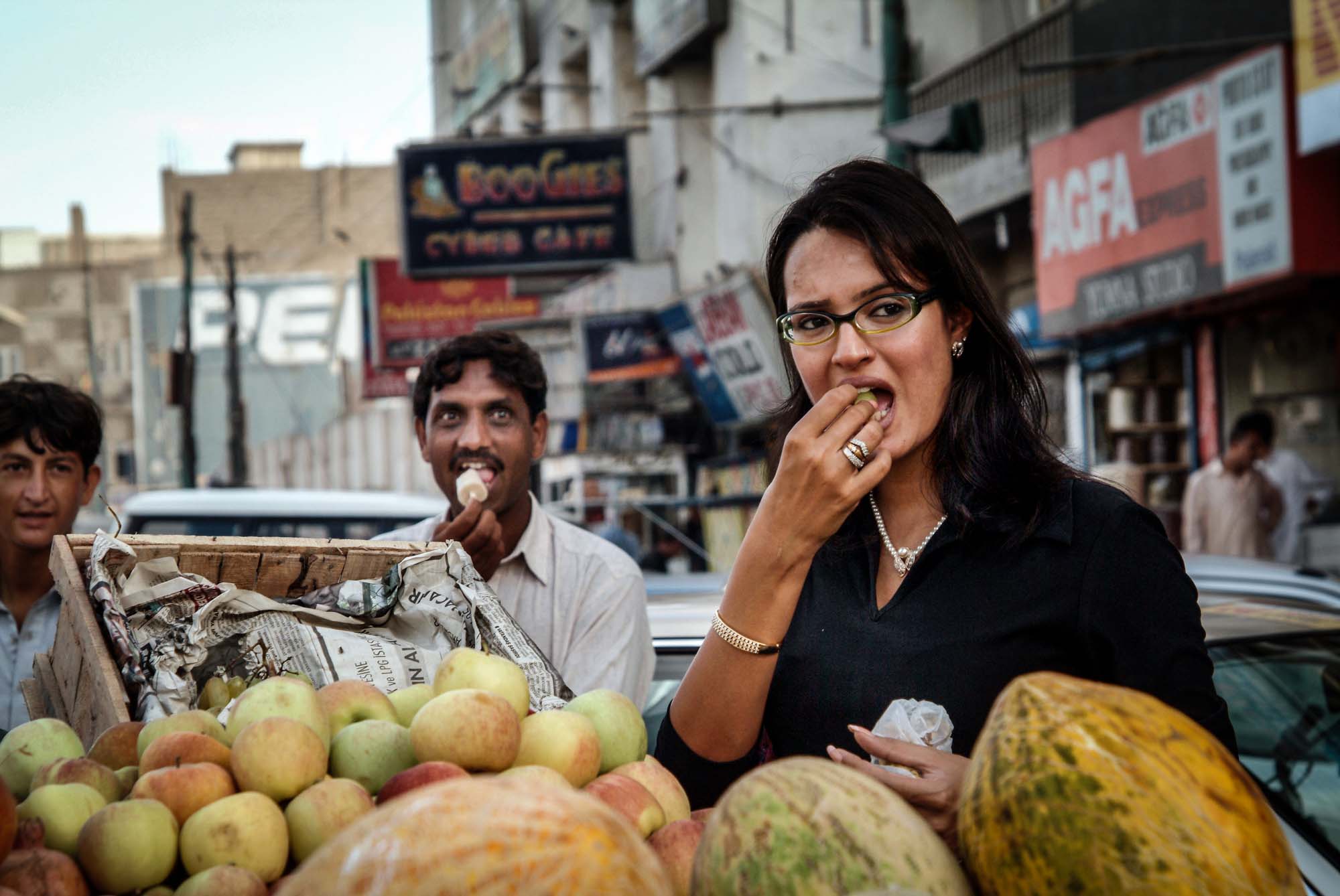
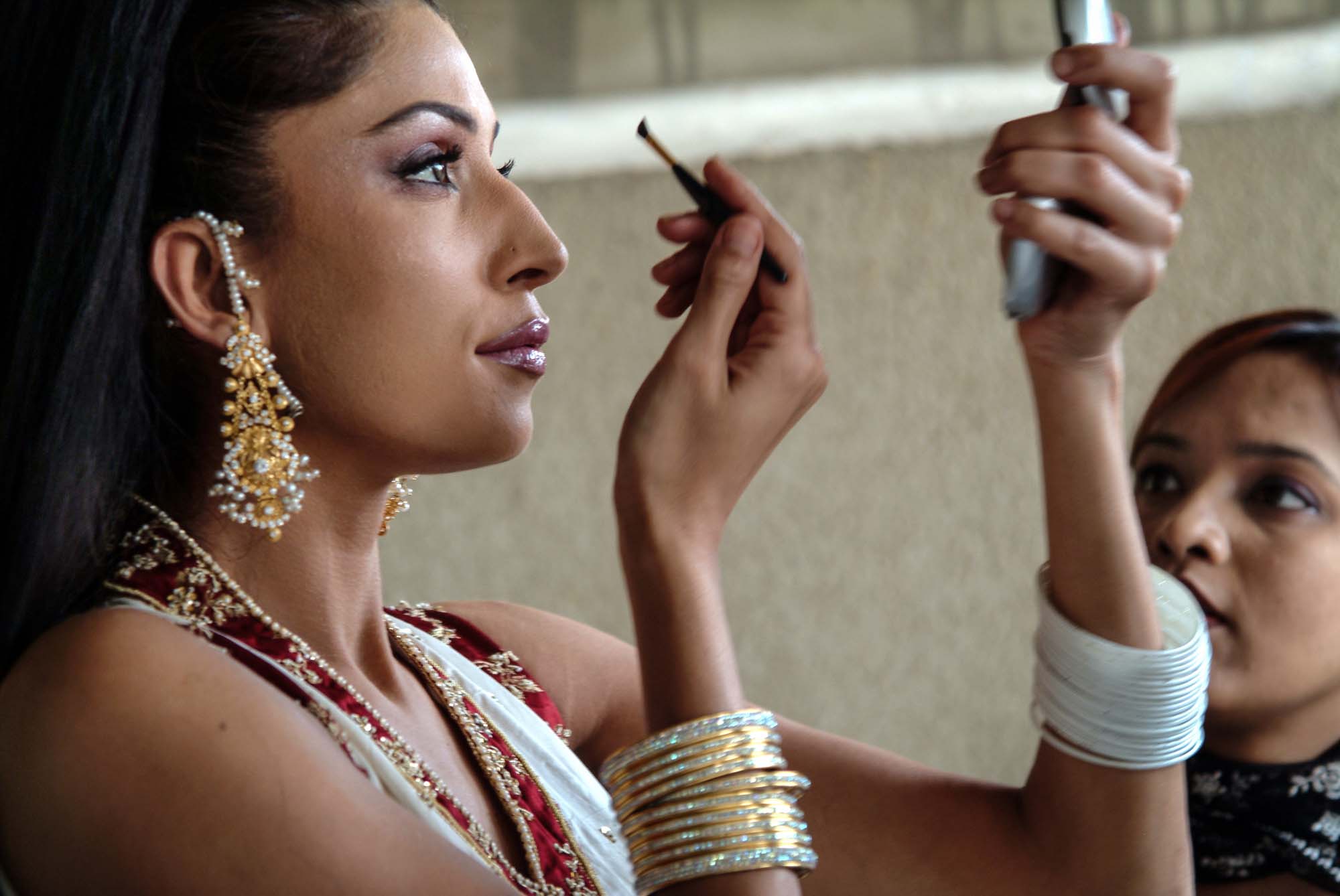
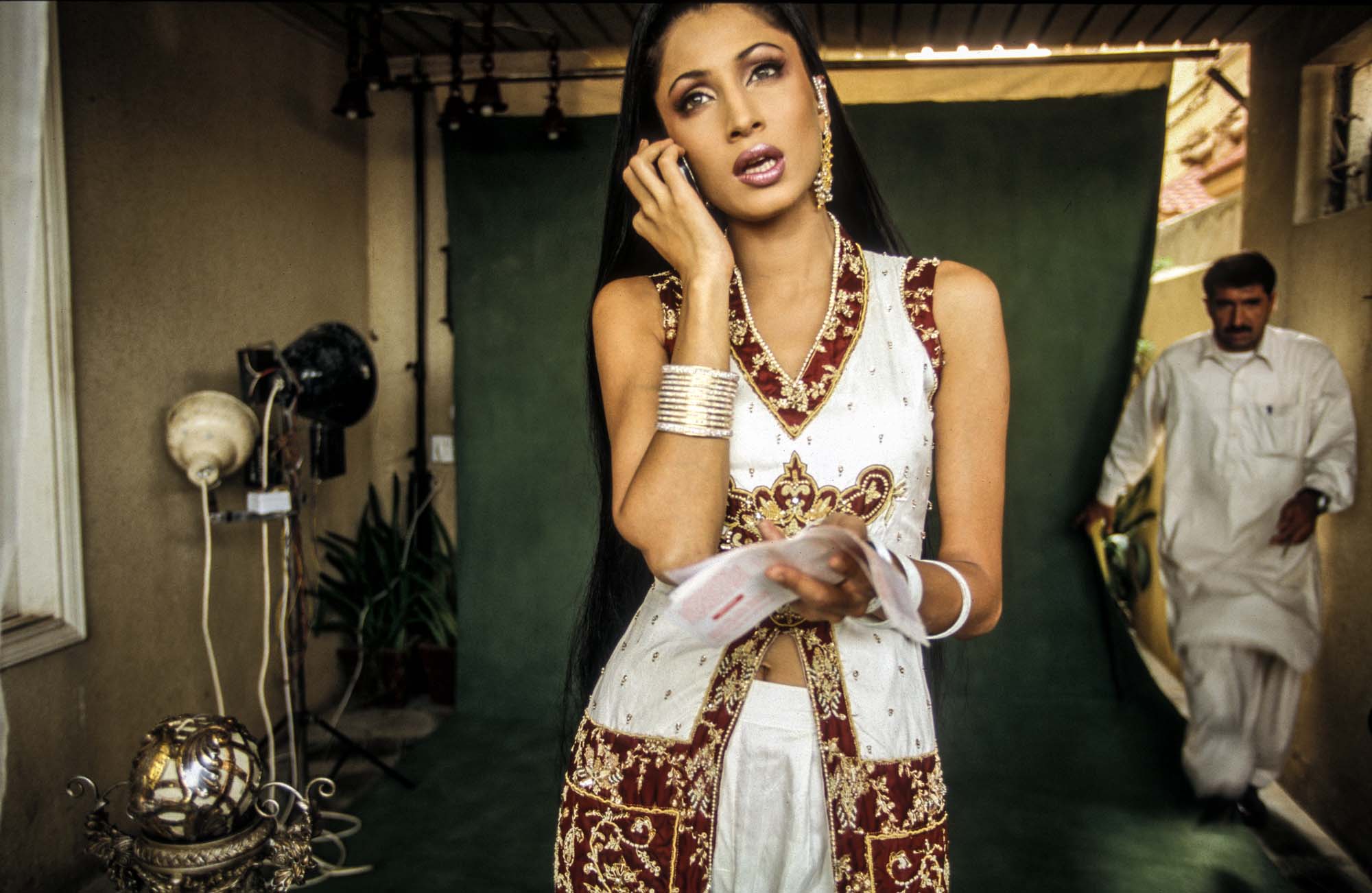
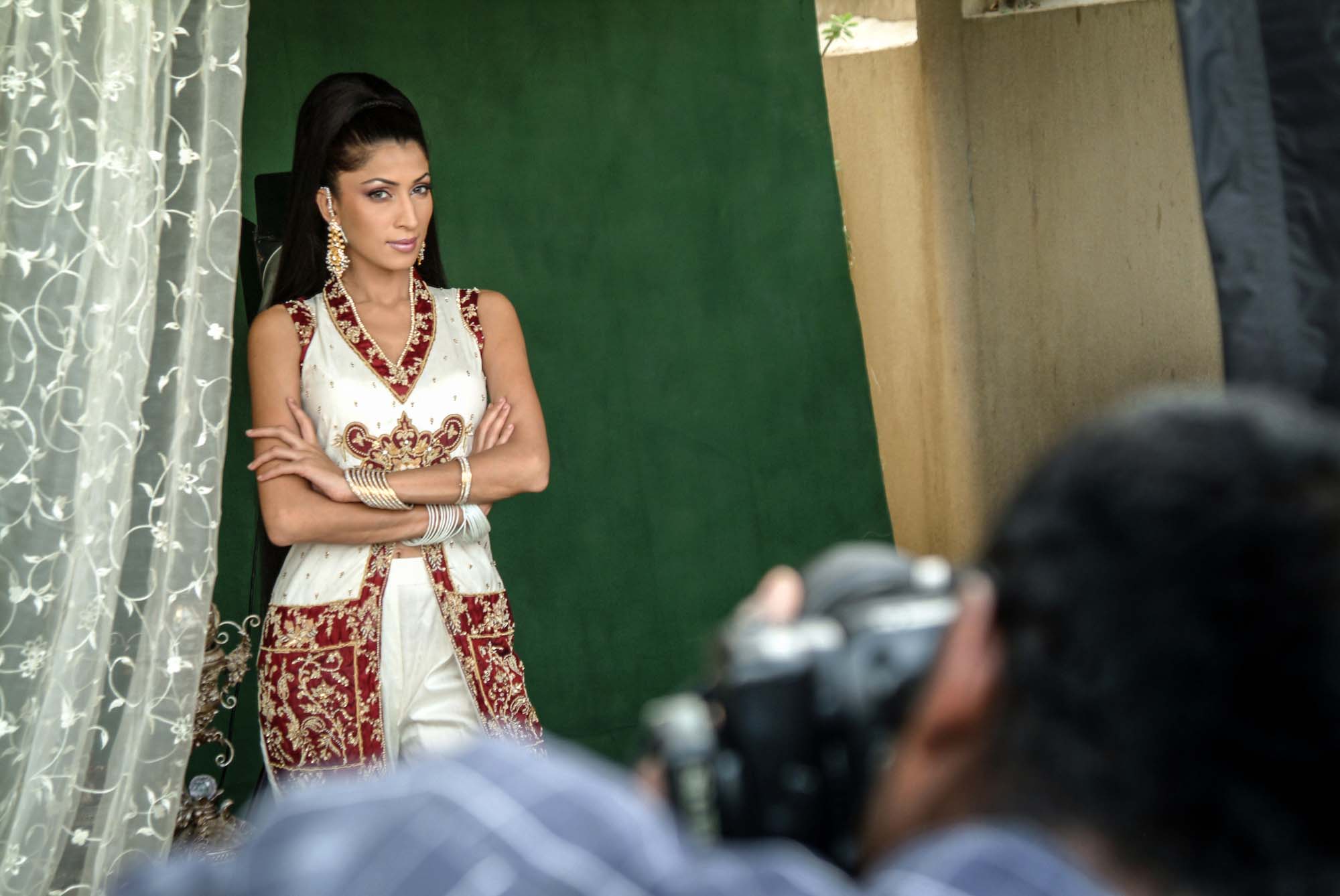
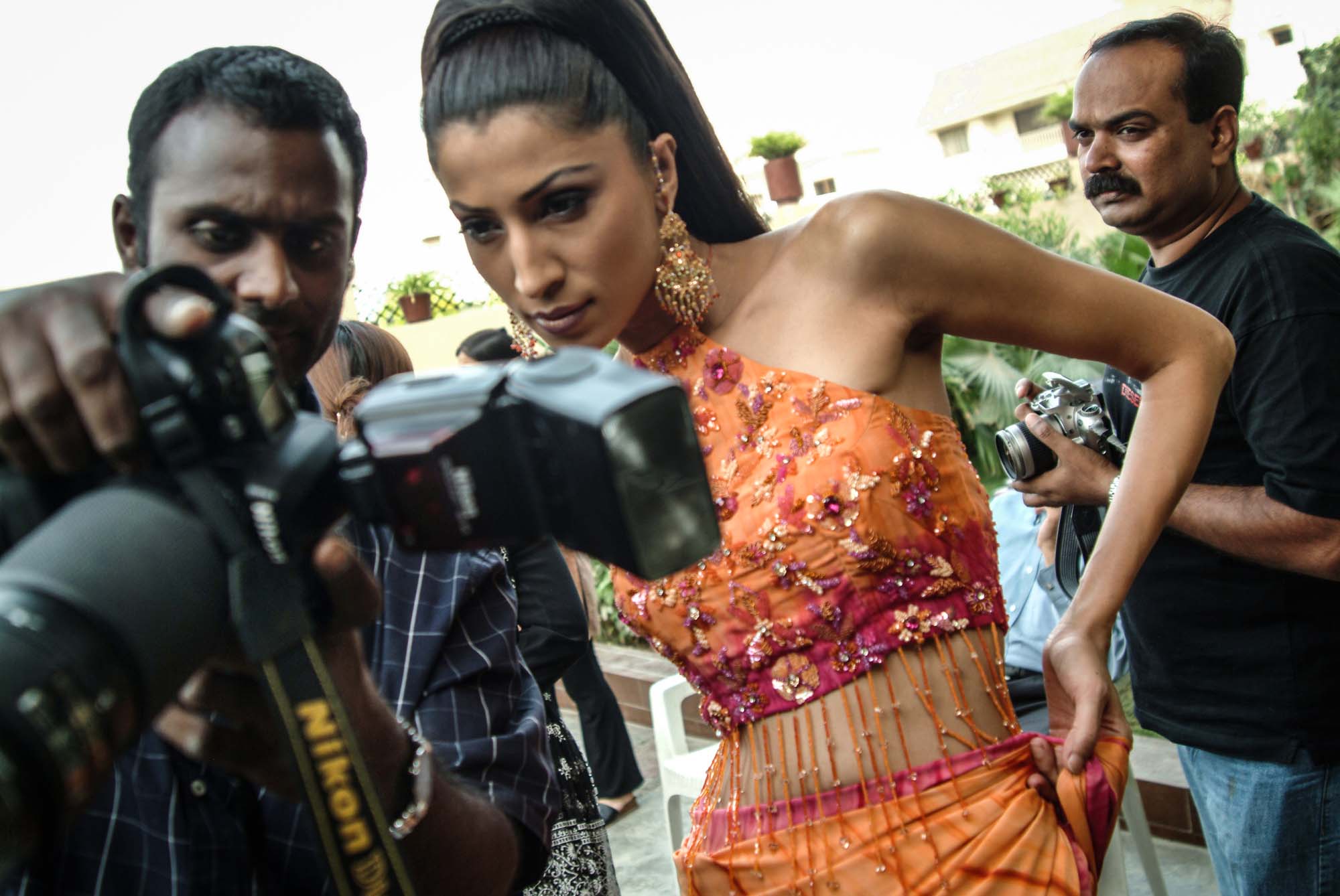
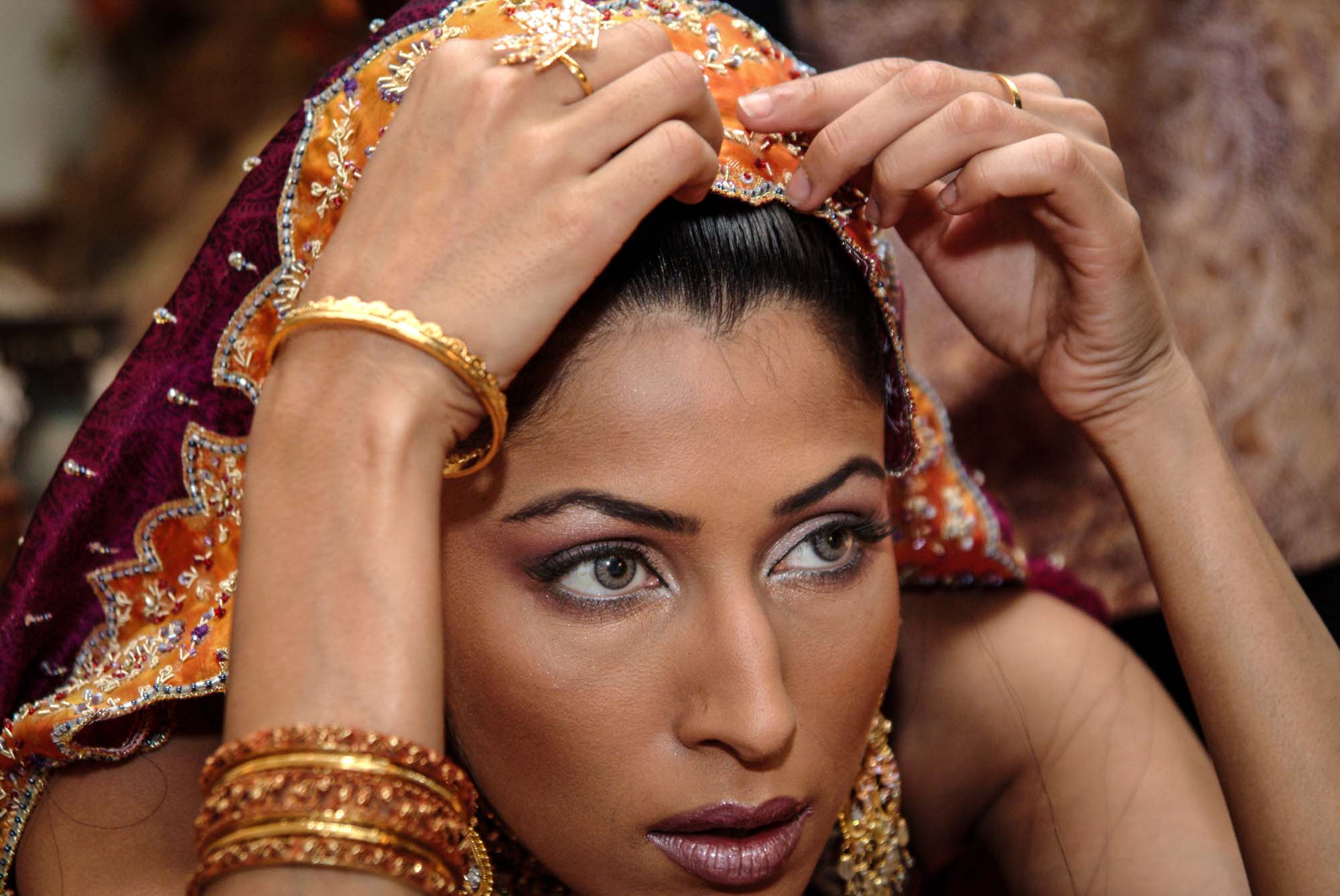
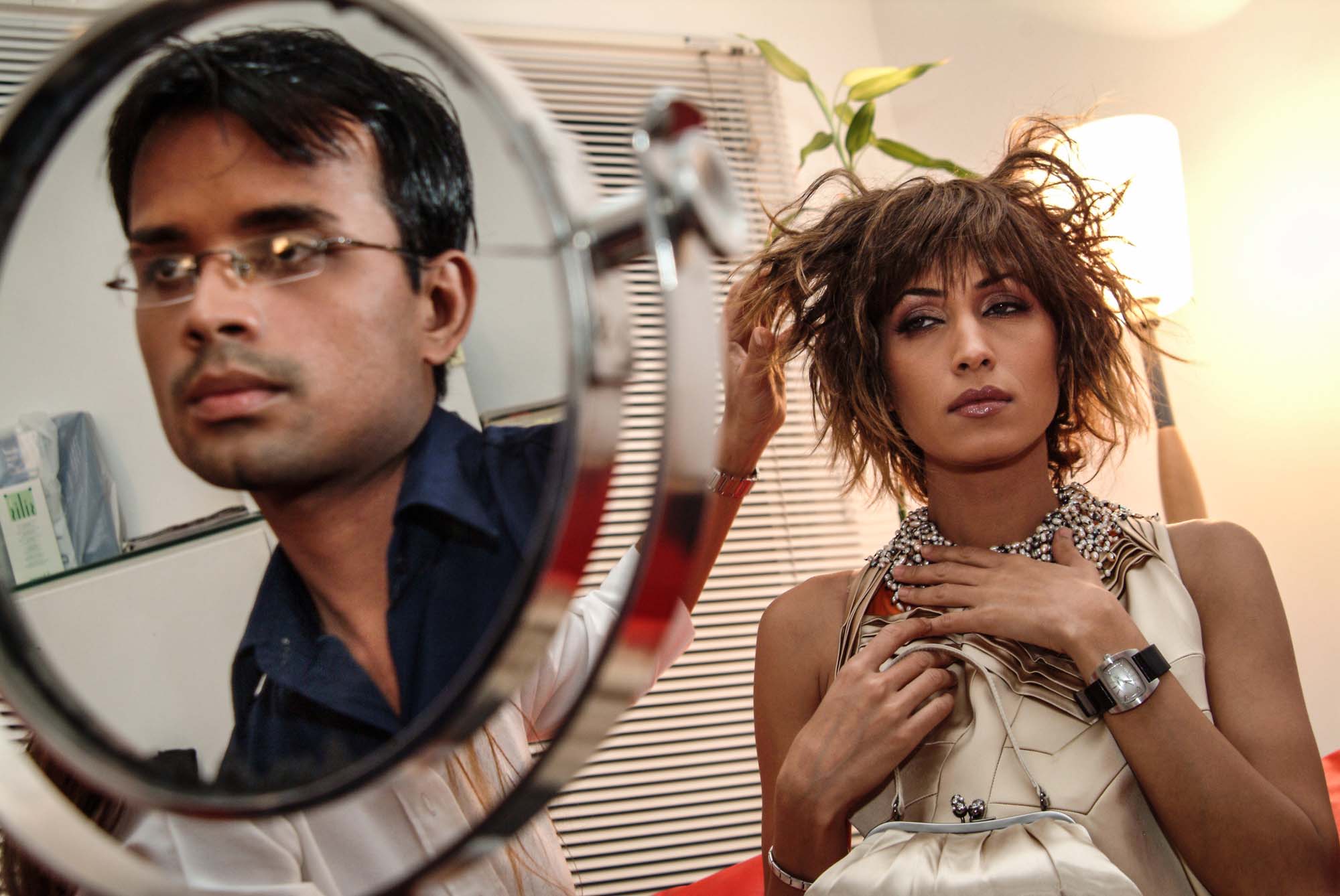
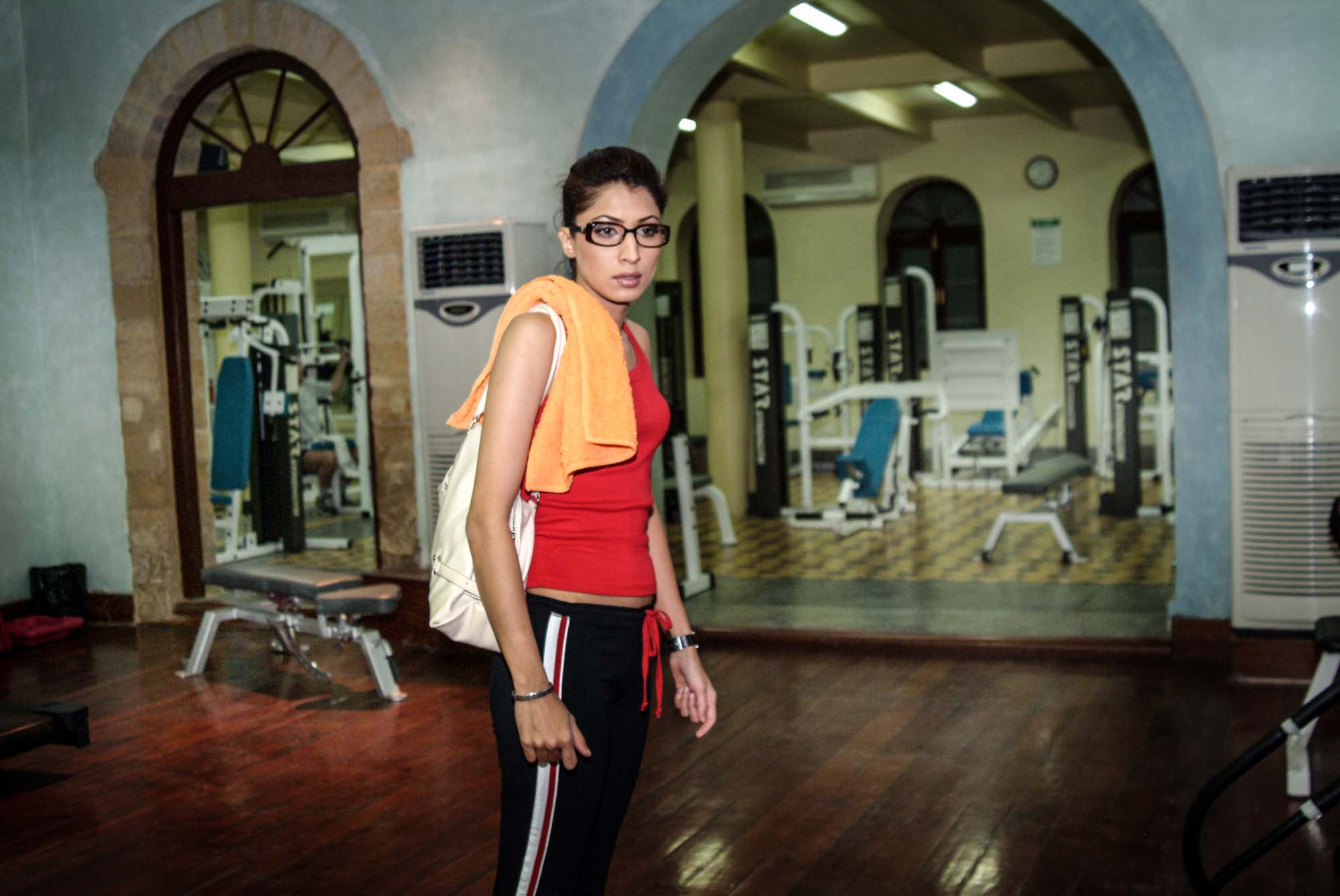
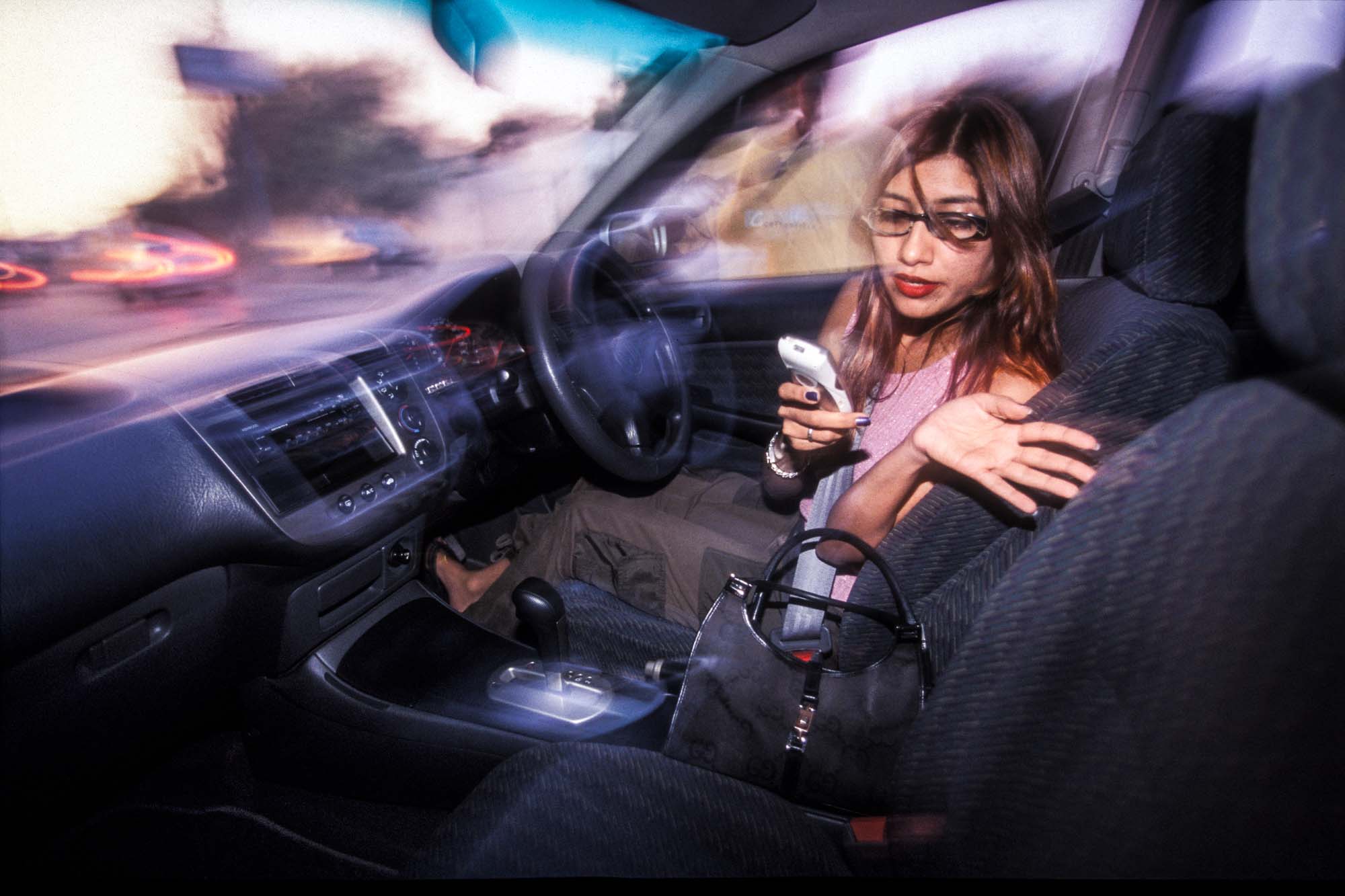
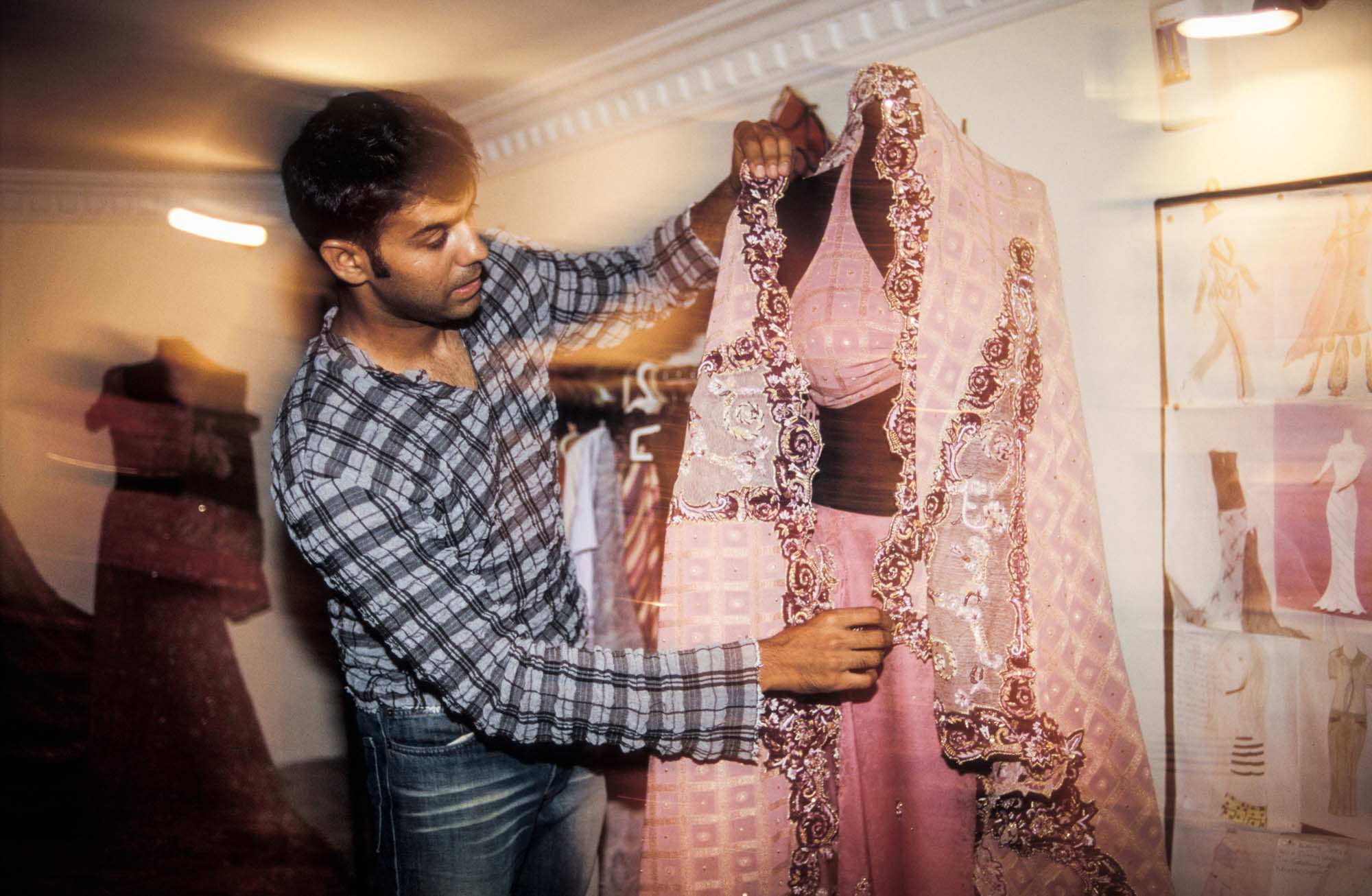
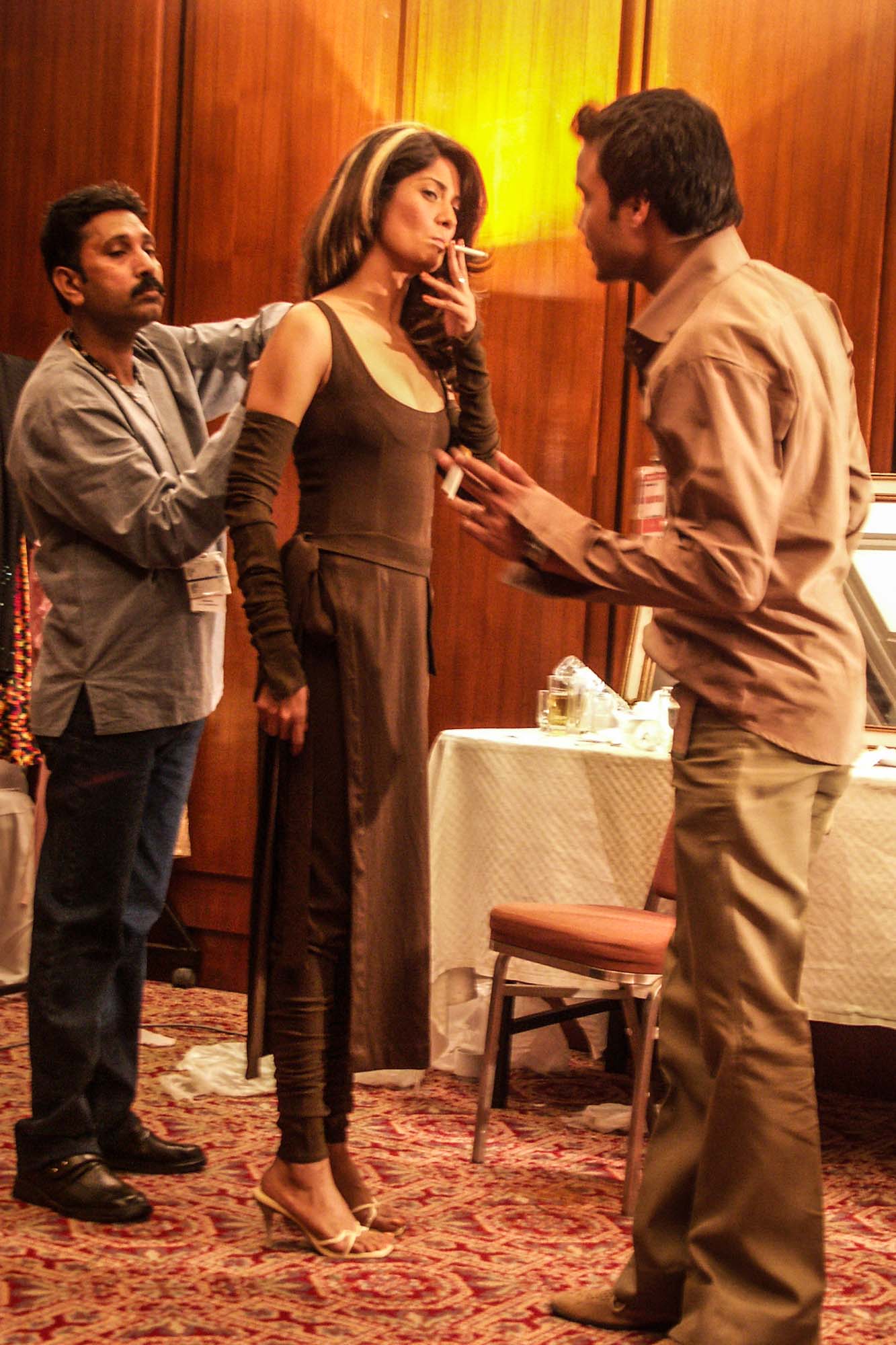
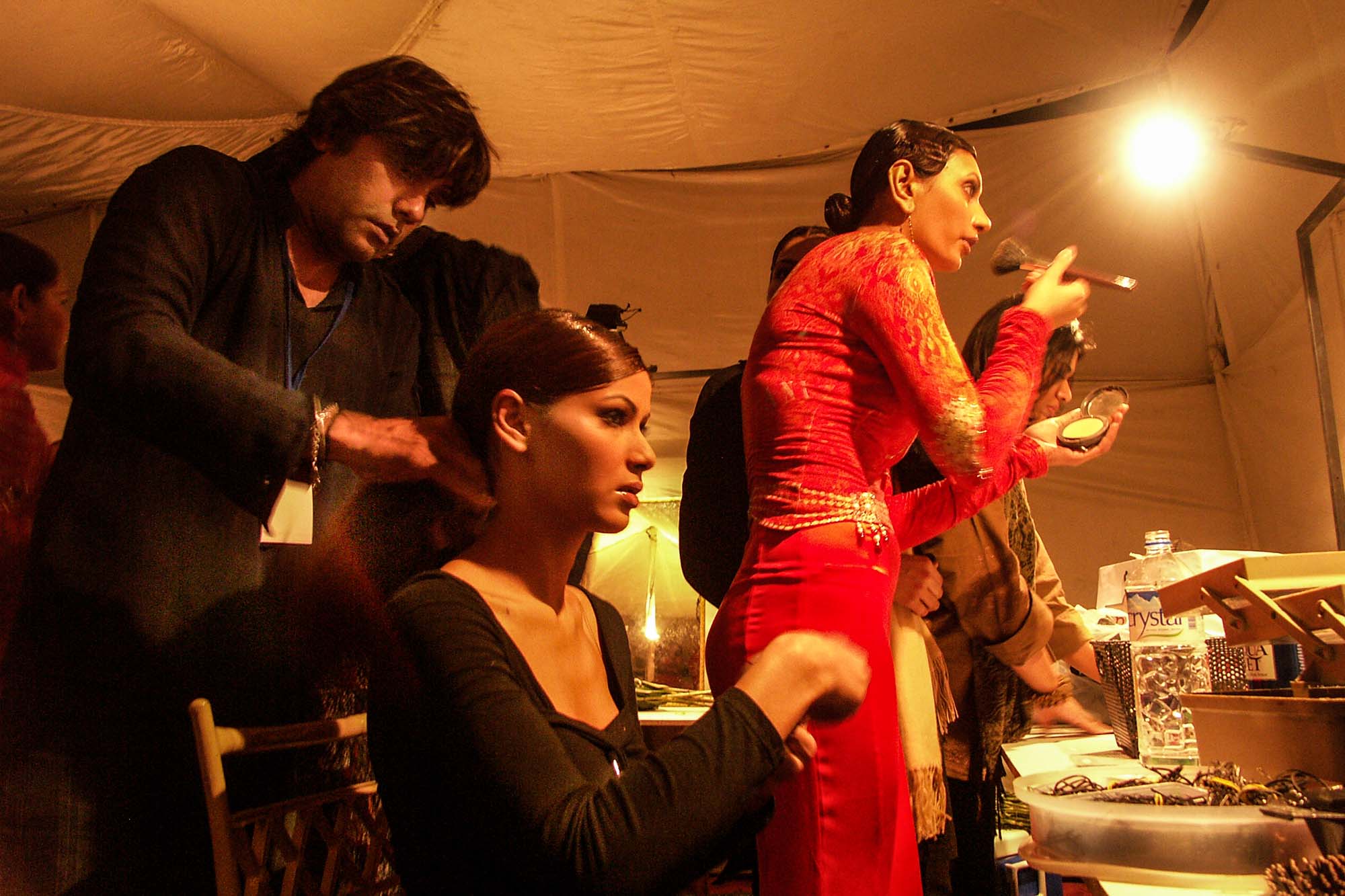
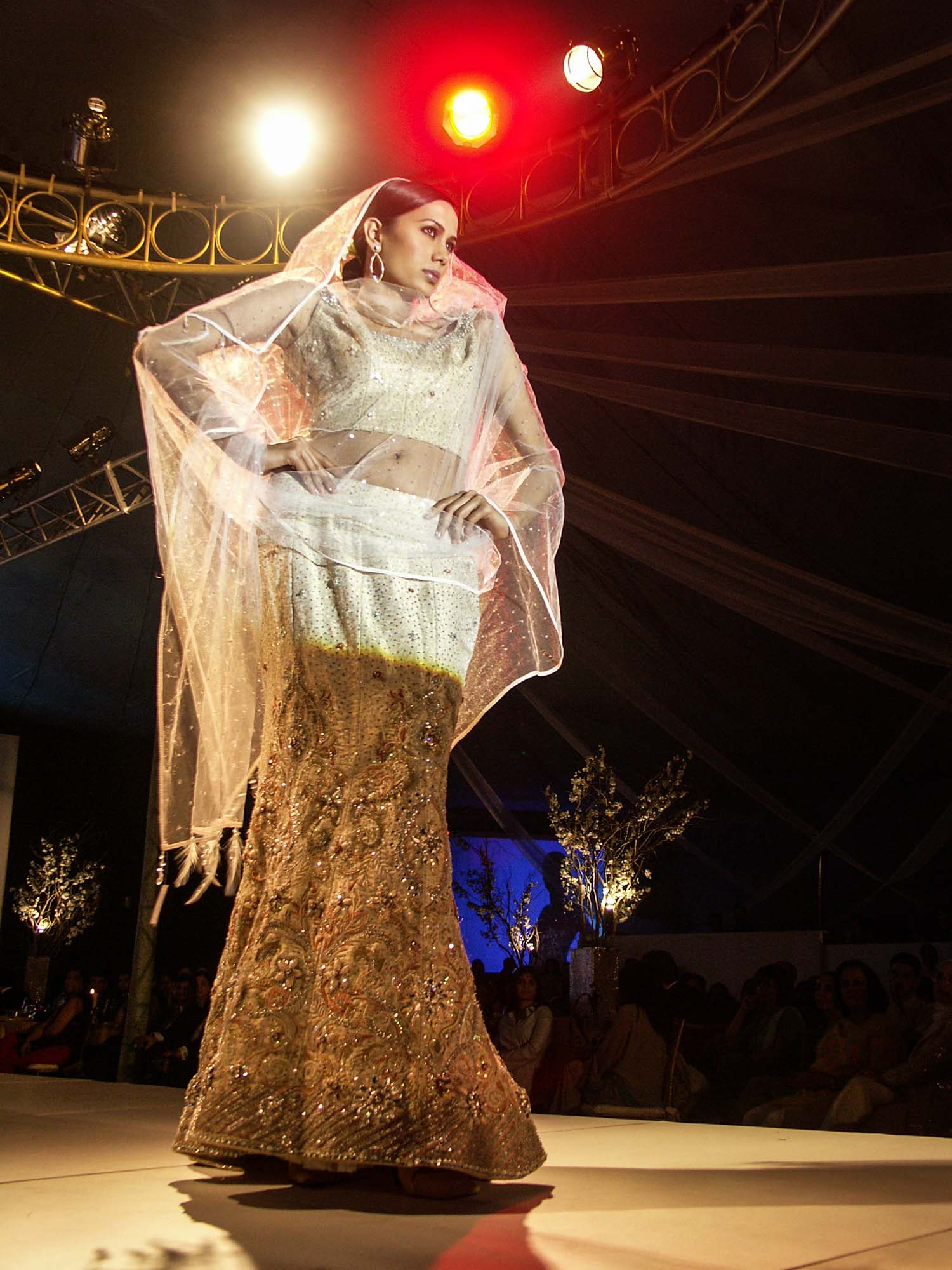
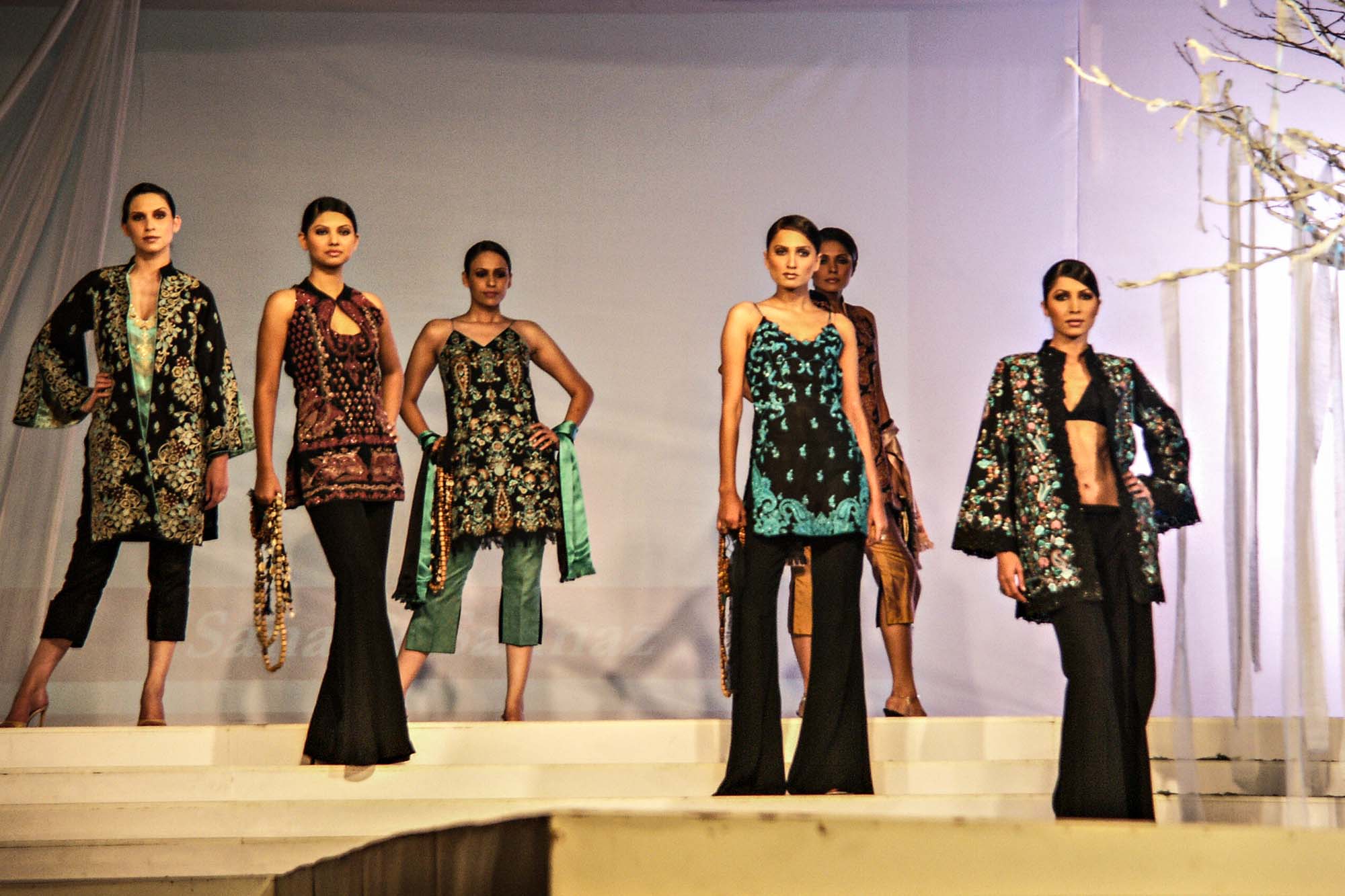
FASHION IN PAKISTAN
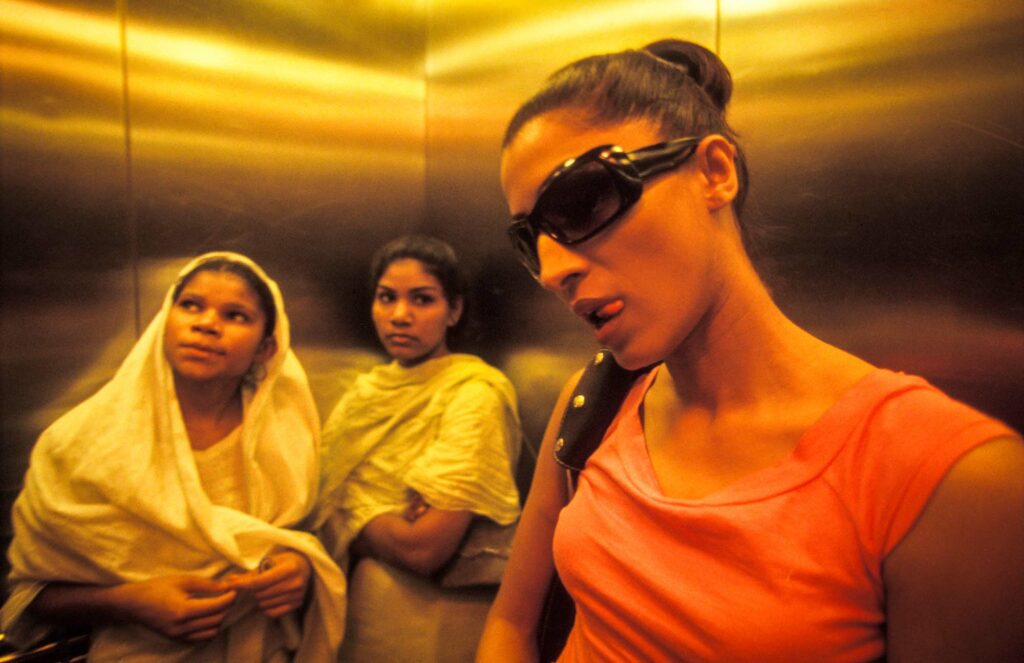
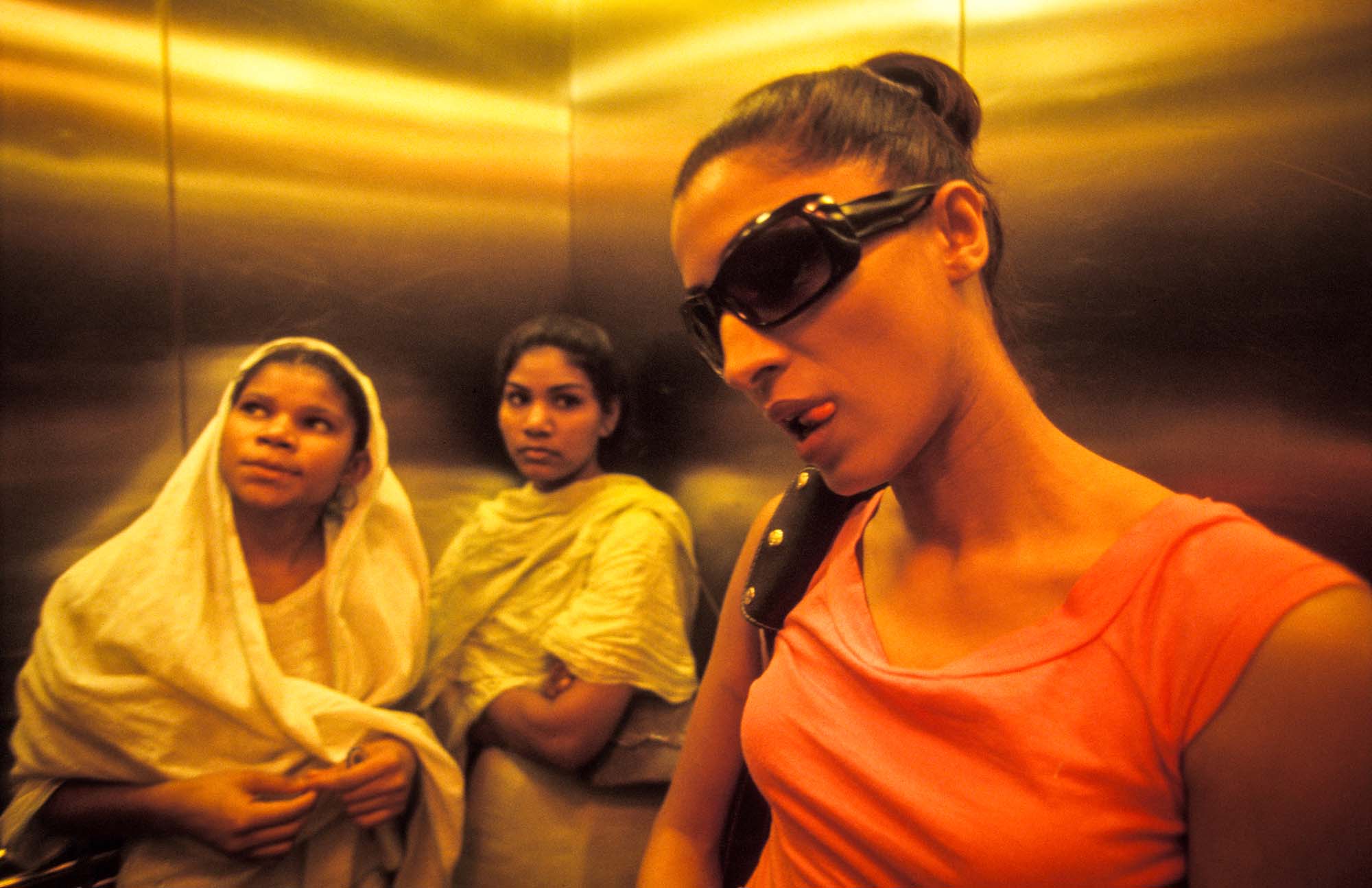
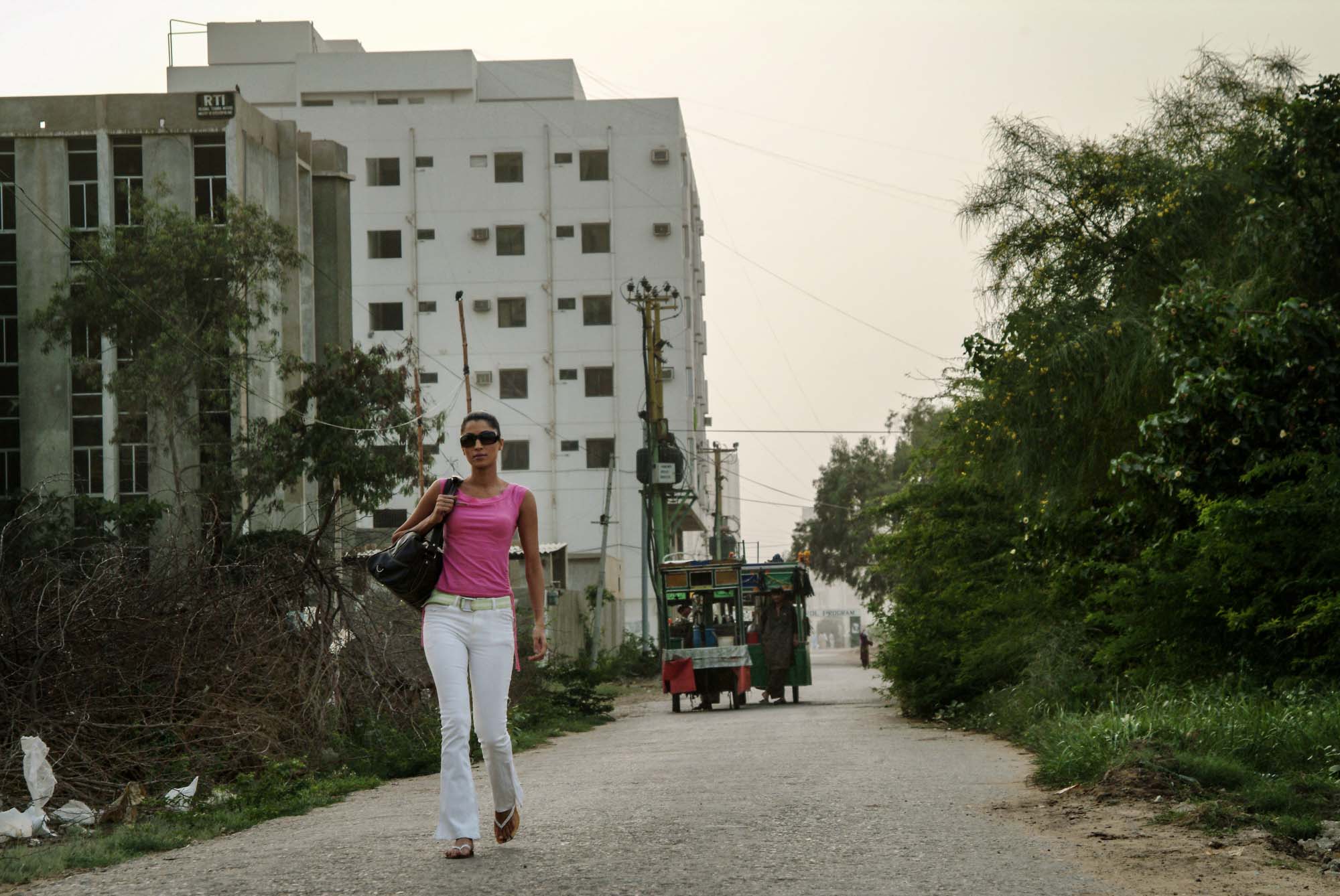
In Pakistan, fashion is more than appearance; it is a field of expression, tension, and freedom. Between rich textile heritage — artisanal embroidery, regional weaving, traditional cuts — and contemporary influences, young designers challenge norms.
In Karachi and Lahore, shows, workshops, and emerging brands reveal vibrant creativity, often led by women redefining their public roles.
Yet this modernity faces resistance: conservative religious groups denounce it as against Islamic values, with some events censored or threatened.
Despite this, Pakistani fashion endures, balancing boldness and cultural codes, drawing a delicate line between identity, openness, and freedom — an aesthetic and political struggle in its own right.
FROM HERE AND ELSEWHERE
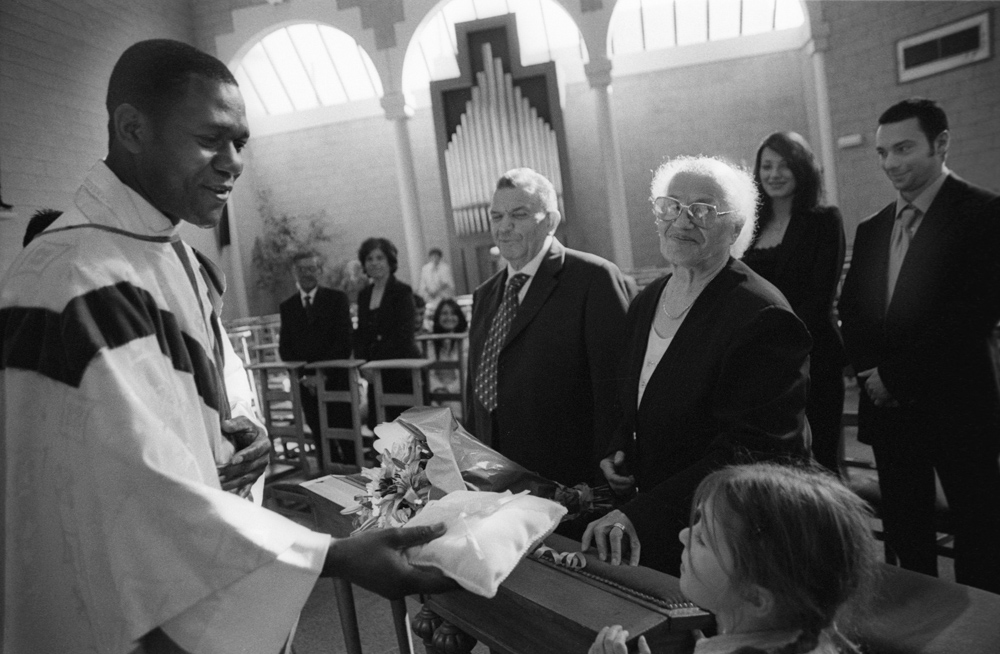
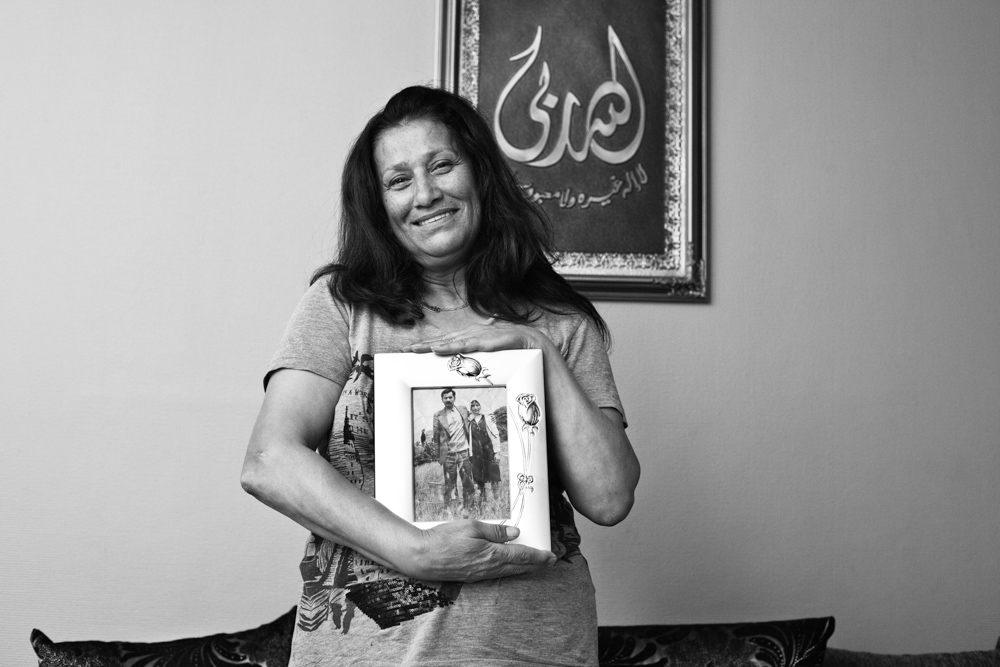
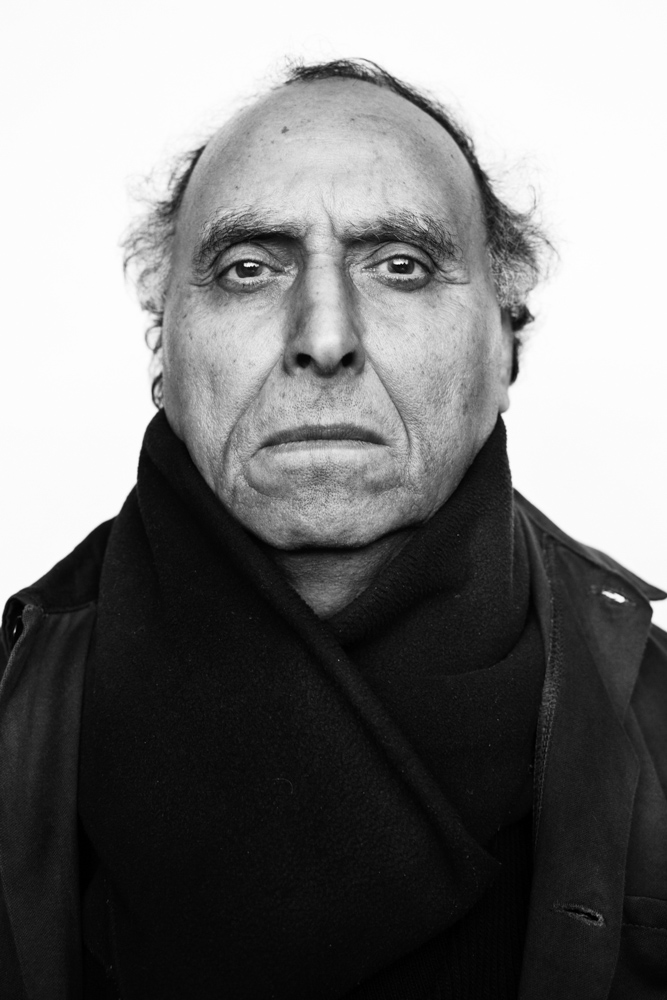
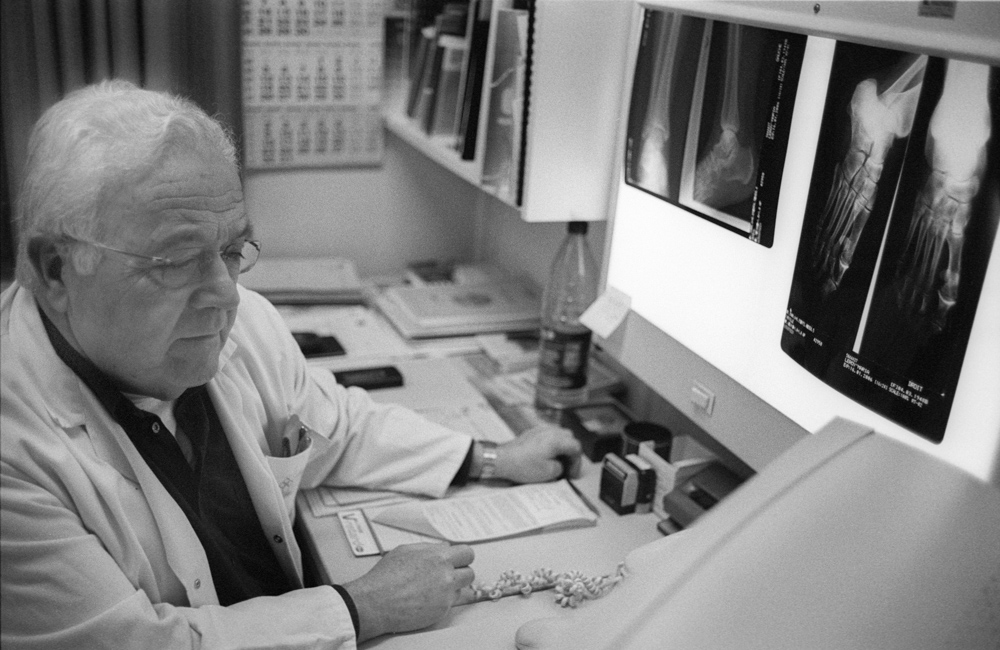
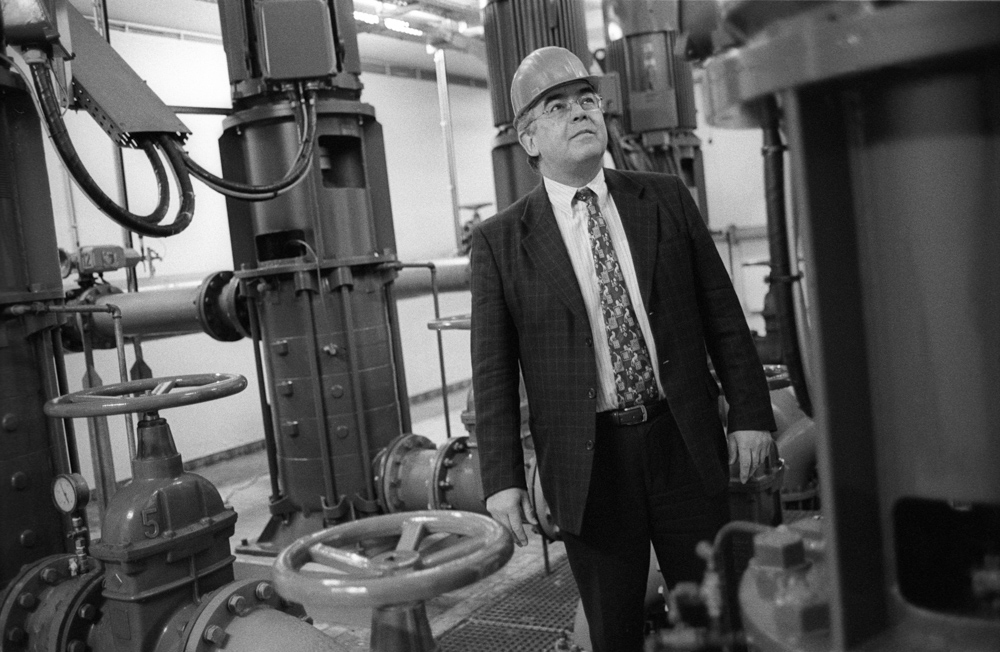
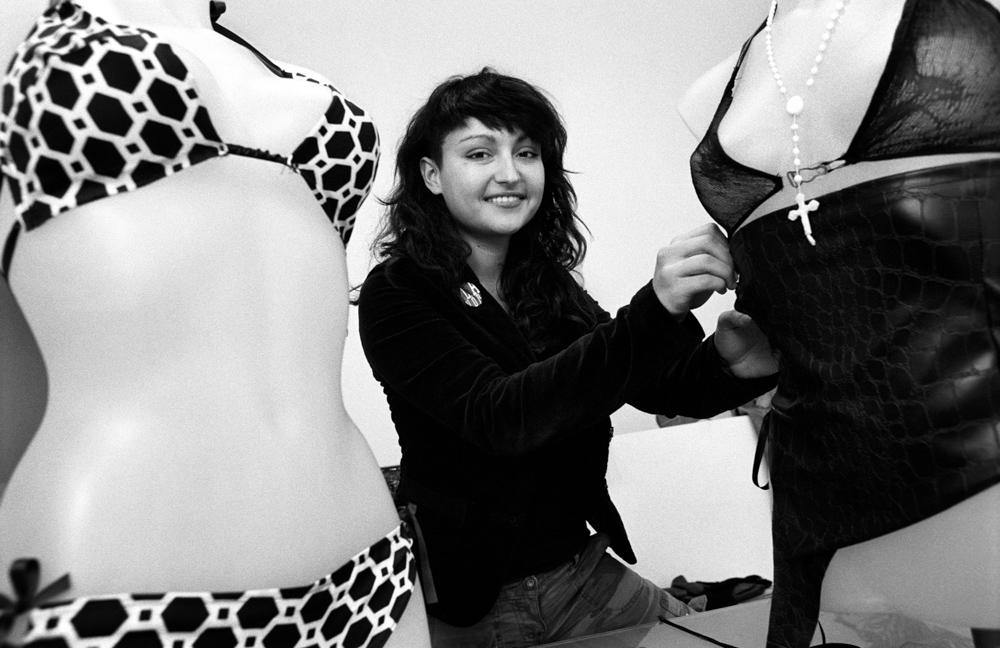
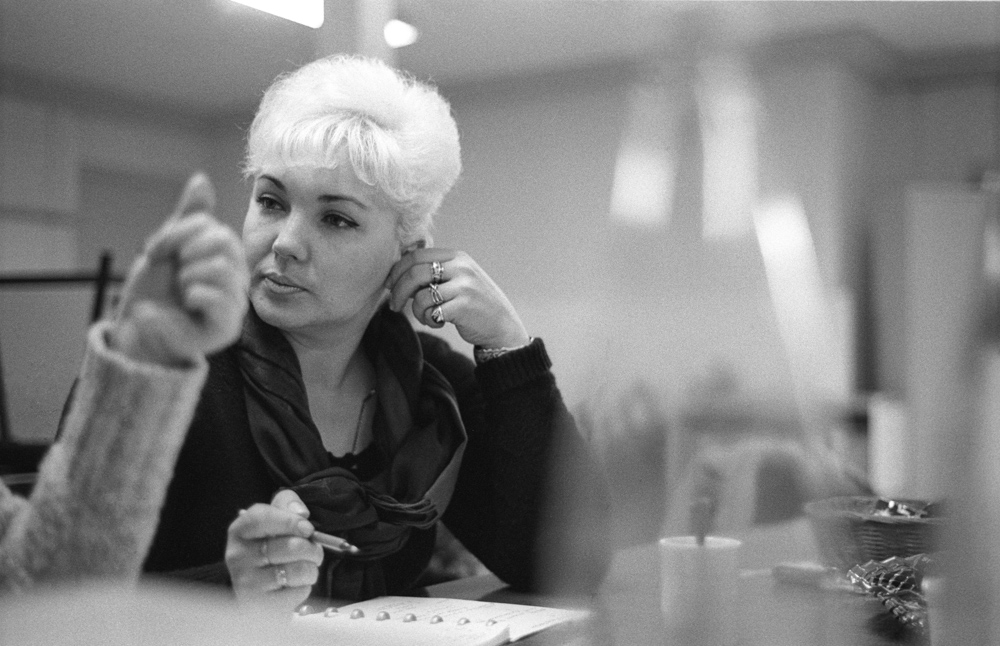
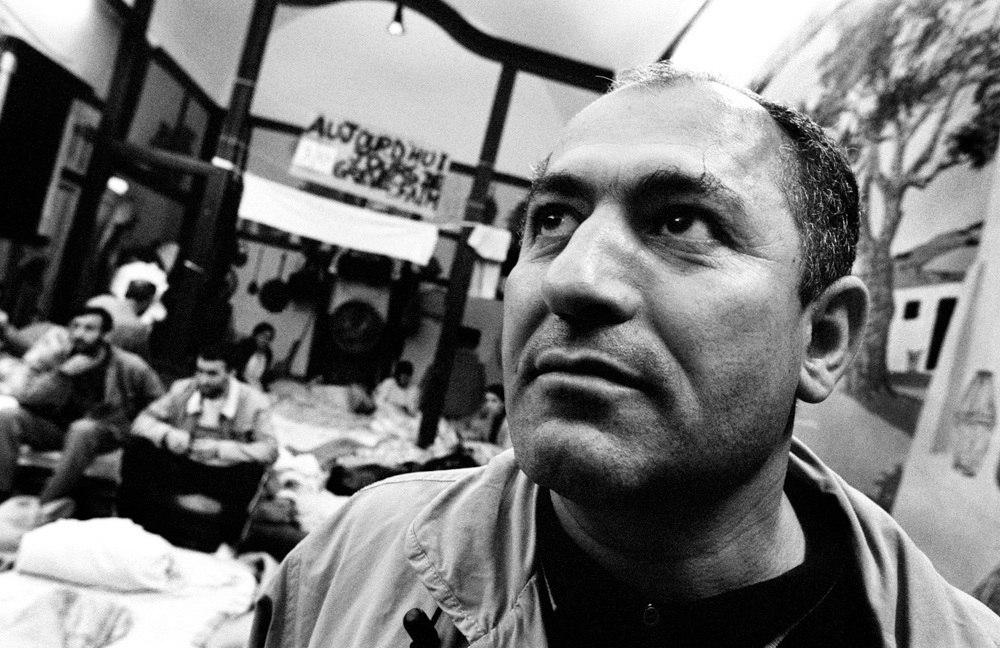
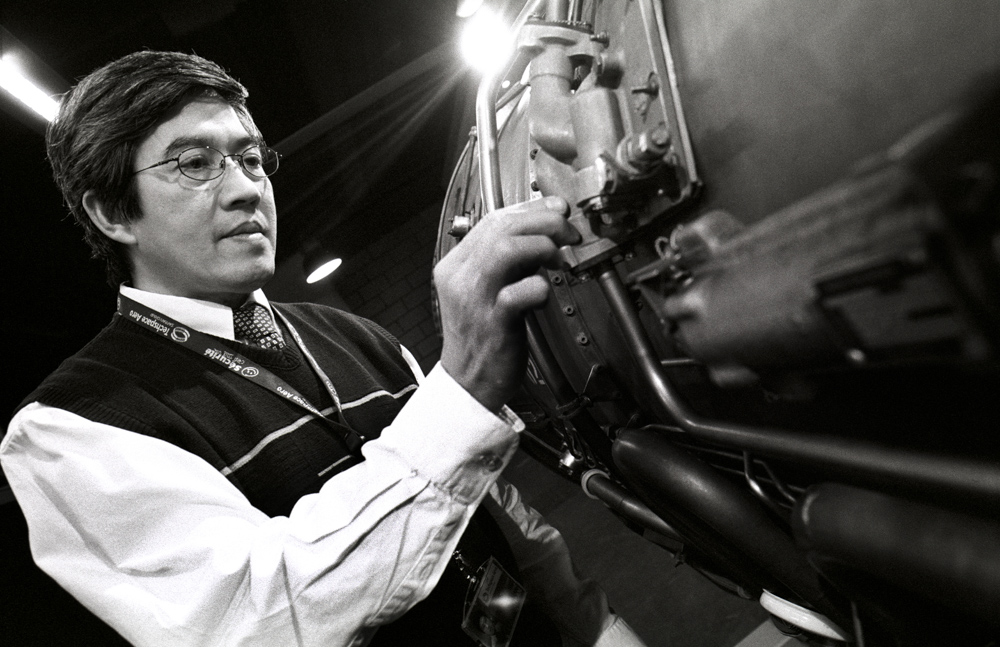
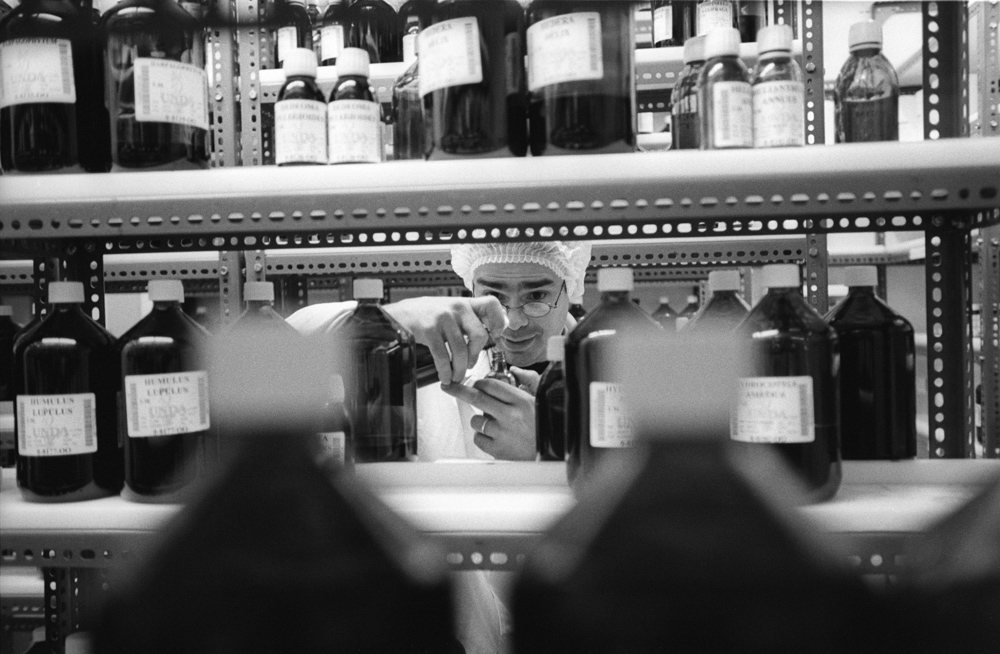
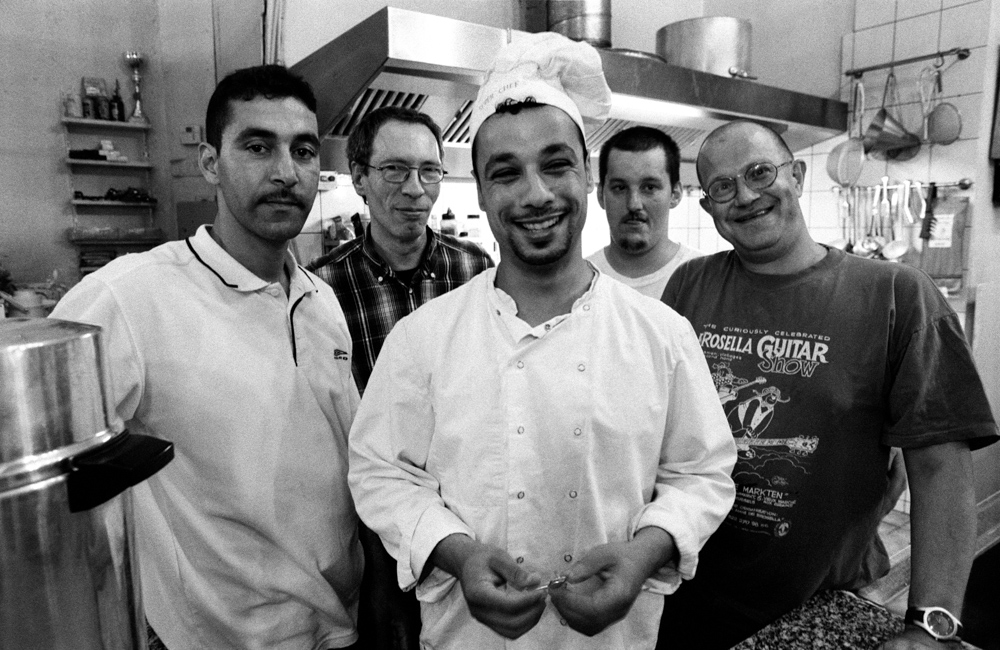
By choosing to create a portrait and testimony project about “people from elsewhere who came here,” our aim was to offer a fresh perspective on the integration of immigrants in Belgium.
What must be done for our differences to be respected, while still allowing each person to preserve their deep identity?
How can we convey the value of exchange between peoples and global citizens?
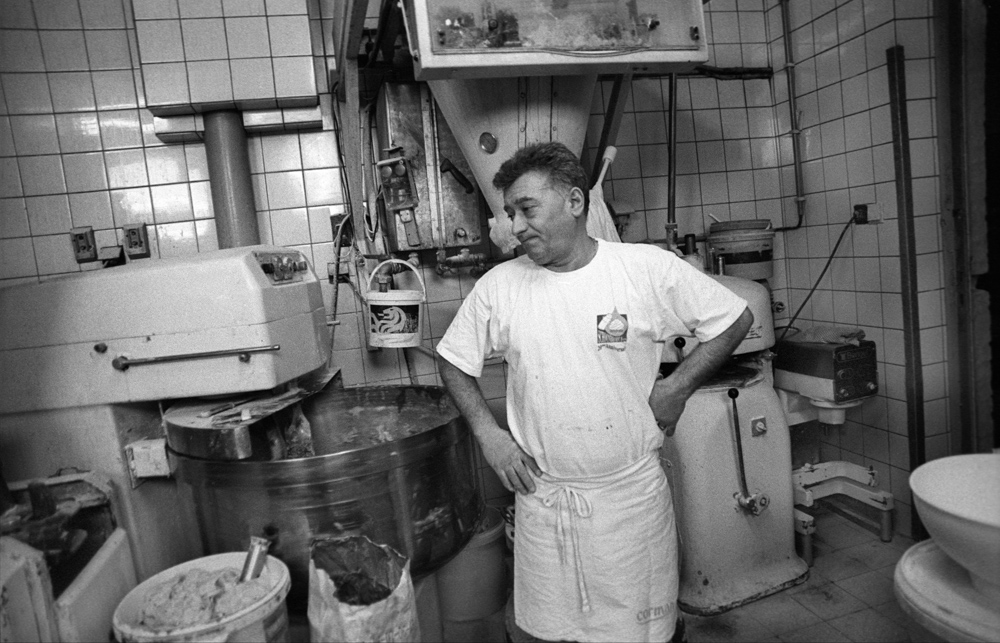
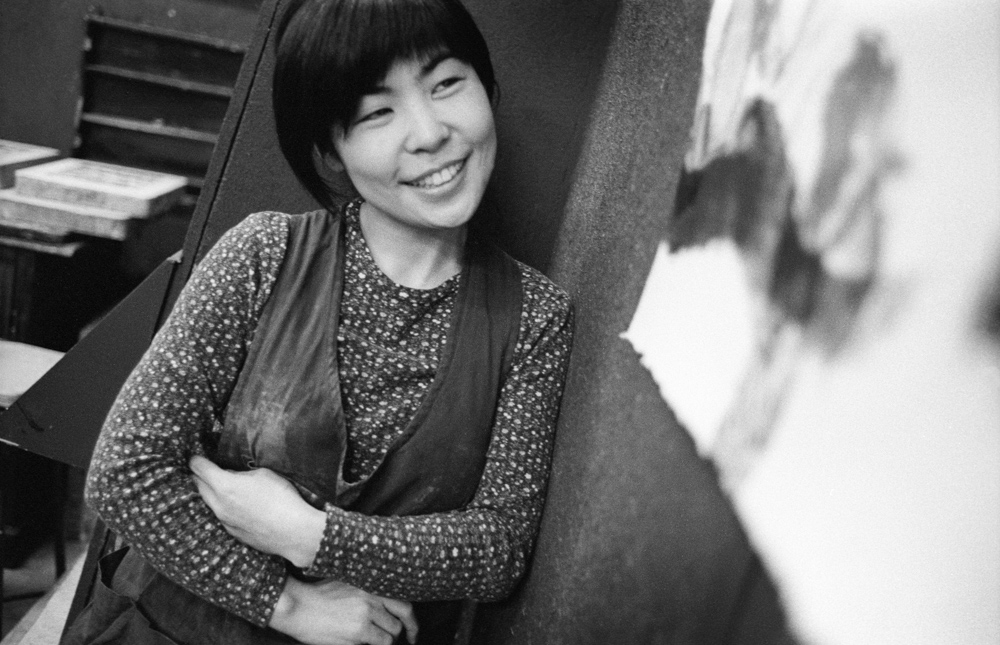
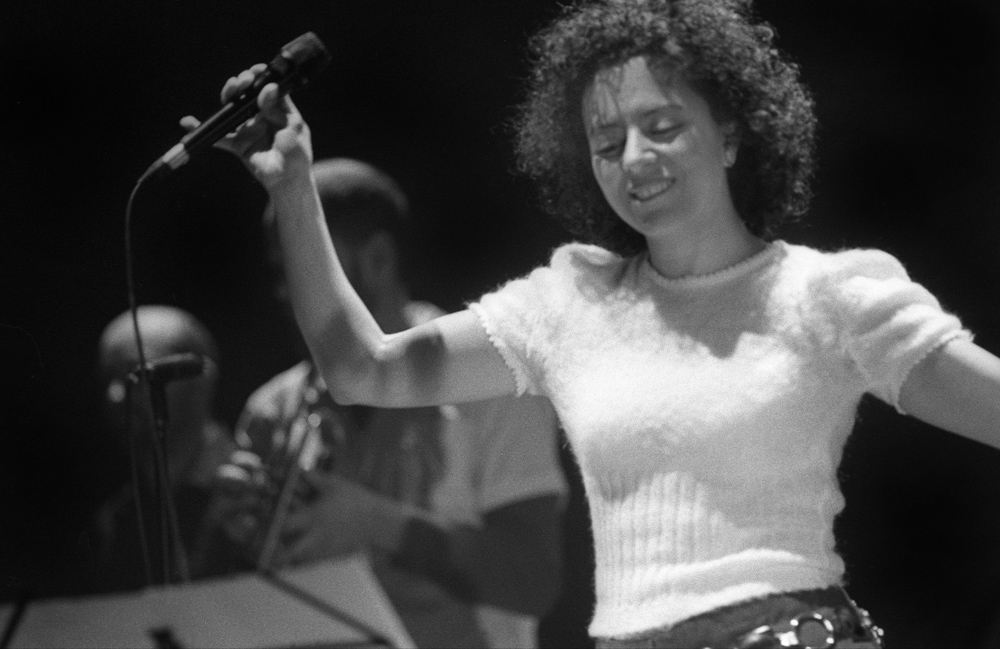
These questions led us to engage in conversation with around forty people who came to live in Belgium — for love, to escape war or famine, or simply to find a better life.
So many enriching encounters, worth sharing, to reflect and try to understand one another.
40 portraits of immigrants living in Belgium.
A project presented as a travelling exhibition and a book (Couleur Livres Publishing).
Texts: Jeanouche Zafirenios
Photos: Frédéric Pauwels (Huma) and Christophe Smets


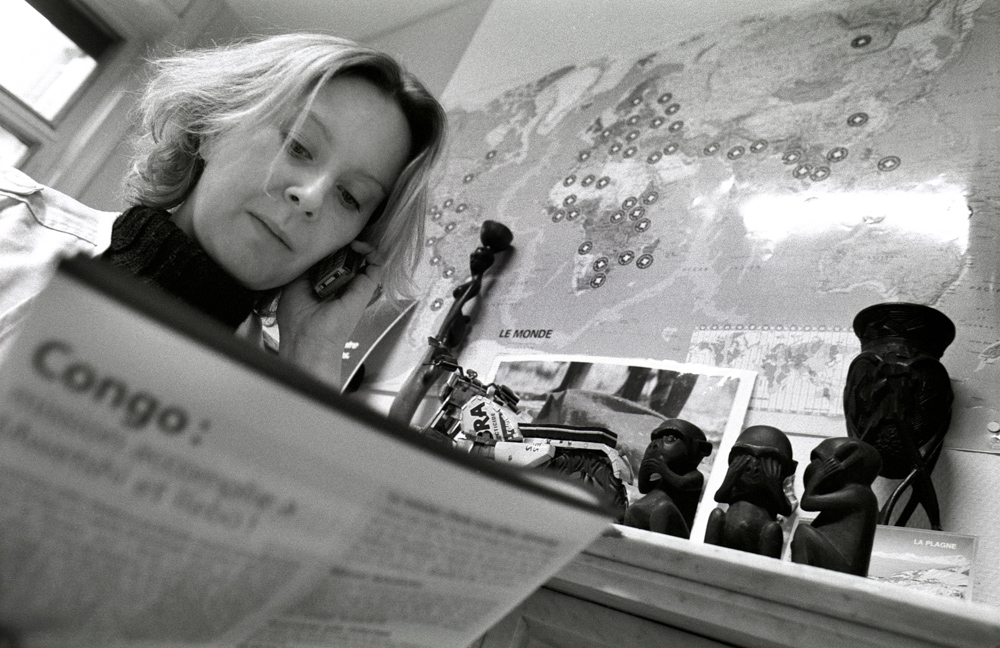
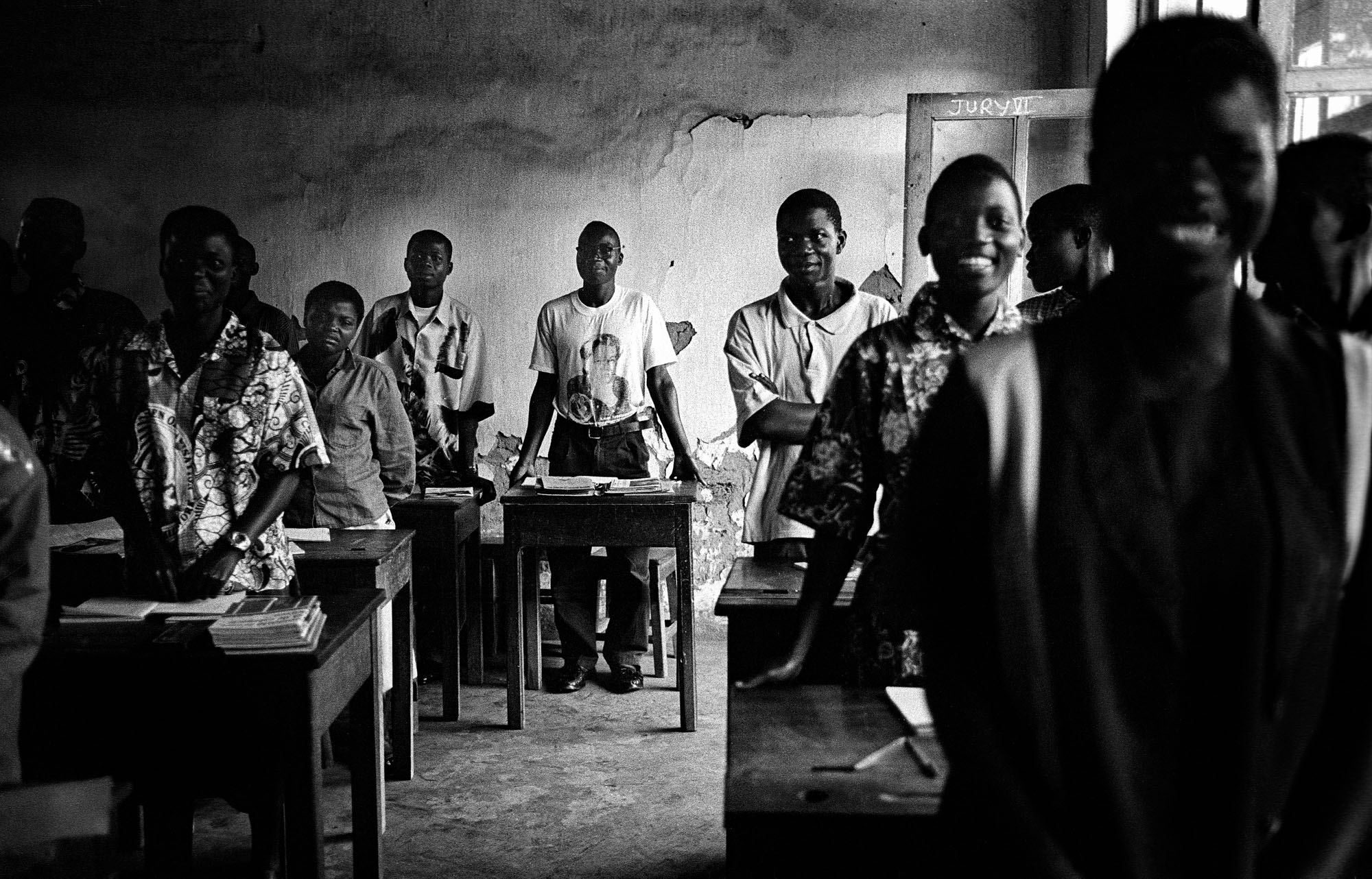
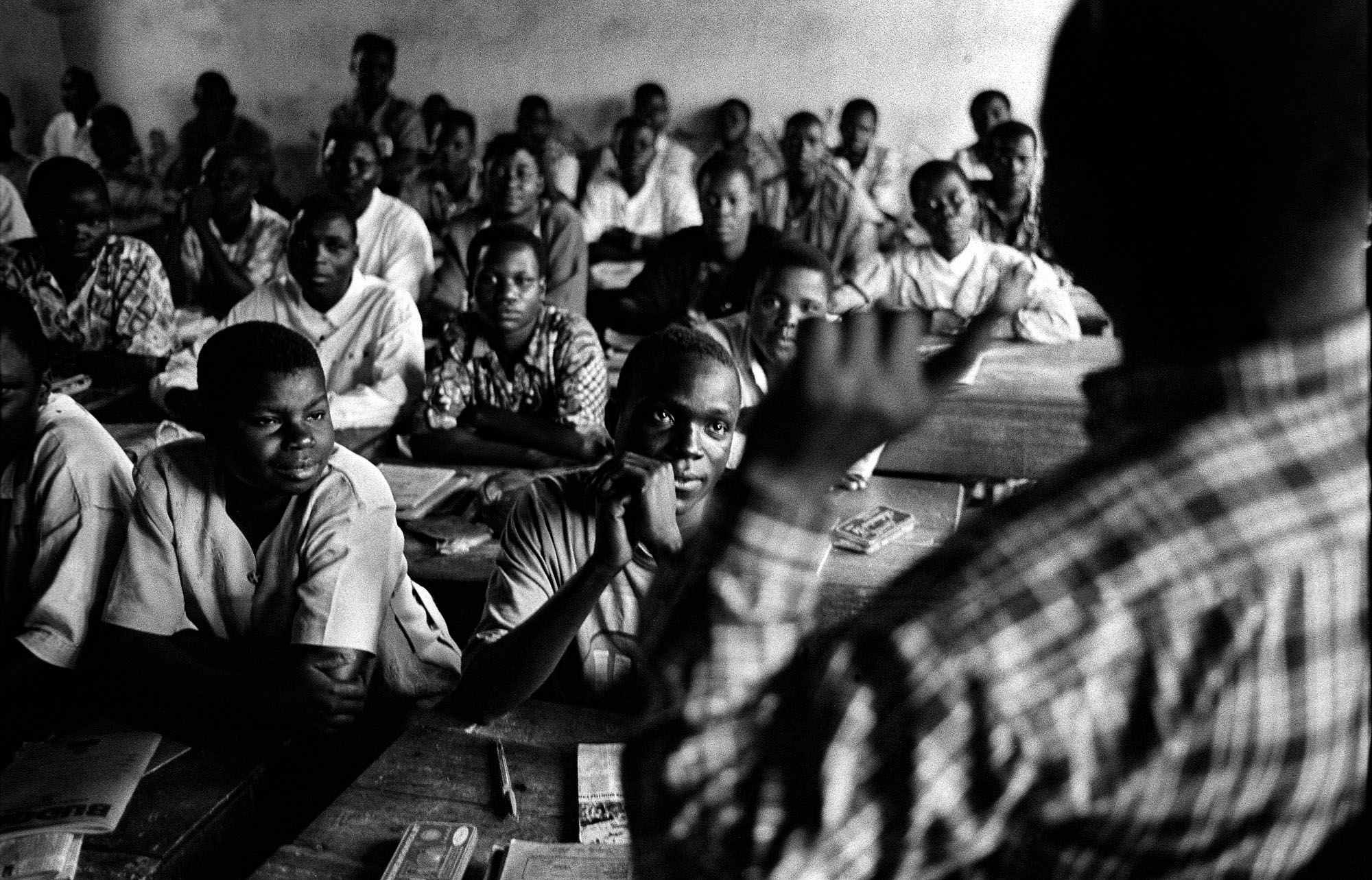
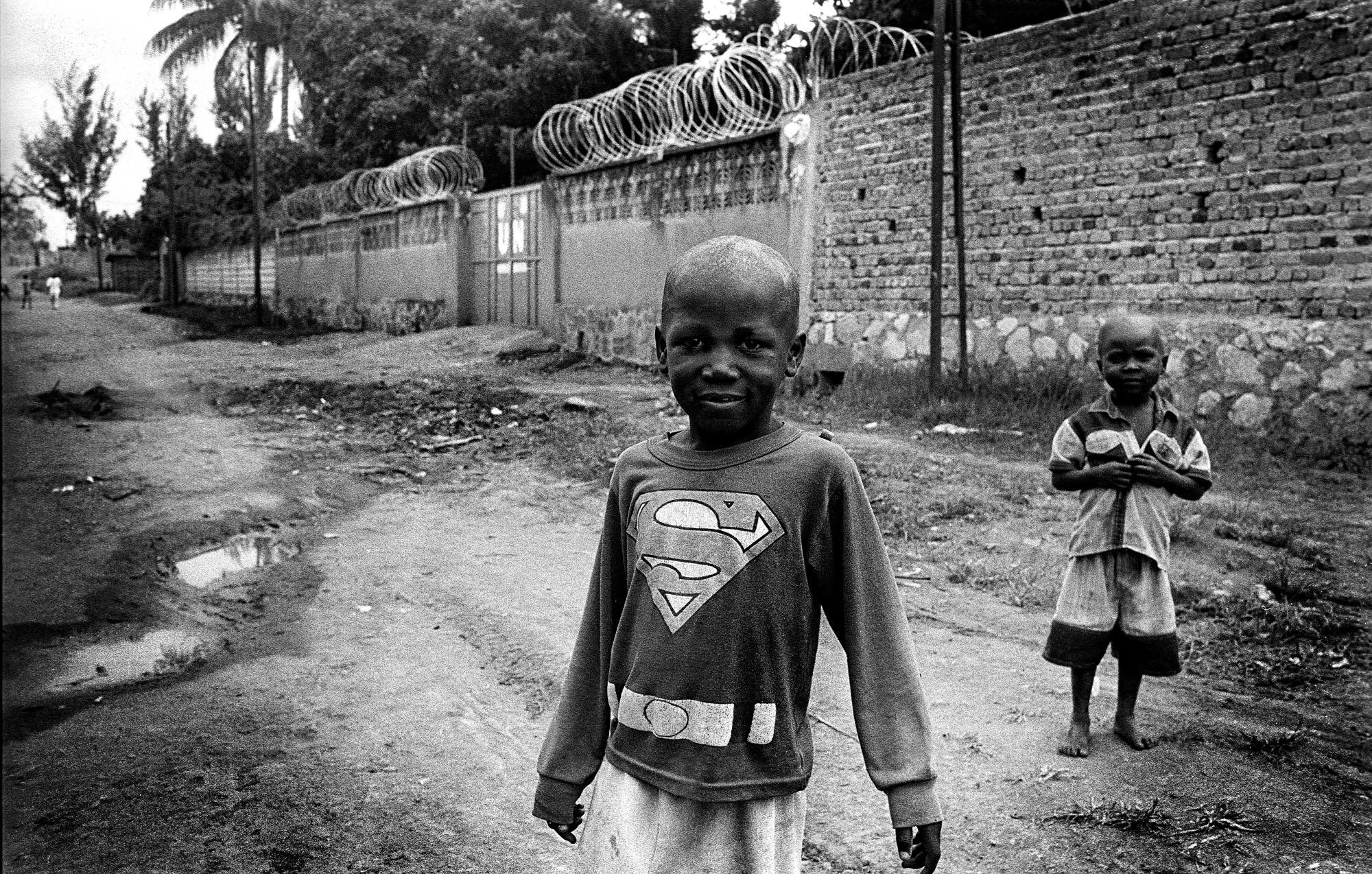
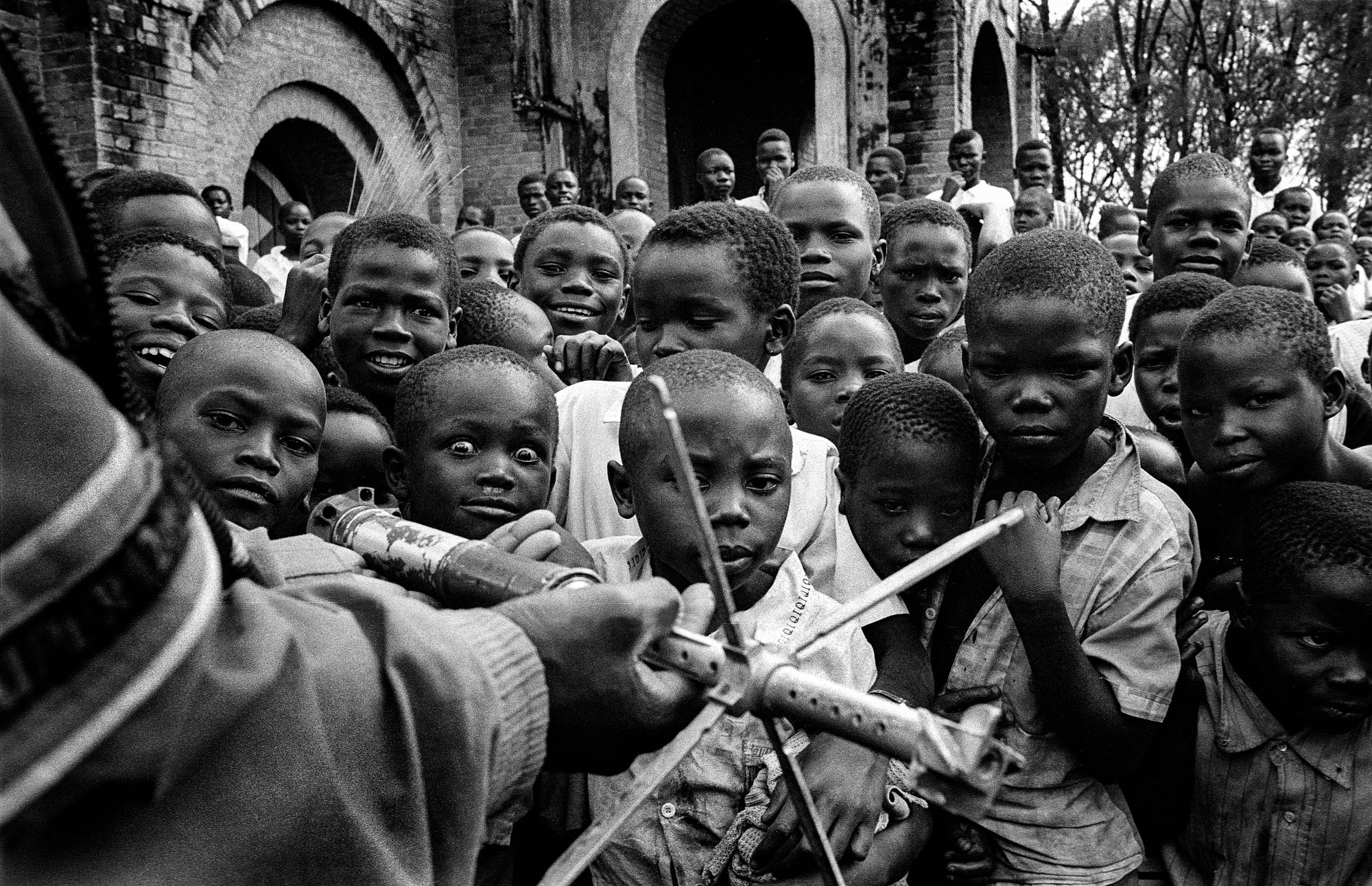
ITURI : BETWEEN HOPE AND TRAGEDY
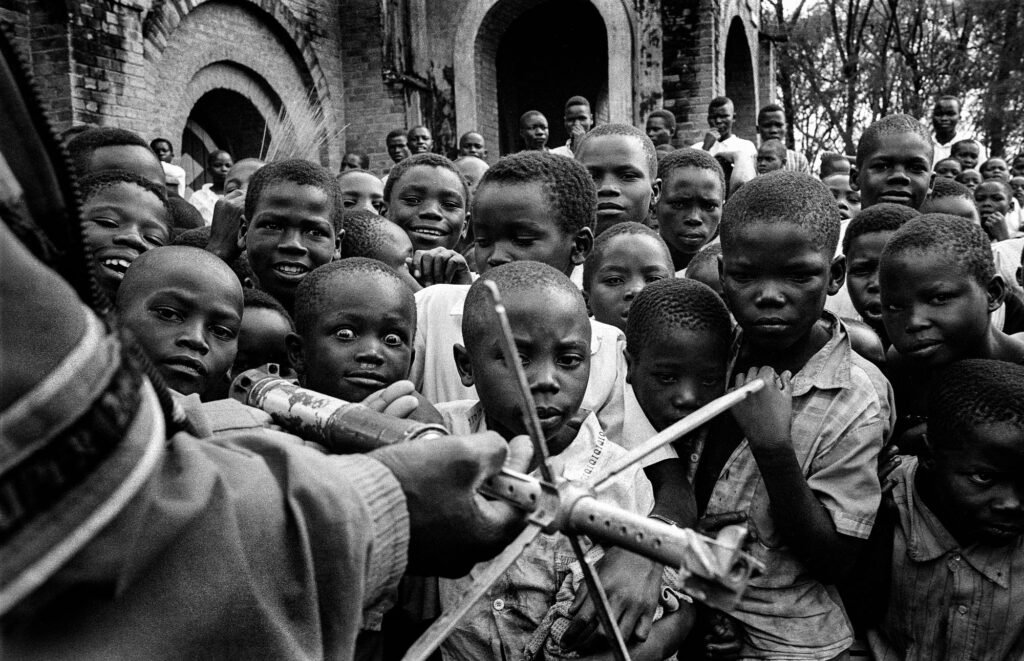
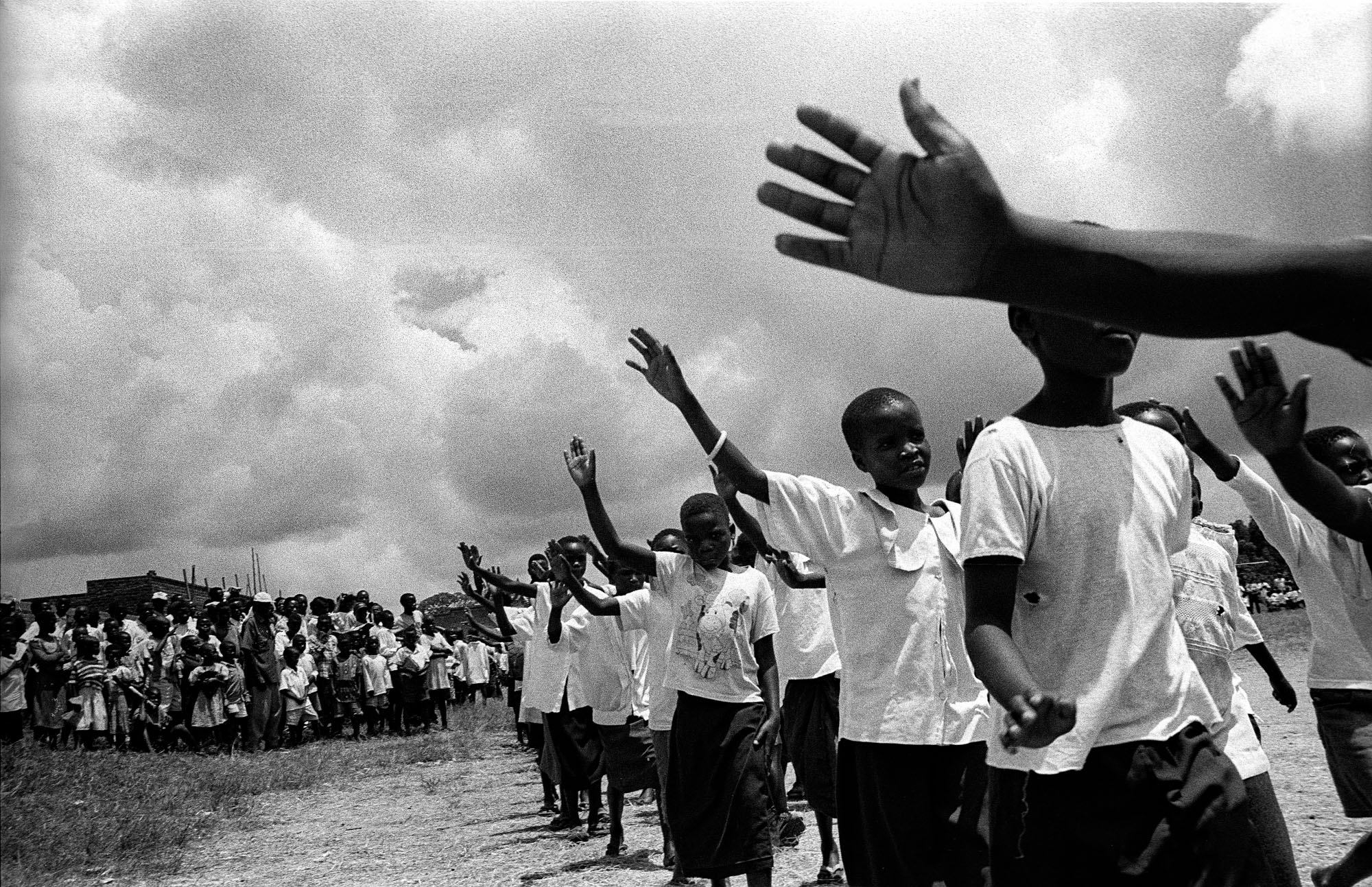
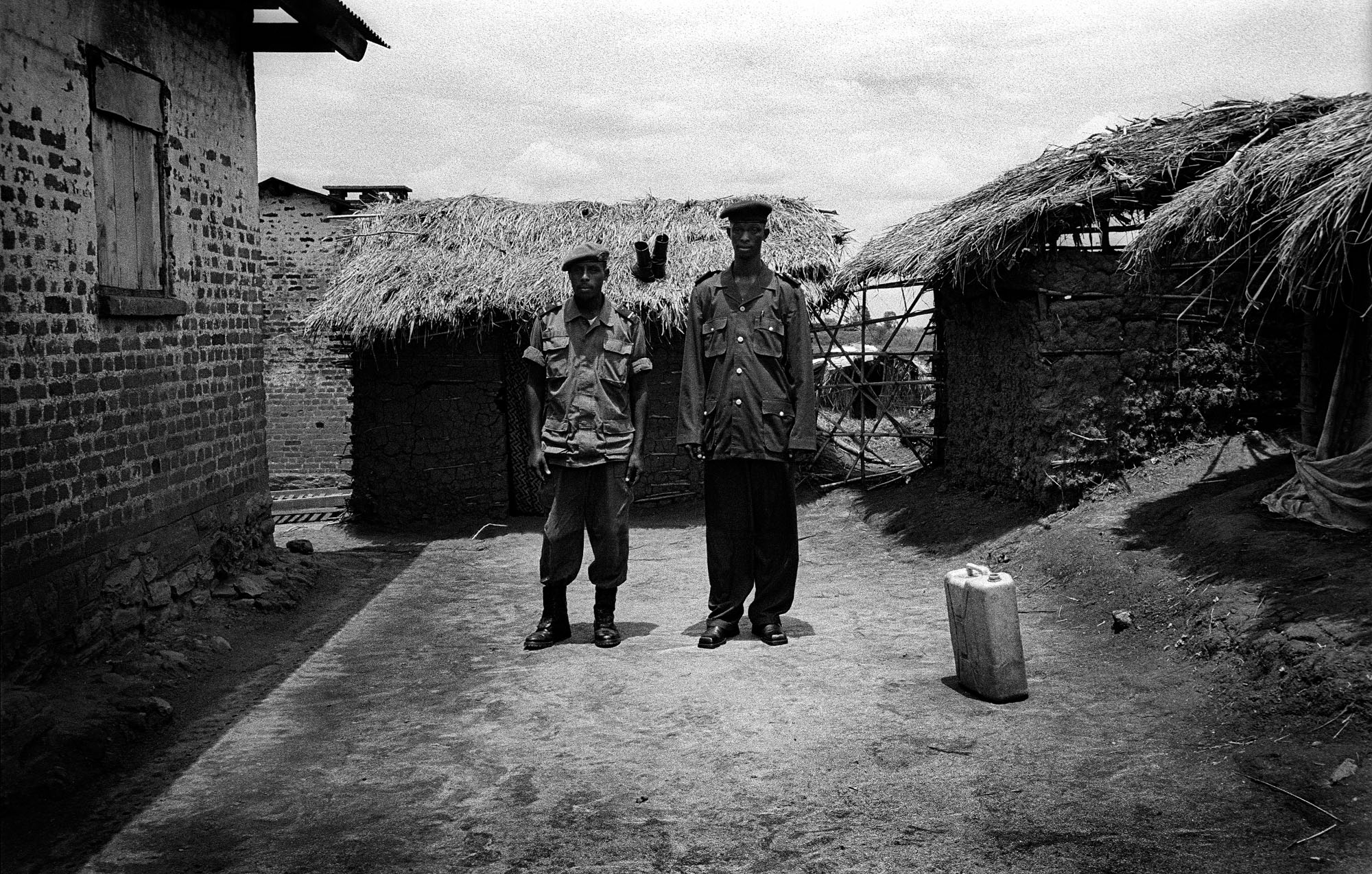
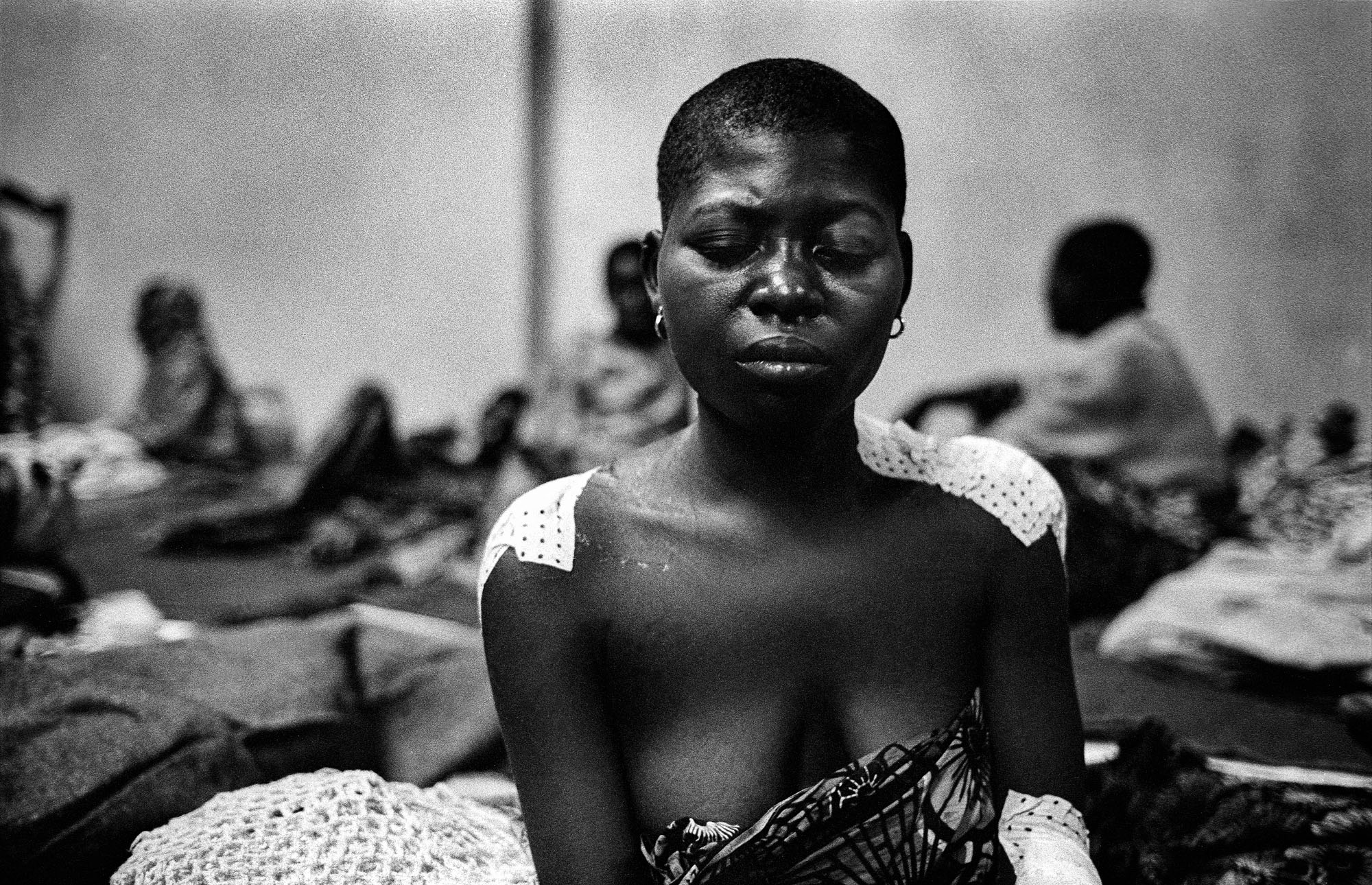
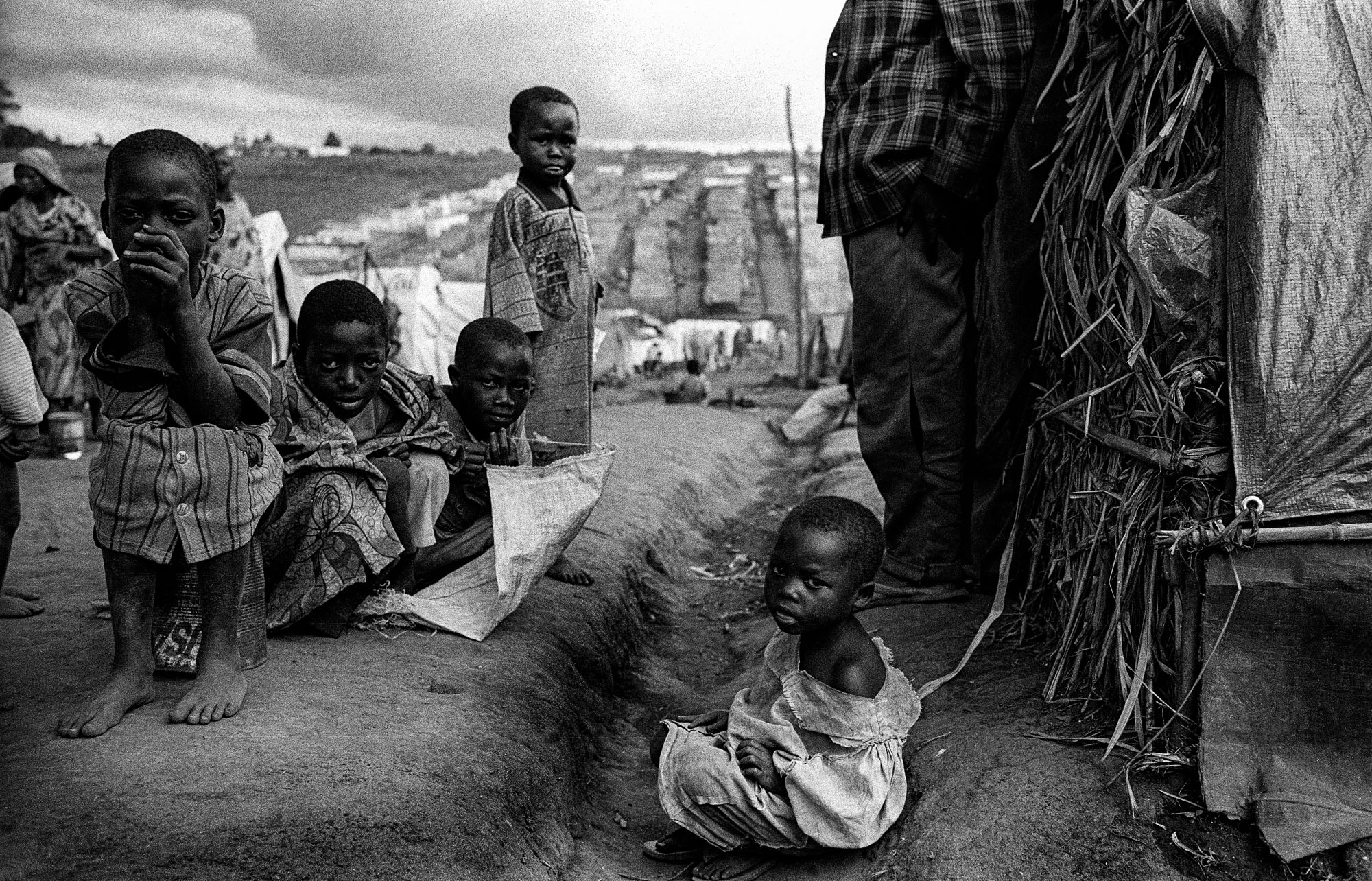
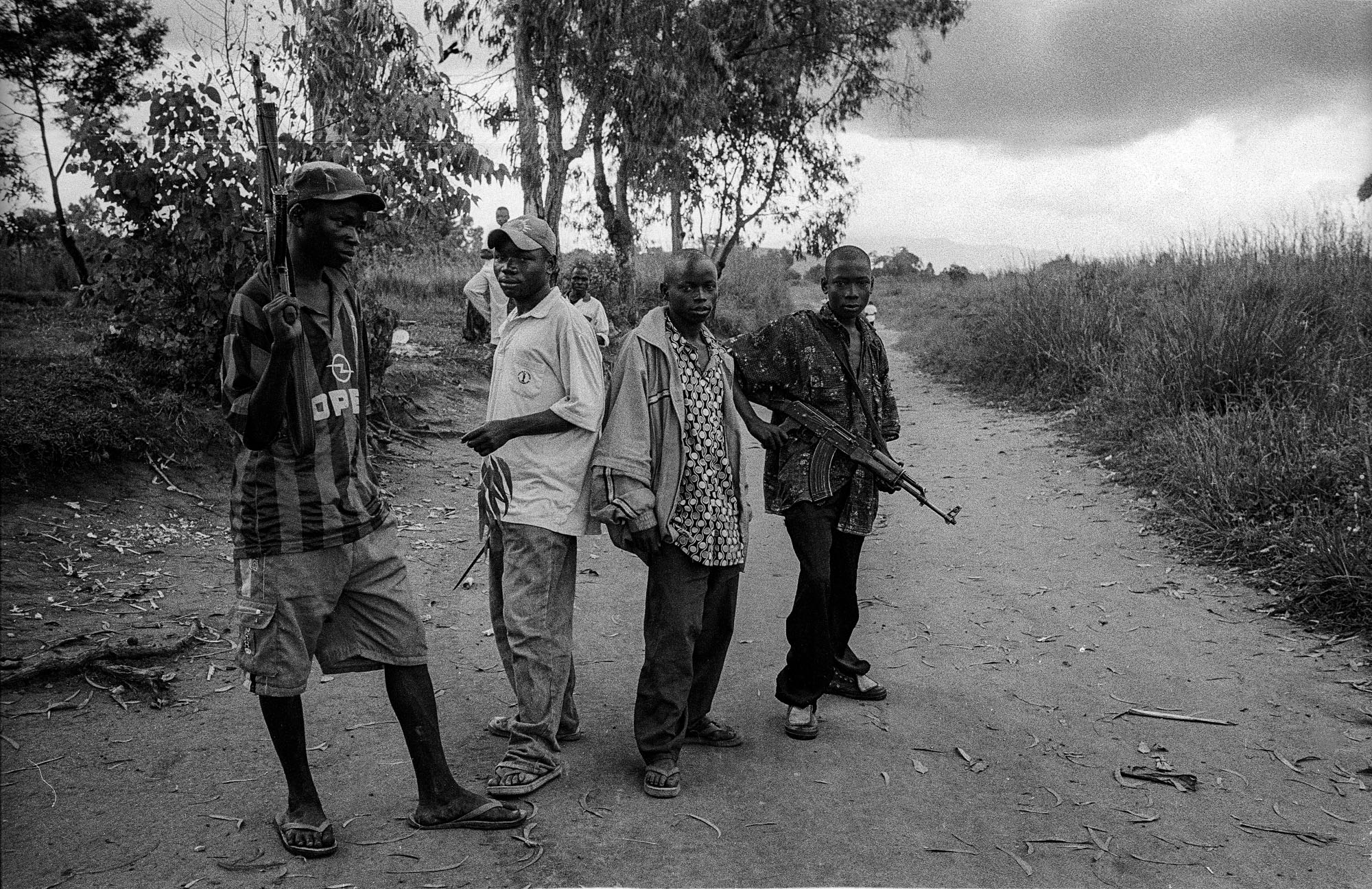
Ituri, in eastern DRC, is a land of stark contrasts. Rich in natural resources and cultural diversity, it remains scarred by decades of intercommunal violence, armed conflicts, and mass displacement. Villages burned, schools abandoned, families shattered — tragedy is daily life.
Yet signs of hope endure.
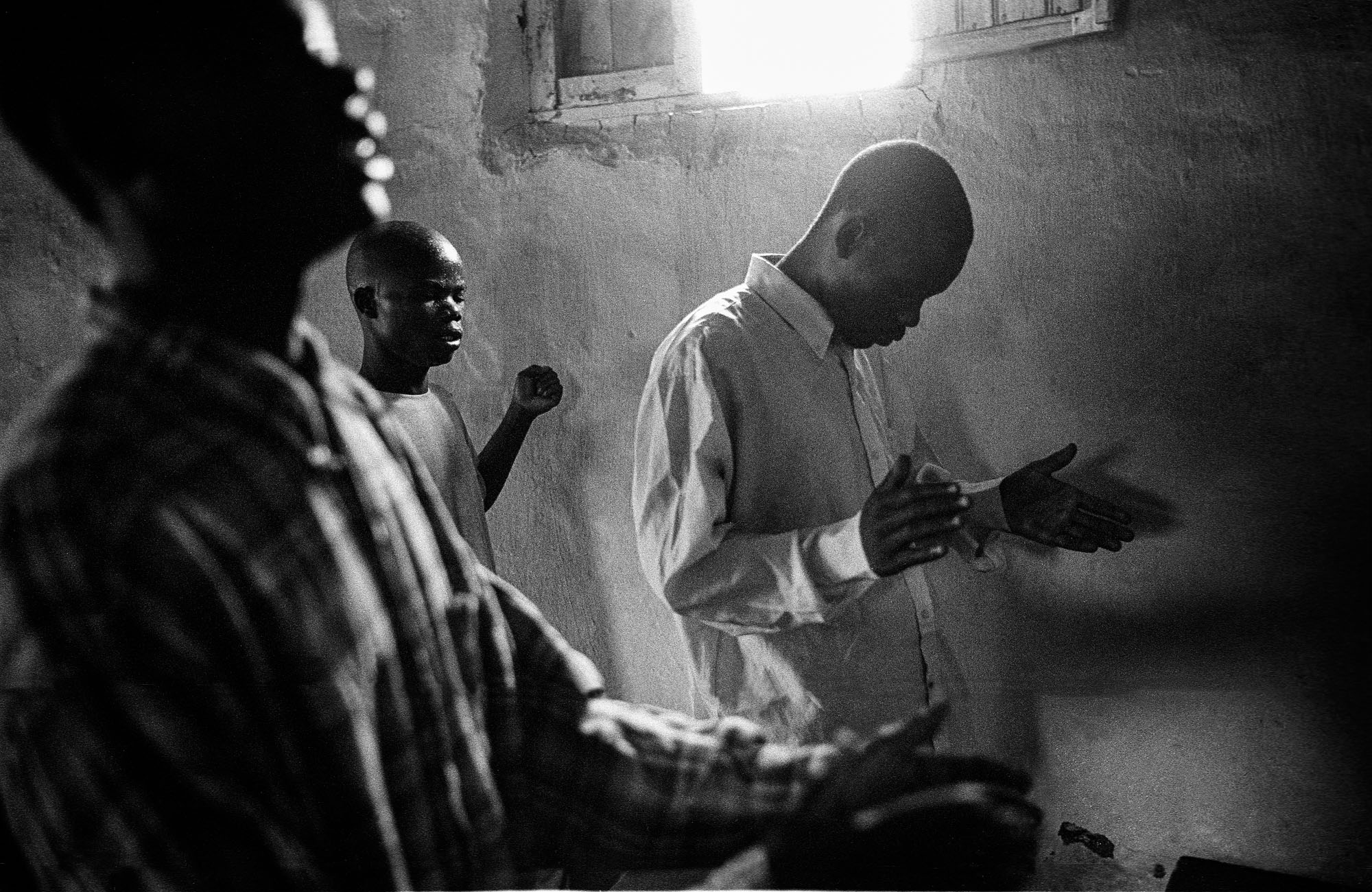
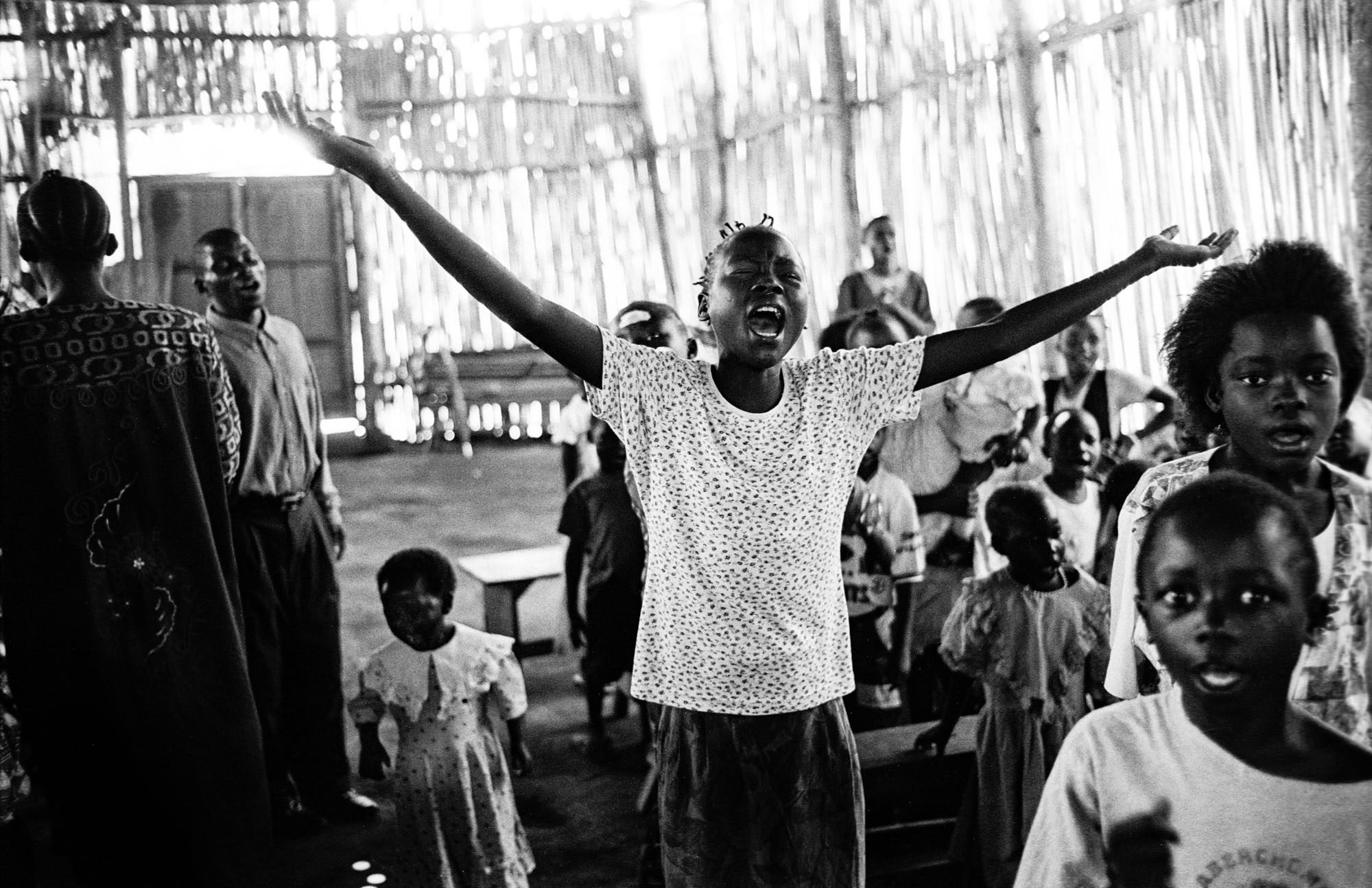
Women rebuild lives, youth commit to peace, and local NGOs tirelessly promote dialogue, justice, and education.
Ituri moves cautiously, balancing memories of massacre and desire for future. Despite ongoing insecurity, inhabitants resist with dignity and determination. In this wounded land, every act of solidarity and reconciliation shines as a fragile but persistent light against darkness.
1940–45 : A FIGHT FOR FREEDOM
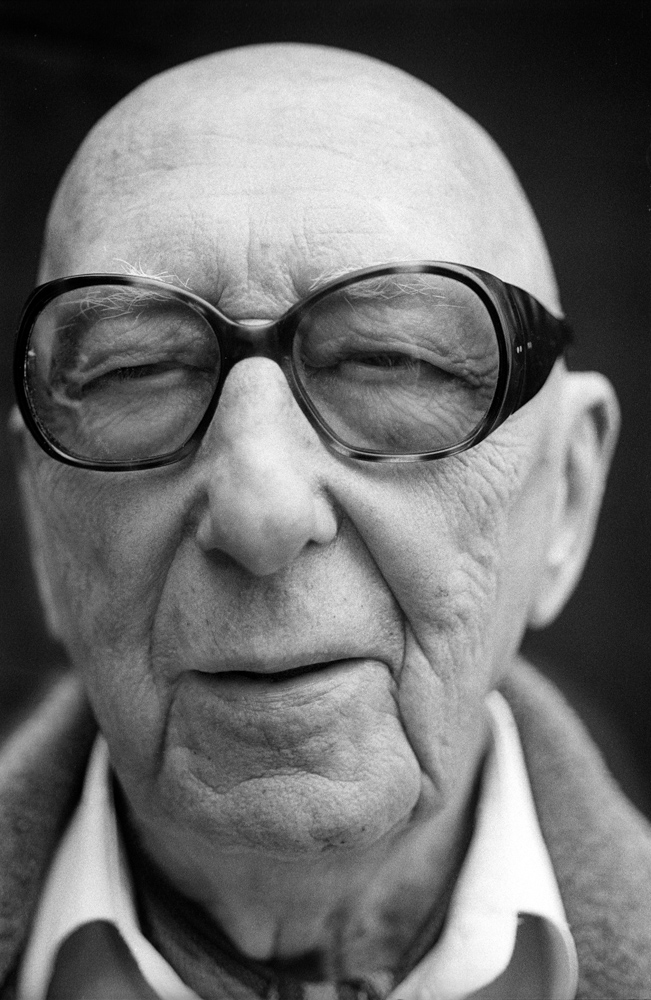
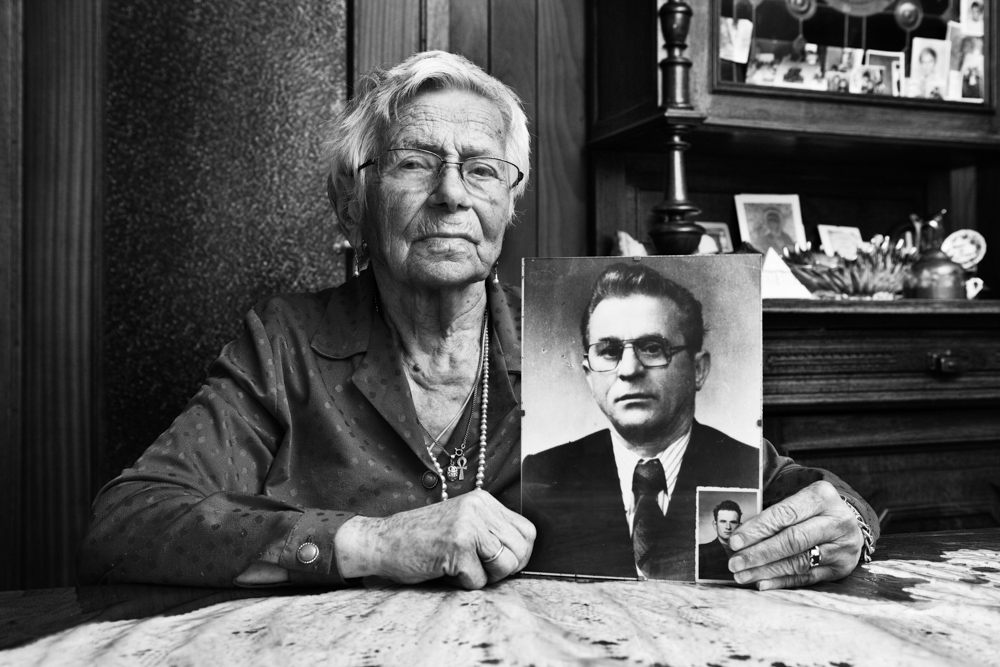
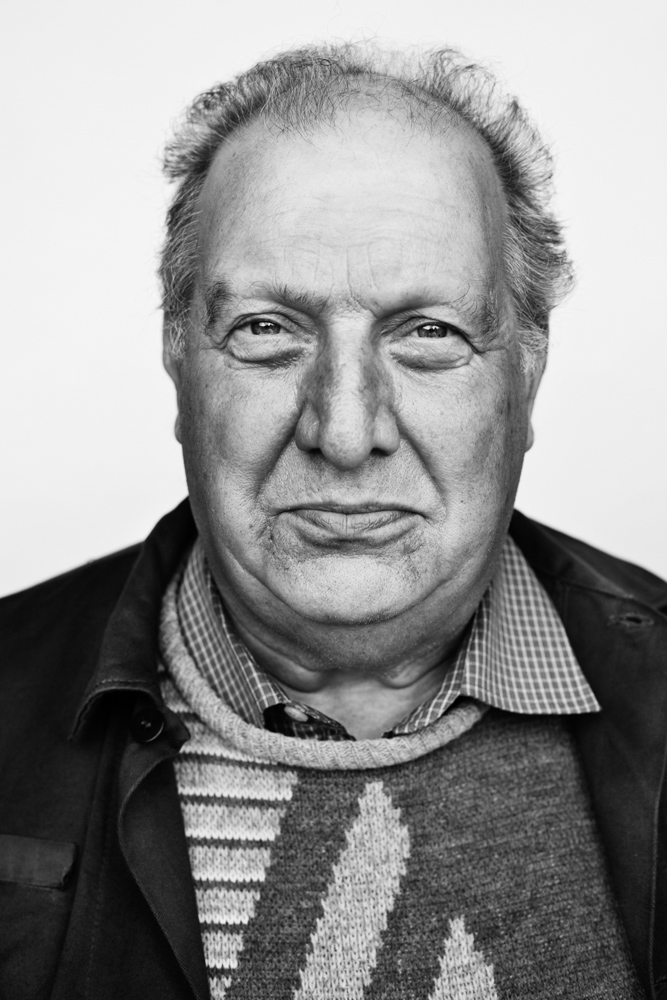
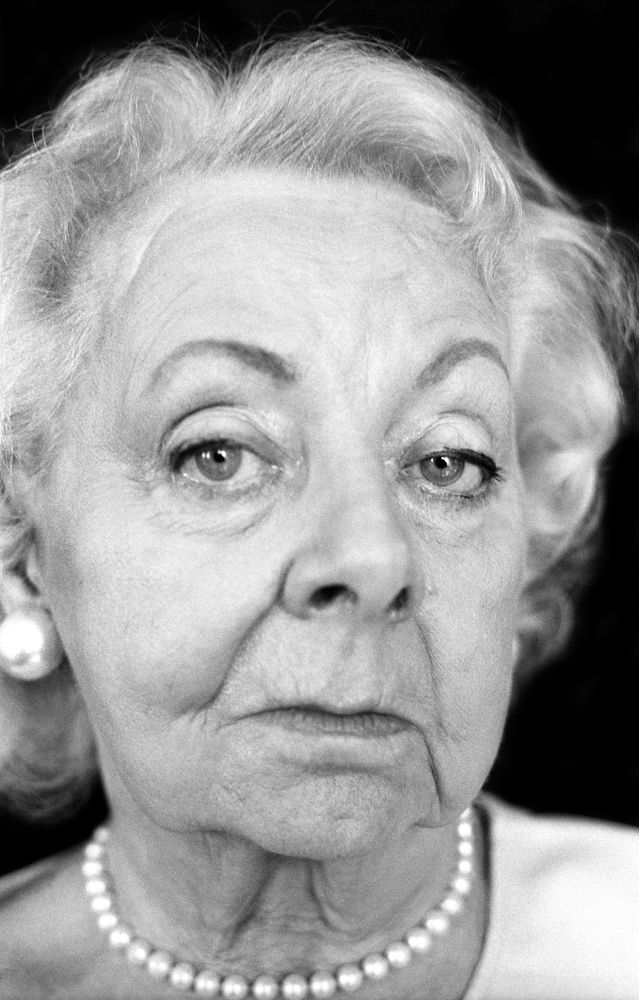
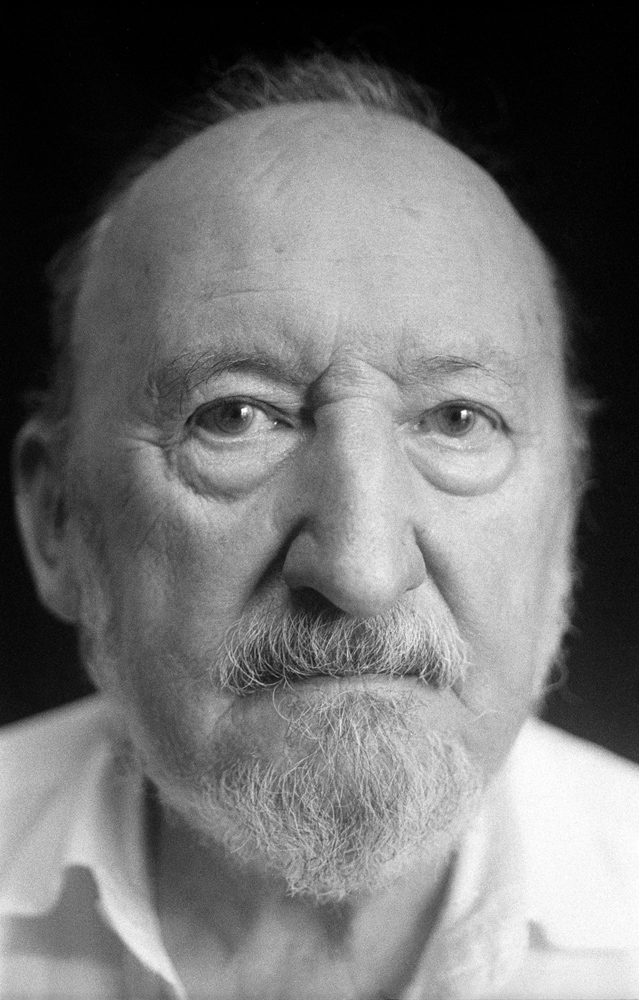
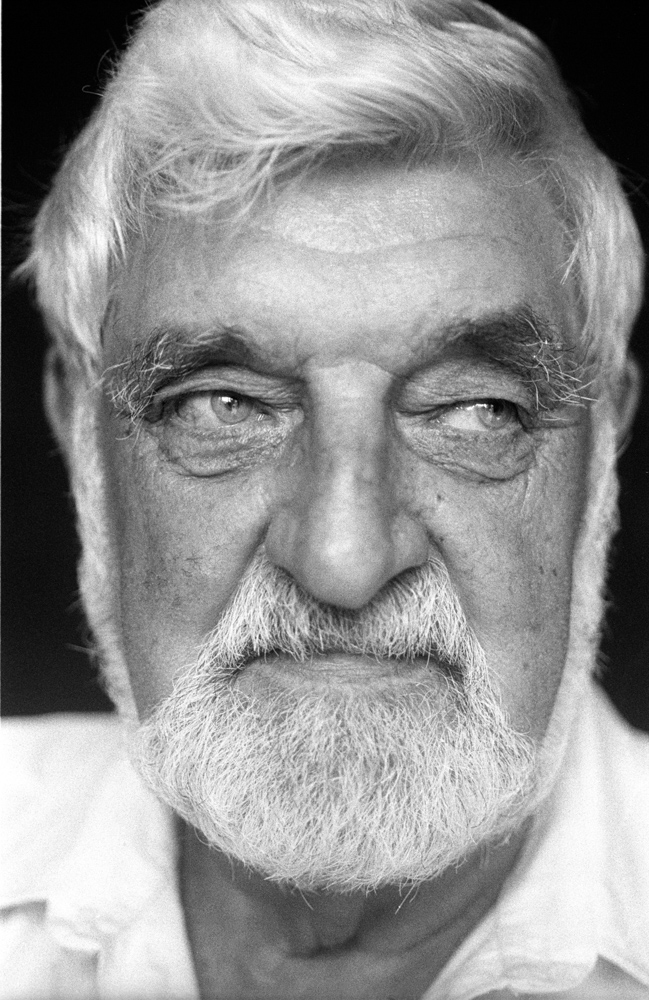
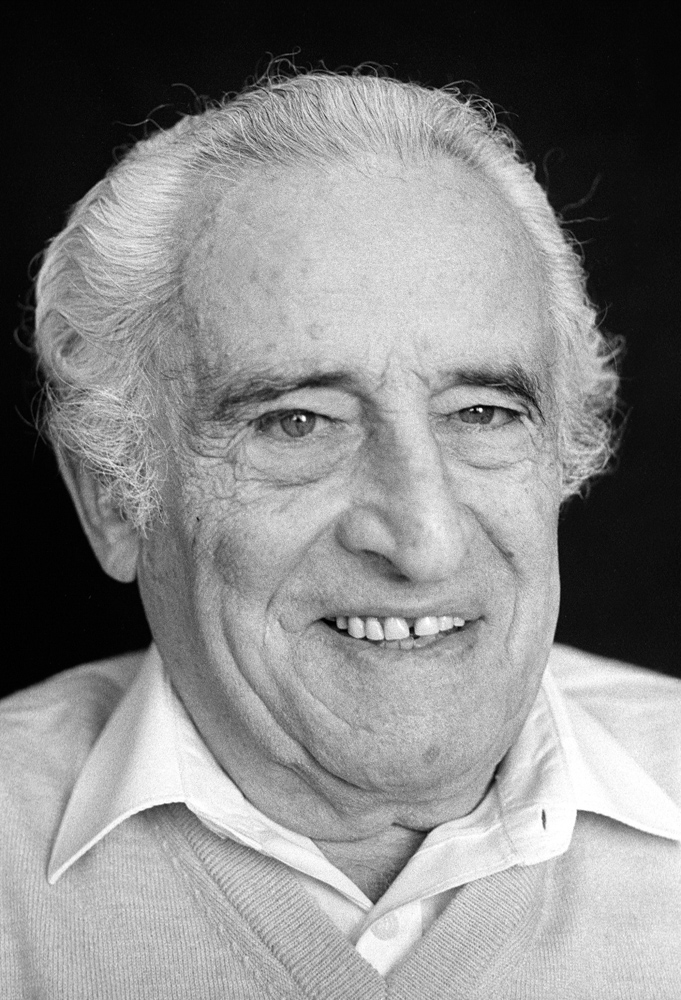
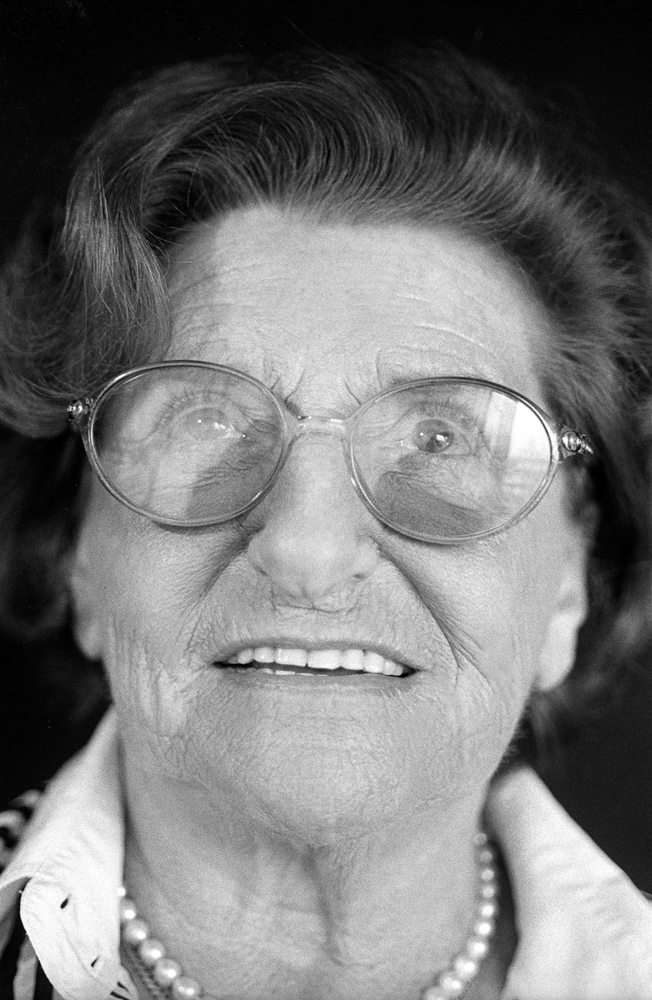
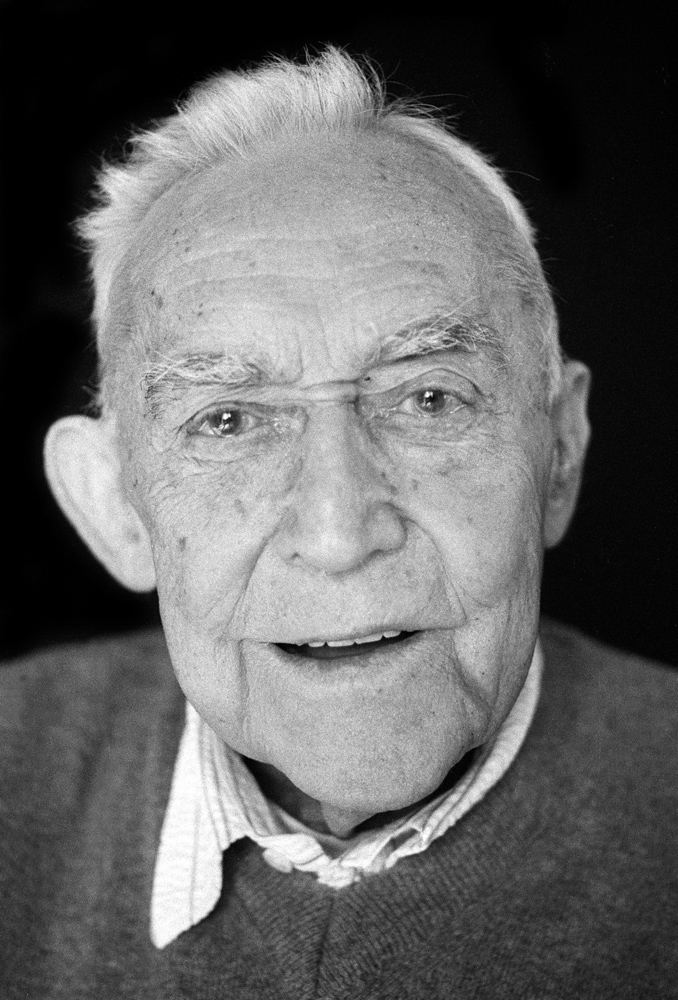
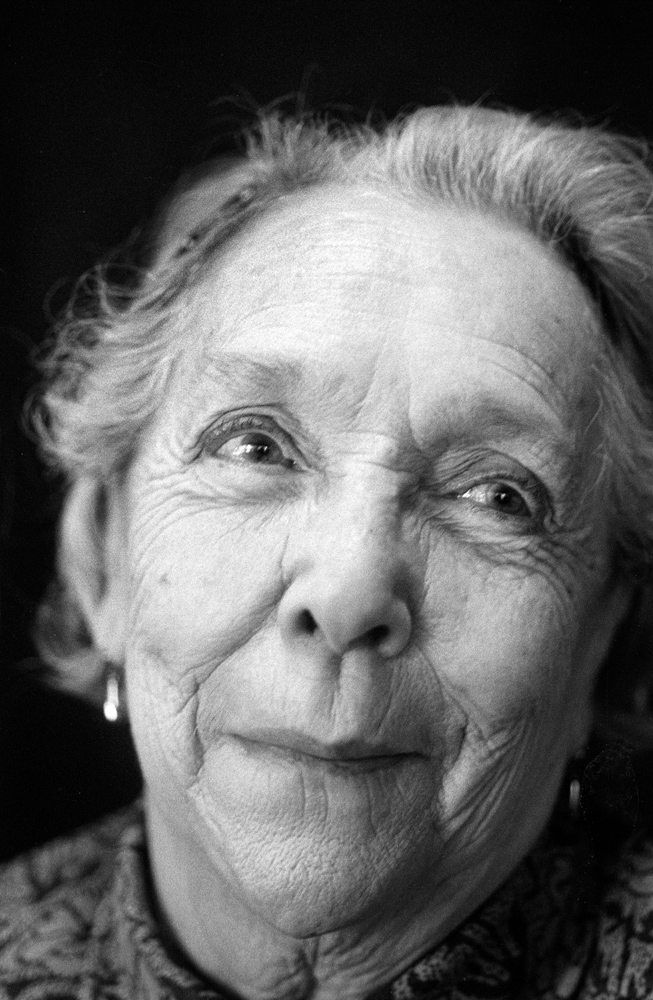
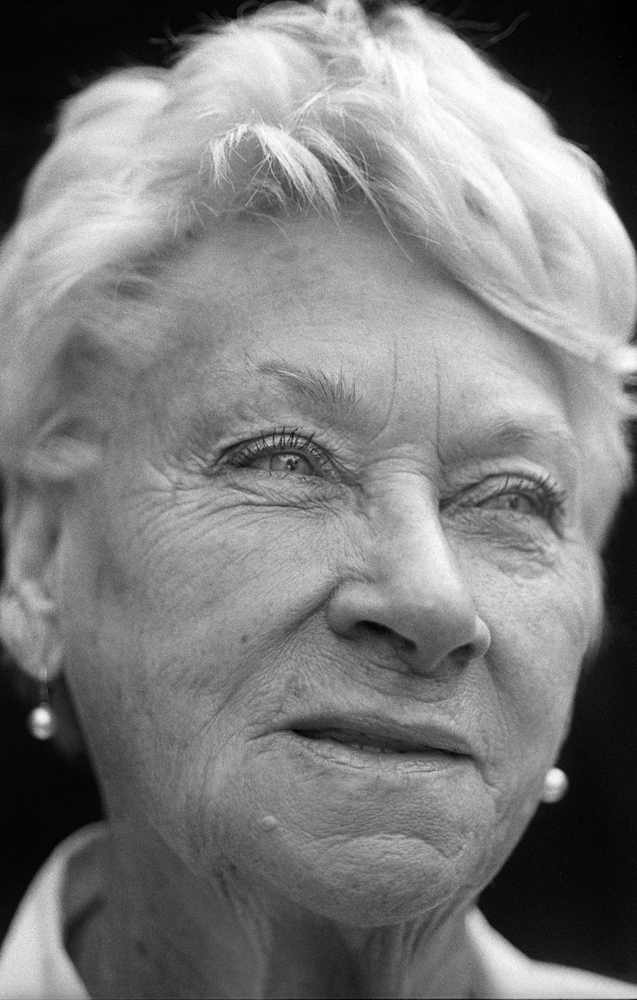
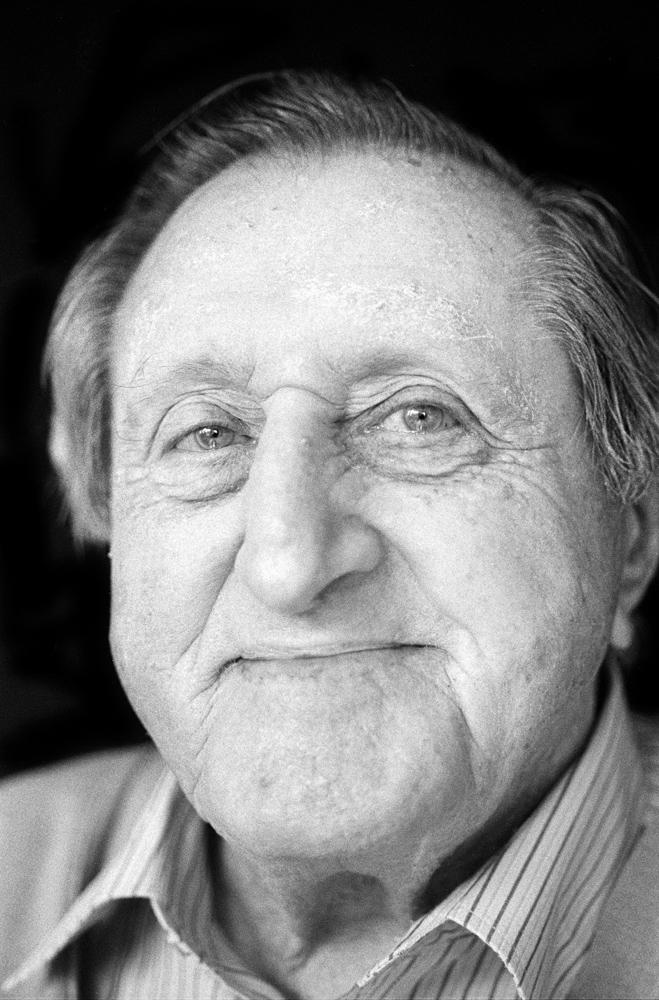
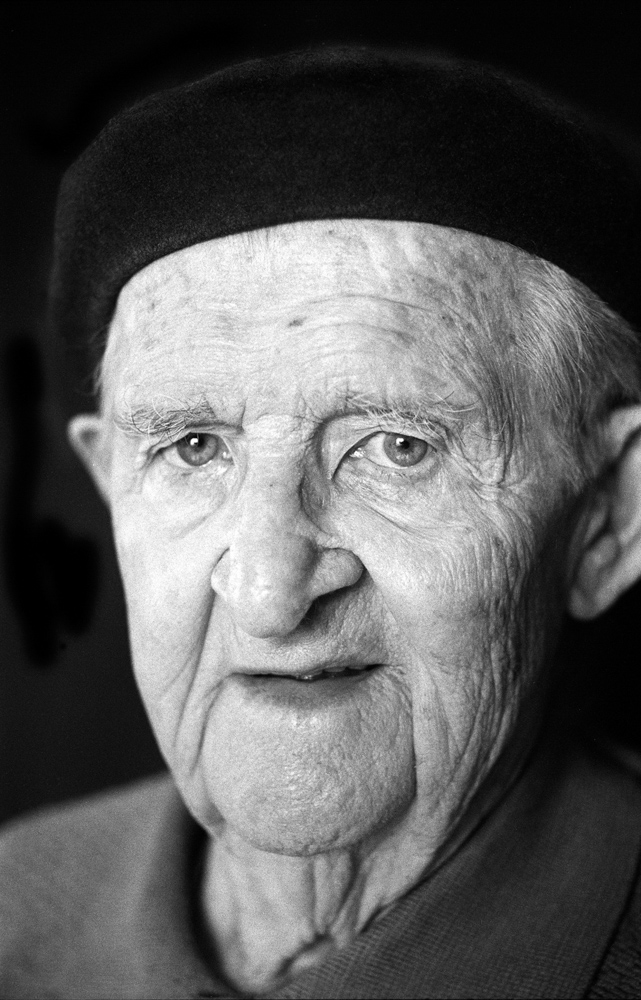
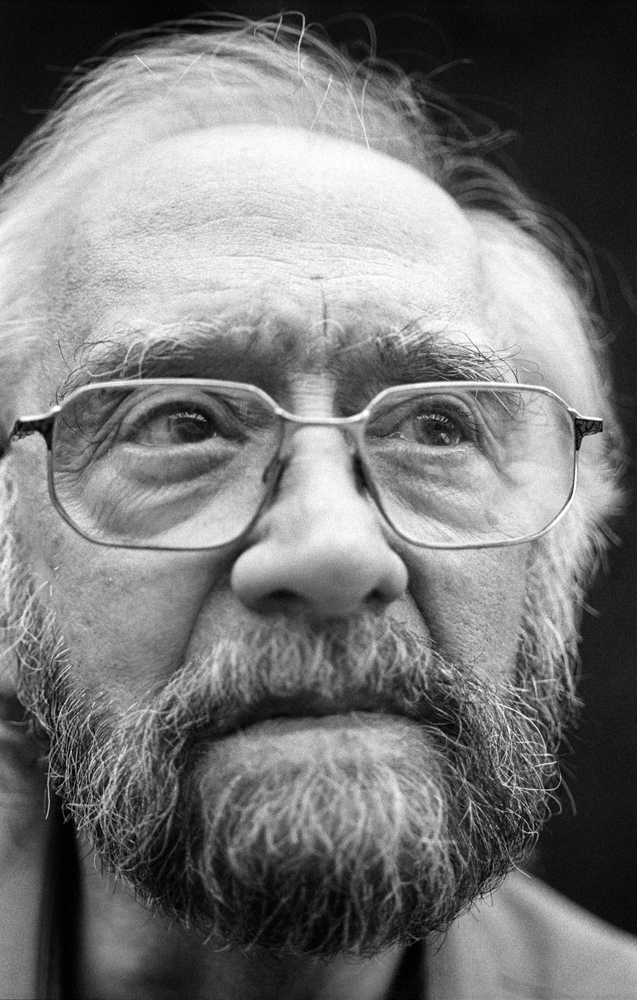
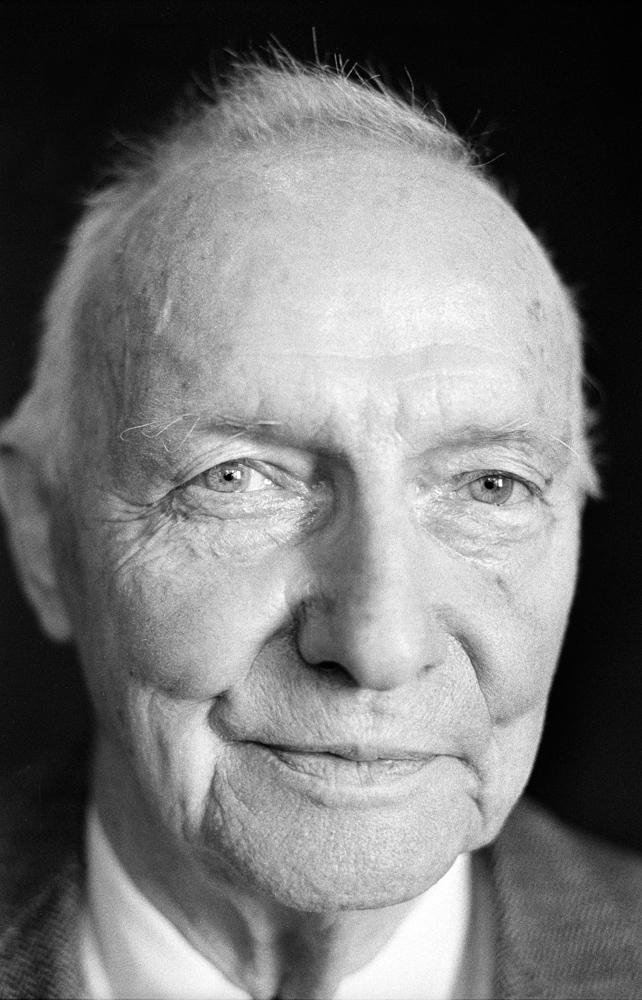
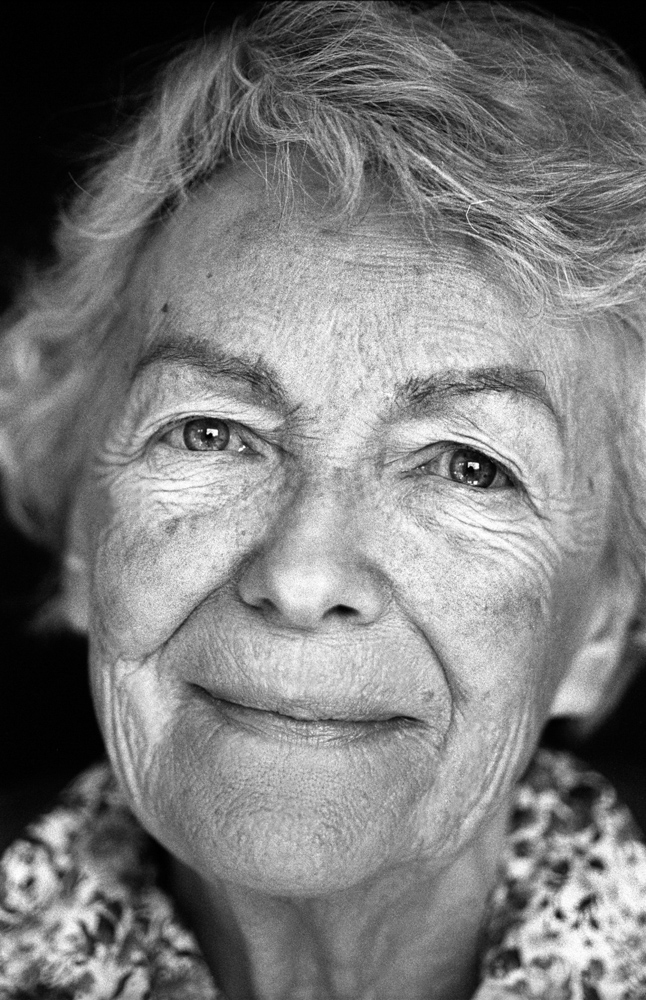
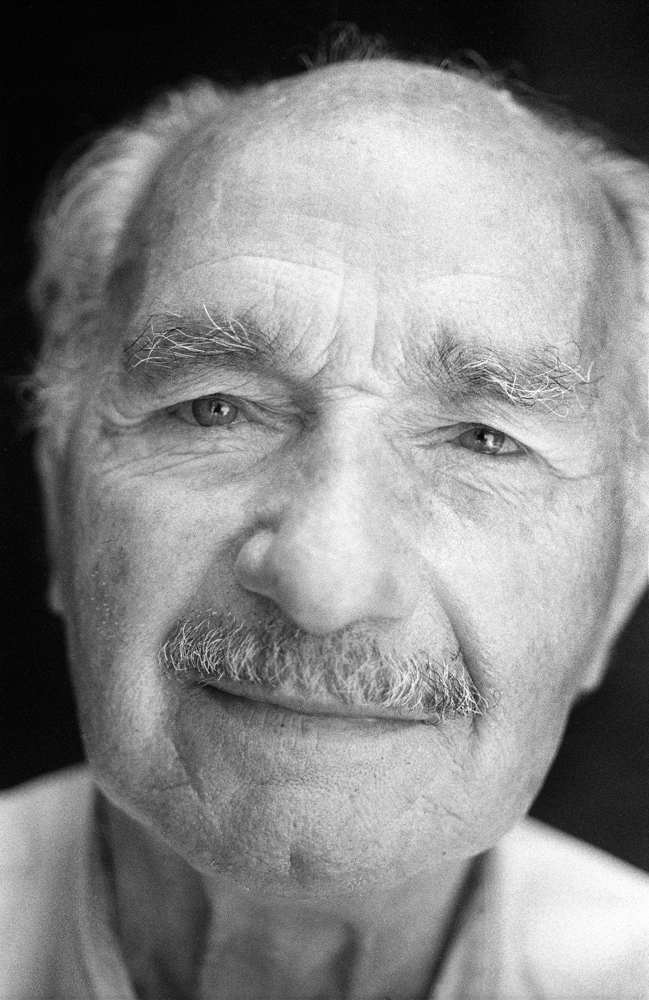
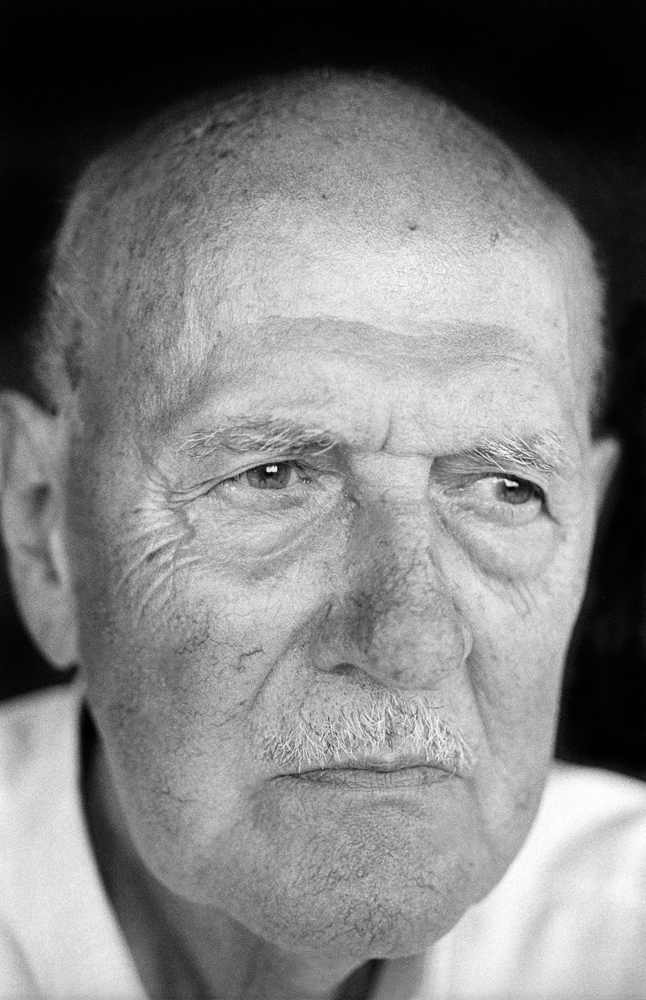
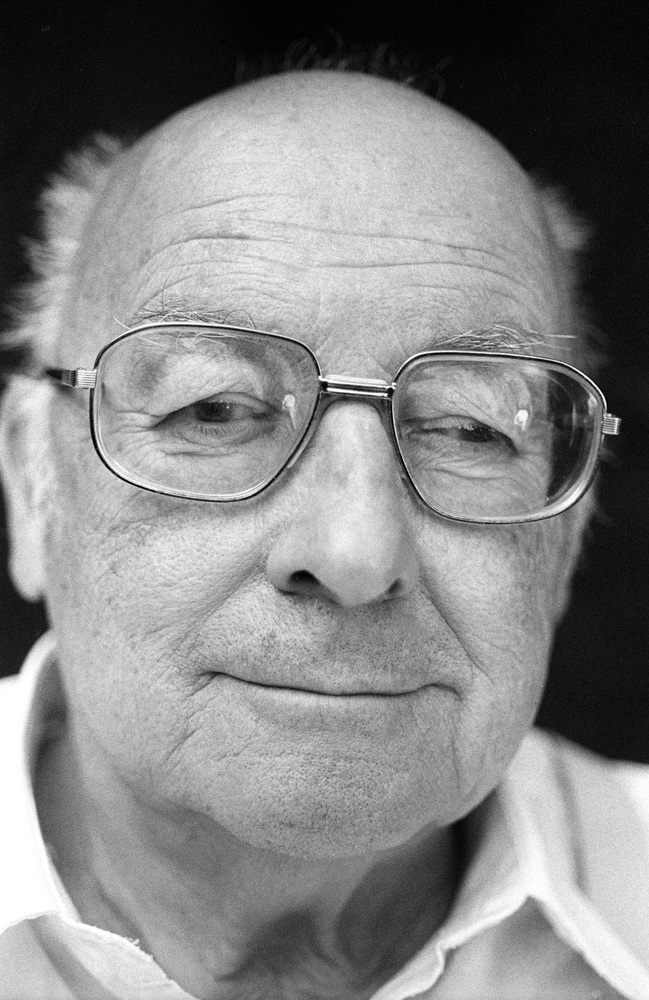
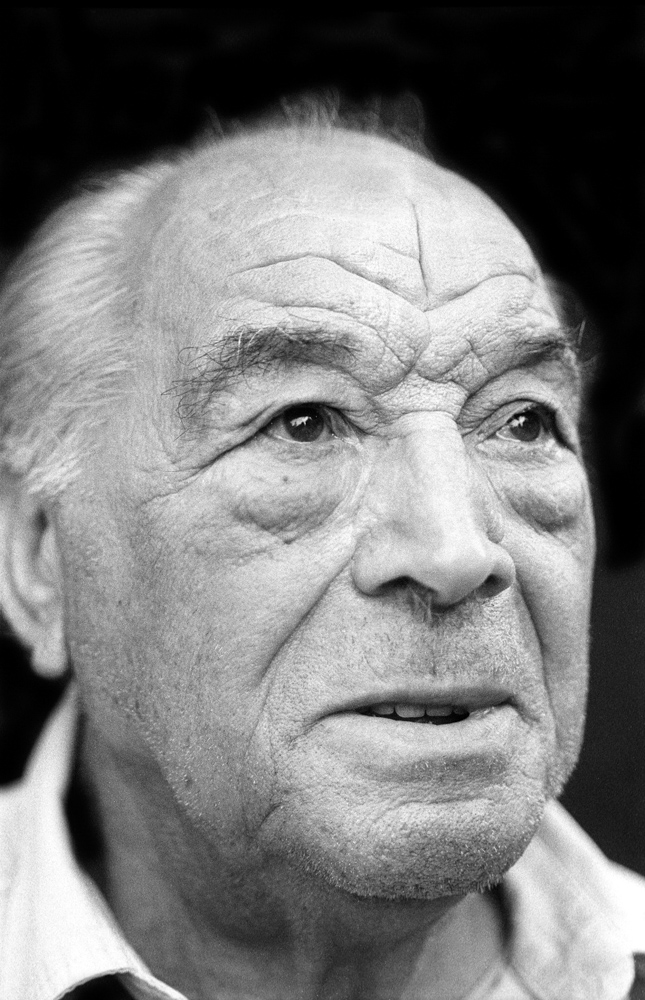
Portraits and testimonies of resistance fighters and deportees from the Second World War in Belgium.
Each witness shares the same message: “War is horrific — we must do everything we can to live in peace.”
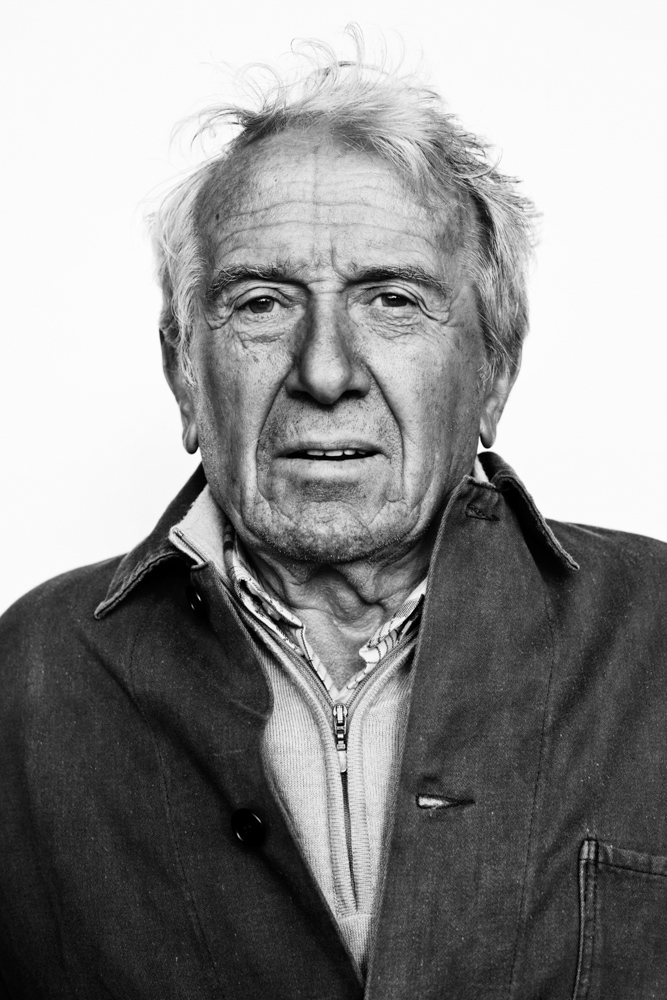
The duty of remembrance is essential if we want to avoid reliving the demons of the past. As time passes, memories fade and the “elders” disappear. Before it is too late, we met with around fifty resistance fighters and deportees from the Second World War and collected their stories.
A project presented as a book and exhibition, in partnership with the Archives of Wallonia and the Museum of Photography in Charleroi.
Texts and photos: Christophe Smets
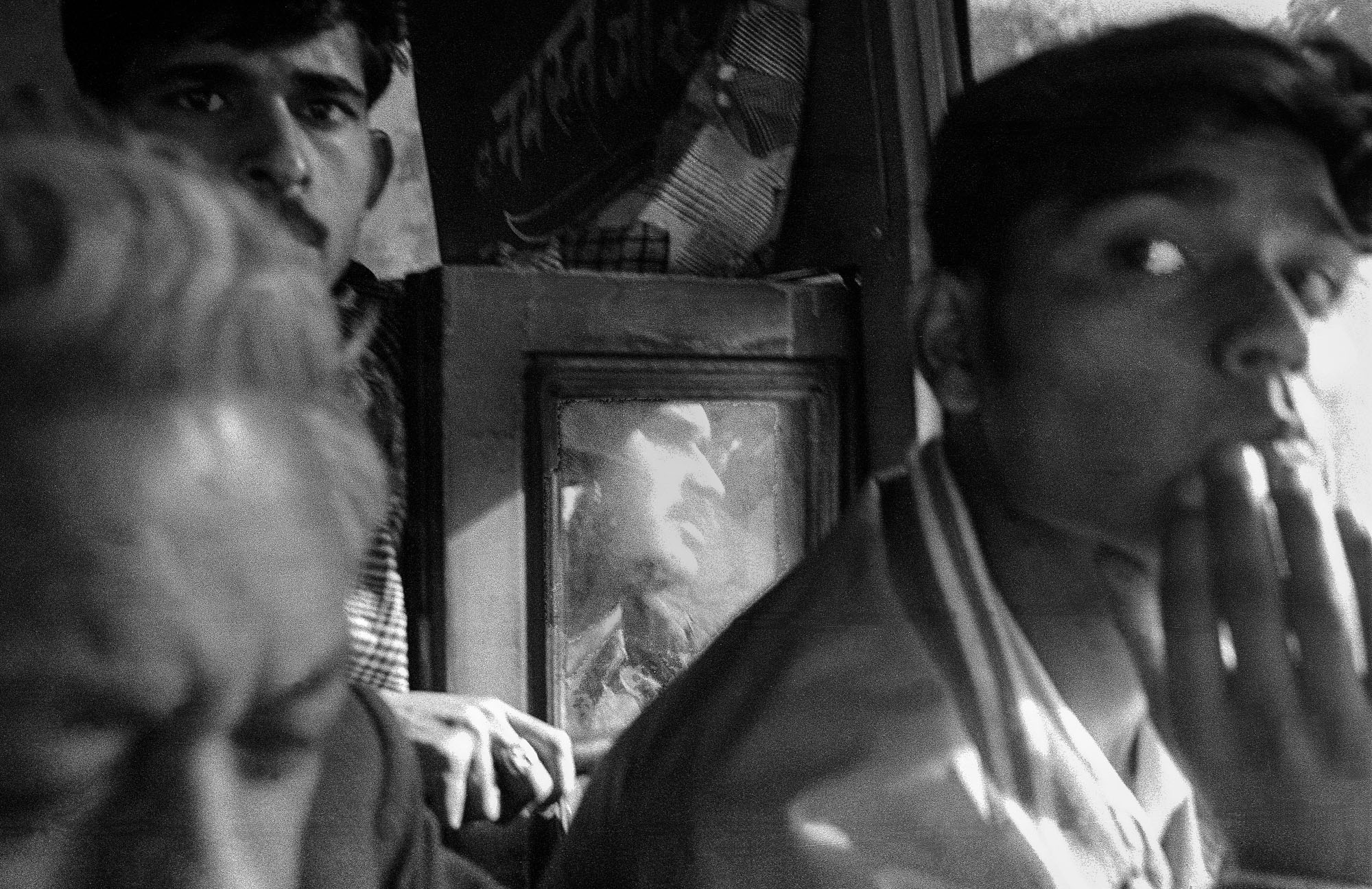
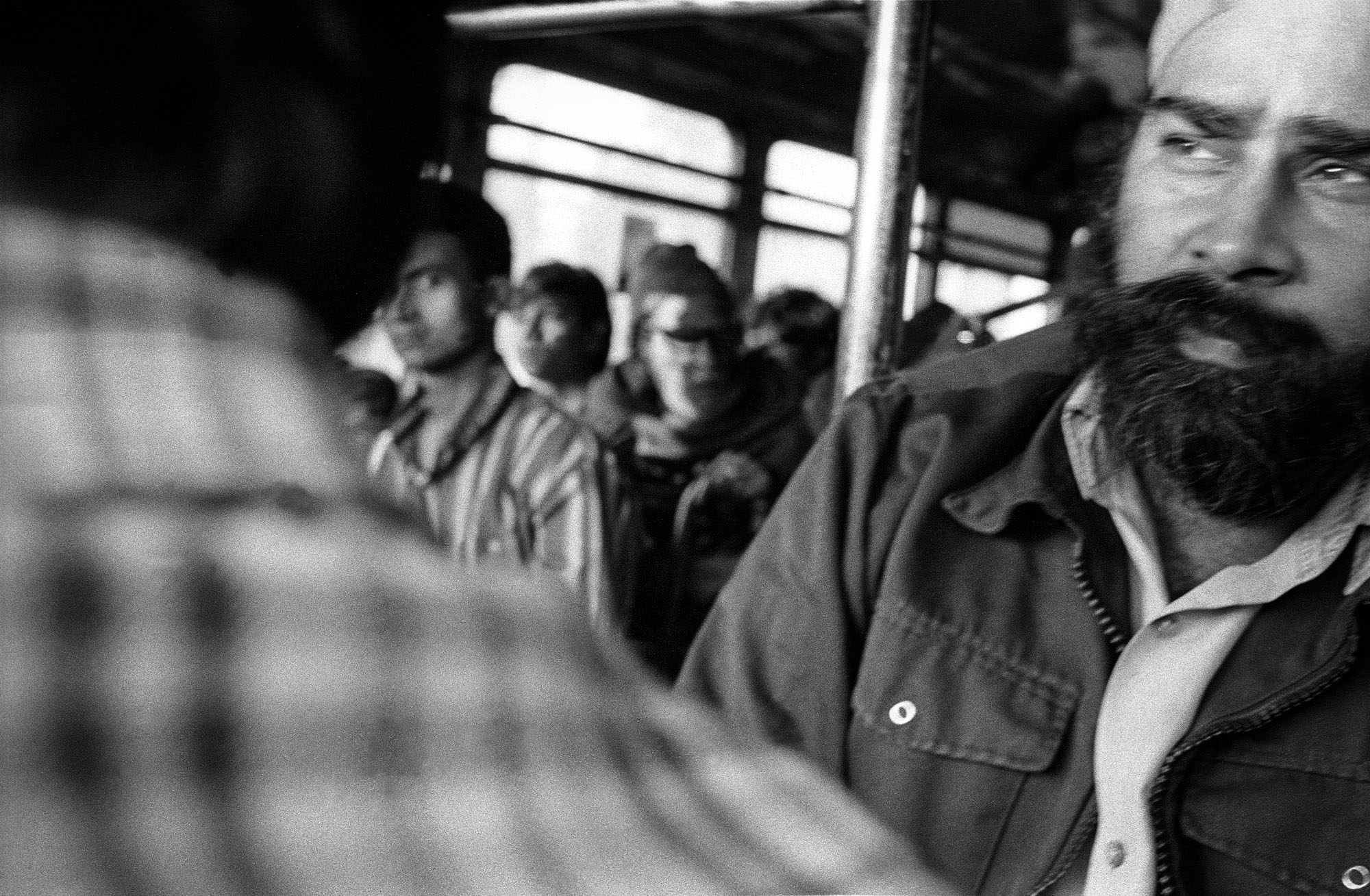
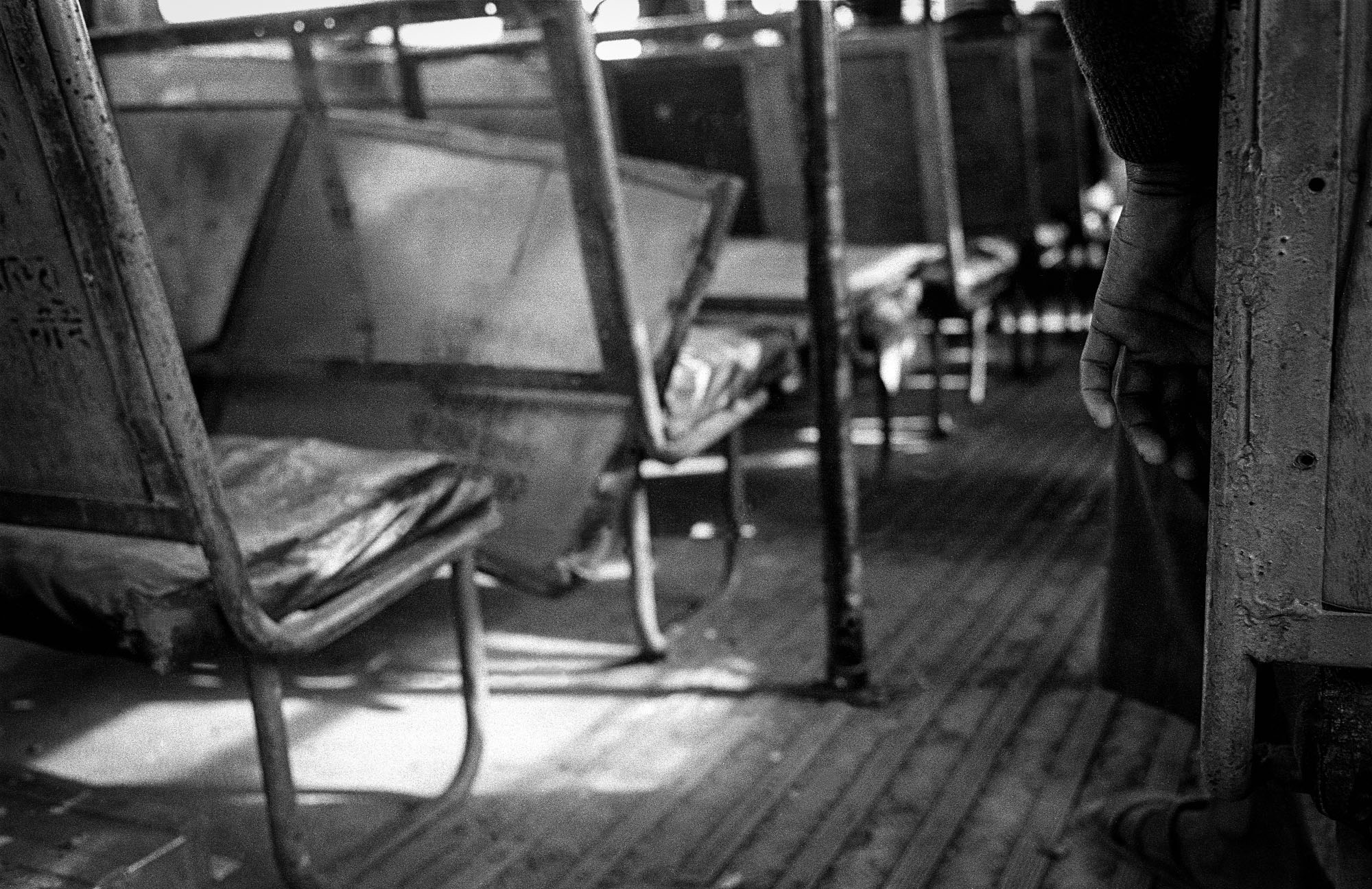
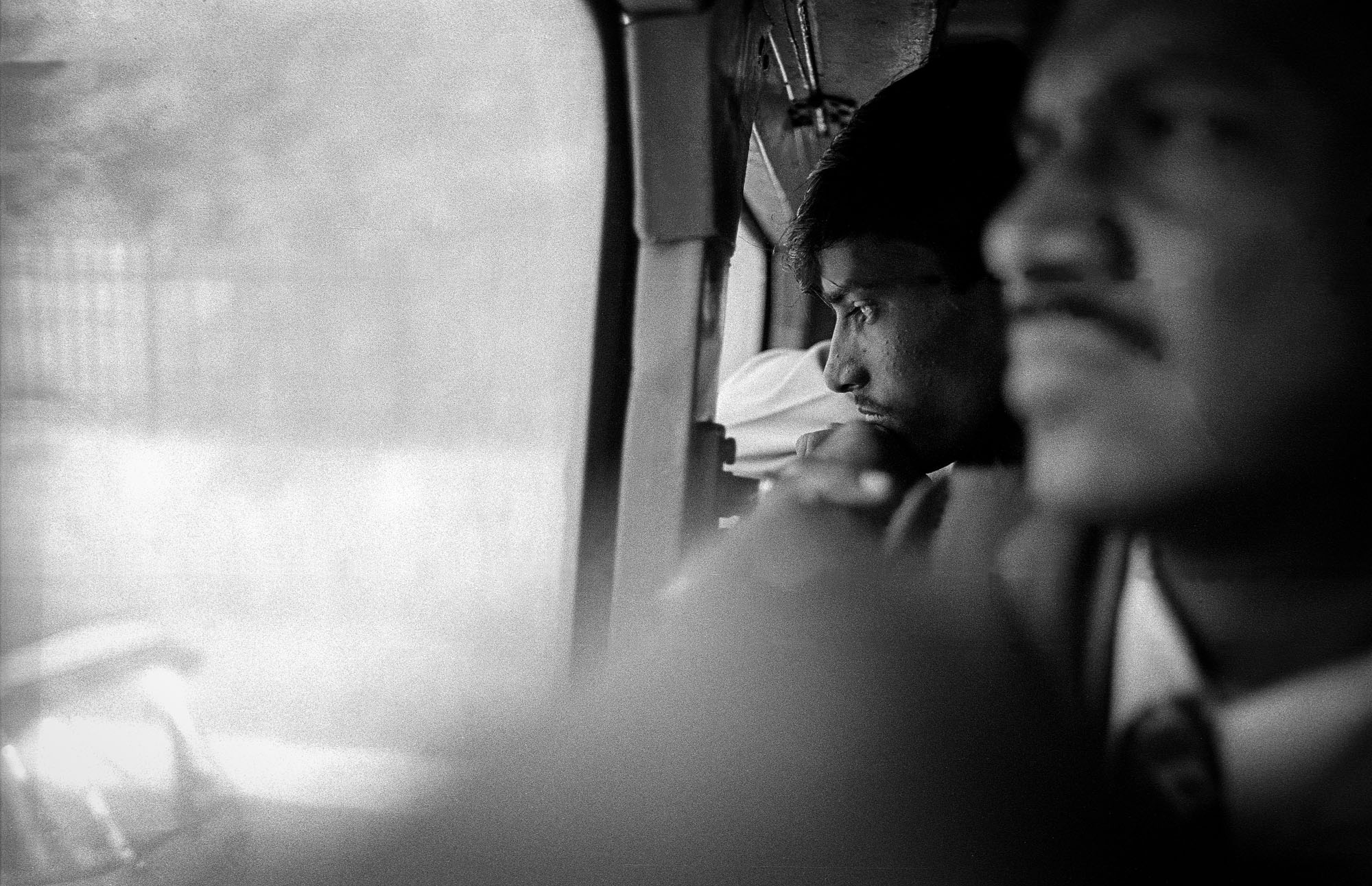
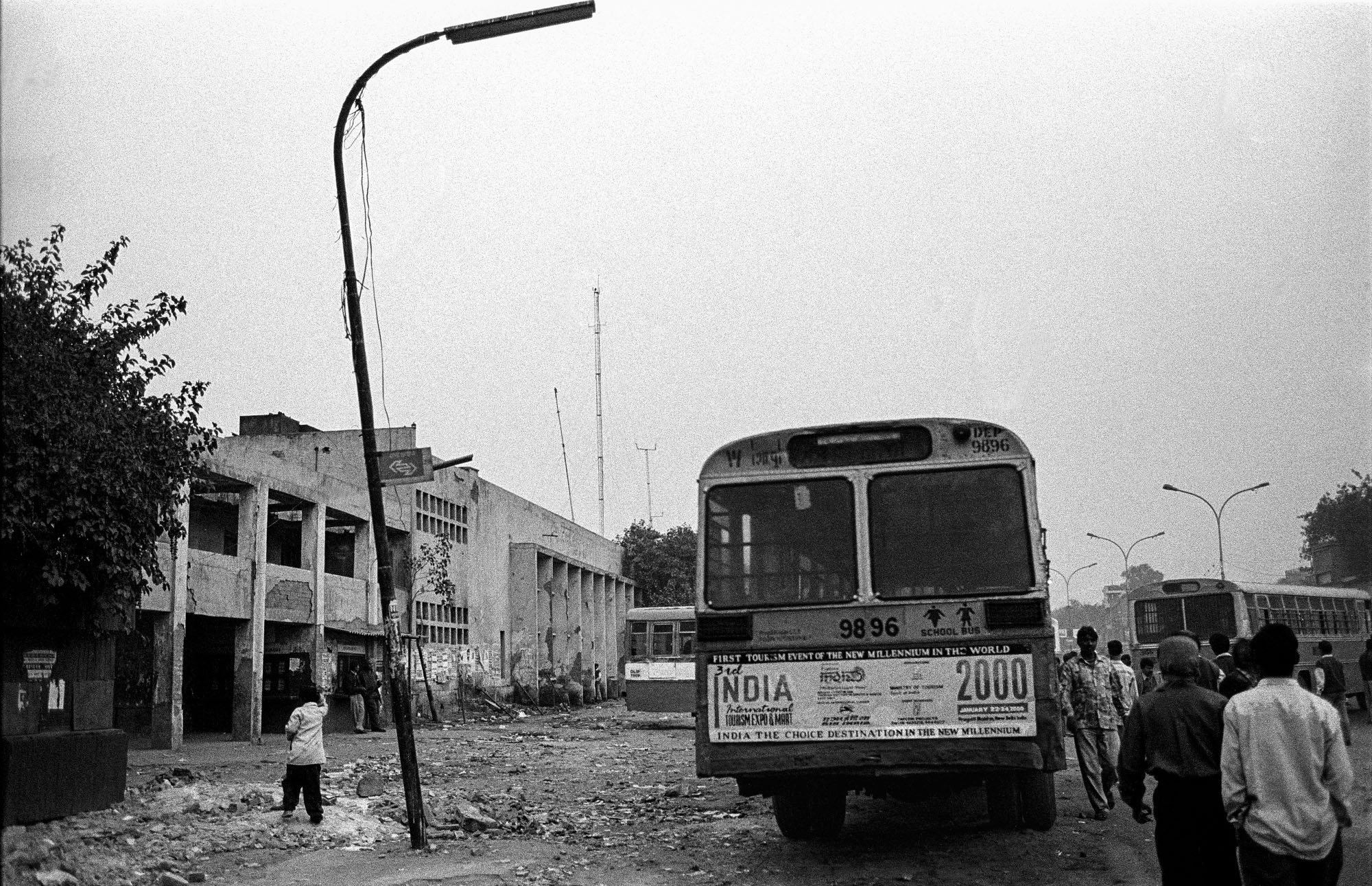
DELHI BUSES
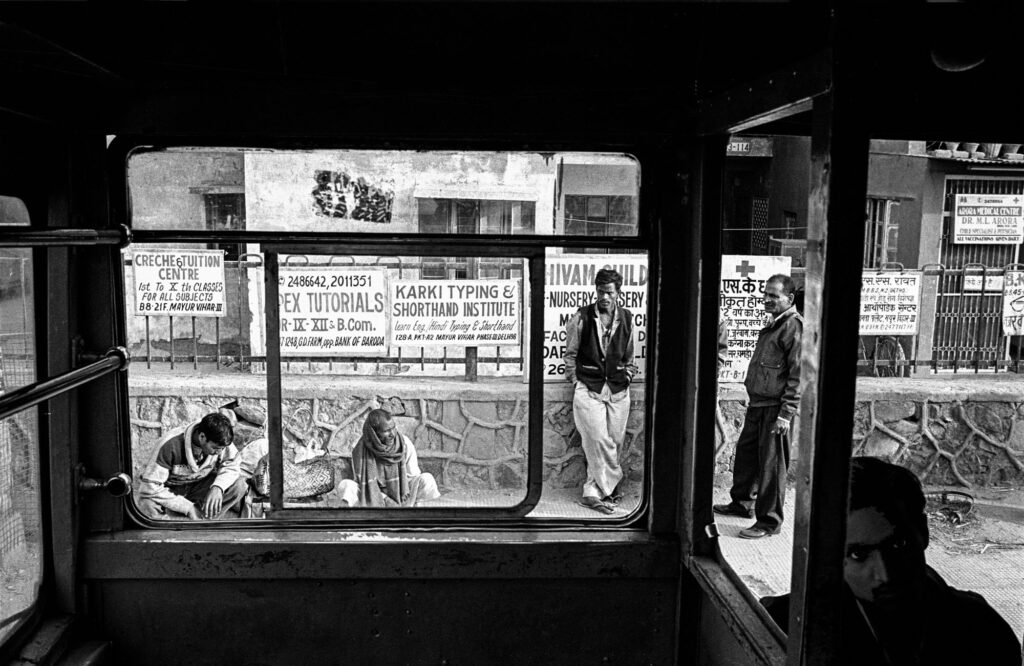
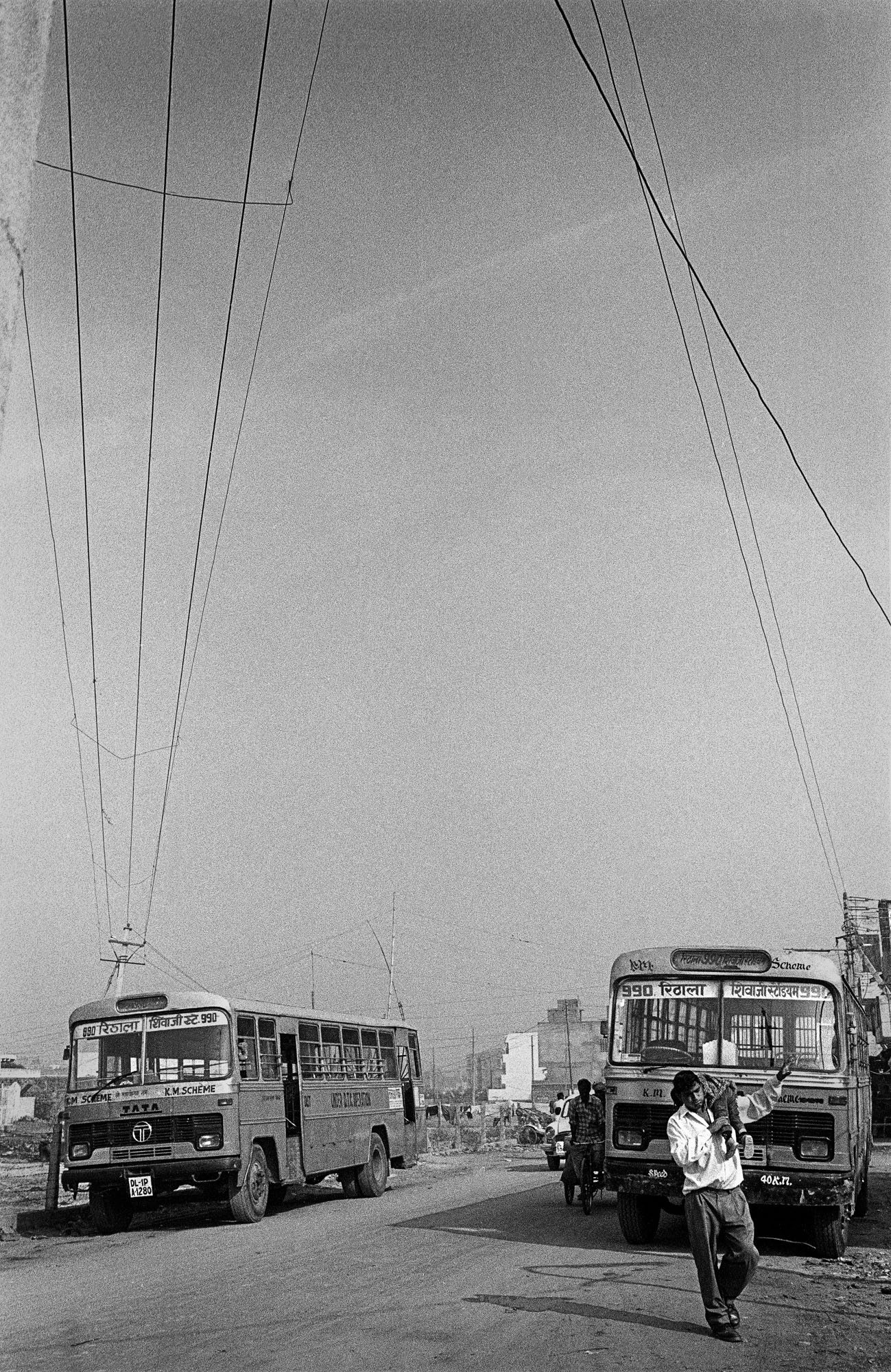
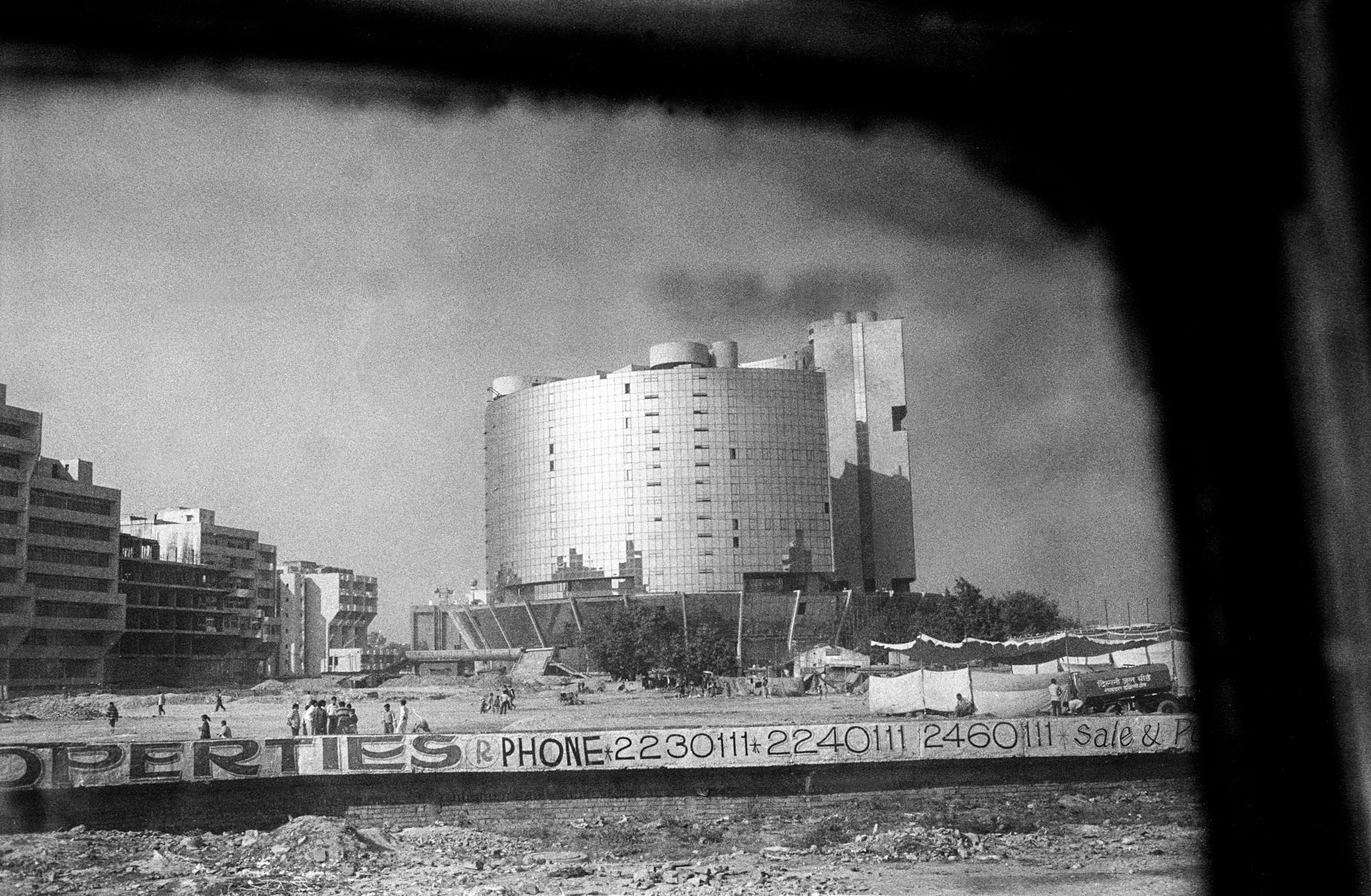
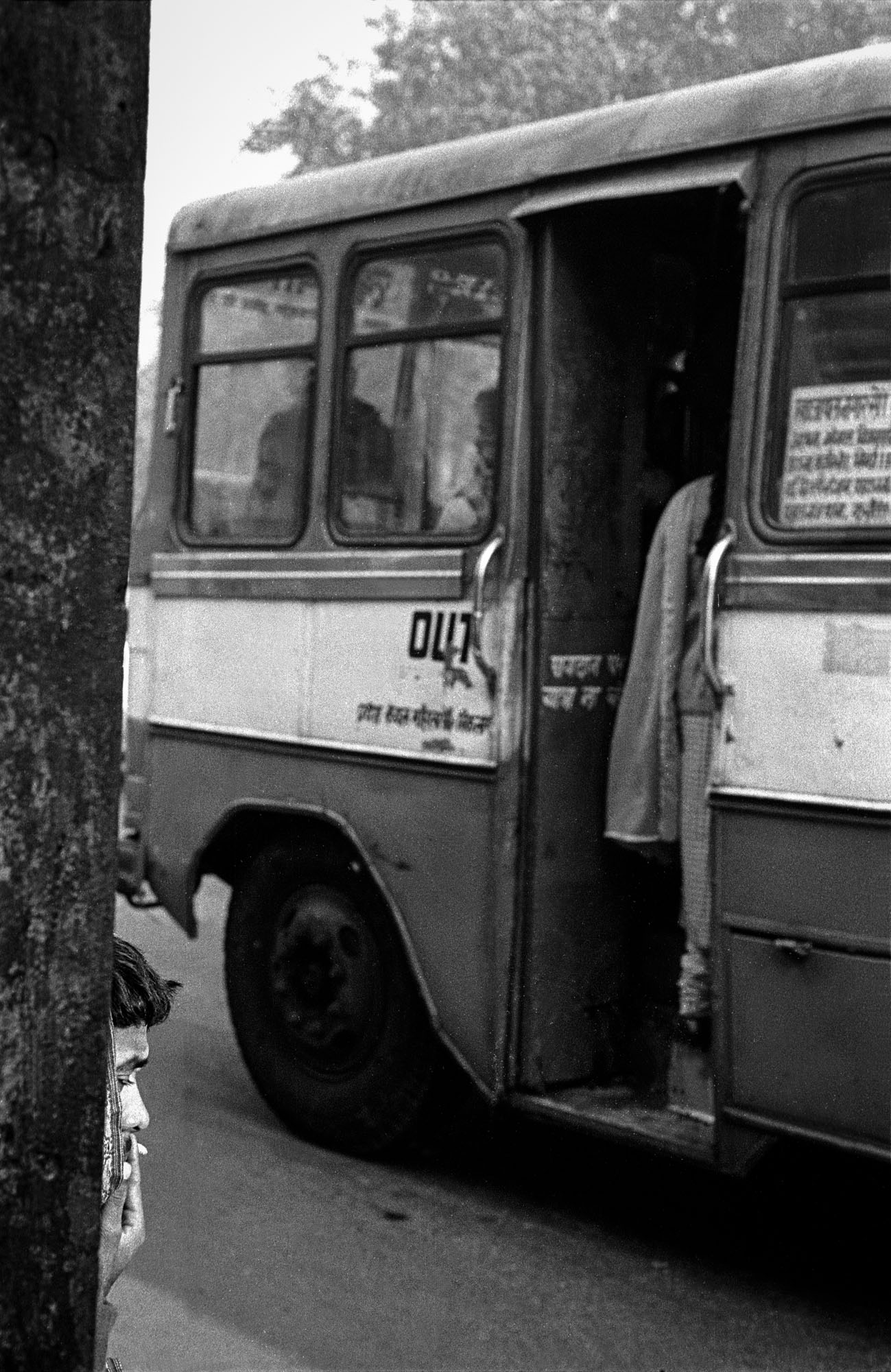
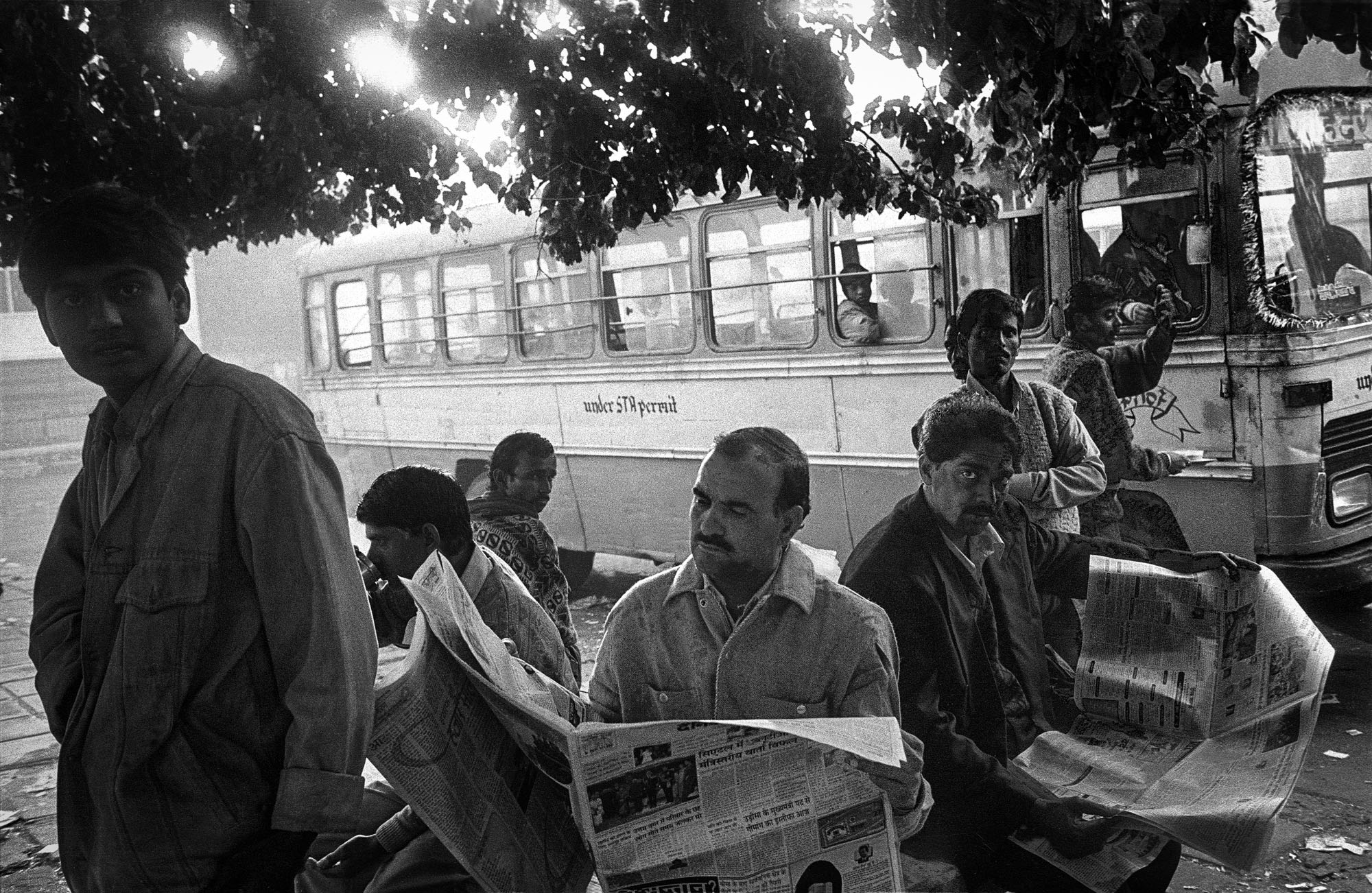
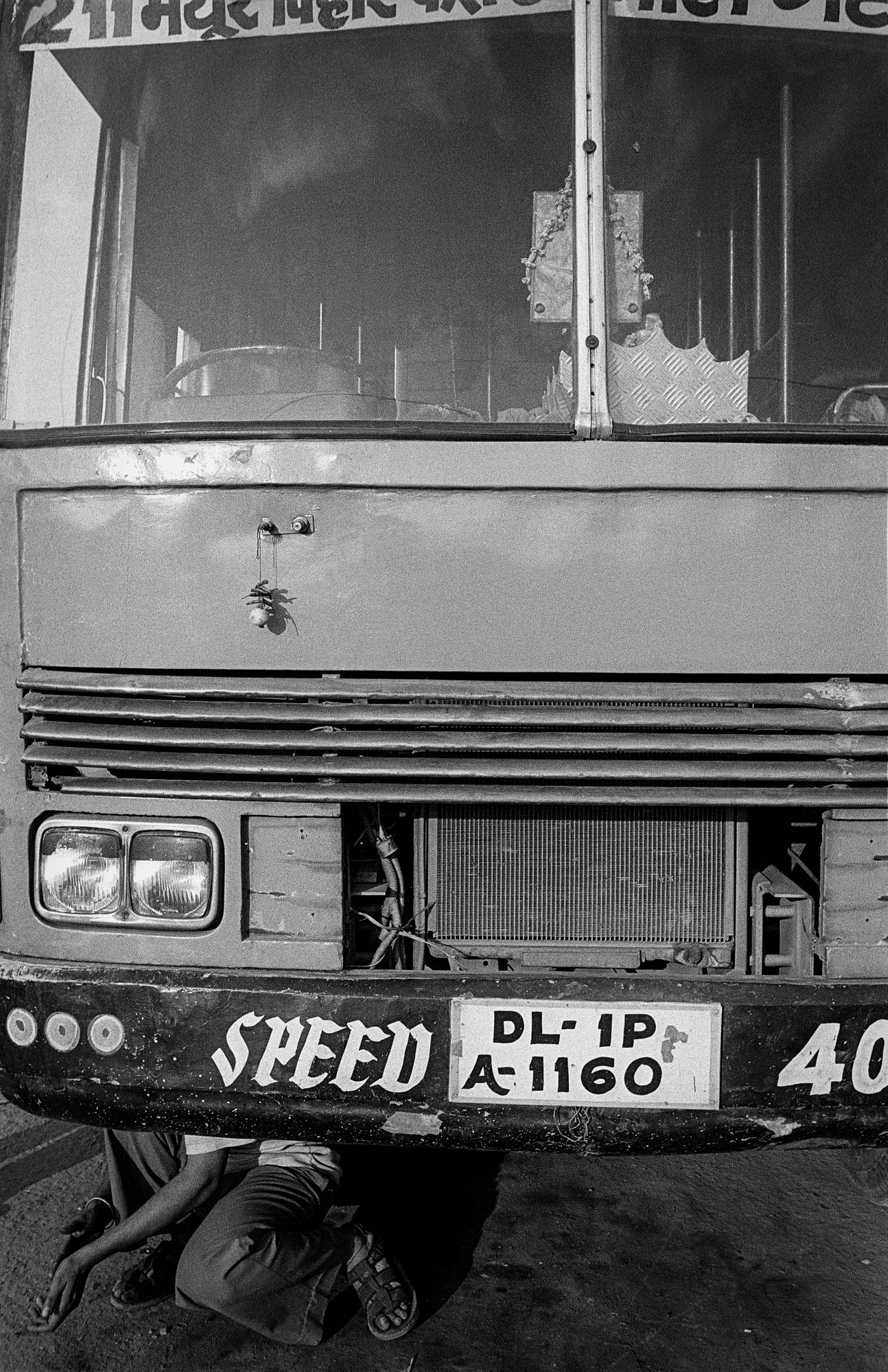
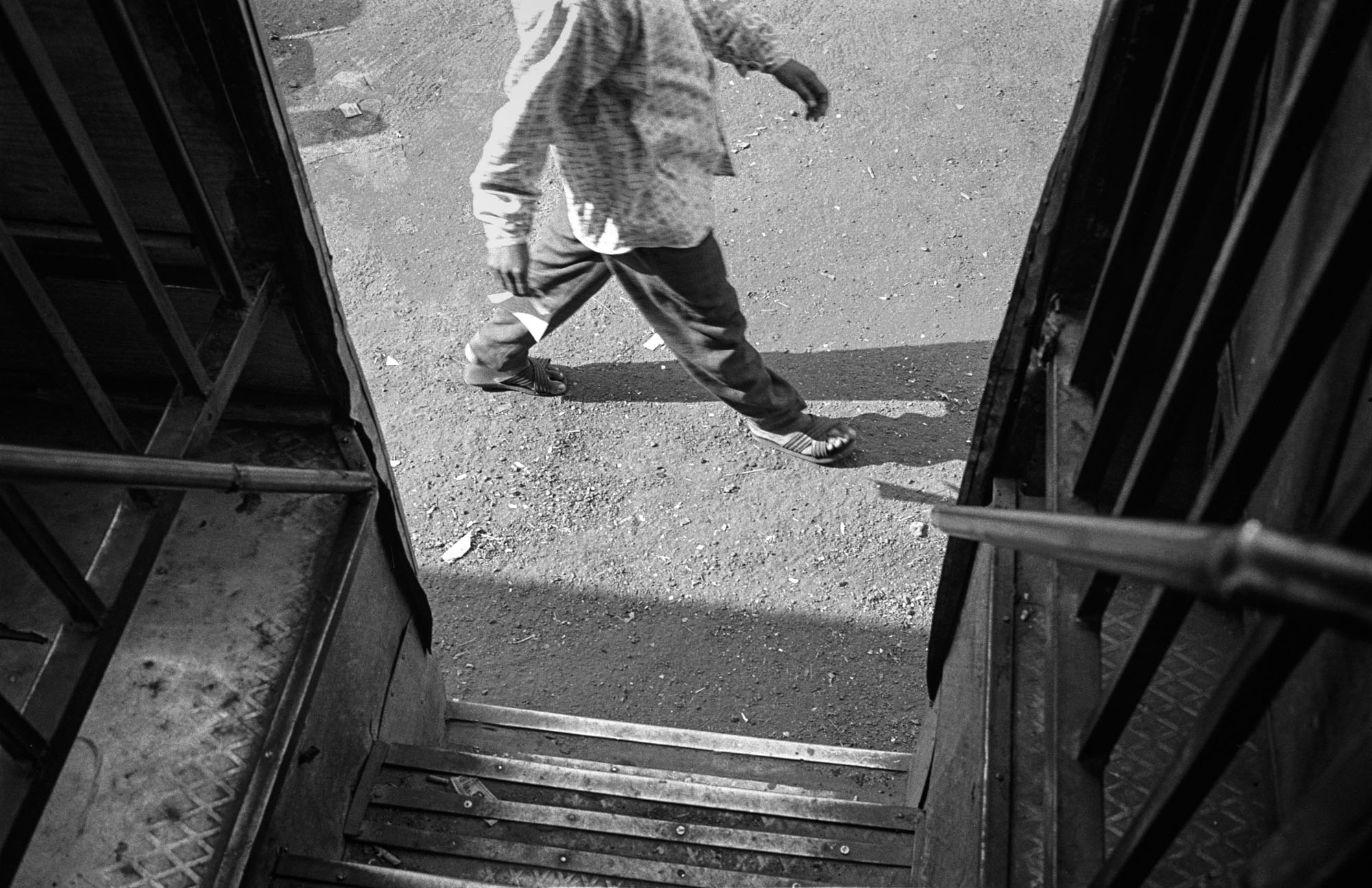
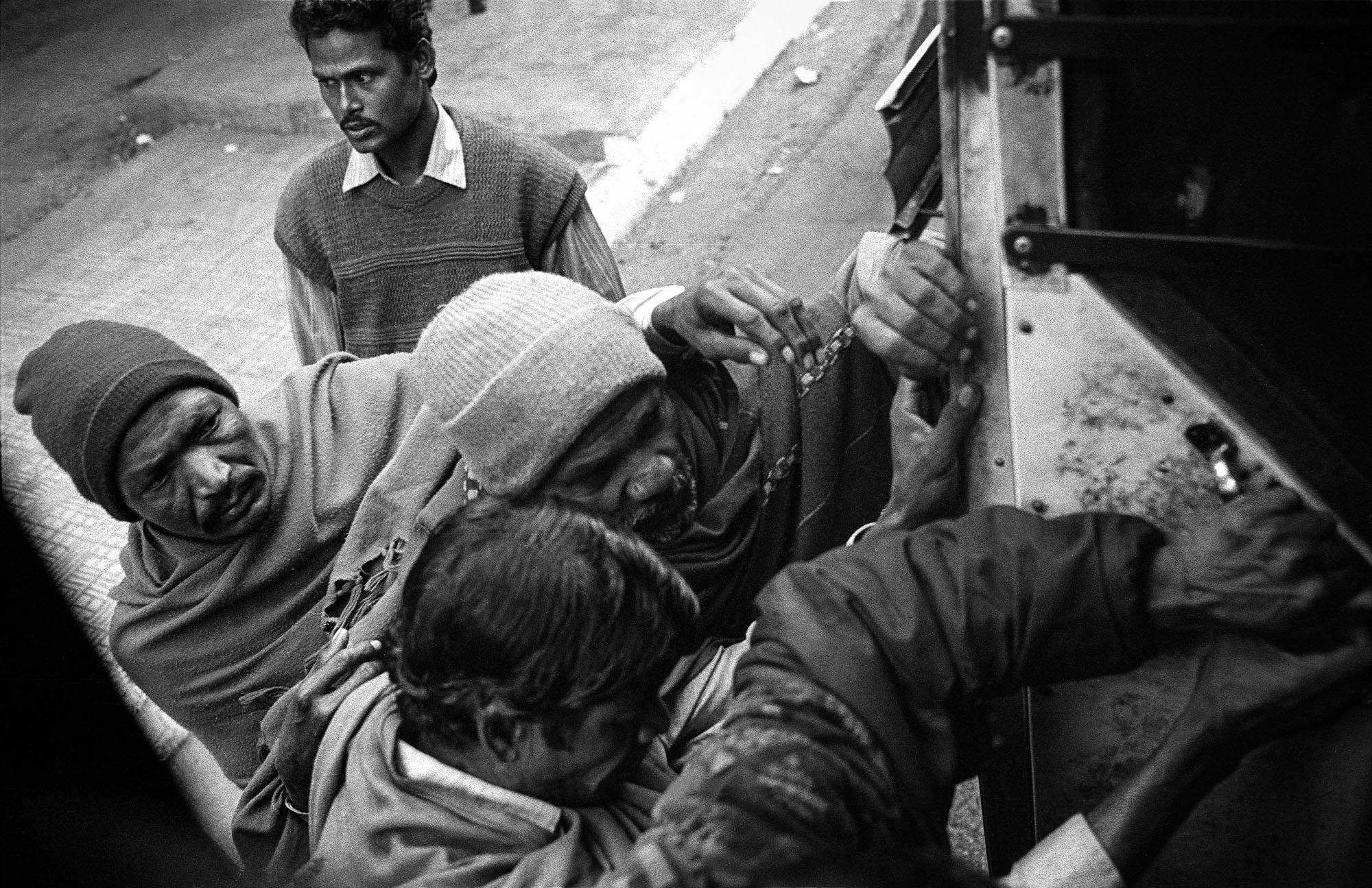
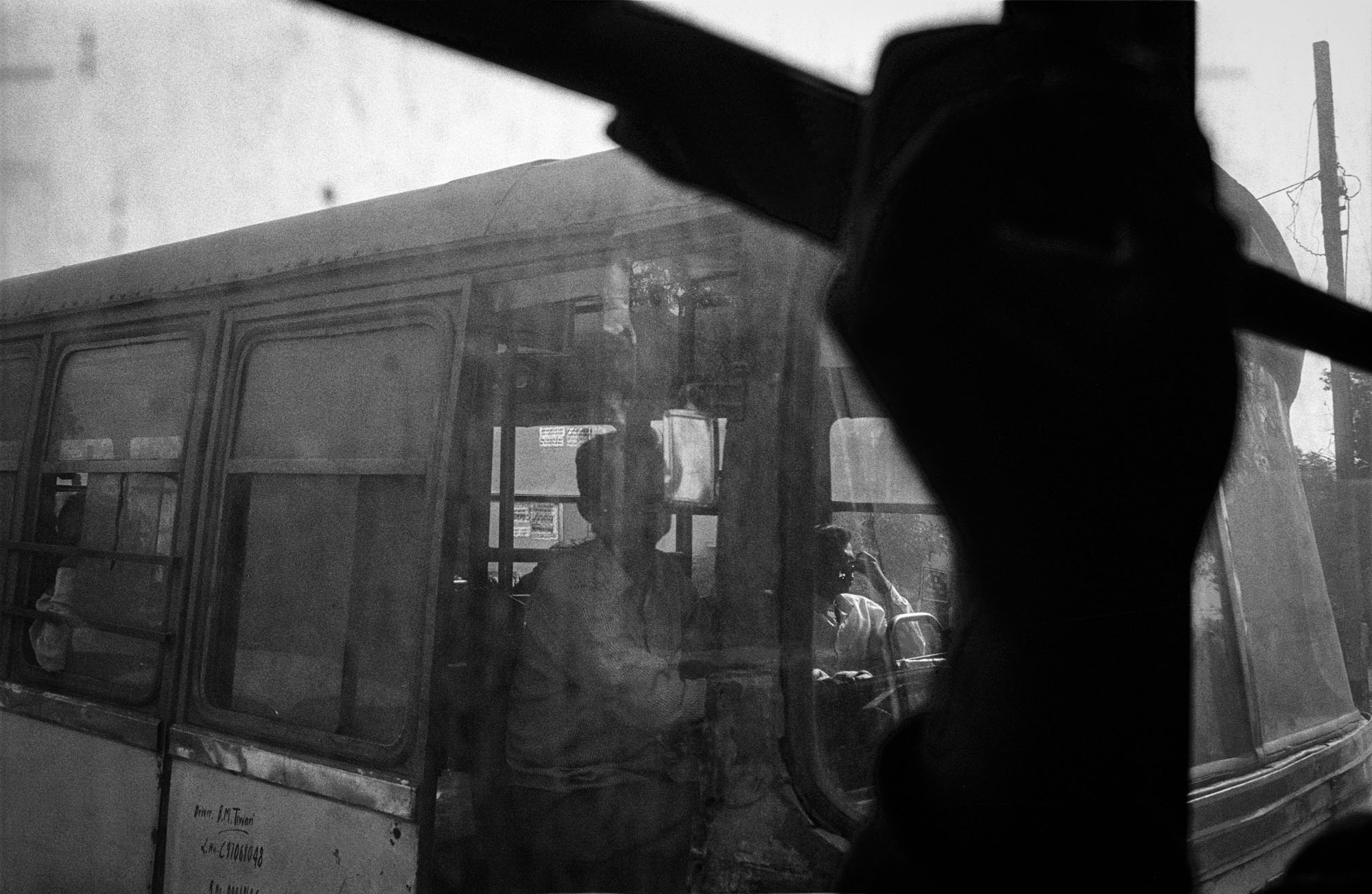
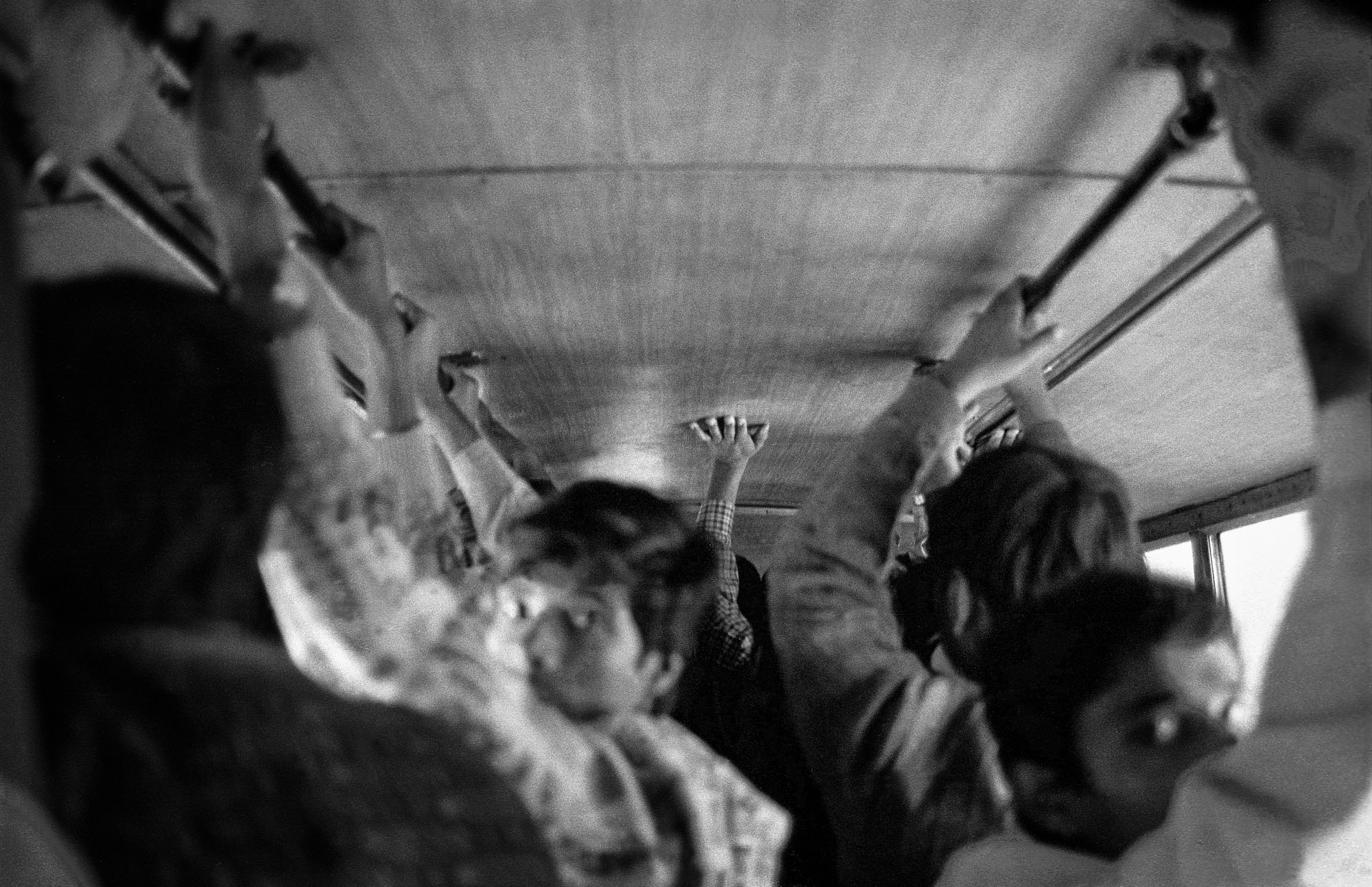
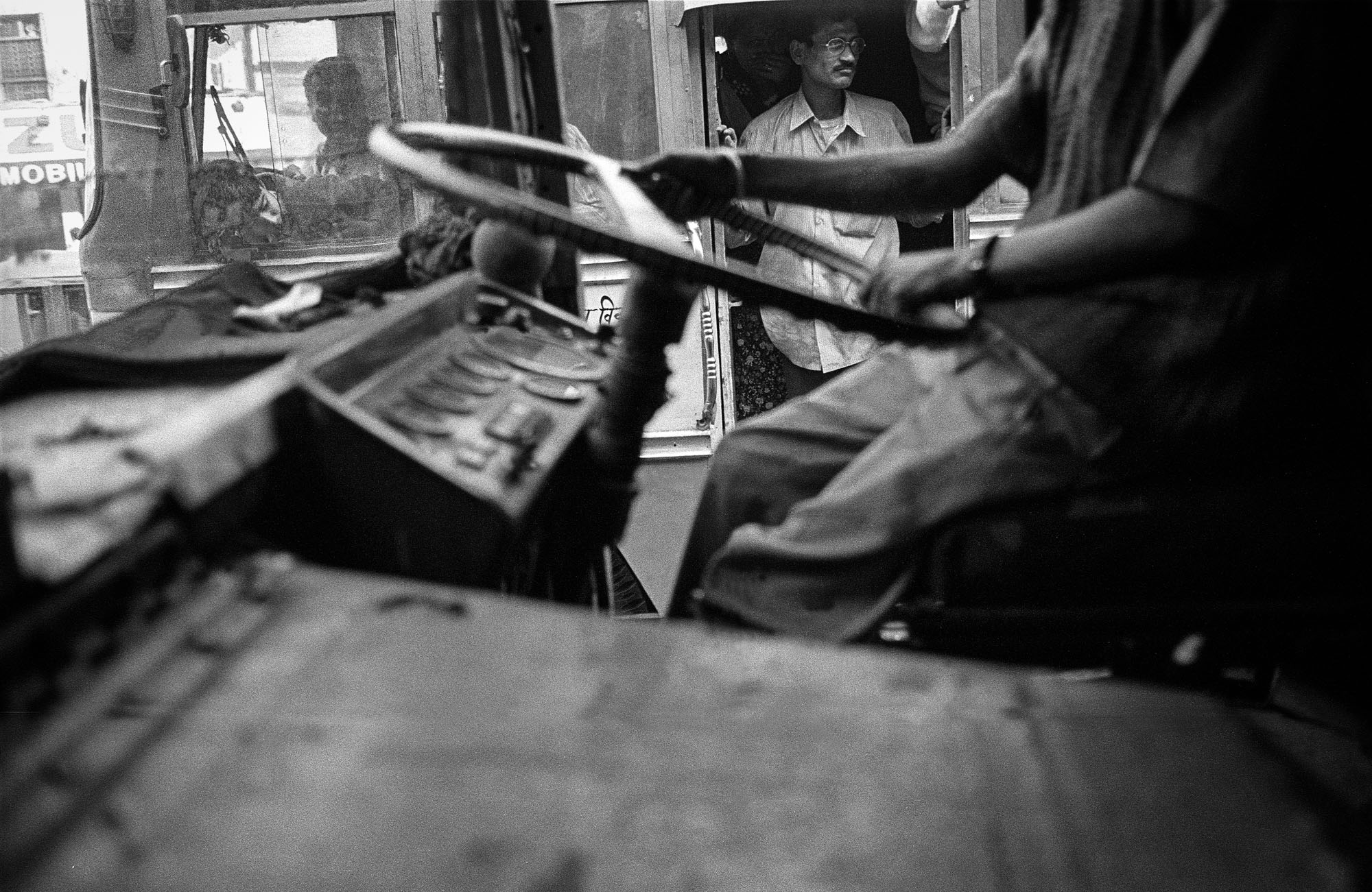
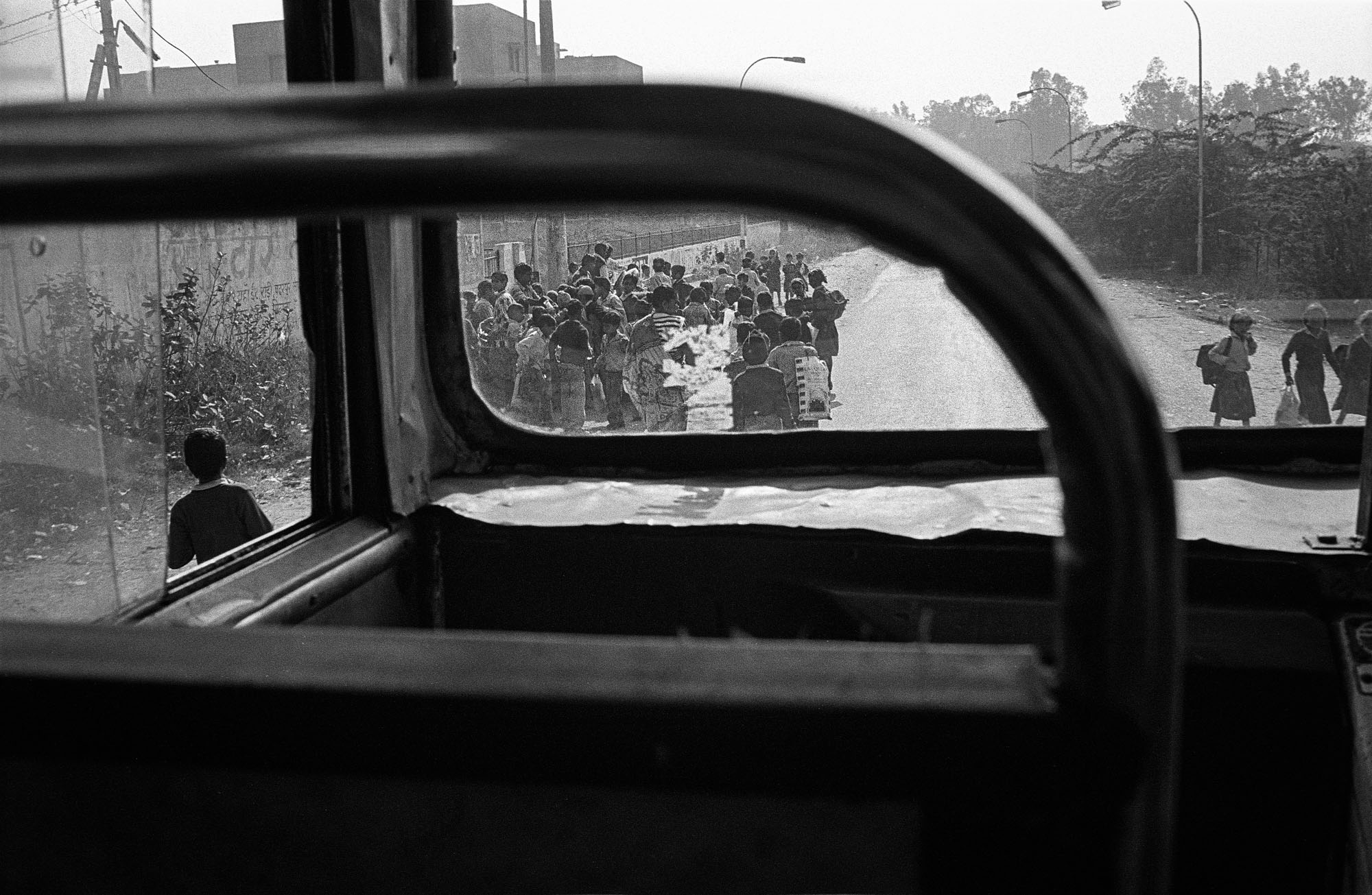
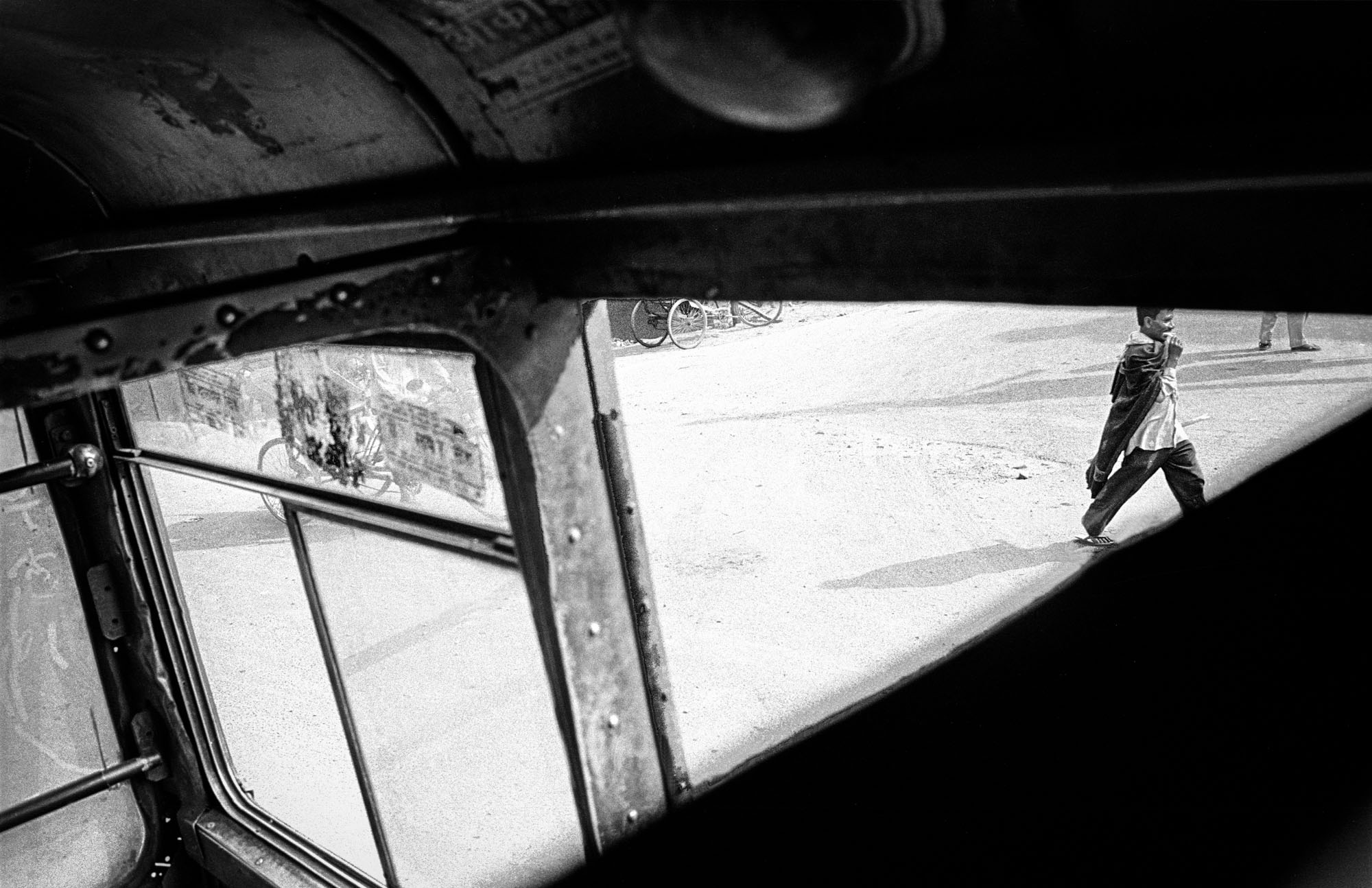
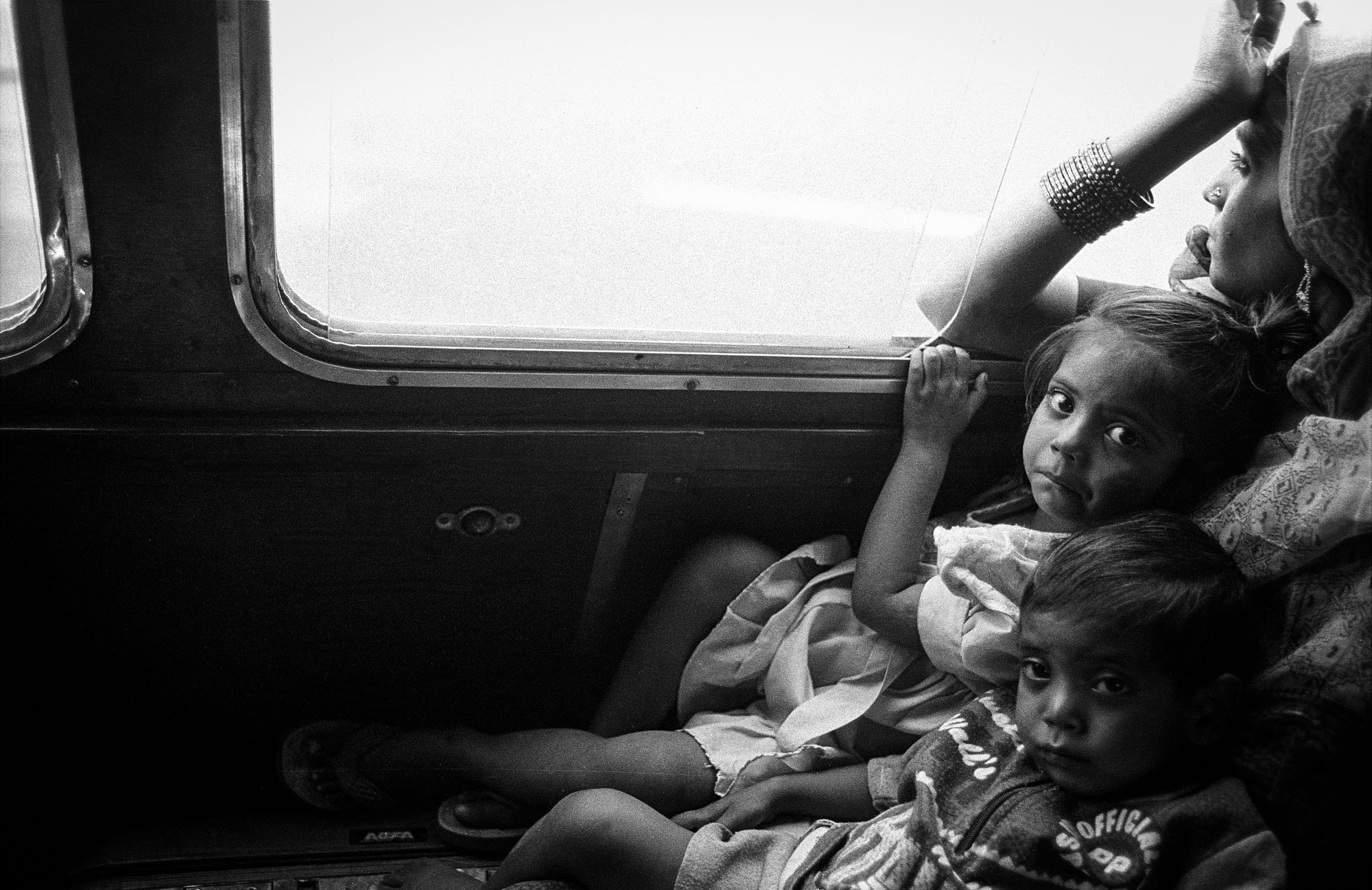
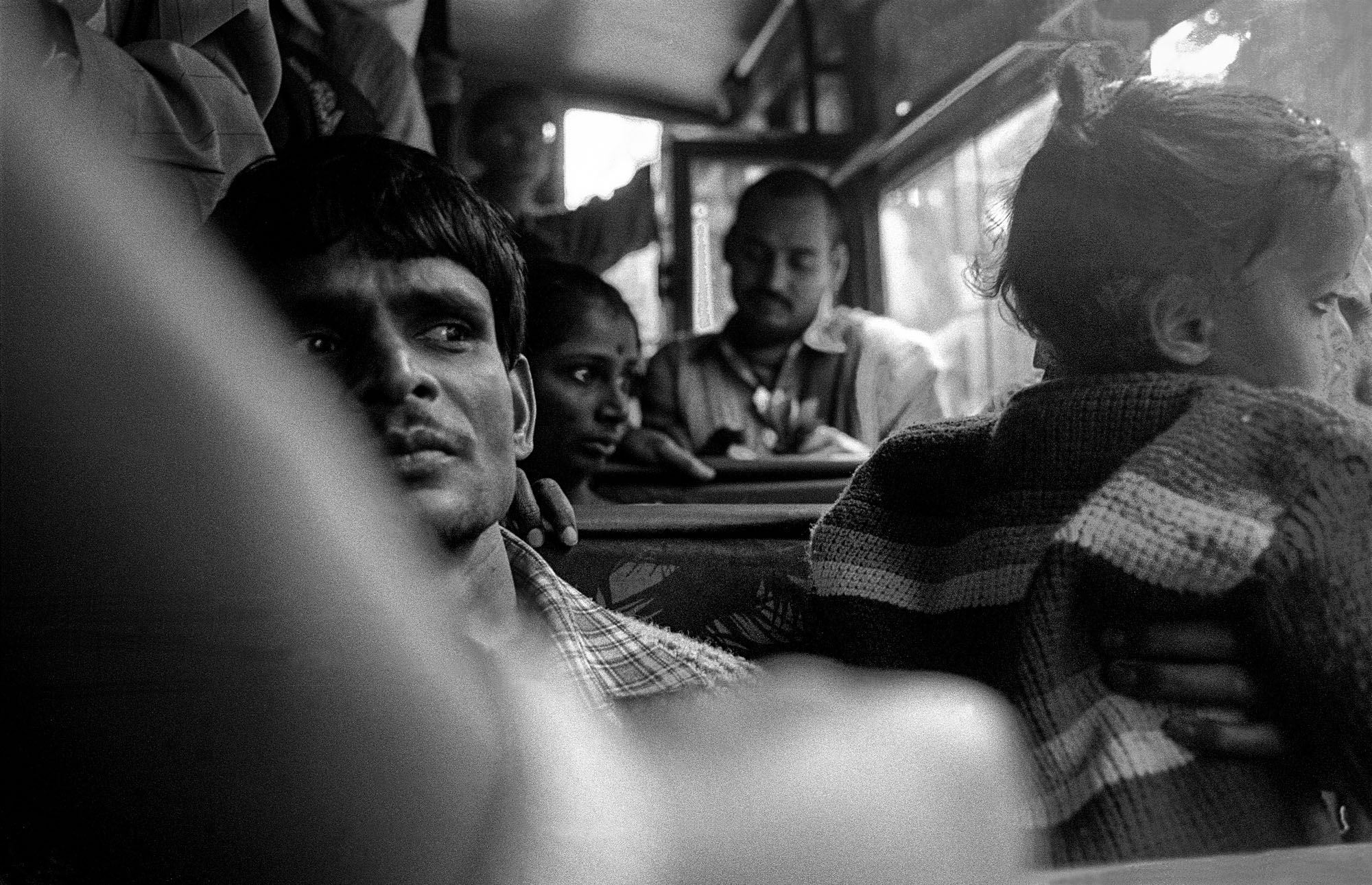
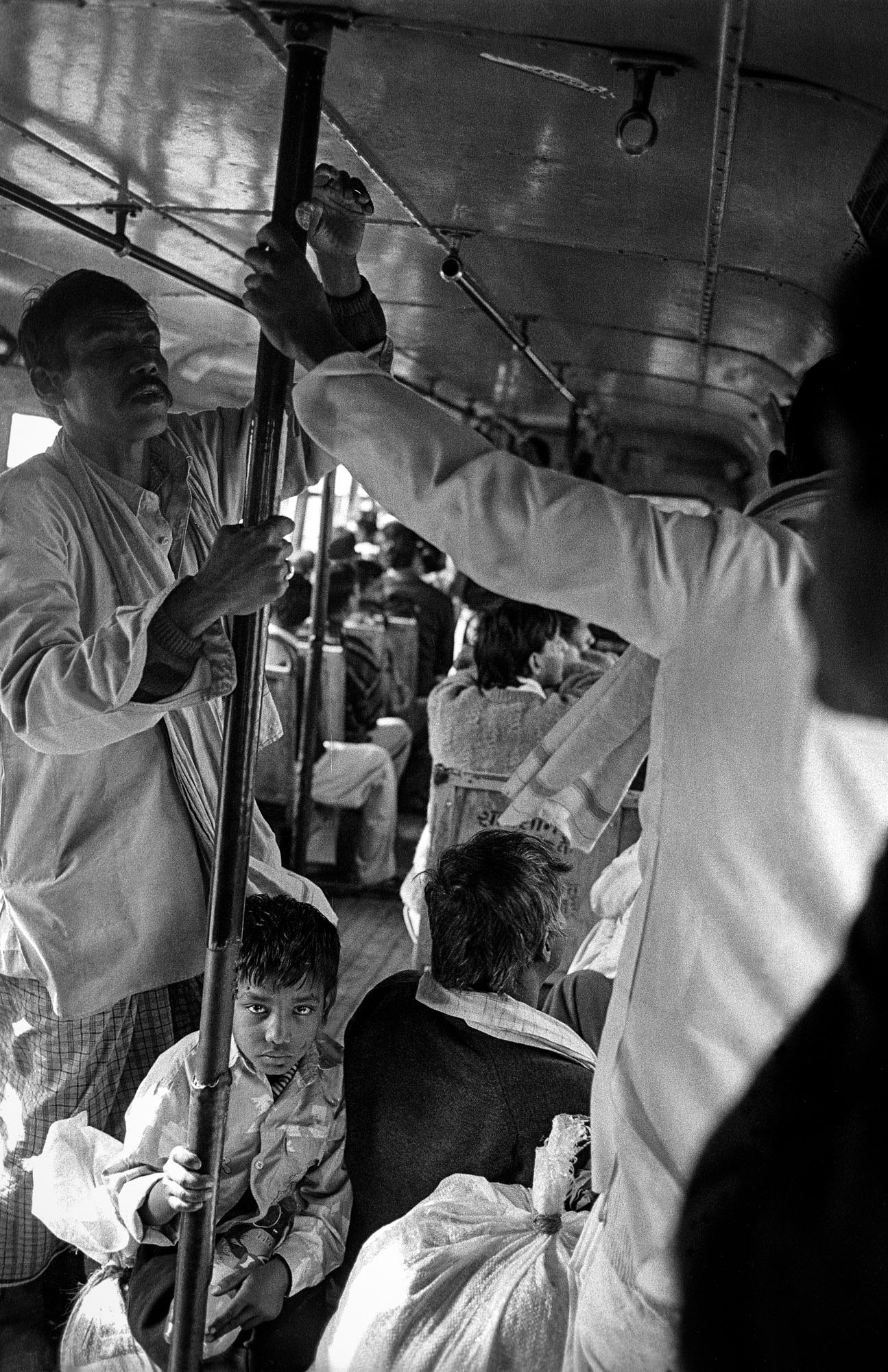
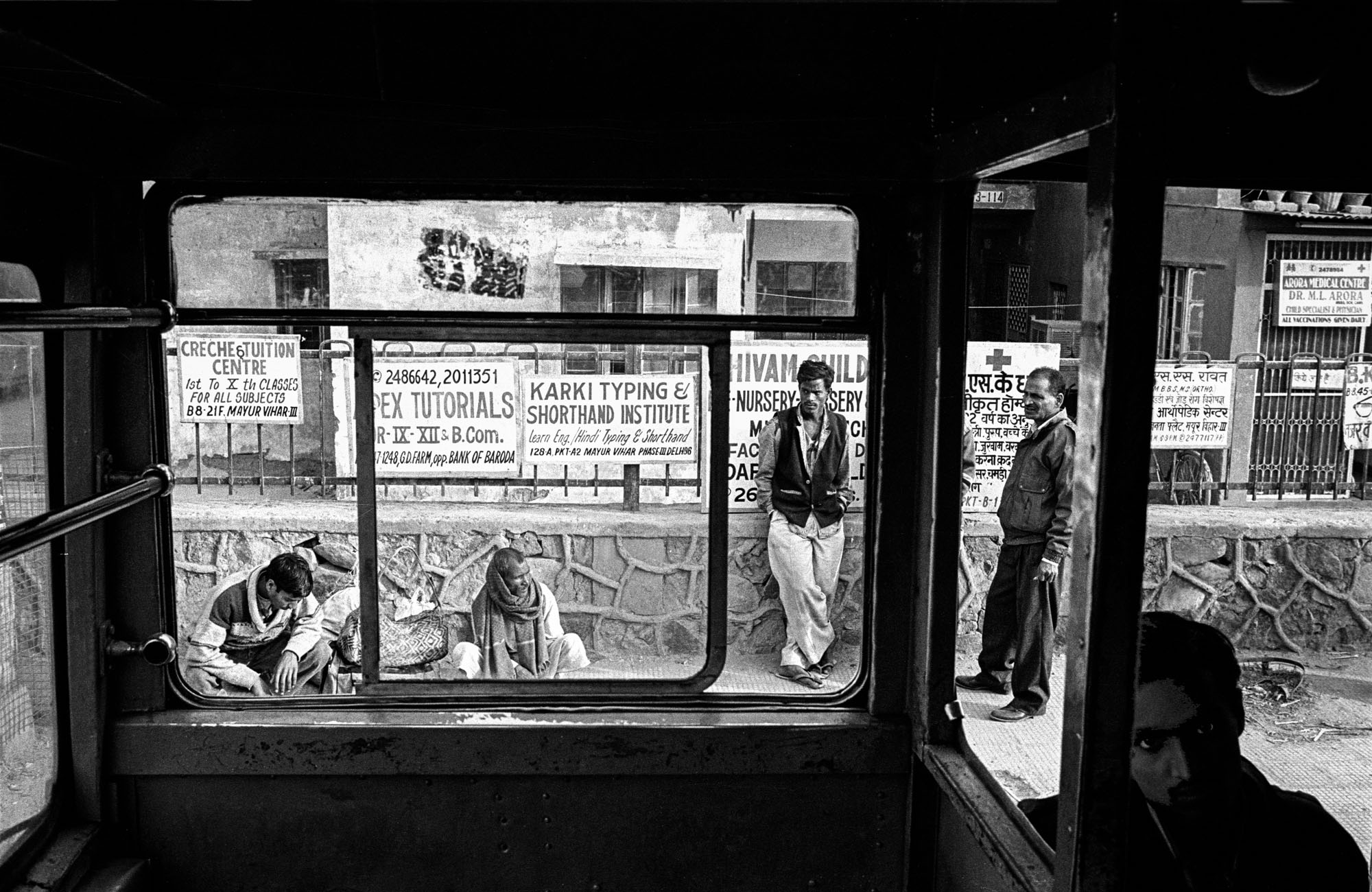
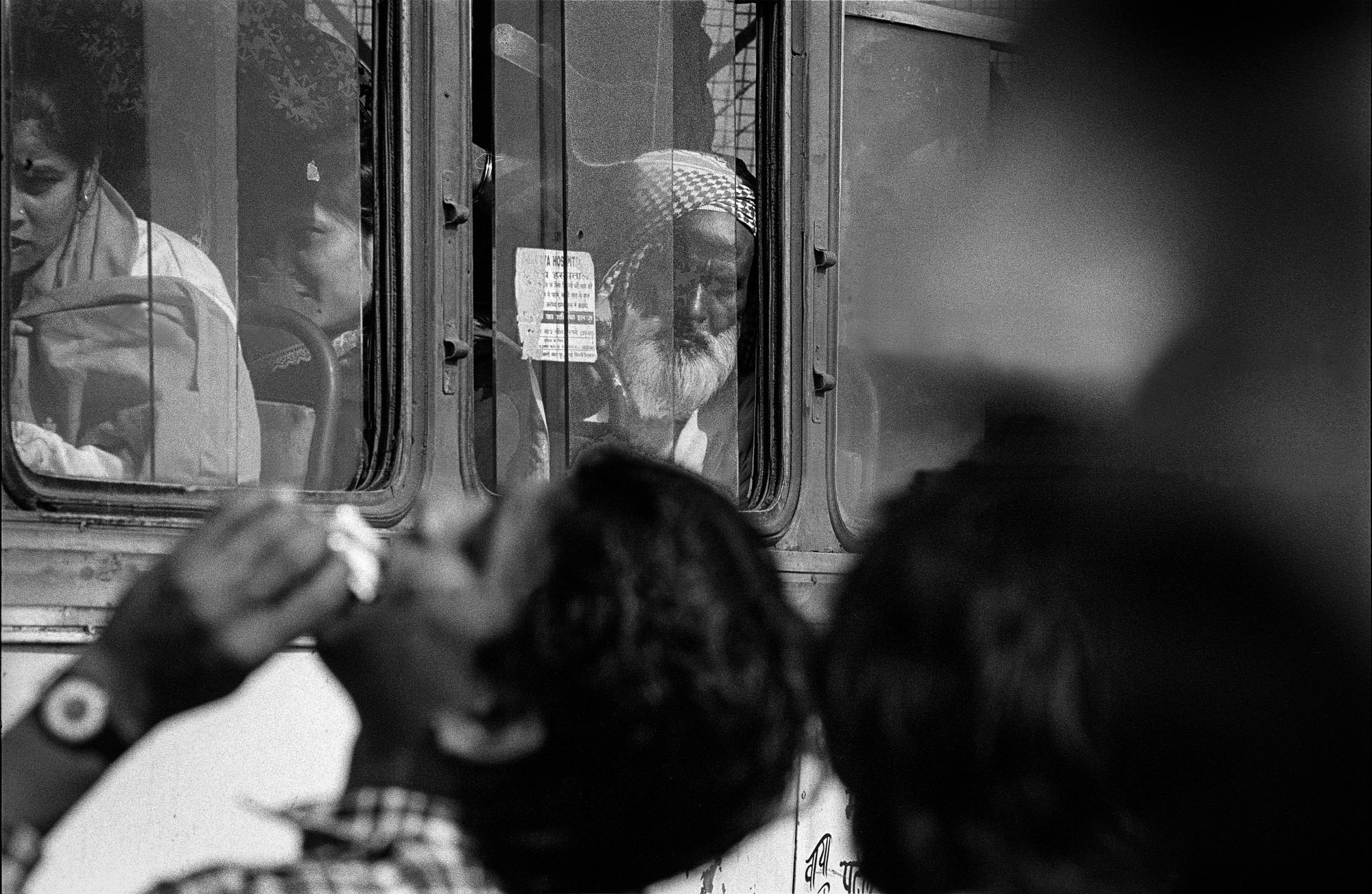
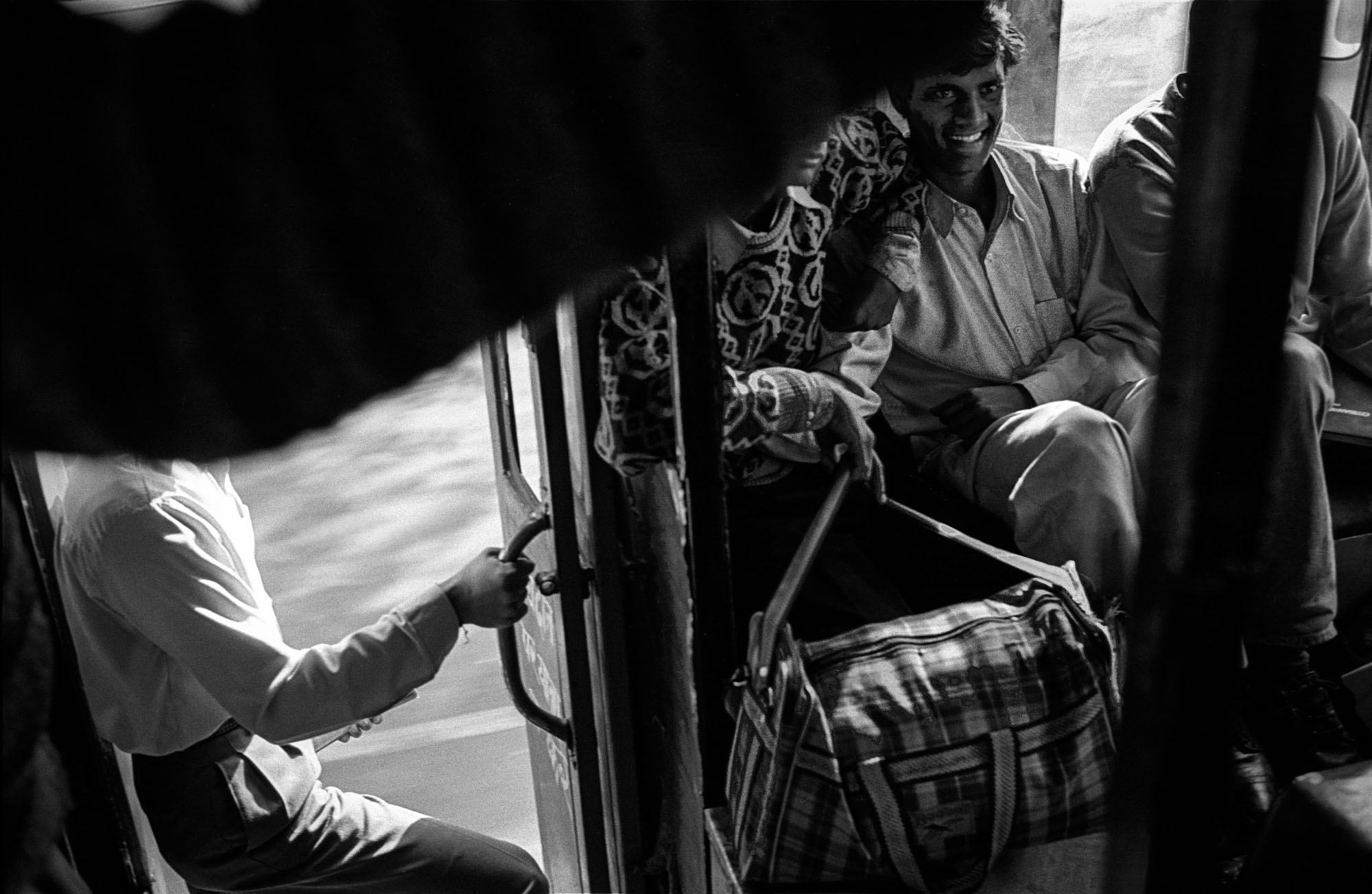
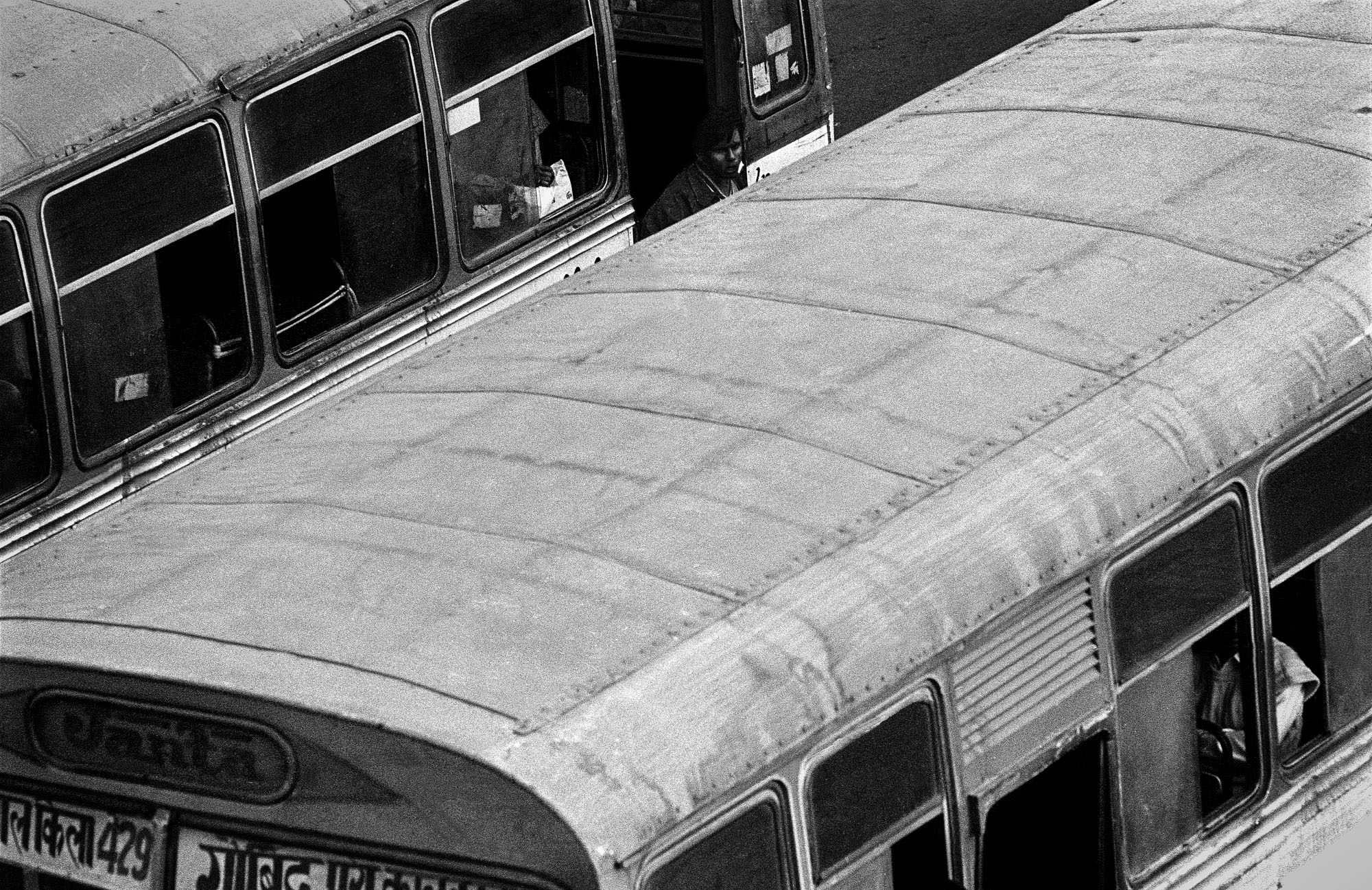
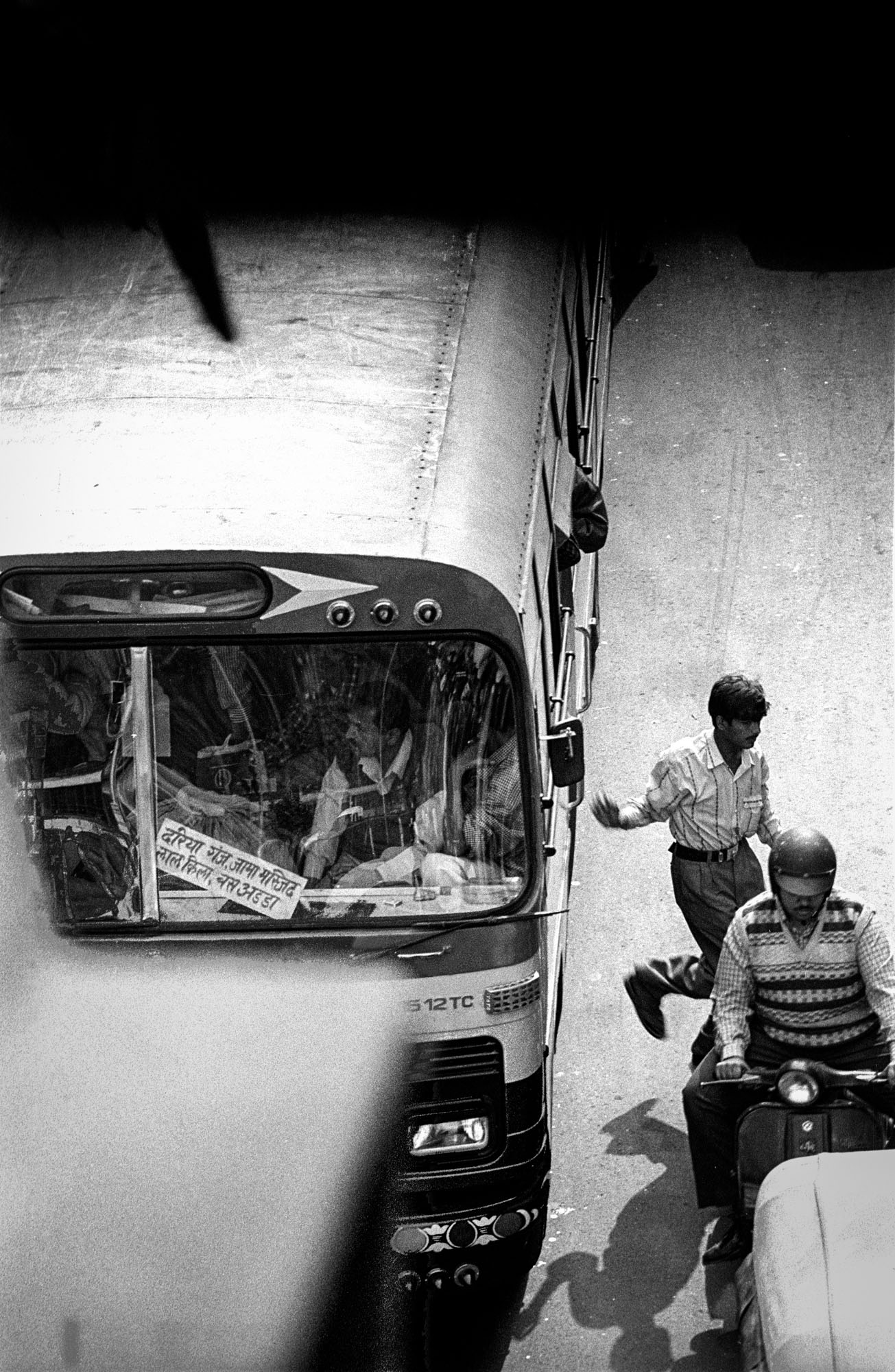
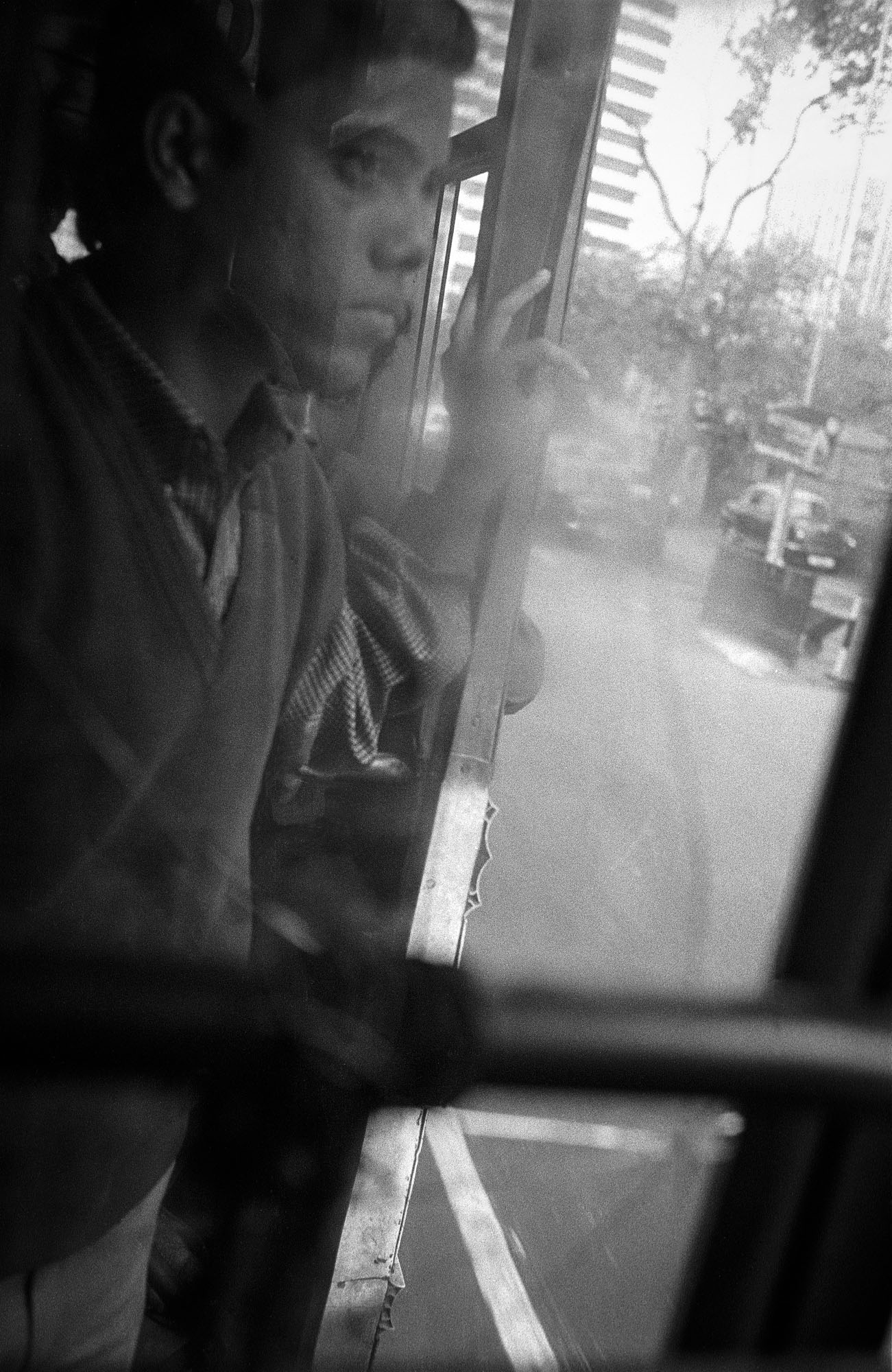
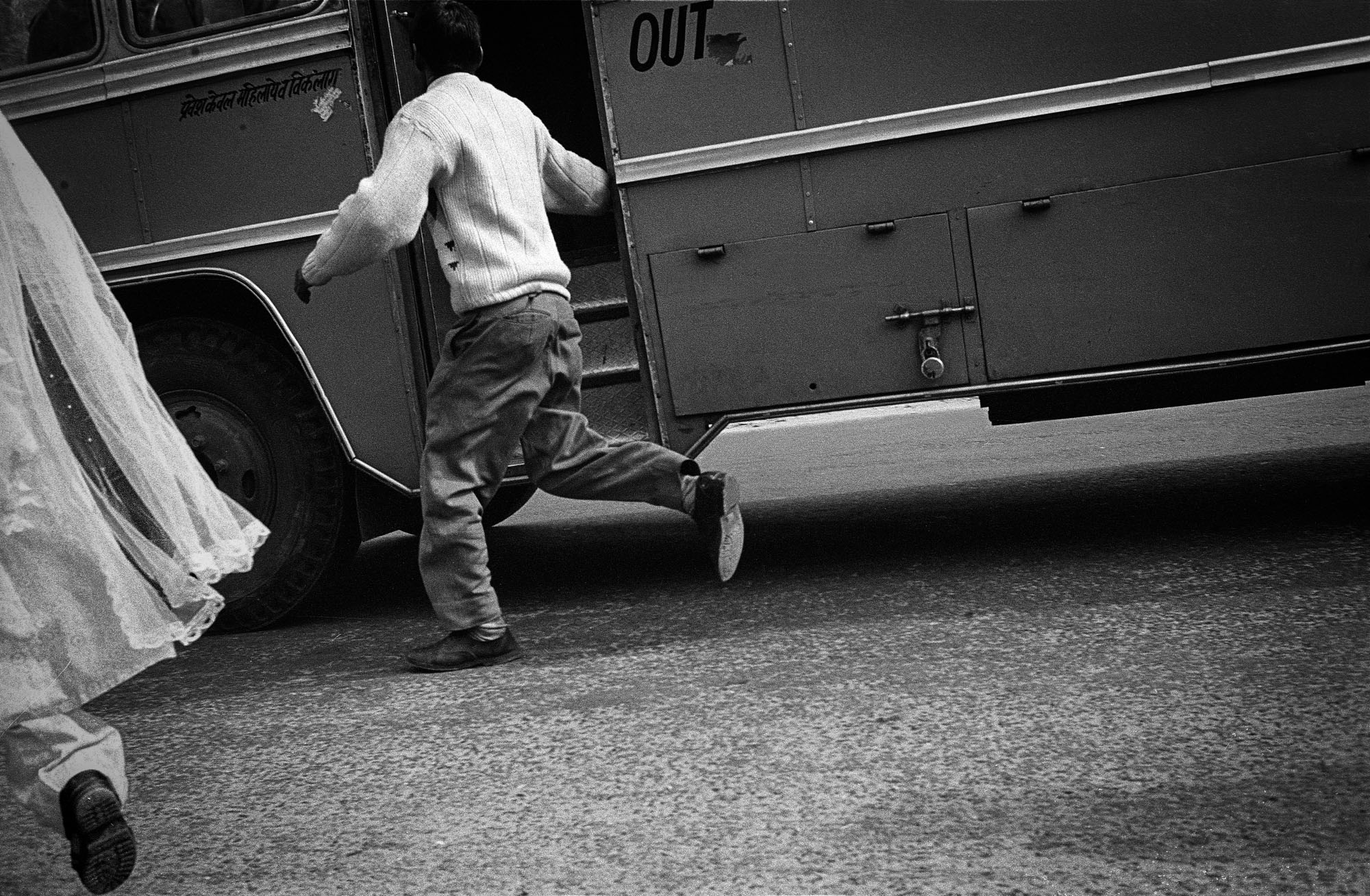
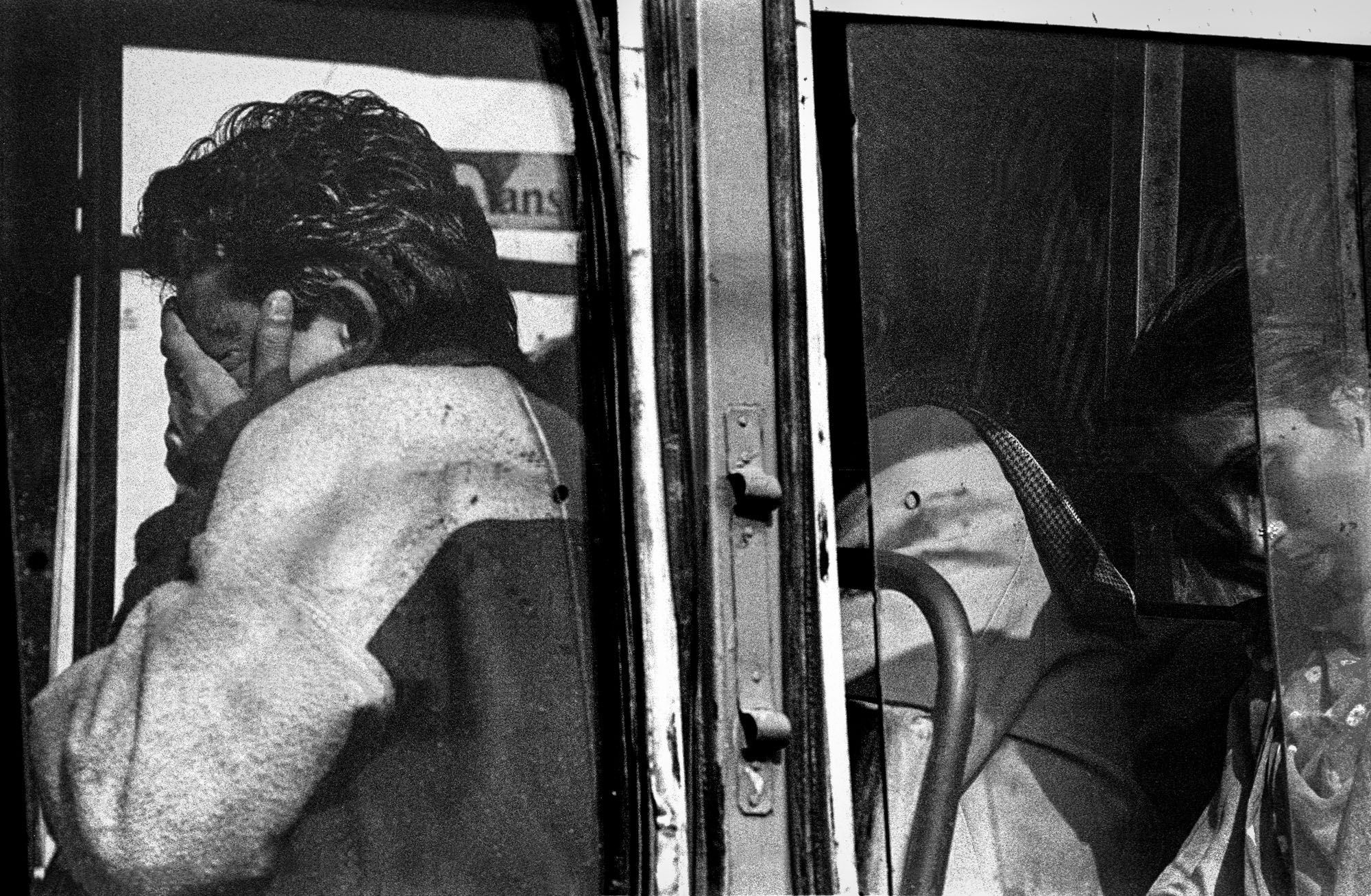
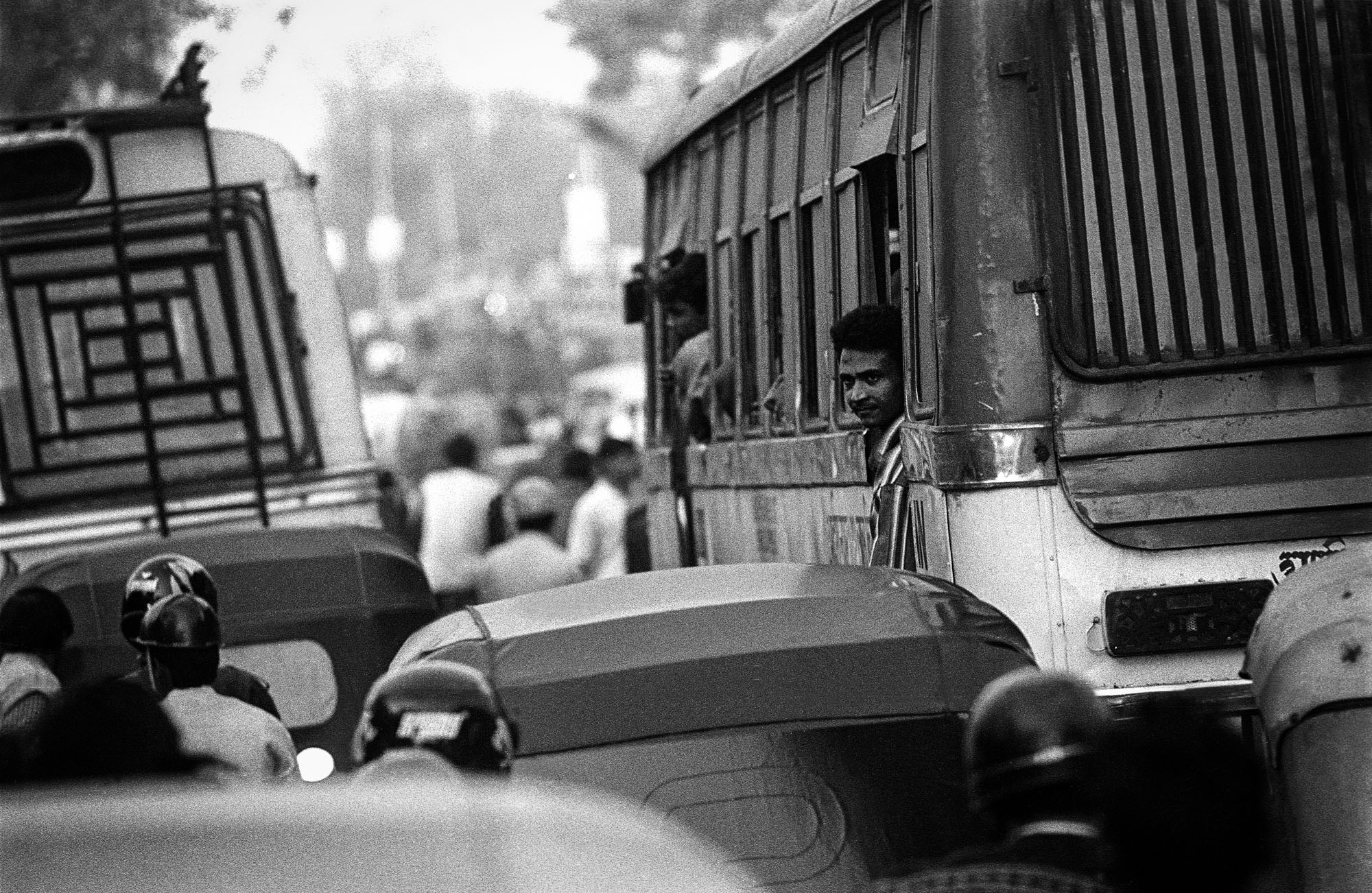
In 1999, Delhi’s buses were essential for transporting thousands daily but also posed major environmental and noise challenges. Often old and poorly maintained, these vehicles emitted thick black smoke, worsening the capital’s alarming air pollution.
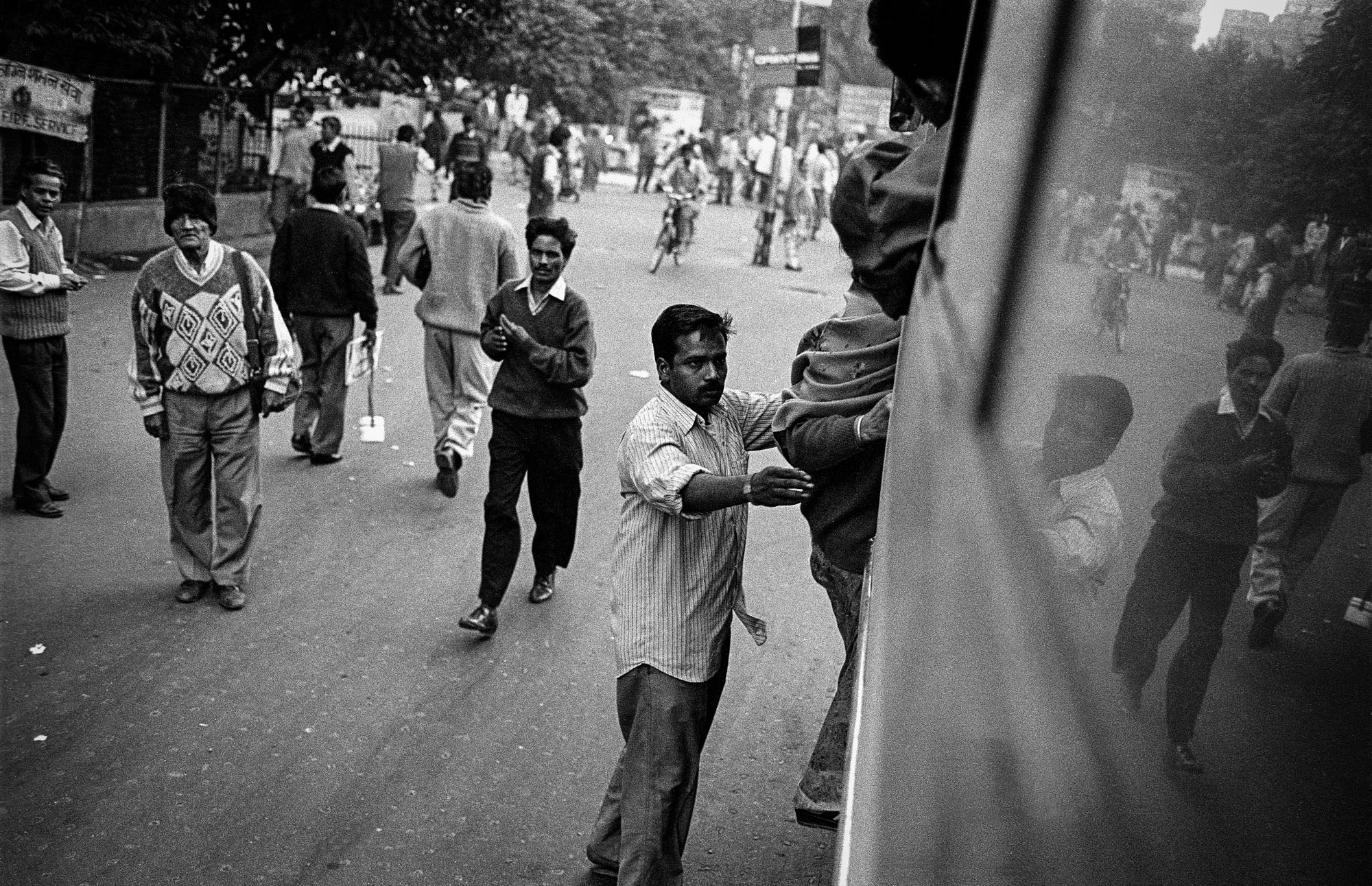
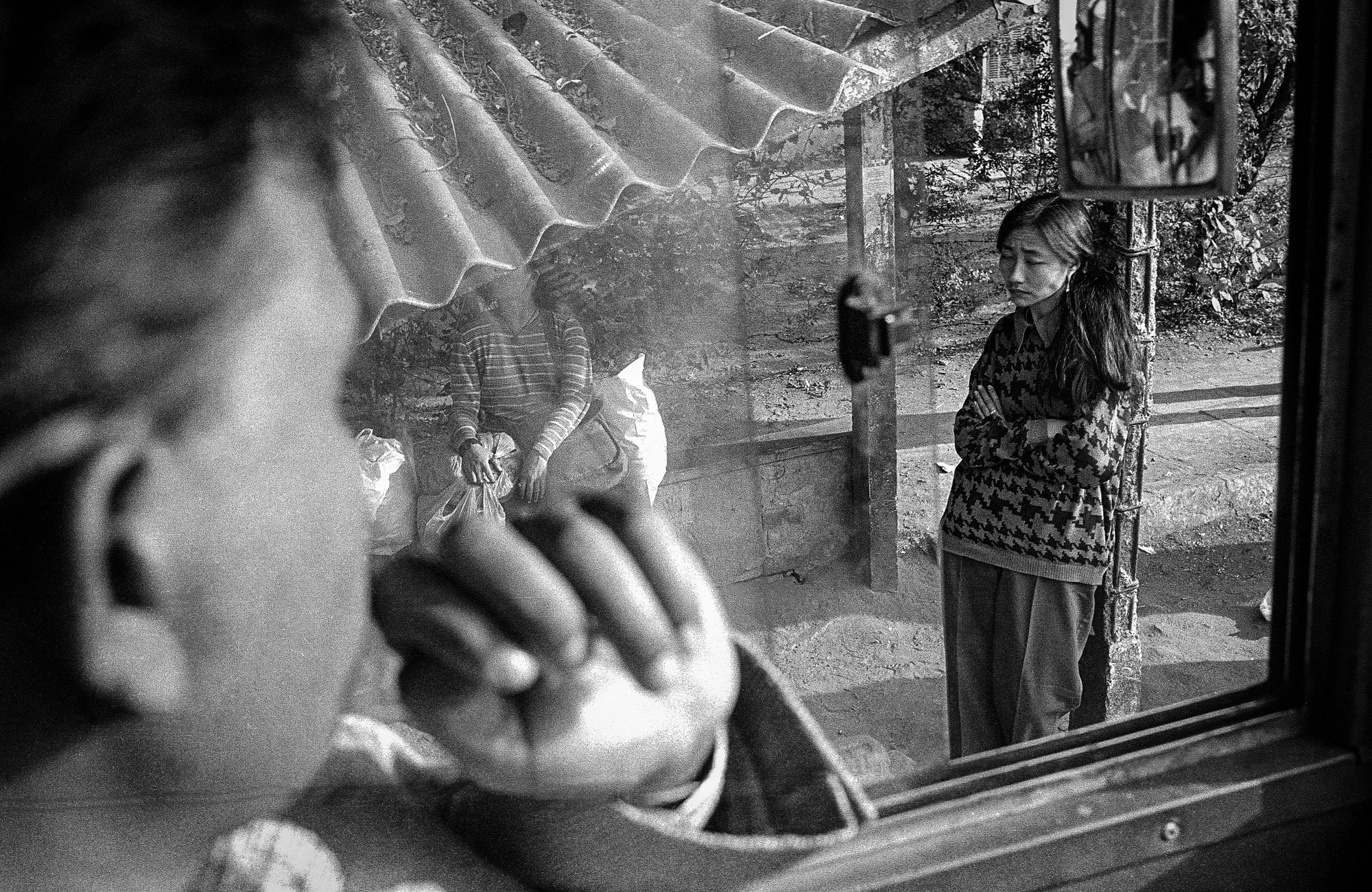
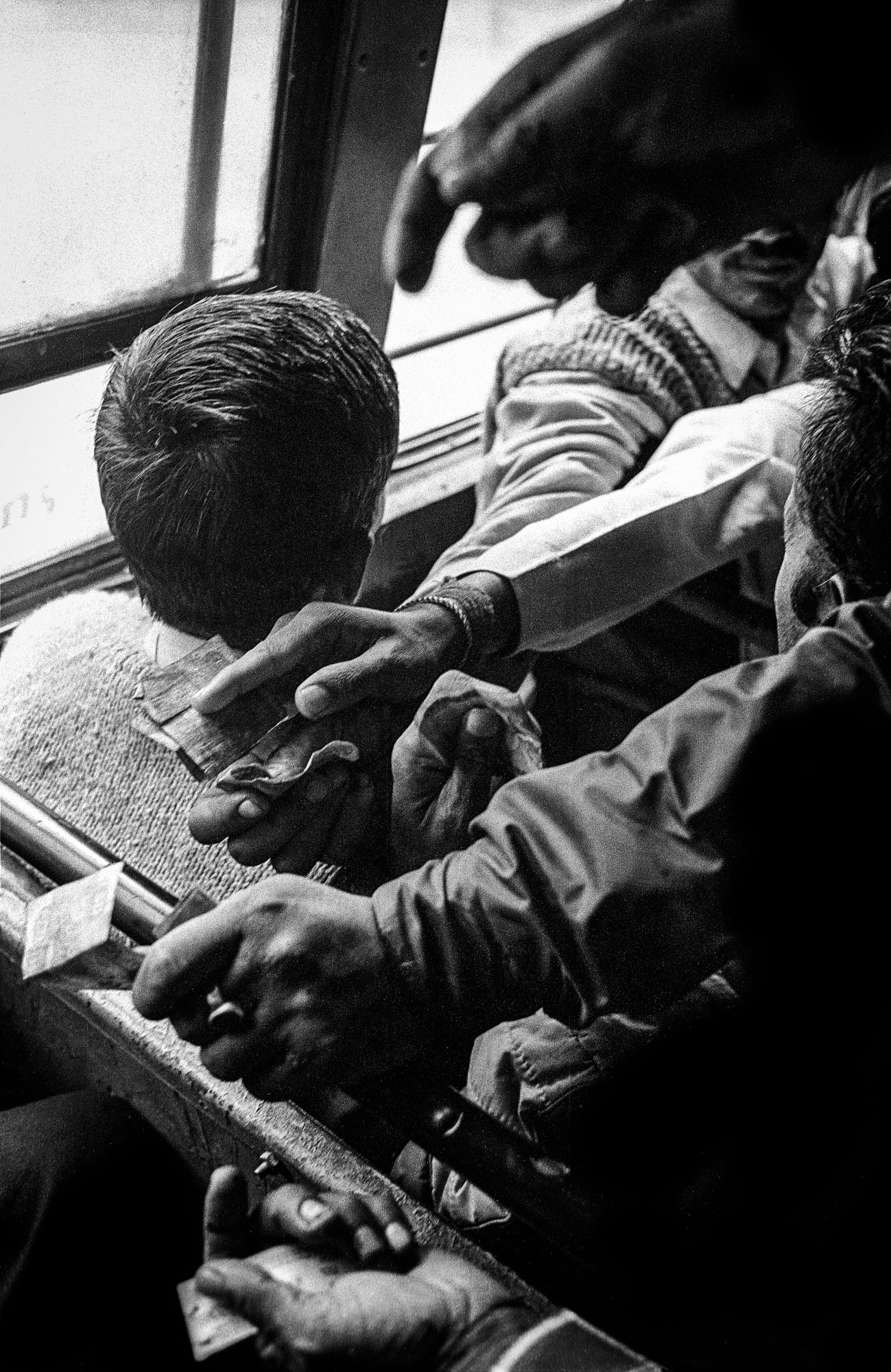
Inside, passengers endured overcrowding, heat, and relentless noise: roaring engines, blaring horns, and chaotic traffic. This constant din, combined with poor air quality, made daily travel taxing on health and morale.
Yet despite these hardships, buses remained vital links between poor neighborhoods and urban centers, embodying the contradictions of a rapidly growing metropolis balancing modernization with persistent environmental problems.
HANDICIRQUE
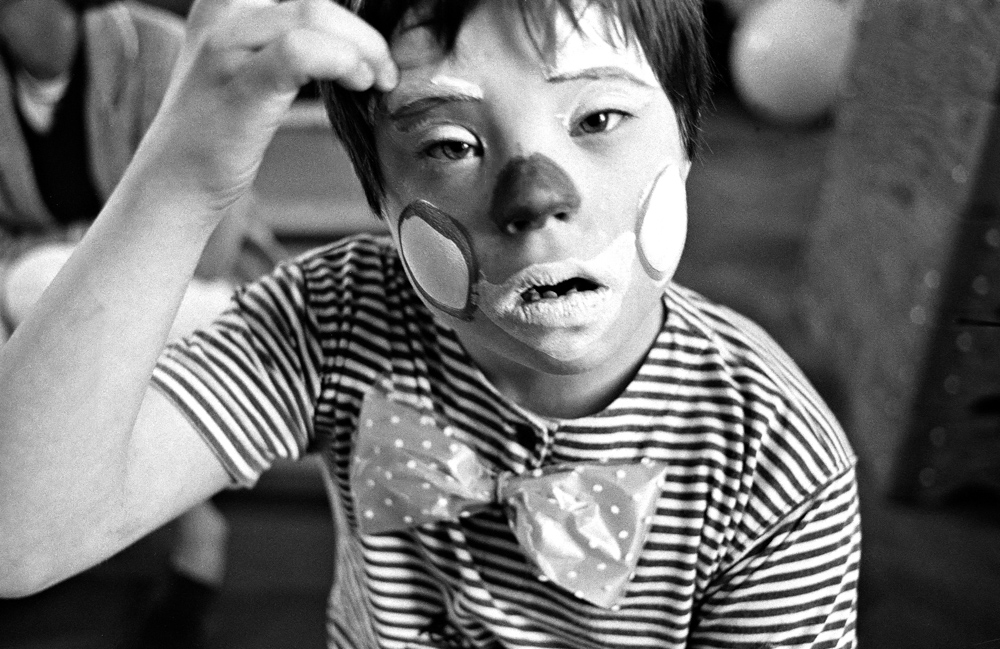
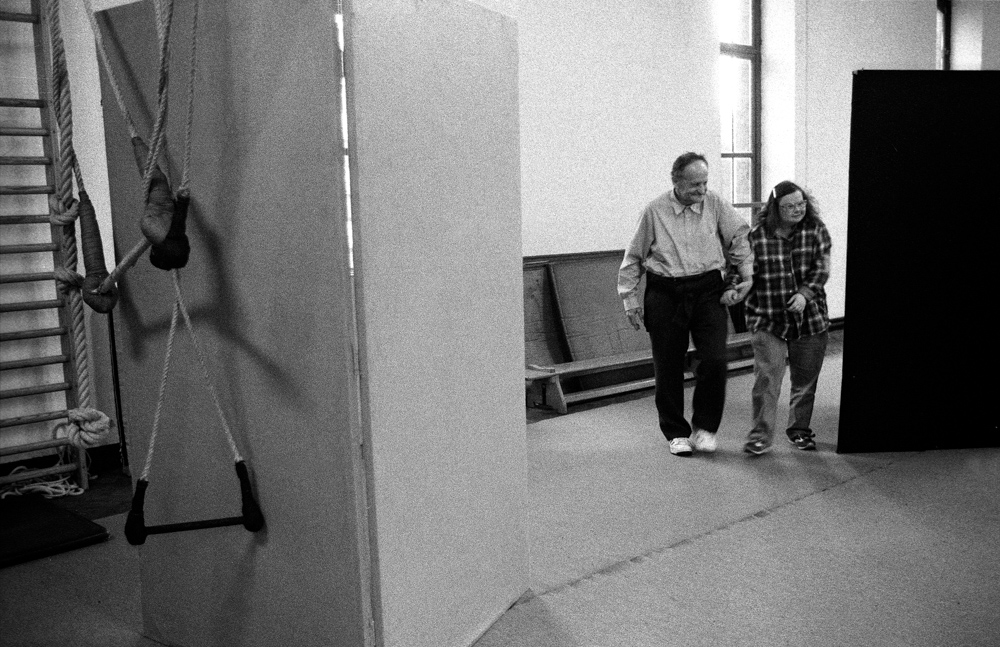
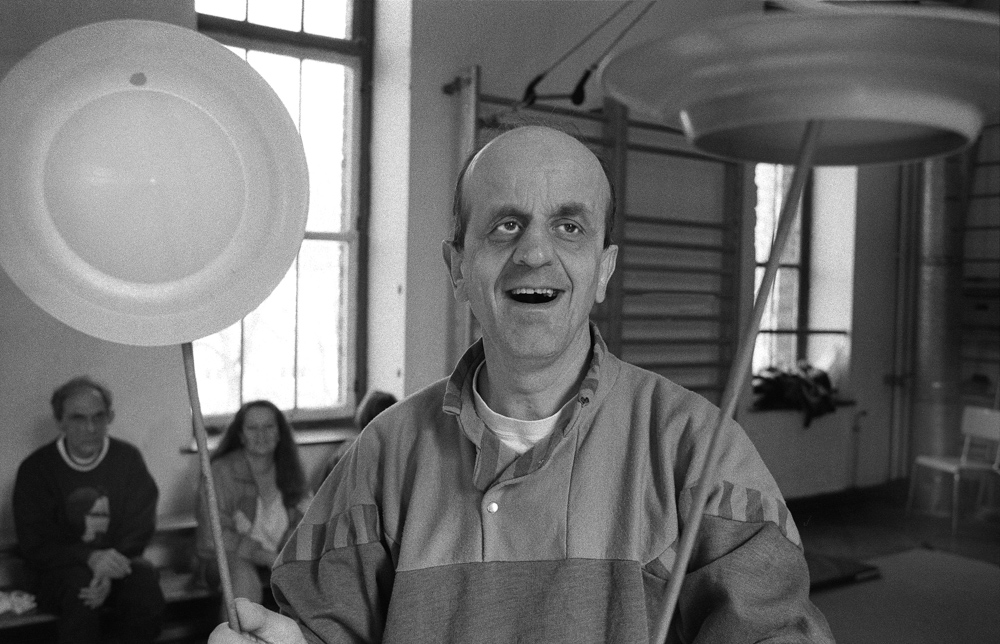
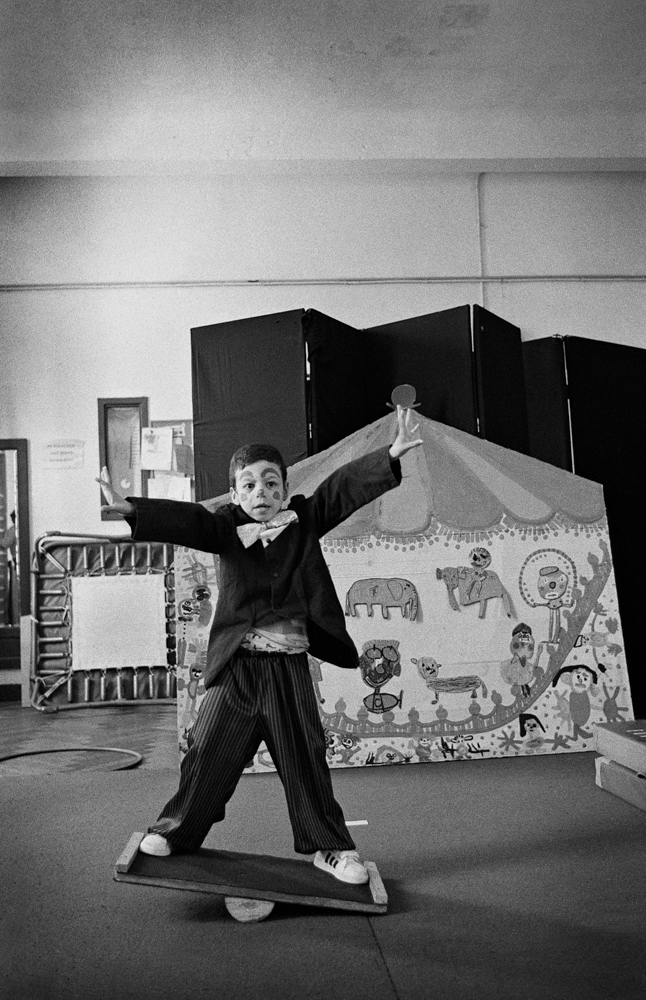
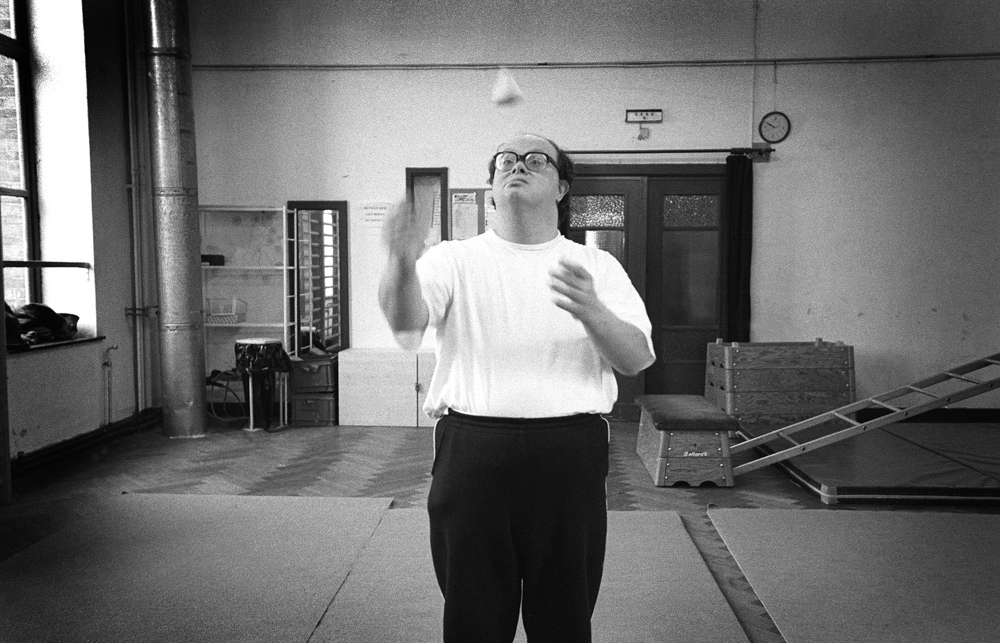
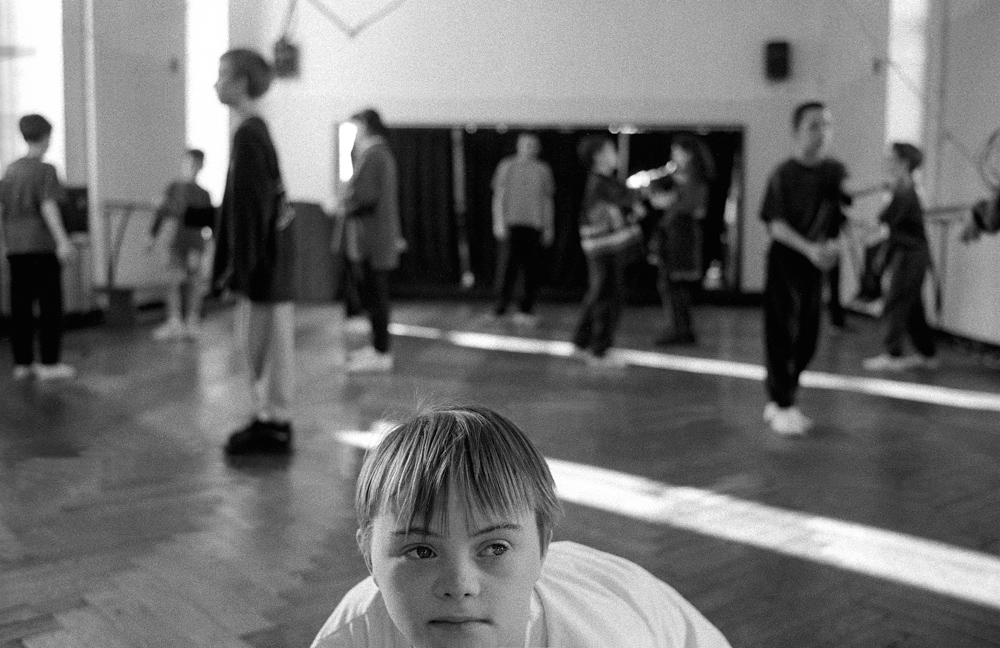
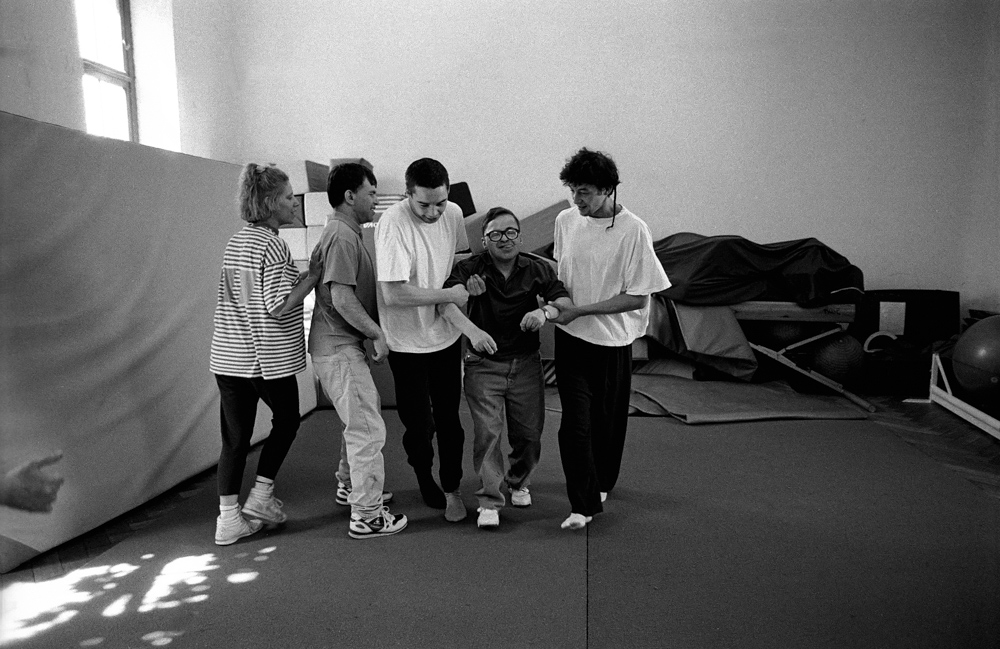
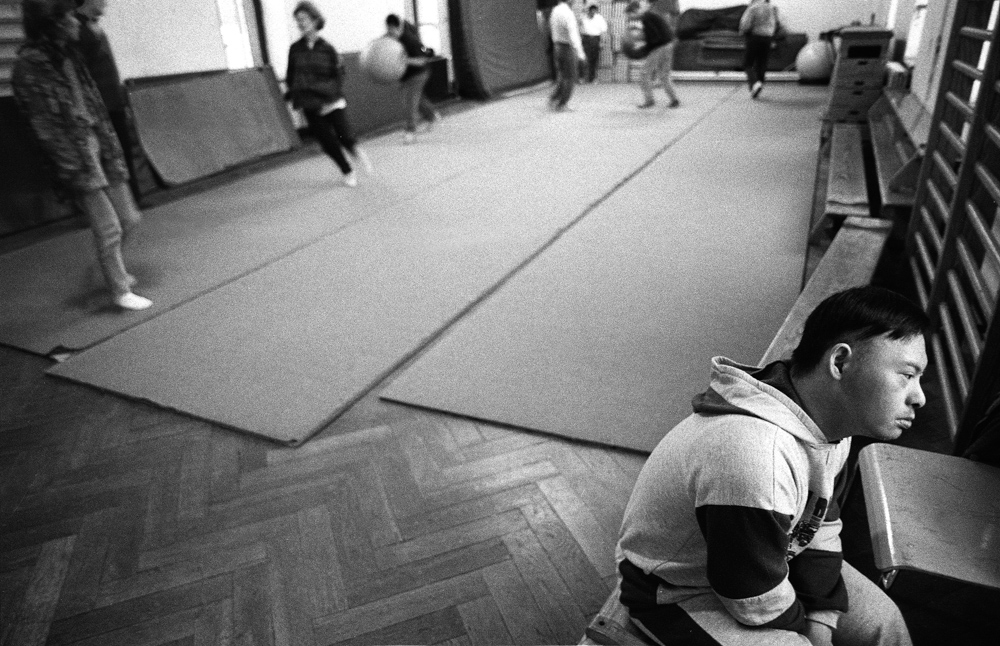
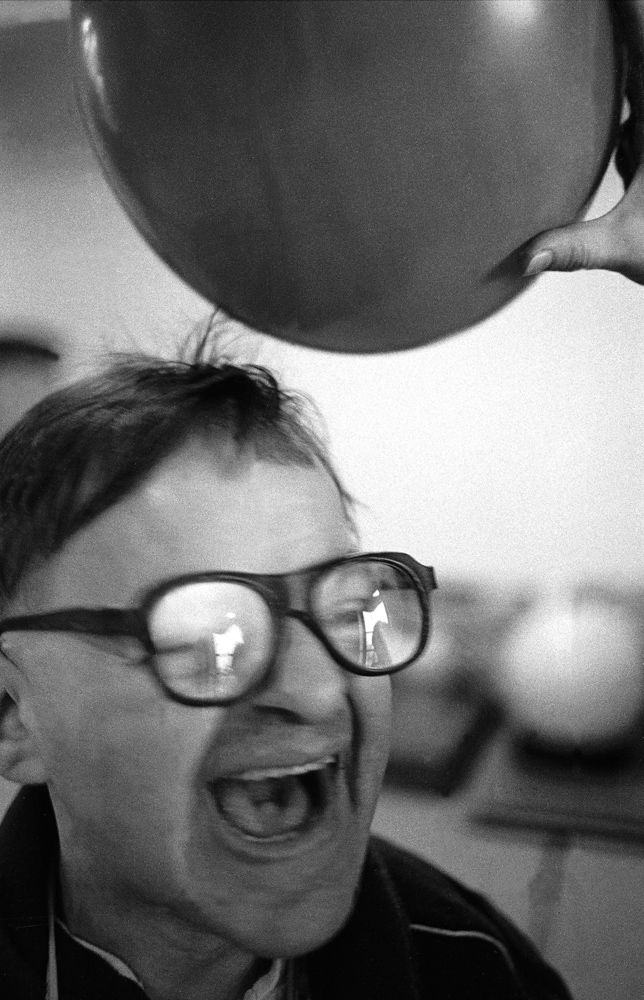
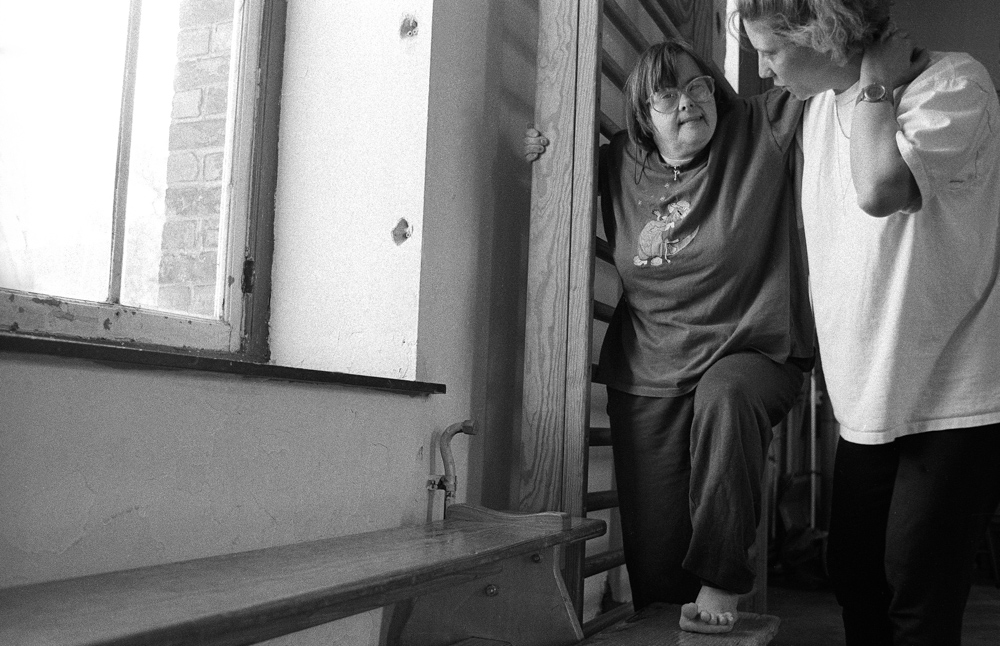
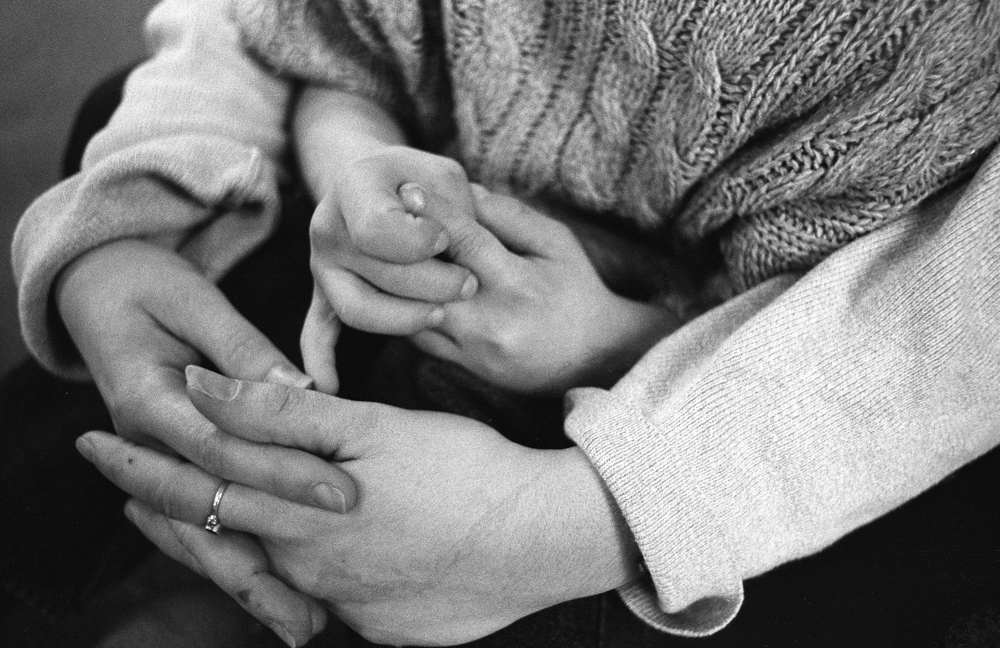
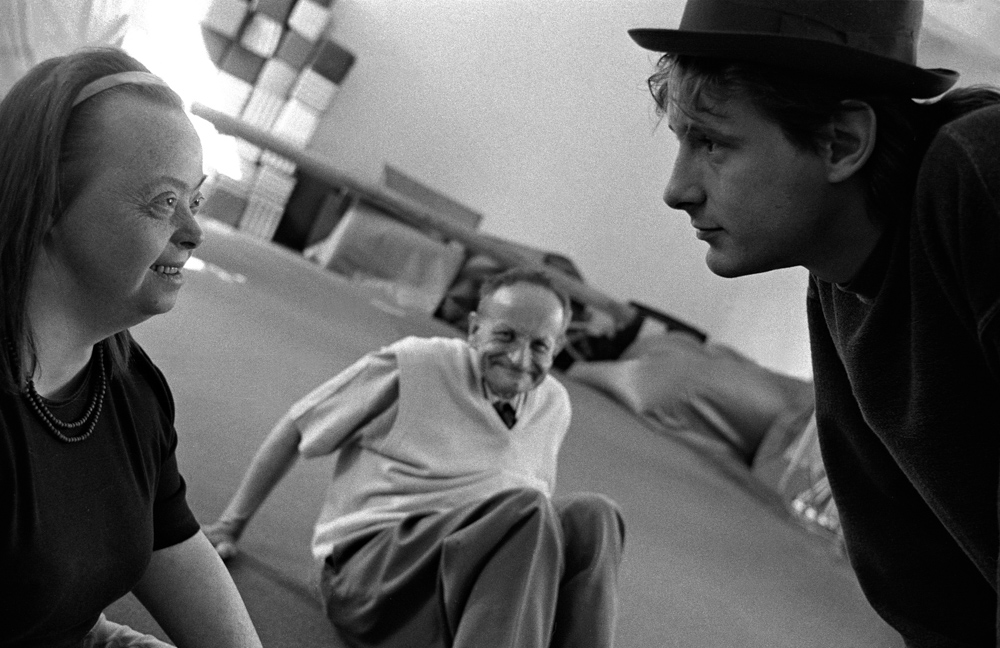
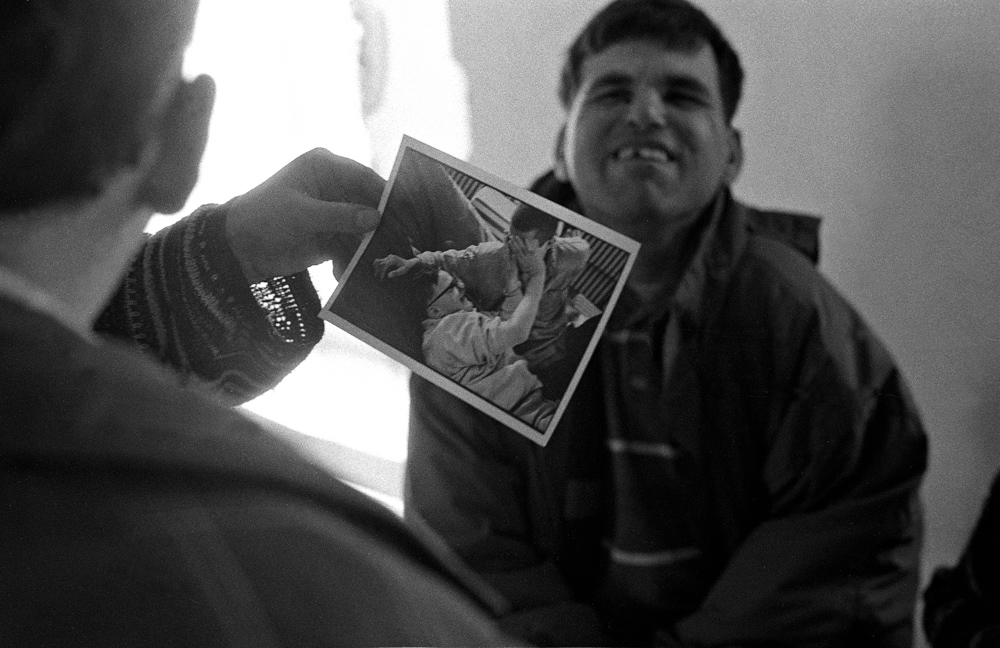
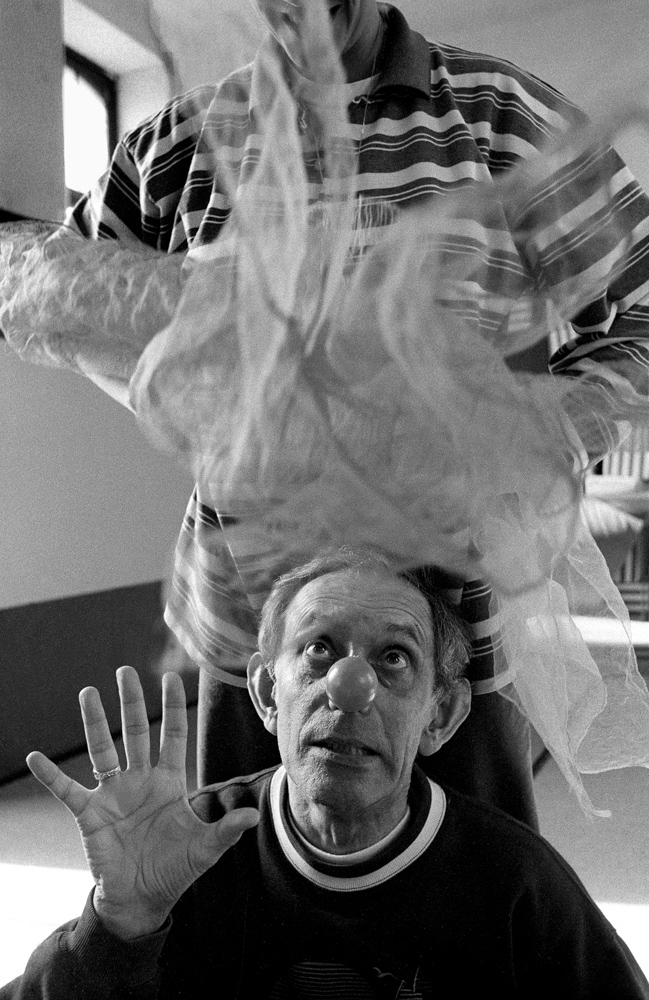
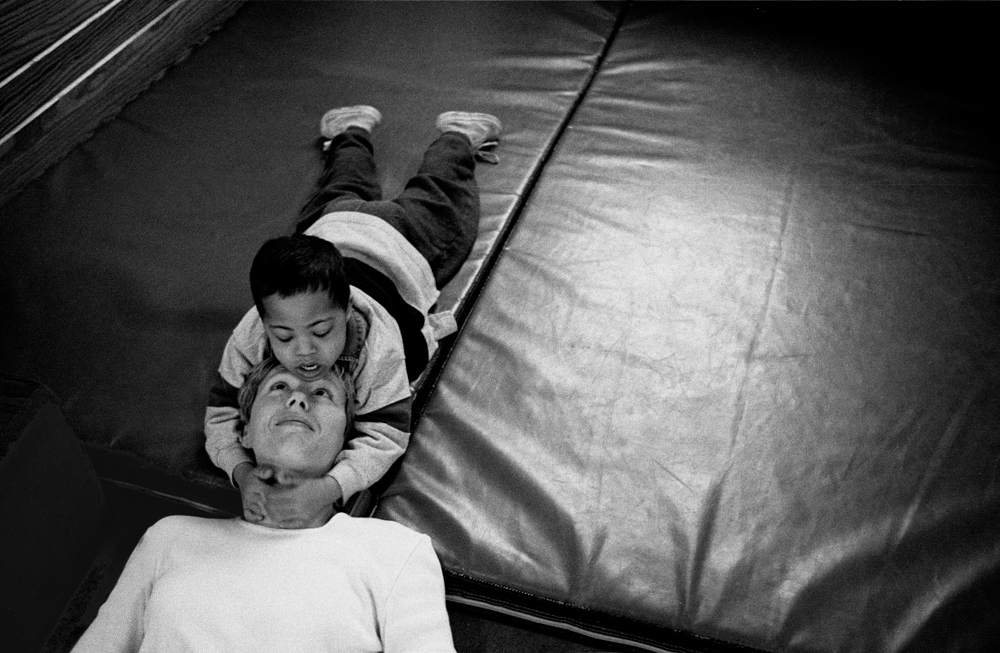
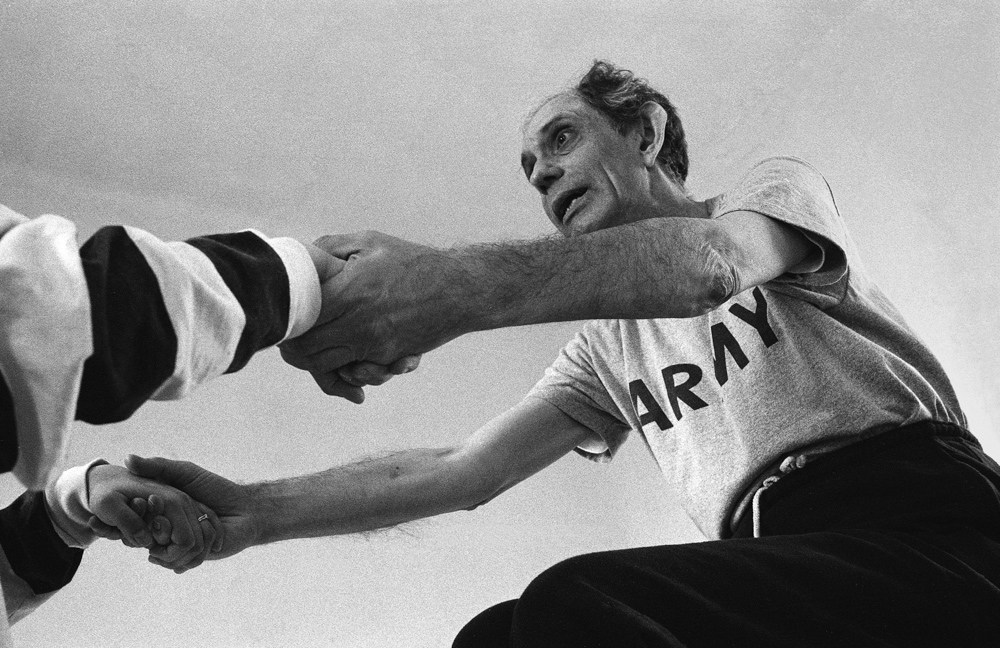
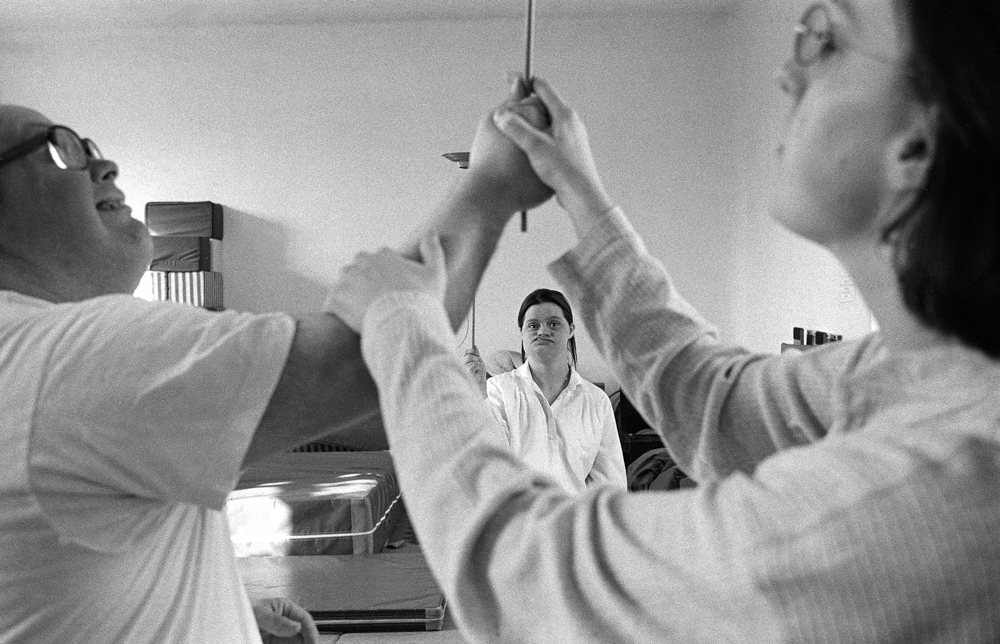
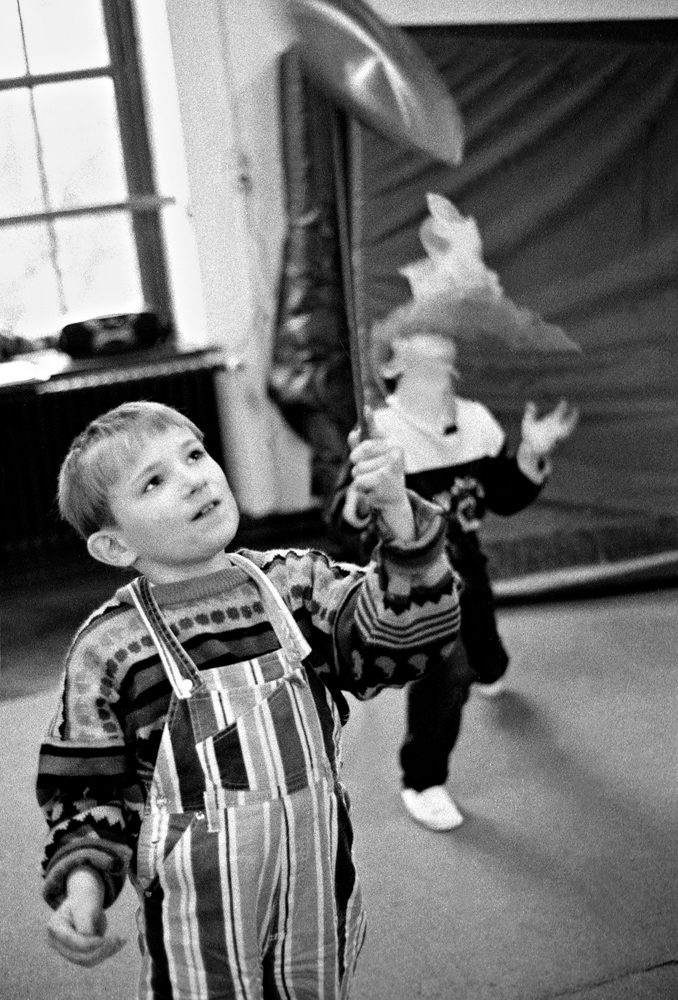
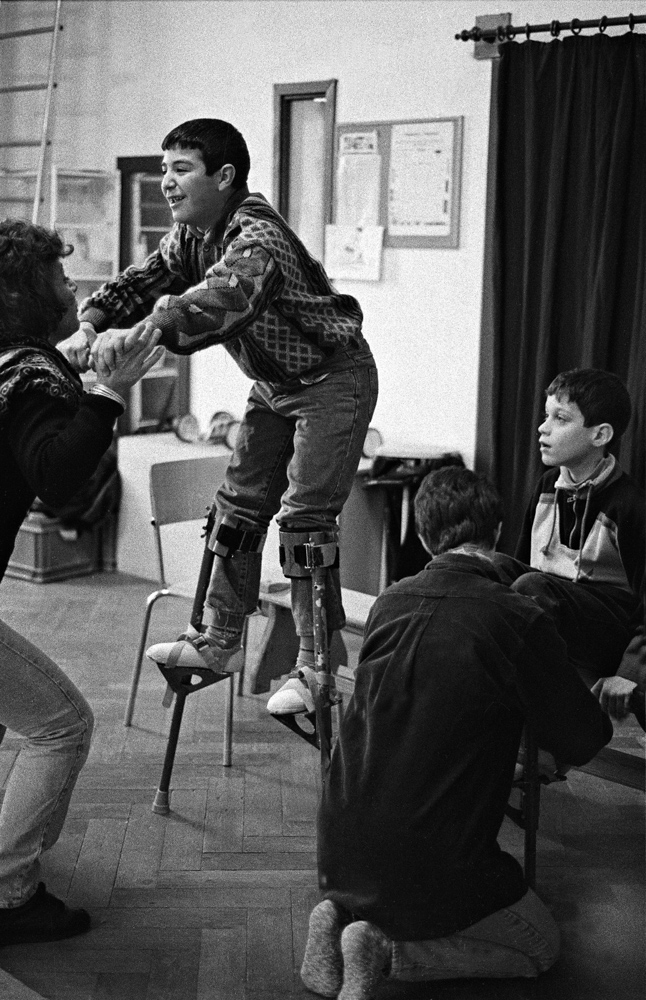
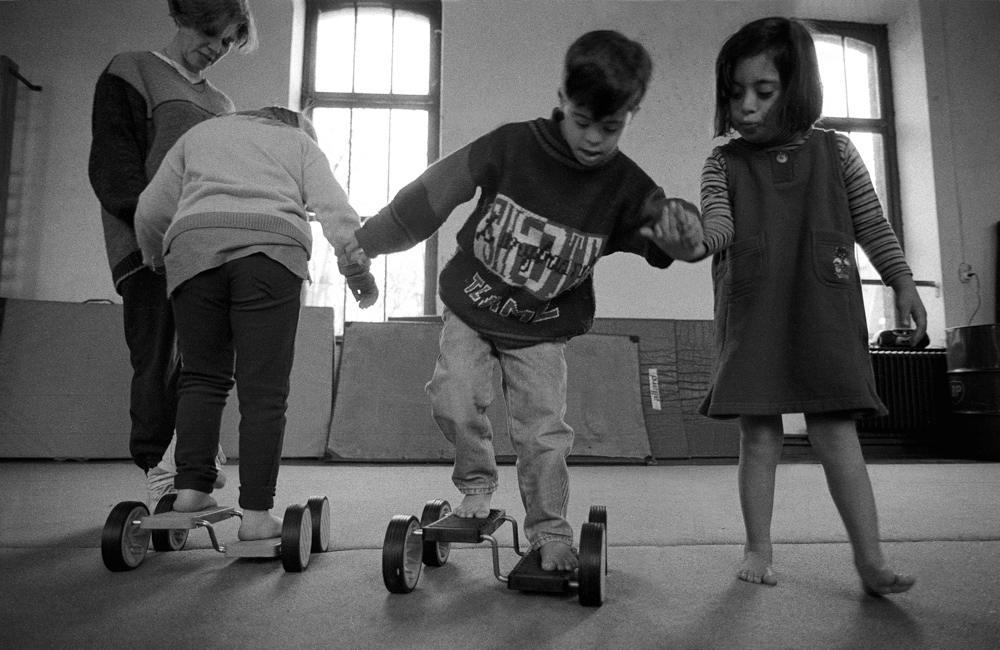
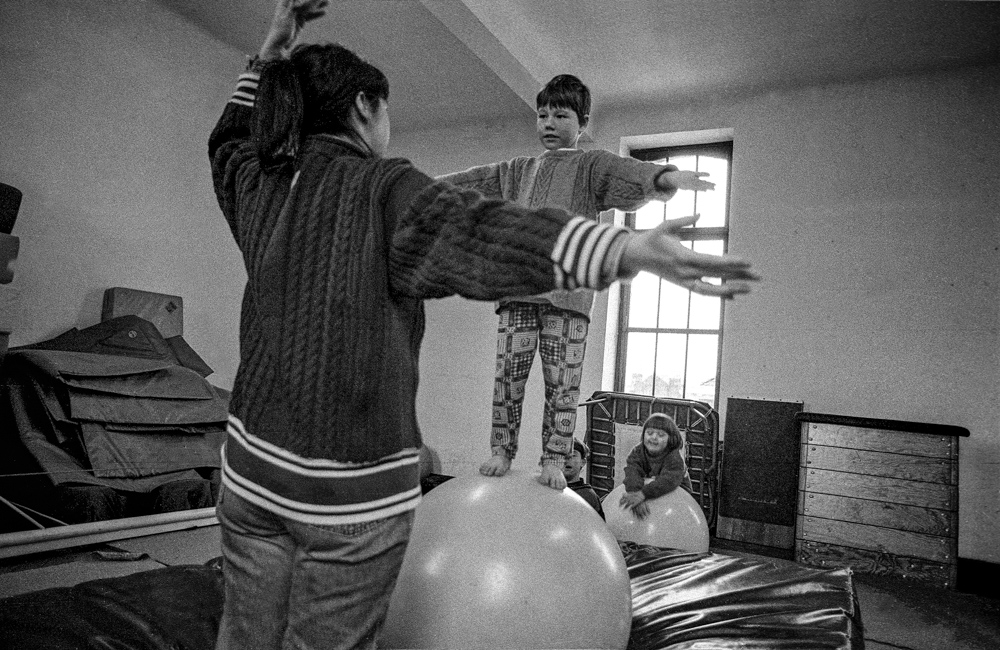
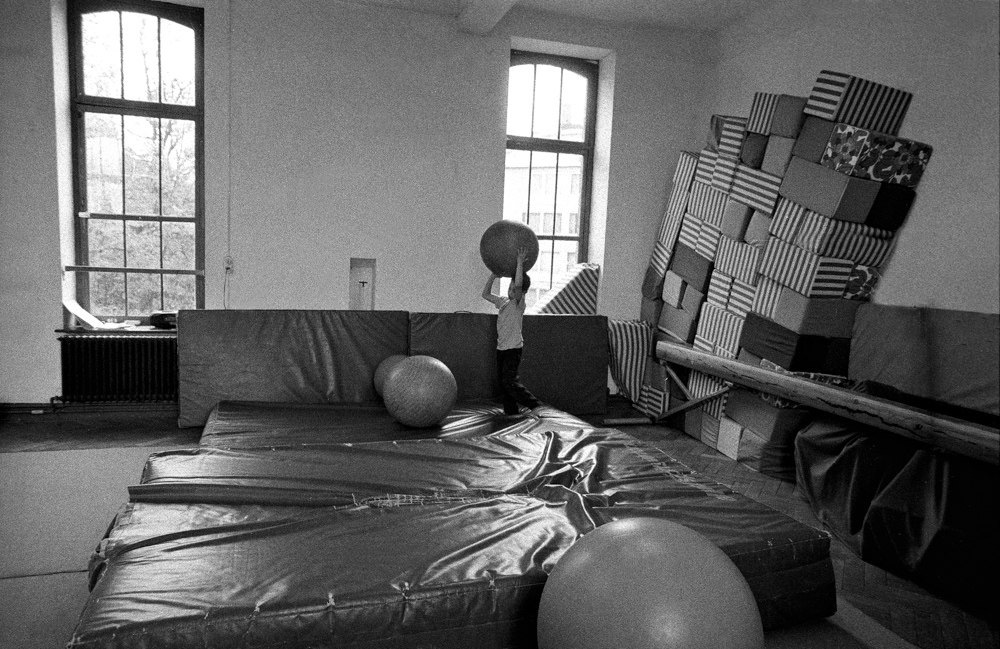
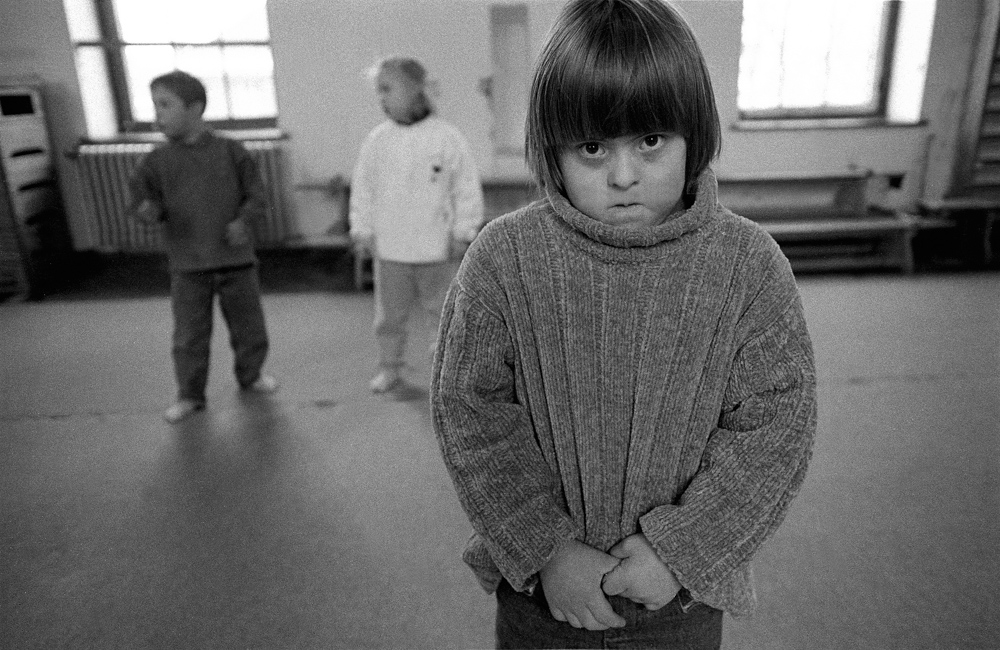
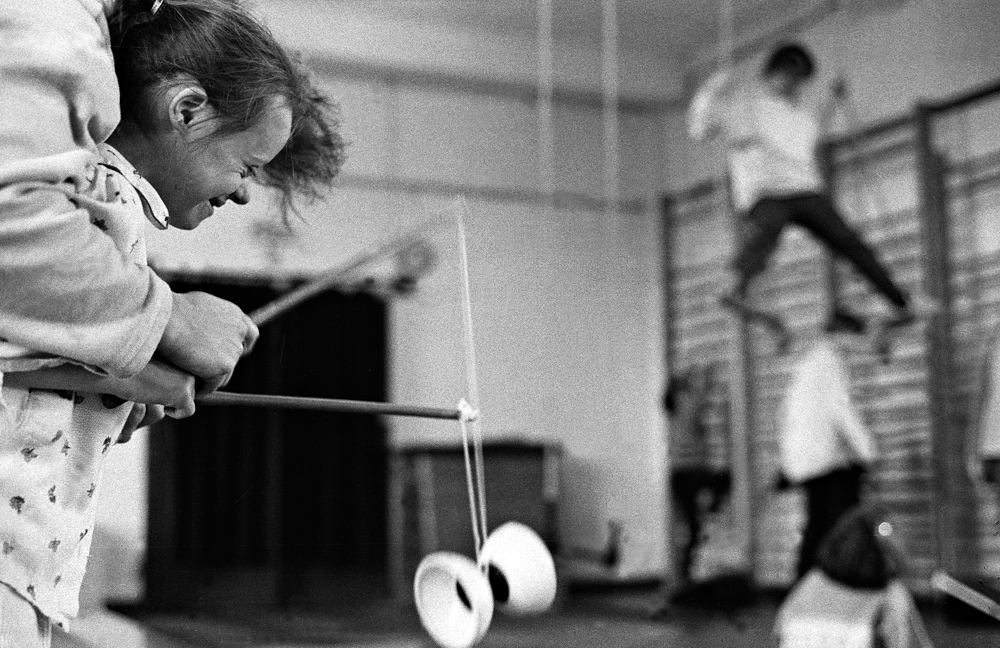
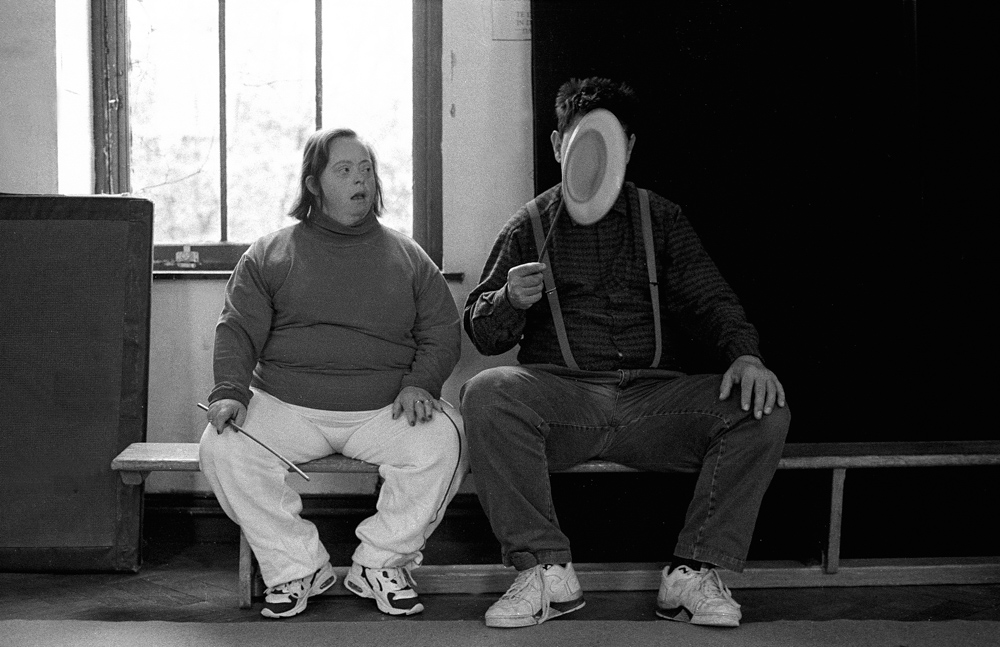
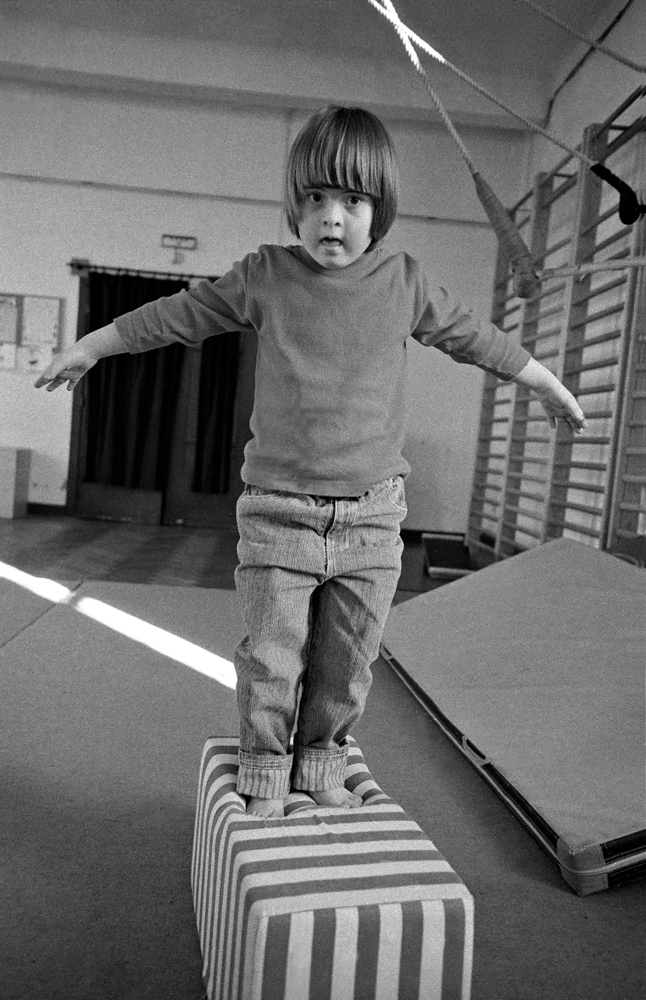
At the dawn of the 1990s, the Brussels Circus School created this innovative project that aims to use Circus Arts to support people with physical and/or mental disabilities — provided that this tool of expression and creativity contributes to the well-being and personal growth of the participant.
Every week, around a hundred children and adults join the school to practice circus techniques.
The challenge of our work is to offer open and varied situations that take into account each person’s abilities, never placing anyone in a position of failure. Helping them progress with pleasure and laughter, while fostering an atmosphere of trust that encourages respect.
We followed the project for a year to create a travelling exhibition and a book (Éditions Luc Pire).
Photos : Christophe Smets
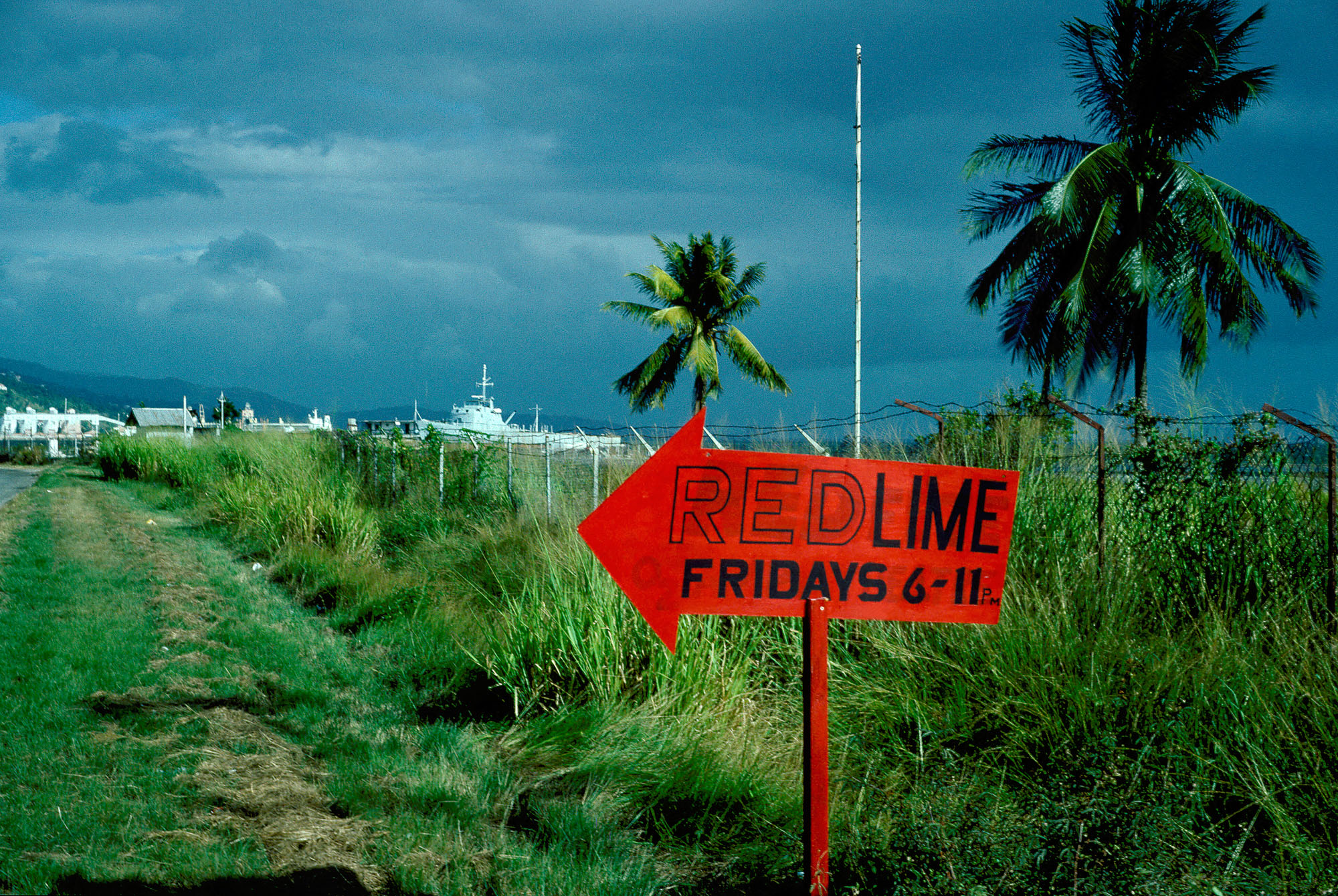
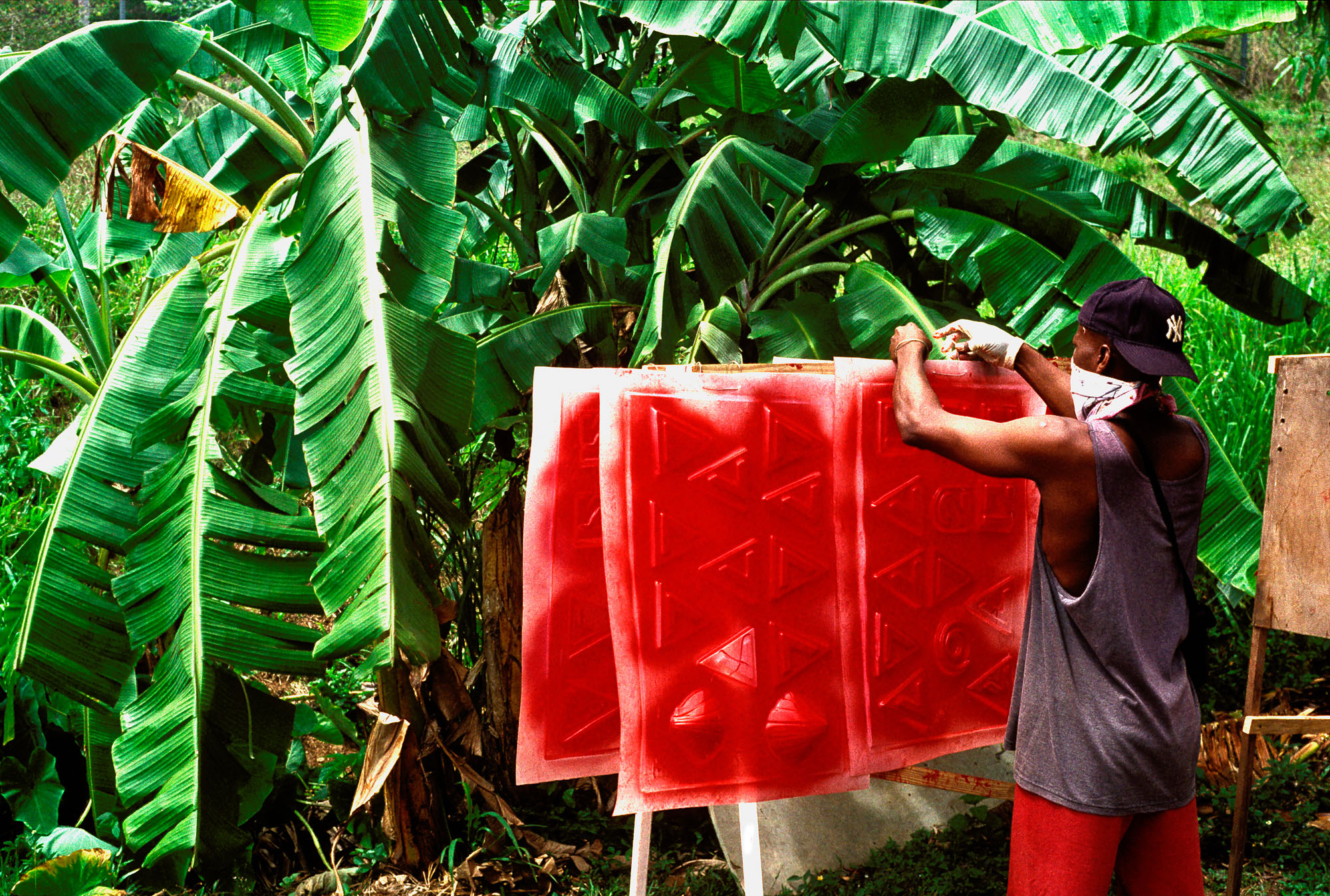
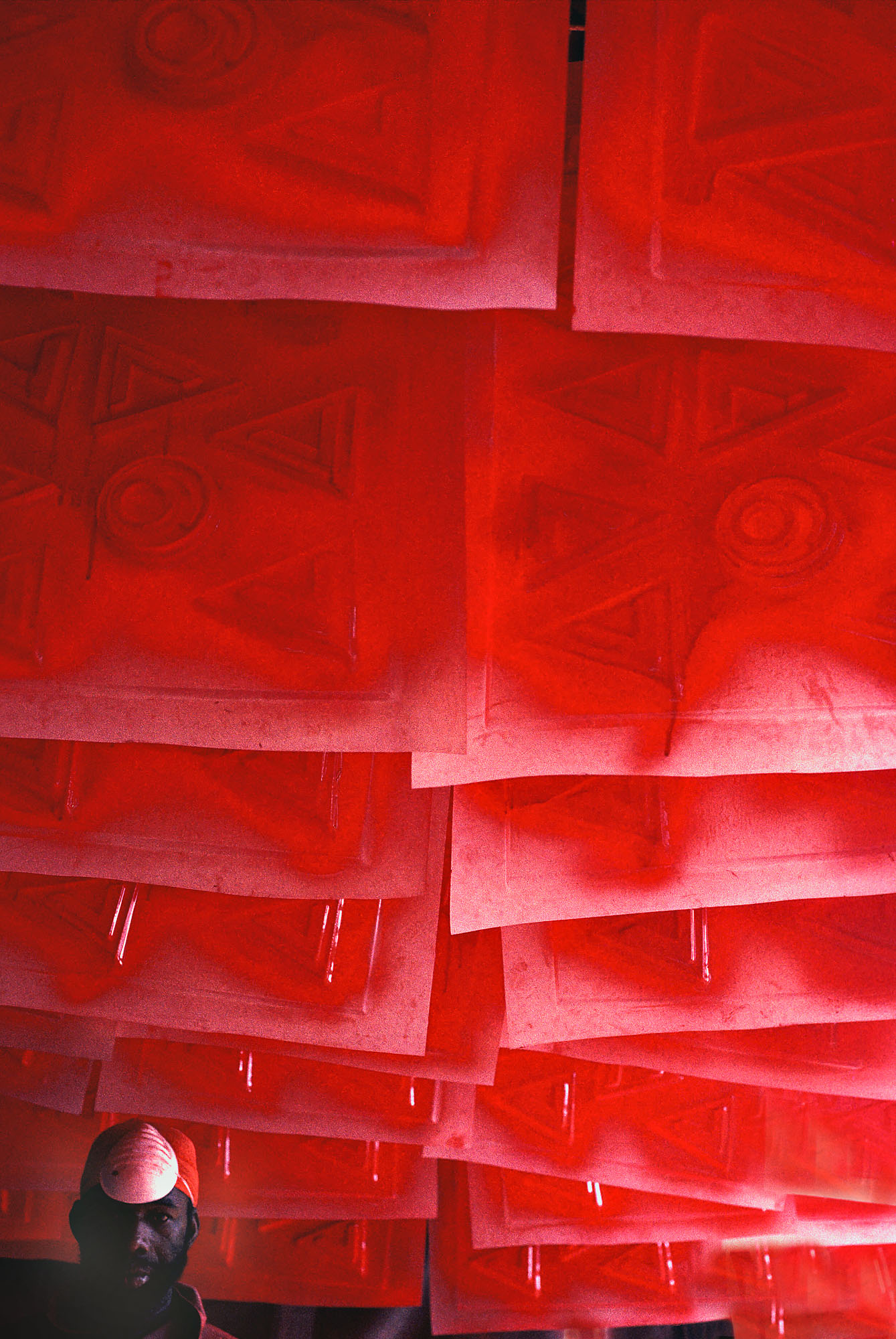
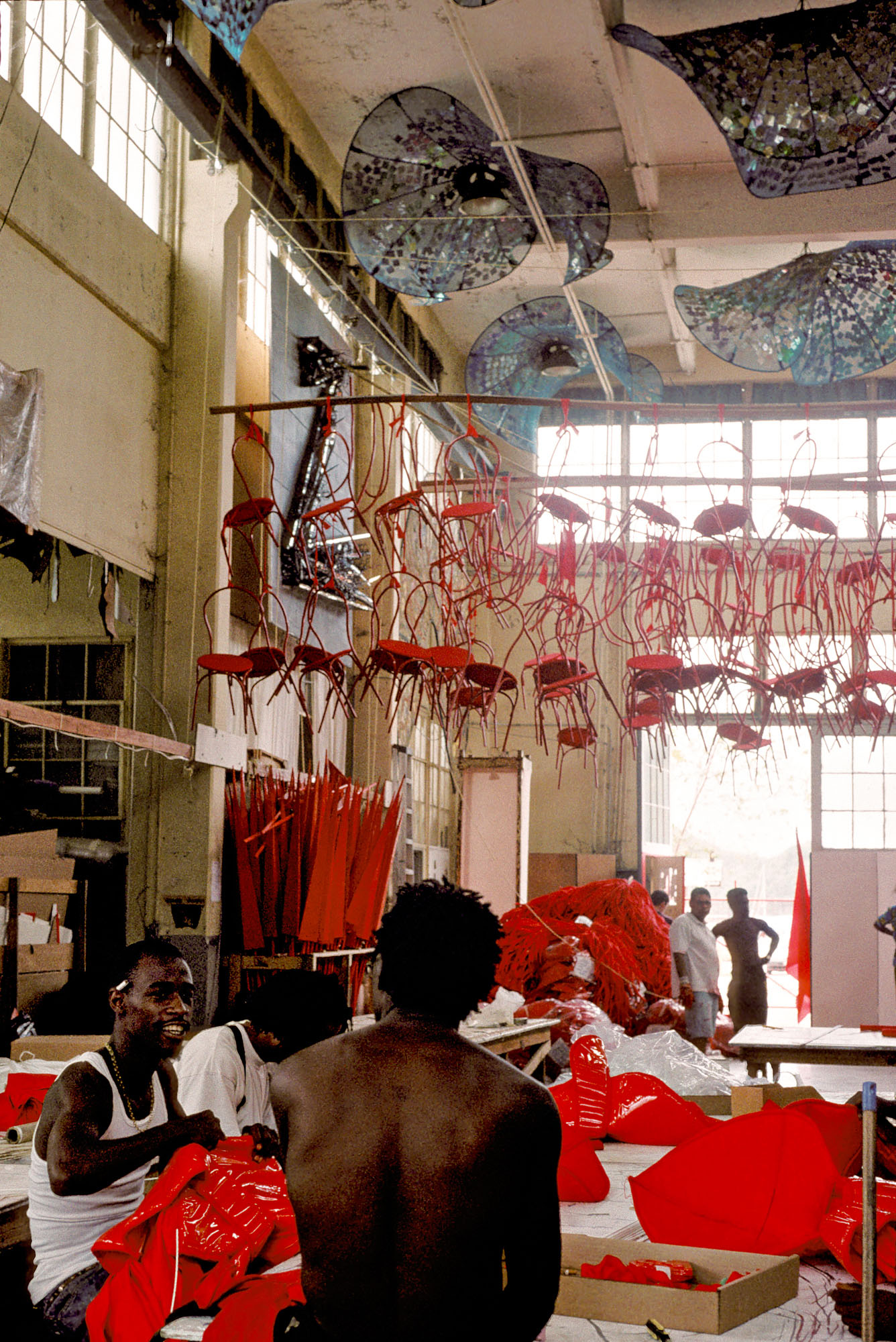
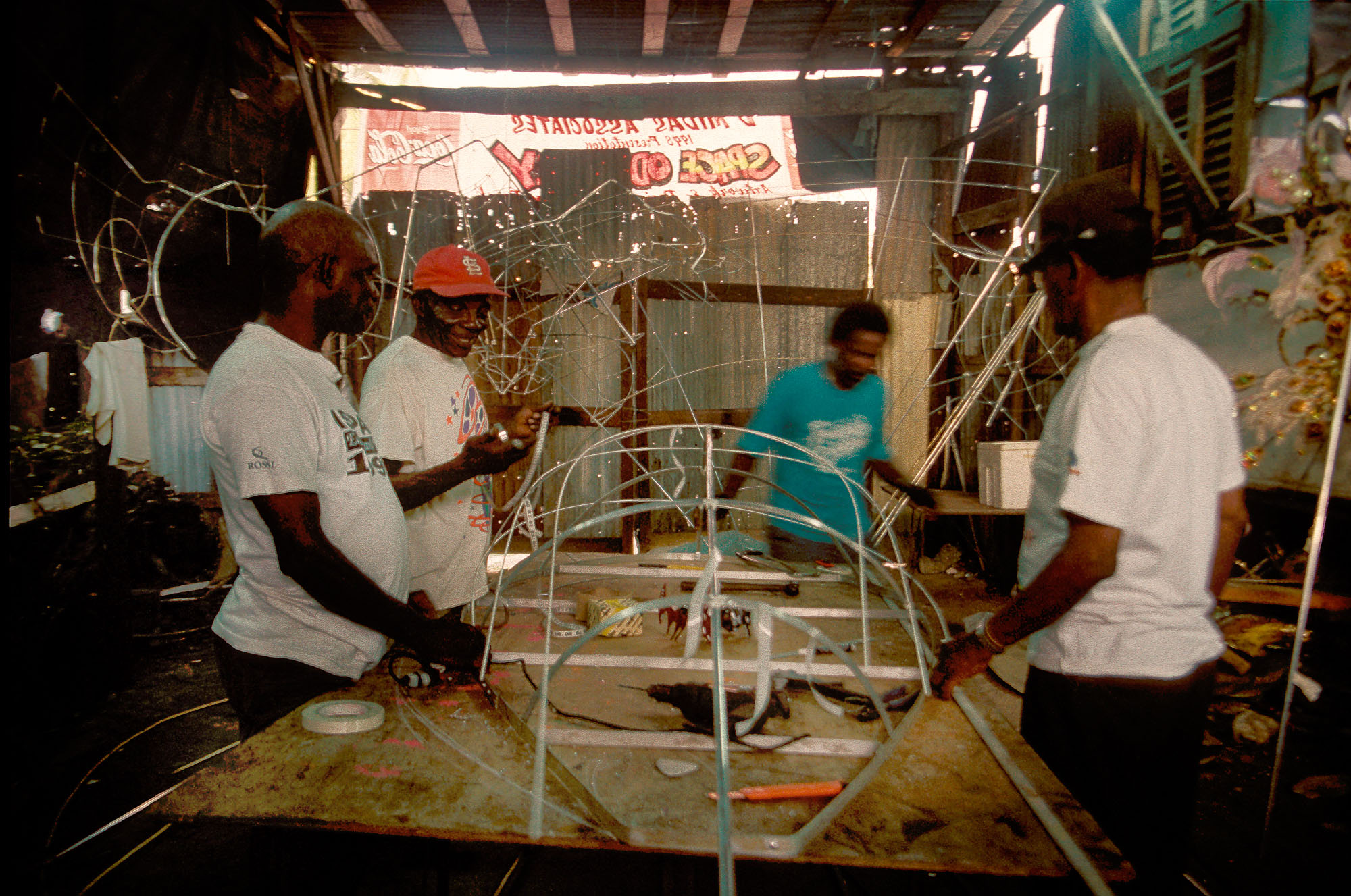
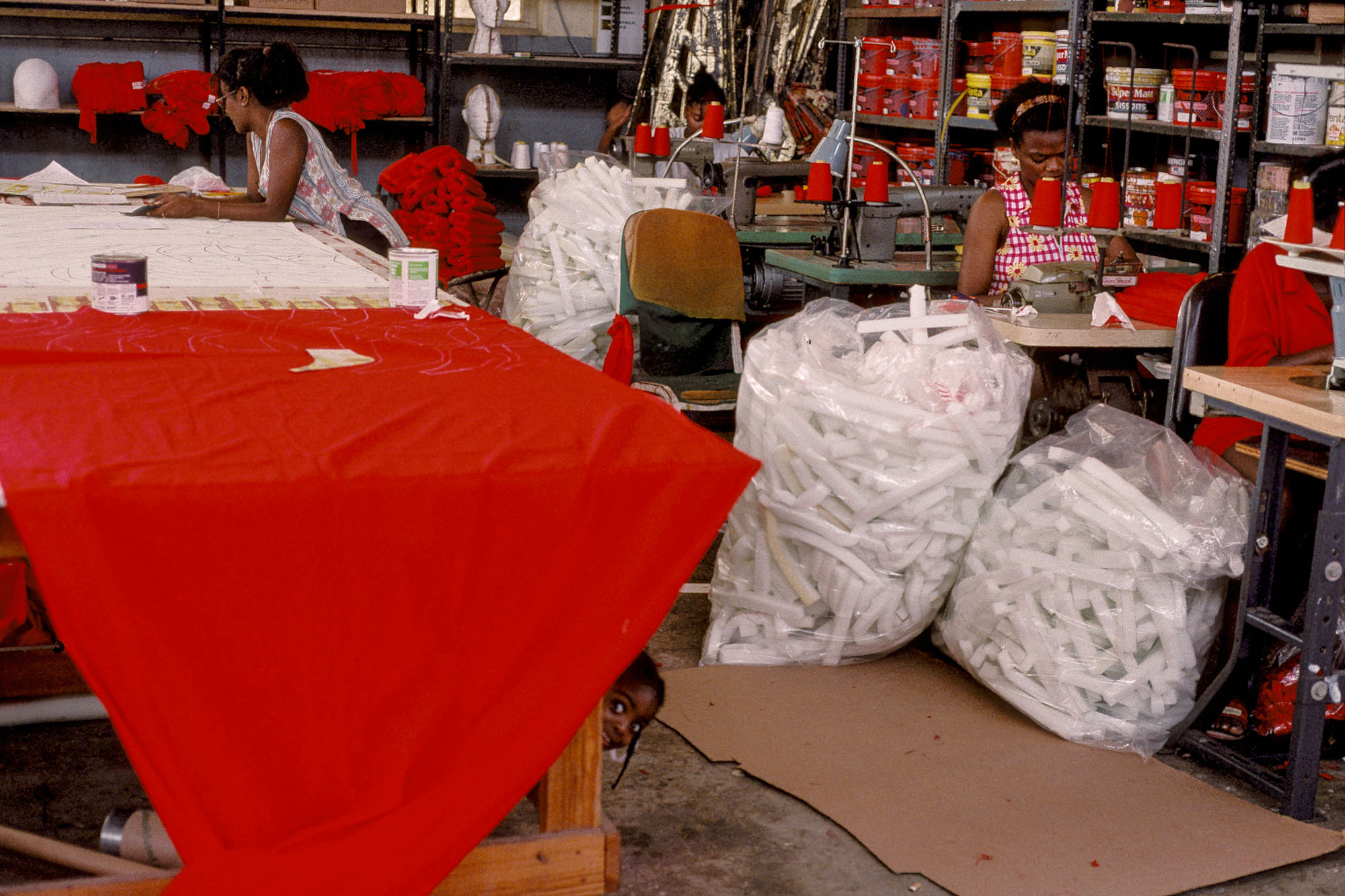
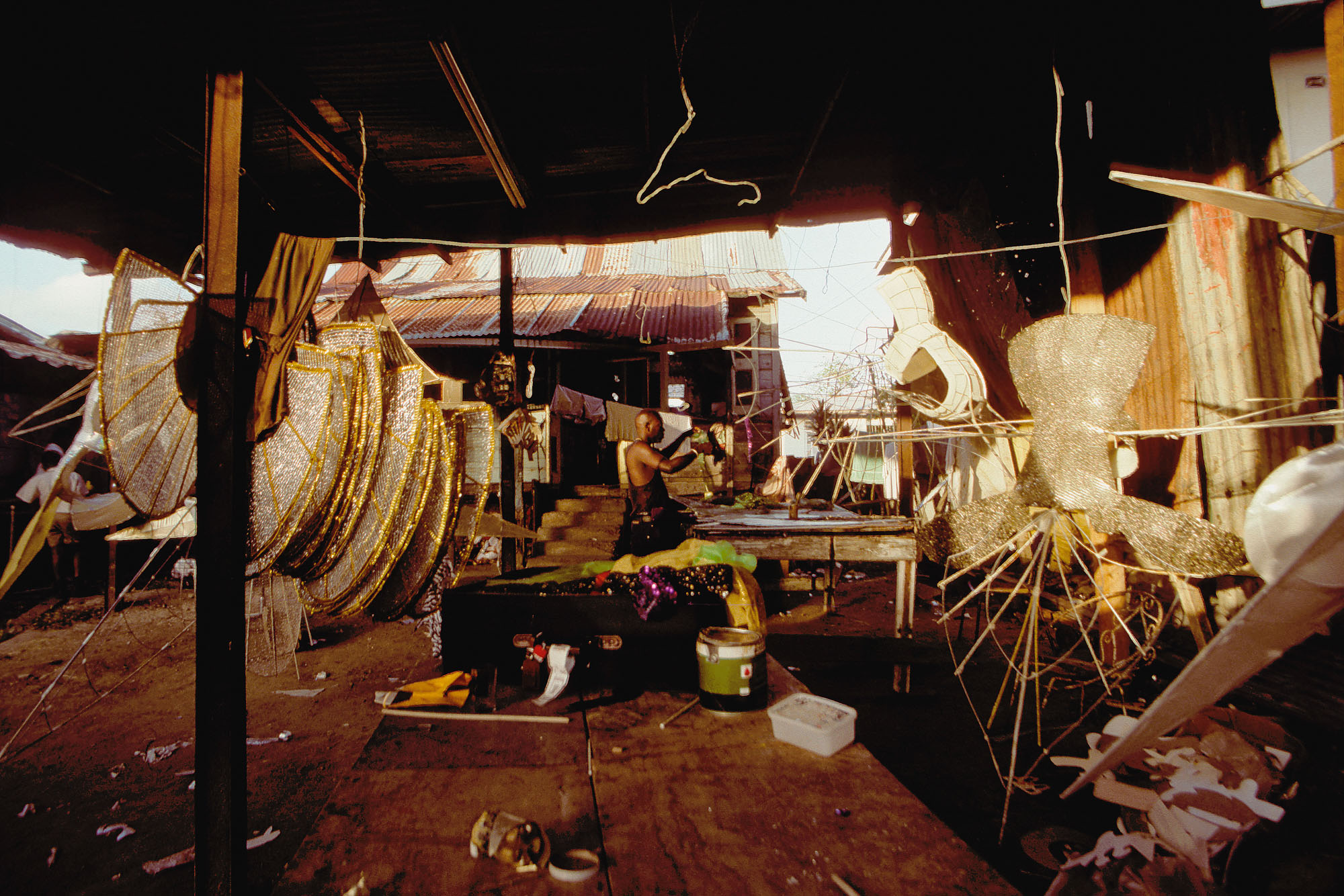
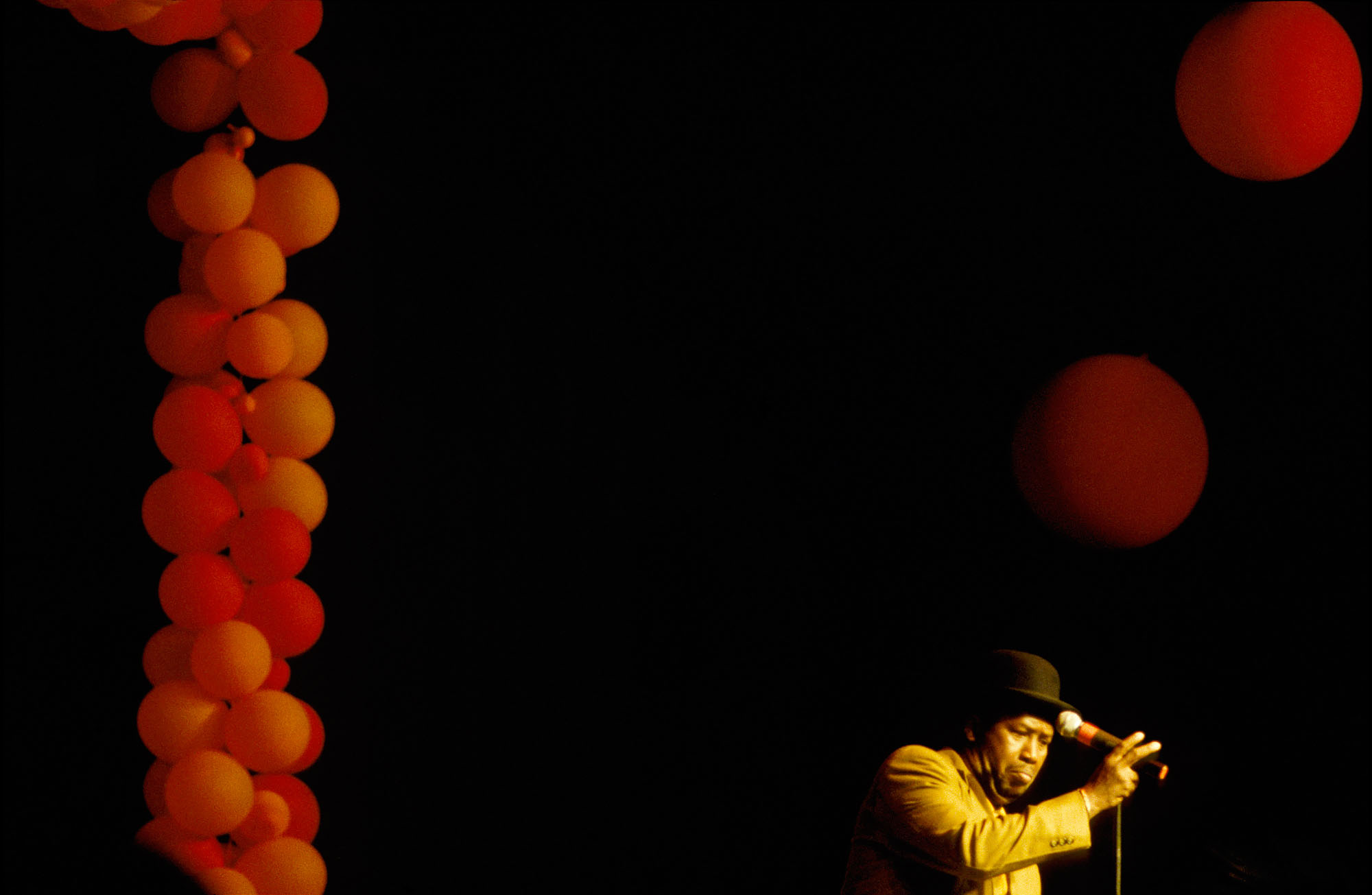
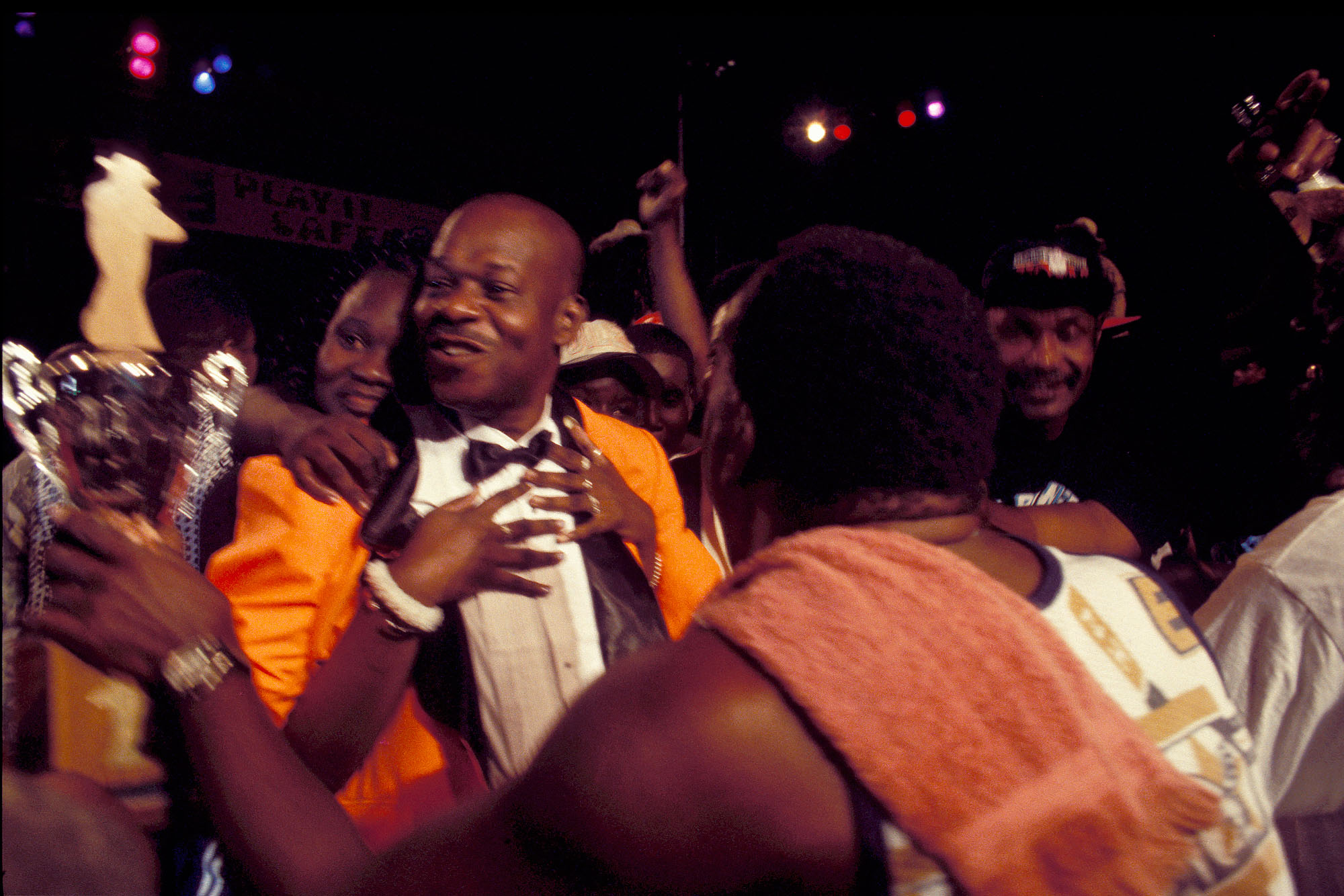
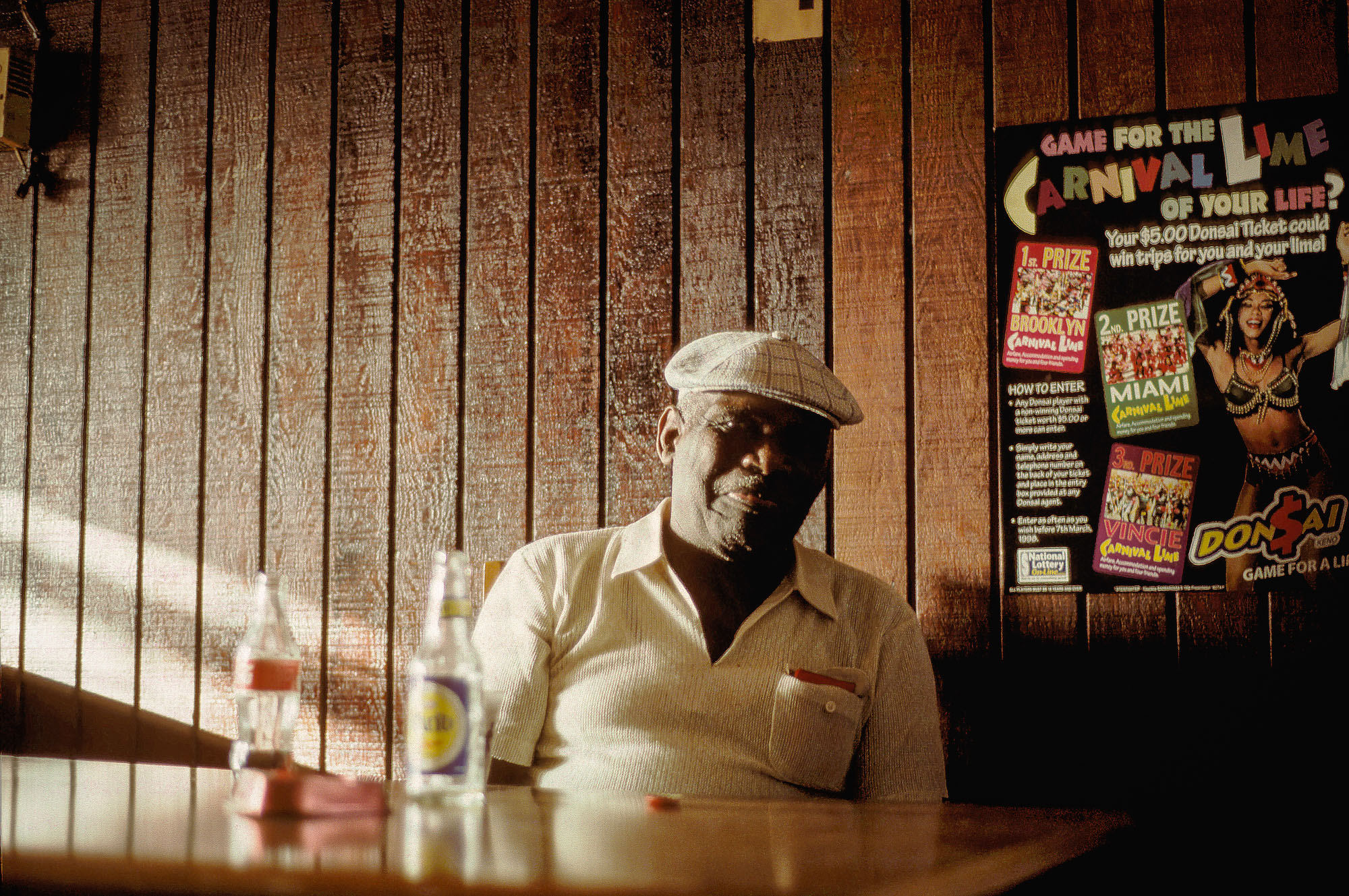
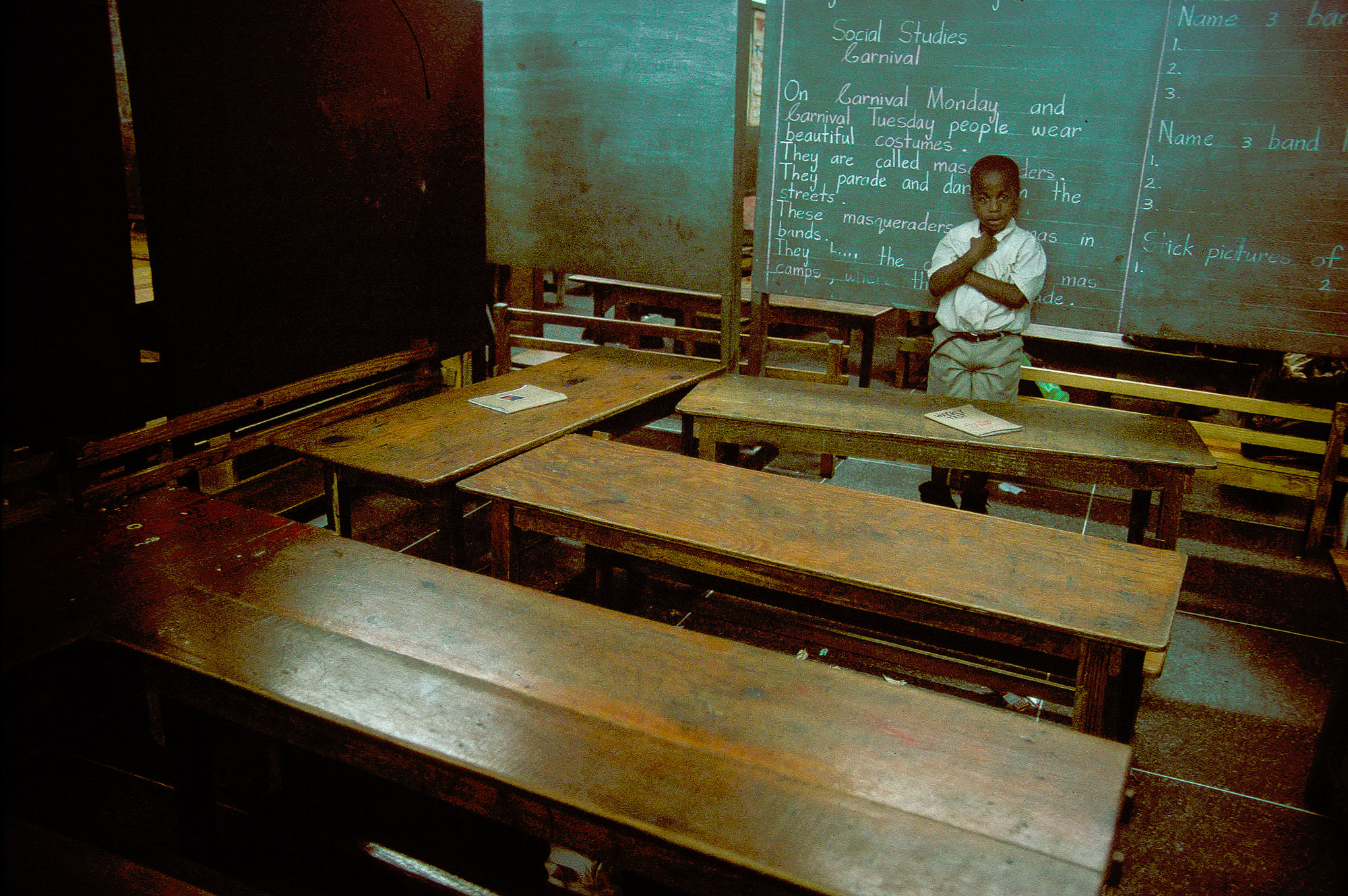
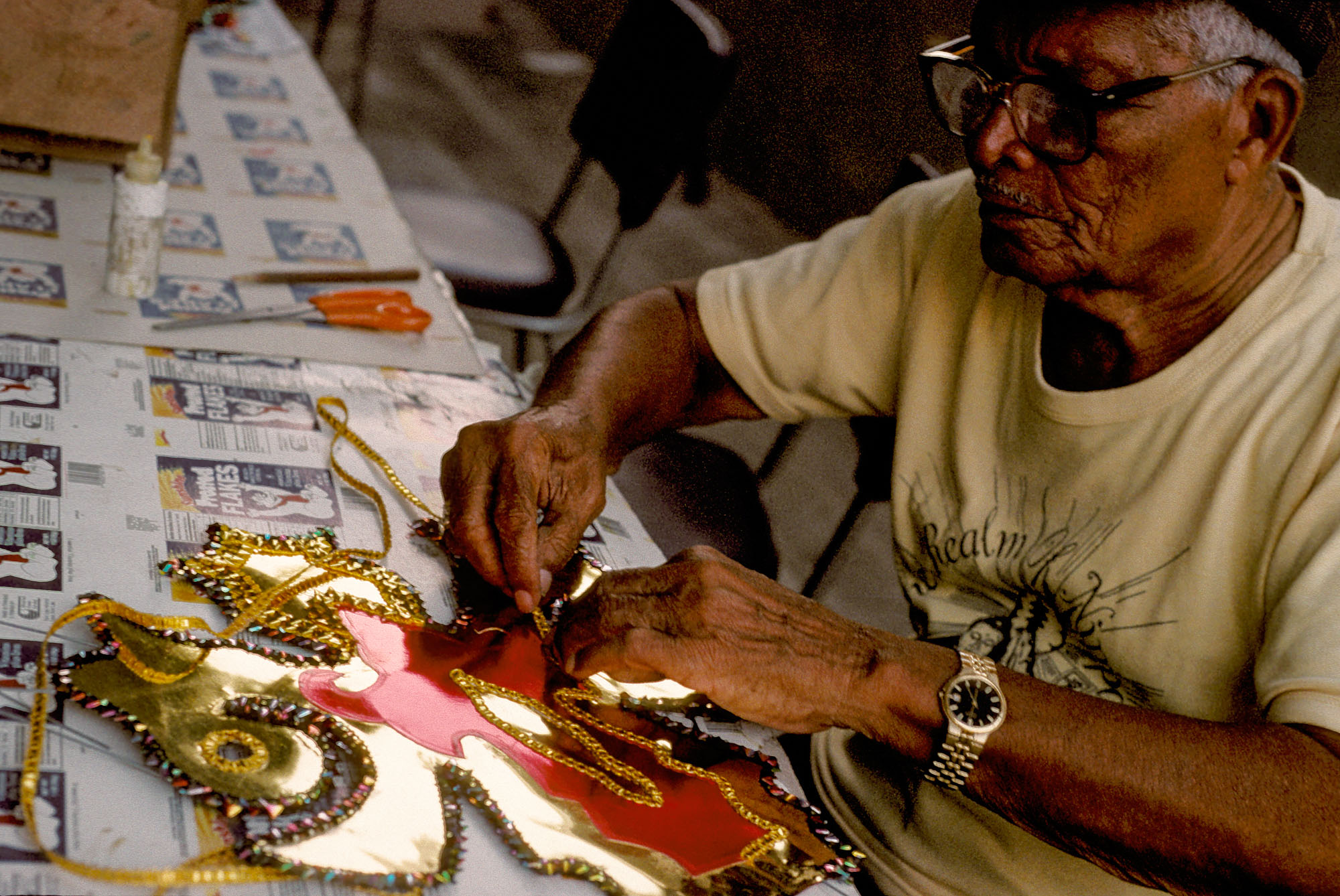
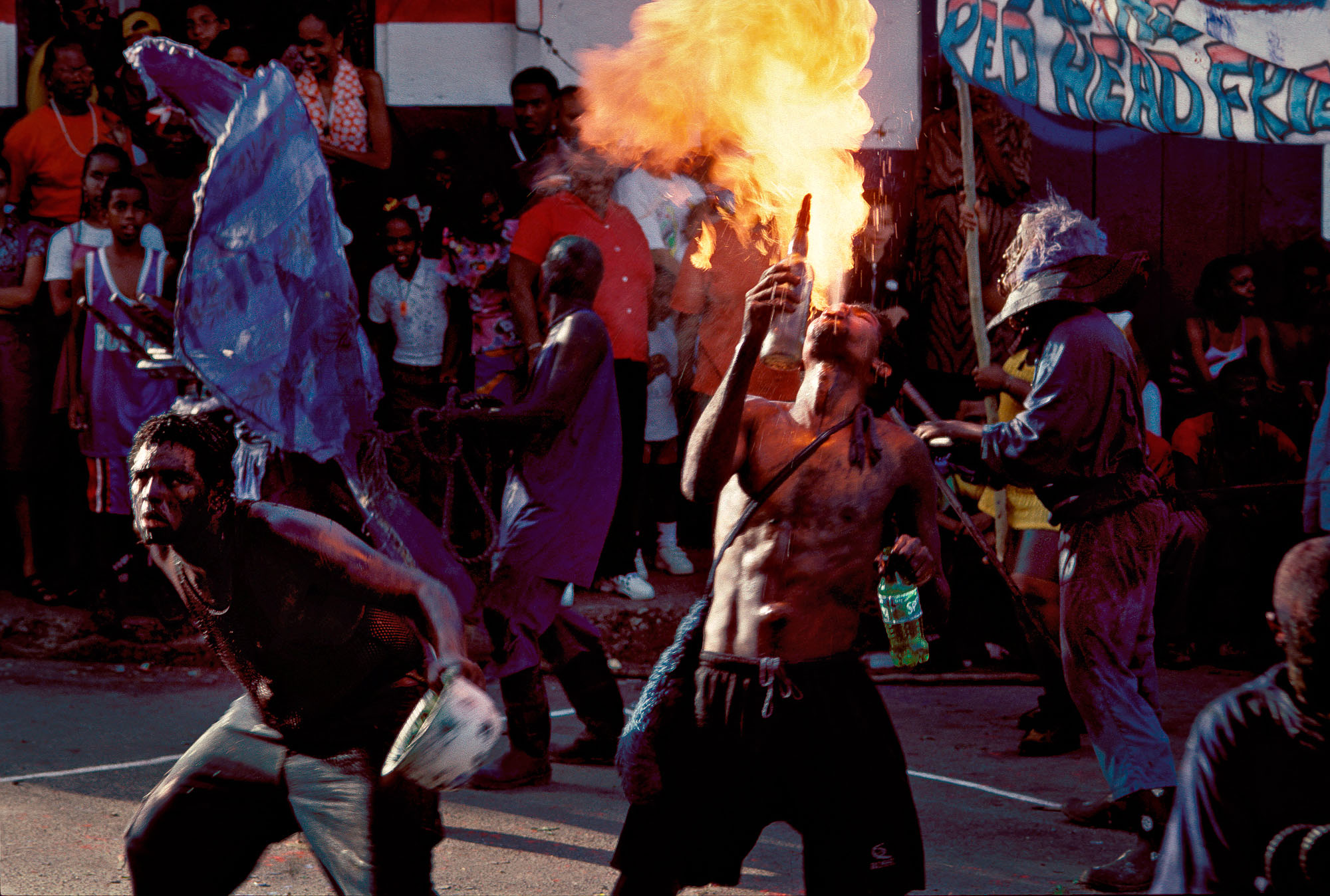
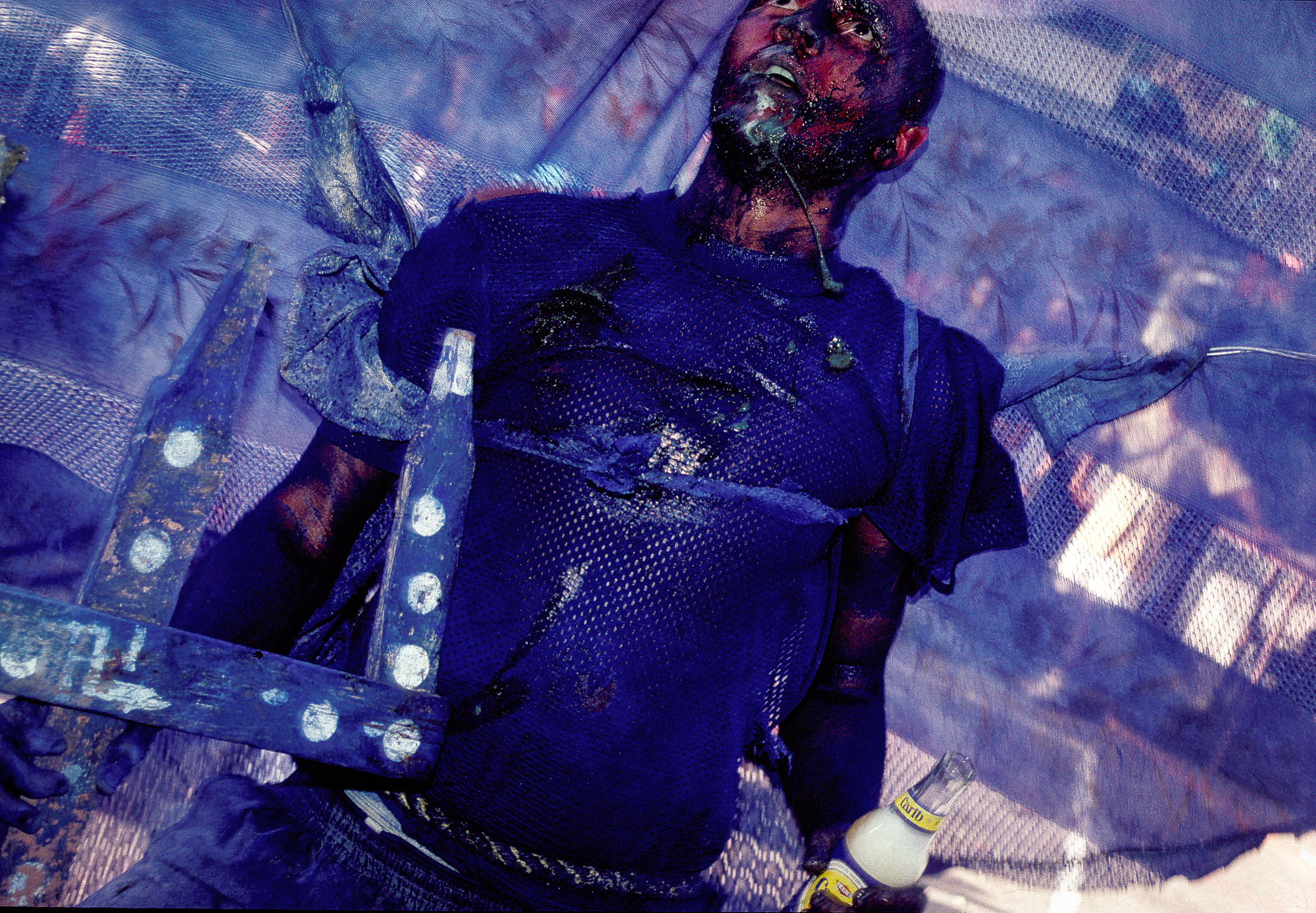
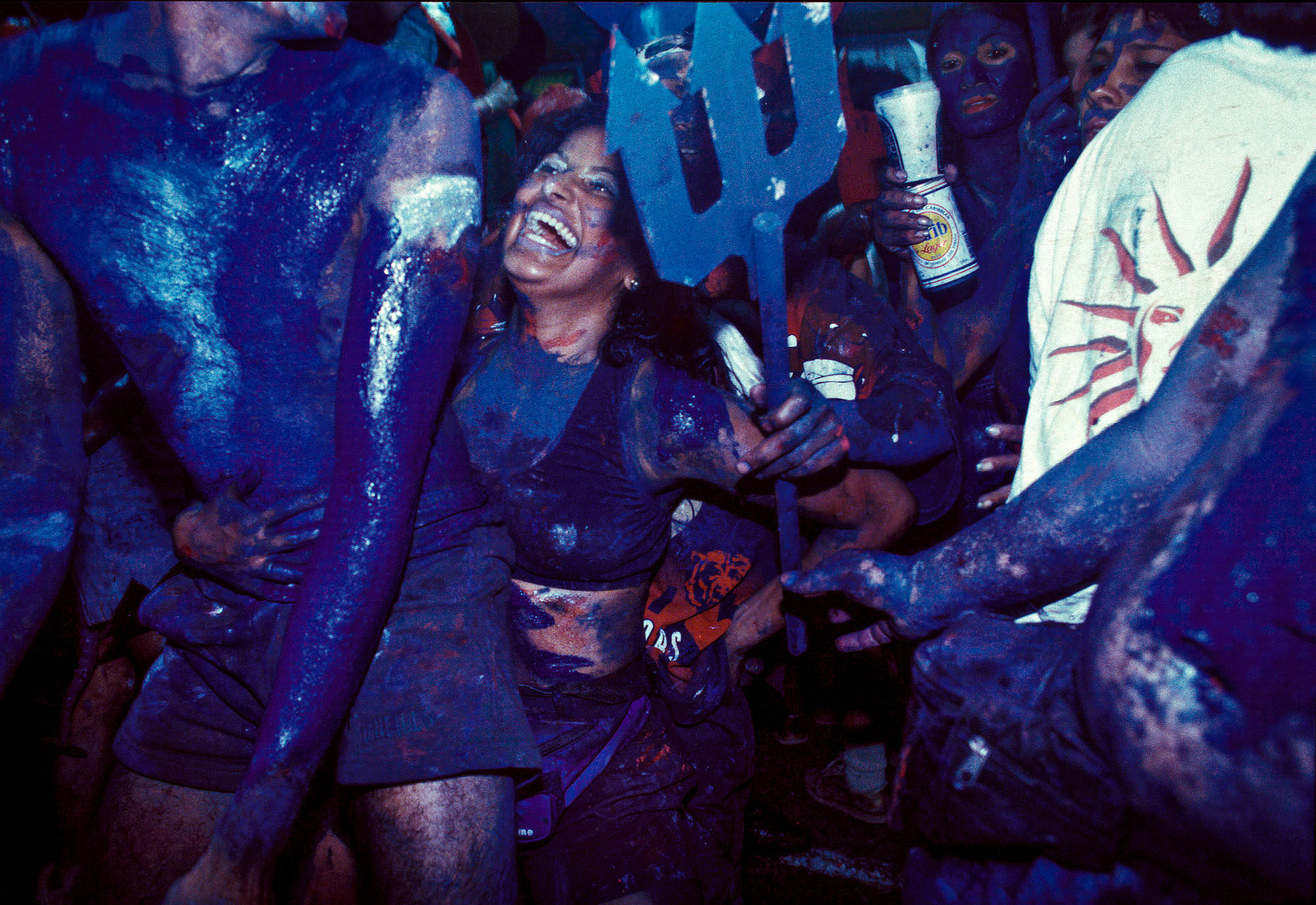
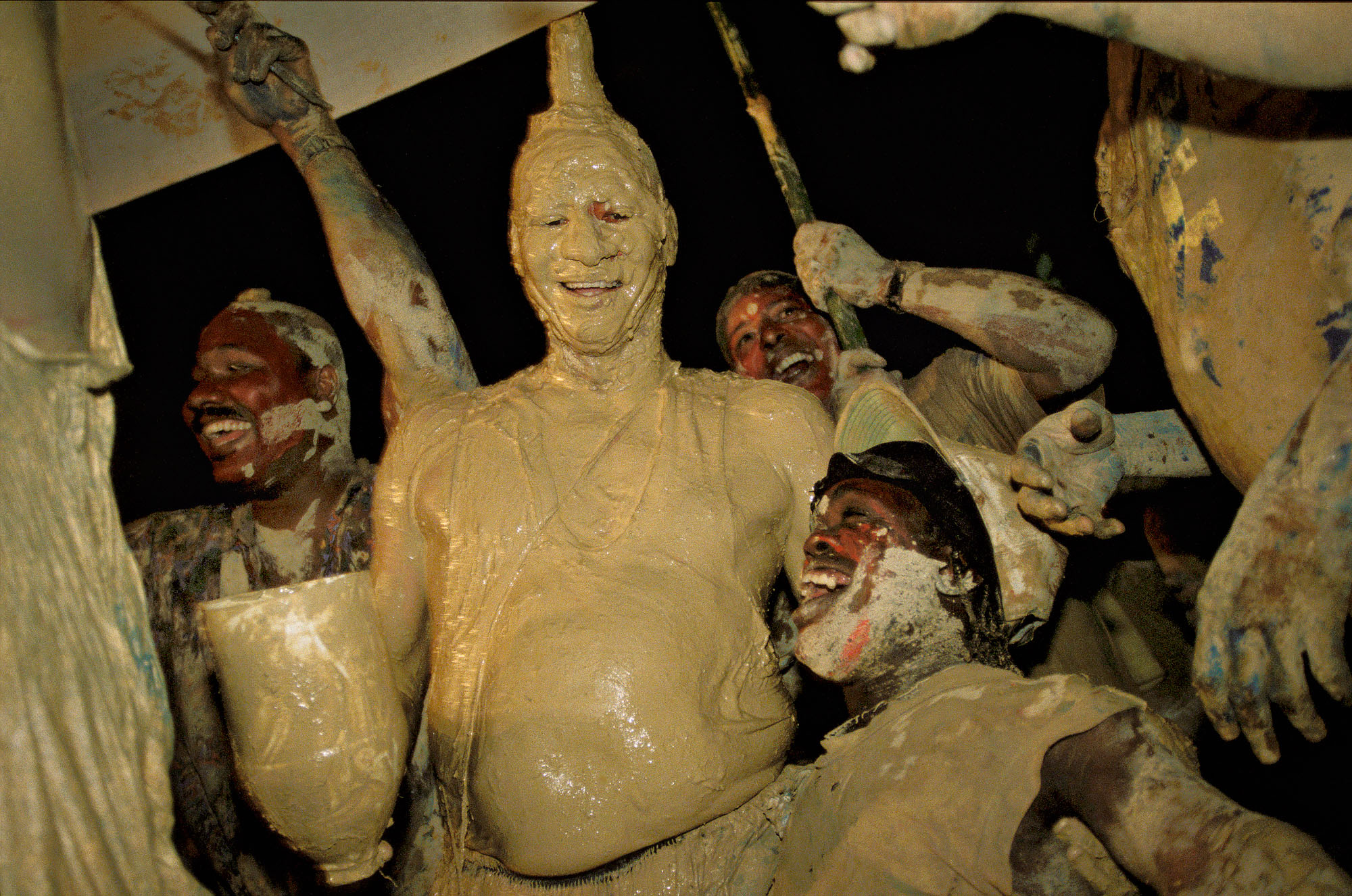
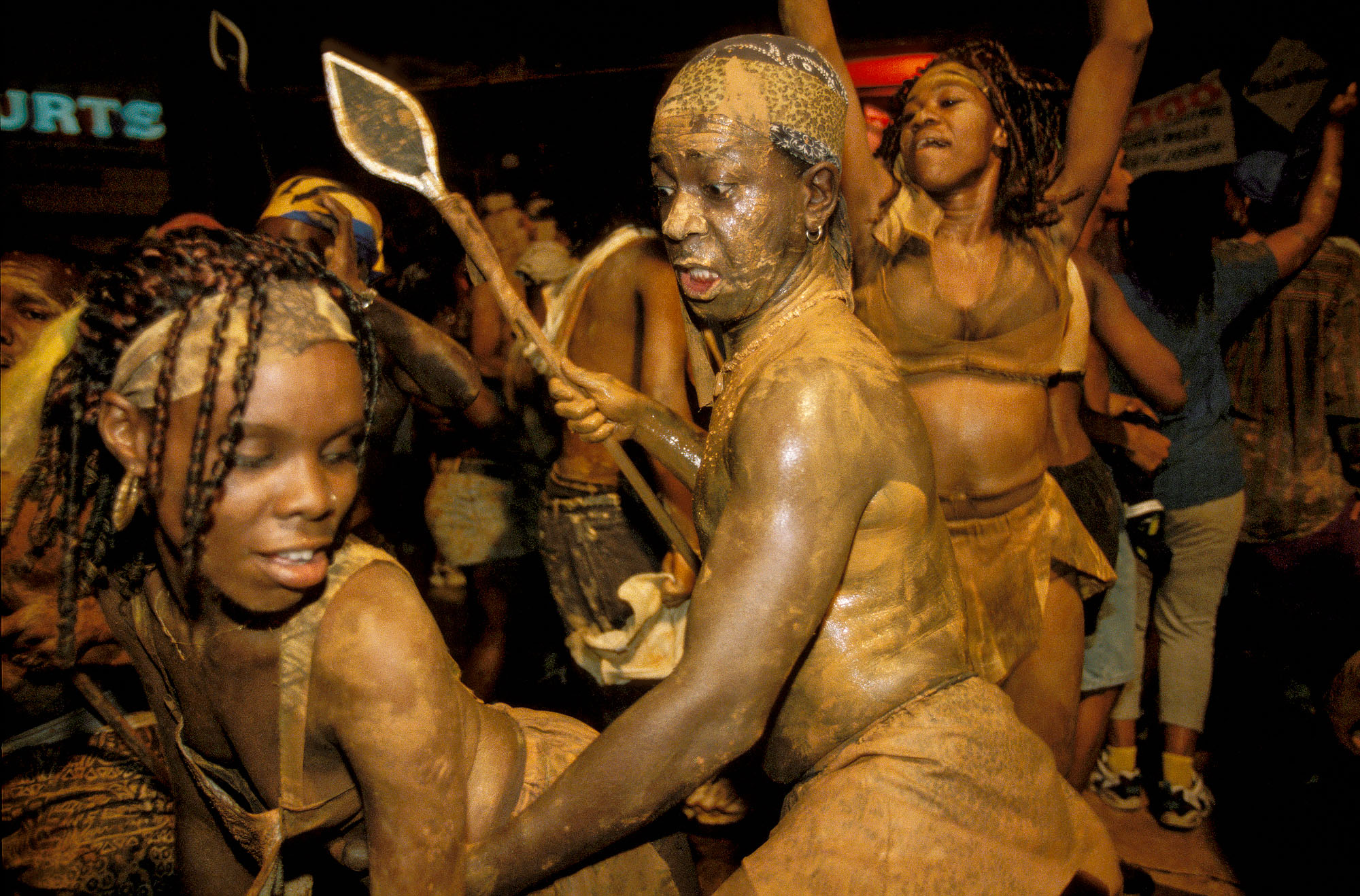
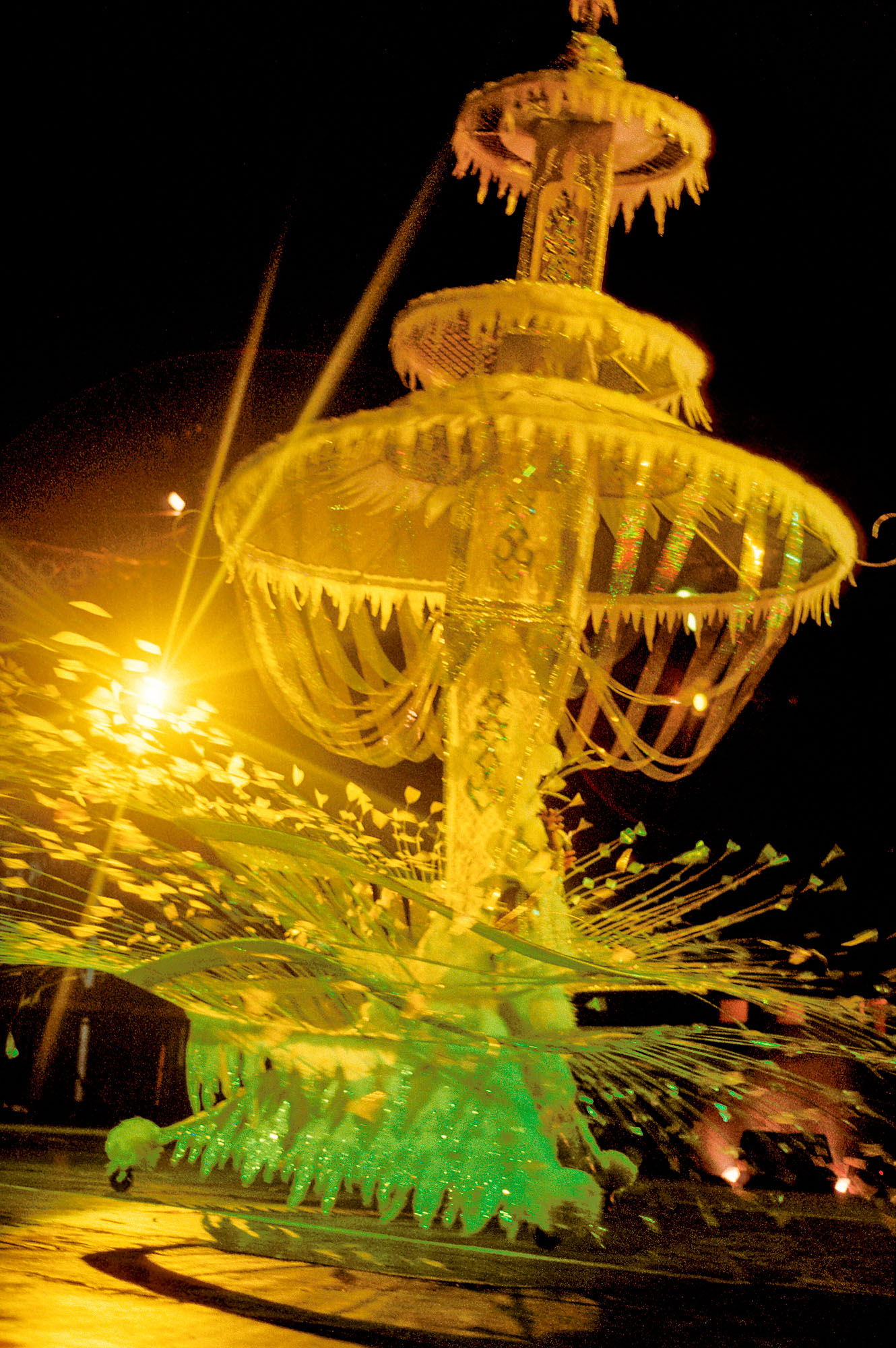
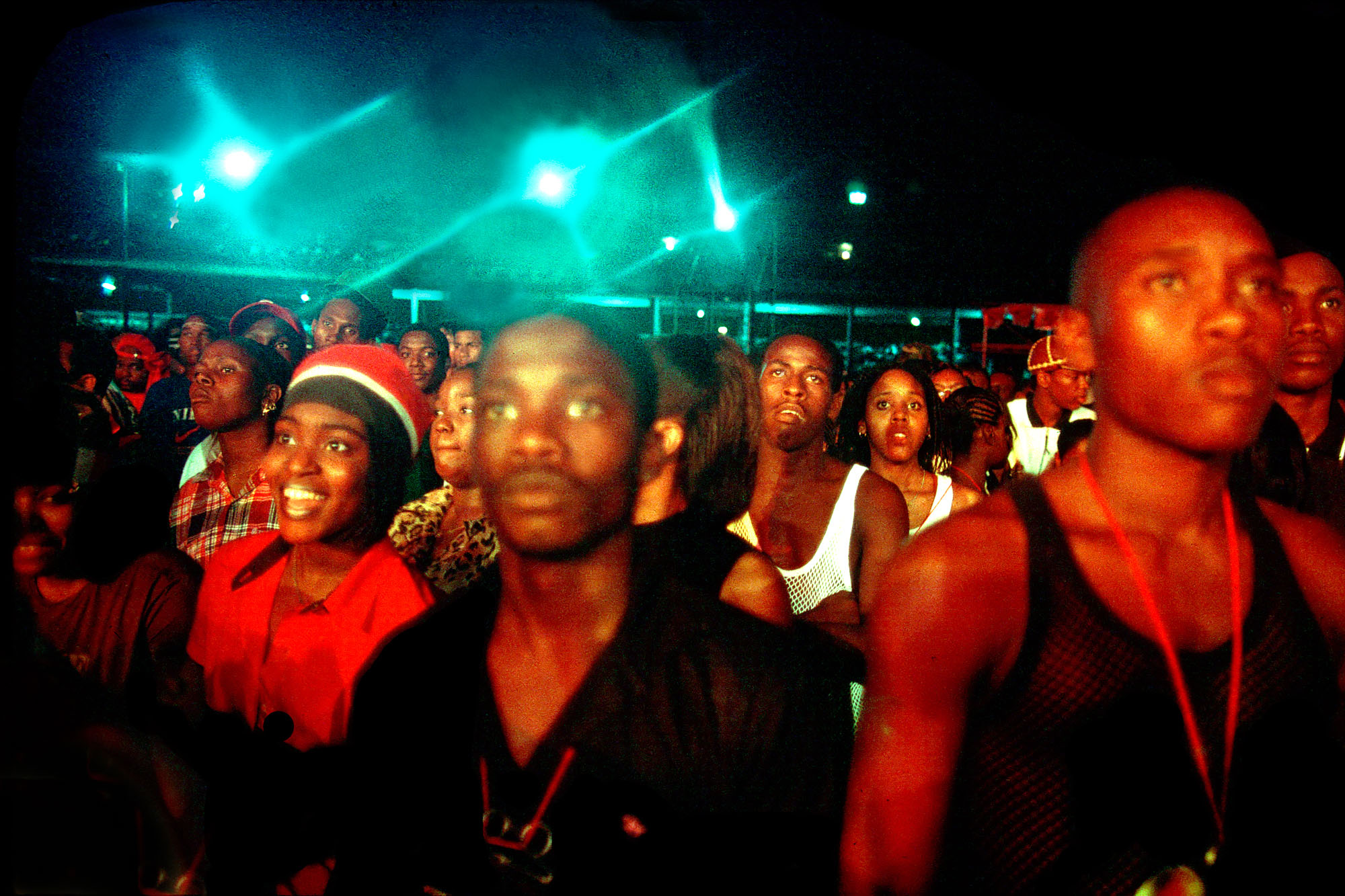
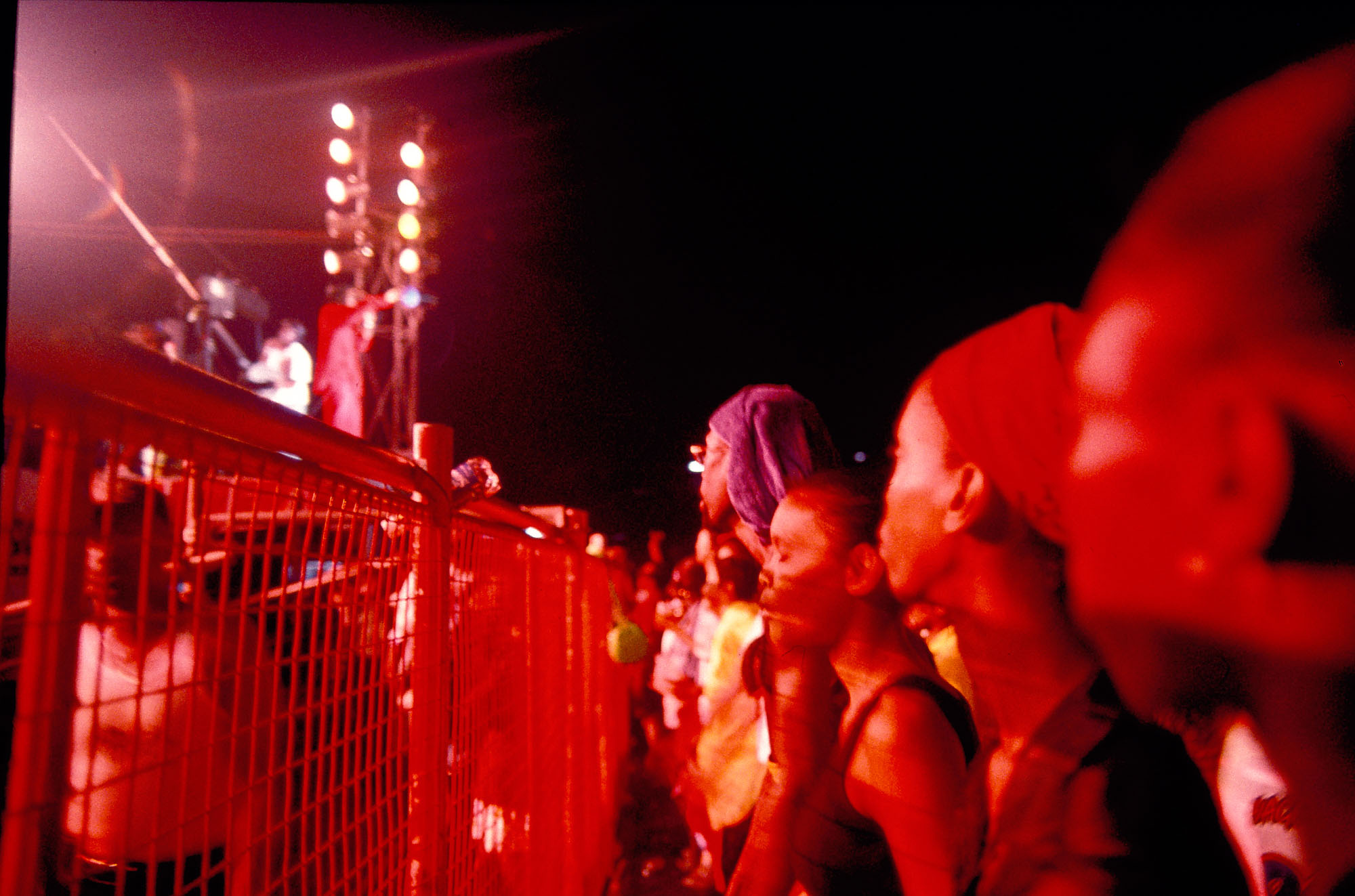
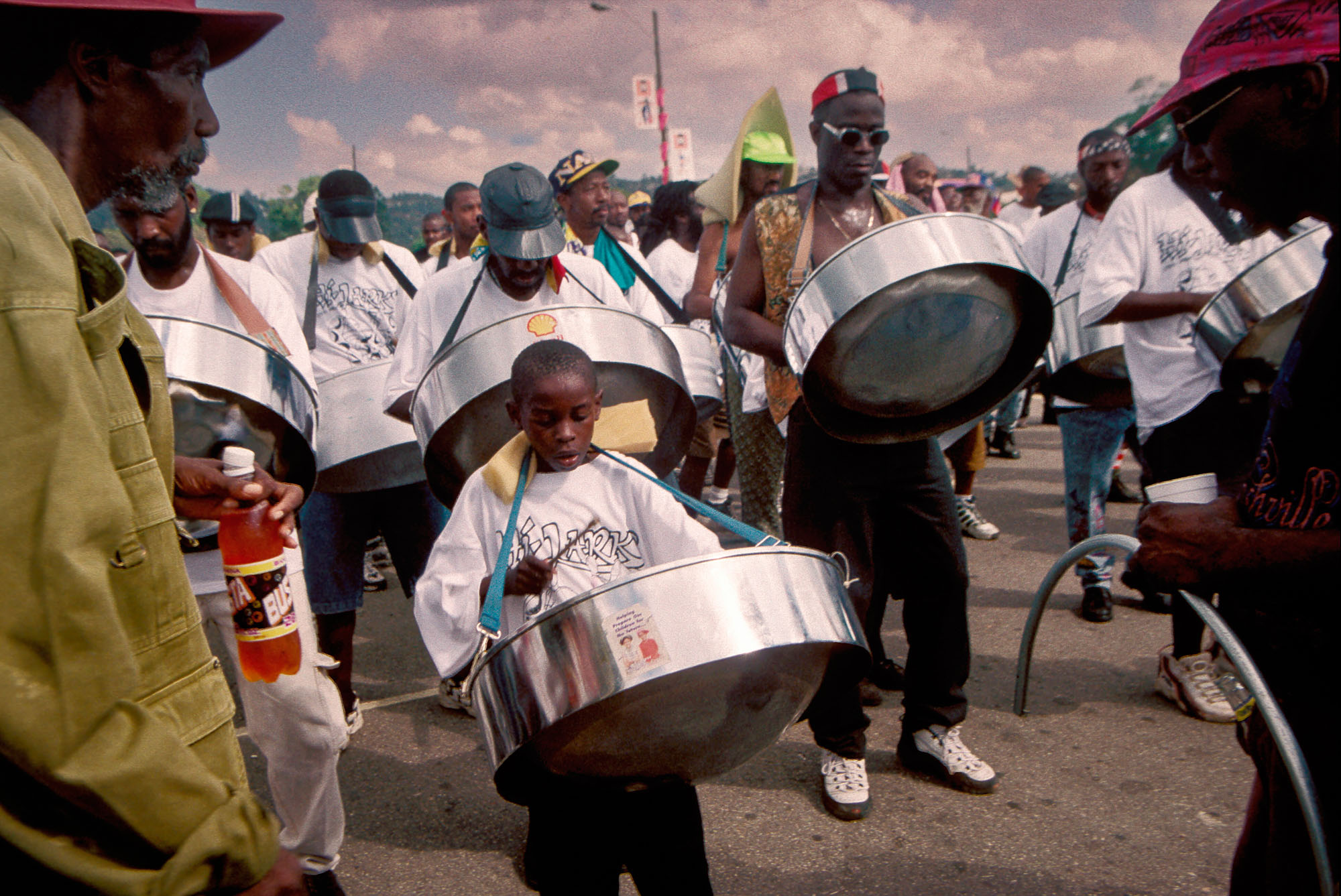
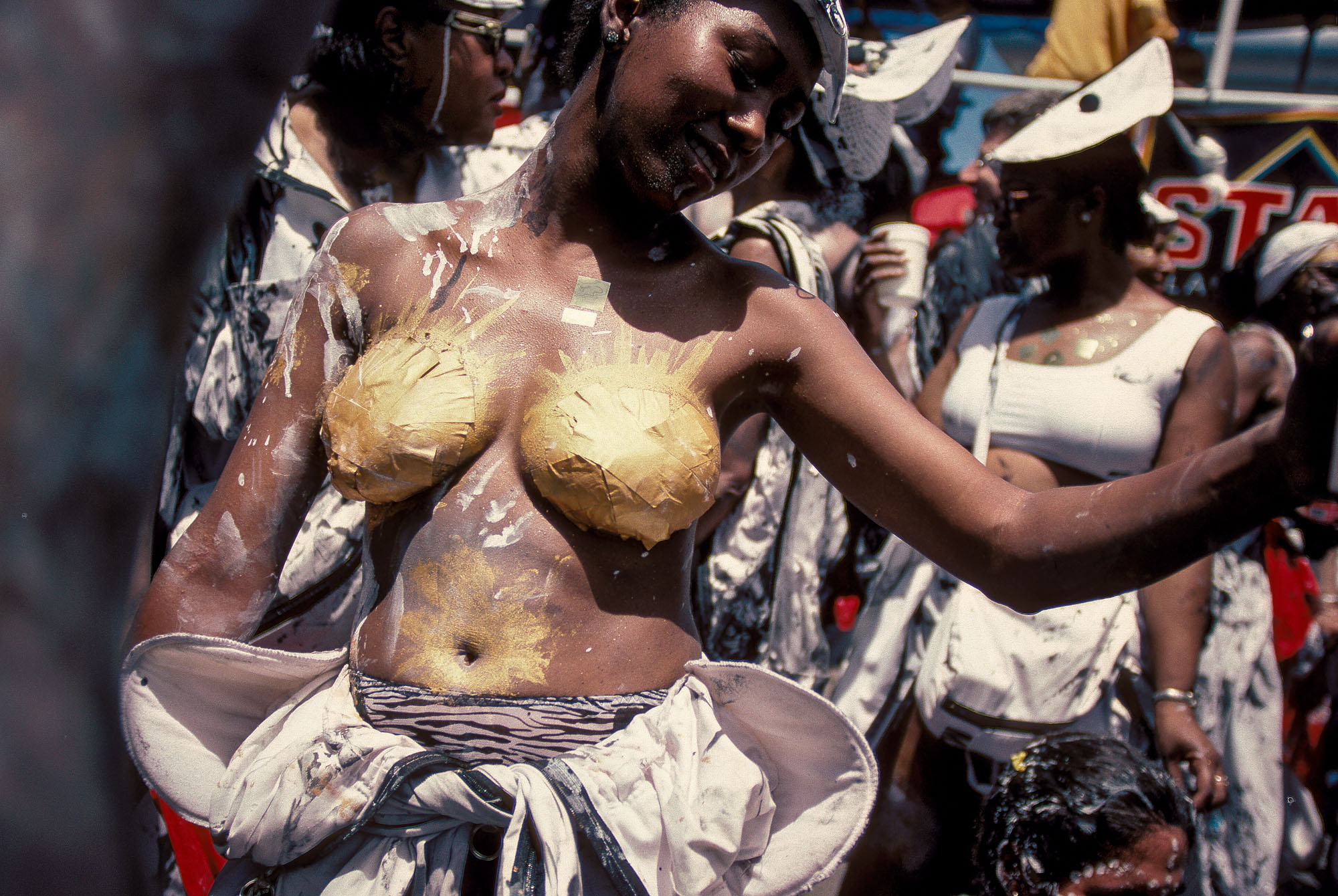
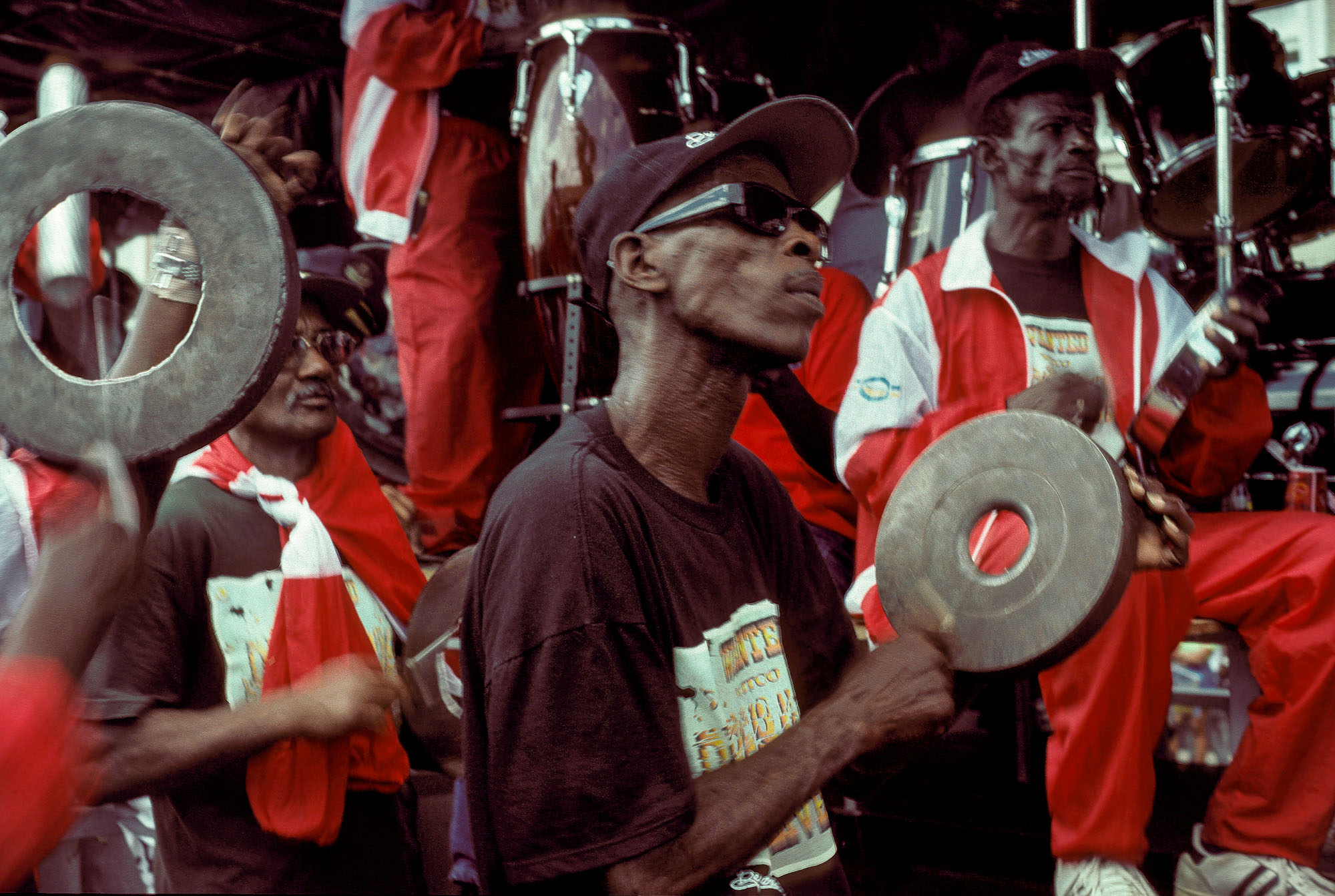
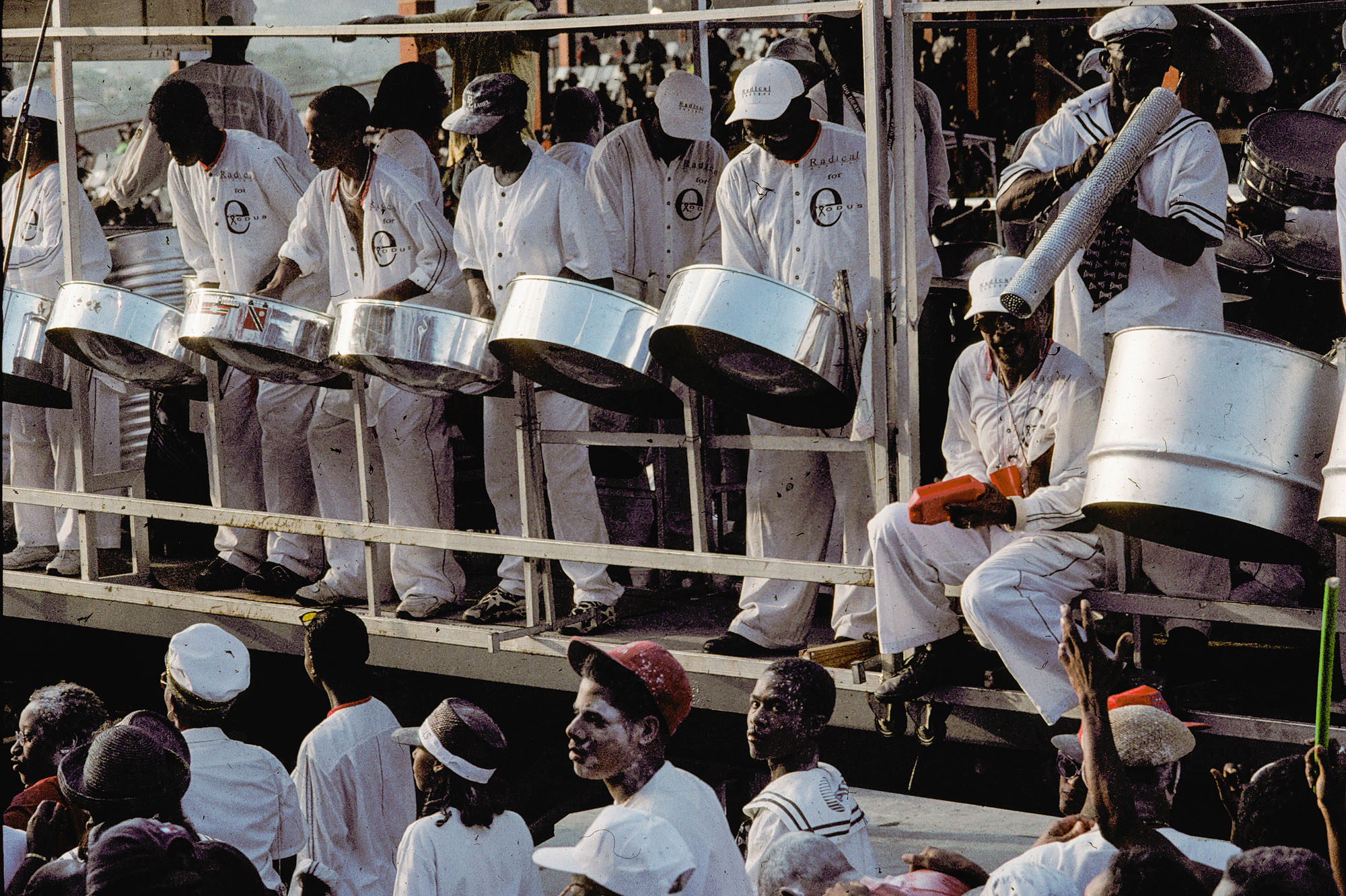
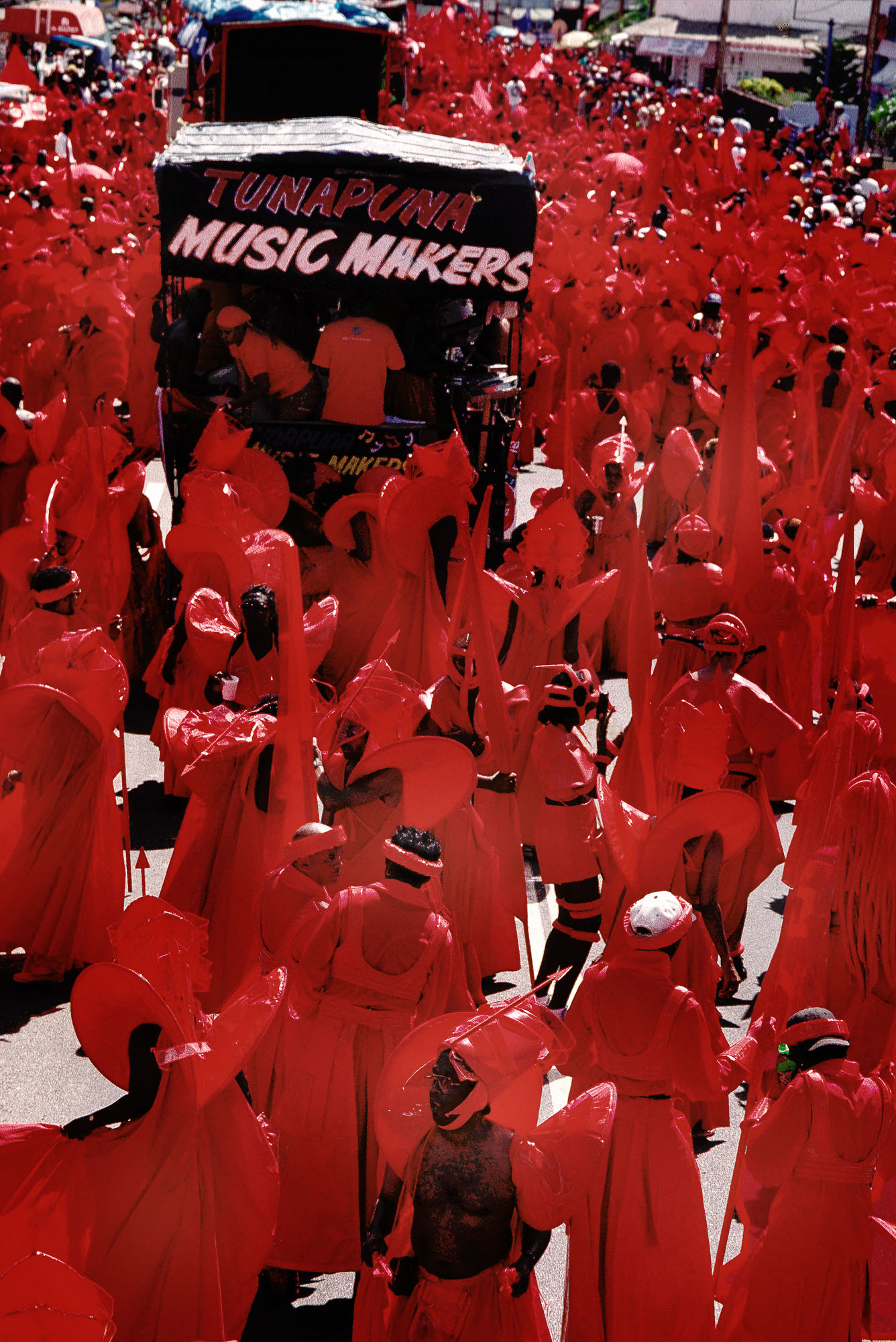
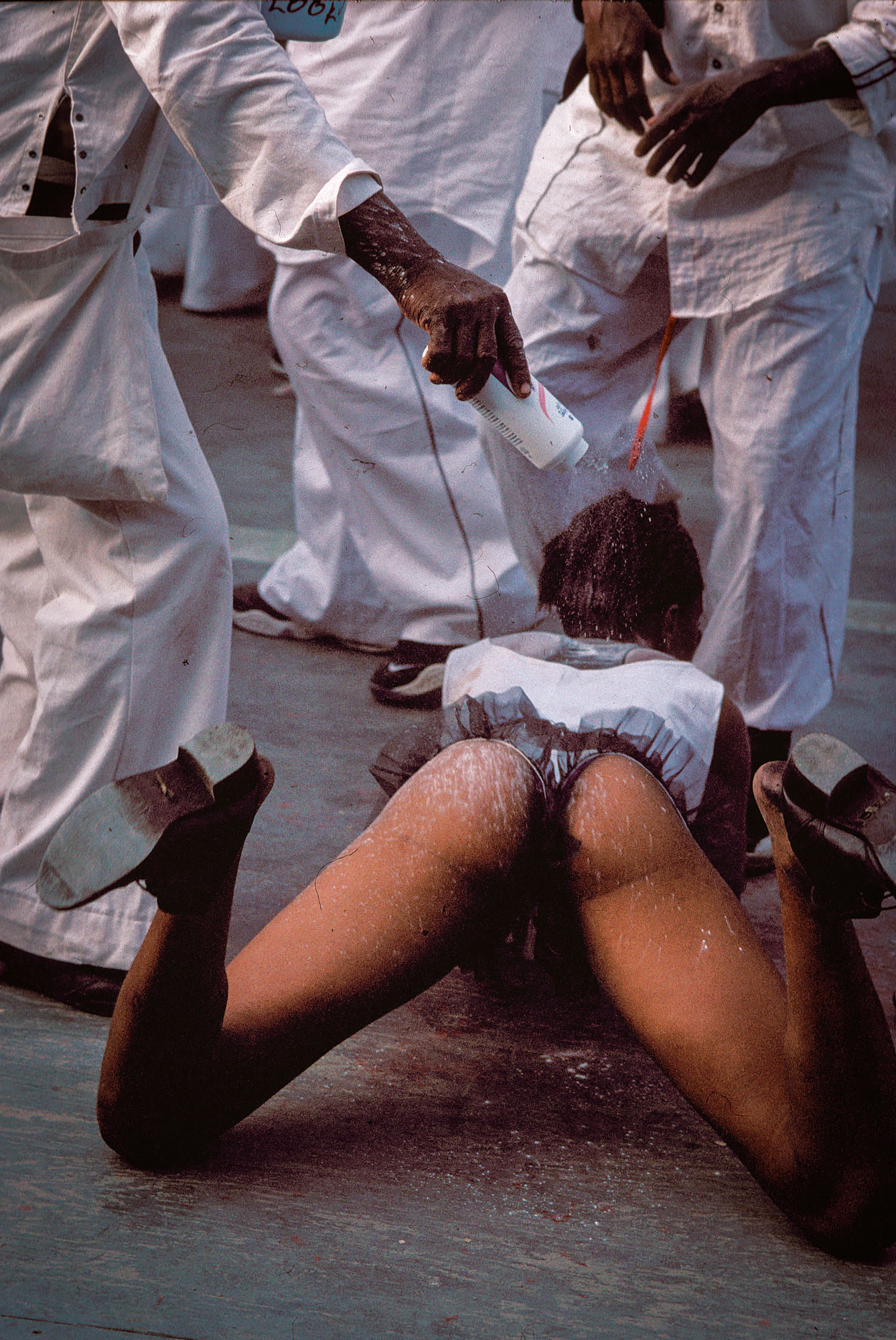
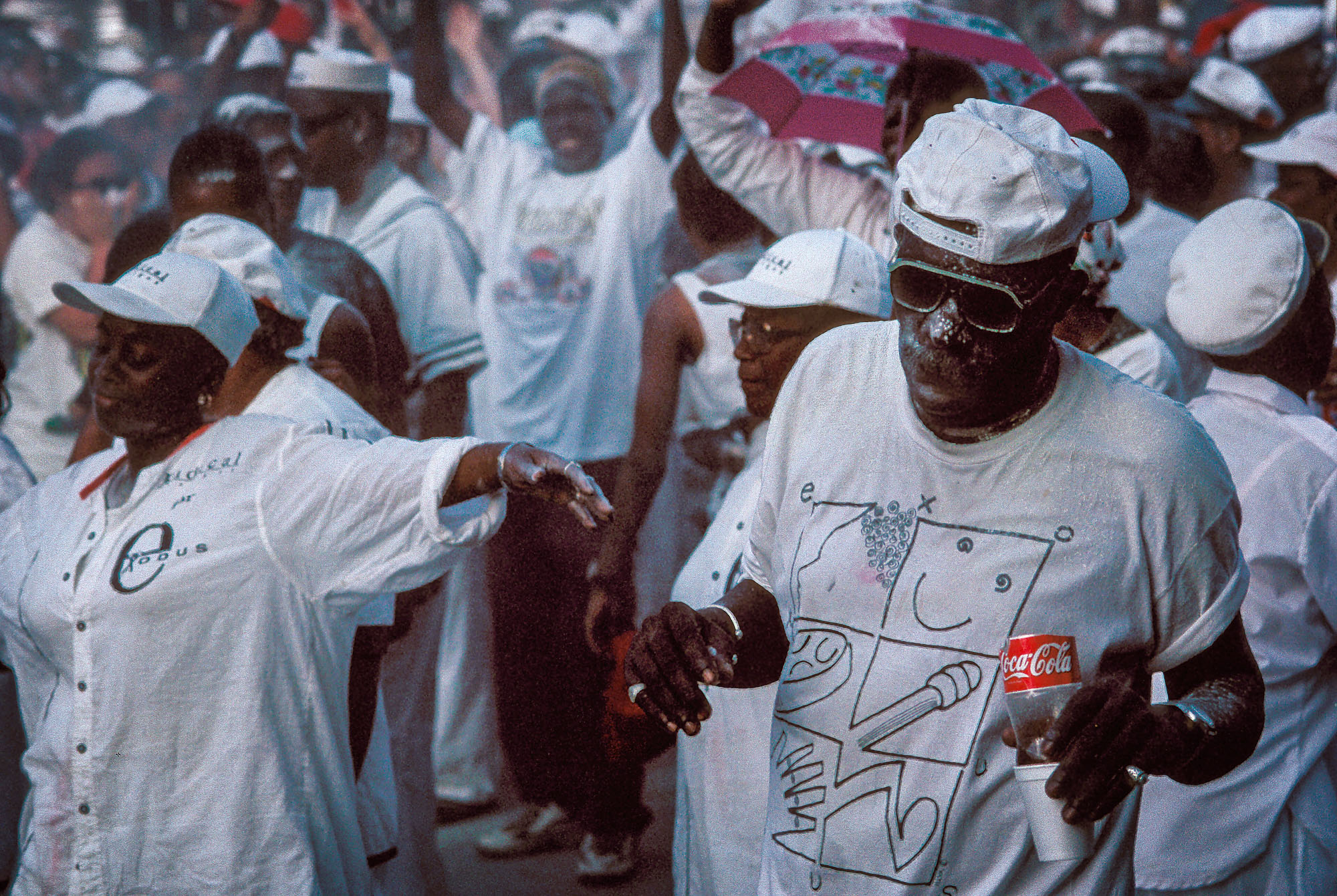
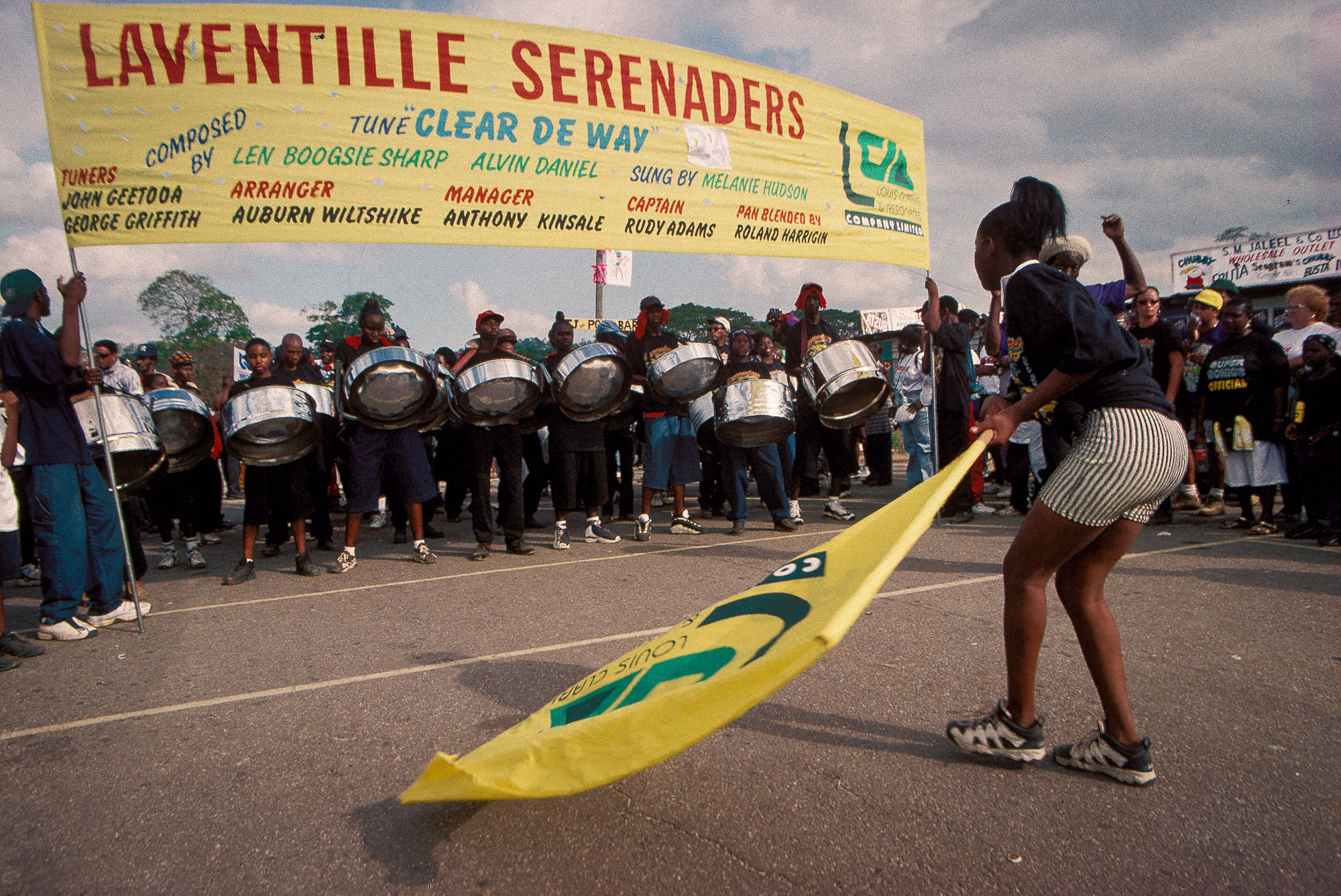
PORT-OF-SPAIN CARNIVAL IN TRINIDAD & TOBAGO
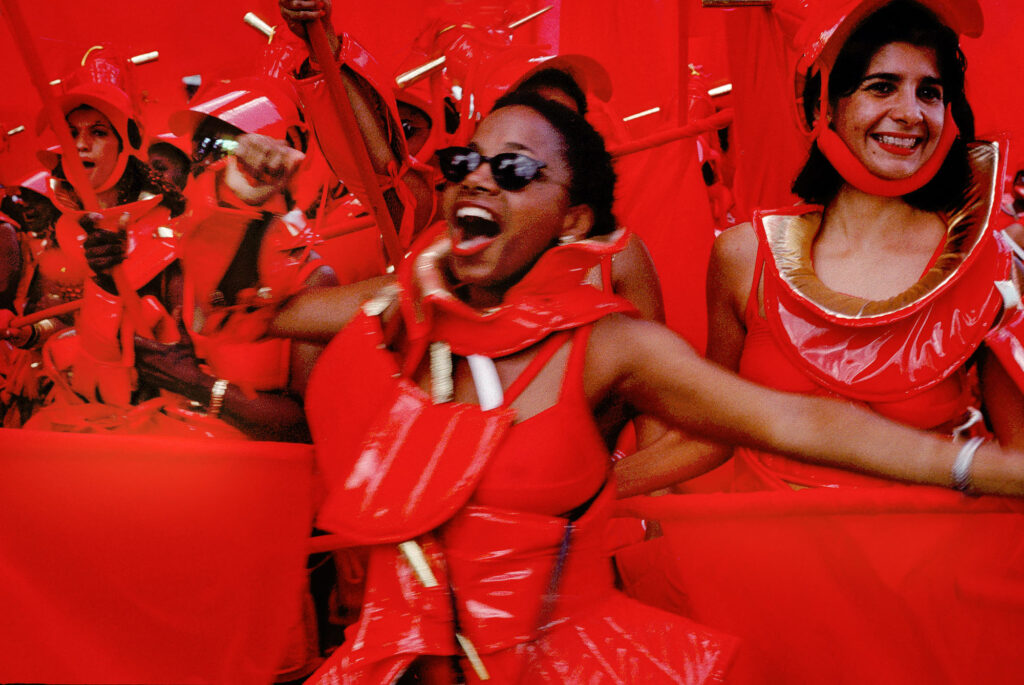
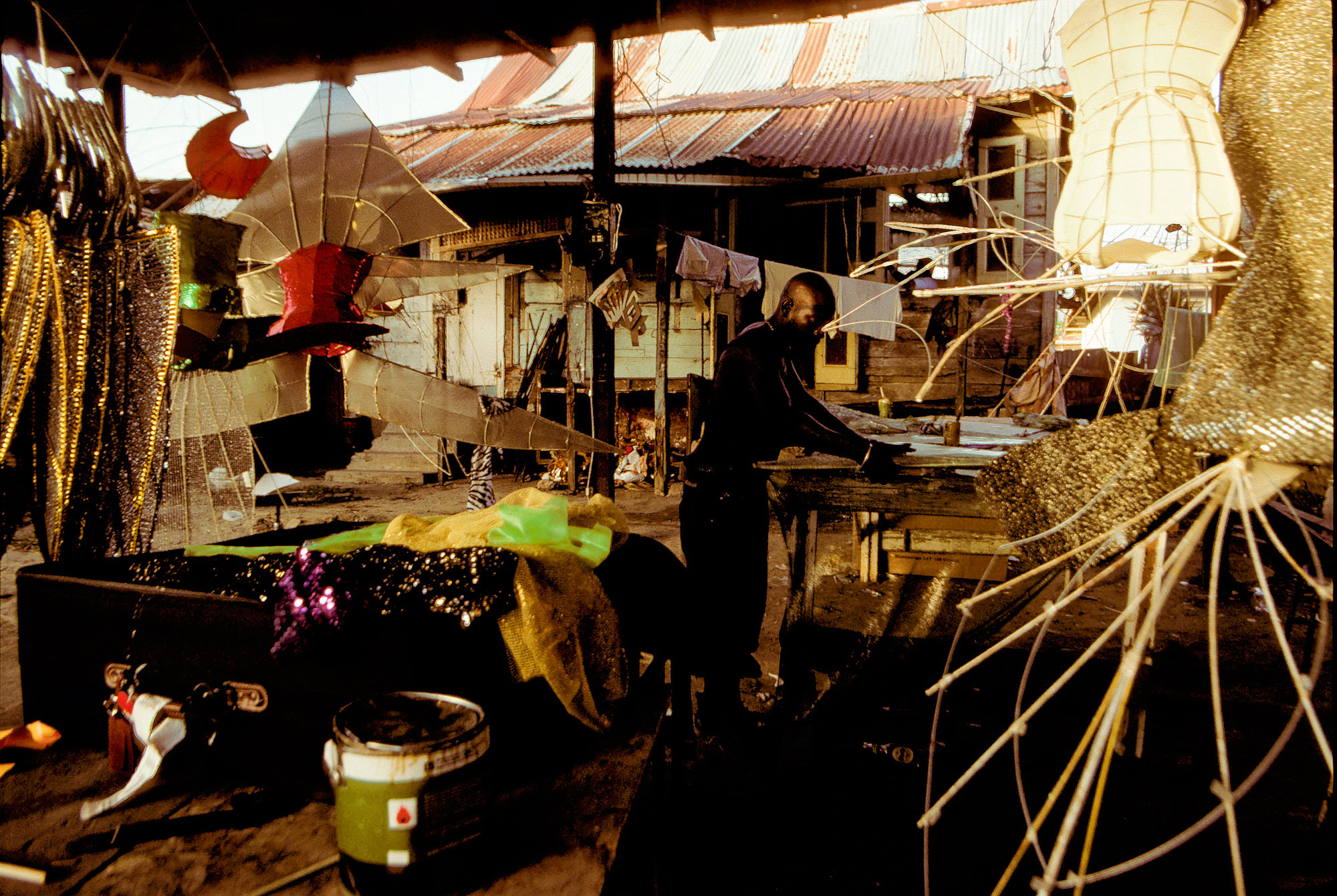
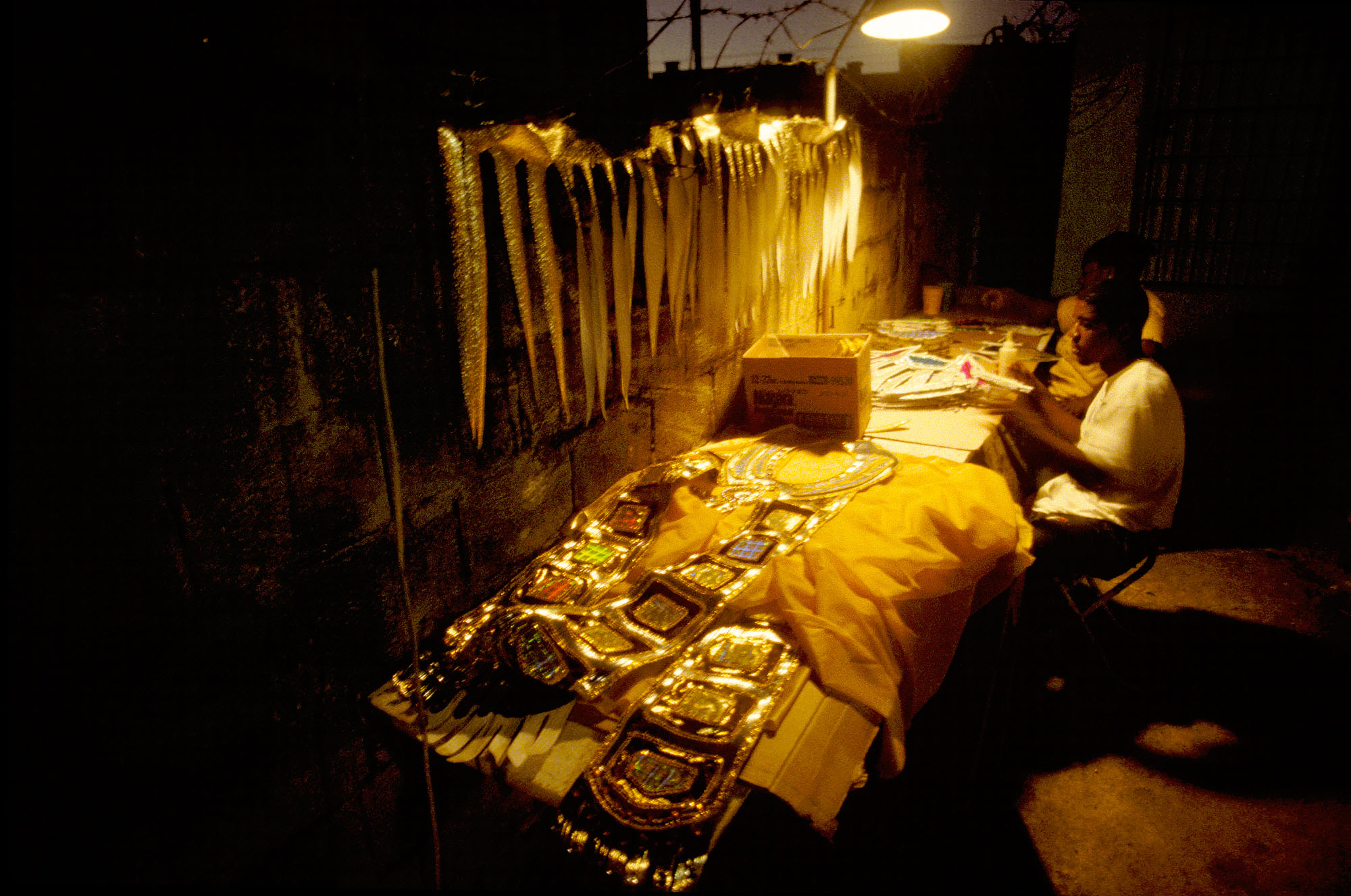
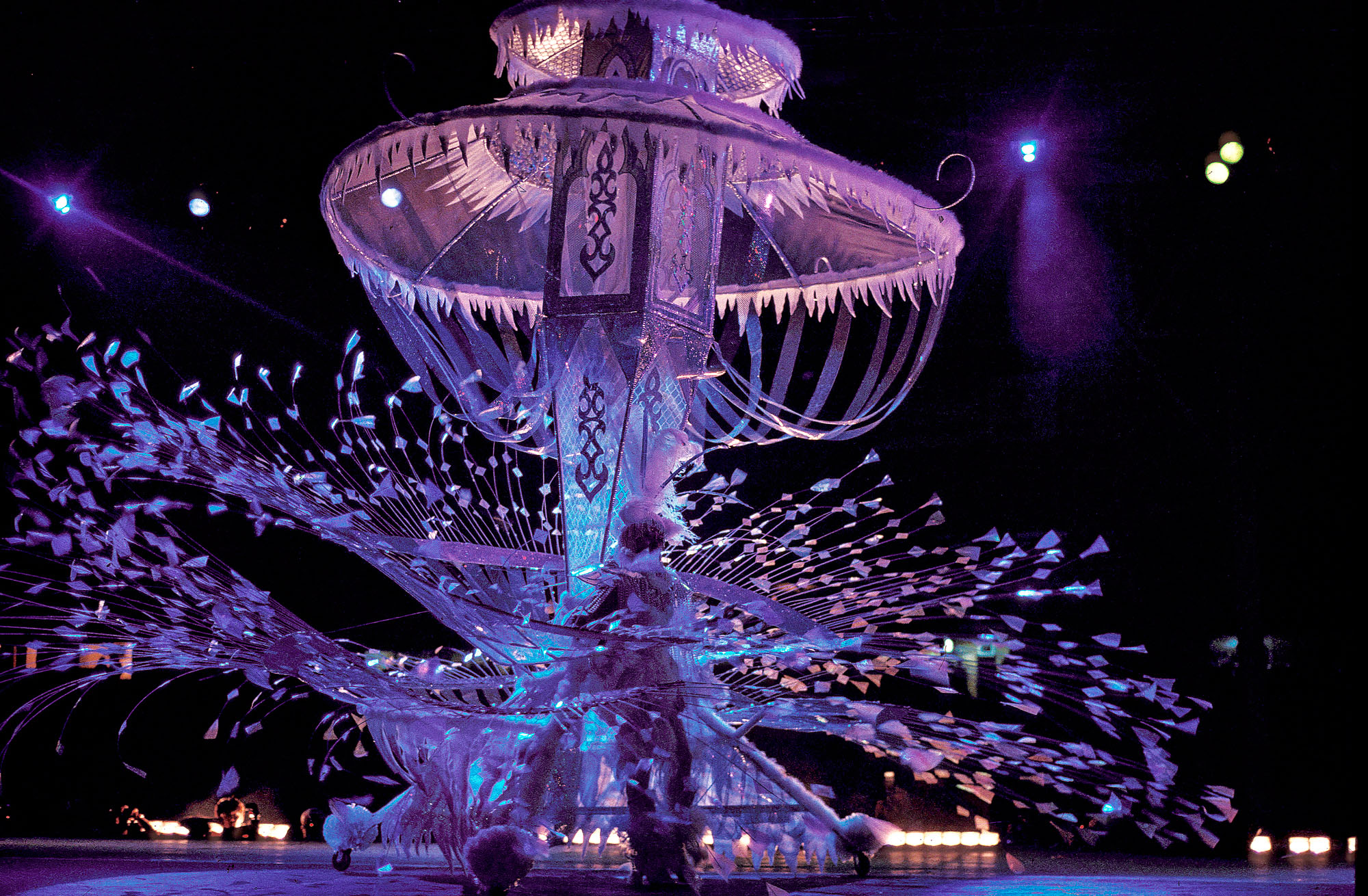
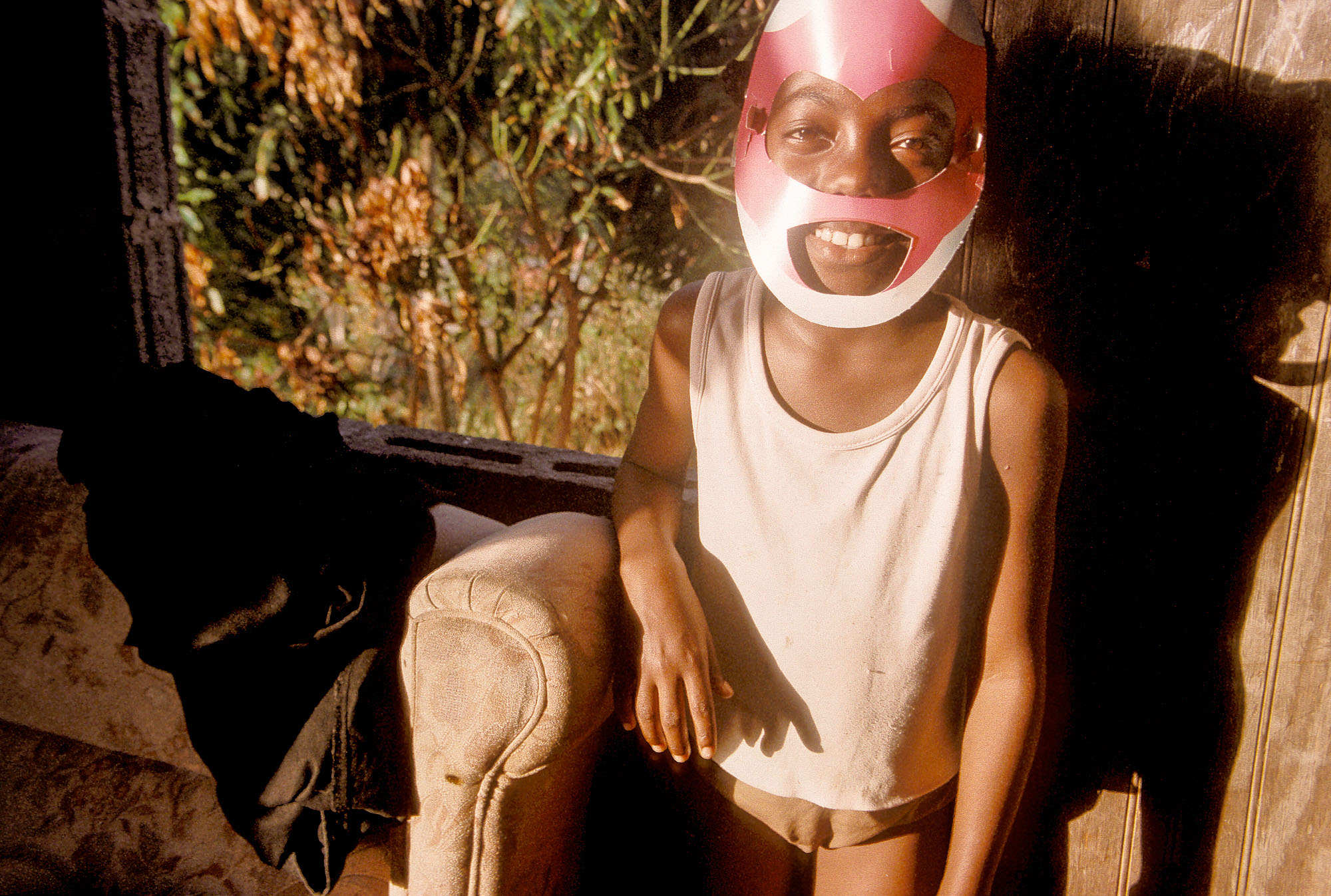
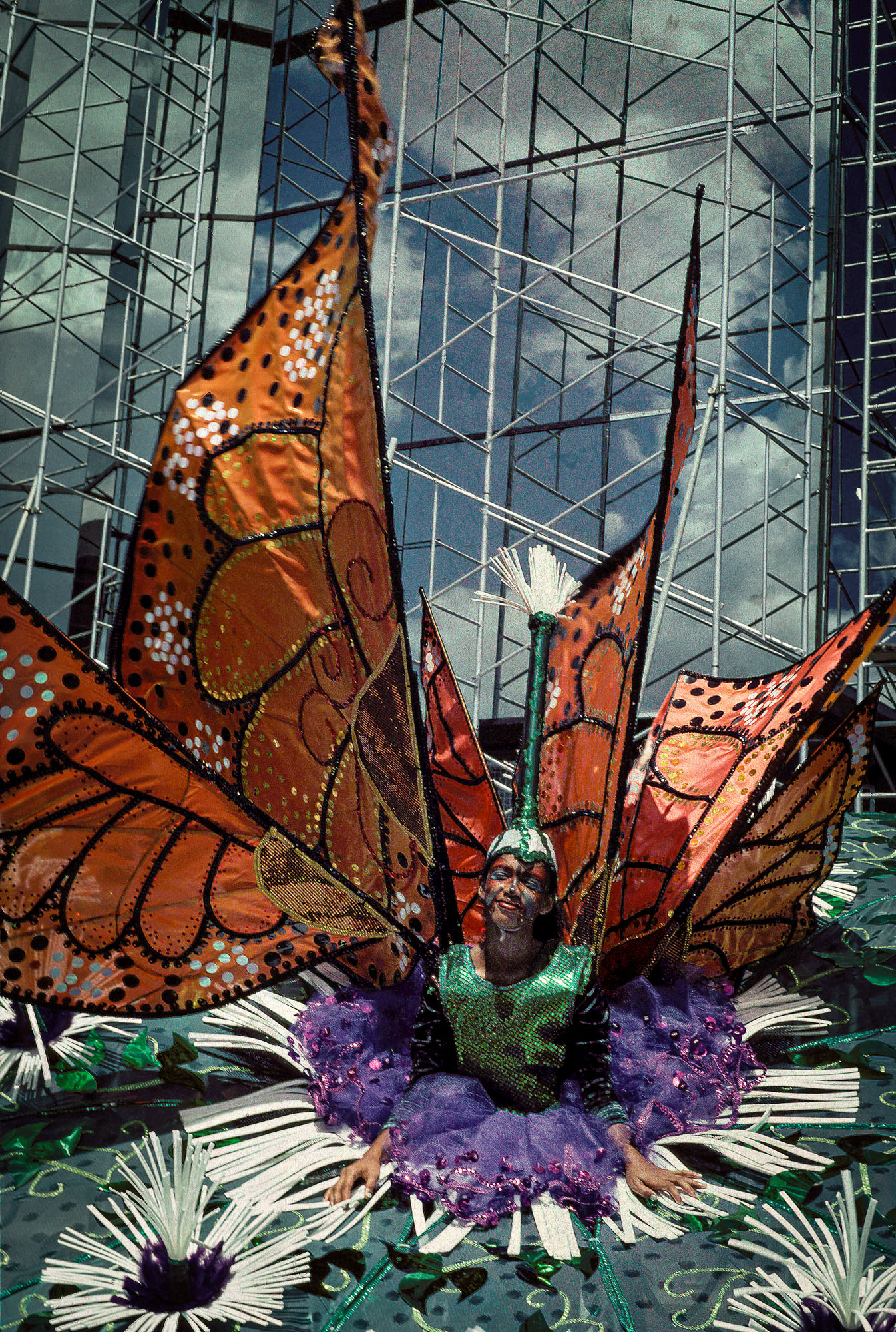
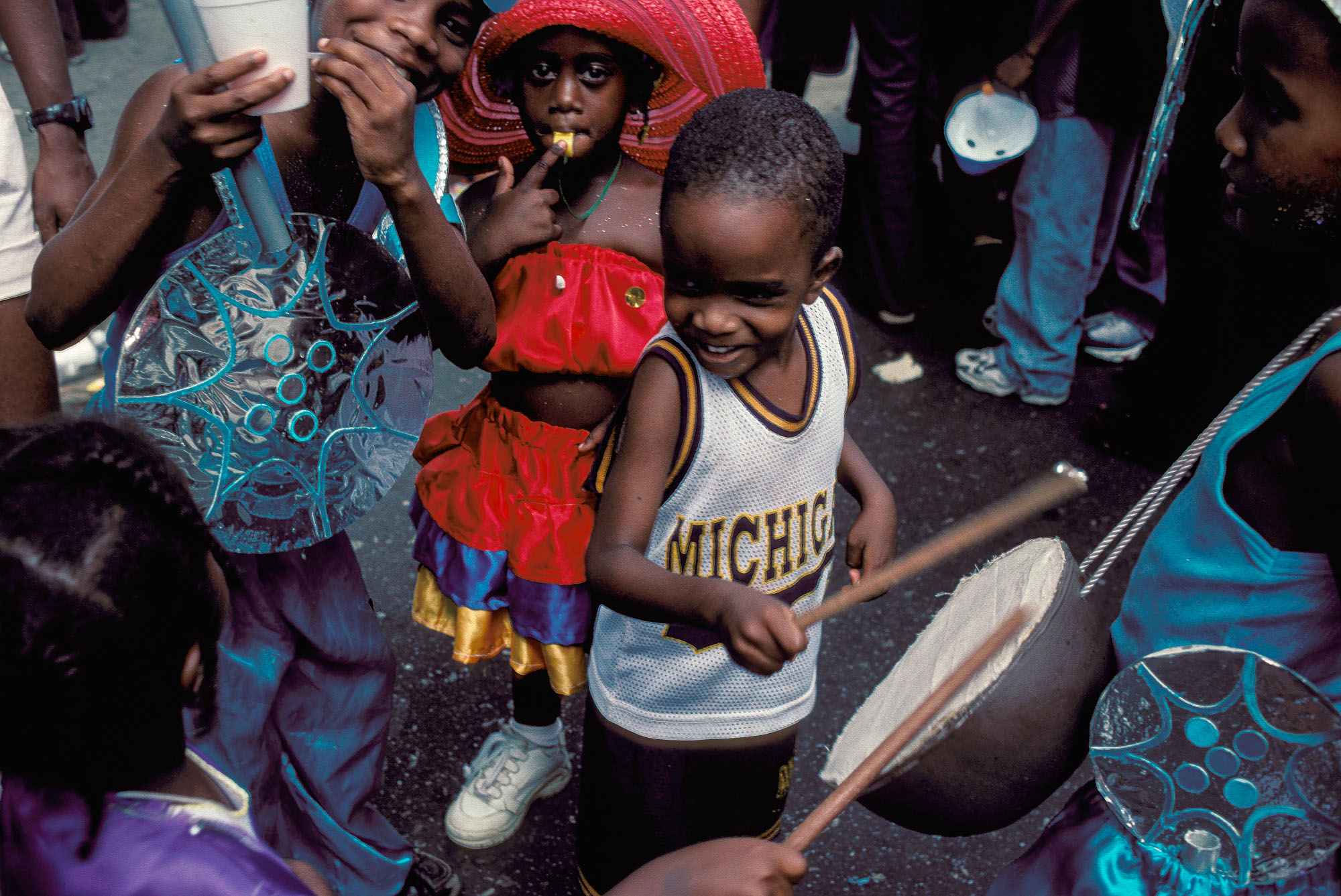
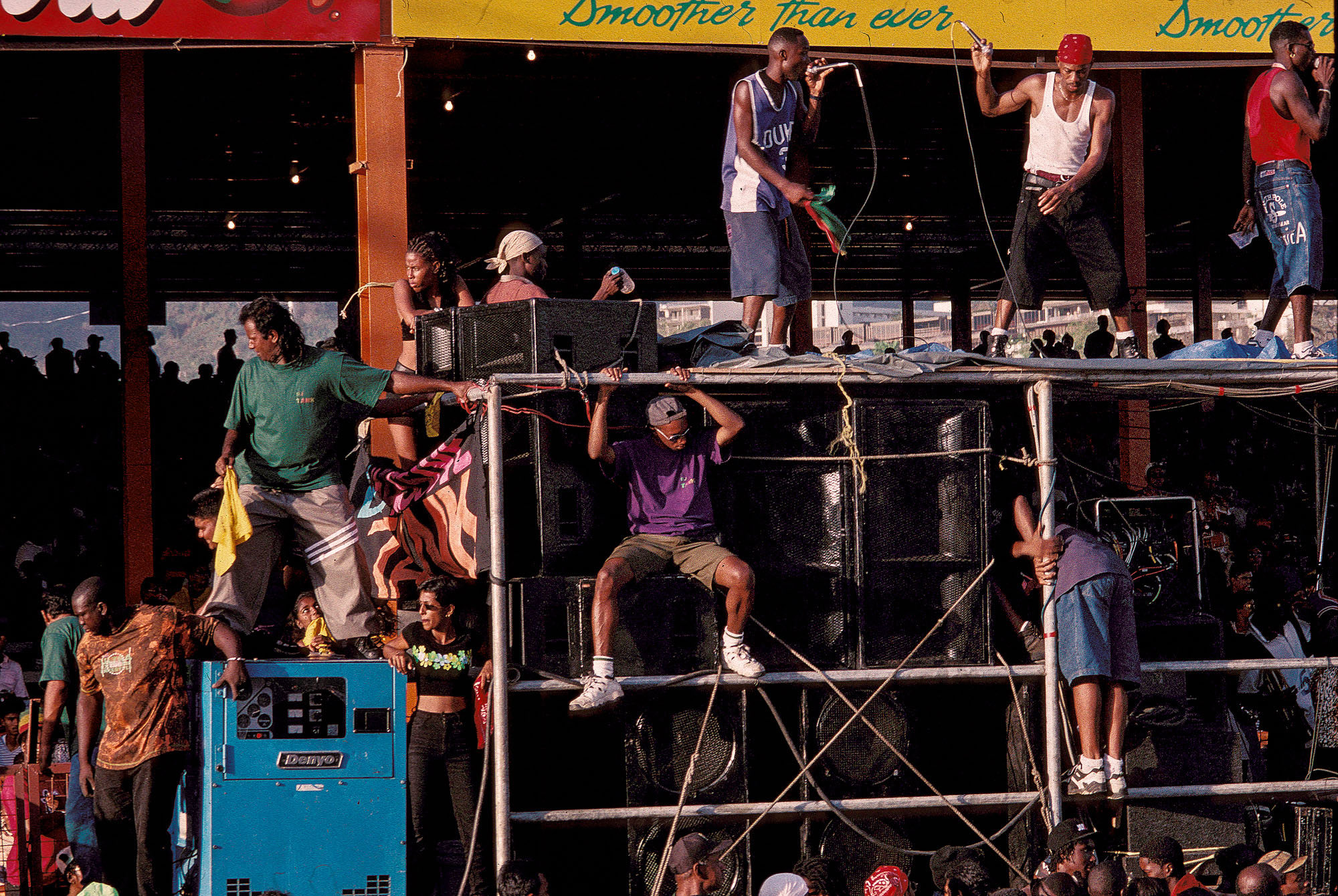
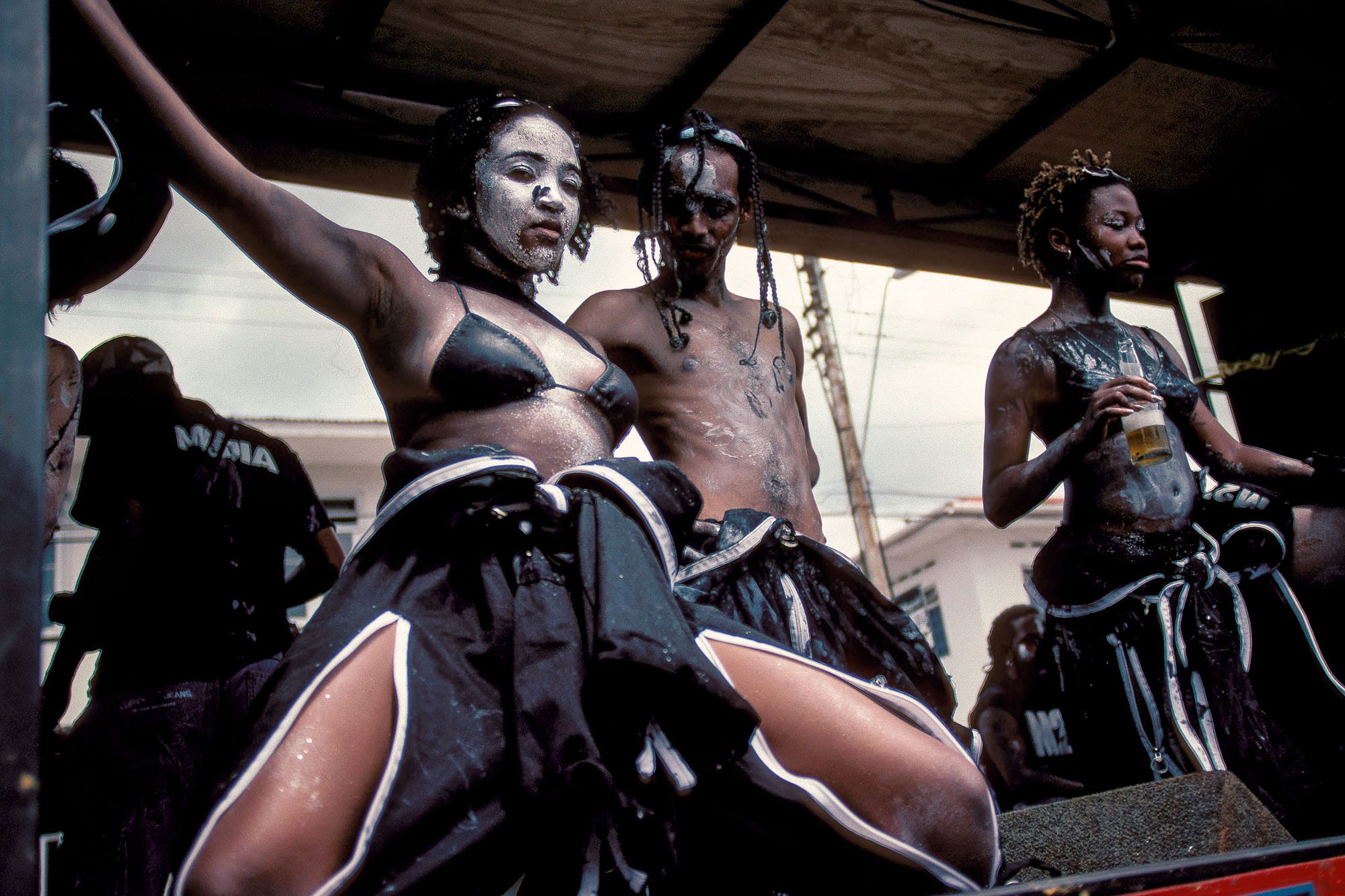
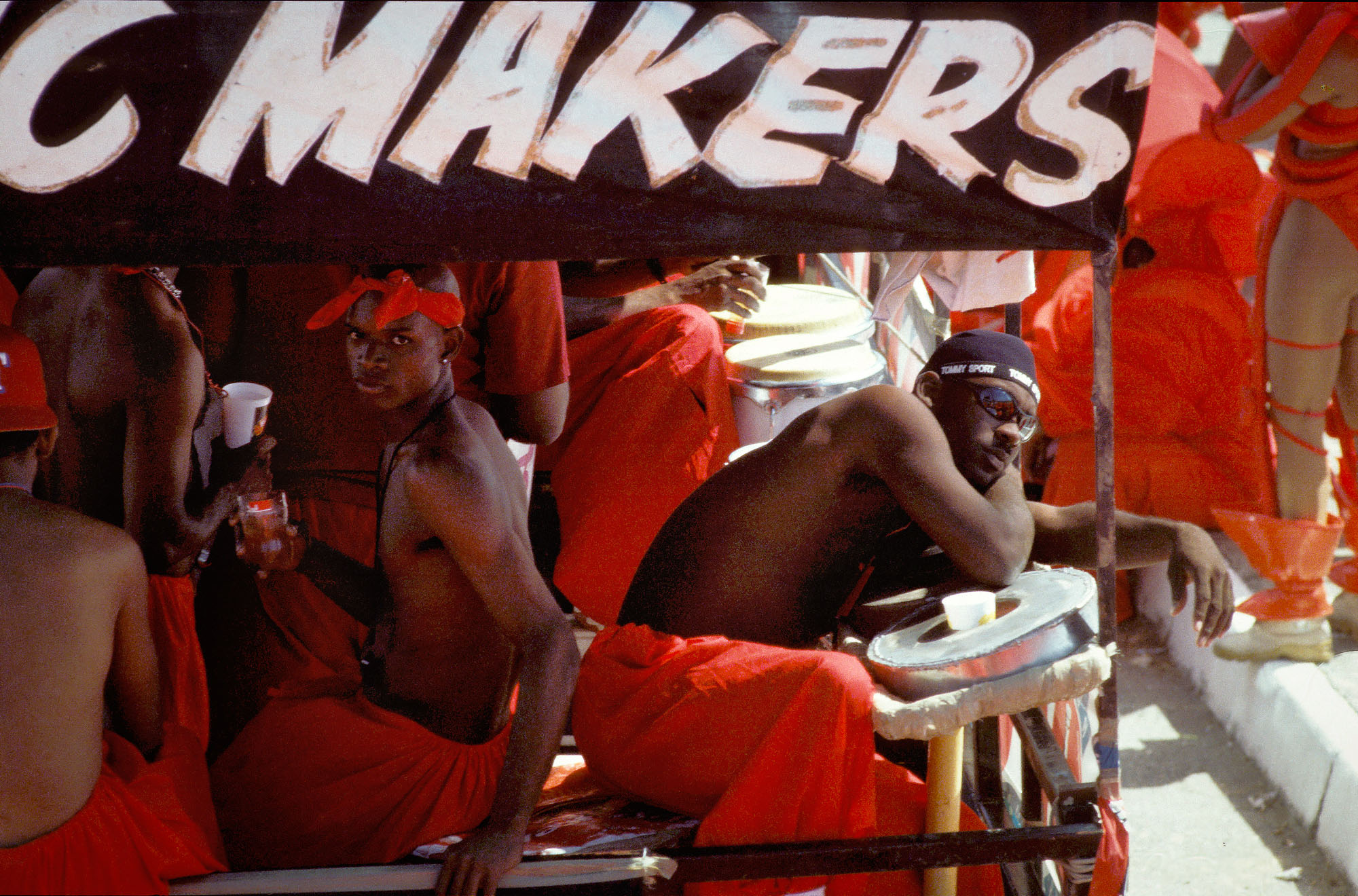
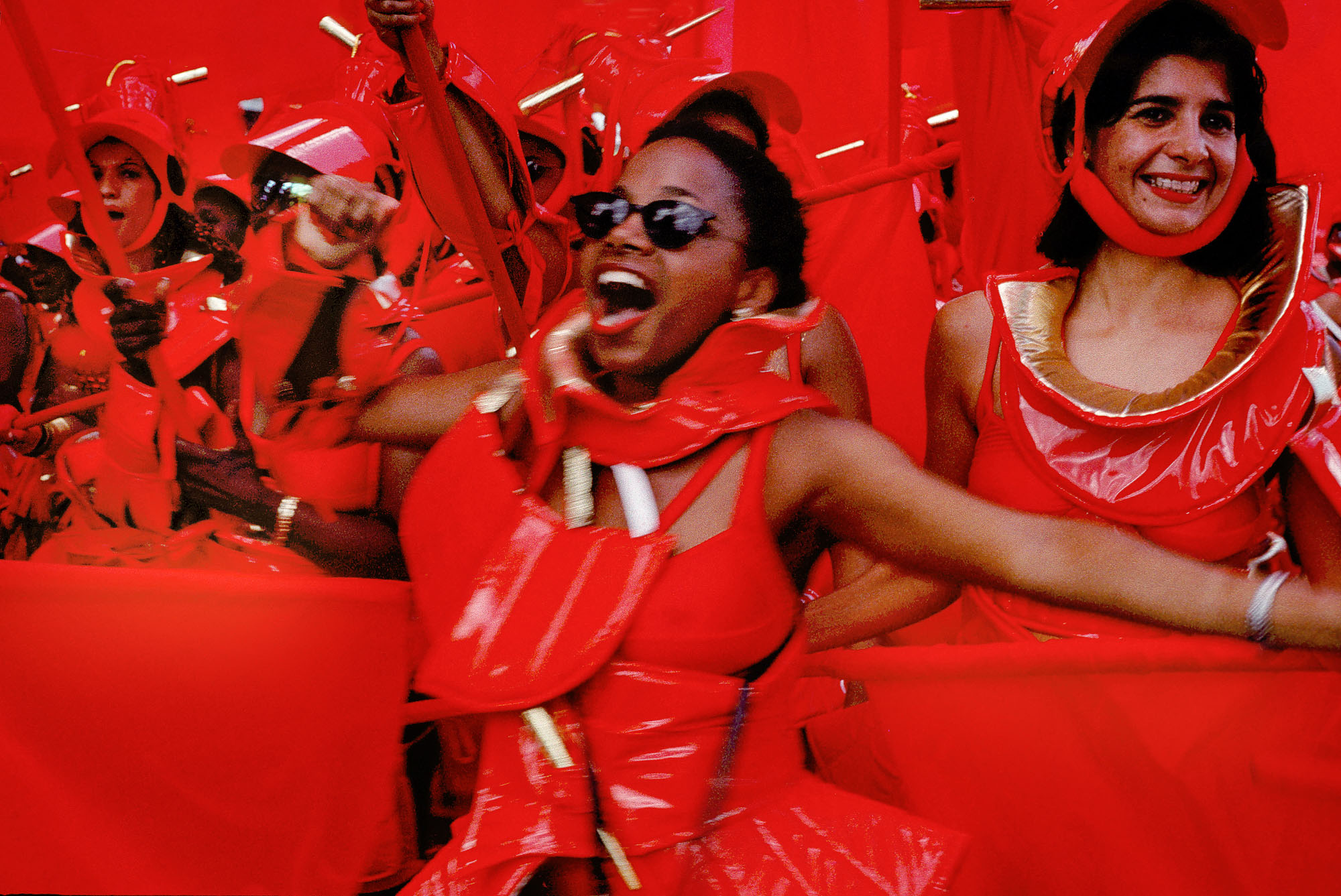
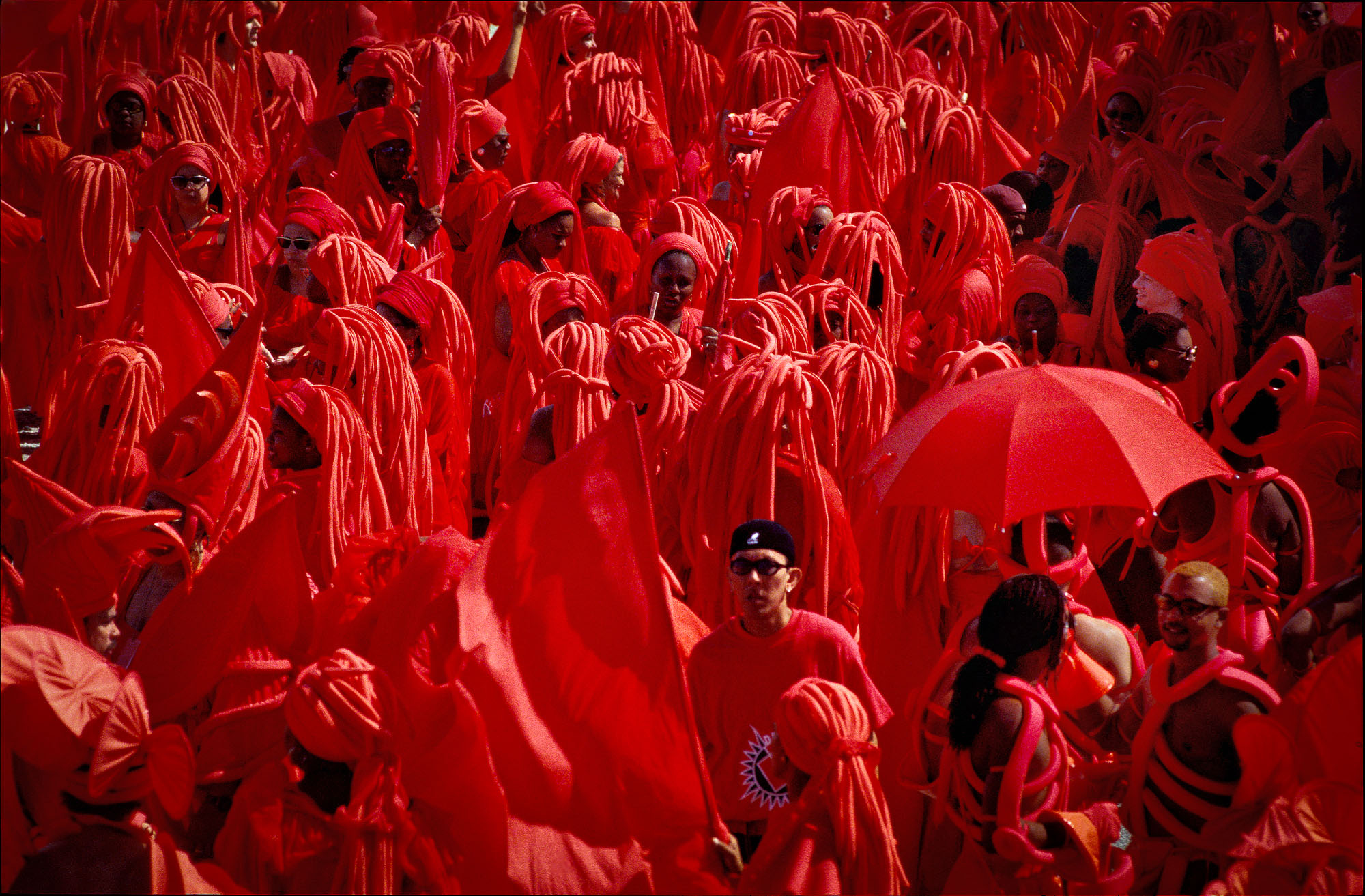
Every year, Trinidad and Tobago’s Carnival transforms the streets into an unrestrained celebration of music, dance, and flamboyant costumes. Rooted in African, European, and Caribbean traditions, this event offers a collective outlet blending freedom of expression and identity assertion.
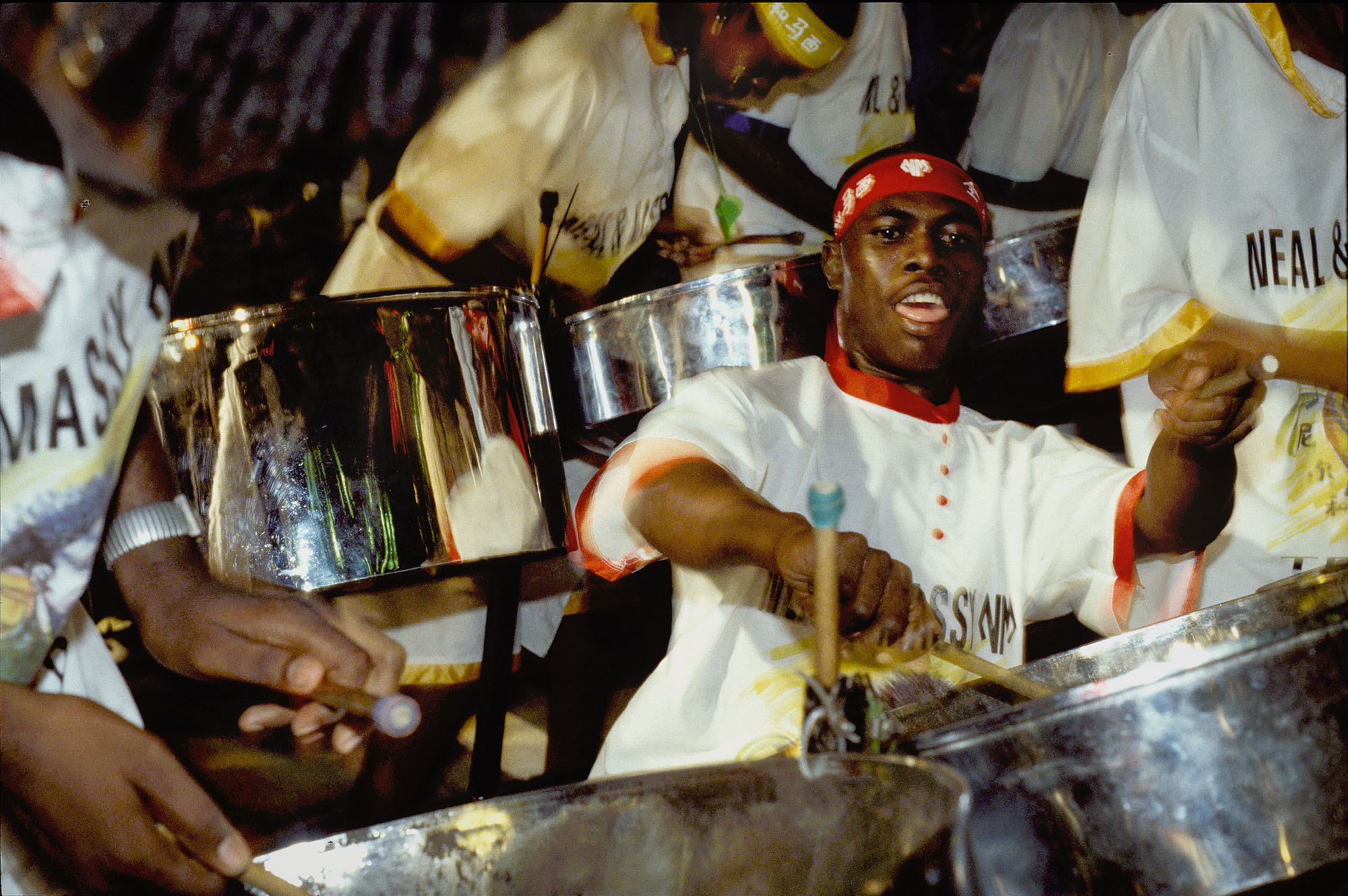
Participants, adorned with feathers, sequins, and beads, parade to calypso, soca, and steelpan rhythms in an electric, warm atmosphere.
Beyond the festivities, the carnival reflects the nation’s social and political tensions, providing a space where popular demands are expressed through art and creativity.
Between contagious joy and cultural depth, Trinidad and Tobago’s Carnival remains a vital moment of sharing and joyous resistance, making the entire nation vibrate.
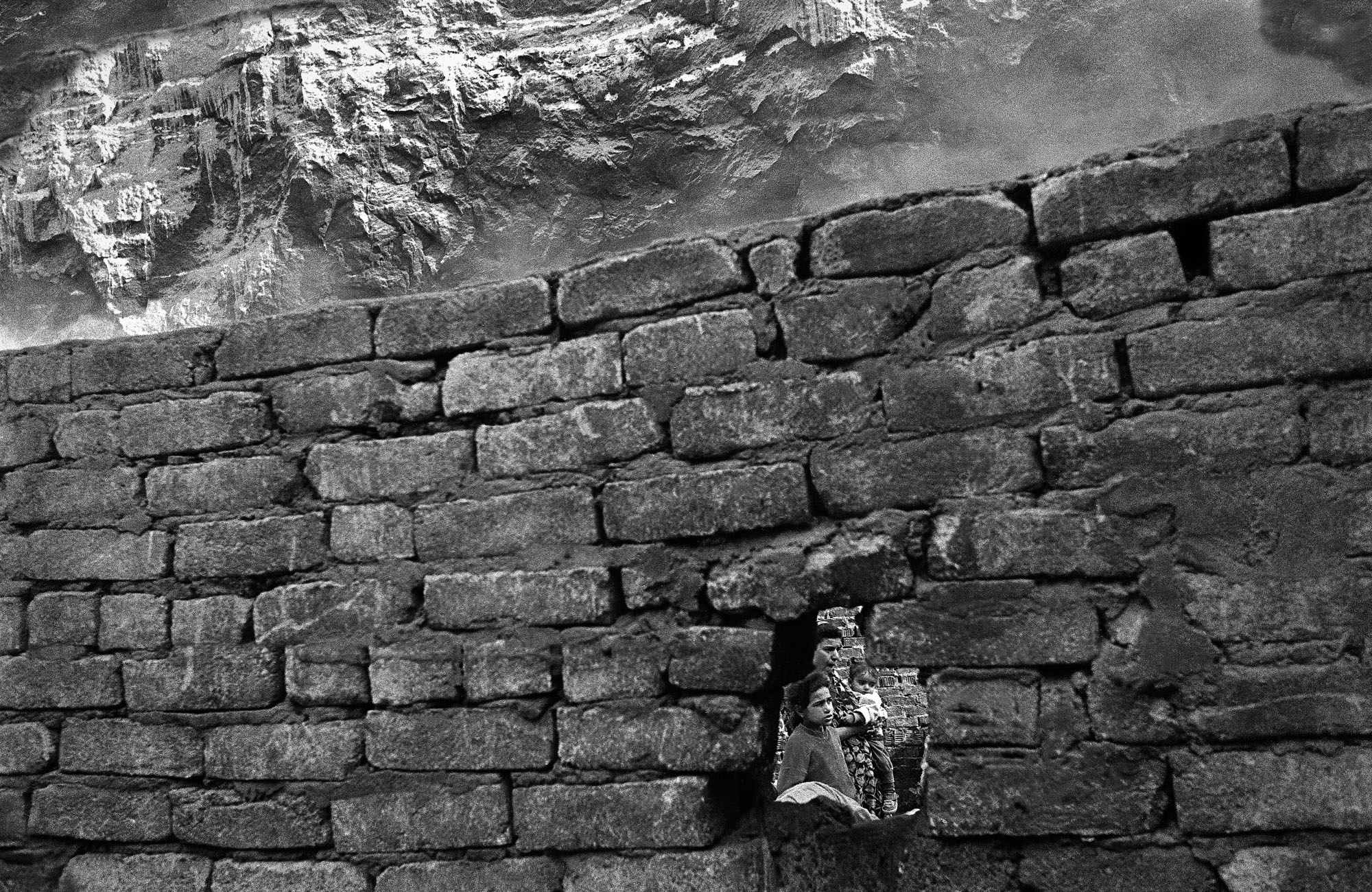
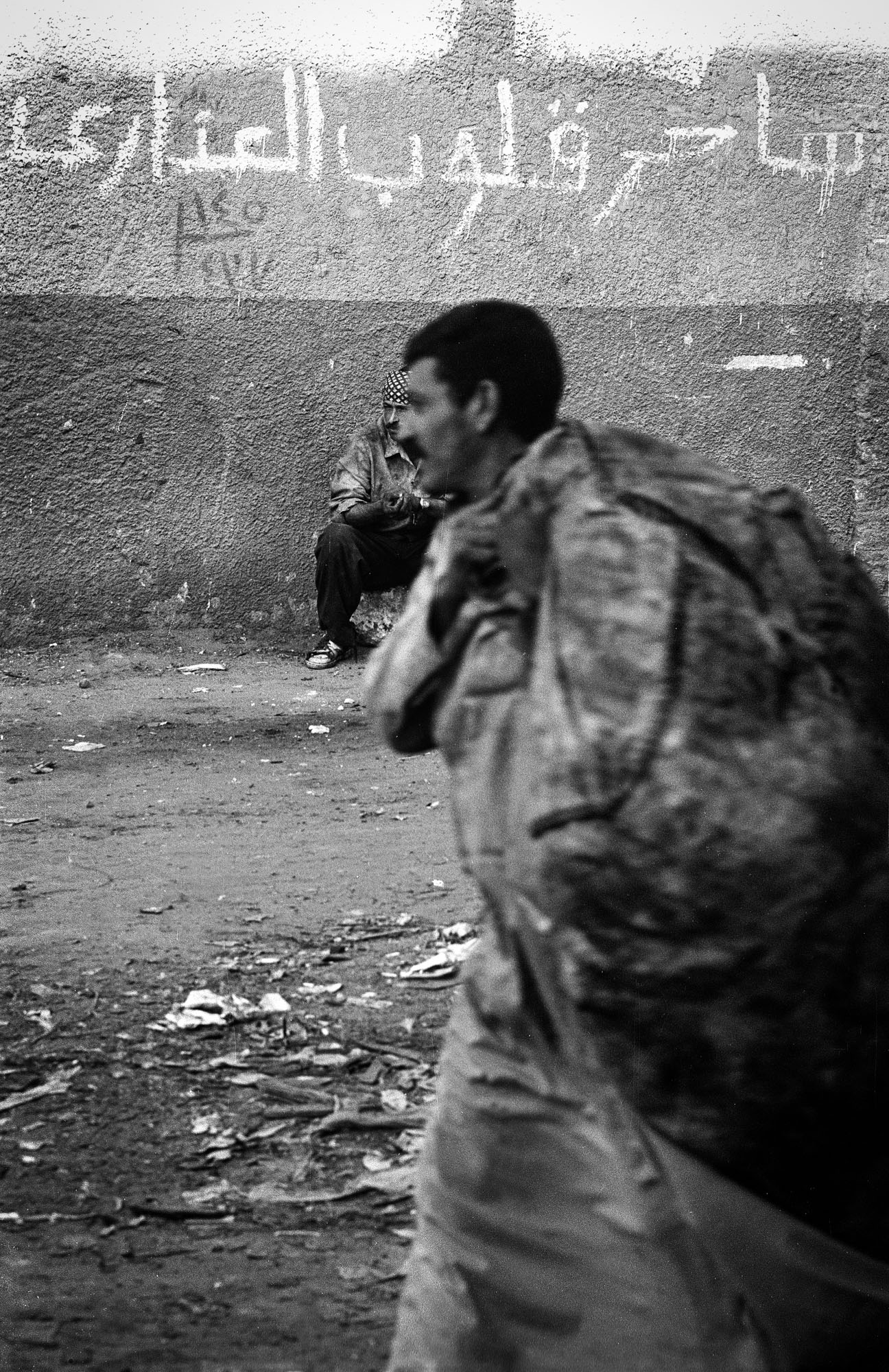
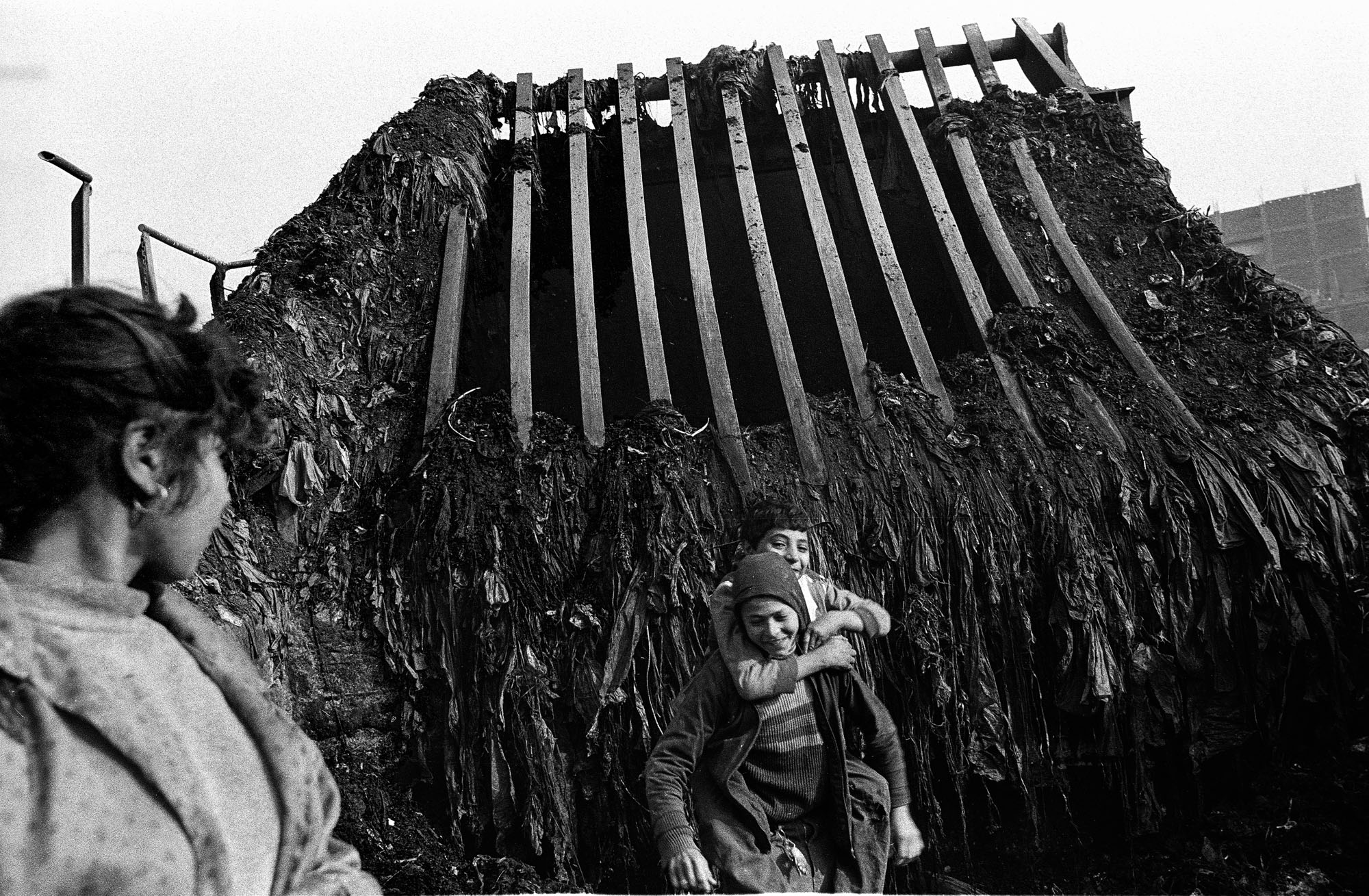
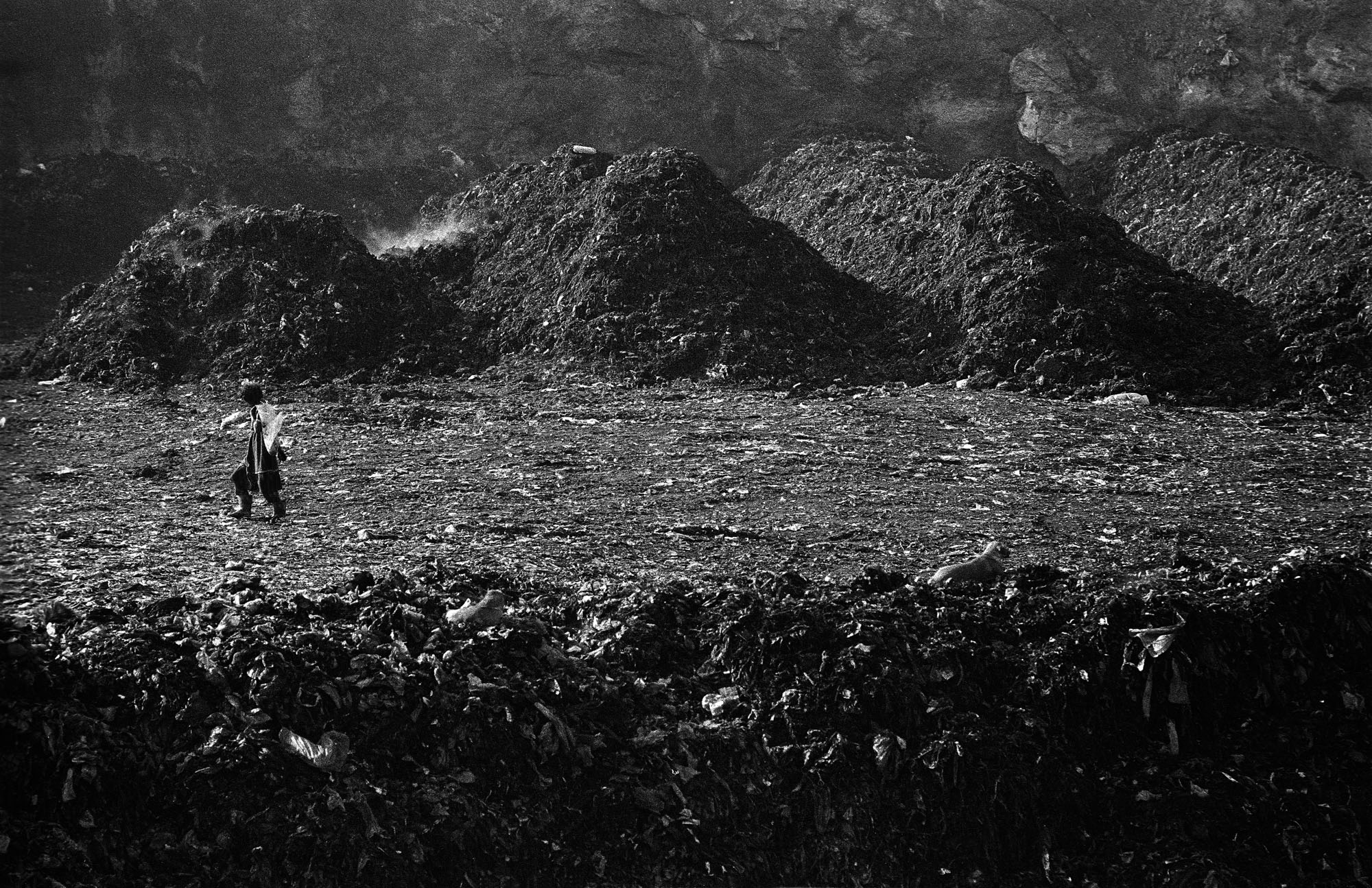
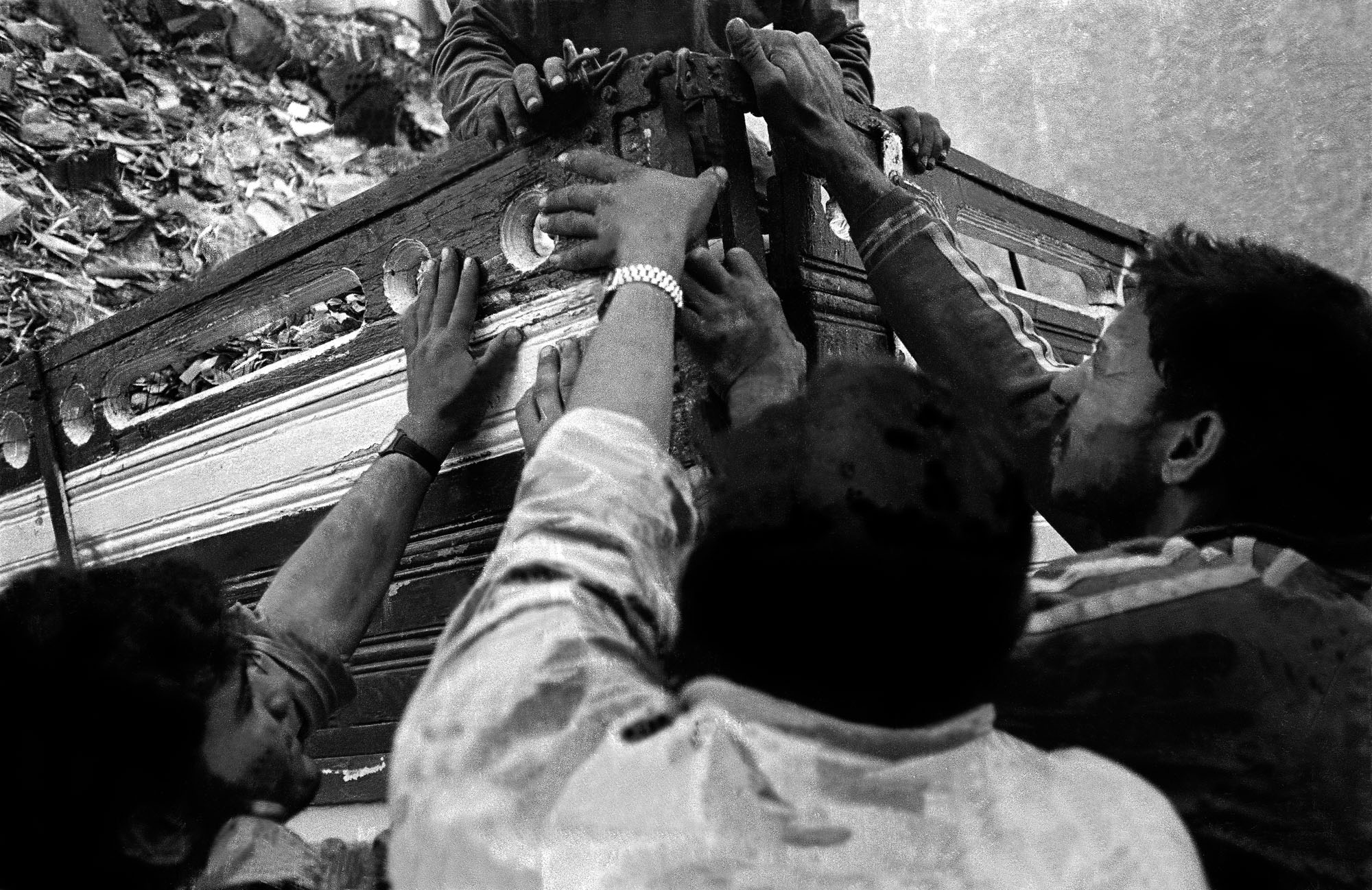
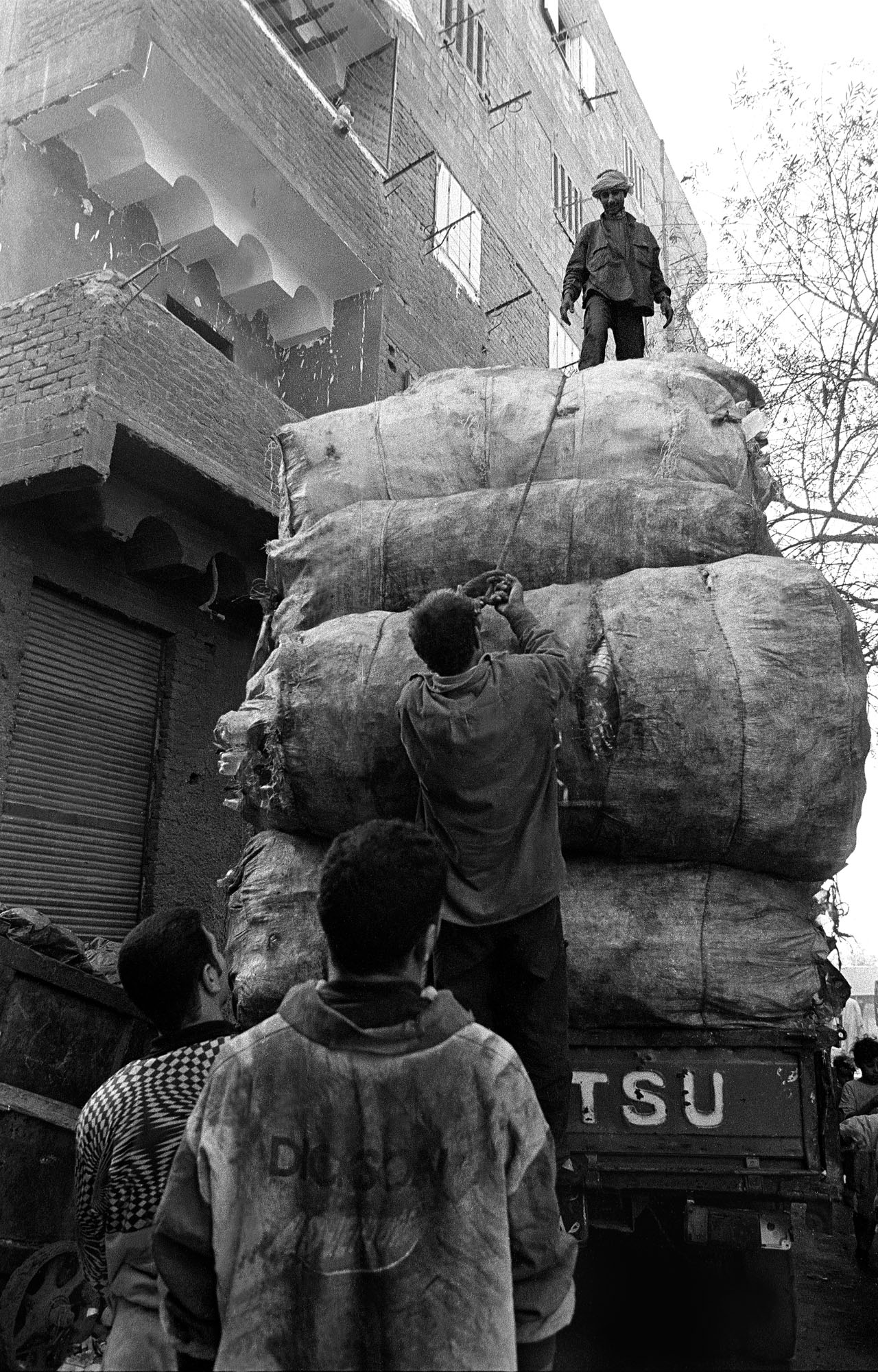
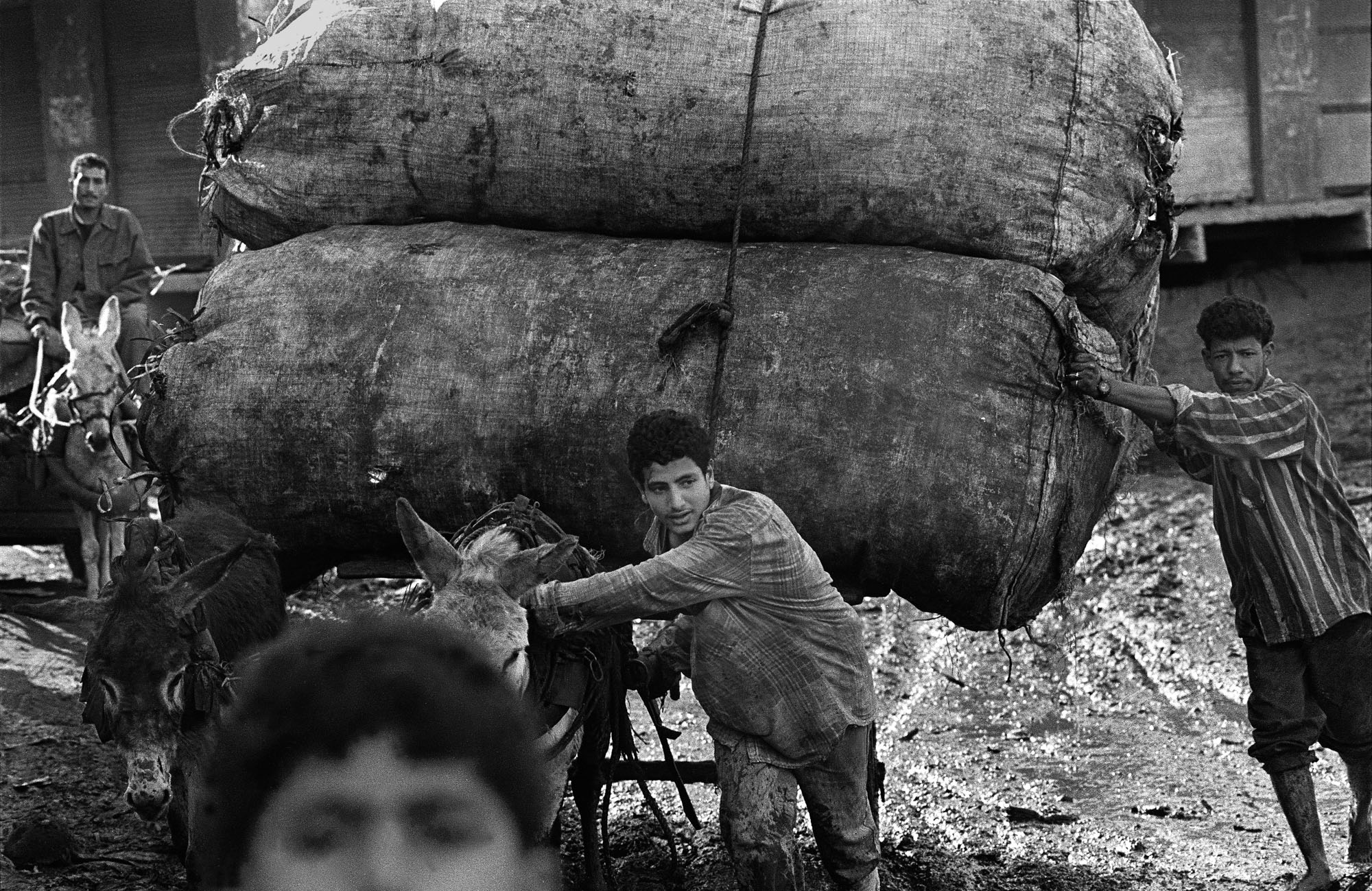
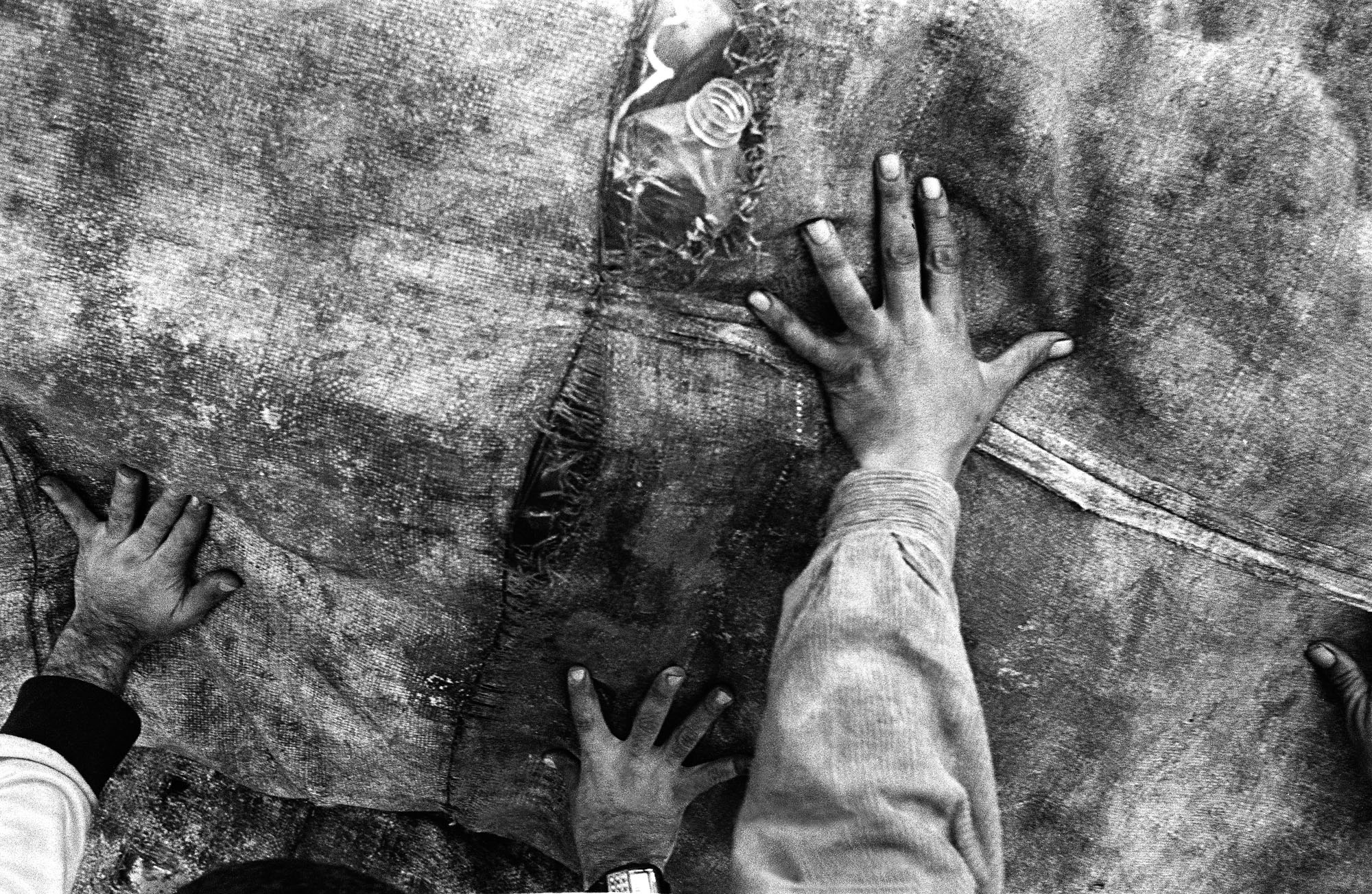
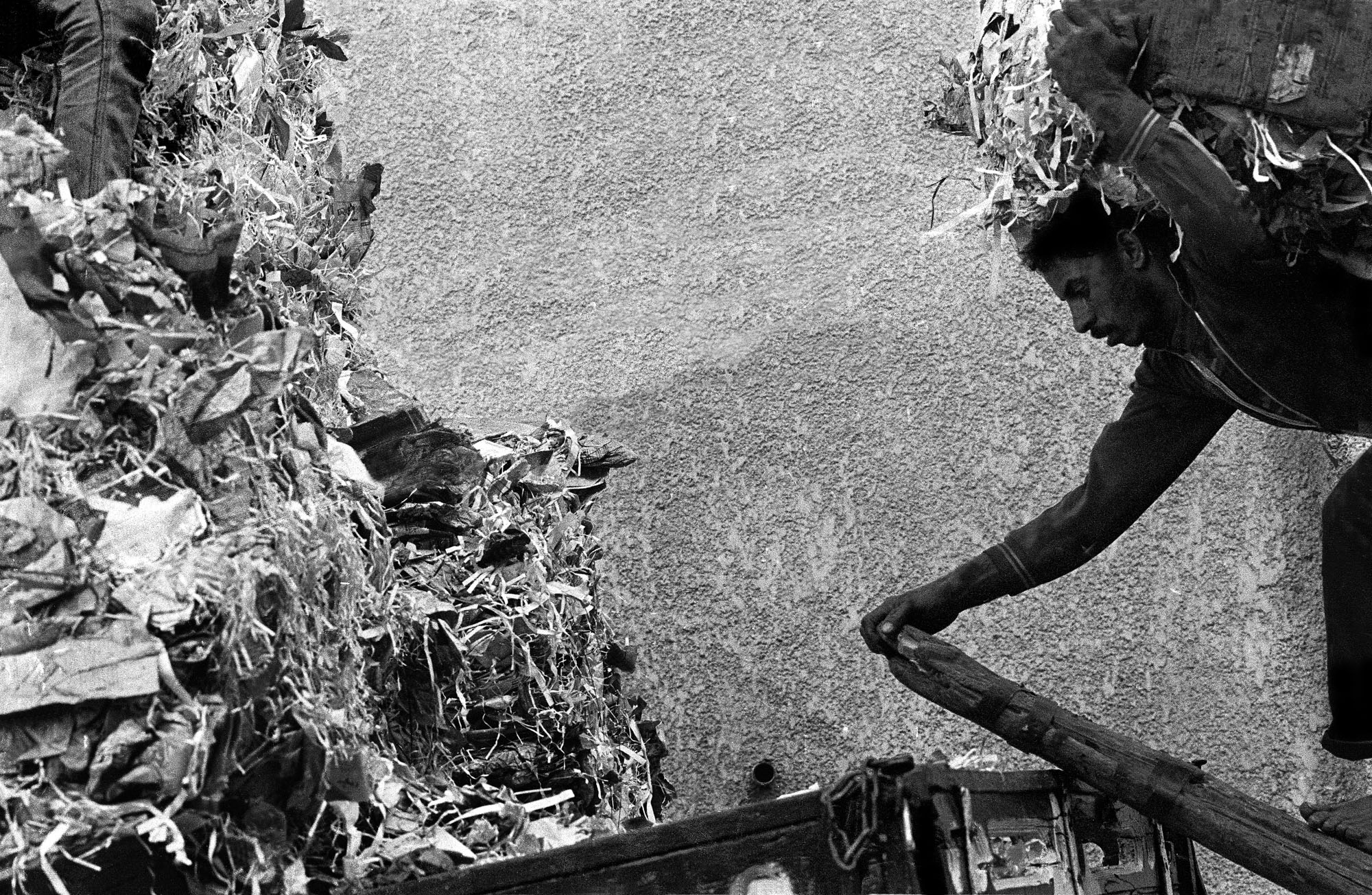
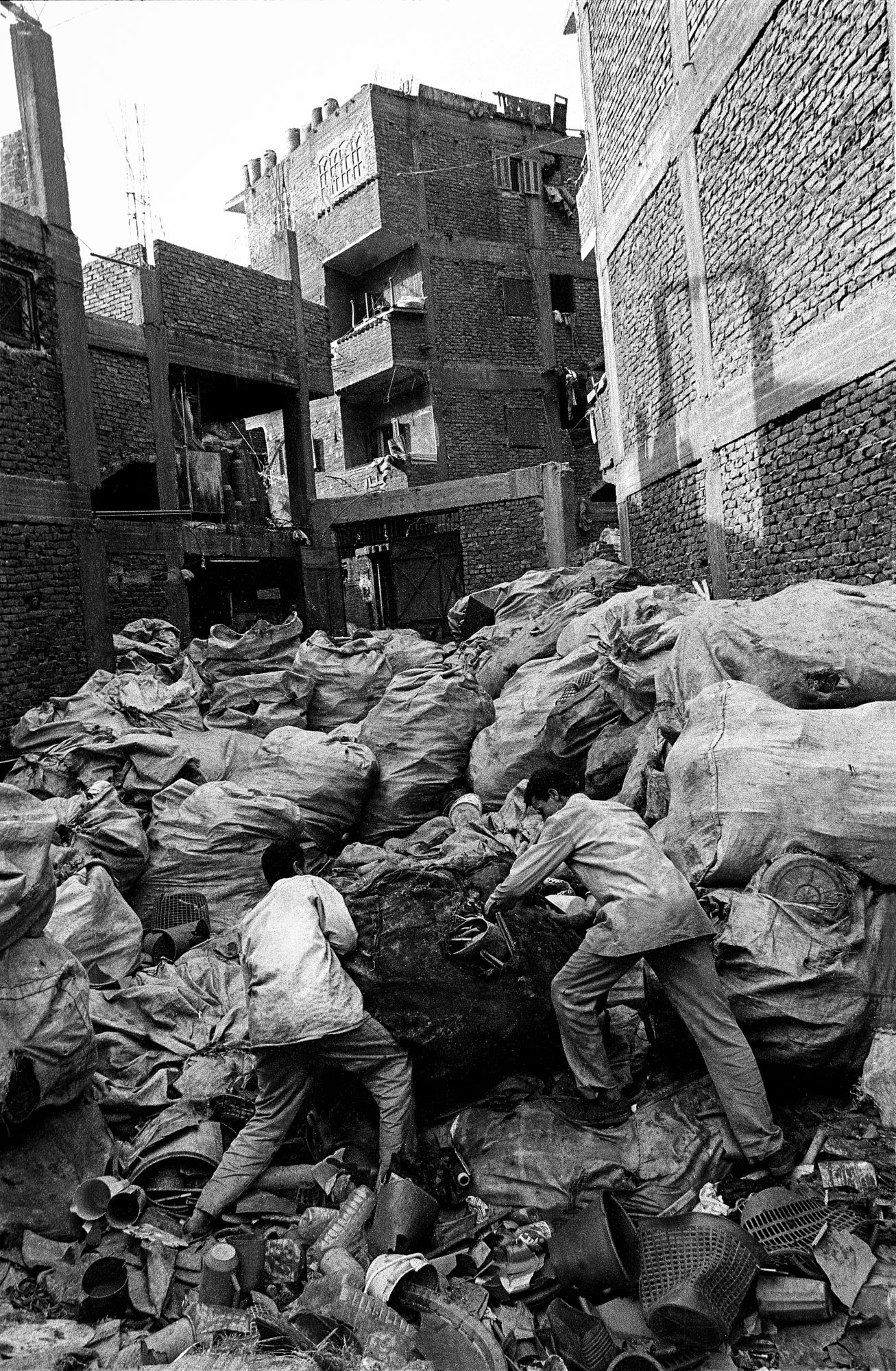
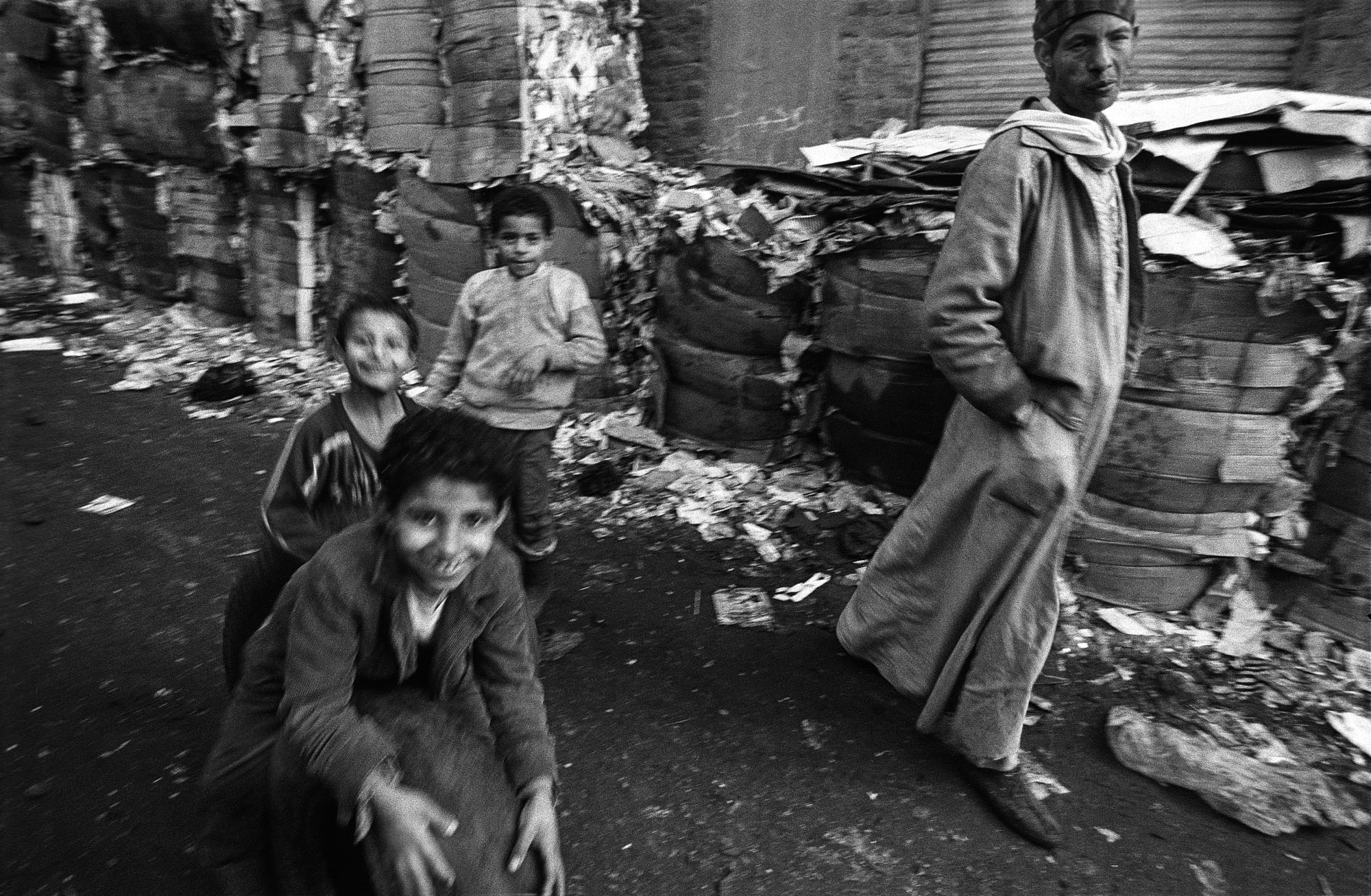
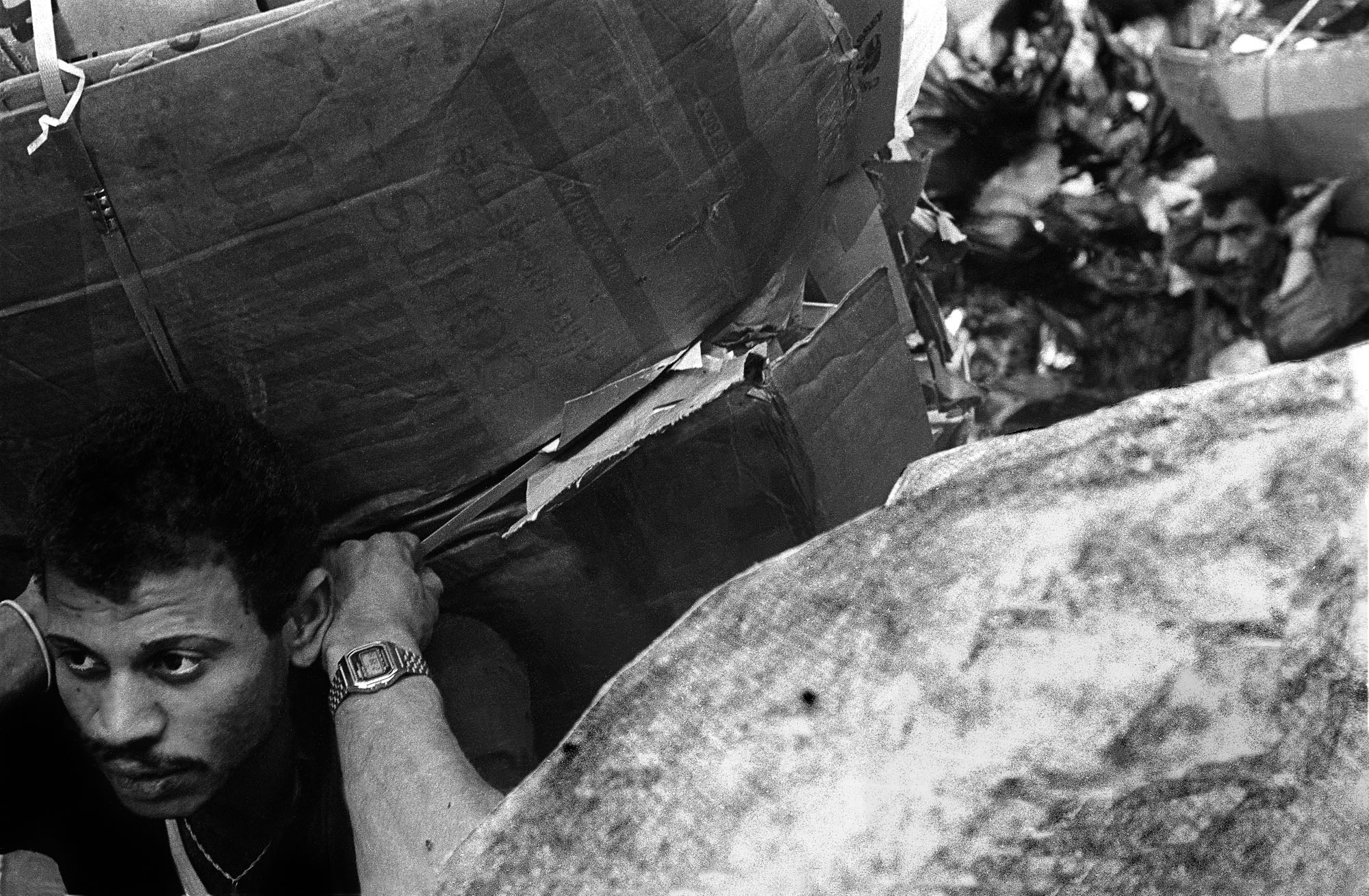
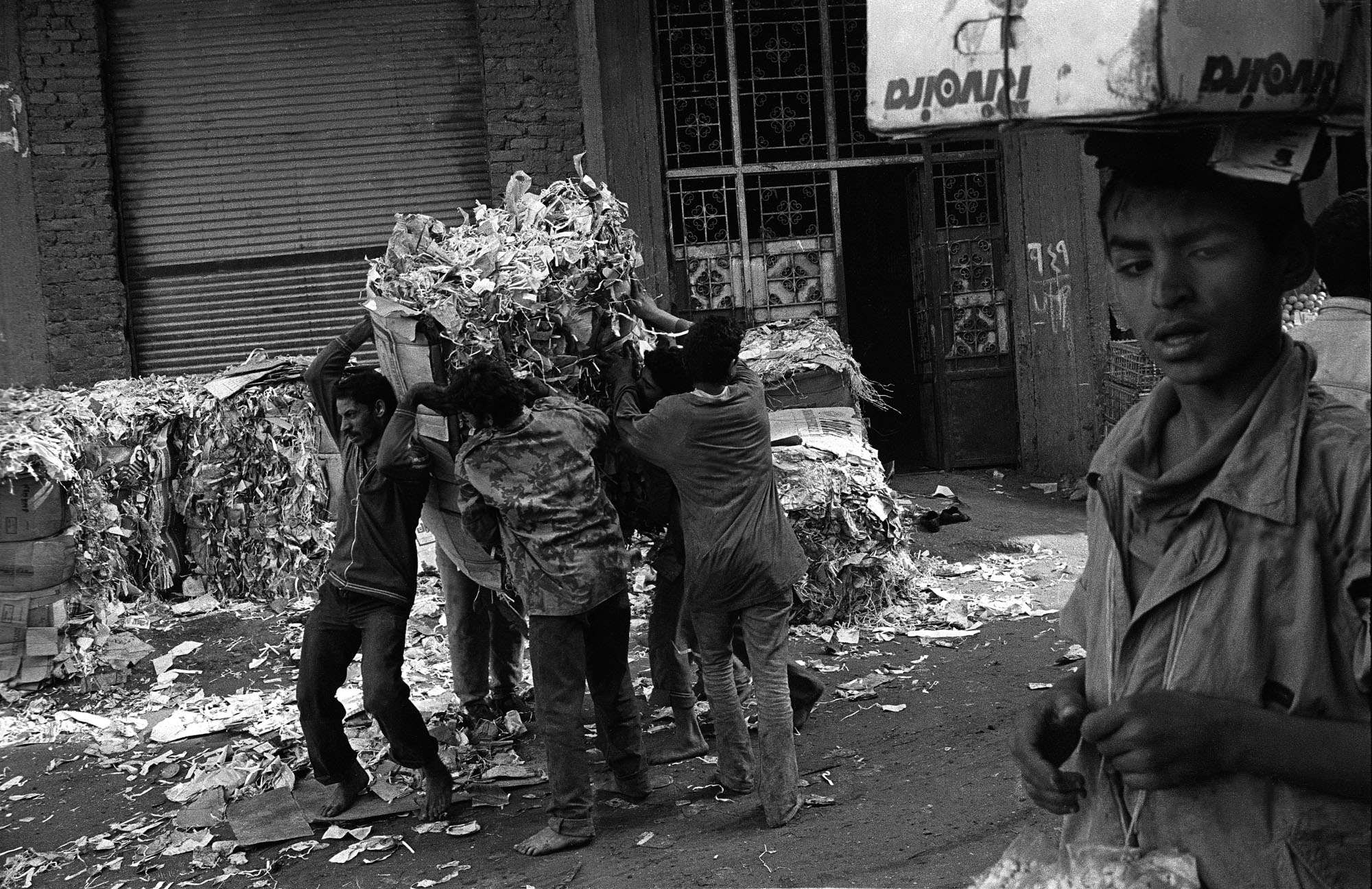
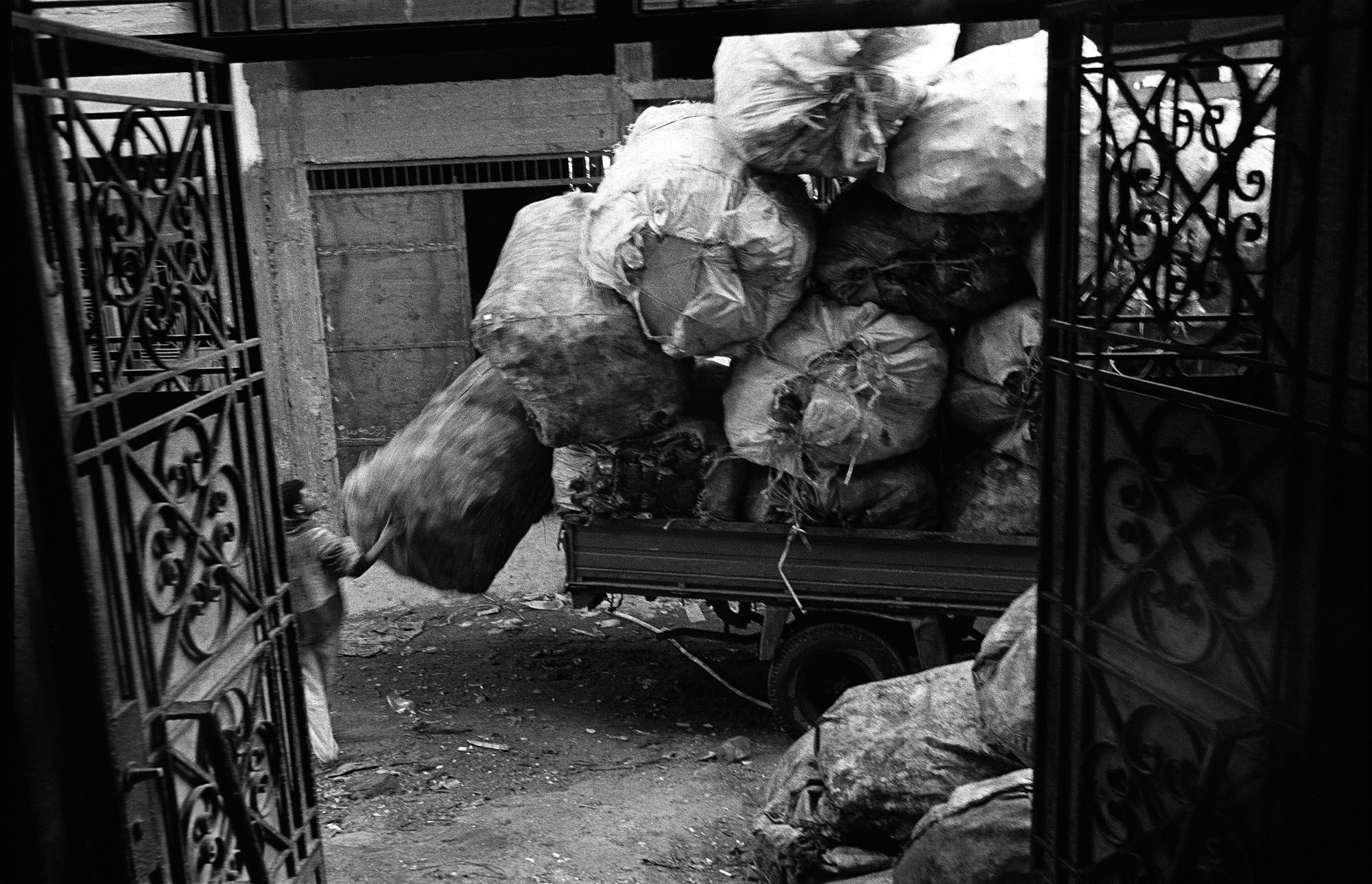
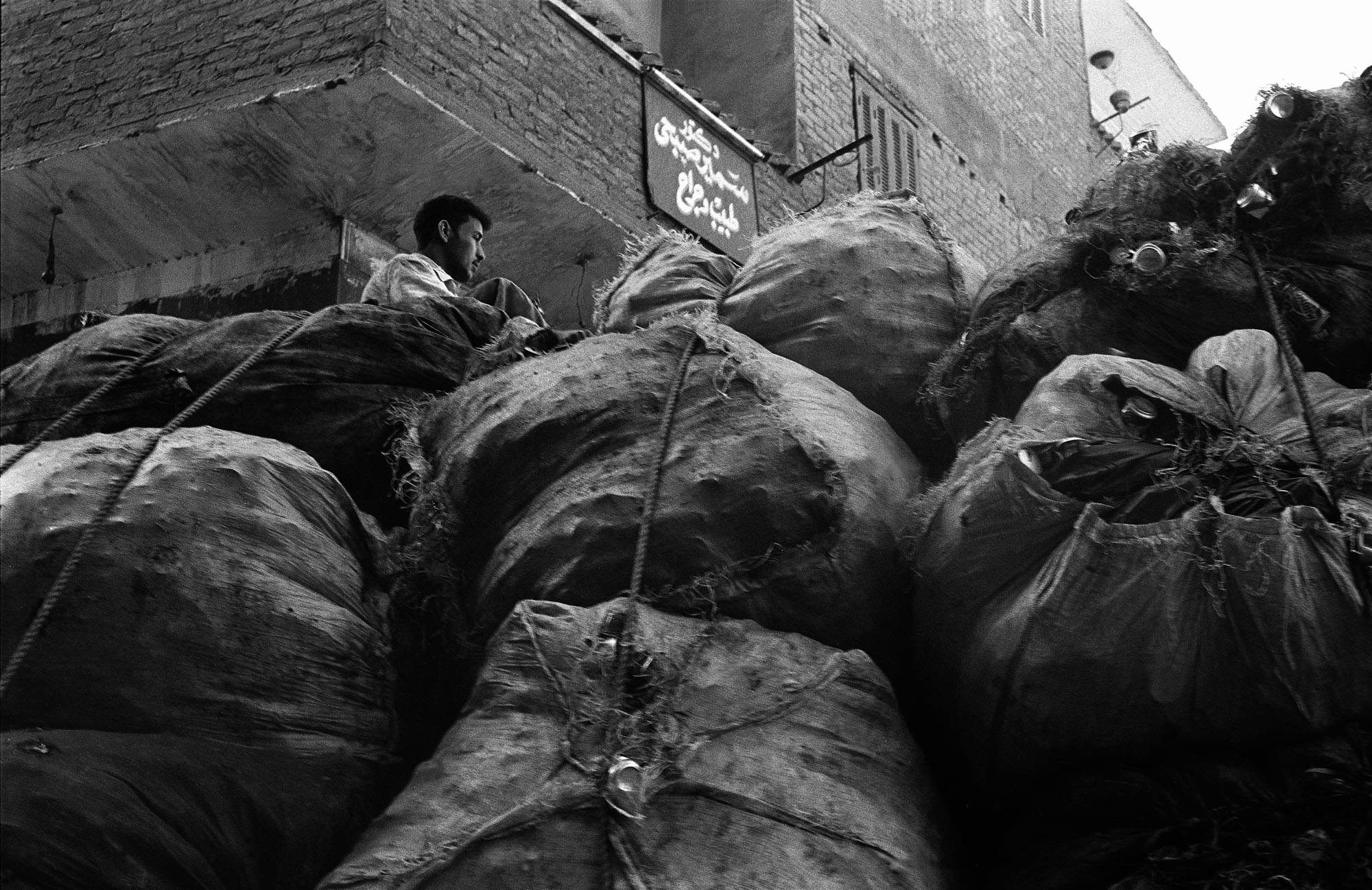
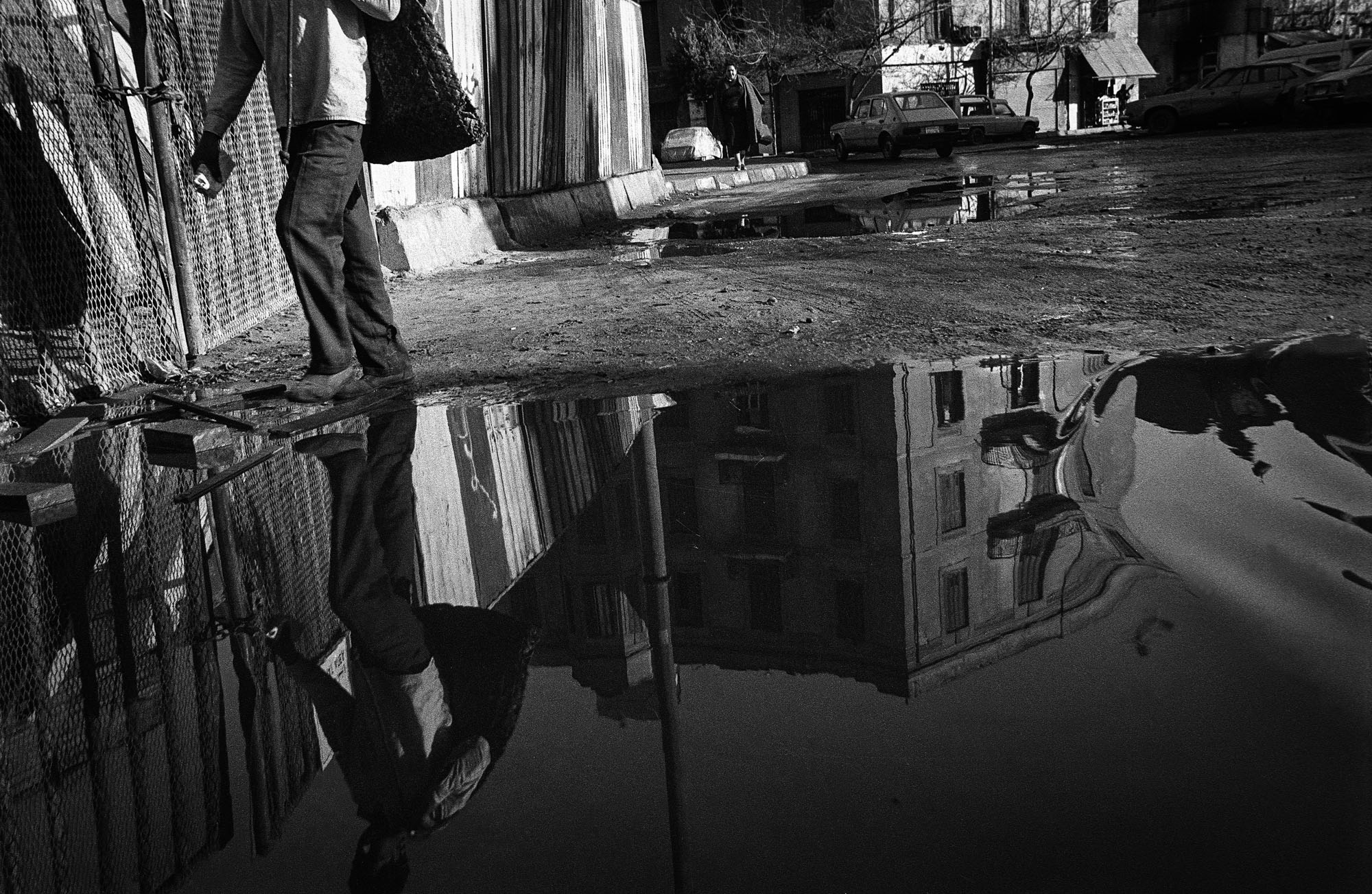
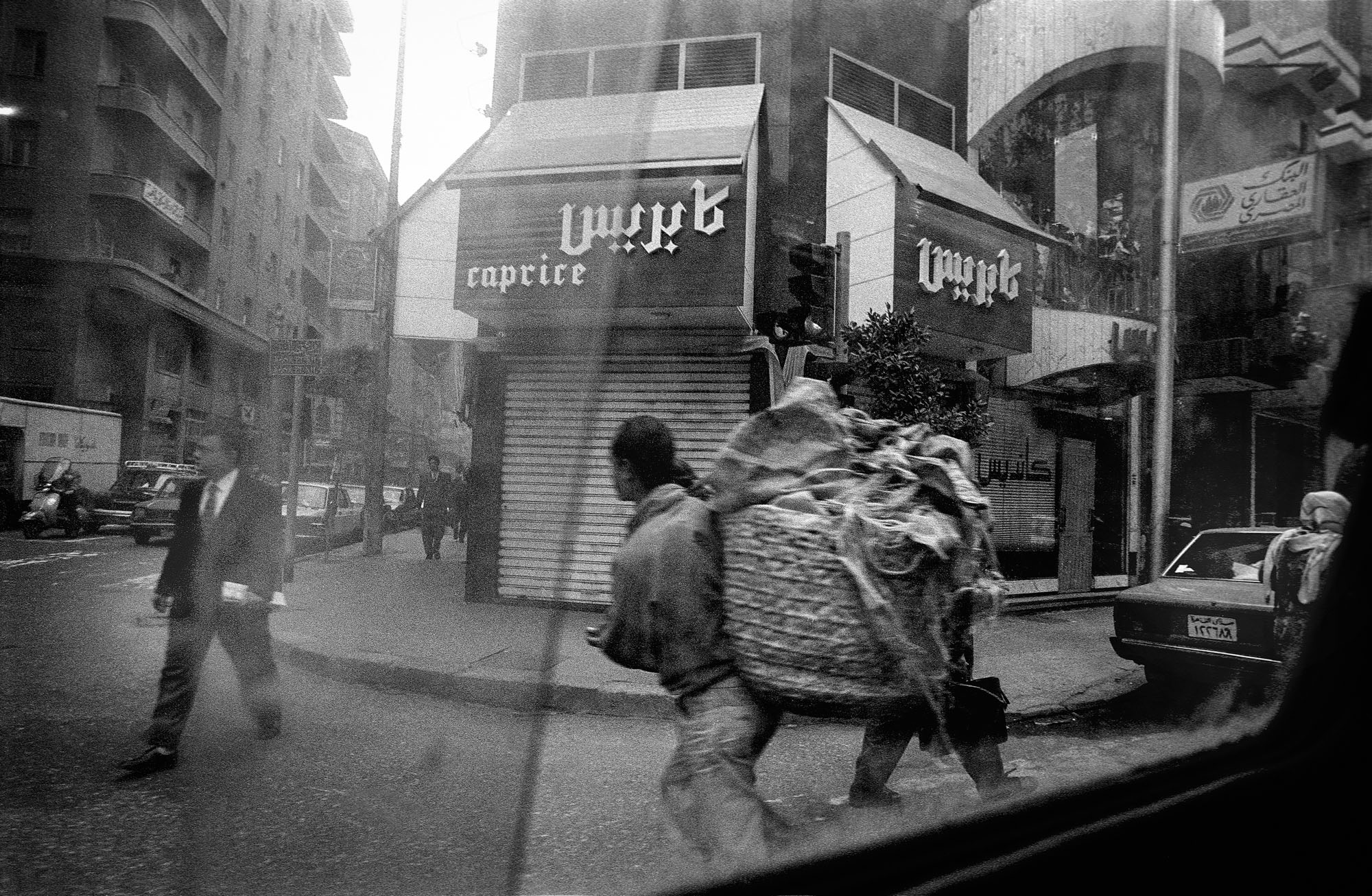
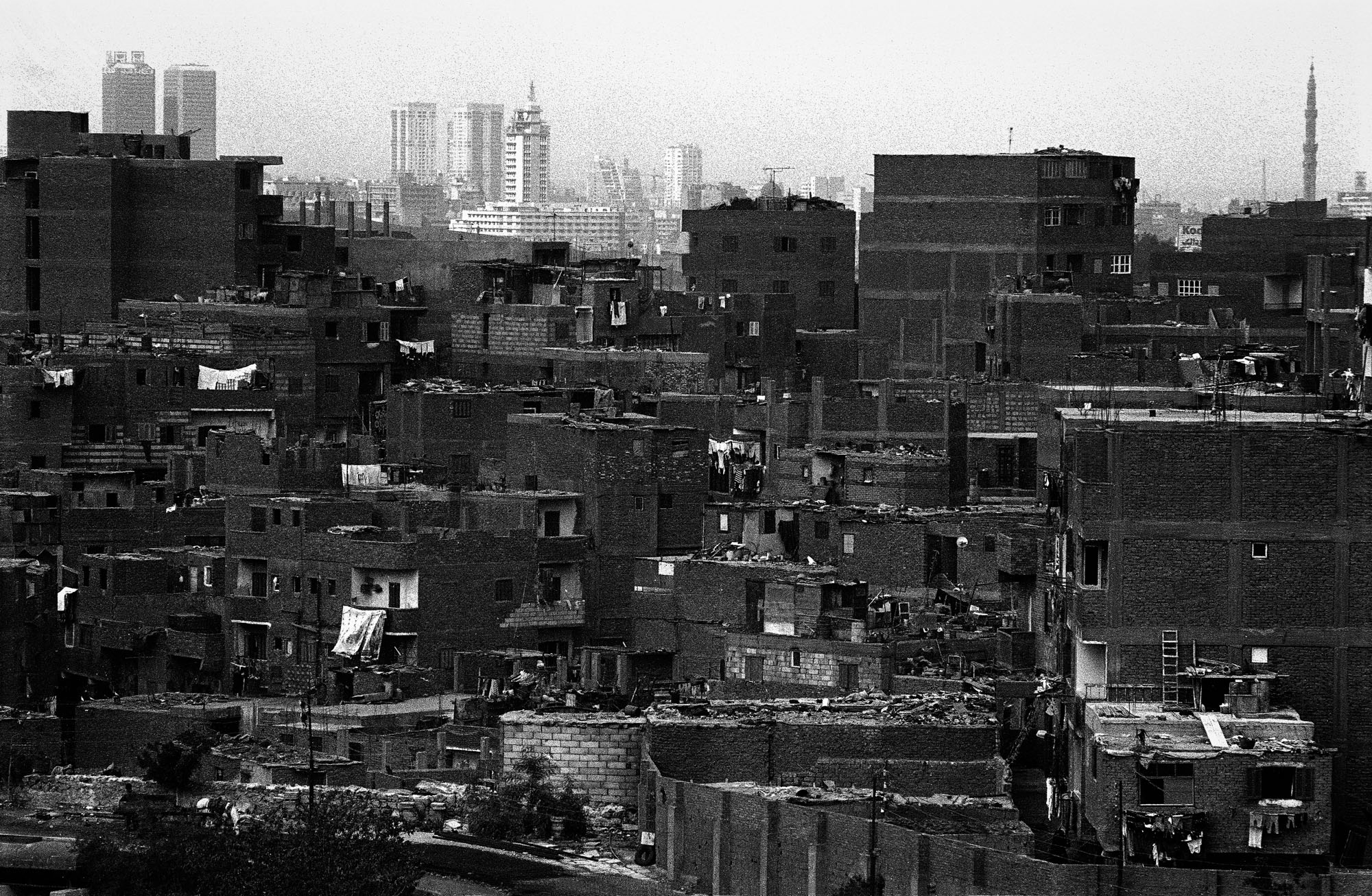
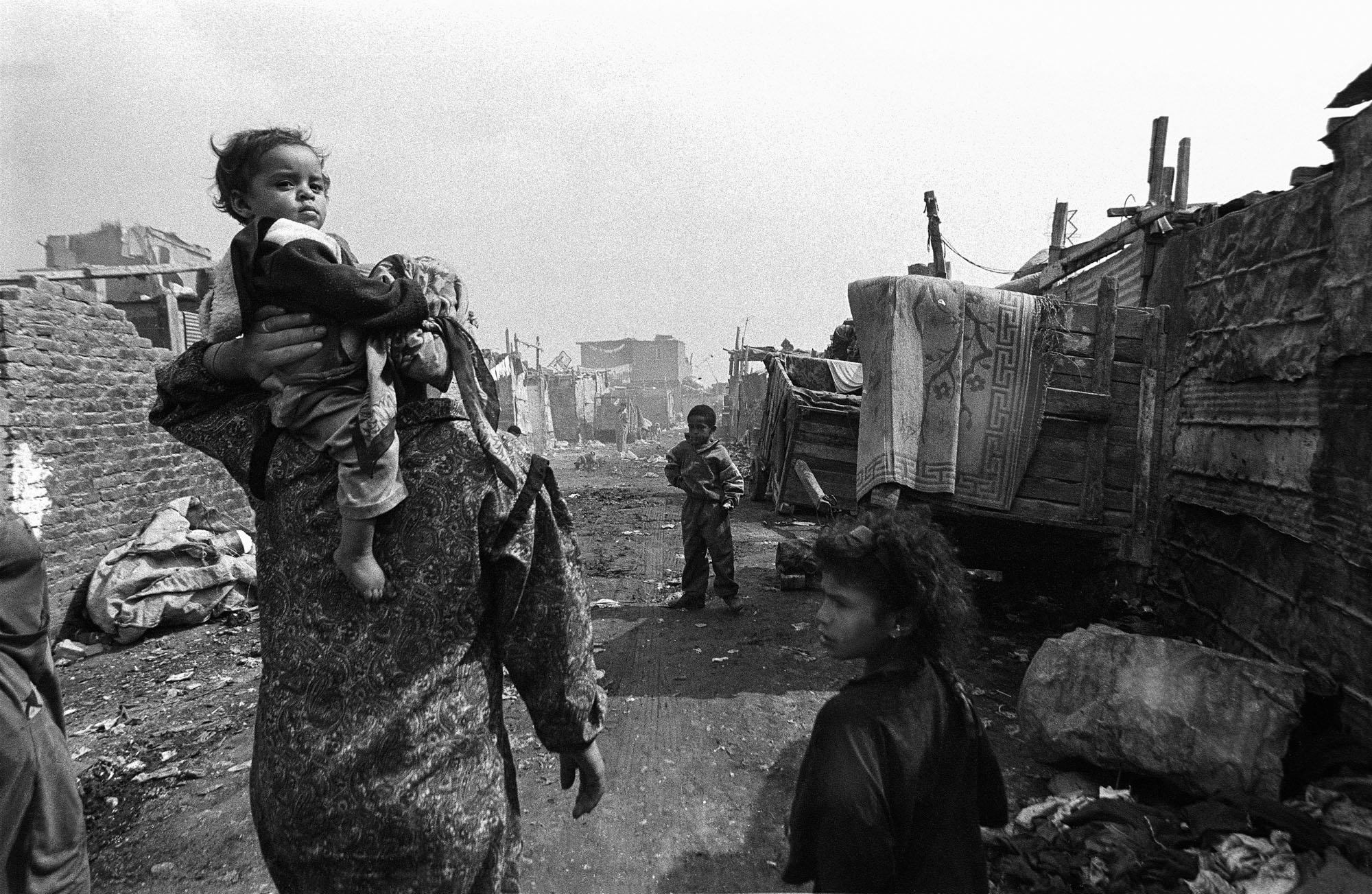
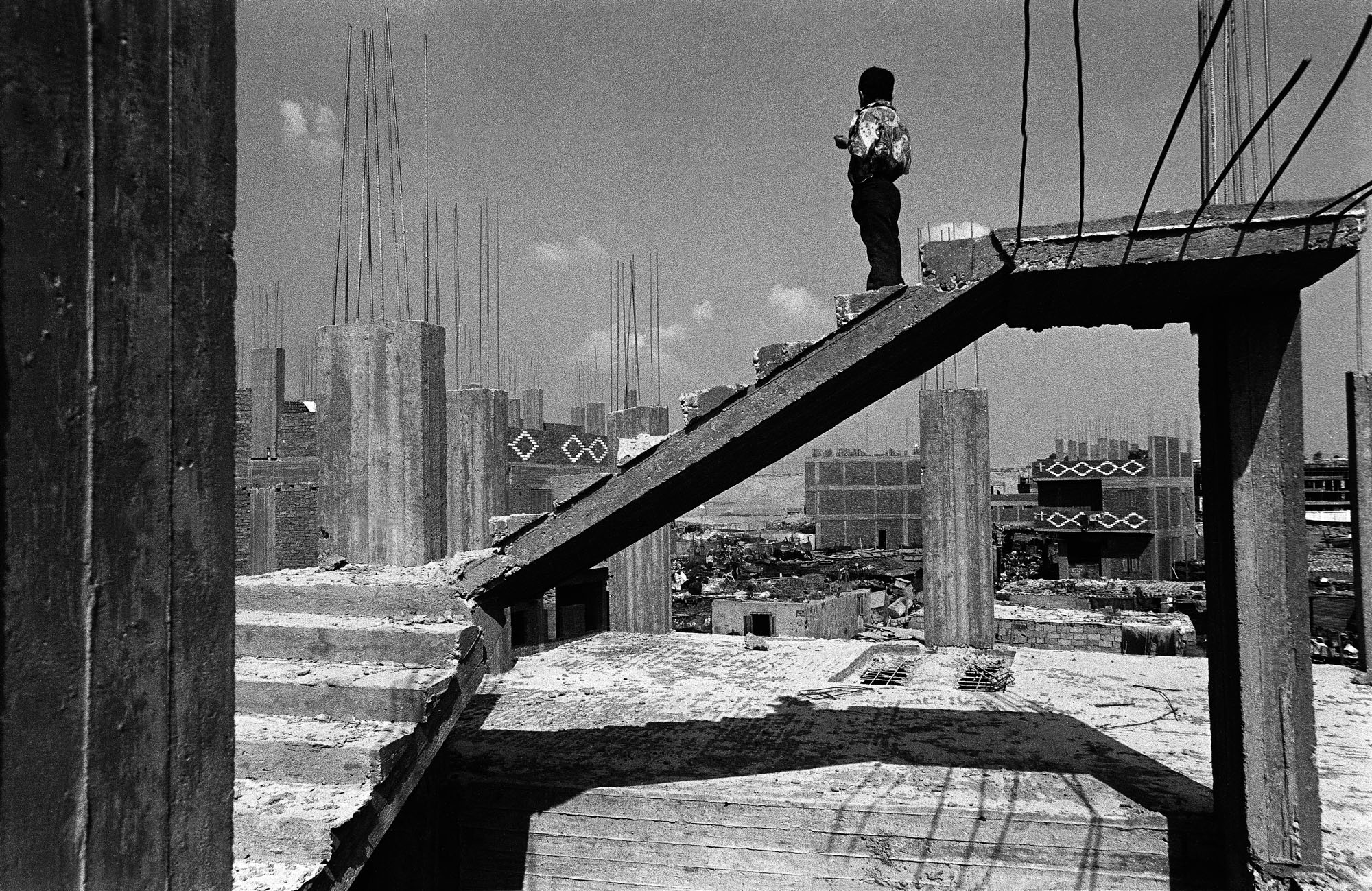
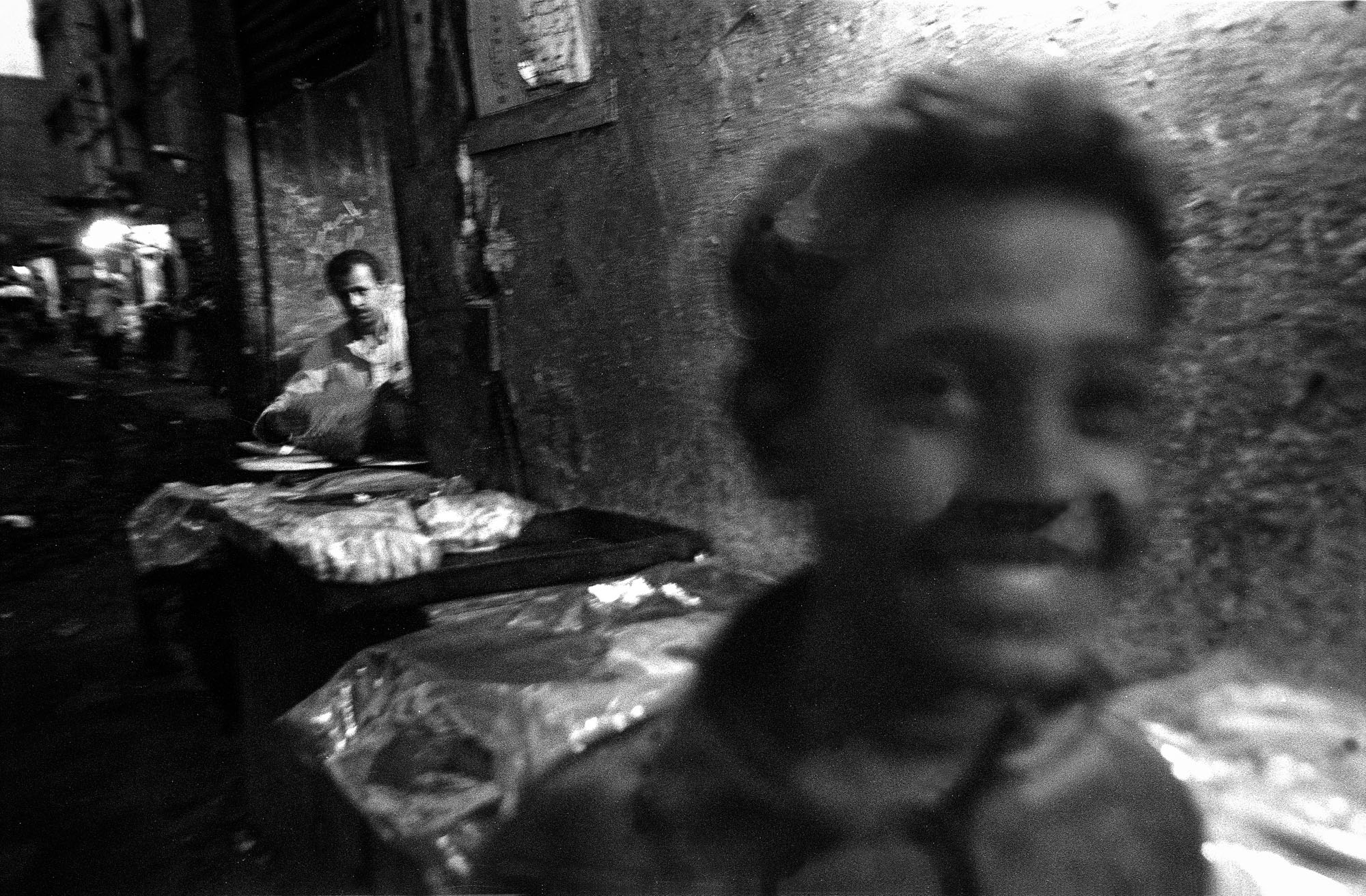
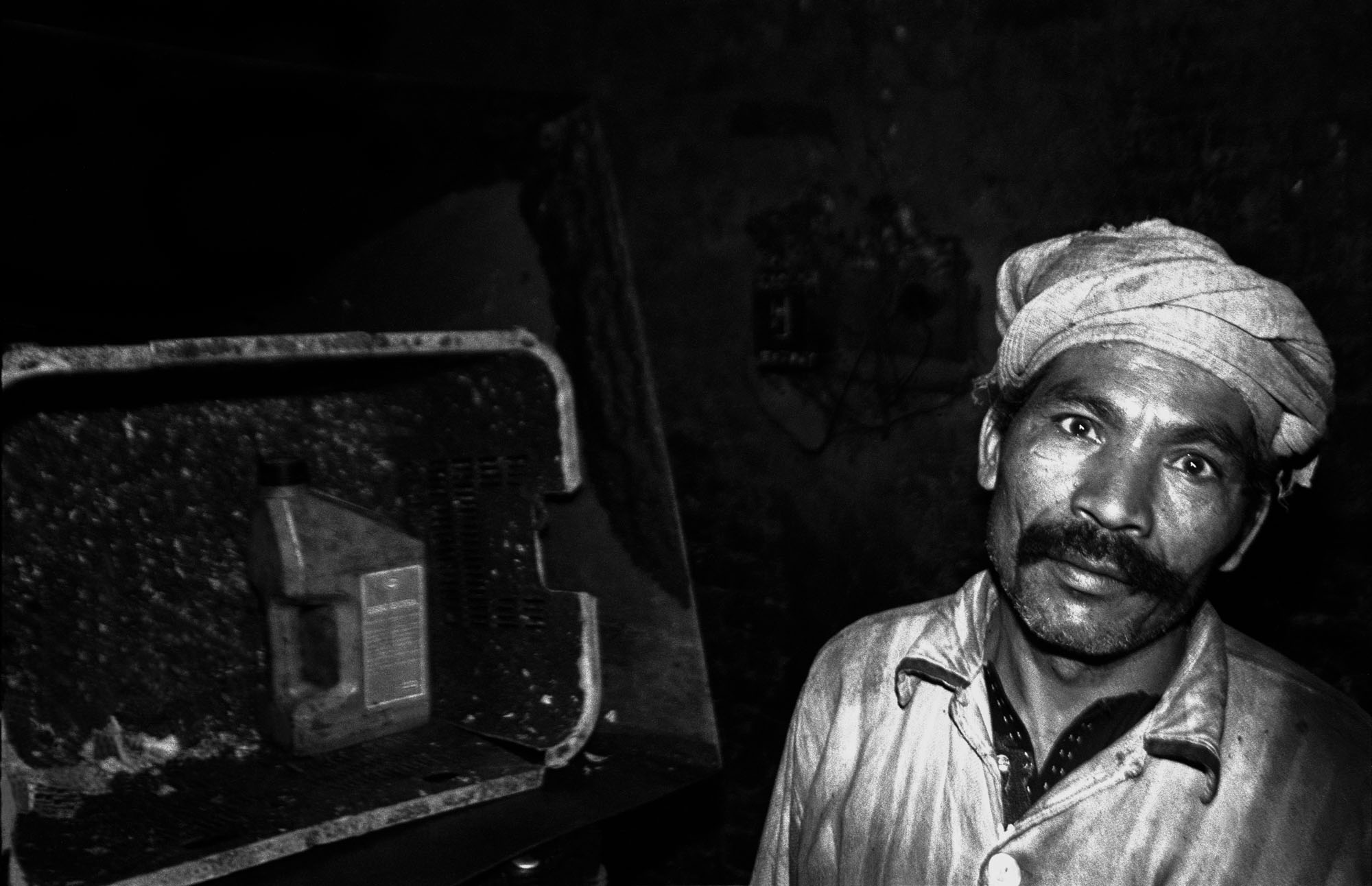
OPTIC RAGPICKERS OF CAIRO
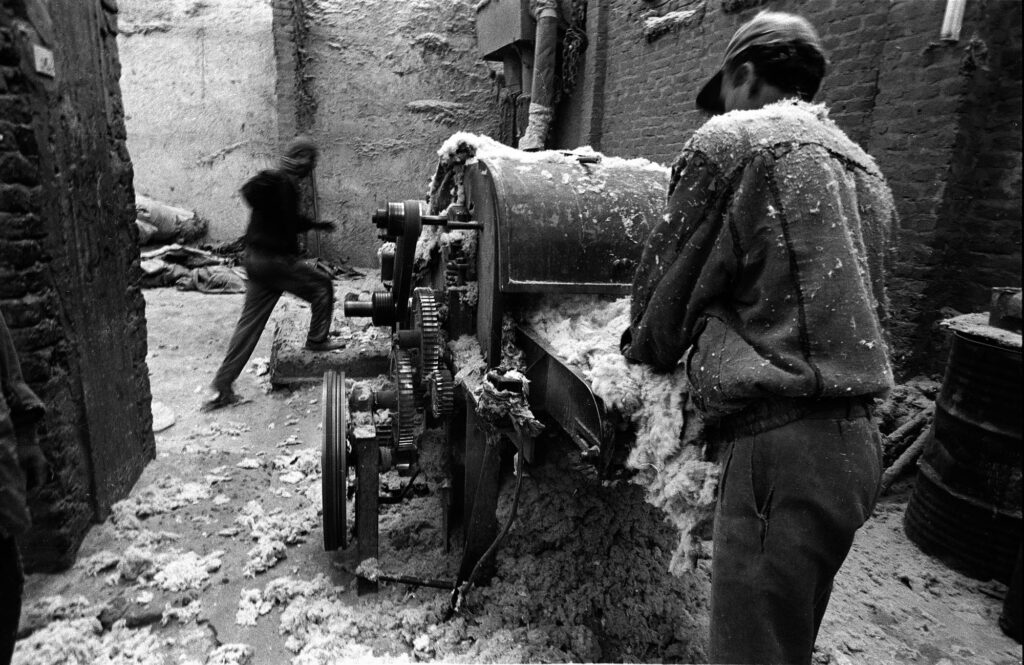
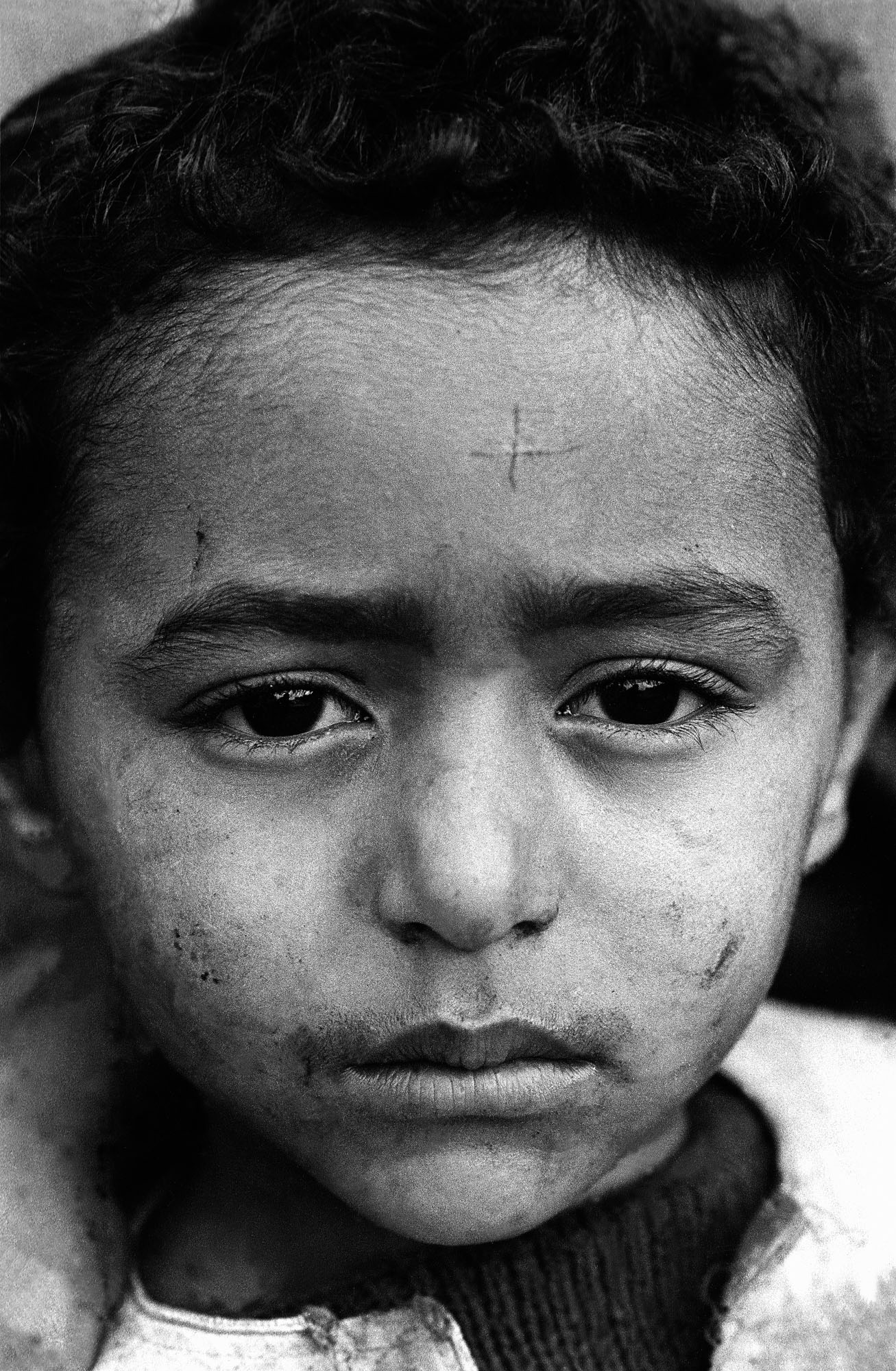
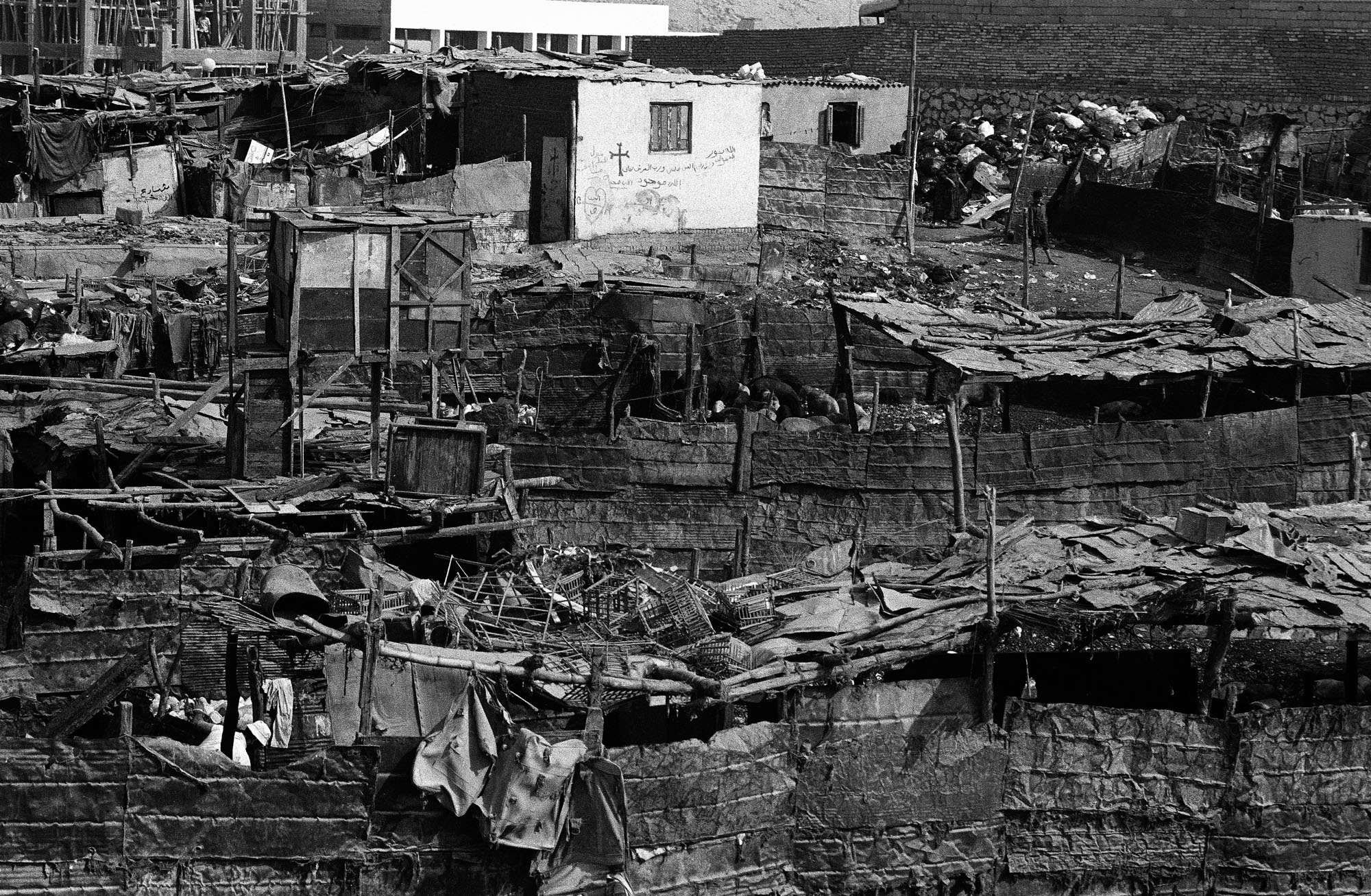
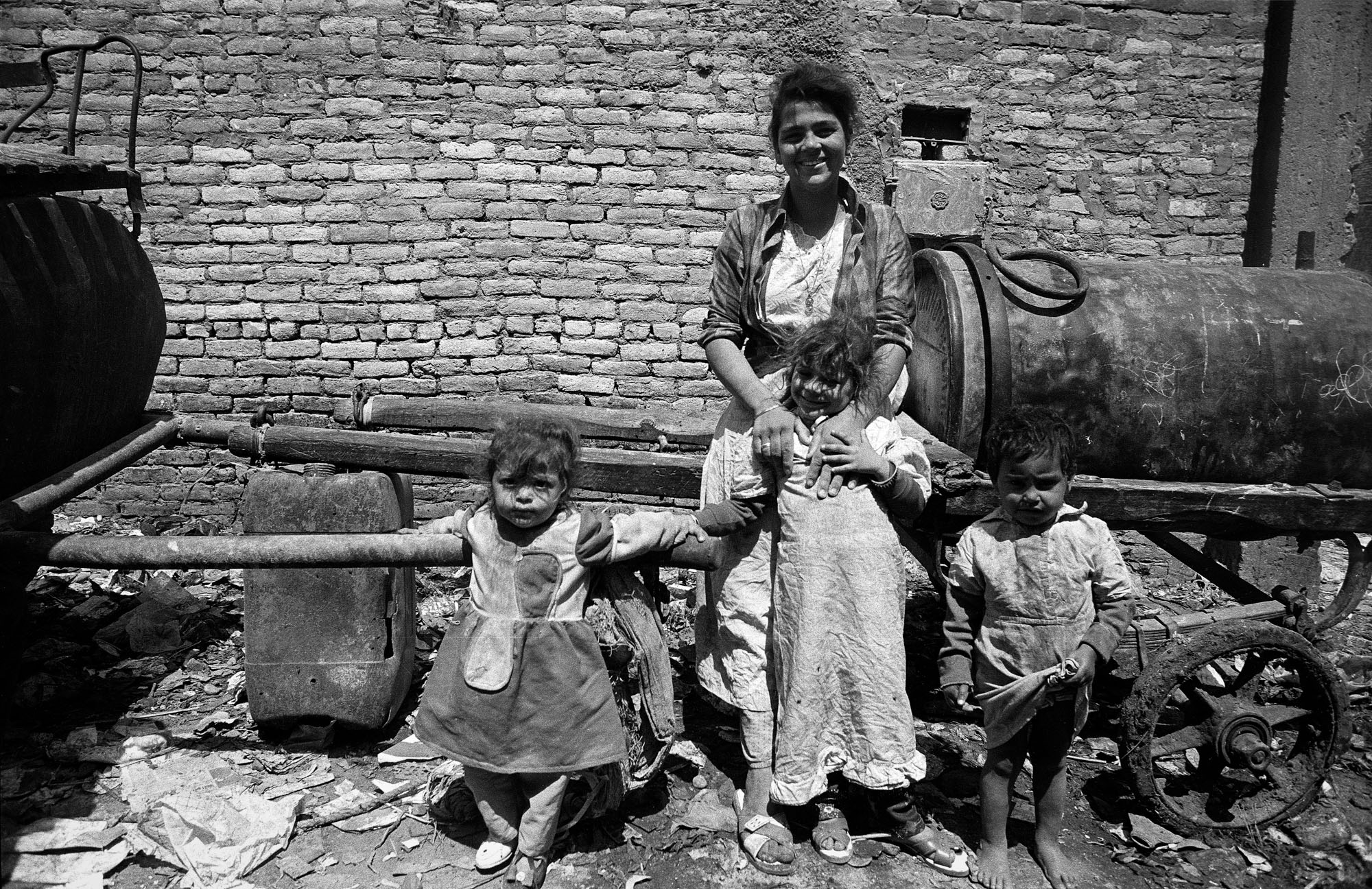
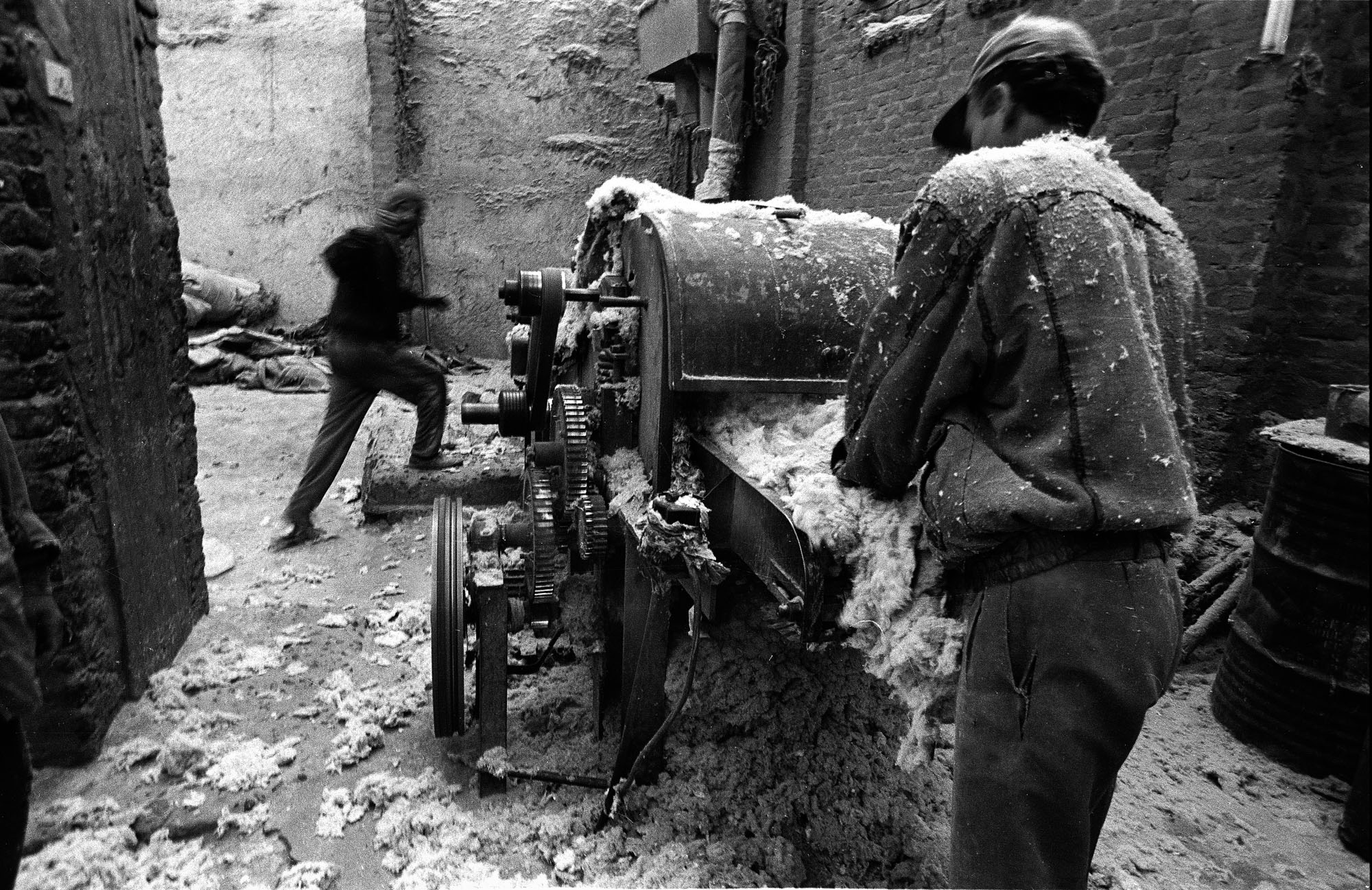
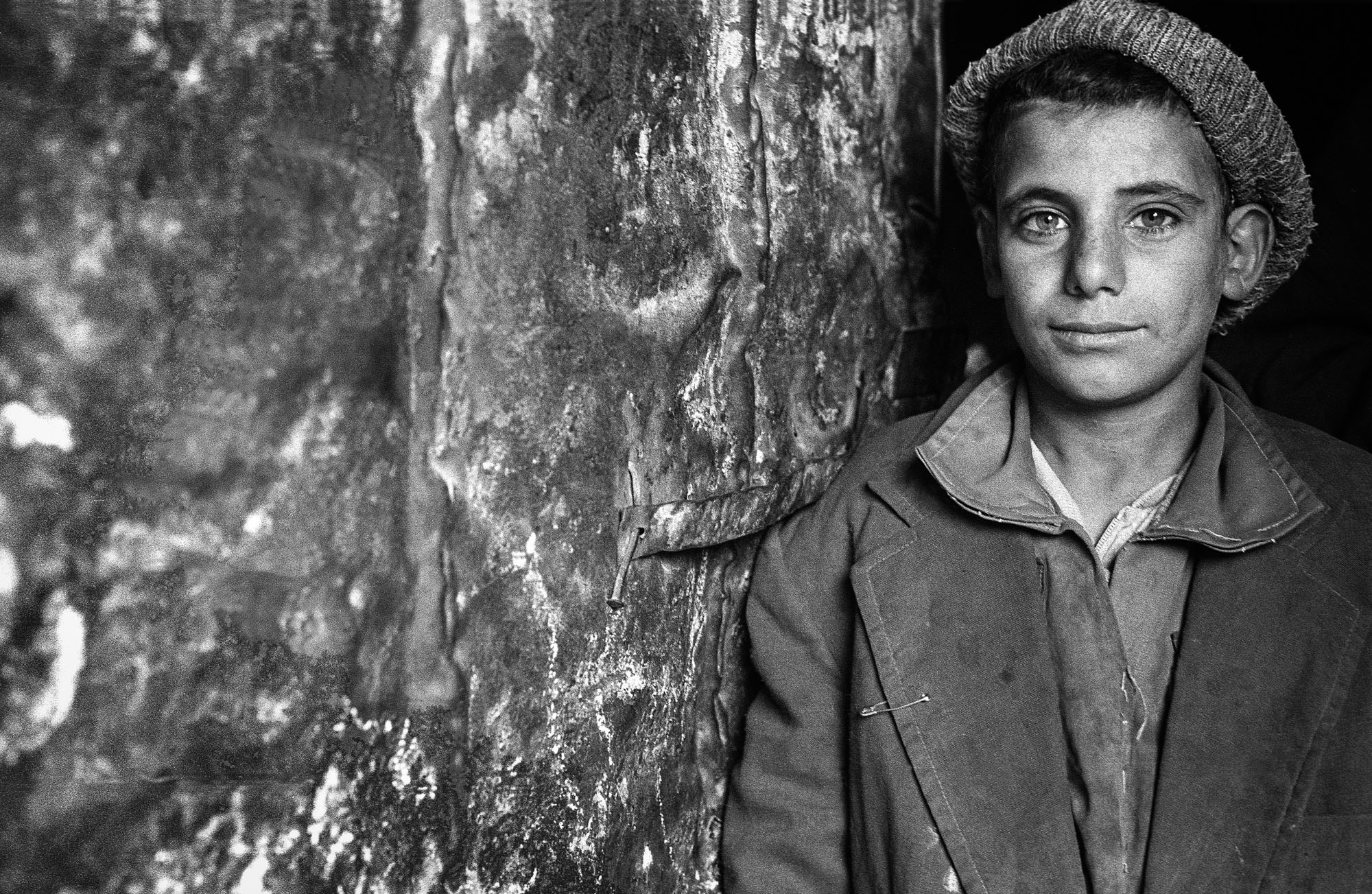
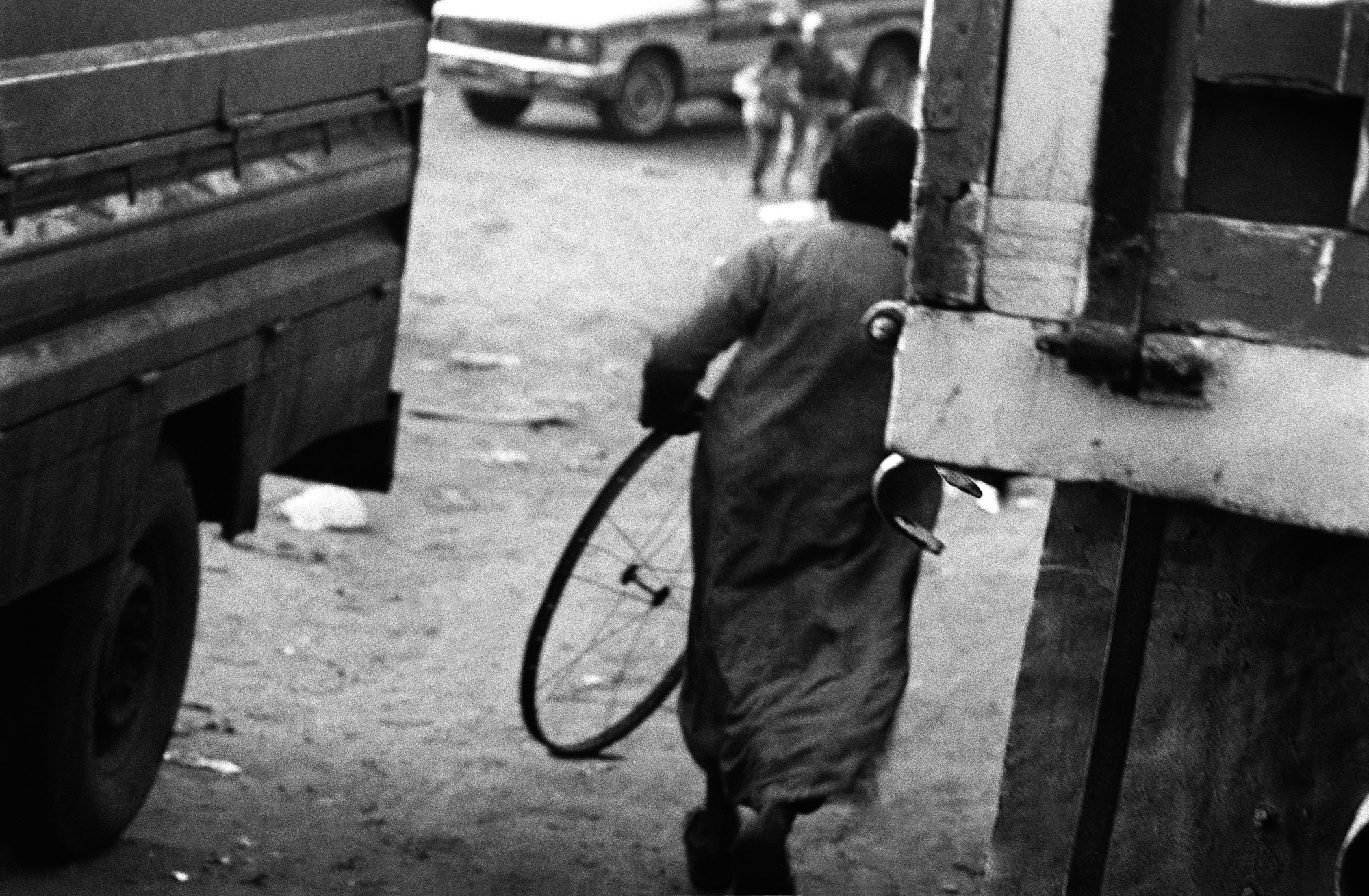
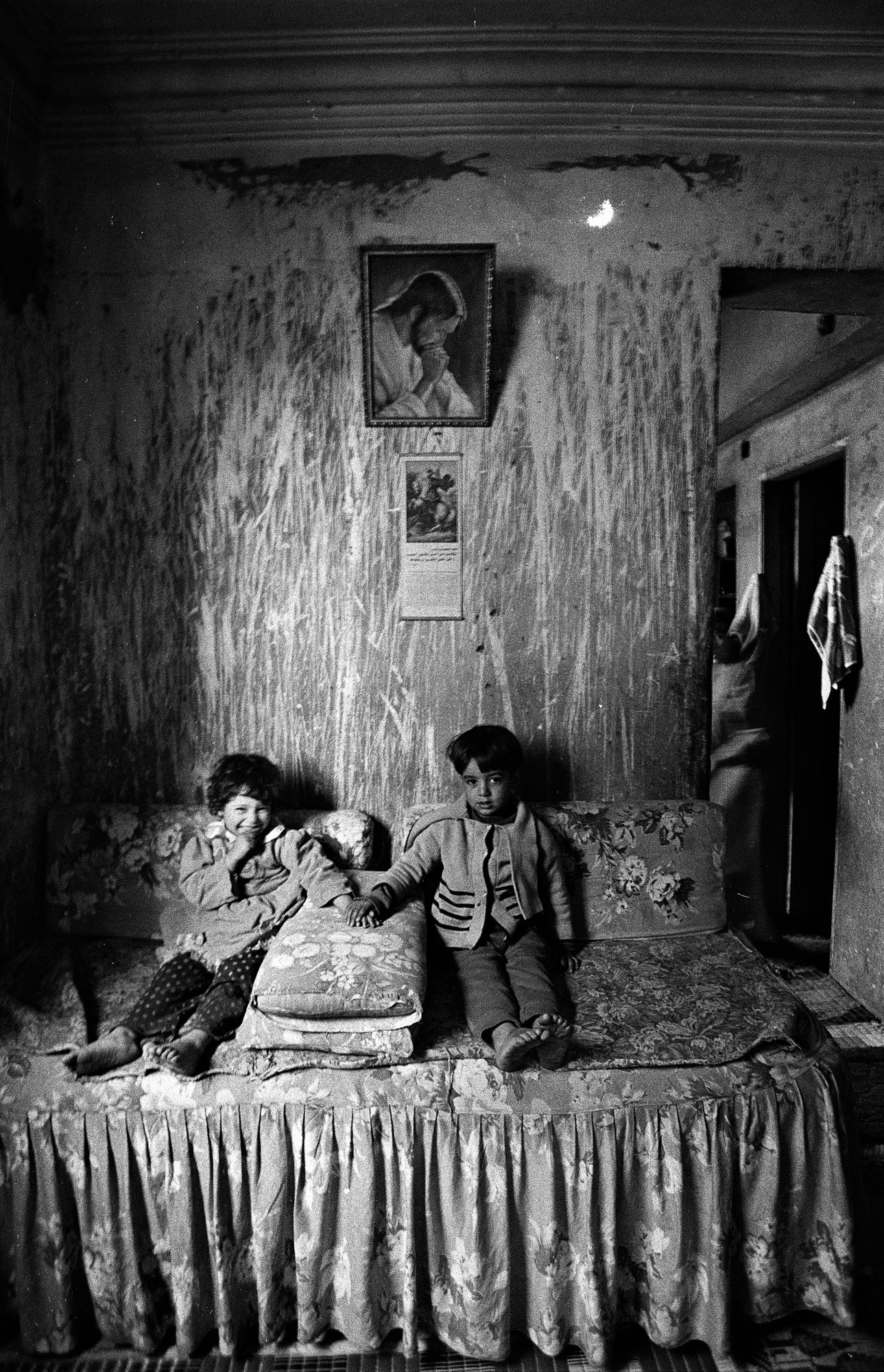
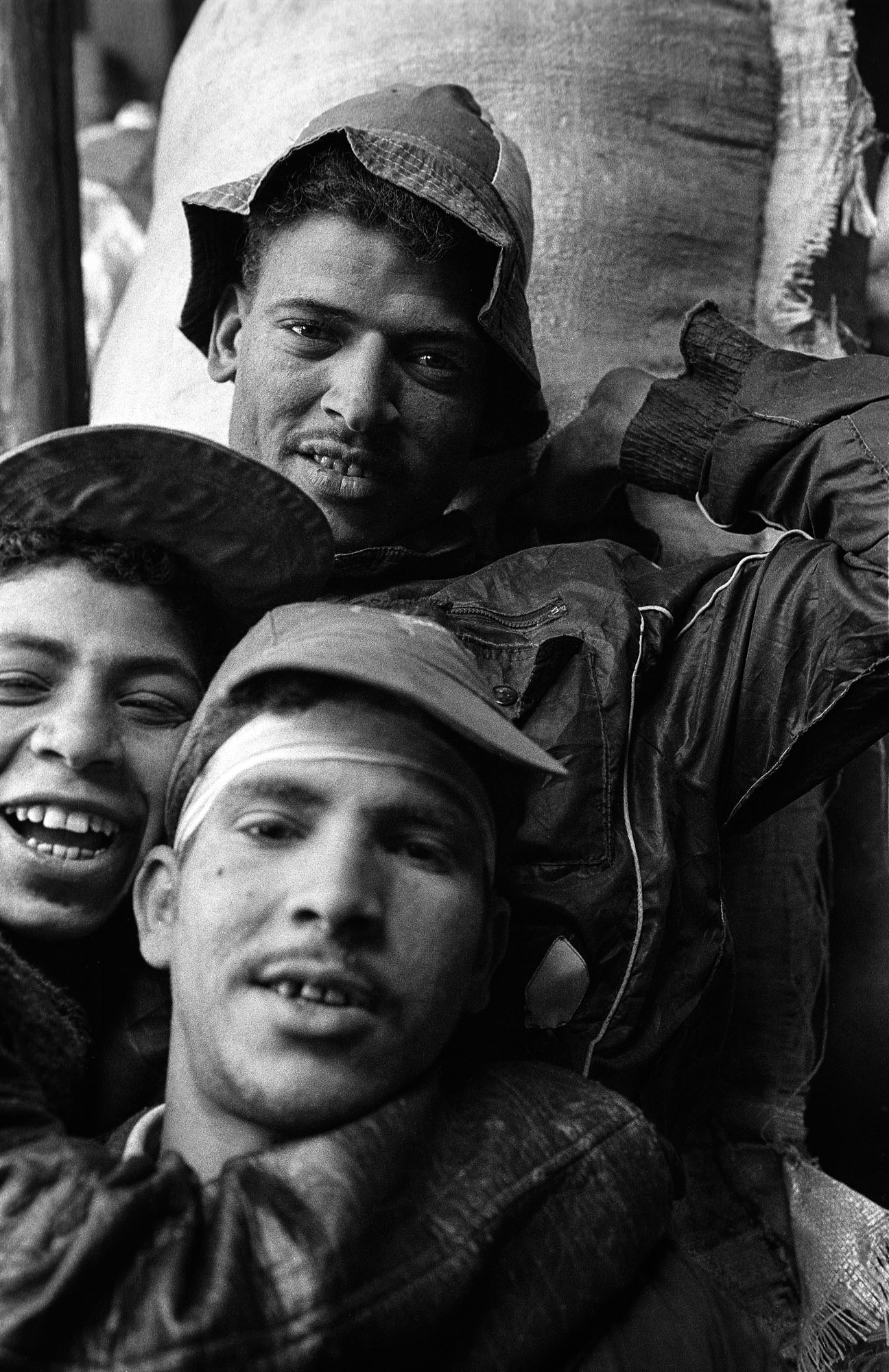
Living in slums and often marginalized by Egyptian society, Cairo’s Coptic ragpicker community nonetheless plays a vital role.
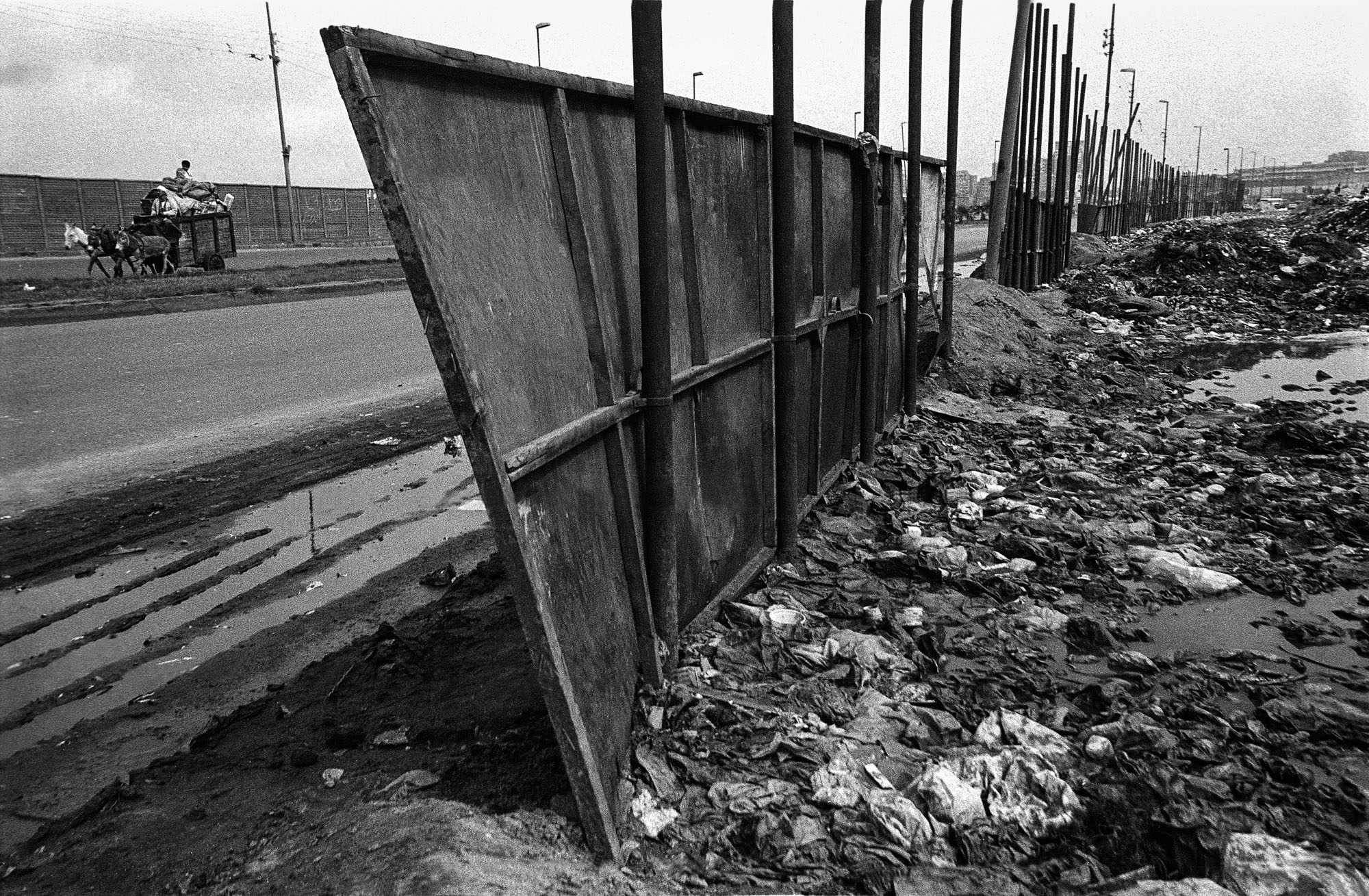
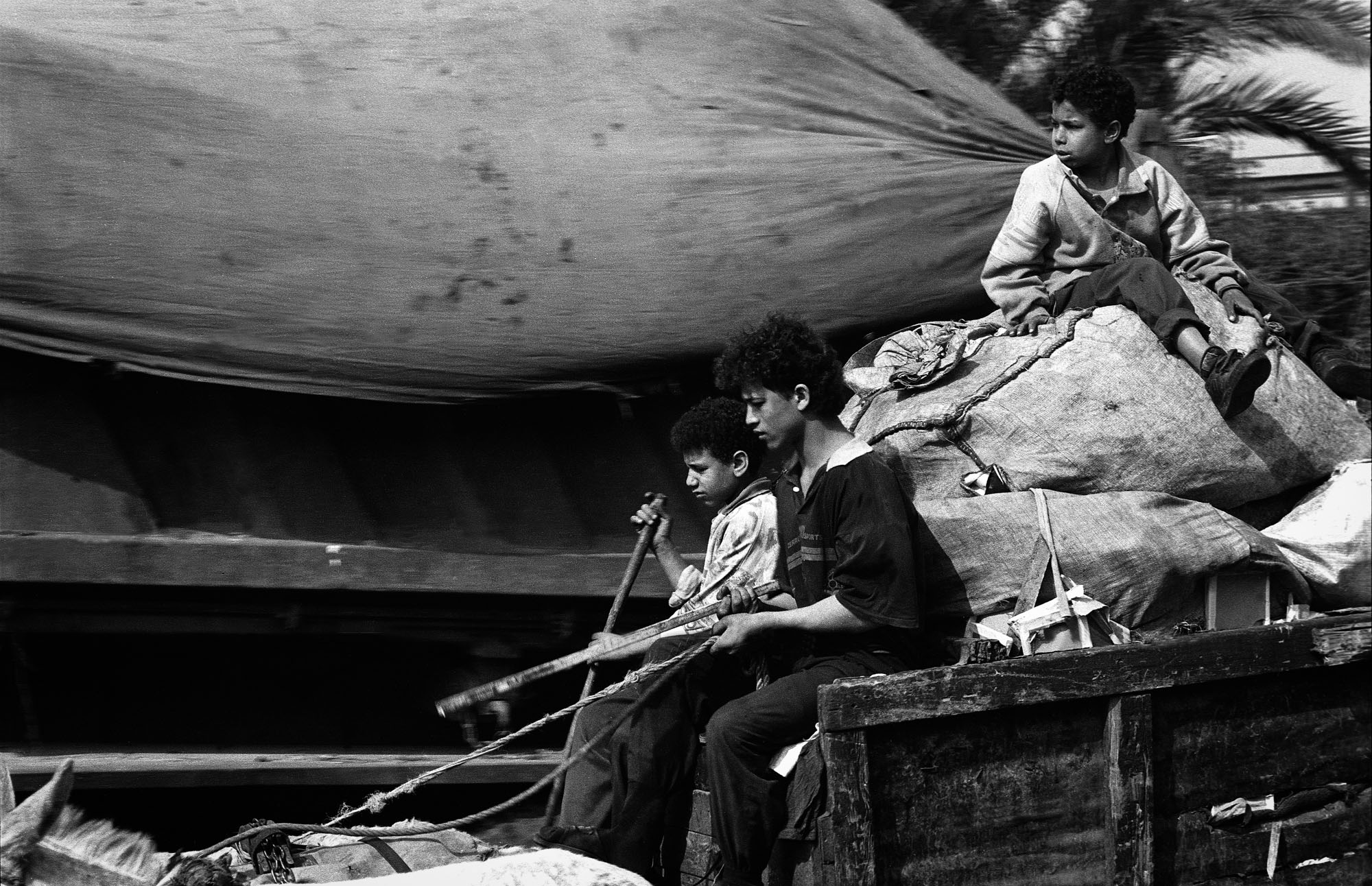
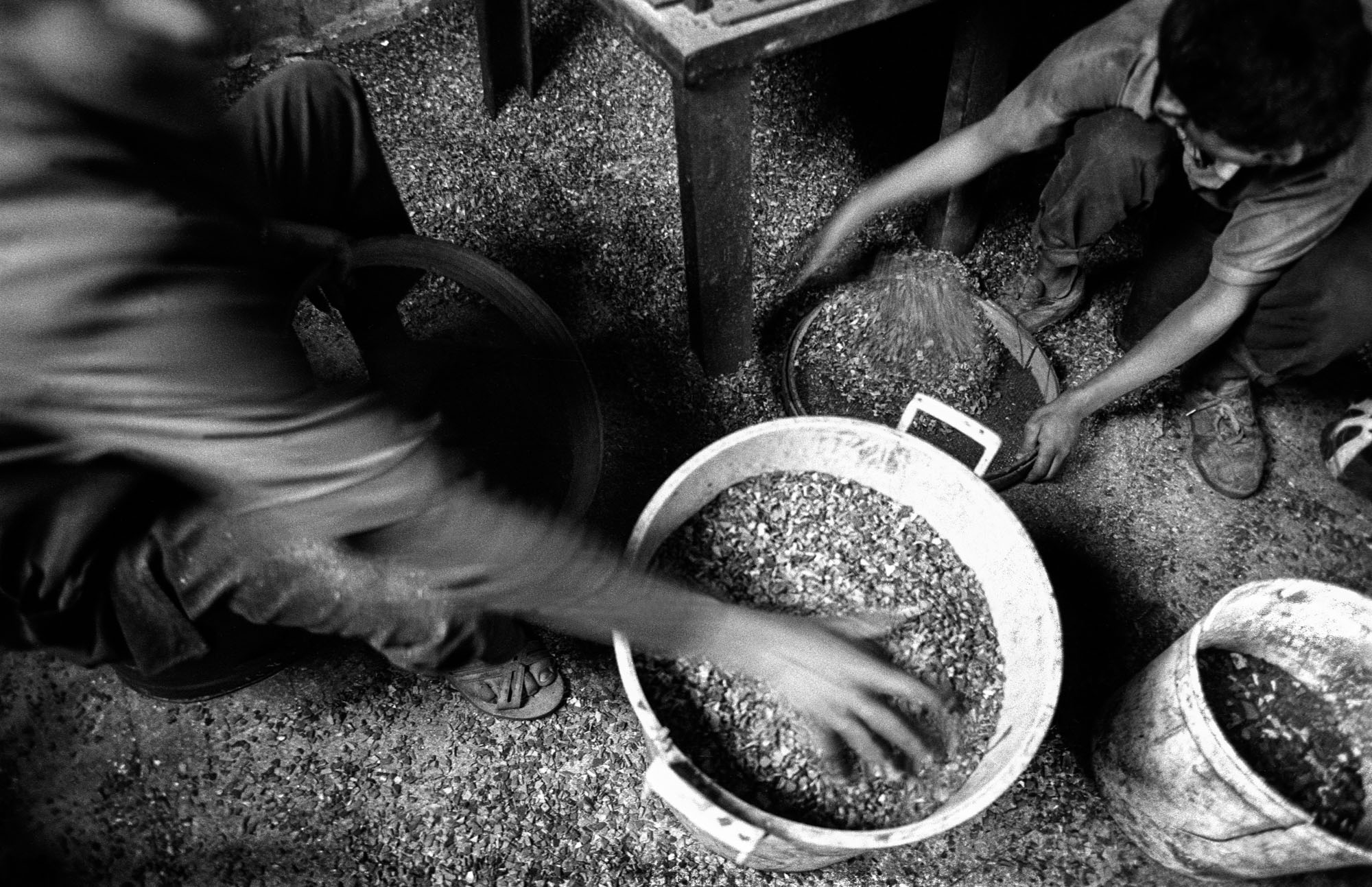
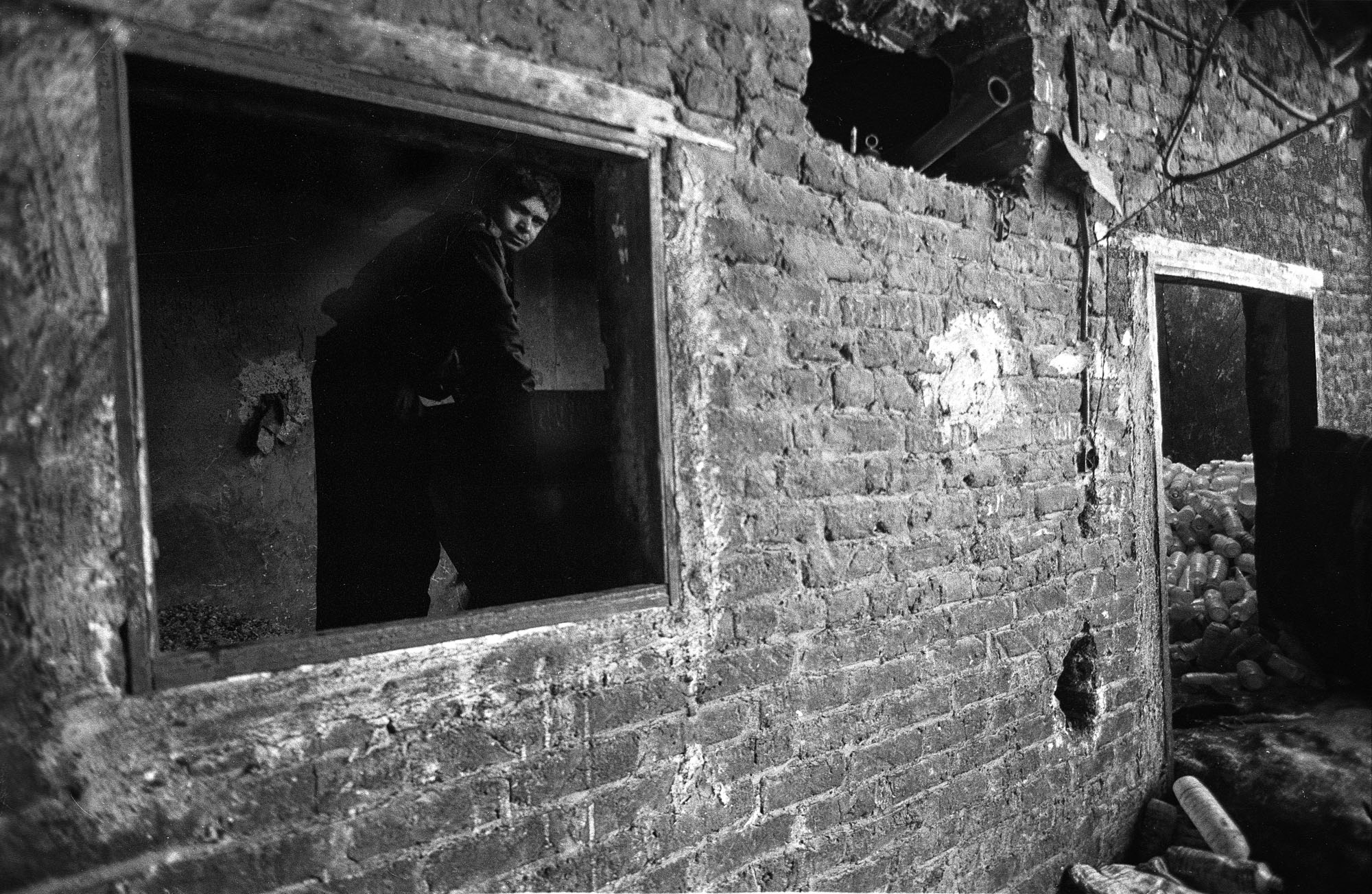
This group, rooted in a long tradition, collects, sorts, and recycles the city’s vast waste, contributing significantly to urban cleanliness and waste management.
Despite their ecological and economic importance, these workers frequently face stigma, poverty, and isolation.
Their skills and perseverance remain largely invisible to the public.
Yet without them, the city’s functioning would be severely disrupted. Coptic ragpickers embody a crucial link in an informal system that is often disregarded but indispensable for Cairo’s sustainability and daily life.
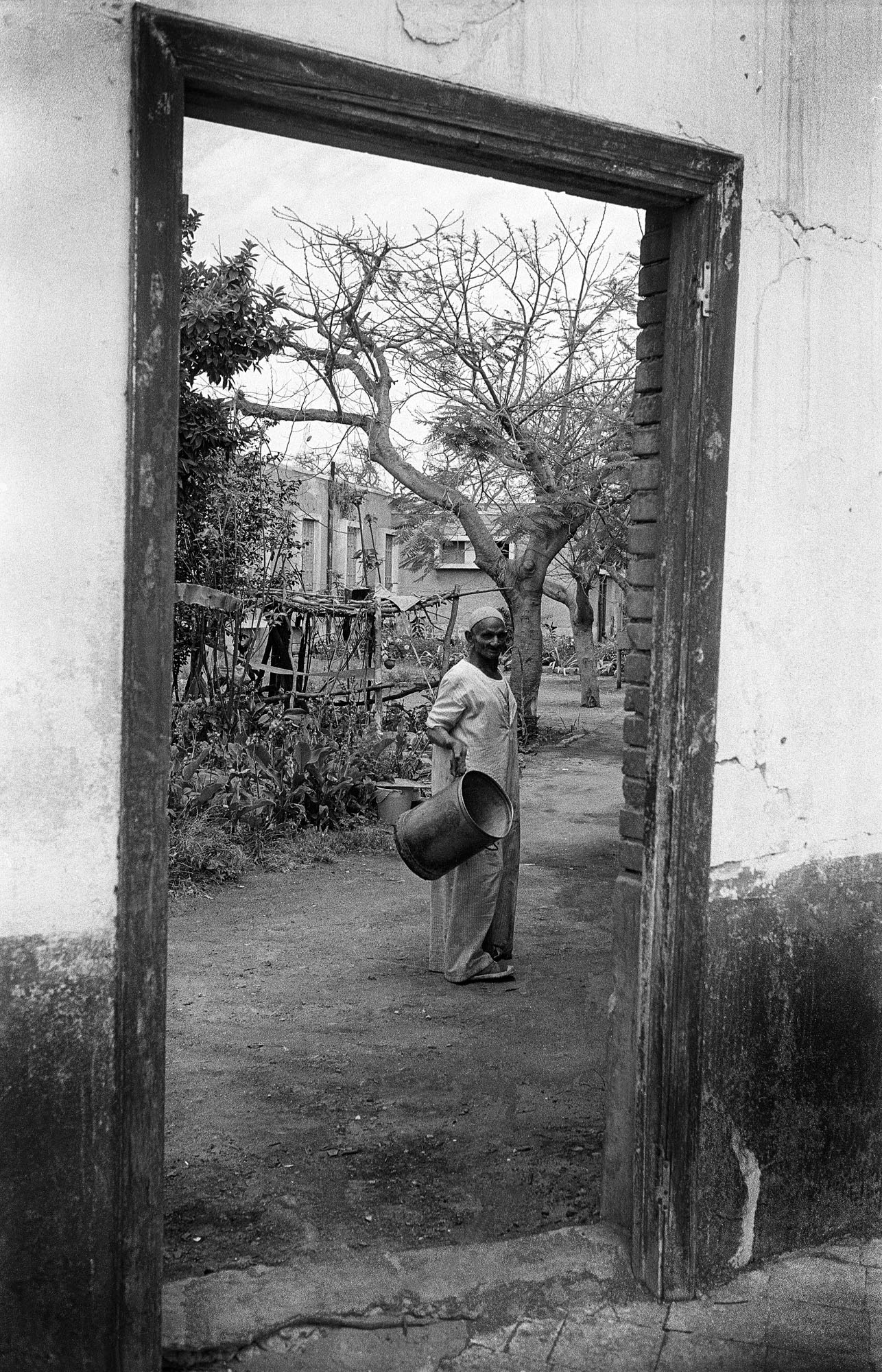
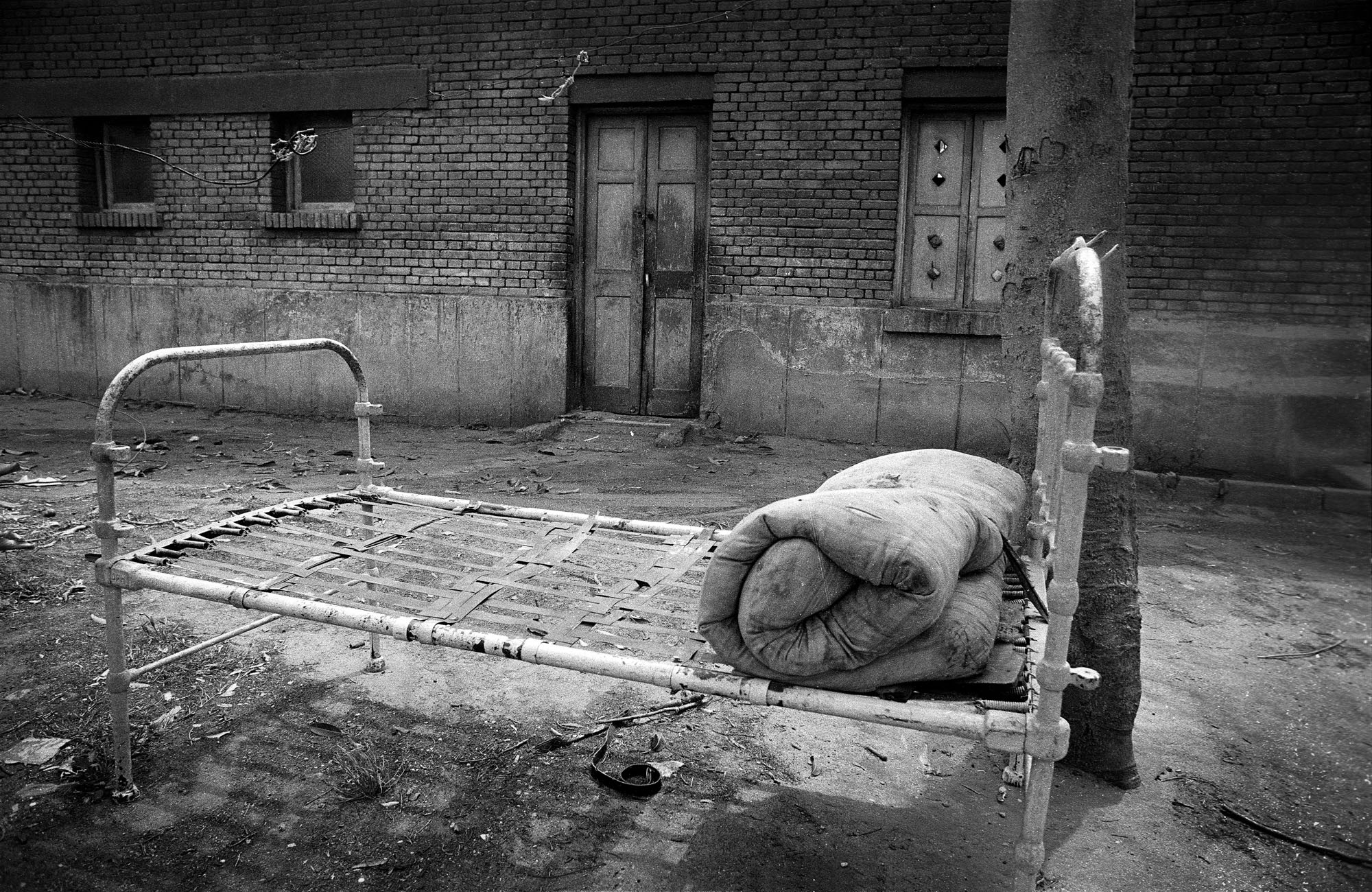
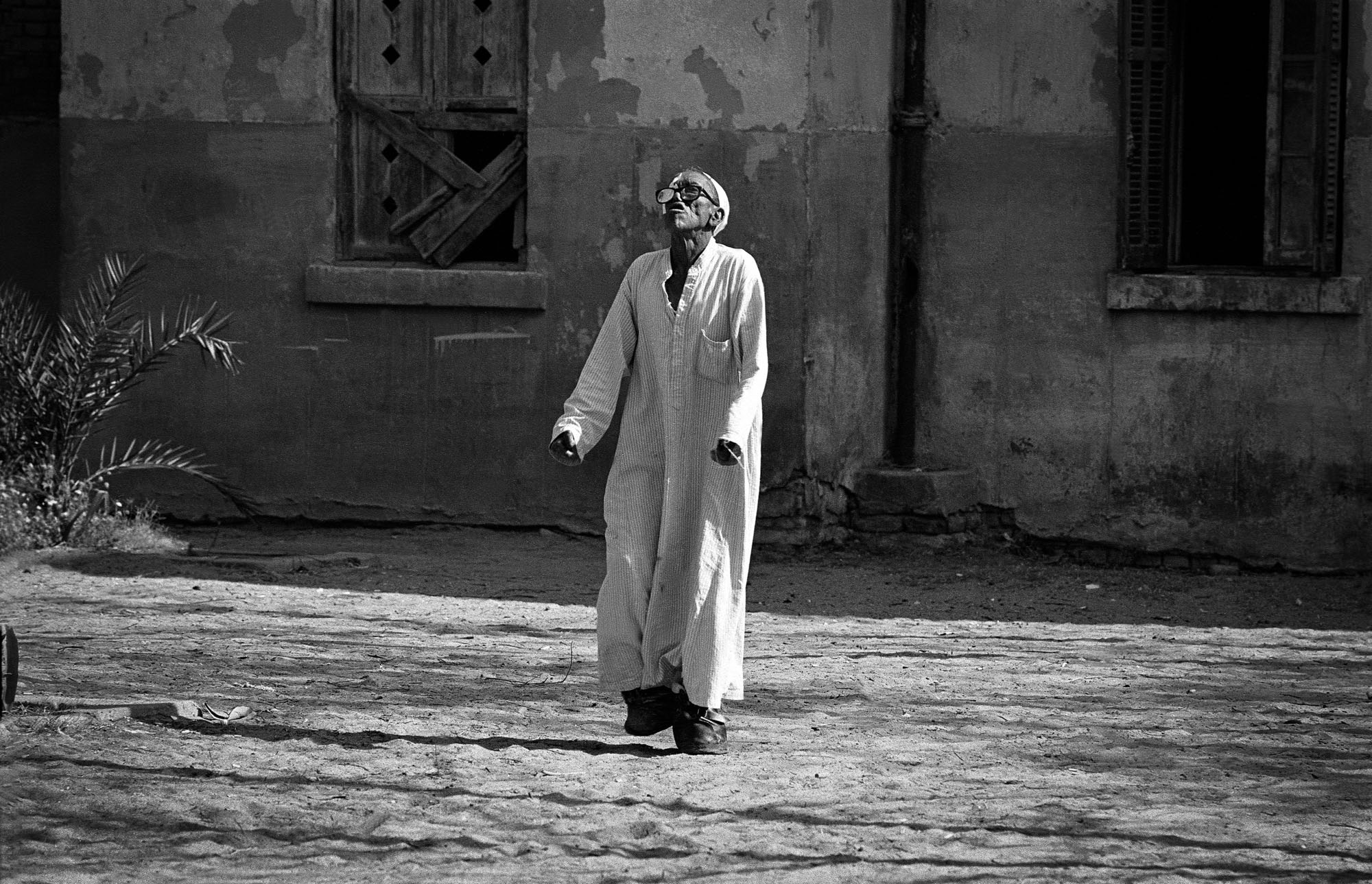
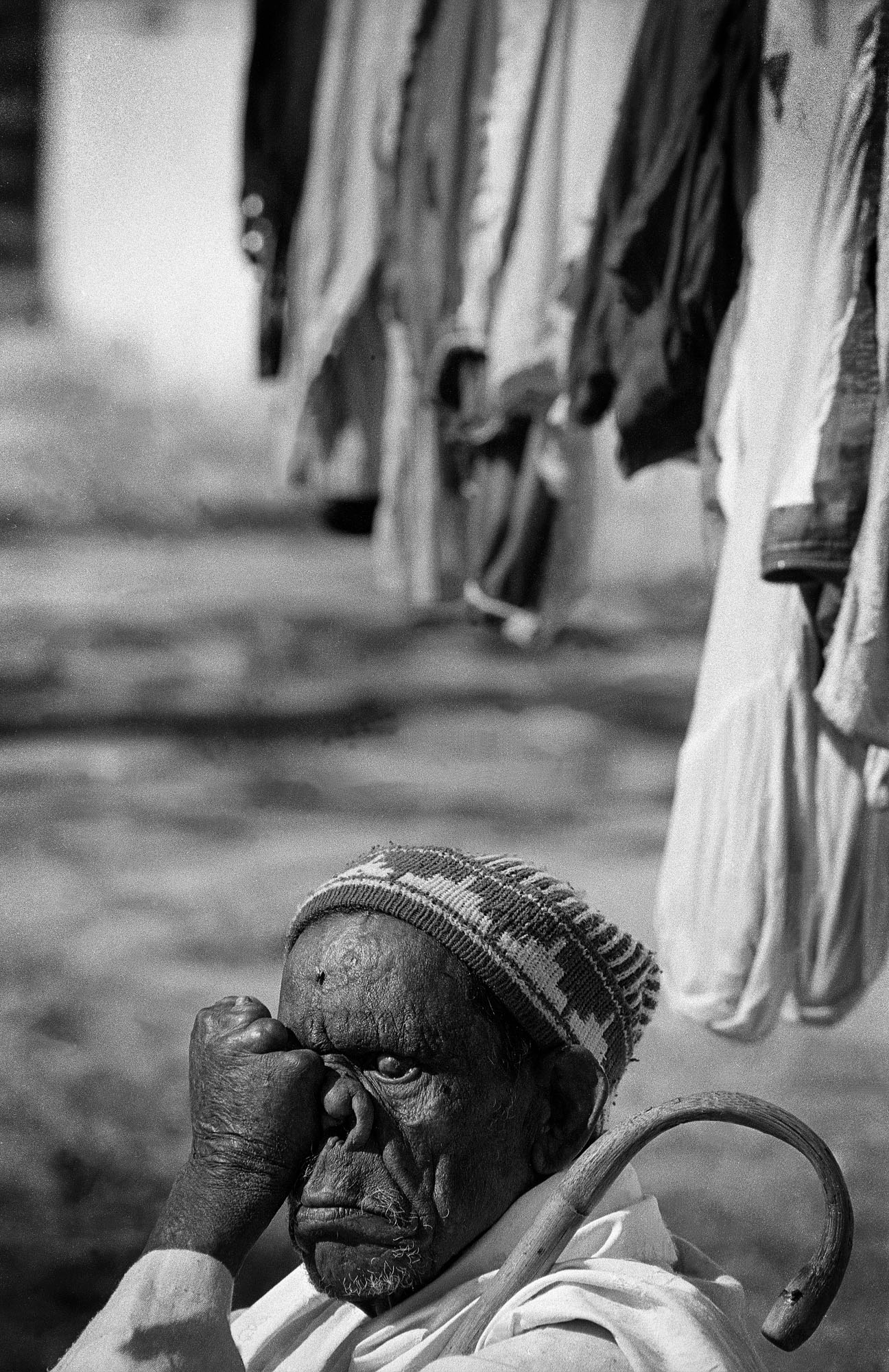
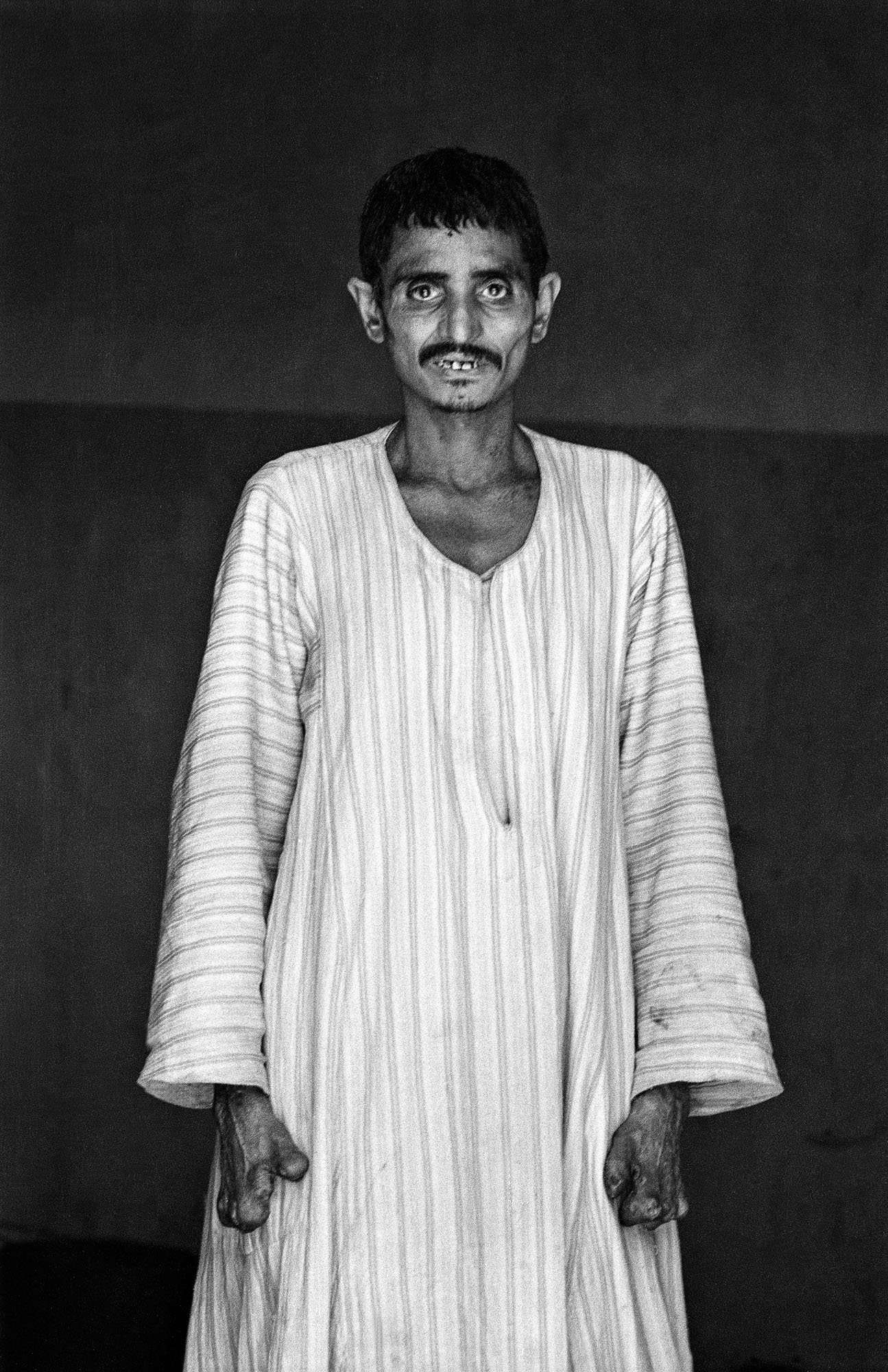
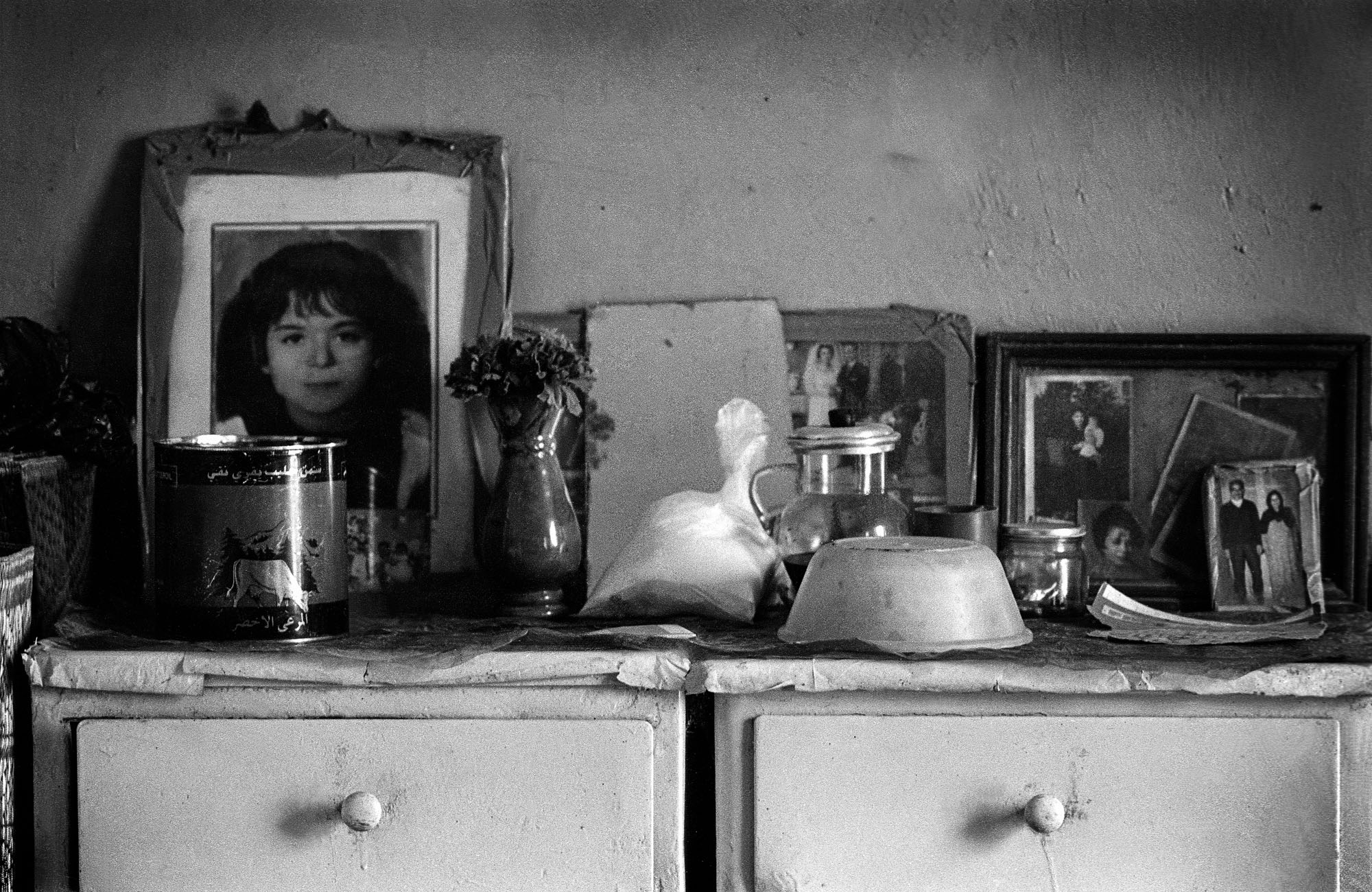
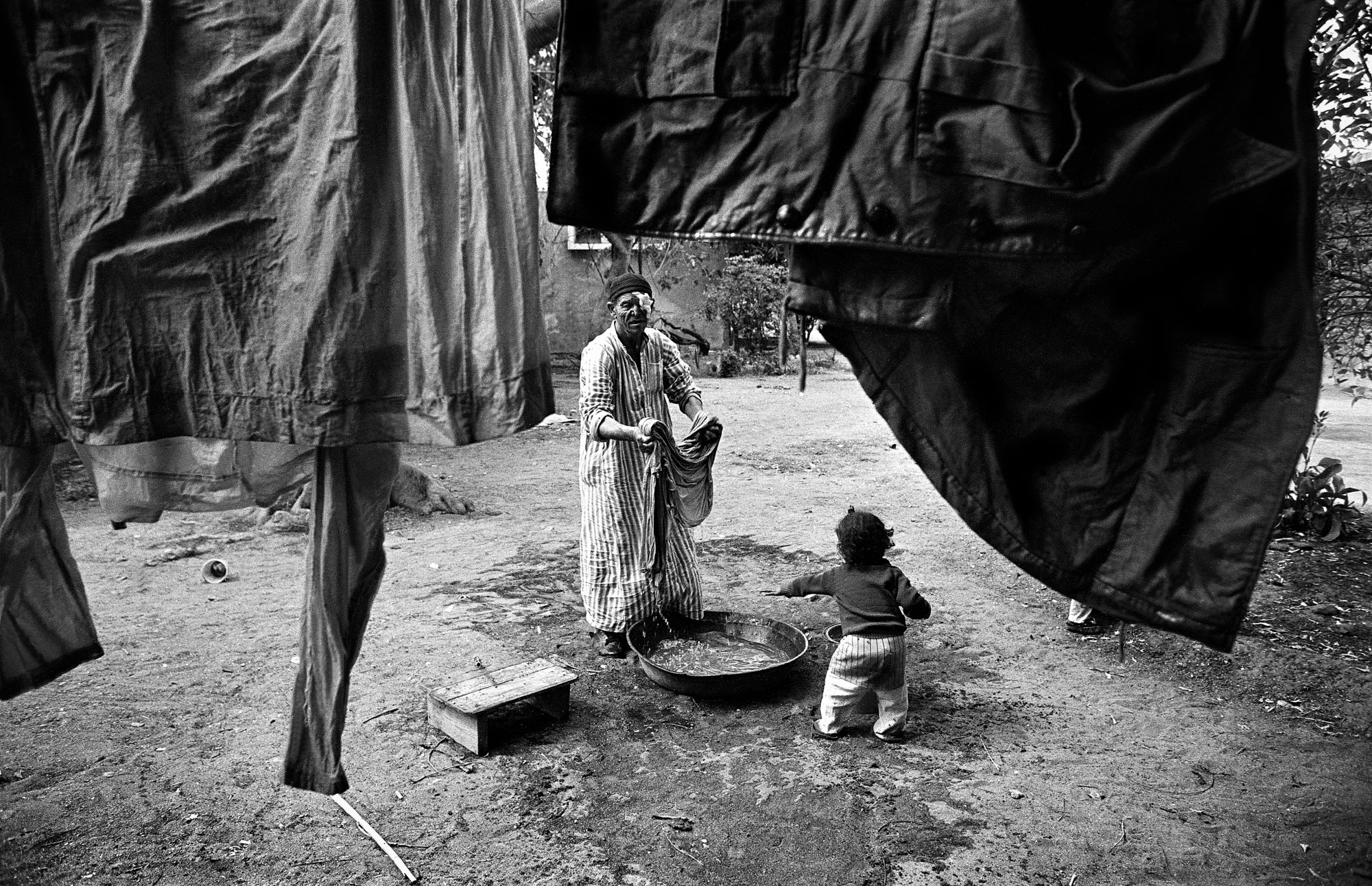
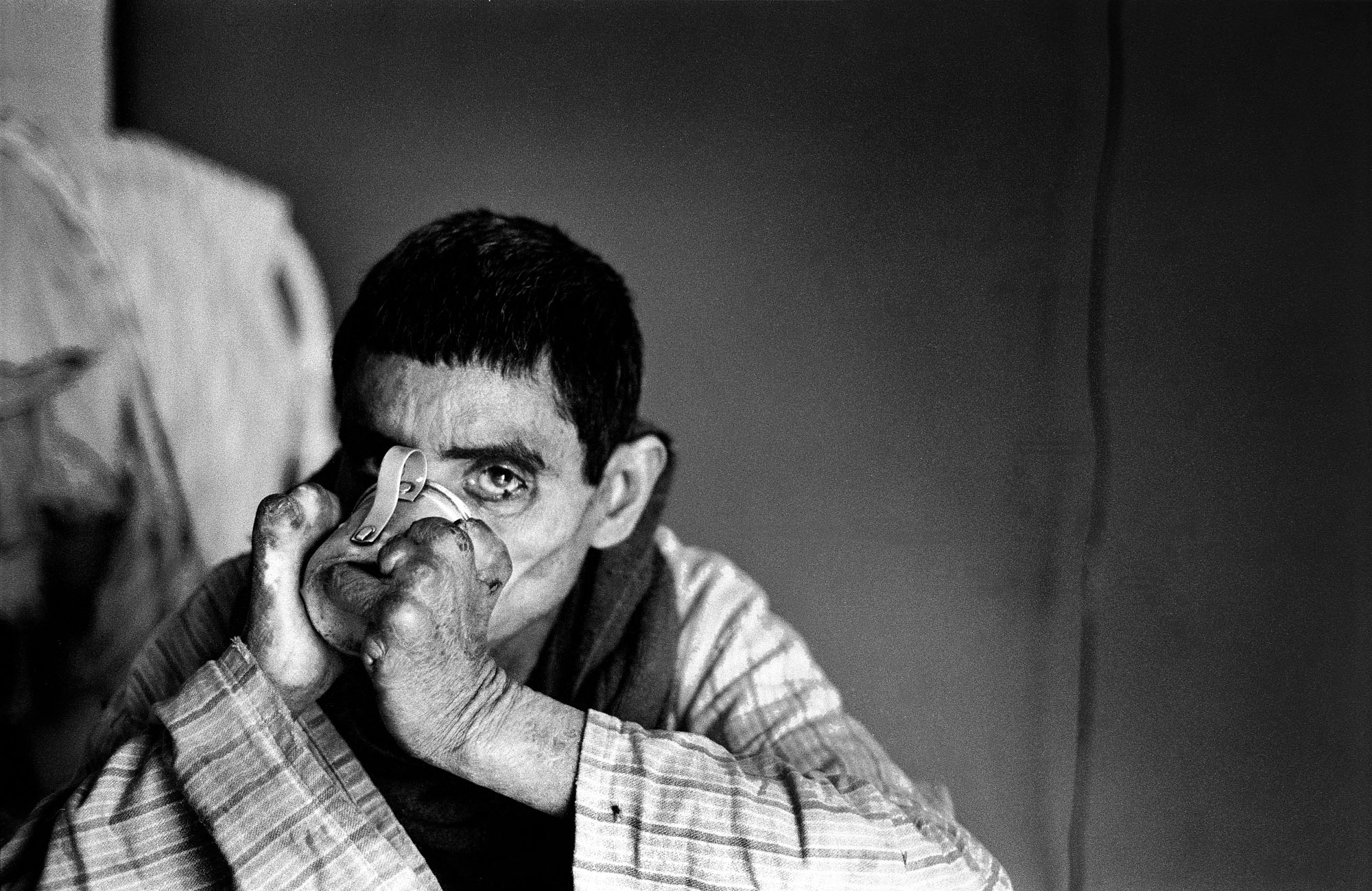
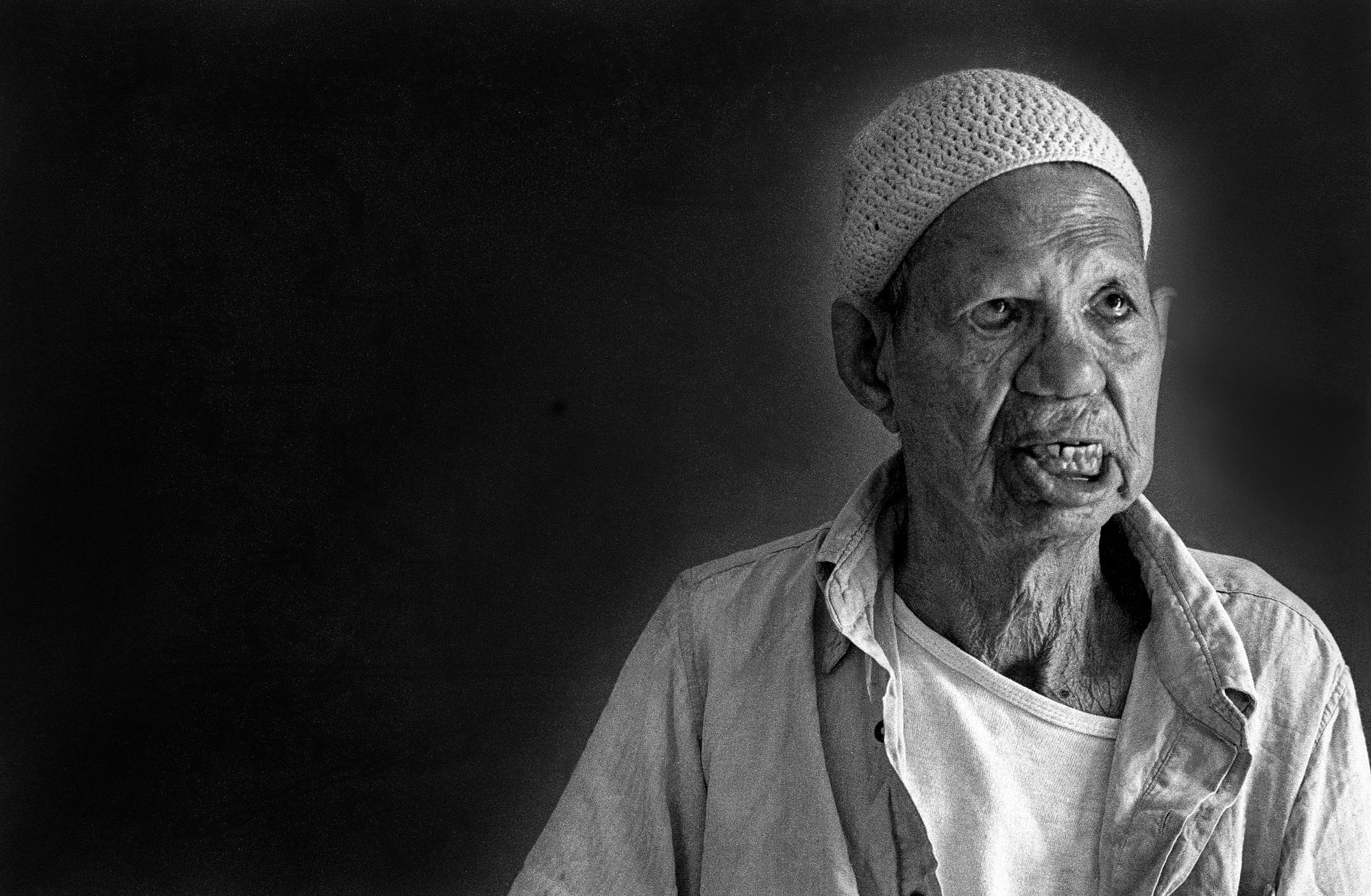
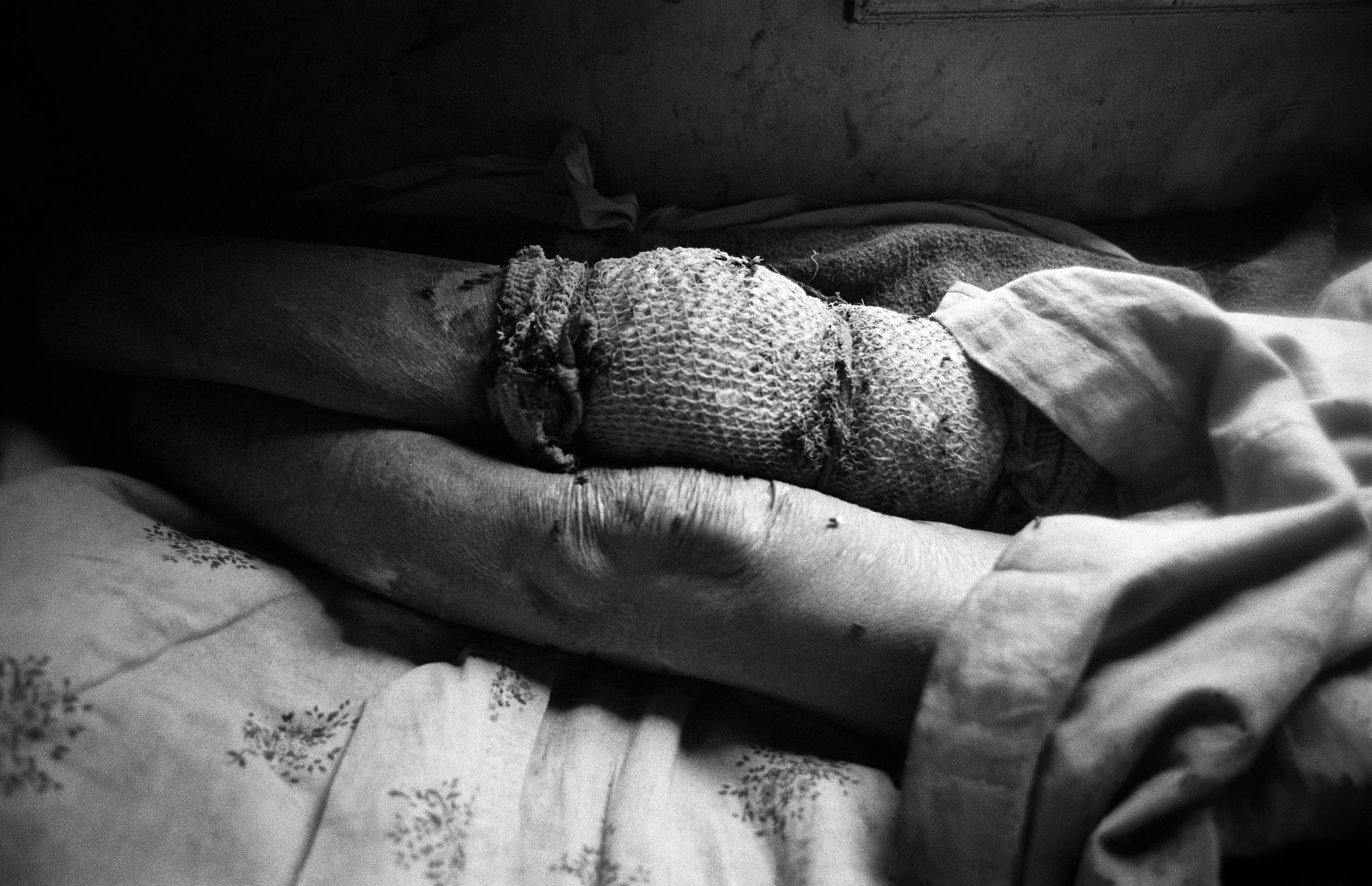
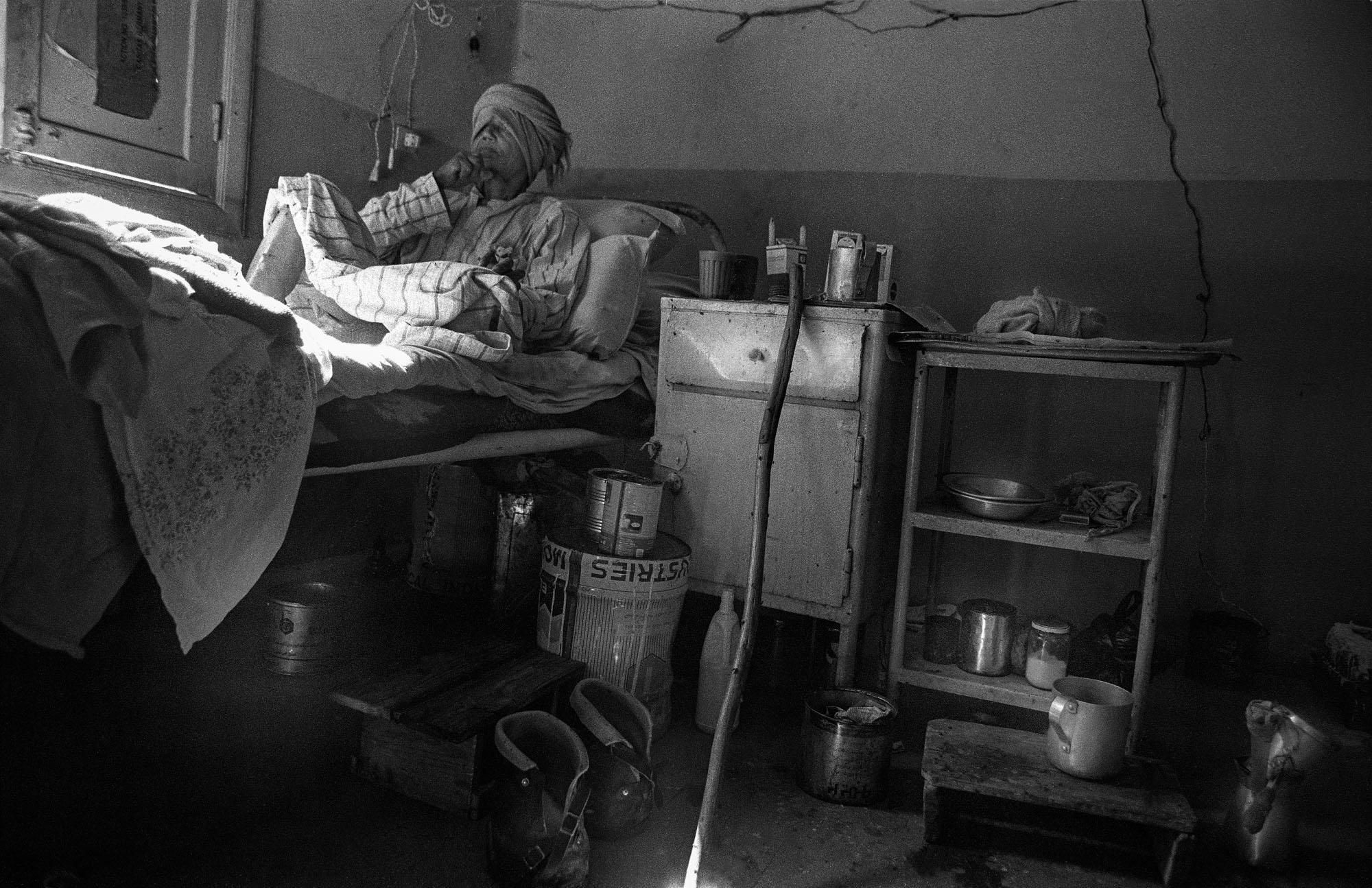
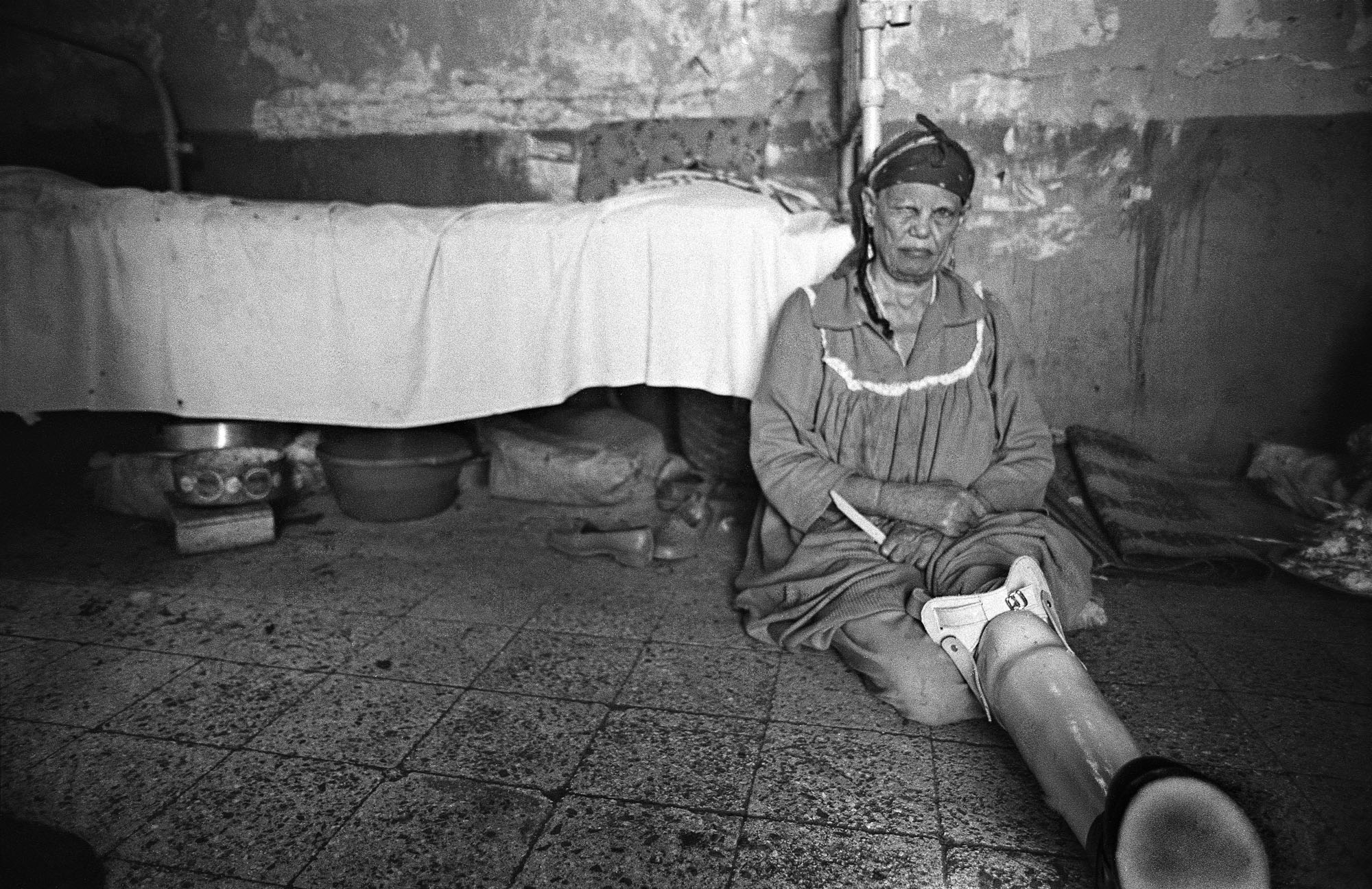
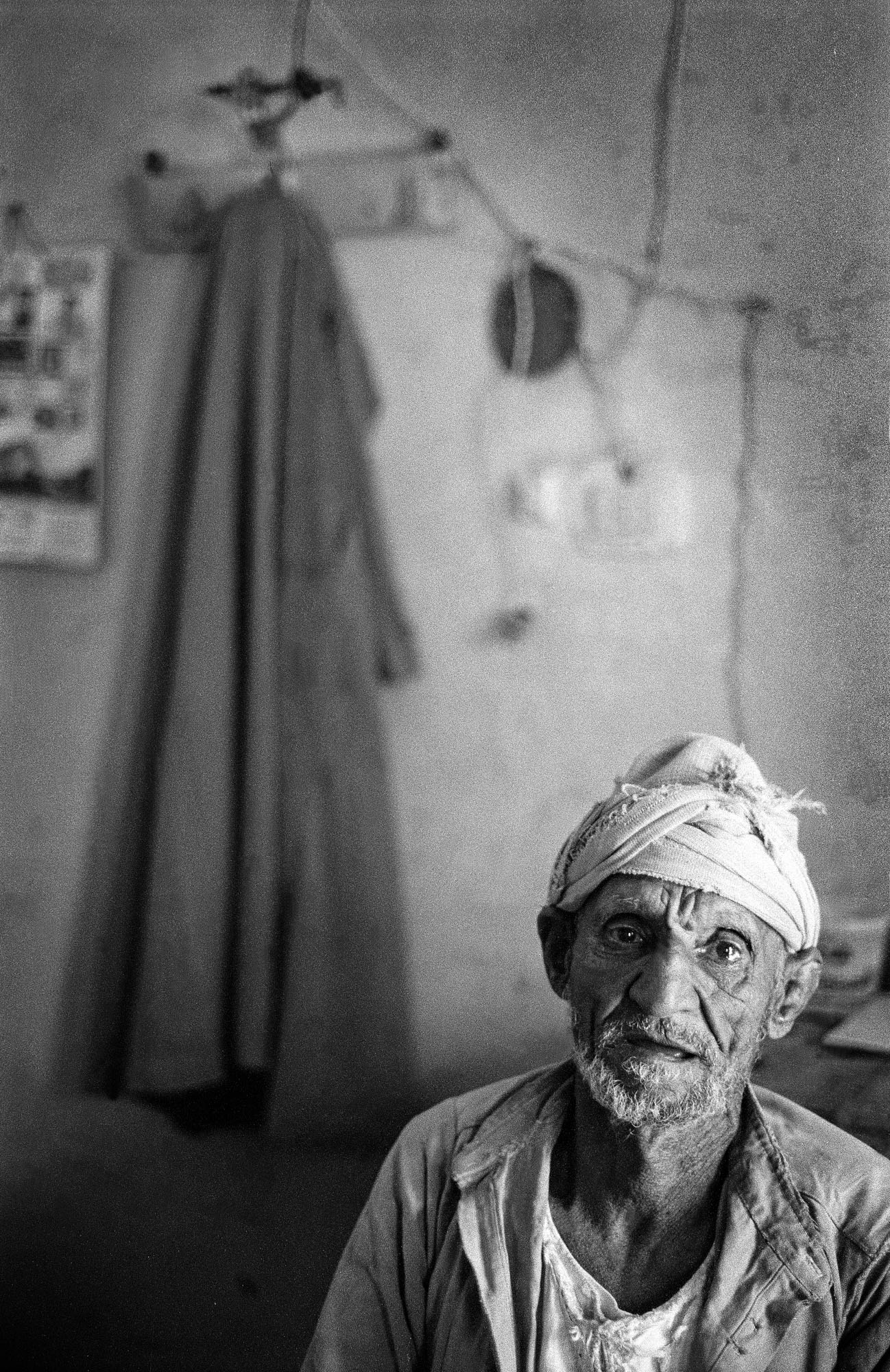
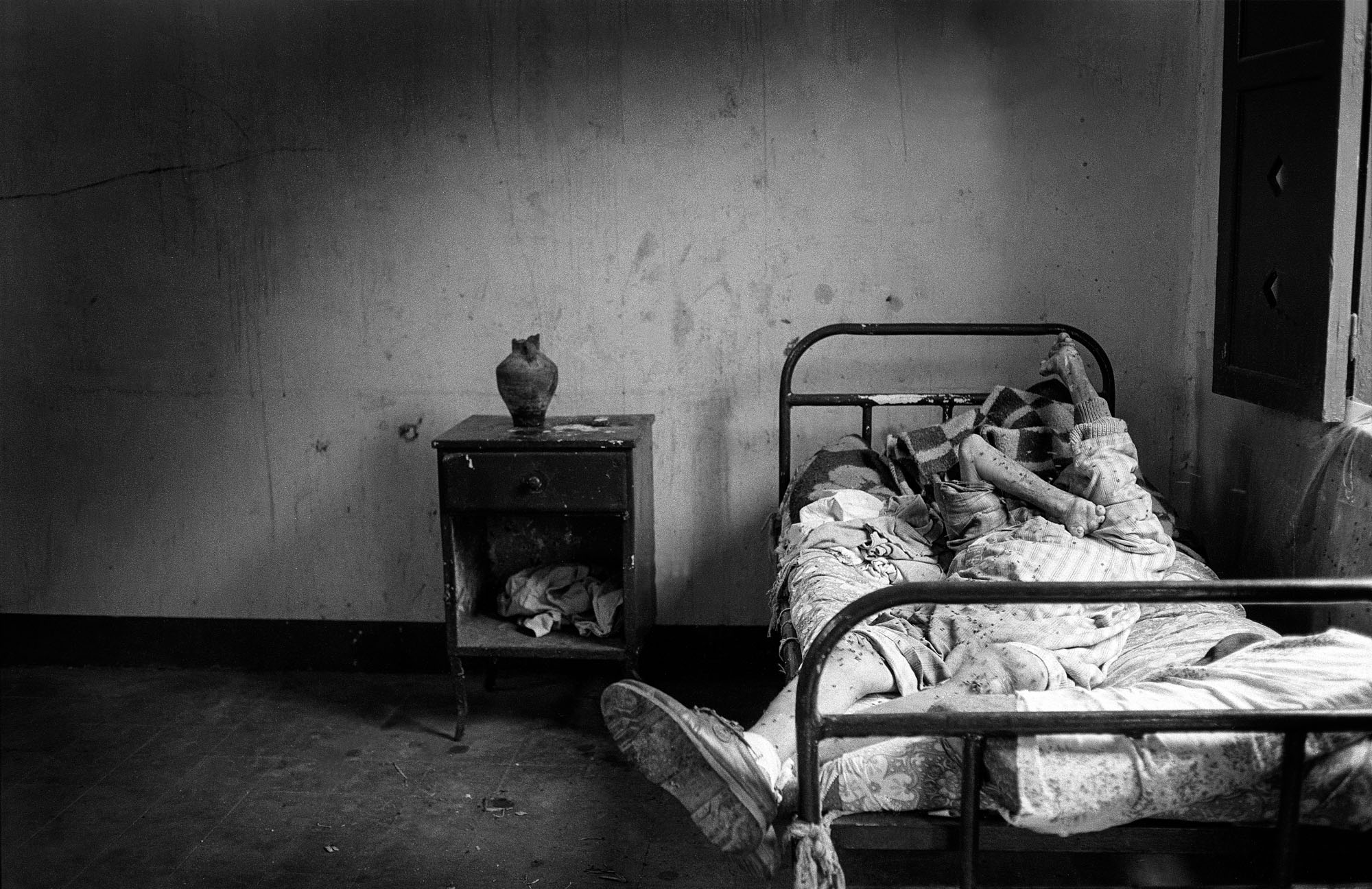
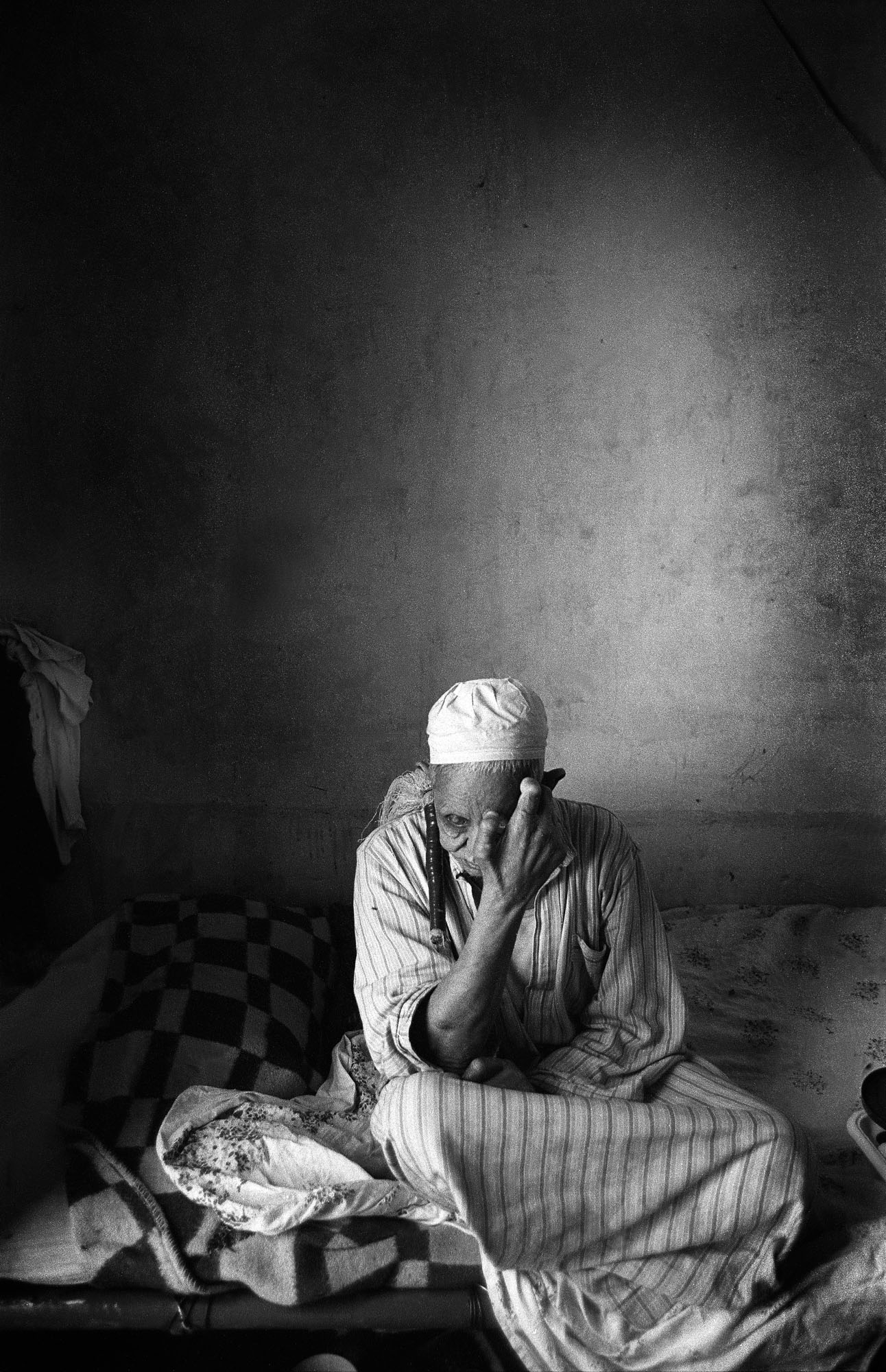
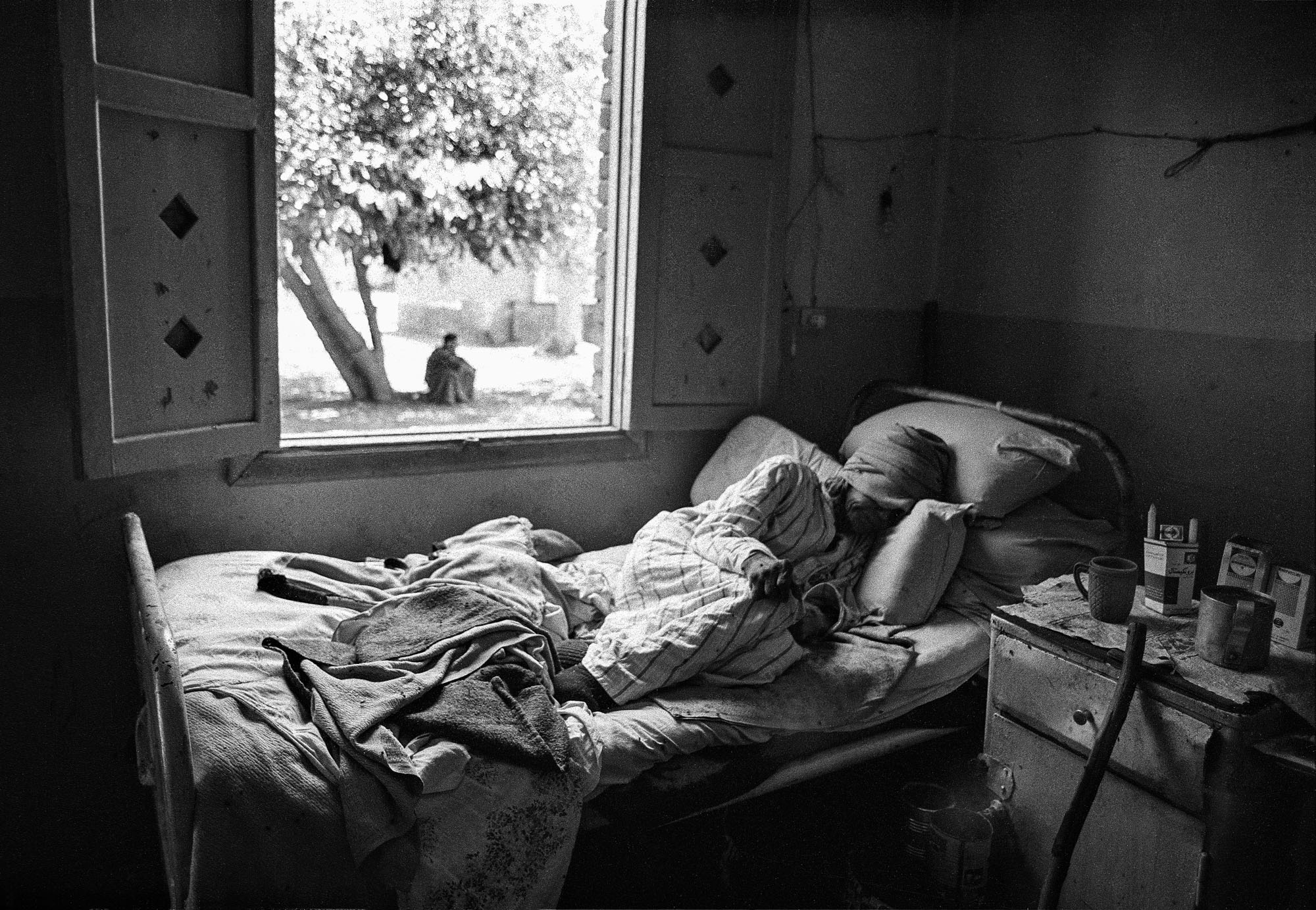
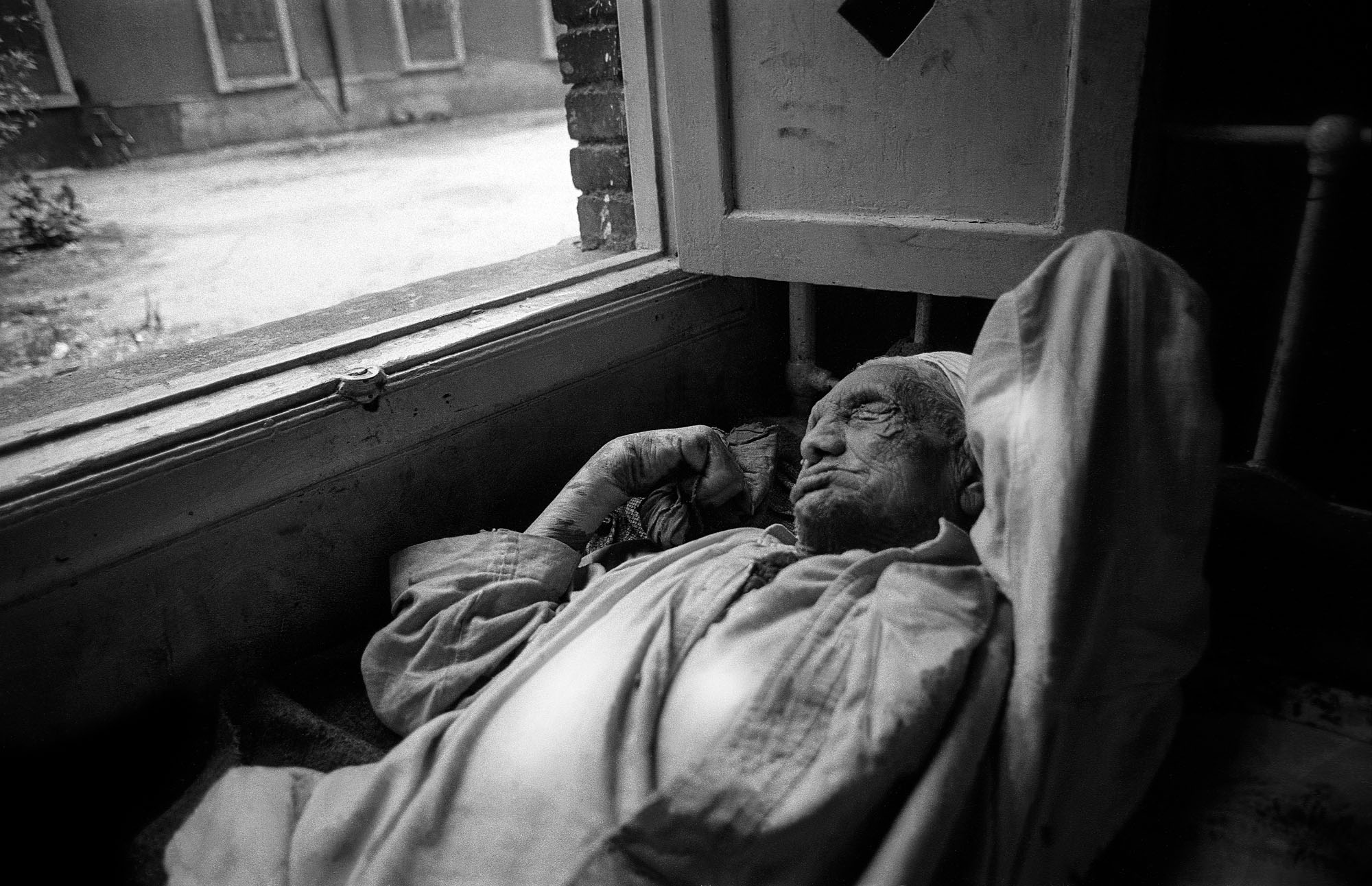
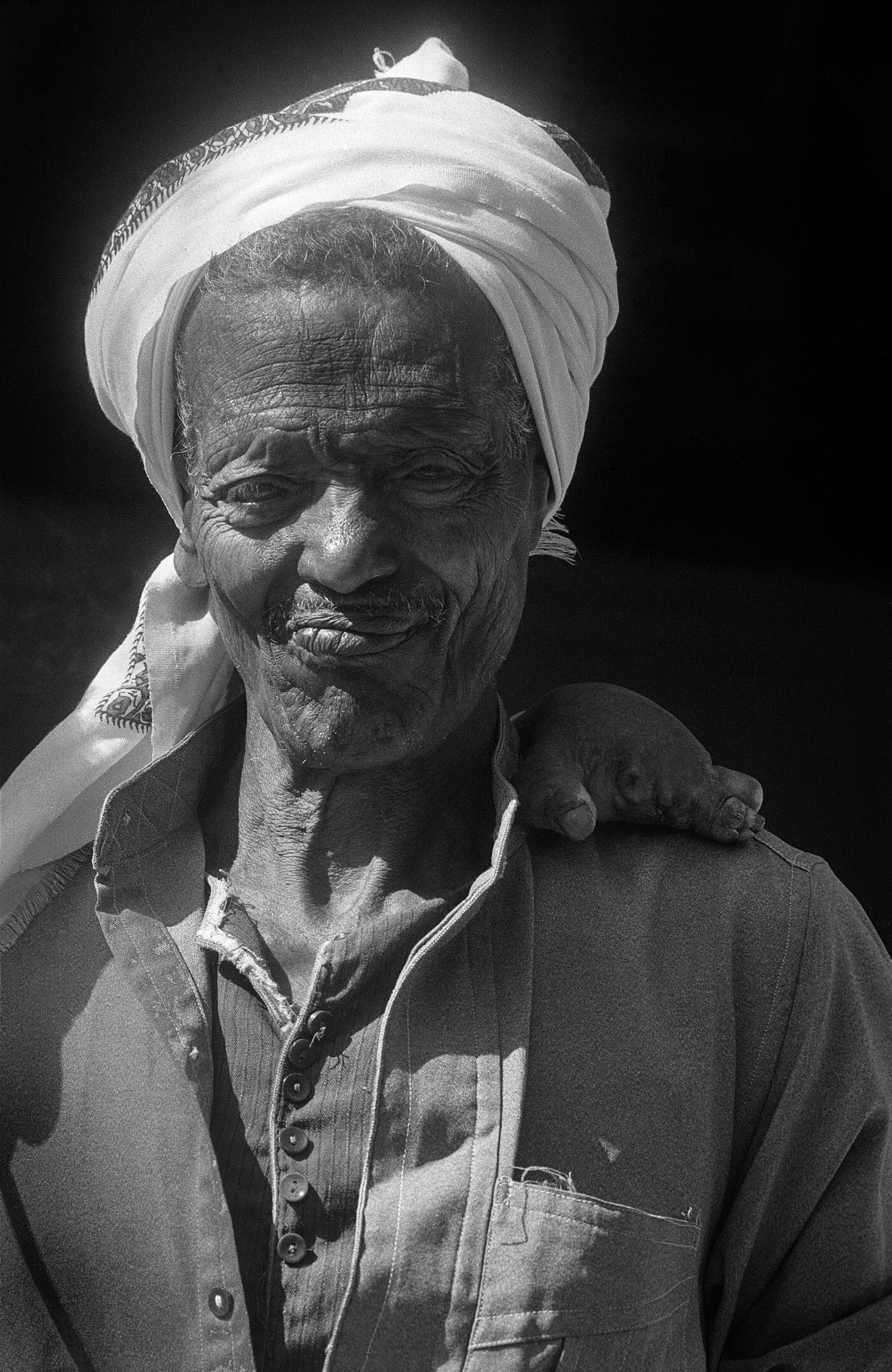
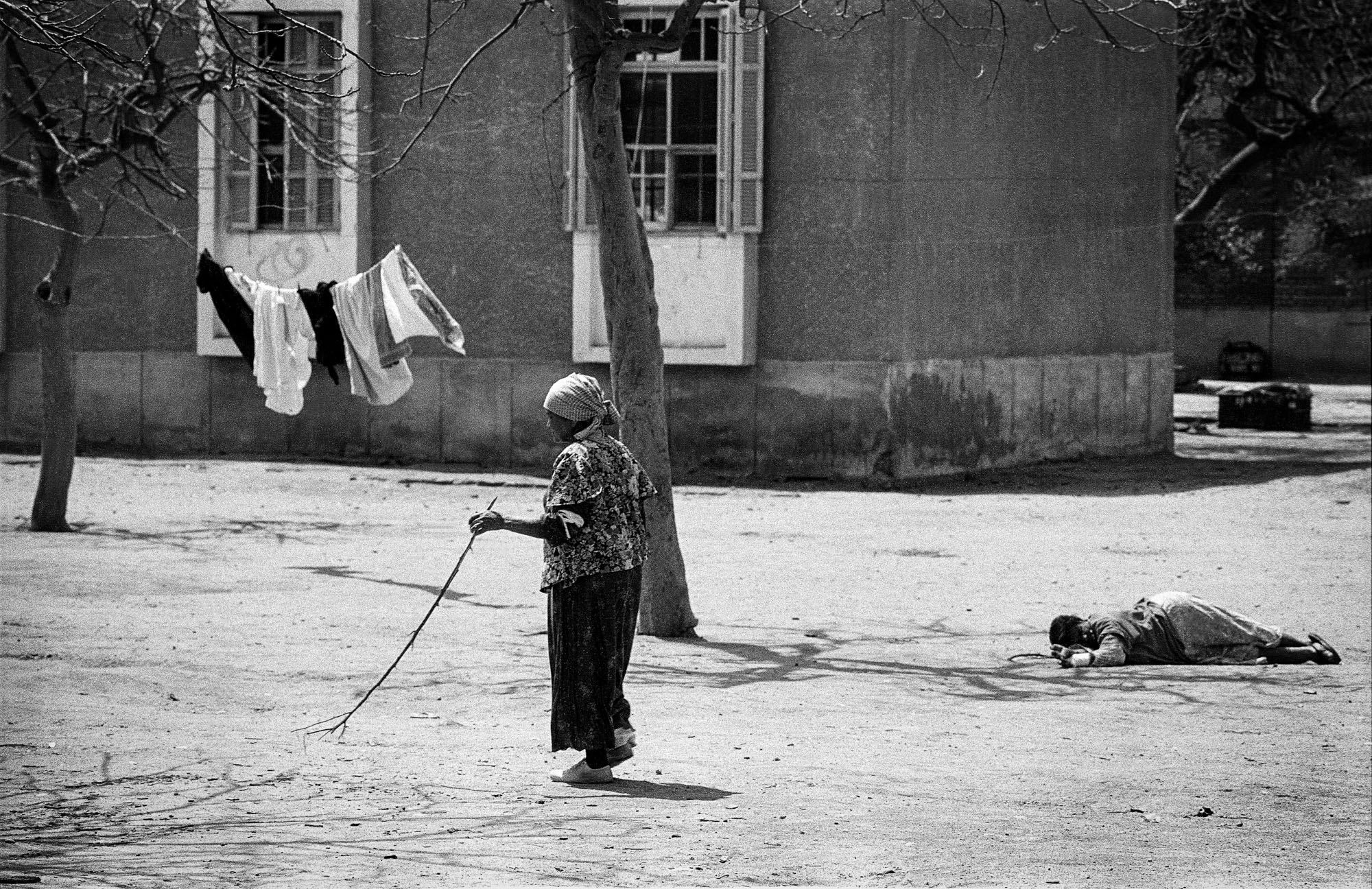
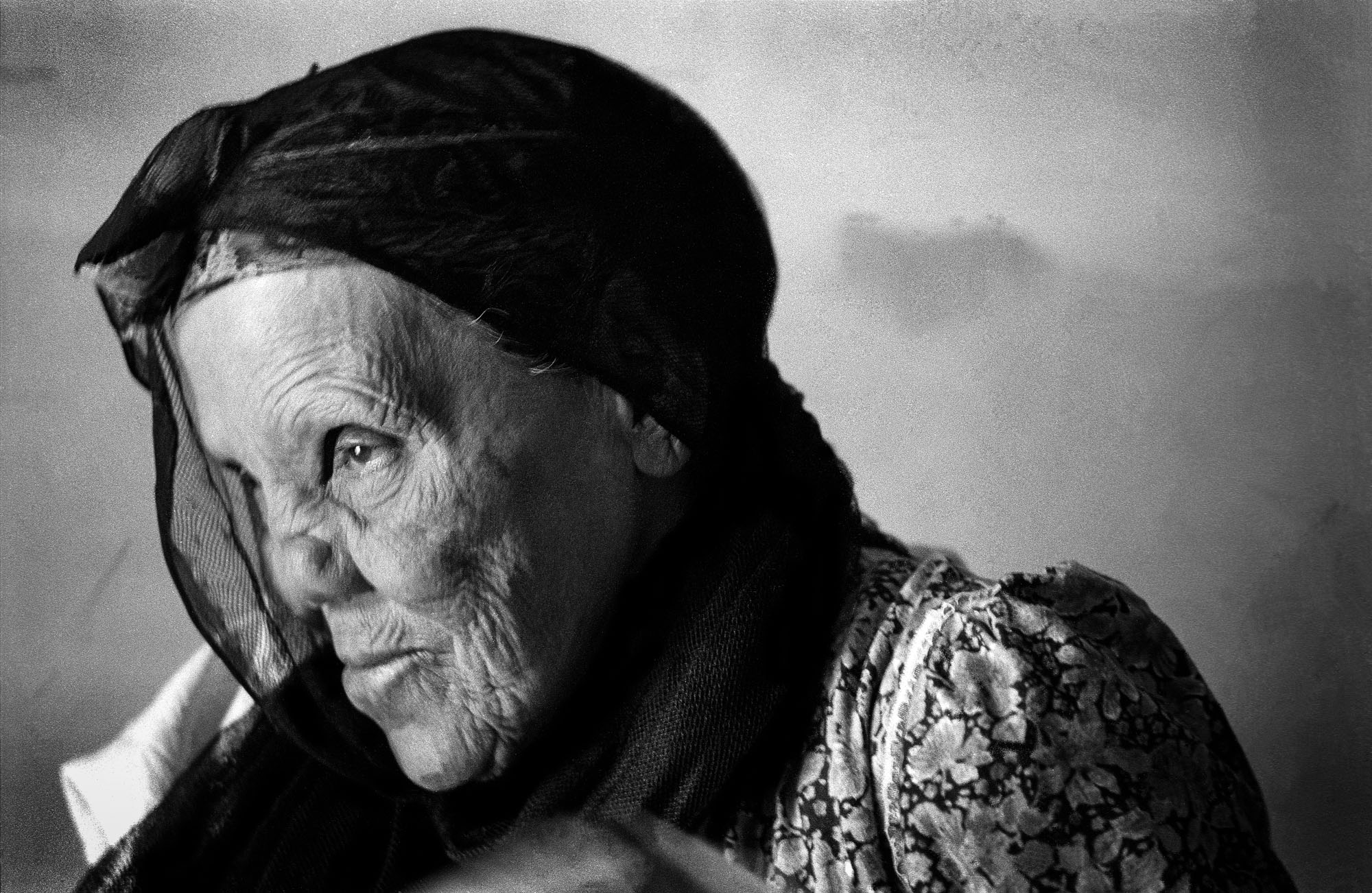
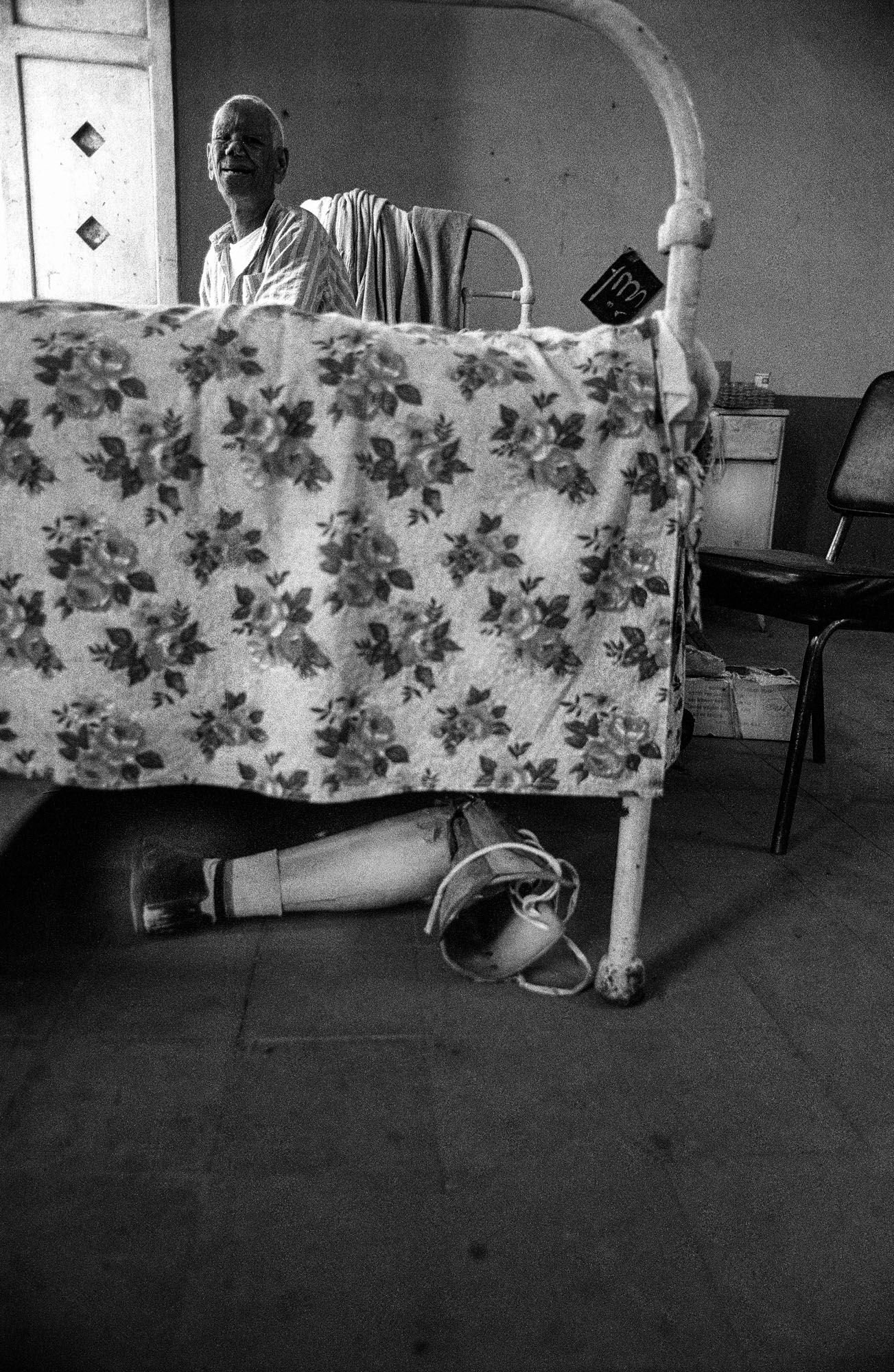
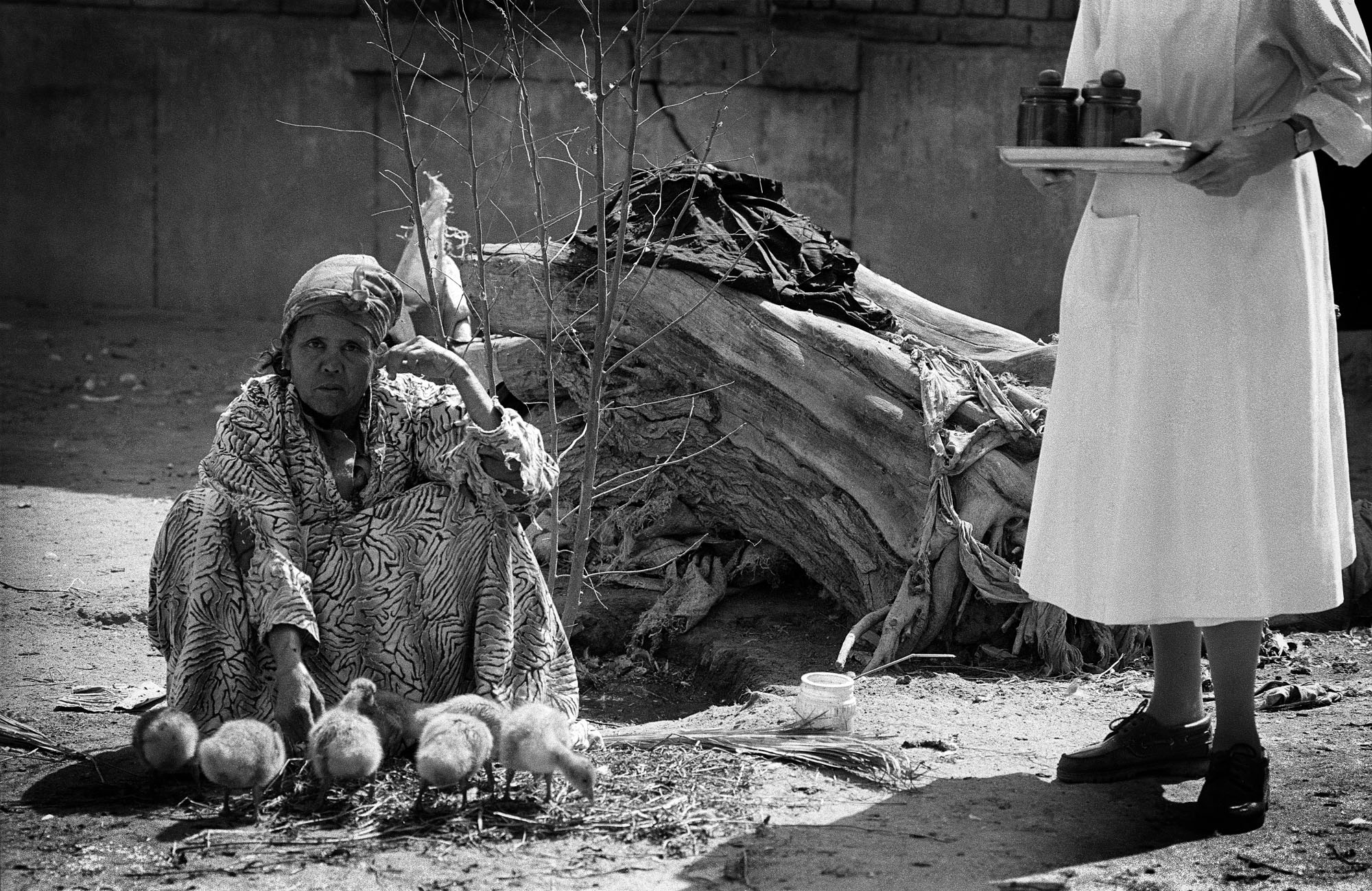
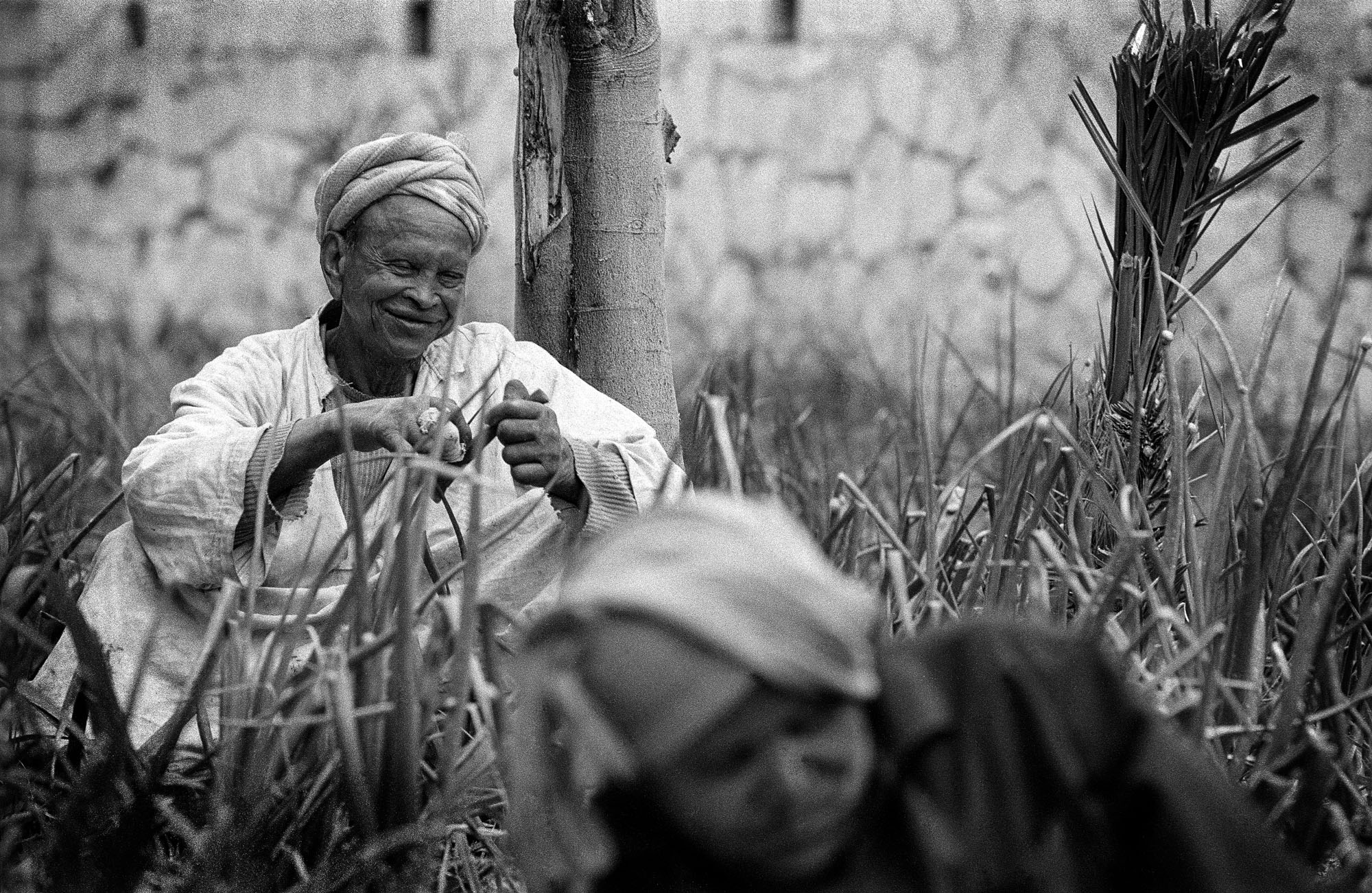
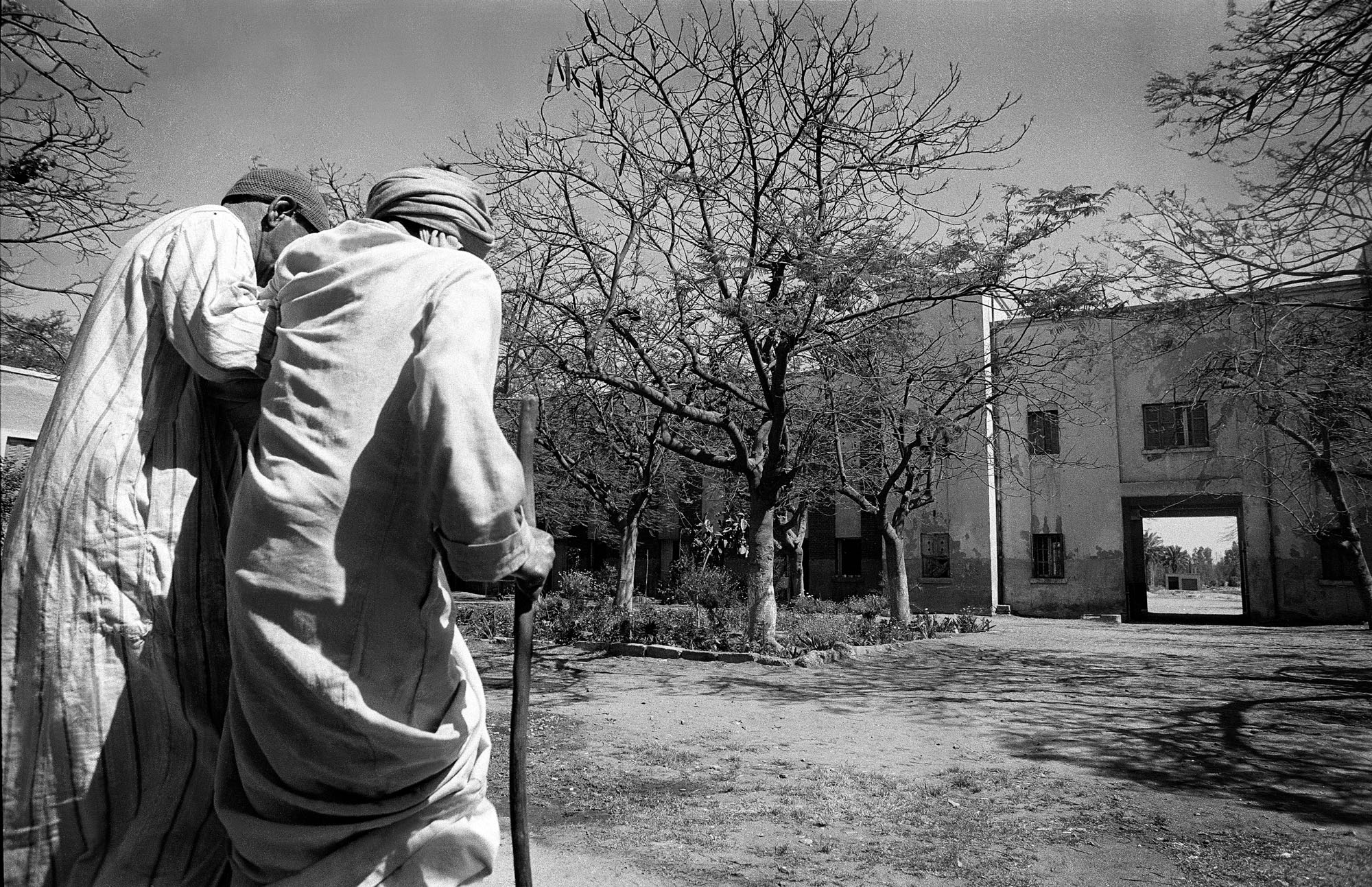
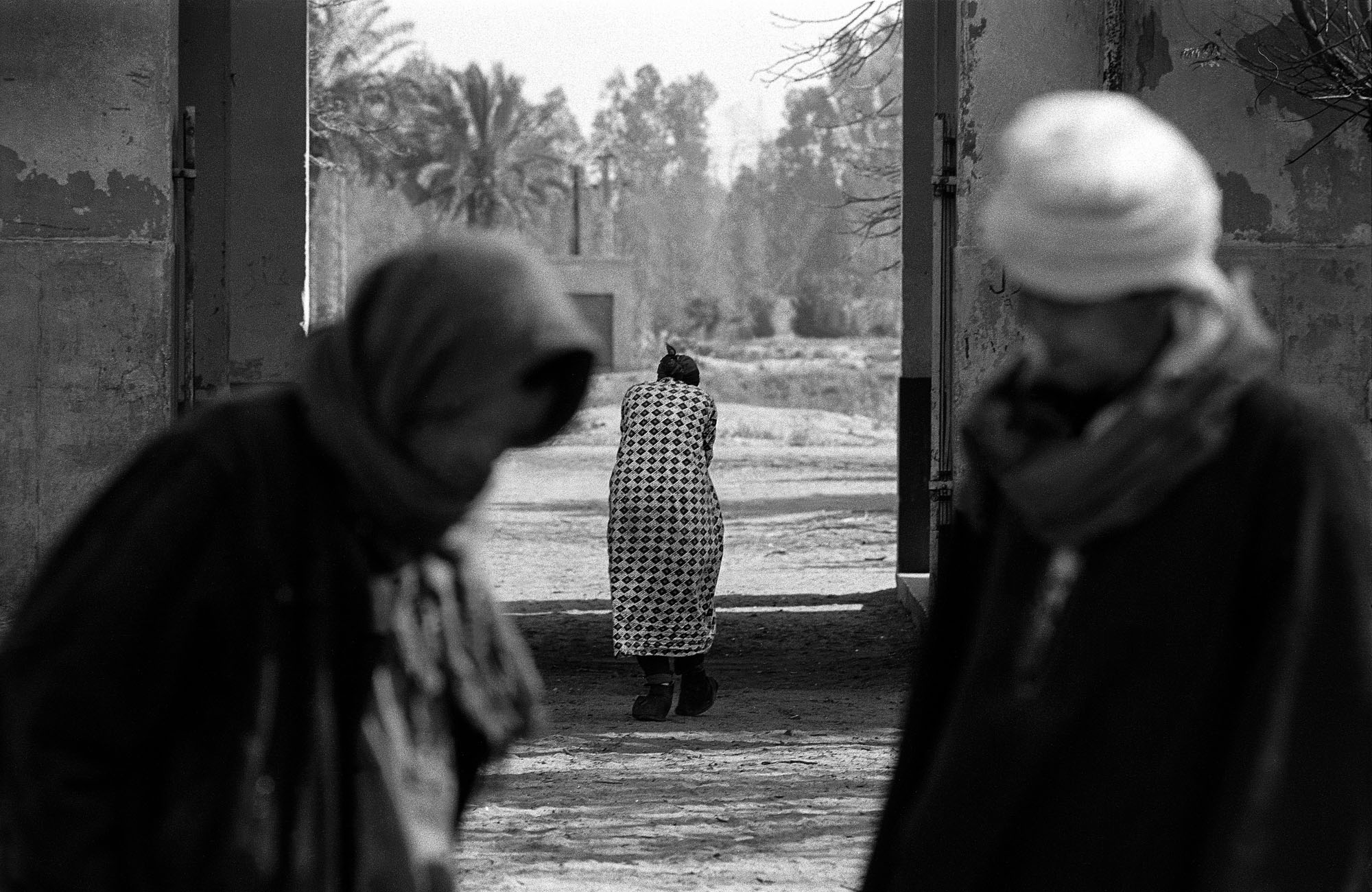
ABOU ZAABAL LEPROSARIUM IN EGYPT
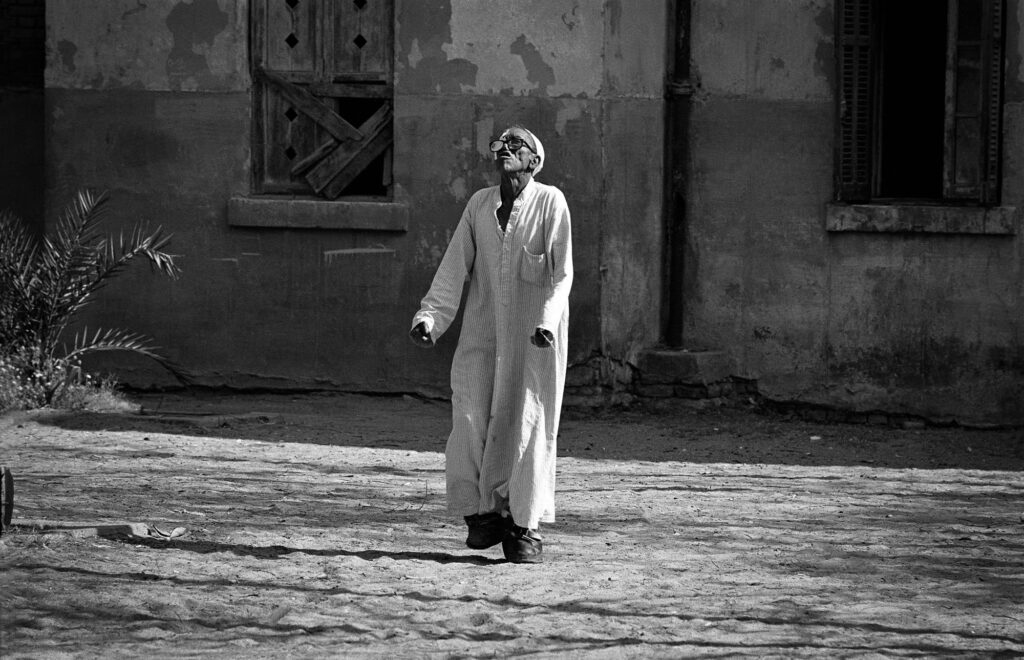
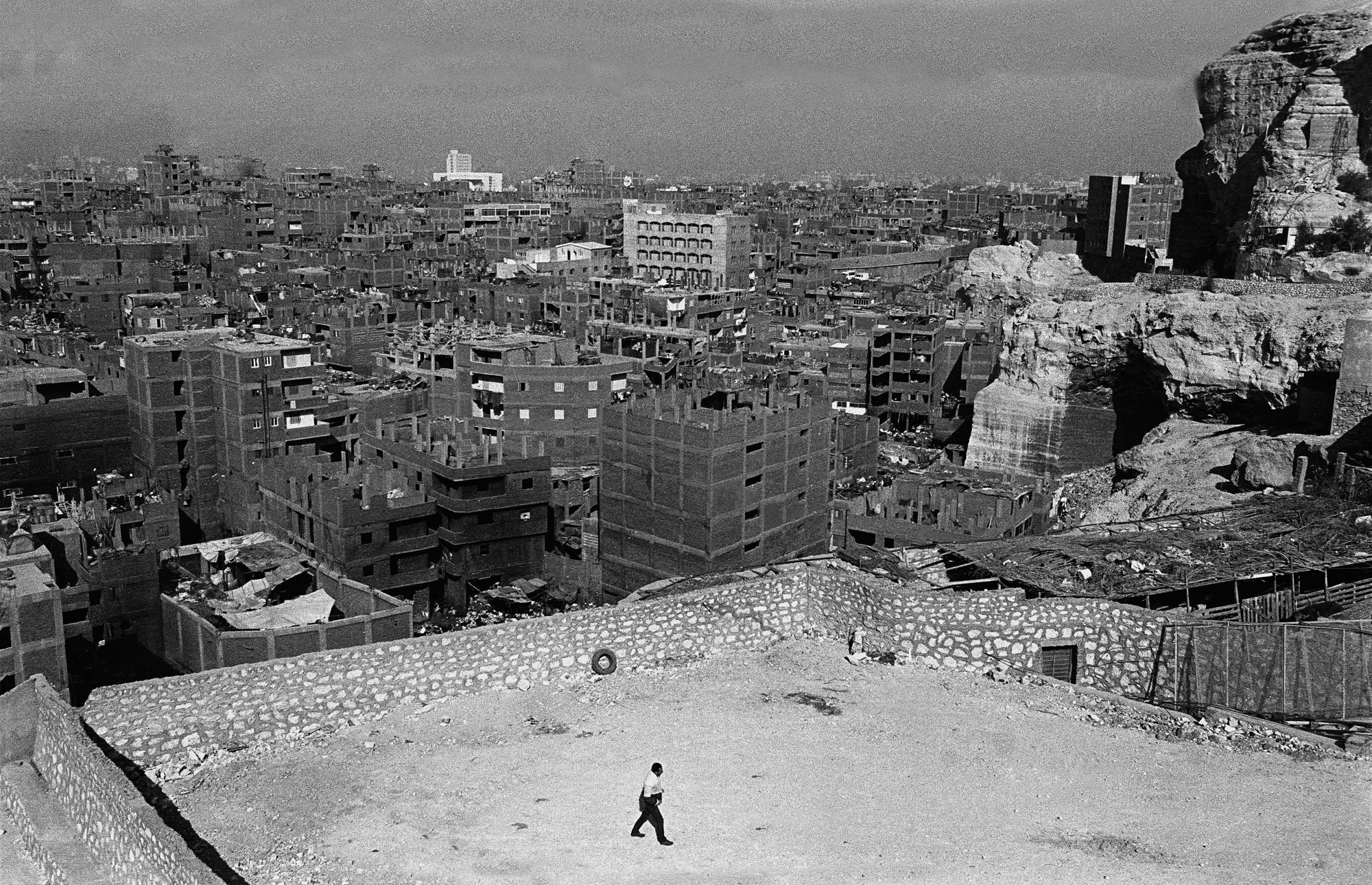
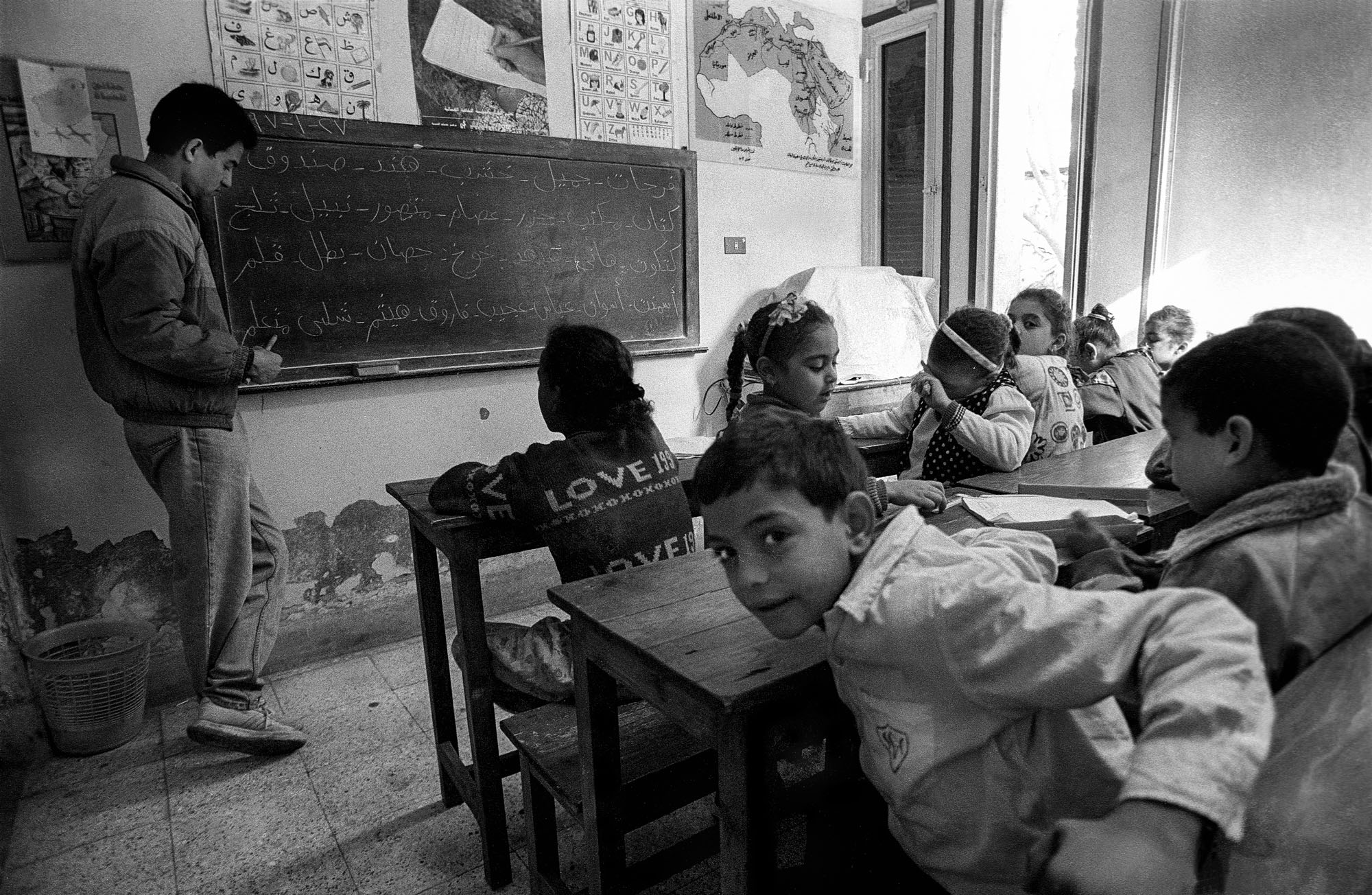
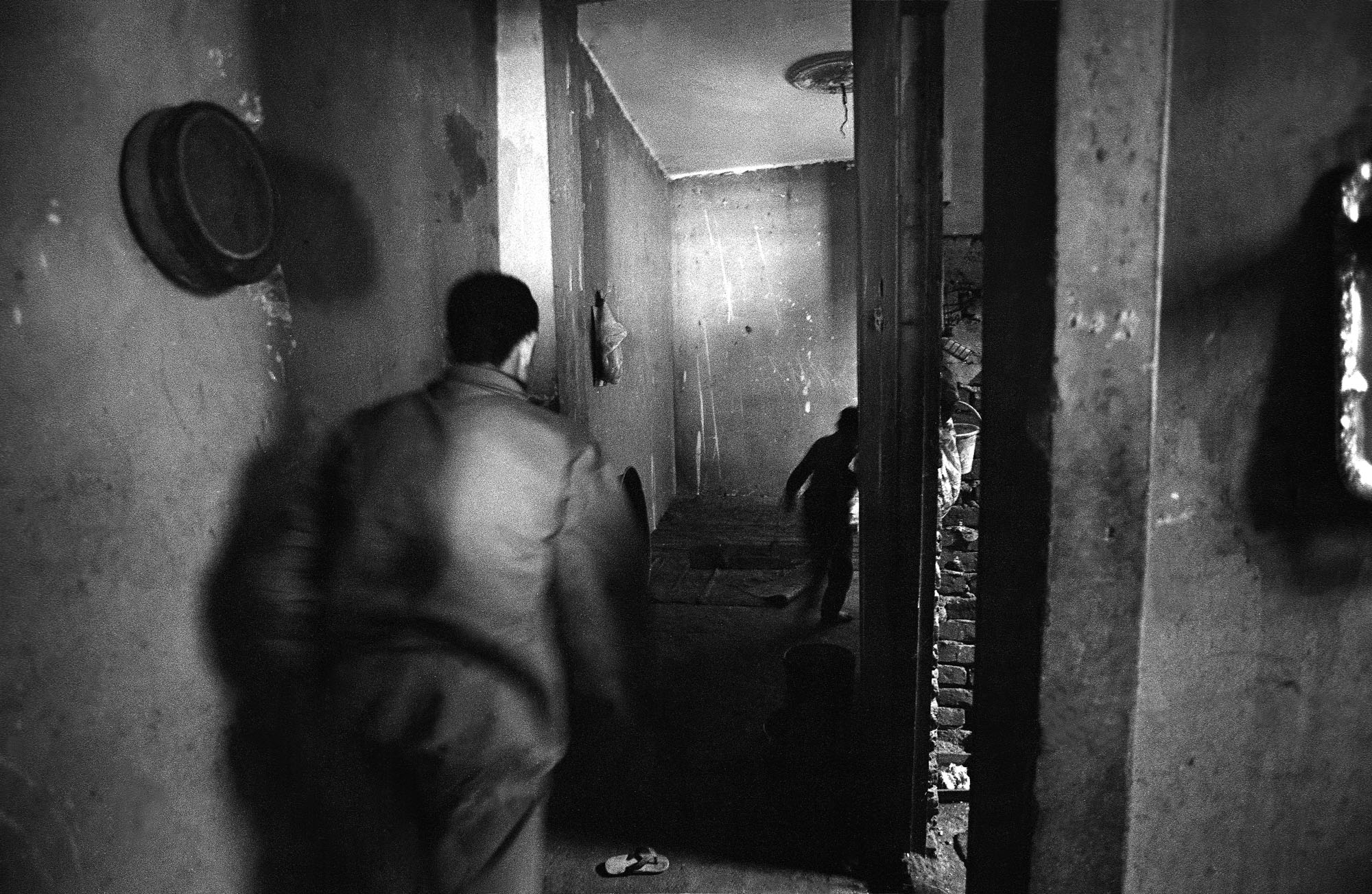
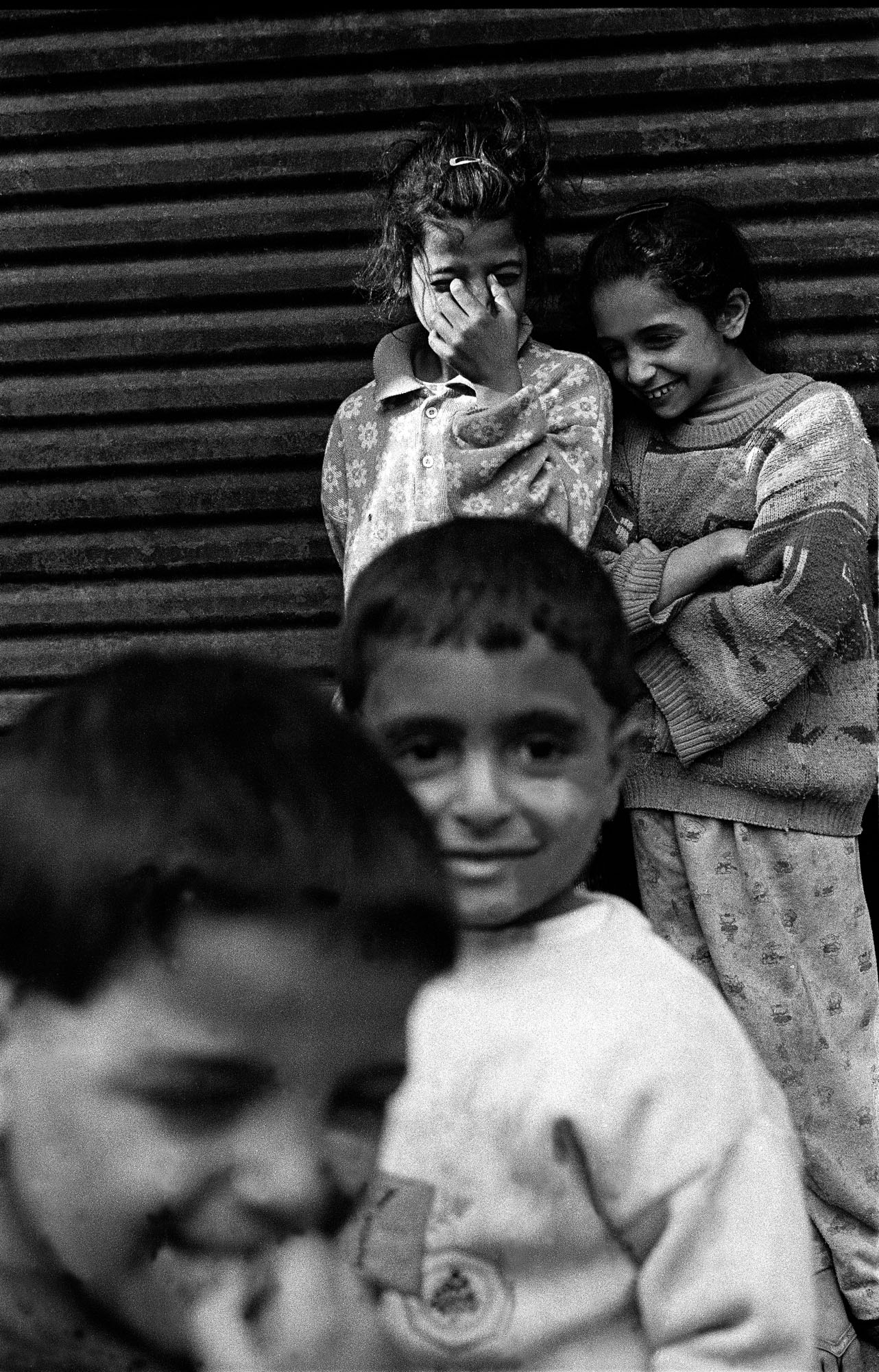
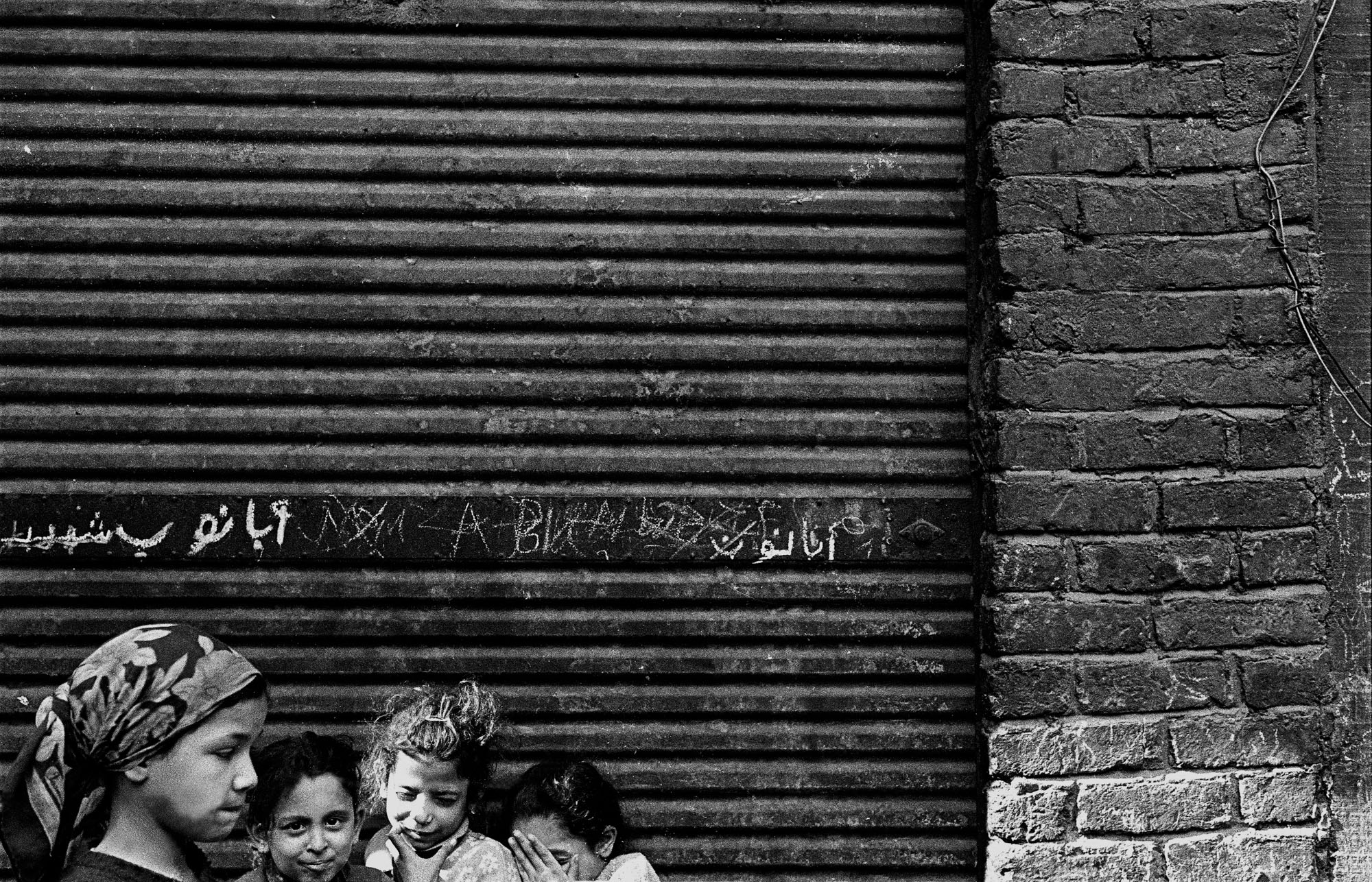
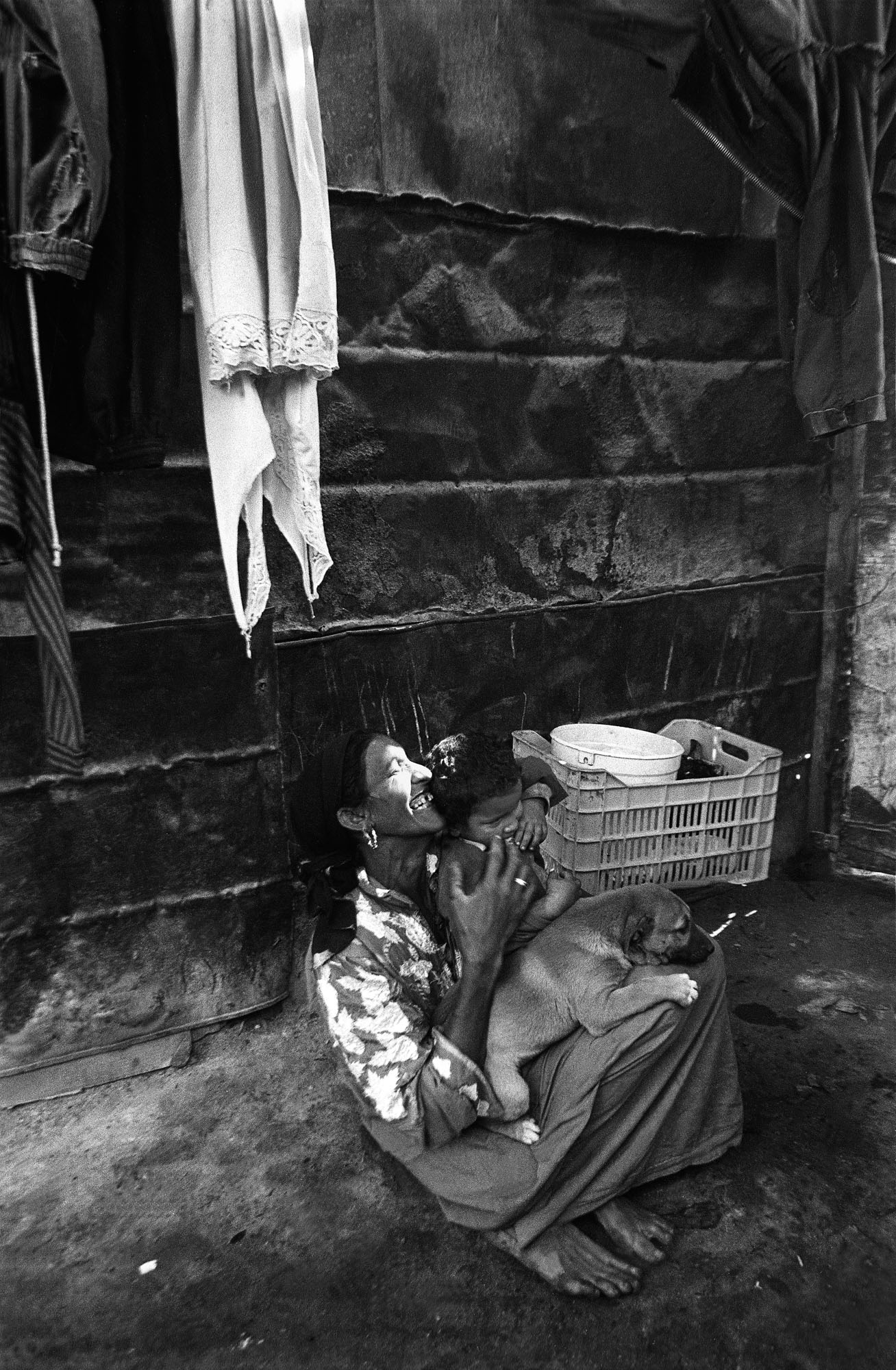
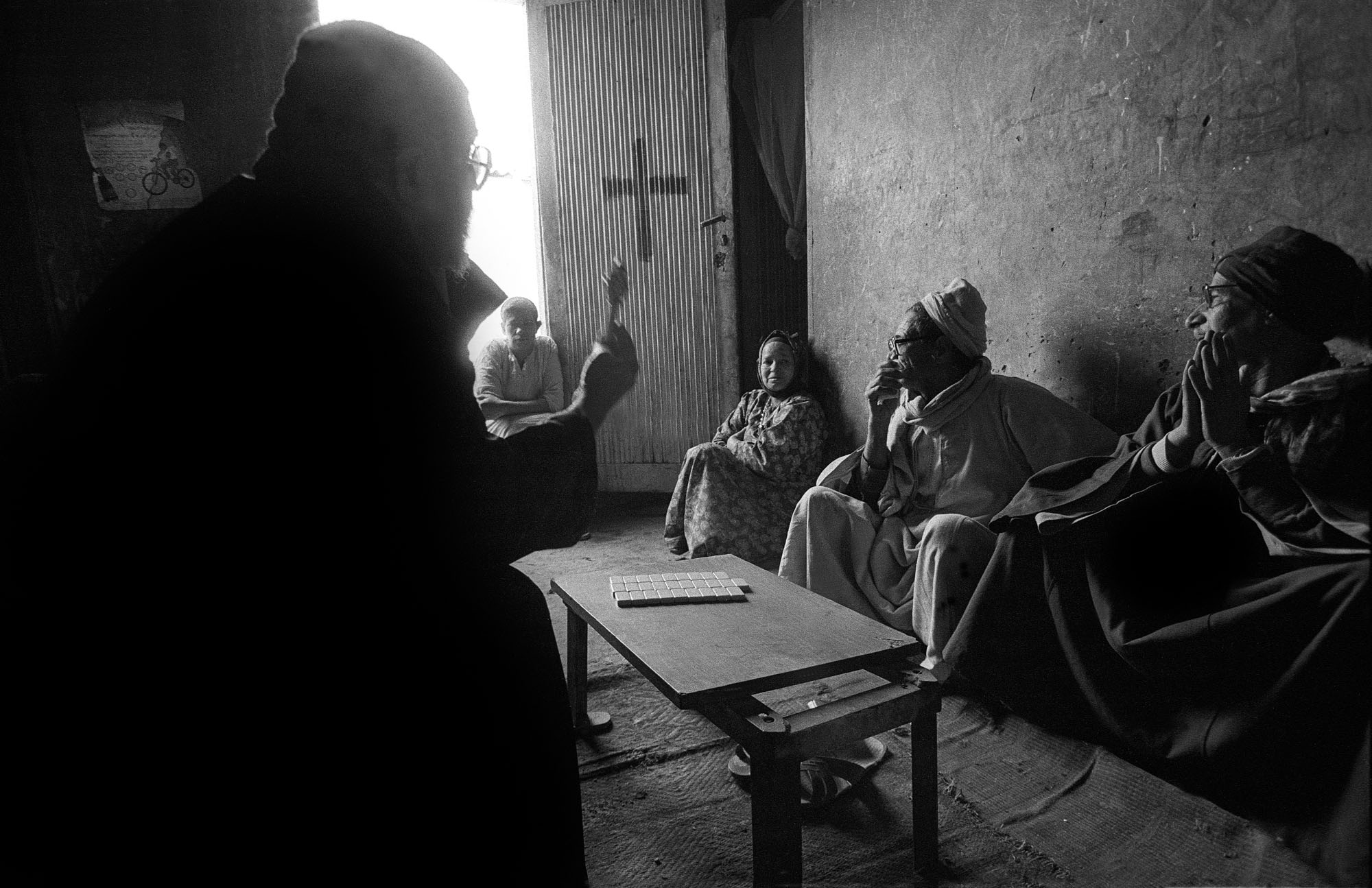
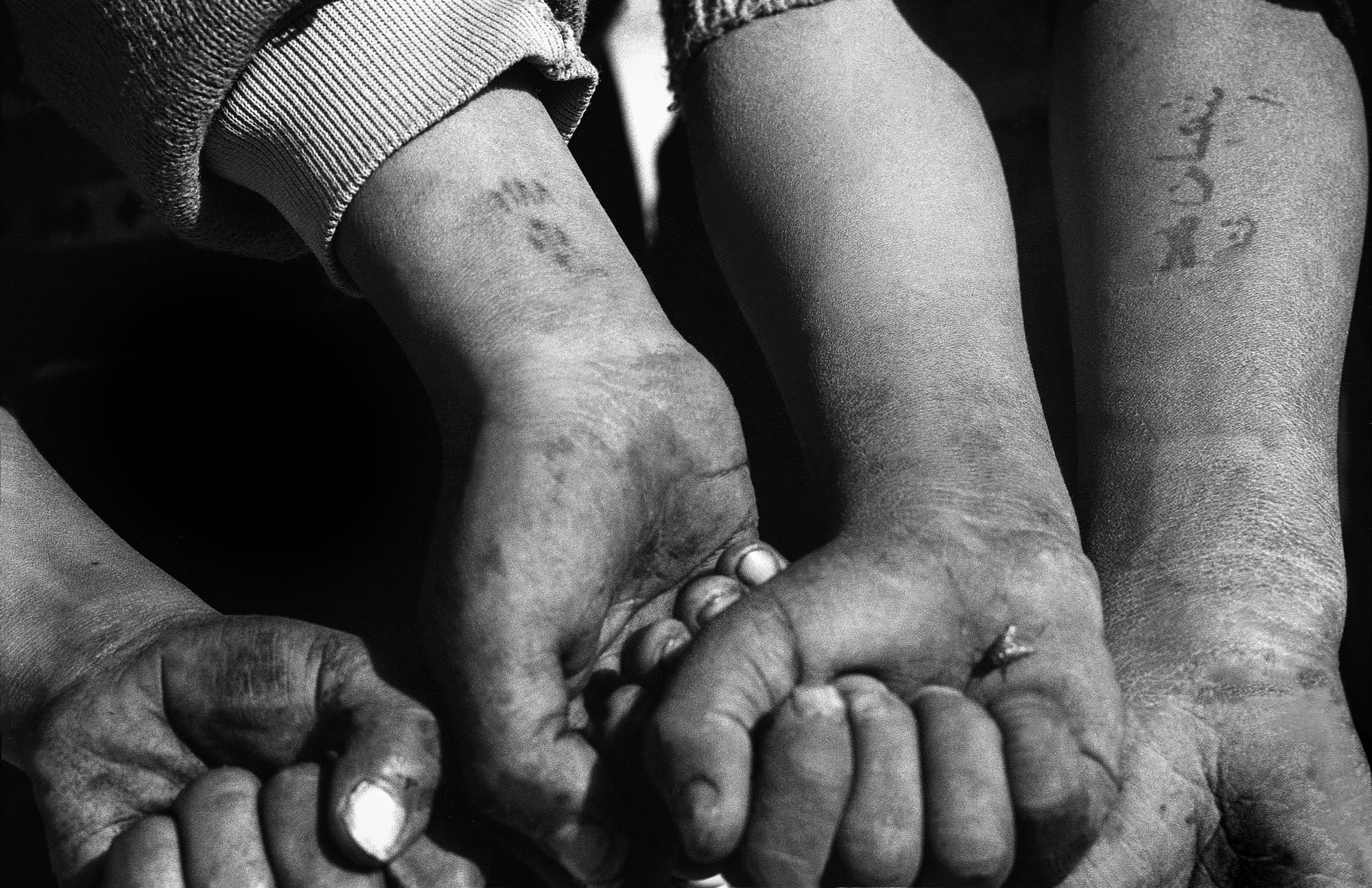
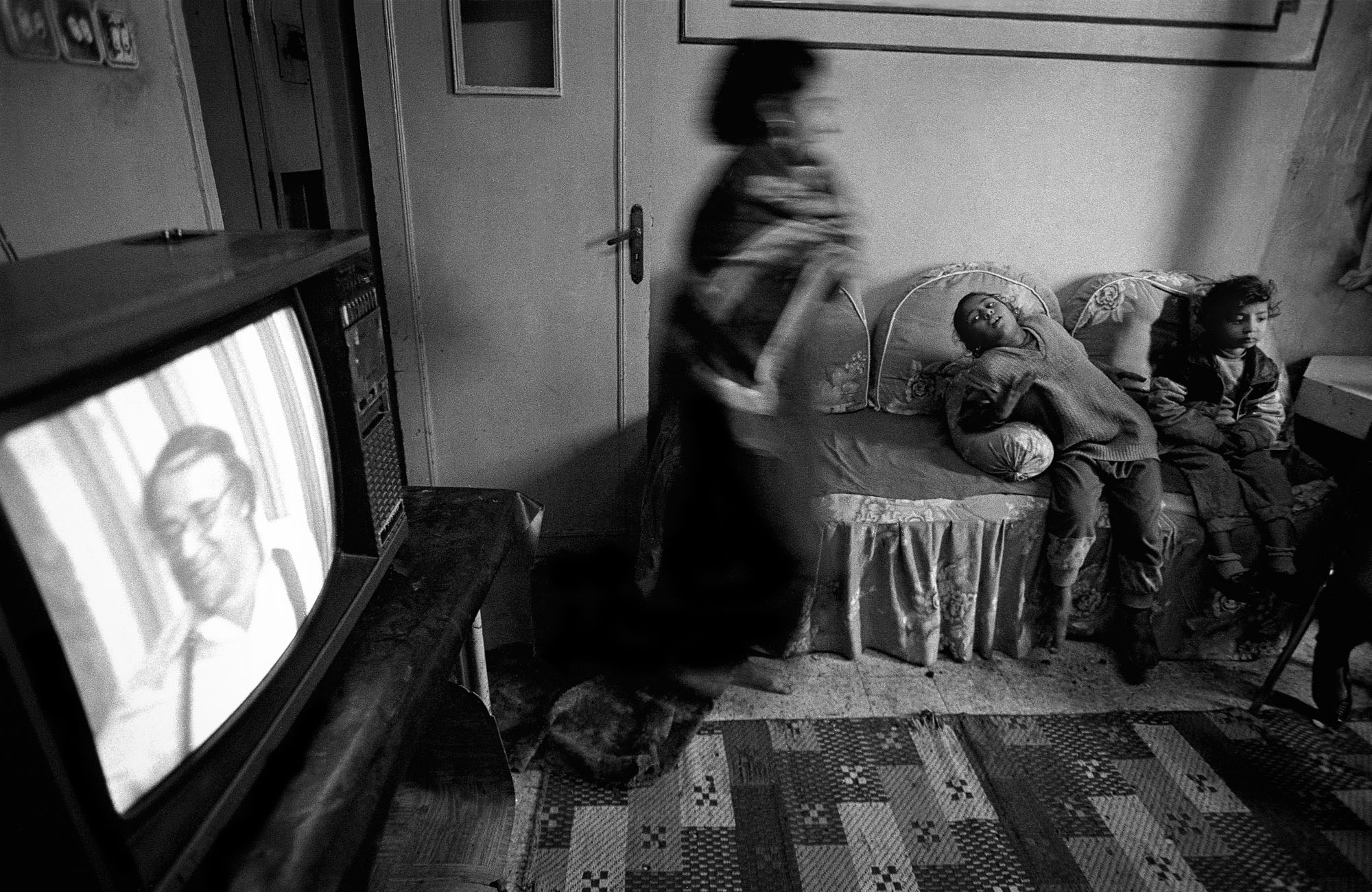
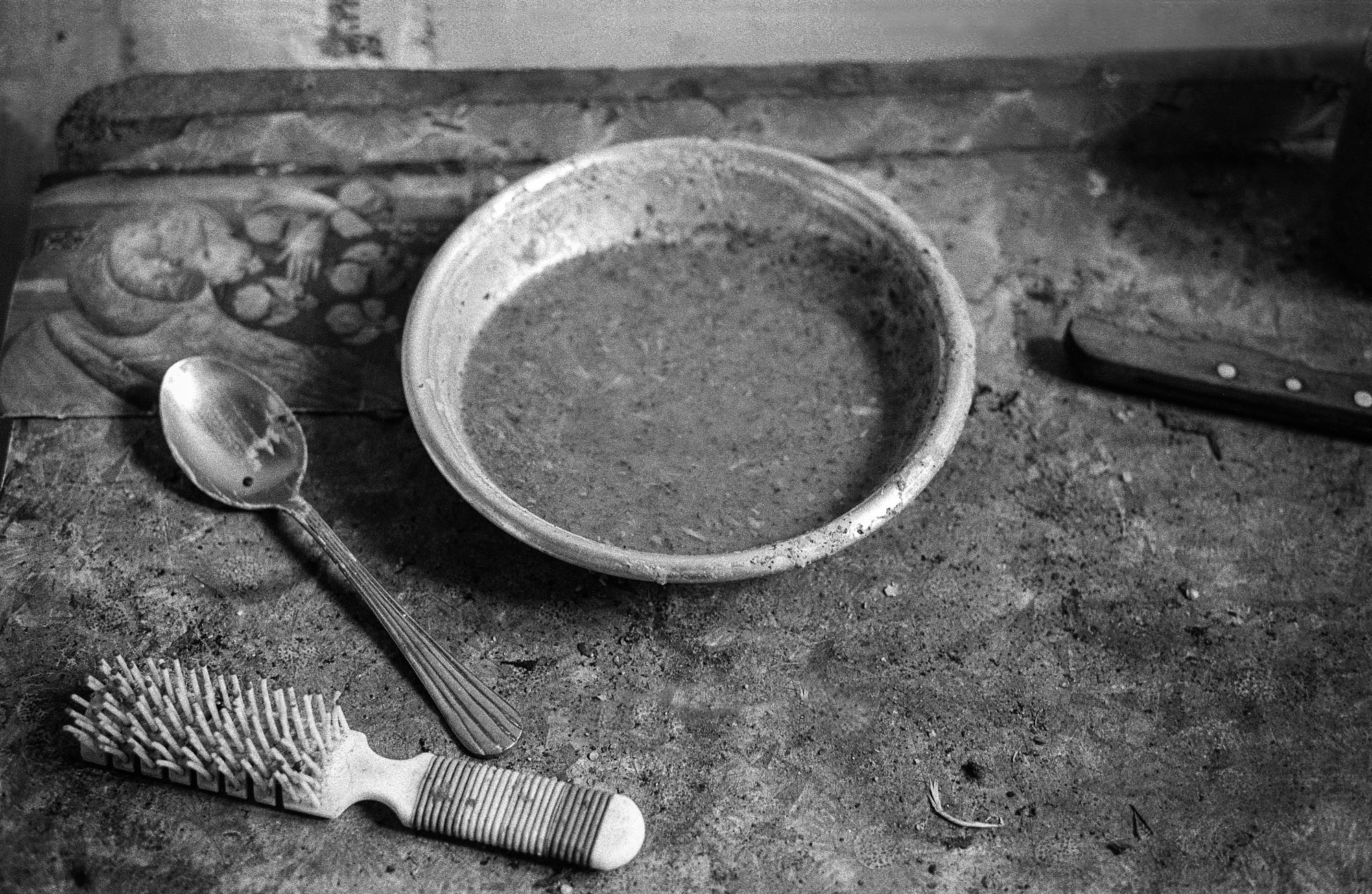
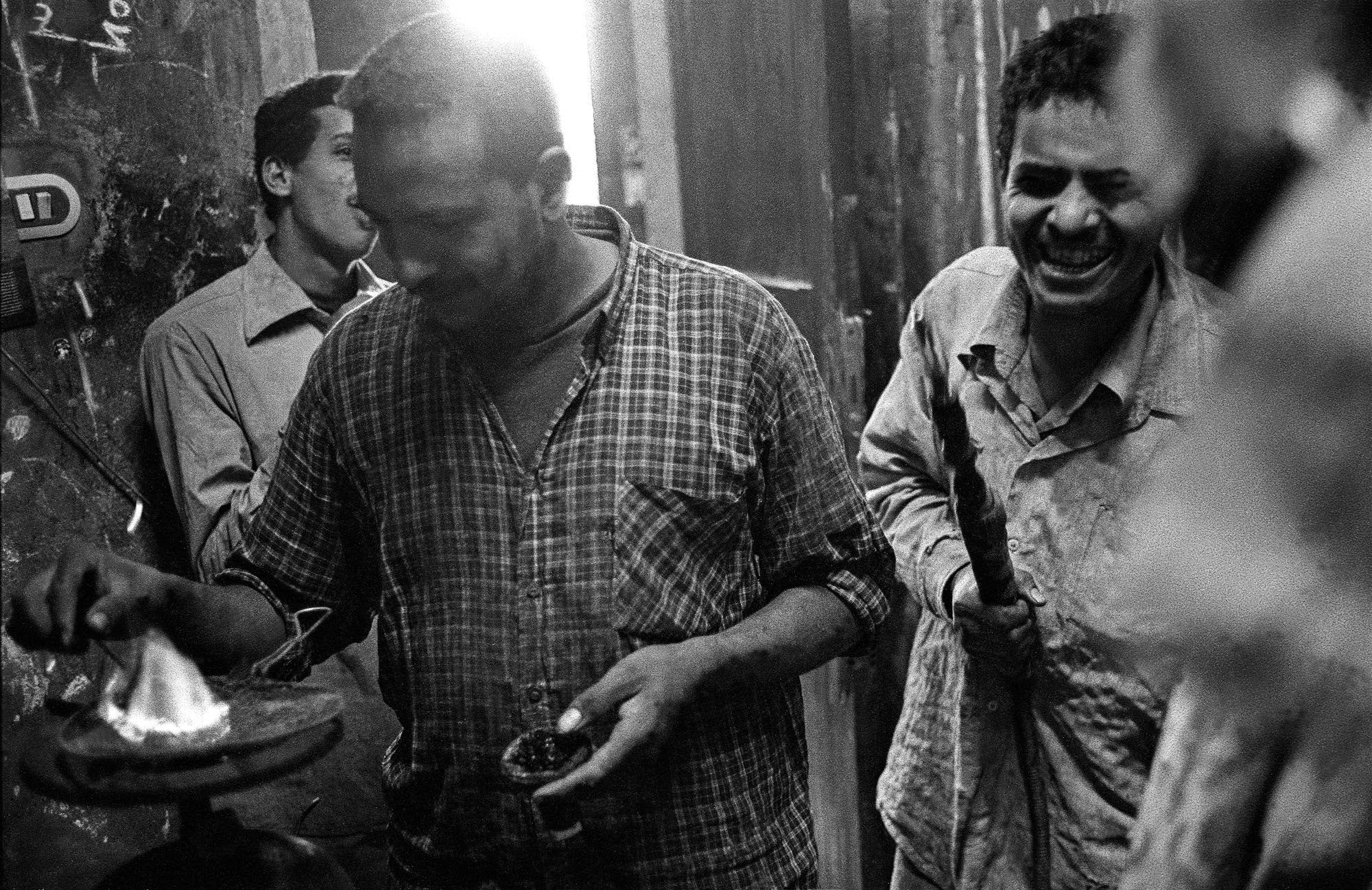
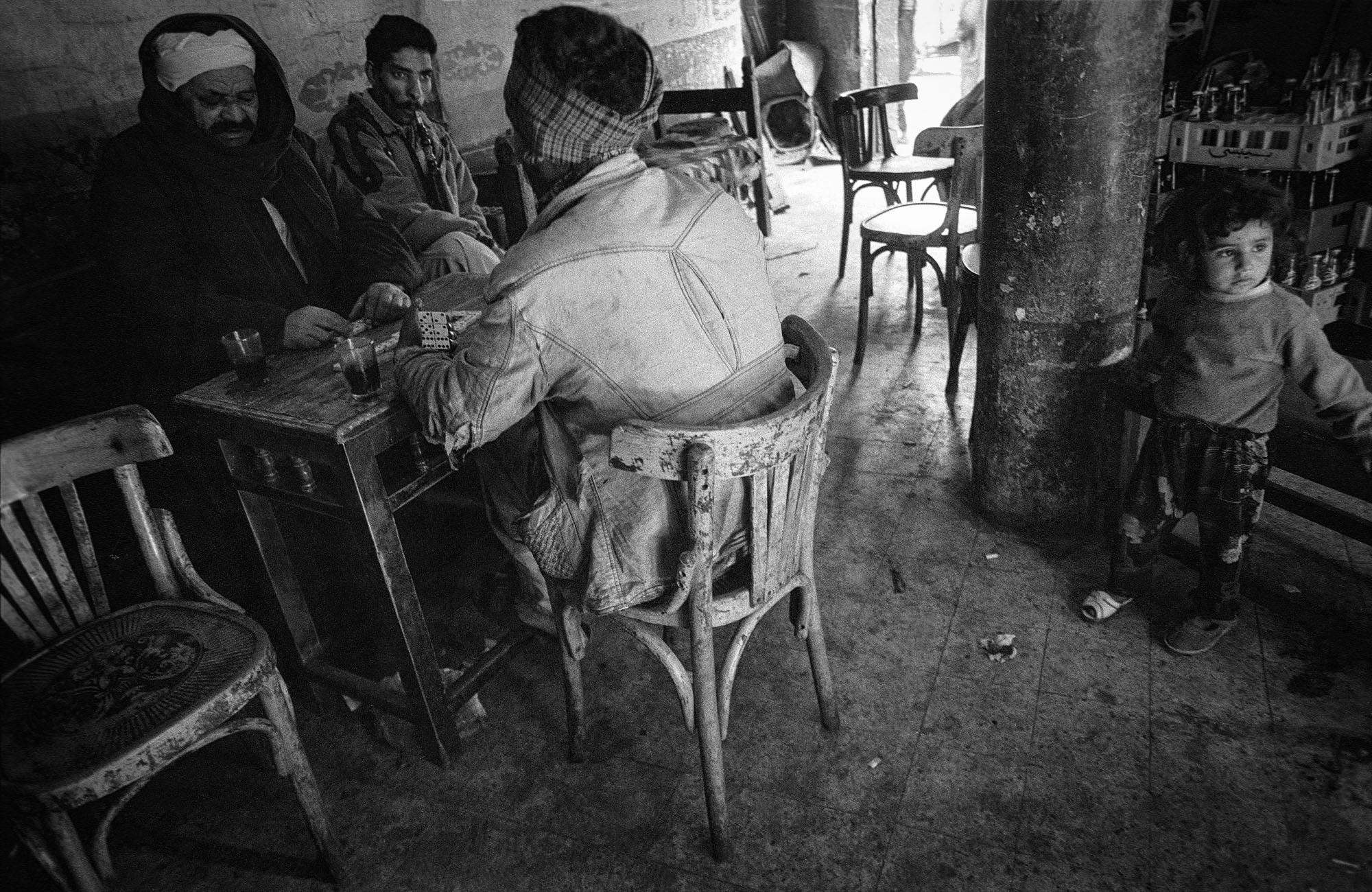
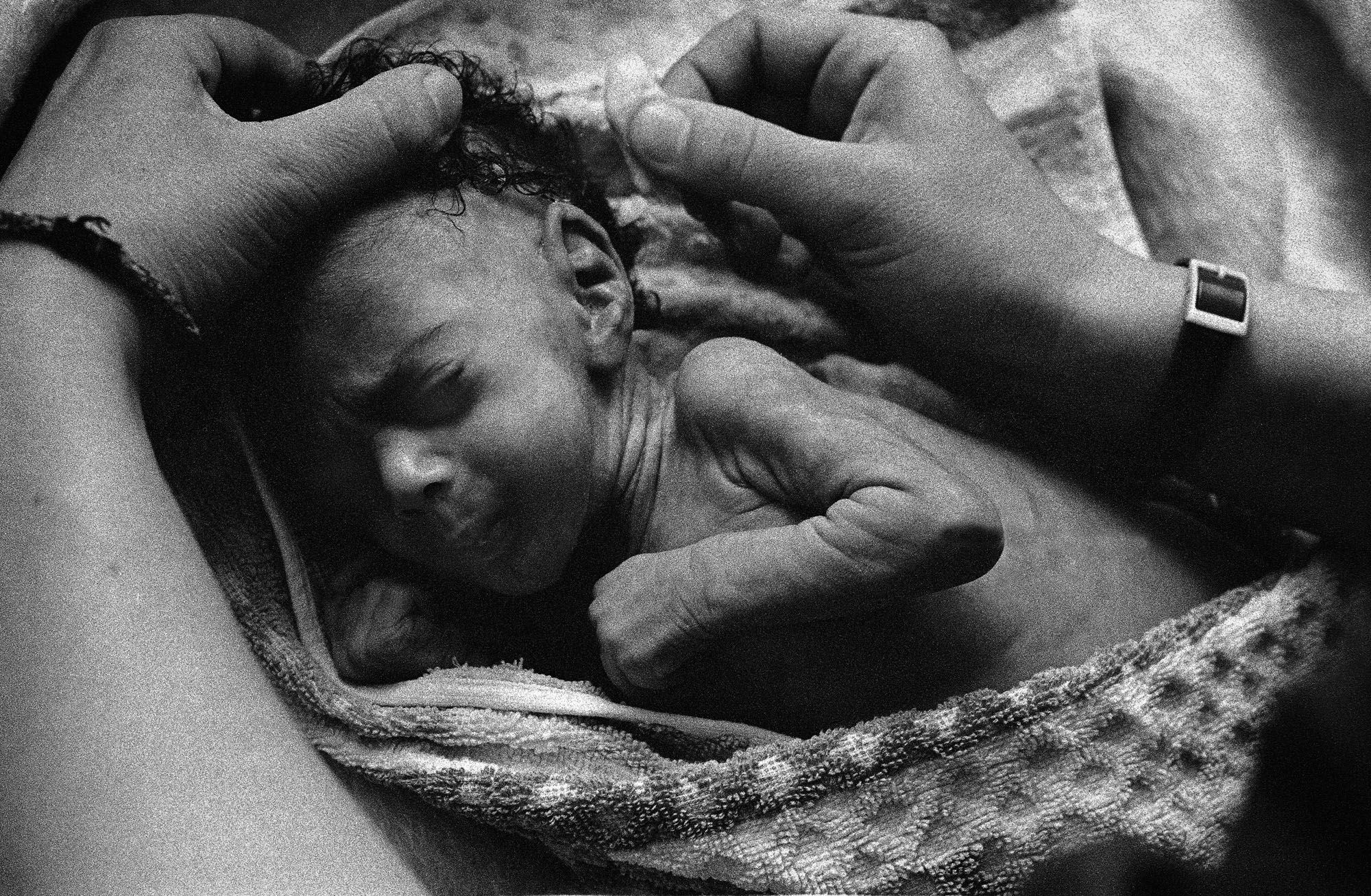
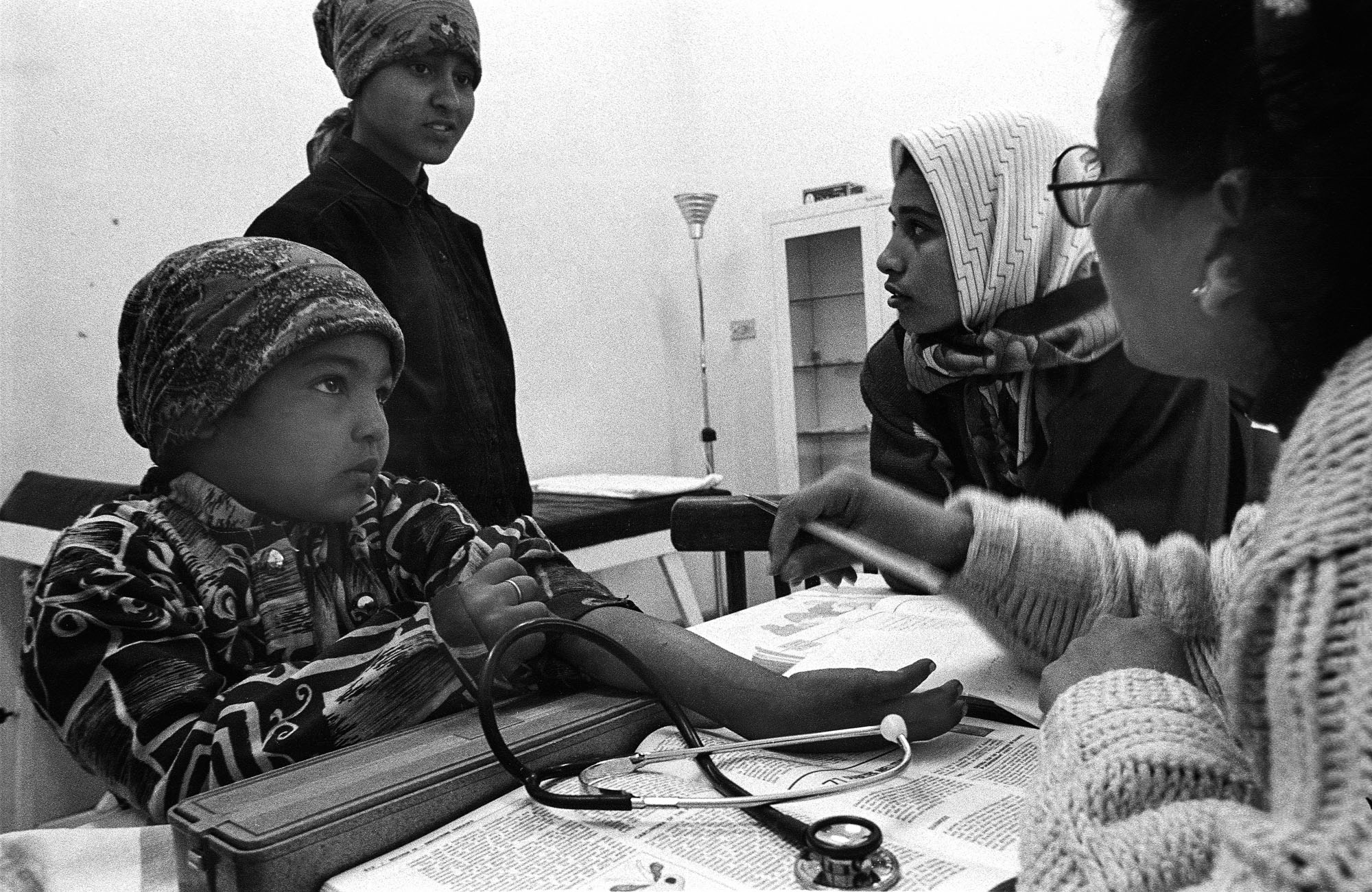
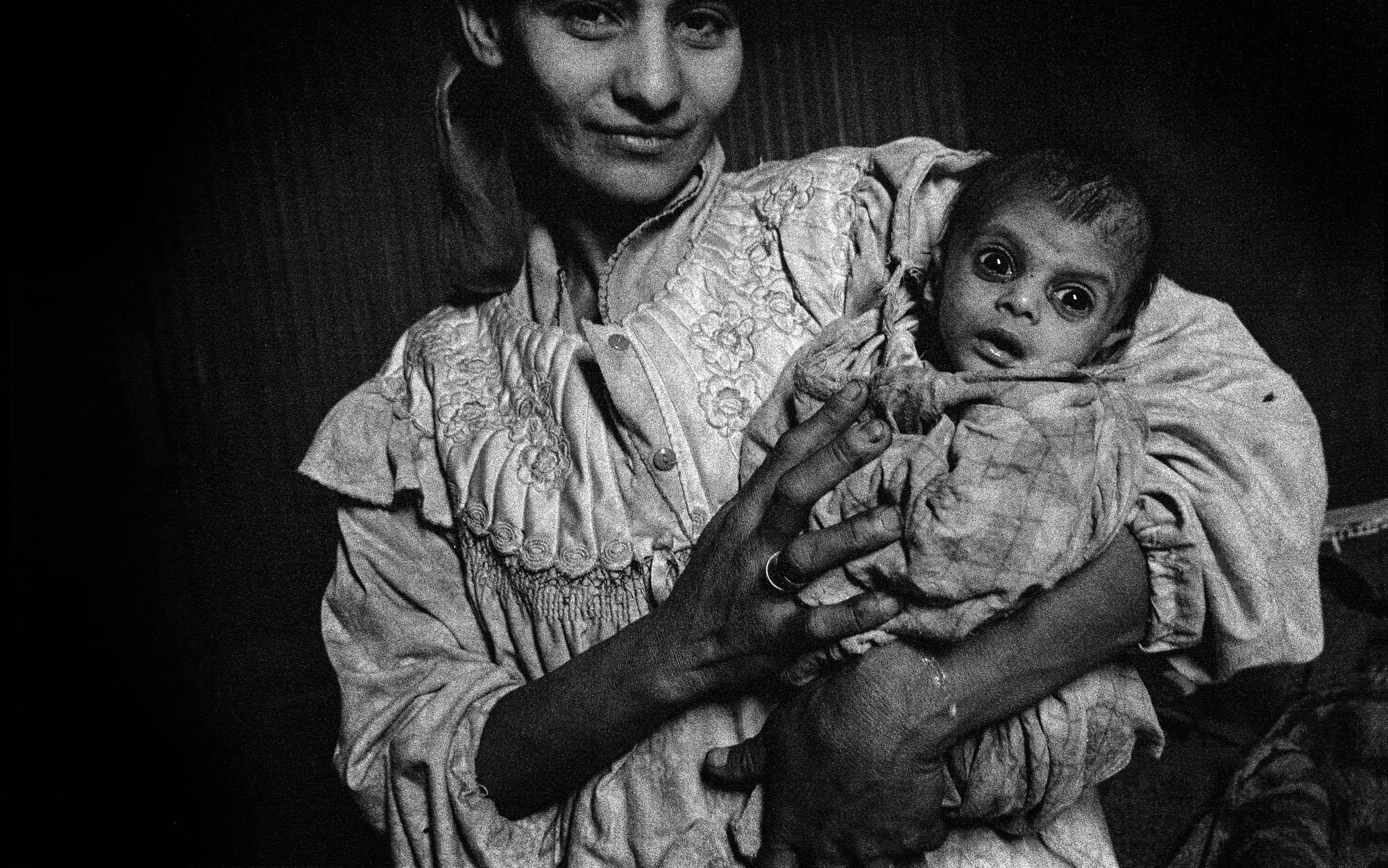
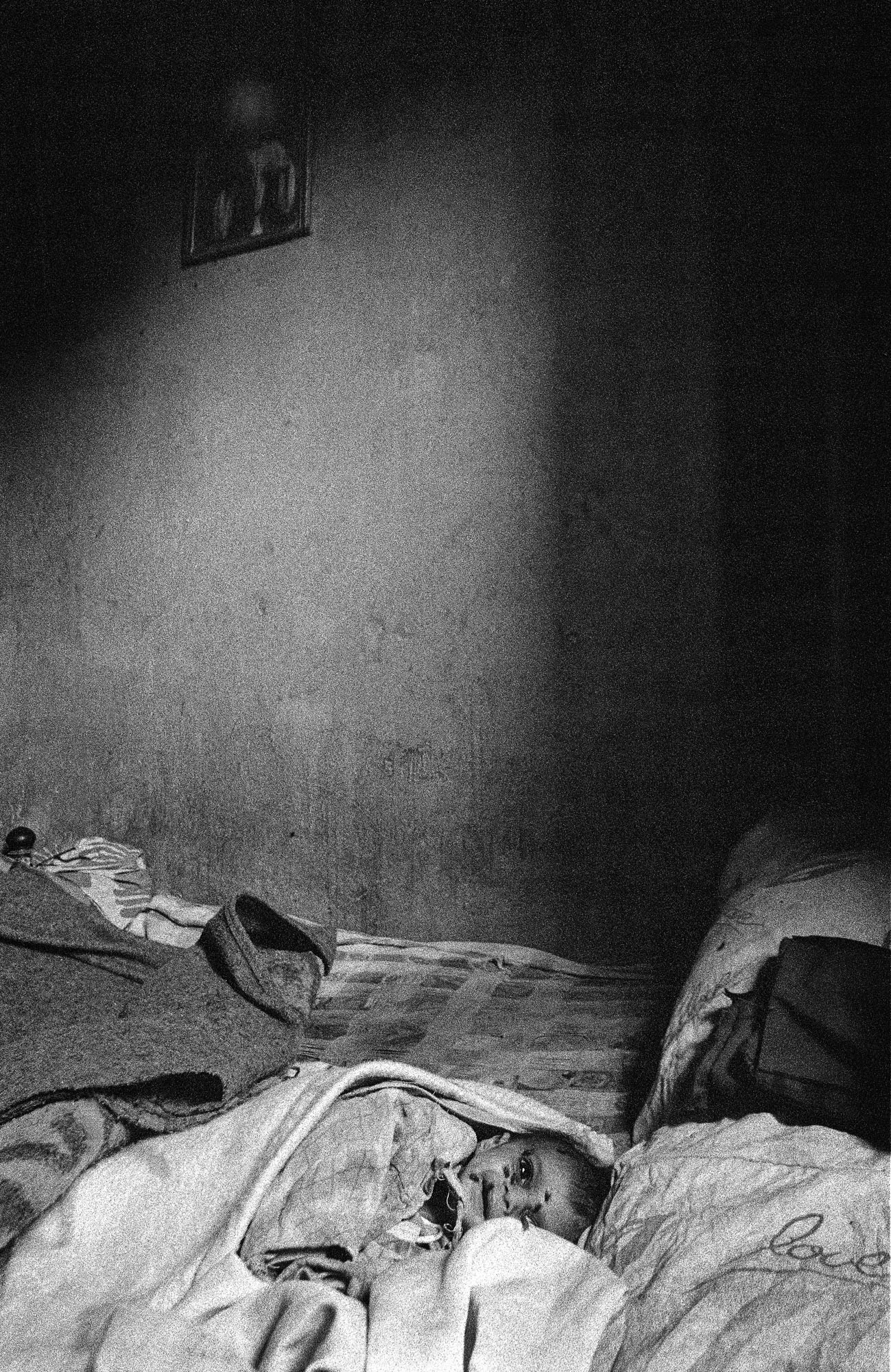
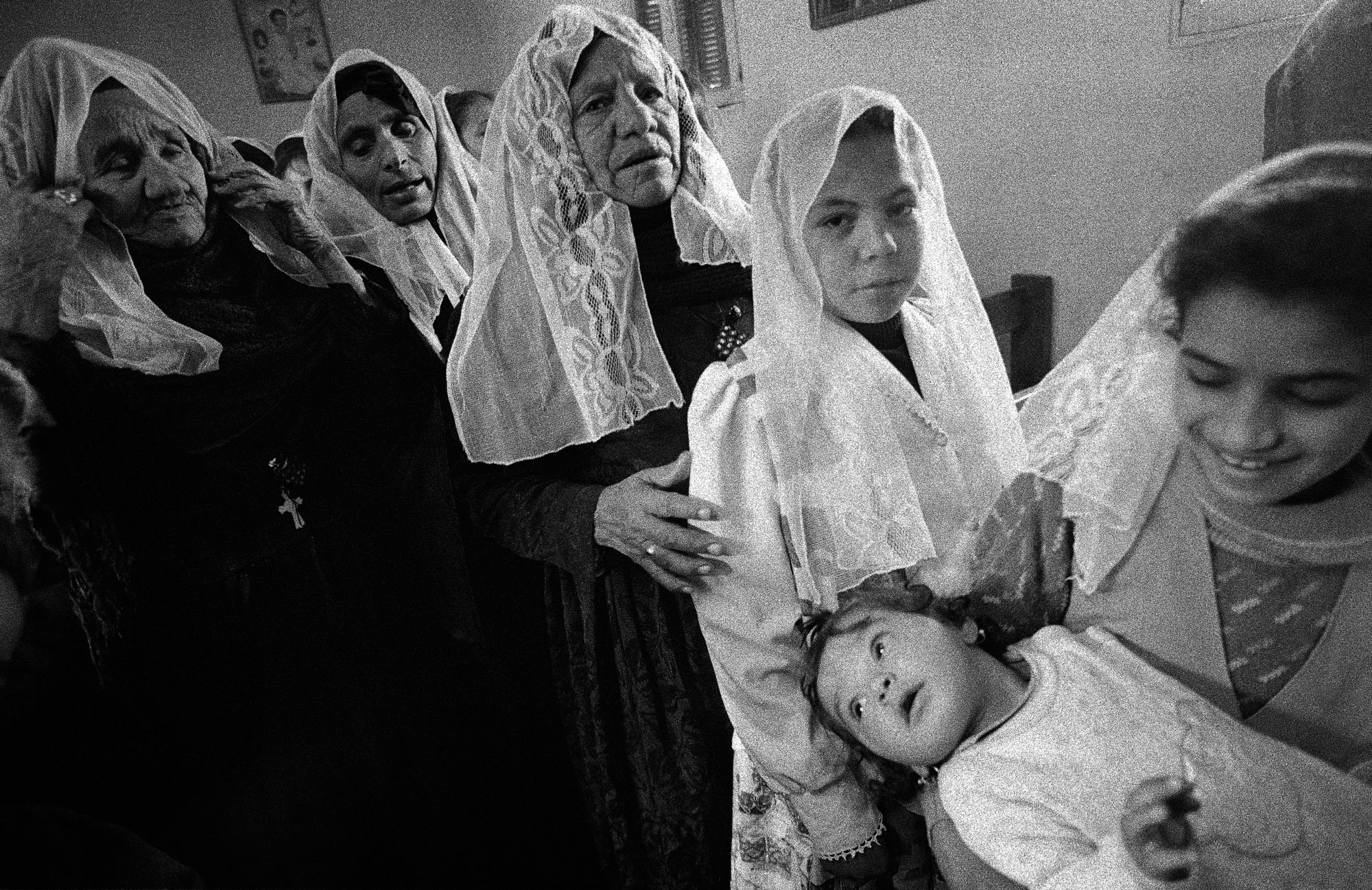
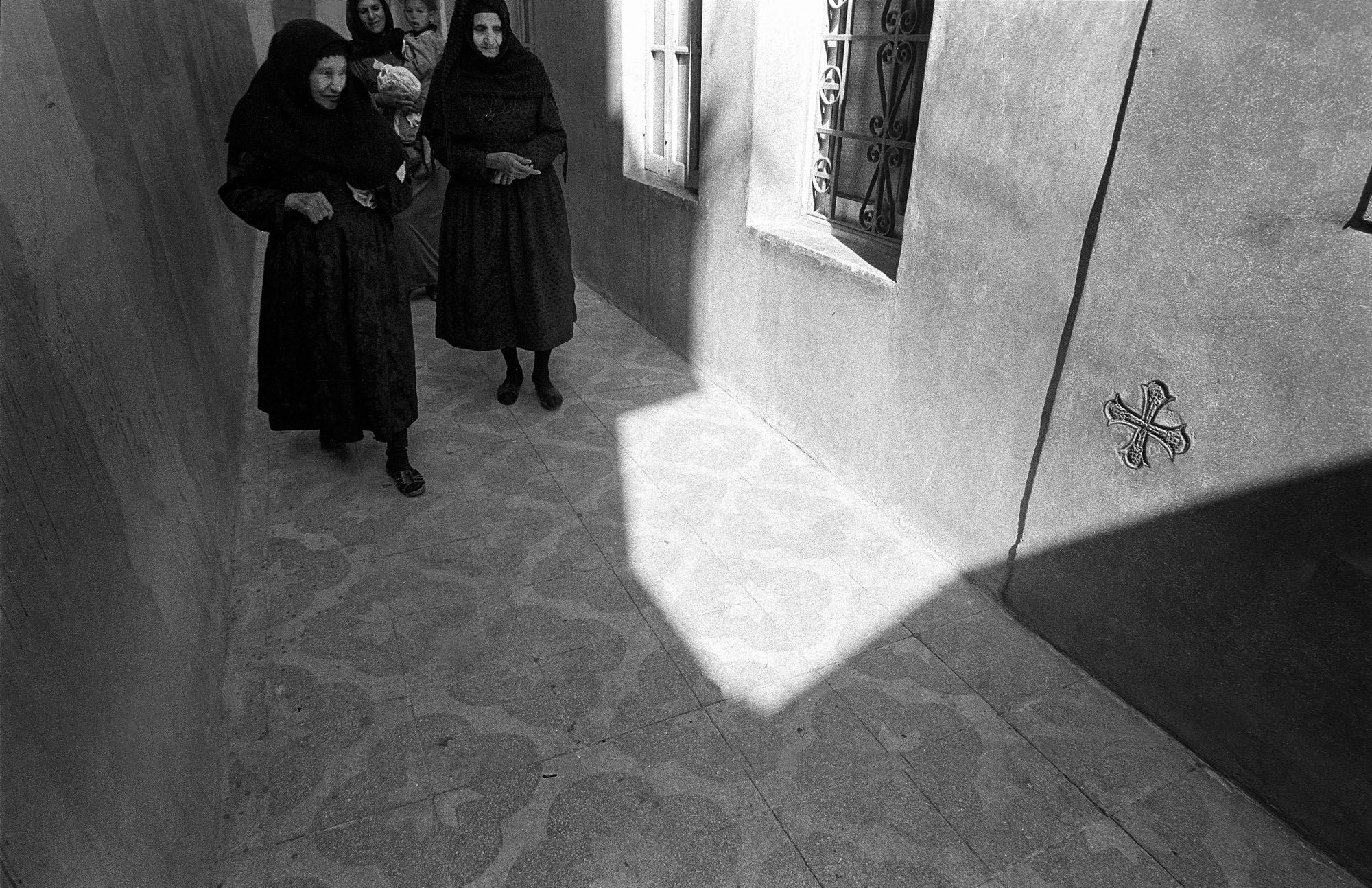
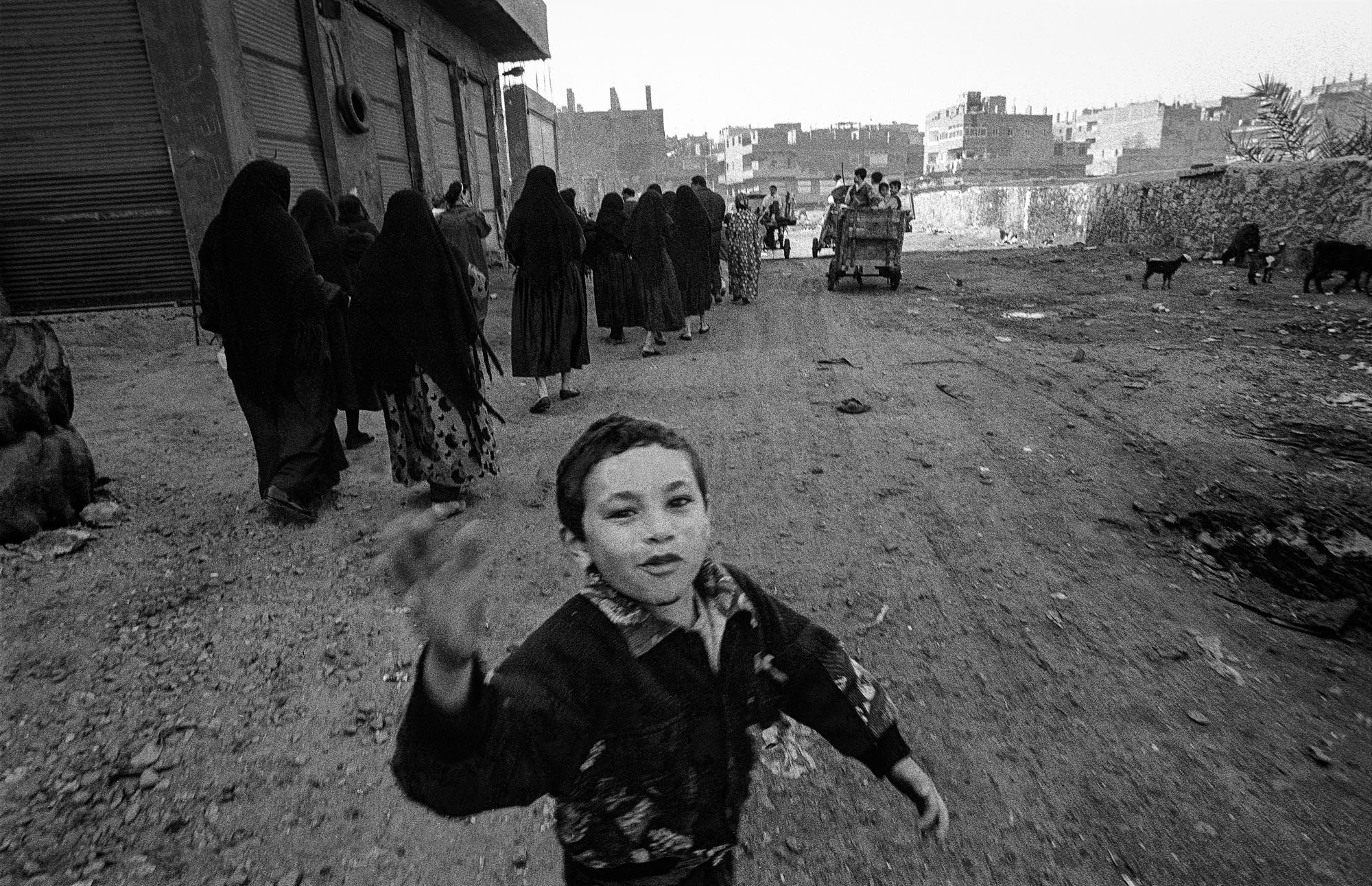
Located near Cairo, the Abou Zaabal leprosarium has been a center of care and refuge for people affected by leprosy — a disease long stigmatized in Egypt and beyond.
Though medical advances have nearly eradicated the illness, the institution remains a strong symbol of dignity and resistance against exclusion.
Historically, NGOs like ASMAE and Action Damien have supported the leprosarium, providing medical, material, and human aid. These partnerships continue today through awareness and patient support programs, sustaining a vital solidarity network.
Abou Zaabal stands as a lasting commitment where care, respect, and memory meet ongoing public health challenges.